Located at the northern end of Narragansett Bay, Providence is Rhode Island’s capitol city and has a wealth of historic sights. The student population from Brown University, Rhode Island School of Design (RISD), and Providence College keep the city young and vibrant.
- Federal Hill
- Rhode Island State Capitol
- Brown University
- Benefit Street
- Rhode Island School of Design (RISD)
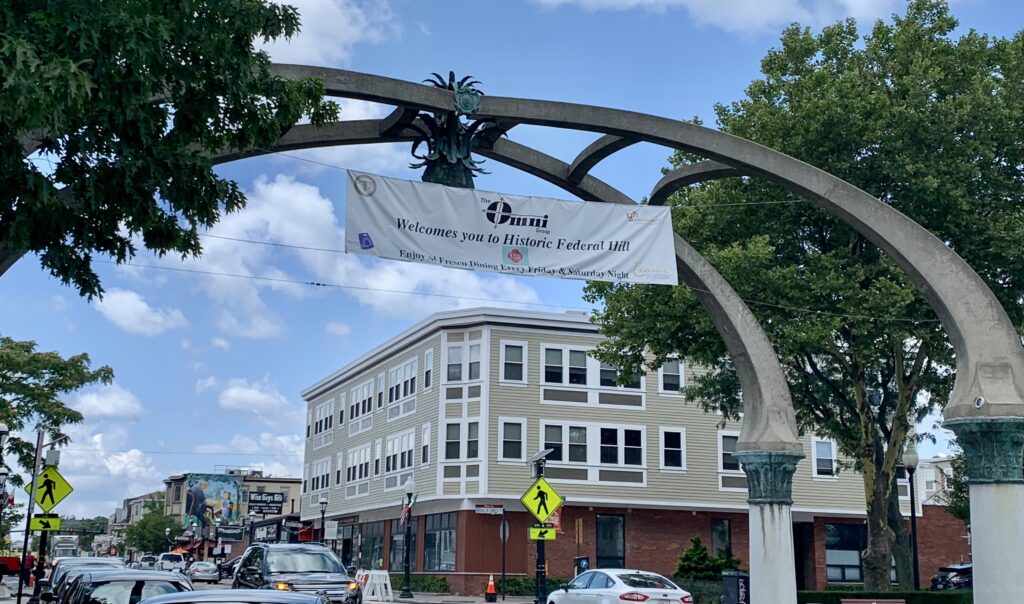
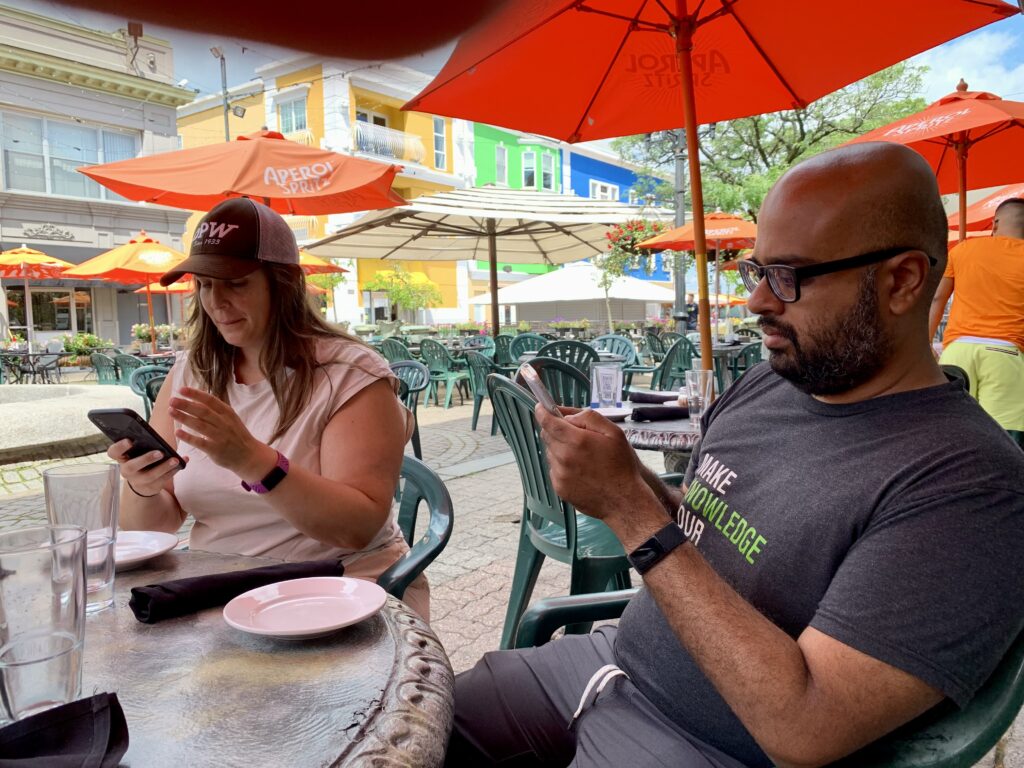
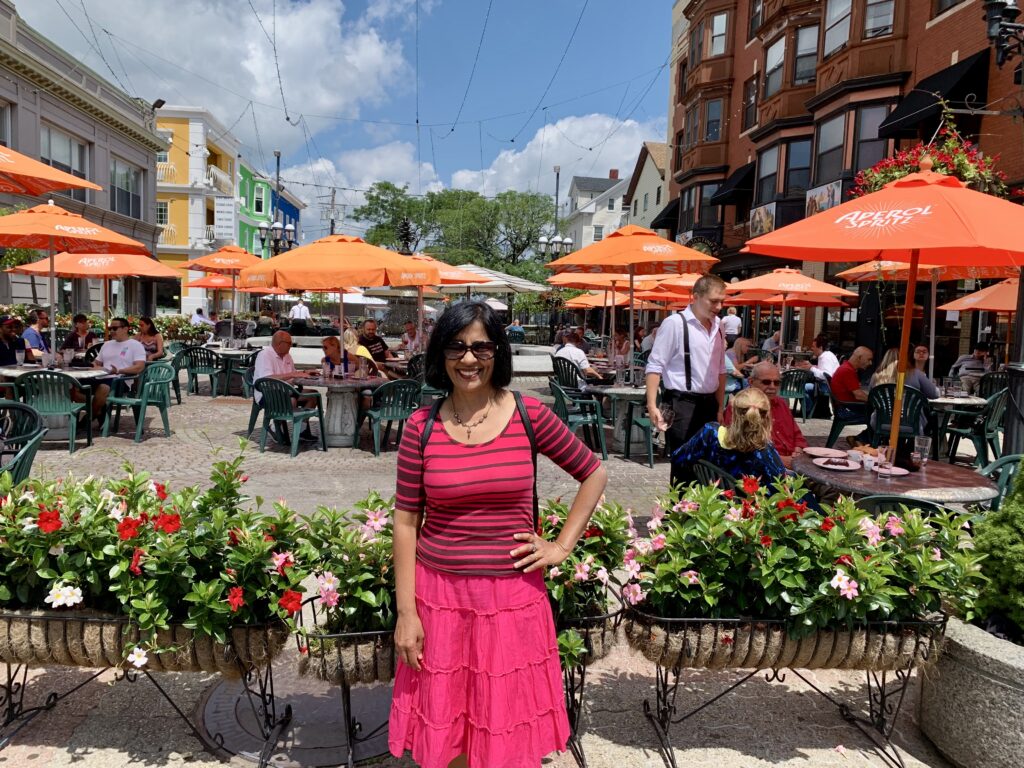
Federal Hill – Centrally located, this part of Providence spanning historic Atwells Avenue and the surrounding streets is best known for its Italian American community and abundance of Italian cafes and restaurants. Largely settled by Italian-American immigrants in the early 1900s, Federal Hill effuses a sense of warmth and community that embraces visitors and locals alike. When shopping or dining, take the time to talk to a shop owner or interact with a food purveyor, as they will likely share a story about the history of the store or neighborhood.
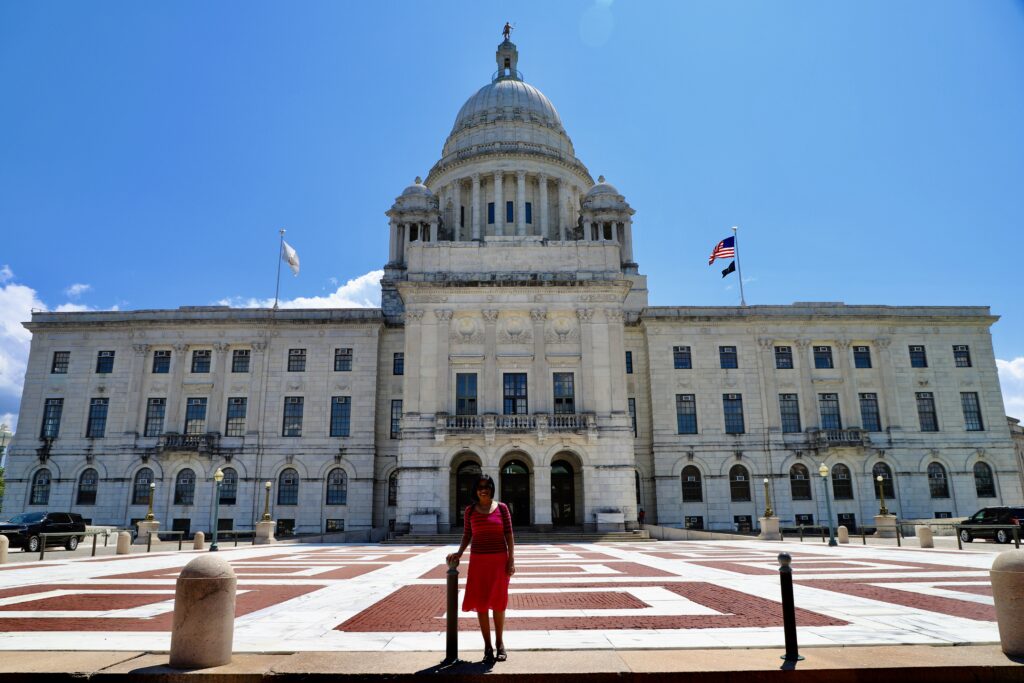
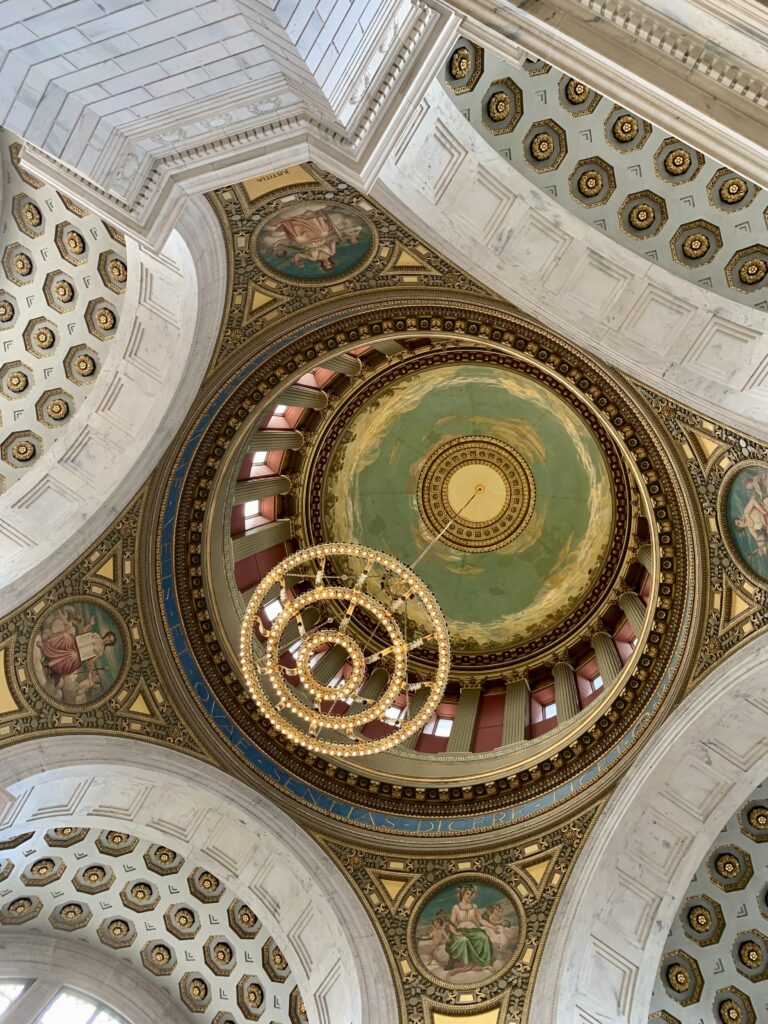
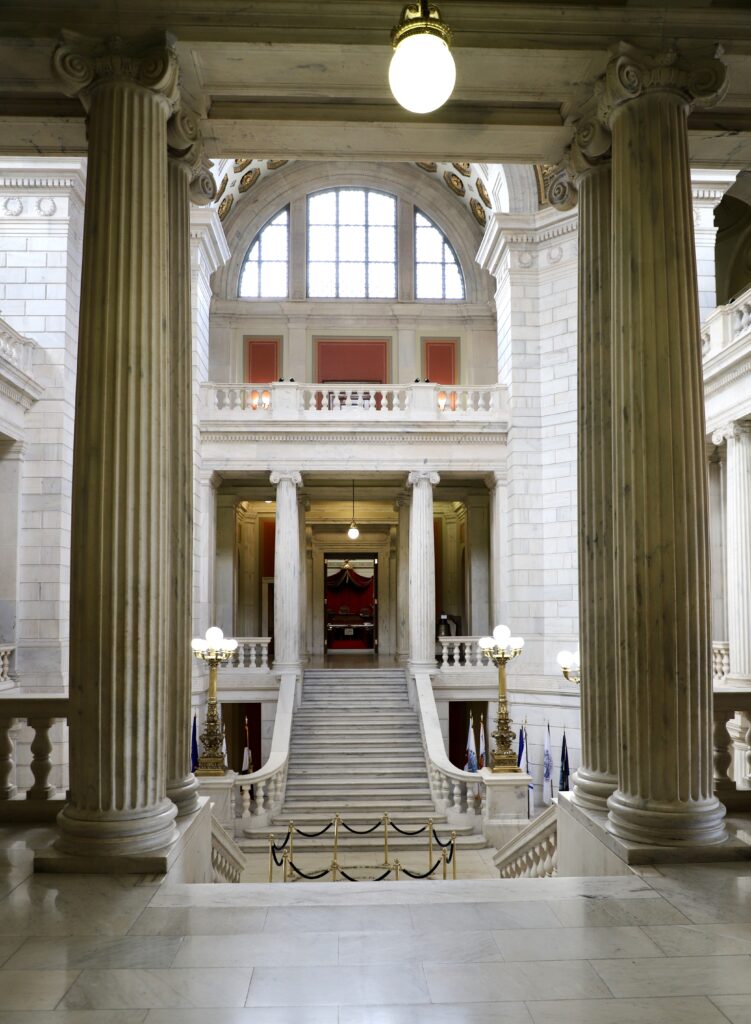
Rhode Island Capital building – was built with white Georgia marble between 1895 and 1904. Its magnificent dome is the fourth largest self-supporting marble dome in the world. The largest is St. Peter’s Basilica in Rome, 2nd largest is the Minnesota State Capitol, 3rd largest is the Taj Mahal in India. On top of the dome stands a gold-covered bronze statue of a male figure known as The Independent Man and represents freedom and independence.
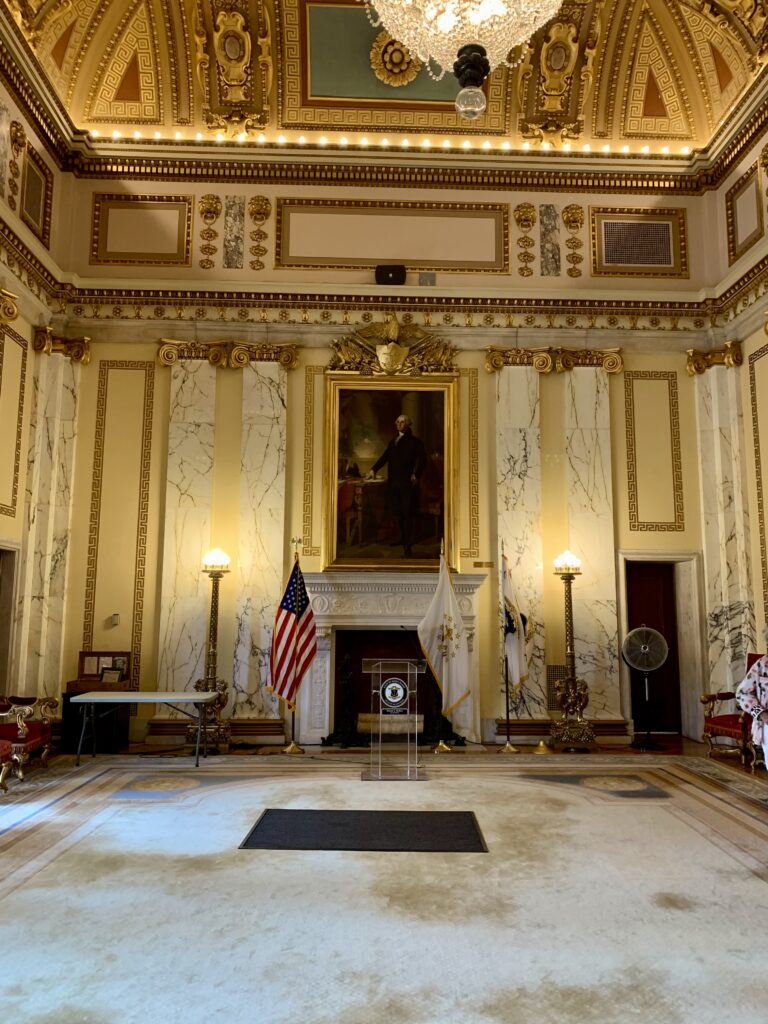
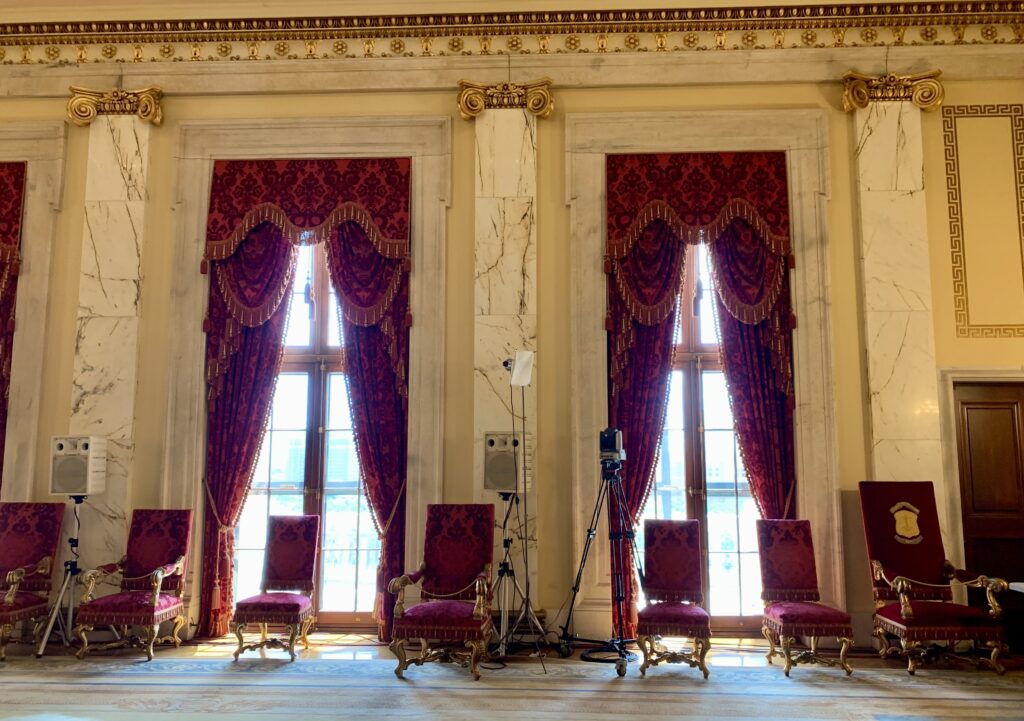
The State House was listed in the National Register of Historic Places in 1970, and much of the interior decoration is original, or closely resembles the original design. Guided and Self tours are available and we went on a 1-hour guided tour.
Rhode Island Capital building, Dome Interior – On the inside of the dome, there is a wonderful painting, The Four Freedoms by Rhode Island artist James Allen King.
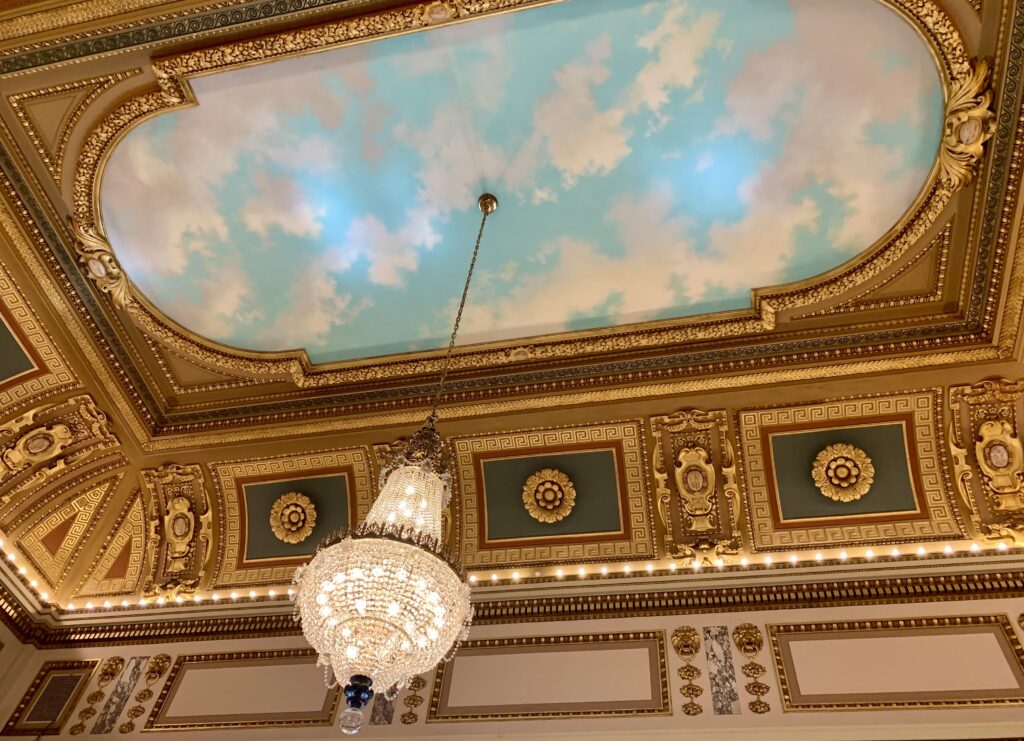
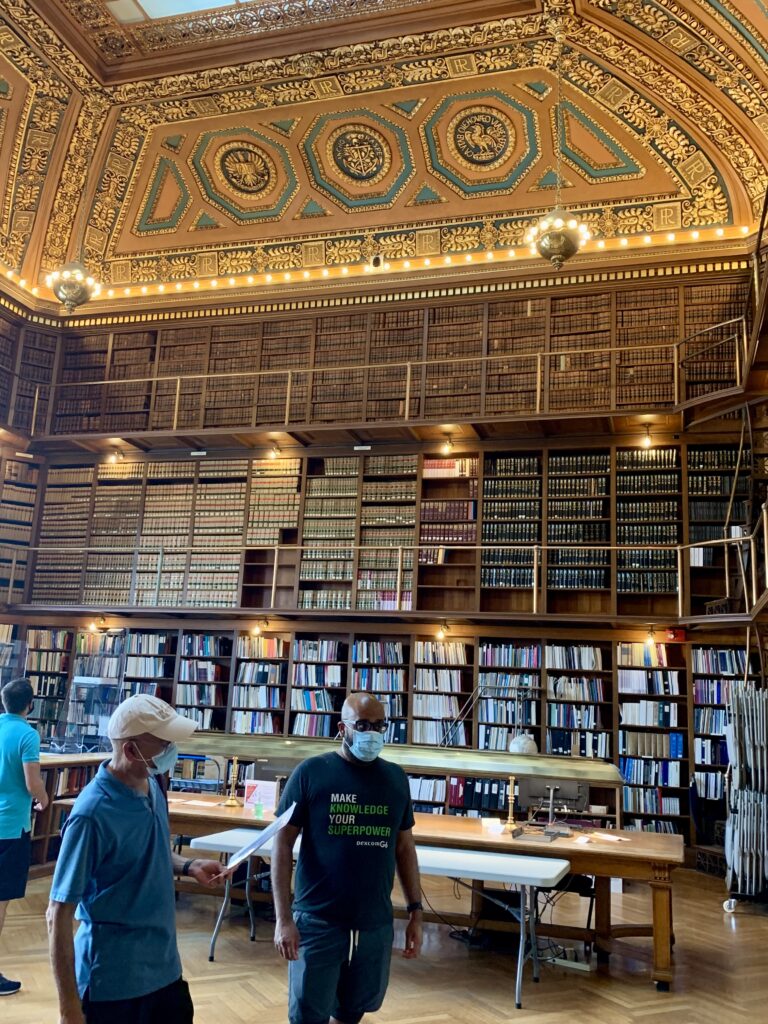
Rhode Island Capital building, Library, House and Senate – The Library can be found on the second floor of the State House. It has a wonderful display of books, showcased in a three-tiered, beautifully decorated room. The ceiling is especially beautiful because it is highly decorated with intricate gold leaf designs. The library serves as a repository for official state documents, historical records, and public publications, rather than a public lending library.
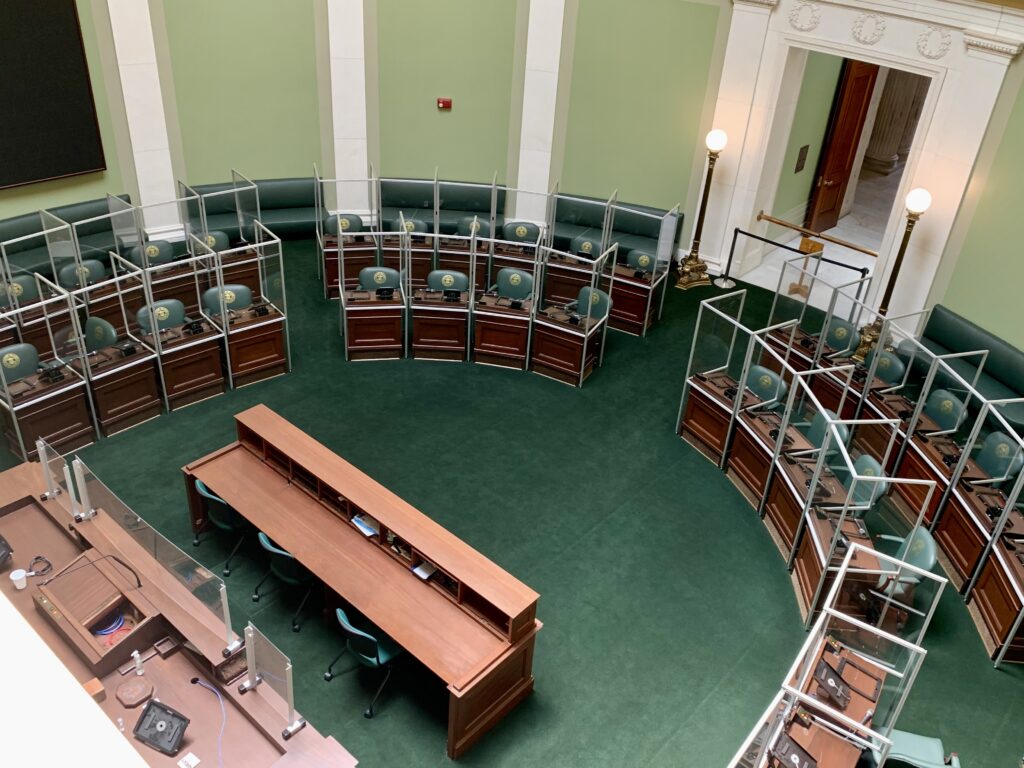
The House Chamber can be found on the west side of the second floor. It is 56 ft long, 56 ft wide and 46 ft high. The room is beautifully designed with solid oak desks and furnishings.
The Senate Chamber is also on the second floor on the east side of the State House and is 56 ft wide, 44 ft long, and 46 ft high. The furniture here is made of a beautiful dark mahogany.

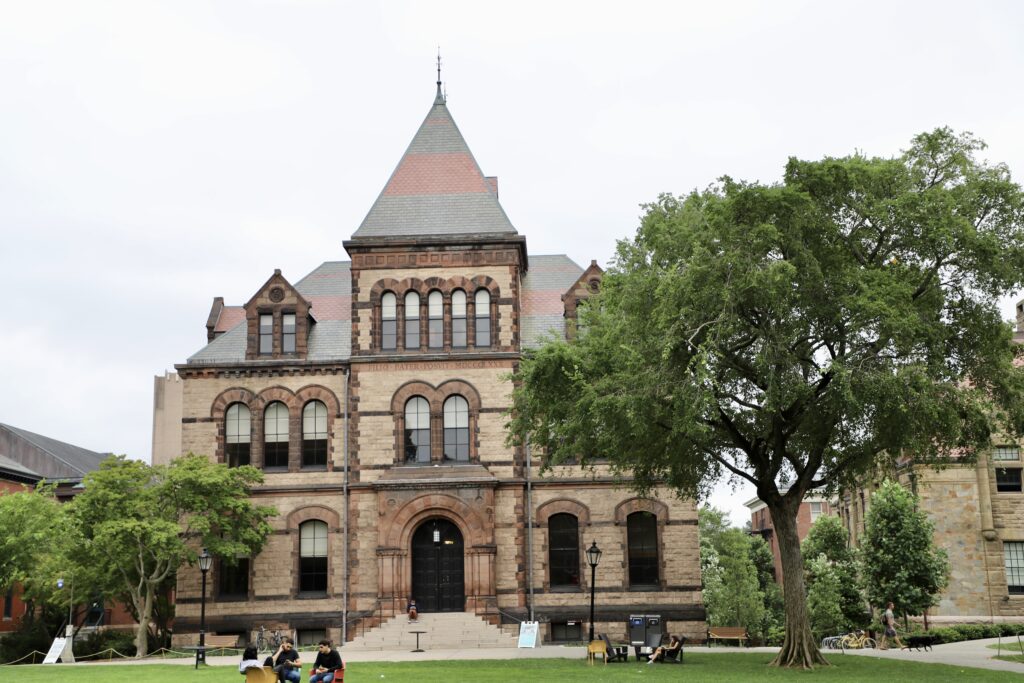
Brown University – Founded in 1764, Brown is a leading nonprofit research university, home to world-renowned faculty, and an innovative educational institution. The campus combines historically charming architecture with modern facilities and beautiful nature, creating an inspiring and welcoming environment for learning and discovery.
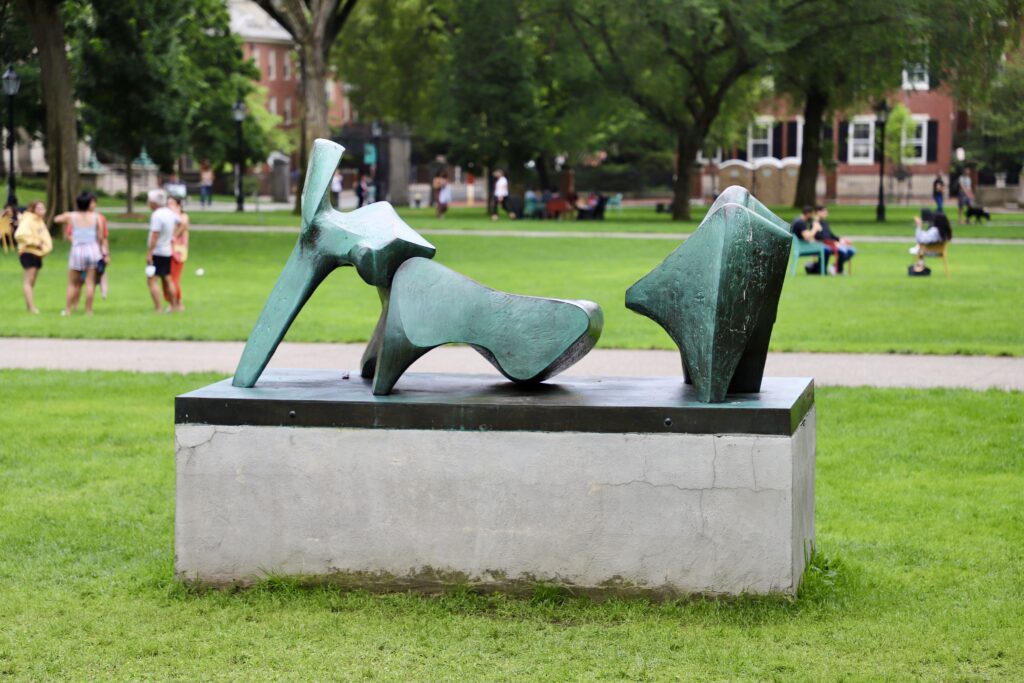
Brown University, Van Wickle Gates – One of the most iconic symbols of Brown, the Van Wickle gate was built in 1901 with the bequest of Augustus Stout Van Wickle, Class of 1876. In stone on the brick piers are the seals of the State of Rhode Island and the City of Providence as well as the words of Cicero, added in 1905. In one of Brown’s most beloved traditions, the center gates remain closed except for two occasions: they are opened inward to welcome first year students to process in during Opening Convocation and are opened outward at Commencement to allow graduating students to process out during the Commencement Procession down College Hill.
Benefit Street – runs for a mile next to the campus at Brown University and is a great place to check out if you want to see some of the gorgeous period architecture for which Providence is famous.
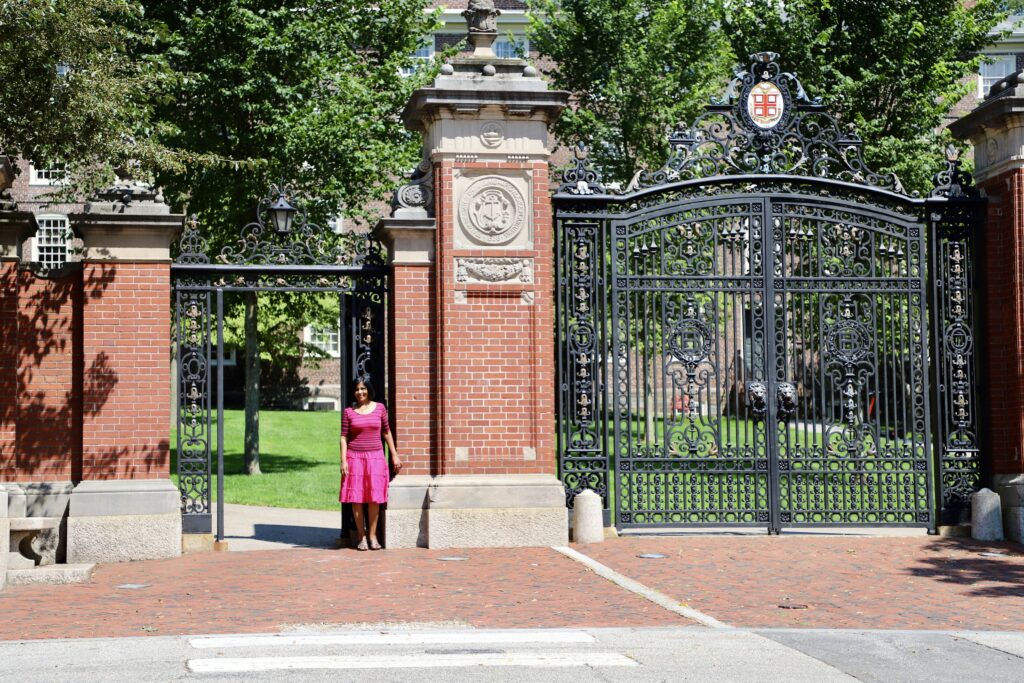
Benefit Street, John Brown’s House – Built between 1786-1788, this is the first mansion built in Providence and located on College Hill where it borders the campus of Brown University. Together with his brothers Nicholas, Joseph, and Moses, John was instrumental in founding Brown University. This historic location offers visitors a glimpse into the past, with its rich history and architectural beauty. John Brown, was a merchant, statesman, and slave trader. The house which is now a museum, was declared a National Historic Landmark in 1968 and visitors can learn about the life and times of John Brown and the history of the house during their visit. The museum houses many original furniture pieces provided by the Brown family estate.
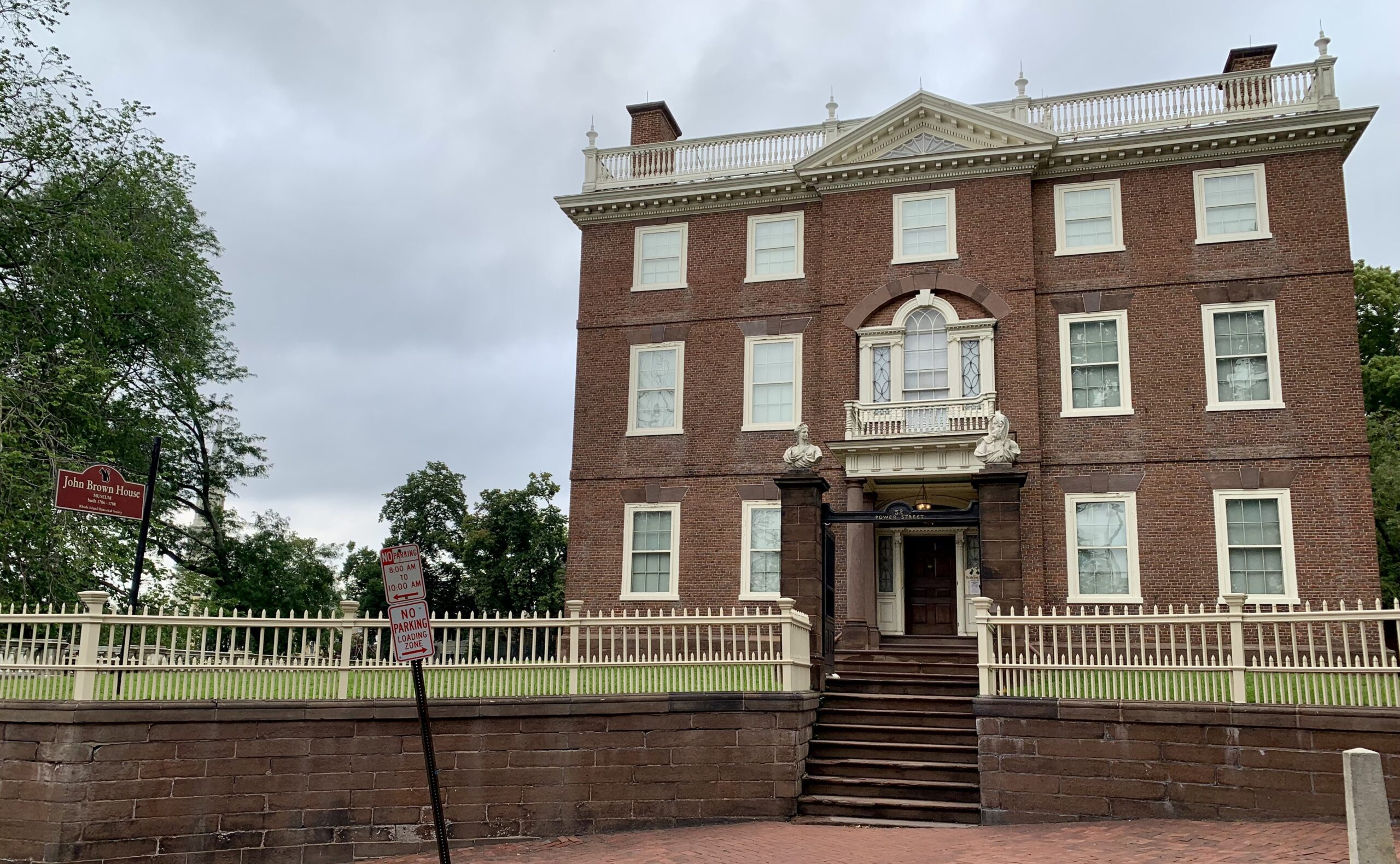
Benefit Street, Athenaeum Row – has an interesting history. As an income-producing property for the Thomas Poynton Ives family, the row originally had five units leased as single-family houses. Residents in Athenæum Row were typically upper- and upper-middle-class individuals and families, including friends, colleagues, and even relatives of the owners. Quite often their residence here was relatively short, two or three years, and one discernable pattern is that of the first home of well-to-do newlyweds who bided their time here while they completed construction of their own single-family houses somewhere nearby on College Hill. By the early 20th-century, however, the units were divided in ownership, and multiple flats filled the buildings. In the recent past, several of the units have been lovingly restored and reduced in density to one or two apartments per unit.
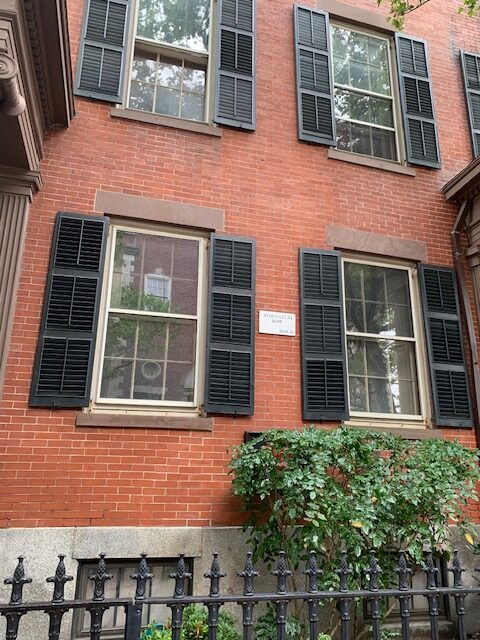
Rhode Island School of Design (RISD) – Founded in 1877, RISD is one of the first art and design schools in the US. It is a private school affiliated with Brown University, with which it shares a contiguous campus on Providence’s College Hill. The two institutions share social and community resources and since 1900 have permitted cross-registrations.
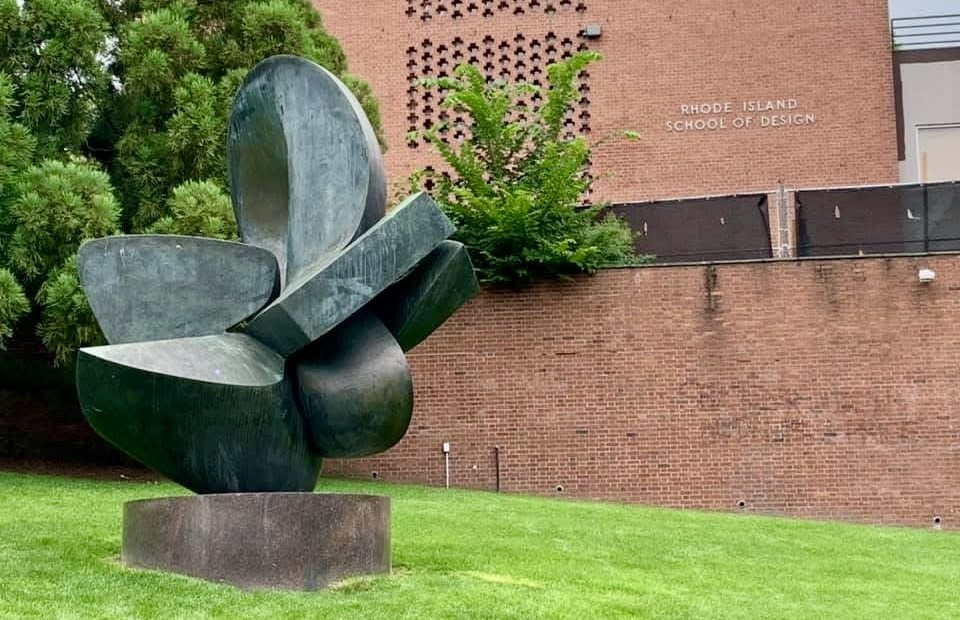
Today, RISD offers bachelor’s and master’s degree programs across more than 18 majors and enrolls approximately 2,000 undergraduate and 500 graduate students. RISD also houses the school’s art and design collections and is one of the largest college art museums in the United States.