4 days in Sydney Harbour Marriott Hotel
Sydney is the capital of New South Wales and the most populous city in Australia, with over 5.6 million residents. Located on the east coast, it surrounds the iconic Sydney Harbour and stretches from the Pacific Ocean to the Blue Mountains.
The area has been inhabited for tens of thousands of years by Aboriginal peoples, including the Darug, Dharawal, and Eora nations. Modern Sydney began in 1788 when the first British colony was established at Sydney Cove. Today, Sydney is a global city known for its cultural diversity, high quality of life, and famous landmarks like the Sydney Opera House and Sydney Harbour Bridge.
Our hotel was conveniently located in the heart of Sydney, with major attractions, restaurants, and public transport all within easy walking distance. All the sites on this page were covered over three days. We had booked tickets in advance for the Sydney Opera House tour on Day 2 and the Sydney Cricket Ground tour on Day 3.
- The Strand Arcade
- Queen Victoria Building (QVB)
- Sydney Town Hall
- St Andrew Cathedral
- St Mary’s Cathedral
- Hyde Park
- Archibald Fountain
- ANZAC War Memorial
- Hyde Park Barracks
- Sydney Tower Eye
- Sydney Cricket Ground
- Sydney Opera House
- Sydney Ferries
- Circular Quay
- The Rocks
- Dawes Point Reserve
- Sydney Harbour Bridge
- Royal Botanic Gardens
- The Calyx
- Mrs. Macquarie’s Chair
- Darling Harbour
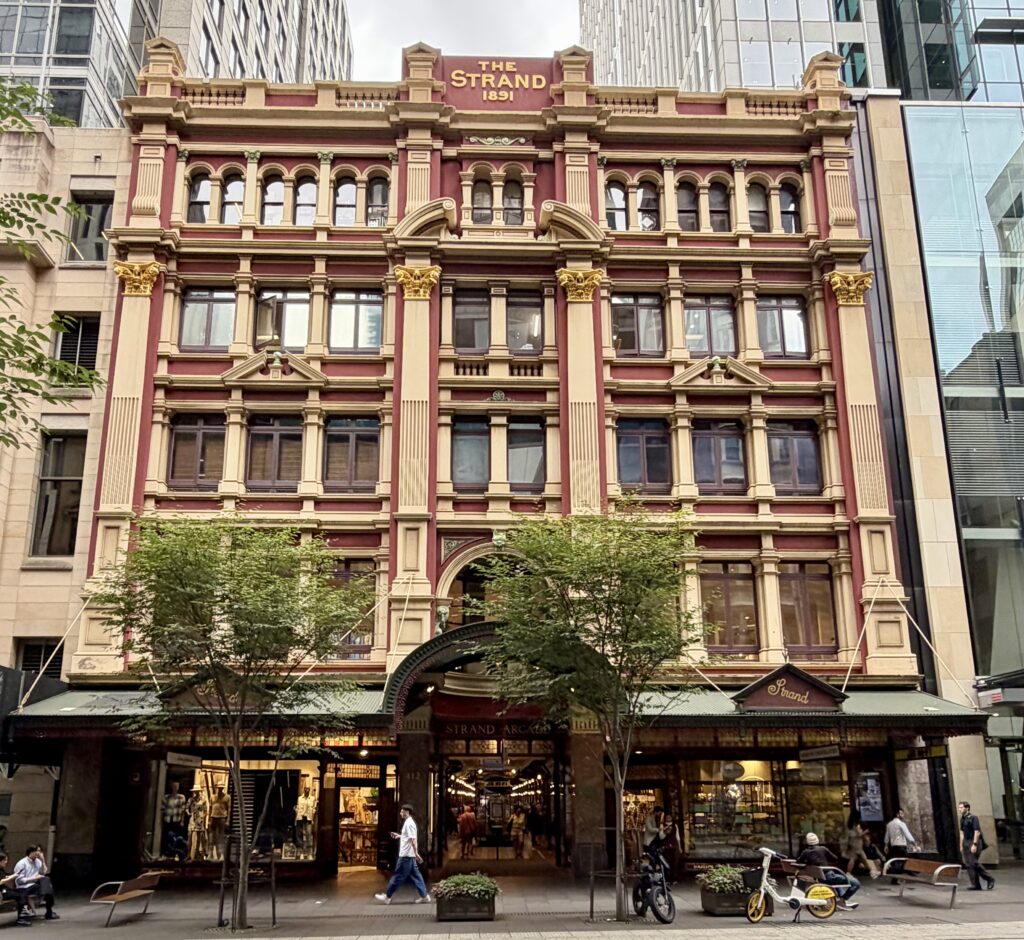
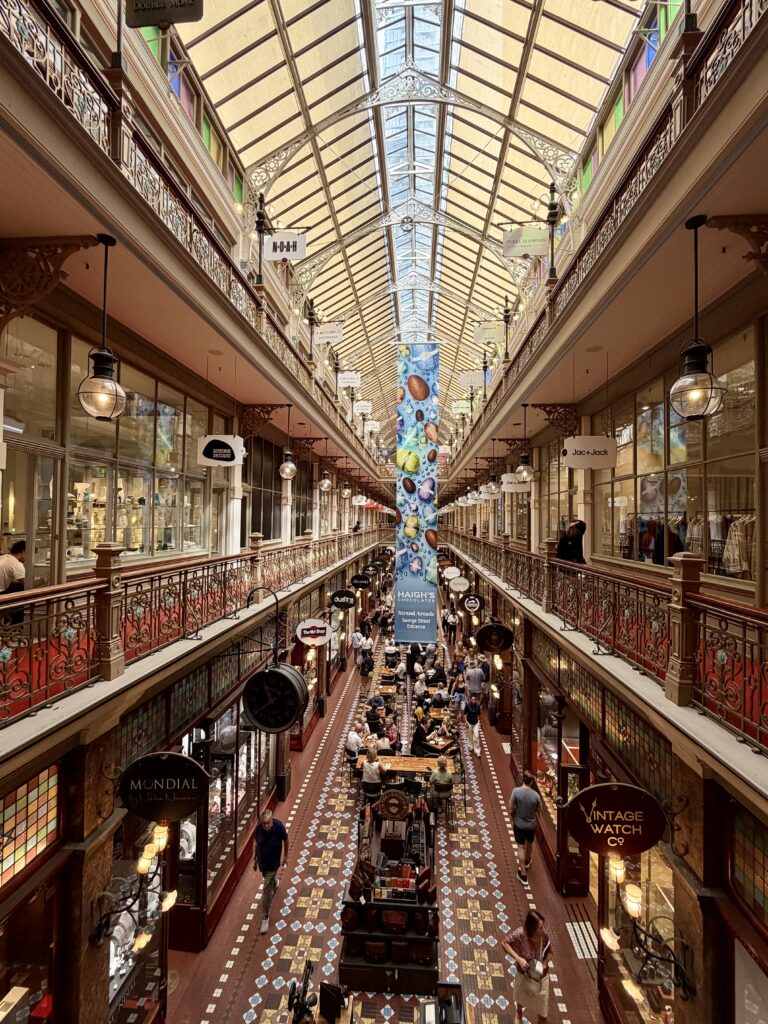
The Strand Arcade – is a beautifully preserved Victorian-era shopping arcade located in the heart of Sydney’s CBD, and it was our first stop on our walk around the city. Linking Pitt Street Mall with George Street, the arcade was built between 1890 and 1892 and is still in its original form.
The arcade spans three levels, and features elegant galleries, cedar staircases, tiled floors, cast-iron balustrades, and a striking glass roof that fills the space with natural light. When it opened in 1892, it was considered one of the most modern shopping arcades in Australia and quickly became a fashionable promenade. After suffering major damage in 1976, the arcade was carefully restored to replicate its original design.
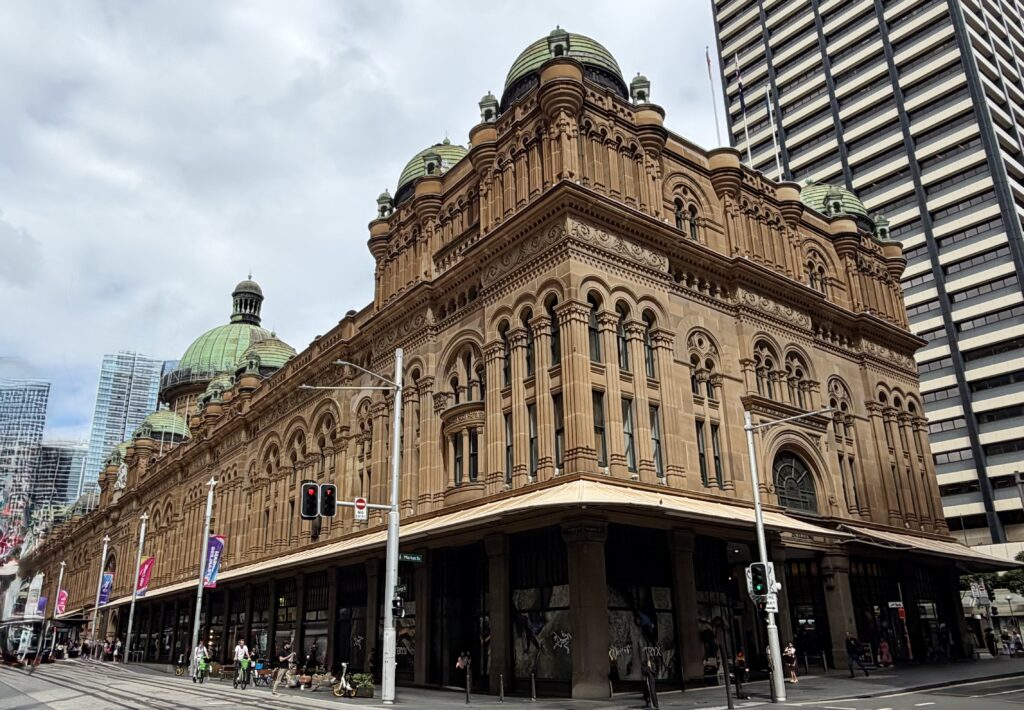
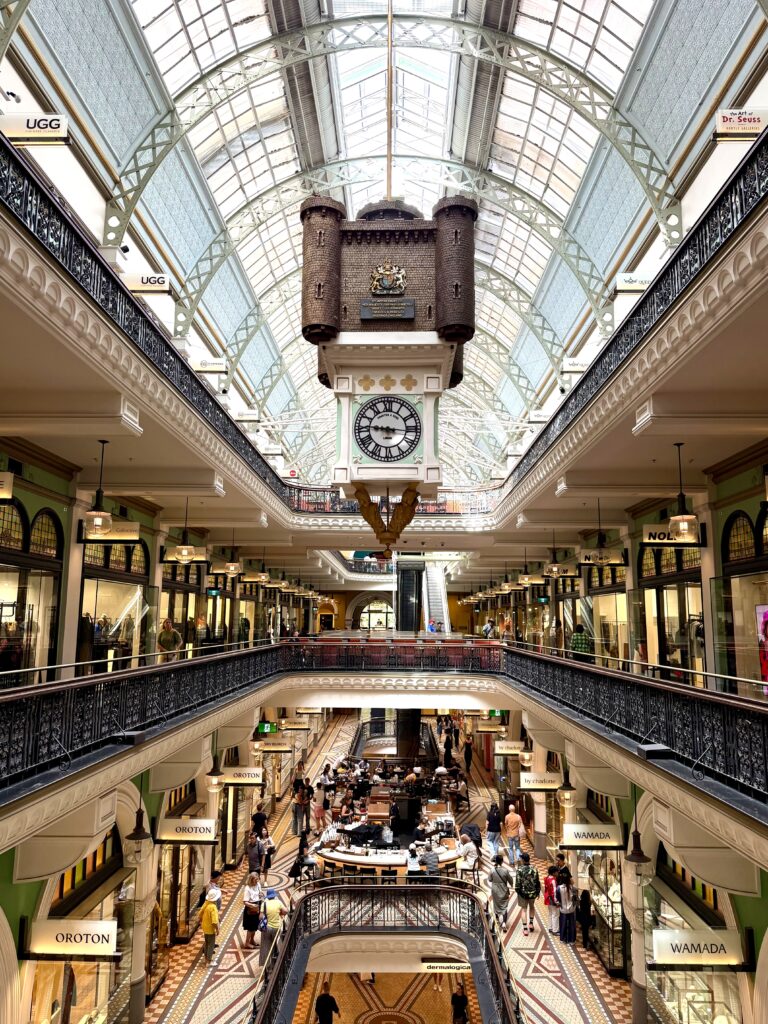
Queen Victoria Building (QVB) – is a stunning late-19th-century building that spans an entire city block in the heart of the CBD. Built between 1893 and 1898 in a grand Romanesque Revival style, it was originally designed as a marketplace but has since been beautifully restored into a premier shopping destination.
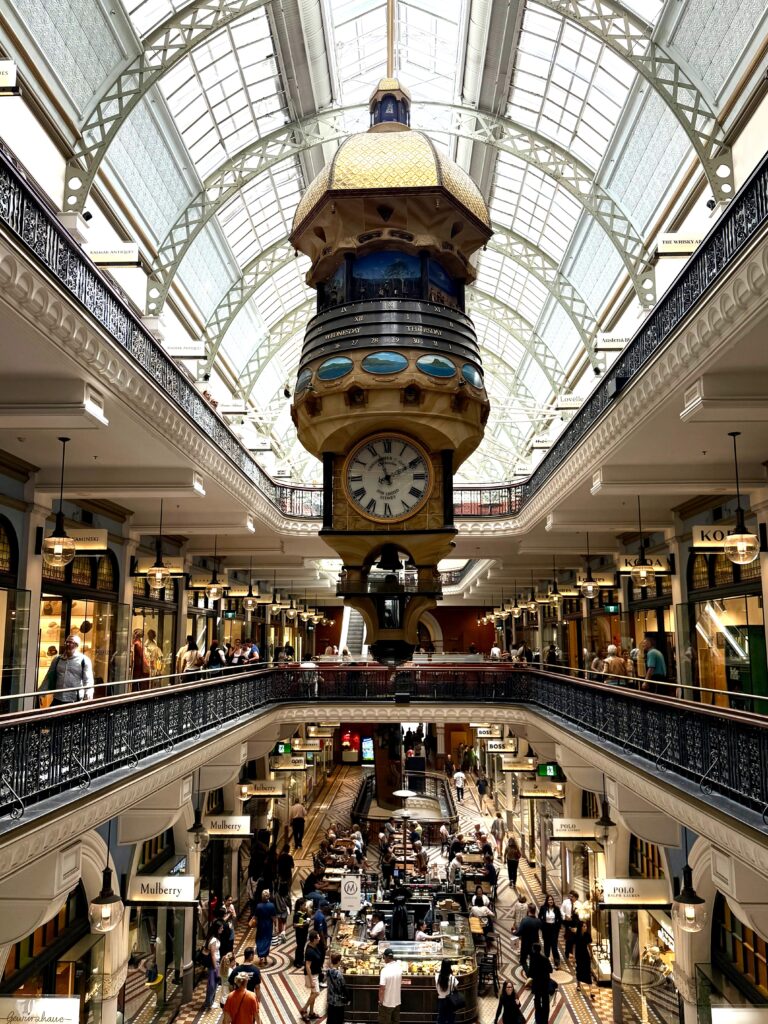
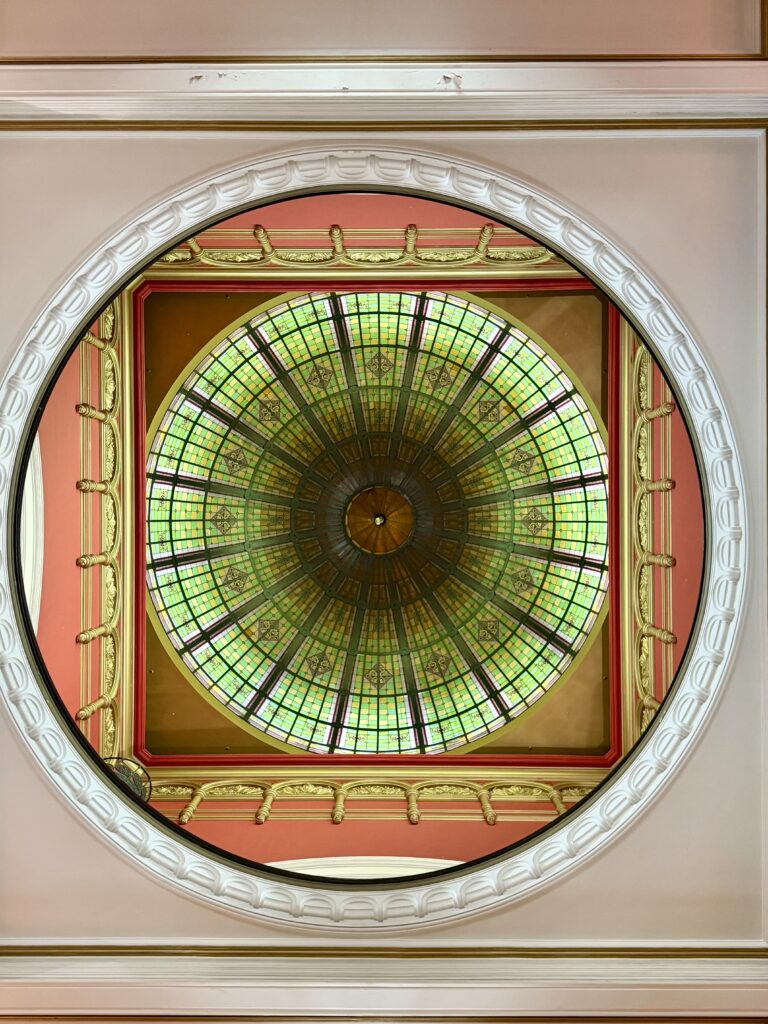
Queen Victoria Building (QVB), Interior – Inside, the building features four levels of elegant galleries, with large open voids that allow natural light to stream down from the magnificent central glass dome. Much of the intricate tilework remains original, adding to the building’s historic charm, while decorative cast-iron railings and arches enhance its timeless appeal.
One of the highlights of visiting the QVB is its famous clocks. The Great Australian Clock showcases scenes from Australia’s history from both Aboriginal and European perspectives, while the Royal Clock presents animated depictions of British royal history on the hour. These detailed mechanical displays make the experience feel like stepping back in time.
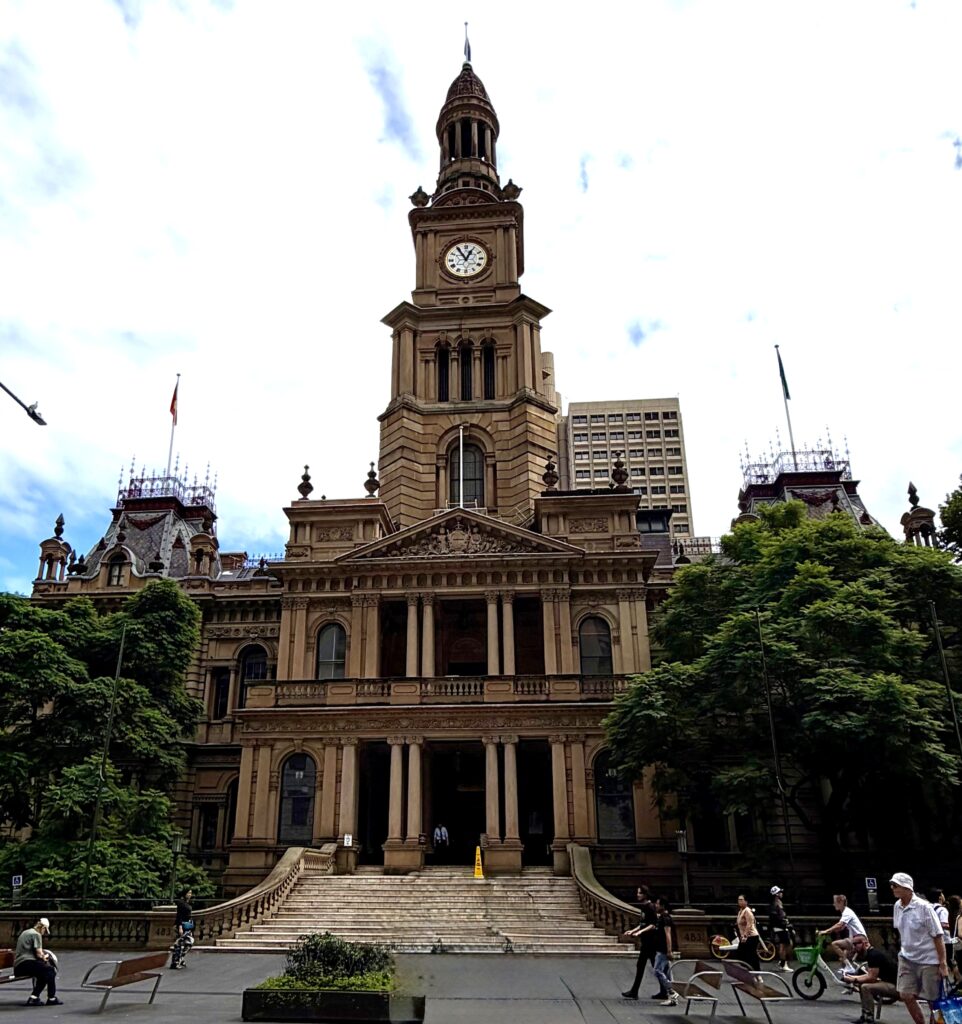
Sydney Town Hall – Located directly opposite the Queen Victoria Building, this grand 19th-century building is one of Sydney’s most important civic landmarks. Built between 1869 and 1889, it serves as the seat of the city council and houses the chambers of the Lord Mayor, along with event and function spaces. Its ornate façade, clock tower, and grand interiors reflect the ambition and prosperity of Sydney during that era. Today, the steps of Sydney Town Hall are a popular meeting point for both locals and visitors, thanks to its central location near shopping areas, transport hubs, and landmarks.
The Town Hall was built over the Old Sydney Burial Ground, the city’s first permanent cemetery, where thousands of early settlers were buried between 1792 and 1820. Even today, excavation works in the area occasionally uncover remains, adding a layer of historical depth to the location.
Visitors can explore the interior of the Town Hall on a self-guided tour on weekdays.
St Andrew’s Cathedral – Although this protestant cathedral wasn’t originally on our list of places to visit, its prime location right next to the Sydney Town Hall and its striking Gothic architecture immediately caught our attention. The Cathedral was built over several decades in the 19th century. Construction began in 1837, and the cathedral was officially consecrated and opened in 1868.
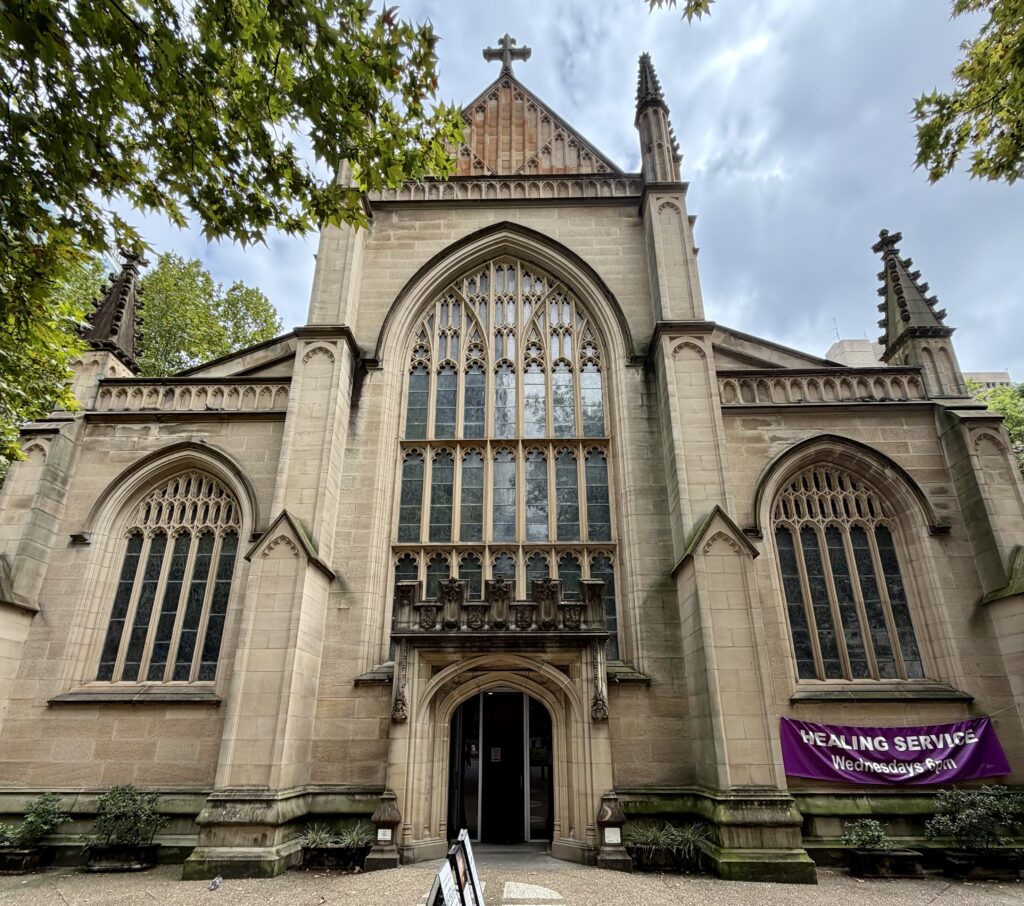
The interior was just as impressive as the exterior, featuring beautifully detailed stained glass windows, soaring vaulted ceilings, and a peaceful atmosphere that contrasts perfectly with the busy city streets outside.
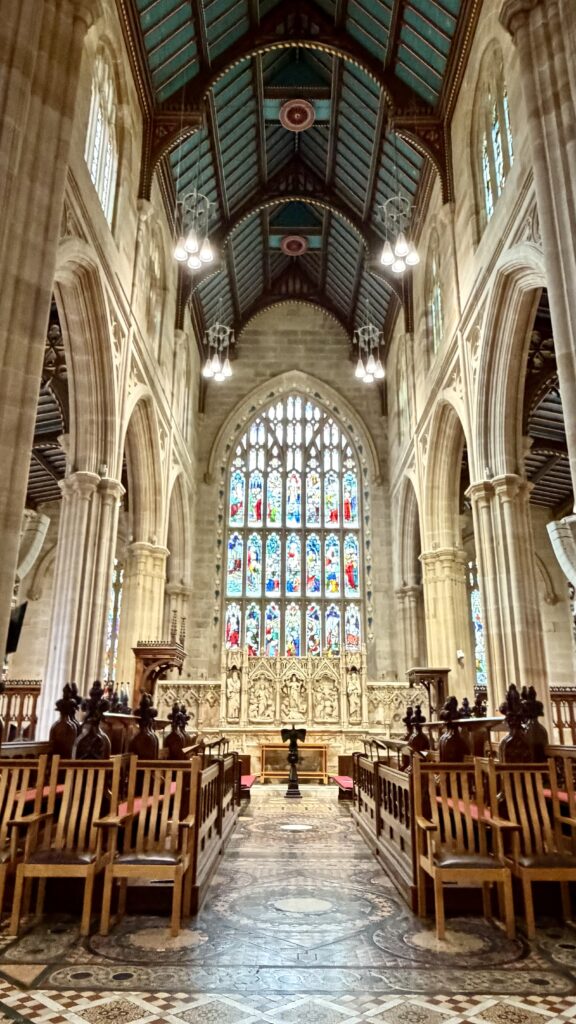
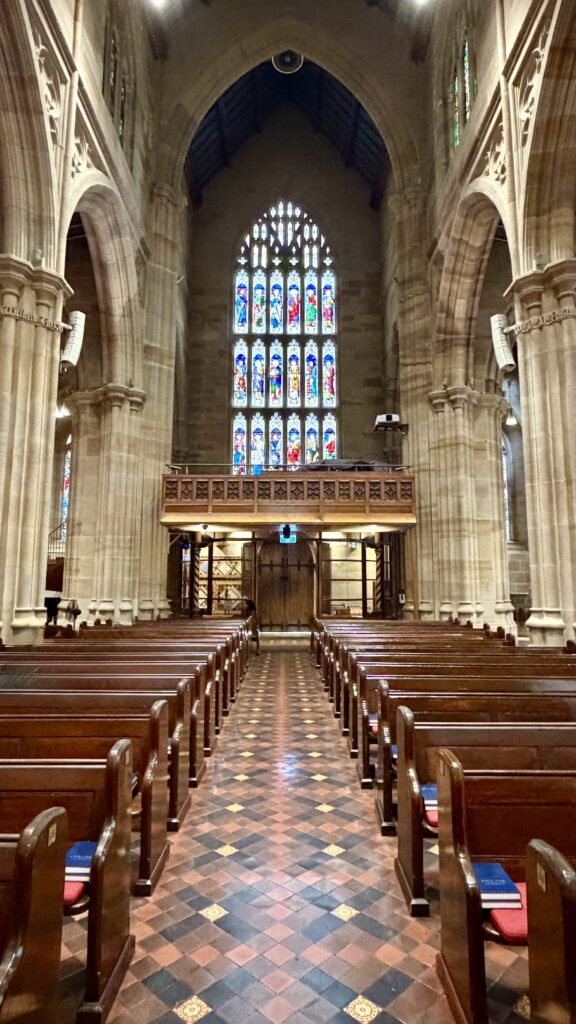
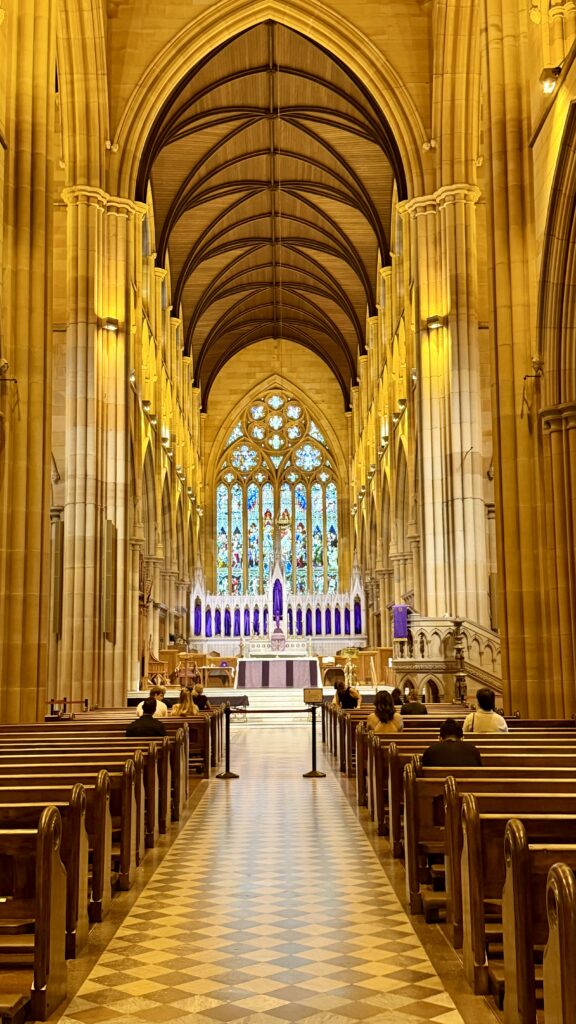
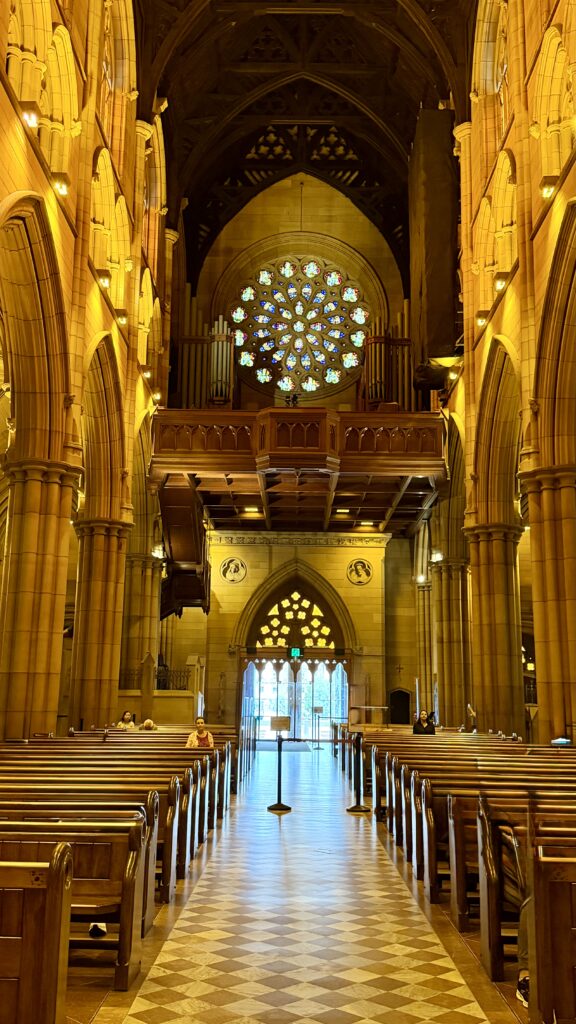
St Mary’s Cathedral – Standing majestically beside Hyde Park (see next section), this grand cathedral is the seat of the Catholic Archdiocese of Sydney. The current structure rises on the site of earlier churches, including one that was destroyed by fire in 1865. Its construction spanned generations, from 1866 to 1928, and this long history is still visible today in the subtle variations in the stonework. The cathedral’s iconic twin spires, however, were only completed much later in 2000, finally fulfilling the original design vision.
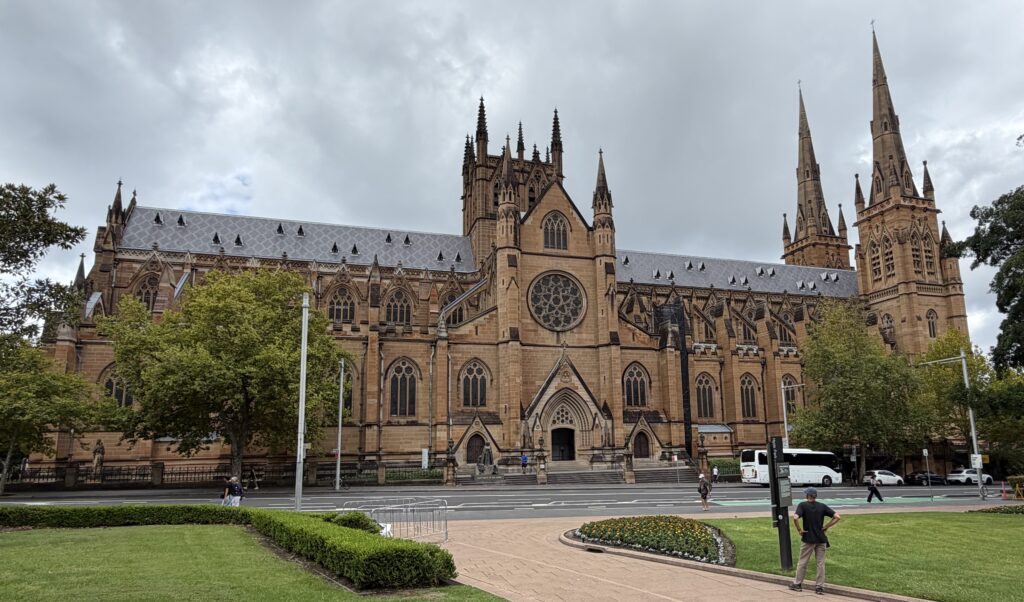
The cathedral’s Gothic Revival architecture is striking from the outside, but the interior is equally breathtaking. Intricate stained glass windows, grand arches, and soaring ceilings create a serene and almost timeless atmosphere.
Hyde Park – Located in the heart of Sydney, Hyde Park is Australia’s oldest public park, established in 1810. Spanning 16 hectares, this expansive green space is divided into northern and southern sections by Park Street and offers a refreshing escape from the surrounding city bustle.
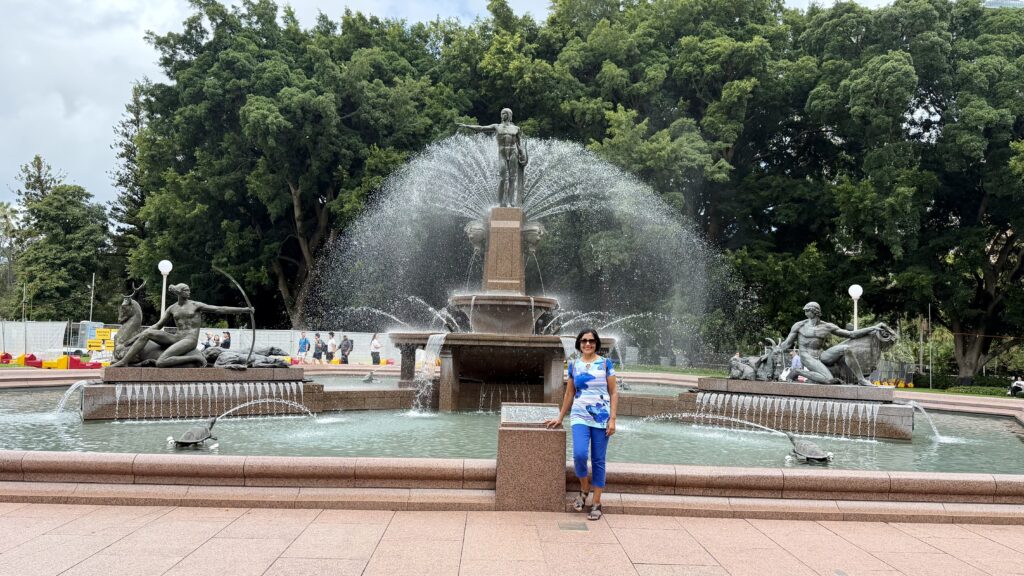
Hyde Park, Archibald Fountain – Located in the northern section of Hyde Park, this elegant fountain officially known as the J. F. Archibald Memorial Fountain, was funded by J. F. Archibald, the founder and editor of The Bulletin, who envisioned a monument that reflected both his love of French culture and the alliance between Australia and France during World War I.
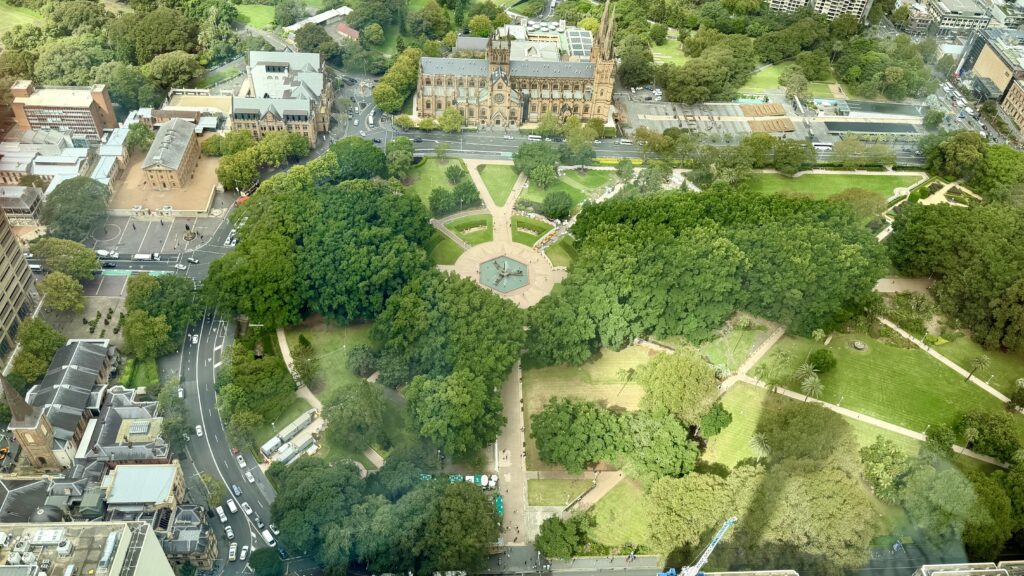
Designed by French sculptor François-Léon Sicard, the fountain was completed in Paris in 1926 and later unveiled in Sydney in 1932, although Sicard never saw his work installed in its final location.
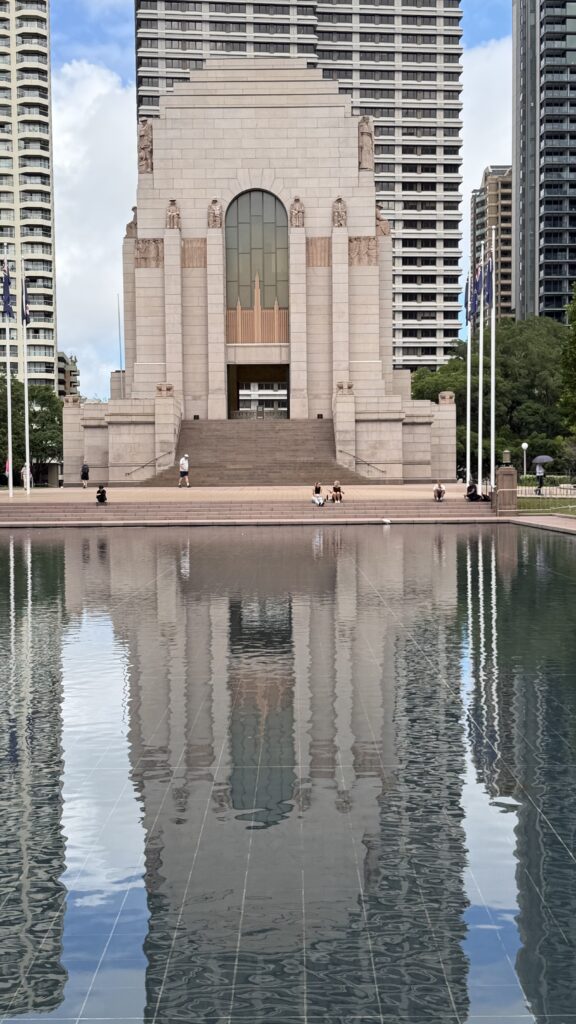
Hyde Park, Anzac Memorial – The southern section features the impressive Anzac Memorial, a significant heritage-listed monument dedicated to Australian and New Zealand service members. Built between 1932 and 1934, the site carries deep historical significance—not only as a place of remembrance for modern conflicts, but also as land traditionally used by Aboriginal communities long before European settlement.
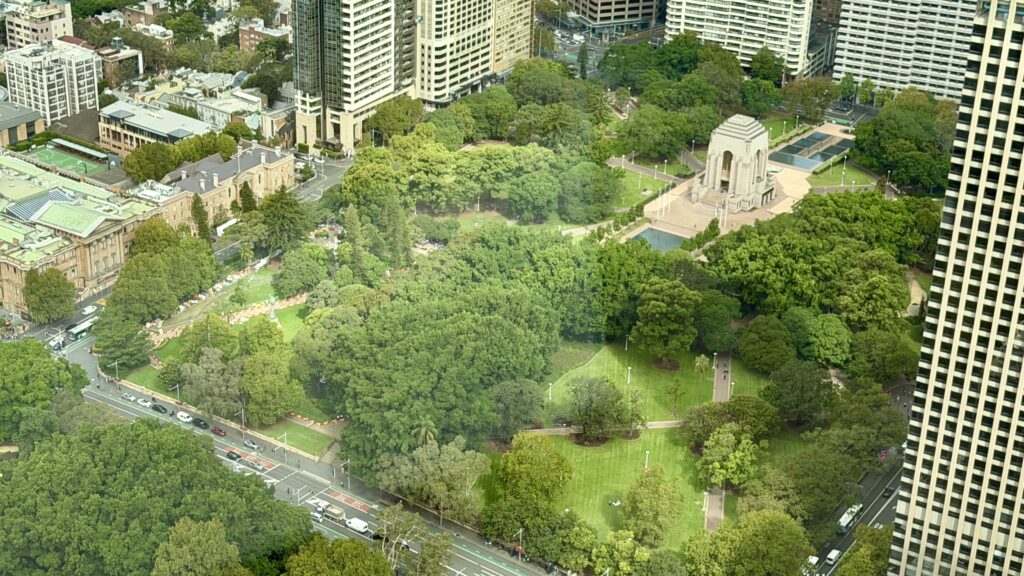
Set among tree-lined avenues and reflective pools, the ANZAC Memorial offers a peaceful and contemplative contrast to the lively city around it—making it both a place of history and quiet reflection.
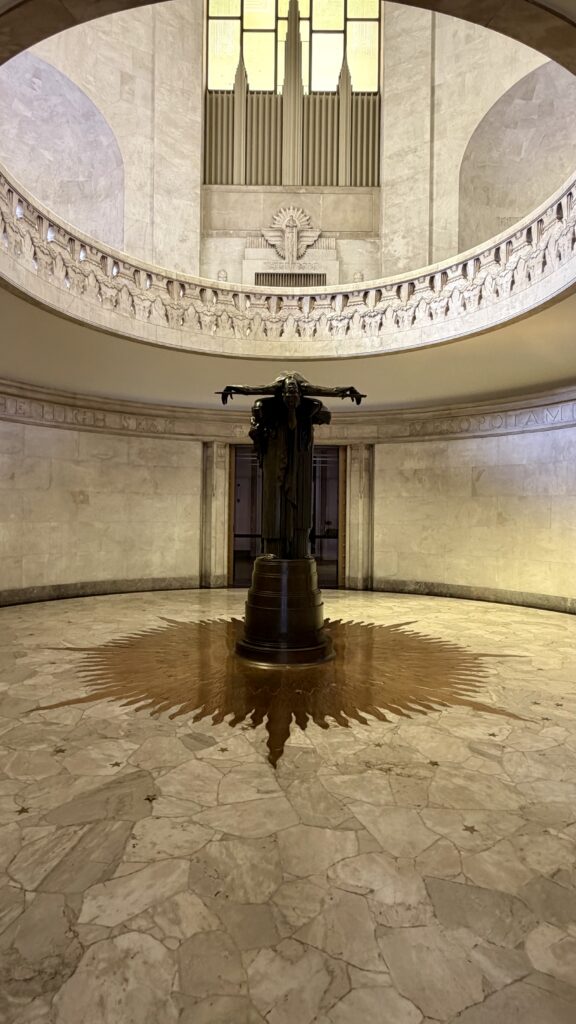
At the heart of the memorial lies the powerful and minimalist Hall of Silence. This circular chamber is designed to evoke reflection and reverence. At its center stands the sculpture Sacrifice, illuminated by a single shaft of natural light from the Well of Contemplation above, a circular opening in the domed ceiling.
Hyde Park Barracks – One of Sydney’s most significant historic sites, the barracks is free to visit and offers a powerful insight into Australia’s convict past. Built between 1817 and 1819 to house male convicts, it was designed to bring greater order to the growing colony. Constructed by convicts themselves, it could accommodate around 600 men, though overcrowding often pushed numbers far higher.
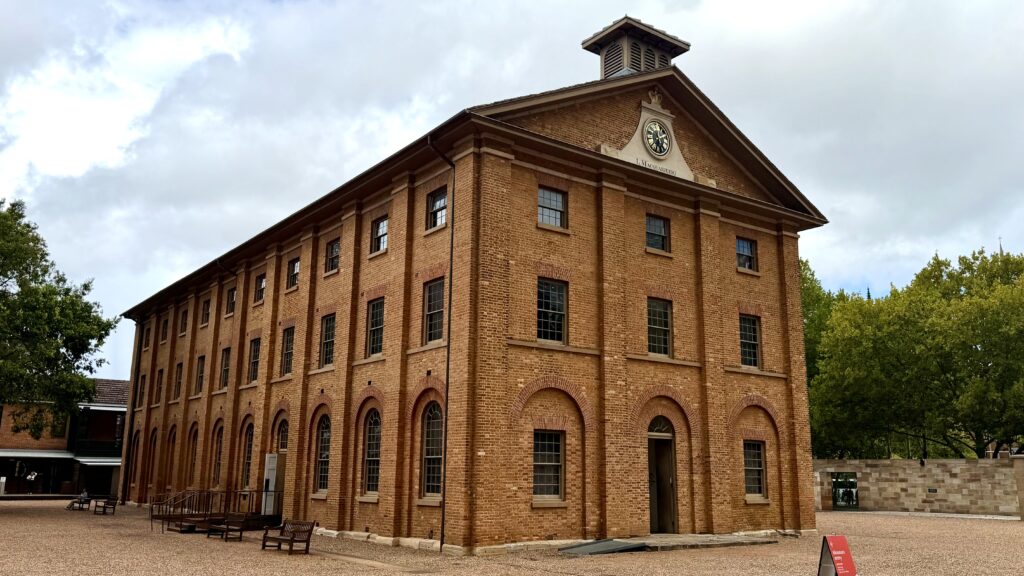
After 1840, Hyde Park Barracks became a Female Immigration Depot and later an asylum for destitute women, reflecting changing social needs. By the late 19th century, it was transformed into courts and government offices, mirroring the growth of Sydney as a modern administrative city.
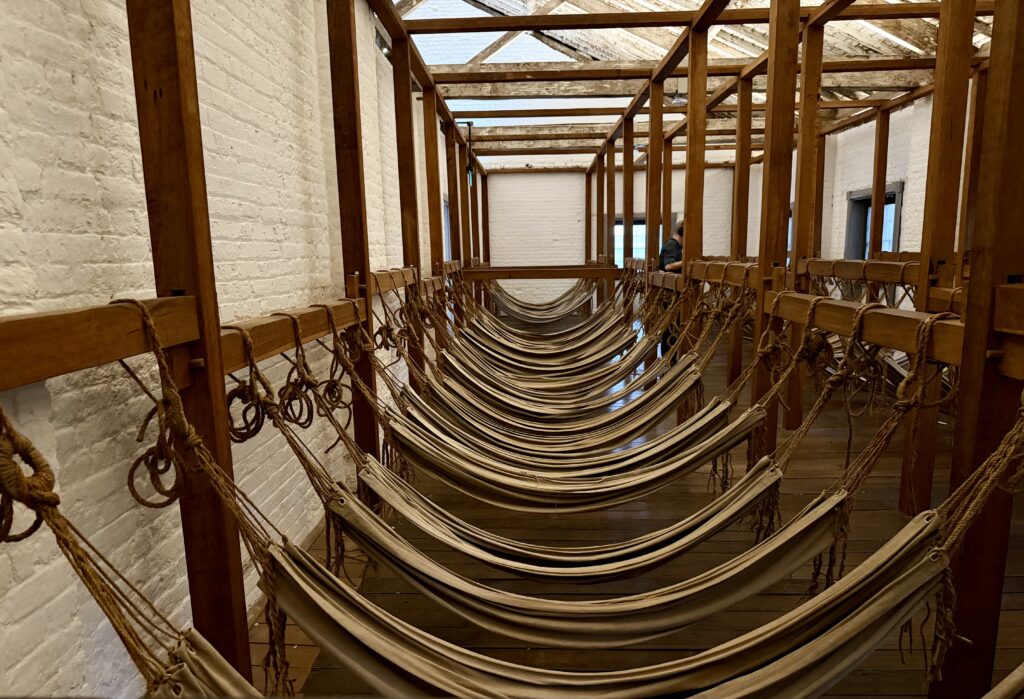
After a major restoration, the site reopened in 2020 as an immersive museum managed by the Museums of History New South Wales. Visitors can now explore the original dormitories, see reconstructed hammock sleeping arrangements, and experience layered exhibits that reveal the lives of convicts, immigrants, and later occupants.
Sydney Tower Eye – is the tallest structure in Sydney, rising 309 metres above the CBD. Opened to the public in 1981, it offers breathtaking 360-degree views from its observation deck, along with dining experiences and the thrilling Skywalk glass-floor platform high above the city.
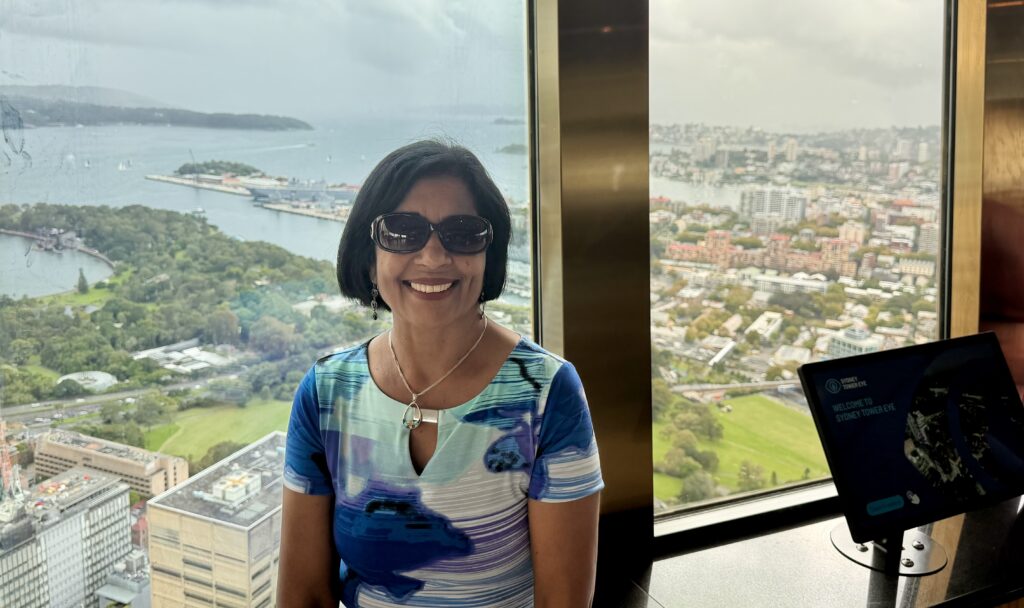
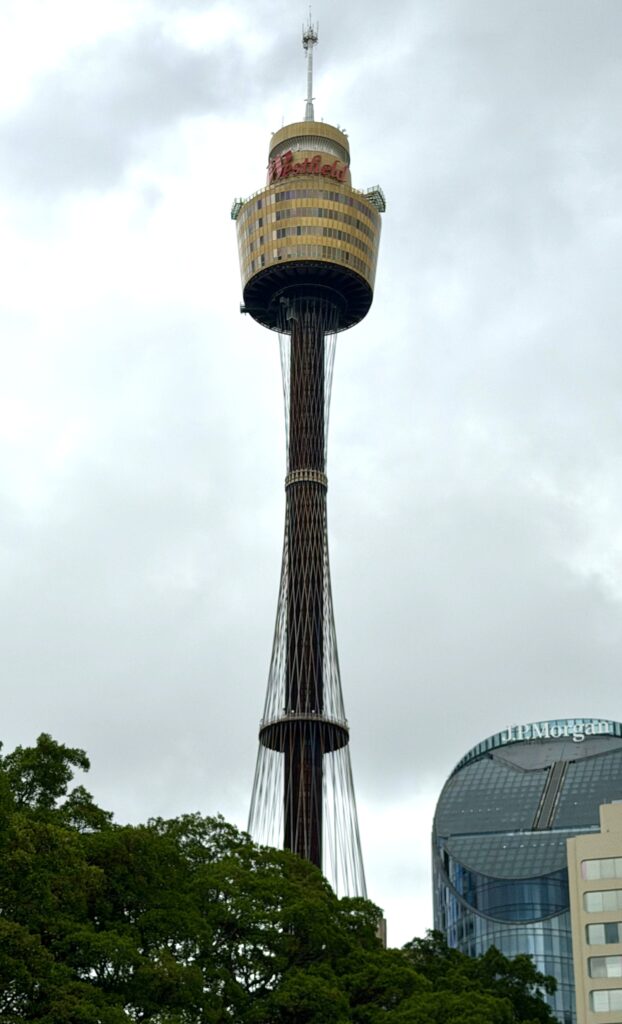
Sydney Cricket Ground – We had booked a 2-hour guided tour of the ground, and it turned out to be the best tour we experienced. The guide shared fascinating insights into the history of the venue and the many legendary players associated with it, including Donald Bradman, Sachin Tendulkar and Steve Waugh.
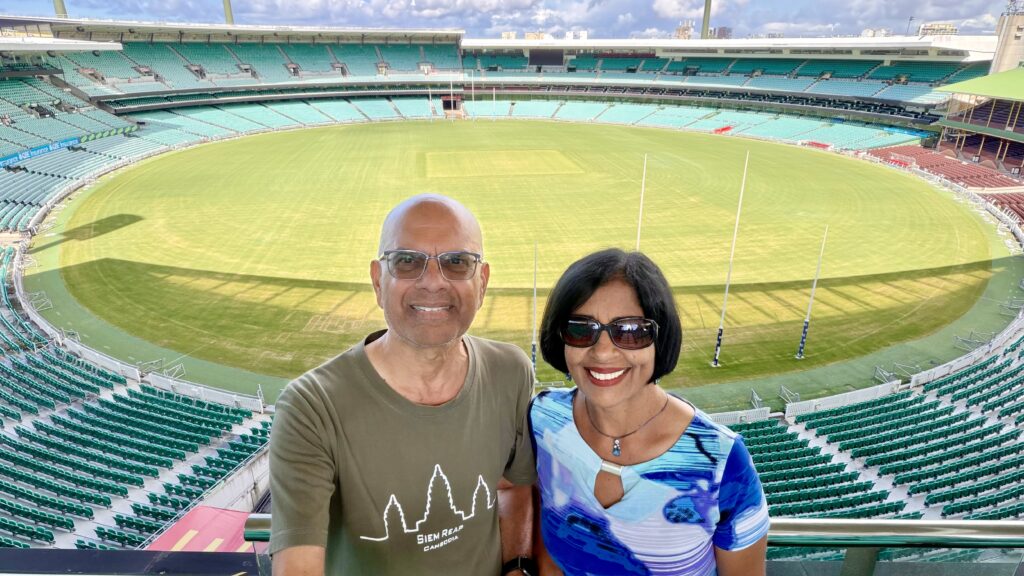
The tour includes exclusive access to areas usually reserved for players and officials—such as the dressing rooms and the Richie Benaud Media Centre—along with fascinating stories of legendary matches and players. The tour also includes entry to the SCG Museum, showcasing treasured memorabilia across cricket, rugby, football, and AFL.
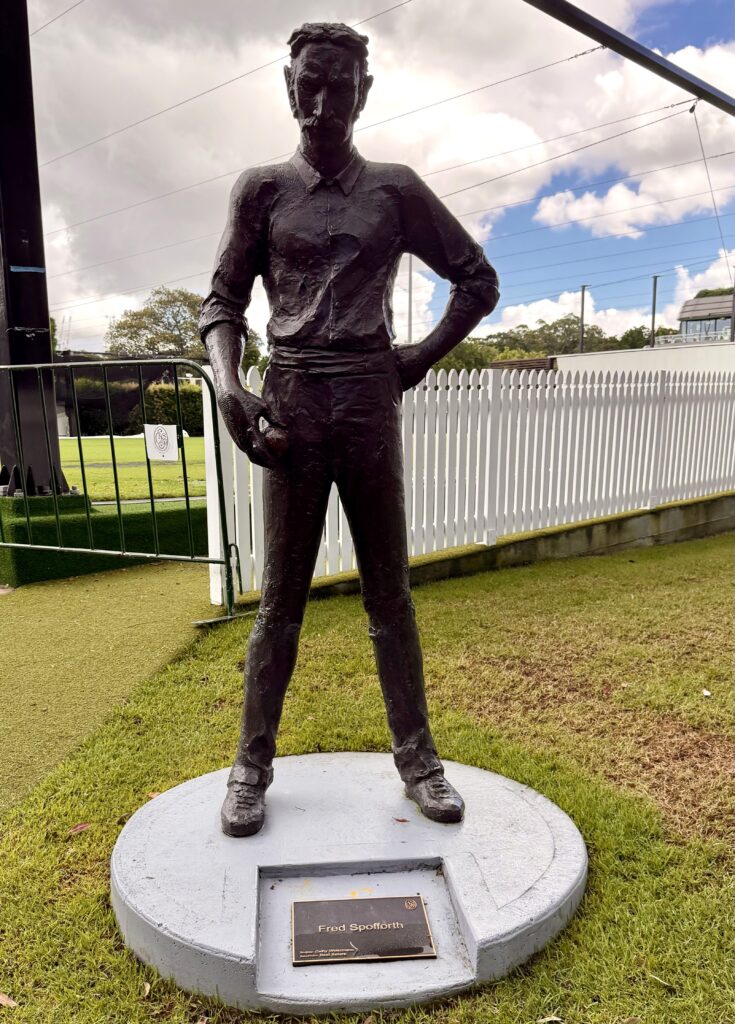
At the Sydney Cricket Ground, there is also a statue of Fred Spofforth (see picture above), famously known as The Demon Bowler. He played a pivotal role in Australia’s 1882 victory over England, taking 14 wickets for 90 runs—a performance that led to the birth of The Ashes, one of cricket’s most iconic rivalries.
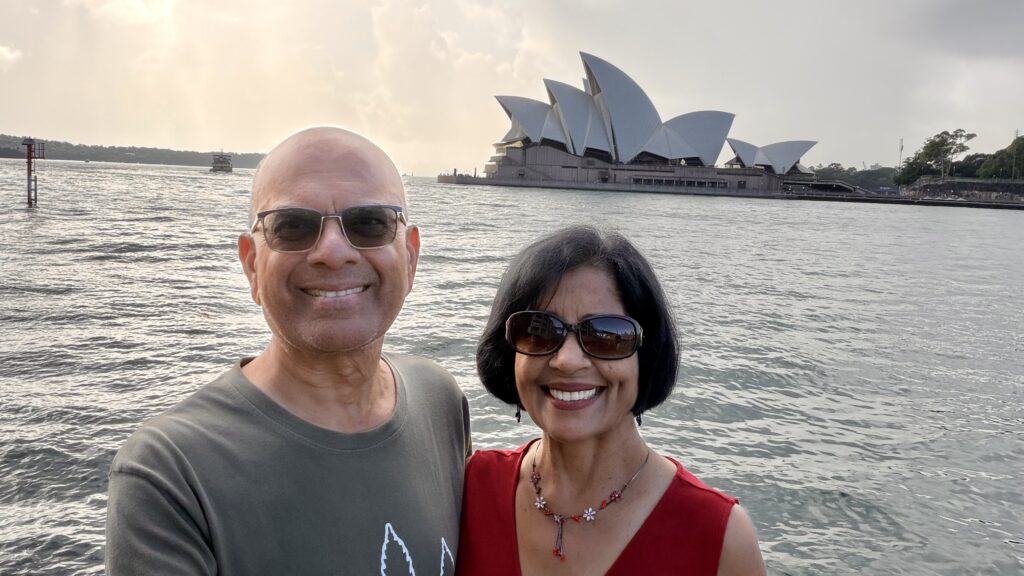
Sydney Opera House – One of the world’s most recognizable landmarks, this architectural masterpiece sits right on Sydney Harbour. Designed by Danish architect Jørn Utzon, its iconic sail-like shells have made it a symbol of both Sydney and Australia. Construction began in 1959 and, after years of challenges and redesigns, the building was officially opened in 1973 by Queen Elizabeth II. Today, it is a UNESCO World Heritage Site and a thriving performing arts centre hosting over 1,500 performances annually, ranging from opera and ballet to theatre, concerts, and contemporary shows.
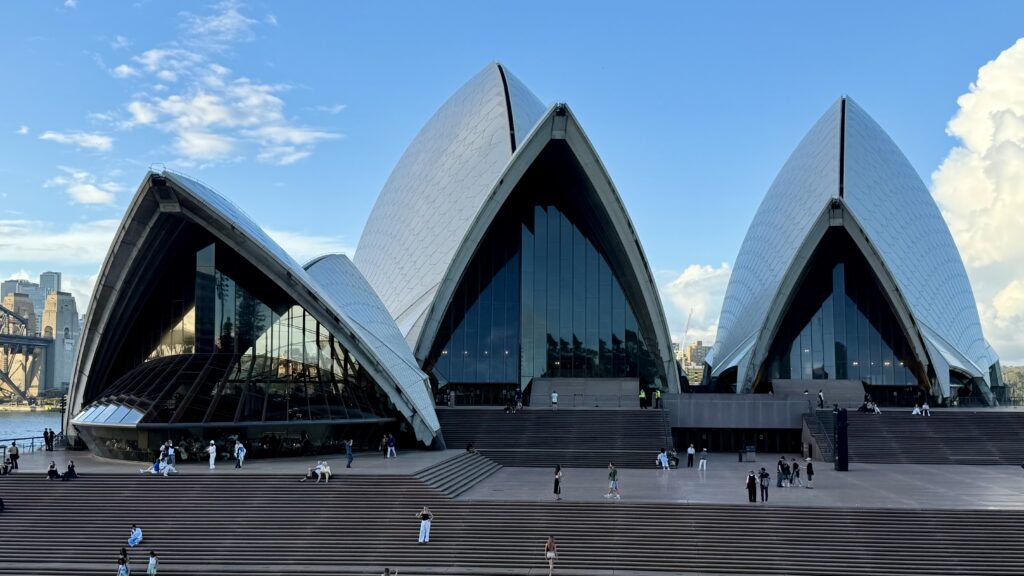
We took a guided tour and learned about the many challenges behind its construction, including why architect Jørn Utzon left before it was completed. Although the early stages went smoothly, construction began before final designs were complete, leading to engineering challenges, and rising costs. Tensions grew between the design team and the government, especially the Public Works Minister, Davis Hughes, who was particularly critical of the project. This strained relationship ultimately led to Utzon’s resignation in 1966. The story gave us a deeper appreciation of the Opera House as both an architectural and historical landmark.
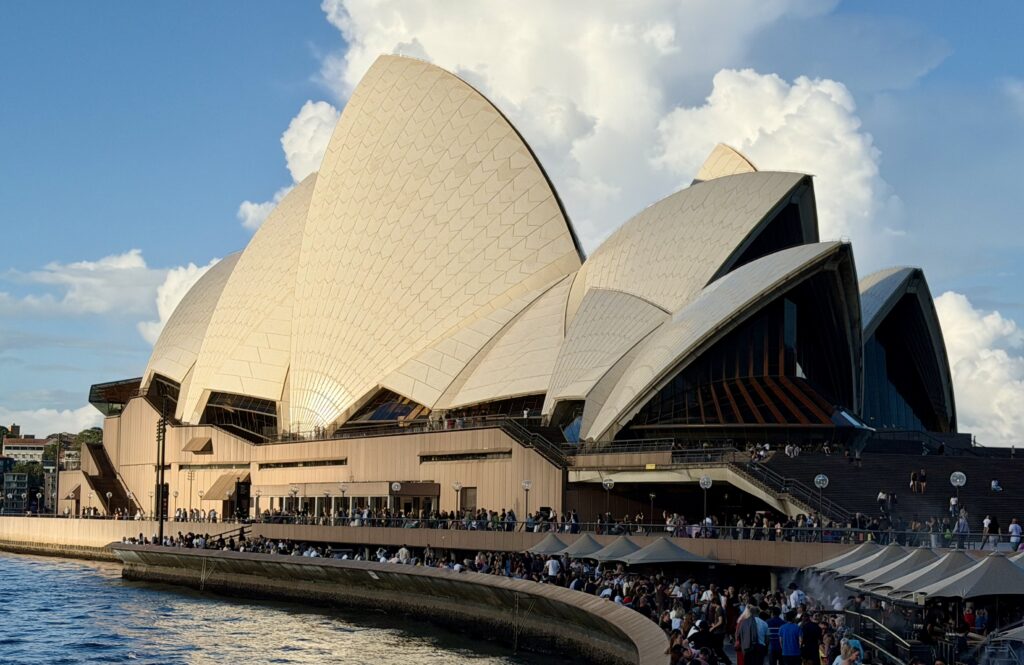
The complex includes multiple venues, the largest being the Concert Hall and the Joan Sutherland Theatre, home to Opera Australia and The Australian Ballet. We were not allowed to take pictures of the interior of the Concert Hall or the Theater.
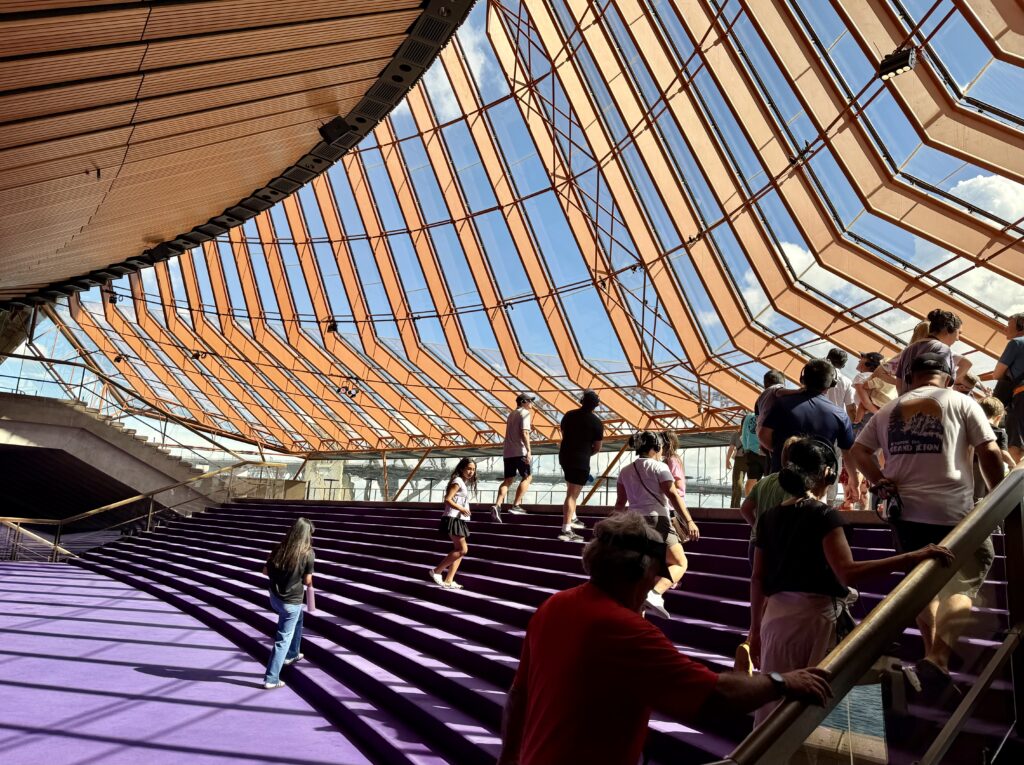
Sydney Ferries – The public ferry network serving the city of Sydney operates across Sydney Harbour and along the Parramatta River, offering a convenient and scenic way to get around. We took a ferry ride from Circular Quay to Taronga Zoo and back, mainly to enjoy the experience and take in beautiful views of the harbour, including the iconic Sydney Opera House.
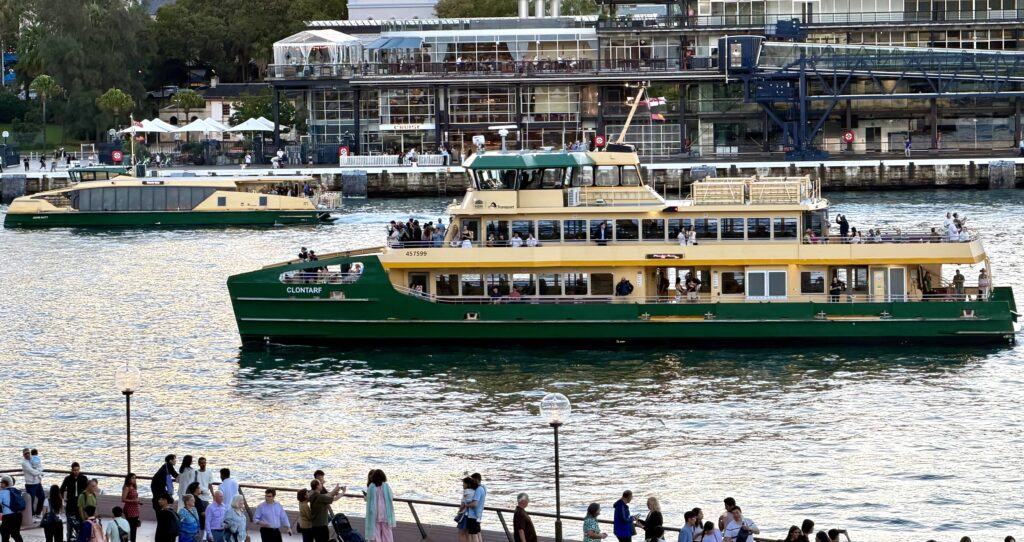
Circular Quay – Often called the gateway to Sydney, this vibrant harbourside precinct sits between The Rocks (see section below) and Sydney Opera House. Once a busy working port, it has evolved into a lively hub for transport, tourism, and waterfront dining. Our hotel, Sydney Harbour Marriott was located in this area.
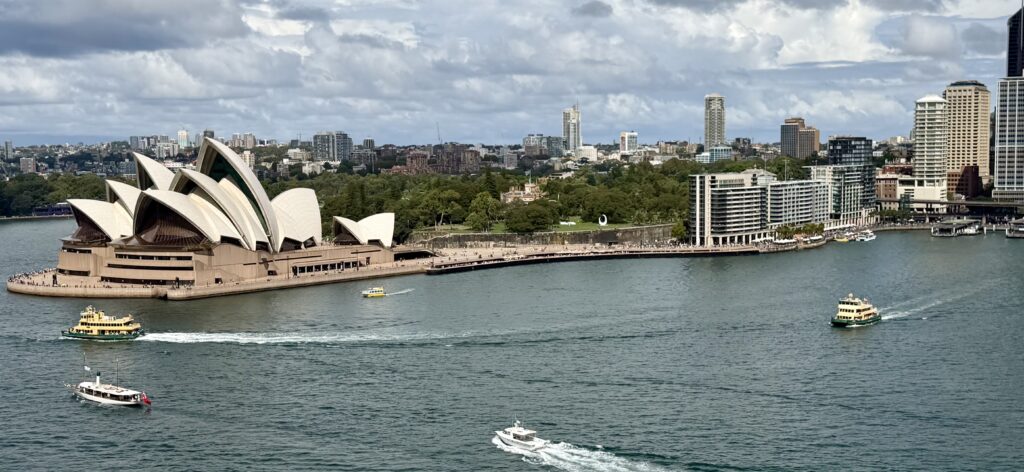
Today, Circular Quay is the main interchange for ferries, trains, and buses, making it a central point for getting around the city. Its scenic promenades, restaurants, and public spaces offer stunning views of the Sydney Harbour Bridge, and it’s one of the best spots to experience Sydney’s famous harbour atmosphere, including the spectacular New Year’s Eve fireworks.
The Rocks – Located between Circular Quay and the iconic Sydney Harbour Bridge, this historic precinct is perfect for a relaxed stroll, with plenty of cafés, and restaurants. On weekends, the area comes alive with the vibrant Rocks Markets, where talented local chefs and artisans showcase the best of Sydney’s food, art, design, music, and wellness. We wandered through stalls filled with original artworks, handcrafted jewelry, and gourmet treats, while enjoying the lively atmosphere.
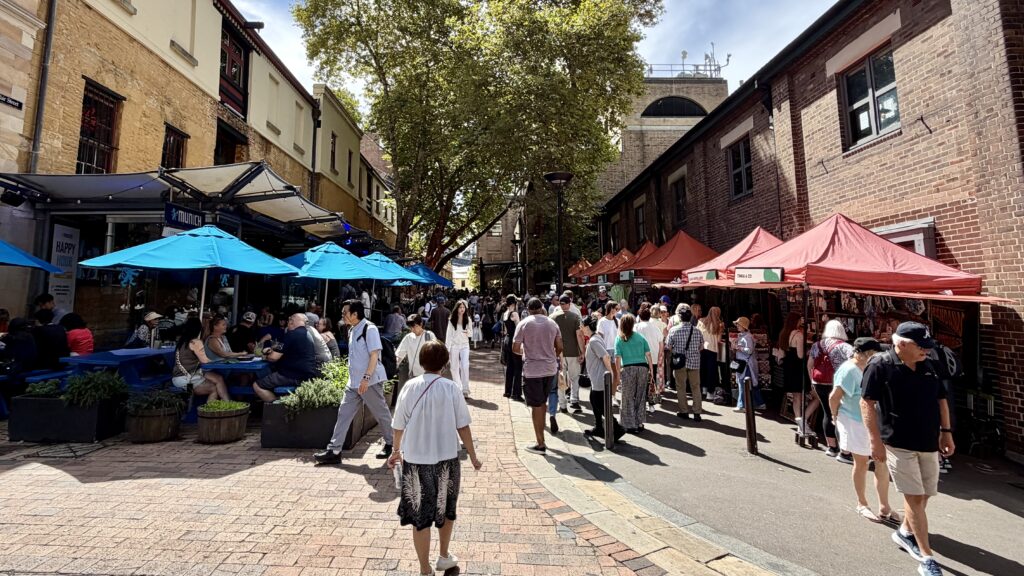
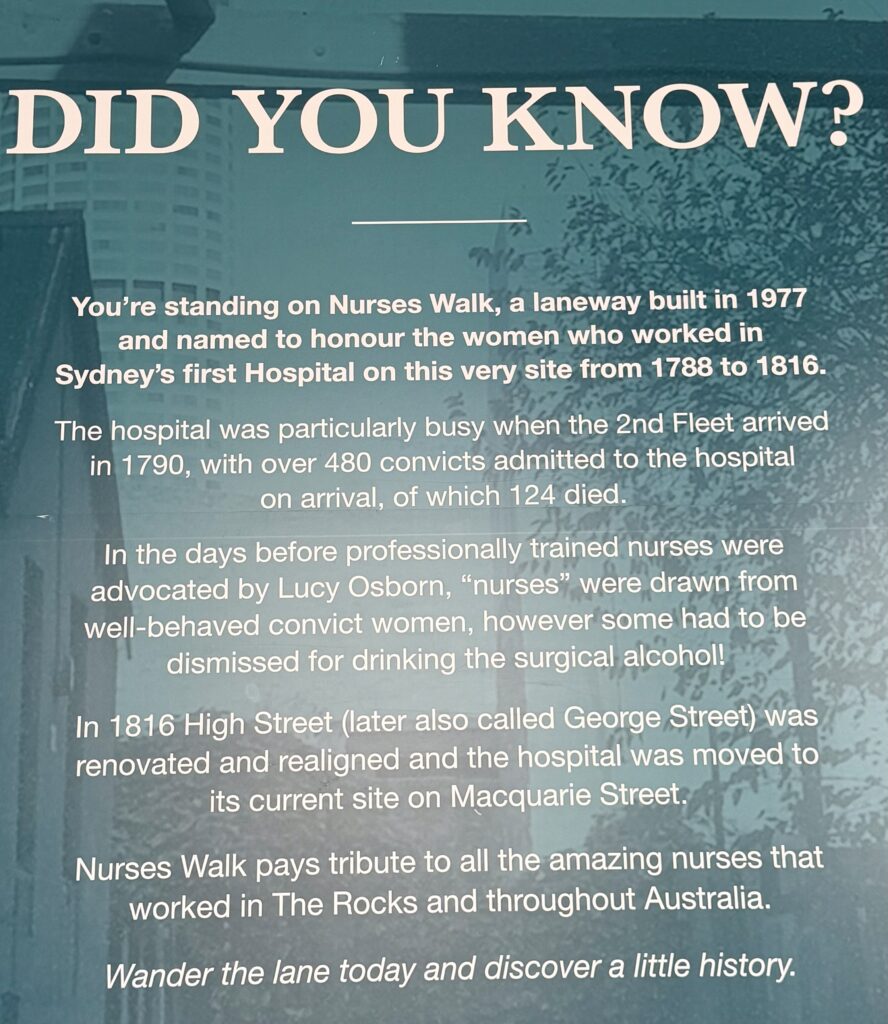
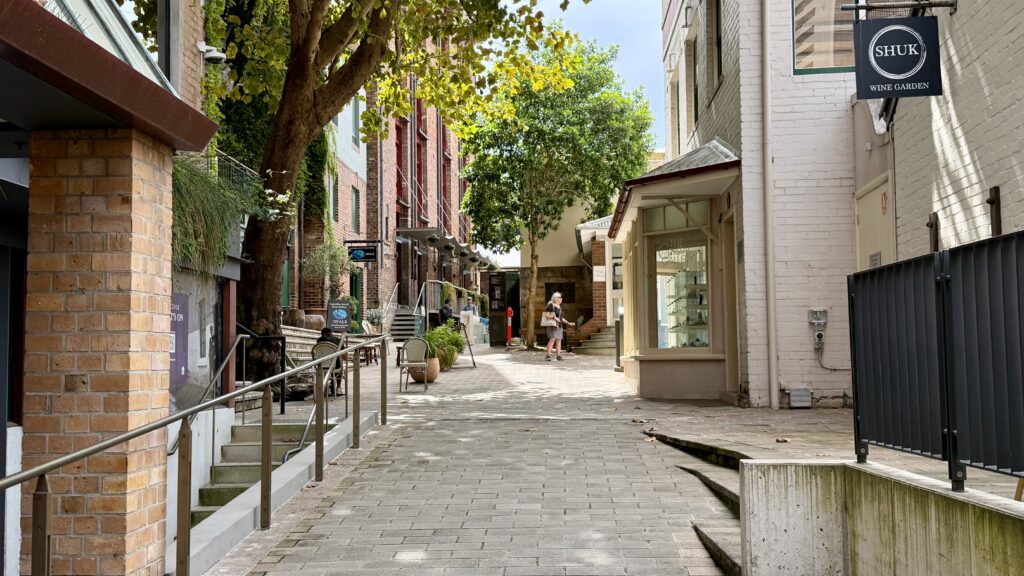
The Rocks, Nurses Walk – Tucked within the historic laneways of The Rocks, this charming passageway is rich in character and history. Many of the old buildings have been thoughtfully transformed into cozy cafés, restaurants, and boutique shops. We spent some time here enjoying coffee and snacks at a café near the Nurses Walk, which also had interesting information about how the lane got its name, adding a nice historical touch to the experience.
Dawes Point Reserve – After exploring the shops and laneways of The Rocks, we took a short walk to this peaceful harbourside park at the northern end of the precinct. Nestled beneath the southern pylon of the Sydney Harbour Bridge, it’s a perfect spot to relax and take in the stunning views across the water toward the iconic Sydney Opera House.
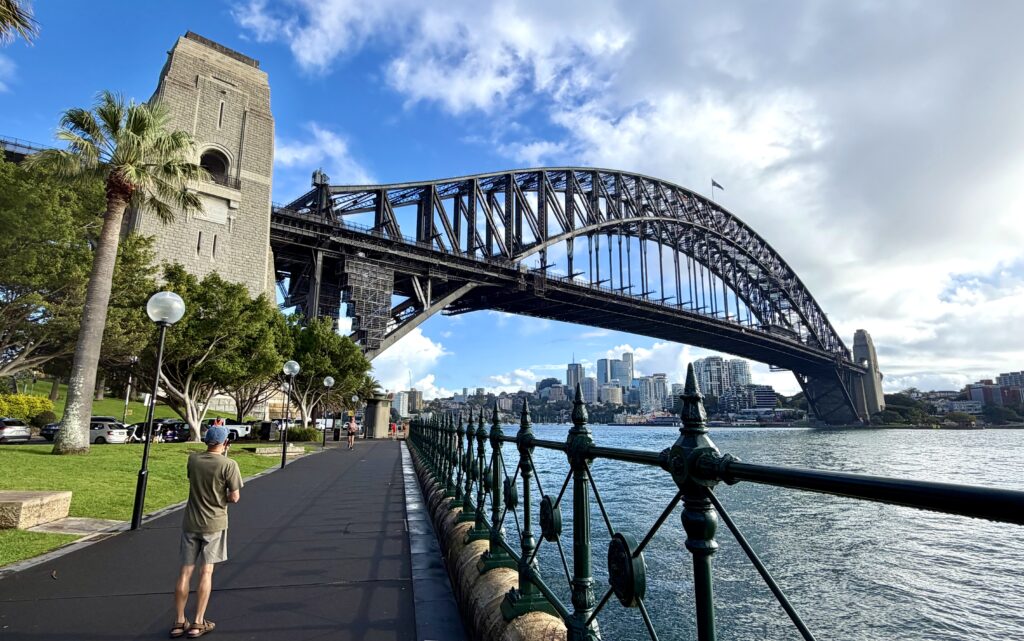
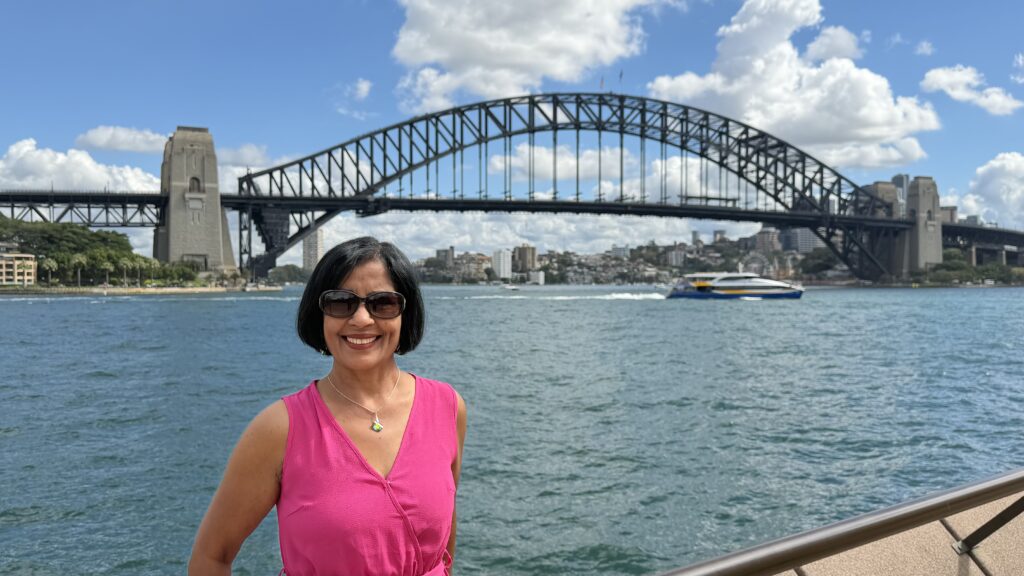
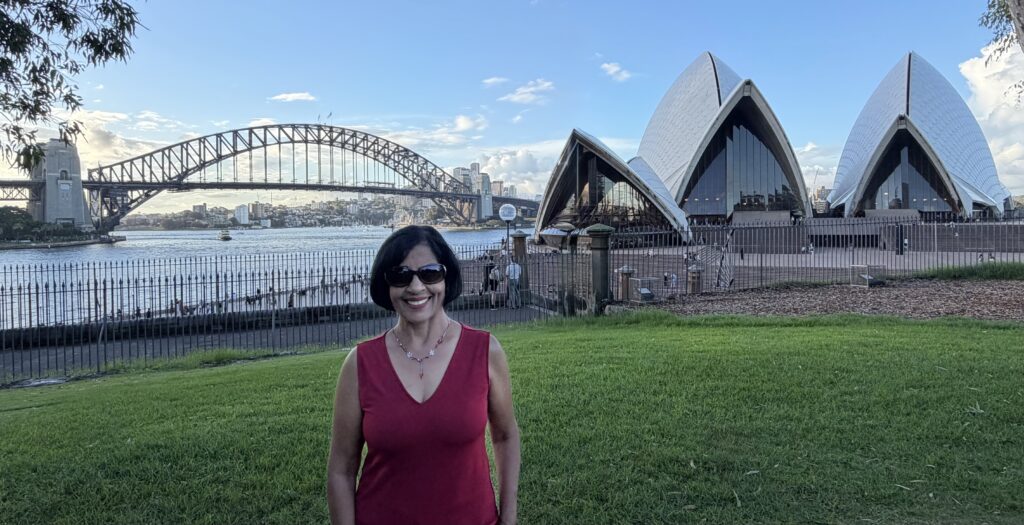
Sydney Harbor Bridge – This popular and impressive steel arch bridge spans Sydney Harbour, connecting the city’s CBD with the North Shore. Affectionately nicknamed The Coathanger for its distinctive shape, it carries road, rail, pedestrian, and bicycle traffic, making it both a vital transport link and a must-see attraction. Opened in 1932, the bridge rises 134 metres above the harbour, and offers breathtaking views of the surrounding skyline, including the nearby Sydney Opera House—together forming one of the most recognizable cityscapes in the world.
There are several great ways to experience this iconic landmark, depending on how much time and adventure you’re up for –
- Option 1 – Walk across the bridge from The Rocks to Milsons Point. This is what we did, and it’s a fantastic way to take in the harbour views at your own pace. From there, you can easily catch a train back to Circular Quay.
- Option 2 – Continue your walk beyond Milsons Point to Lavender Bay or Luna Park Sydney for a different perspective of the harbour and skyline. Then hop on a ferry from McMahons Point back to Circular Quay—an especially scenic return journey.
- Option 3 – For something more adventurous, try the Bridge Climb Sydney experience. If you’re comfortable with heights, this guided climb takes you to the top of the bridge for truly breathtaking panoramic views. There are multiple climb options available, with prices typically ranging from AUD $250 to $400 depending on the time and experience you choose.
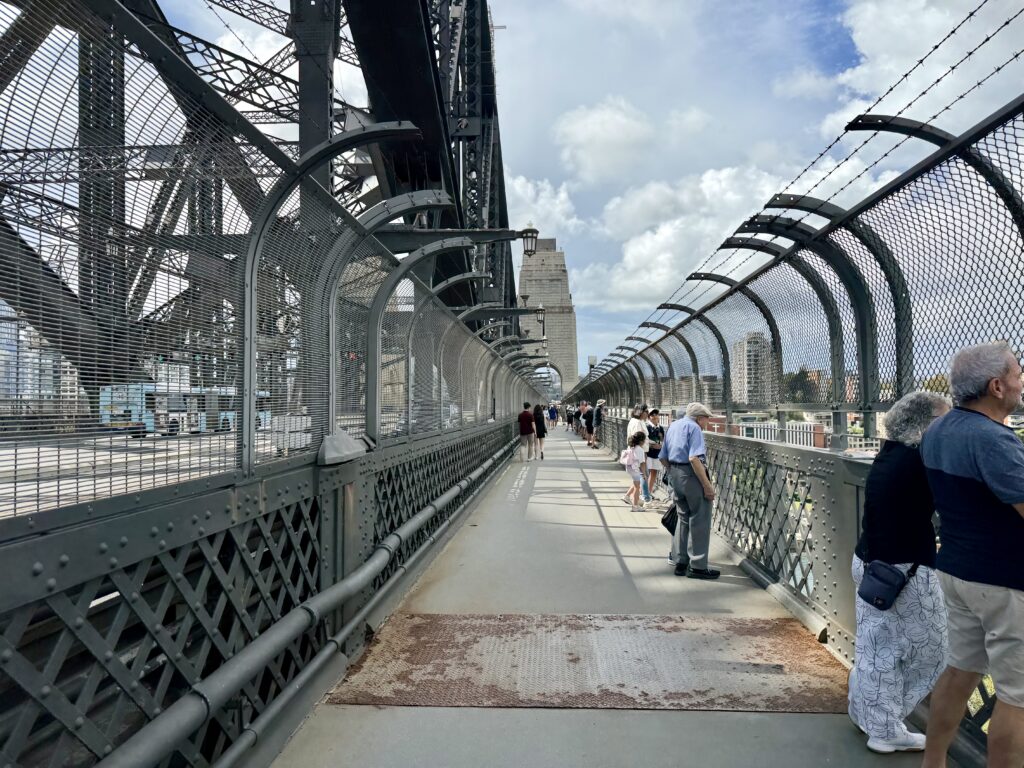
Note – During our visit, the South and North Pylon lookouts on the Sydney Harbour Bridge were closed for renovation. However, we still enjoyed fantastic views from the pedestrian walkway, with stunning sights of the Sydney Opera House, Circular Quay, and The Rocks.
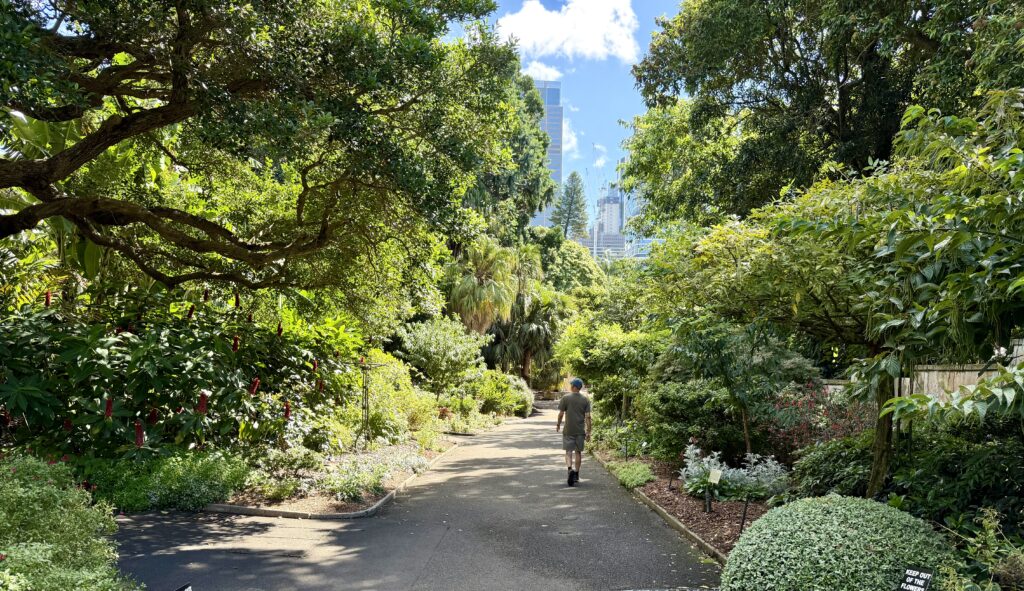
Royal Botanic Gardens – This oasis in the heart of Sydney is free to visit. Located on the edge of the harbour at Farm Cove, this beautiful 30-hectare garden is one of Sydney’s most peaceful and scenic attractions. Opened in 1816, it is the oldest scientific institution in Australia and remains an important centre for botanical research. Set beside the iconic Sydney Opera House and overlooking Sydney Harbour, the gardens offer stunning views along with expansive green spaces perfect for a relaxing stroll or picnic.
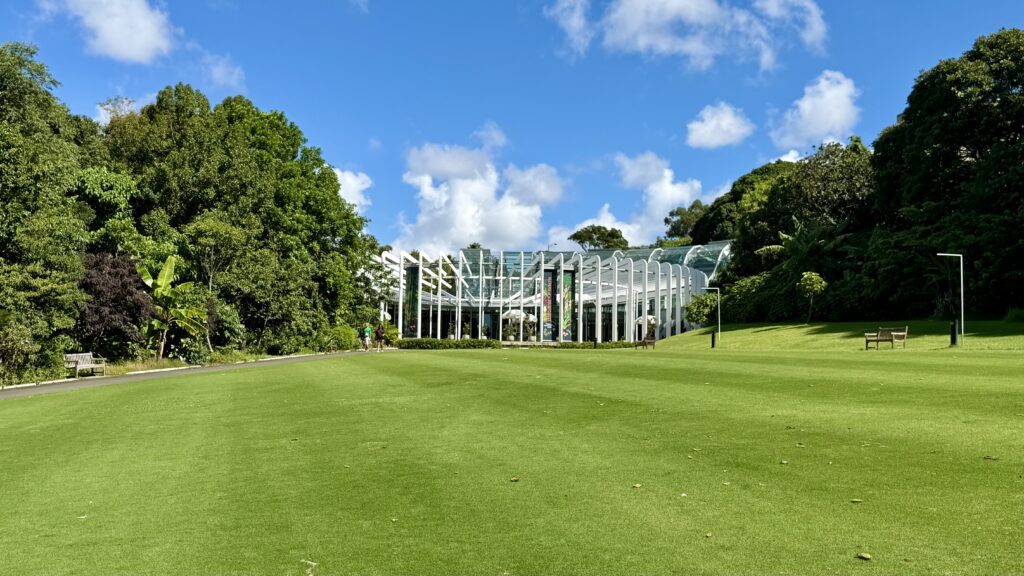
Royal Botanic Gardens, The Calyx – this modern exhibition space is home to one of the largest green walls in the Southern Hemisphere. It features an on-site café, retail area, and regularly hosts exhibitions, events, and workshops centered around plants, sustainability, and design. The name “Calyx” refers to the outer part of a flower that protects the bud, reflecting the space’s botanical theme.
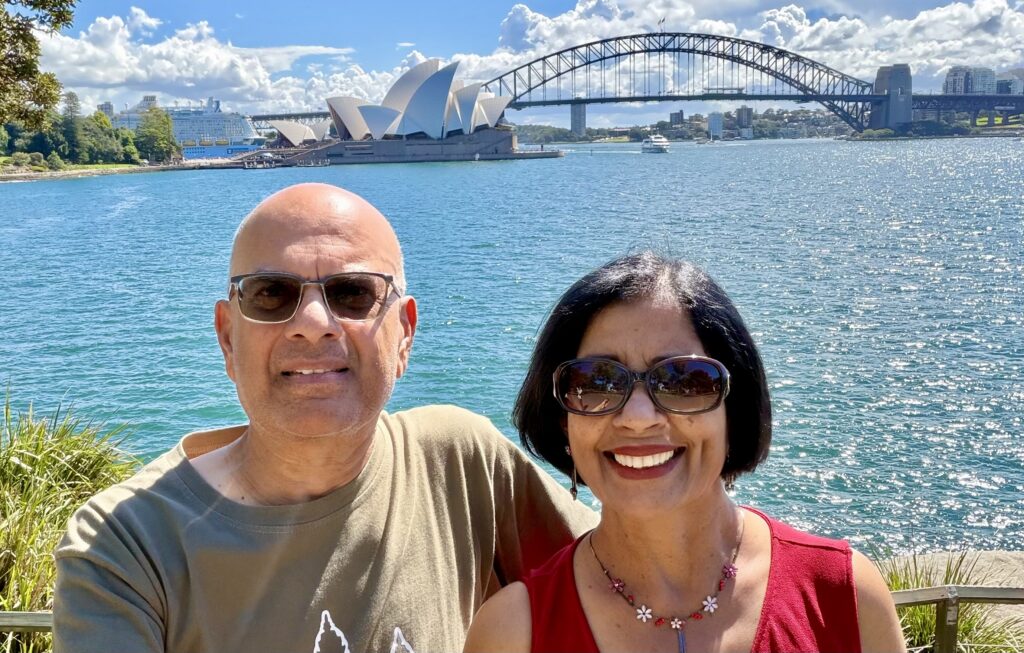
Royal Botanic Gardens, Mrs. Macquarie’s Chair – This historic sandstone bench, carved by convicts in 1810, was created for Elizabeth Macquarie, wife of then Governor, Lachlan Macquarie. Located near the Royal Botanic Garden, it offers sweeping views of the harbour, including the Sydney Opera House and Sydney Harbour Bridge—making it a popular spot for photos and quiet reflection.
Darling Harbour – This is a Lively and busy place with many restaurants serving sea food. We also saw many boat cruises taking off on an evening dinner cruise. We had dinner in an Indian fusion restaurant overlooking the harbour.
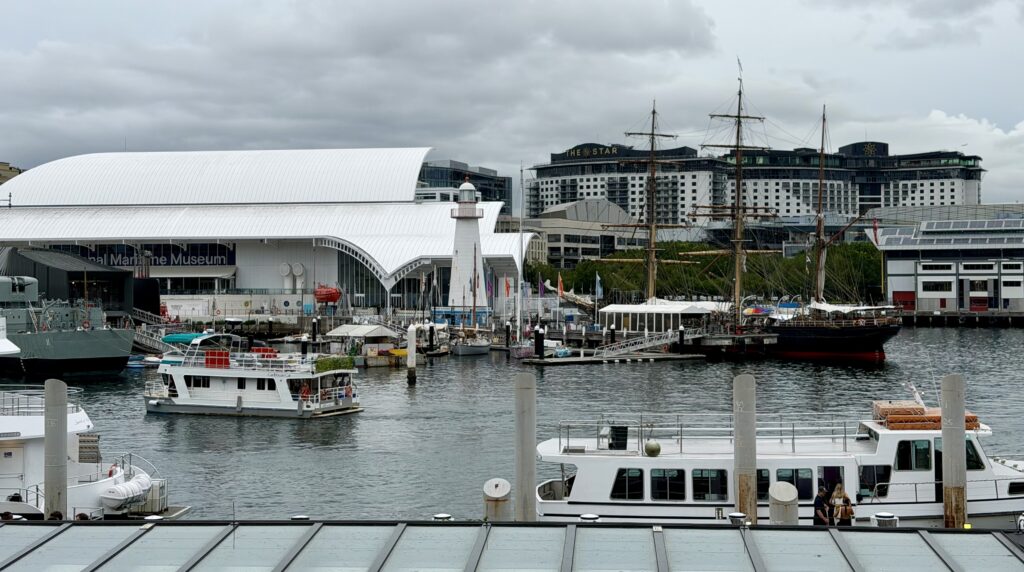
The Darling Harbour is home to The Australian National Maritime Museum, one of the country’s most important museums dedicated to Australia’s deep connection with the sea. Opened in 1991, the museum features a range of engaging galleries that explore Indigenous maritime history, navigation, migration by sea, and Australia’s naval defense. It’s a fascinating place to explore, if you’re interested in maritime history.
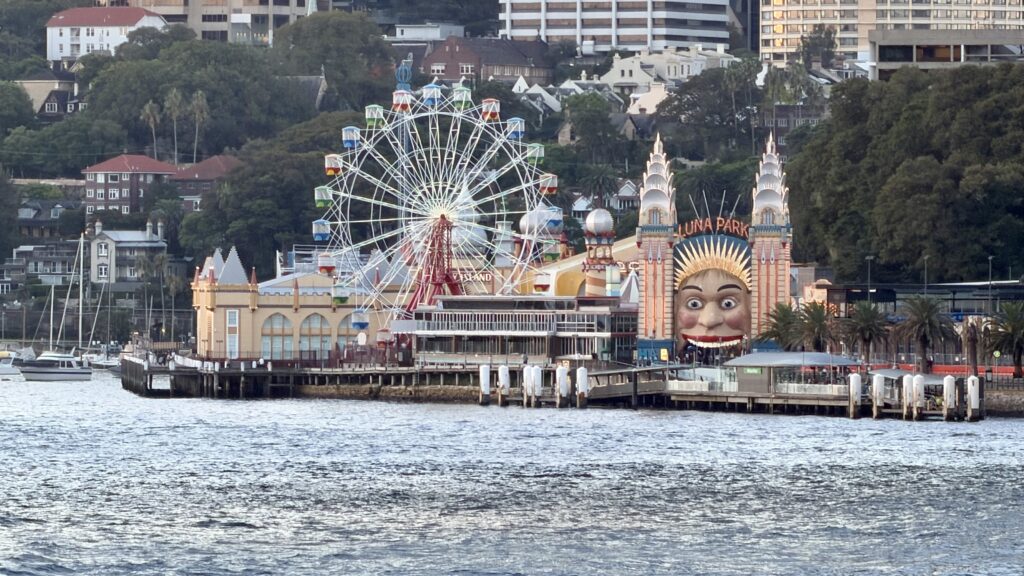
Luna Park Sydney – is a heritage-listed amusement park located in Milsons Point on the northern shore of Sydney Harbour, and has been featured in numerous films and television productions. Opened in 1935 near the Sydney Harbour Bridge, the park became especially popular during World War II and the post-war years. It experienced multiple closures over time due to incidents such as fire, safety concerns, and noise complaints. Following a major redevelopment, the park reopened in 2004 and has operated continuously since.
The park is generally more geared toward kids and families, though it can still be enjoyed by visitors of all ages, especially those interested in amusement parks.
Here are a few experiences we didn’t get a chance to cover, but they would make great additions to your Sydney itinerary if time permits.
The Bondi to Coogee Coastal Walk is highly recommended, offering stunning ocean views along the coastline, with Bondi Beach being a highlight. Keep in mind it can take a couple of hours (or more) to fully enjoy at a relaxed pace.
Sydney Harbour Cruise is another popular option. While it can be a great experience, we personally found the ferry ride to be scenic enough and didn’t feel the need to spend extra time and money on a cruise.