2 nights in Ajit Bhavan
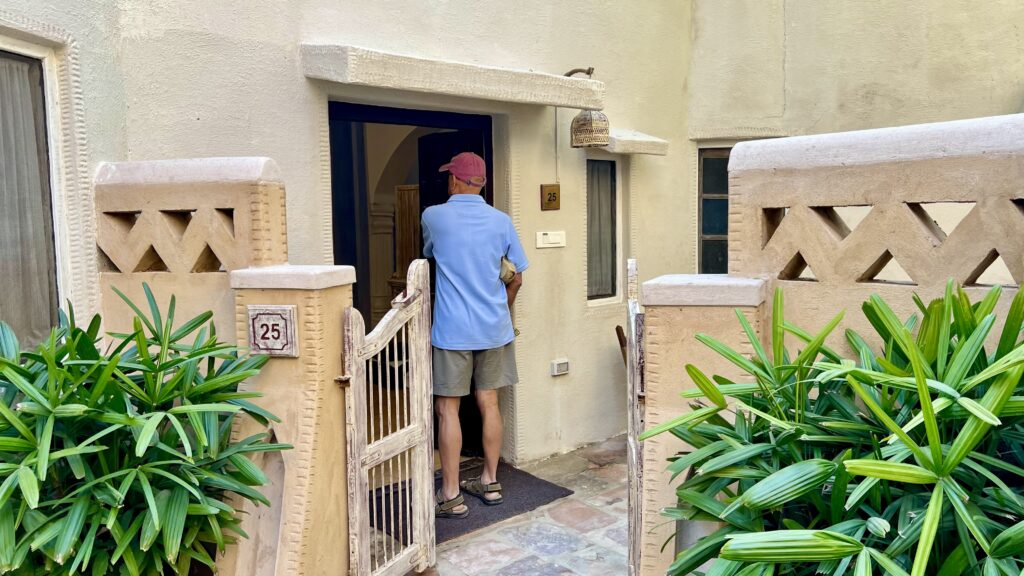
Jodhpur is less than a five-hour drive from Jaisalmer. We arrived by 5 p.m. and checked into our hotel, Ajit Bhawan—India’s first heritage hotel. Set within a grand palace complex, it seamlessly blends timeless Rajput architecture with modern comforts. To reach our room, we had to open a small, charming gate, which added a lovely touch to the experience. The room itself was spacious and comfortable, with a separate living area and a cozy bedroom.
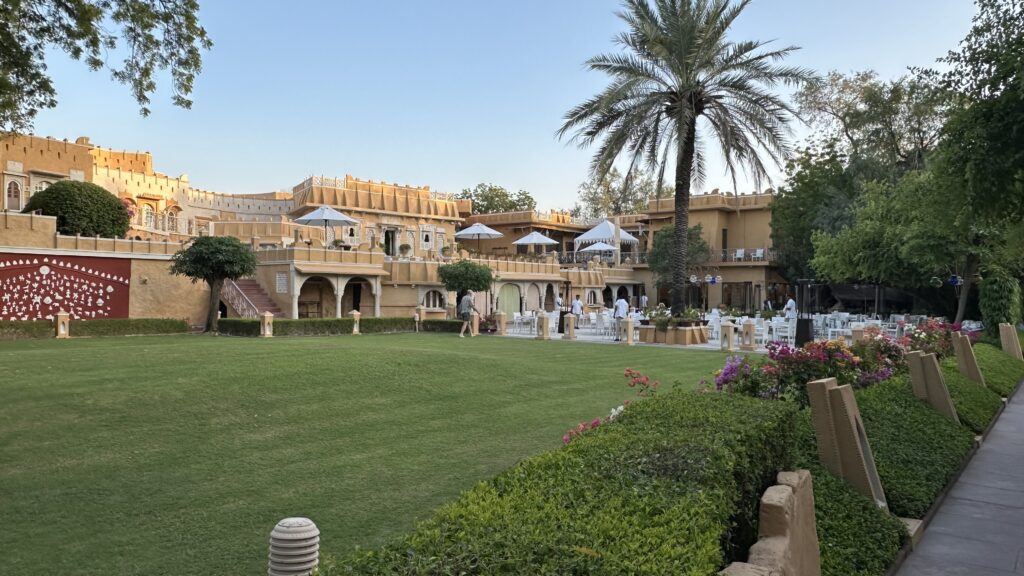
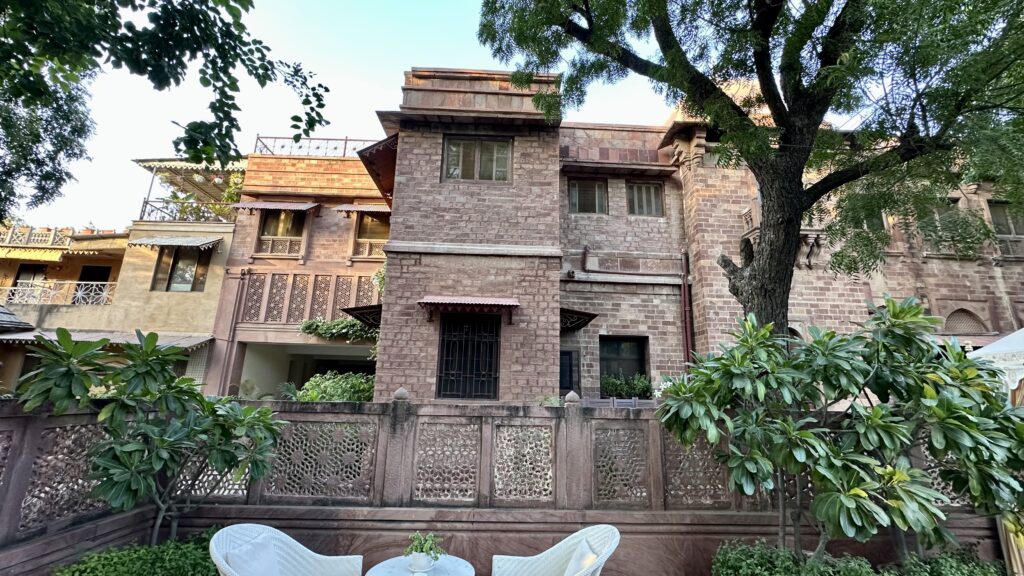
We relaxed for the rest of the evening and enjoyed a wonderful dinner at one of the restaurants within the hotel complex. During the meal, we were treated to a traditional Rajasthani music and dance performance.
The next day, we were ready to explore the Blue City of Rajasthan with our knowledgeable guide, who had a full and exciting schedule planned for us.
- Umaid Bhavan Palace
- Mandore Garden
- Jaswant Thada
- Rao Jodha Desert Rock Park
- Mehrangar Fort
- Toorji ka Jhalra
- Jodhpur City Center
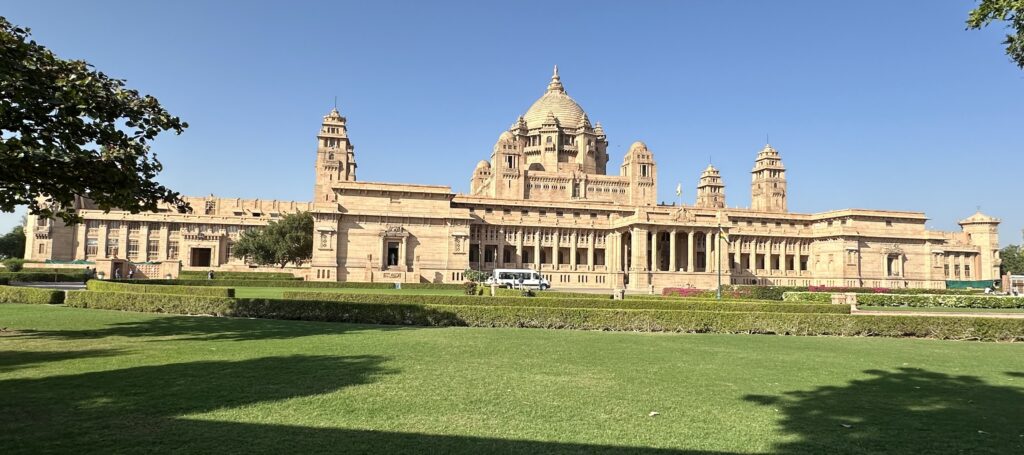
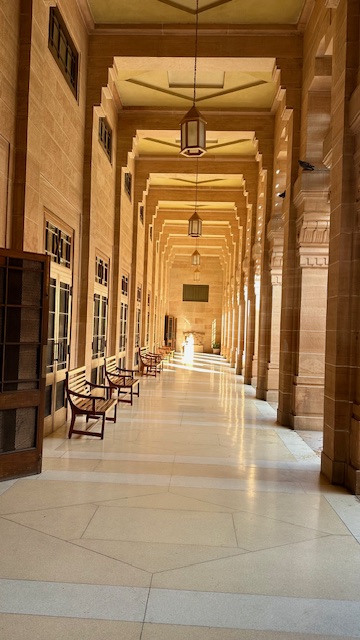
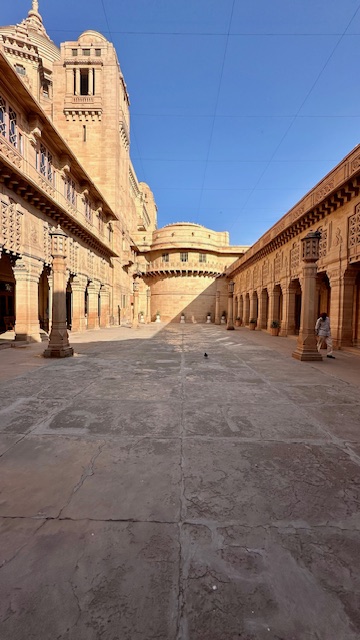
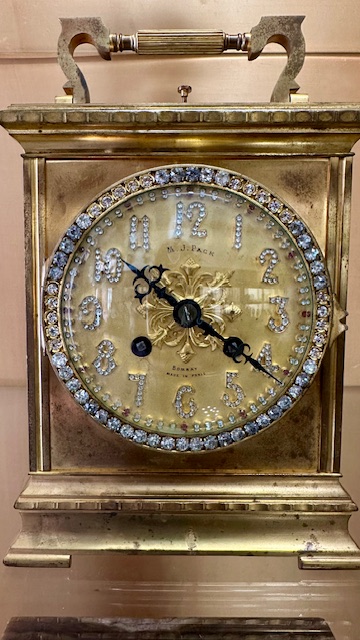
Umaid Bhavan Palace – We started our day at Umaid Bhavan Palace, a magnificent structure that functions as part hotel, part museum, and part royal residence. Only the museum section is open to visitors, offering a fascinating glimpse into the history of the Jodhpur royal family and the palace’s grand architecture. The Museum holds a wonderful collection of royal family photographs, vintage clocks, arms and weapons, household items, and vintage car collection. We spent 45-60 minutes going through the collections in the museum.
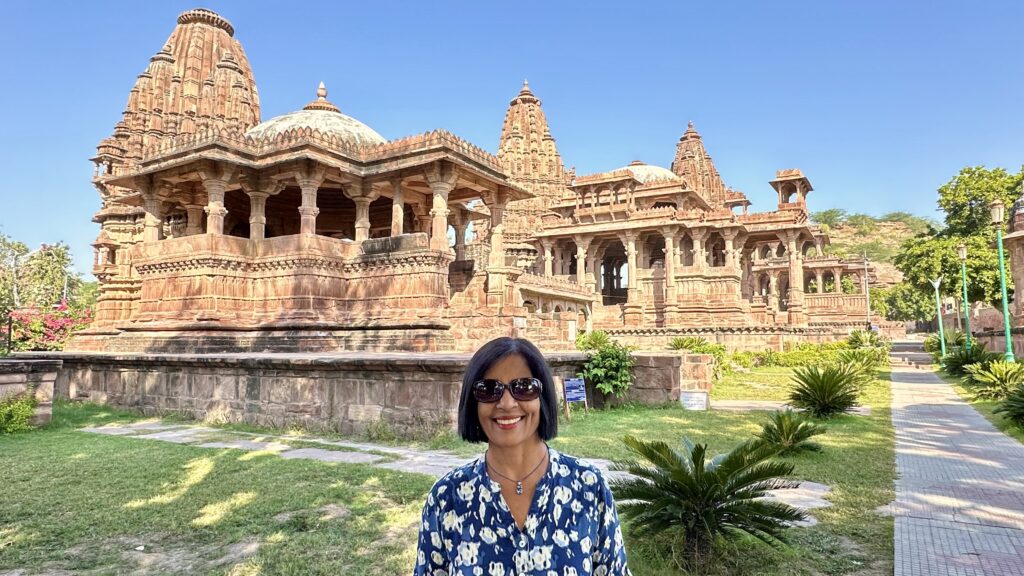
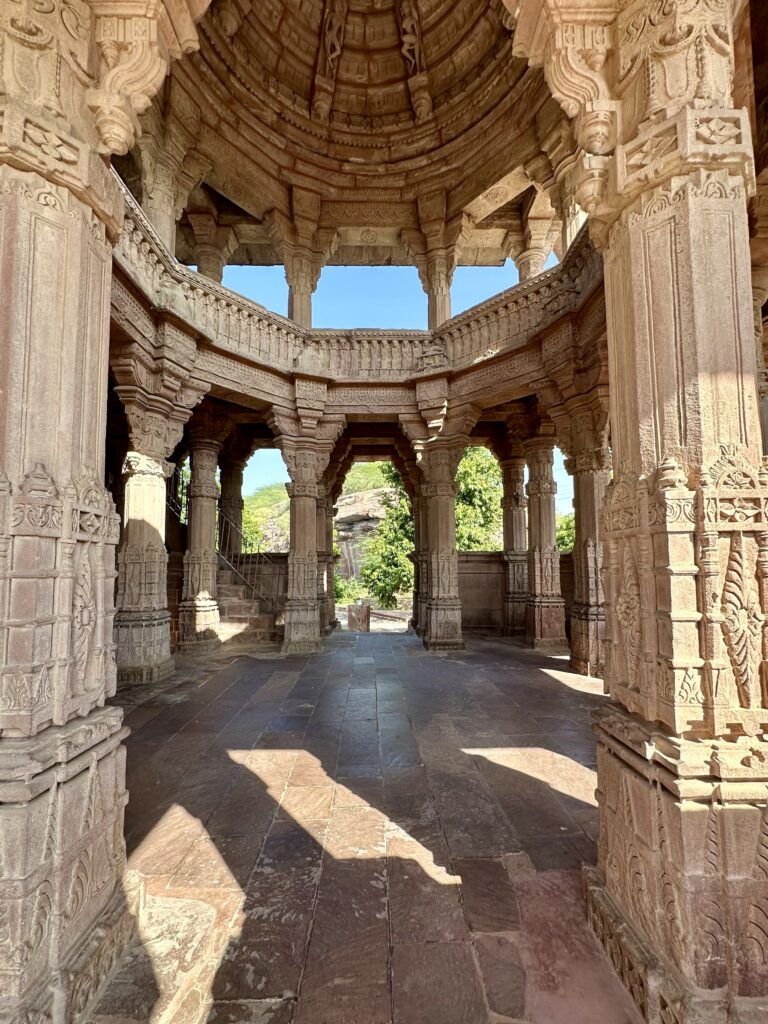
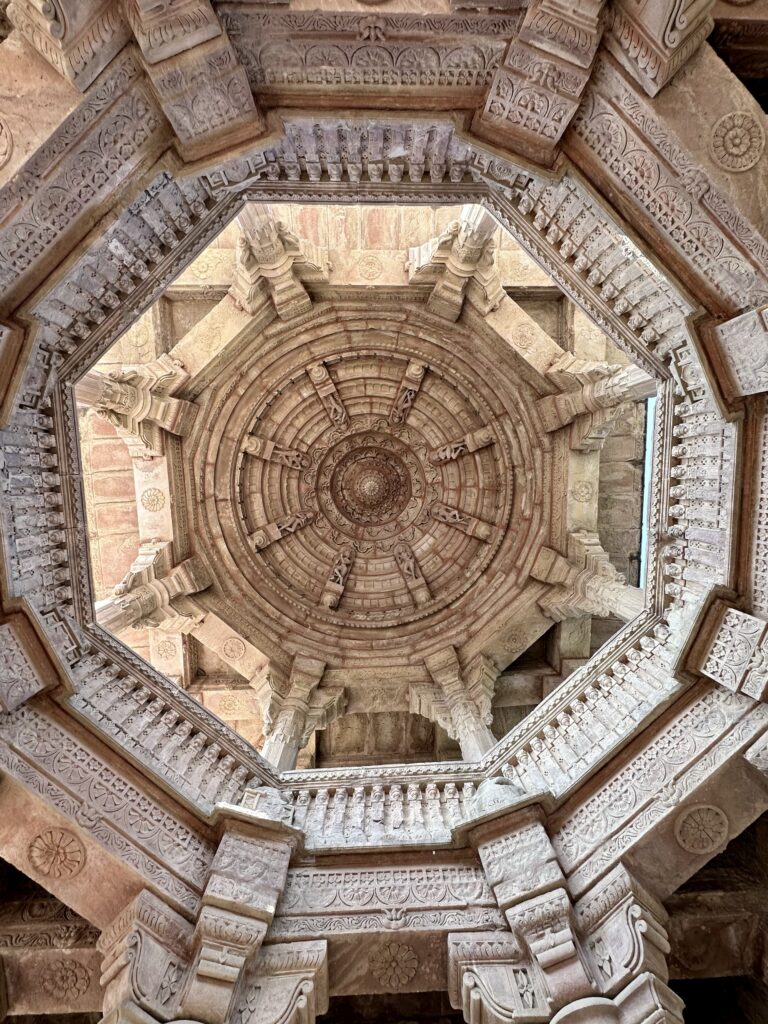
Mandore Garden – is an important stop on any Jodhpur itinerary. Once the former capital of the Rathores, it is home to the impressive cenotaphs of Jodhpur’s maharajas. Mandore served as the traditional cremation ground for Jodhpur’s rulers before Jaswant Thada became the official royal memorial site. You will find the cenotaphs of Maharaja Ajit Singh, Maharaja Jaswant Singh I and Maharaja Takhat Singh – last ruler to be cremated at Mandore before the site shifted to Jaswant Thada.
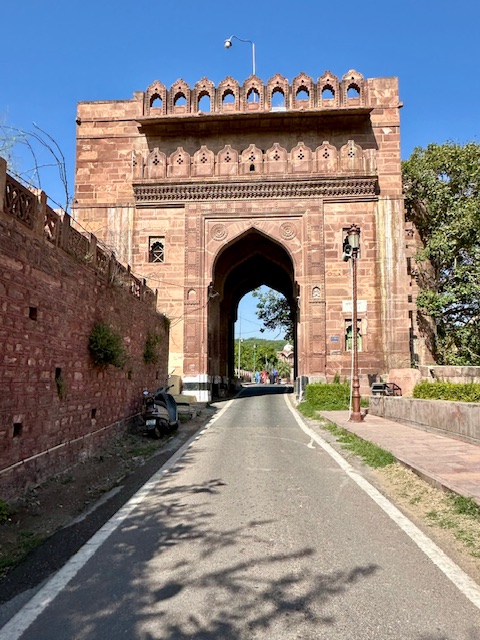
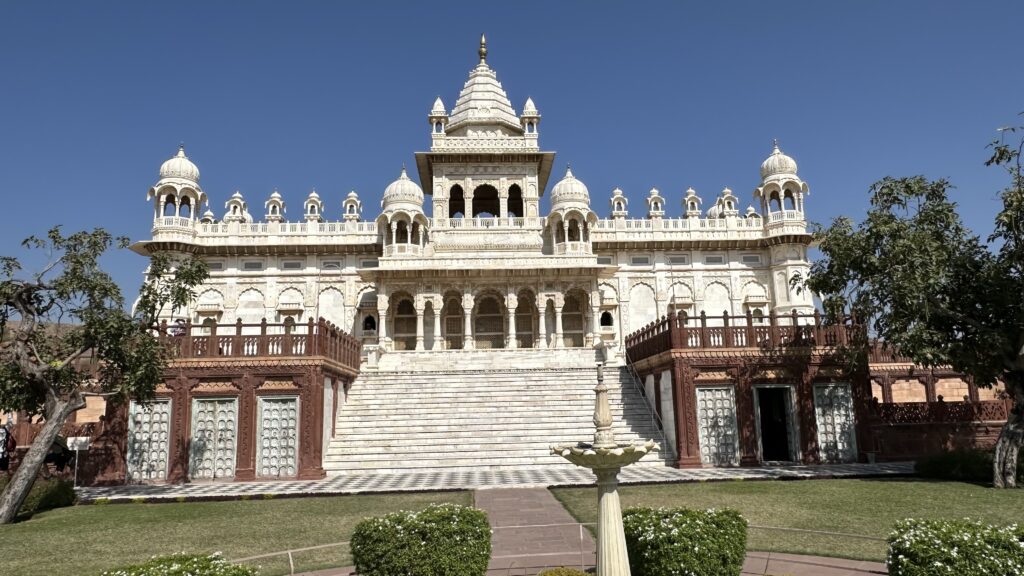
Jaswant Thada – was our next stop, a beautiful 19th-century white-marble cenotaph built in memory of Maharaja Jaswant Singh. Our driver dropped us off here, and from this point onward, we didn’t need the car as the next three attractions were all within walking distance (Rao Jodha Desert Rock Park, Mehrangarh Fort, and Ghanta Ghar).
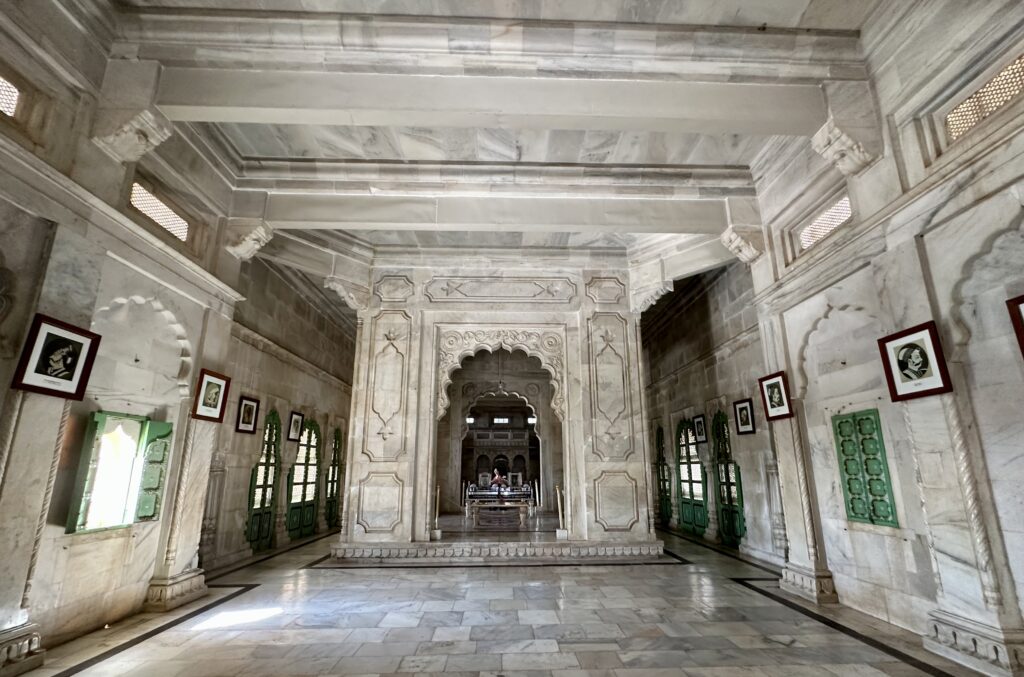
Often called the Taj Mahal of Marwar, Jaswant Thada was built in 1899 by Maharaja Sardar Singh for his father Maharaja Jaswant Singh II. The site also became the cremation ground for the ruling Rathore dynasty and was deliberately built near Mehrangarh Fort, symbolizing loyalty to the ruling seat. The main hall contains portraits of the former rulers of Jodhpur.
You can enjoy an excellent view of Mehrangarh Fort from a viewpoint located near the parking lot of Jaswant Thada.
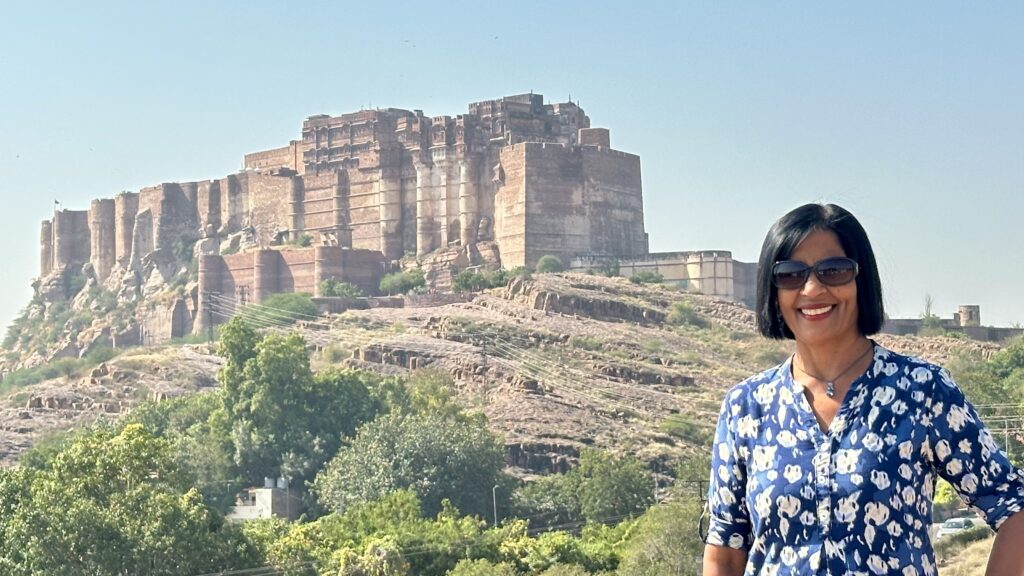
Rao Jodha Desert Rock Park – located just behind Jaswant Thada, this park was created to restore the natural ecology of the rocky desert landscape surrounding Mehrangarh Fort. The park showcases native plant species and offers stunning views of the fort’s towering walls.
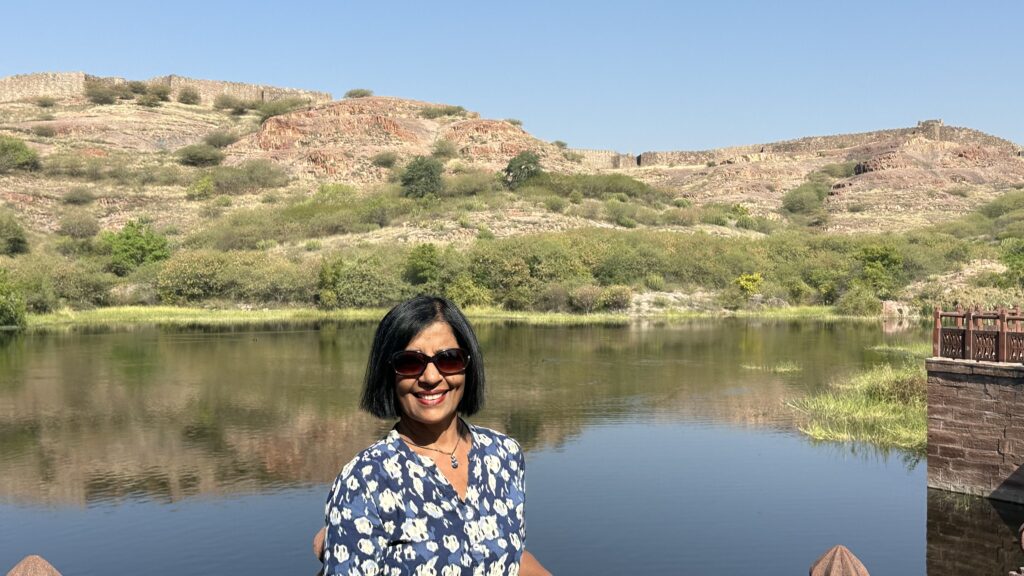
Mehrangar Fort – We entered the fort through the 19th-century Jai Pol gate and then waited for about 20 minutes in line to take the lift to the topmost level. From the terrace, we were rewarded with a spectacular panoramic view of Jodhpur’s famous Blue City, stretching out beautifully below the fort’s massive walls
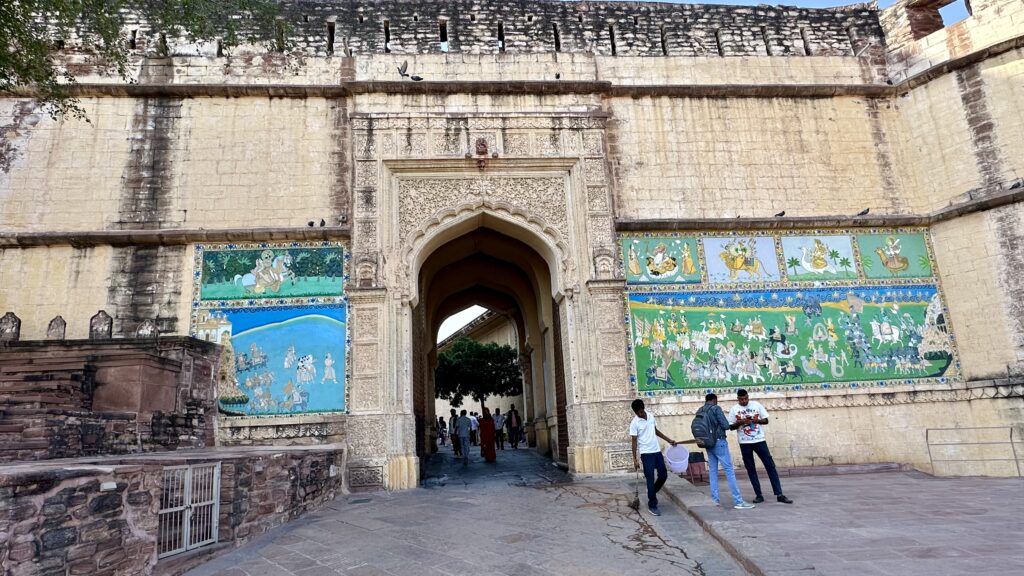
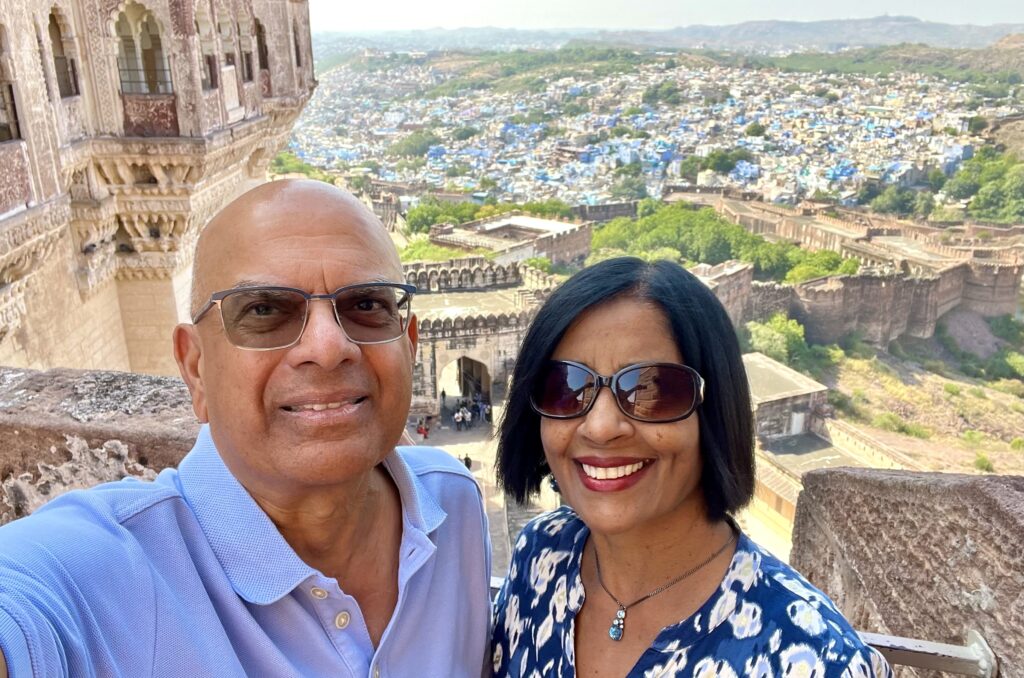
The fort houses an impressive museum with collections of weapons, paintings, and the beautifully curated Howdah Gallery. A howdah is a large, decorated seat or carriage that is placed on the back of an elephant.
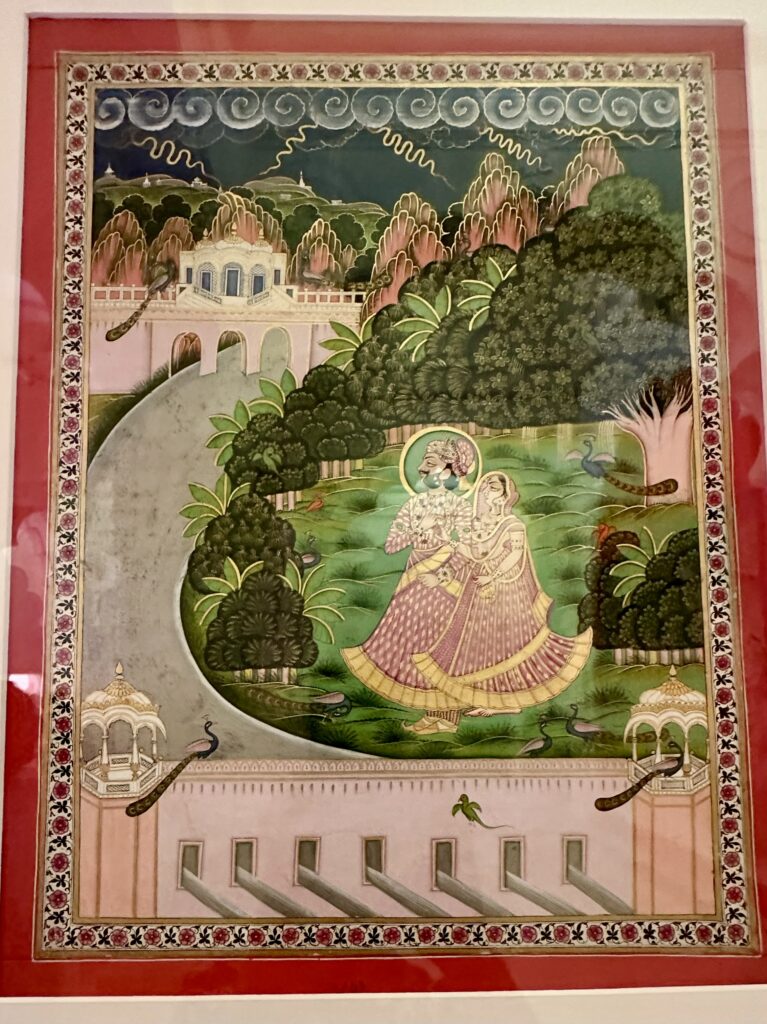
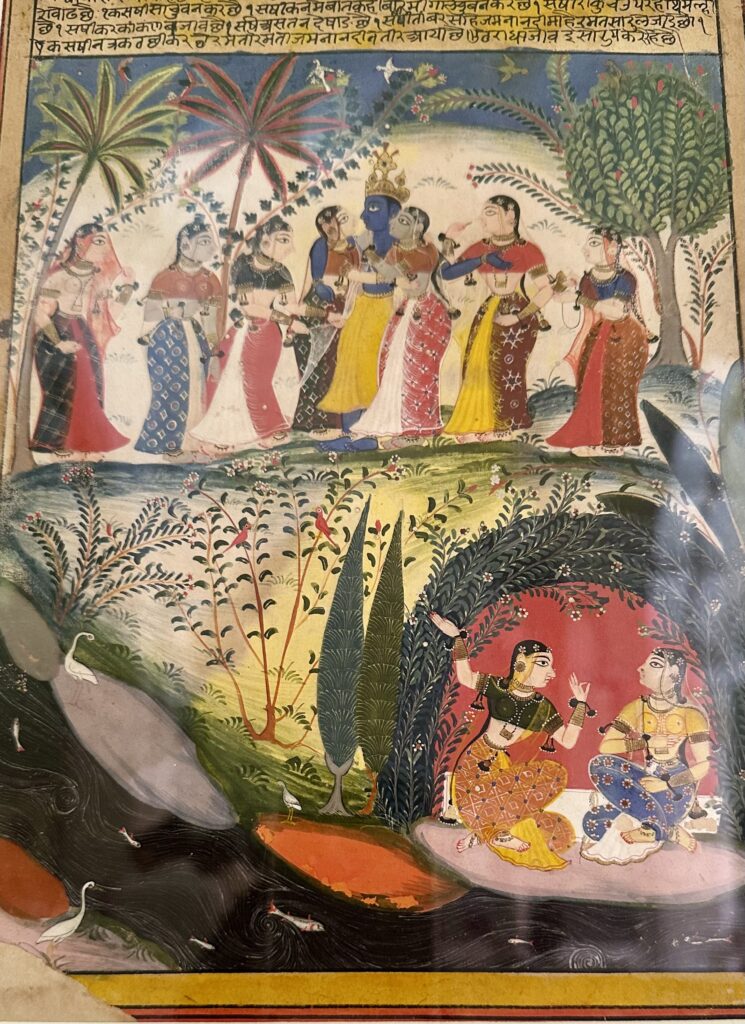
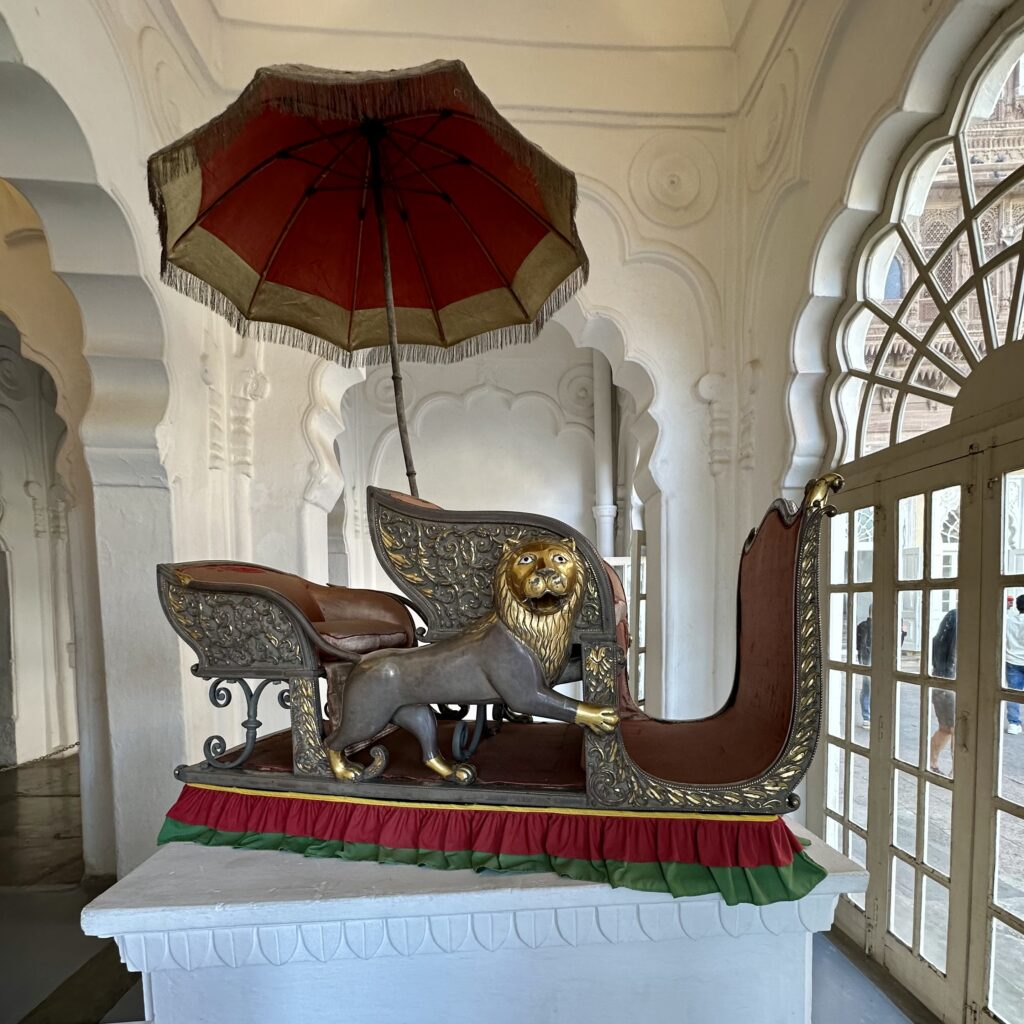
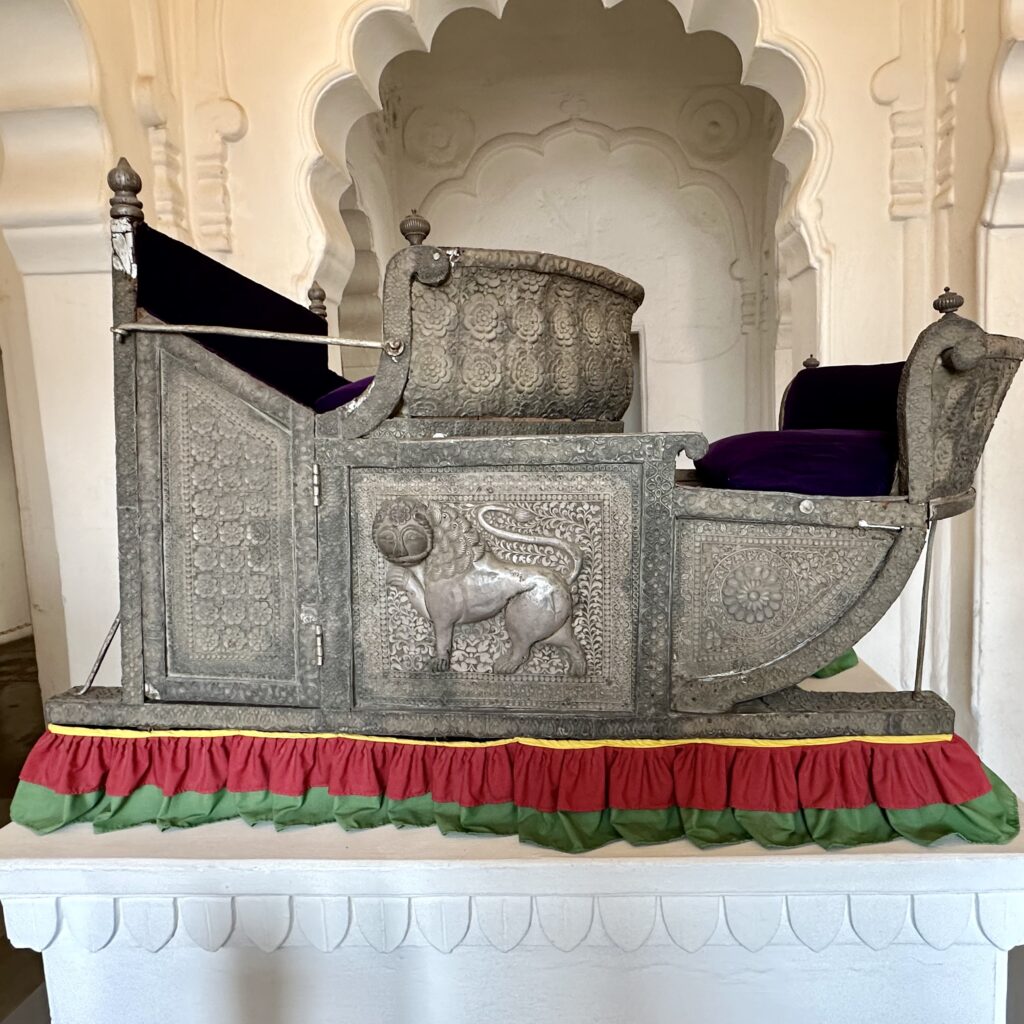
As you walk through its courtyards and palatial rooms like Moti Mahal (Pearl Palace), Phool Mahal (Flower Palace), and Sheesh Mahal (Palace of Mirrors), you get a true sense of Rajput artistry and royal life.
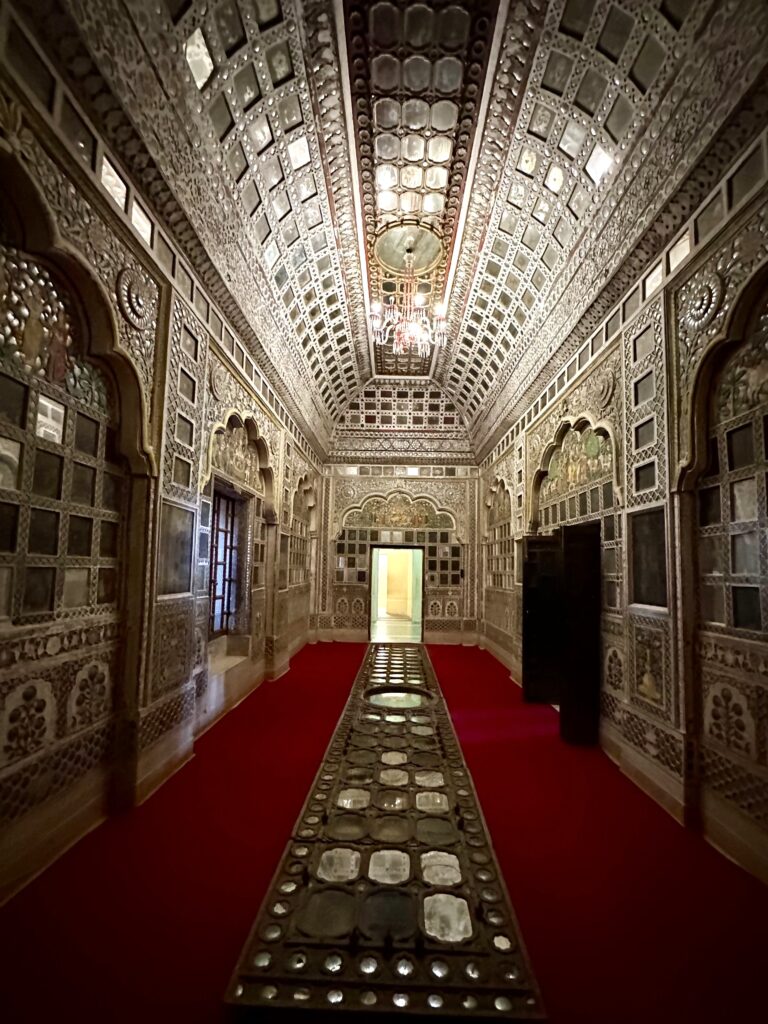
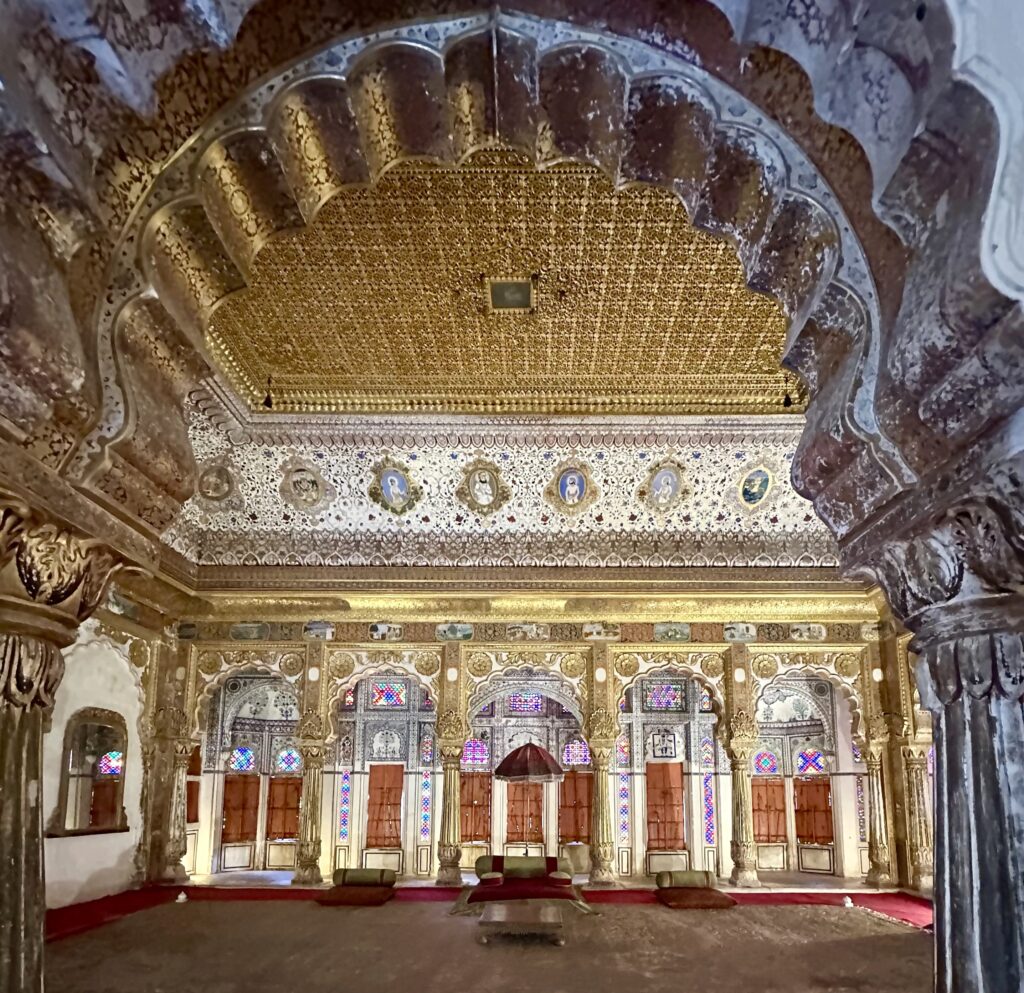
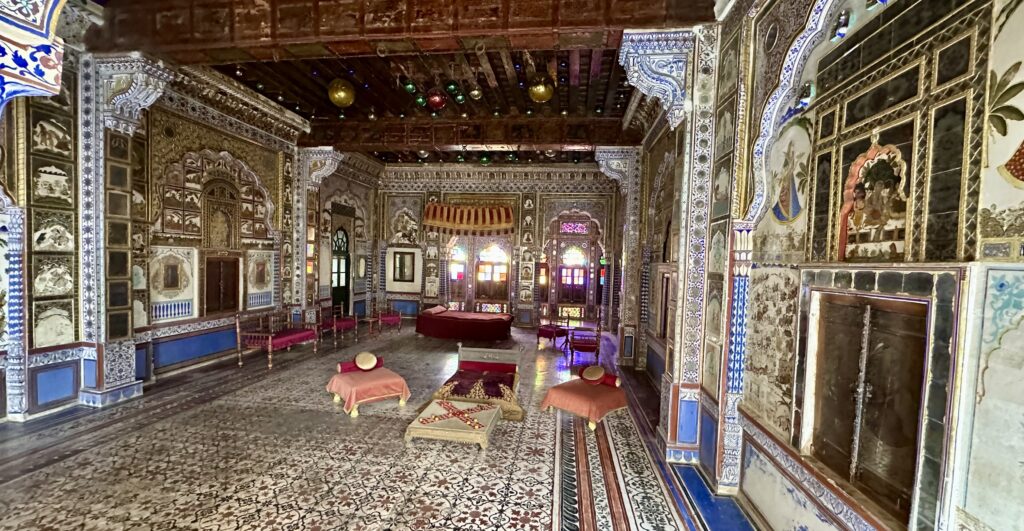
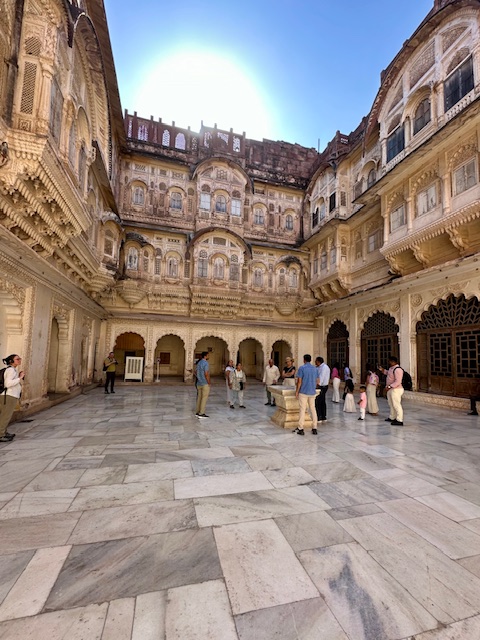
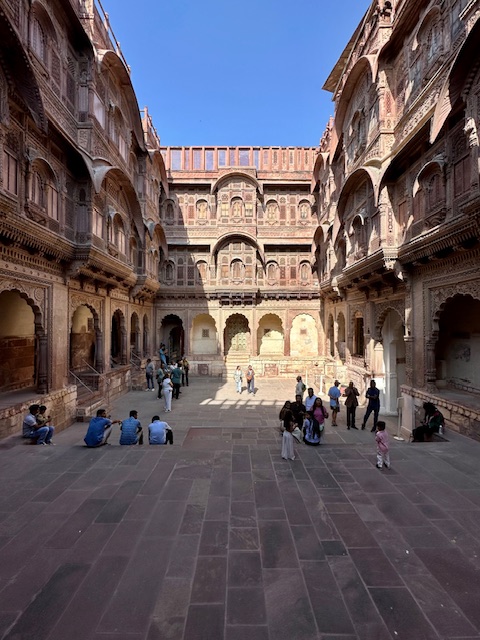
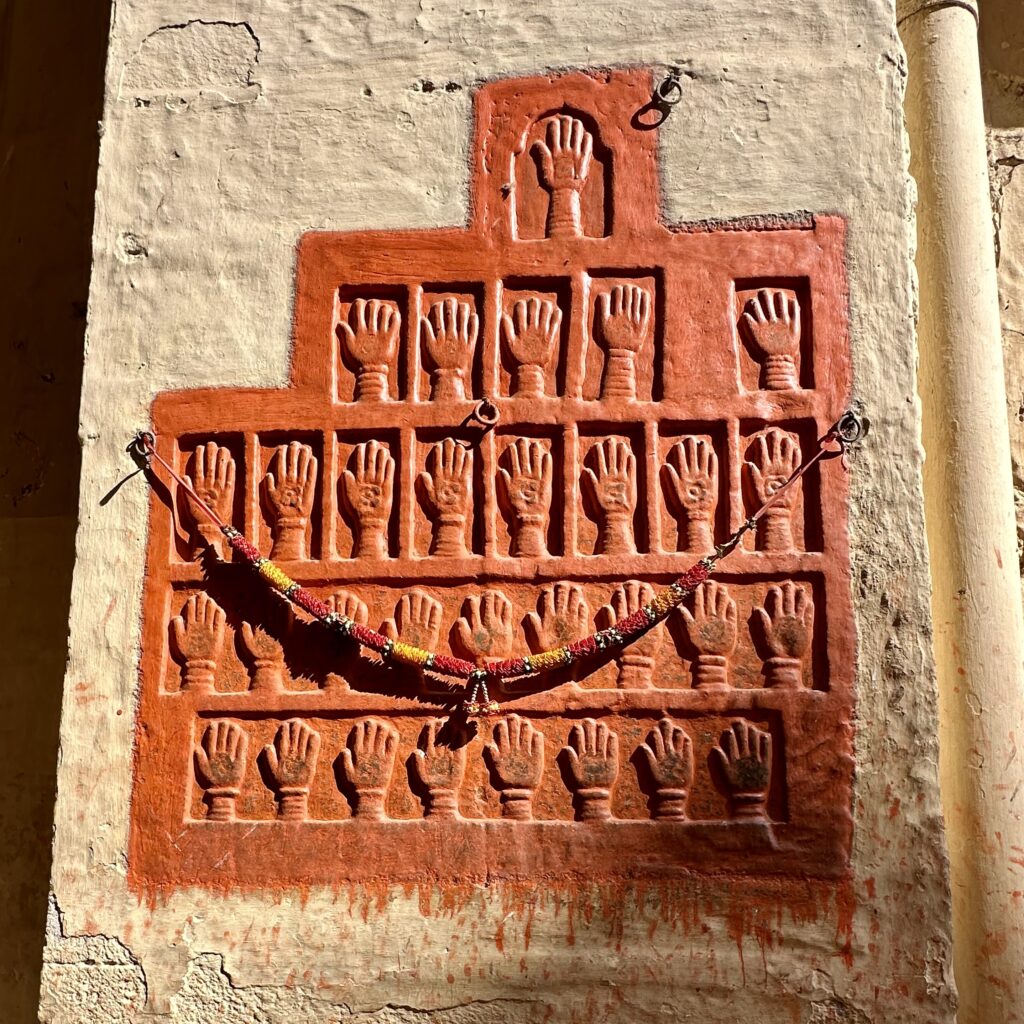
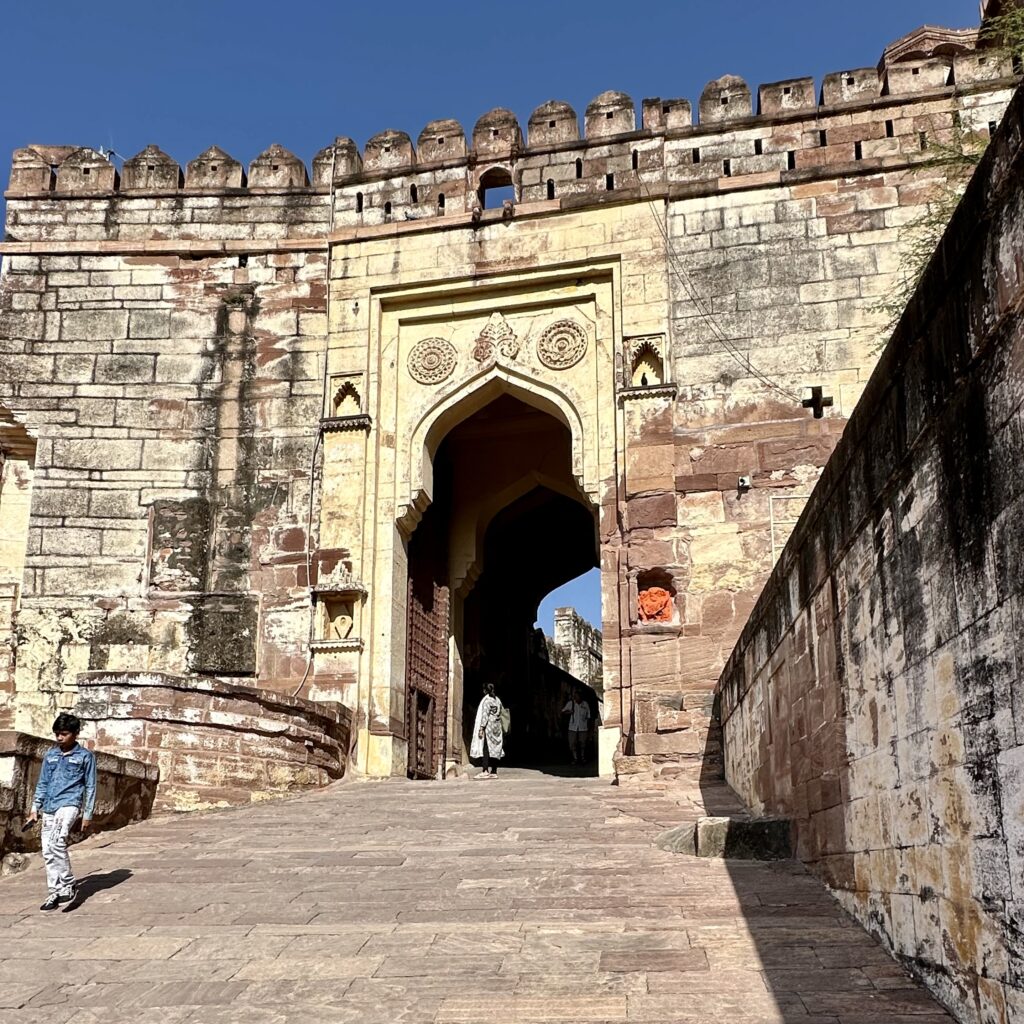
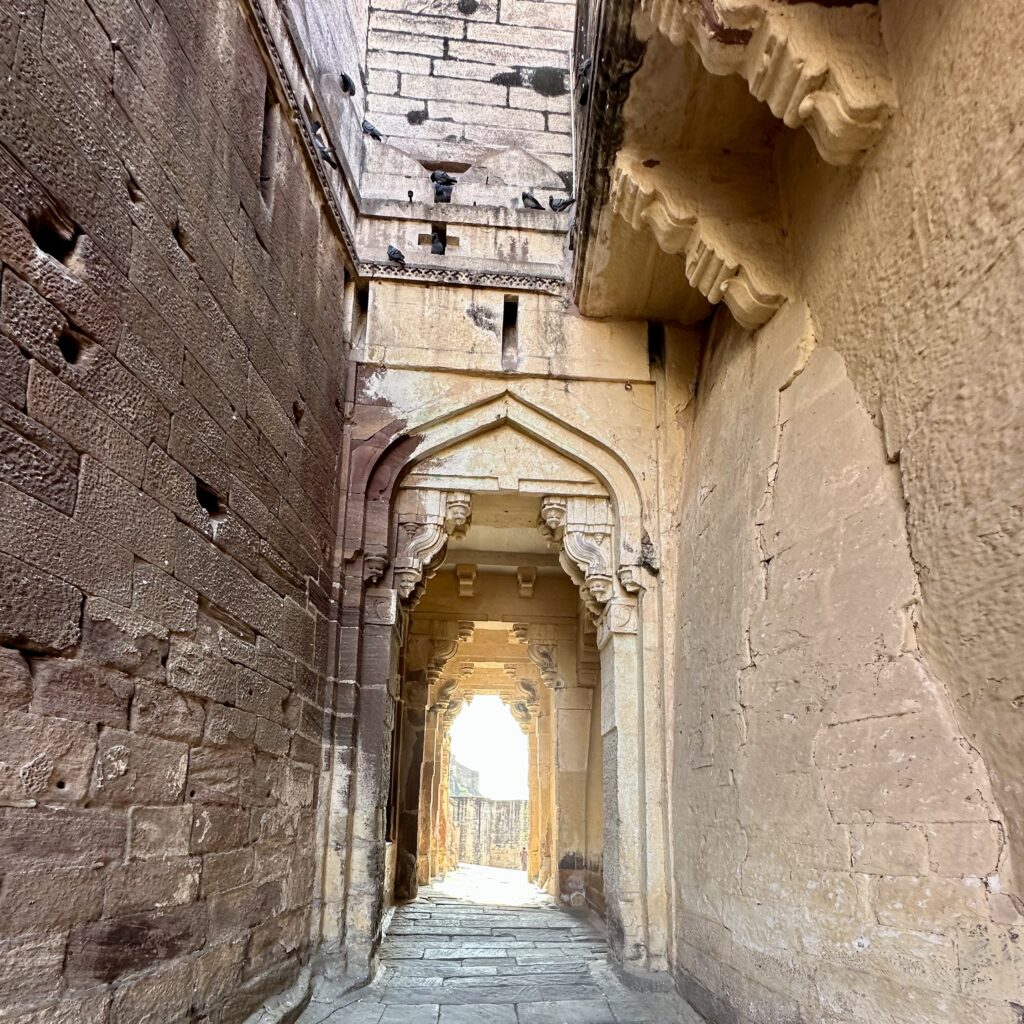
After exploring these highlights, we exited the fort by passing through four historic gates: Loha Pol, Amrit Pol, Dedh Kangra Pol, and Jai Pol. At Loha Pol, you can still see the poignant handprints of the queens who performed sati, a solemn reminder of the fort’s deep and complex history.
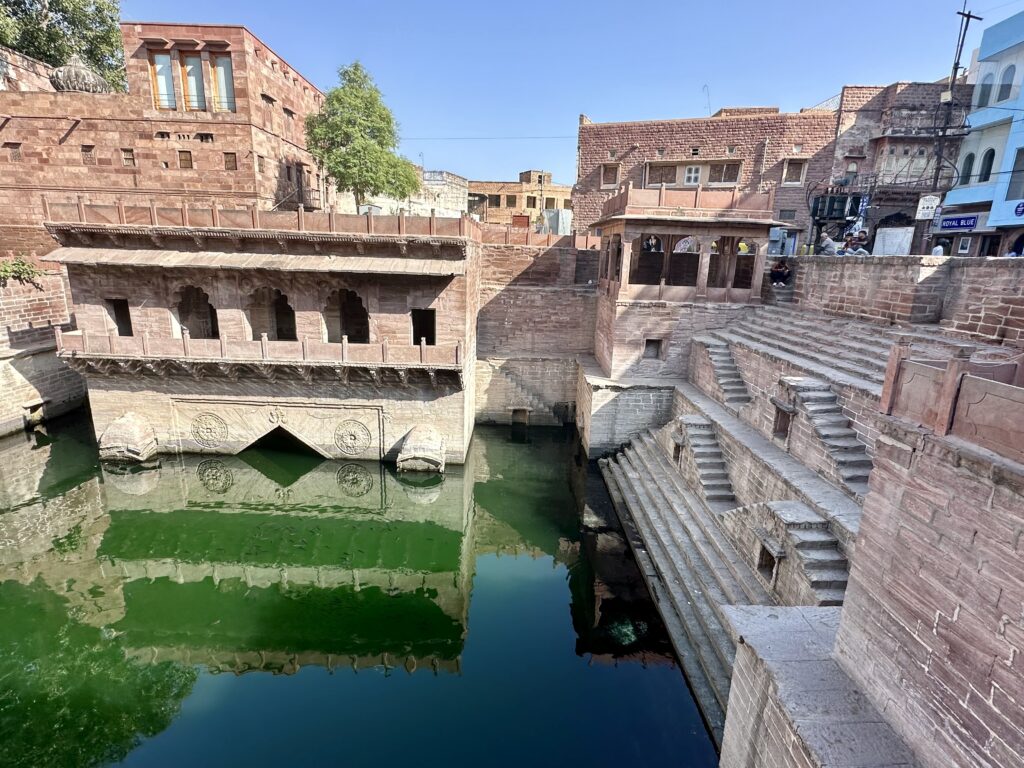
Toorji ka Jhalra – This beautifully restored 18th-century stepwell located in the heart of Jodhpur was built by a queen of the Marwar royal family, and features intricate sandstone carvings and symmetrical design. Today, it’s a popular spot for both locals and visitors and is perfect for photography, relaxing by the steps, or admiring the stunning architecture that reflects Jodhpur’s historic water conservation practices.
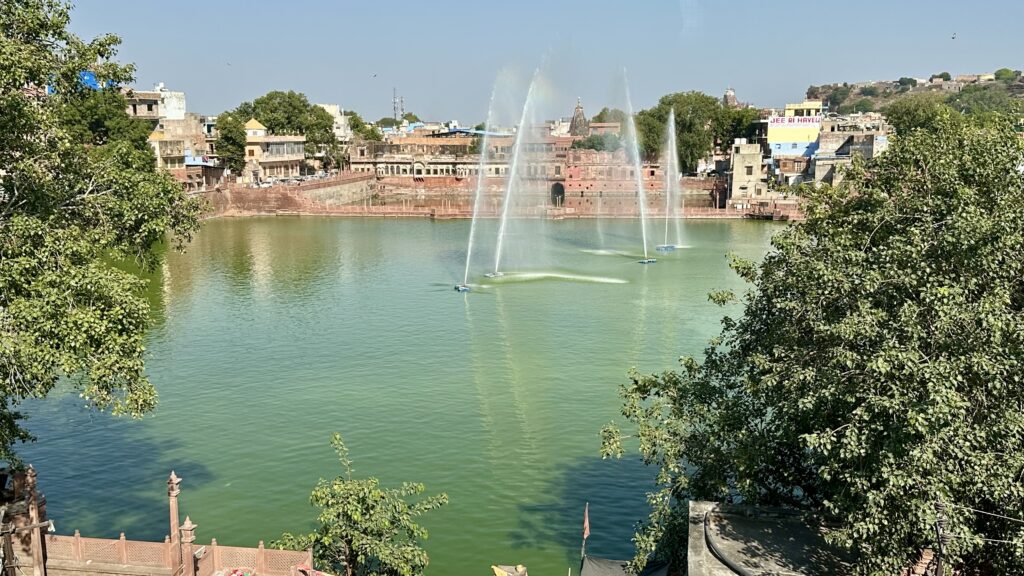
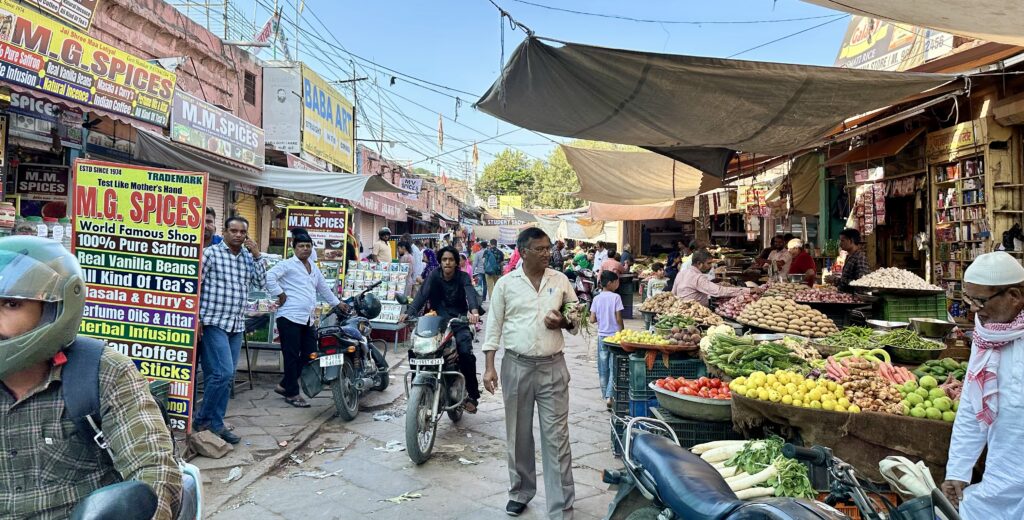
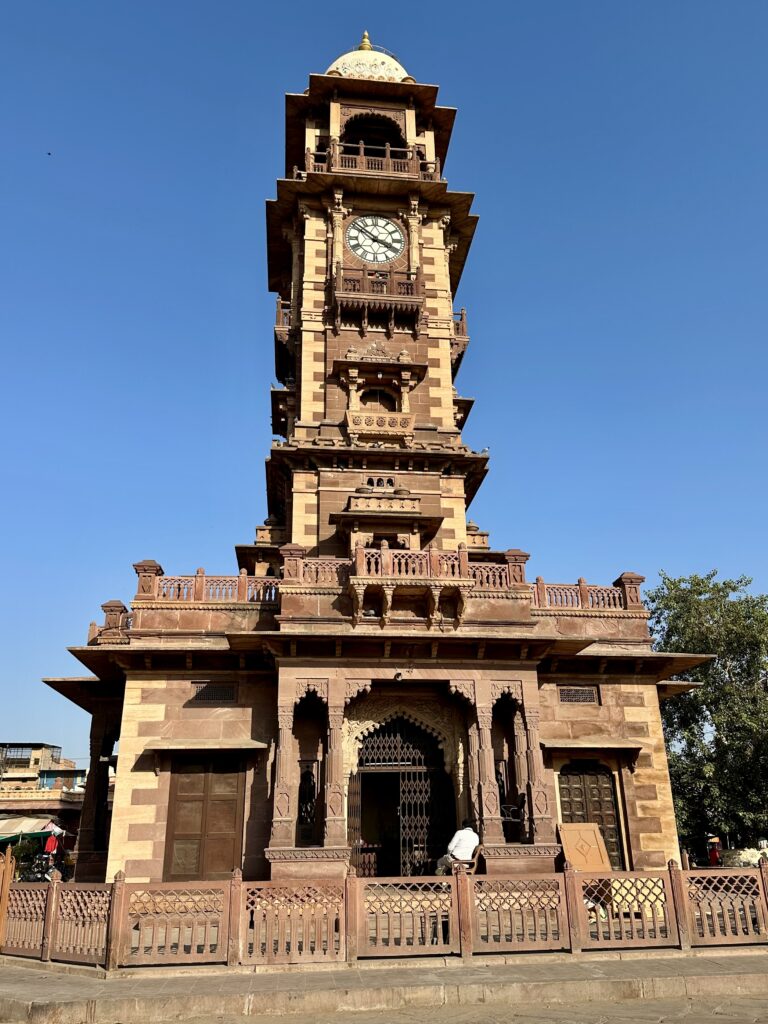
Jodhpur City Center – After leaving the fort, we first stopped for lunch at a restaurant overlooking the central fountain on Gulab Sagar, a lovely and relaxing spot. We then walked down to the bustling city center, home to the Ghanta Ghar (Clock Tower) and its vibrant marketplace. We spent some time wandering through the lively streets and even visited a textile shop, where we were shown a stunning collection of handmade blankets that are crafted locally and sold all over the world.