3 Nights in Marriott Jaisalmer
Flight from Jaipur to Jaisalmer landed on time. We were picked up from the airport by our guide who had a packed itinerary for us. Jaisalmer is known as the Golden City, with its sandstone buildings glowing in the sunlight and giving the entire place a warm, golden hue.
- Day 1
- Gadisar Lake
- Jaisalmer Fort (aka Sonar Quila or Golden Fort)
- Shri Chamunda Mandir
- Chandraprabhu Jain Temple
- Maharaja Mahal
- Bada Bagh
- Lodruva Jain temple
- Sam Sand Dunes
- Day 2
- Amar Sagar Jain temple
- Vyas Chhatri
- Tazia tower and Badal Palace
- Nathmal Haveli
- Salim Singh Haveli
- Patwon Ki Haveli (Mansion of the Brocade Merchants)
- Jaisalmer War Memorial
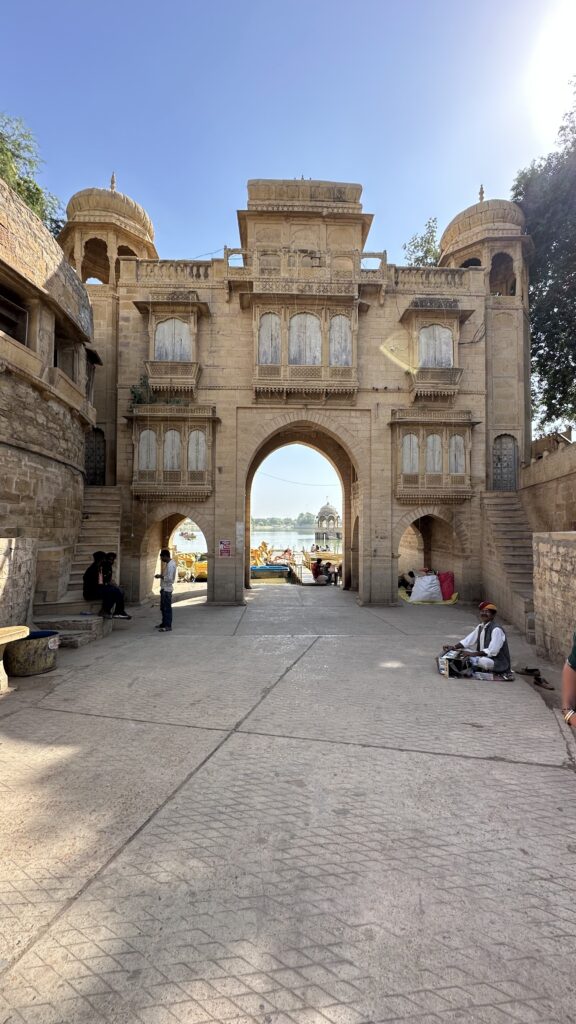
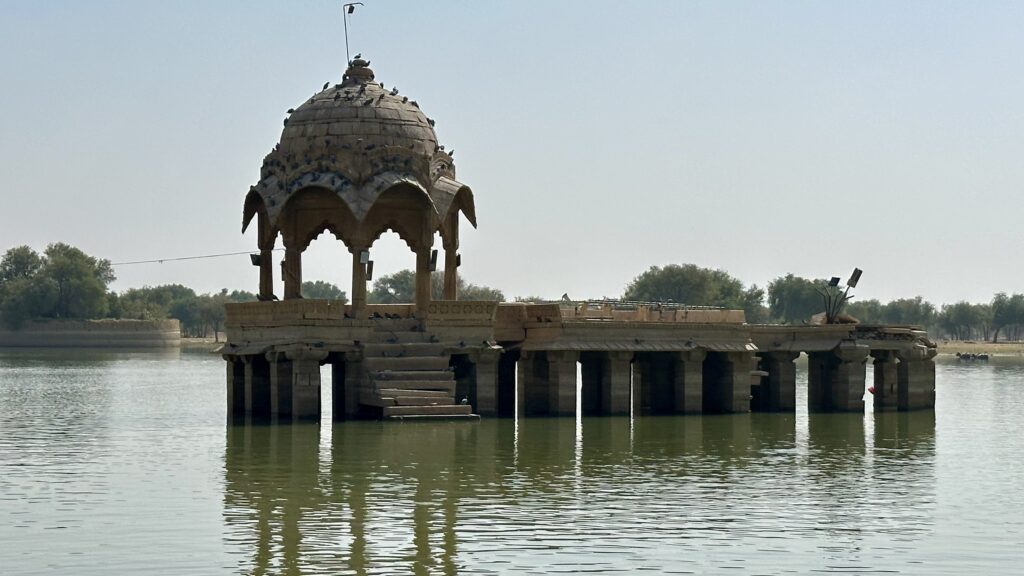
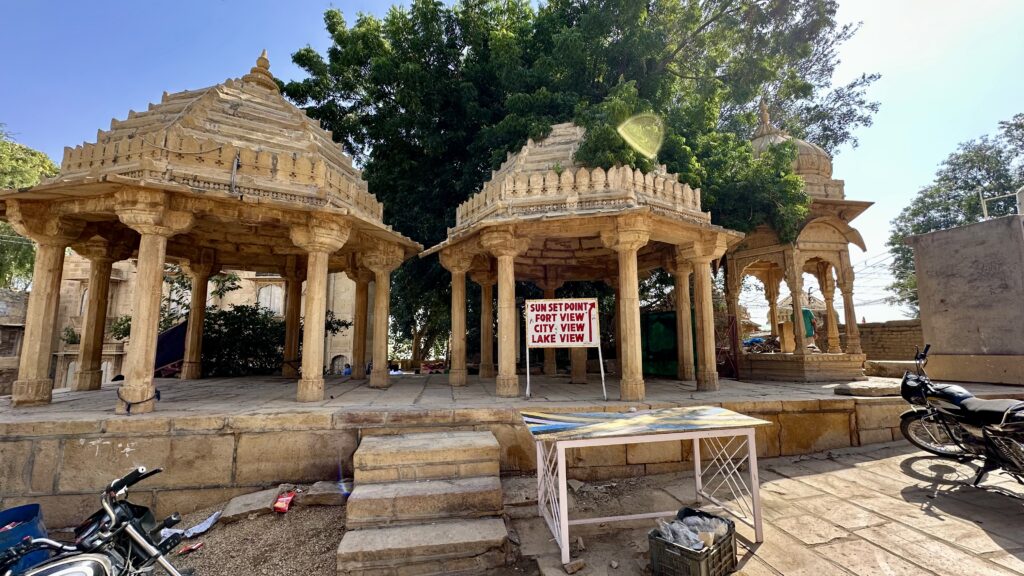
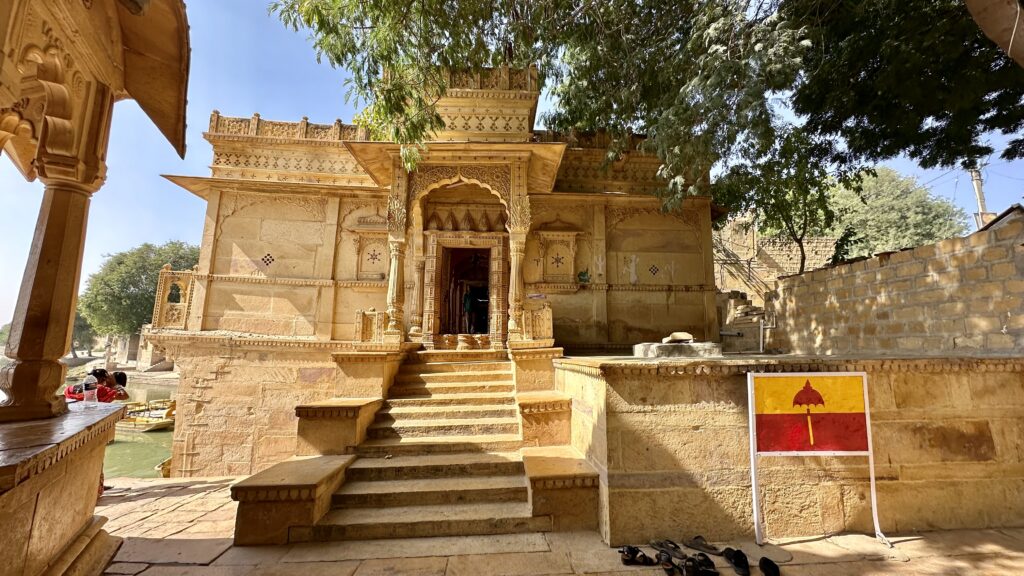
Gadisar Lake – A man-made lake, rebuilt in the 14th century by Maharawal Gadsi Singh, served as Jaisalmer’s main source of water. It is surrounded by sandstone ghats (steps), chhatris (cenotaphs), small temples and shrines, and intricately carved architectural elements, constructed by kings and wealthy patrons over the centuries. The main entrance to the lake is through a carved sandstone gateway called Tilon‑Ki‑Pol, which, according to legend, was built by a courtesan, so, the Maharawal of Jaisalmer never crossed it. Around the lake, one can also find 500-year-old cenotaphs of Jaisalmer’s businessmen, as well as the Shiva temple, Gaz Mandir.
Jaisalmer Fort (aka Sonar Quila or Golden Fort) – We spent about two hours exploring Jaisalmer Fort, but there’s so much to see that you could easily spend half a day admiring its stunning buildings. As one of the largest living forts in the world, it’s home to narrow lanes, bustling markets, and a collection of beautiful havelis. Inside the fort, you’ll also find a remarkable group of Jain temples dedicated to the Tirthankaras. These temples are not just religious landmarks but also architectural masterpieces, with intricate carvings and exquisite craftsmanship.
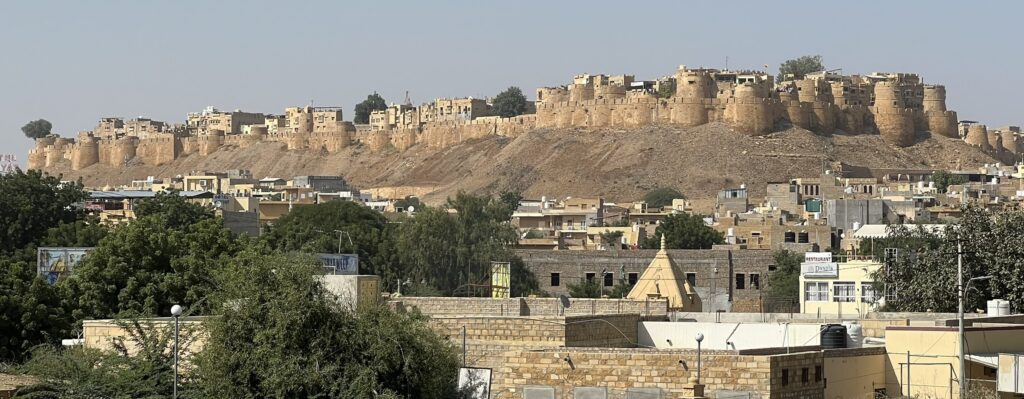
Jaisalmer Fort, Shri Chamunda Mandir – is a revered Hindu temple dedicated to Goddess Chamunda, a fierce form of Durga. The temple’s architecture is a blend of intricate carvings and traditional Rajasthani design, with detailed sculptures adorning its walls and pillars. The main shrine houses a black stone idol of Goddess Chamunda, believed to protect the city and its people.
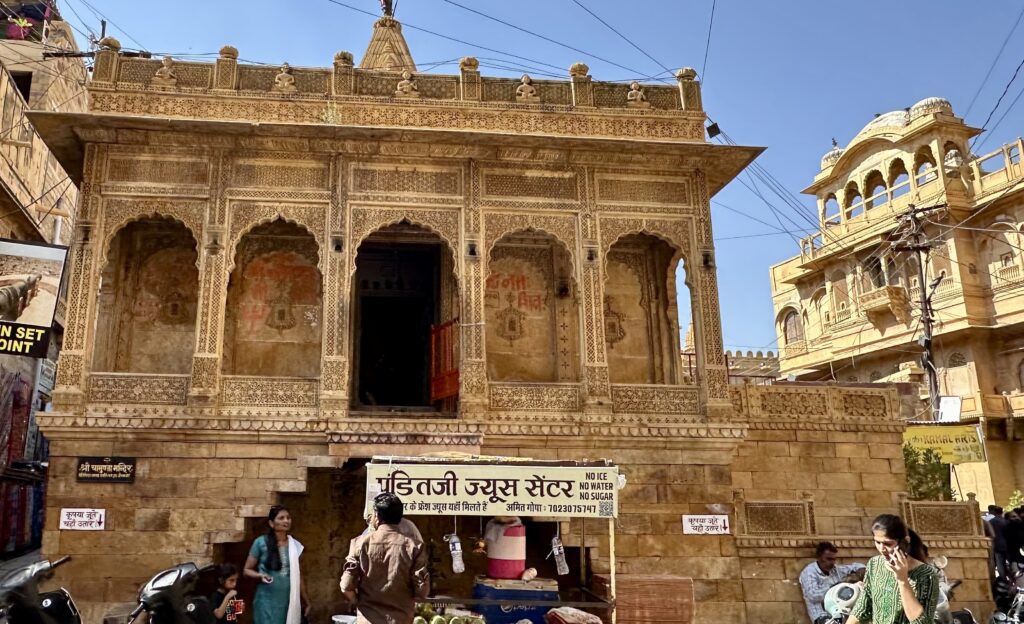
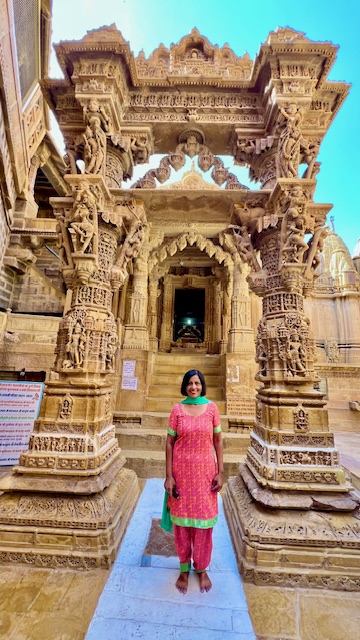
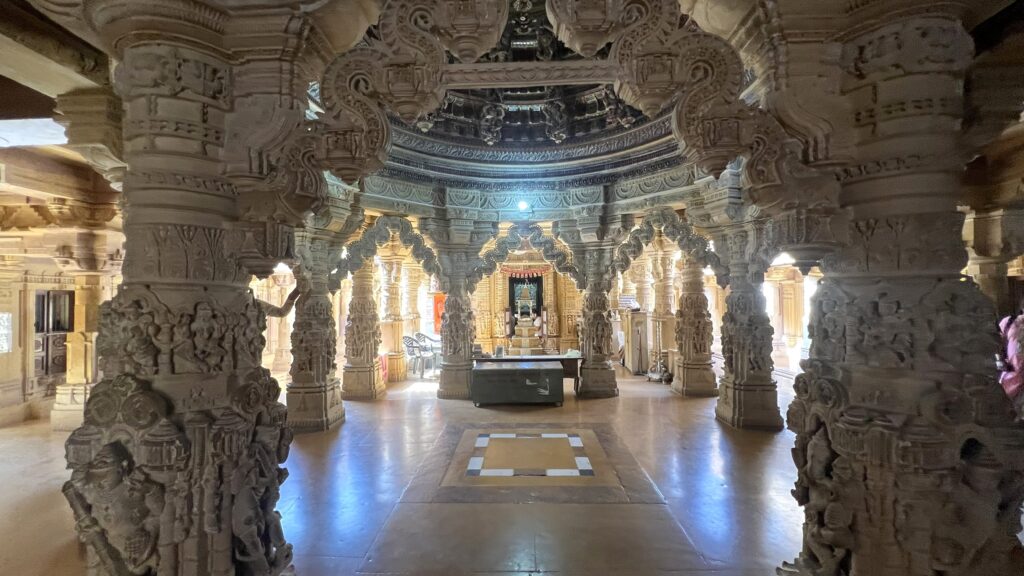
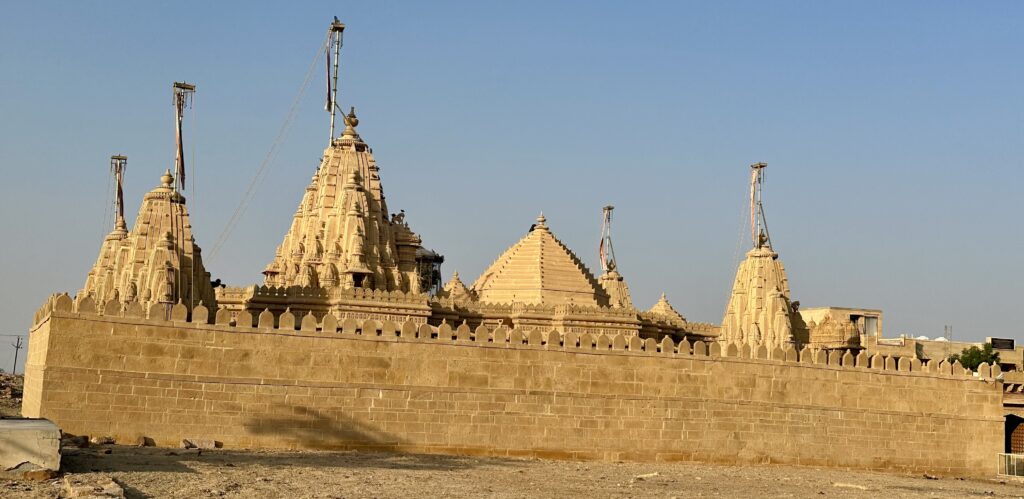
Jaisalmer Fort, Chandraprabhu Jain Temple – Our next stop was this beautiful Jain temple dedicated to the eighth Jain Tirthankara, Lord Chandraprabhu. This temple is part of a complex of Jain temples within the fort. The temple complex was originally built between the 12th and 16th centuries and is made of yellow sandstone.
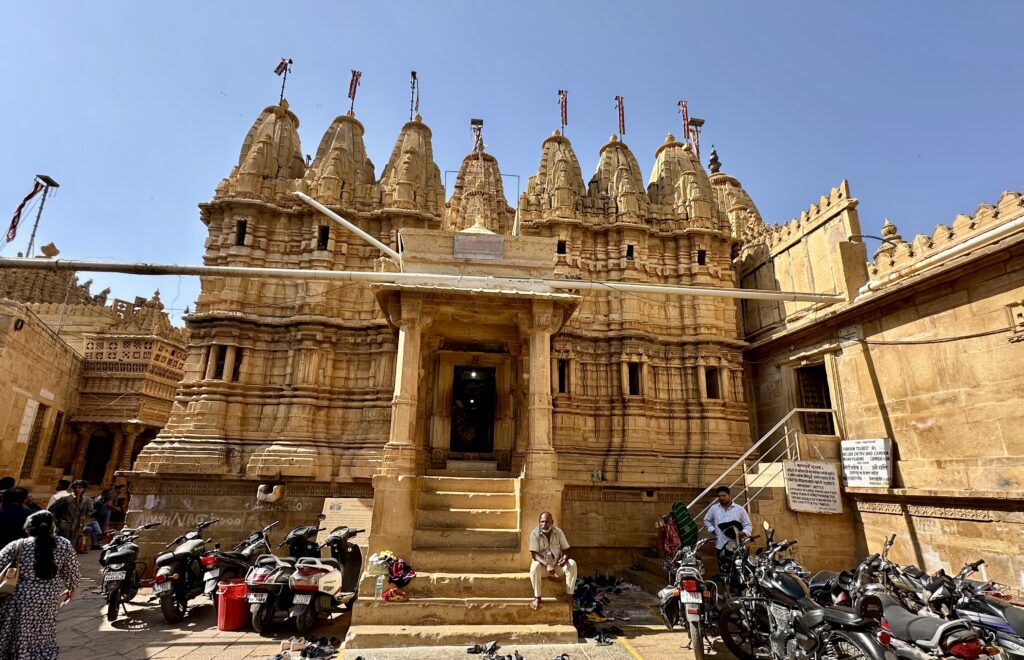
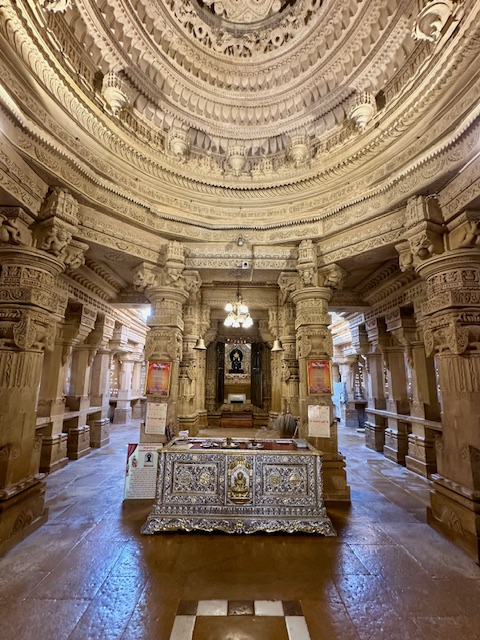
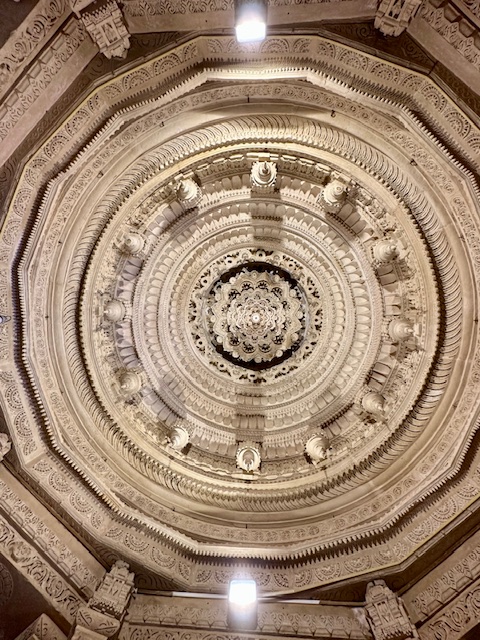
The interior of the Chandraprabhu Temple took my breath away. Every surface is adorned with exquisite, intricate carvings, showcasing incredible craftsmanship. The ceiling, in particular, stands out with its stunning patterns and artistic beauty, making the temple an absolute masterpiece of design and skill.
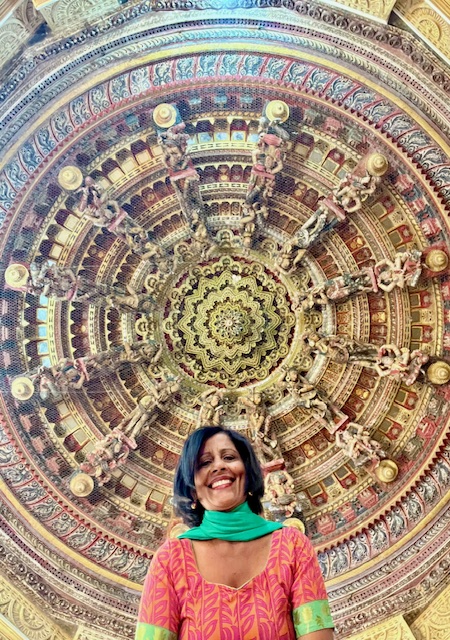
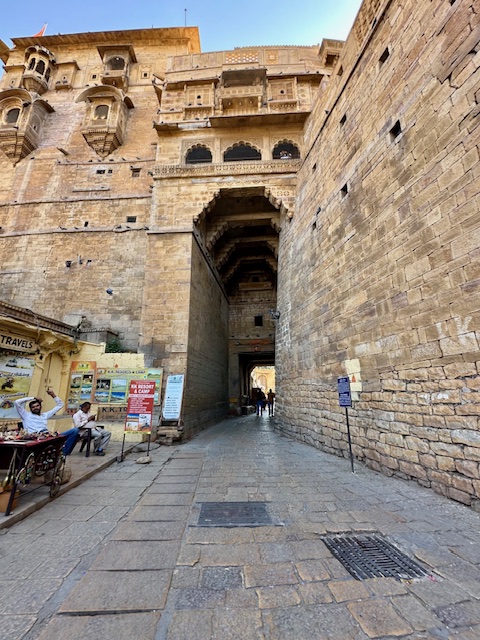
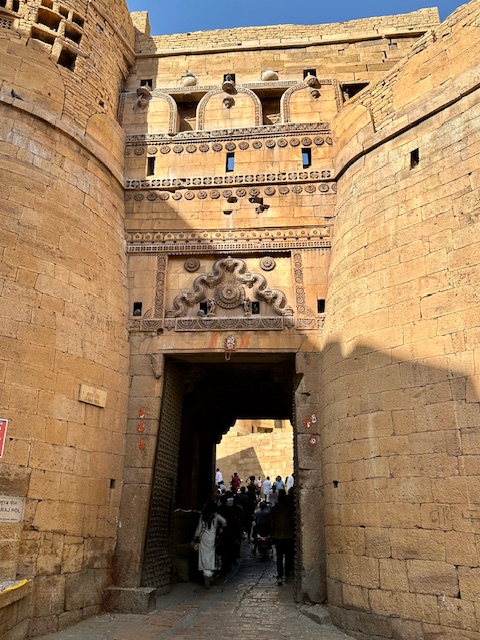
Jaisalmer Fort, Maharaja Mahal – To reach the Maharaja Mahal, you pass through five impressive gates, each adding to the fort’s grandeur.
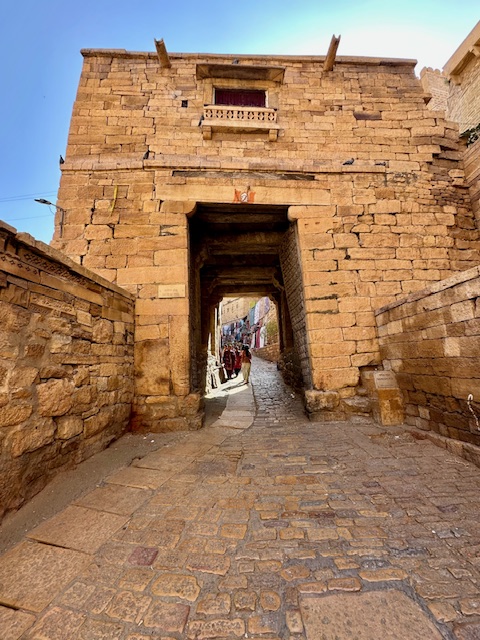
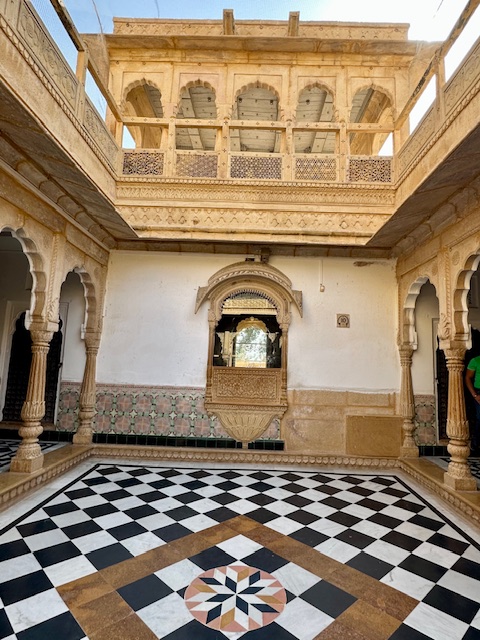
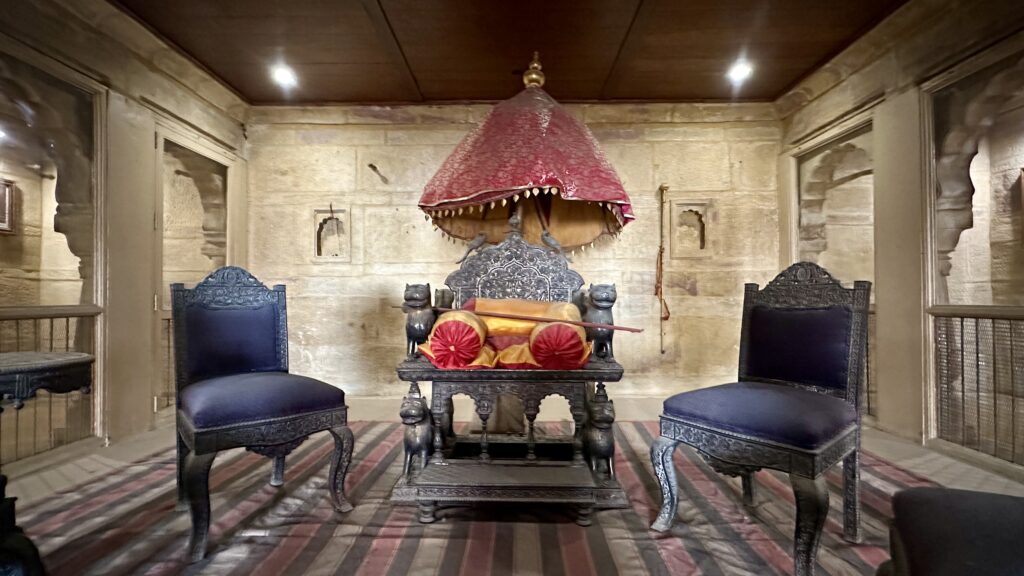
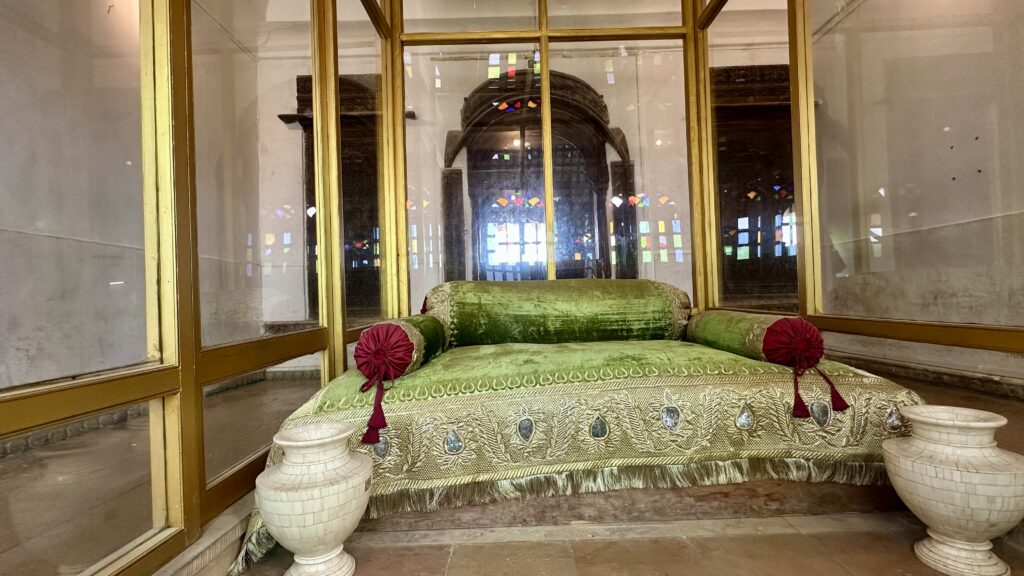
Once inside, we explored the expansive palace, which spans seven floors filled with fascinating rooms and historical charm. At the terrace, you’re rewarded with a breathtaking view of the Golden City.
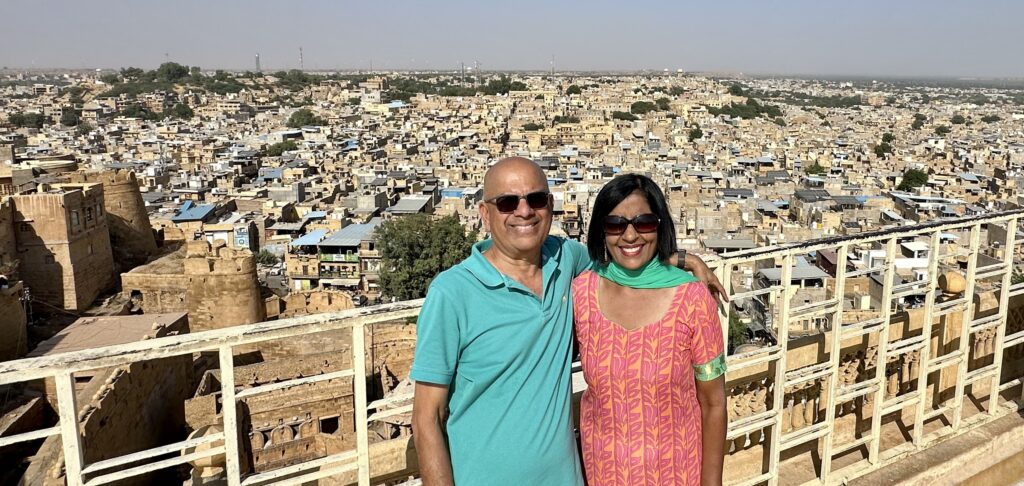
Bada Bagh – meaning Big Garden, is a serene complex of royal cenotaphs (chhatris) located on a hill overlooking the golden dunes of Jaisalmer. Built between the 16th and 20th centuries, these sandstone memorials honor the kings and nobles of the Bhati dynasty. Each cenotaph features intricately carved pillars, domes, and elevated platforms that glow beautifully at sunrise and sunset.
Lodhruva Jain Temple – This temple was constructed in the 9th century under Rawal Jaisal, a famous prince of Bhati clan. It was destroyed in 1152 and was repaired and renovated in 1615. The temple remains the only standing structure in the ruined city of Lodhruva and is renowned for its intricate yellow-sandstone carvings, ornate torana (arched gateway), finely detailed pillars, and stunning jaali work that glows in desert light. The temple features a central dome (over the main sanctum/mandapa) whose ceiling is decorated with intricate stone carvings, often described as a rosette carved from a single piece of stone.
Sam Sand Dunes – Our last activity of the day took us to Sam Sand Dunes, which was a 45-minute drive from Jaisalmer city center. We arrived around 5:10 pm, just in time for our camel ride to the dunes. The ride took about 20 minutes, and we reached the top of the dunes just as the sun began to set, creating a magical, golden desert landscape.
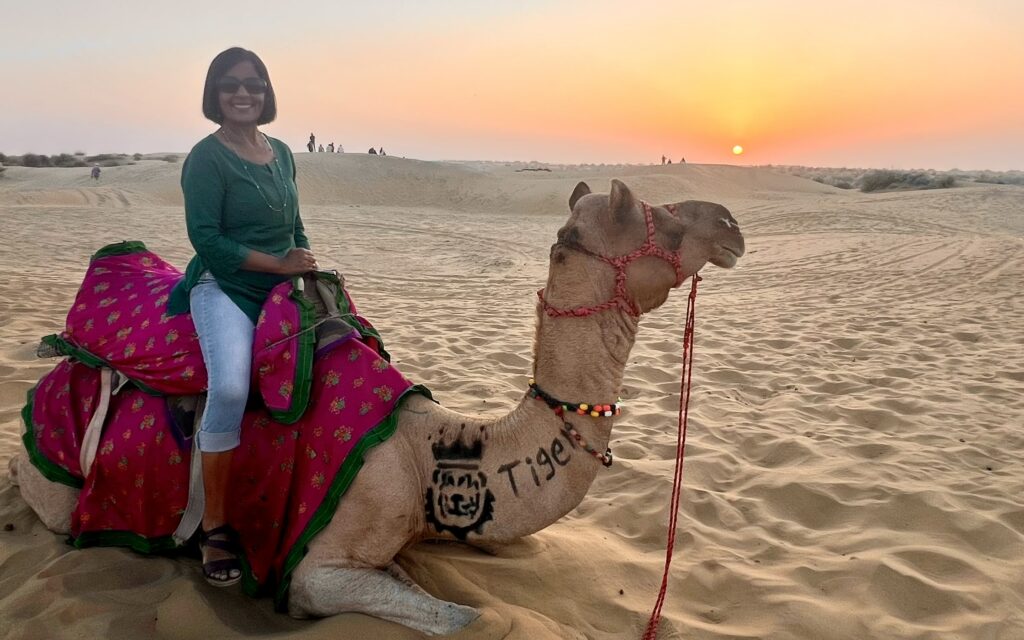
After enjoying the breathtaking sunset, we decided to skip the traditional dinner and cultural show, as we would have had to wait for over an hour for them to begin. We were feeling tired and decided to head back to the hotel and relax.
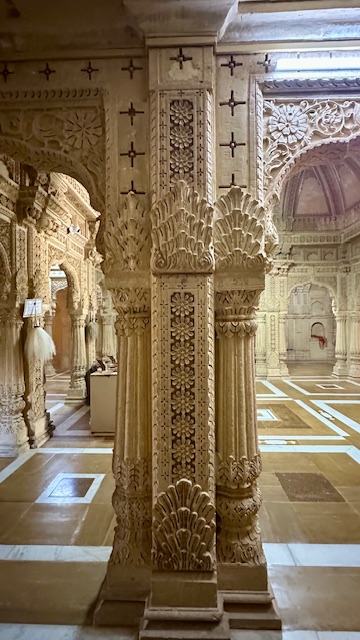
Amar Sagar Jain temple – was built in the 16th century and is dedicated to Lord Adinatha, the first Tirthankara of Jainism. Located adjacent to the famous Amar Sagar Lake, it features beautiful carvings, intricate sculptures, and ornate marble work that reflect the rich Jain architectural style. One of the highlights of this temple is its peaceful setting, away from the hustle and bustle of Jaisalmer city, making it an ideal spot for quiet reflection. There was no water in the Amar Sagar Lake at the time of our visit in November 2025.
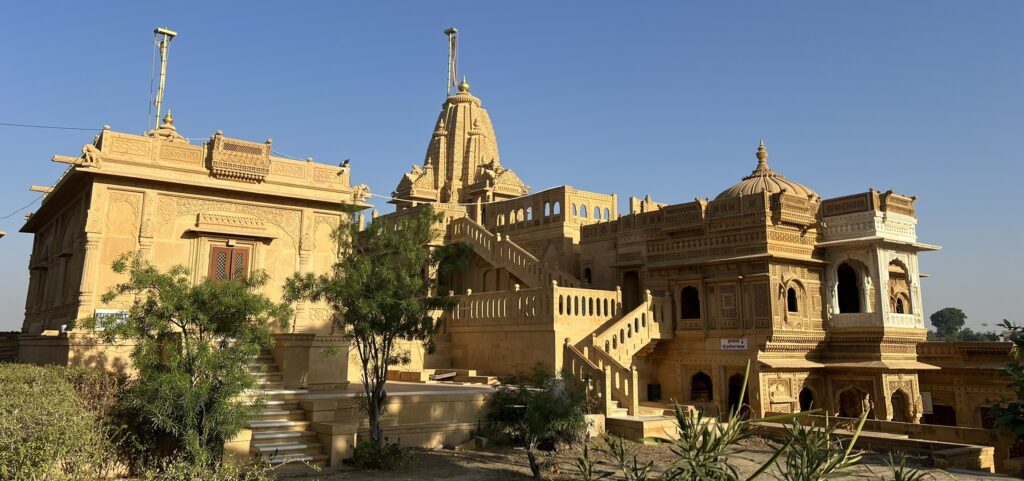
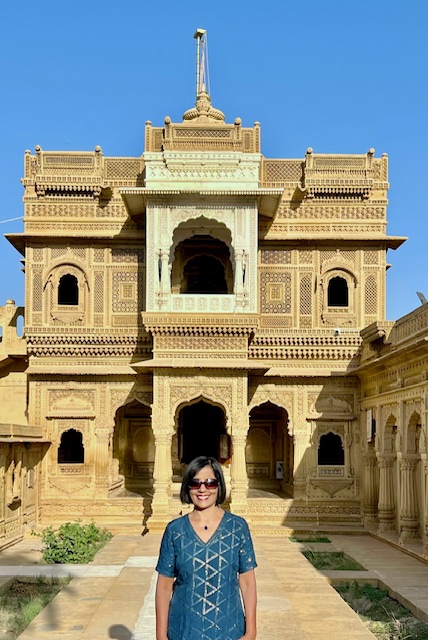
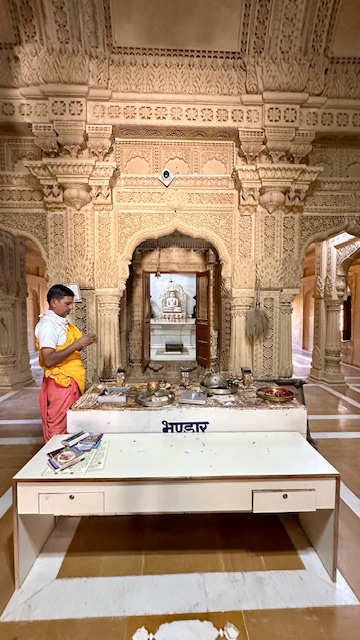
Vyas Chhatri – Located on a sandstone hill overlooking Jaisalmer, Vyas Chhatri is a striking cluster of cenotaphs dedicated to Sage Vyas, the legendary author of the Mahabharata, and to the Vyas lineage who served as royal priests. The site also serves as a cemetery for Brahmins, with many of the monuments dating back 200–300 years. Built from golden-yellow sandstone, the chhatris feature elegant domes, intricately carved pillars, and airy pavilions that glow beautifully at sunset.
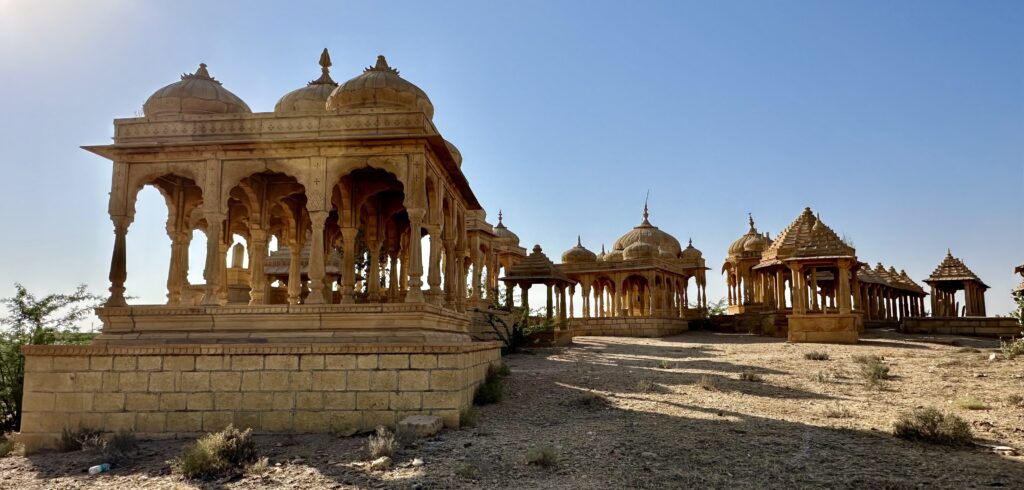
Tazia tower and Badal Palace – We explored these buildings from the outside, appreciating their architectural beauty and cultural significance. The Tazia Tower is a five-story structure with delicately carved balconies. Mounted on the top of Badal palace, this tower resembles tazia, a tomb which is carried in processions for various Islamic festivities. The Badal Palace, is a cluster of structures and is the present house of the Royals.
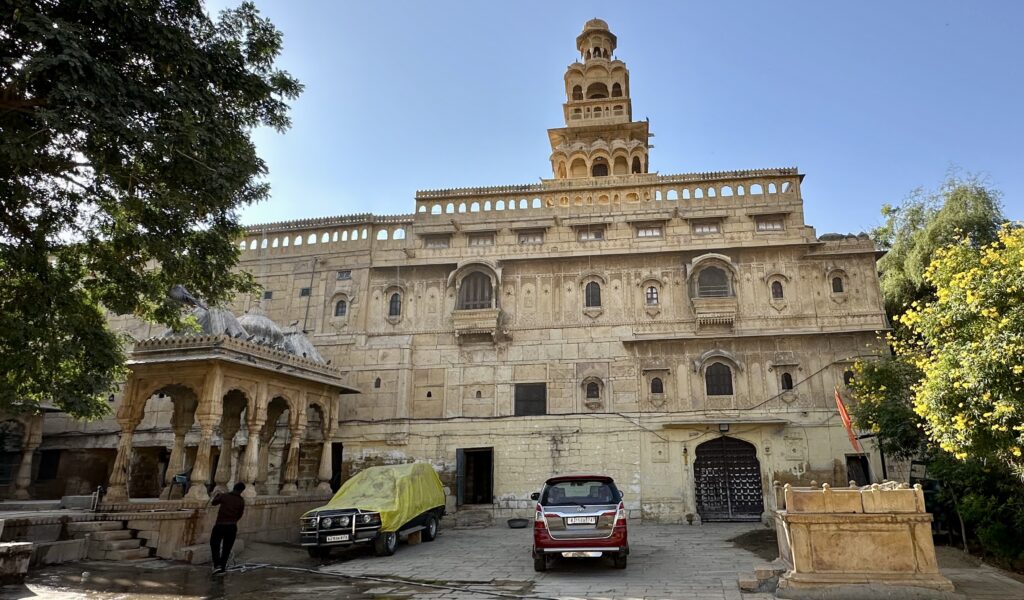
Nathmal Ki Haveli (Mansion) – This was the first of the 3 havelis we stopped to admire. The haveli is named after the then Prime Minister of Jaisalmer – Mohata Nathmal. It was built in 1885 by the Prime Minister’s brothers Lulu and Hathi. It is believed that both the brothers started building the haveli and worked separately on each side of the haveli. They managed to make it appear symmetrical, though a closer look reveals subtle differences. The architecture is a blend of Rajput and Islamic influences, seen in the finely carved balconies, and jharokhas (overhanging windows). The main entrance has two sandstone elephants carved from yellow sandstone, positioned as if guarding the haveli.
The haveli remains partly inhabited by the descendants of the original owners and other residents. Tourists can explore the entrance area which has a small open courtyard surrounded by a souvenir shop.
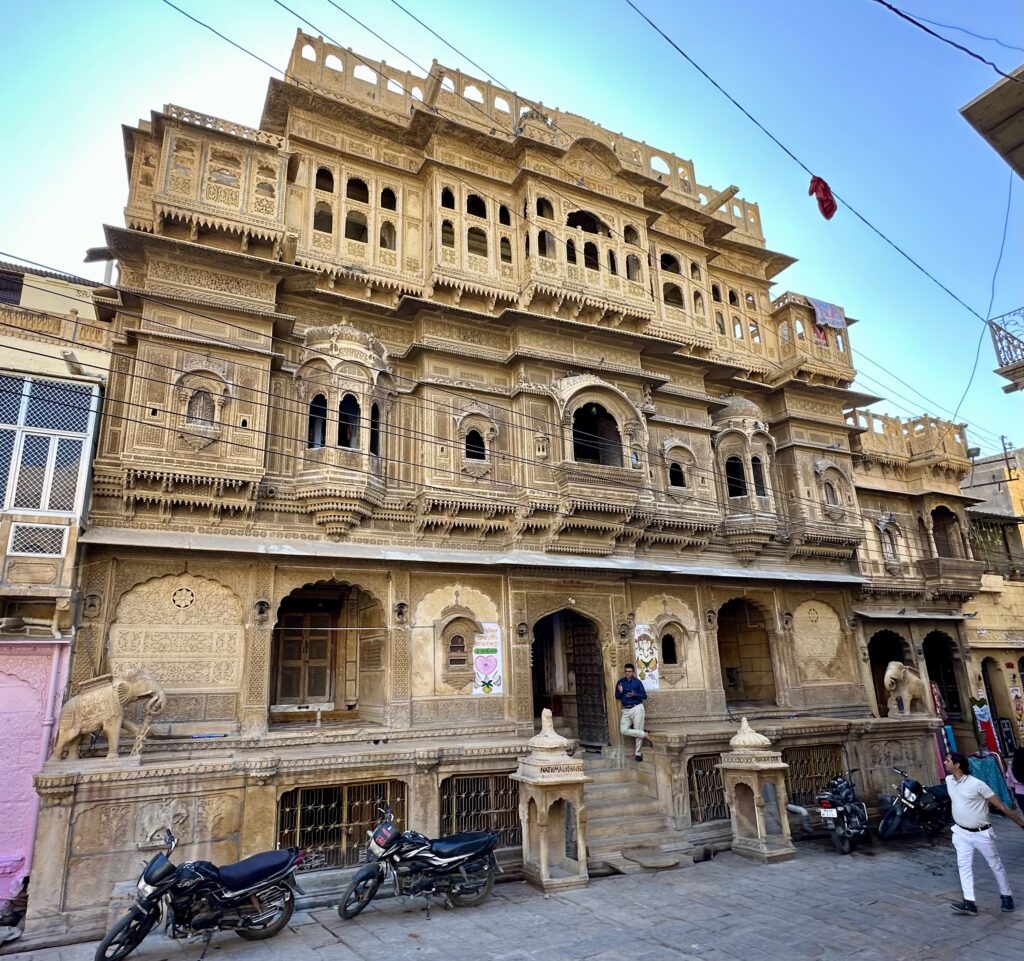
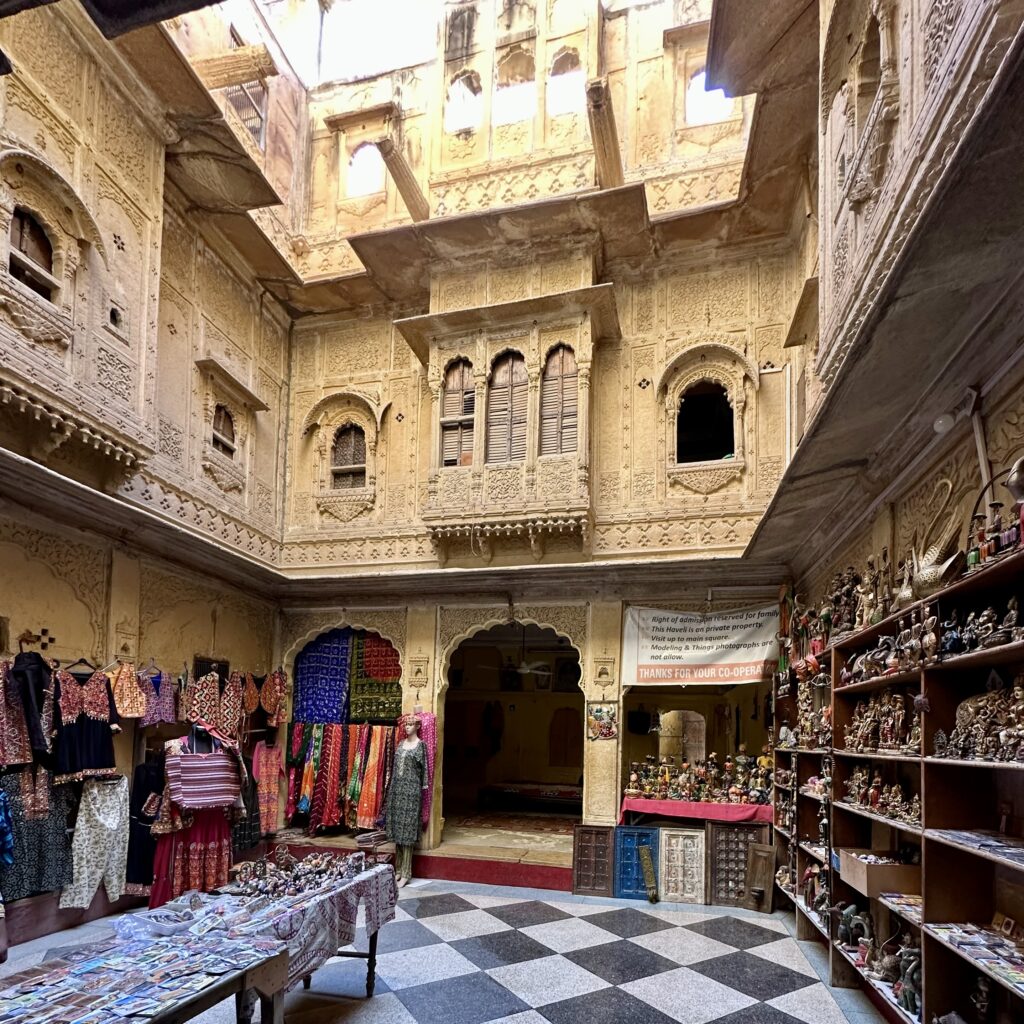
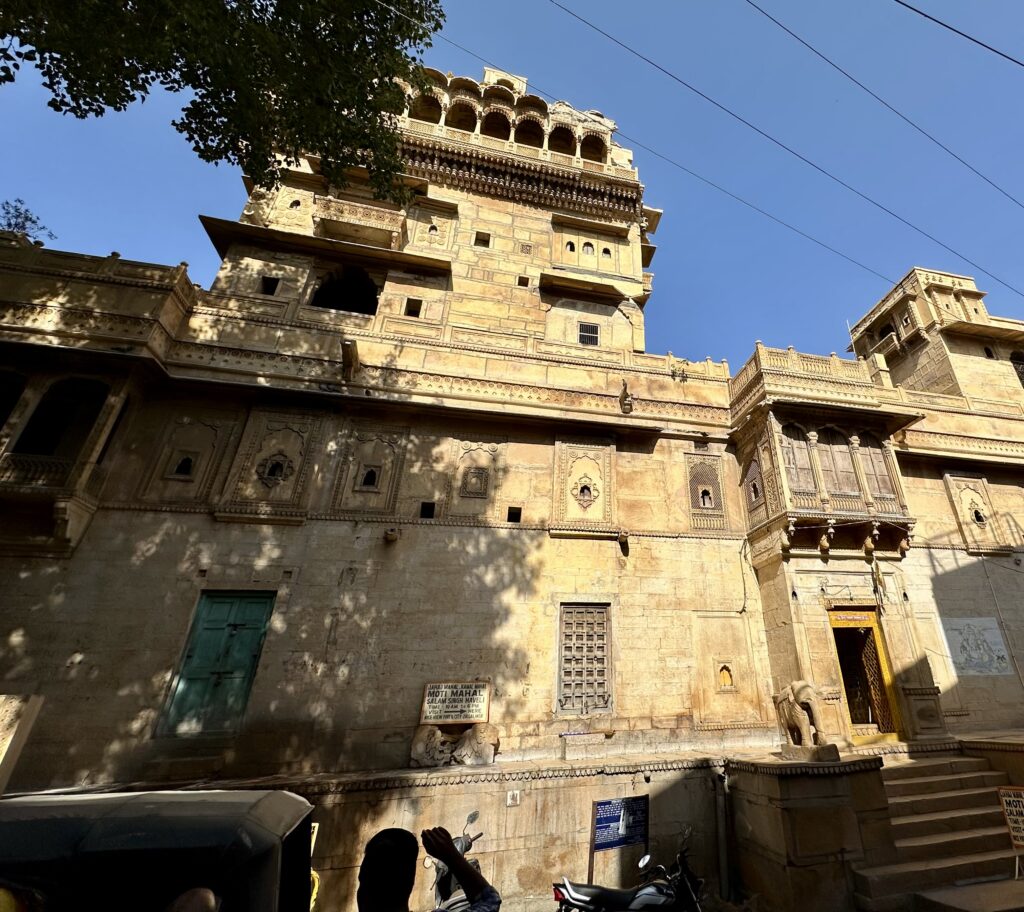
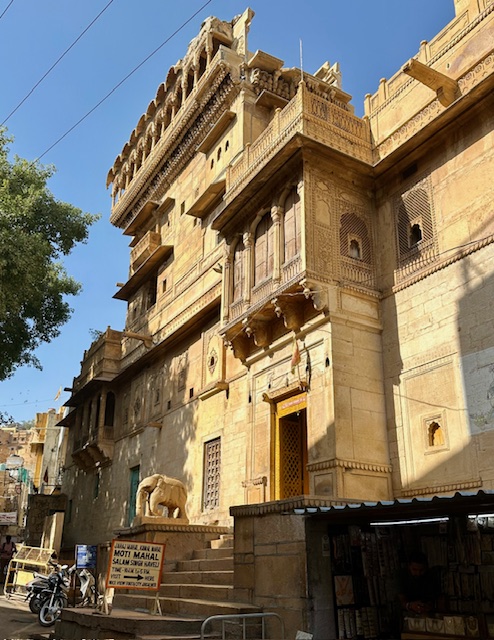
Salim Singh ki Haveli – was built in 1815 by Salim Singh, the prime minister of the kingdom when Jaisalmer was the capital. The haveli boasts a fusion of Mughal and Rajput styles, showcasing the region’s rich history and craftsmanship. The striking Peacock Window (Mor Chowk) is one of its standout features, adding to the haveli’s unique charm. We were only able to check out this haveli from outside as it is a private residence.
Patwon Ki Haveli (Mansion of the Brocade Merchants) – is a cluster of five interconnected mansions with a fascinating history. In 1805, wealthy merchant Guman Chand Patwa, known for his trade in gold, silver, and precious stones, commissioned the first haveli to showcase his affluence. Over the next 50 years, Patwa built additional floors for each of his sons, creating the grand, multi-story complex seen today. The haveli reflects both the family’s prosperity and the evolution of Jaisalmer’s haveli design over time.
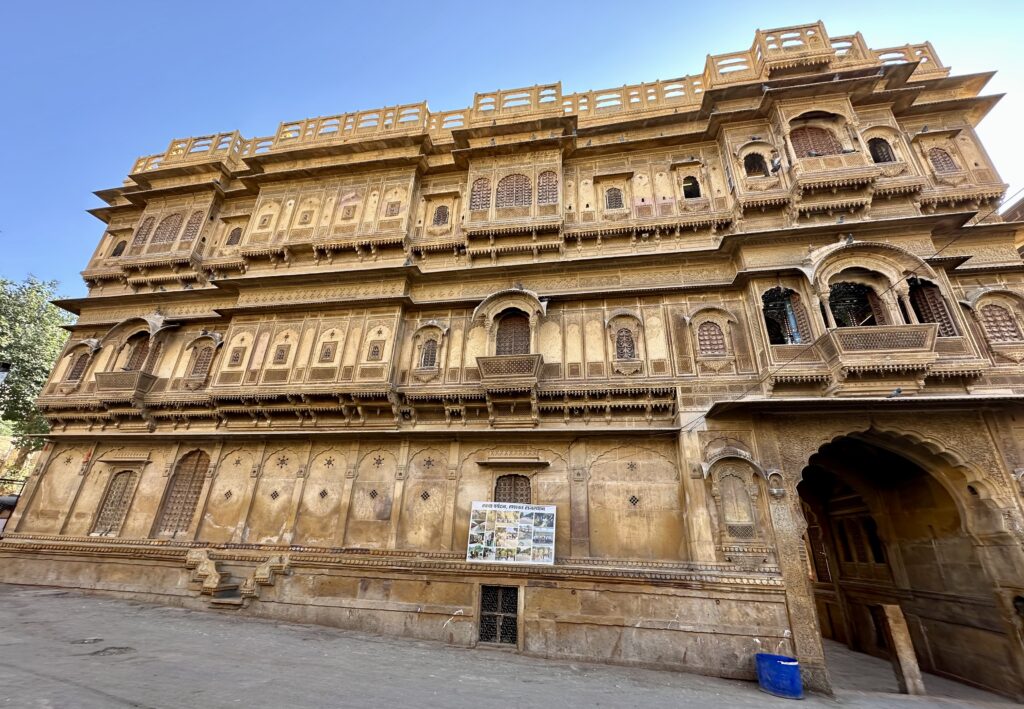
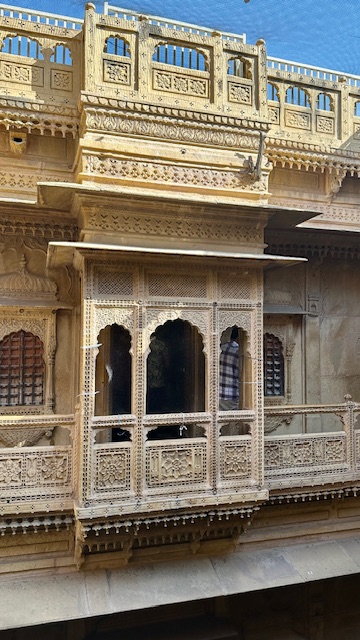
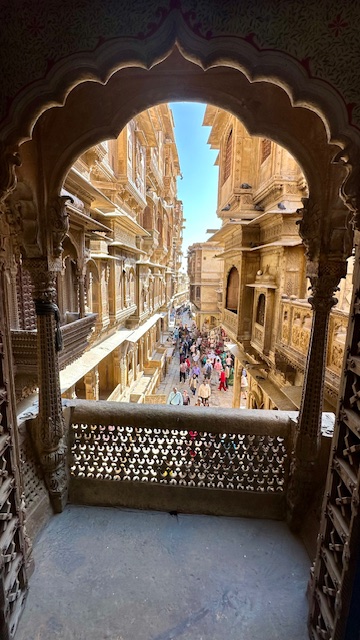
The haveli’s exterior is a visual treat. Intricate carvings depicting scenes of everyday life, flora, and fauna adorn the walls. Adding a touch of elegance are the numerous jharokhas (balconies) with ornate latticework. These jharokhas (windows), in addition to being decorative, provided ventilation in the harsh desert climate and allowed occupants to observe the bustling streets below.
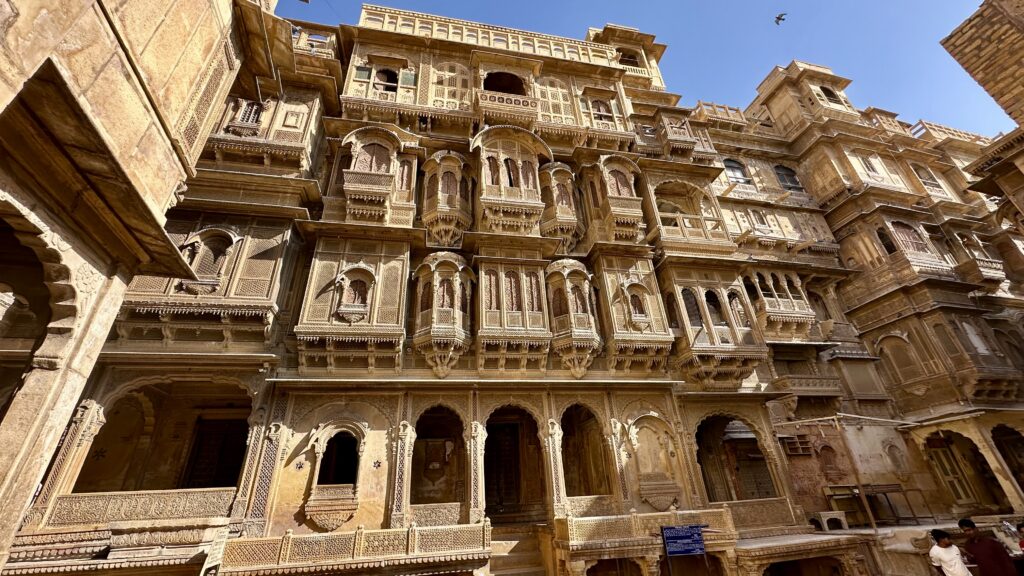
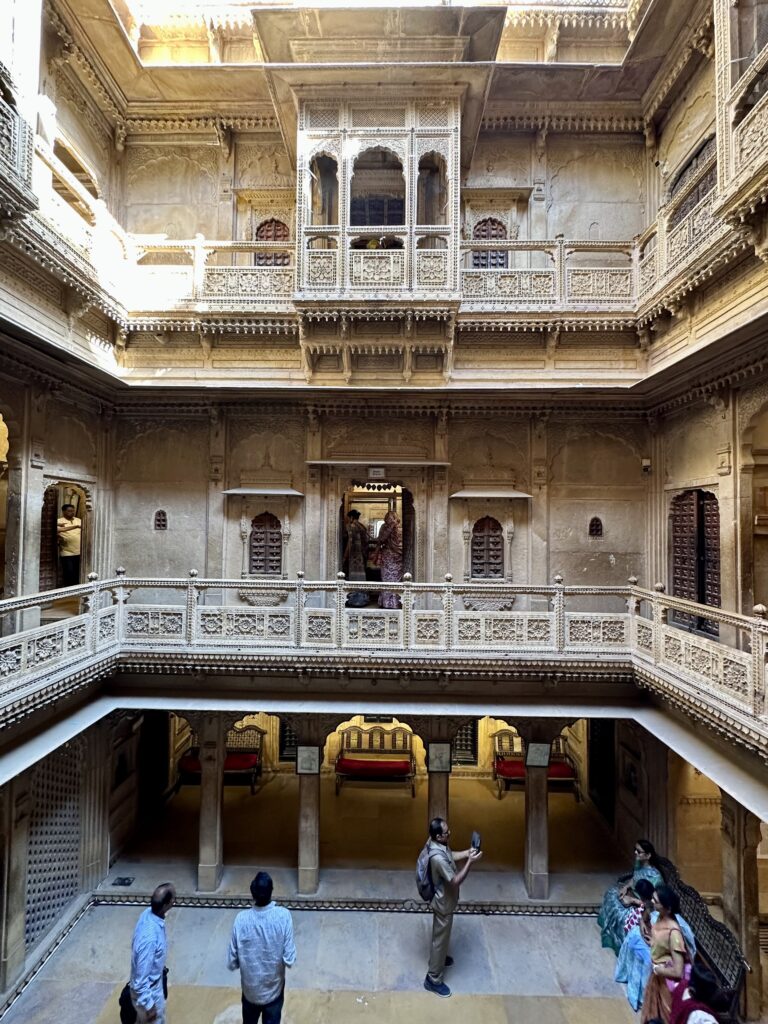
The interior of the haveli is as captivating as the exterior with high ceilings and elaborately carved pillars. The museum housed within the Haveli, and maintained by the Archaeological Survey of India, displays artefacts from the 19th century, providing insights into the culture and customs of Jaisalmer.
Jaisalmer War Memorial – is conveniently located along the Jaisalmer–Jodhpur Highway, making it an easy stop for travelers. Inaugurated in 1965, the war museum was created to showcase India’s rich military history and highlight the real wartime efforts and sacrifices of the Indian Army and Armed Forces. The idea was proposed by Lieutenant General Bobby Mathews, who wanted a place that honored India’s war heroes. Jaisalmer was chosen due to its strong martial traditions and its role in key battles, including the famous Battle of Laungewala (1971). The museum stands as a tribute to bravery, resilience, and India’s defense legacy.
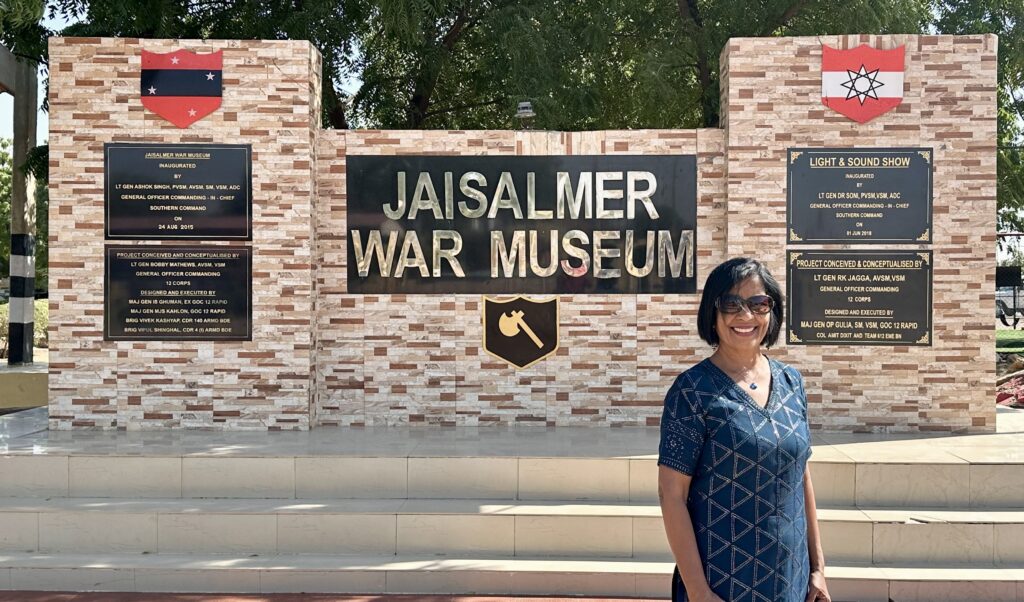
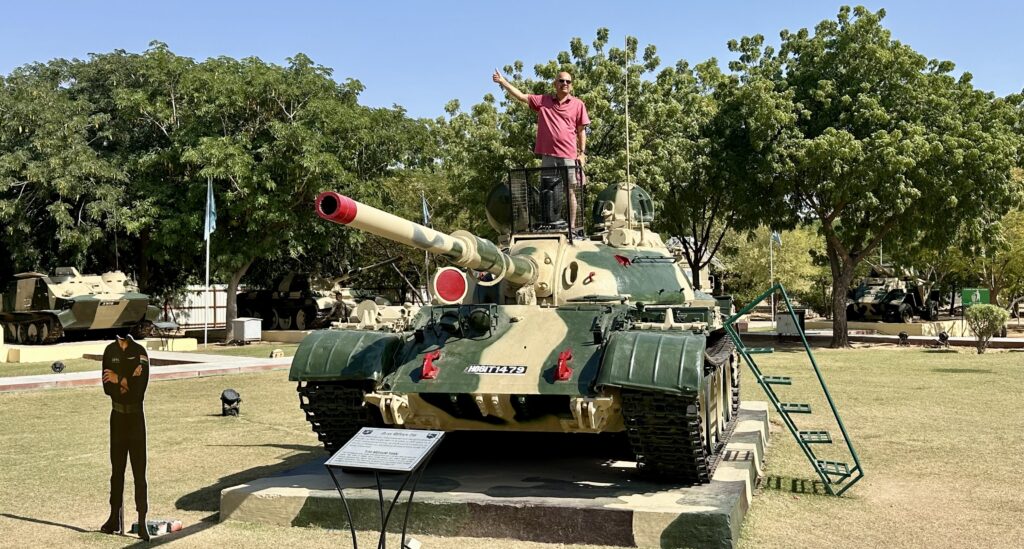
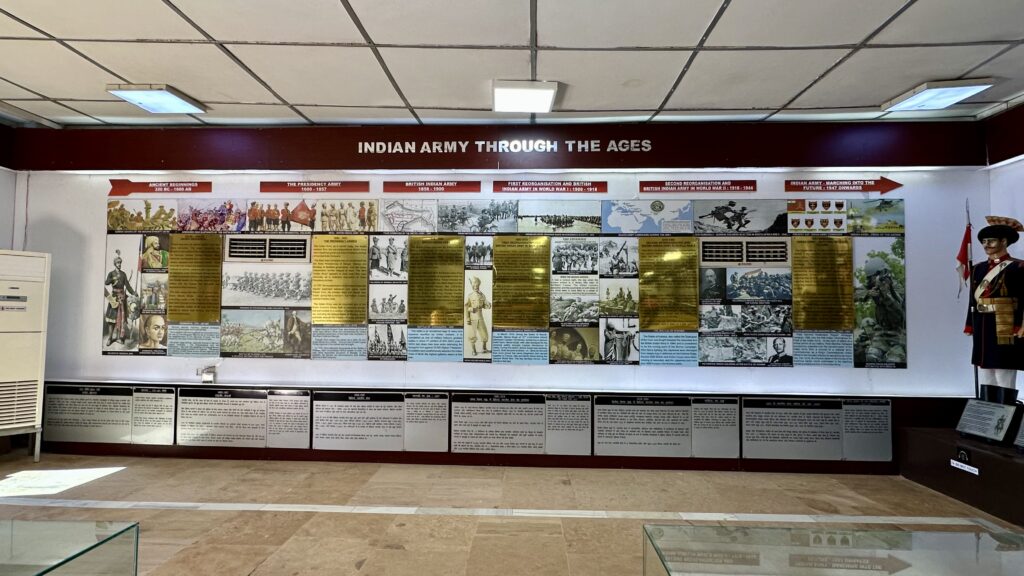
This museum was absolutely worth the hour we spent here. It offered a meaningful and insightful look into India’s military history, making the visit quite enriching.