2 Nights in Tui Blue
On Day 4 of our trip, we drove to Ipoh from Kuala Lumpur. Ipoh is 207 km north of Kuala Lumpur and took us 2.5 hours to reach.
Ipoh is the capital of Perak, and was historically a tin-mining hub during the British colonial era, which brought a lot of wealth to the city. Today, Ipoh is famous for its well-preserved colonial buildings, natural limestone caves, and delicious local cuisine. It is also considered the gateway to the Cameron Highlands, as it is a convenient starting point for travelers heading to this popular hill station known for tea plantations, cool climate, and scenic landscapes.
Our guide/driver had planned for us to visit all the sites around Ipoh before taking us to our hotel. our first stop after reaching Ipoh was the Perak Cave Temple.
- Perak Cave Temple
- Ipoh Railway Station
- Birch Clock Tower
- Concubine Lane
- Tui Blue Hotel
Perak Cave Temple – Ipoh has many cave temples but the Perak Cave Temple, locally called Perak Tong is the oldest and most famous of them. The temple was built strating in 1926 by Chinese Buddhist priests Chong Sen Yee and his wife Choong Chan Yoke after they discovered the limestone cave and obtained approval from the Perak State Government. They spent more than 50 years developing and enhancing the temple complex, adding Buddha statues, murals, grottoes, and pathways into the cave’s interior.
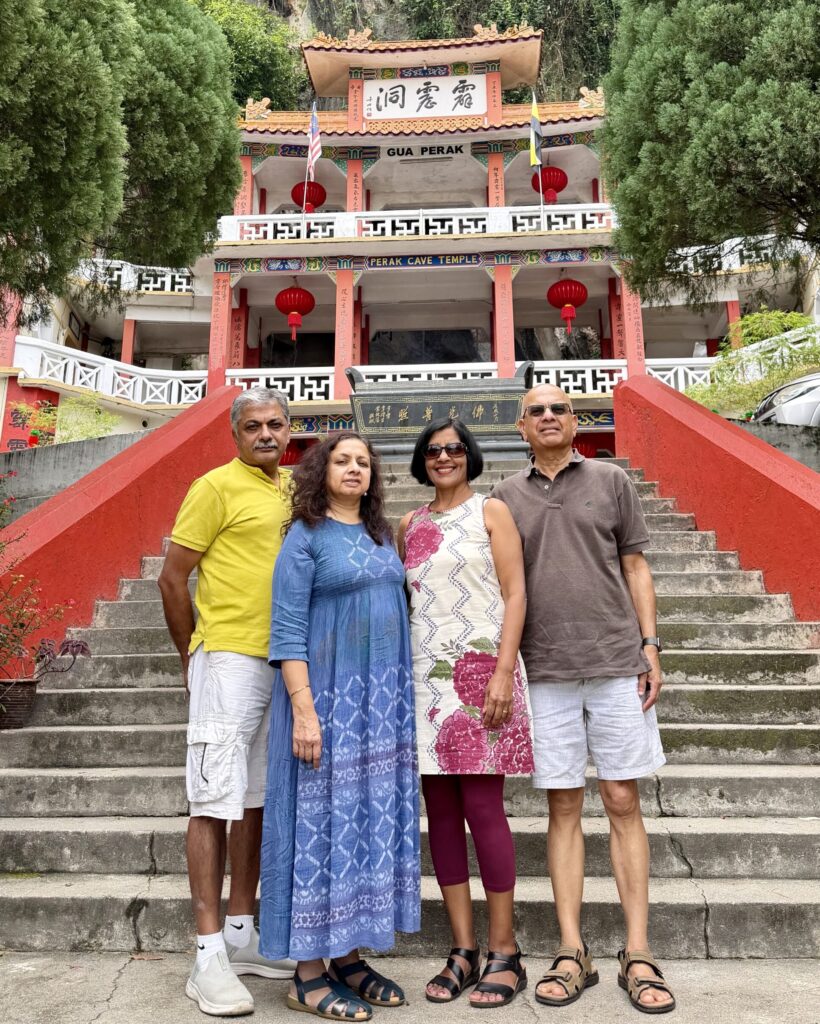
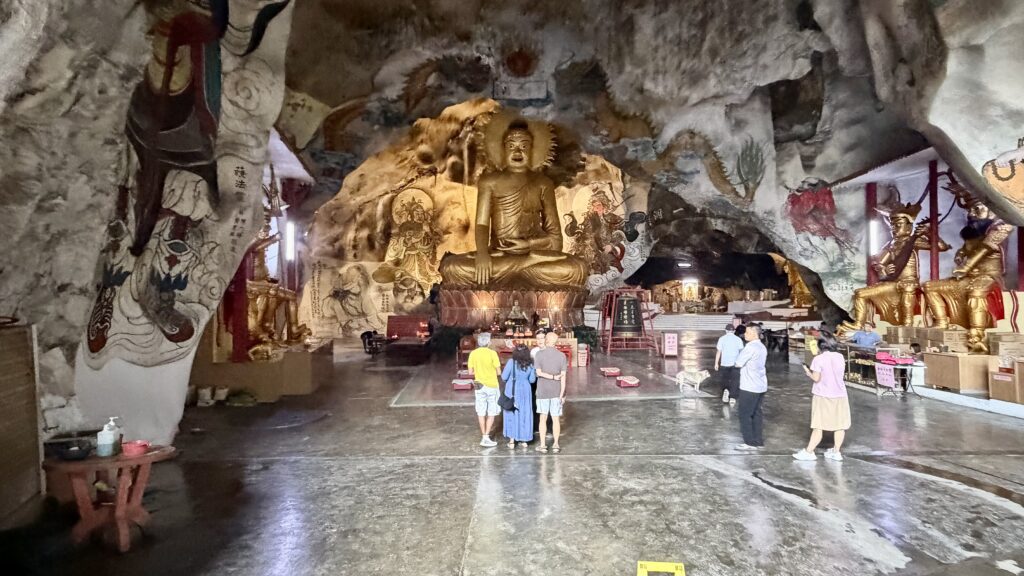
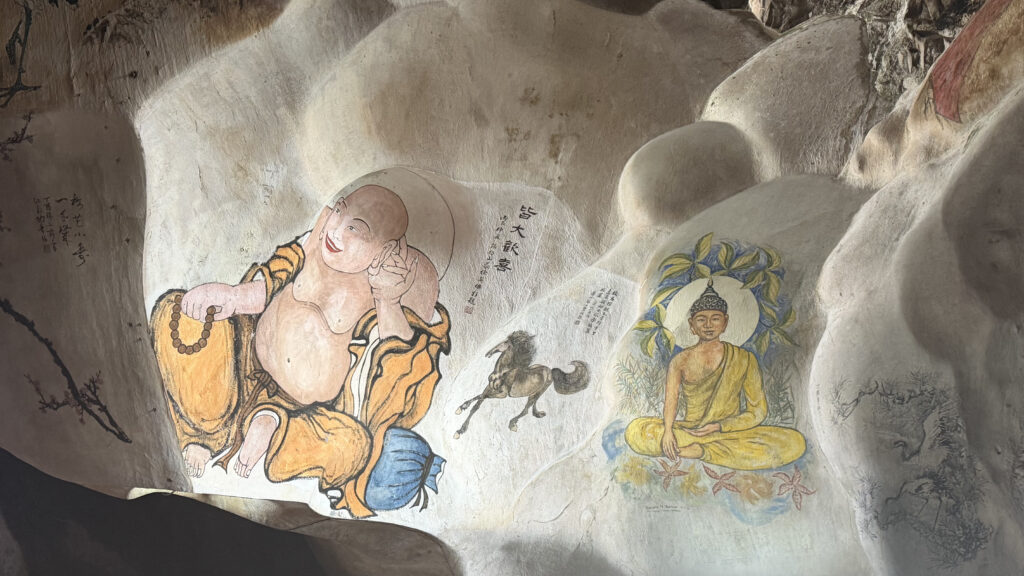
Perak Cave Temple offers more than just the main hall—its interior extends deep into the limestone, with additional Buddha statues and intricate murals tucked further inside.
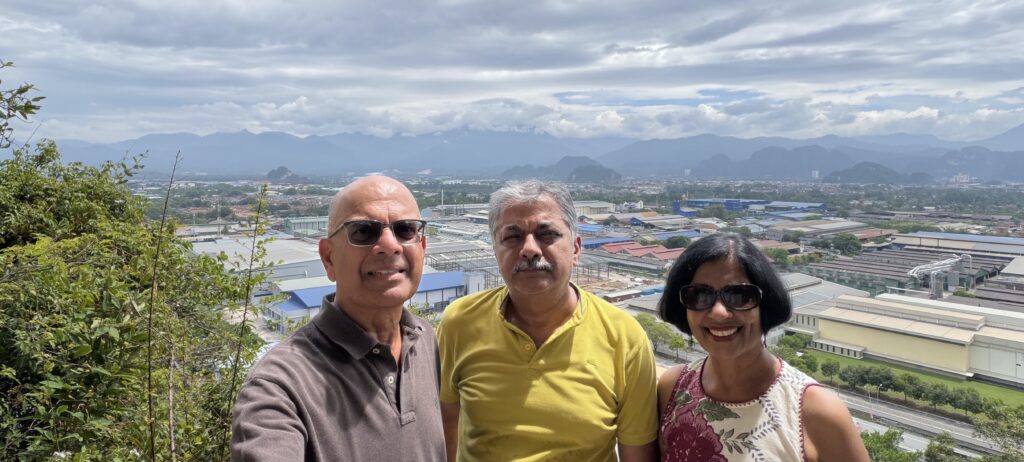
A stairway inside the cave leads upwards, eventually opening into an outdoor area. From there, three separate stairways branch off, each ascending to different viewing platforms. They aren’t connected, so visitors must choose paths individually. The views from the top are limited, as the surrounding limestone hills and trees partially block the panorama.
Ipoh Railway Station – Our next stop was the Ipoh Railway Station, the main rail terminal for the state and located in the heart of the city. Designed by Arthur Benison Hubback and opened in 1917, the station is nicknamed the Taj Mahal of Ipoh for its striking colonial architecture. The building also houses the Majestic Hotel, providing convenient lodging for travelers.
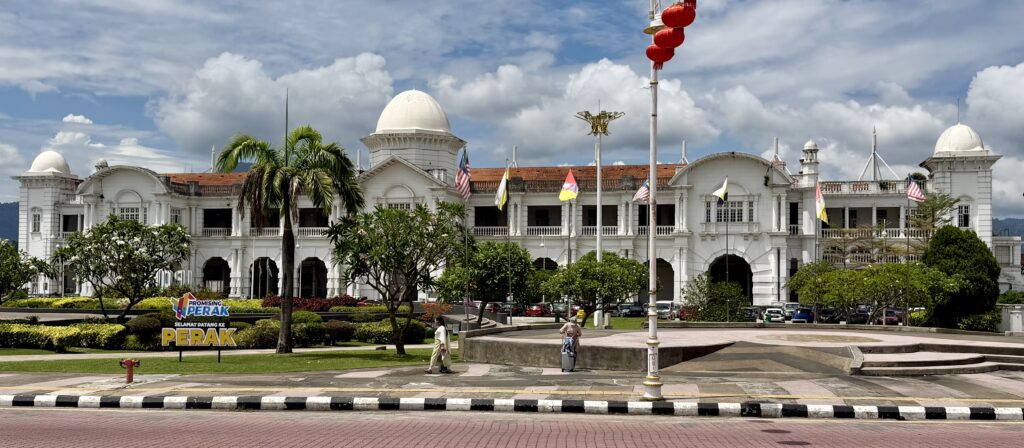
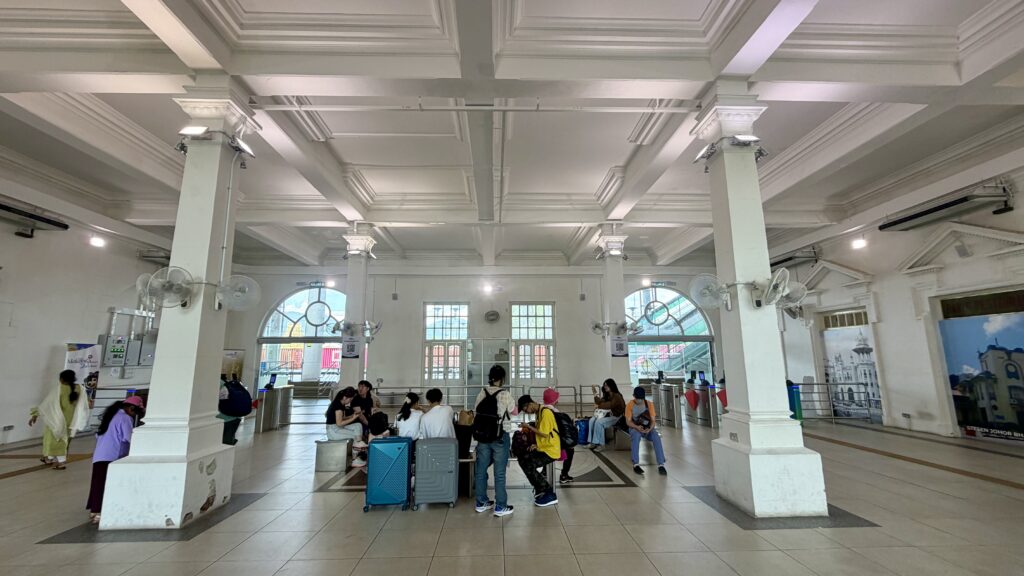
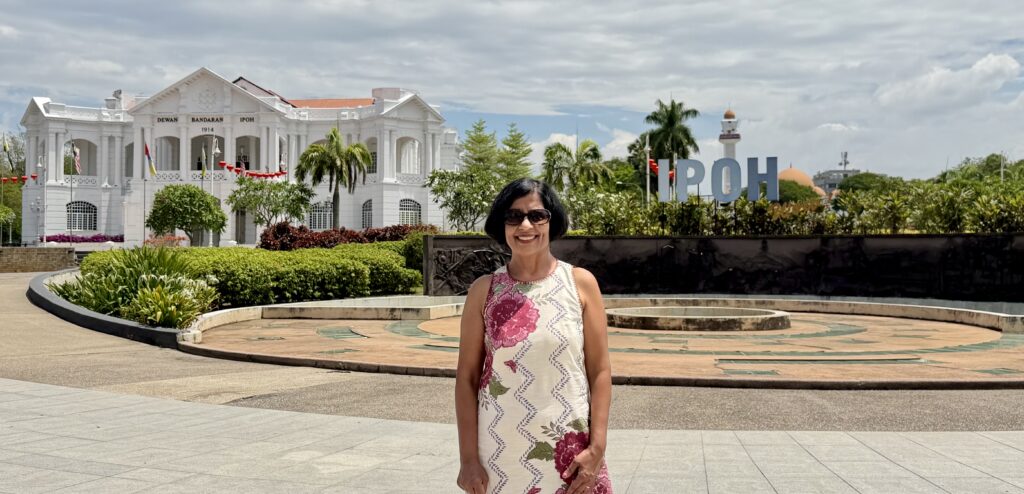
There is a huge sign of IPOH in the plaza in front of the Railway Station. Across the road is the historic colonial-era building – Ipoh Town Hall. Built in 1916 during the British colonial period, the town hall originally served as the administrative office for the local government.
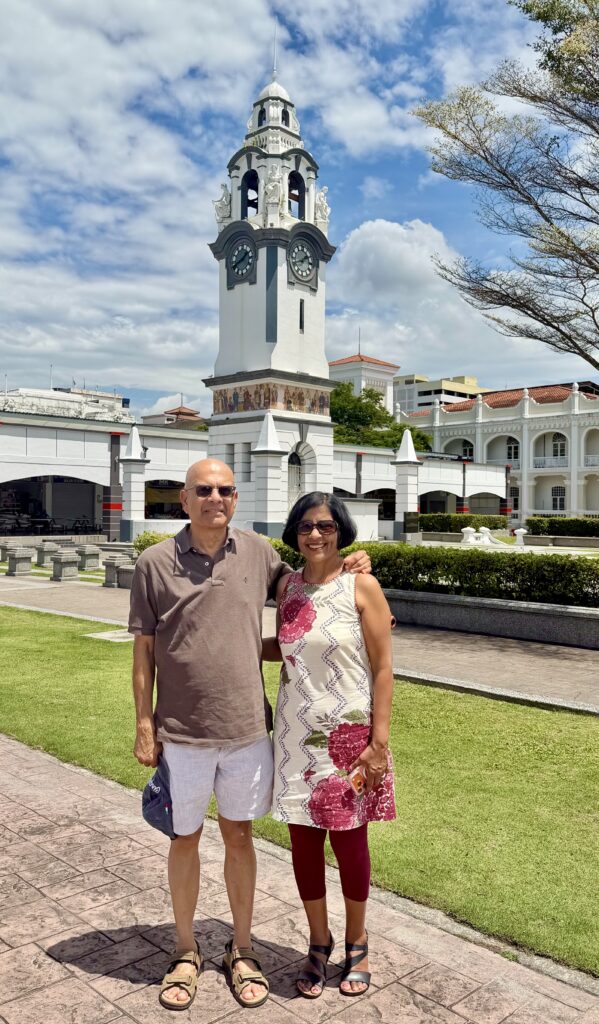
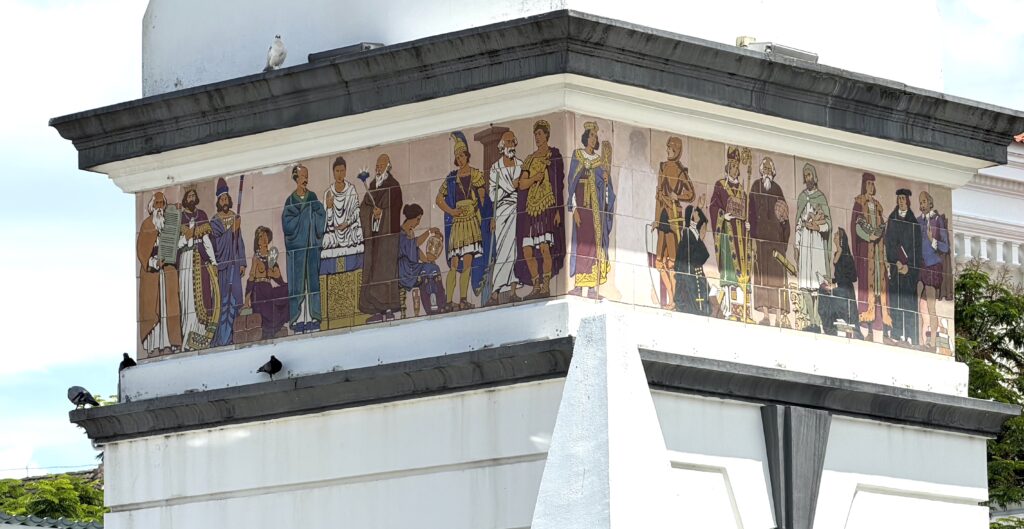
Birch Memorial Clock Tower – was built to commemorate James W. W. Birch, the first British Resident of Perak, and was unveiled on 8 December 1909. The tower features four panels illustrating the growth of civilization. Above the clock are four statues representing the cardinal virtues – prudence, justice, fortitude, and temperance. The tower also contains a mother bell and four smaller bells that used to strike the chimes. It is a prominent heritage landmark of Ipoh, reflecting both colonial history and classical architectural design.
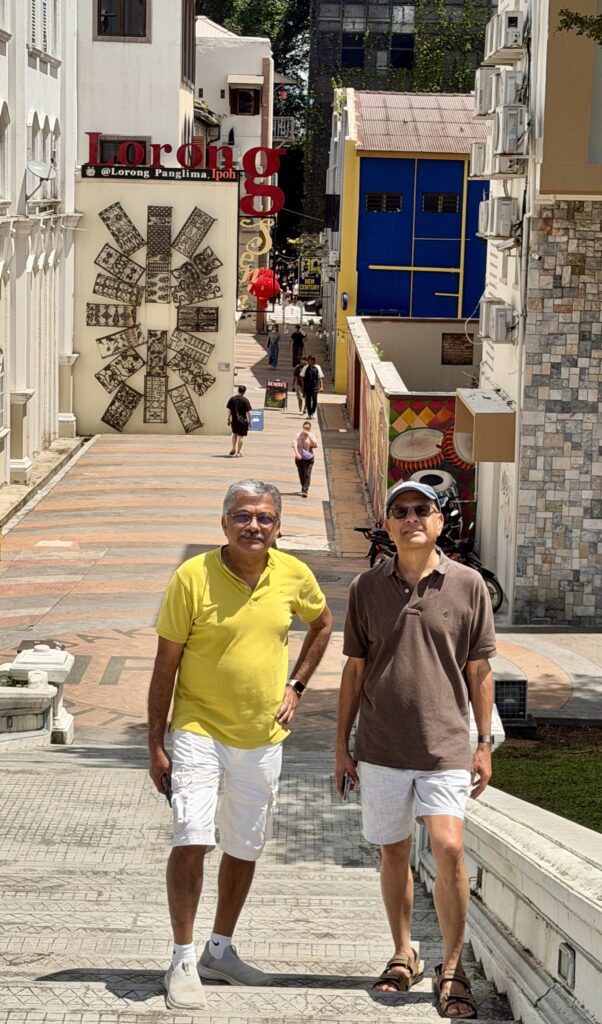
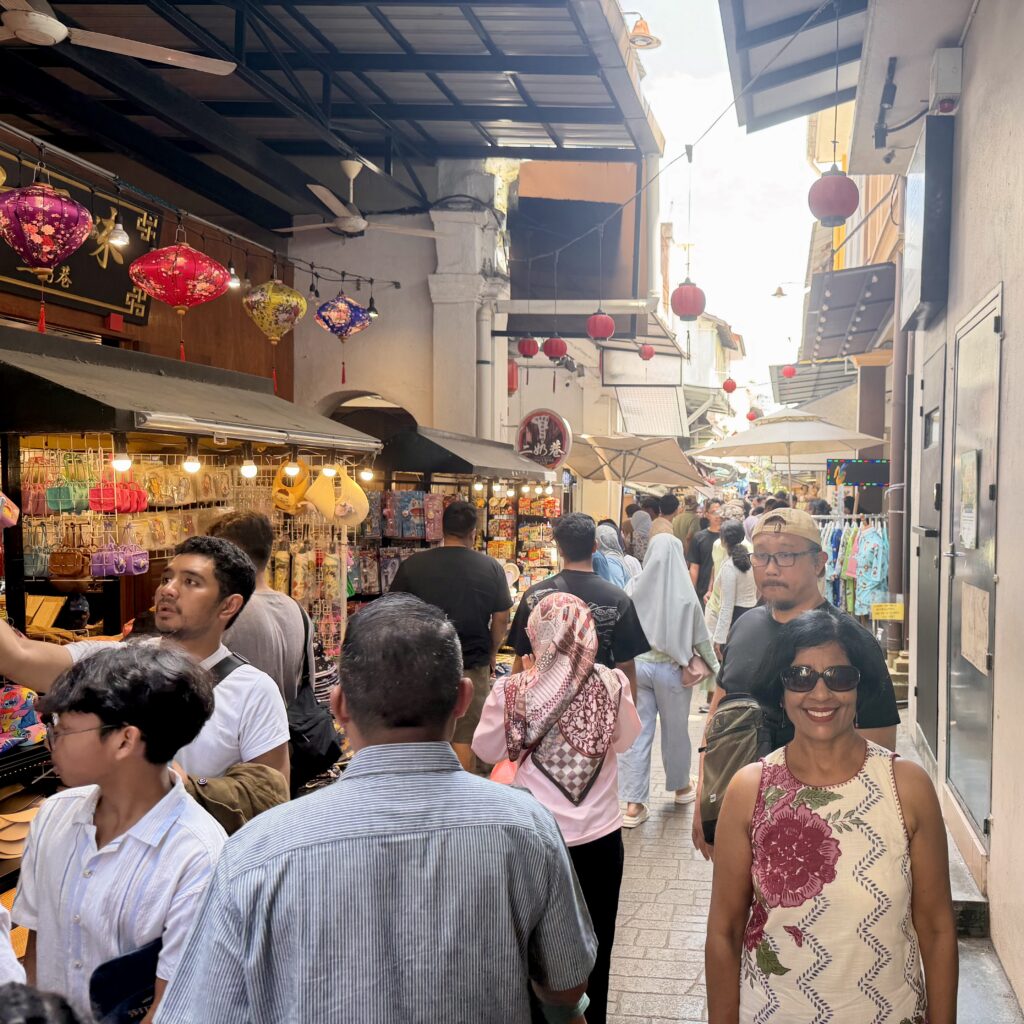
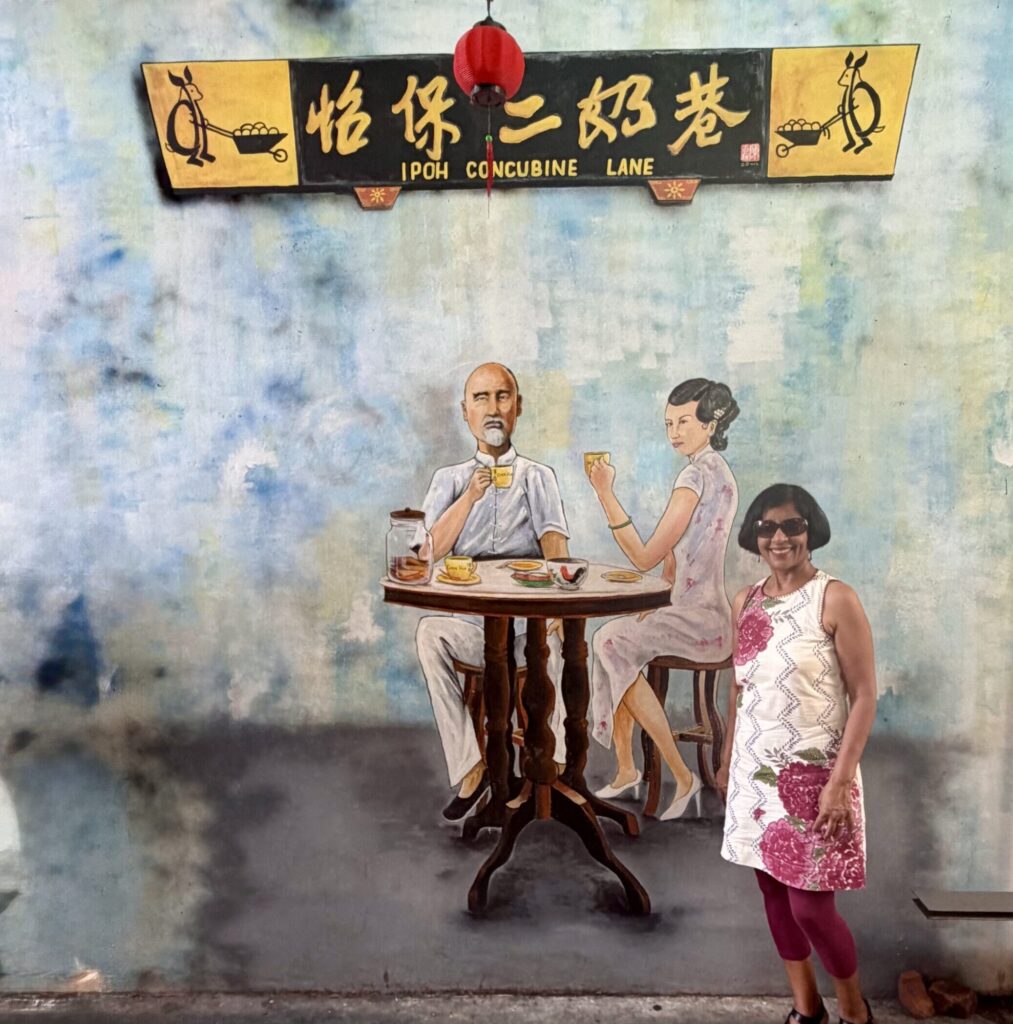
Concubine Lane – Concubine Lane is a narrow alley in Ipoh Old Town. Built in the late 19th century during the tin-mining boom, it is believed to have been linked to wealthy miner Yau Tet Shin, who reportedly gifted properties here to his concubines — giving the lane its popular name. Today, the lane is one of Ipoh’s top tourist attractions, known for its colorful restored shophouses, vibrant street art, boutique stores, and a great place to get a real feel of the the city.
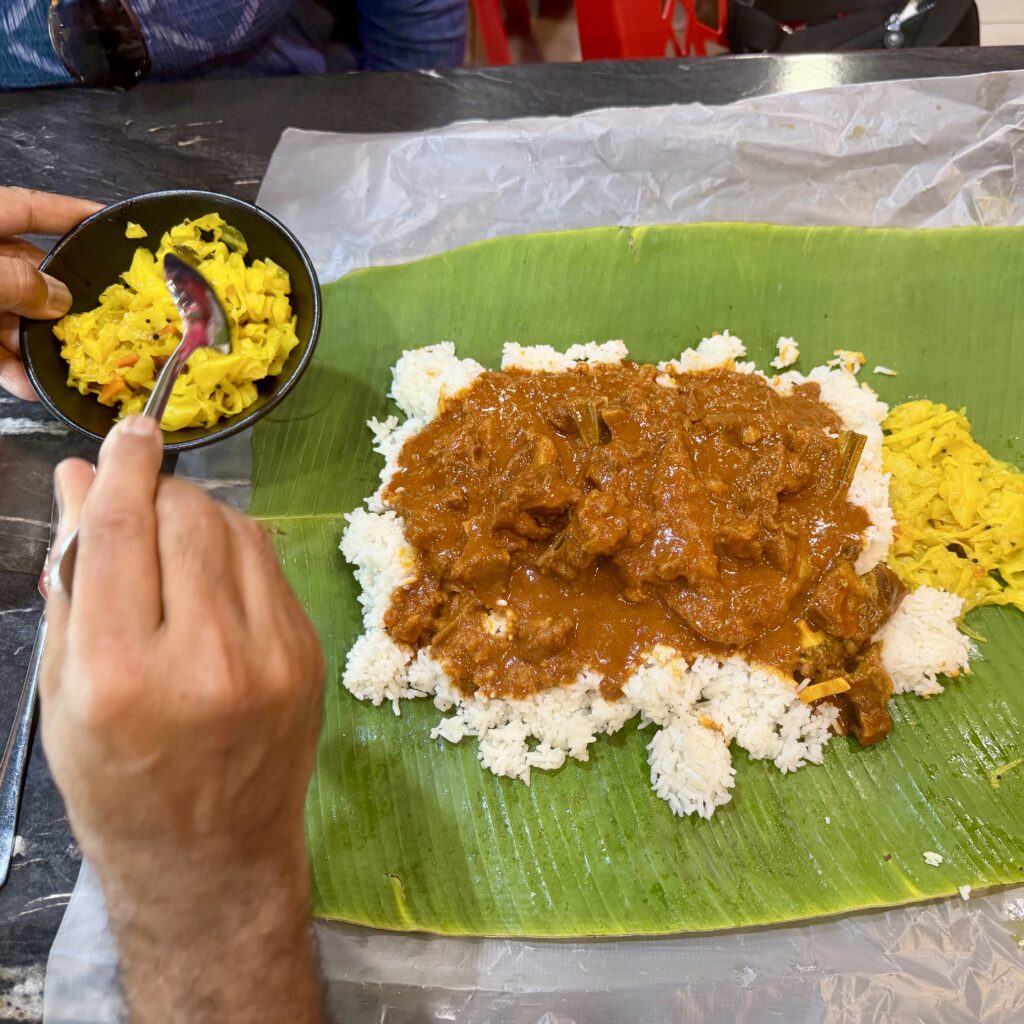
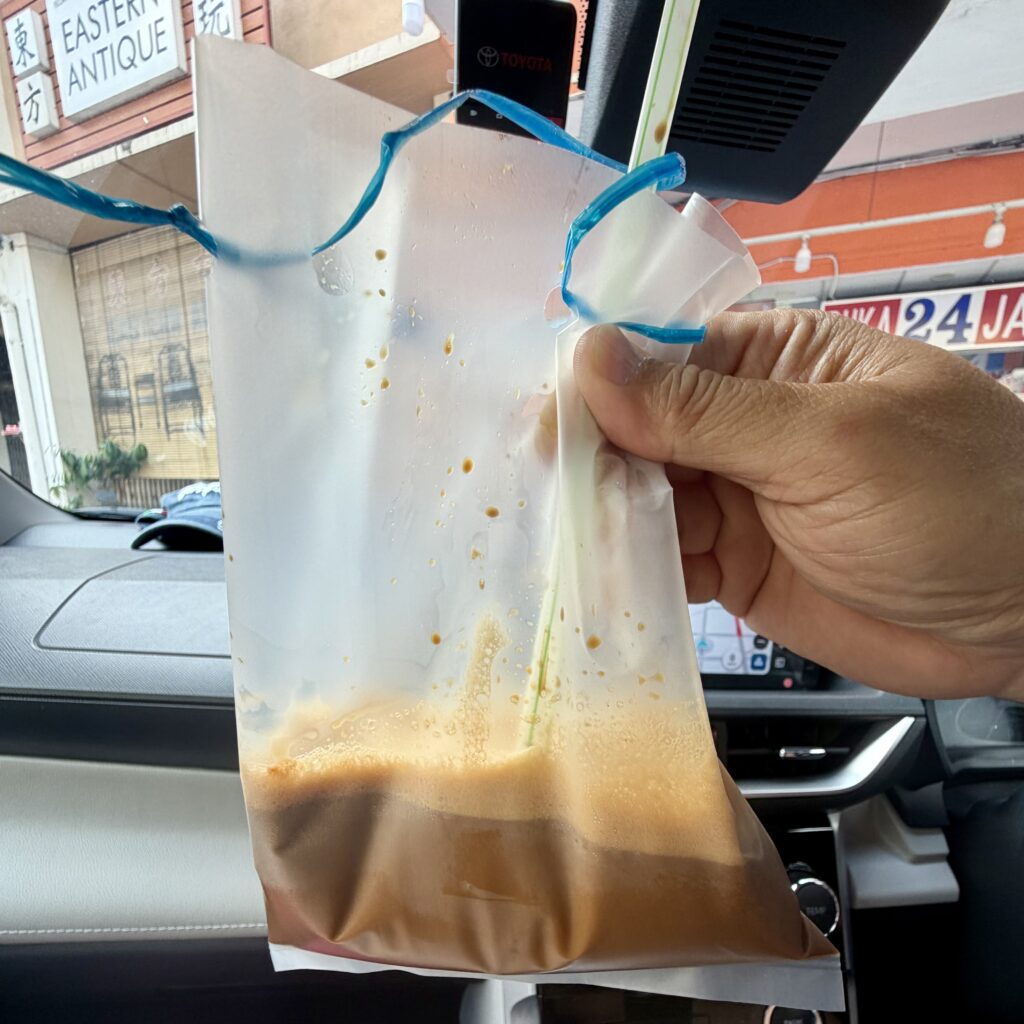
White Coffee – After exploring concubine lane, we had lunch in one of the restaurants nearby, followed by White Coffee. What is White Coffee, you may ask – white coffee originated in Ipoh and is one of Malaysia’s most famous coffee styles. The beans (which are imported, not white) are roasted with palm oil margarine, giving them a lighter color and slightly caramelized flavor. The coffee is traditionally served with sweetened condensed milk.
The term white coffee comes from a direct translation of its Chinese name, referring to the milk added — not the bean itself. Today, it is widely sold as convenient 3-in-1 instant mixes (coffee, creamer, and sugar), with some brands offering 2-in-1 or sugar-free versions.
My Opinion of White Coffee – Personally, I found it too sweet for my liking. The condensed milk makes it quite rich and sugary, and I couldn’t manage more than a few sips.
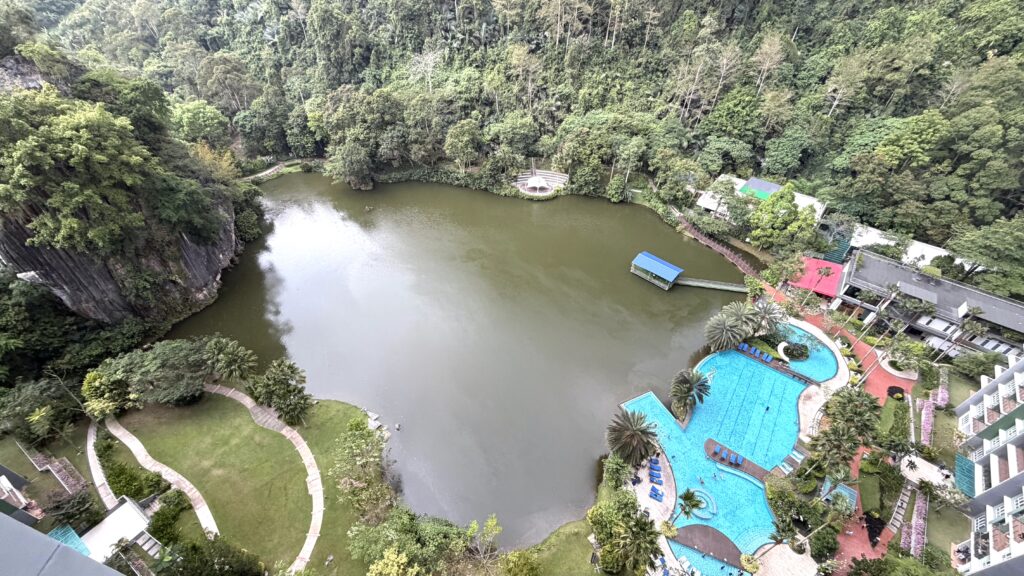
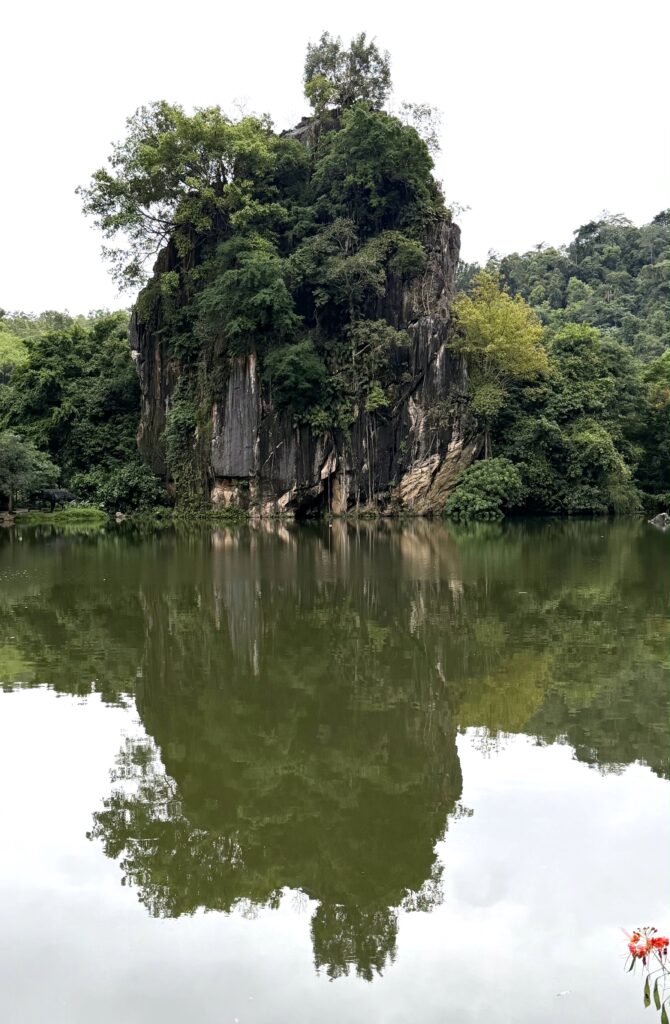
Tui Blue Hotel – By the time we finished seeing all the sites in Ipoh, it was late afternoon. Our guide dropped us off at our beautiful hotel, about a 15-min drive from the city center. The resort was set against dramatic limestone hills, a serene natural lake and surrounded by lush rainforest. At the heart of the property stands Rockhaven, a striking limestone formation rising from the lakeshore, creating a truly unique and scenic setting.
The resort had a spa — and we booked ourselves in for a relaxing massage later that evening, followed by a light dinner at the resort restaurant. It was the perfect way to unwind after a full day of sightseeing, soaking in the peaceful surroundings and ending the day on a calm, rejuvenating note.