3 nights in Mövenpick Hotel Hobart
Hobart is the capital of Tasmania and Australia’s southernmost capital city, located along the River Derwent. Its skyline is dominated by kunanyi / Mount Wellington, and it features one of the world’s deepest natural harbours. Founded in 1804 as a British penal colony, Hobart is Australia’s second-oldest capital city and has a rich history shaped by whaling, trade, and migration. Today, it serves as Tasmania’s financial and administrative hub, and is a popular tourist destination.
Many of the attractions we visited on Day 1 were all within walking distance of our hotel and we did not need to use our rented car to visit them.
- Hobart General Post Office (GPO)
- Franklin Square
- Hobart Town Hall
- Hobart City hall
- St David’s Cathedral
- Franklin Wharf
- Parliament House
- Tasmanian Museum and Art Gallery
- Salamanca Place
- Explore historic Battery Point
The following attractions are further out and you will need to drive or use rideshare.
- Hobart Cricket Ground
- Royal Tasmanian Botanical Gardens
- Mount Wellington
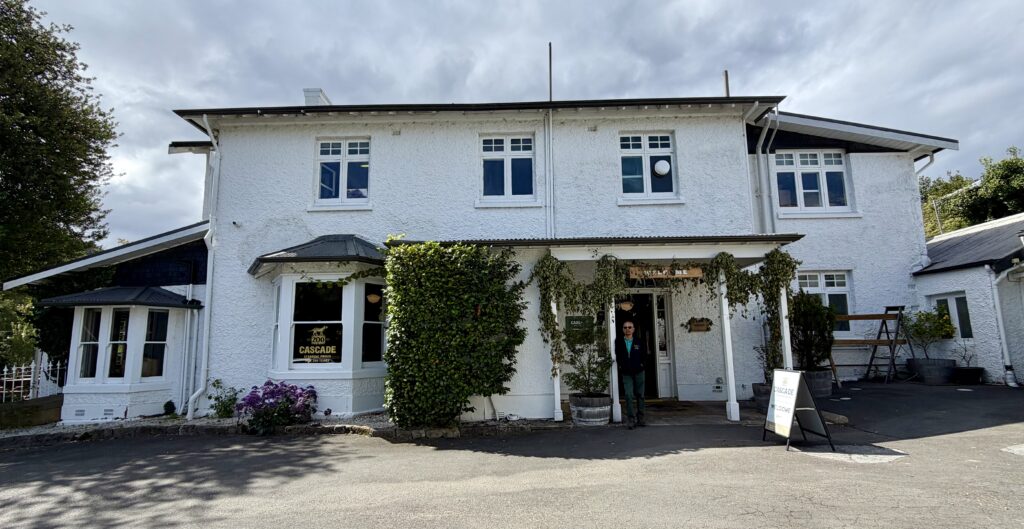
- Cascade Brewery
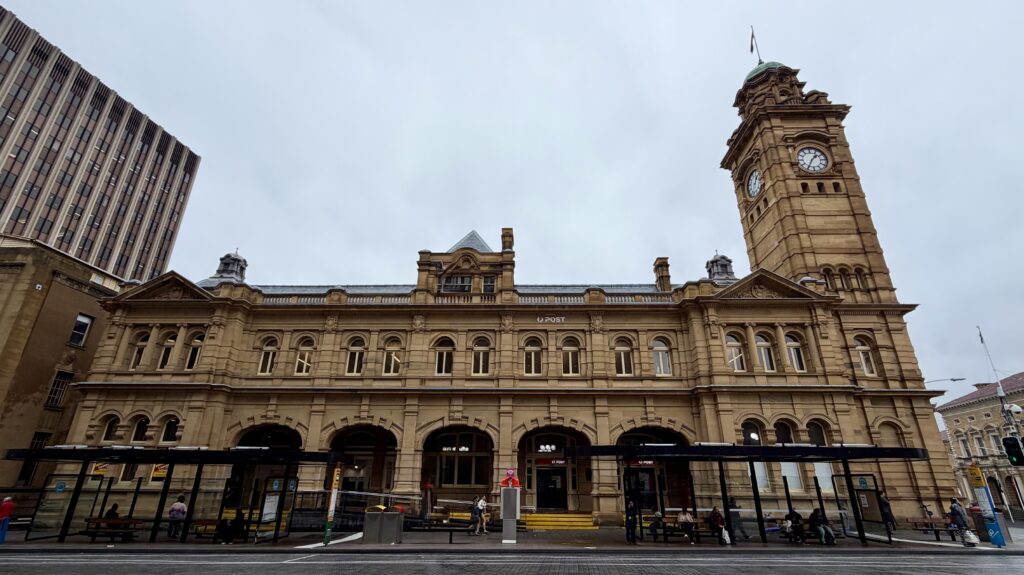
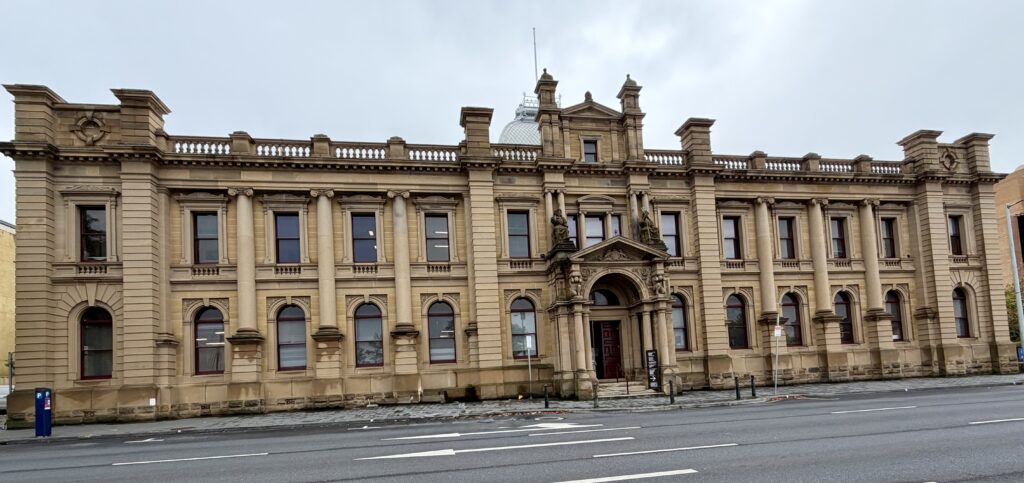
Hobart General Post Office (GPO) – This impressive building was across the street from our hotel. Hobart General Post Office (GPO) is a historic landmark that was built in 1905, and it features Edwardian architecture and a prominent clock tower designed by A.C. Walker. Today, it operates as a full-service Australia Post outlet, offering mailing, parcel collection, and post office box services.
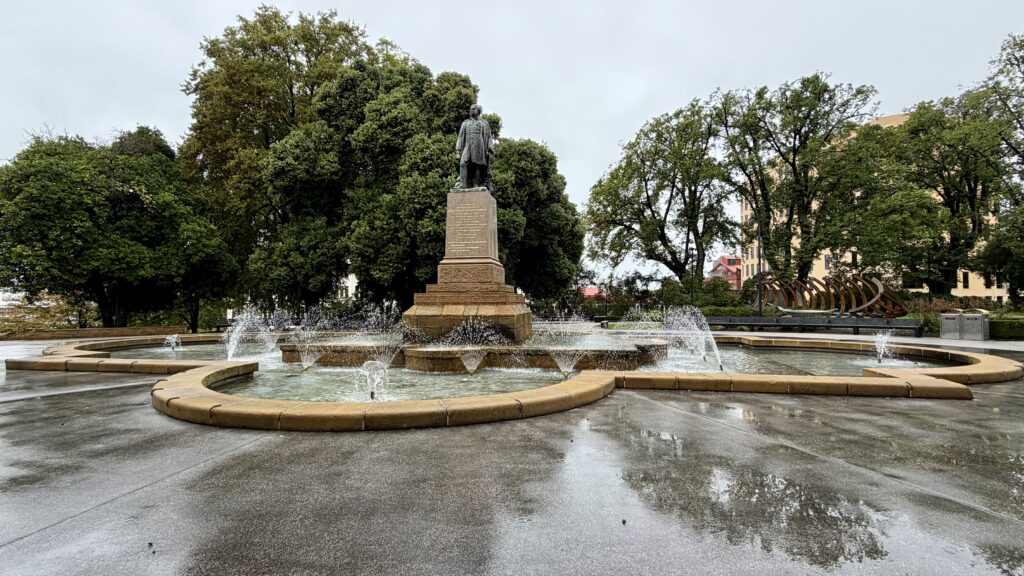
Franklin Square – is a central public park in Hobart, named after Sir John Franklin who was a British Royal Navy officer and Arctic explorer, best known for his expeditions to the Arctic and his role as a colonial administrator. The square features oak-lined paths and a statue of Franklin at its centre. Built on the site of the former Old Government House, the square was established in the 19th century as a community gathering space for the growing colony. Today, it serves as a key urban hub, hosting markets, public events, and gatherings in the heart of the city.
Hobart Town Hall – is a historic sandstone building and the seat of local government in Hobart. Opened in 1866 and designed by Henry Hunter, it features a Neo-Renaissance façade. Inside, the hall includes a grand Victorian ballroom with high ceilings and chandeliers, along with a historic pipe organ and a Steinway grand piano. Today, it hosts council meetings, concerts, weddings, and various public events.
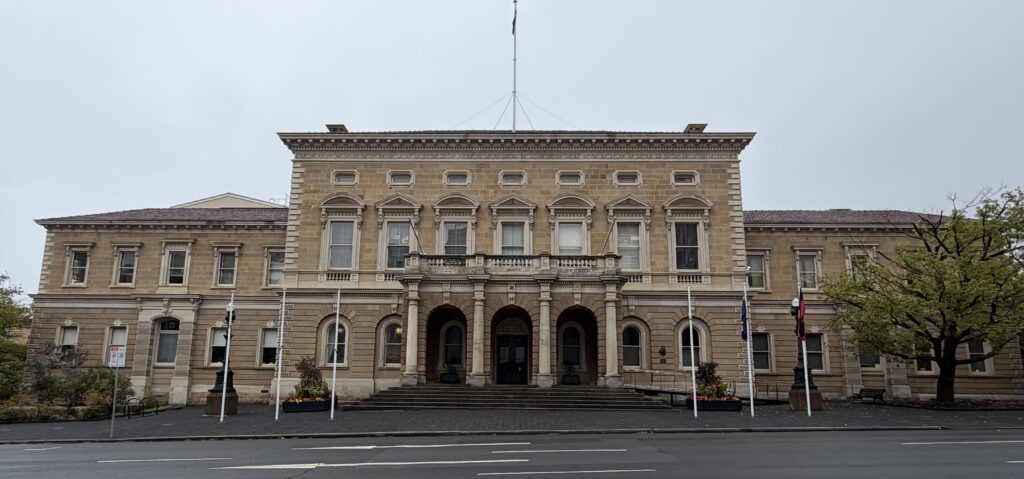
The Hobart Town Hall is free to visit when open, and we were able to take a self-guided tour of the building.
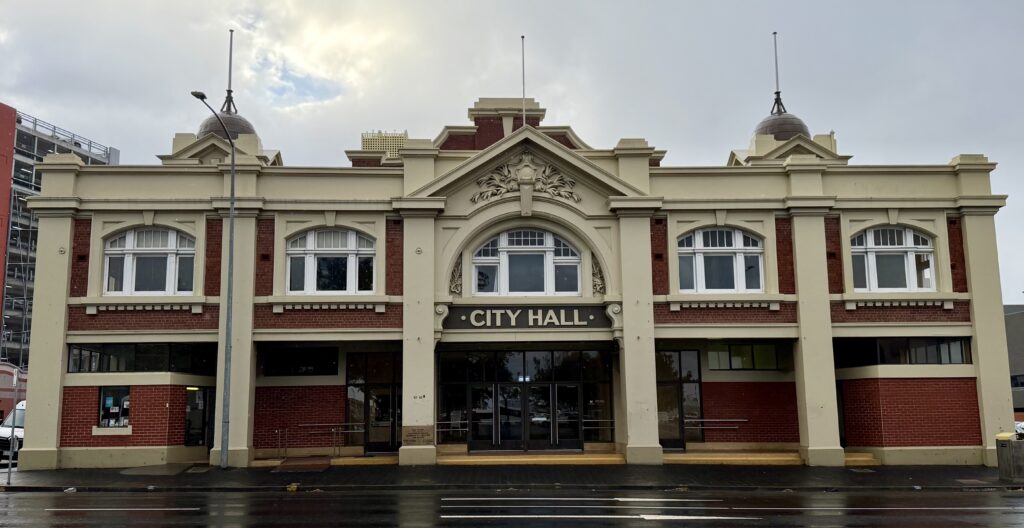
Hobart City hall – is a public auditorium and concert venue, separate from Hobart Town Hall. Completed in 1915, it originally seated up to 5,000 people. The hall has hosted a wide range of events, including sports, concerts, balls, beauty pageants, and film screenings, and is also used as an emergency center during disasters like the 2013 Tasmanian bushfires.
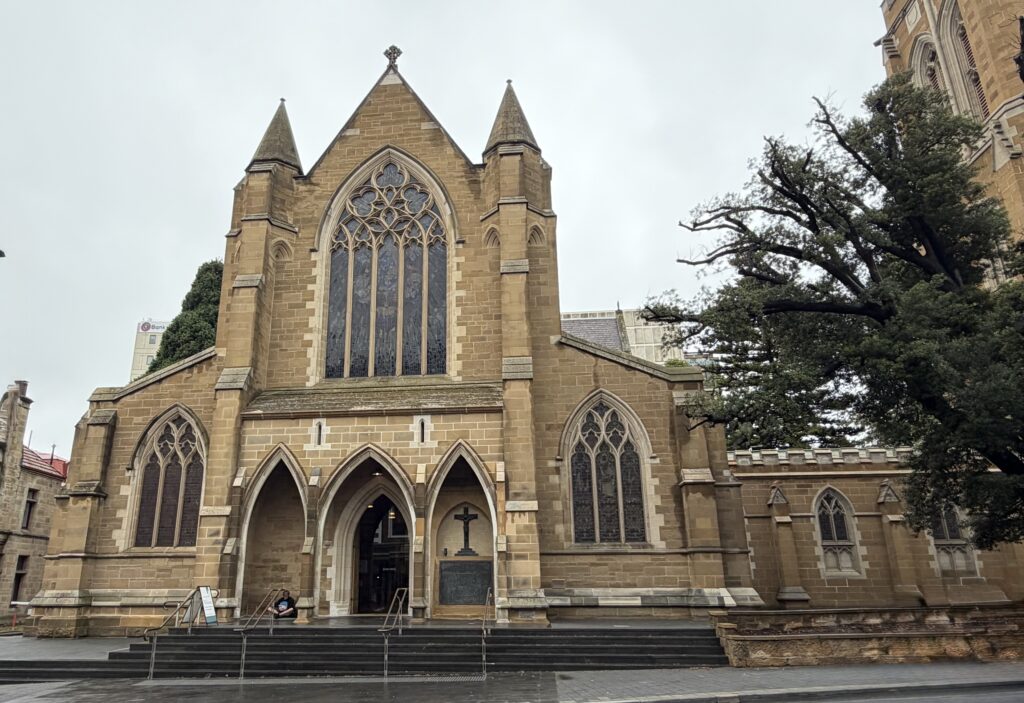
St David’s Cathedral – is the Anglican cathedral of Hobart and the mother church of the Diocese of Tasmania. The cathedral was built in the Gothic Revival style between 1868 and 1936, designed by English architect George Frederick Bodley. Its notable features include an arcaded entrance with a large west window, buttressed turrets, a square tower of Oatlands stone, and a cloister with old trees.
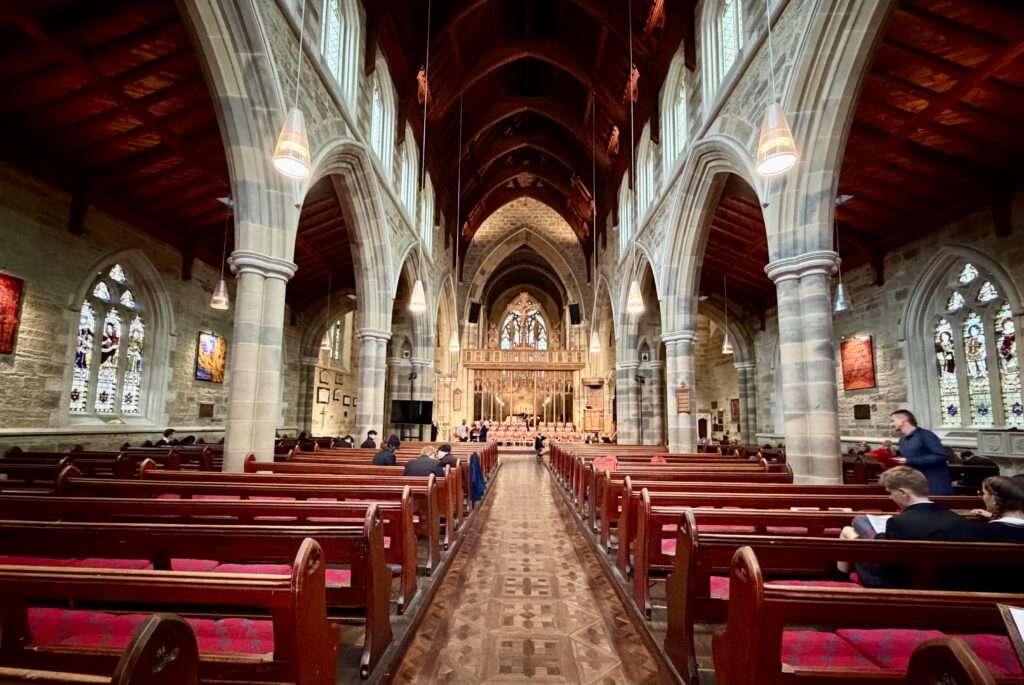
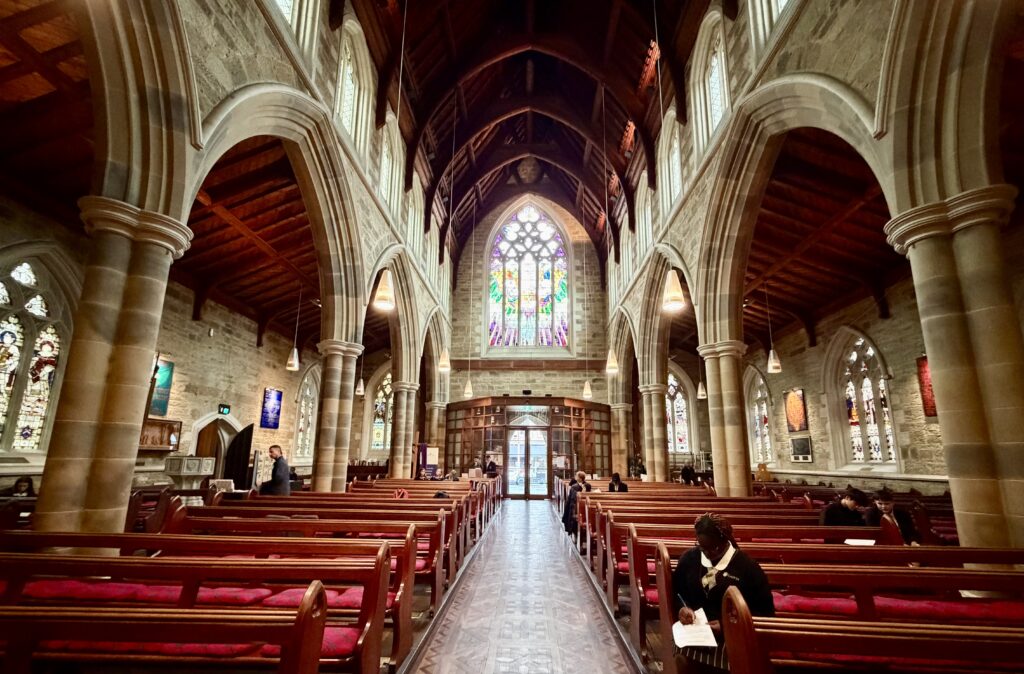
Inside, stained-glass windows depict saints, kings, knights, and biblical figures, and memorial plaques honor deceased Tasmanian residents. The building is heritage-listed and holds historical flags from Tasmania’s post-convict era.
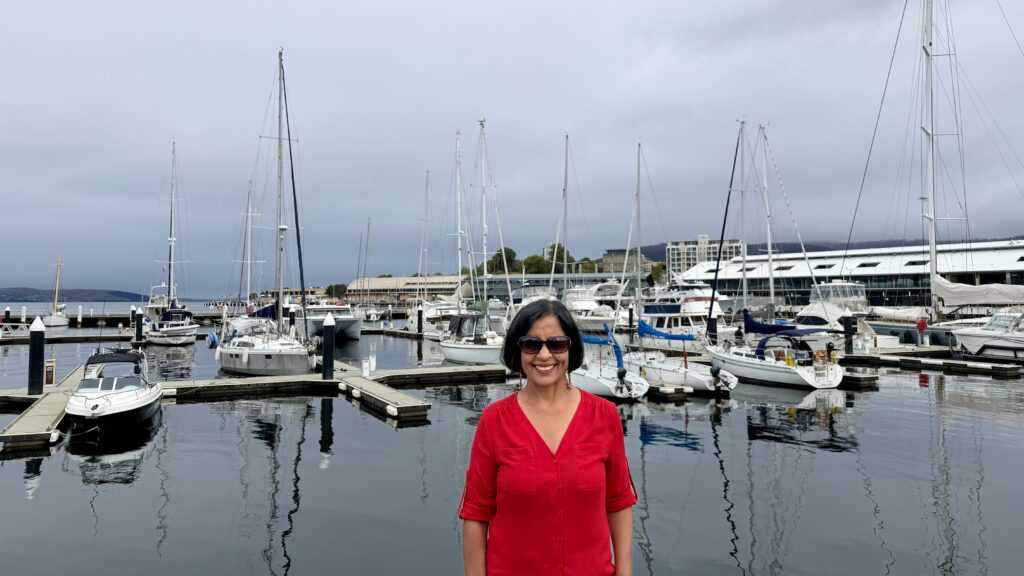
Franklin Wharf – is a scenic waterfront area along the River Derwent in the heart of Hobart. It is a lively precinct known for its harbor views, fishing boats, and proximity to major attractions like Salamanca Place. The wharf is also a departure point for cruises and Antarctic expeditions. We enjoyed walking along the water and taking pictures.
Tasmanian Museum and Art Gallery – or (TMAG) is a major museum in Hobart, established in 1846 by the Royal Society of Tasmania. It is one of Australia’s oldest museums and free to visit. Today, the museum showcases Tasmania’s natural and cultural history, with exhibits ranging from science and heritage to art and design.
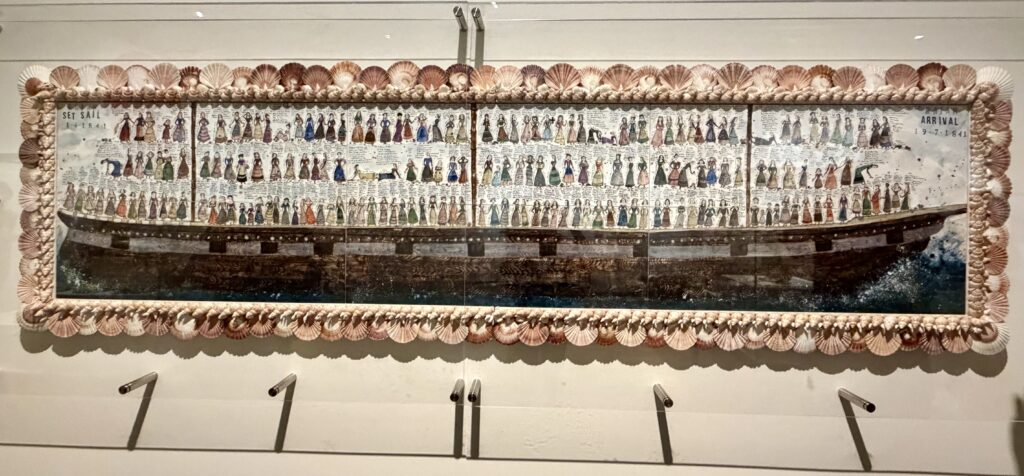
One of the interesting artwork on display is the Ruffles on the Rajah (2018) – a contemporary ceramic artwork by Australian artist Bern Emmerichs. It depicts the more than 180 convict women and children who traveled aboard the ship Rajah in 1841. Inspired by the historic Rajah quilt, the work consists of fired ceramic tiles and seashell elements. The installation honors the dignity and individuality of the passengers, often drawing on archival records to tell their stories.
Parliament House – Located on Salamanca Place, this is the meeting place of the Parliament of Tasmania. Originally built as a customs house, it began serving as a parliamentary building in 1841 and fully transitioned after customs offices moved out in 1904. The building has played a central role in Tasmania’s political history, including the establishment of self-government in the 1850s and its transition into a state of the Australia in 1901.
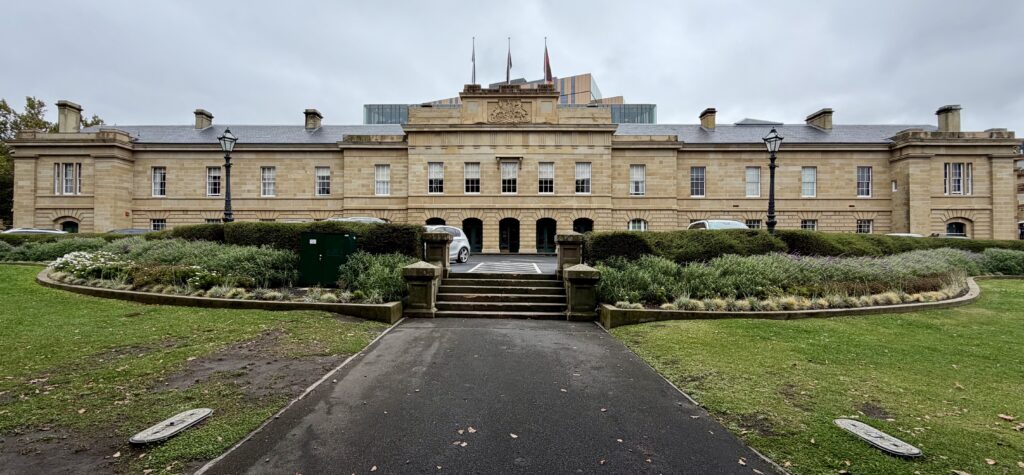
Free guided tours of Parliament House are available, but they were not running during our stay in Hobart.
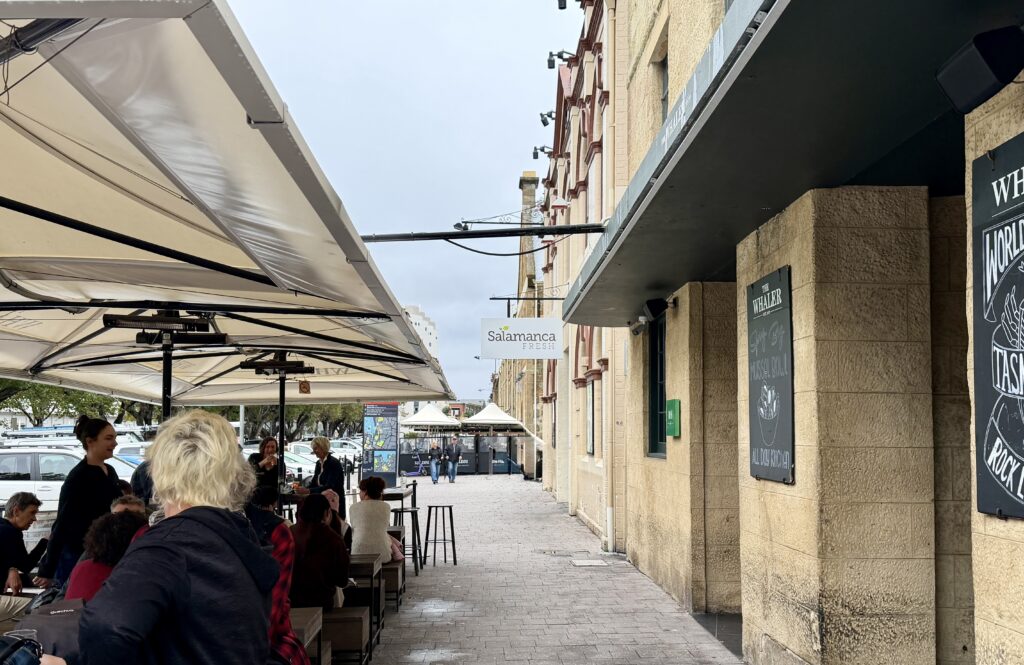
Salamanca Place – is a historic waterfront precinct in Hobart, known for its rows of Georgian sandstone warehouses. Originally built in the 19th century for storing goods from Hobart’s busy port, these buildings have been restored and now house galleries, cafés, restaurants, and shops. Today, it is a vibrant cultural hub, home to attractions like the Salamanca Market and the Salamanca Arts Centre.
Salamanca Place, Salamanca Market – is a popular street market held every Saturday at Salamanca Place in Hobart. Since starting in 1972, it has grown into Tasmania’s most visited attraction, drawing thousands of visitors each week. The market stretches along the historic waterfront, lined with Georgian sandstone warehouses now home to galleries, cafés, and shops. With over 350 stalls, it offers a wide range of local products including crafts, jewelry, clothing, fresh produce, food, and Tasmanian wines and spirits.
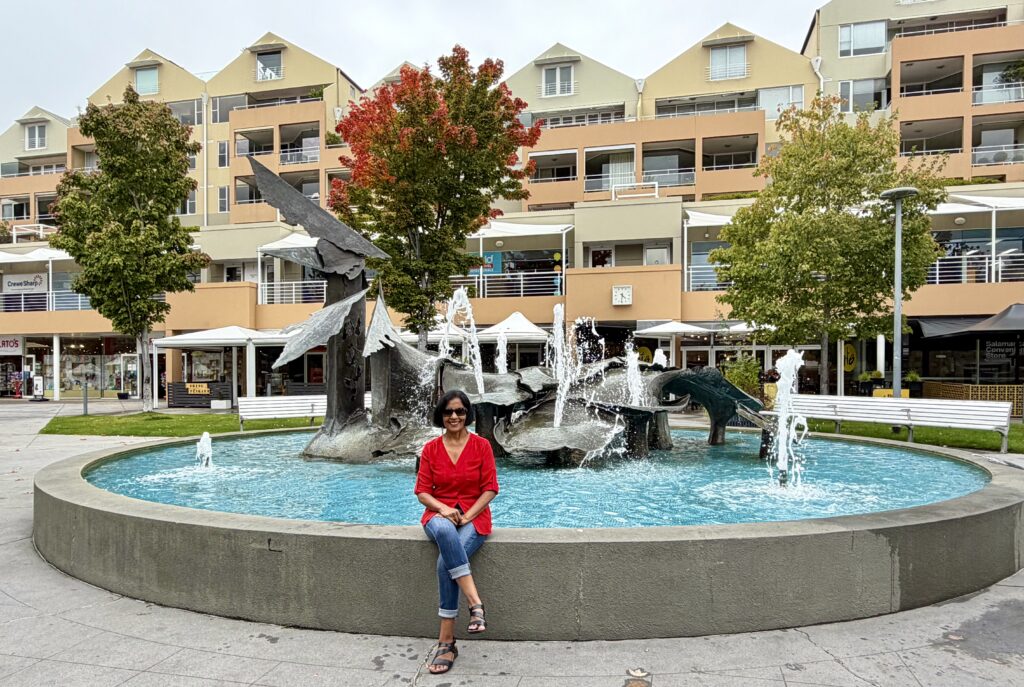
Salamanca Place, Salamanca Square – This is a pretty little plaza area in the Salamanca Precinct with cafes, retail shops and a fountain in the center.
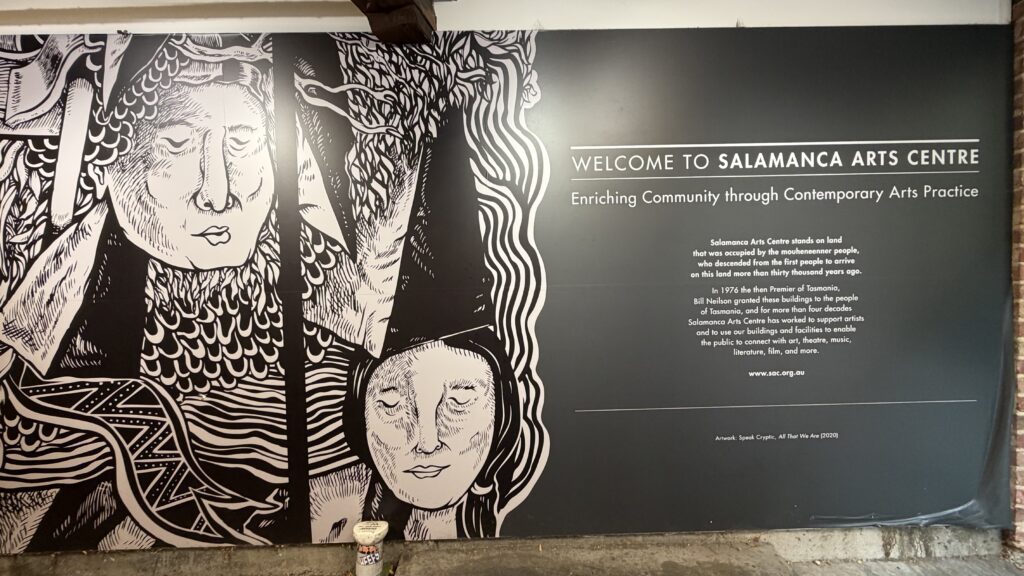
Salamanca Place, Salamanca Arts Centre – is a major arts hub established in 1976, located within historic Georgian warehouses at Salamanca Place. It features a mix of theaters, galleries, and creative spaces, including venues like the Peacock Theatre, Long Gallery, and Sidespace Gallery. Today, it serves as a vibrant cultural center, hosting visual and performing arts along with specialty shops and creative tenants.
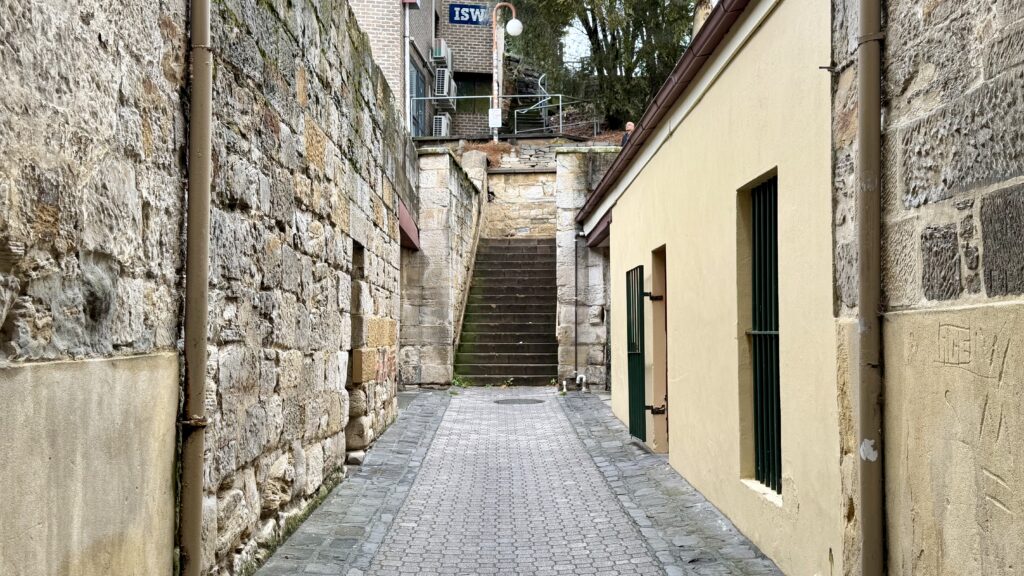
Explore historic Battery Point – Battery Point is a charming historic suburb just a short walk from the city center of Hobart. It is known for its well-preserved 19th-century cottages, narrow streets, and maritime heritage, it’s ideal for walking tours and exploring local cafés.
We started our walk at one of the highlights of this place – The Kelly’s Steps. Built in 1839, the stone staircase connects Salamanca Place (see above section) to Battery Point.
We then walked over to Arthur’s Circus, a picturesque circle with 1840s cottages surrounding a small park, considered the only such circus in Australia.
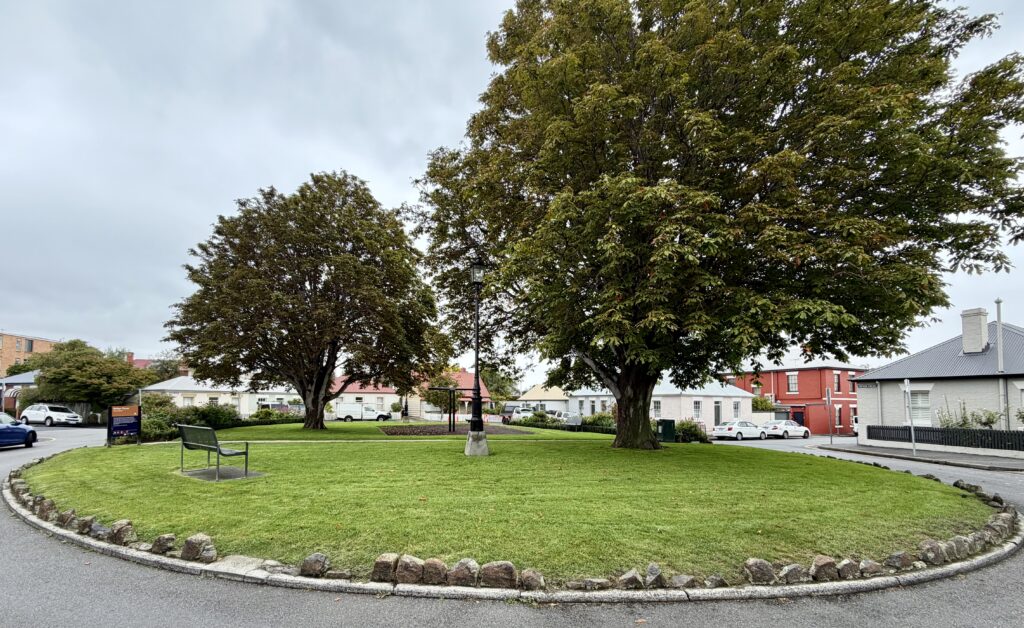
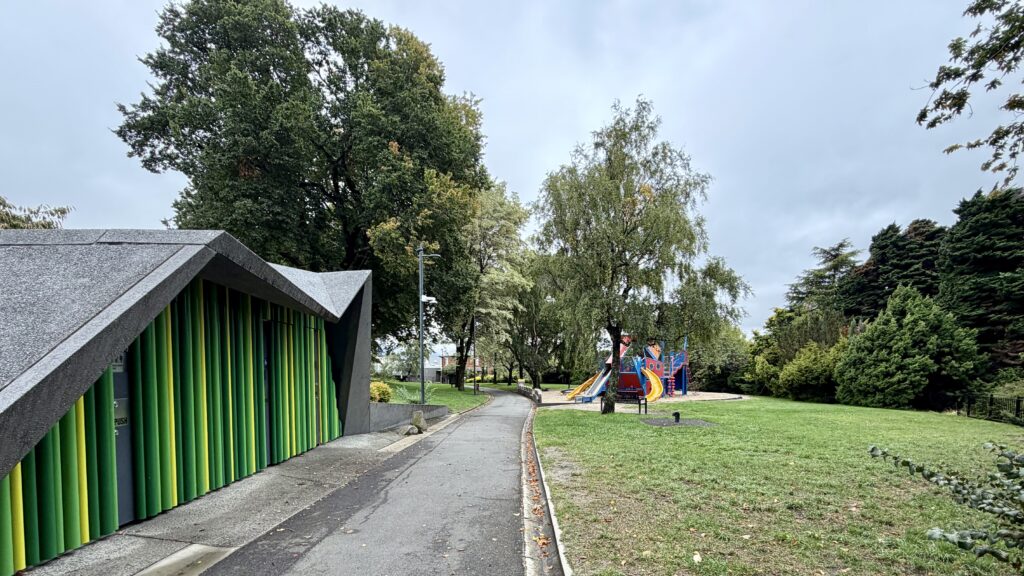
We then passed by the Princes Park and onto the waterfront.
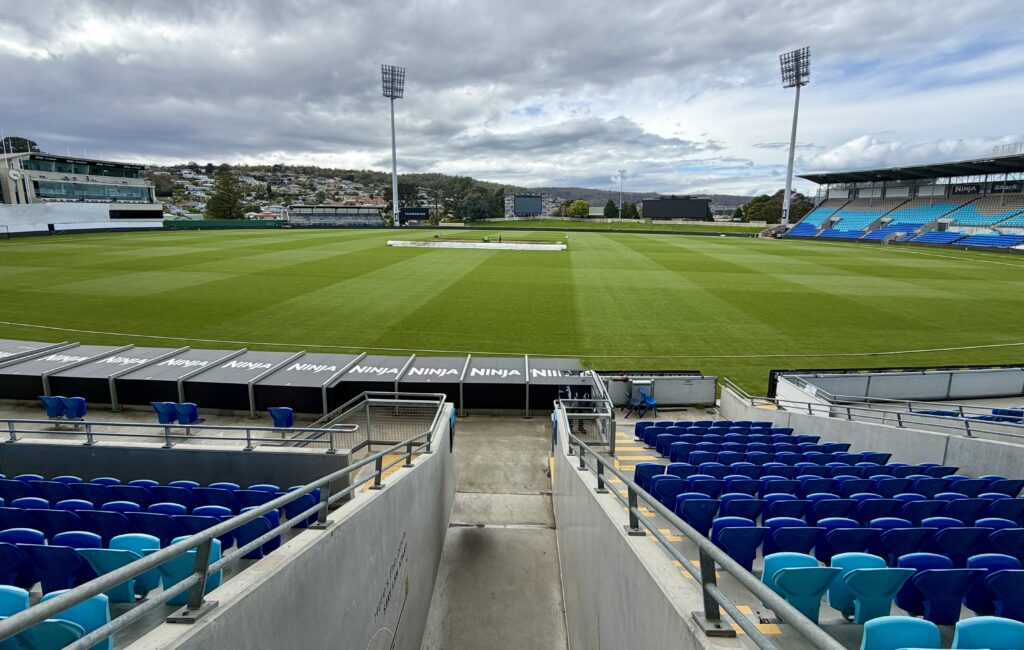
Hobart Cricket Ground – Officially known as Blundstone Arena or Ninja Stadium, it is Hobart’s premier cricket stadium, located in the suburb of Bellerive, about a 10-minute drive from the CBD. With a capacity of 20,000, it hosts international cricket matches and is home to the Tasmanian Tigers, Hobart Hurricanes, and occasionally AFL games for North Melbourne.
The venue features modern facilities including stands, indoor nets, and a function centre with panoramic views. While guided tours are available, we were able to walk in and the staff kindly allowed us to quickly explore the grounds.
Royal Tasmanian Botanical Gardens (RTBG) – is a 14-hectare garden located in the Queens Domain of Hobart and is free to visit. Established in 1818, it is Australia’s second-oldest botanical garden. The gardens feature historic plant collections, significant 19th-century trees, and conservation displays of Tasmanian flora, and the unique Subantarctic Plant House.
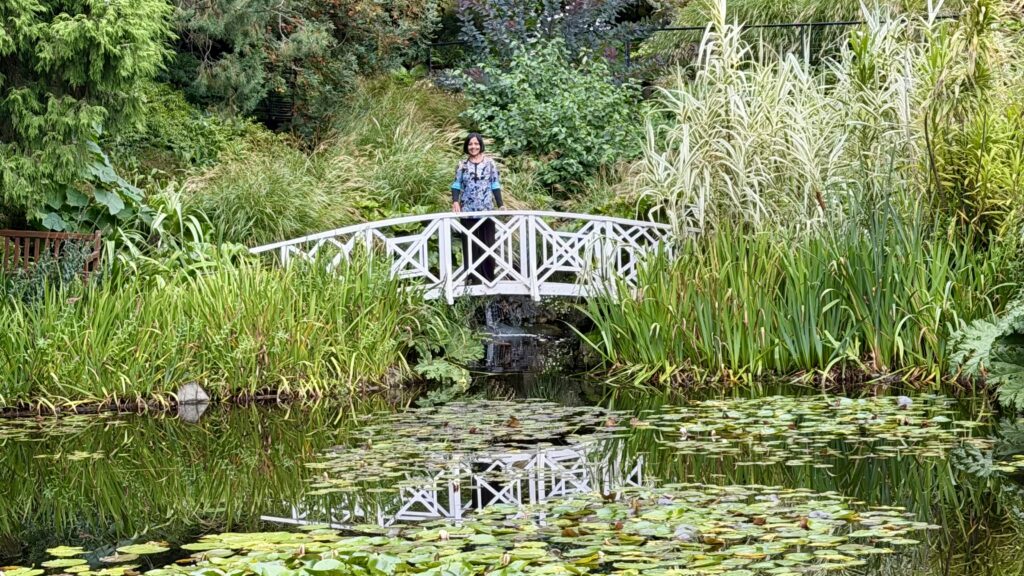
Today, it offers a mix of natural beauty and cultural history, with walking paths, exhibitions, a visitor centre, and evidence of early Aboriginal occupation of the site.
Mount Wellington/Kunanyi – is a 1,271 m peak overlooking Hobart, known for its panoramic views, alpine scenery, and outdoor activities. Located within Wellington Park, the summit can be reached by a 30-minute drive, where a viewing shelter offers sweeping 360° views of the River Derwent and coastline.
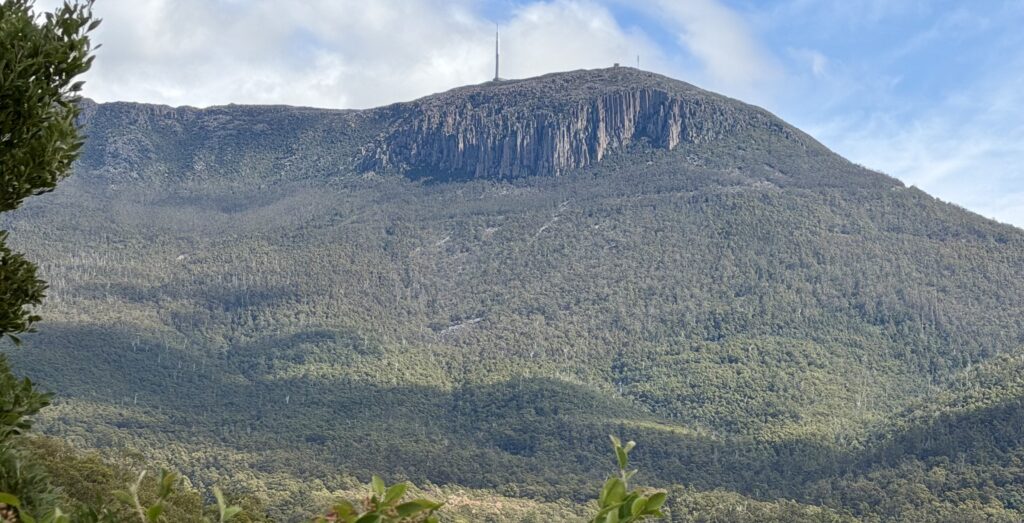
The mountain holds deep cultural significance for Tasmanian Aboriginal people and features striking formations like the Organ Pipes, along with hiking, biking, and snow experiences—though conditions can be cold, windy, and unpredictable year-round. We spent about an hour at the top, enjoying beautiful views of Hobart from inside the viewing shelter, then walked along a boardwalk to an outdoor lookout for a clearer view of the city.
Many hiking trails start from the summit area, but due to the weather and limited time, we decided to skip the hikes.
Cascade Brewery – Cascade Brewery is Australia’s oldest continually operating brewery, established in 1824 in South Hobart. Set against the backdrop of kunanyi / Mount Wellington, the brewery produces beer as well as non-alcoholic beverages, and offers guided tours, a retail outlet, and a function centre.
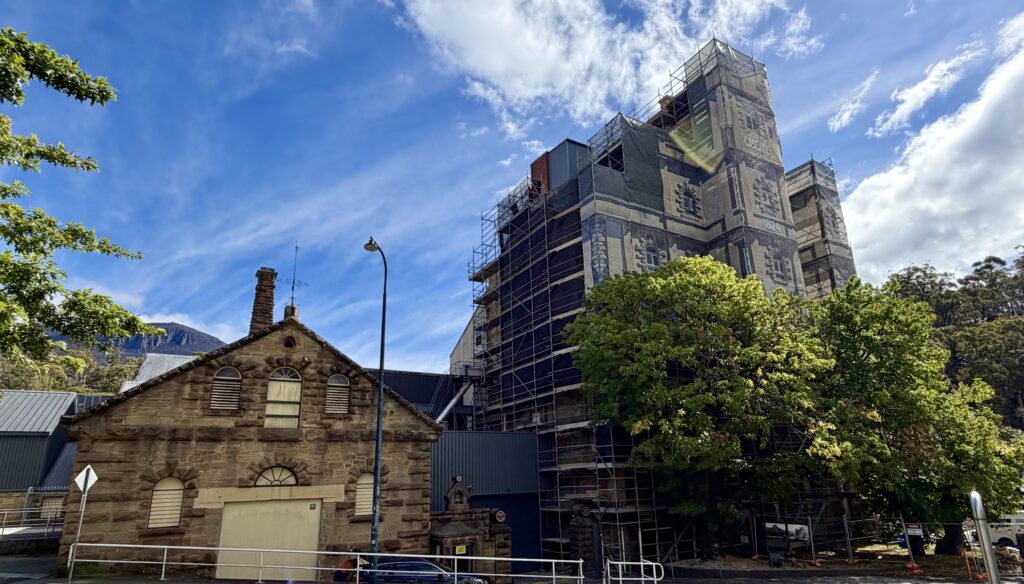
With a rich history linked to early settlers, the brewery is heritage-listed and remains an iconic part of Tasmania’s brewing and cultural scene. We enjoyed lunch at the Cascade Bar along with some tasty beer.