Located along the Manzanares River, Madrid is the capital and largest city of Spain and one of the largest cities in the European Union. Founded as a fortified settlement in the 9th century, Madrid grew in importance after becoming the permanent seat of the Spanish royal court in 1561. Today, it is known for its rich history, world-class museums, and vibrant cultural life.
We spent four days in Madrid, staying in an Airbnb near Plaza Mayor, which made it easy to explore the city on foot. Most of the major attractions were within walking distance, allowing us to visit landmarks, museums, and squares at a relaxed pace. We only needed to take a taxi to Santiago Bernabéu Stadium which was about 8km from city center.
- Plaza Mayor
- Puerta de Alcalá
- Royal Palace of Madrid
- Retiro Park
- Mercado de San Miguel
- Prado Museum
- Santiago Bernabéu Stadium (Football Stadium of Real Madrid)
- El Nacimiento del Agua (Fountain)
- Flamenco
- Other places to Visit in Madrid
- Palacio de Cibeles
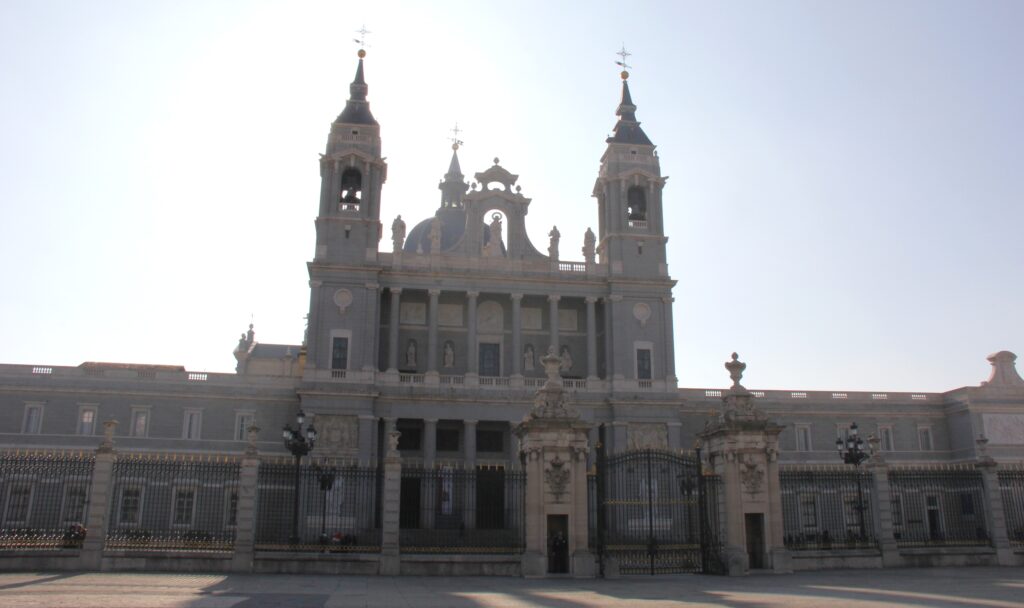
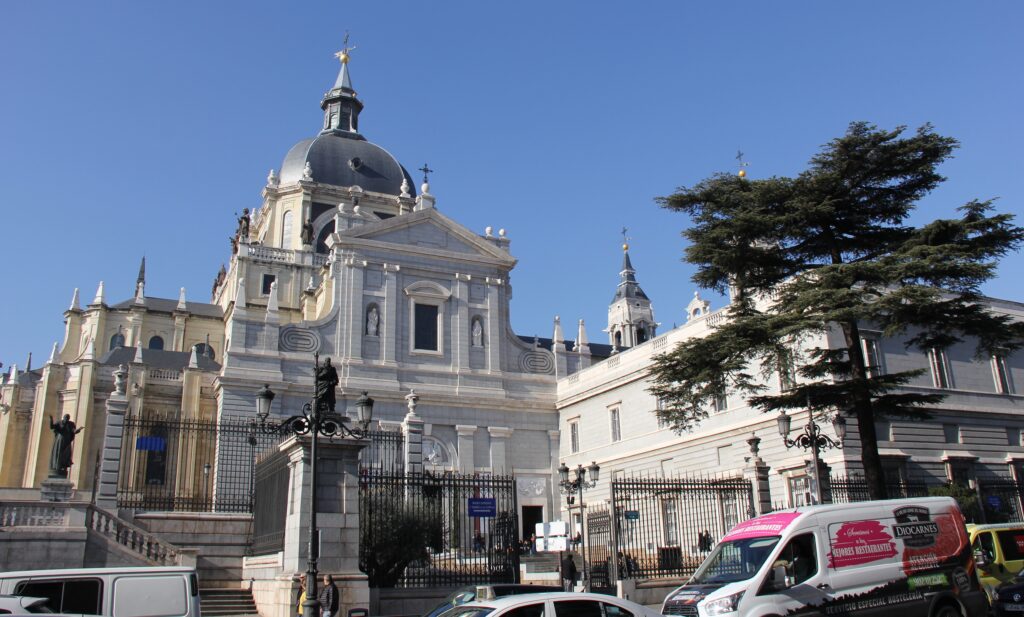
- La Almudena Cathedral
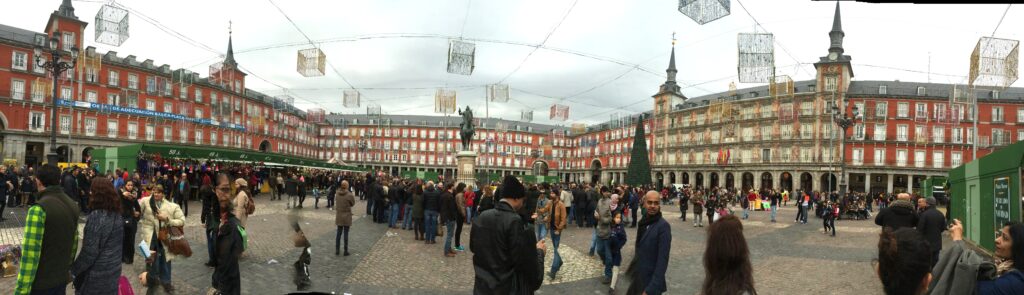
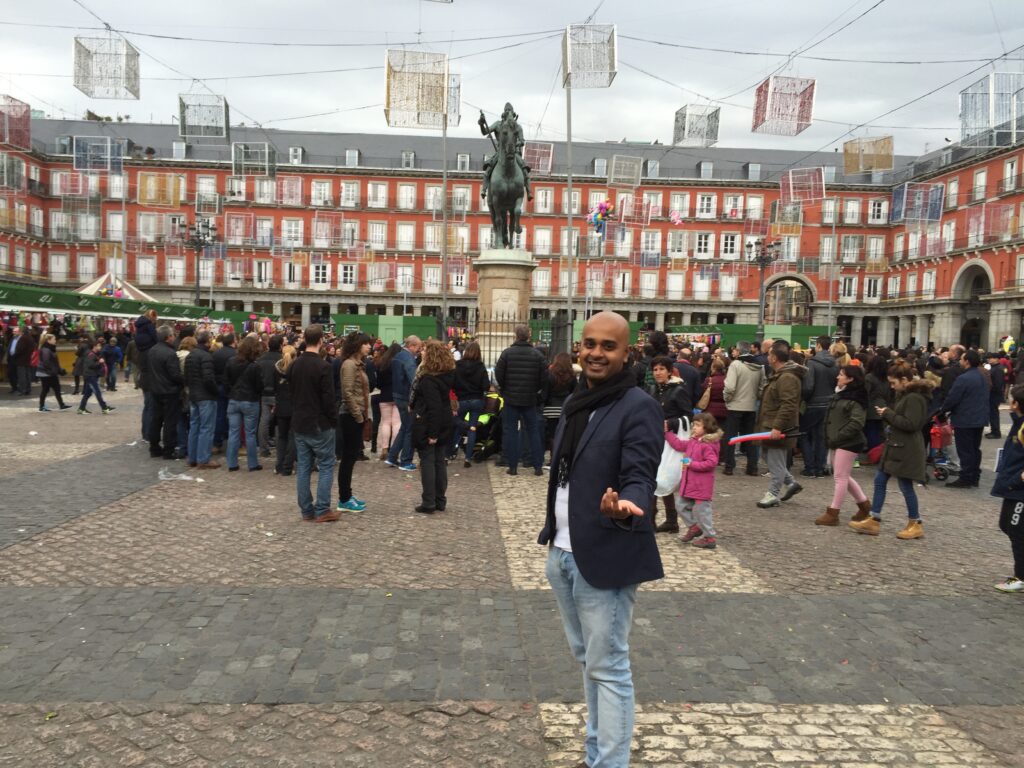
Plaza Mayor – This is the first place we visited in Madrid. This historic square located in the heart of Madrid, was built during the reign of Philip III in the early 17th century, The square is a prime example of Spanish Baroque architecture, with uniform façades, three-story buildings, and 237 balconies overlooking the plaza. Traditionally, it has served as a hub for markets, festivals, bullfights, and public events, reflecting Madrid’s social and cultural life. Today, Plaza Mayor is a lively gathering place for locals and tourists alike, lined with cafés, shops, and restaurants.
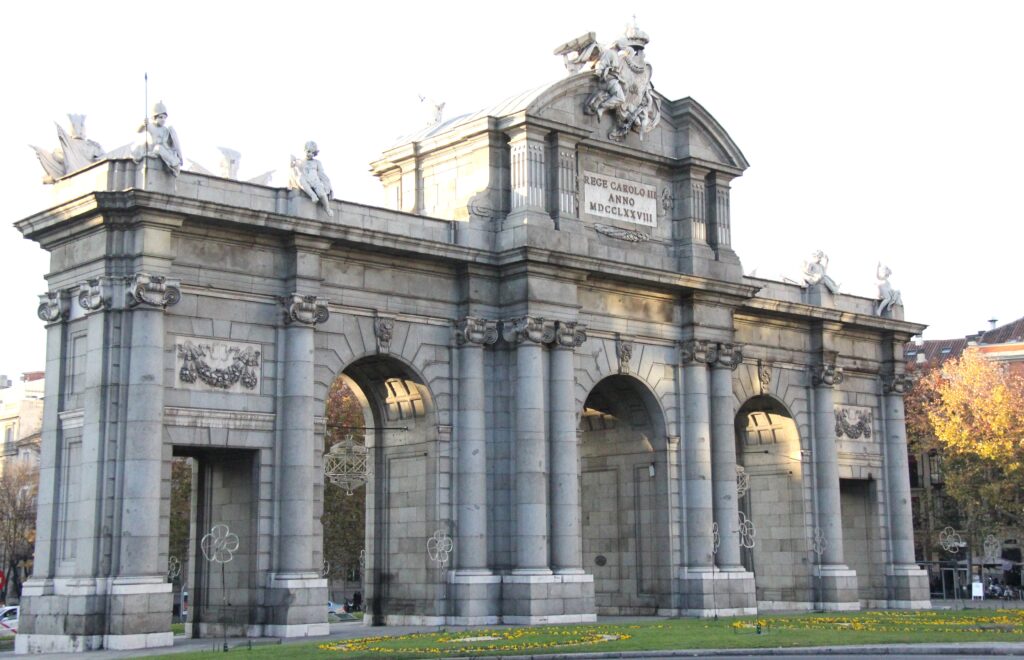
Puerta de Alcalá – One of the city’s most iconic landmarks, this monumental city gate was commissioned by King Charles III and completed in 1778, as indicated by the Latin inscription Rege Carolo III Anno MDCCLXXVIII on its façade. Designed in the neoclassical style, the gate features five arches and decorative sculptures, symbolizing Madrid’s status and prestige. Originally built as a grand entrance to the city, the Puerta de Alcalá now stands in Plaza de la Independencia, serving as a popular tourist attraction and a celebrated example of 18th-century Spanish architecture.
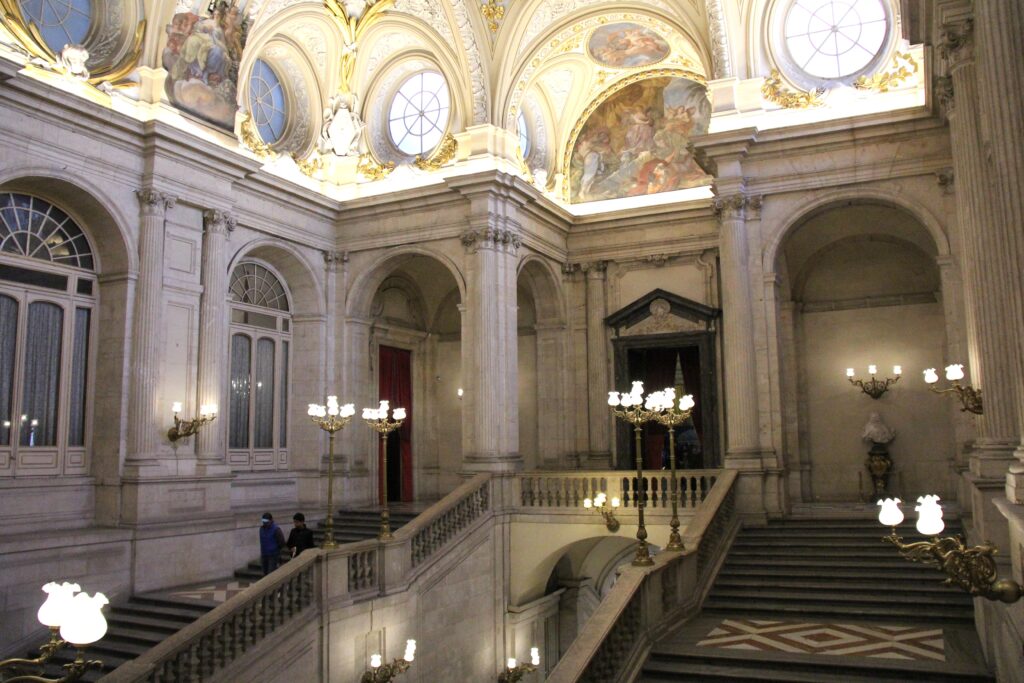
Royal Palace of Madrid – is the official residence of the Spanish monarchy, though it is used mainly for state ceremonies rather than daily living. Located near the Manzanares River in central Madrid, it is the largest royal palace in Europe, with over 3,400 rooms. Built in the 18th century on the site of a former Muslim fortress, the palace showcases grand Baroque and neoclassical design. Its richly decorated interior houses important art collections, including works by Goya, Velázquez, and Caravaggio, as well as the Royal Armoury and other historic treasures, making it one of Spain’s most significant cultural landmarks.
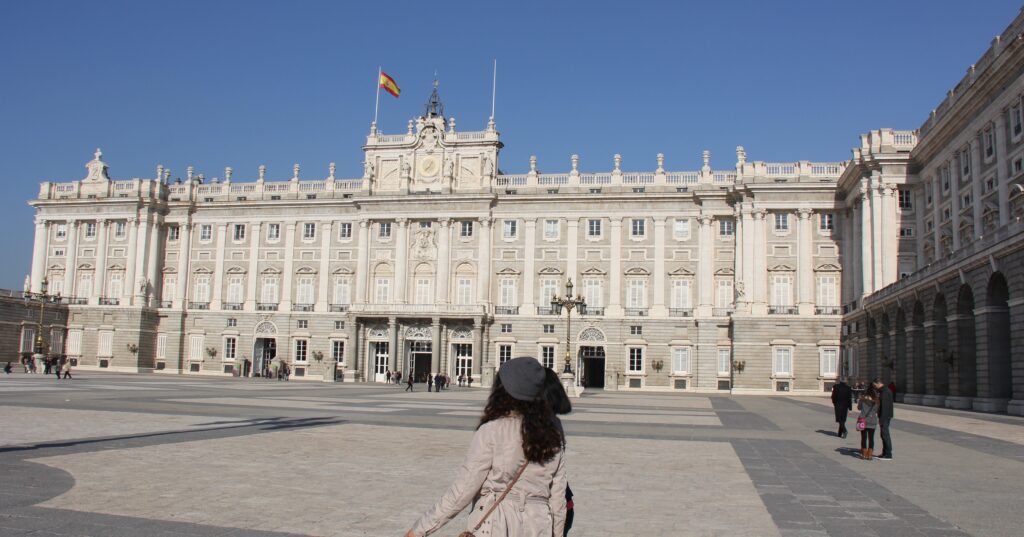
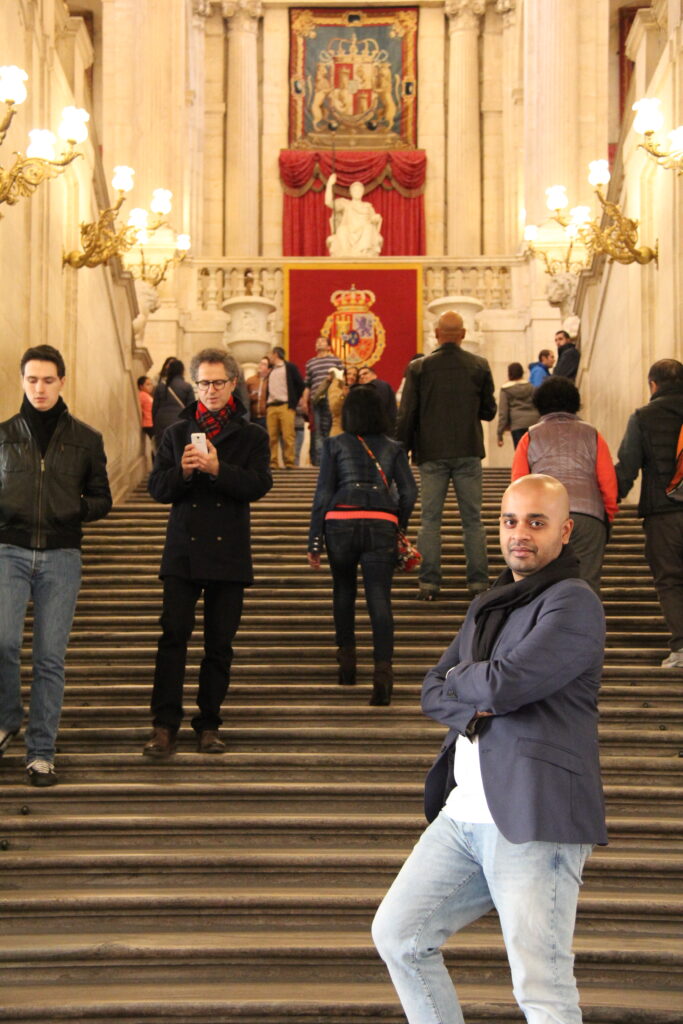
You can do a self guided tour of the palace. Plan on spending 1-2 hours exploring the stunning interior.
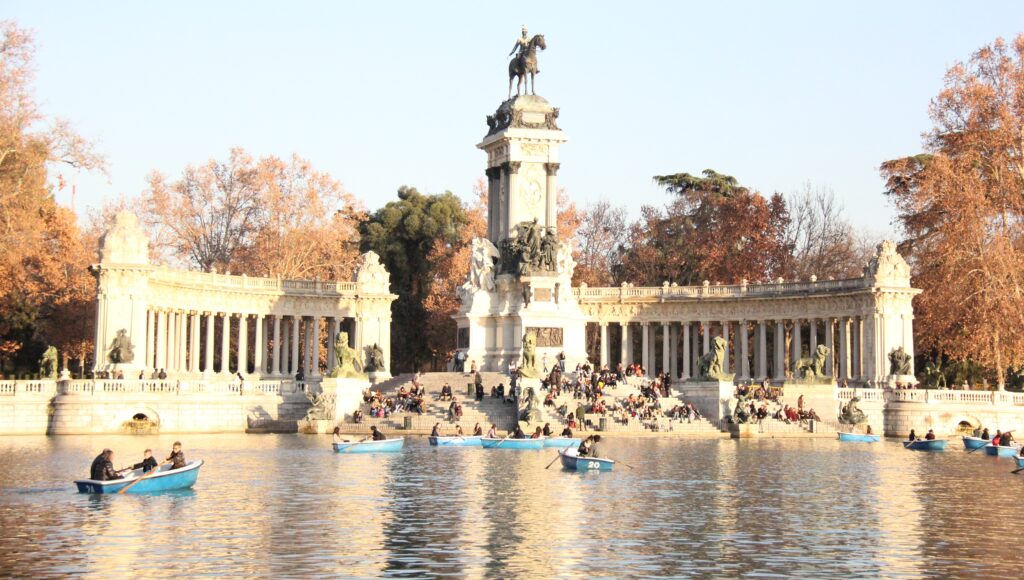
Retiro Park – Located in the center of the city, this large park is a UNESCO World Heritage Site and was once part of the Spanish royal family’s private gardens. Today, it is one of the city’s most popular public green spaces, offering a peaceful escape from Madrid’s busy city life. Locals and tourists alike can enjoy relaxed walks along its tree-lined paths. At the park’s famous Retiro Pond, visitors can rent rowboats. At the beginning of the 20th century, the Alfonso XII monument was built next to the pond.
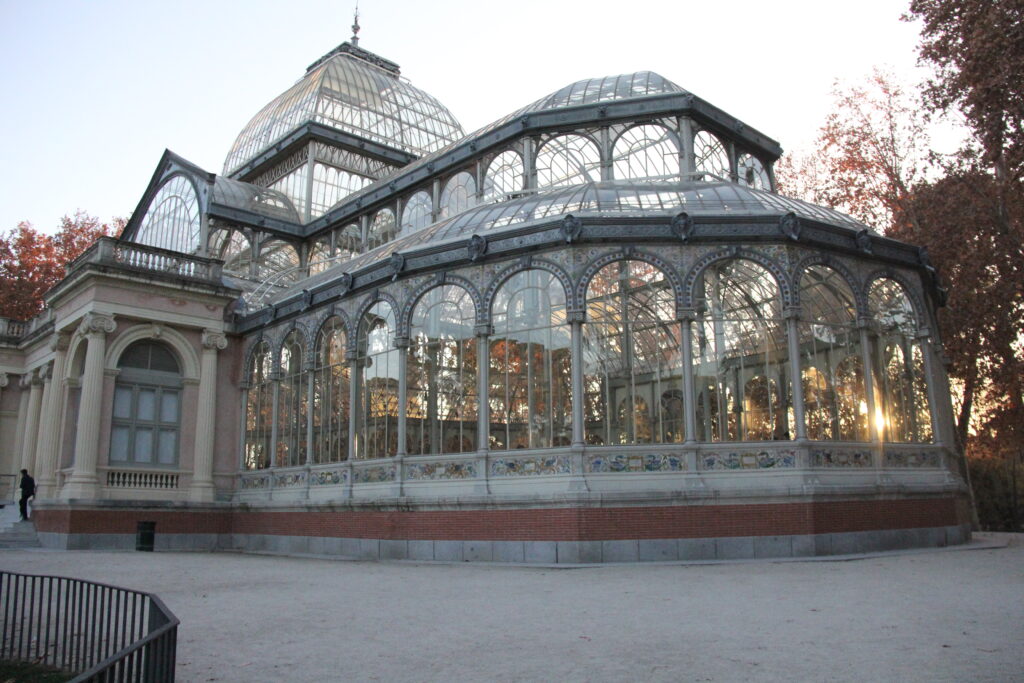
Retiro Park, Crystal Palace – is a 19th-century glass and iron structure used as a space for contemporary art exhibitions. Built in 1887 for the Philippines Exposition, it is designed in the shape of a Greek cross and features a tall glass dome over 22 metres high.
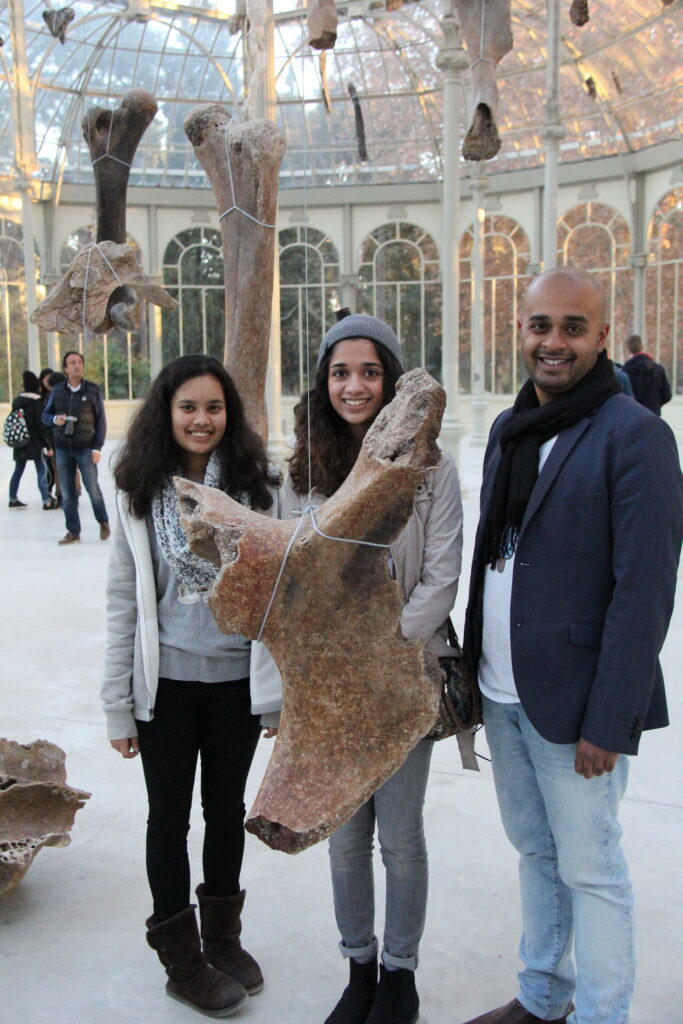
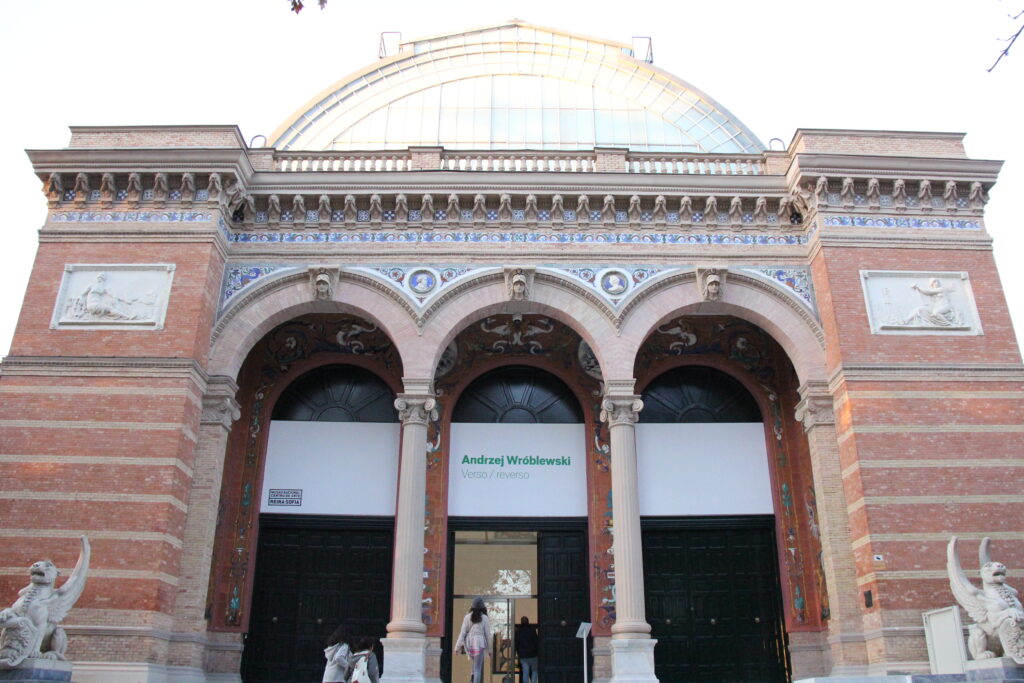
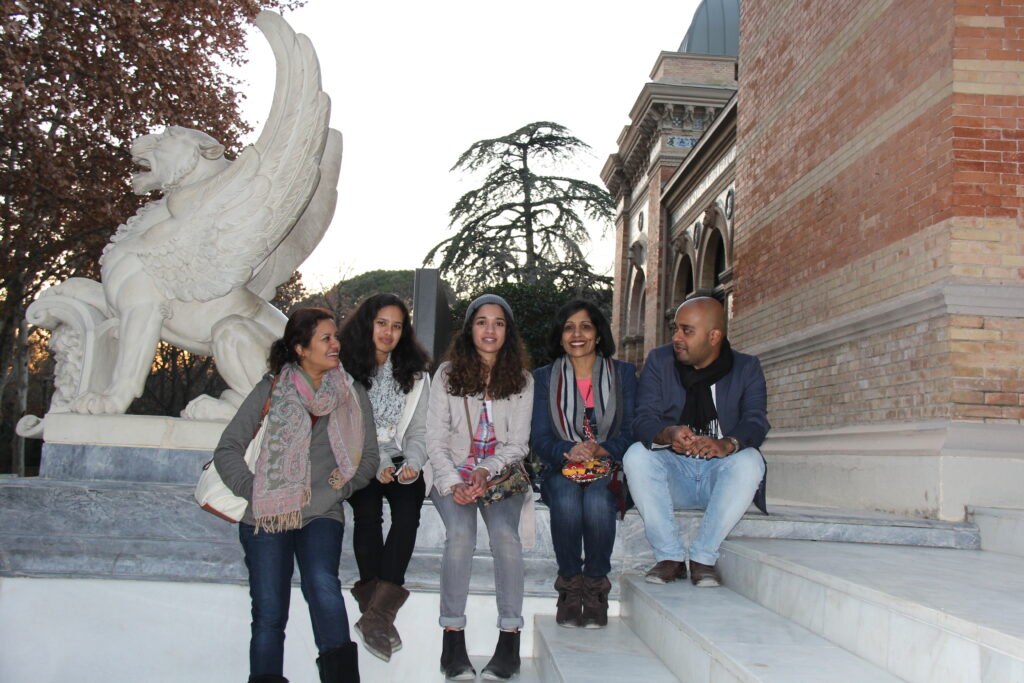
Retiro Park, Palacio de Velázquez – Built between 1881 and 1883, the palace today functions as an arts and crafts gallery. The place is usually dedicate to temporary exhibitions linked to the Reina Sofía. The building is very beautiful from the outside with many glazed tiles.
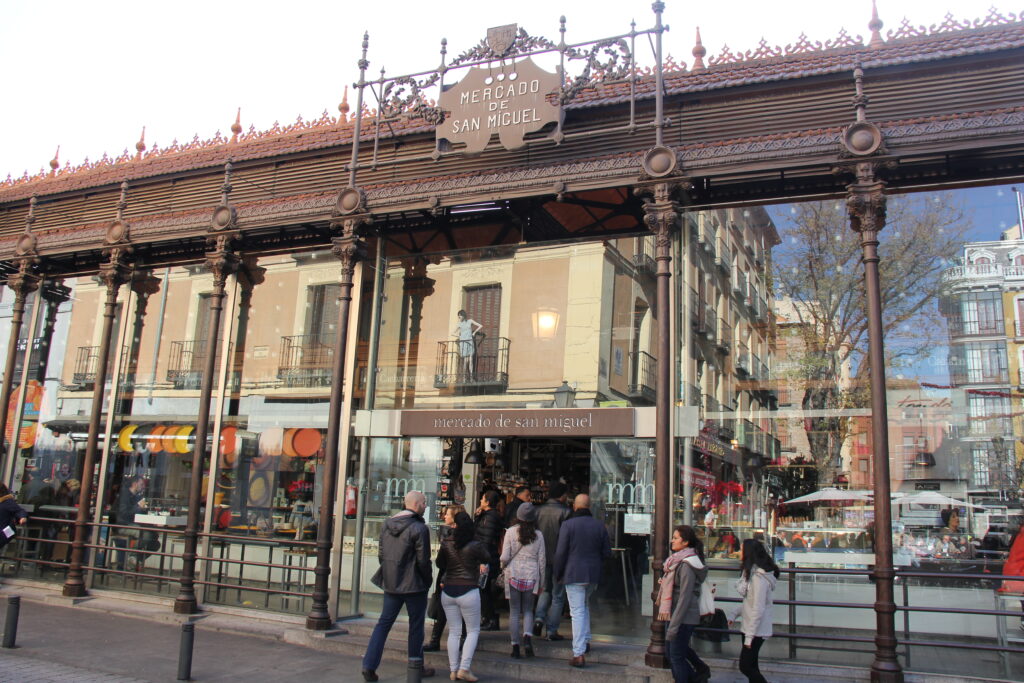
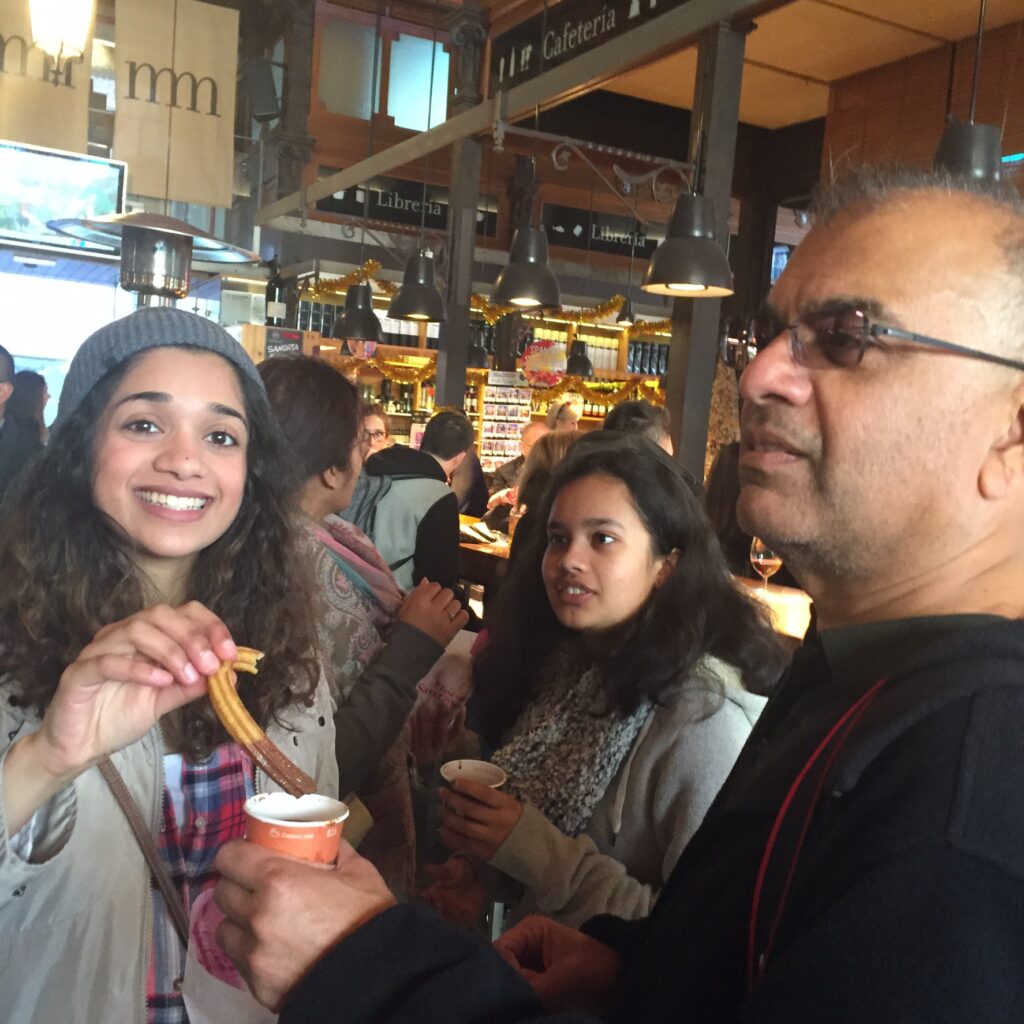
Mercado de San Miguel – is a popular and lively covered market located in the heart of Madrid, near Plaza Mayor. Originally opened in 1916, it features elegant iron architecture and has been carefully restored to preserve its early 20th-century charm. Today, the market is a vibrant culinary destination where visitors can sample a wide variety of Spanish delicacies, including fresh seafood, tapas, cheeses, and gourmet products.
Prado Museum – in Madrid is one of the world’s leading art museums, featuring an exceptional collection of European masterpieces. Its galleries highlight works by Spanish, Italian, and Flemish artists, including iconic paintings by Velázquez, Goya, Bosch, and Rubens. Beyond paintings, visitors can explore sculptures, drawings, prints, and historical artifacts, primarily from Spain’s former royal collections. The museum’s thoughtfully arranged halls group works by artist and style, making it easy for visitors to fully appreciate centuries of European art.
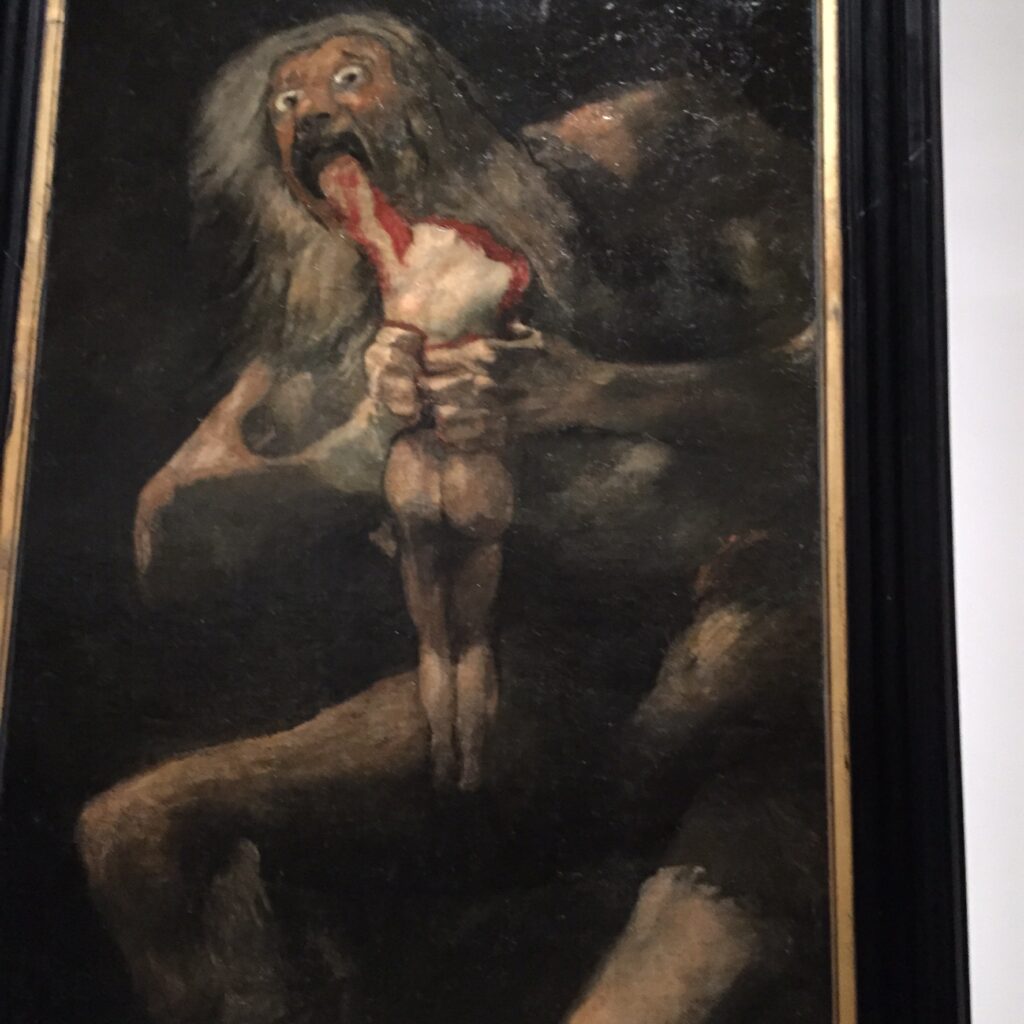
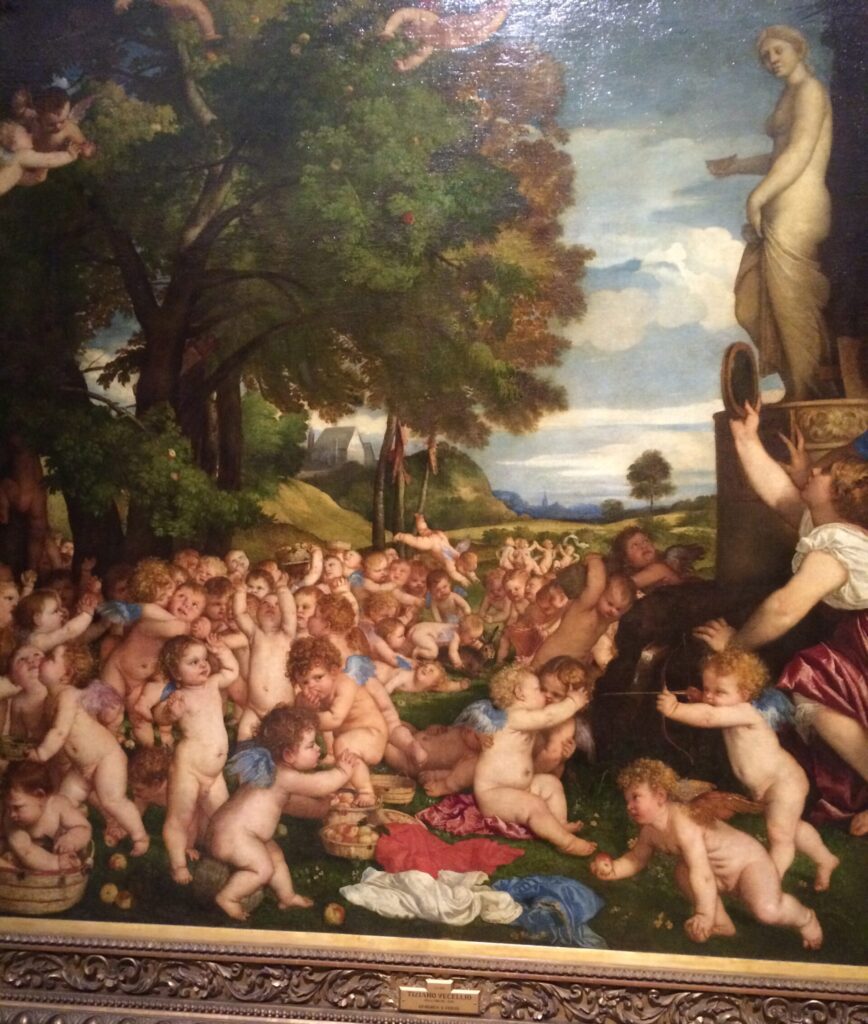
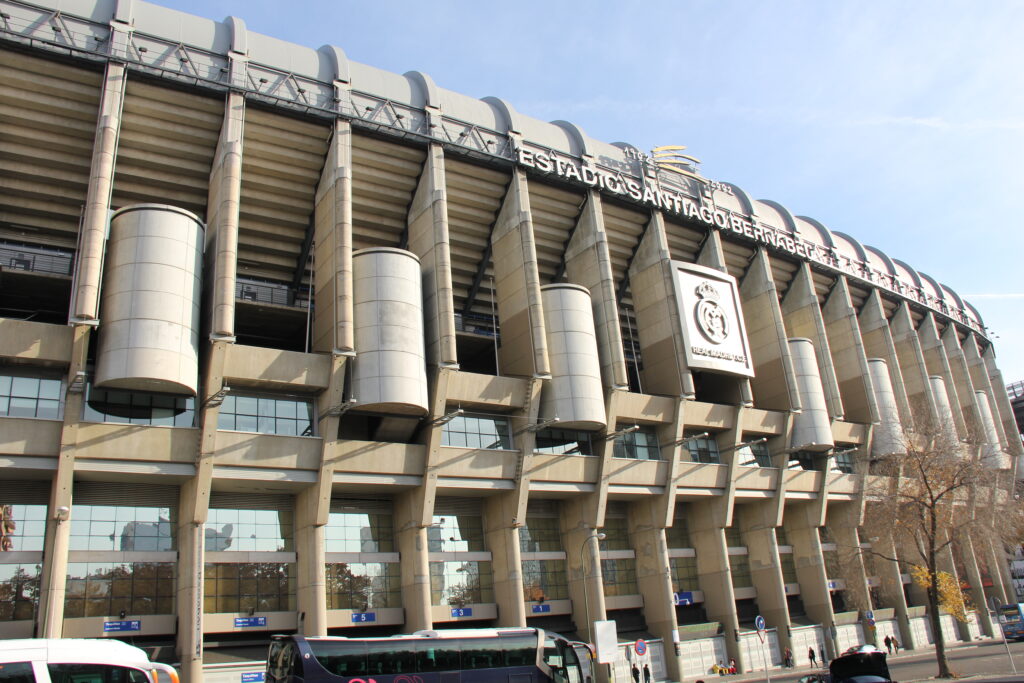
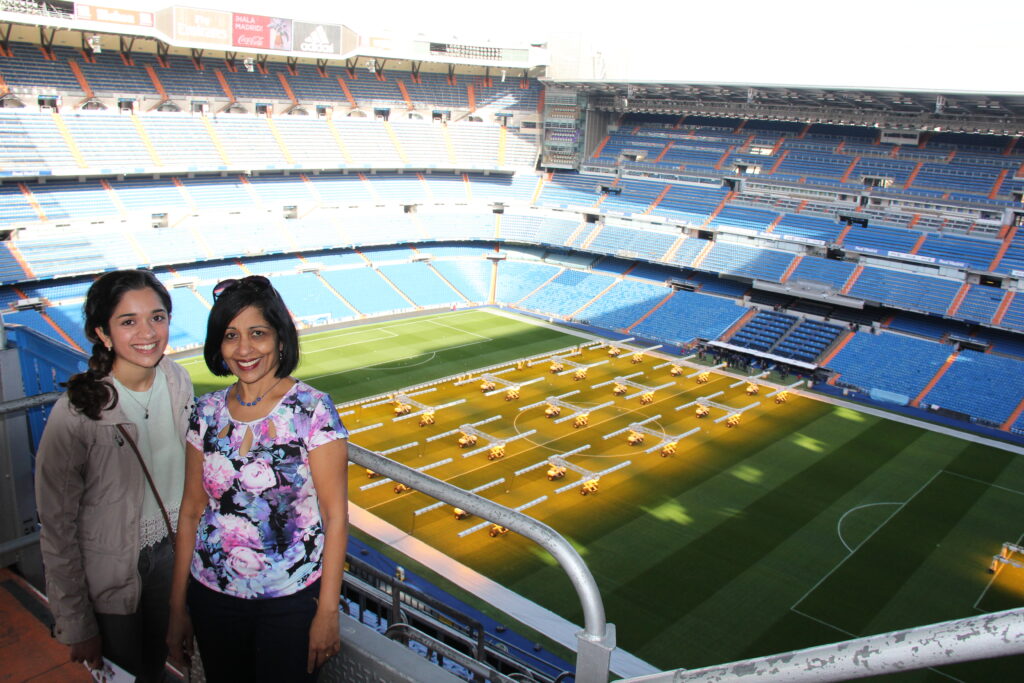
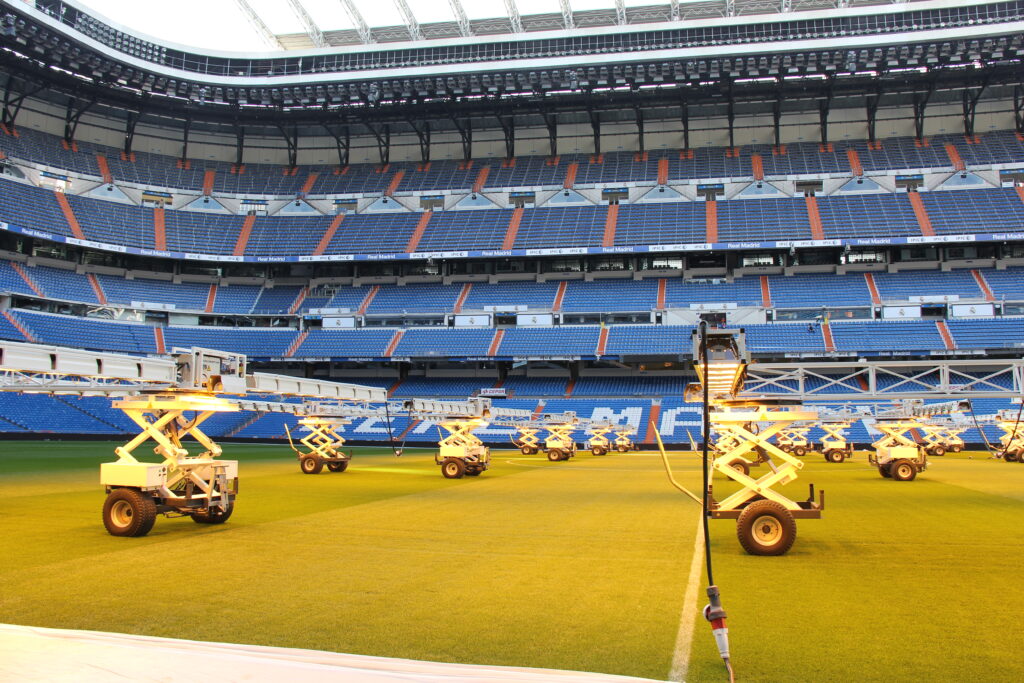
Santiago Bernabéu Stadium – is a world-famous football stadium and the home of Real Madrid since 1947. Renamed simply “Bernabéu” after its recent renovation, the stadium now has a seating capacity of over 83,000 and features a modern retractable roof. Named after legendary club president Santiago Bernabéu, it has hosted some of football’s most important events, including multiple UEFA Champions League finals, 1982 FIFA World Cup final, and the 1964 European Championship final, making it one of the most historically significant stadiums in the world.
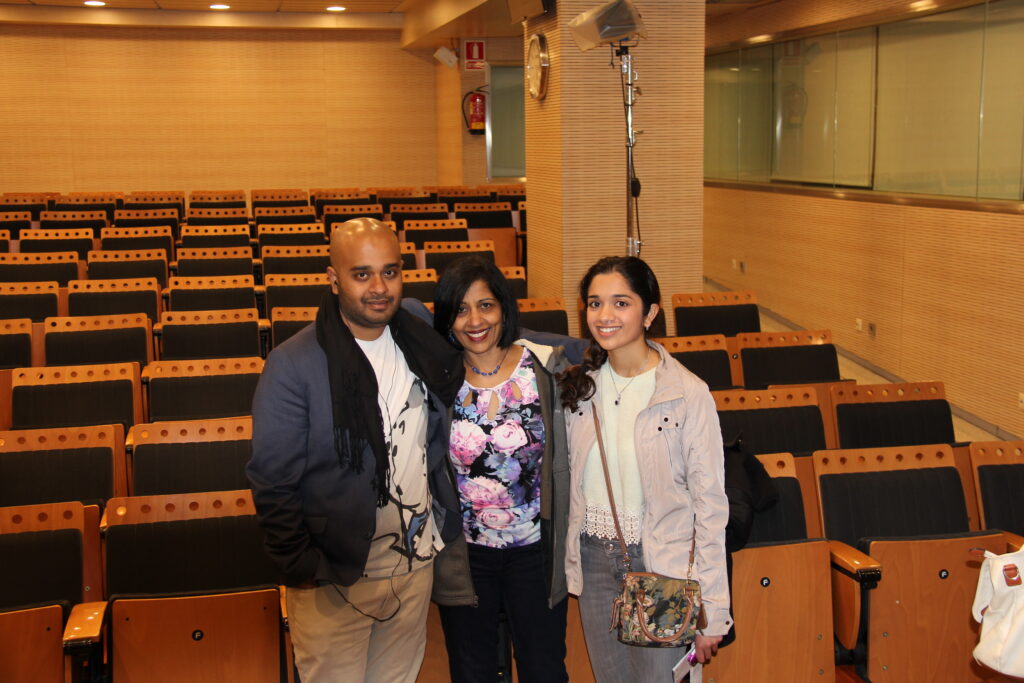
We went on a guided tour of the stadium which included Real Madrid C.F. Museum, Exclusive access to the RM Games area, Panoramic view of the inside of the Stadium, and Locker Rooms and Dugouts.
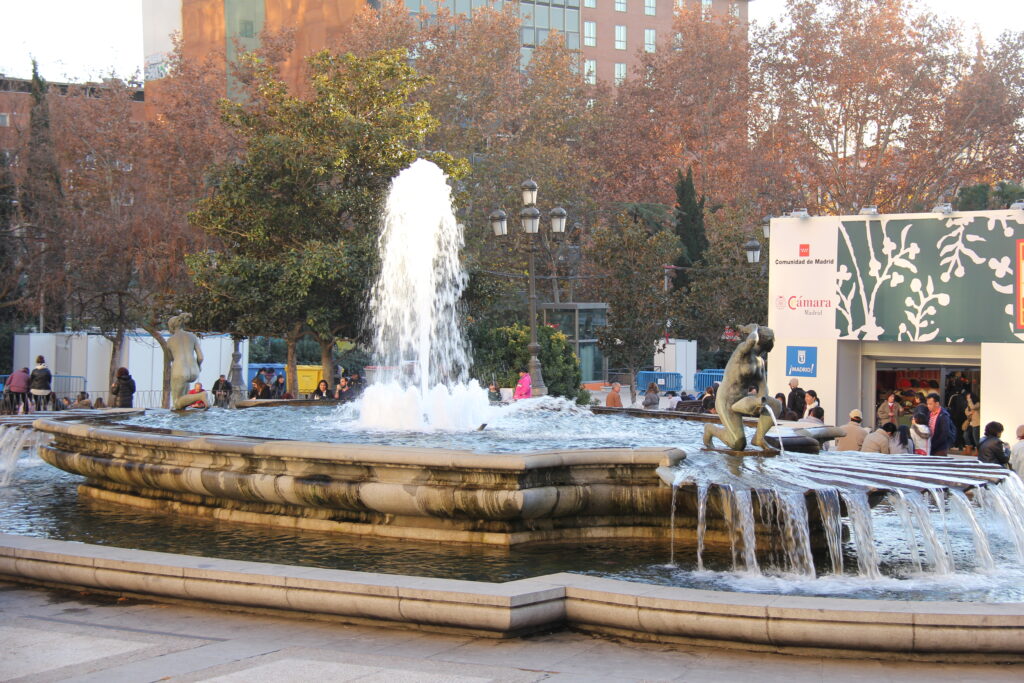
El Nacimiento del Agua – is an impressive fountain located in Plaza de España in Madrid. Designed by architects Manuel Herrero and Antonio Campillo and installed in 1969, its name translates to Fountain of the Birth of Water. The fountain is often associated with classical symbolism, featuring mythological imagery such as nymphs pouring water from pitchers. When we visited in 2015, the fountain was situated in a different location within the plaza than where it stands today, following later renovations to the area.
Flamenco – a traditional Spanish art form that combines music, singing (cante), dance (baile), rhythmic clapping (palmas), and guitar playing (toque), originating in Andalusia in southern Spain. Deeply rooted in the cultural influences of Romani, Moorish, Jewish, and Andalusian traditions, flamenco is known for its powerful emotional expression, rhythmic footwork, and expressive hand and arm movements. Often performed in intimate settings as well as on stage, flamenco conveys themes of passion, struggle, and joy.
We visited Las Carboneras Tablao Flamenco, to experience Spain’s most popular artform. They had several menu options available, and we enjoyed an intimate dining experience while watching polished, old-world flamenco dancing in a stylish and atmospheric setting.
Other places to Visit in Madrid
Palacio de Cibeles – Located at Plaza de Cibeles, this structure is one of the city’s most recognizable architectural icons. Completed in 1919, it was originally built as the headquarters of the Spanish postal service and today serves as Madrid’s City Hall. Designed in an elaborate blend of neo-Gothic and modernist styles, the building features an impressive white stone façade, grand interiors, and a central tower with panoramic views of the city. The Palacio de Cibeles also functions as a cultural center, hosting exhibitions and events, making it both an administrative and cultural hub of Madrid.
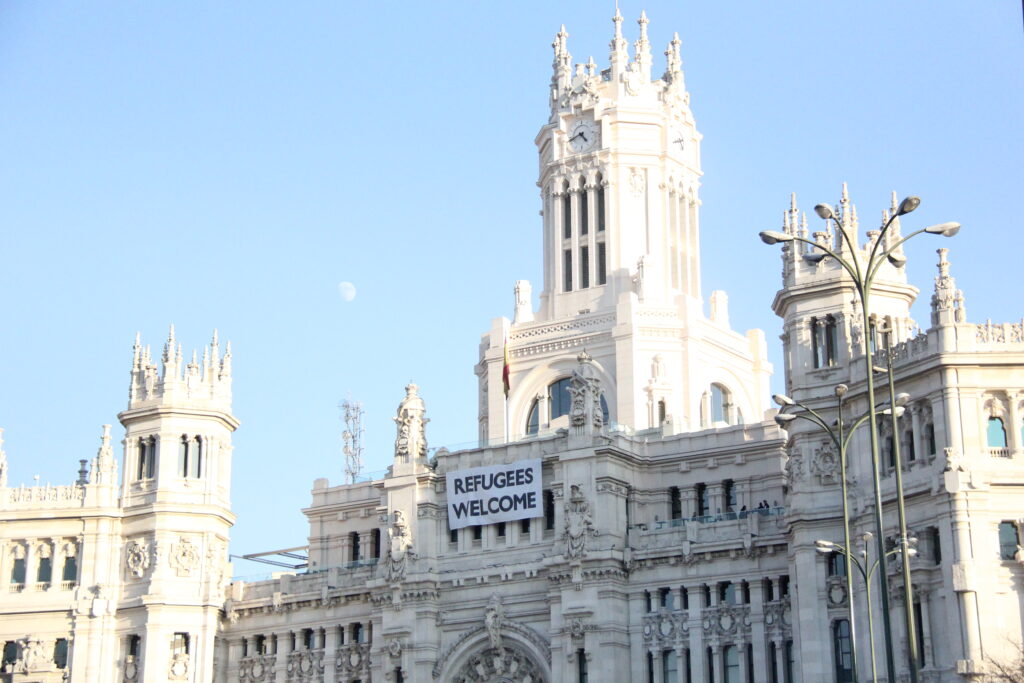
Palacio de Cibeles, Mirador Madrid – is the observation deck, located in the building’s main tower, and offers visitors a spectacular 360º panoramic view of Madrid, showcasing major landmarks such as Gran Vía, Calle de Alcalá, Paseo de la Castellana, and El Retiro Park. Access requires reaching floor 6E and climbing 88 steps, which also allows visitors to appreciate the building’s unique architecture, though lifts are available with priority for those with reduced mobility. There is a small entry fee to access the observation deck and is managed in timed slots for safety.
——————————
La Almudena Cathedral – is Madrid’s main Catholic cathedral, located beside the Royal Palace on Calle de Bailén. Officially known as the Cathedral of Saint Mary the Royal of the Almudena, it is the seat of the Archdiocese of Madrid and the city’s most important religious building. Construction began in 1883 and was completed more than a century later, with the cathedral consecrated by Pope John Paul II in 1993. Its architecture is distinctive, blending Neoclassical, Neo-Gothic, and Neo-Romanesque styles, with a notably modern interior. Entry to the cathedral is free, while access to the museum and dome requires a fee and rewards visitors with panoramic views of Madrid.