- Chinatown
- Botanical Garden
- Orchid Garden
- Arab Street
- Orchard Road
- Jurong Lake Garden
- Jurong Bird Park
- Singapore Airport
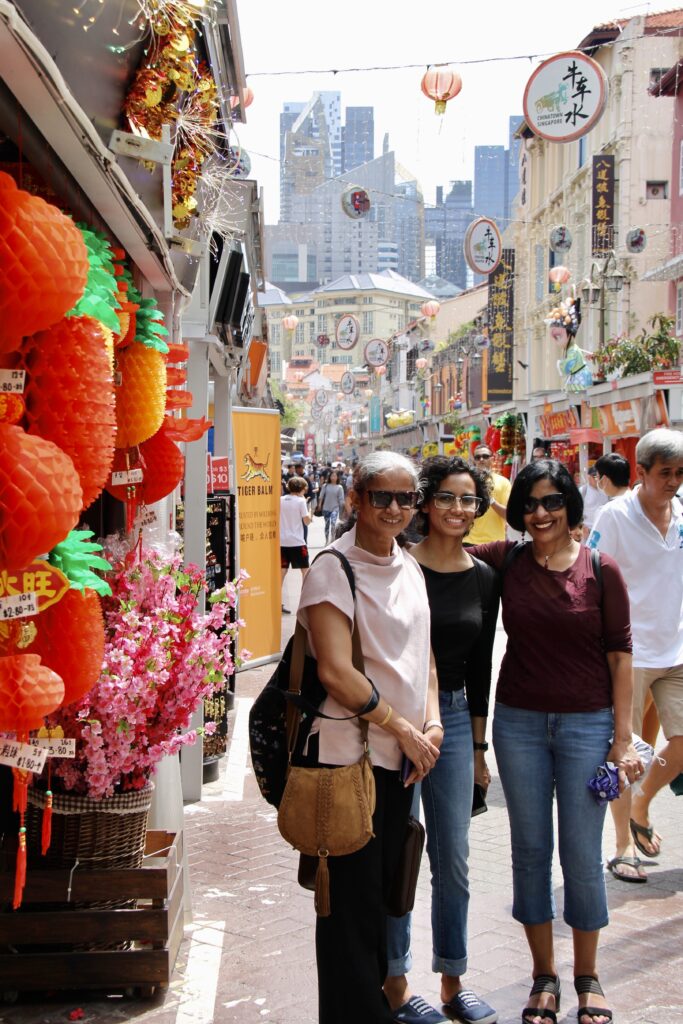
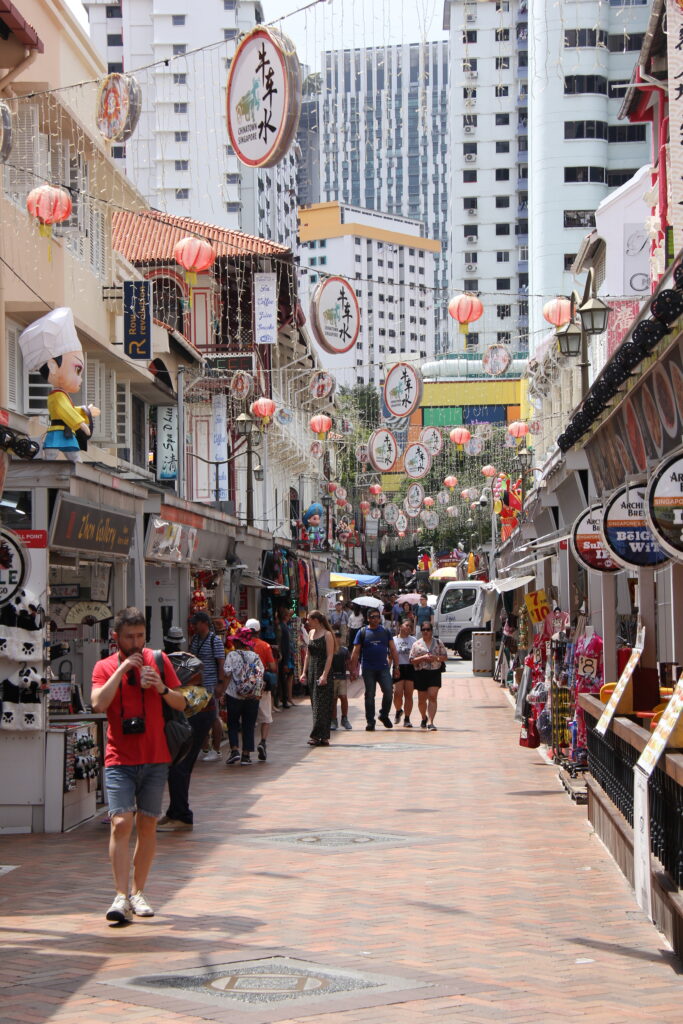
Chinatown – is a maze of narrow roads with Chinatown Food Street lined with restaurants serving traditional fare like Hainanese chicken rice, noodles and satay, while Club Street is full of trendy wine bars. There is also a street filled with souvenir shops and boutiques selling clothes, crafts and antiques.
Religious institutions in Chinatown include the1827 Sri Mariamman Temple and the ornate Buddha Tooth Relic Temple and Museum.
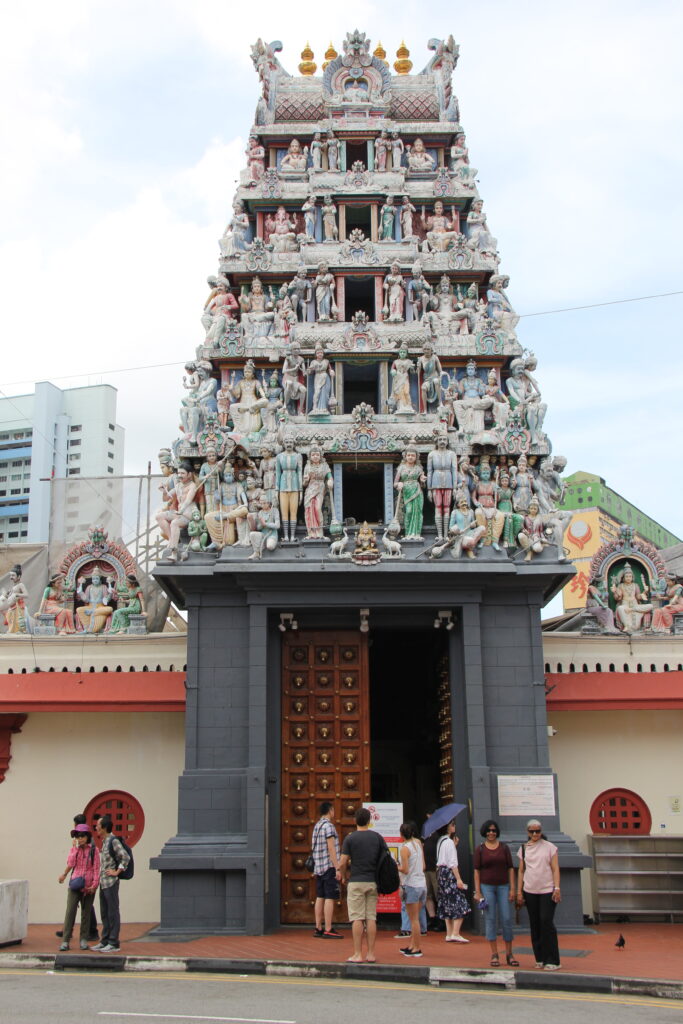
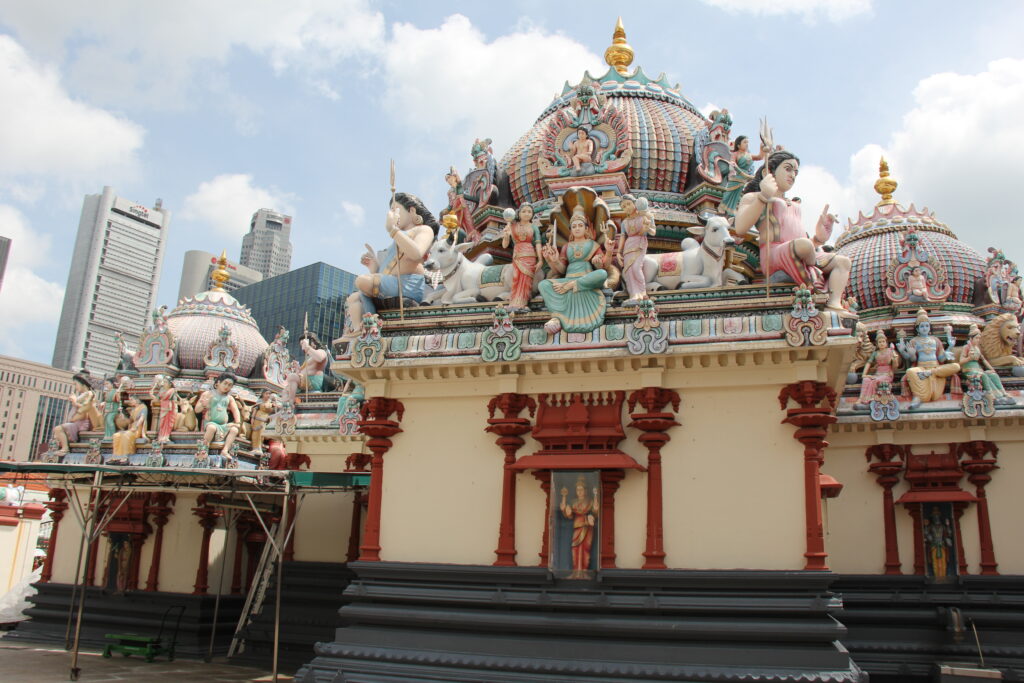
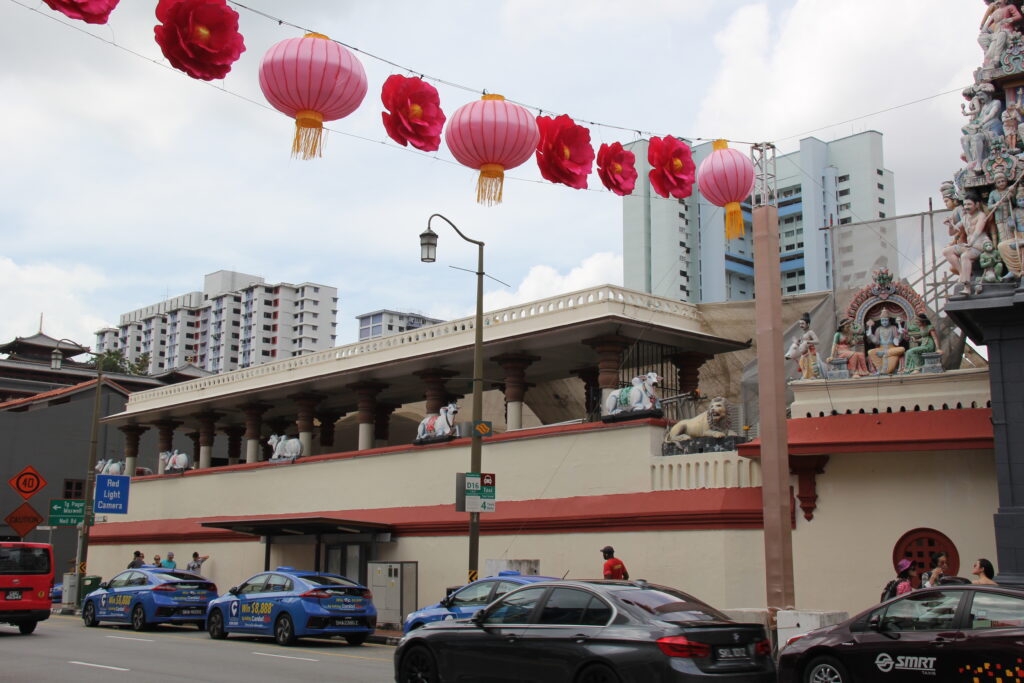
Chinatown, Sri Mariamman Temple – Built in 1827, this temple is Singapore’s oldest Hindu shrine and is easily identified by the superb entrance gopura bristling with brightly colored deities. The temple serves the majority Hindu Singaporeans, known as Tamilians. Due to its architectural and historical significance, the temple has been designated a National Monument and is a major tourist attraction.
The main sanctum, facing you as you walk inside the temple, is devoted to Mariamman, a goddess worshiped for her healing powers. Smaller sanctums dotted all around the temple’s walkway honor a number of other deities.
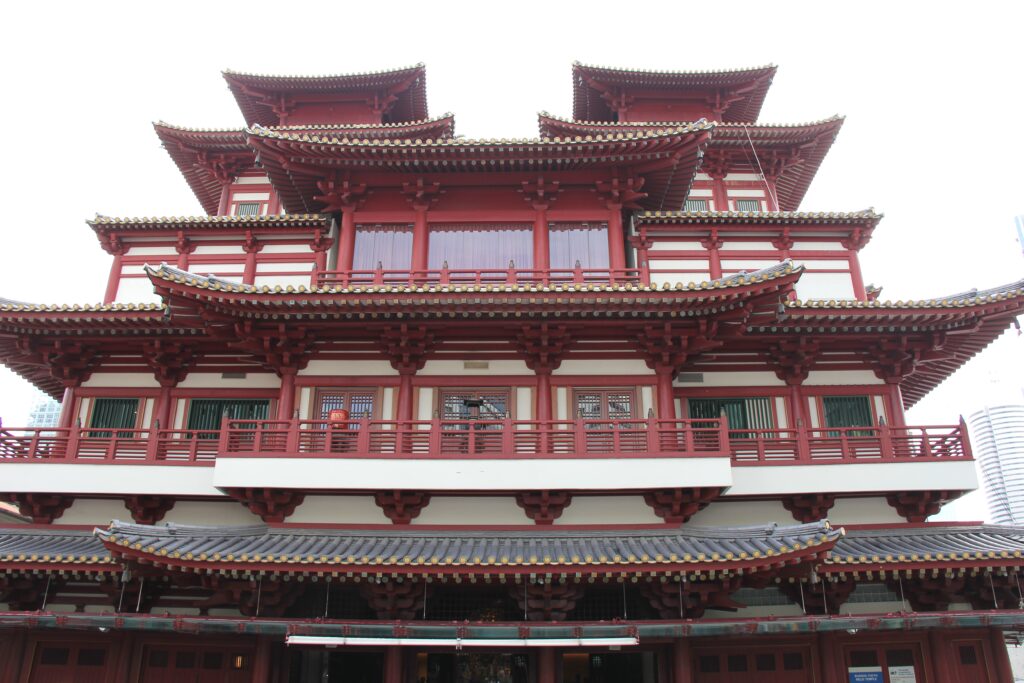
Chinatown, Buddha Tooth Relic Temple – This Temple and Museum houses a sacred Buddha Tooth Relic in a 2m tall solid gold stupa on its fourth floor. This imposing, Tang Dynasty-inspired five-story structure functions as both a temple for worship and a museum of Buddhist culture, featuring a rooftop prayer wheel and a 3rd-floor Eminent Sangha Museum. The temple, opened in 2007, offers free entry and a serene atmosphere for both devotees and tourists, but visitors must dress respectfully, covering shoulders and knees.
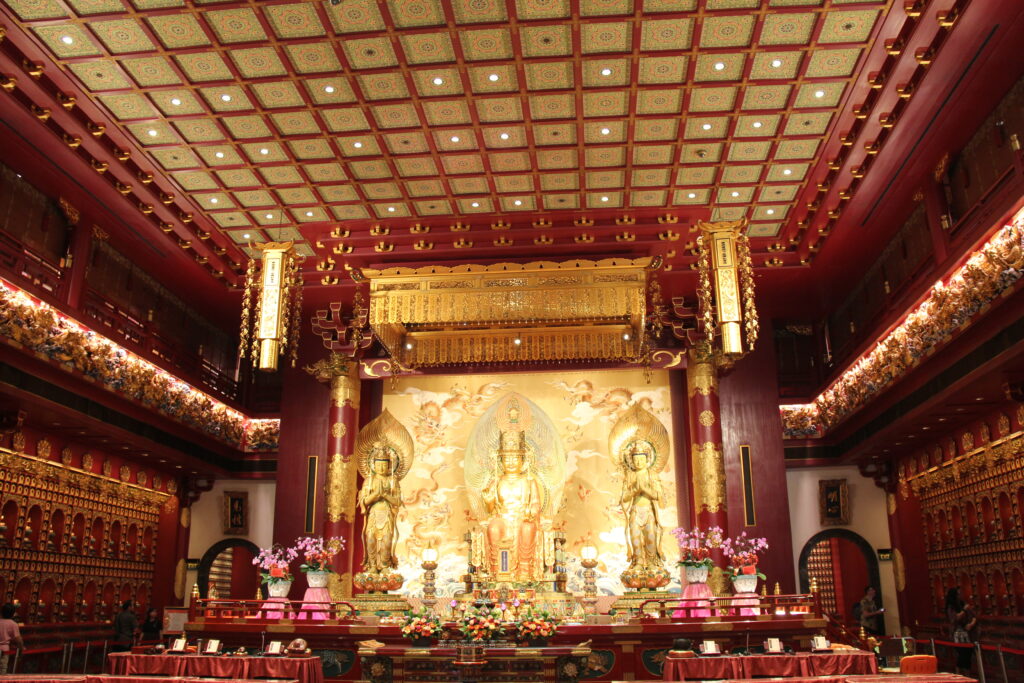
The main hall inside the temple has a height of 27-feet to accommodate a 15-feet statue of the Buddha Maitreya, which is flanked by two bodhisattvas on each side. The statue of the Buddha sits on a throne in a bhadrasana posture, with each feet lying atop a lotus flower.
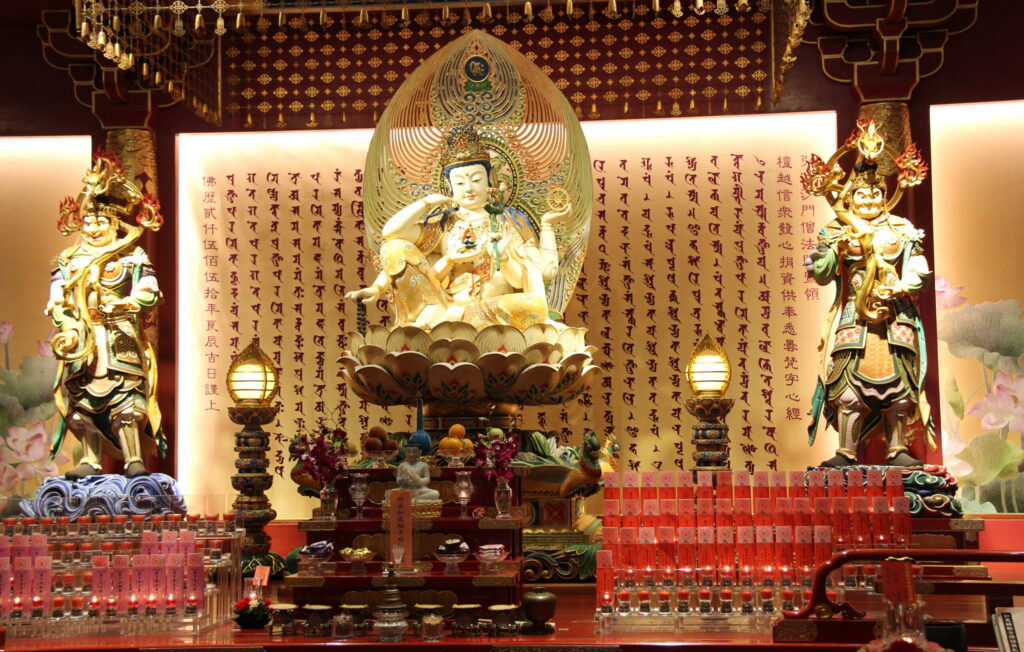
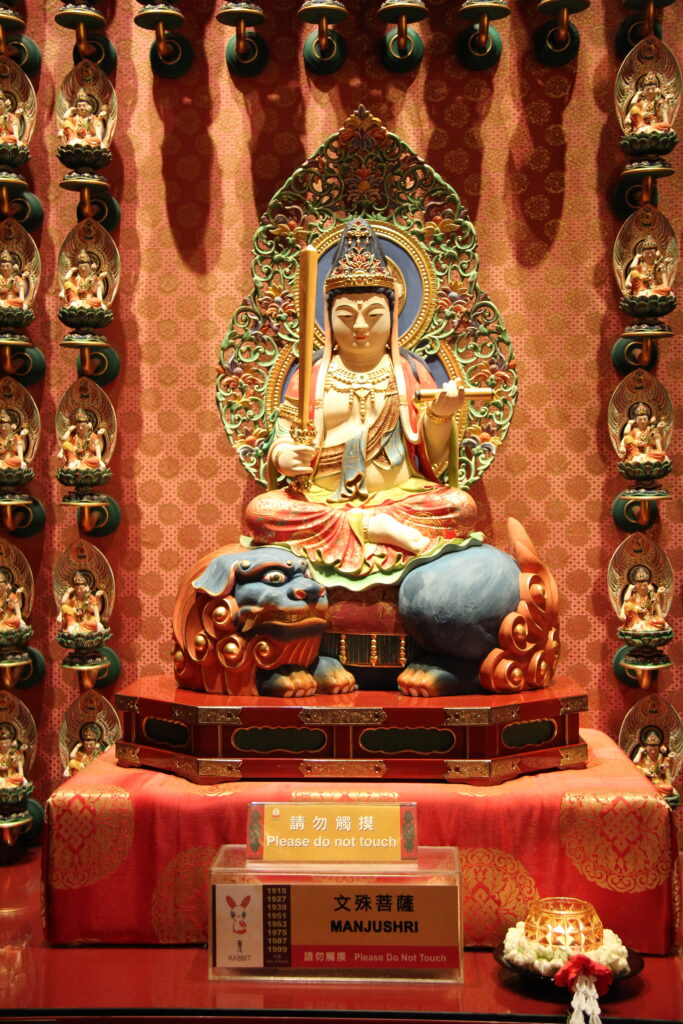
The Universal Wisdom Hall enshrines the Cintamanicakra manifestation of the Bodhisattva Guanyin, sitting atop an elaborate lotus throne and flanked on each side by dhatmapalas. Adorning the walls of the hall are shrines and statues of a grouping of eight Buddhas, Bodhisattvas, and wisdom Kings traditionally assigned as protectors of Buddhists born under one of the twelve Chinese Zodiac signs, surrounded by smaller Cintamanicakra statues.
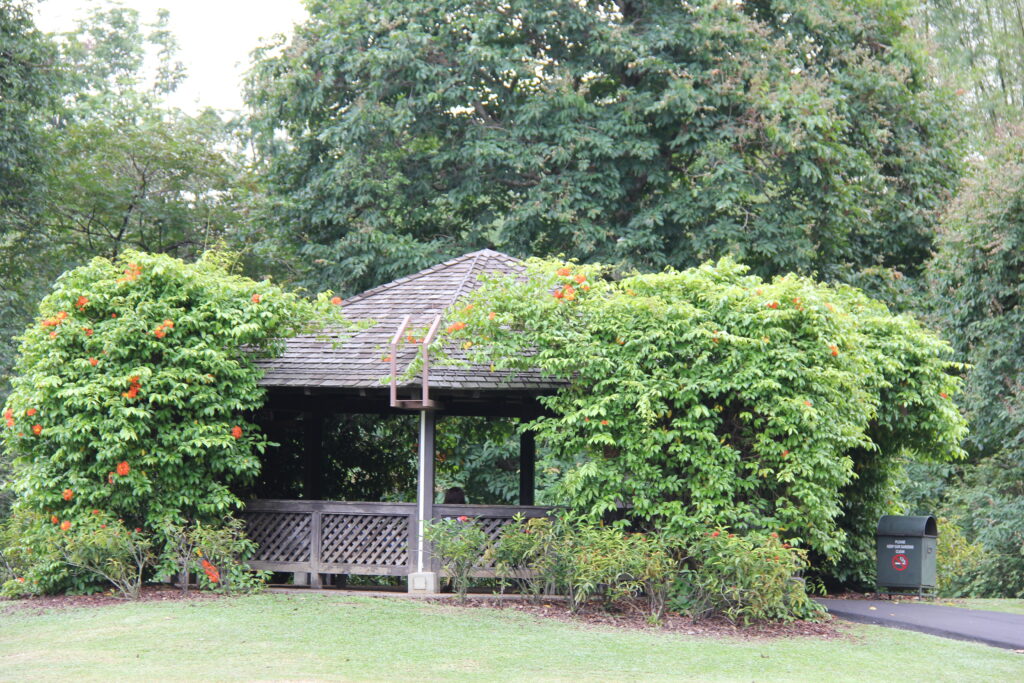
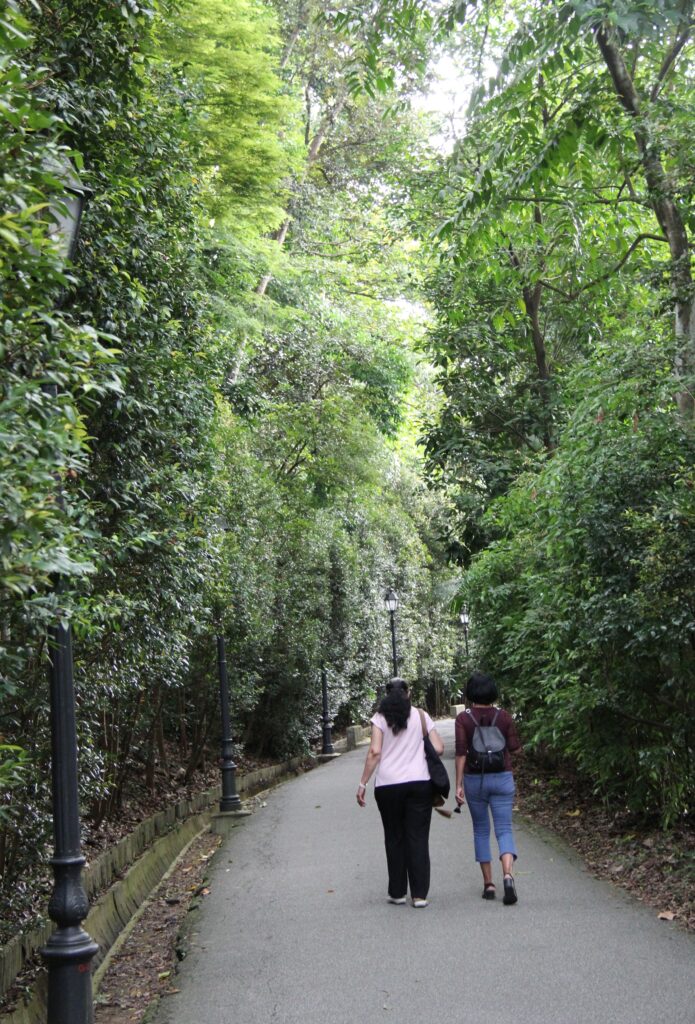
Botanic Garden – Established in 1859, the 82-hectare tropical garden is located at the fringe of the Orchard Road shopping district in Singapore. It is one of three gardens, and the only tropical garden, to be honored as a UNESCO World Heritage Site. Established in 1859, the 82-hectare Gardens holds a unique and significant place in the history of Singapore and the region. Through the botanical and horticultural work carried out today, it will continue to play an important role as a leading tropical botanical institute.
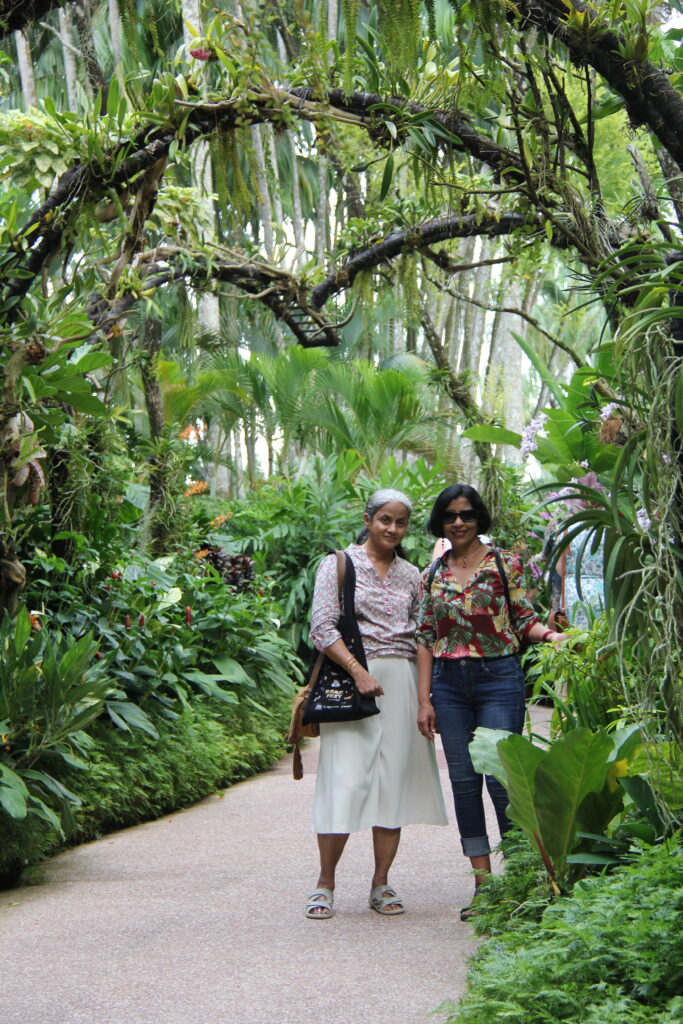
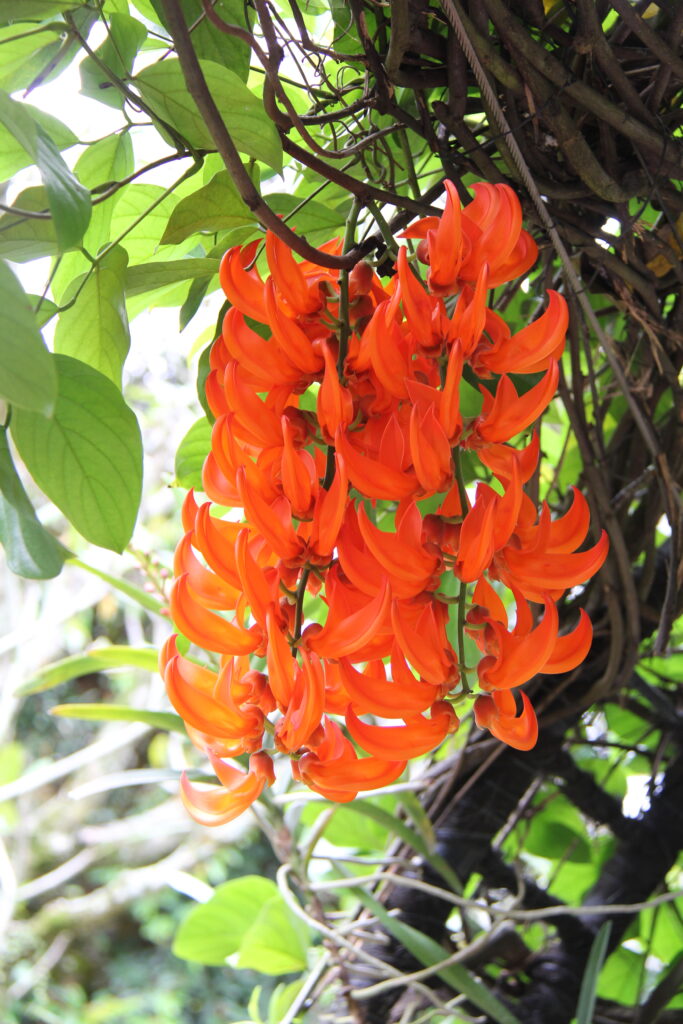
National Orchid Garden – is located within the Botanic Garden (see above section) and was opened in 1995. Located on the highest hill in the Botanic Gardens, three hectares of landscaped slopes provide a setting for over 1,000 species and 2,000 hybrids, with about 600 species and hybrids on display.
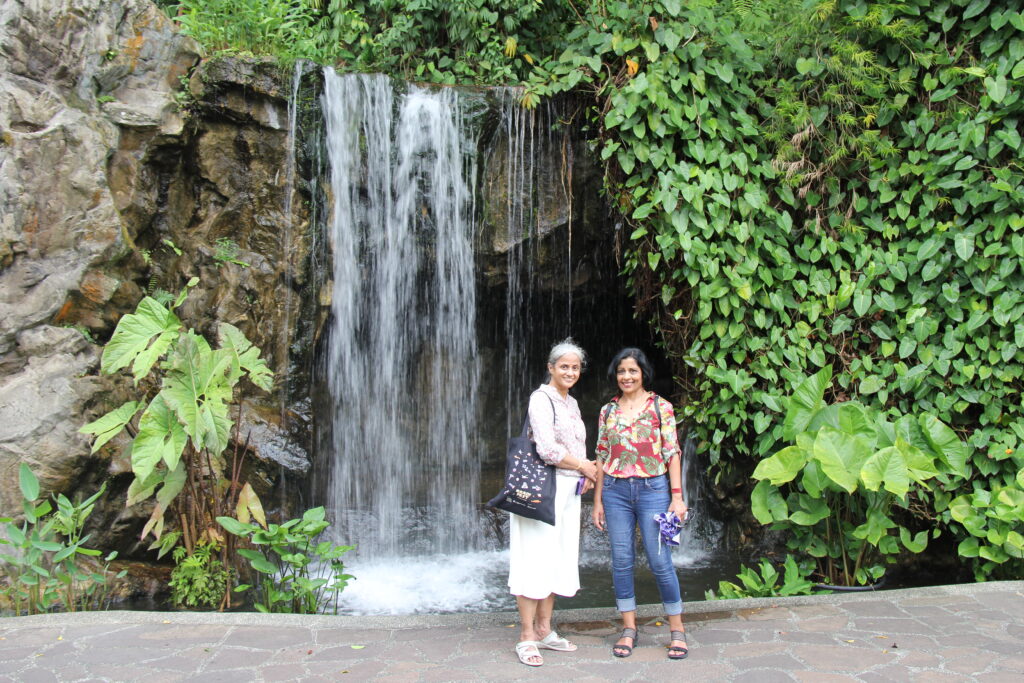
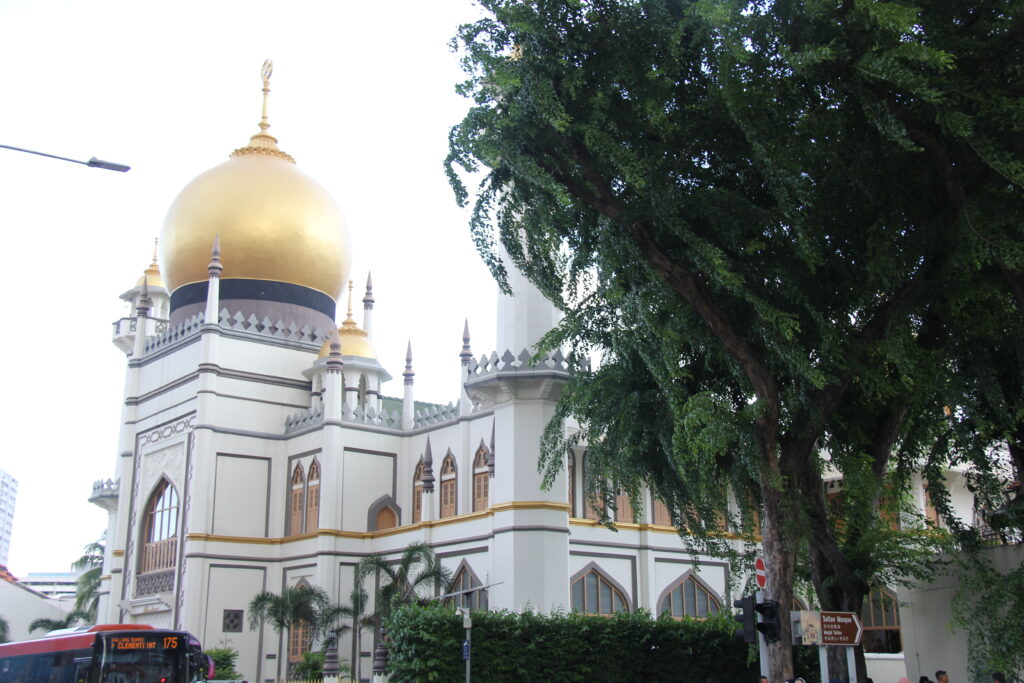
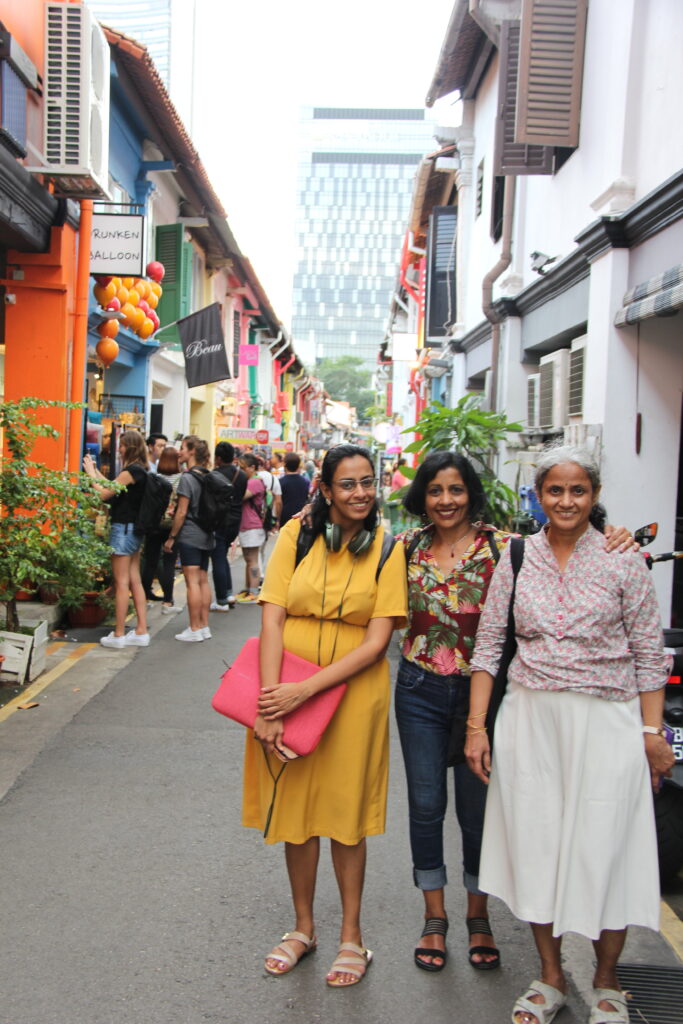
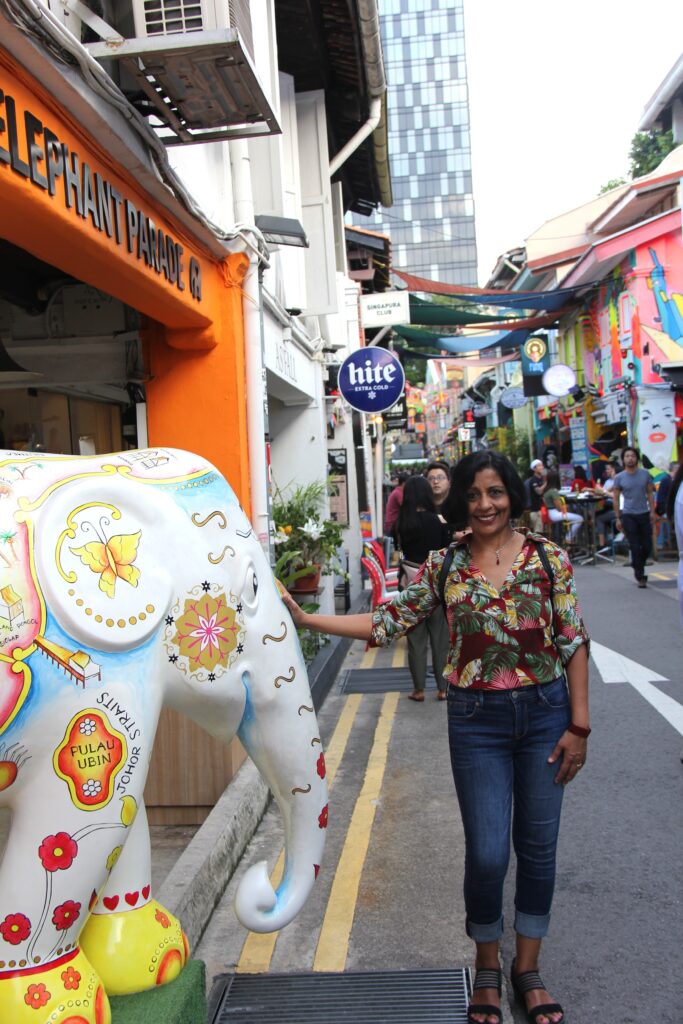
Arab Street – is a cultural and shopping hub in Kampong Glam district, known for its traditional Middle eastern goods, textiles, carpets, and cuisine. The streets here offer a vibrant mix of old-world charm, bustling markets, authentic food, and colorful street art. The focal point of the area is the impressive looking and iconic Sultan Mosque.
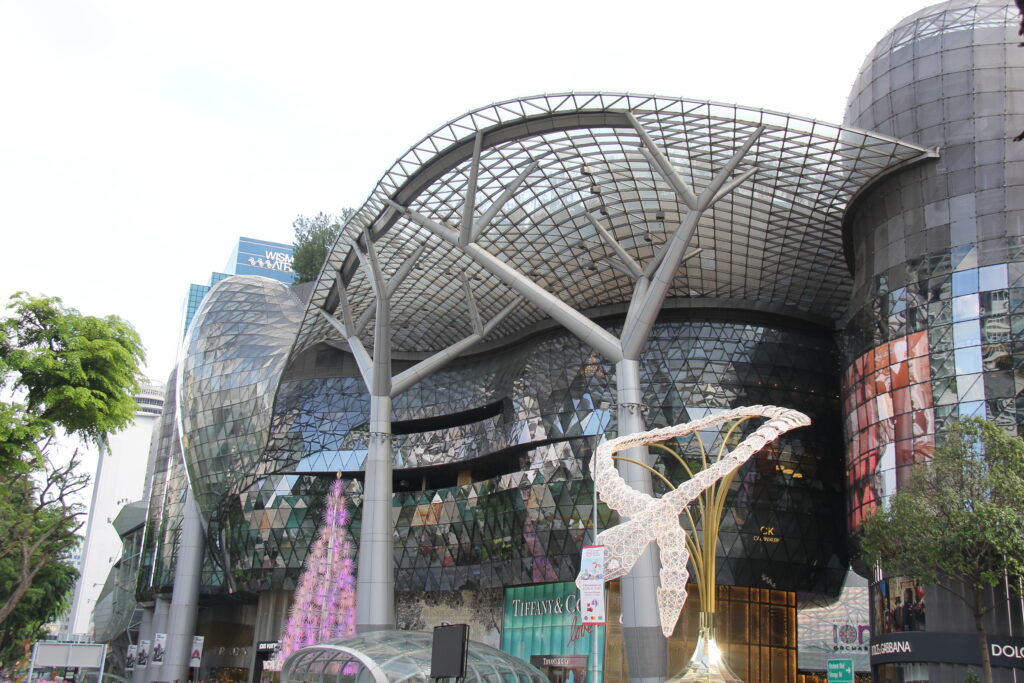
Orchard Road – This is Singapore’s famous 2.2 km long shopping boulevard and home to numerous luxury and budget-friendly malls, department stores, boutiques, and a vibrant culinary scene. From iconic malls like ION Orchard to the historic Emerald Hill, it offers a wide range of shopping and dining experiences, luxury hotels, and is easily accessible by public transport.
Jurong Lake Garden – Situated within the Jurong Lake District, this 90-hectare green oasis comprises the Lakeside Garden, Chinese and Japanese Gardens. Envisioned to be a peoples’ garden, families and the community can come together to experience these specially curated thematic gardens in the heart of Jurong.
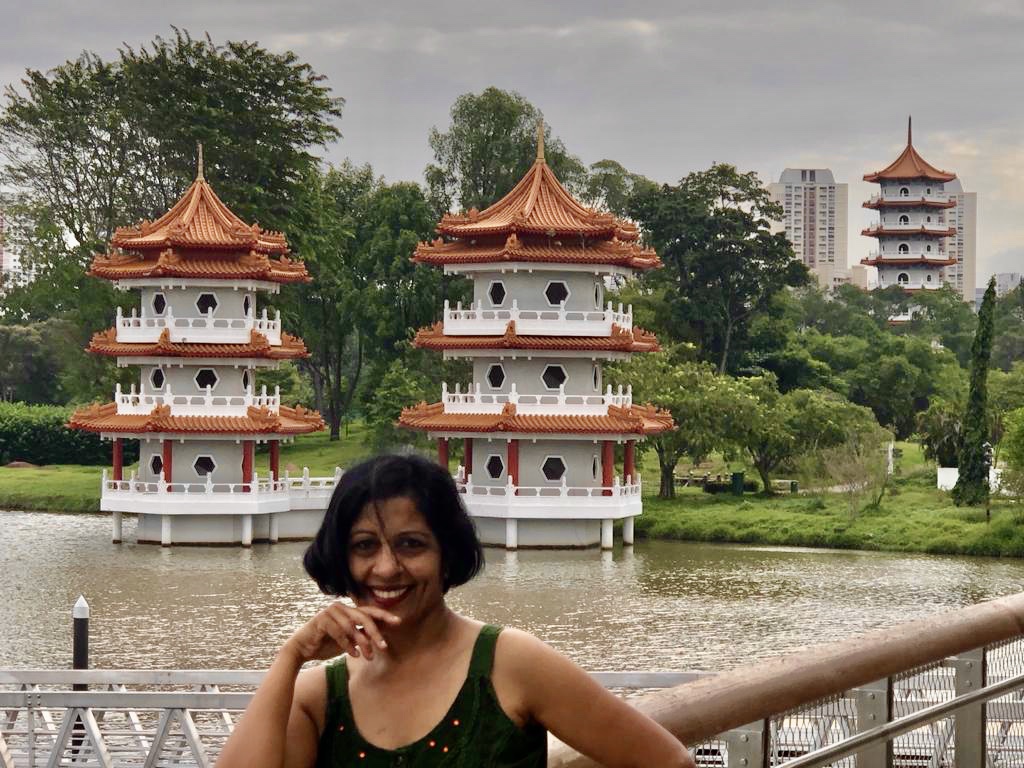
The Chinese Garden has a Twin Pagoda, where East Asian design principles meet modern aesthetics. This striking three-storey feature showcases the Cloud Draping Tower and Moon Receiving Tower, faithful replicas of the Spring-Autumn Tower from Southern China.
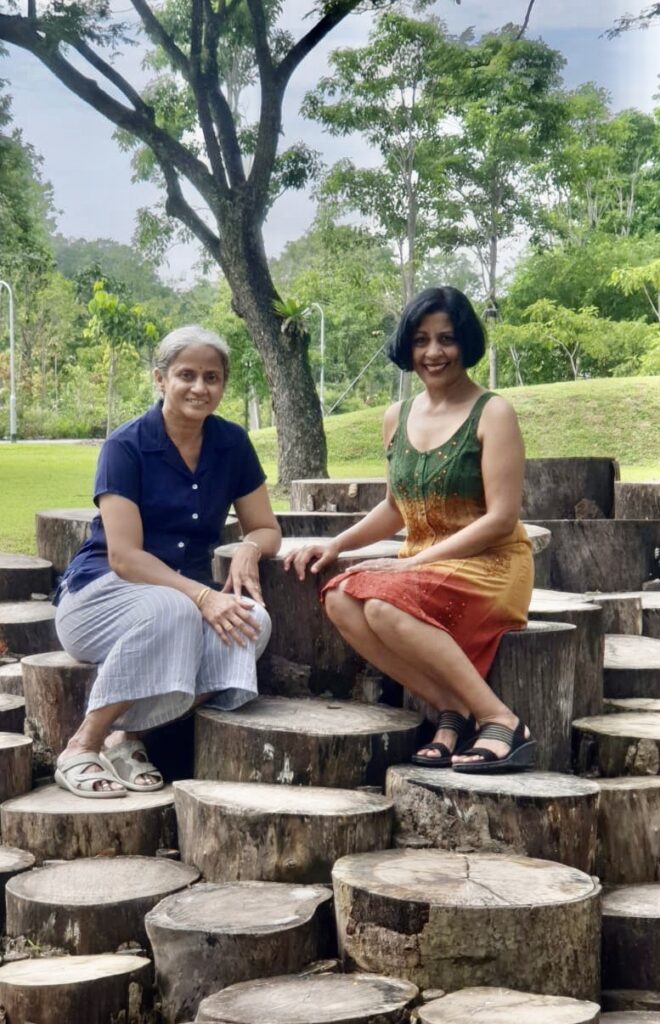
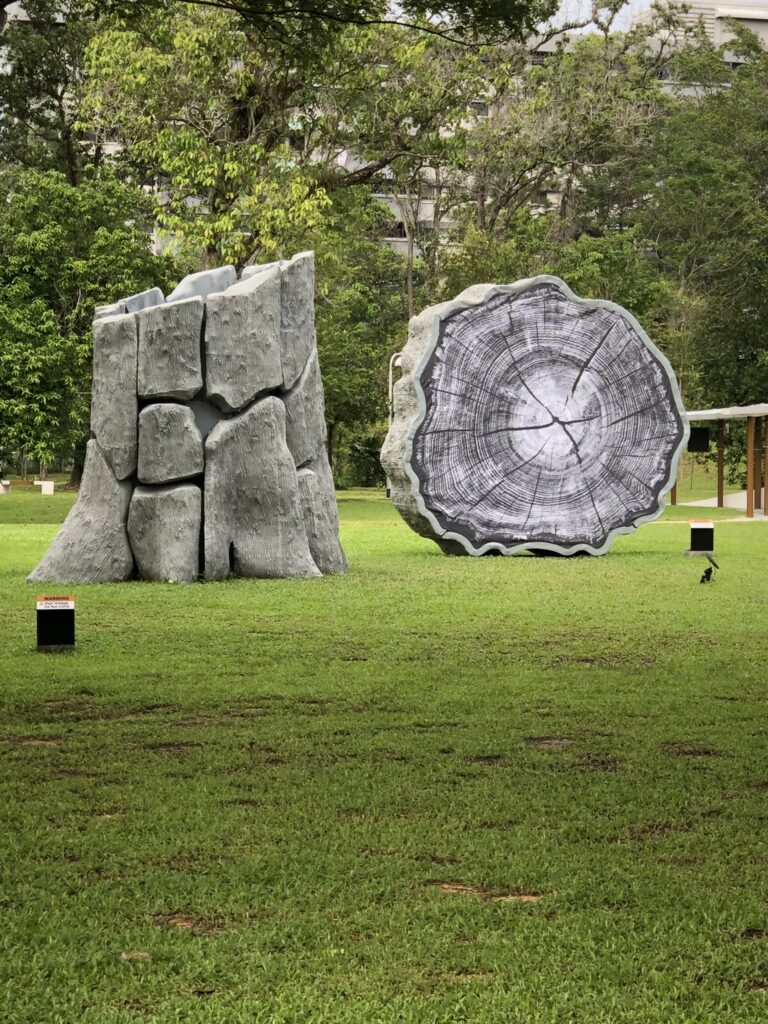
The Lake side Garden has Logs Trail which is made from materials recycled from Rain Trees and Senegal Mahogany trees. The untreated logs are held together to form a series of adventurous paths with different elevations, and is intended to age naturally in the weather.
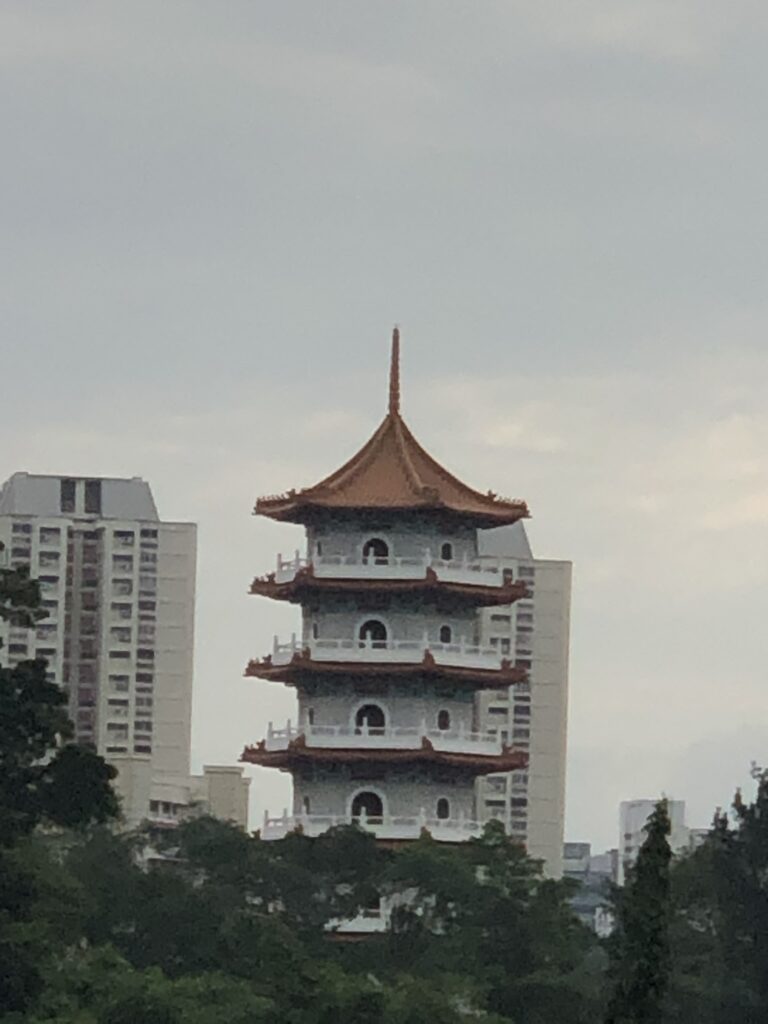
Cloud Pagoda – The seven-storey Cloud Pagoda, a masterpiece of architectural symbolism and panoramic beauty, stands as a testament to ancient Chinese wisdom and design and it stands atop of the Cloud Pagoda Plateau. At its pinnacle sits the Cloud Terrace, offering a theoretical vantage point that would provide an unparalleled 360-degree panorama of the landscape. This highest point of the garden embodies the ancient Chinese proverb: “One must be higher to see further.”
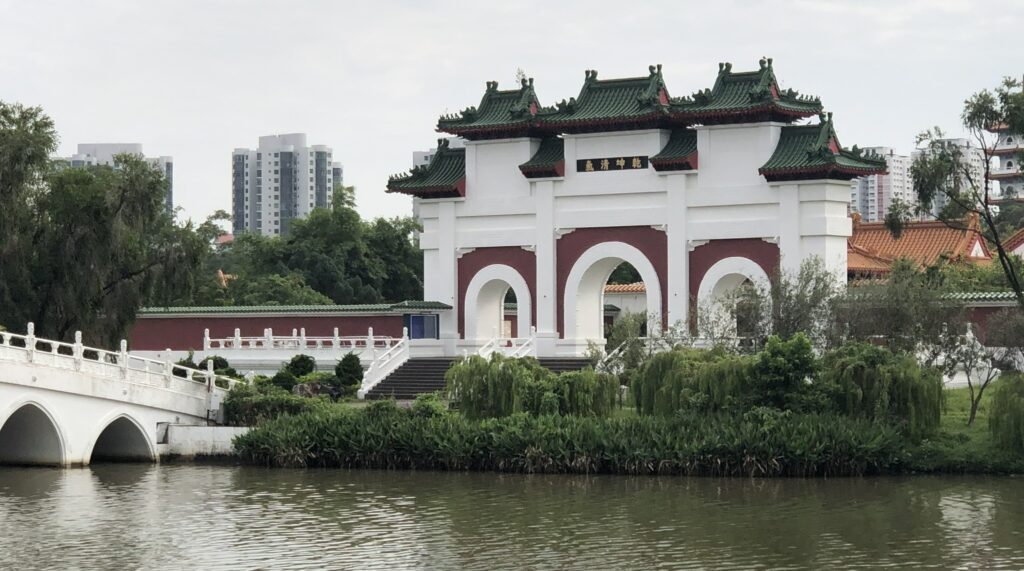
Grand Arch – An enduring icon of the Chinese Garden since 1975, this beloved landmark, offers a diverse array of attractions – from the Jurong Lake Gardens Gallery, which showcases the Gardens’ rich history and features, to the Plant Factory which presents an innovative indoor showcase of sustainable horticulture. Canopy, a pet and family-friendly restaurant, provides a welcoming space overlooking the Edible Garden.
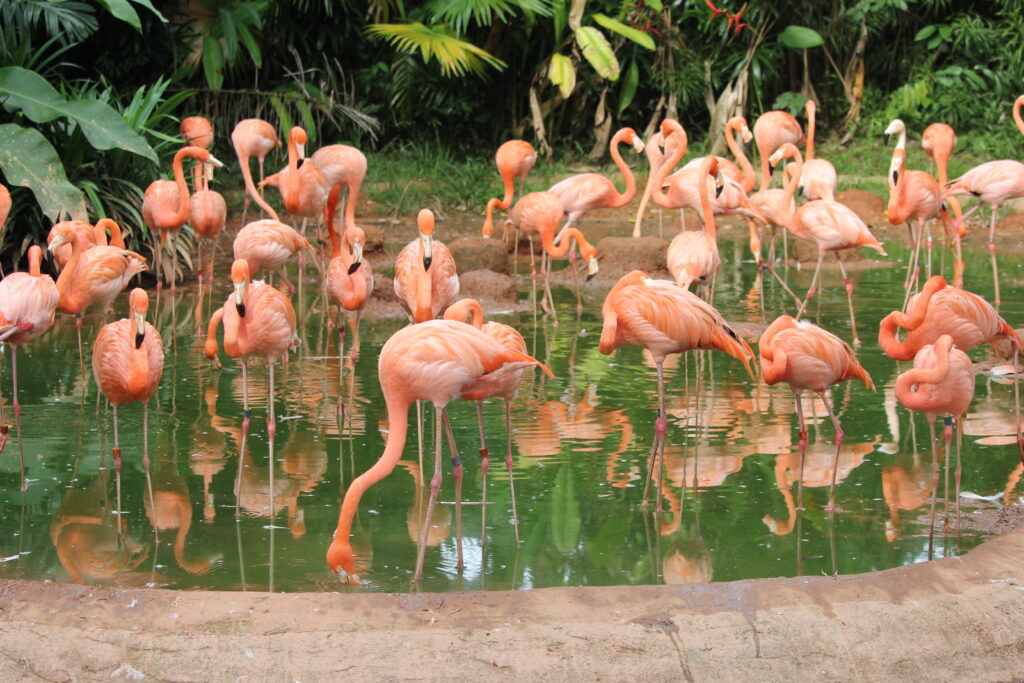
Jurong Bird Park (closed in 2023) – We visited this park in 2019, at which time it was Asia’s largest bird park, housing around 5,000 birds of 400 species across exhibits like the Waterfall Aviary and the Lorry Loft.
Singapore Airport – After a wonderful 4 days in Singapore, our host Radhi and her beautiful daughter accompanied us to the airport. Radhi had raved about the enticing array of dining options available at the airport. We arrived early and had dinner in the Thai restaurant and it did not disappoint.
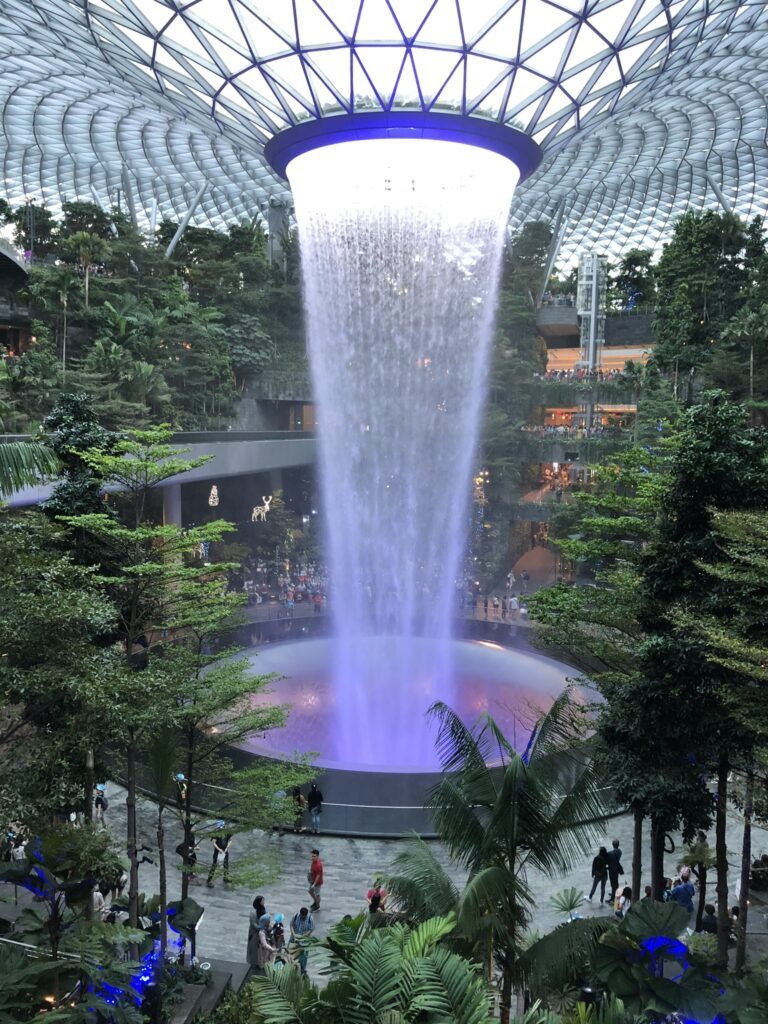
Singapore Airport, HSBC Rain Vortex – After dinner we spent some time admiring the world’s tallest indoor waterfall, known as the HSBC Rain Vortex located within the Airport complex. This 40-meter (130-foot) high cascade is surrounded by a climate-controlled indoor garden and transforms into a light and sound show at night. The water is naturally sourced rainwater, recirculated to provide passive cooling and to be reused within the Jewel complex.