Visited in 2012
Puerto Rico is a self-governing Caribbean archipelago and an unincorporated territory of the United States, with San Juan as its capital. Spanish and English are official languages, though Spanish is most widely spoken.
The island was originally inhabited by Indigenous peoples such as the Taíno before being claimed by Spain in 1493 and colonized in 1508. It remained under Spanish control for about 400 years, developing a mixed culture influenced by European, African, and Indigenous traditions. In 1898, after the Spanish–American War, Puerto Rico became a U.S. territory. Puerto Ricans have been U.S. citizens since 1917 but cannot vote in presidential elections and have limited representation in Congress. The island governs itself locally under a constitution approved in 1952, though its political status remains debated.
We spent four days in Puerto Rico exploring its colorful streets, historic forts, lush rainforest, and beautiful beaches.
- Old San Juan
- Castillo San Cristóbal
- Castillo San Felipe del Morro
- Outdoor Art
- El Yunque National Forest
- Catarata La Mina
- Beach Time
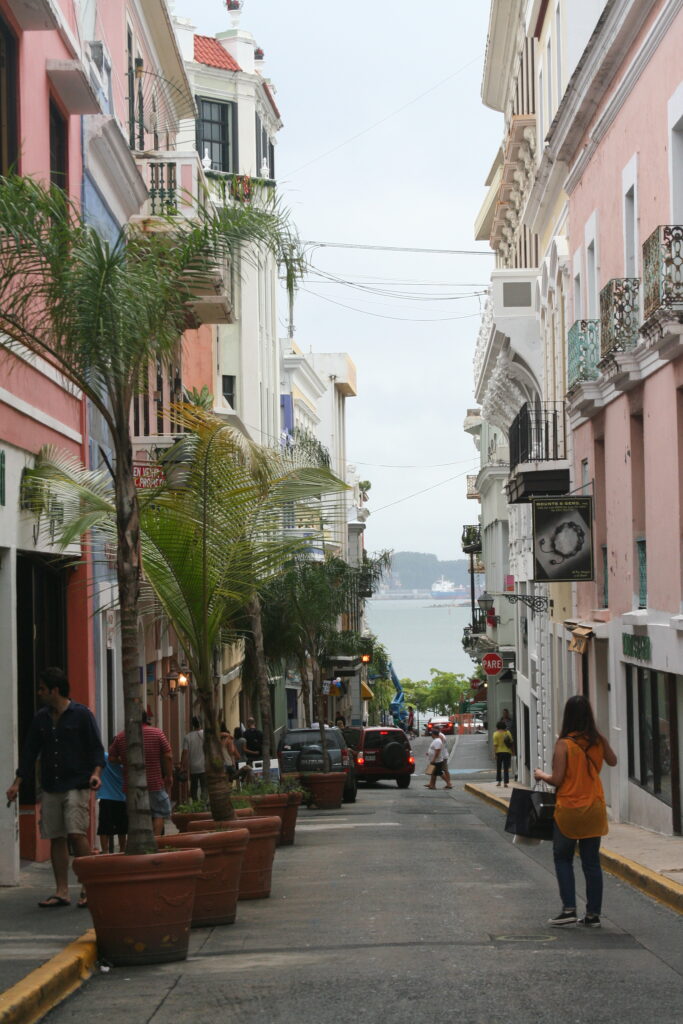
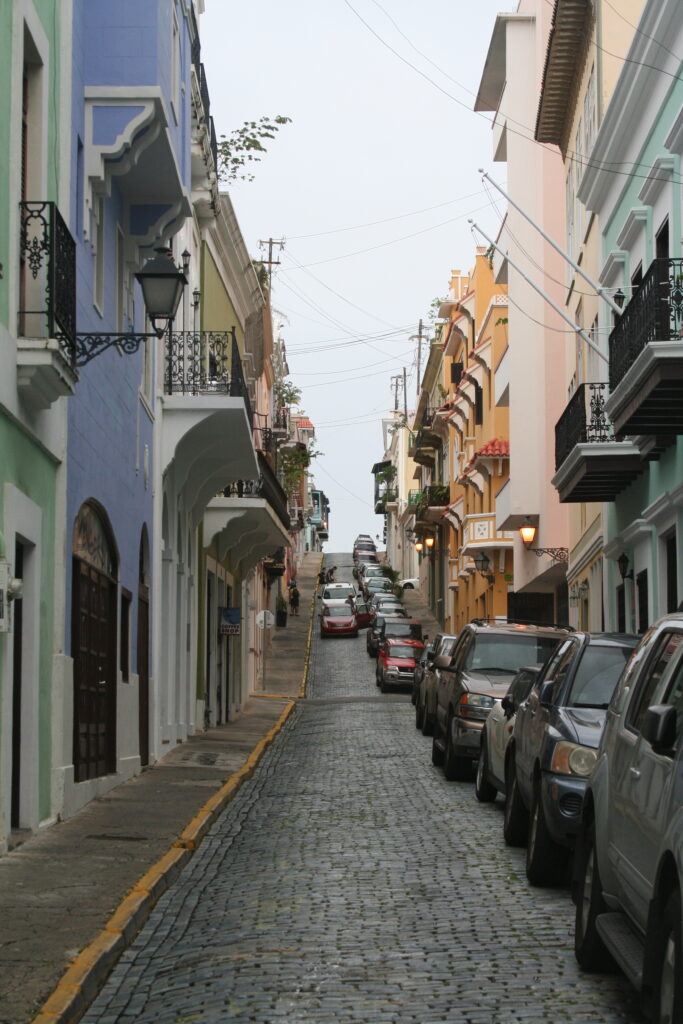
Old San Juan – is the historic colonial district of San Juan and the oldest settlement in Puerto Rico. It is bordered by the Atlantic Ocean to the north and San Juan Bay to the south. The district is known for its narrow blue cobblestone streets and colorful brick-and-stone buildings dating from the 16th and 17th centuries during Spanish colonial rule. It is both a National Historic Landmark District and a UNESCO World Heritage Site.
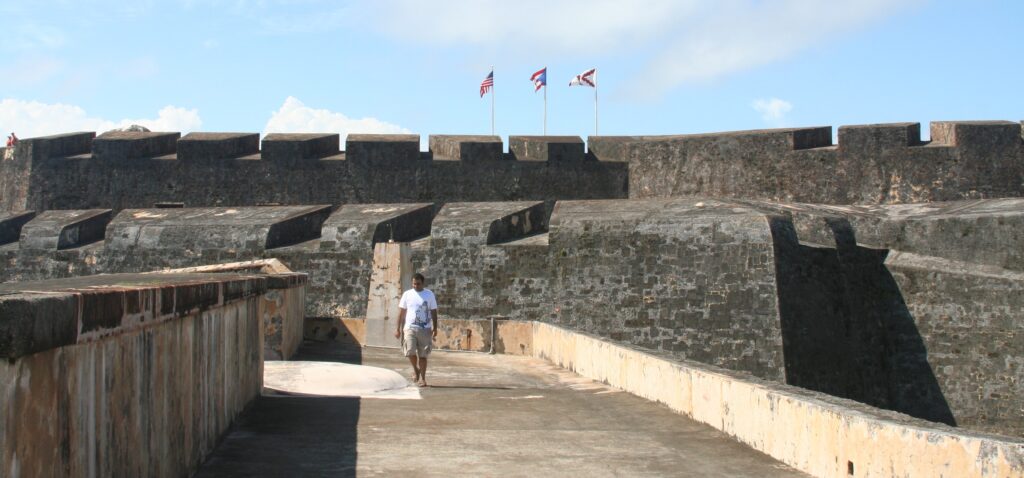
Old San Juan, Castillo San Cristóbal – is a historic Spanish fortress in Old San Juan built to defend the city from land attacks, while Castillo San Felipe del Morro protected the sea entrance to San Juan Bay. The fortress is part of the San Juan National Historic Site and has been recognized as a UNESCO World Heritage Site since 1983.
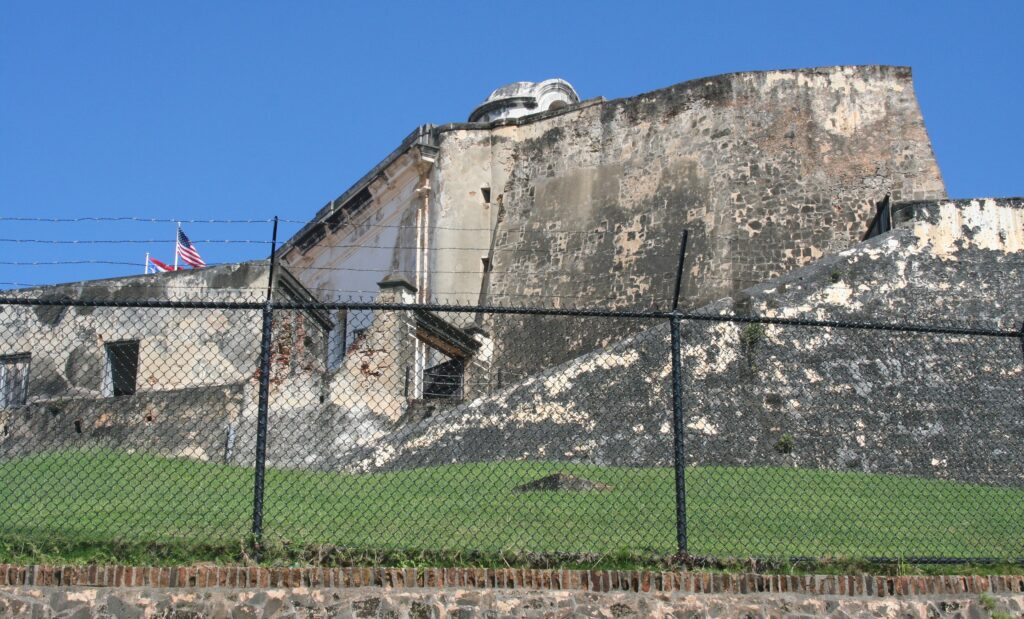
Completed in 1783, San Cristóbal is considered the largest Spanish fortification built in the Americas, covering nearly 10 hectares. Its massive defensive system included dry moats, drawbridges, bastions, cannon platforms, and fortified walls designed to withstand invasions. The fortress successfully proved its military strength in 1797 when Spanish forces repelled an invasion led by British General Ralph Abercromby and his army of thousands of soldiers.
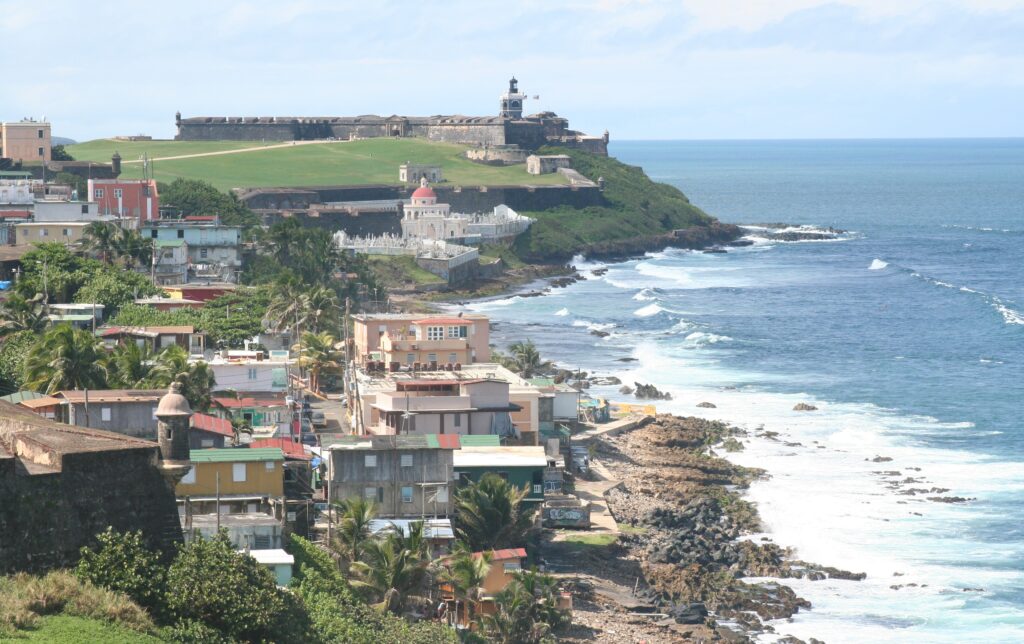
Old San Juan, Castillo San Felipe del Morro – commonly known as El Morro, is a historic Spanish fortress located at the northern tip of Old San Juan. Built between the 16th and 18th centuries, it was designed to guard the entrance to San Juan Bay and protect the city from naval attacks. The name Morro refers to a rocky promontory used as a lookout point.
Although we did not visit the fortress itself, we enjoyed a beautiful view of El Morro from Castillo San Cristóbal.
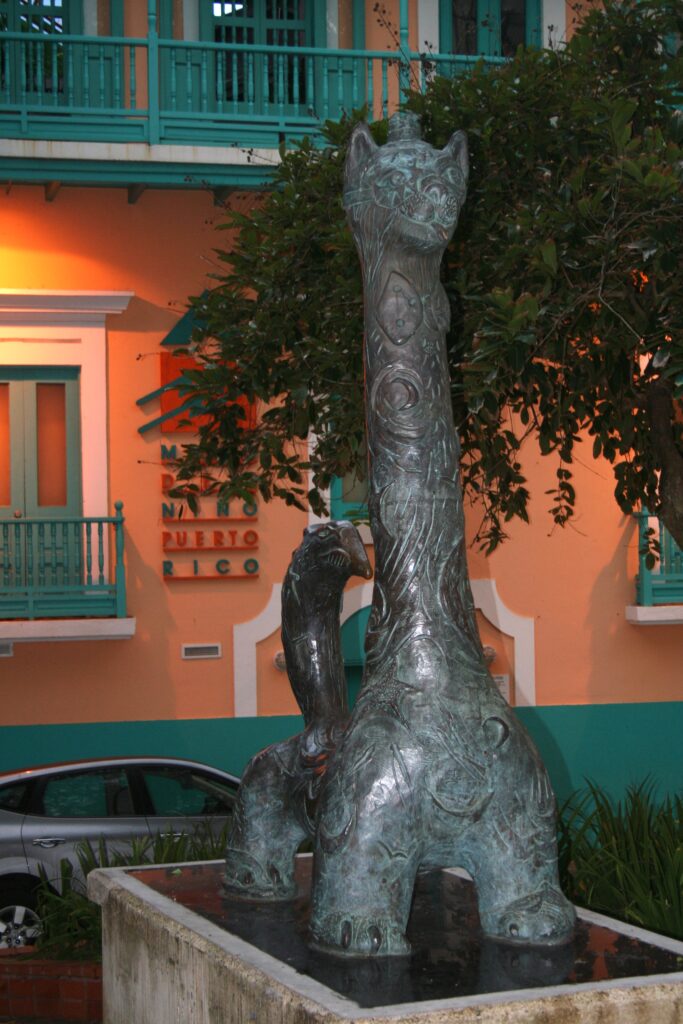
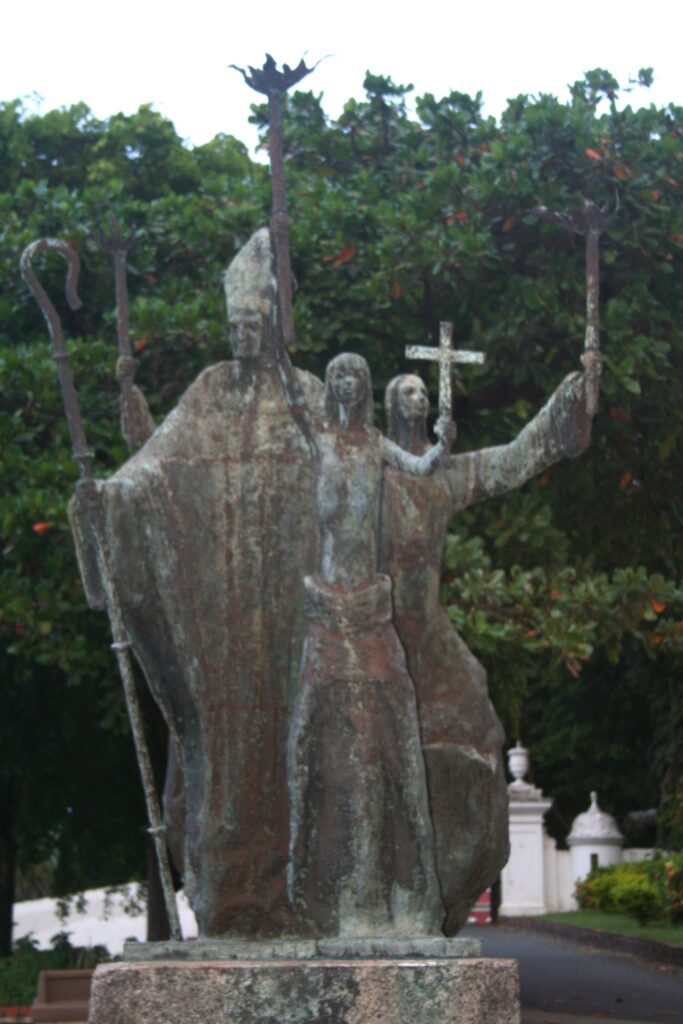
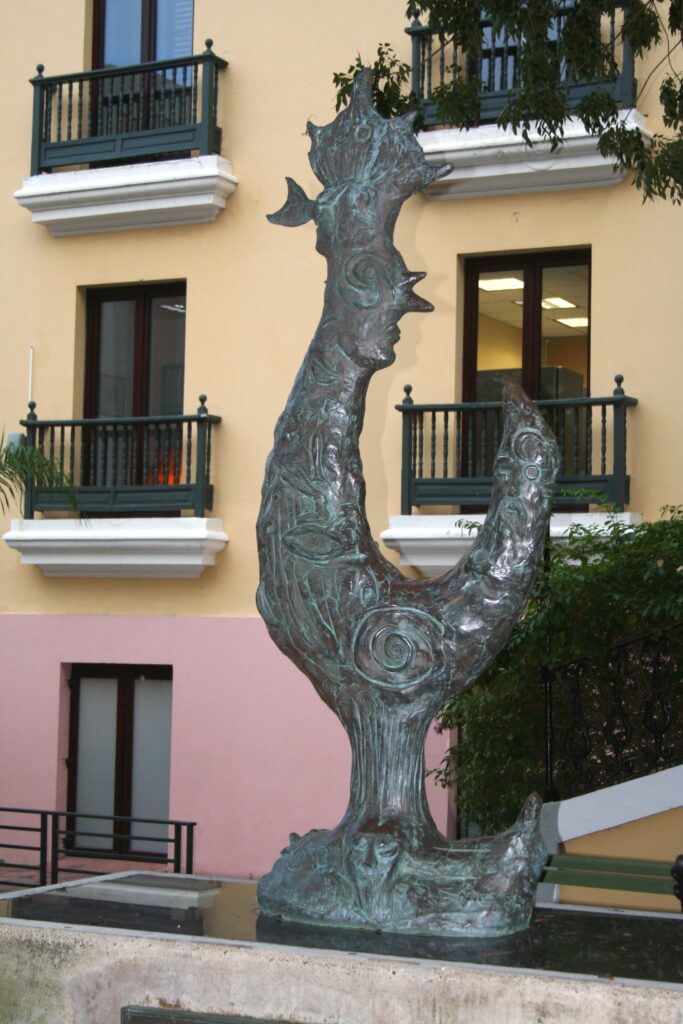
Old San Juan, Outdoor Art – Old San Juan is a beautifully preserved 400-year-old city where historic charm blends seamlessly with modern culture. Many of the city’s hotels, restaurants, and bars operate inside restored 200–300-year-old buildings that still retain their original character and architectural details. Beyond its colonial architecture, Old San Juan is also filled with vibrant outdoor art. As you walk along the famous blue cobblestone streets, you’ll find sculptures, colorful murals, decorative Spanish tile work, ornate iron balconies, and beautifully detailed facades that turn the city itself into an open-air gallery.
Some of the sculptures and their description –
- La Rogativa – La Rogativa stands on the edge of the city wall, just inside the San Juan Gate entrance. It is a modern style bronze sculpture made by Lindsay Daen in 1971. It depicts the 1797 procession of the Bishop and religious women which is said to have scared off an invading British fleet. Allegedly, the British assumed the procession was actually military reinforcements.
- Jorge Zeno Animal Sculptures – There are 3 whimsical works by Jorge Zeno located in the little square across the street from the Cathedral. They are penguins in a boat, a cat/giraffe and a rooster.
El Yunque National Forest – located near Río Grande in northeastern Puerto Rico, is the only tropical rainforest in the U.S. National Forest System. The forest is known for its lush scenery, hiking trails, and accessible waterfalls.
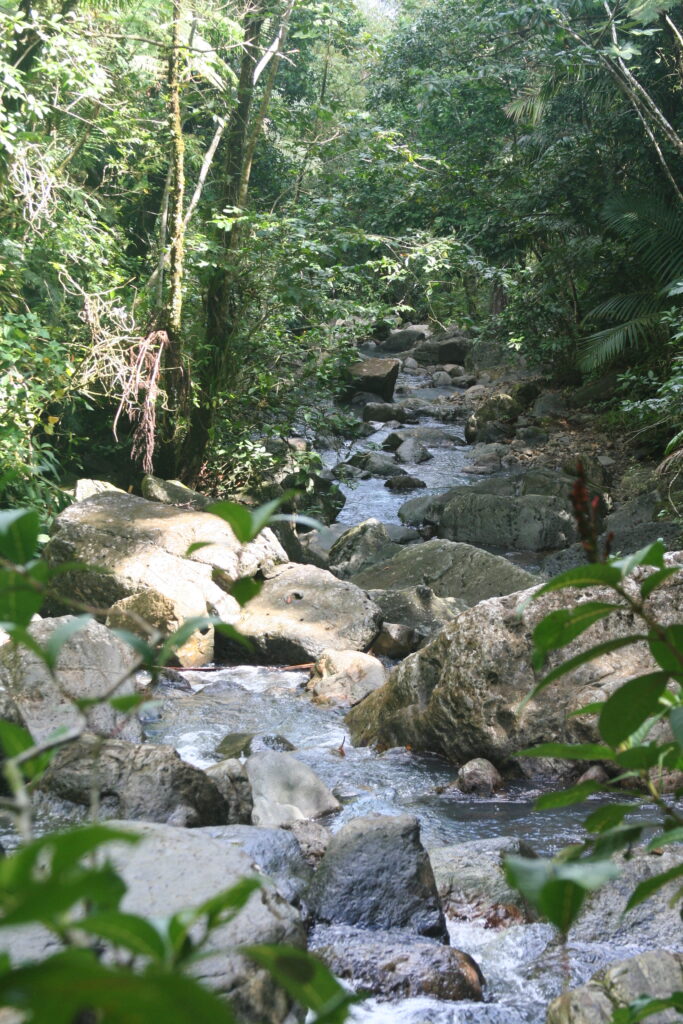
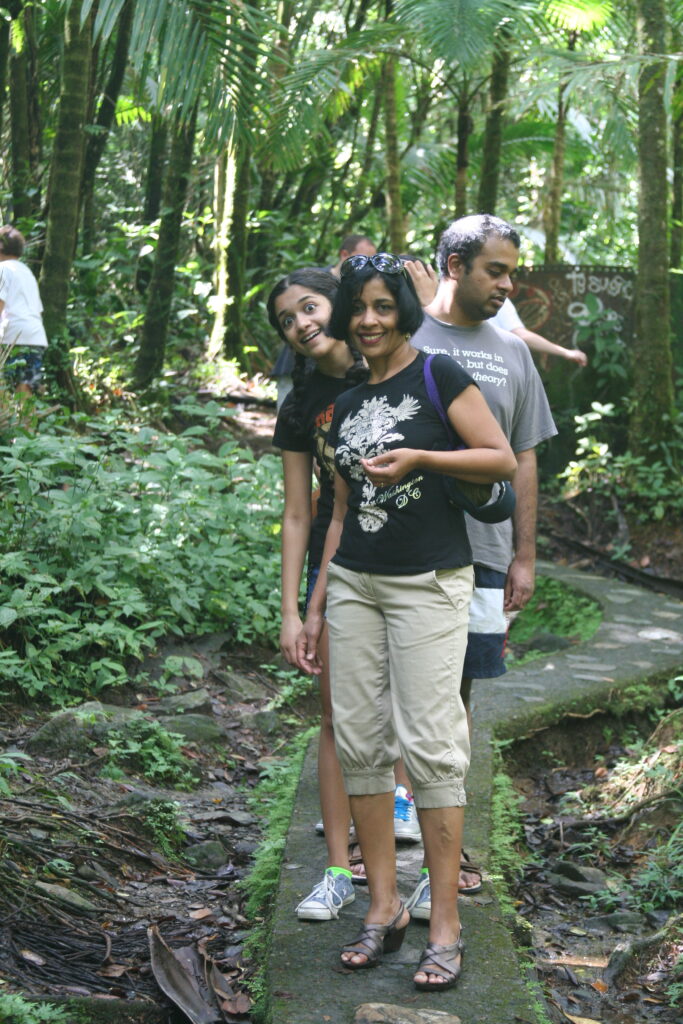
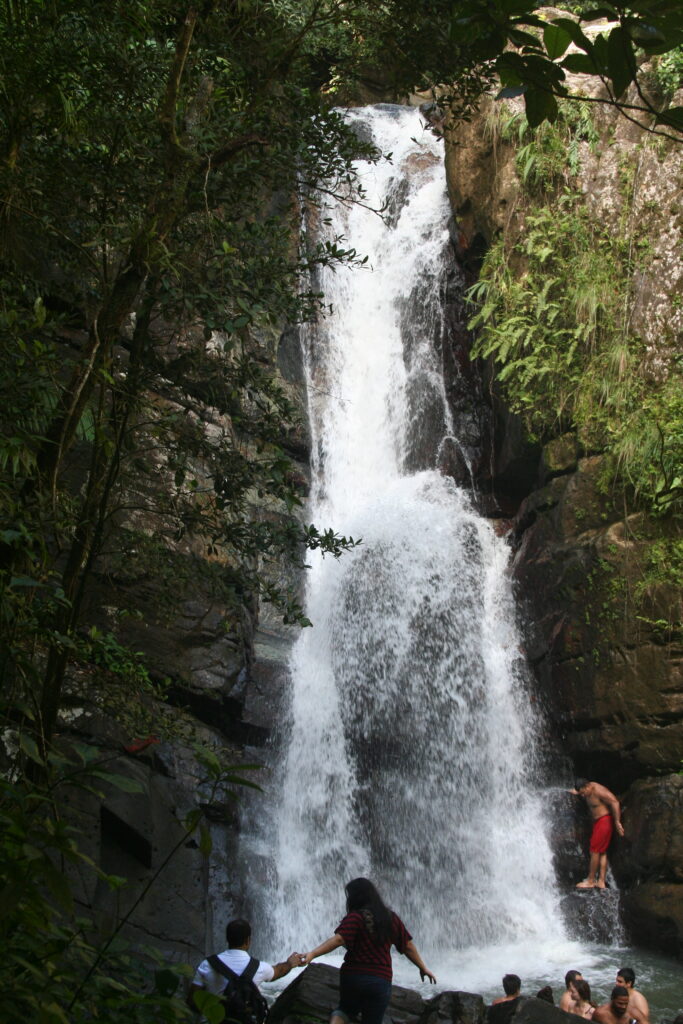
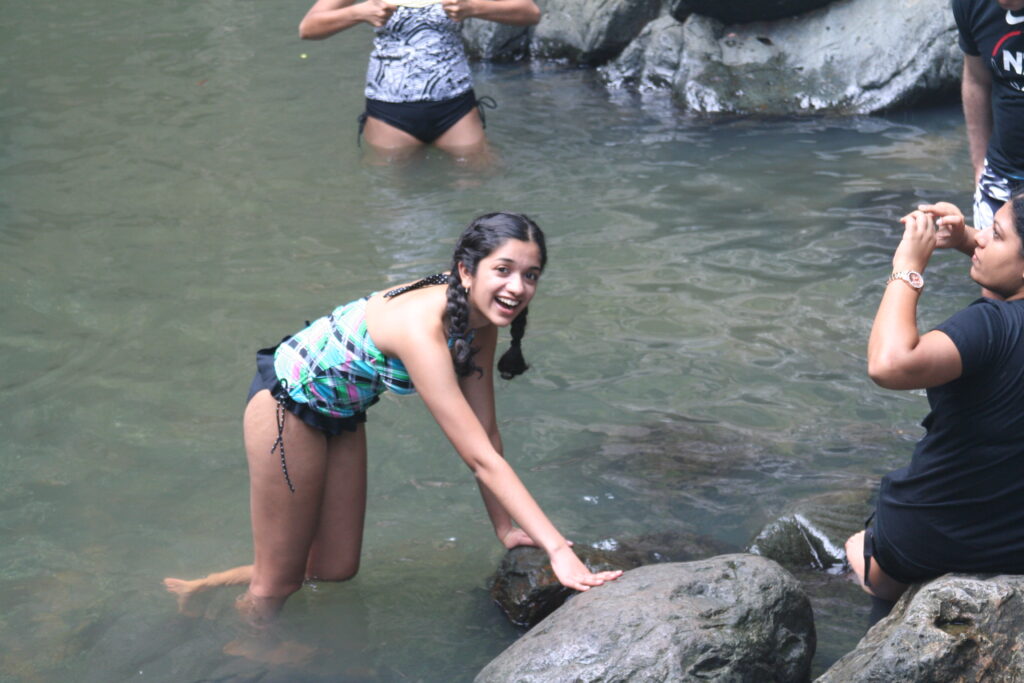
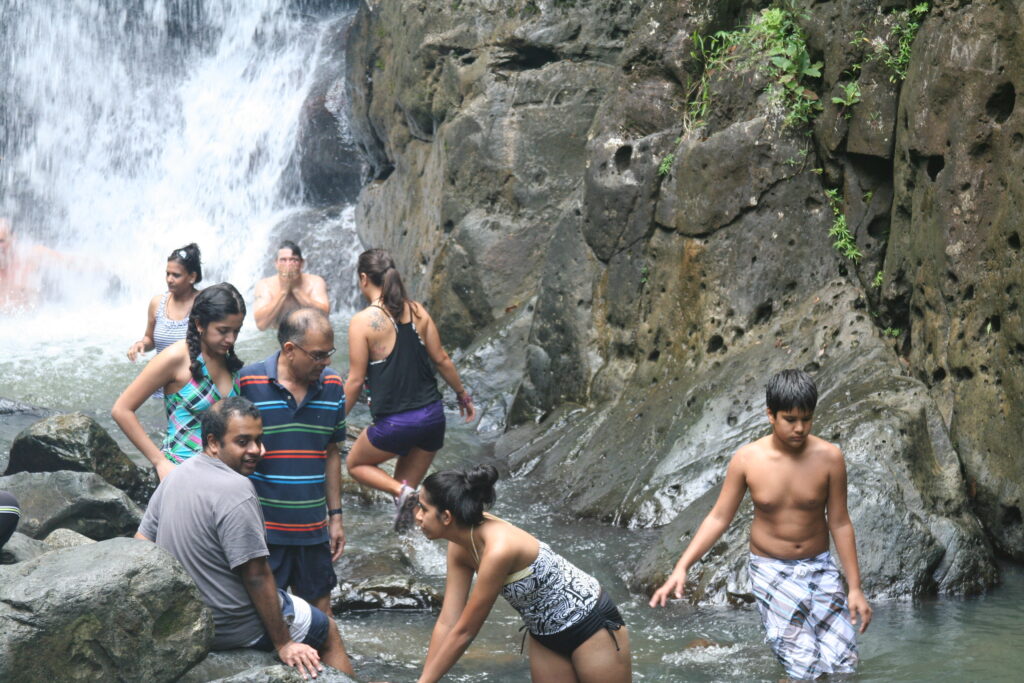
El Yunque National Forest, Catarata La Mina – La Mina Falls is one of the most exciting and popular waterfalls in El Yunque National Forest. The trail to the falls is a little over half a mile and takes about 15 minutes downhill to reach. The return hike uphill is more strenuous and typically takes 20–25 minutes. Visitors are rewarded with scenic rainforest views, natural pools, and a more secluded atmosphere ideal for adventure and swimming.
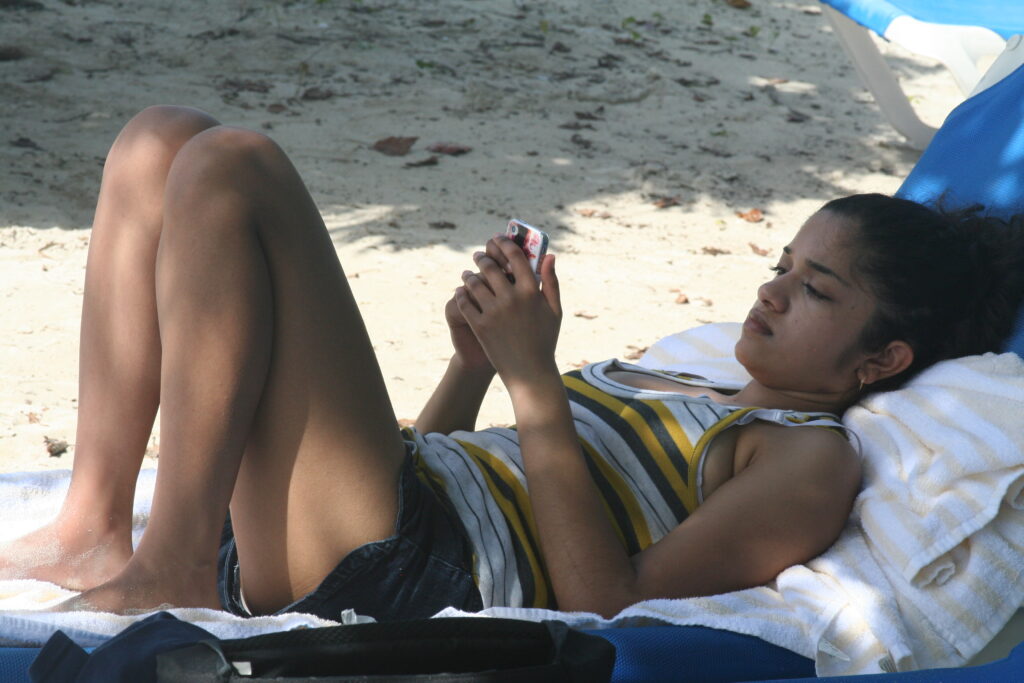
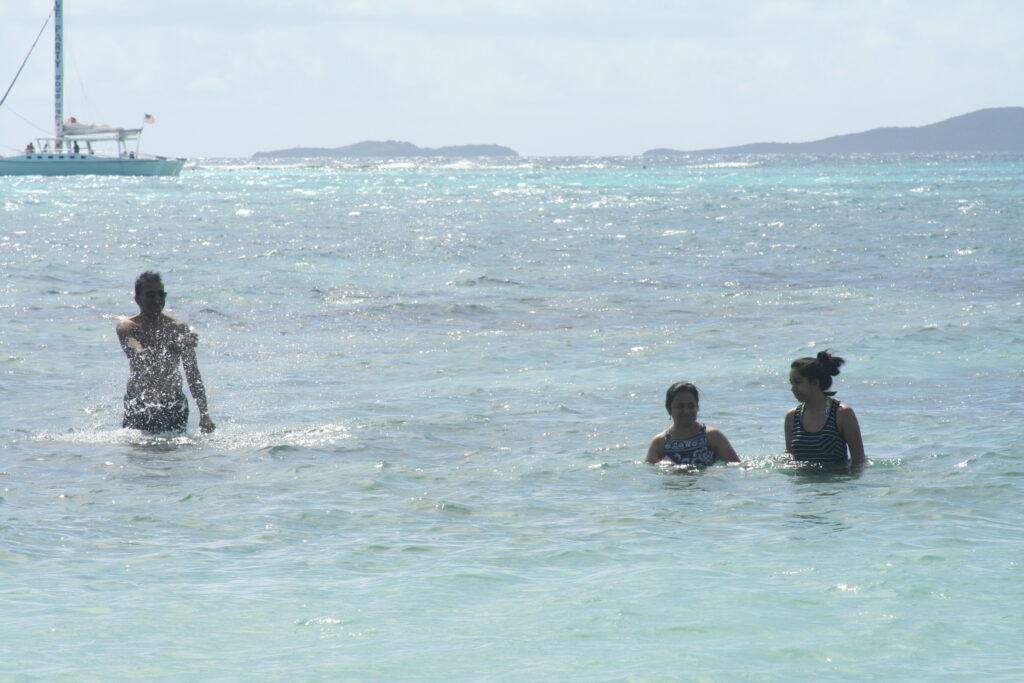
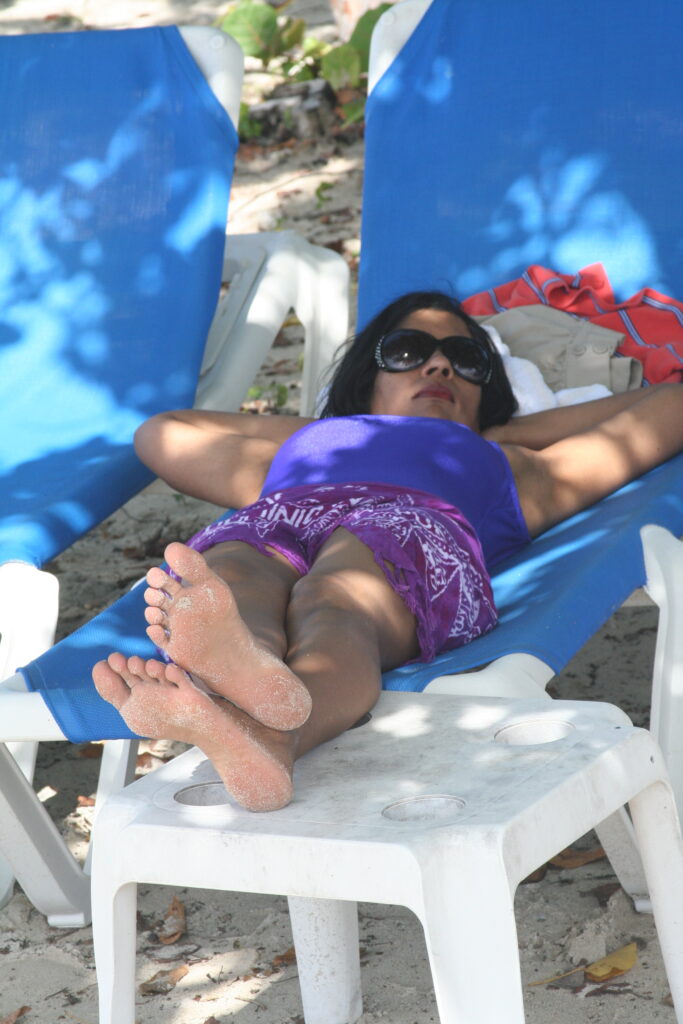
Beach Time – Beaches in Puerto Rico offers a perfect mix of relaxation and tropical beauty. From the calm turquoise waters of Flamenco Beach to the lively shores of Condado Beach, the island is filled with stunning coastal escapes. We spent an amazing time swimming, sunbathing, and enjoying the crystal-clear blue waters and warm Caribbean atmosphere.