Colloquially referred to as Philly, is the most populous city in the state of Pennsylvania and the sixth most populous in the United States. Philadelphia used to be the capitol of United States until 1800 and is known for its extensive contribution to United States history. This city is known for being the birthplace of the United States, a city where our founding fathers met, discussed, debated and formed a new country. There are many historical landmarks you will come across as you go around the city, starting with the Liberty Bell.
- Liberty Bell
- Independence Hall
- Philadelphia Museum of art and the Rocky Steps
- Rodin Museum
- Love Park
- City Hall
- Reading Terminal Market
- Fairmont Park
- Philadelphia Magic Garden
- Eastern State Penitentiary
- Valley Forge
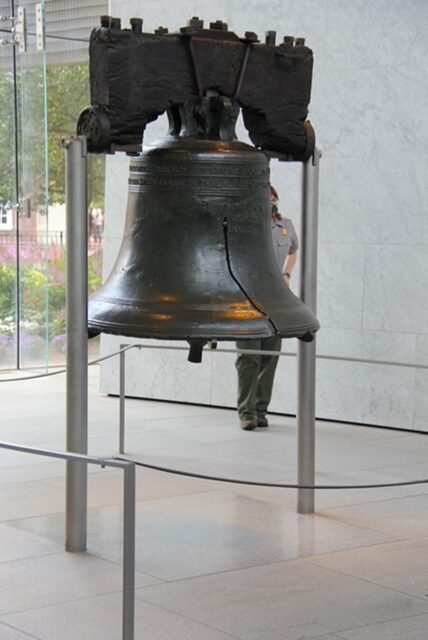
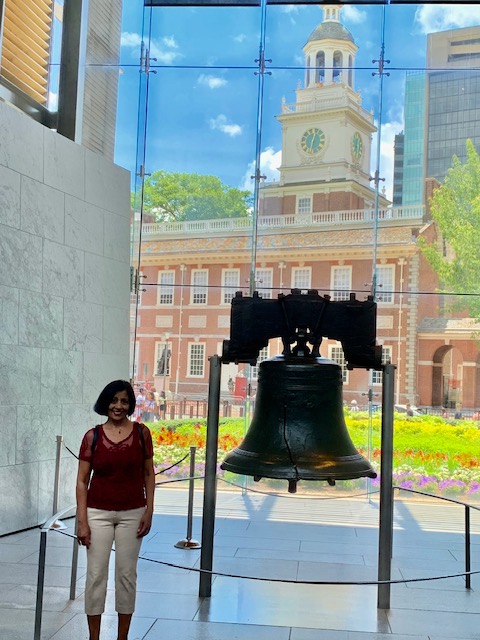
Liberty Bell – The liberty bell is a symbol of freedom and independence in the United States. It was ordered by the Pennsylvania Assembly in 1751 to commemorate the 50-year anniversary of William Penn’s 1701 Charter of Privileges. On July 8, 1776, popular legend says the Liberty Bell rang to symbolize America’s independence from Great Britain. In the late 1800s, the bell went on tour around the country in an effort to conquer divisions left by the Civil War. The bell completed its journey in Philadelphia in 1915, where it has remained.
Crack in the Bell – No one really know when or how the Bell cracked. The last big crack happened in February 1846, when it was rung on President’s Day, celebrated on Washington’s birthday, and then stopped ringing because of damage from a major crack.
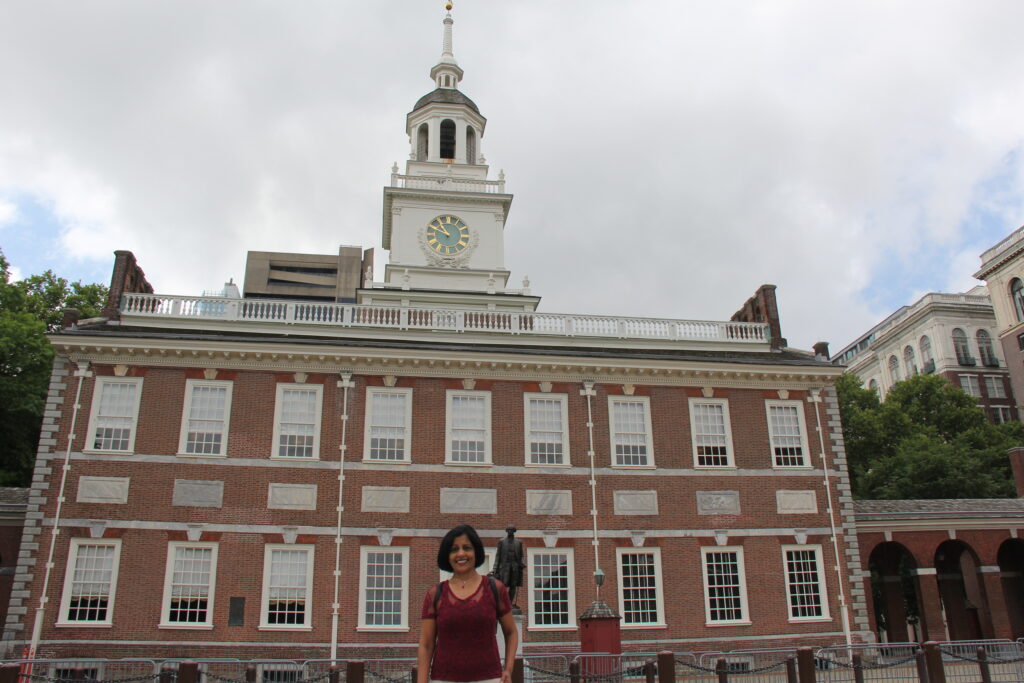
Independence Hall – In 1776, the Second Continental Congress signed the Declaration of Independence here. Eleven years later, in the same room, delegates to the Constitutional Convention created and signed an enduring framework of government – the United States Constitution. Although known today as Independence Hall, the building was constructed to be the Pennsylvania State House. It once housed all three branches of Pennsylvania’s colonial government.
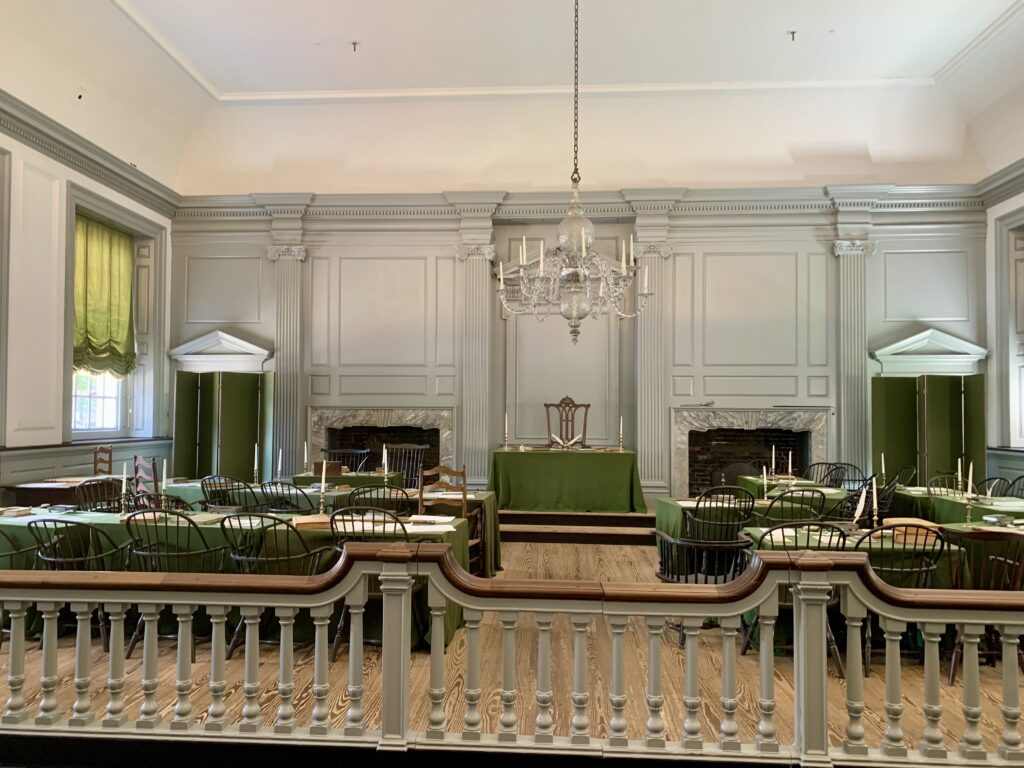
The highlight is Assembly Hall, where the Second Continental Congress met behind closed doors to discuss independence from the British. This is where the Declaration of Independence was signed and where George Washington was chosen as Commander-in-Chief of the Continental Army. Independence Hall as it evolved from a workplace of government to a treasured shrine, tourist attraction, and World Heritage Site. Entrance is by timed, ticketed tour only:
- The tour is about 15-20 minutes long.
- Visitors should arrive 30 minutes before their tour time to clear security screening.
- Visitors will see the Assembly Room (where the Declaration of Independence and the U.S. Constitution were both signed) on the first floor of the building.
- In January and February (except holiday weekends), entrance to Independence Hall is by tour only, but no tickets are required. Entrance is first-come, first-served
Philadelphia Museum of Art and the Rocky Steps – This museum contains one of the United States largest collections of paintings and artworks.
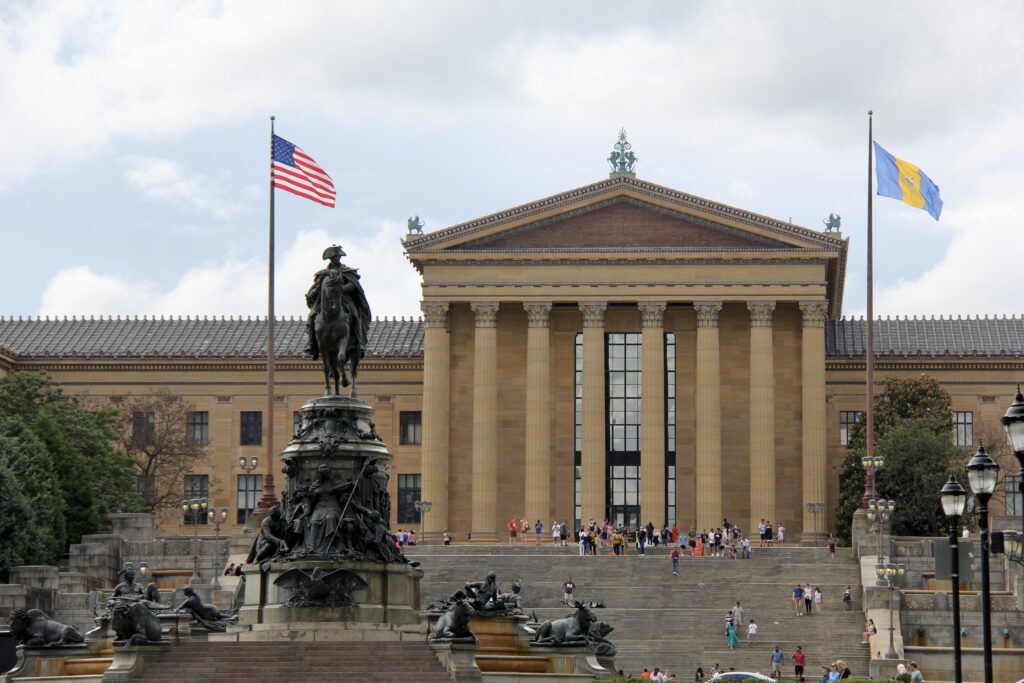
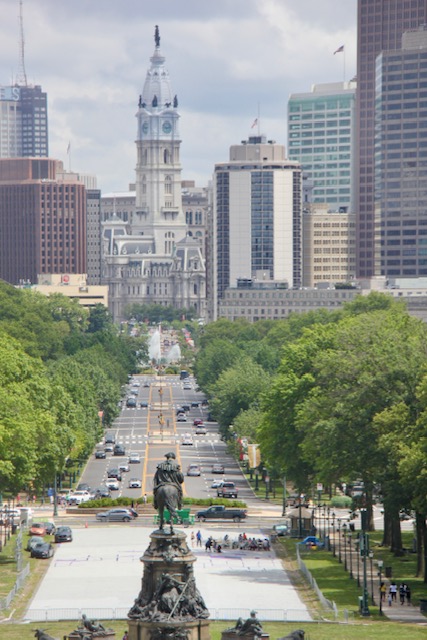
The museum’s east entrance is famous for appearing in the classic Rocky film franchise. To this day, visitors race up the steps to reenact Stallone’s famous scene and admire the view of the Parkway and the Philadelphia skyline from the top. Prior to striking your pose on the steps, be sure to swing by the actual Rocky statue located nearby. Study the exact arm and body position and then create your own version on the steps. You’ll find the statue just off to the right of the steps in a grassy area.
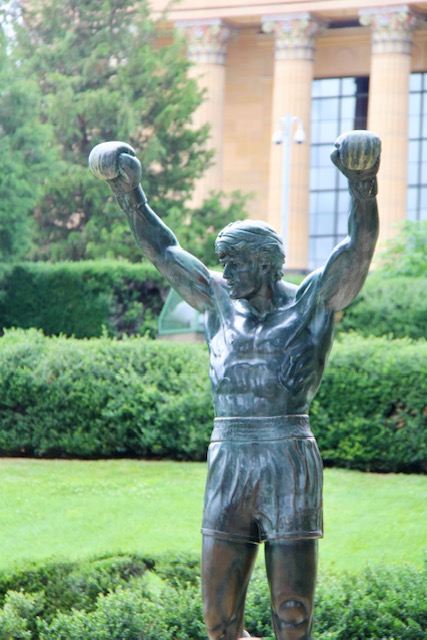
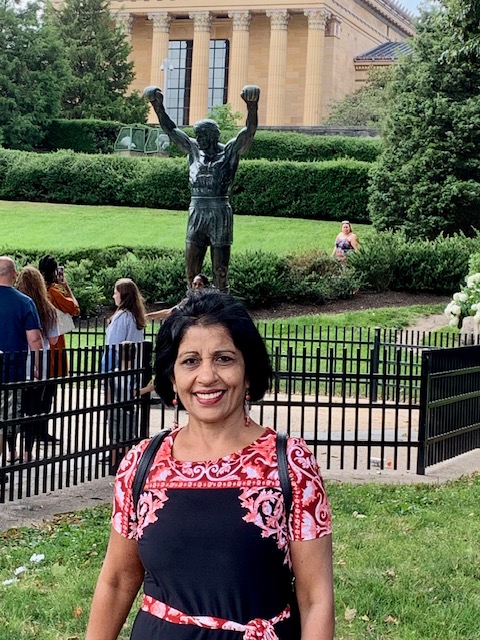
The main museum building was completed in 1876 and its holdings encompass more than 240,000 works spanning 2,000 years, including pieces from the ancient world, medieval times, the Renaissance, the Impressionist movement, and modern day.
The Museum has a collection of more than 450 China wares used by US Presidents from George Washington to Ronald Reagan.
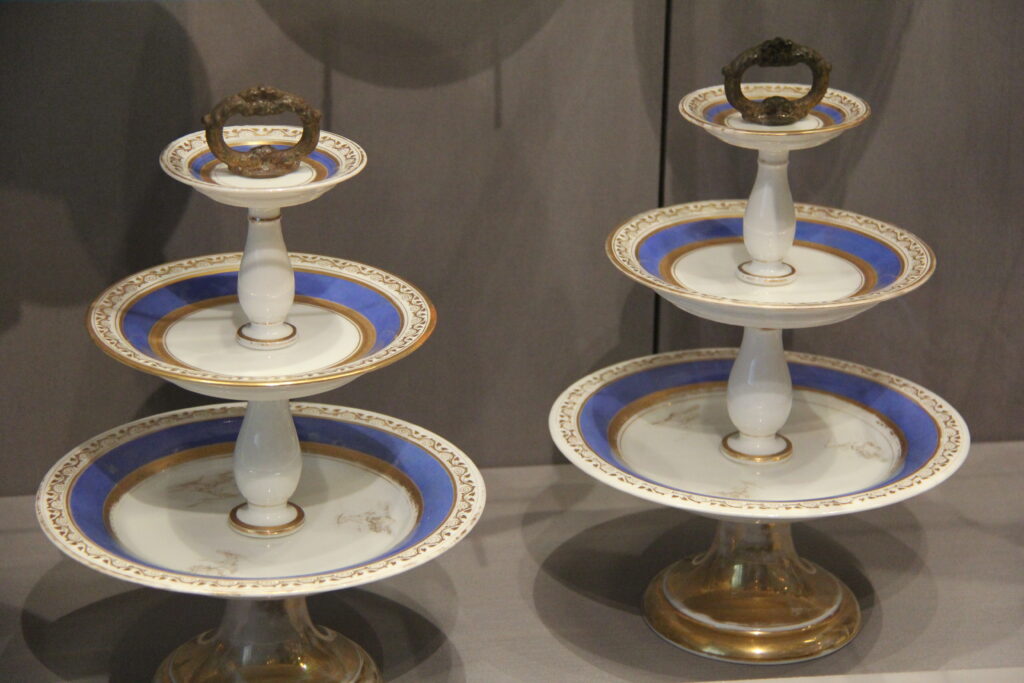
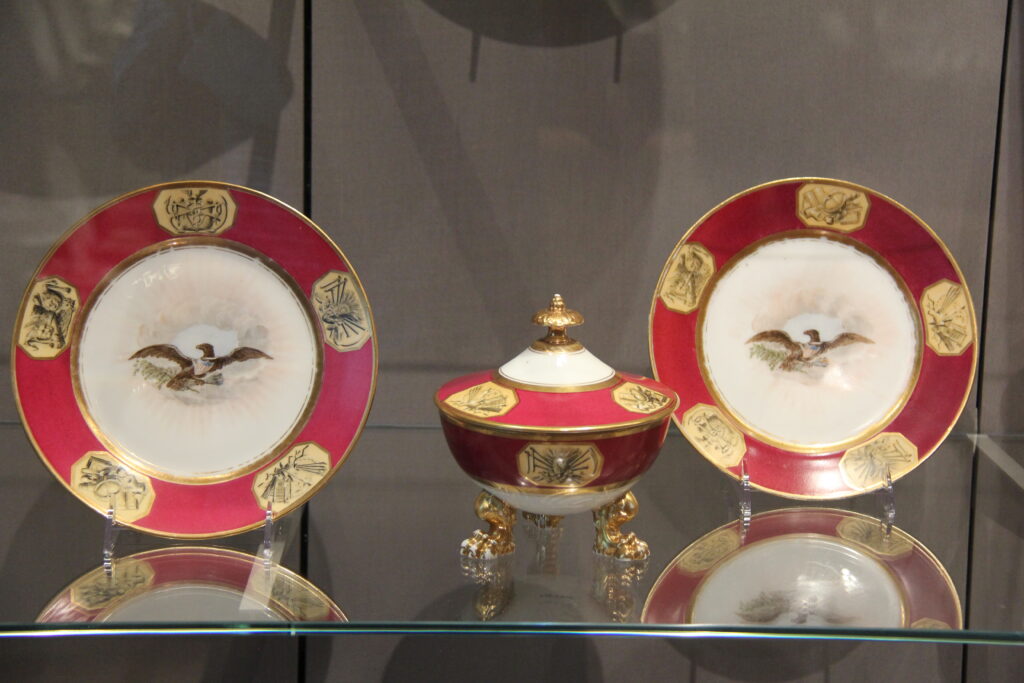
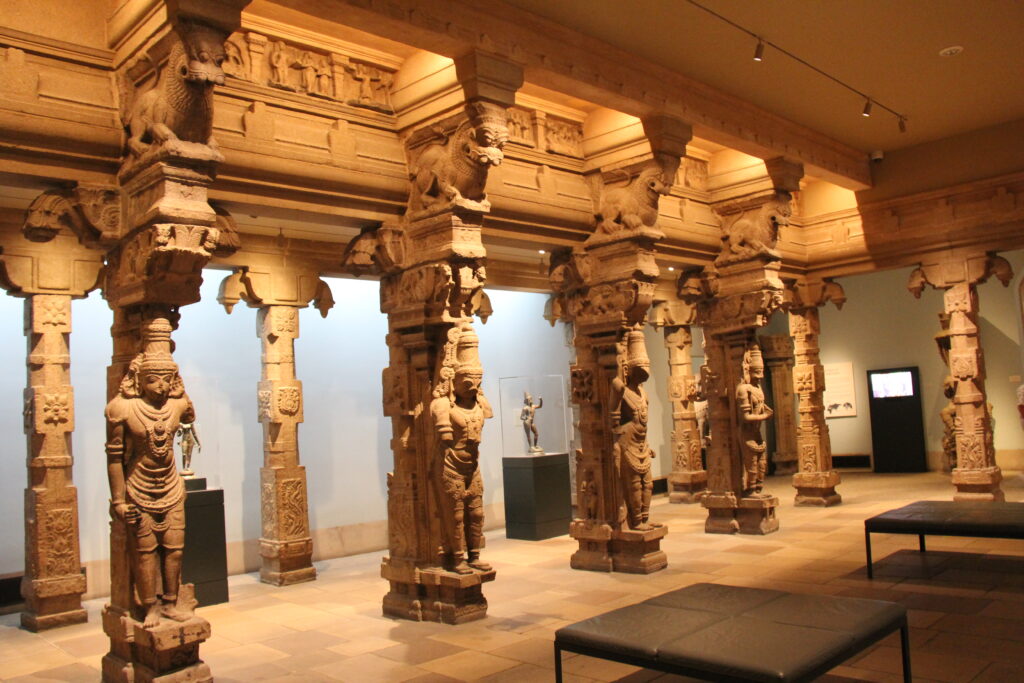
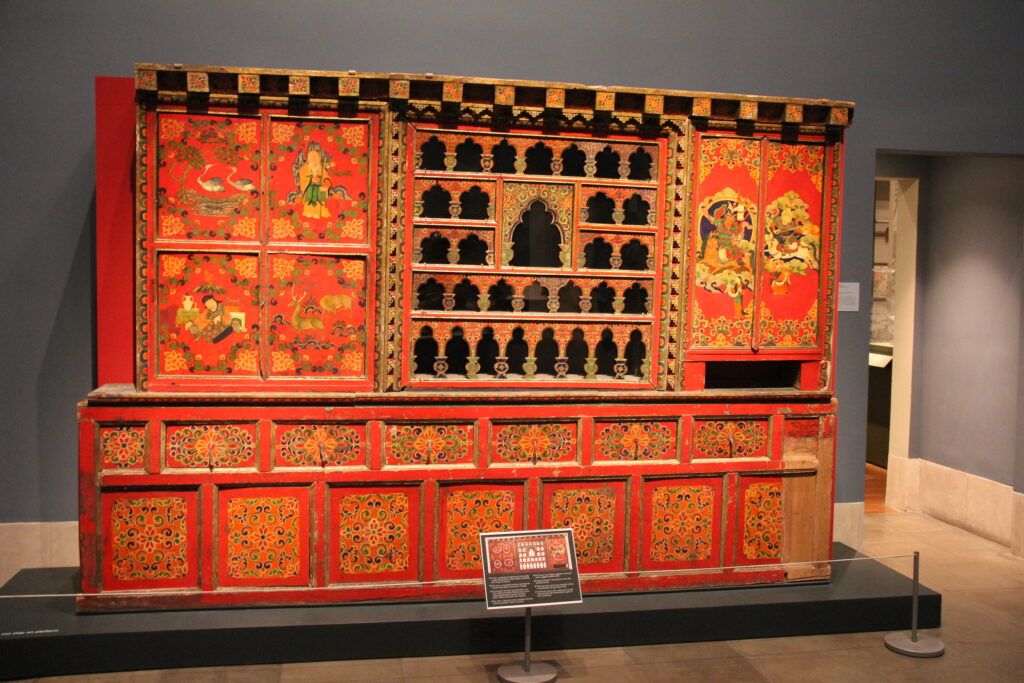
The Asian section in Philadelphia Museum of Art.
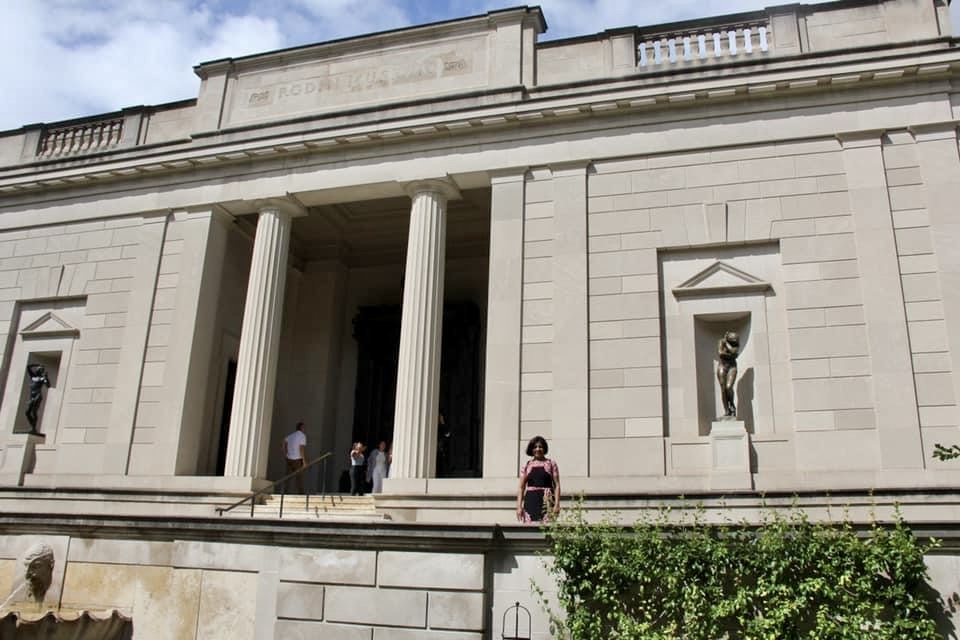
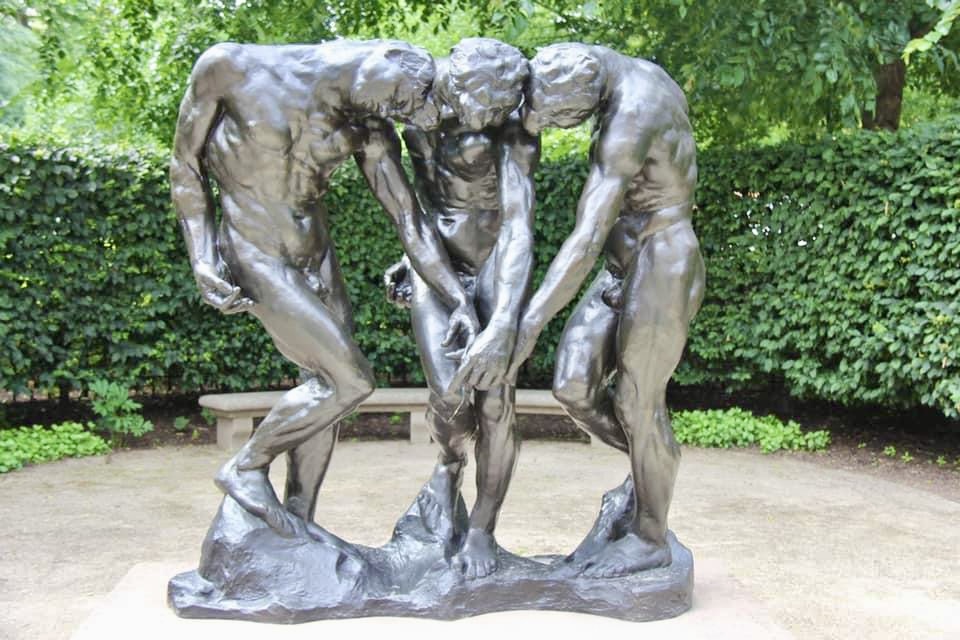
Rodin Museum – This museum displays close to 100 sculptures and artwork by the famous French sculptor Auguste Rodin. It contains the most extensive collection of Rodin’s work outside France.
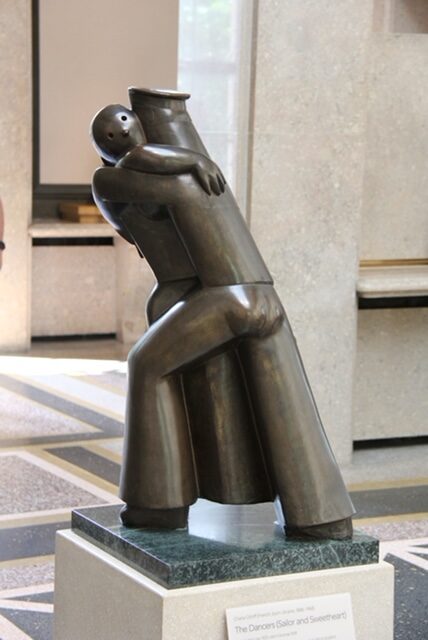
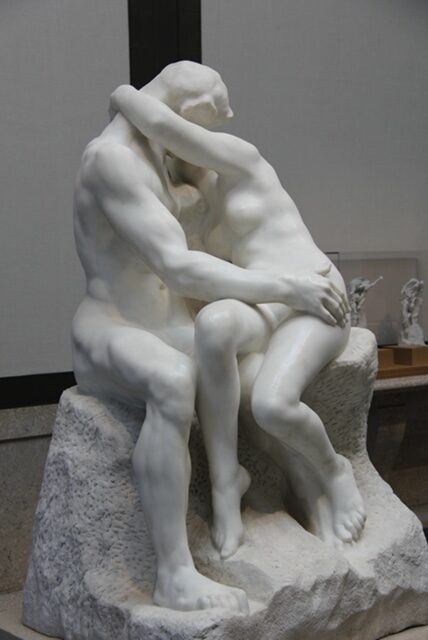
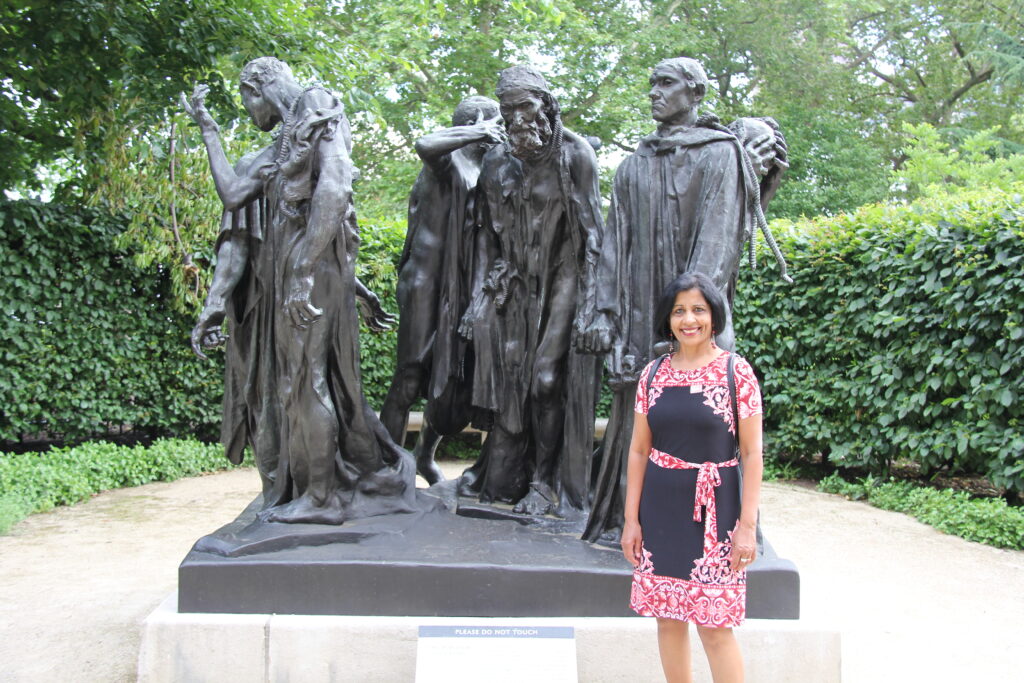
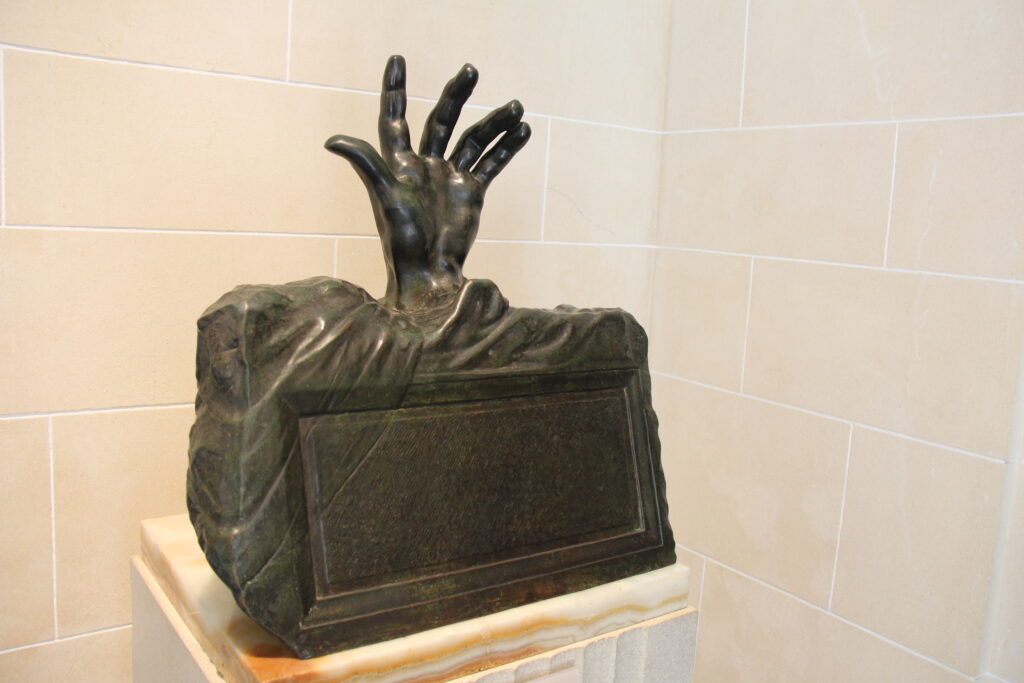
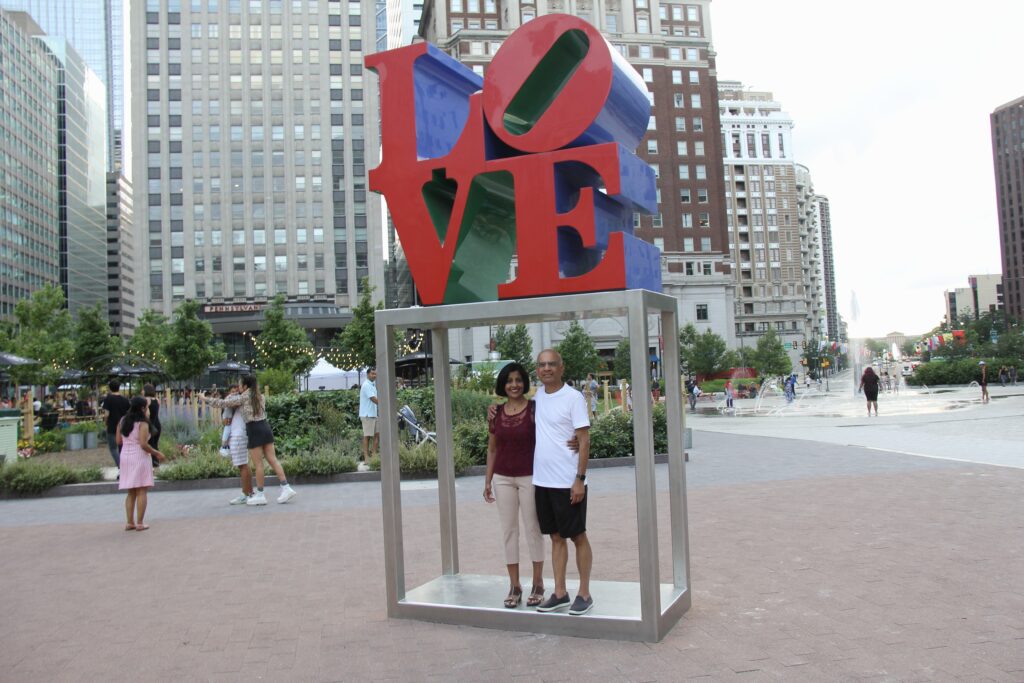
Love Park – This park with the LOVE sculpture serves as the entrance to the Benjamin Franklin Parkway. The park’s real name is John F Kennedy Plaza but received its nickname due to its famous LOVE sculpture.
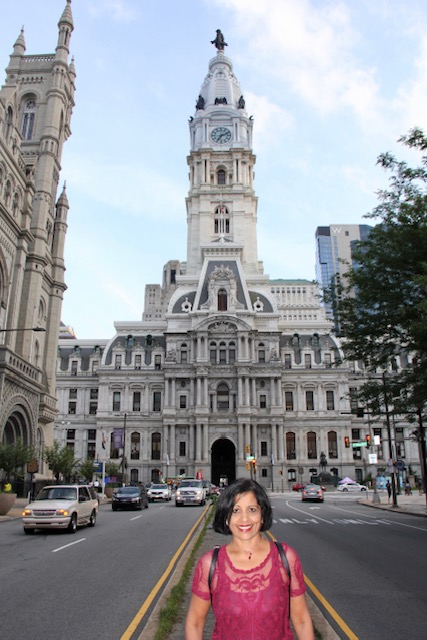
City Hall – Philly’s City Hall is United States’ largest municipal building with nearly 15 acres of floor space. Built on a foundation of solid granite, the building supports a 548-foot tower, which is the tallest masonry structure lacking a steel frame. At the top of the tower sits a 27-ton statue of William Penn.
You can ascend to the top of the historic building via elevator to enjoy a spectacular view of the Benjamin Franklin Parkway and city skyline from the city’s highest open-air observation deck. On the day we visited the City Hall, the tower was not open to public because of Covid restrictions.
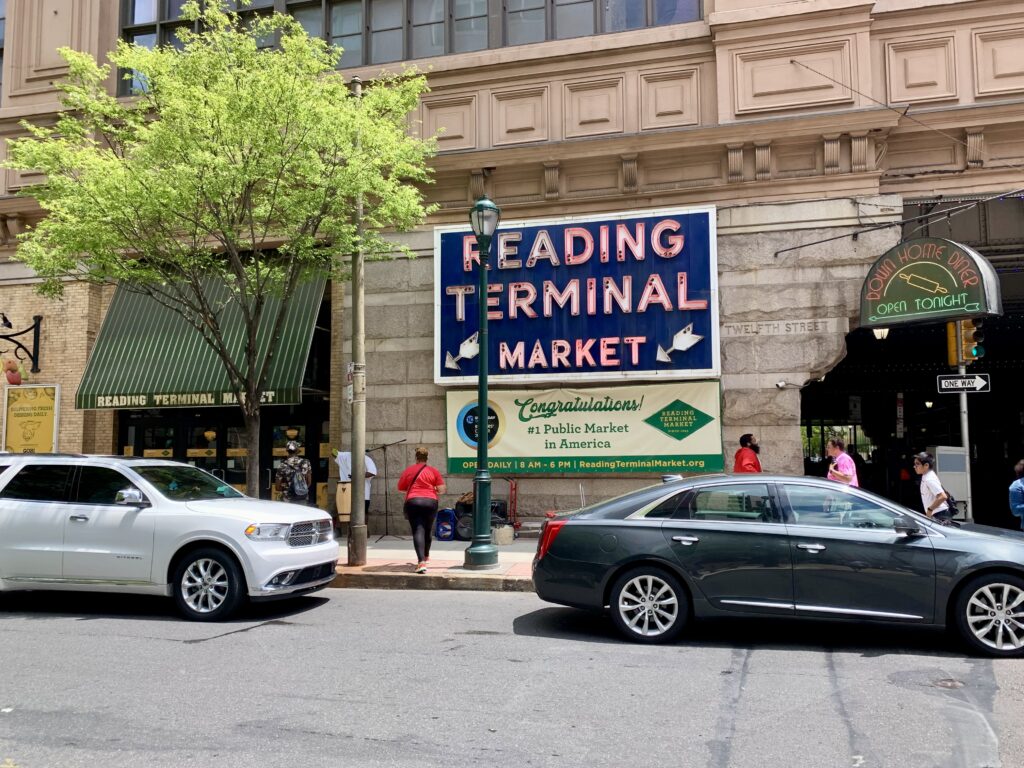
Reading Terminal Market – Reading Railroad Company built this space beneath their new station in 1893 to accommodate the farmers and butchers who had been using the area for their open-air markets for decades. This market has been a National Historic Landmark since 1995. Although the market has undergone renovations, it has retained many of the structure’s original features. Today, you will find more than 75 diverse small, family-owned businesses providing local produce, meats, baked goods, seafood, cheeses, fresh-baked Amish breads, and handmade crafts, including clothing, jewelry, and gifts.
Fairmont Park – This beautiful park is located along the Schuylkill River.
Philadelphia’s Magic Garden – An eye popping art environment and gallery created by mosaic artist Isaiah Zagar on South Street, this place is worth a visit. The space is made up of indoor and a bi-level outdoor gallery. Isaiah uses materials that one would throw away, like empty bottles, broken mirrors, bicycle wheels, china plates, loose buttons, old shoe, and tiles to create his art. Zagar has been turning the city’s trash into treasure for the past 4 decades.
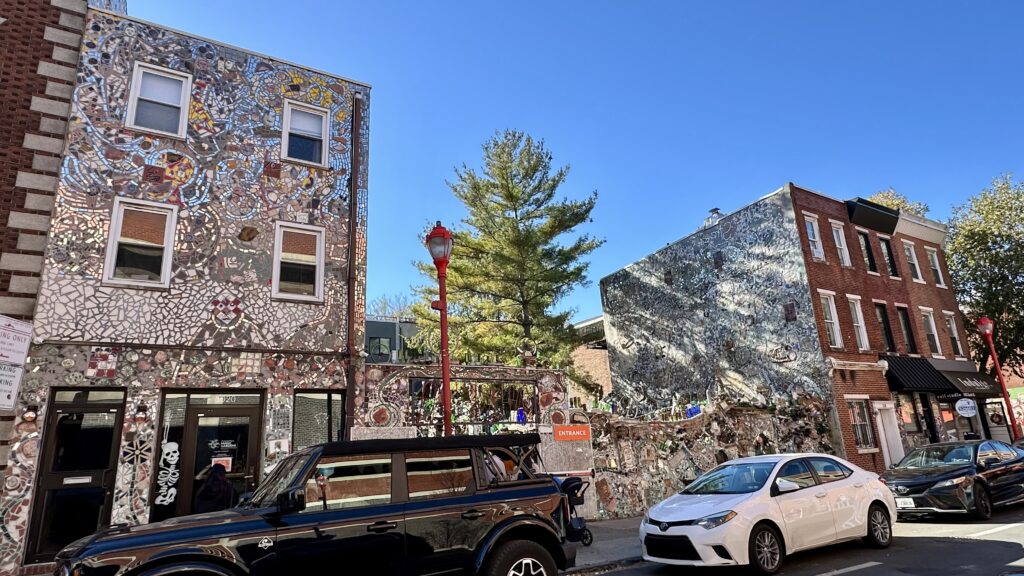
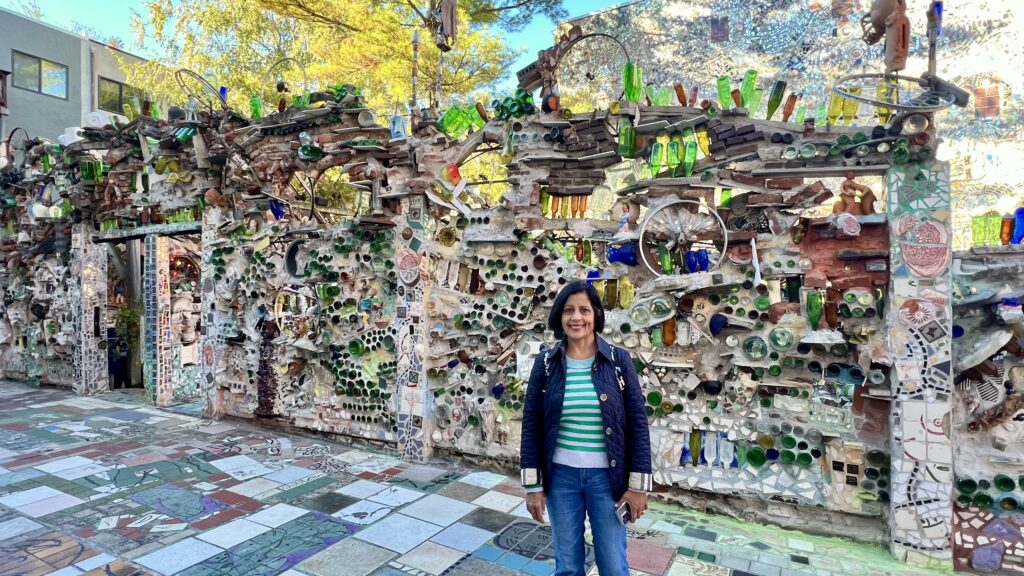
We went on a 1-hour guided tour of the outdoor sculpture garden and indoor galleries and the fully mosaicked basement. One recurring image you will see on all the walls is depiction of Isaiah with 4 arms.
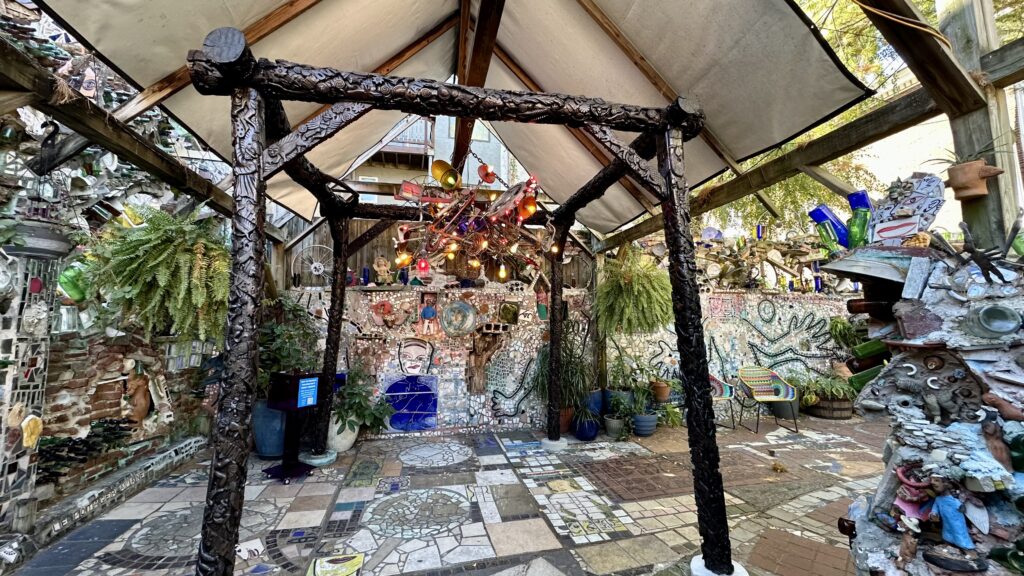
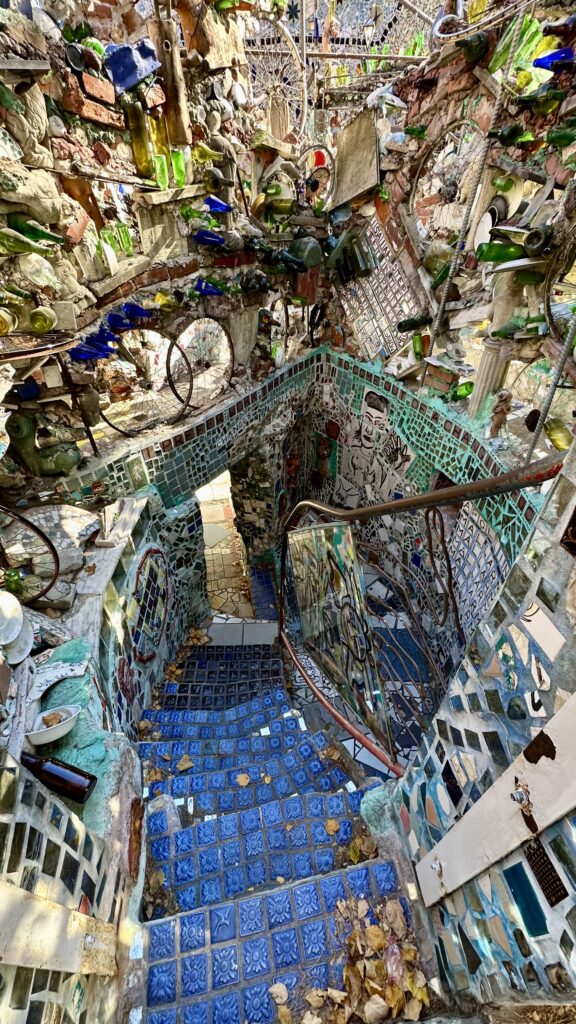
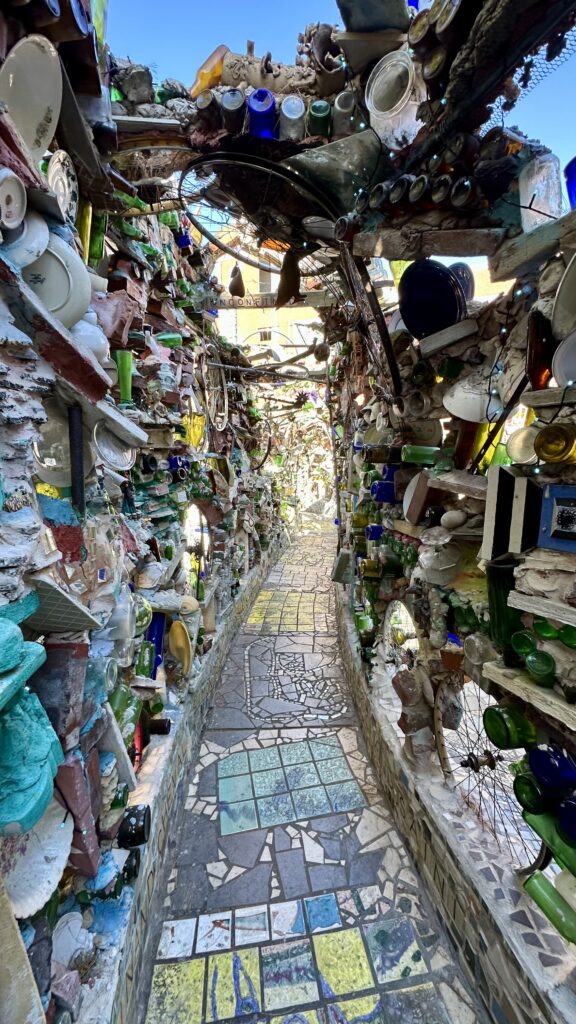

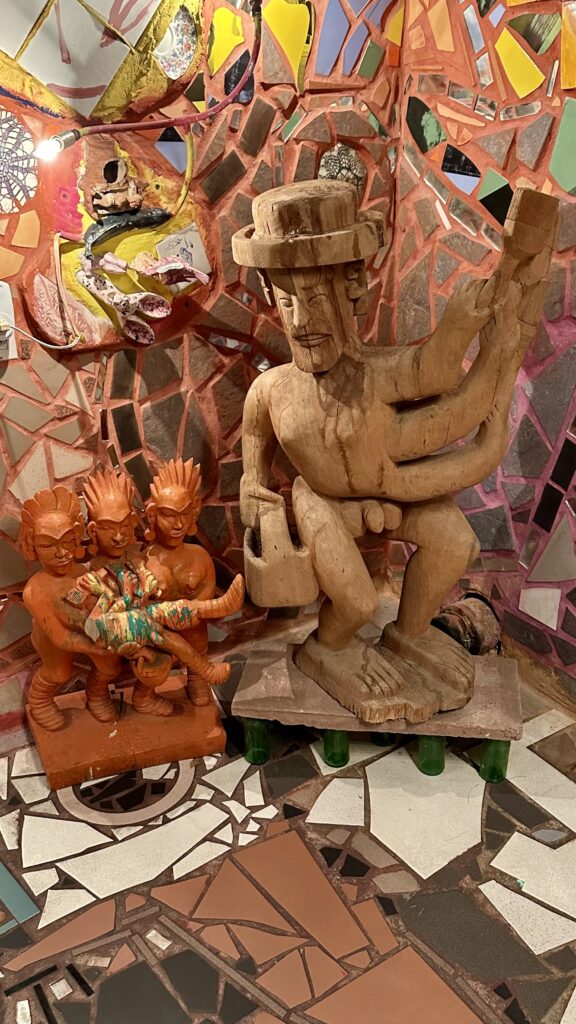
After visiting the studio, we walked around the neighborhood and enjoyed many more of his work on the exterior walls of private homes and buildings.
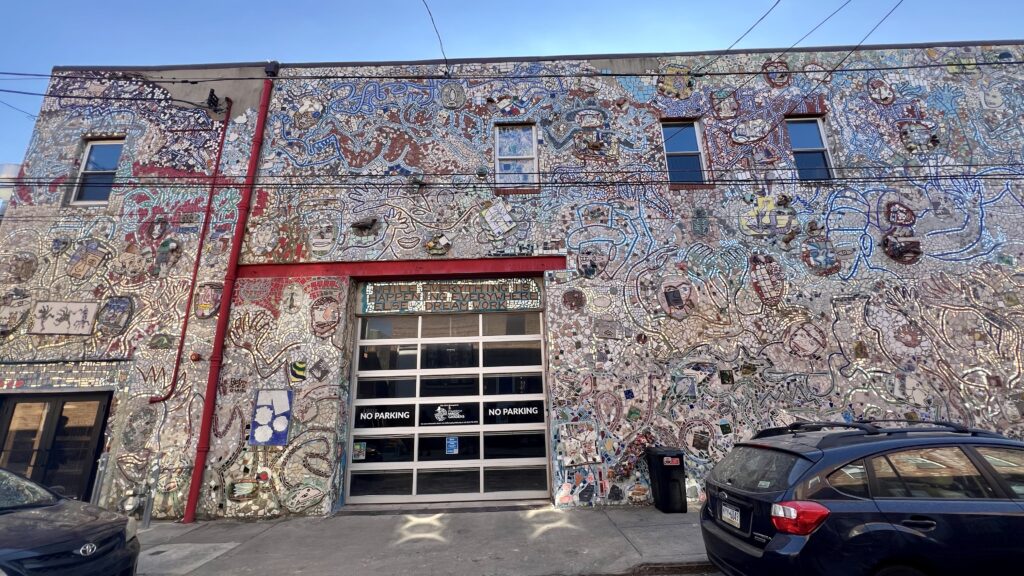
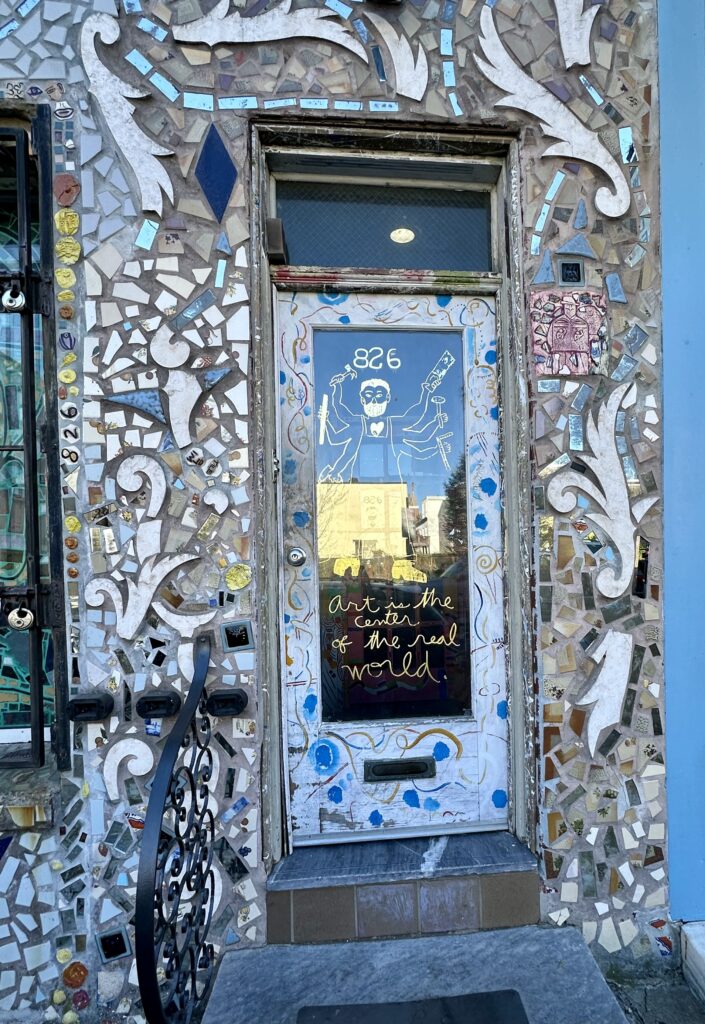
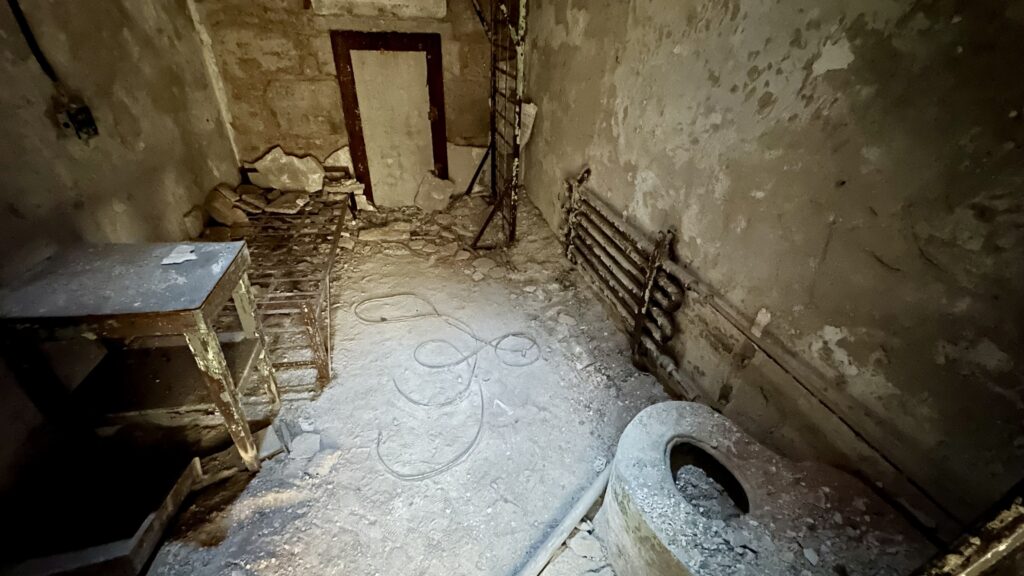
Eastern State Penitentiary – This prison was built in 1829 and was the world’s first true “penitentiary,” a prison designed to inspire penitence, or true regret, in the hearts of prisoners. It was at that time the most expensive and high-tech prison in the world.
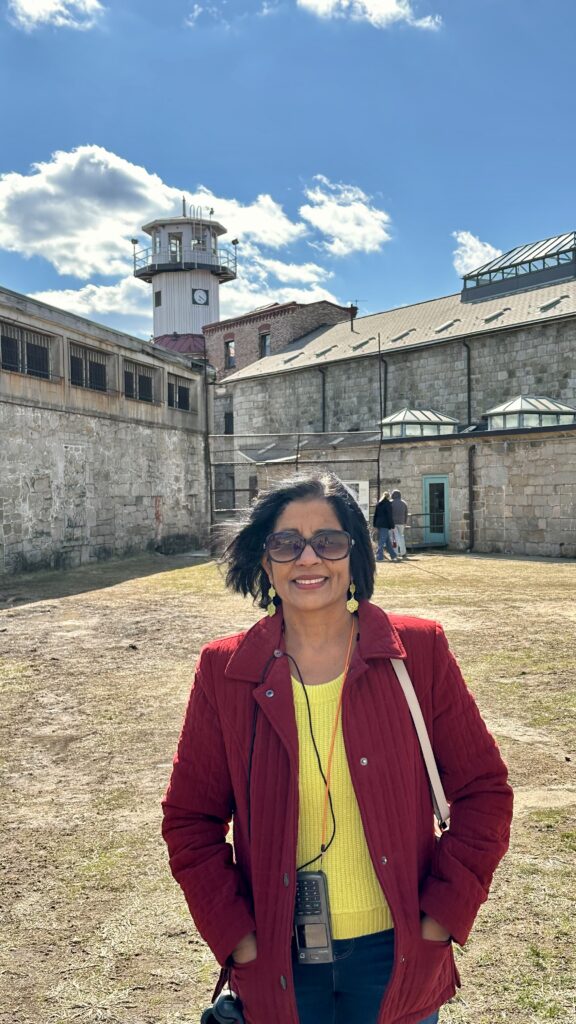
The prison closed in 1971 and is today open for public to visit. We paid $23/person to visit. You will get an mp3 player and headphones that will guide you through the penitentiary complex and explain the prison’s history.
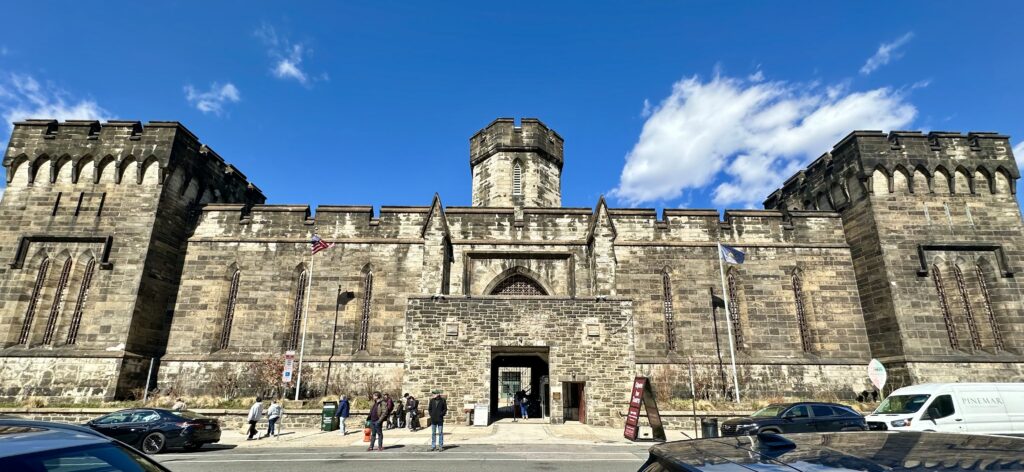
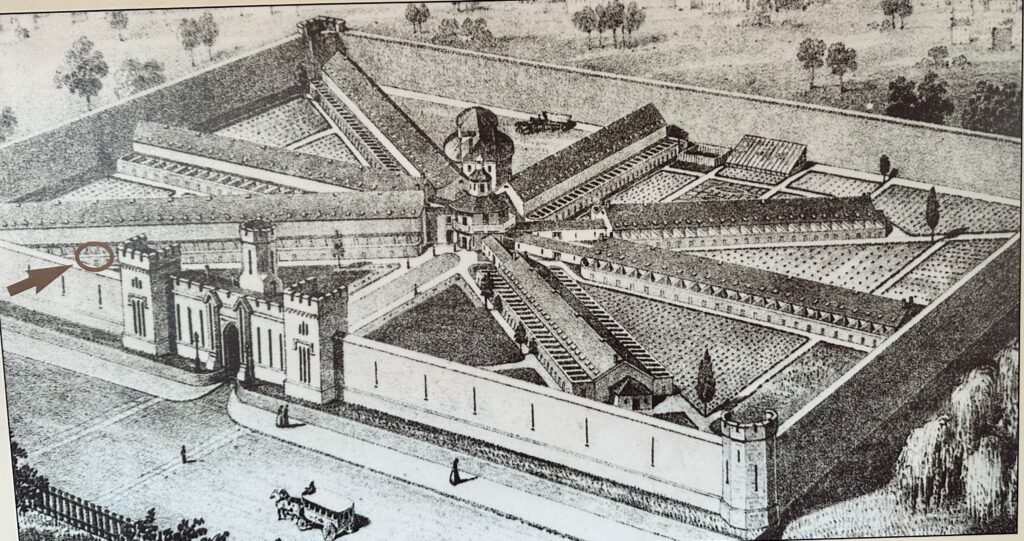
Eastern State Penitentiary, designed as a wheel with cell blocks as spokes, originally had seven cell blocks, but over time, more were added, including 2-storey blocks to accommodate increased capacity.
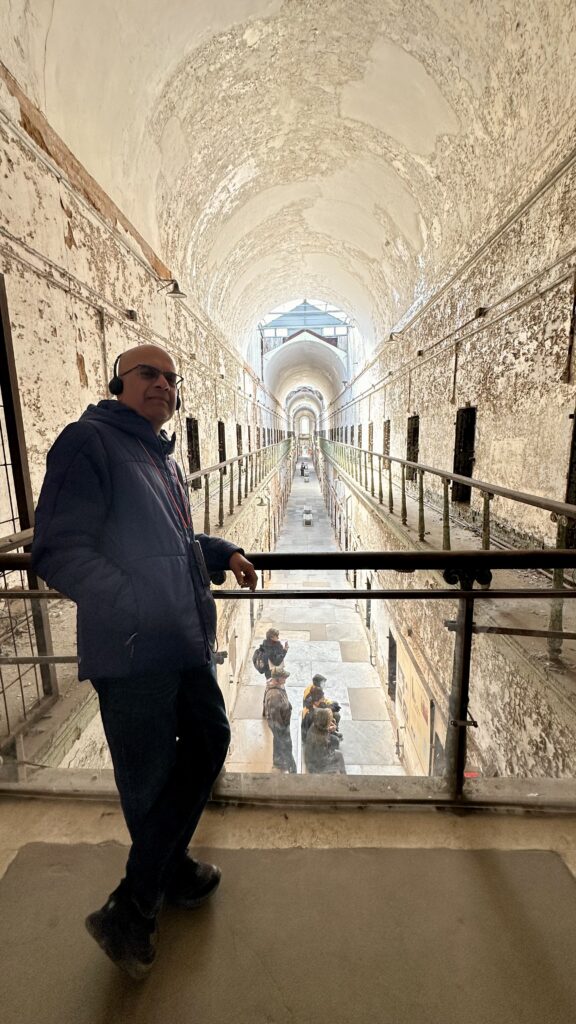
Each cell had a bed, working desk, and a metal toilet.
Valley Forge (Free to visit) – Located just outside Philadelphia, Valley Forge is one of an important sites of the American Revolutionary War. It was here that General George Washington and the Continental Army endured the harsh winter of 1777–1778, facing cold, hunger, and difficult living conditions while training and rebuilding their forces. Today, the park preserves this pivotal chapter in American history through reconstructed soldiers’ huts, Washington’s Headquarters, memorials, artillery displays, and scenic trails.
Valley Forge Visitor Center – We first stopped here to get information of things to see and a map of the encampment route. It also has exhibits that bring the story of the Continental Army’s six-month winter encampment of 1777–1778 to life through interactive displays, artifacts, and immersive presentations that recreate the sights and hardships of camp life.
Encampment Tour – The Encampment Tour is a 10-mile self-guided driving loop that connects nine major stops, along with numerous monuments, memorials, and other sites of historical significance. For a first visit, exploring the route by car is the most convenient option and this is what we did. We spent about an hour stopping at the following points –
- Muhlenberg’s Brigade – is the site where Brigadier General Peter Muhlenberg’s Virginia troops were encamped during the harsh winter of 1777–1778. Today, you can walk among nine reconstructed log soldiers’ huts arranged along a gravel company street, along with a reconstructed earthen redoubt that formed part of Valley Forge’s defensive fortifications. Several of the huts contain exhibits explaining how the cabins were built and describing the daily lives, routines, and hardships endured by the officers and enlisted soldiers.
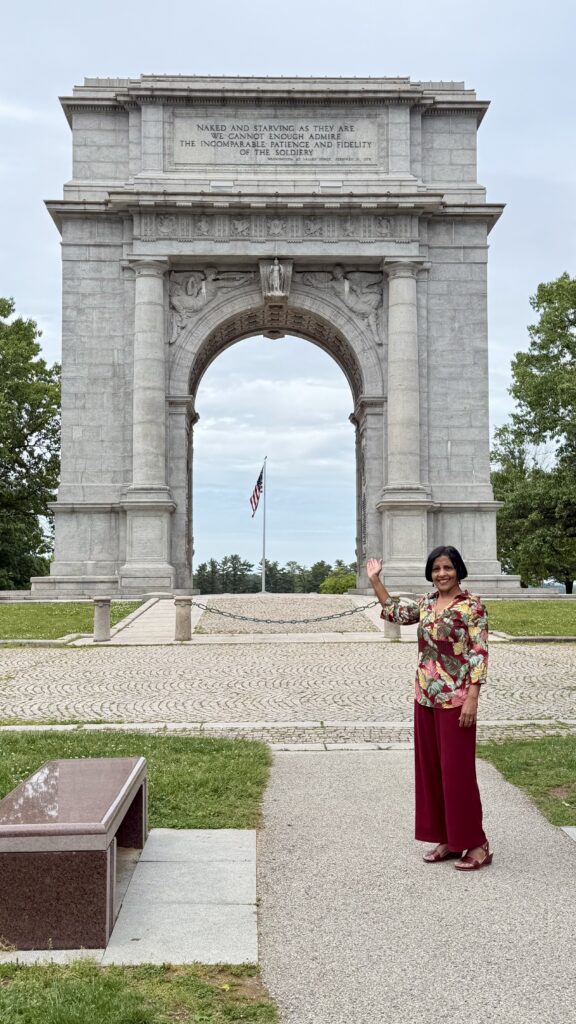
- National Memorial Arch – One of Valley Forge’s most iconic landmarks and completed in 1917, the National Memorial Arch commemorates the arrival of General George Washington and the Continental Army at Valley Forge on December 19, 1777, and honors the sacrifices they endured during the harsh winter encampment.
- The Pennsylvania Columns – completed in 1912 and placed along the 10-mile route, commemorating Pennsylvania soldiers who served at Valley Forge during the 1777–1778 winter encampment. The 32-foot-tall Barre granite columns feature bronze eagles and plaques.
- Anthony Wayne Monument – This equestrian monument commemorates his many contributions to the Revolution, including his decisive victory at the Battle of Stony Point in 1779, for which he received a formal commendation from Congress.
- Knox Covered Bridge – is a scenic 65-foot wooden bridge built in 1851 spaning Valley Creek and is one of the park’s most photographed landmarks. The single-lane Burr arch truss bridge was rebuilt after an 1865 flood, later reinforced with steel, and repaired in 2024 following storm damage. Historians associate the name of the bridge with Revolutionary War General Henry Knox.
- Valley Forge Train Station – is a striking stone building near Washington’s Headquarters, built in 1911 by the Reading Railroad. The station closed to passenger service in the 1980s and was restored by the National Park Service in 2009, transforming the interior into a museum which displays information about the history of the Valley Forge Train Station. The tracks remain active today for freight trains.
- Washington’s Headquarters – Also known as the Isaac Potts House, this stone house served as General George Washington’s headquarters during the Continental Army’s winter encampment at Valley Forge in 1777–1778. Built around 1773, much of the structure remains original to the Revolutionary War era. The house is open seasonally for guided tours, offering visitors a glimpse into the daily life and leadership of General Washington during the American Revolution.
- Baron von Steuben Monument – This bronze statue honors Baron Friedrich von Steuben, the Prussian military officer who transformed the Continental Army into a disciplined fighting force during the encampment.
- The Grand Parade – meadow is historically significant as the site where the American Army unified. Today, it remains a dynamic natural habitat shaped by a long history of changing uses.
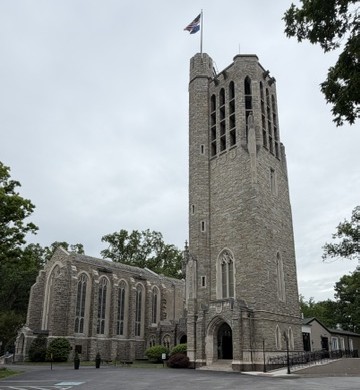
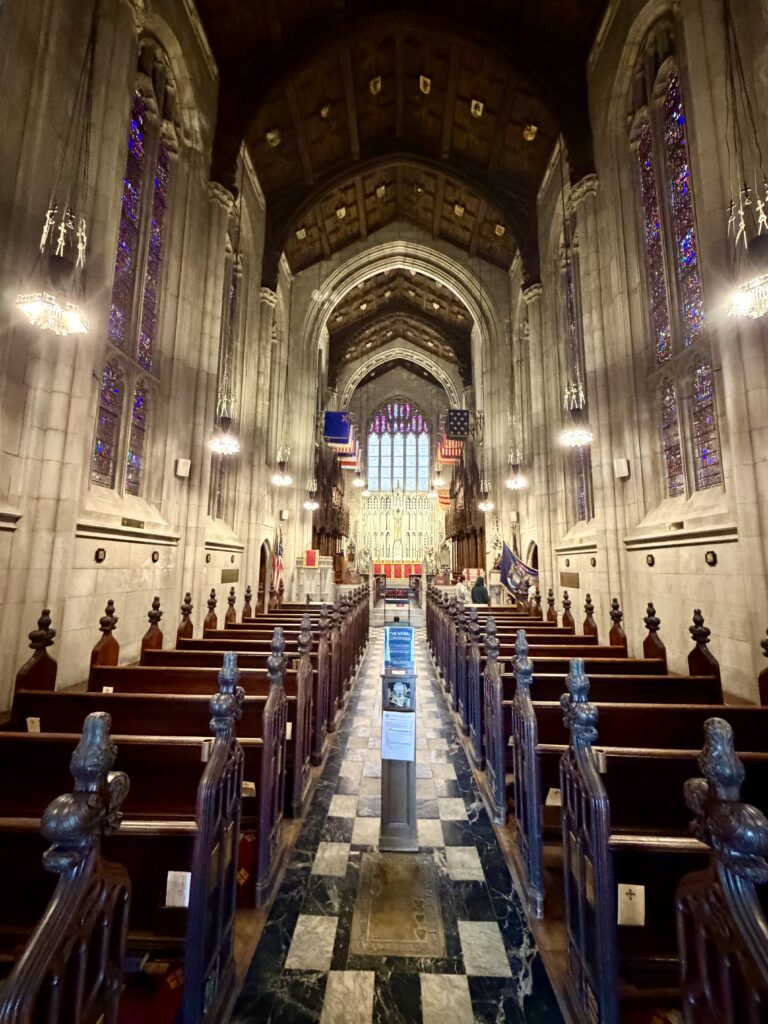
Washington Memorial Chapel – Although located within the Valley Forge area, the Washington Memorial Chapel is privately owned and is not part of the National Park Service. Built between 1903 and 1917 in the Gothic Revival style, the chapel was dedicated to honoring General George Washington and the soldiers of the Continental Army.
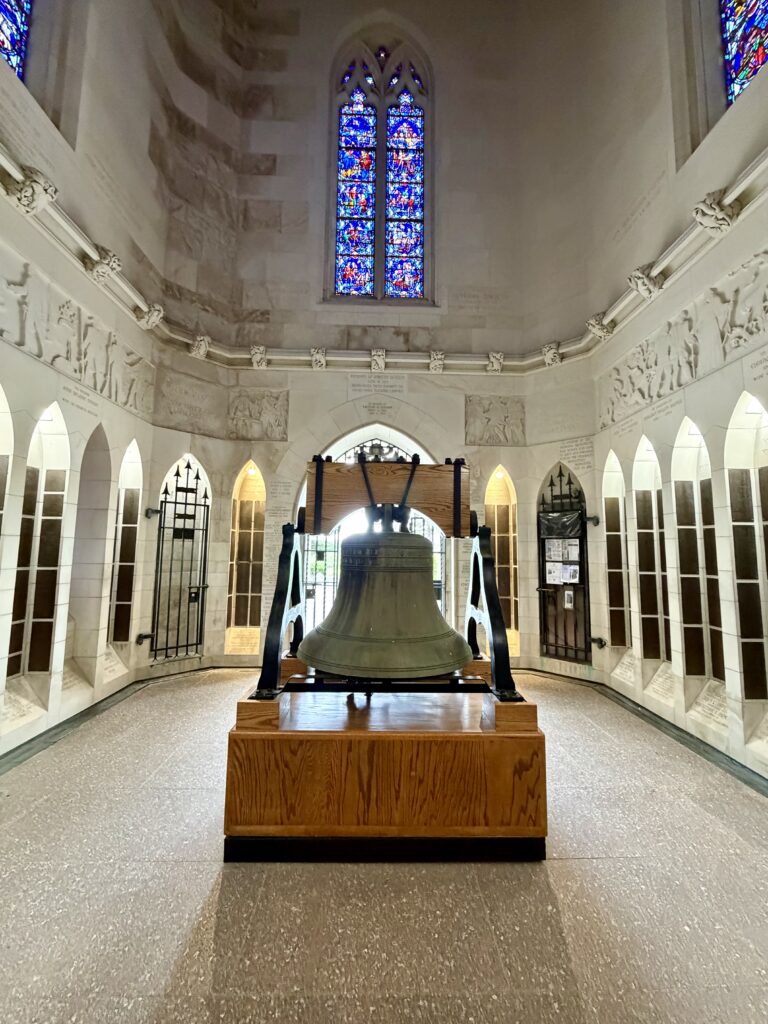
One of its most notable features is the Justice Bell, a replica of the Liberty Bell that was used during the early 20th-century Women’s Suffrage movement. The chapel also includes the Veterans Wall of Honor and hosts concerts, historical programs, and other special events throughout the year.