The Outer Banks (OBX) are a string of peninsulas and barrier islands separating the Atlantic Ocean from mainland North Carolina. The Wright brothers achieved their first powered flight here in 1903 at Kill Devil Hills. Today, the Outer Banks are a major coastal tourism destination. We visited this place in April of 2021 and stayed in Kill Devil Hills.
- Airbnb
- Lighthouses
- Bodie Island Lighthouse in Cape Hatteras National Seashore
- Cape Hatteras Lighthouse in Buxton
- Currituck Beach Lighthouse in Corolla
- Piers and Boardwalks
- Jannette’s Pier in Nags Head
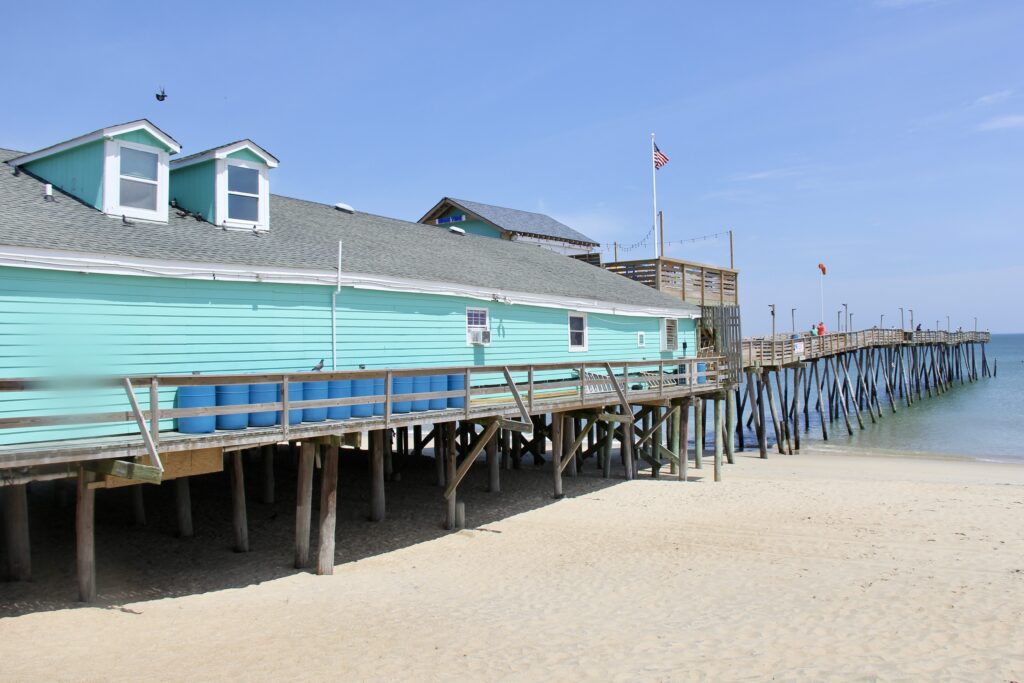
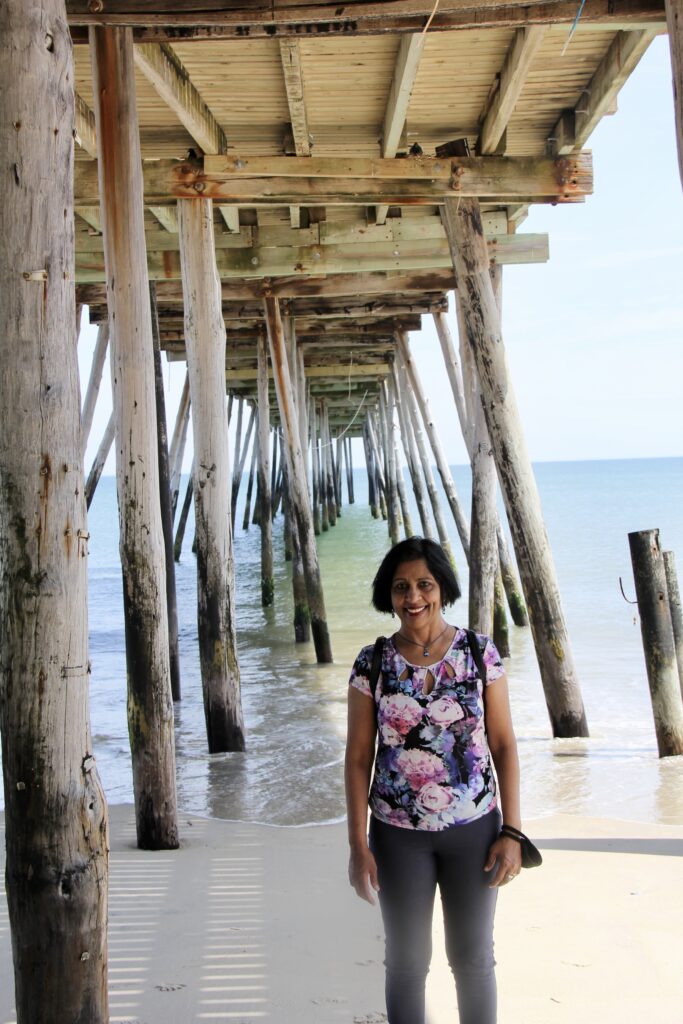
- Avalon Fishing Pier in Kill Devil Hill
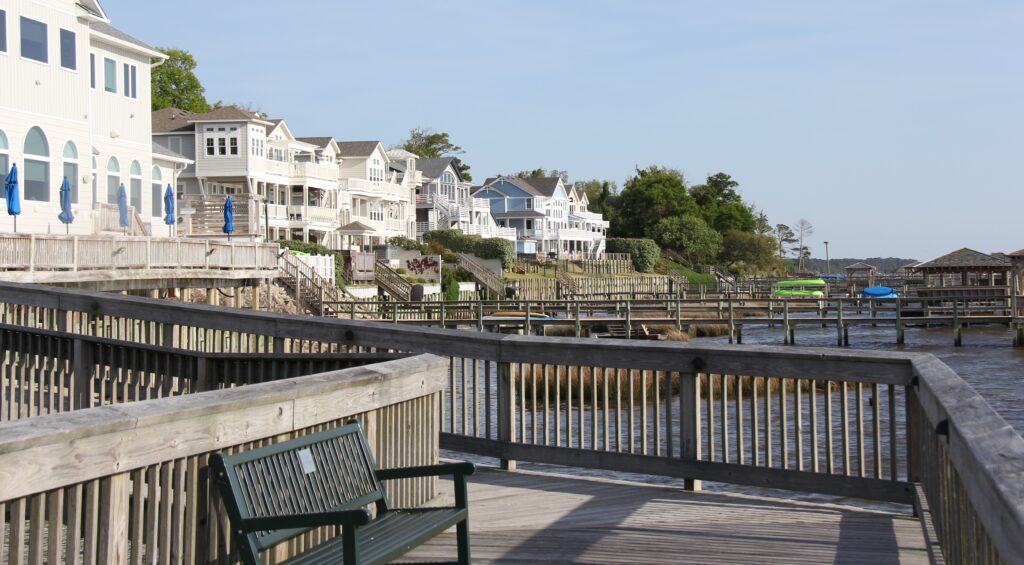
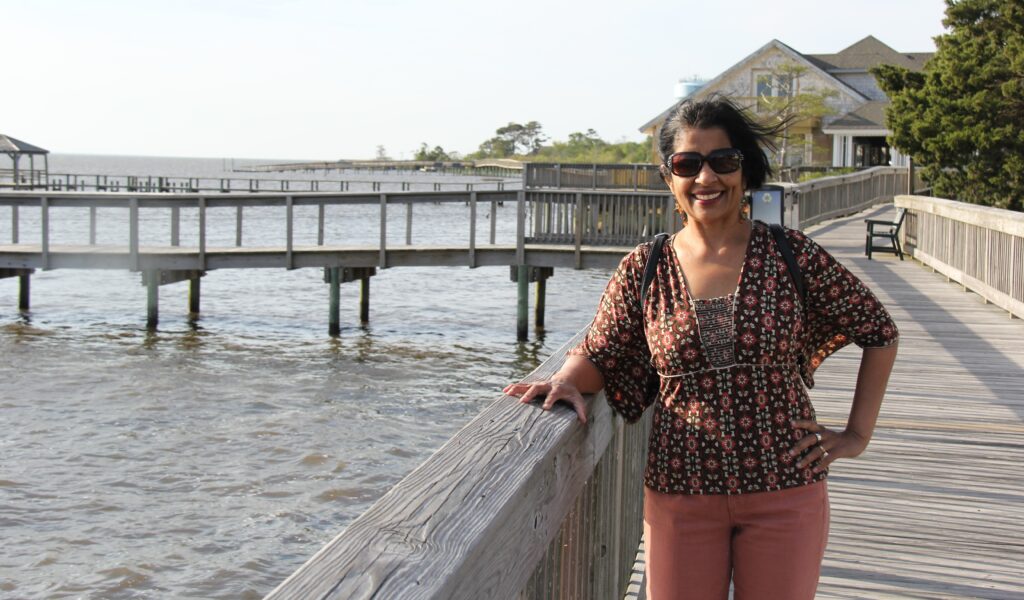
- Duck Town Boardwalk
- Write Brothers National Memorial
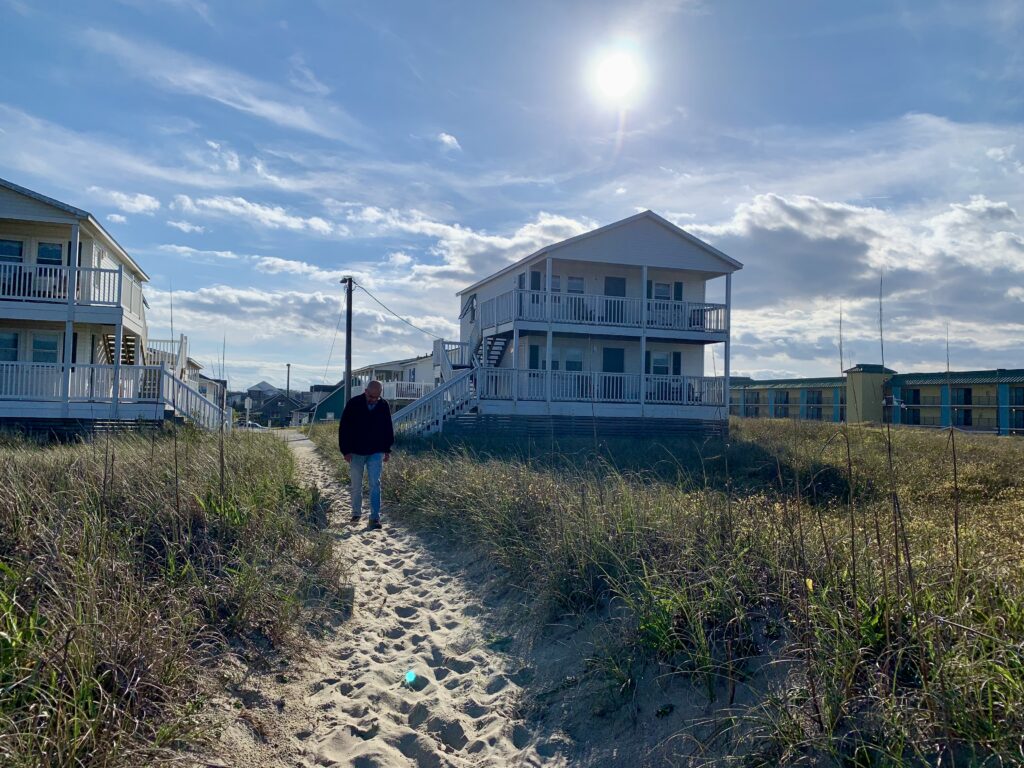
Airbnb – Our Airbnb in Kill Devil Hills overlooked the ocean, with the beach just a few feet away. We spent our evenings walking along the shoreline and enjoyed watching the sunrise from our patio in the morning.
Lighthouses – We visited three different lighthouses around the Outer Banks, each offering its own unique history and stunning coastal views.
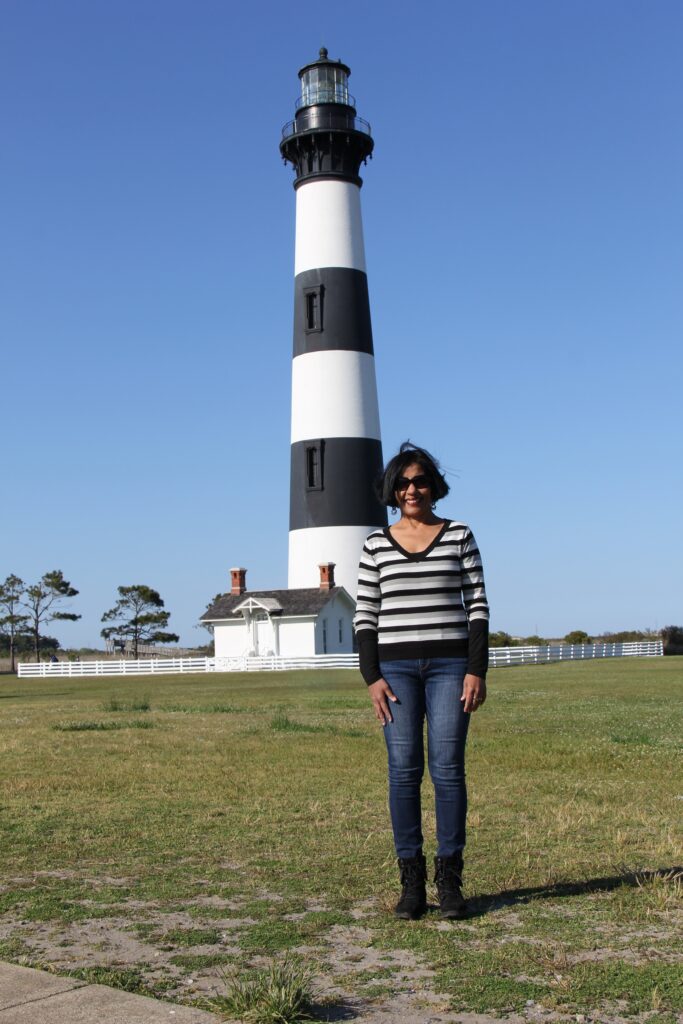
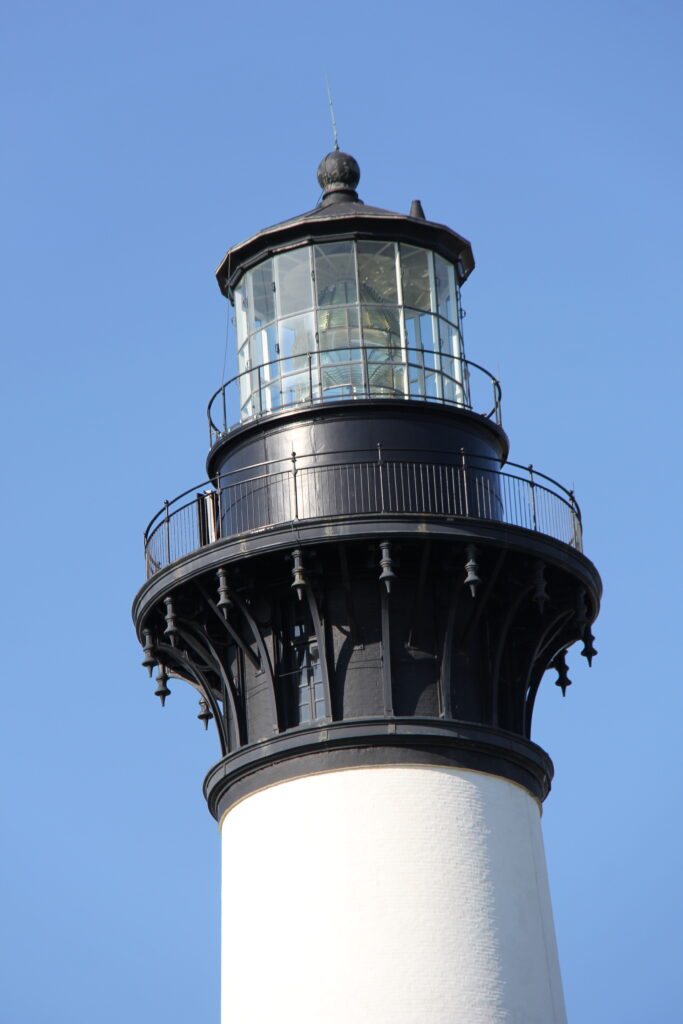
Bodie Island Lighthouse in Cape Hatteras National Seashore – This structure is the 3rd lighthouse to stand on this site. The first lighthouse built in 1848, stood 57-feet tall on an unstable foundation, which became unsafe and was razed. In 1861, the 90-foot tall second Lighthouse was blown up by the confederate troops during the Civil War. The 3rd lighthouse was built in 1872 and stands at 164.4 feet tall. The lantern room at the top holds a first-order Fresnel lens. The light can be seen 19 miles away.
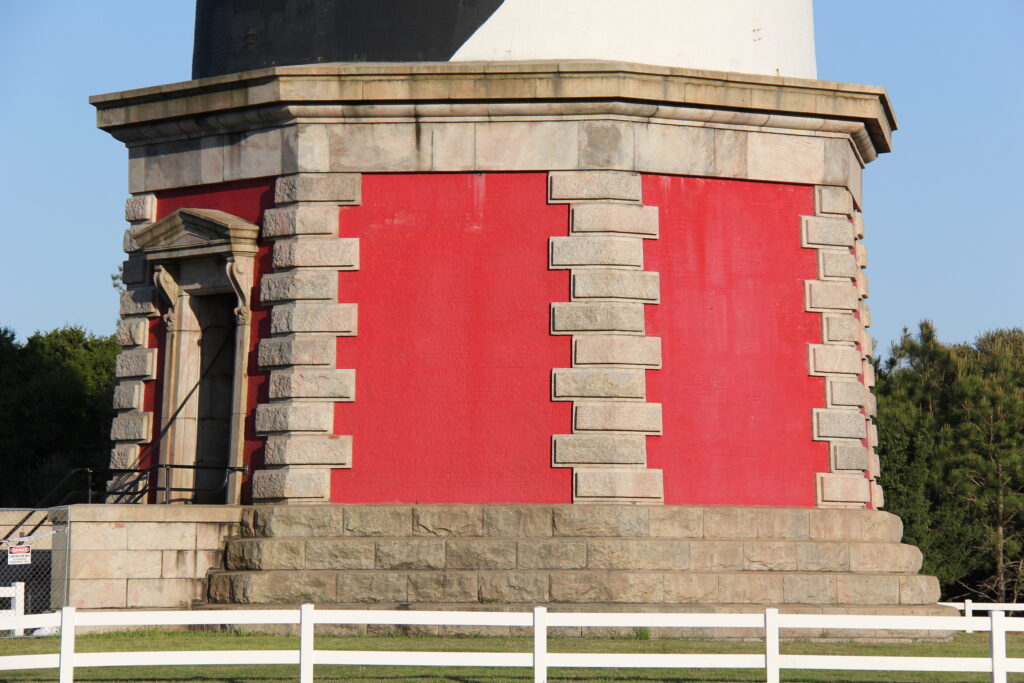
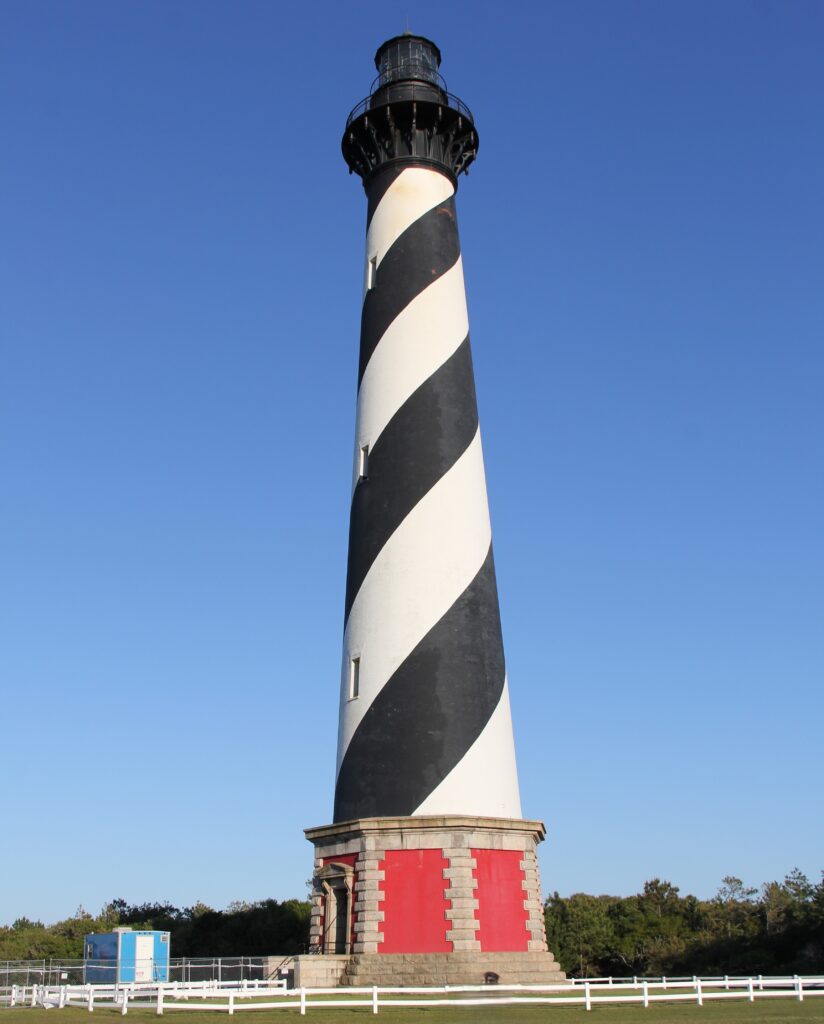
Cape Hatteras Lighthouse in Buxton – This black-and-white spiral striped Lighthouse stands at 208 feet tall and is the tallest brick lighthouse in the United States, built from 1.25 million bricks. It was constructed to guide ships past Diamond Shoals, a perilous area known as the Graveyard of the Atlantic. To protect it from severe shoreline erosion, the entire structure was relocated 2,900 feet inland in 1999. Today, its powerful beacon remains visible from up to 20 miles out at sea.
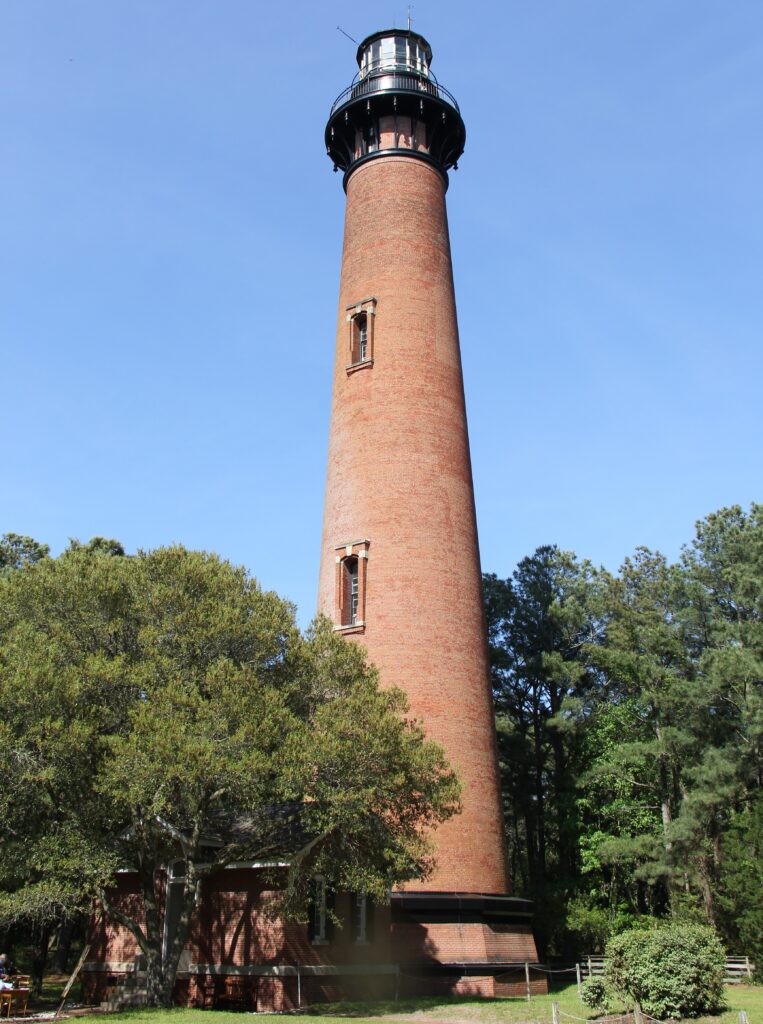
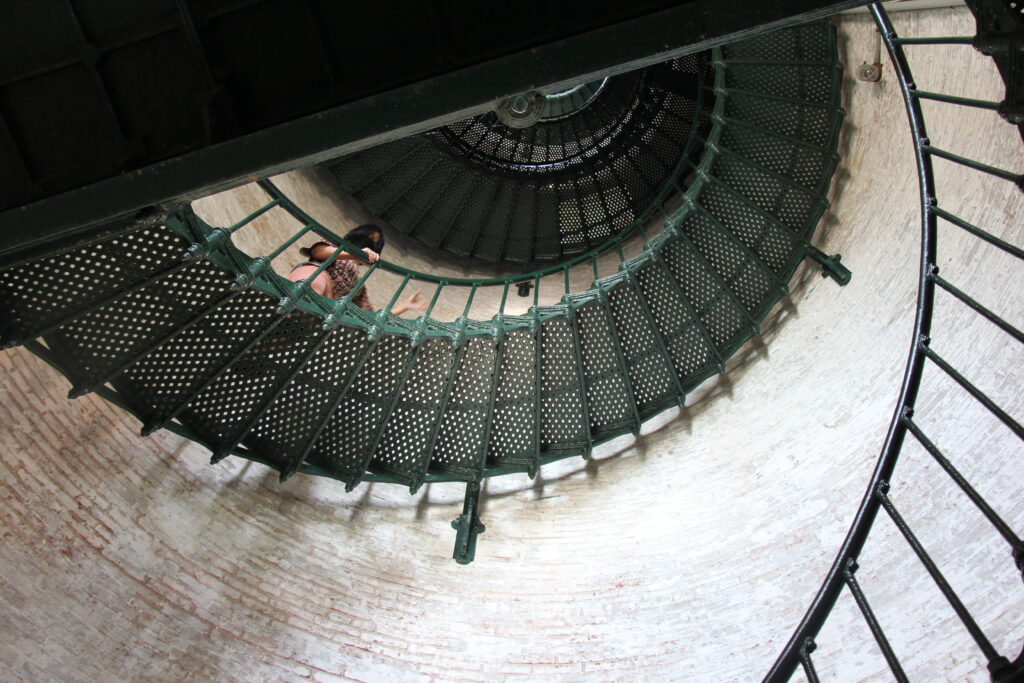
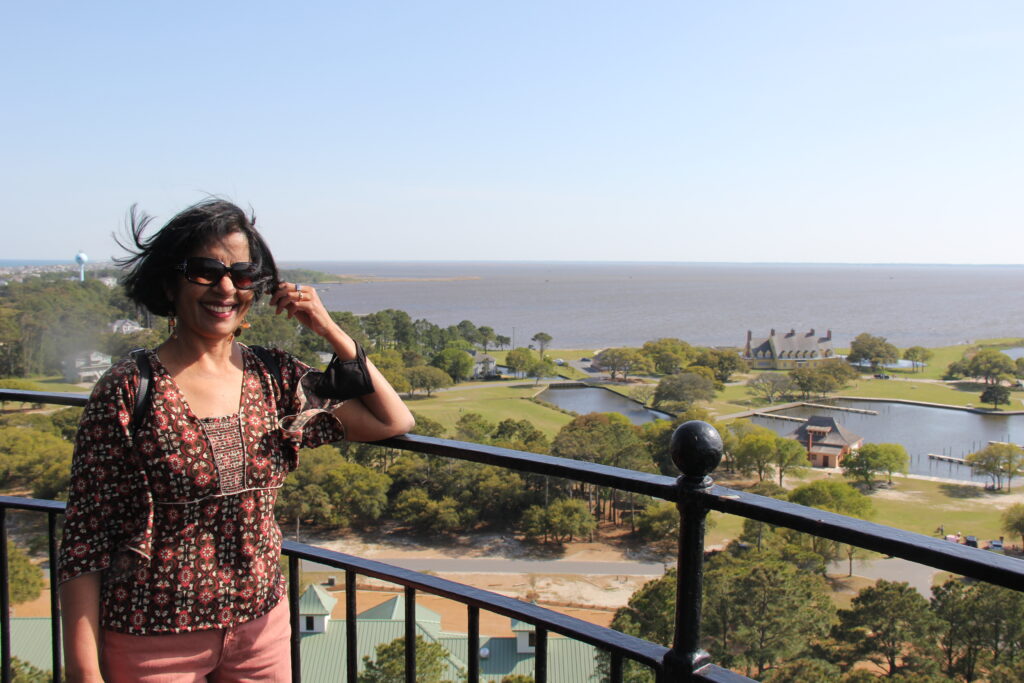
Currituck Beach Lighthouse in Corolla – On the northern outer banks this lighthouse has protected the North Carolina shore since 1875. Made roughly of 1 million red bricks, this active lighthouse’s exterior differs from a more common black and white color scheme to the south. The lighthouse was open for climbing and there are 220 steps to the top.
It is one of the only lighthouses in America that still houses its original first-order Fresnel lens. The light continues to flash today at 20-second intervals, serving as a navigational aid. The beacon, which can be seen for 18 nautical miles, comes on at dusk and ceases at dawn.
Jennette’s Pier in Nags Head – There are several piers in and around Outer Banks and Jannette’s Pier is one of the must-visit piers. This pier is unique because it is powered by the wind, as evidenced by the windmills on it. The massive pier stretches 1,000 feet into the Atlantic and is a popular fishing pier and aquatic educational center operated by the North Carolina Aquariums with regular public demonstrations. The fishing and educational attraction also hosts wedding receptions and offers a public beach access with bathrooms and showers.
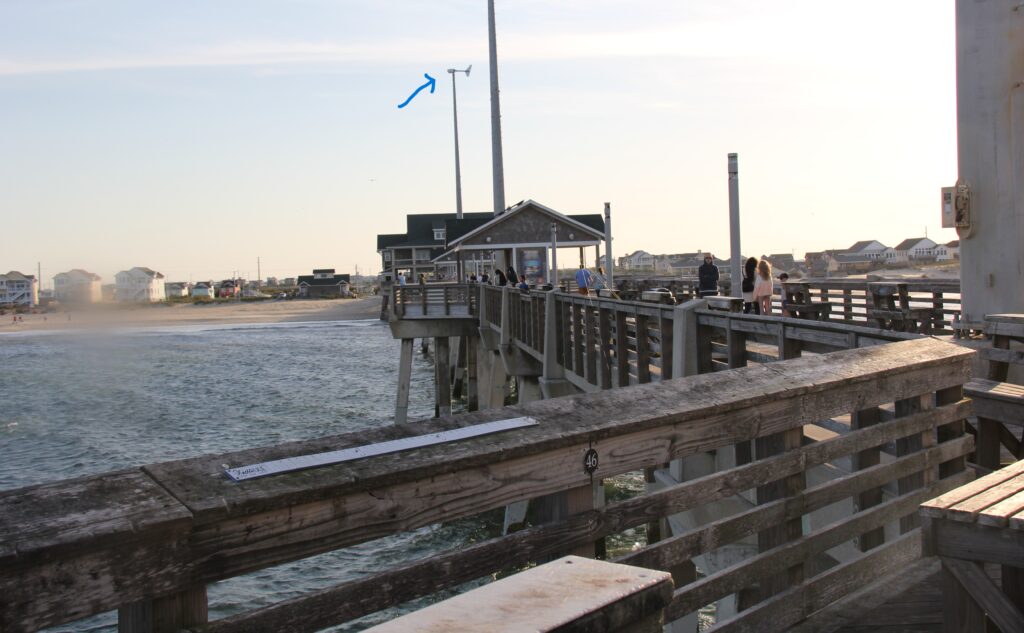
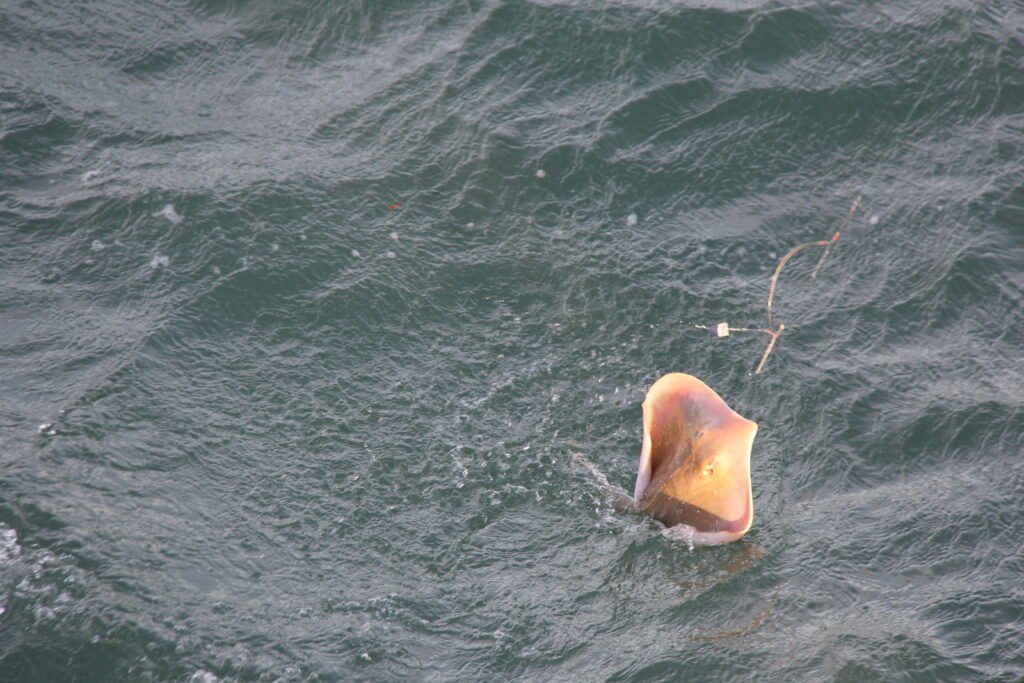
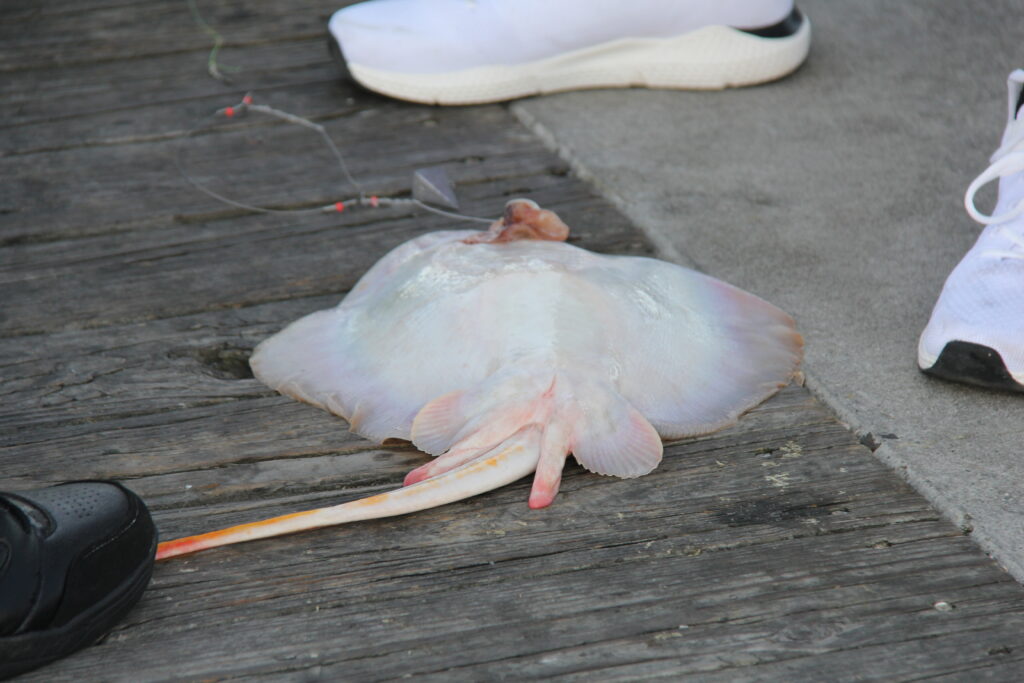
We even paused to watch a few anglers in action, and got to see one of them reel in a stingray, which definitely added some excitement to the day.
Avalon Fishing Pier in Kill Devil Hill – This pier is a must see if you love fishing. Built in 1958, it is 700 feet long, stretching out to the Atlantic Ocean over 12-15 feet of water. It is also one of the area’s oldest and most beloved fishing piers, popular with both locals and visitors. The pier house features a bait and tackle shop, rod and reel rentals, a snack bar, and a large arcade complete with pool and foosball tables, making it a great spot for the whole family.
Duck Town Boardwalk – is part of Duck Town Park, an 11-acre sound-side park in the town of Duck. This mile-long wooden boardwalk runs along the Currituck Sound, linking the park with nearby shops, restaurants, and the village’s commercial area. Along the way, visitors can relax on benches and enjoy beautiful sunset views over the water. The boardwalk also provides easy access to park amenities, including kayak launches, picnic areas, and scenic spots perfect for strolling, sightseeing, and watching life go by.
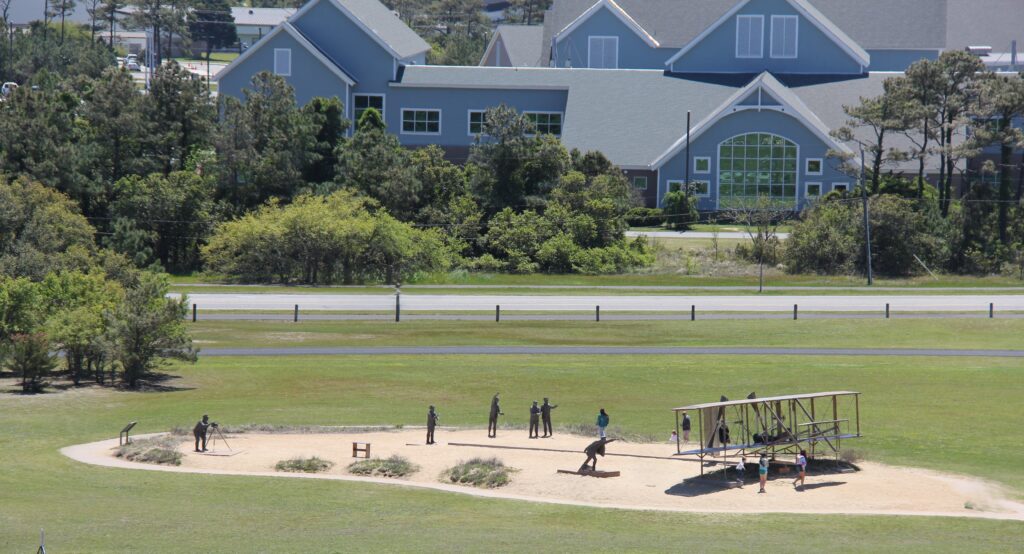
Write Brothers National Memorial – commemorates the birthplace of flight. It was here that the Wright Flyer (aka Kitty Hawk) lifted off the sands of the Outer Banks for a 12-second flight in December 1903, an event that forever changed aviation in the United States. The Wright brothers required a windy, sandy, a place away from public eye to test their flyer and Kill Devil Hills in Outer Banks was the perfect place to do so. It was windy on the day we visited the place.
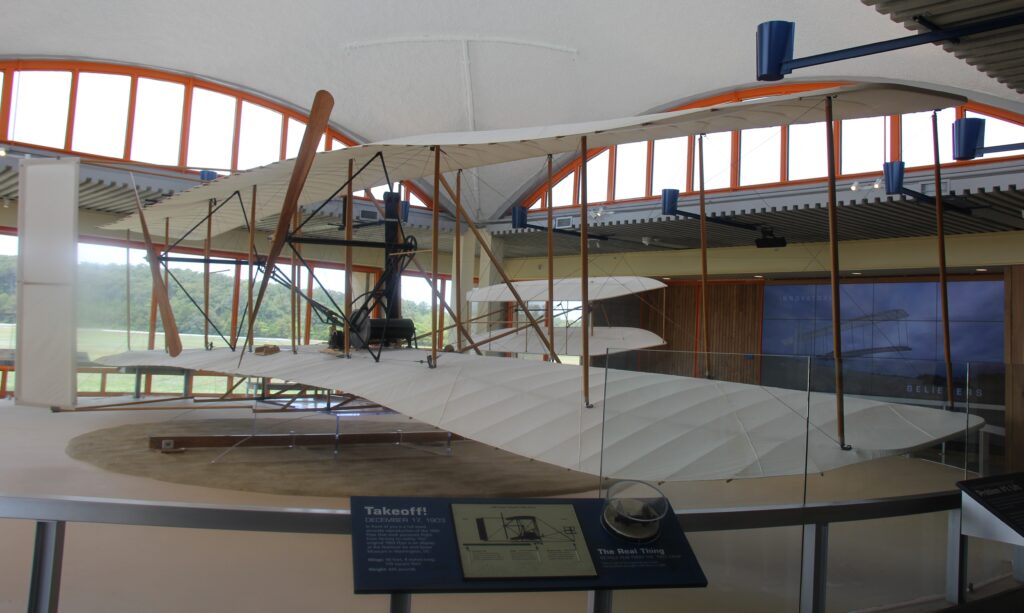
We first stopped by the visitor’s center which has a working replica of the Wright Flyer.
There’s also a full-scale metal replica of the Wright Flyer on the memorial grounds
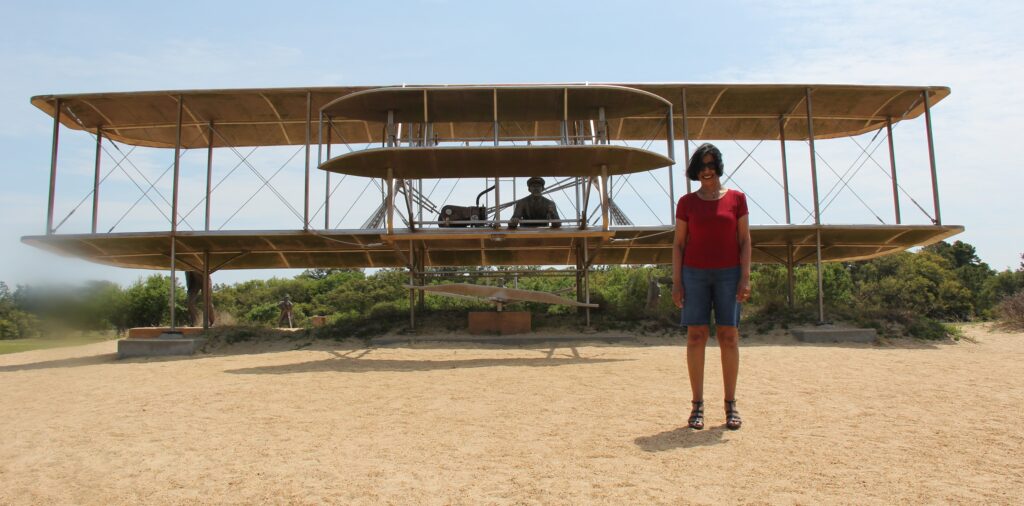
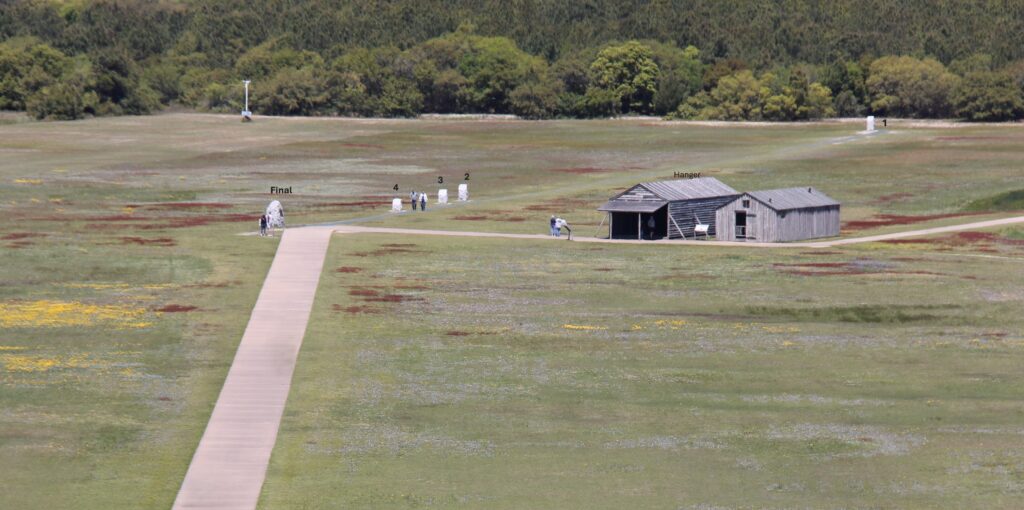
The Wright brothers made 4 flights from level ground near the base of the hill on Dec 17, 1903, in the Wright Flyer. It is possible to walk along the actual routes of the 4 flights, with small monuments marking their start and finishes. 2 wooden sheds, based on historic photographs recreate the world’s first airplane hanger and the brother’s living quarters.
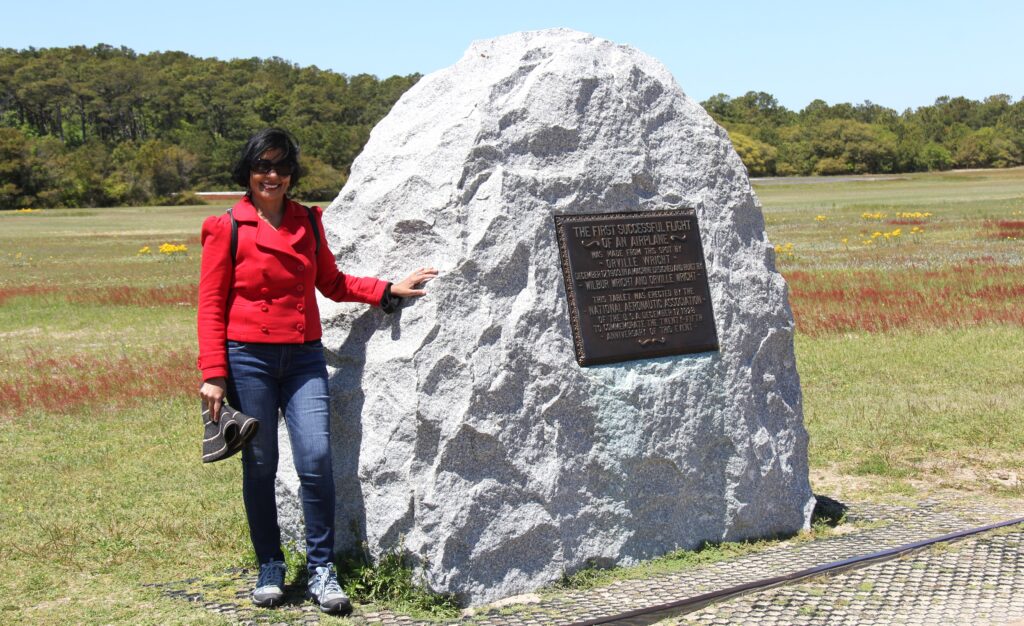
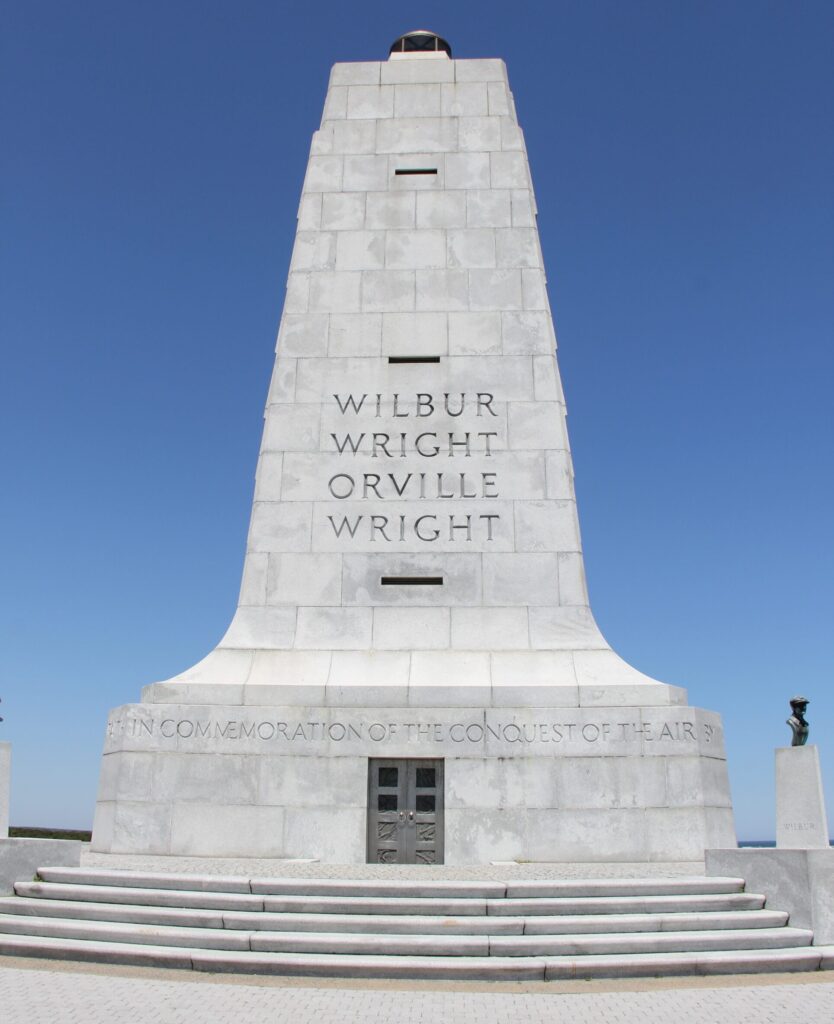
Wright Brothers Monument – a 60-foot tall granite monument dedicated in 1932 is perched atop the 90-foot tall Kill Devil Hill, commemorating the achievements of the Write Brothers. They conducted many of their glider tests on the massive shifting dune that was later stabilized to form Kill Devil Hill.