Honolulu is the capital and most populous city in state of Hawaii, located in the Pacific Ocean. Honolulu is Hawaiian for sheltered harbor or calm port.
- Waikiki
- Diamond Head State Monument
- Manoa Falls
- Memorial in Pearl Harbor
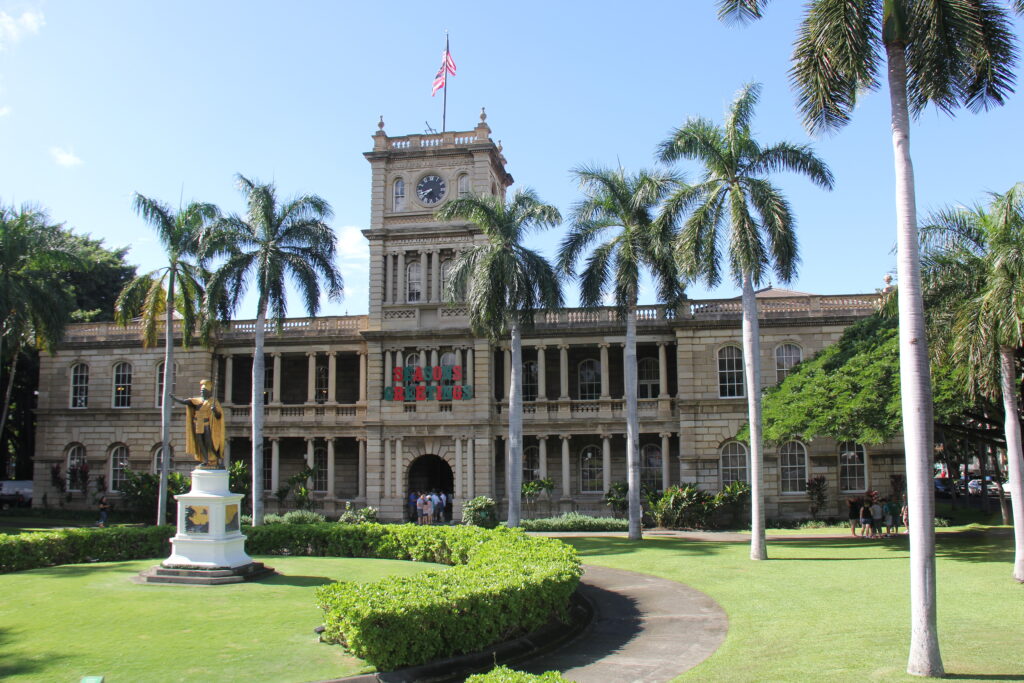
- Aliʻiōlani Hale
- National Memorial Cemetery of the Pacific (aka Punchbowl Cemetery)
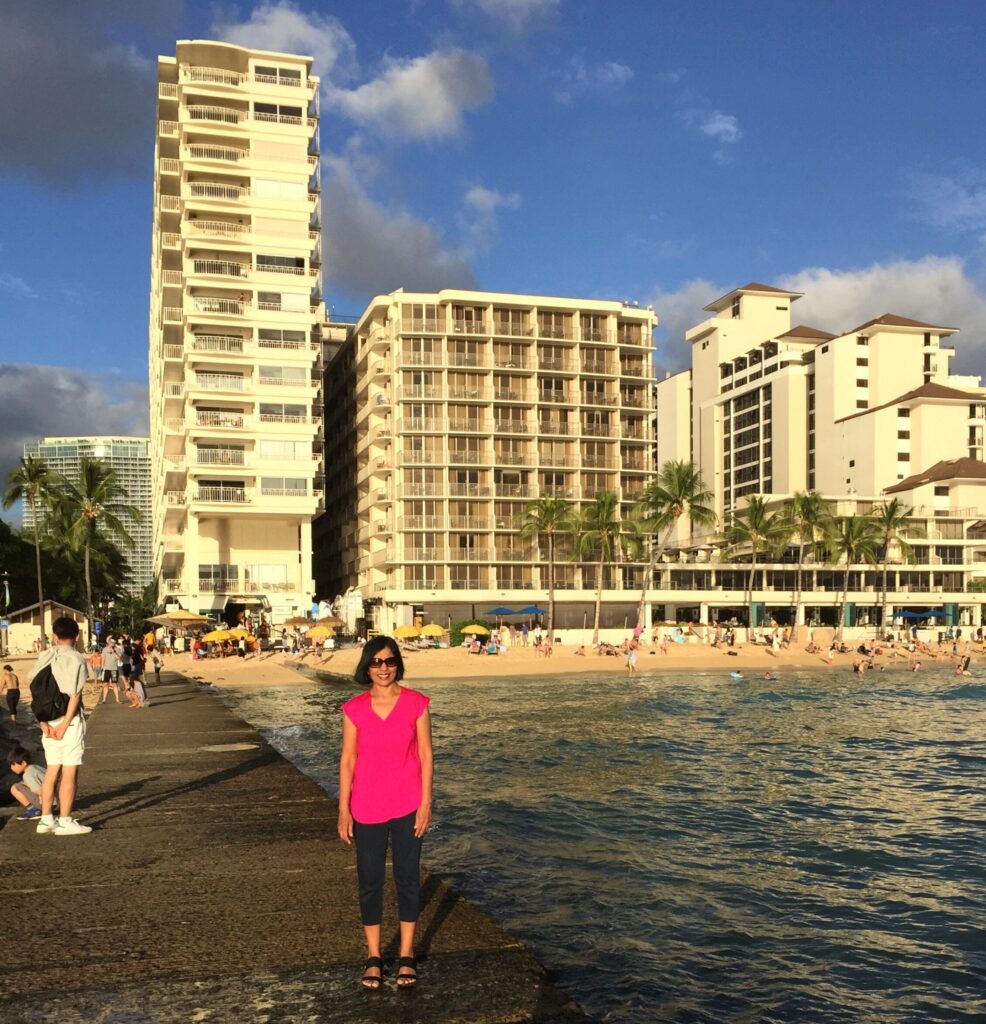
Waikiki – Honolulu is divided into three areas – Waikiki, Downtown, and Pearl Harbor. Most visitors will hit the Waikiki peninsula, known for its splendid beaches, surf culture, gorgeous hotels, and the highest concentration of restaurants and shops in the state of Hawaii. We stayed in one of the hotels in Waikiki with the beach at its doorstep.
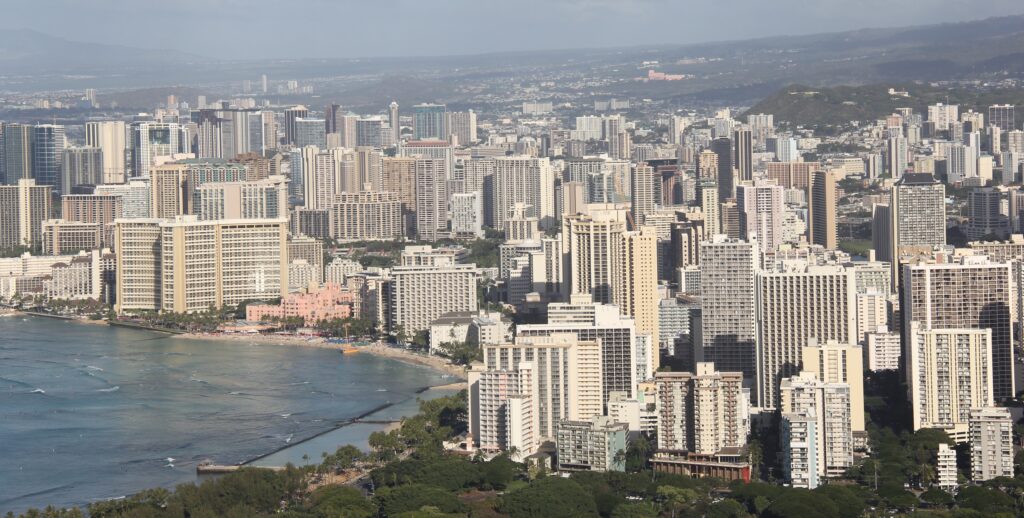
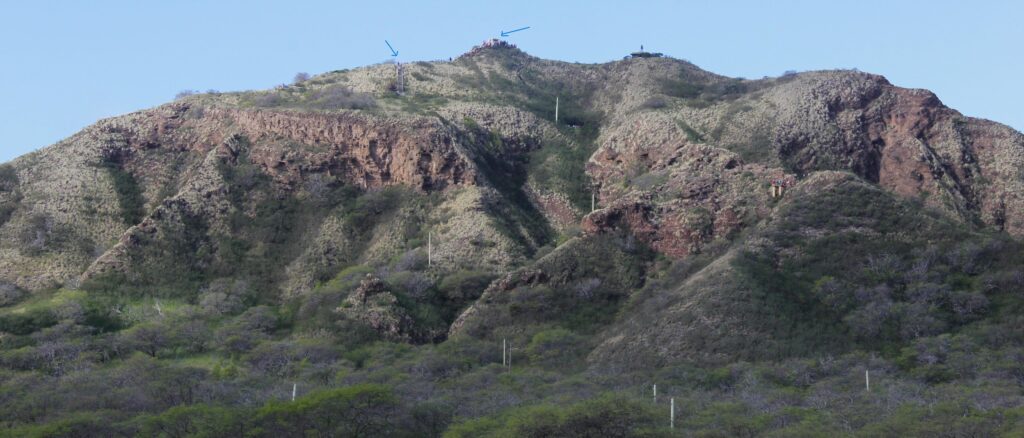
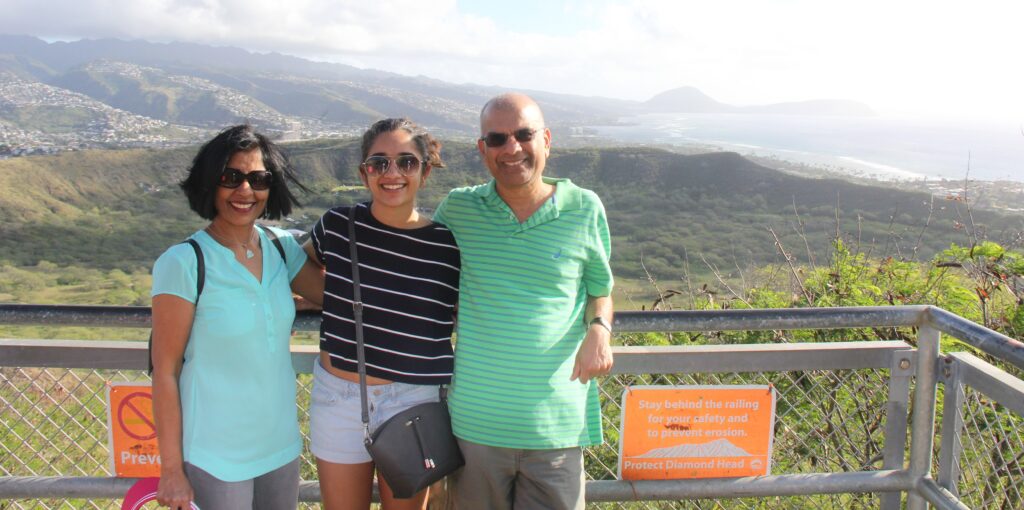
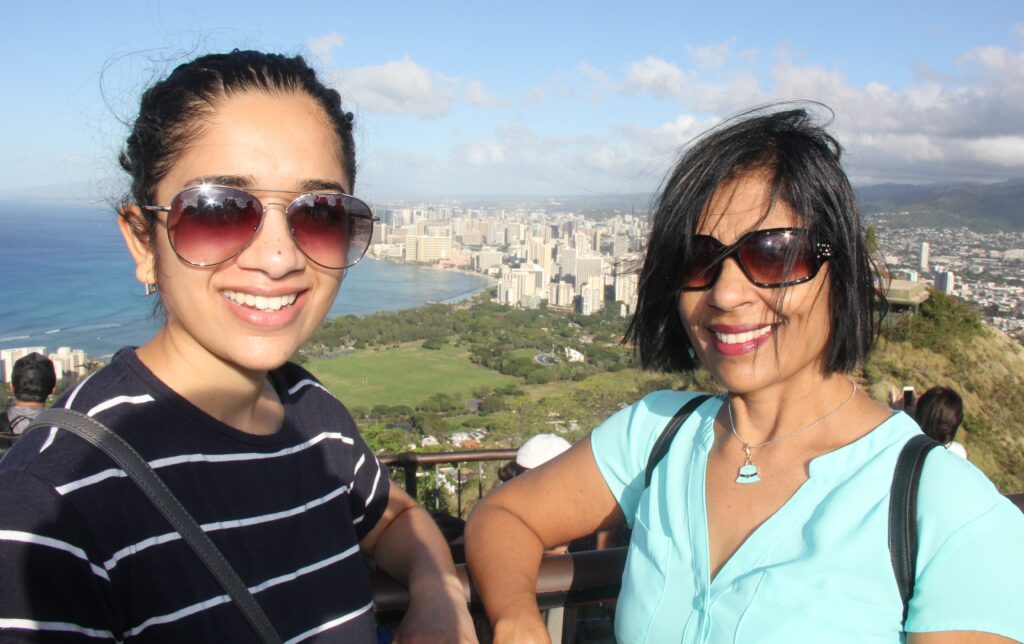
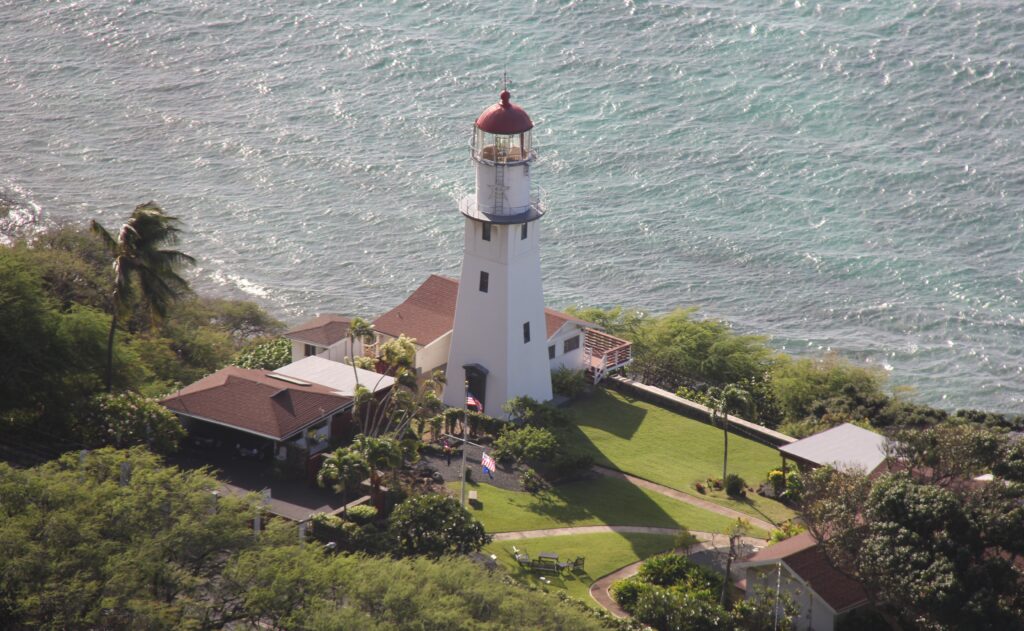
Diamond Head State Monument – Hiking the Diamond Head State Monument trail offers stunning views of Waikiki and the Oahu coastline. The 1.6-mile hike is rated easy-to-moderate with paved paths, switchbacks, stairs, and a shaded tunnel with an elevation gain of 560ft. It is a popular trail and hence will be crowded. Non-residents are required to book a reservation in advance and pay a fee that covers the entrance and parking. The park opens at 6am.
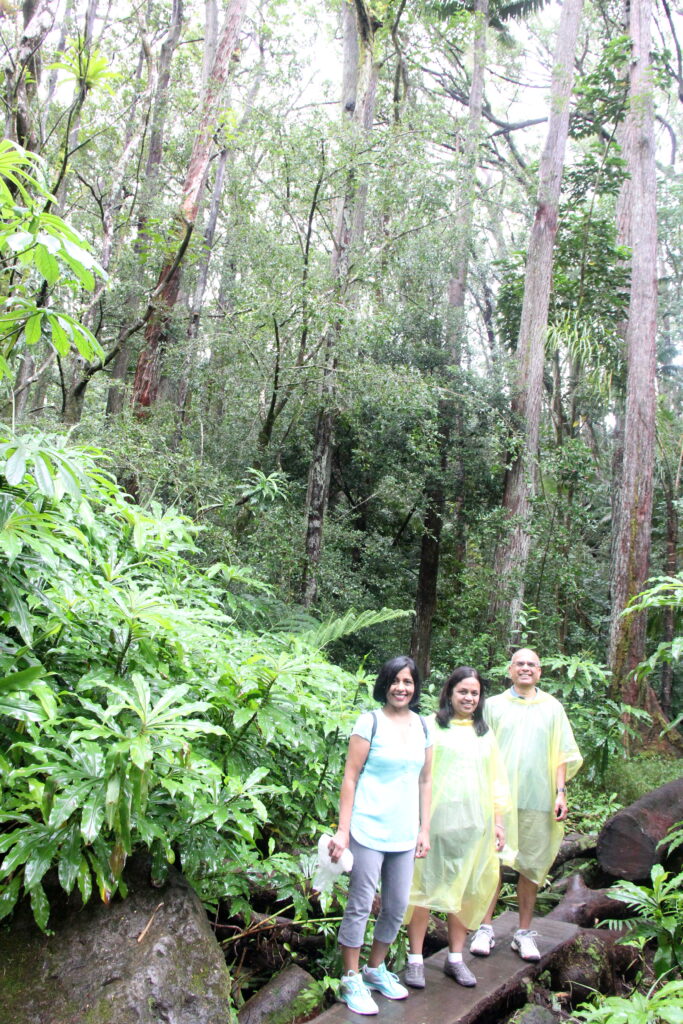
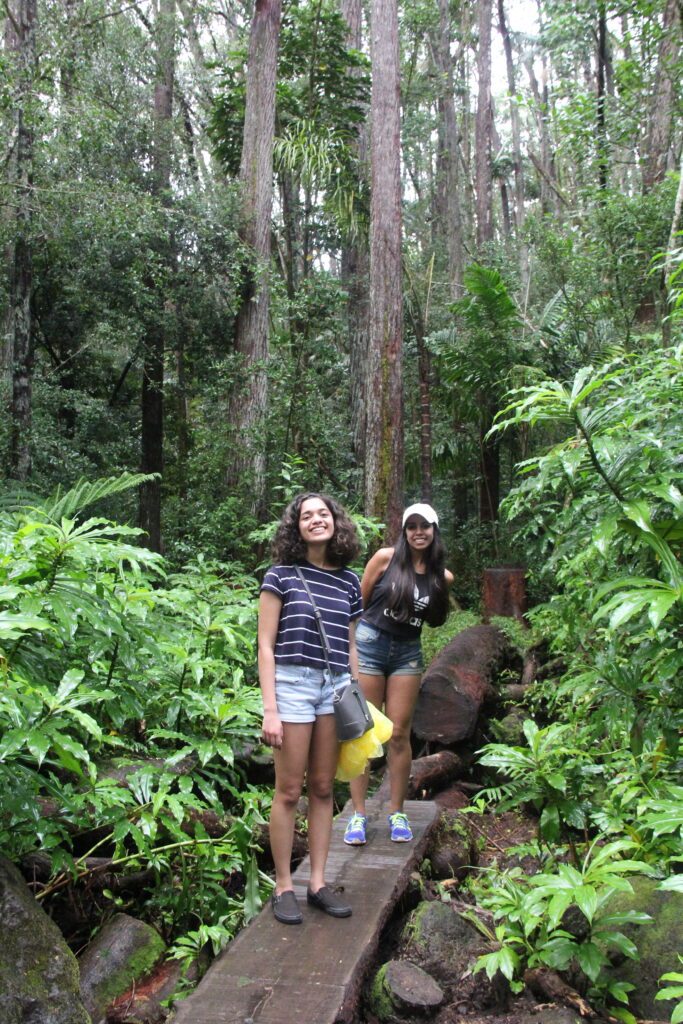
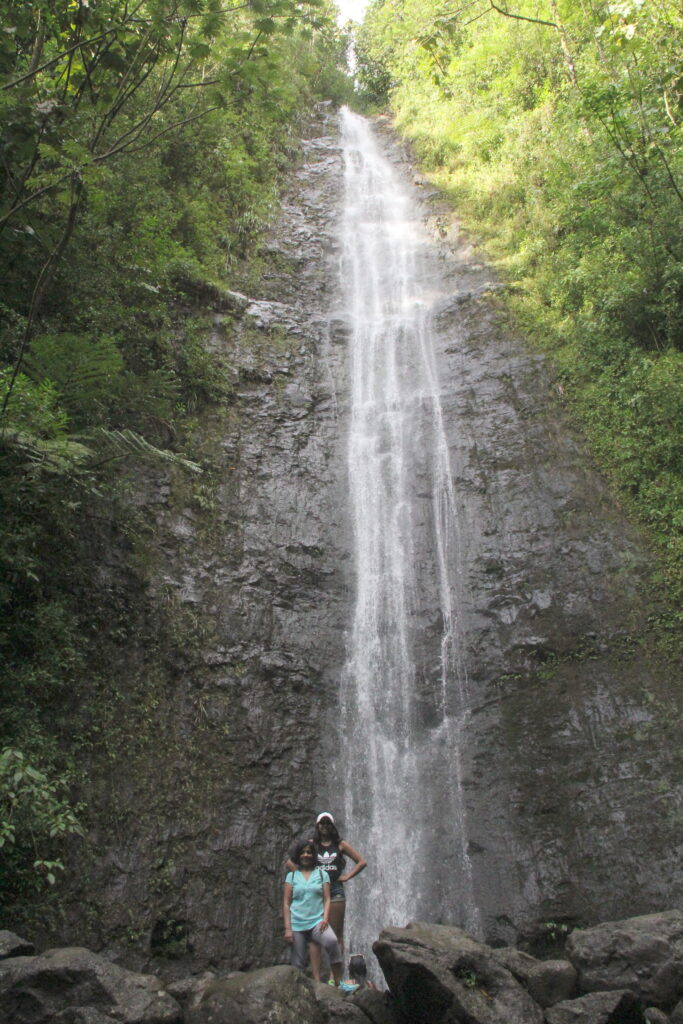
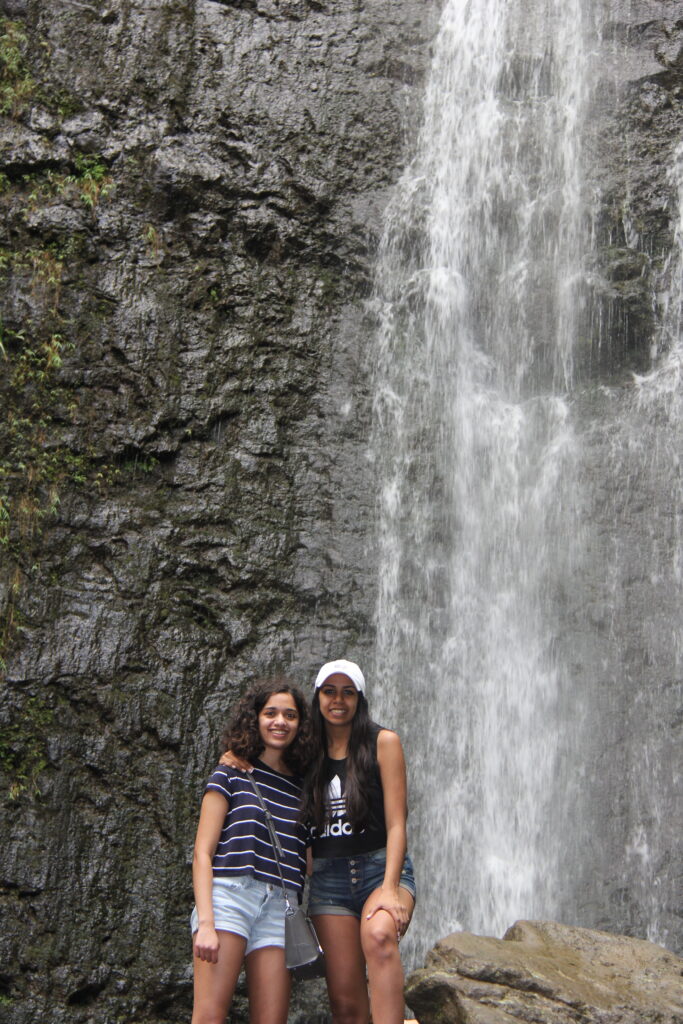
Manoa Falls – is a 150 ft waterfall in a lush rainforest, accessible via a popular, family-friendly hiking trail from near Waikiki. The trail, which can be muddy, leads to the waterfall and features scenic Banyan trees, ferns, and bamboo. While the hike itself is free, a parking fee is required at the trailhead. Swimming is prohibited due to risks of disease and falling rocks. The 1.6-mile round trip typically takes 1-2 hours to complete.
Memorial in Pearl Harbor – honors the lives affected by the December 7, 1941, attack by Japan. This pivotal moment in global history marked the United States’ entry into World War II, impacting nations and communities worldwide.
Pearl Harbor National Memorial is comprised of the USS Arizona, USS Missouri, USS Utah, USS Oklahoma Memorials, and the Pearl Harbor Visitor Center. The memorial commemorates the events surrounding the December 7, 1941 attack and honors the thousands of Americans who served and died on that day.
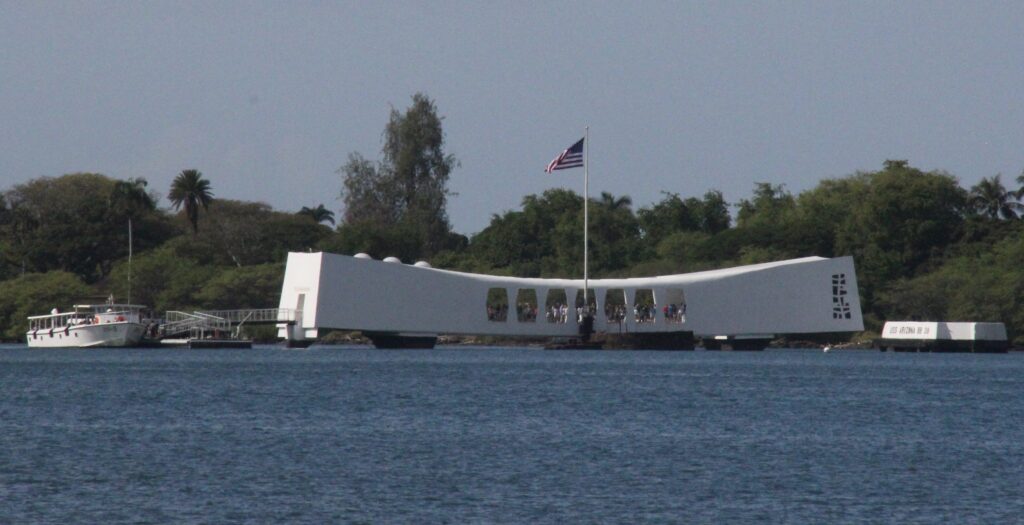
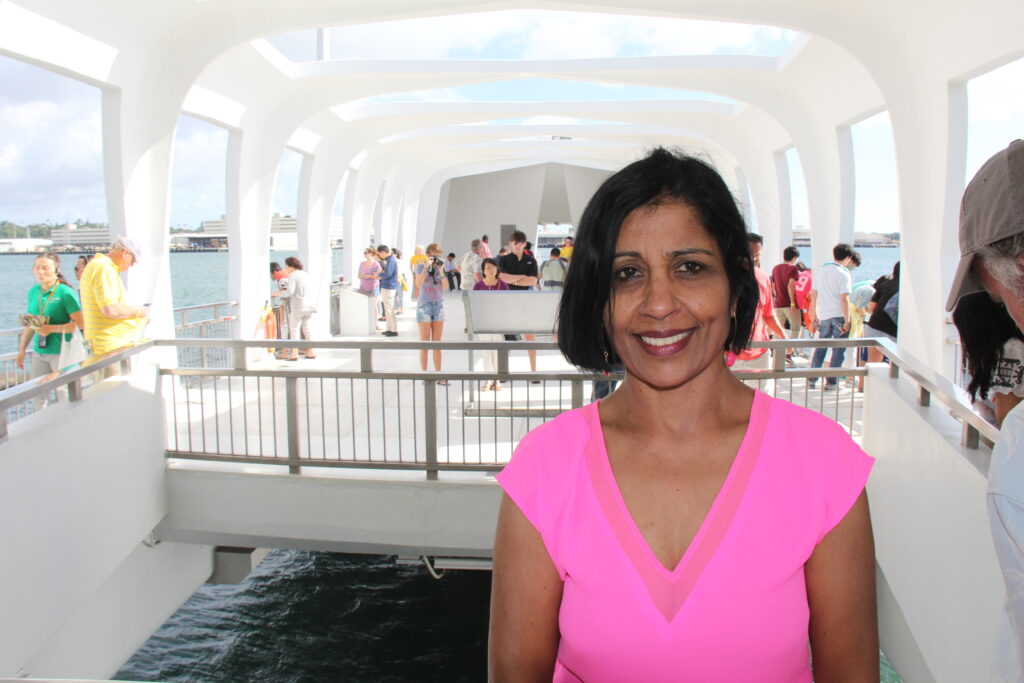
Pearl Harbor, USS Arizona Memorial – This memorial floats above the sunken remains of the USS Arizona, which was destroyed, along with 1,177 crew members, on December 7, 1941. Free tours of the memorial begin at the Pearl Harbor Visitor Center with a film about the attack and its historical context, after which visitors board a U.S. Navy boat and are brought to the memorial. Inside the USS Arizona memorial, you can view the massive marble wall, which is engraved with the names of all who lost their lives when the ship was bombed.
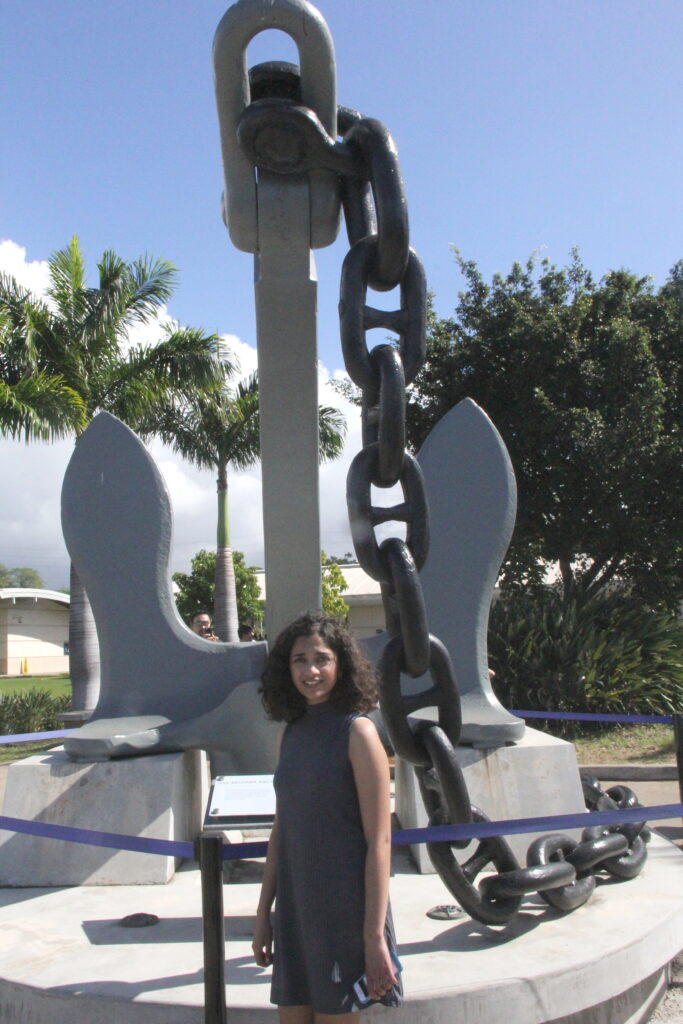
The anchor from the USS Arizona, is displayed at the Pearl Harbor National Memorial visitor center as a memorial to the 1,177 sailors who perished. The nearly 10-ton anchor was one of three, the ship carried, and it was blown into the harbor when the USS Arizona was hit by a bomb. A second anchor, recovered during salvage operations, is on display in Wesley Bolin Plaza in Phoenix, Arizona.
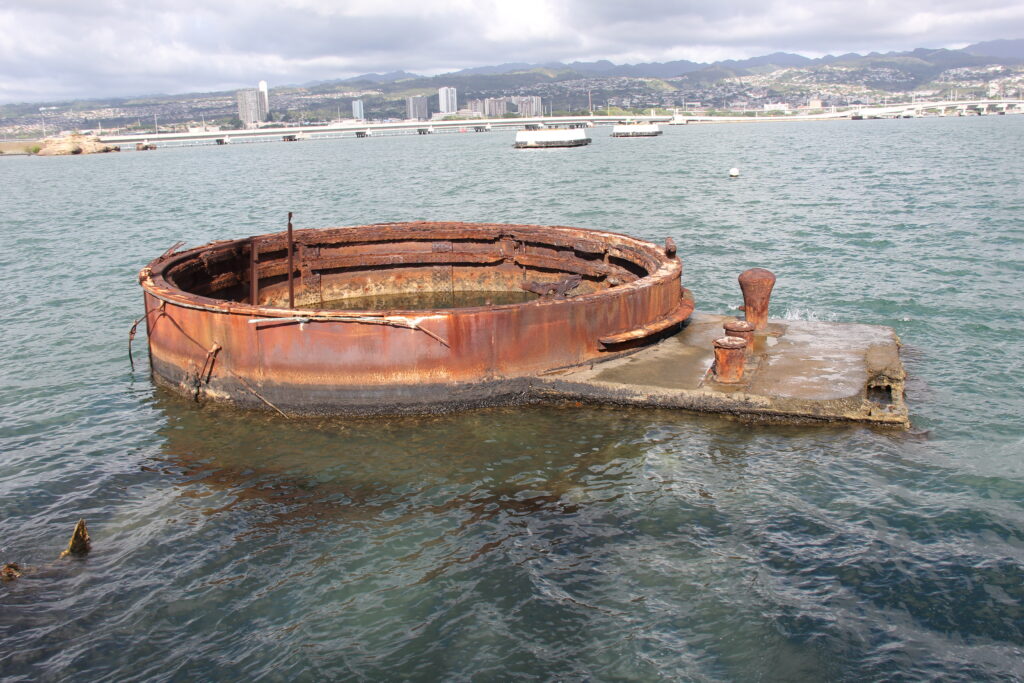
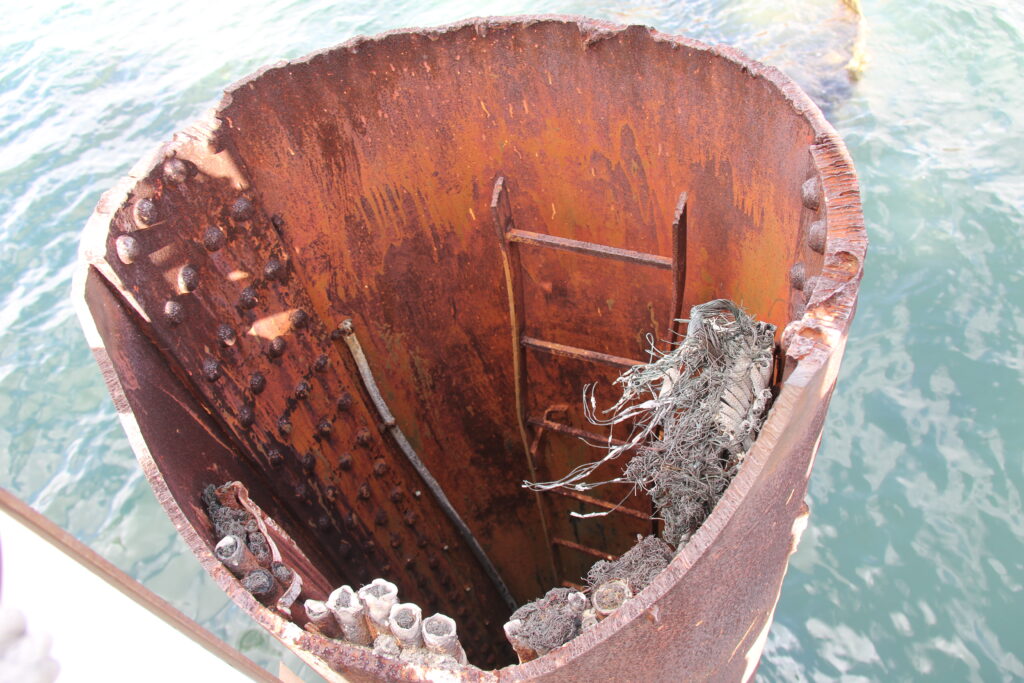
Visiting USS Arizona memorial is popular and visitors need to book their reservations in advance. Visitors are no longer able to buy tickets on arrival.
——————————-
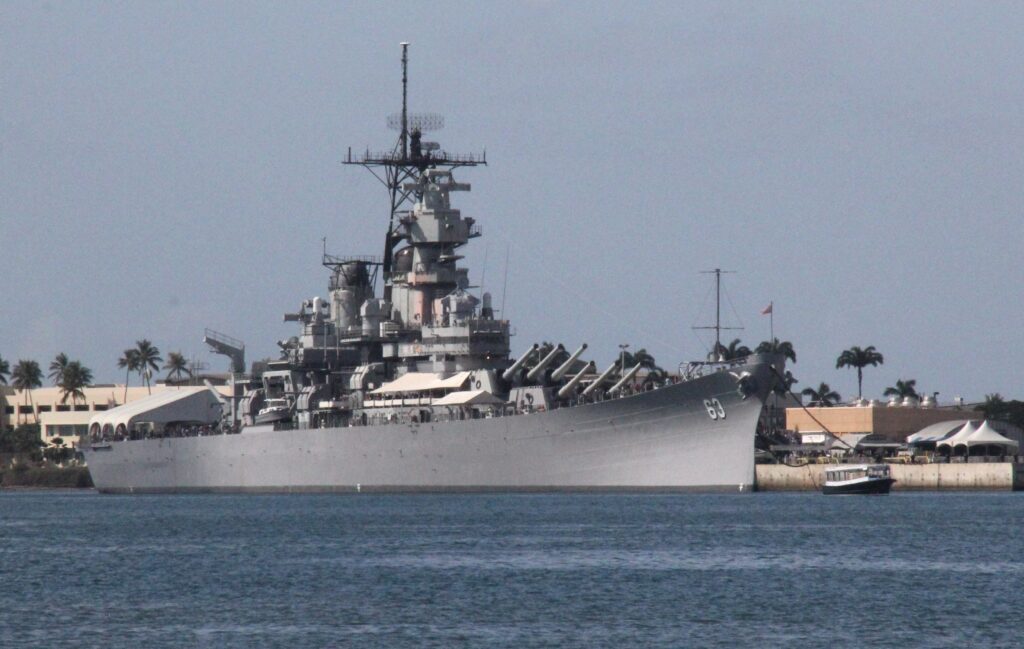
Pearl Harbor, Battleship Missouri Memorial – Known as Mighty Mo, this is the ship where the formal surrender of Japan, which ended World War II, took place. USS Missouri was the last U.S. battleship ever built and the last active battleship in the world. World War II ended on her deck on September 2, 1945, with a formal ceremony and the signing of the Instrument of Surrender. You can visit the historic site of the Surrender Ceremony and tour the ship.
——————————-
Pearl Harbor, USS Utah 1911-1941 – a 21,825-ton Florida class battleship, was built at Camden, New Jersey and operated in the Atlantic during her first years of service, made a voyage to the Mediterranean in 1913 and took part in the Vera Cruz incident a year later. It was converted to a radio-controlled target ship in 1931, and spent the rest of her career in this role, with additional duties as an anti-aircraft gunnery training ship beginning in the mid-1930s. On December 7, 1941, the USS Utah, moored on the other side of Ford Island was hit by torpedoes at the start of the attack, quickly rolled over and sank. Fifty-eight of Utah‘s crew died. The ship was never salvaged and remains where it sank in Pearl Harbor. The USS Utah is only accessible to the general public through guided bus tours to Ford Island.
——————————-
Pearl Harbor, USS Oklahoma – On December 7, 1941, at 7:56 am, the Japanese launched a surprise attack on Pearl Harbor, targeting Battleship Row. The USS Oklahoma was struck by as many as nine torpedoes and within 12 minutes, at 8:08 am, the battleship capsized. Hundreds of men were trapped below deck, struggling in the pitch-dark, upside-down compartments as they filled with water. 429 officers, sailors, and Marines lost their lives, marking the second-greatest loss of life at Pearl Harbor after the USS Arizona.
——————————-
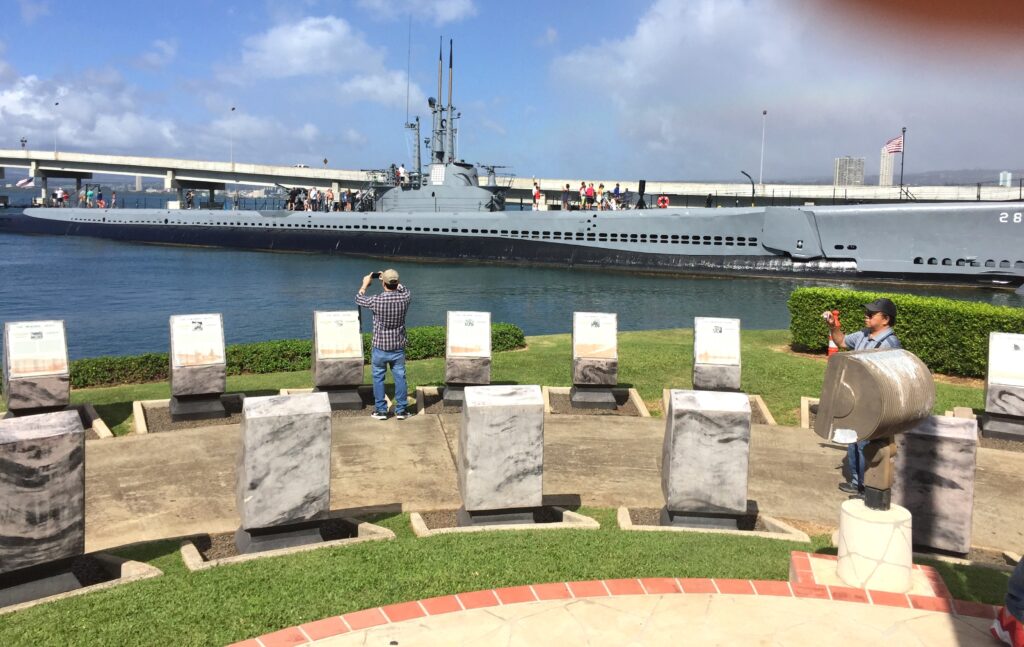
Pearl Harbor, USS Bowfin Submarine Museum and Park – The museum is situated within the Pearl Harbor Visitor Center complex. USS Bowfin is a fleet attack submarine that fought in the Pacific during WWII, and helped to make famous the term, Silent Service. Bowfin was launched on 7 December 1942, exactly one year after the attack on Pearl Harbor. She was nicknamed the Pearl Harbor Avenger and conducted nine war patrols between 1943 and 1945. War patrols of WWII are similar to what we think of as deployments today. Bowfin served in the Pacific and spent most of her patrols in the South China Sea, Celebes Sea, off the East coast of Japan, and into the Sea of Japan.
——————————-
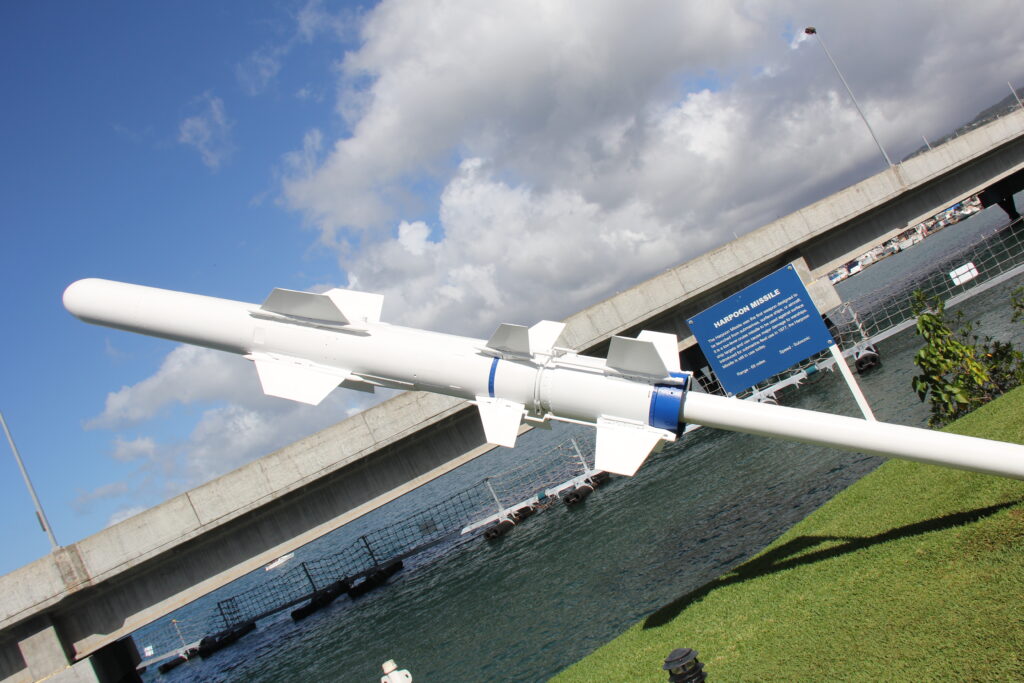
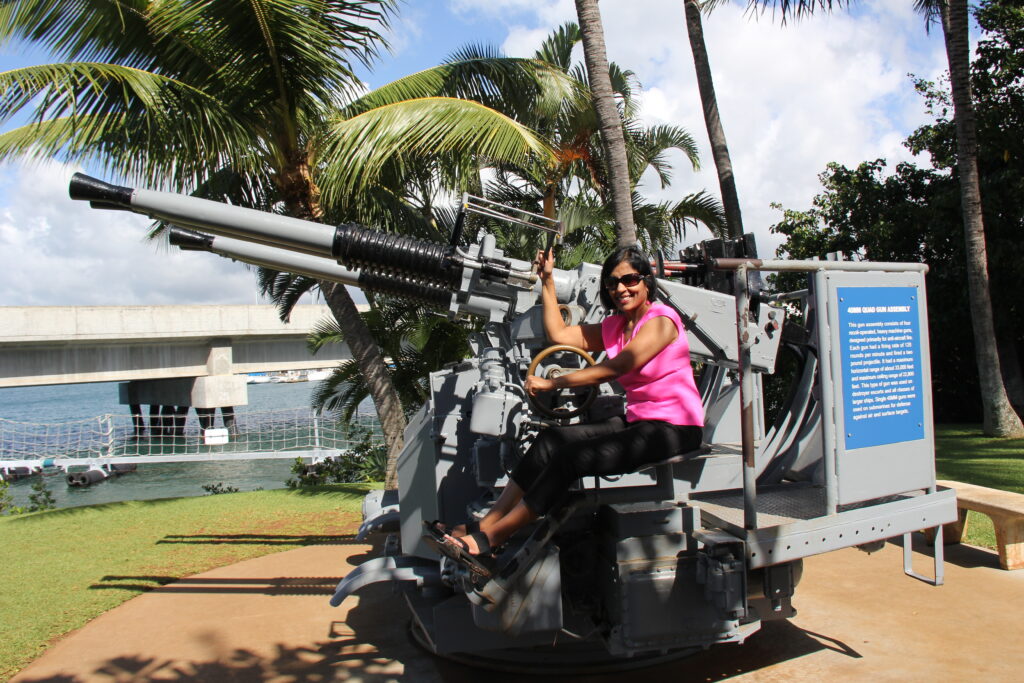
You have to buy a separate ticket to visit USS Bowfin Submarine Museum and Park. Some of the exhibits in the park includes Harpoon missile, 40mm quad gun assembly etc.
——————————-
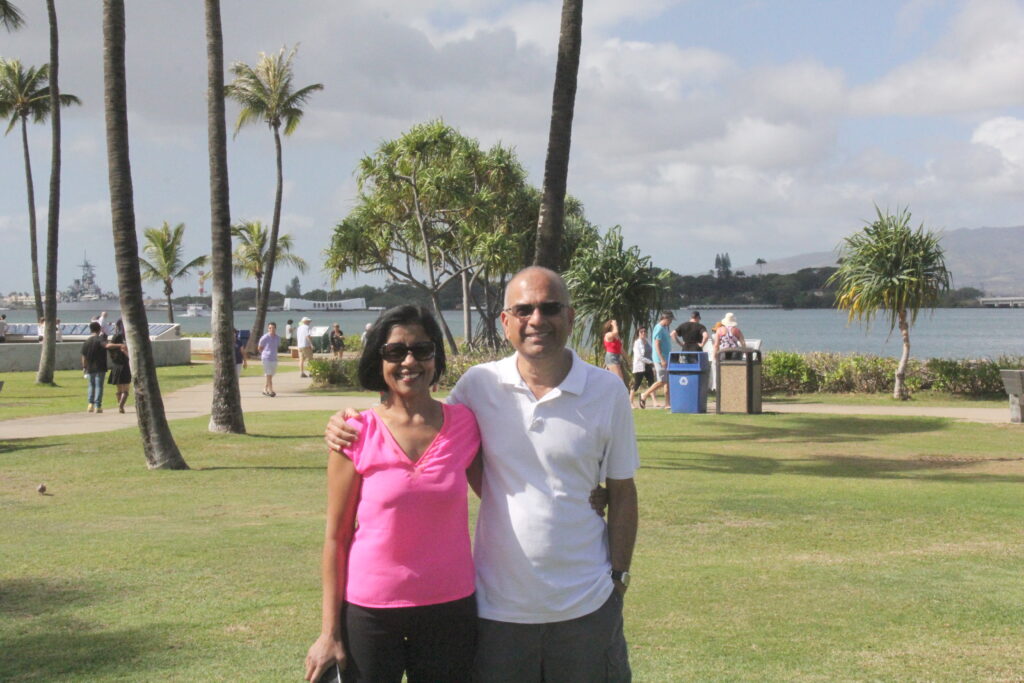
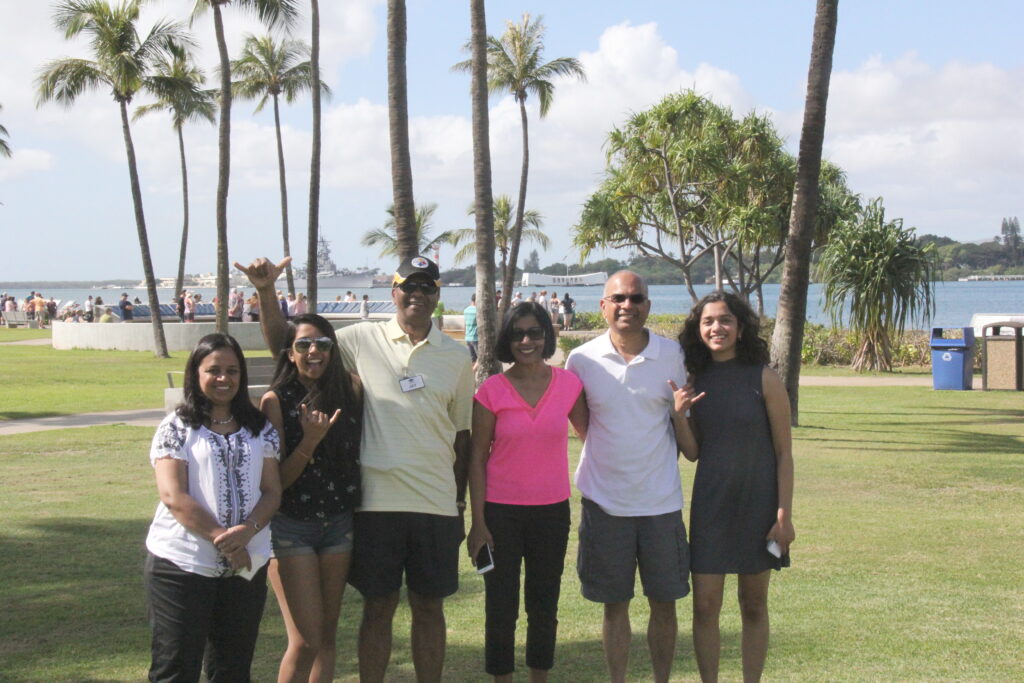
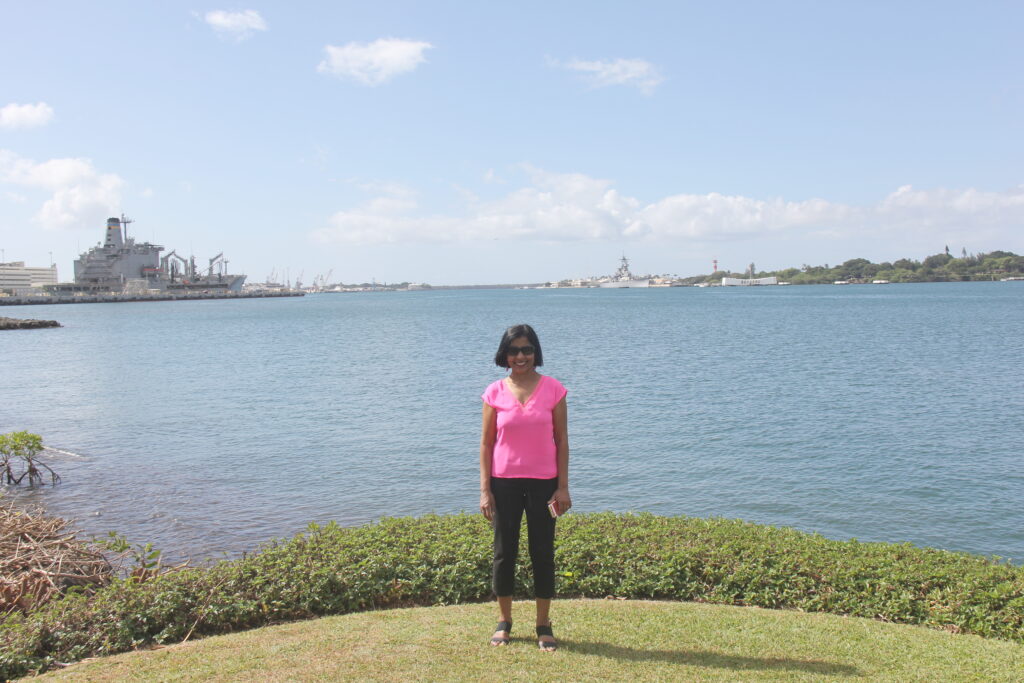
Some more pictures from Pearl Harbor…
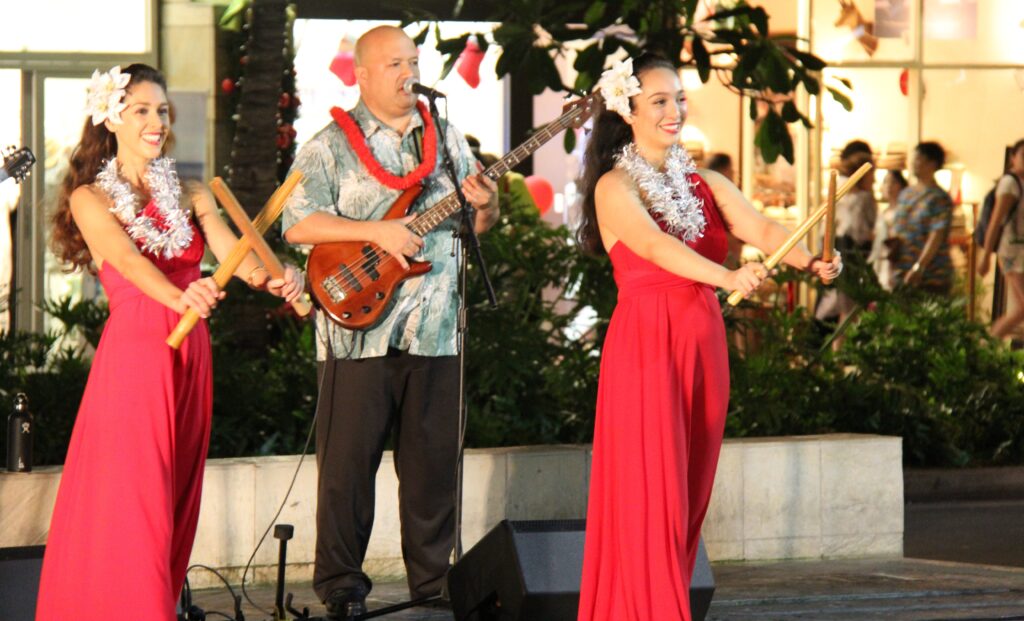
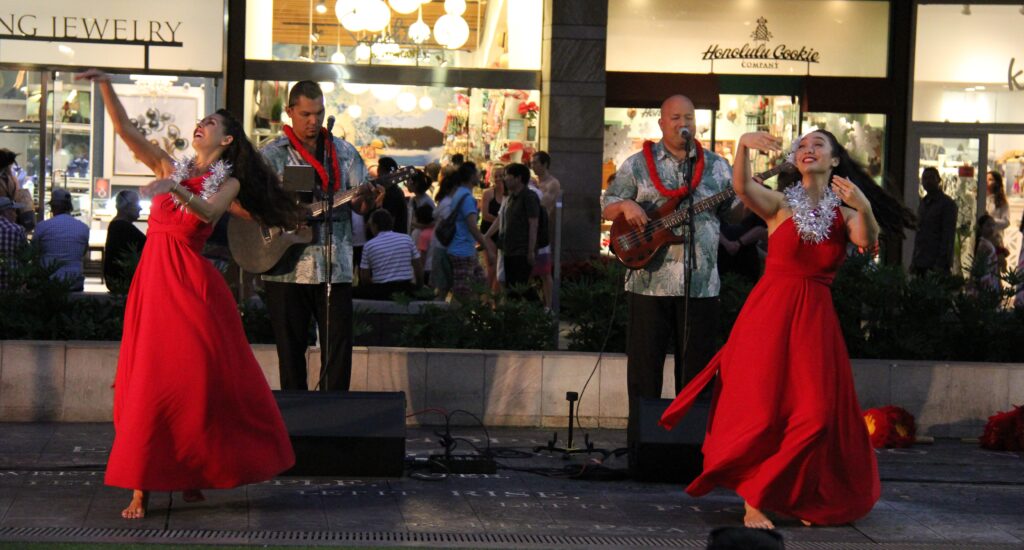
Hula, Hawaiian Dance – You can experience authentic Hawaiian dance, known as hula, on streets and public spaces in Honolulu, especially in Waikiki, at various free and paid events. We watched a free dance show on the streets in Waikiki.
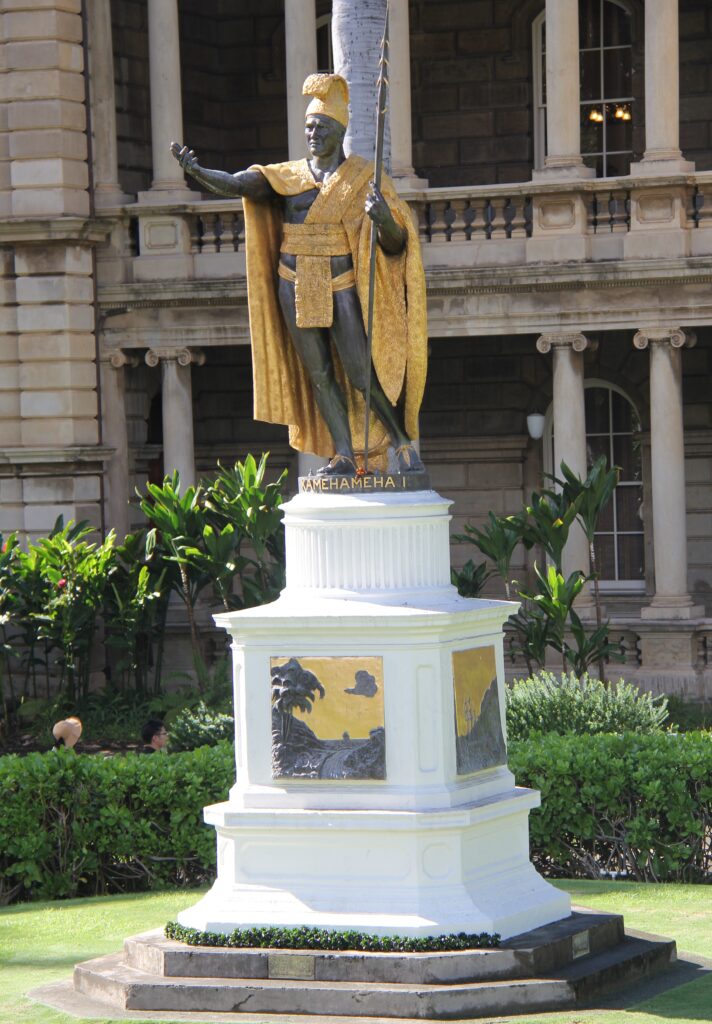
Aliʻiōlani Hale – is a building located in downtown Honolulu, currently used as the home of the Hawaii State Supreme Court. Located in the building’s courtyard is the famed gold leaf statue of Kamehameha the Great. The statue honors the monarch who founded the Kingdom of Hawaii (1795 to 1893)
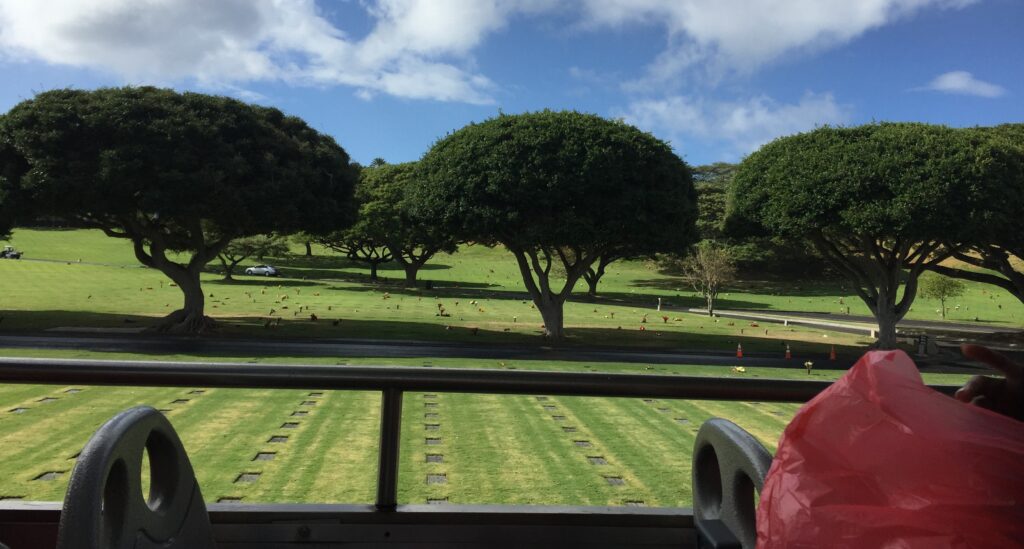
National Memorial Cemetery of the Pacific – This eye-catching memorial, informally known as Punchbowl Cemetery, is a national cemetery located at Punchbowl Crater in Honolulu. It serves as a memorial to honor those men and women who served in the US Armed Forces, and those who have been killed in doing so.
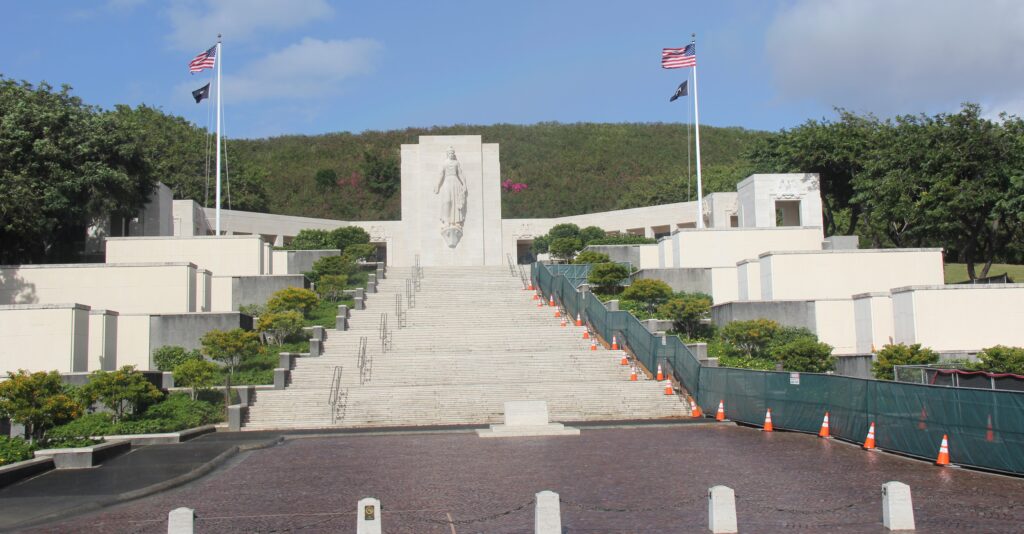
The memorial, with its meticulously maintained grounds and powerful symbolism, provides a peaceful setting for reflection and remembrance. Visitors to Punchbowl Crater not only witness the geological wonders of Hawaii but also pay respects to those who have dedicated their lives to the service and protection of their country.