One of the most charming cities in United States, Savanna is known as America’s first planned city. The city is laid out in a series of grids that allows for wide open streets intertwined with shady public squares and parks that served as town meeting places and centers of business. Savannah had 24 original squares; 22 squares are still in existence today. We spent an entire day walking from one delightful square to the next.
- City Hall
- Old City Exchange Bell
- Savannah Riverfront
- Squares of Savannah
- Forsyth Park
- Cathedral of St. John the Baptist
- Wormsloe Historic Site
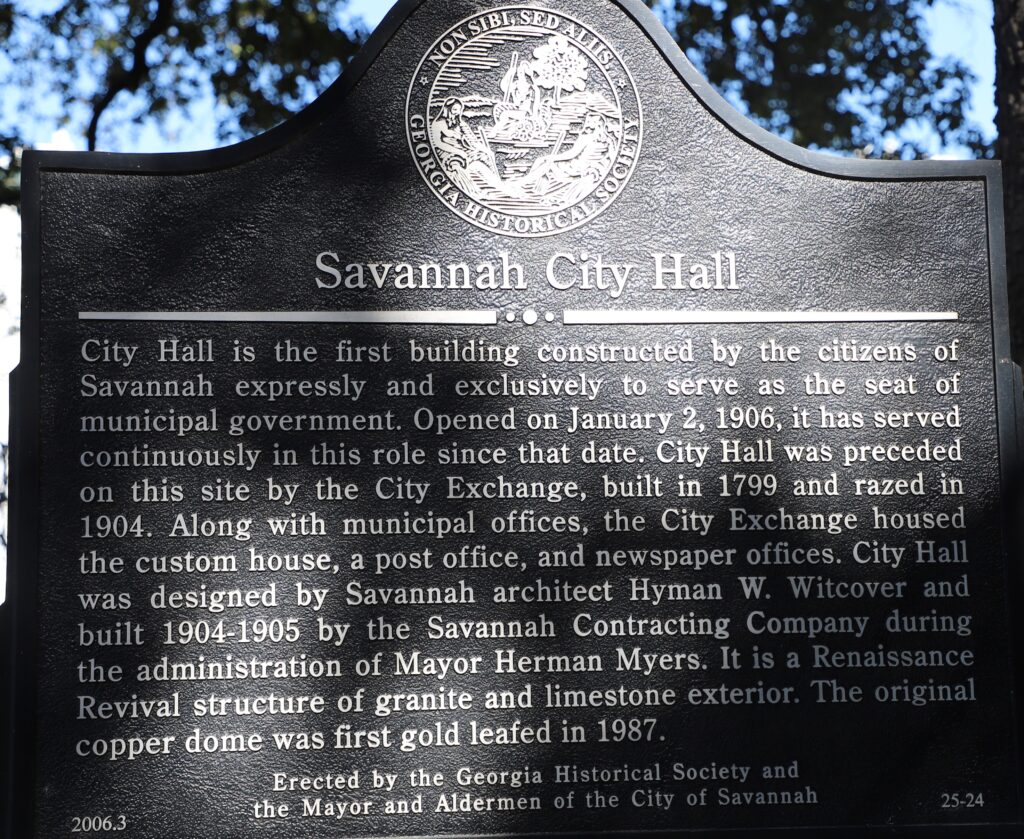
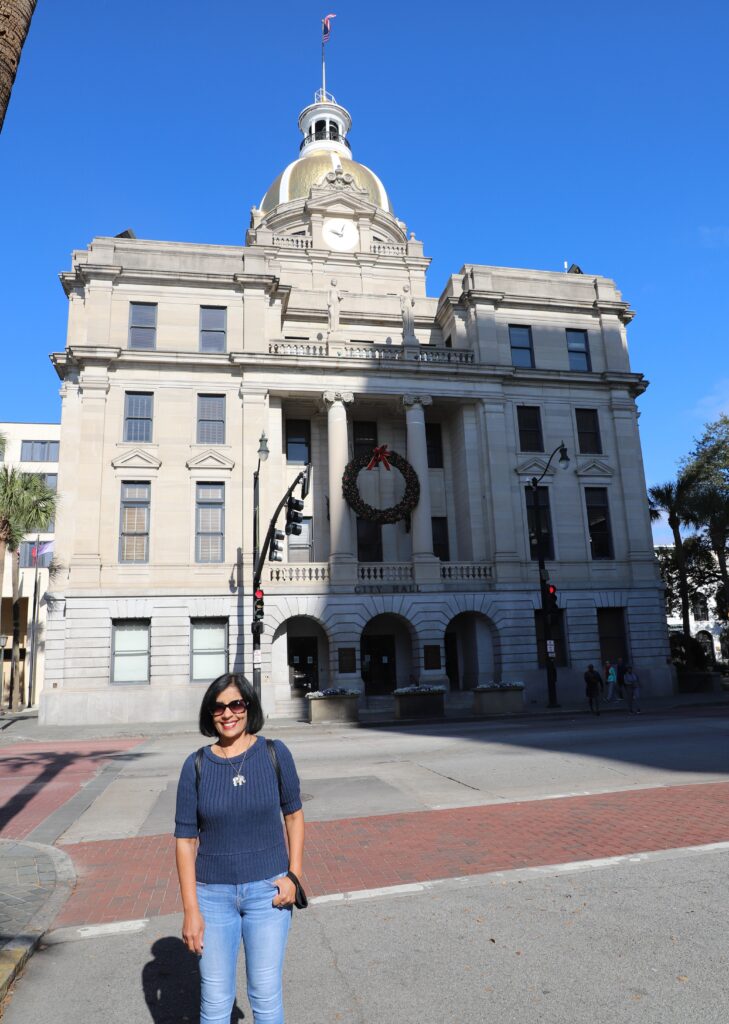
City Hall – Located at the intersection of Bull and Bay Streets, it is a good starting point to explore the city’s well preserved Historic District.
The City Hall is the seat of government for the city of Savannah, Georgia. It was built between 1904-1905 and replaced the City Exchange building which was located in this space.
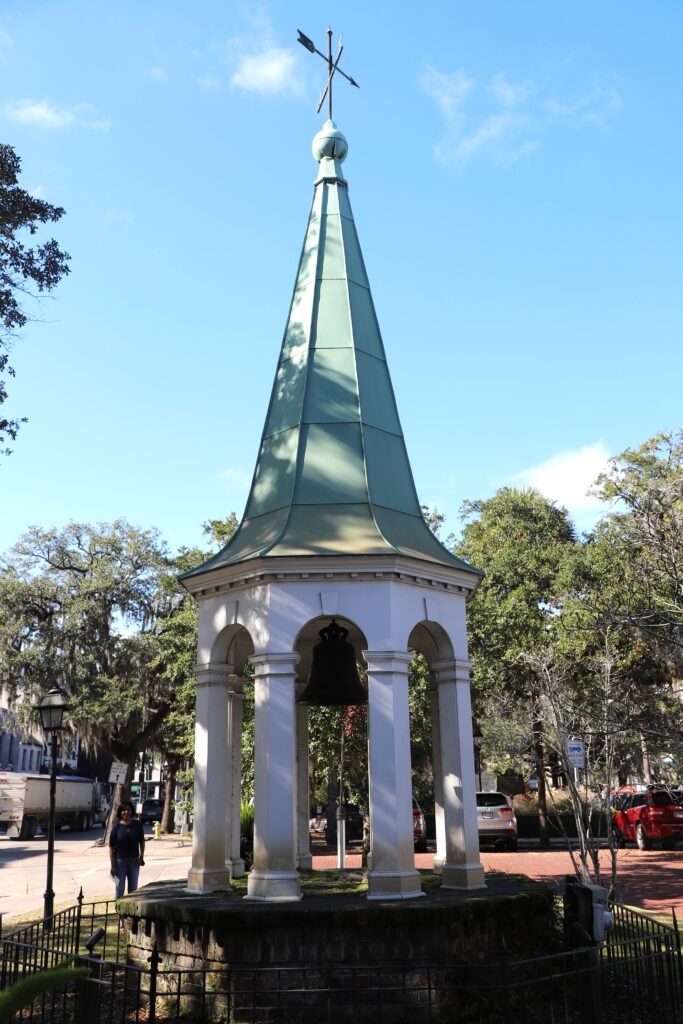
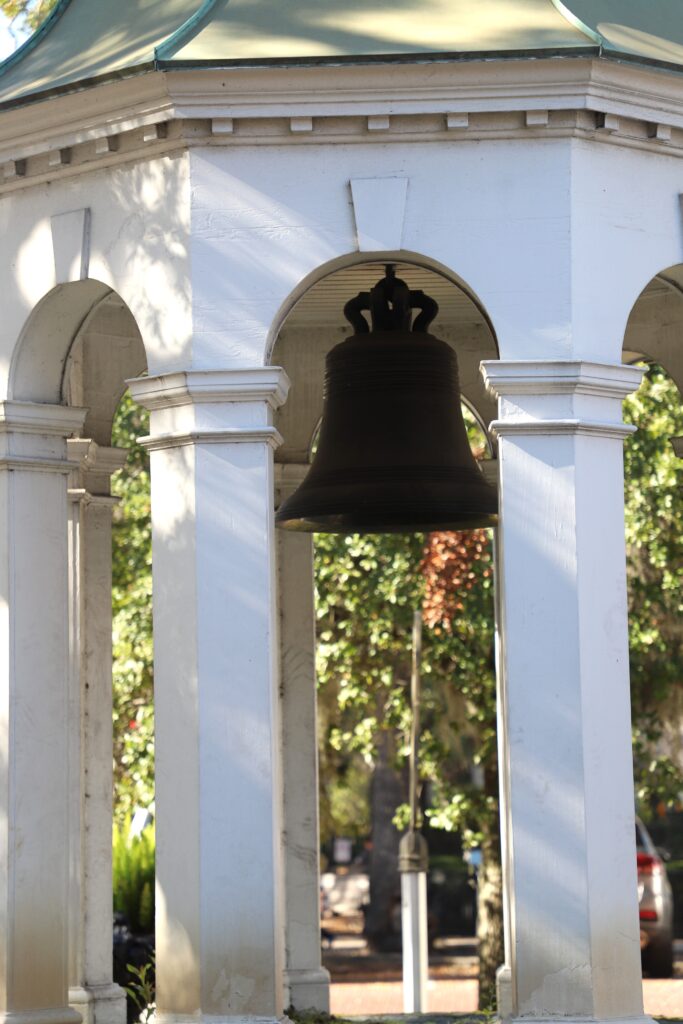
Old City Exchange Bell – Located on East Bay and Drayton Streets, the Exchange Bell, is believed to be the oldest in Georgia, dating from 1802. Imported from Amsterdam, it hung in the cupula of the city exchange from 1804 until a short time before the building was razed to make way for the present City Hall (see above section). In its days, the bell signaled the closing time for shops and was rung by a watchman when fire broke out. Its rich tones were heard in celebration of American victories during war of 1812.
The tower of the City Exchange , where the bell hung, was a favorite resort of those anxious about the arrival of vessels. The replica of the tower in which the historic bell presently reposes was erected in 1957 through the combined efforts of the Savannah Chamber of Commerce, The Pilot Club of Savannah, and the Savannah-Chatham Historic Site and Monument Commission.
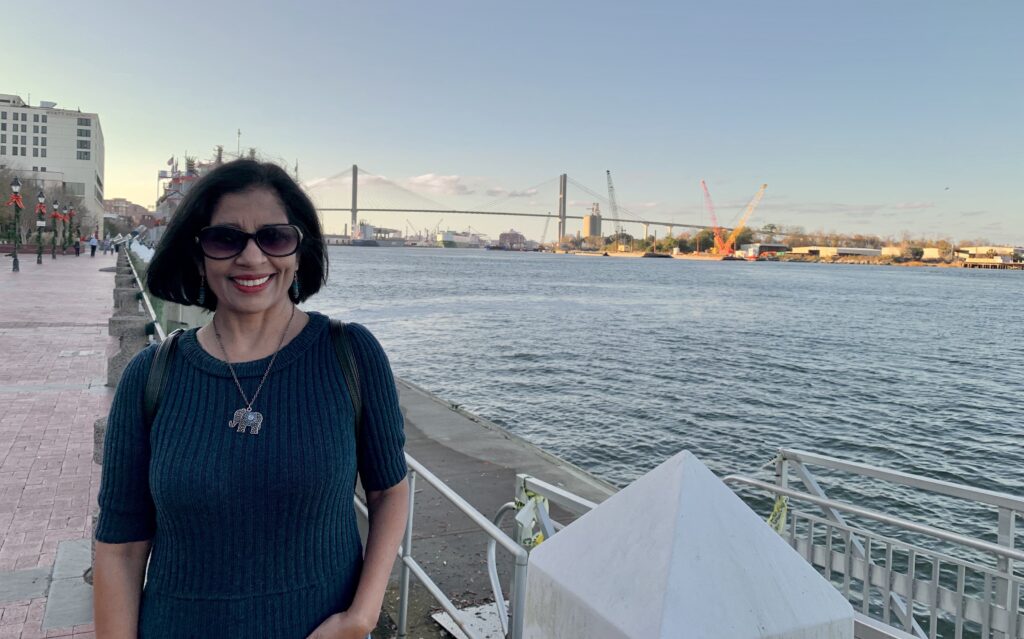
Savannah Riverfront – The north end of Savannah is bounded by the picturesque riverfront, a great place to take a stroll and enjoy the views of the Savannah River and watch ships go by. Century old cotton warehouse buildings along River Street have been converted to antique shops, boutiques, galleries, bars and fabulous hotels and restaurants.
Savannah Riverfront, World War II Memorial – Located on the riverfront, the theme of this riverside memorial is “A World Apart” and represents the global nature of World War II (1941-1945), which was fought in Europe and the Pacific simultaneously. As an active port, Savannah supplied valuable war materials. The memorial honors the the 527 local soldiers and over 400,000 Americans who died in World War II. You can walk inside and read the names of those who died in the conflict.
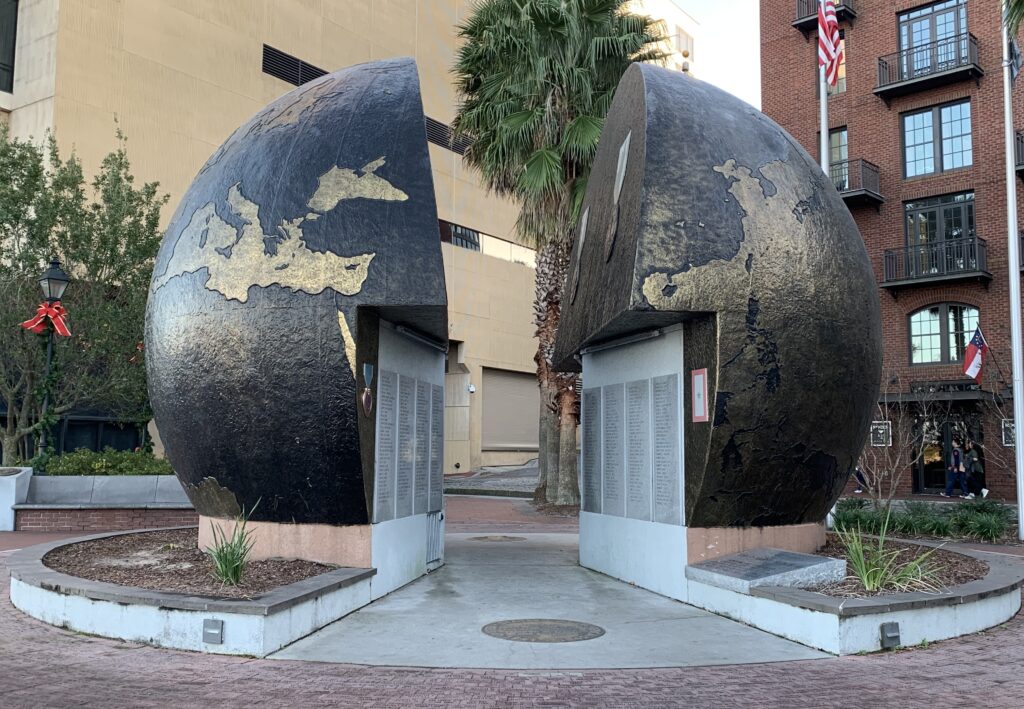
Squares of Savannah – After spending some time on the riverfront, we started walking south along Bull Street stopping at many of the charming squares.
Squares of Savannah, Johnson Square – is the City’s first square, laid out in 1733. It was named for Robert Johnson, Governor of South Carolina when the Georgia colony was founded. The square also has a monument for Nathanael Green who was a general in the Continental Army during the American Revolutionary War.
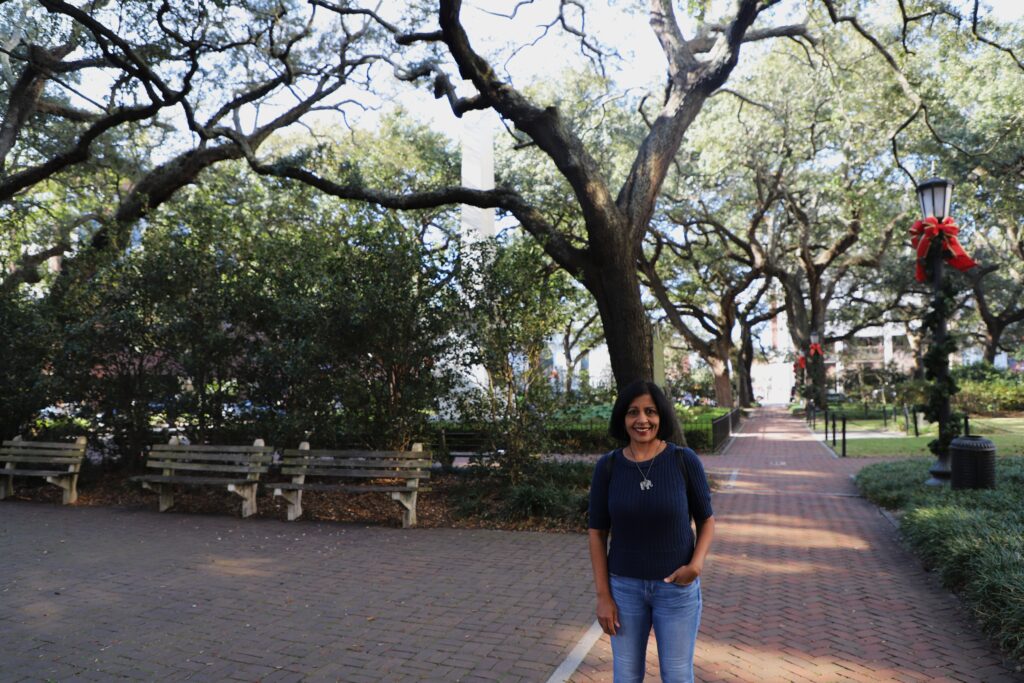
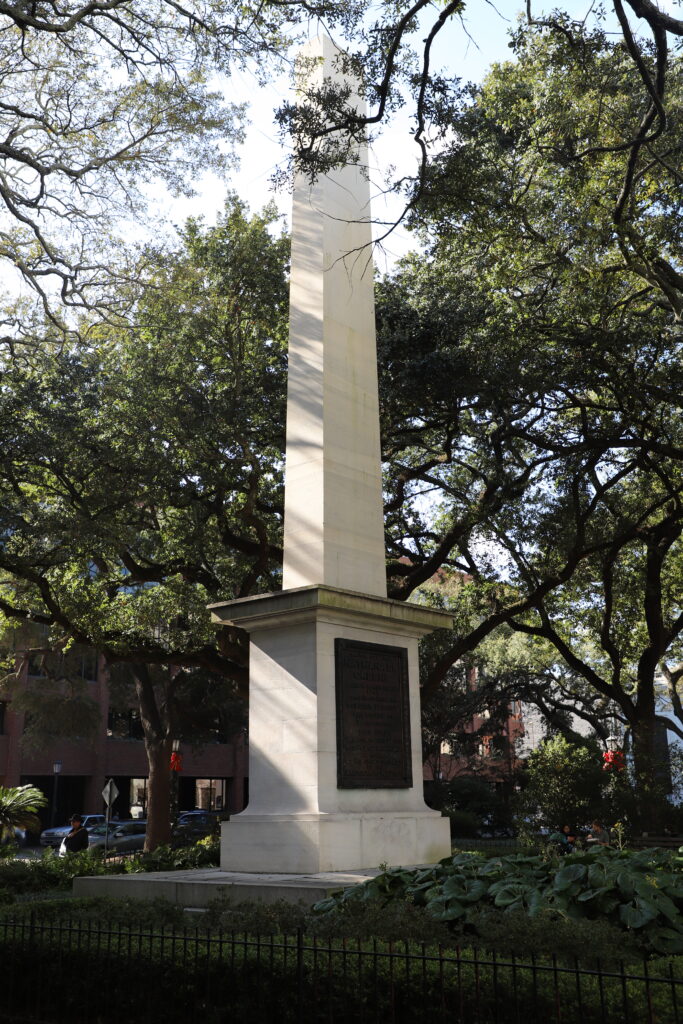
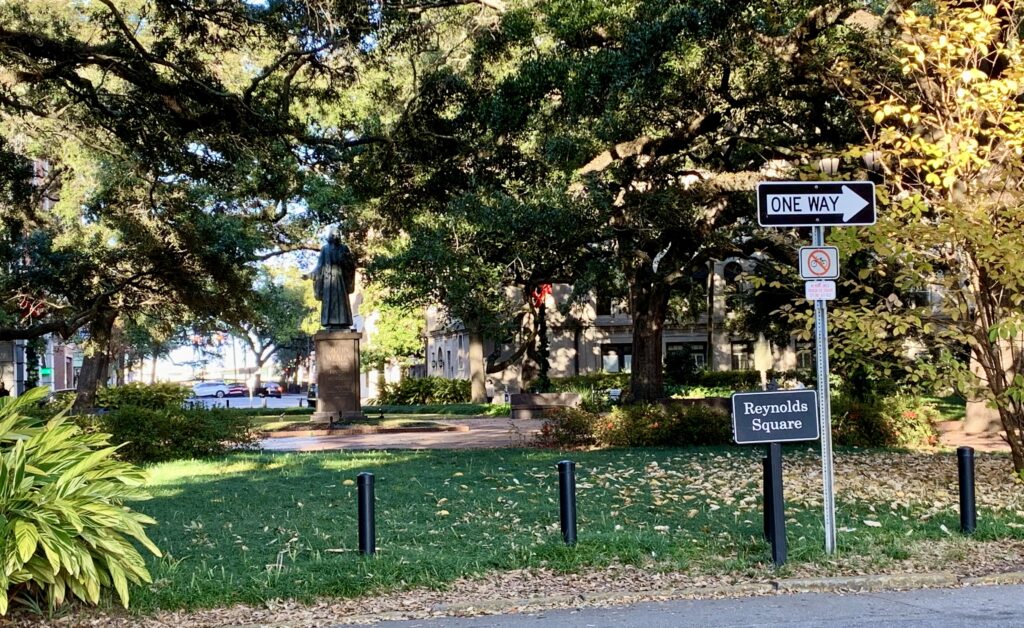
Squares of Savannah, Reynolds Square – is named after James Reynolds, who was the Governor of Georgia in the mid 1750s. The square contains a bronze statue of John Wesley, founder of Methodism. Wesley spent most of his life in England but undertook a mission to Savannah between 1735 and 1738, during which time he founded the first Sunday school in America. The statue was installed in 1969 on the spot where Wesley’s home is believed to have stood.
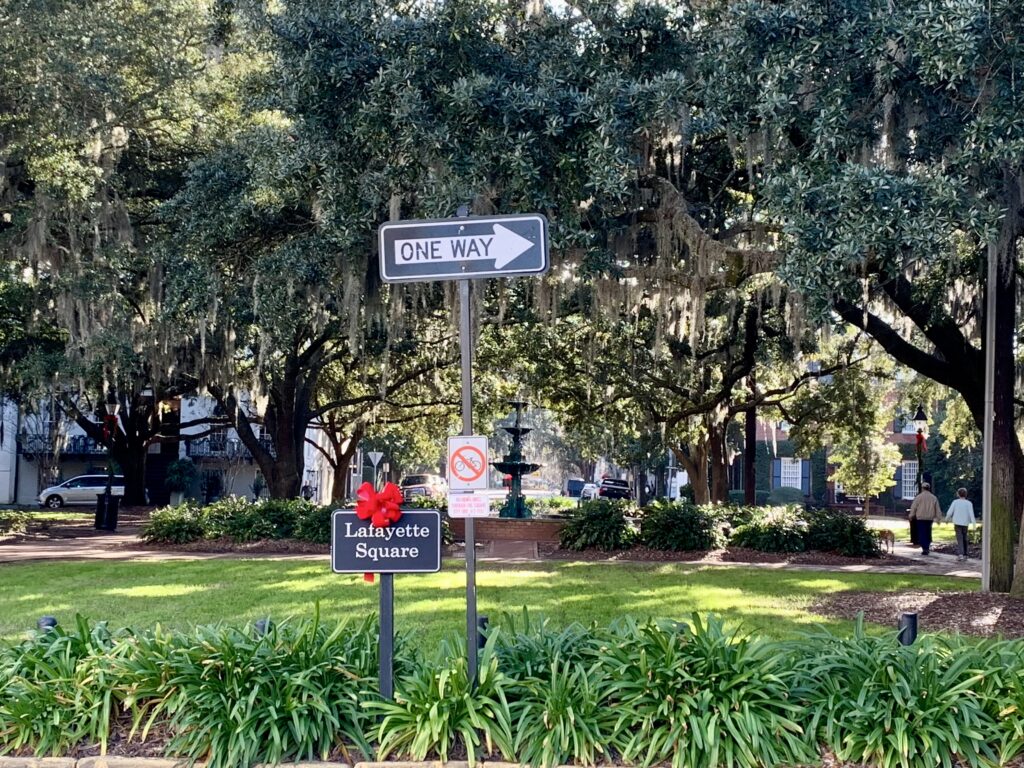
Squares of Savannah, Lafayette Square – This square was laid out in 1873 and named in honor of the Marquis de Lafayette, a French general under George Washington during the American Revolutionary War. The Cathedral of St. John the Baptist (see section below) resides on the northeast corner of the square at East Harris and Abercorn streets.
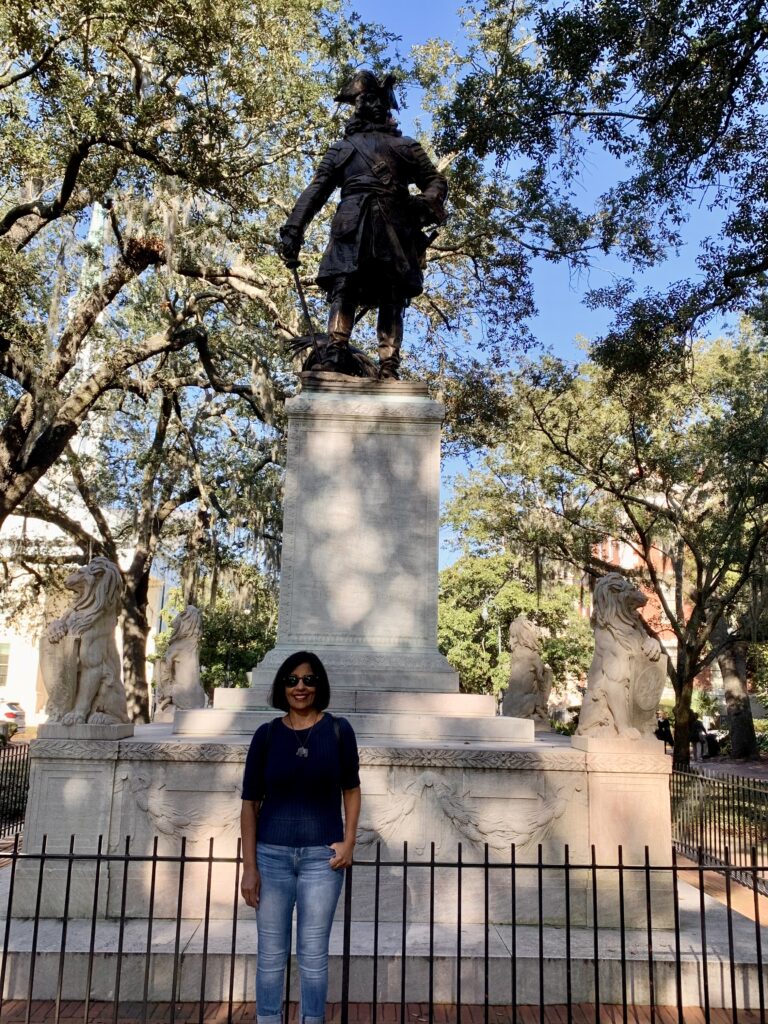
Squares of Savannah, Chippewa Square – The square is named in honor of American soldiers killed in the Battle of Chippawa during the war of 1812. In the center of the square is James Oglethorpe Monument. Oglethorpe established the city of Savannah in 1733. The square is also where the scenes from the movie Forrest Gump, of Tom Hanks sitting on a bus bench talking to various strangers was filmed. The bench is no longer there, it was only a movie prop, but it can be seen in the Savannah History Museum.
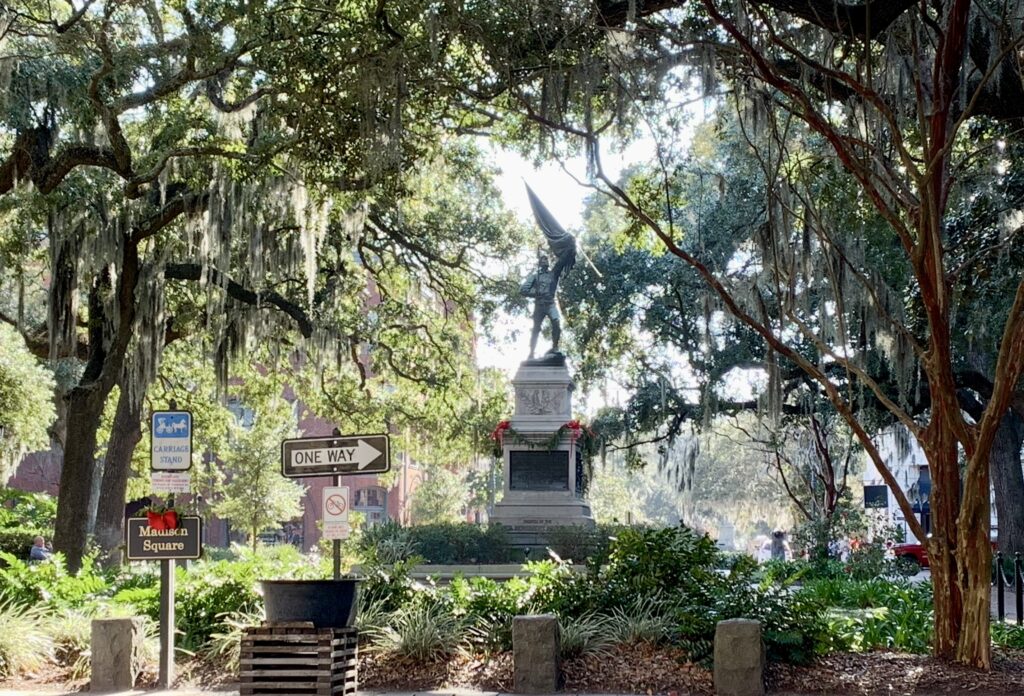
Squares of Savannah, Madison Square – was laid out in 1837 and is named after James Madison, the 4th President of United States. In the center of the square is the Willian Jasper Monument, a soldier in the siege of Savannah who, though mortally wounded, recovered his company’s banner. Savannahians sometimes refer to this as Jasper Square, in honor of Jasper’s statue. Madison Square features a vintage cannon from the Savannah Armory.
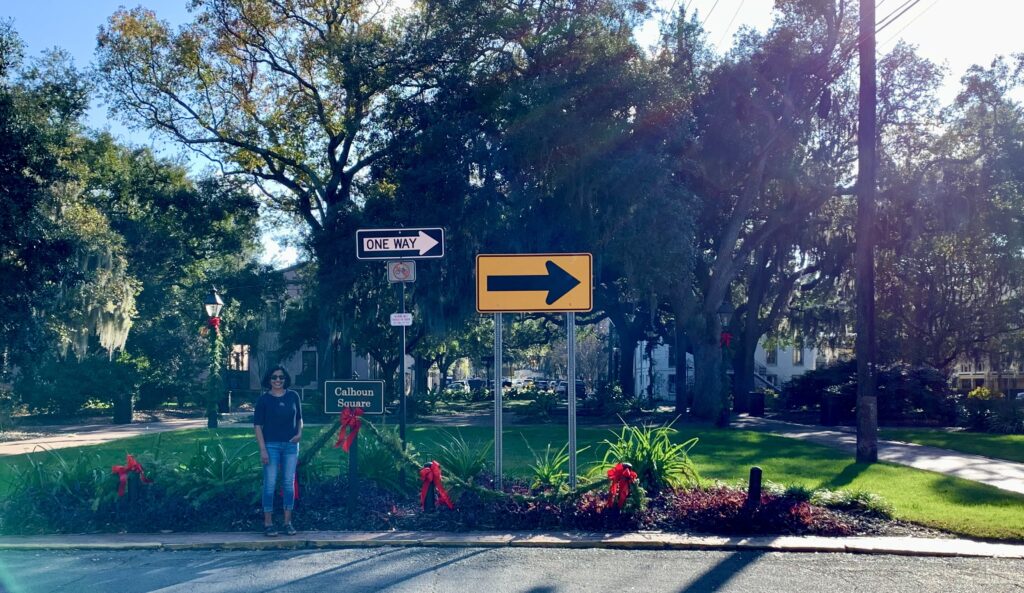
Squares of Savannah, Taylor Square – formerly known as Calhoun Square, it was laid out in 1851 and is named in honor of Susie King Taylor, an educator, memoirist, and the first Black nurse to serve in the American Civil War.
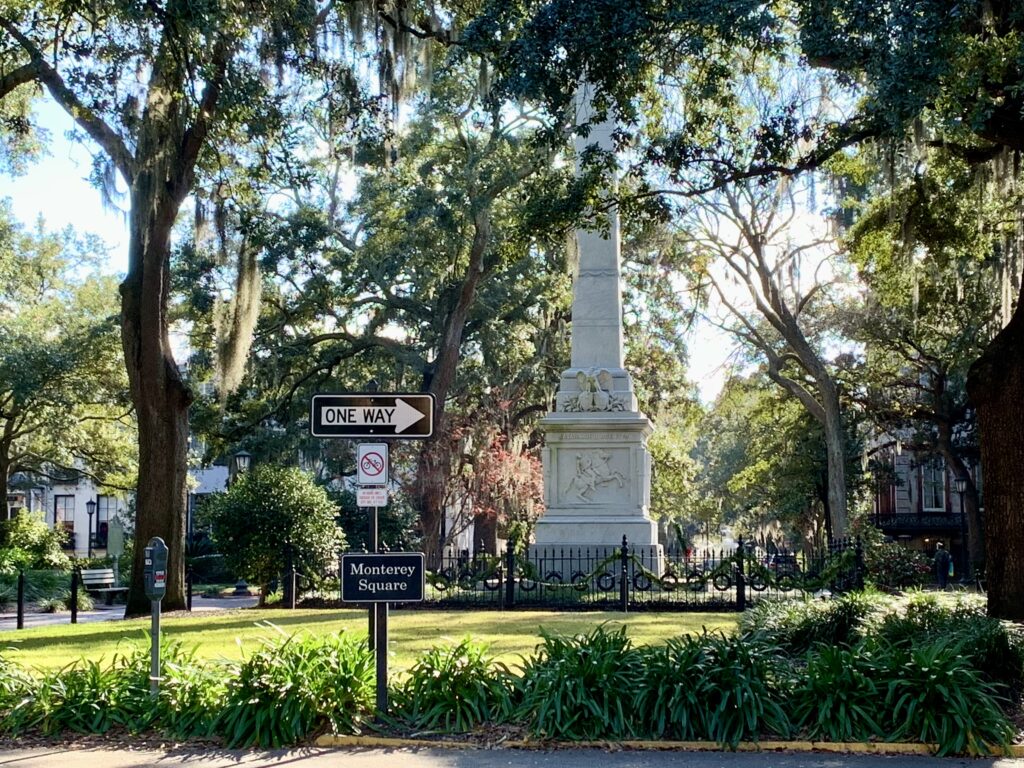
Squares of Savannah, Monterey Square – was laid out in 1847. Monterey Square commemorates the Battle of Monterey (1846), in which American forces, under General Zachary Taylor, captured the city of Monterey during the Mexican-American War. In the center of the square is an 1853 monument honoring General Casimir Pulaski. The body of an unknown Revolutionary soldier, speculated by some to be Pulaski himself, is said to be buried beneath the monument.
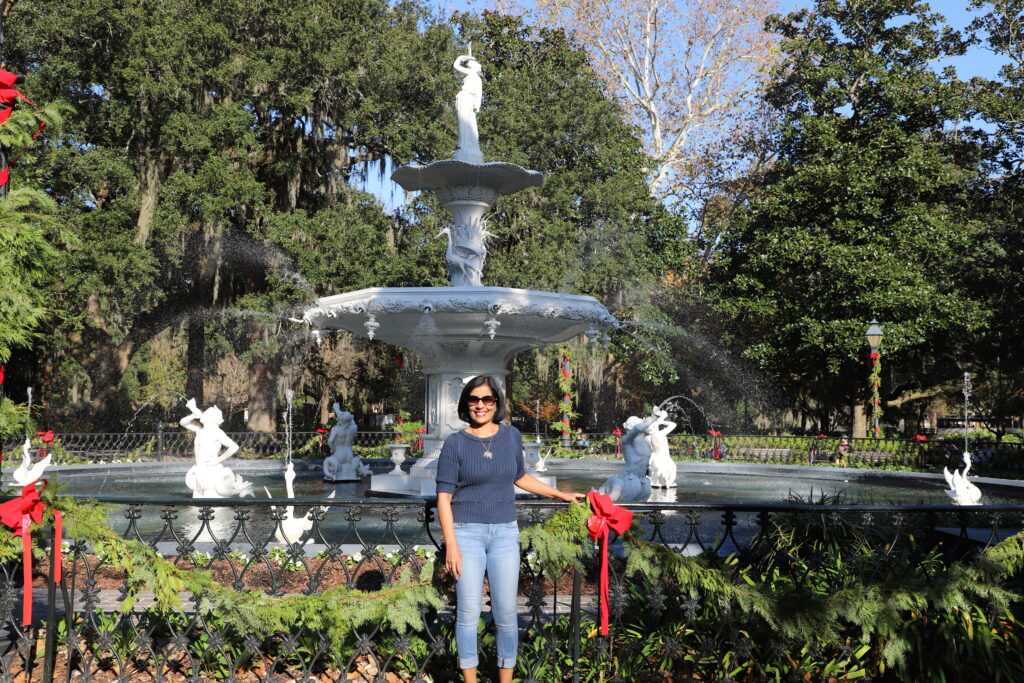
Forsyth Park – From Monterey square, if you continue walking on Bull street, you will reach the strikingly beautiful Forsyth Park. Although the entire district is known for its many beautiful parks and squares, Forsyth Park is the largest and is a good example of a well-designed mid-1800s Southern park. It features a graceful fountain which is a great place to take a selfie. At this park and most others, the walking paths are shaded by lovely old trees that drape over them, making them pleasant to wander even in the hotter months.
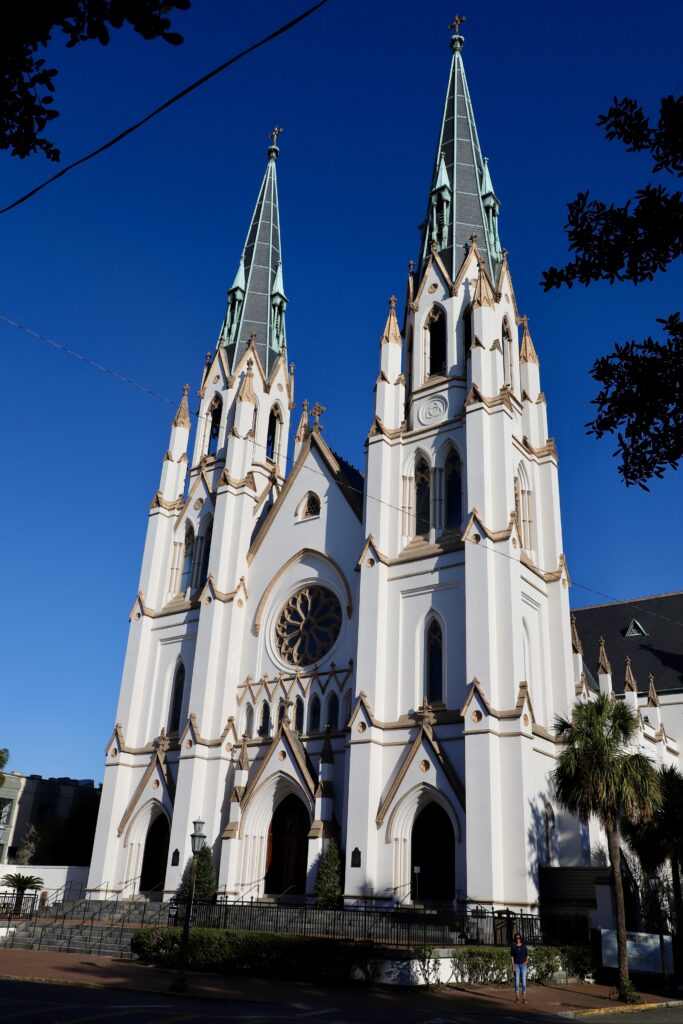
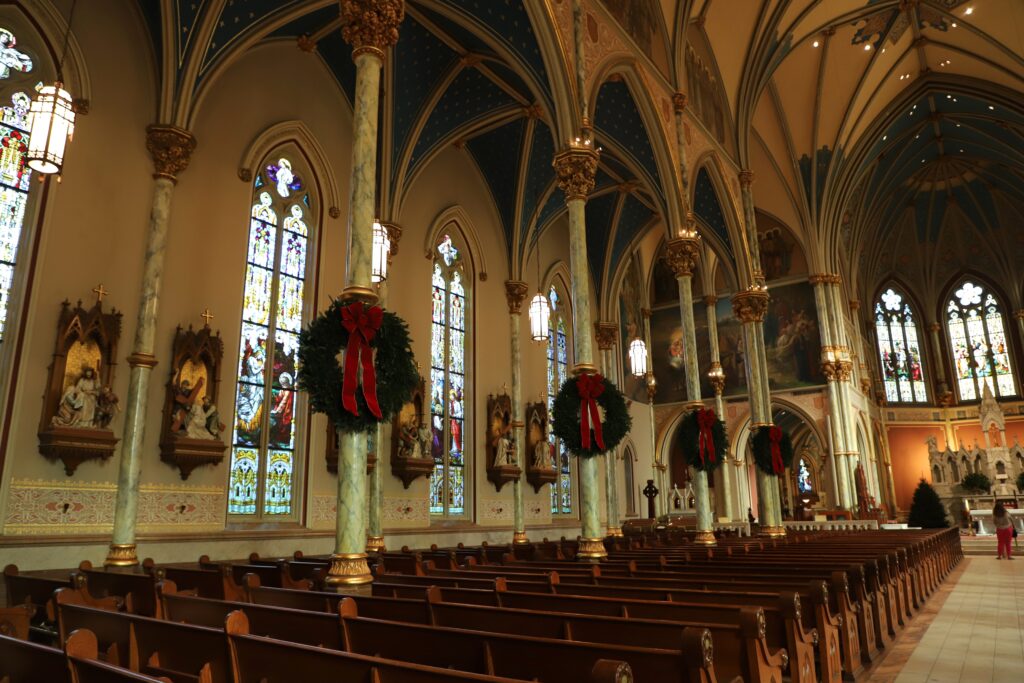
Cathedral of St. John the Baptist – was first built in the 1870s and then rebuilt in 1899 after a severe fire. The Cathedrals twin spires are so tall that you can see it from many points in Savannah. The interior of the Cathedral is as stunning as its exterior. You will notice the tall ceilings as soon as you walk in, at the tallest points, they reach 96 feet high!
You also can’t miss the striking Baptismal Font, since it sits directly in the aisle as soon as you walk through the doorway. It’s octagon-shaped and weighs a whopping 8,009 pounds and was carved in Carrara, Italy.
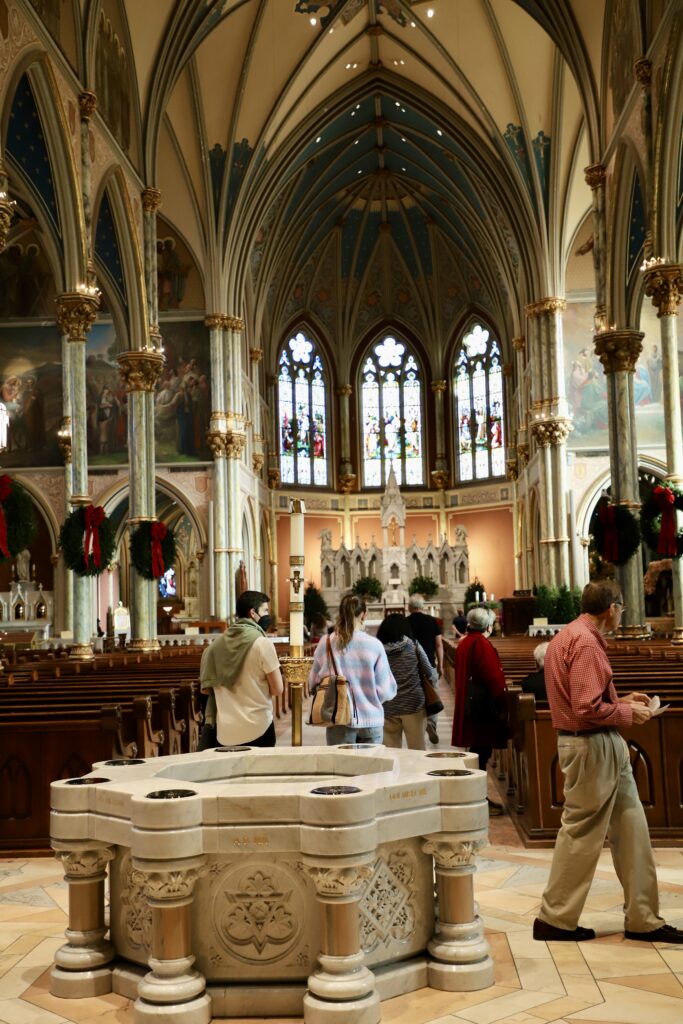
The Cathedral is well-known for its incredible Renaissance-style murals and a pipe organ with 2,308 pipes and the great Rose Window directly above the organ.
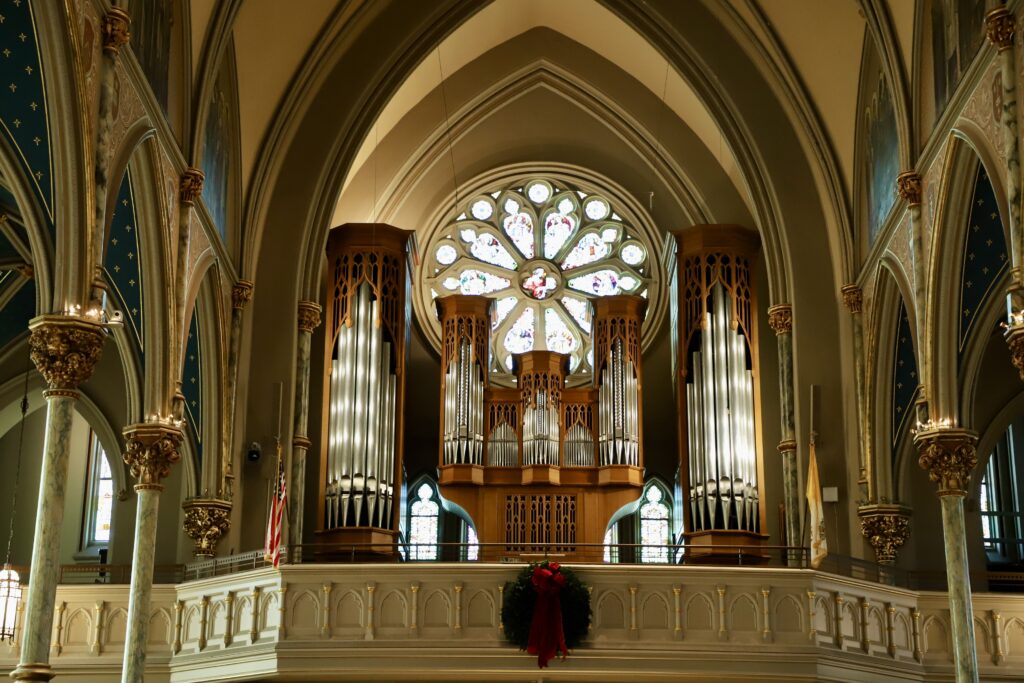
The Cathedral’s gorgeous stained glass windows allow in abundant light and sunshine and the murals on the walls do much more than tell a story.
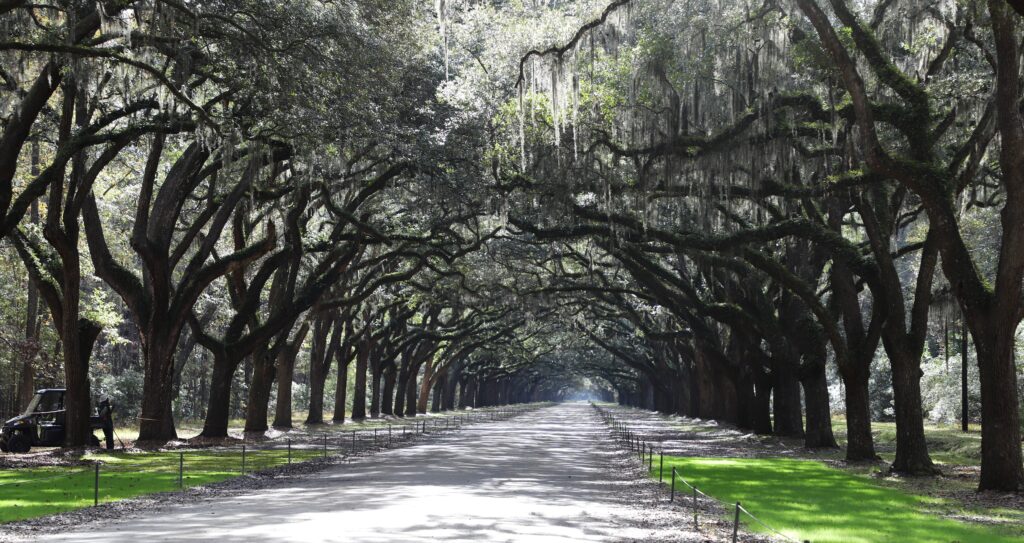
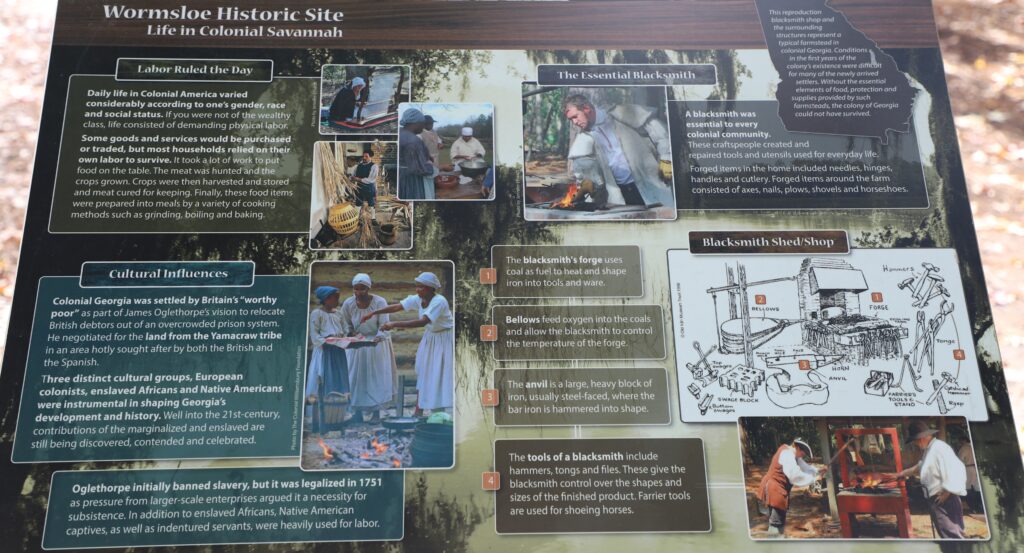
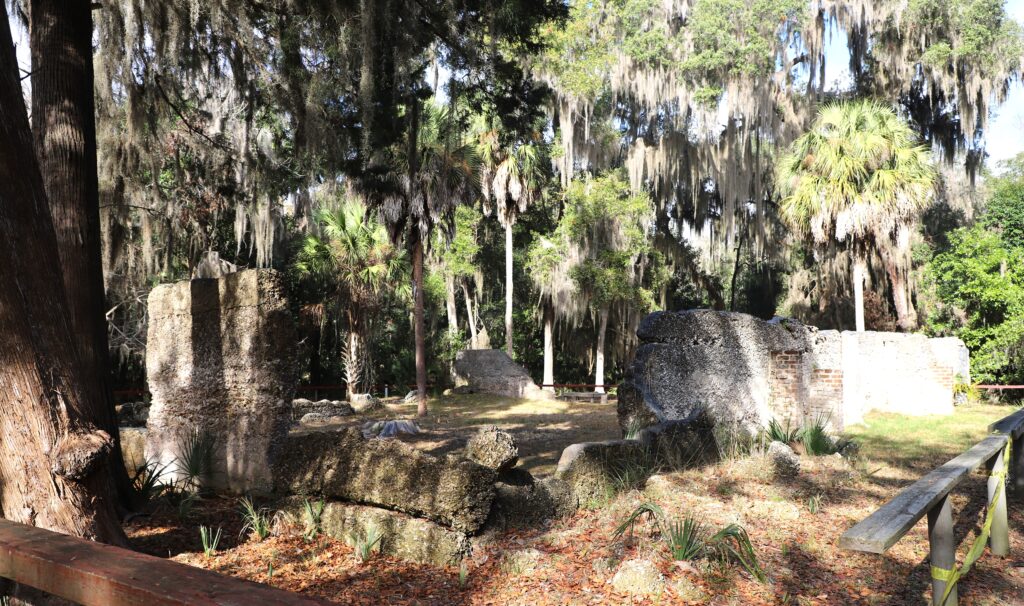
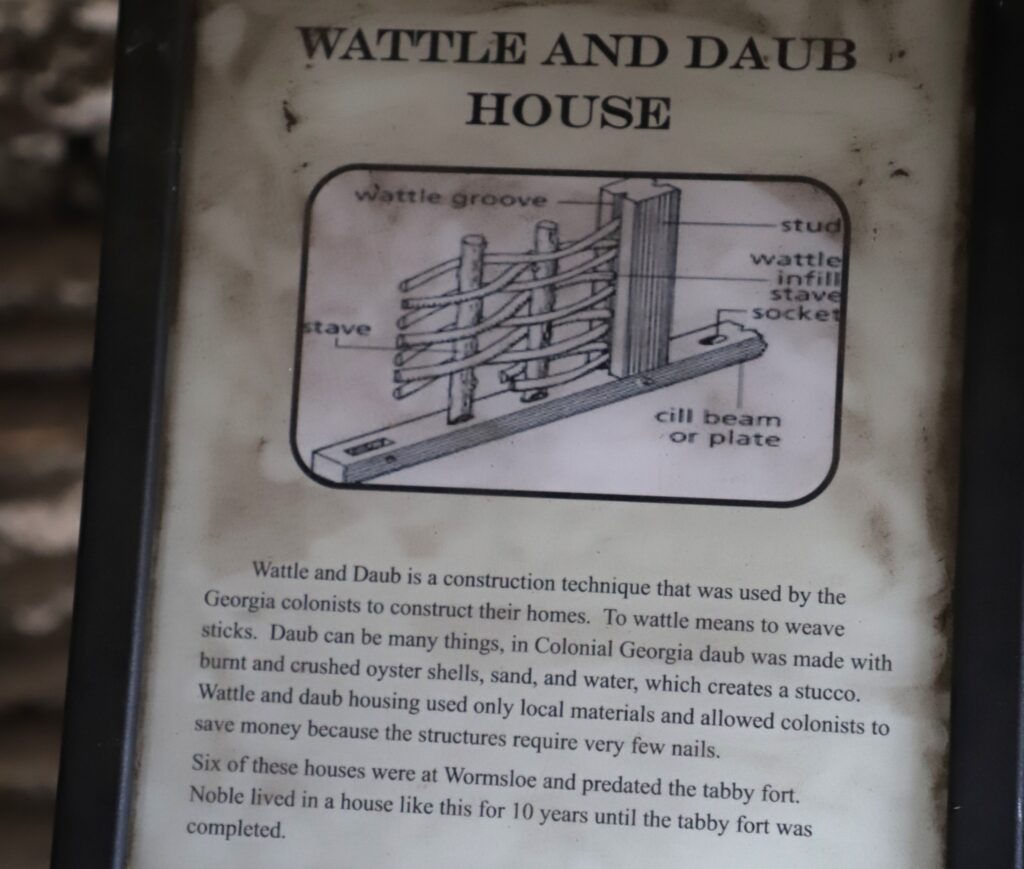
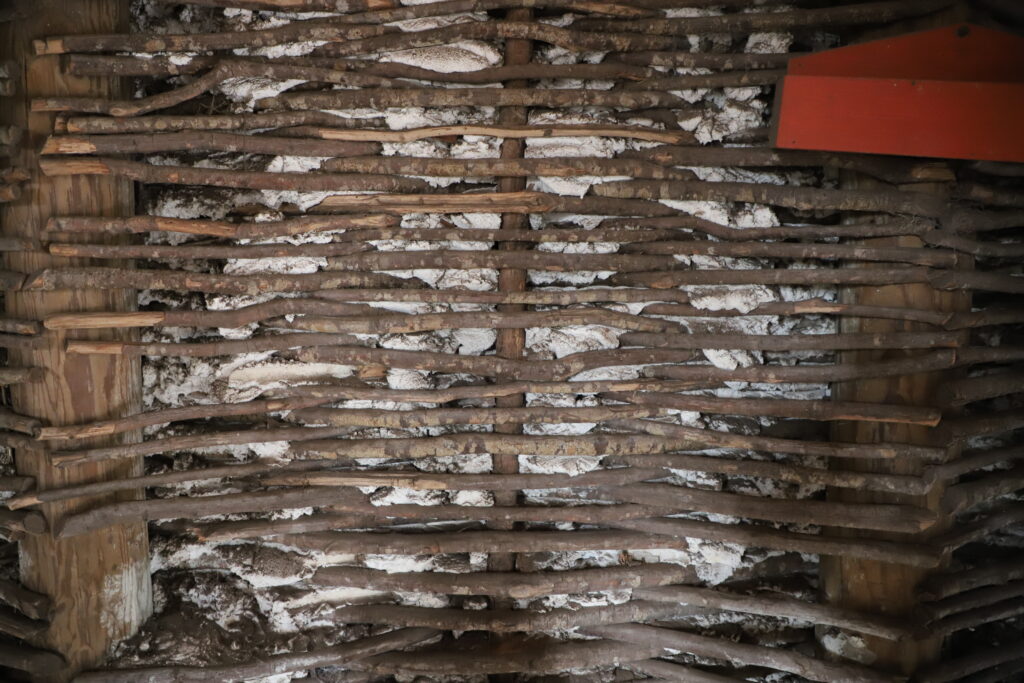
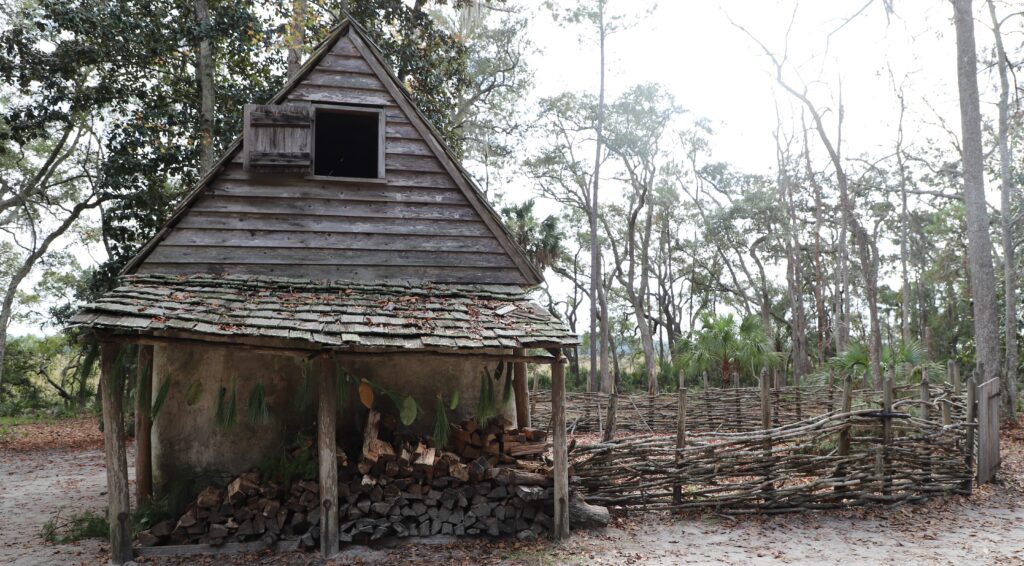
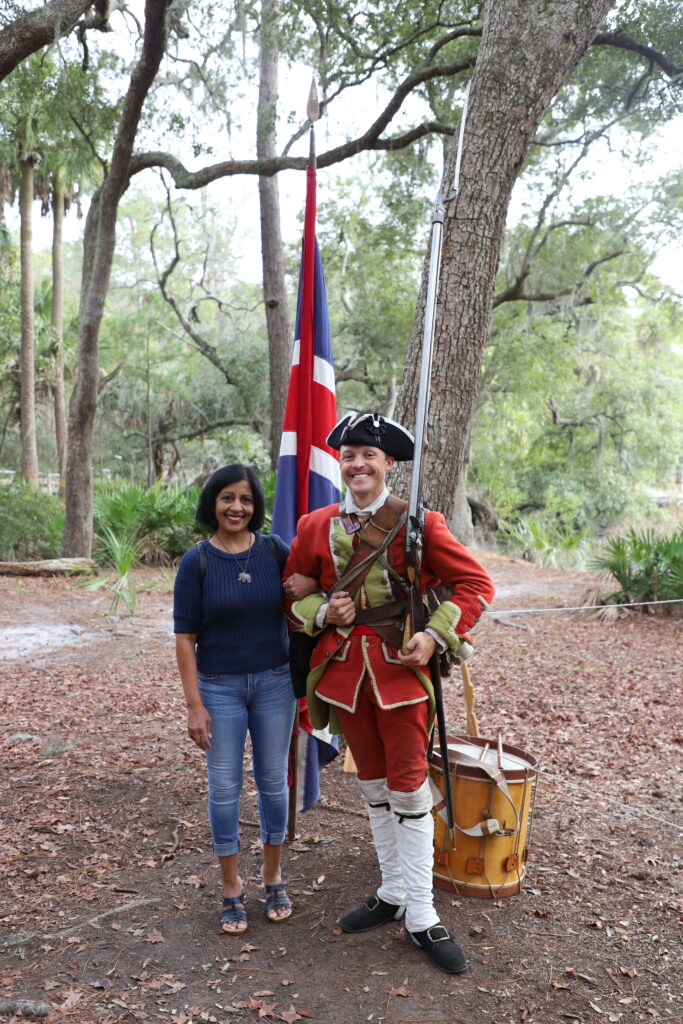
Wormsloe Historic Site – Originally known as Wormsloe Plantation, the site is spread out over 822 acres and is a mix of forest, marsh, and former farmlands. This area was owned by Nobel Jones (1792-1775), a colonist who was a physician, carpenter and a surveyor. It is now owned by the State of Georgia who opened it to the public as a state historic site in 1979. The site includes a 1.5-mile oak avenue (oak trees line the roadway to the site), the ruins of Jones’s fortified house built of tabby, a museum, and a demonstration area interpreting colonial daily life.