2 Nights in Le Meridian River Front
Bhutan’s sole international airport is in Paro and served by Bhutan Airlines and Drukair. The airport has been described as the most difficult commercial airport in the world to land. It has only one runway and the Himalayan Mountain peaks presents challenge to the pilot while approaching and the runway length presents challenges when landing.
Paro served as our home for the last two days of our six-day tour of Bhutan. The Paro Chhu flows through this city and is a tributary of the Wong Chhu, which is known as the Raidak in its lower reaches. Paro is a historic town filled with sacred sites and ancient buildings scattered throughout the valley. Most notably, it is home to the famous Tiger’s Nest Monastery, and we were looking forward to the challenging hike ahead.
- Paro Dzong
- Paro Museum
- Paro town and market
- Kyichu Lhakhang
- Paro Taktsang Monastery (Tiger’s Nest Monastery)
- Paro Festival
Paro Dzong – officially called Rinpung Dzong, was constructed in 1646 under the guidance of Zhabdrung Ngawang Namgyal, the unifier of Bhutan. It was strategically built on a hill overlooking the Paro Valley to serve as both a fortress and a monastery. The site was chosen for its defensive advantages, protecting the region from Tibetan invasions. It offers stunning view of the surrounding town and is the location of the vibrant Paro festival.
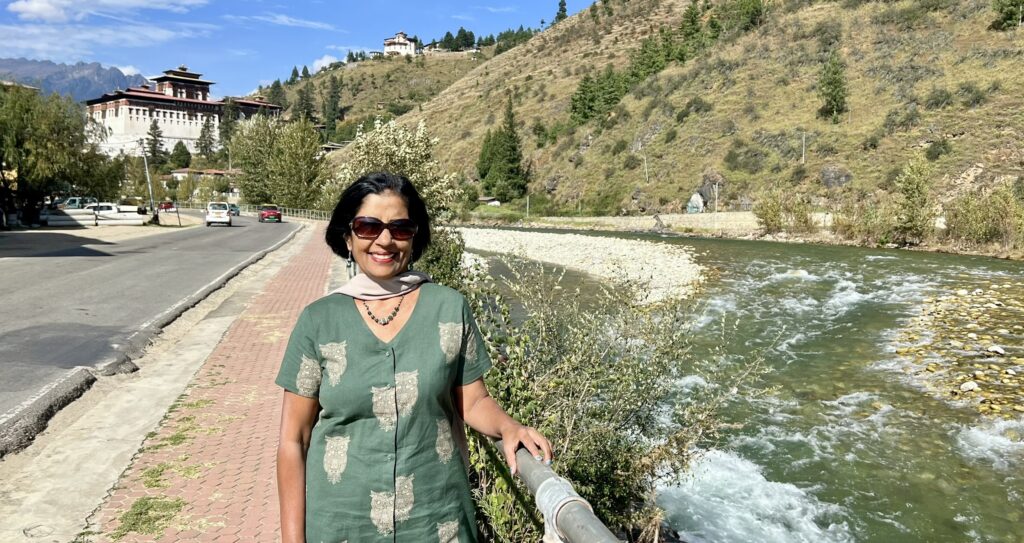
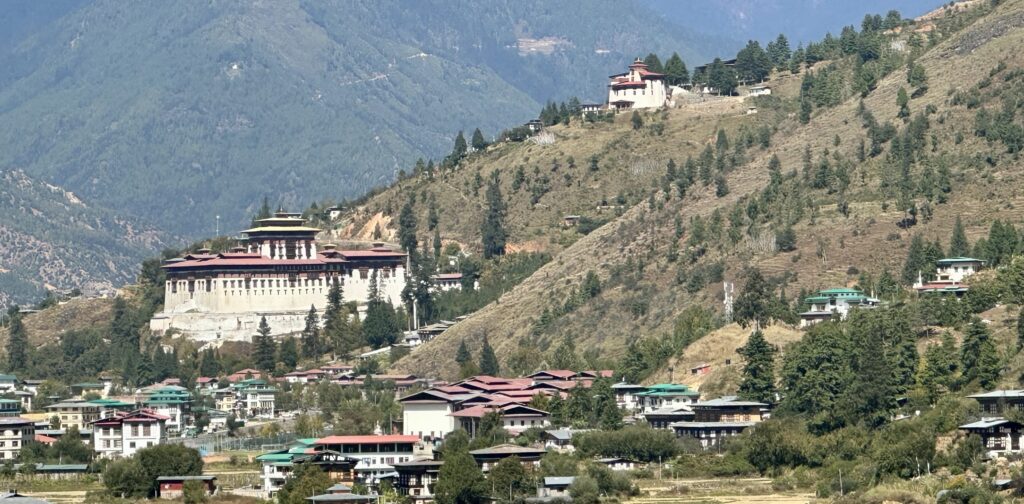
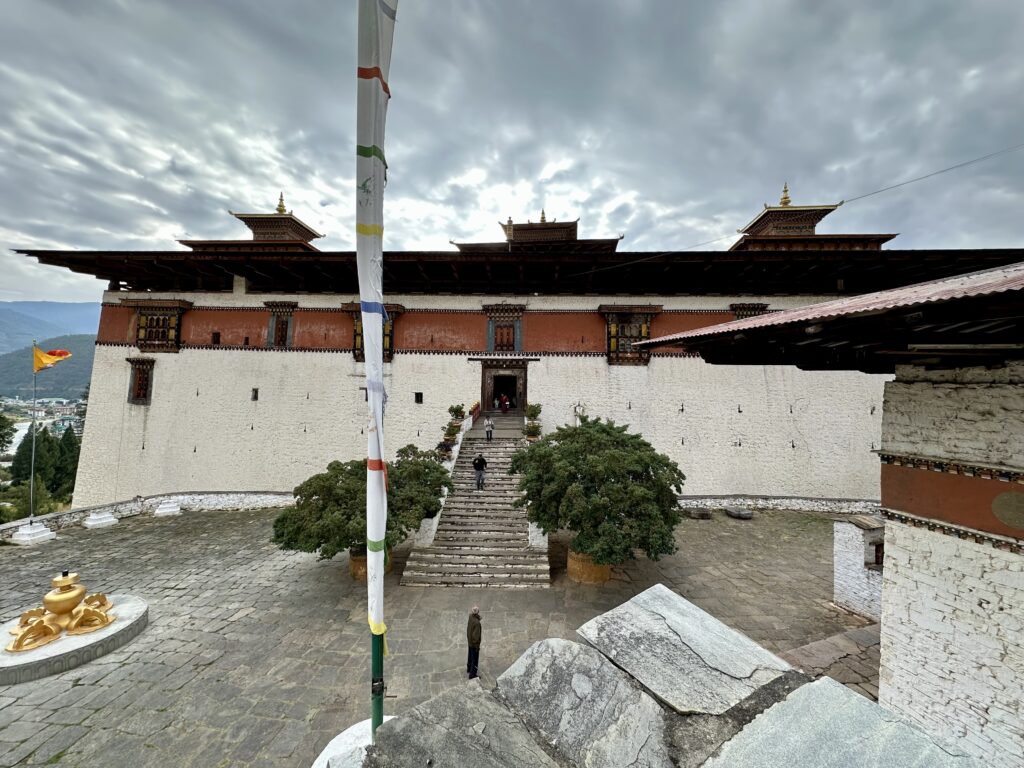
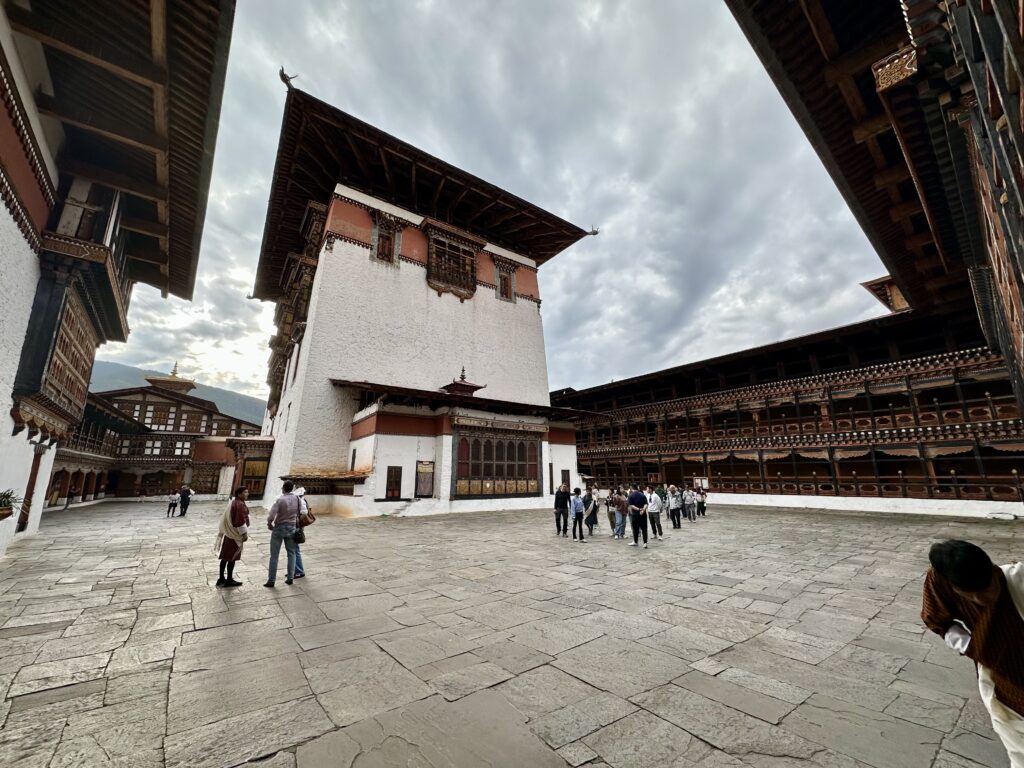
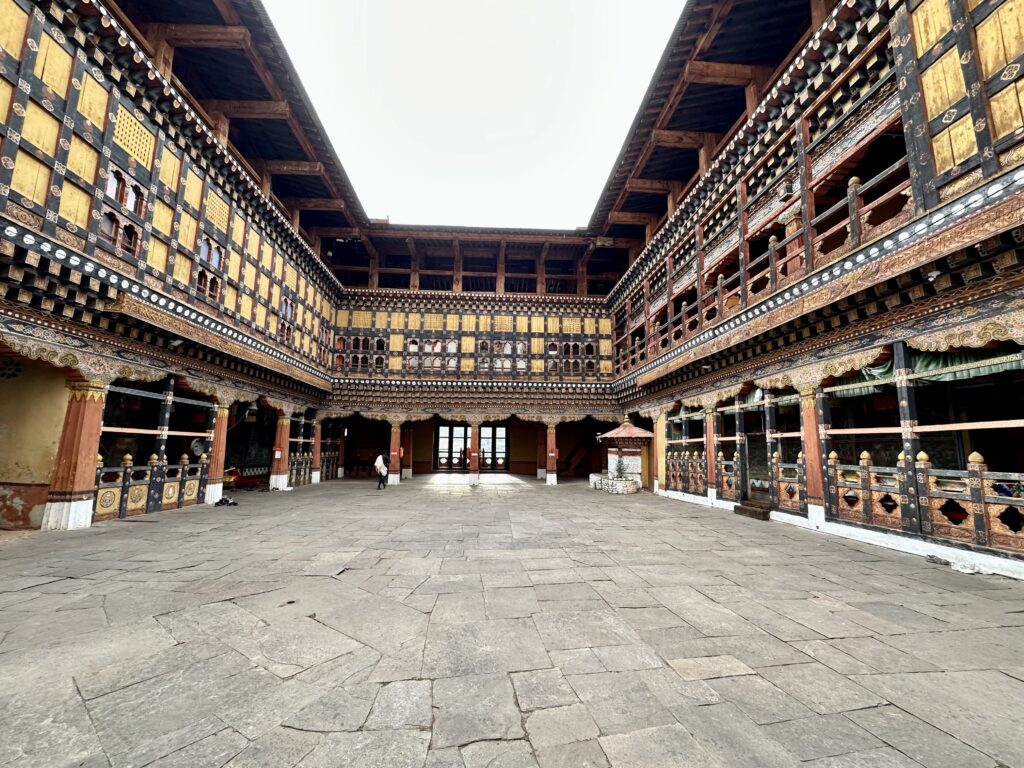
Paro Museum – Plan on spending 1-2 hours here as there is a lot to see. Also referred to as the National Museum of Bhutan, it displays a wide range of Bhutanese cultural heritage, including ancient artifacts, religious art, traditional clothing, stamps, and a collection that highlights the country’s history and transition from as early as 4000 B.C. The building itself is a historic 17th-century structure with six stories, offering panoramic views of the Paro valley from its top level.
The topmost floor of the museum houses the Tshogzhing Mandala. Built in 1967, the mandala in 3-D form, represents the 4 major school of Vajrayana Buddhism – Nyingma, Kagyu, Shakya, and Gelug that flourished in the Himalayan region. Nyingma is the oldest school.
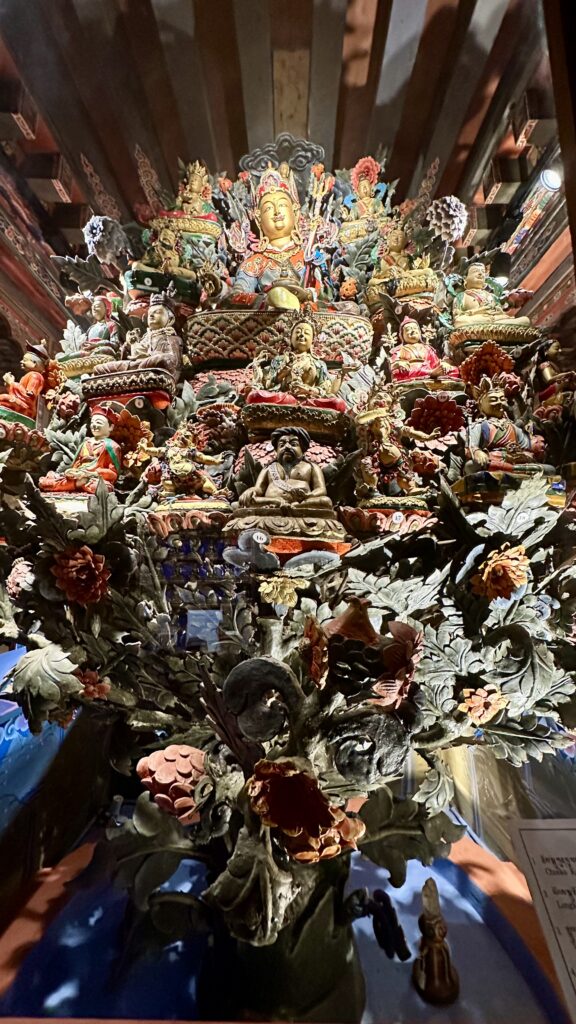
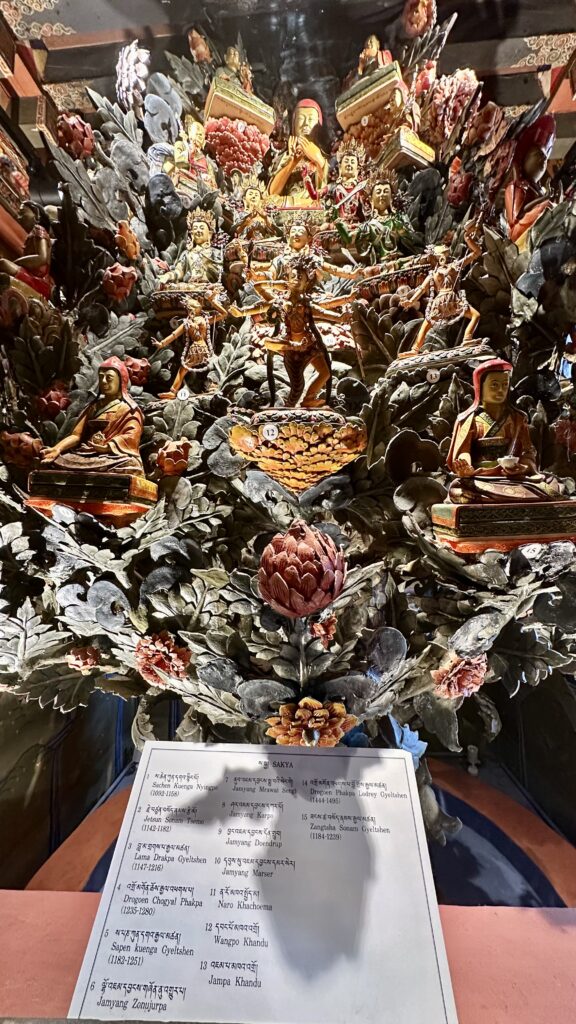
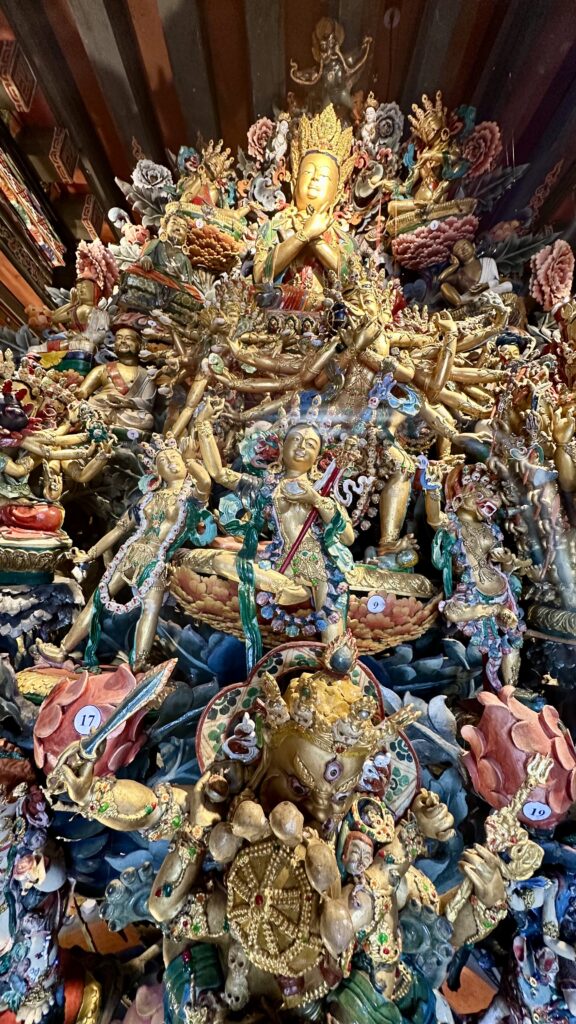
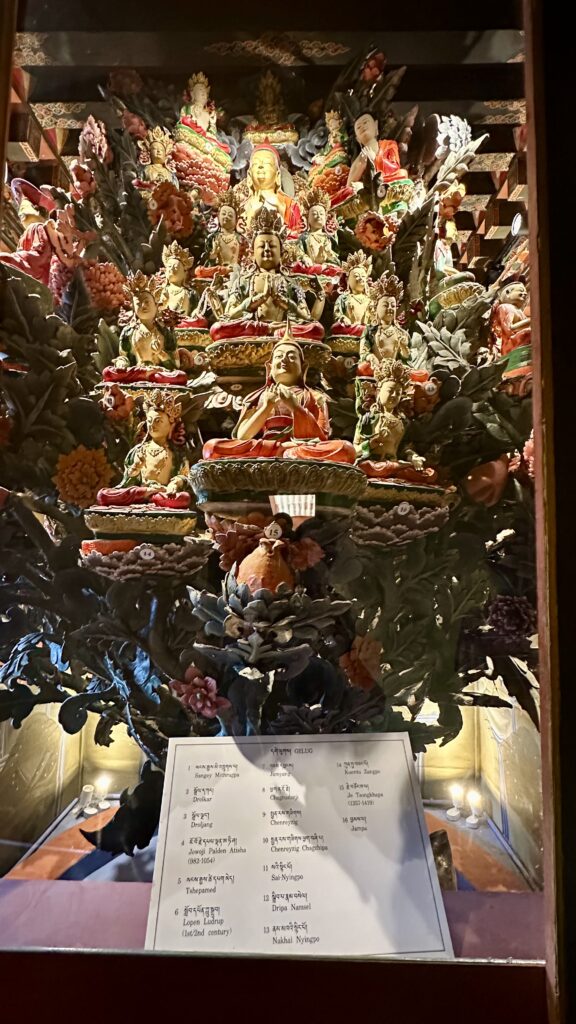
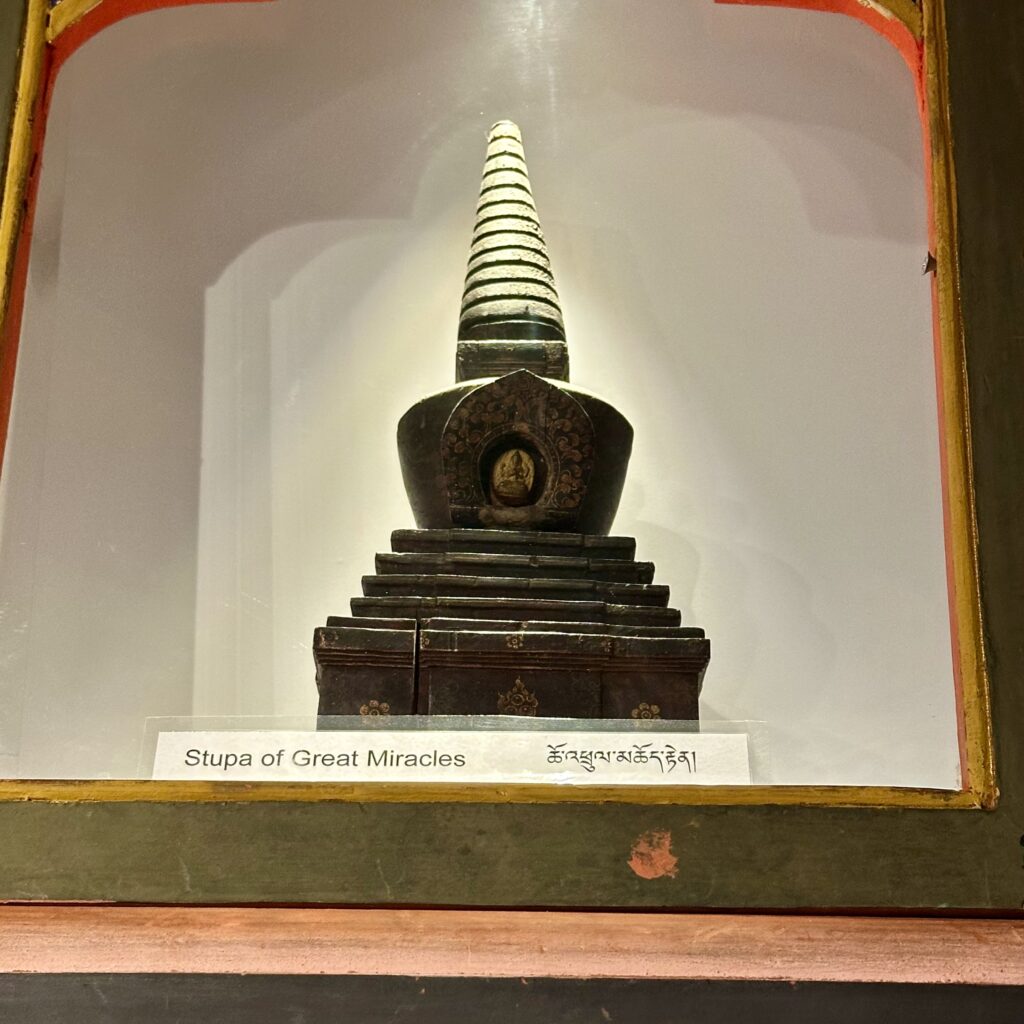
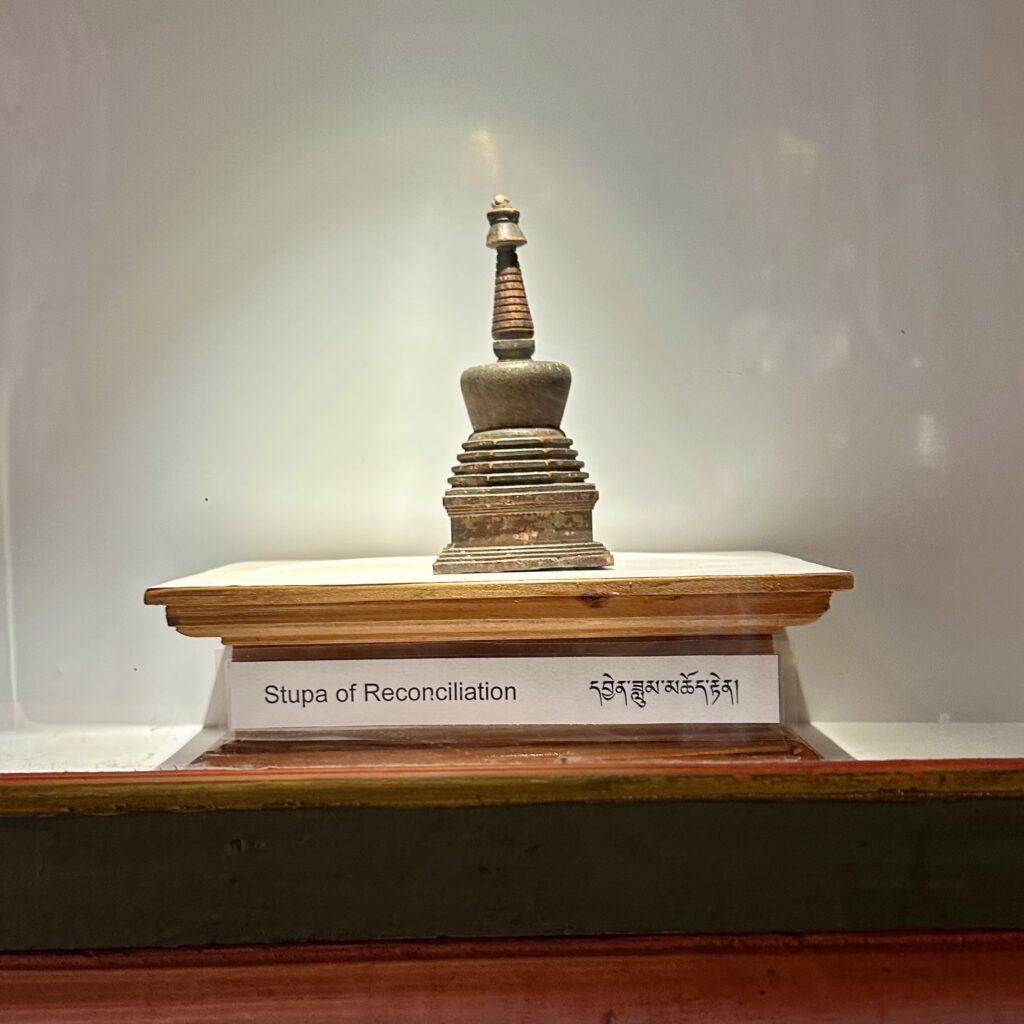
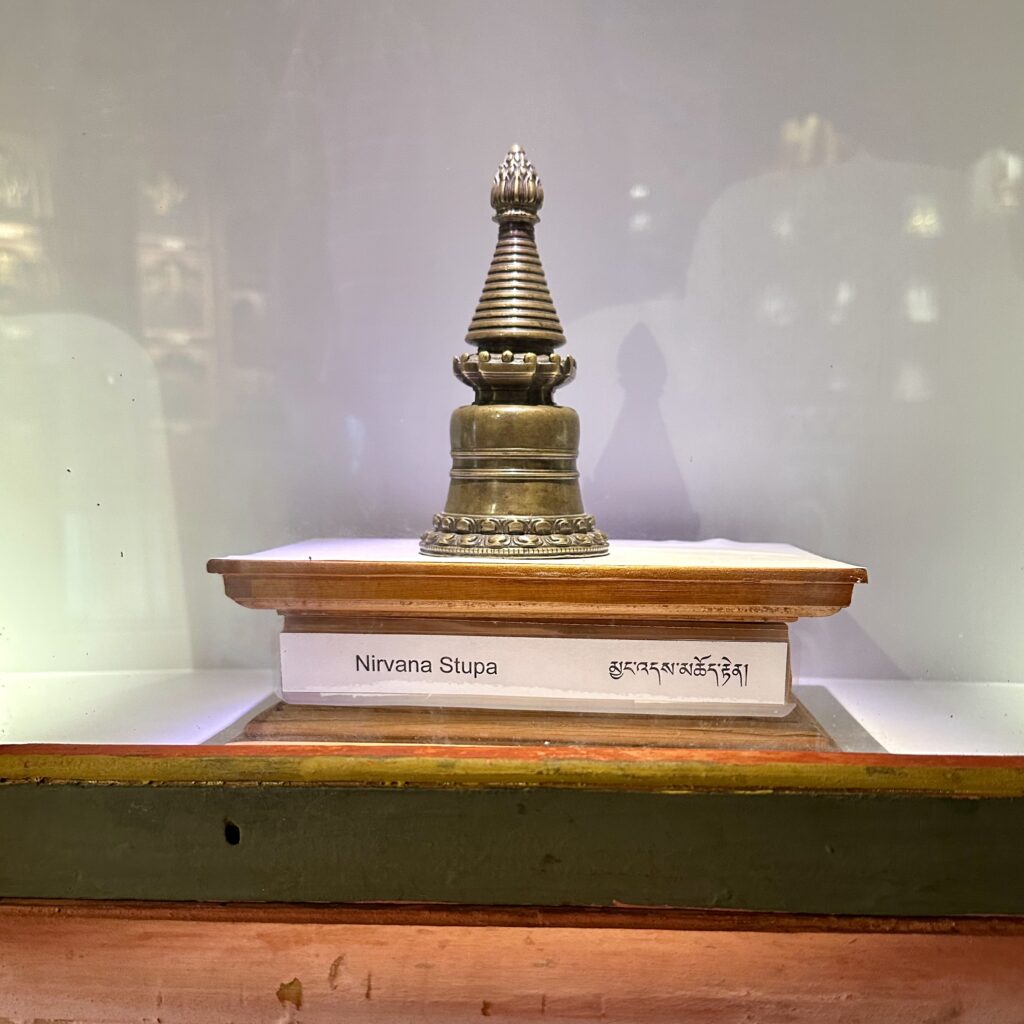
Other exhibits in the museum include stupas, thangka paintings, stamps and coins from different period and more.
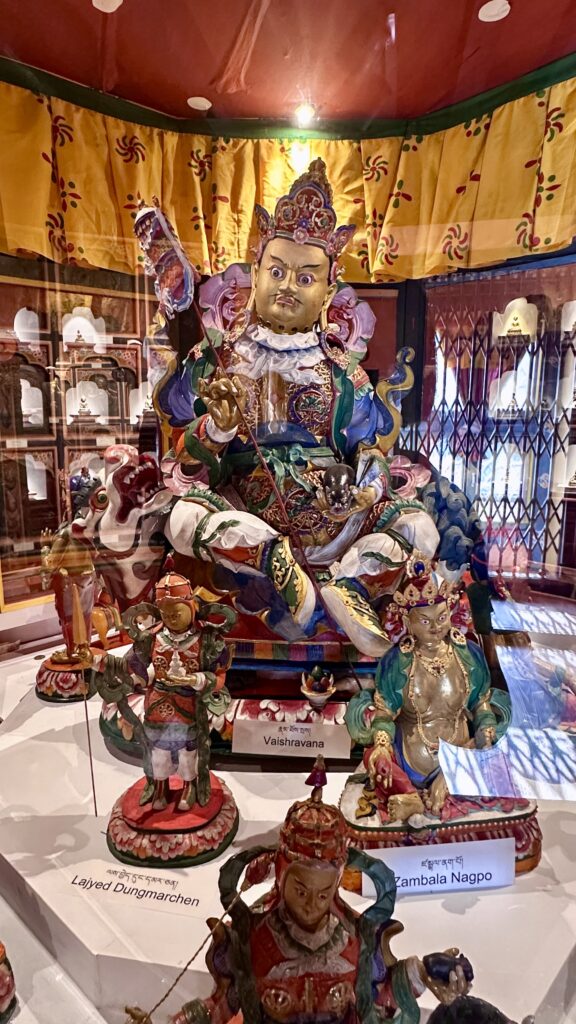
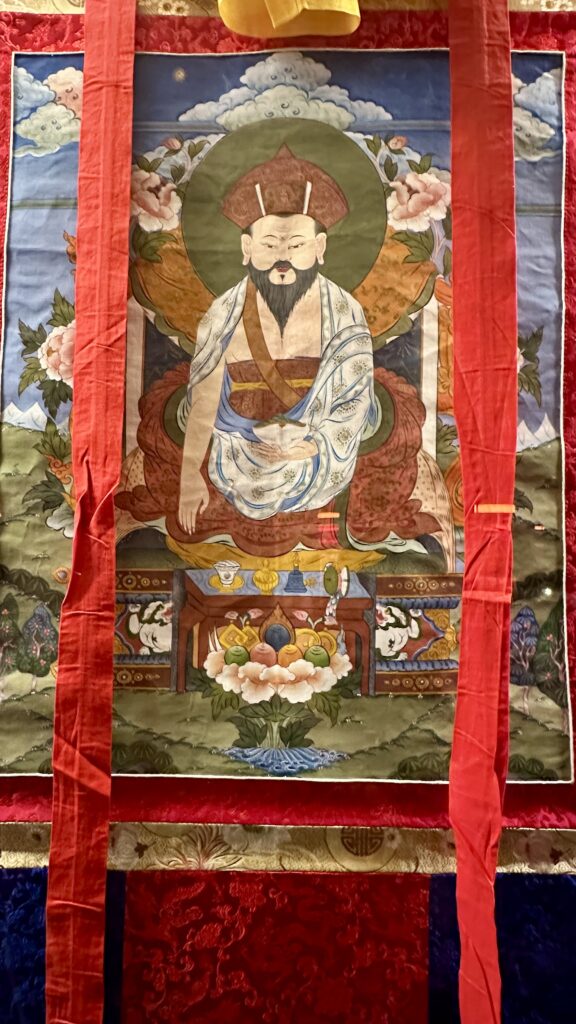
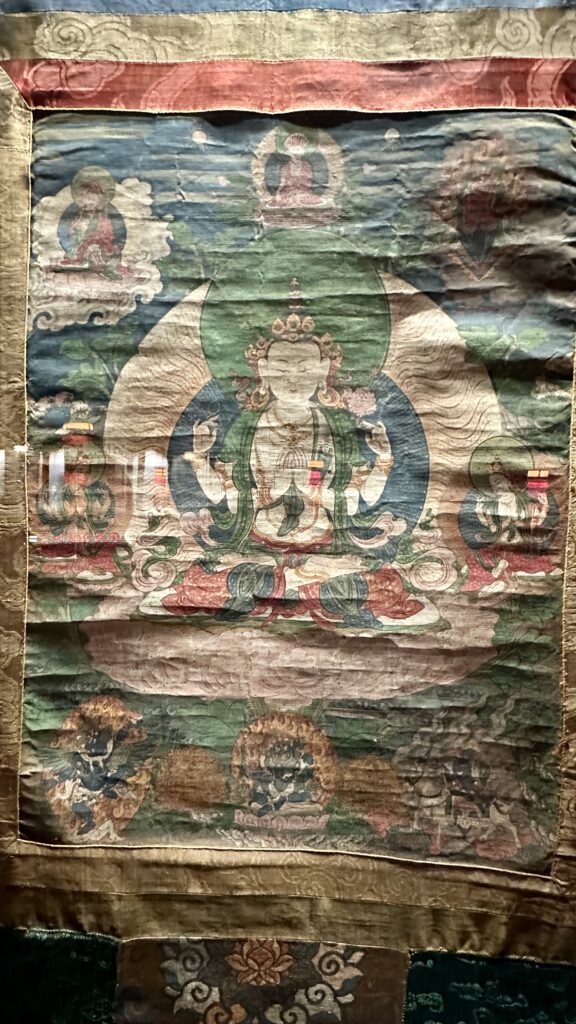
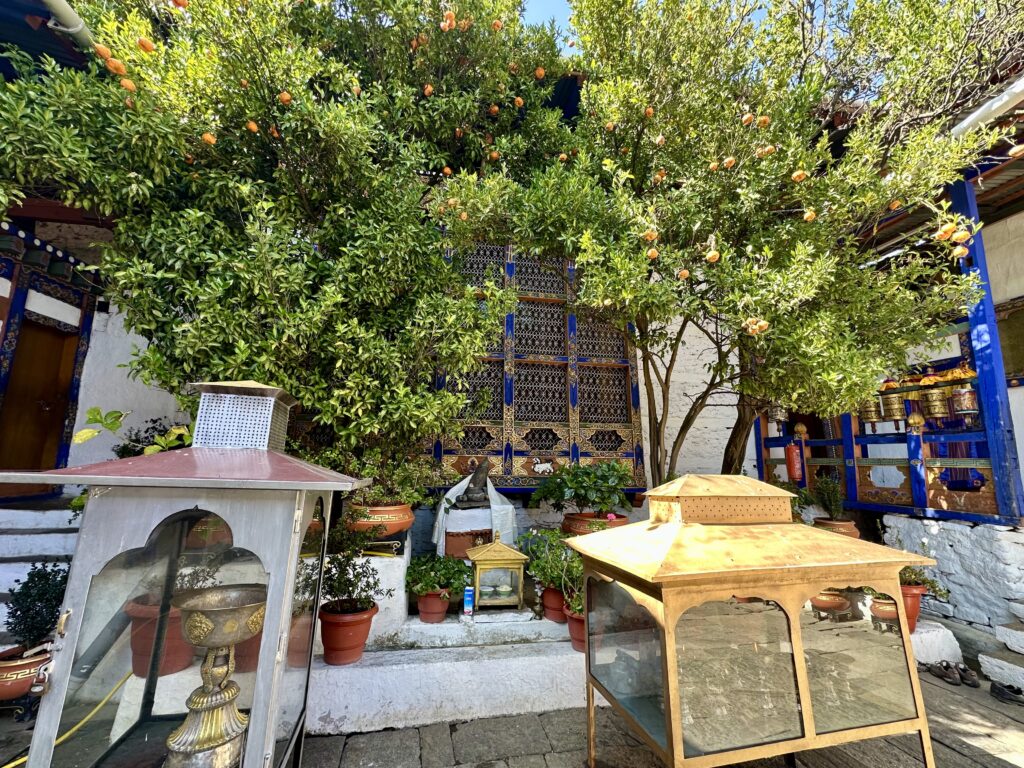
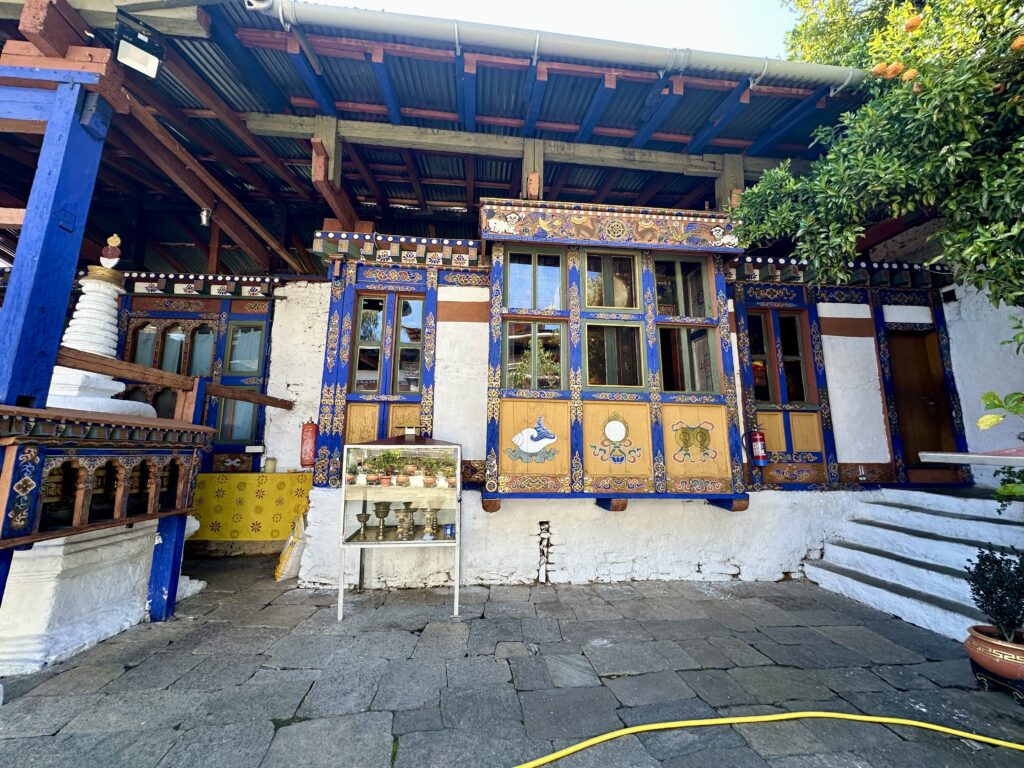
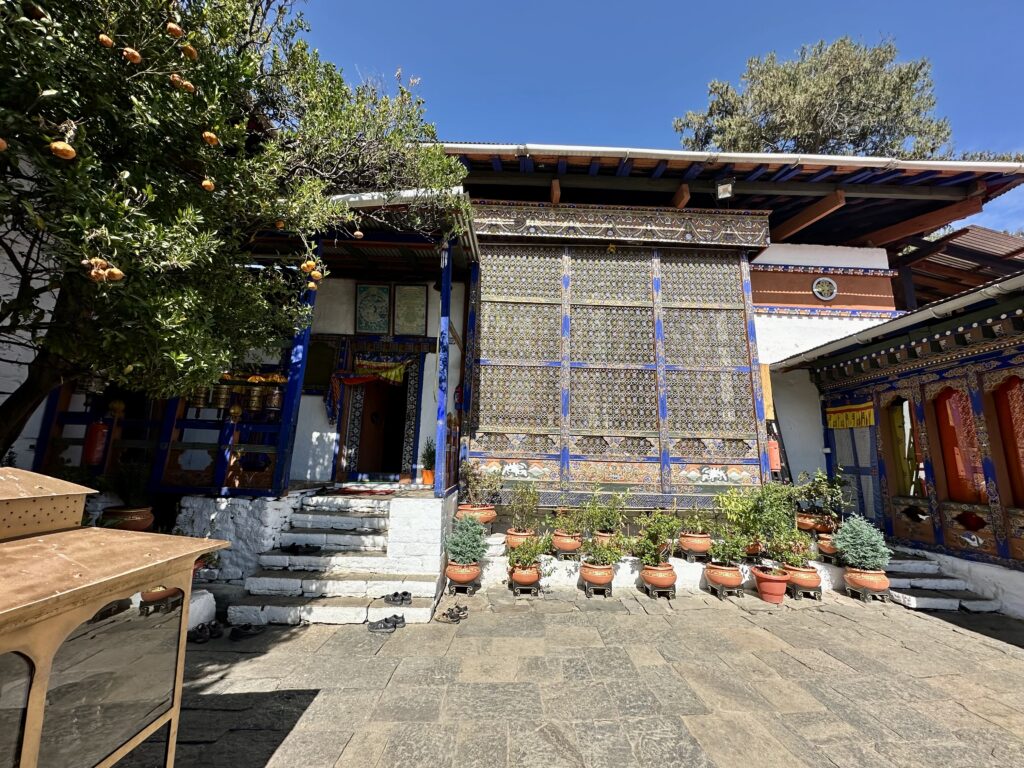
Kyichu Lhakhang – It is the oldest and one of the most beautiful temples in Bhutan and considered to be the sacred Jewel of Bhutan. The temple was one of the 108 monasteries established by the Buddhist King Songstsen Gampo of Tibet. The original Kyichu Lhakhang was small in size but after multiple visits over the years by Buddhist saints, the temple expanded both in grandeur and size. The environment at the temple is quiet and serene and a fantastic place to meditate.
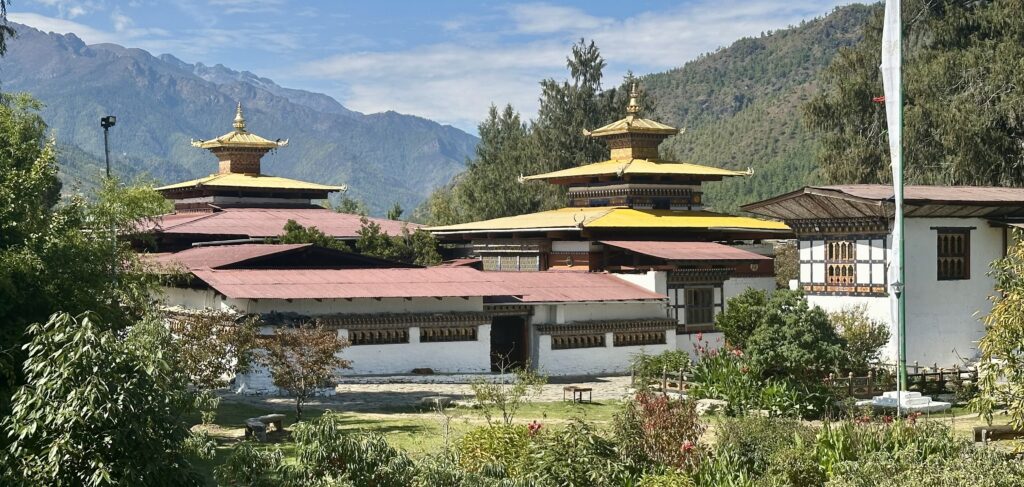
There are 3 temples around the inner courtyard.
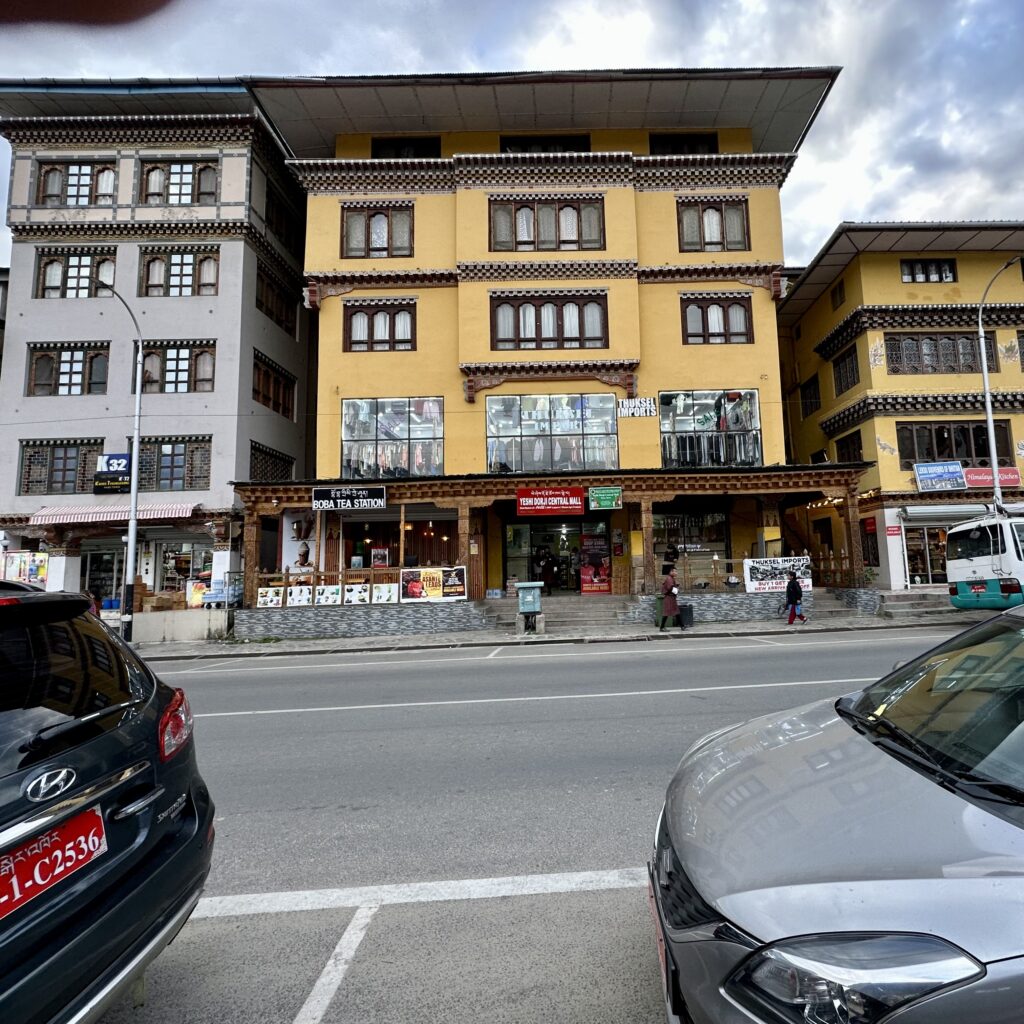
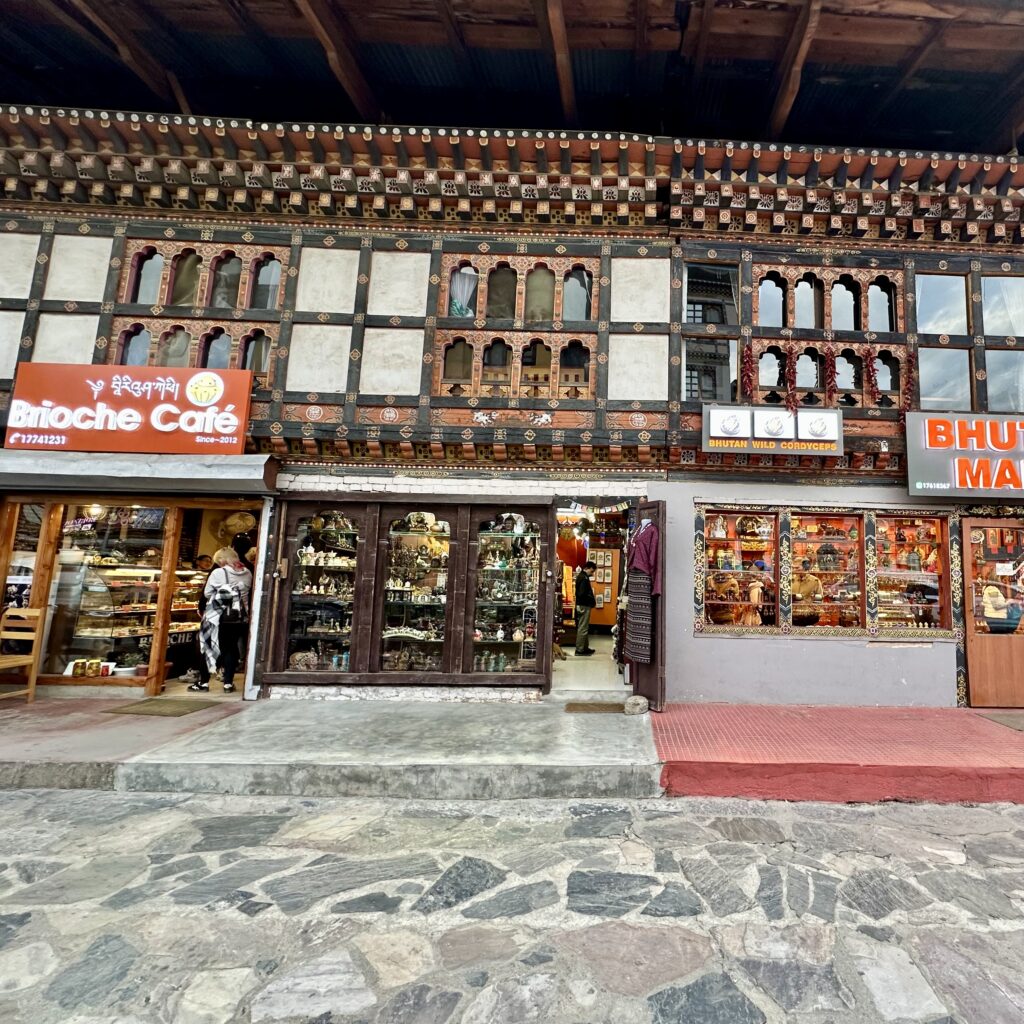
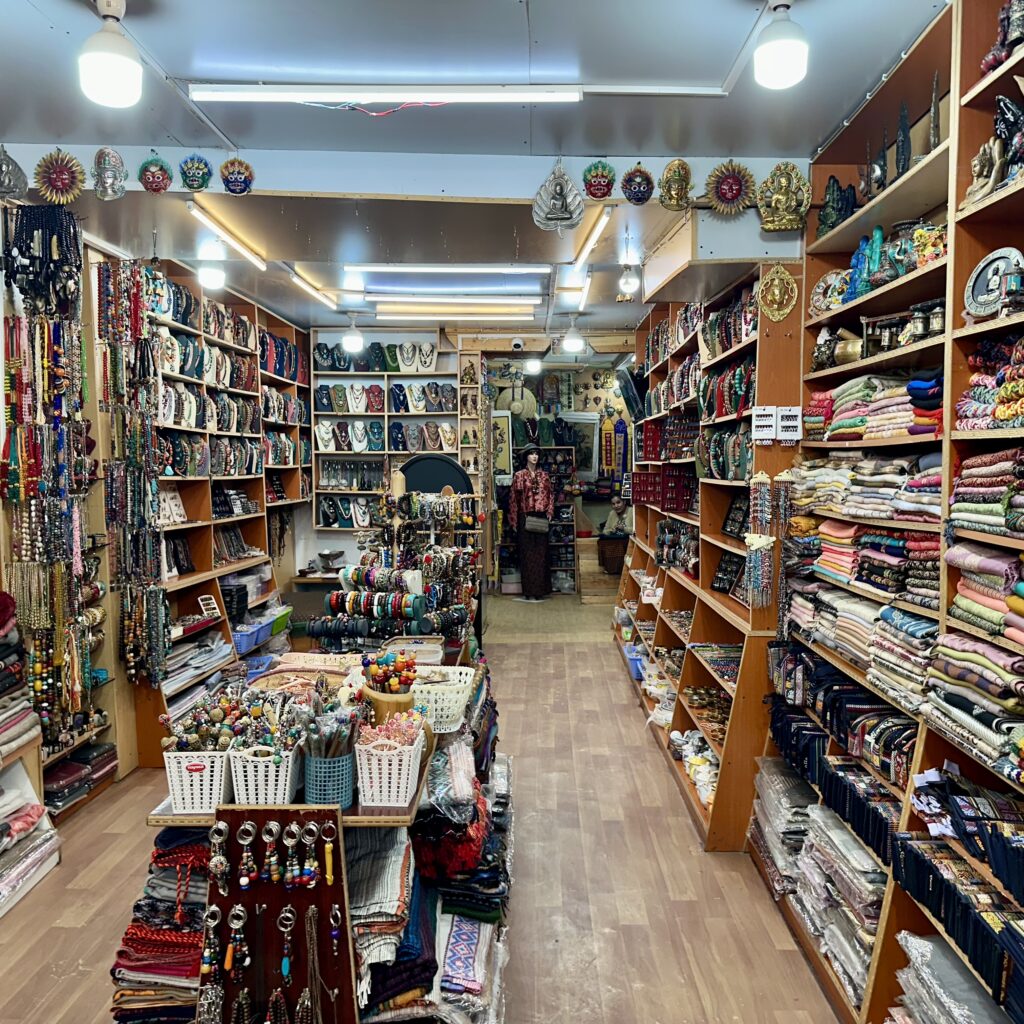
Paro town and shopping – In the evening, we strolled around the town’s shopping area — a vibrant place filled with shops selling jewelry, clothes, Bhutanese artwork, and more. The area is also lined with many restaurants and cafés, making it a worthwhile stop to soak in the lively atmosphere.
Paro Taktsang Monastery (Tiger’s Nest Monastery) – Sitting precariously 3,000m above the Paro valley, the Paro Taktsang Monastery (Tiger’s Nest Monastery) was built in the late 17th century on the site of a cave set into the cliff. Taktsang more accurately translates to tigress’ lair and aptly gets its name from the legend of its founding. According to that legend, the 8th-century Indian Buddhist master Guru Rinpoche was carried up the mountain on the back of a disciple who had transformed herself into a tigress. Once they arrived, Guru Rinpoche then spent 3 years, 3 months, 3 days and 3 hours meditating in the cave. After he had finished, it became a holy place and became known as Paro Taktsang.
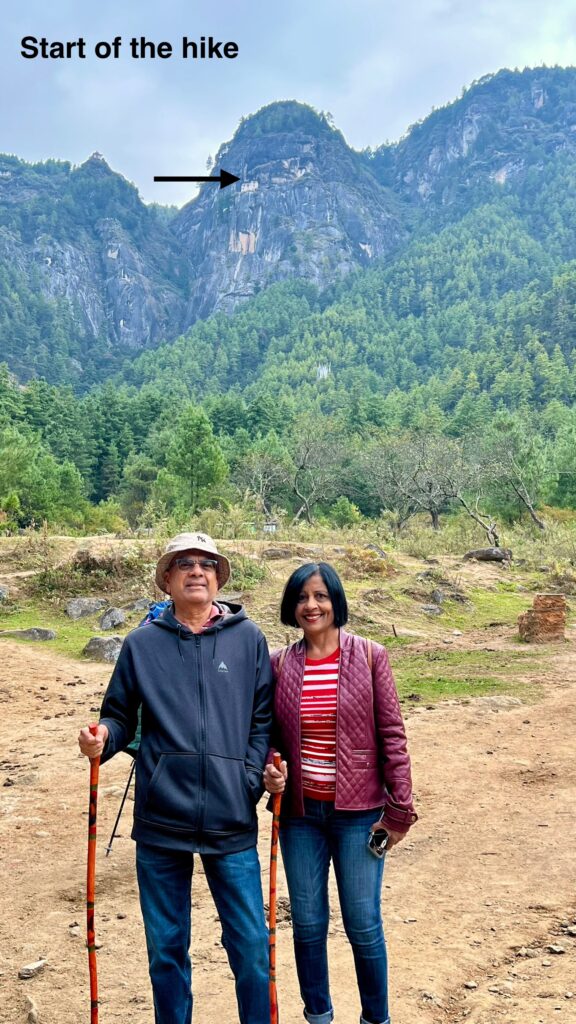
Often called the Jewel of Bhutan, the monastery draws visitors from far and wide for its breathtaking views of the Paro Valley below. To reach the monastery, you’ll need to undertake a steep but well-trodden path that clocks in at about 9.6km (6 miles) round trip. Along the way, you’ll gain about 550m (1,800ft) in elevation. The whole trip, including stop at cafe, a one-hour tour inside the monastery, usually takes about 6-7 hours. The hike begins the parking area which is located at about 2,597m (8,520ft) above sea level.
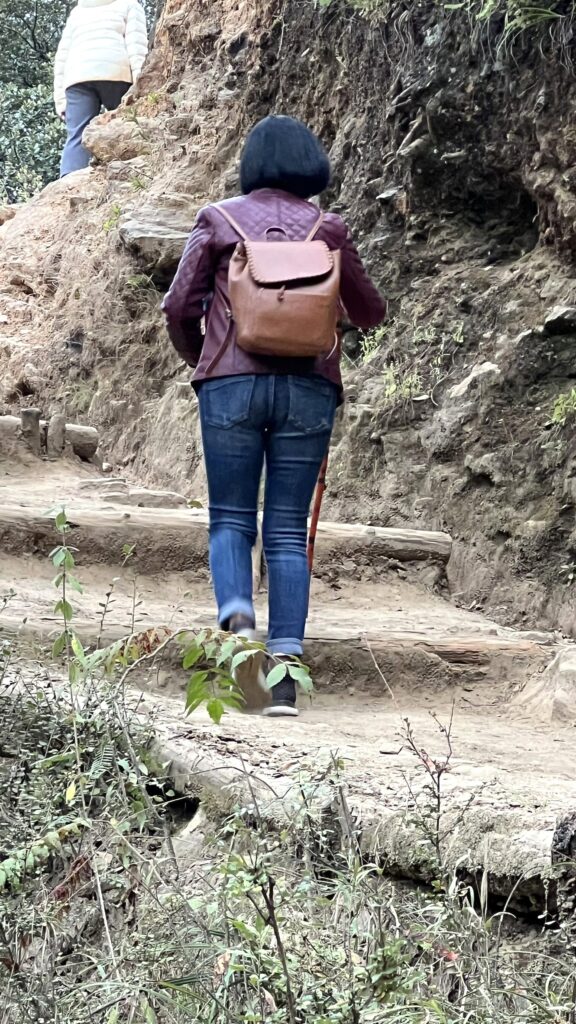
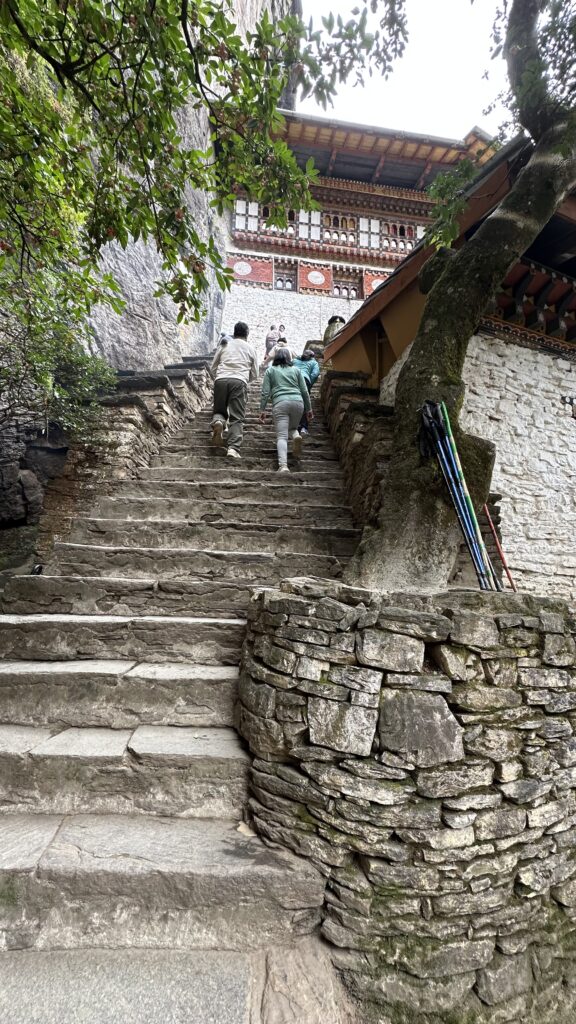
We started the hike at 7 am. About half-way up, you’ll reach a cafe where you can pause for a rest and a snack. The real climb begins after the cafe. A steeper trail cuts through more trees, with occasional clearings to allow sweeping views over the valleys. The path zigzags, following the cliff’s contours, and it can get very steep here, though there are stairs built into the mountain face to help you cover the steepest sections.
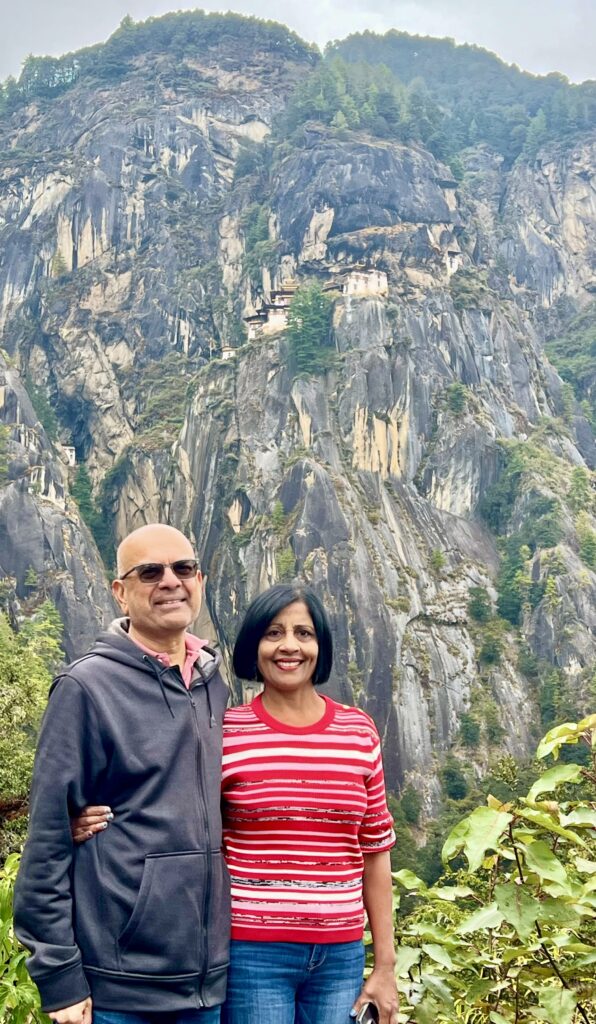
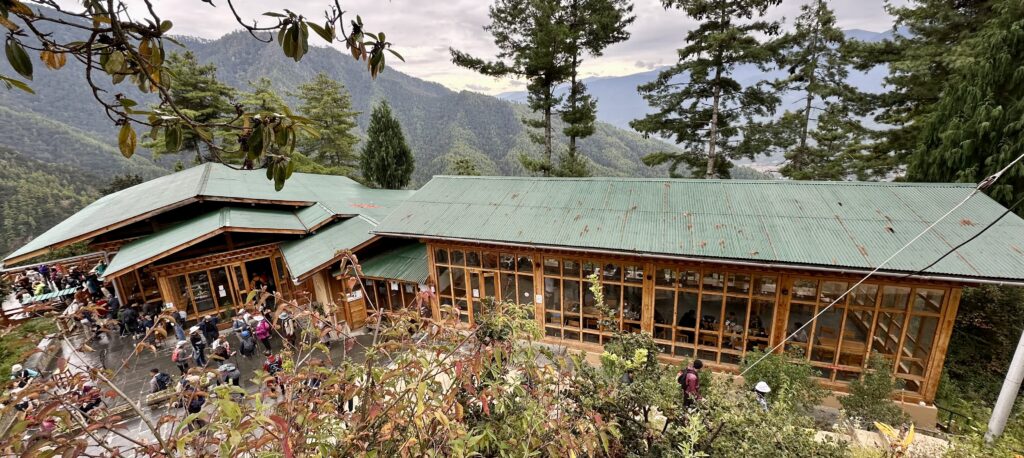
The very last stretch is mostly flat and paved, with small sections of stairs up and down. With the mountain face to one side and plunging terrain to the other, you’ll have exceptional views of the monastery at this point. From here, we climbed down some 700 steps to reach a bridge that crossed a stunning waterfall.
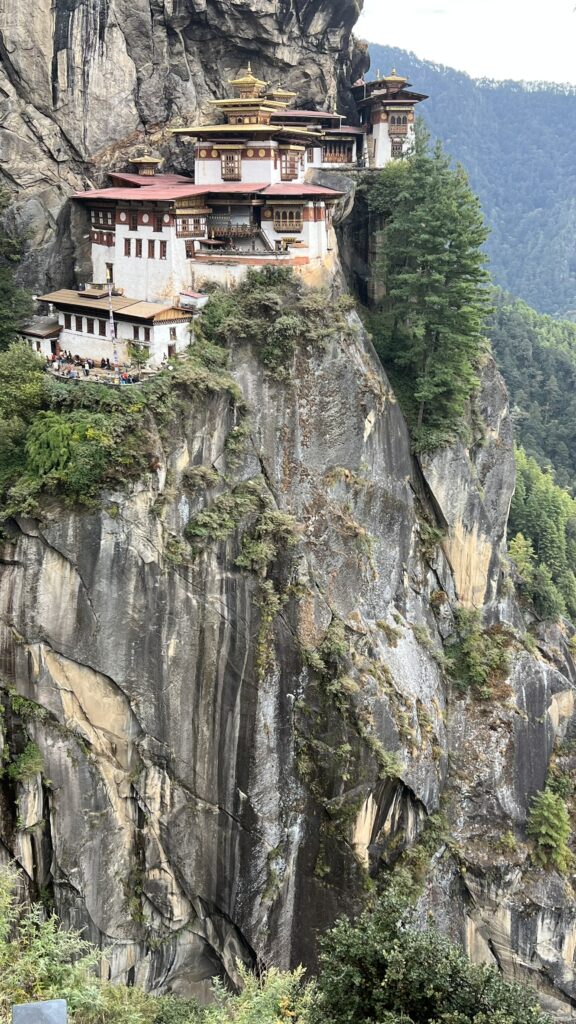
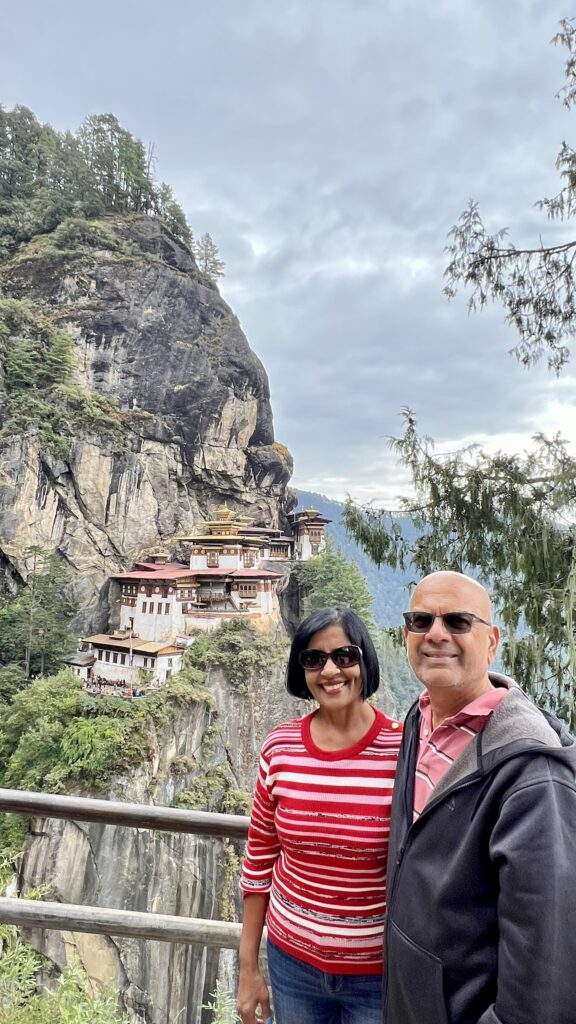
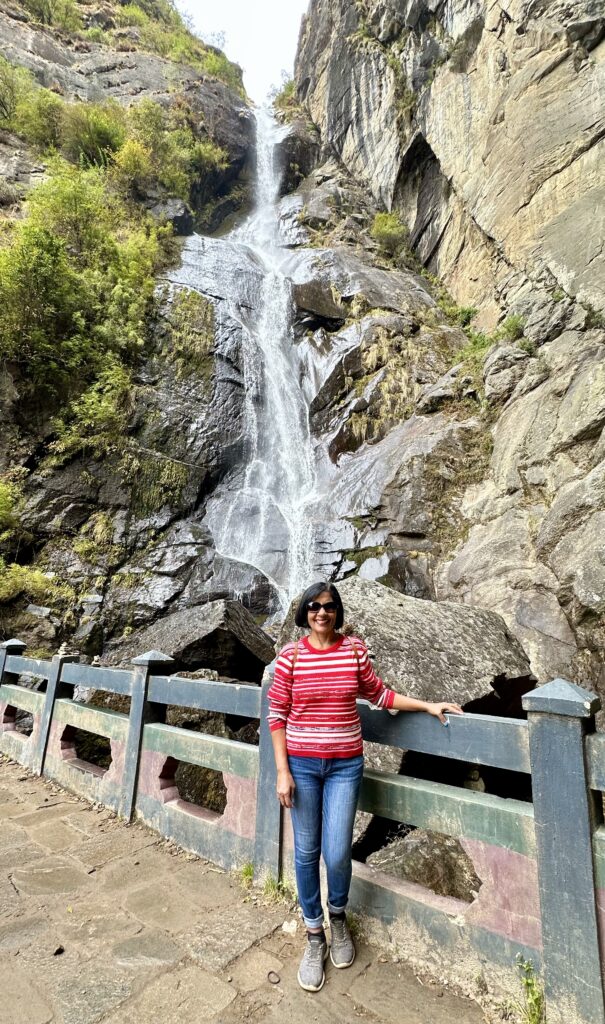
After crossing the bridge, we had to climb up about 150 steps to reach the monastery. Just before entering the monastery, we had to keep out bags and phones in a locker. There are 8 temples that can be visited here –
- The first temple we visited has Guru Padmasambhava in the wrathful form (Subjugating demonic spirits)
- The second temple features Guru Padmasambhava in a wishful pose, where visitors can make a wish
- The third temple had depiction of the 8 manifestations of Guru Padmasambhava
- The fourth temple has a miraculous stupa and remains of a desciple of Guru Padmasambhava
- The fifth had status of Amitāyus Buddha and Guru Padmasambhava in wrathful form
- The sixth had a statue of Kuber, the god of wealth
- the seventh had Taras(venerated as a female Buddha) and engineers
- the eighth had Guru Padmasambhava with his 2 wives
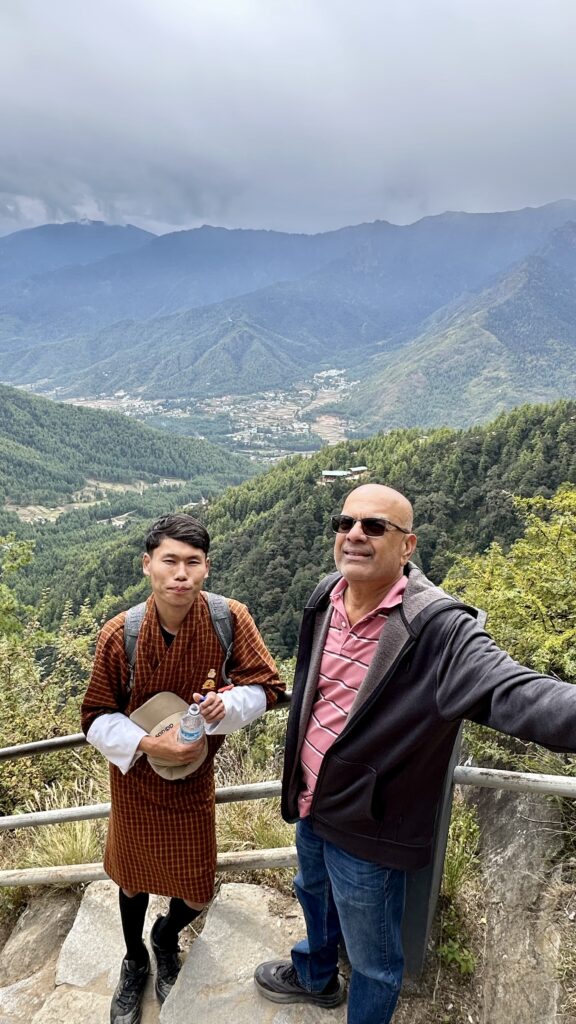
We were back at the parking lot by 2pm. The roundtrip took us 7 hours which included –
- 45 minutes stop at the cafe at halfway point (up and down)
- 1-hour tour of the monastery
- 30-40 minutes photo stops
Paro Festival – is a major annual Buddhist festival in Bhutan held in Paro honoring Guru Rinpoche – saint who brought Buddhism to Bhutan in the 8th century. The takes place at the Paro Rinpung Dzong in March-April.
The festival is known for its elaborate masked dances performed by monks and laymen, depicting stories of Guru Rinpoche and Buddhist teachings. A highlight is the unfurling of a giant thangka (religious painting) of Guru Rinpoche, considered a sacred blessing. Clowns, known as Atsaras, entertain the crowds between dances, adding a humorous element to the festivities. People dress in their finest attire, creating a vibrant atmosphere of celebration and socializing.
Since we visited Paro in October, we were not able to participate in the festival.