2 Nights in Airbnb – Mandilas House, Kastraki
The drive from Delphi to Meteora was less than 3 hours long (220km) and quite scenic. Tourists visiting Meteora have the option to stay either in the small village of Kastraki or in the bigger town Kalambaka which is a 20 min walk from Kastraki. We Stayed in a really nice Airbnb in the village of Kastraki which is surrounded by rocky hills. We had a clear view of the monastery of St Nicholas from our Airbnb.
The 2-bedroom Airbnb was within a small complex with a couple of other units. There were grape vines with green and purple grapes that tasted fresh and sweet. There was also a walnut tree in the complex. The owner had filled the fridge with milk, eggs etc. There was plenty of tea and coffee available in the kitchen. He met with us in the evening and told us a little bit about the history of the monasteries and also how Meteora became a tourist haven after the James Bond movie ‘For your Eyes Only’ which was shot at the ‘Monastery of Holy Trinity’. The locals have no problem welcoming as many tourists as they can.
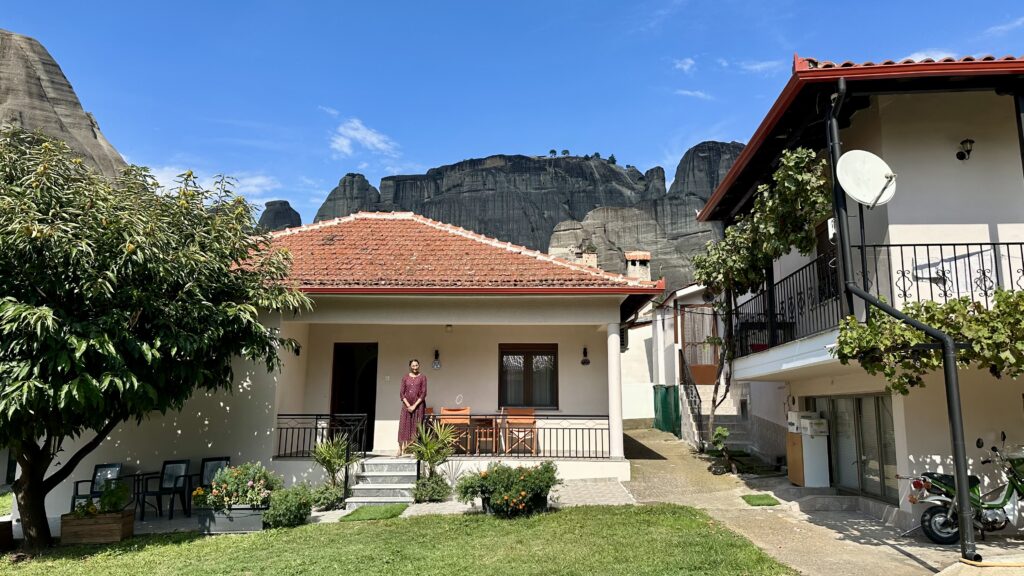
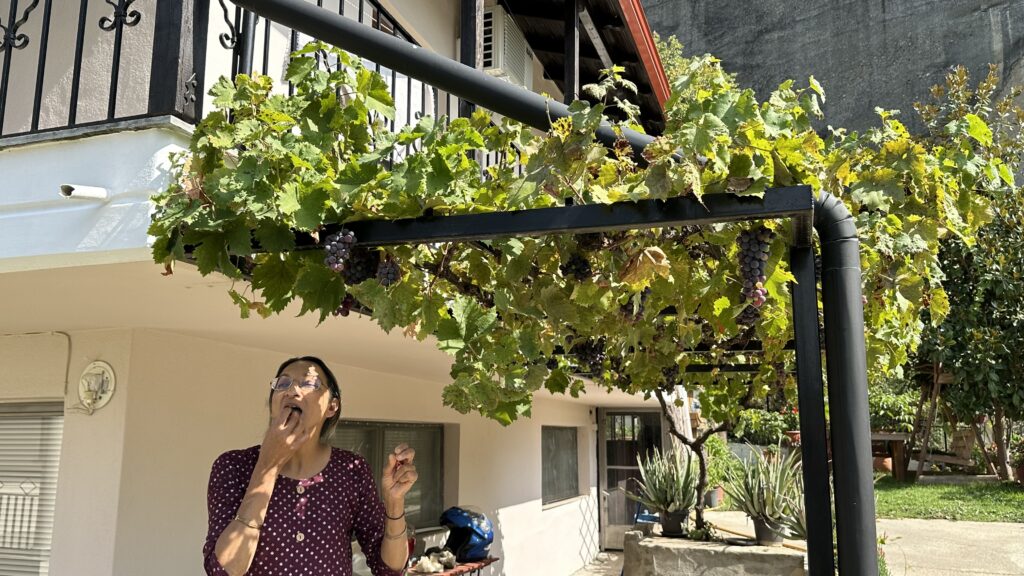
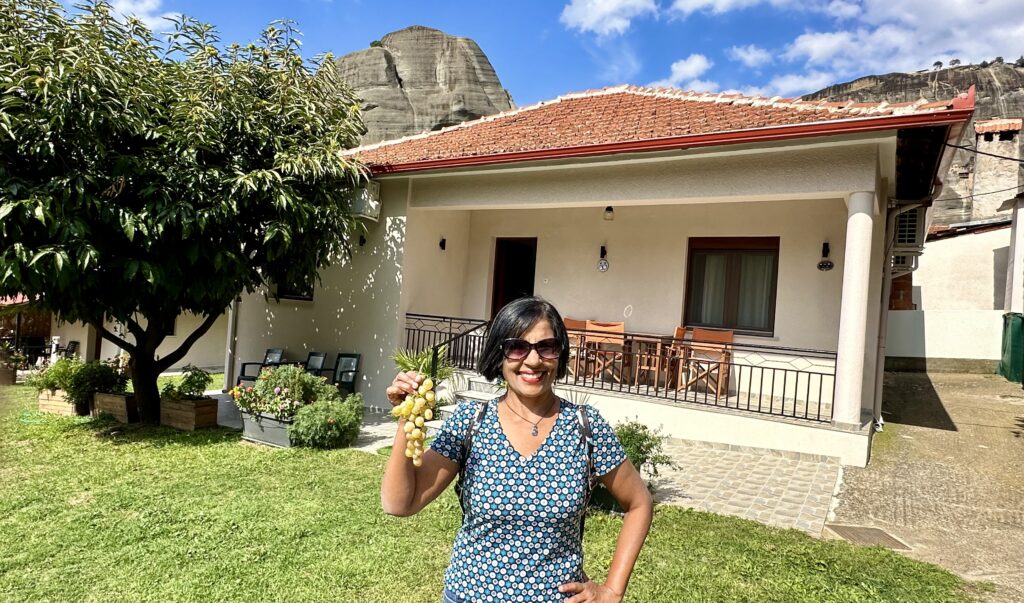
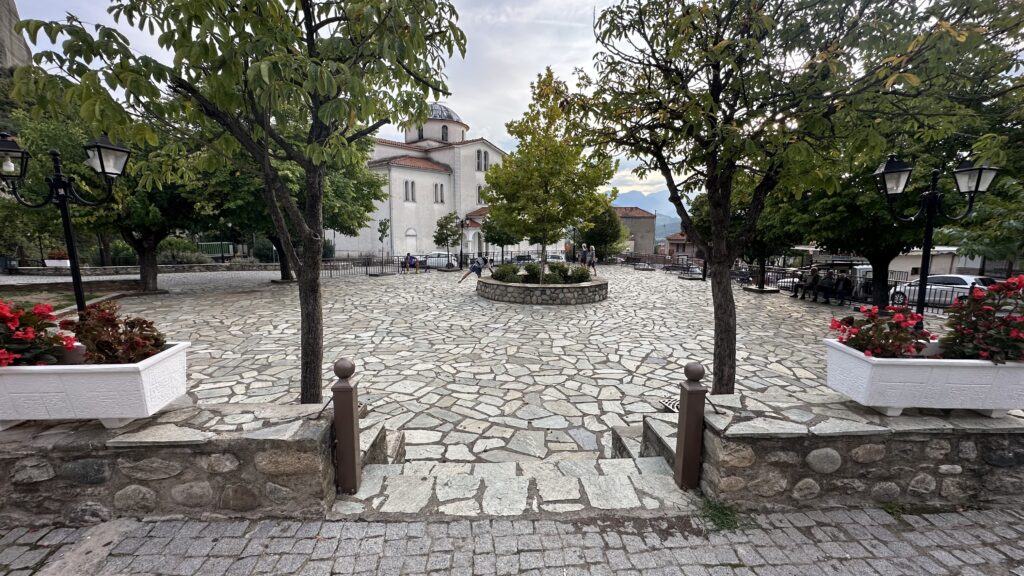
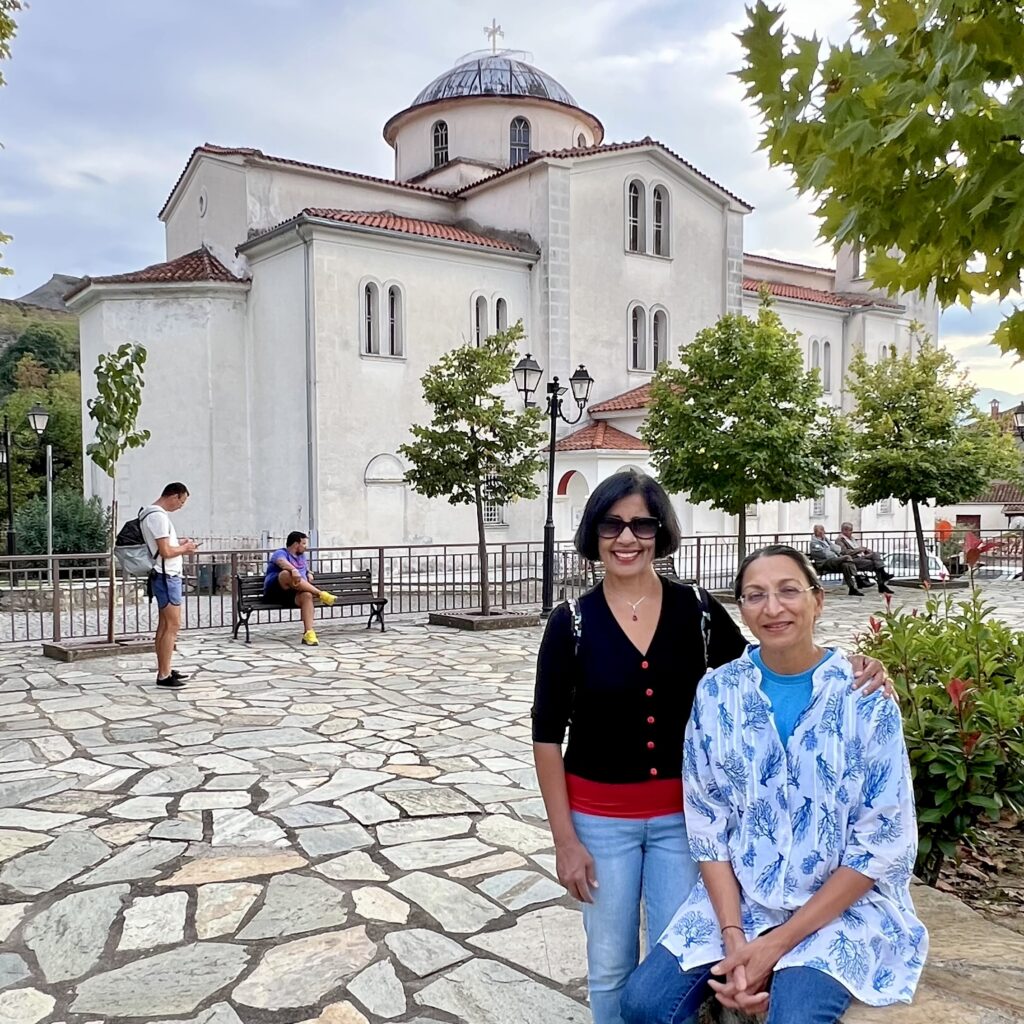
The village of Kastraki has a central plaza, church, and a few restaurants all within walking distance from our Airbnb. We had a relaxing evening walking around the village browsing through all the menus in various restaurants.
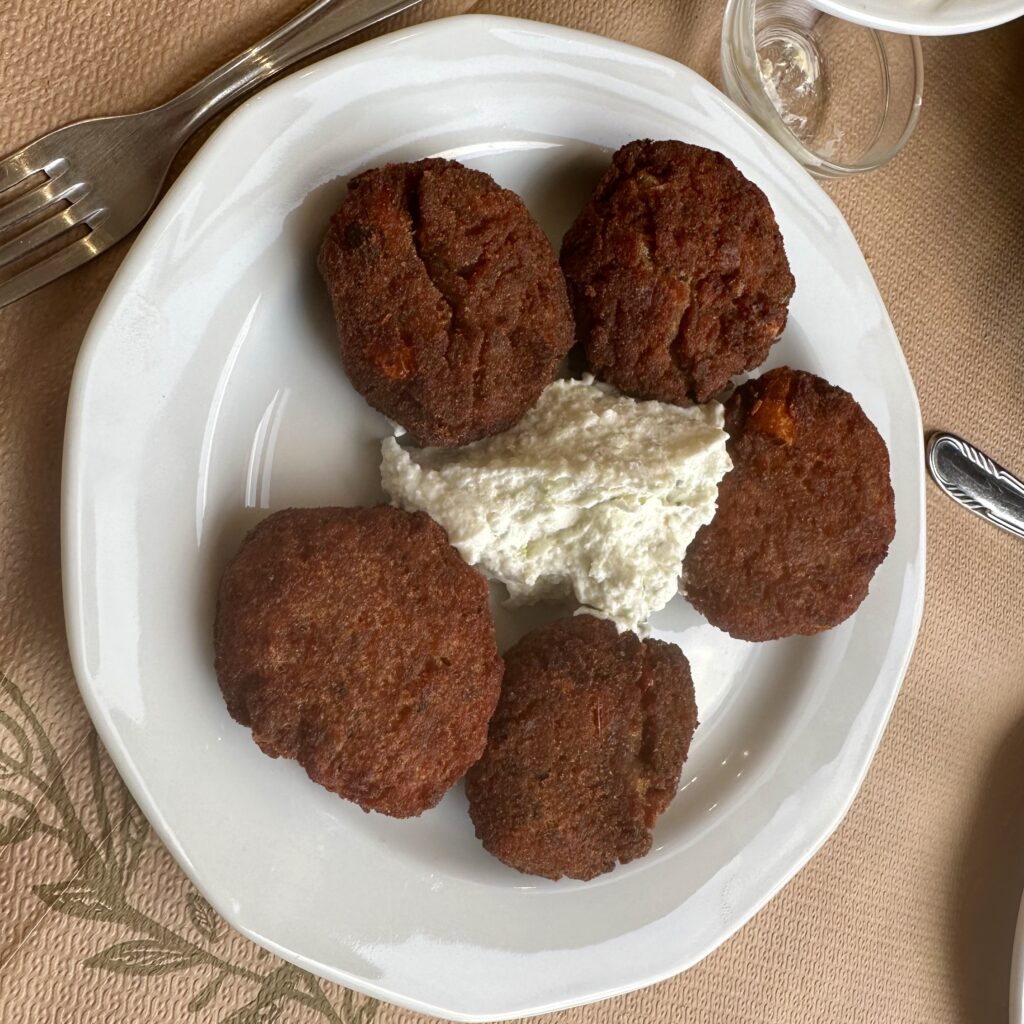
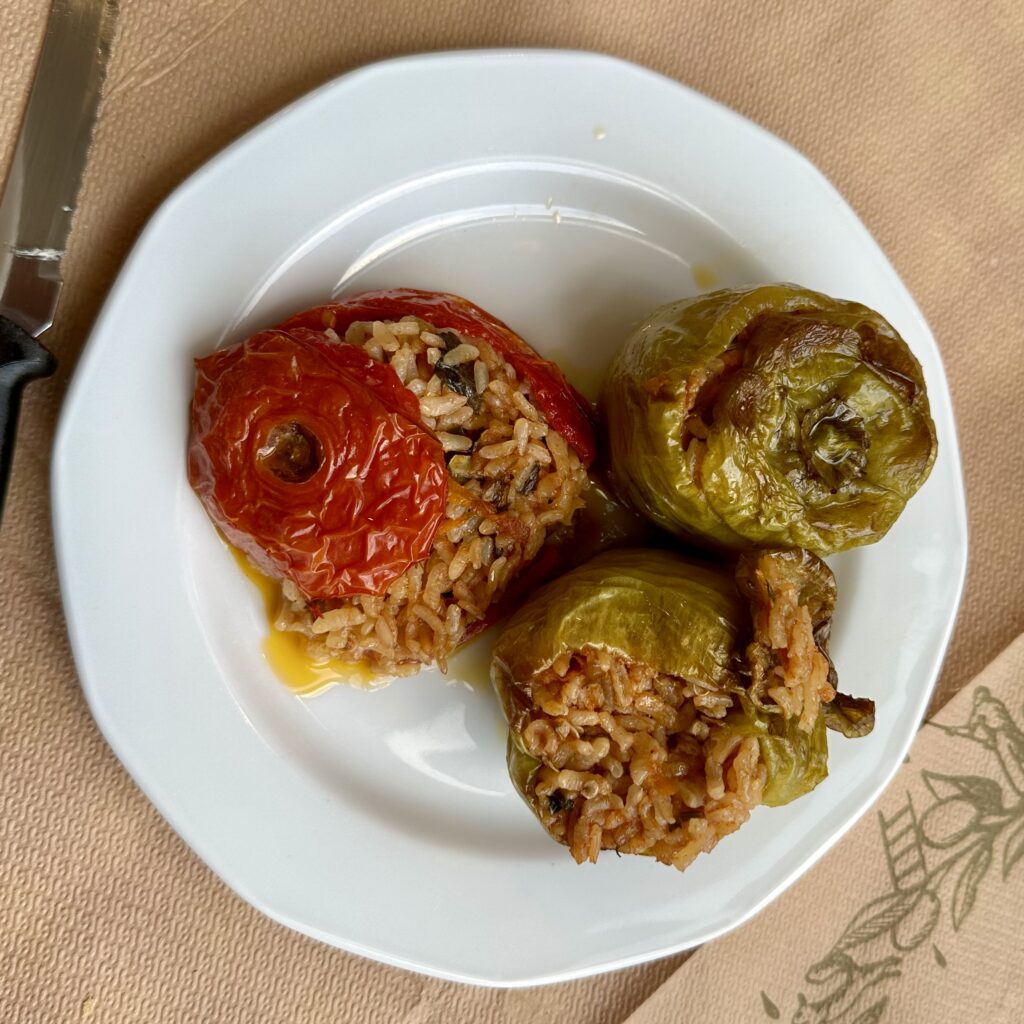
We had the tastiest dinner in one of the restaurants. We had an appetizer of tomato fritters known as Tomatokeftedes in Greece which was delicious. The dip you see on the plate is called Tzatziki which is basically a yogurt dip/sauce and is a staple in Greek cuisine. our main dish was Yemista (pronounced ‘gemista’), a classic dish of summer vegetables stuffed with rice. Tomatoes and peppers are the most popular.
Some information about the famous Meteoron monasteries:
- Of the original 24 monasteries that existed during the 15th century, only 6 are currently occupied and active. In 1988, the 6 monasteries were listed in UNESCO World Heritage Site.
- There is a fair amount of walking and climbing steps in Great Meteora, Varlaam, Rousanoú, St. Nicholas, and Holy Trinity. St. Stephen Nunnery is the only monastery that has no steps to climb and is the most accessible.
- $3 entry fee to visit each of the 6 monastery. Totally worth it.
- Dress code – Men have to wear pants (no shorts allowed). Women have to wear long skirts with sleeved tops. Knees and shoulders MUST be covered for both men and women. Skirts and shoulder covers are available at the entrance to the monastery for free.
We had booked a 4-hour (9am-1pm) guided tour through Viator which included a visit to 3/6 monasteries and stops at a few viewpoints to take photos.
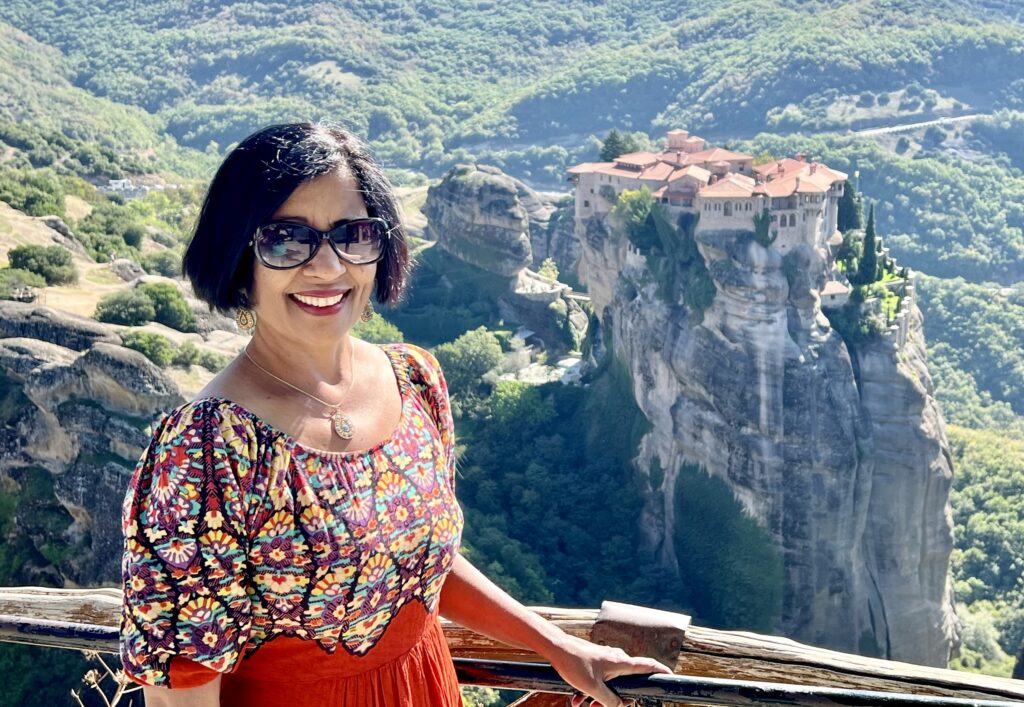
Holy Monastery of Varlaam – Our first stop was the Holy Monastery of Varlaam which is the second biggest of the Meteoron monasteries. Located very close to Great Meteoron Monastery, it was founded in the mid 14th century by a monk named Varlaam. He and a few other monks, managed to climb on the cliff around 1350 and establish the monastery. The cliff was abandoned by the rest of the monks after Varlaam died and the 14th-century chapel built by him and dedicated to the “Three Hierarchs” almost turned into ruins.
In the early 16th century two brothers from Ioannina, the priest-monks Theophanes and Nectarios, the so-called Apsarades decided to reactivate the abandoned monastery of Varlaam. They settled on the cliff spending many years building a new chapel dedicated to “All Saints” in 1541. The two brothers from Ioannina, are celebrated today as the two founders of the monastery of Varlaam.
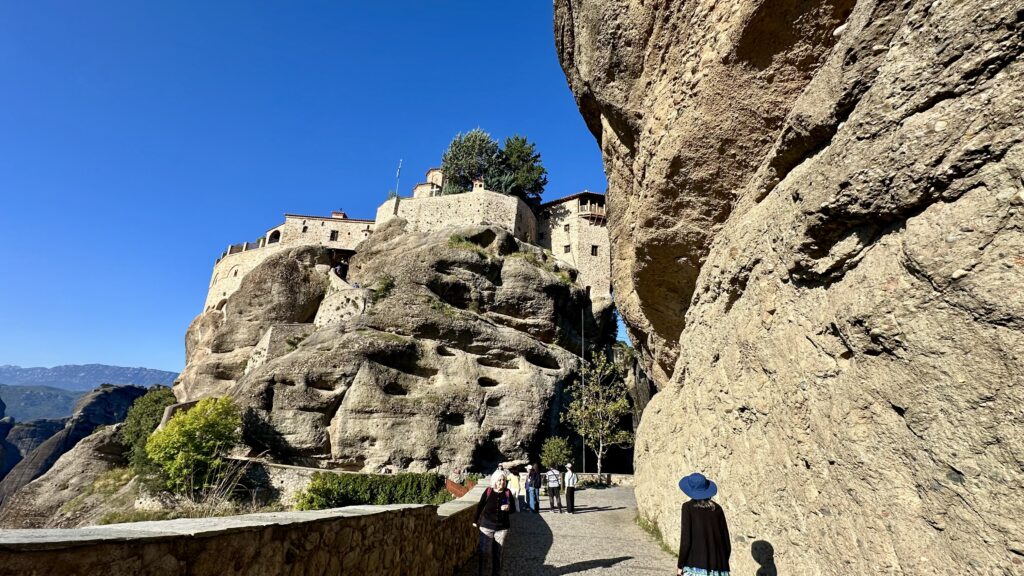
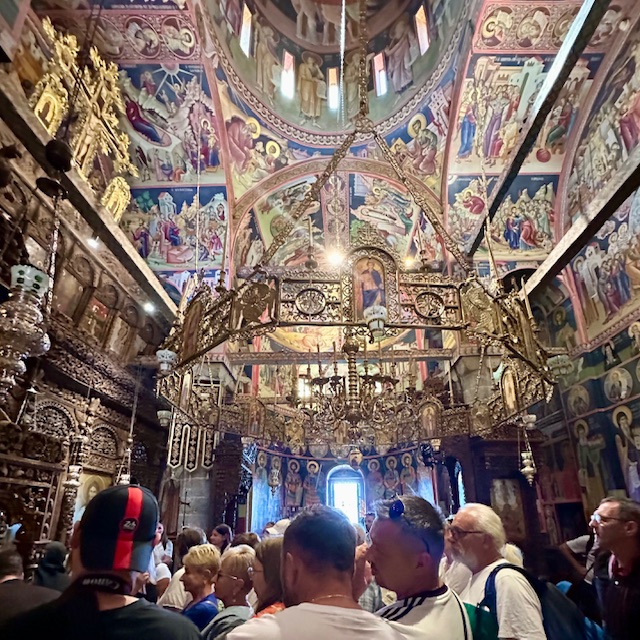
The interior of the Varlaam monastery is beautifully decorated with religious art. Gold mosaics that reflect the light off god figures feature across the monasteries. The beautiful frescos in the monastery’s chapel of All Saints belong to the famous hagiographer of the 16th century Franco Catalano.
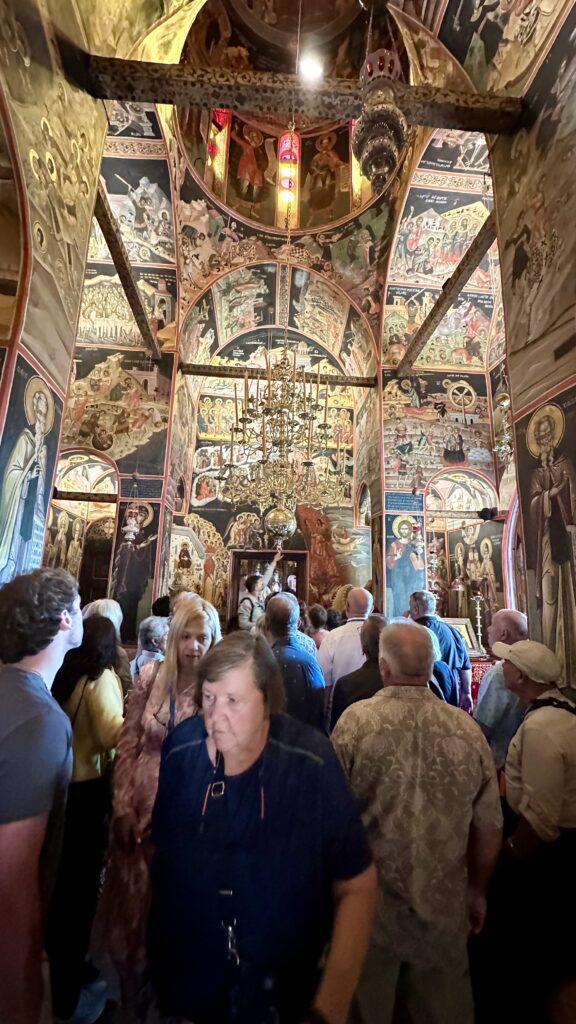
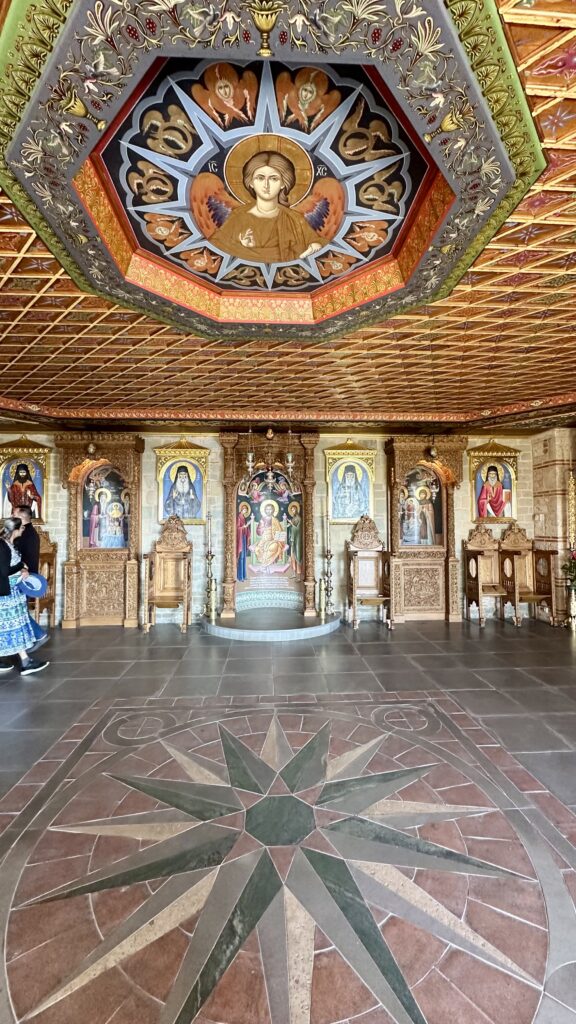
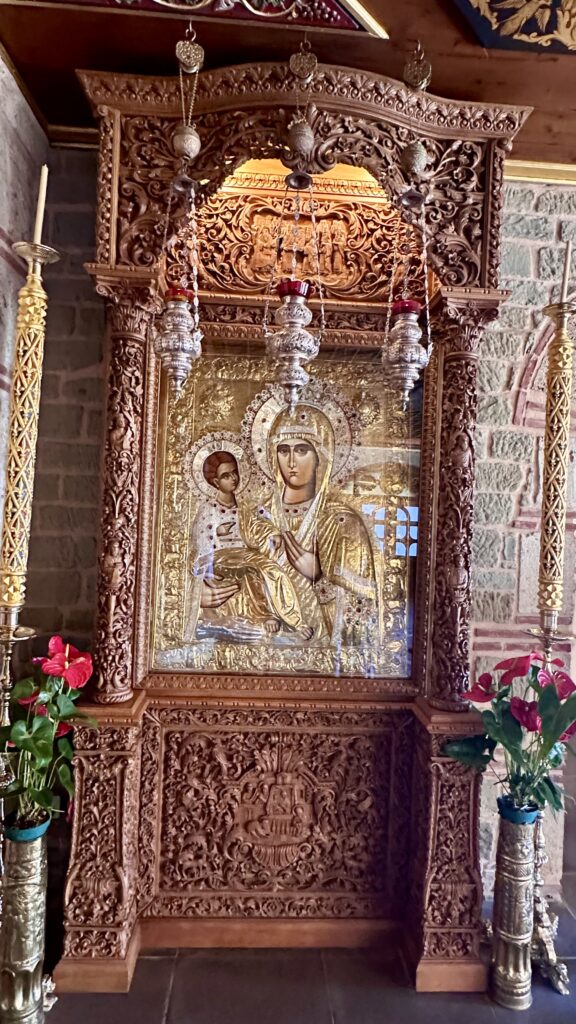
Varlaam monastery Courtyard – The courtyard provides separate access to the different areas of the monastery. The Katholikon is located at the centre of the monastery because it was the most important element within the monastery. The courtyard also led to chapels and private quarters for the monks and monastery superiors.
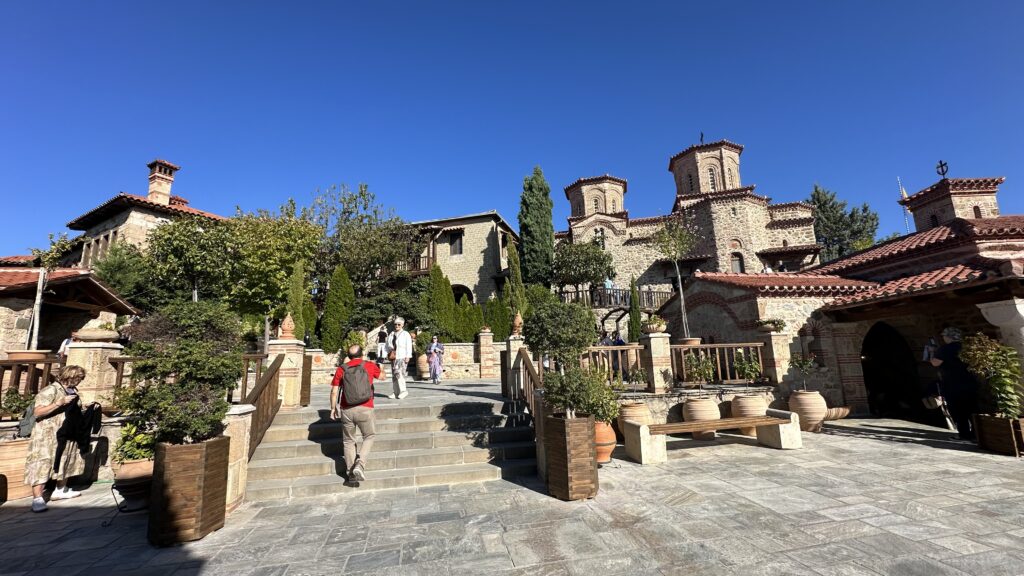
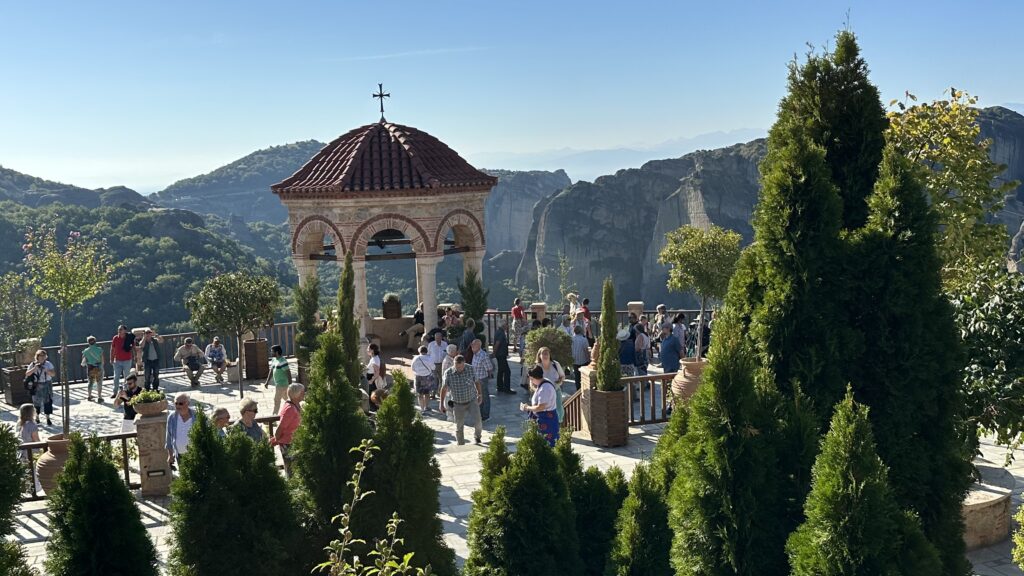
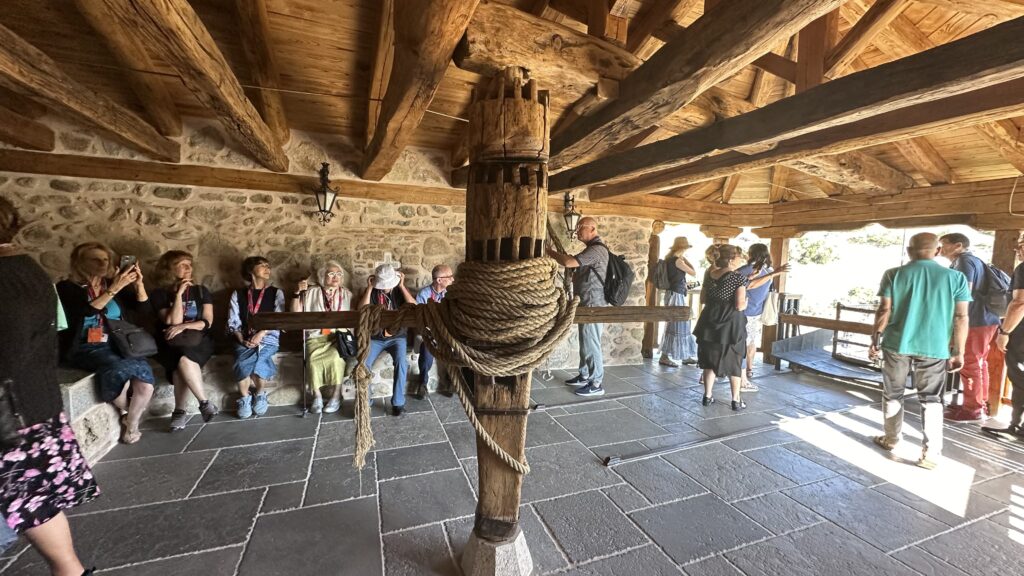
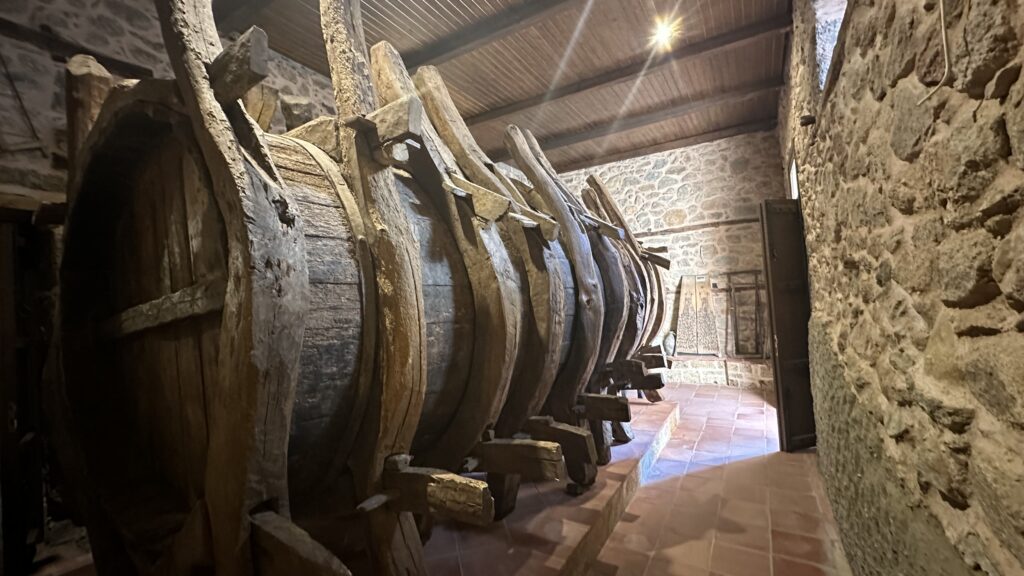
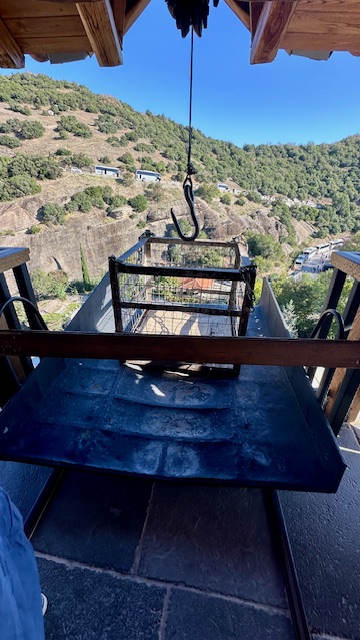
The monastery has preserved the tower with the old pully system where you can see the net, used by the first monks to bring up people and provisions. The visitors can also see a very large 16th-century oak barrel used for water storage over the previous centuries.
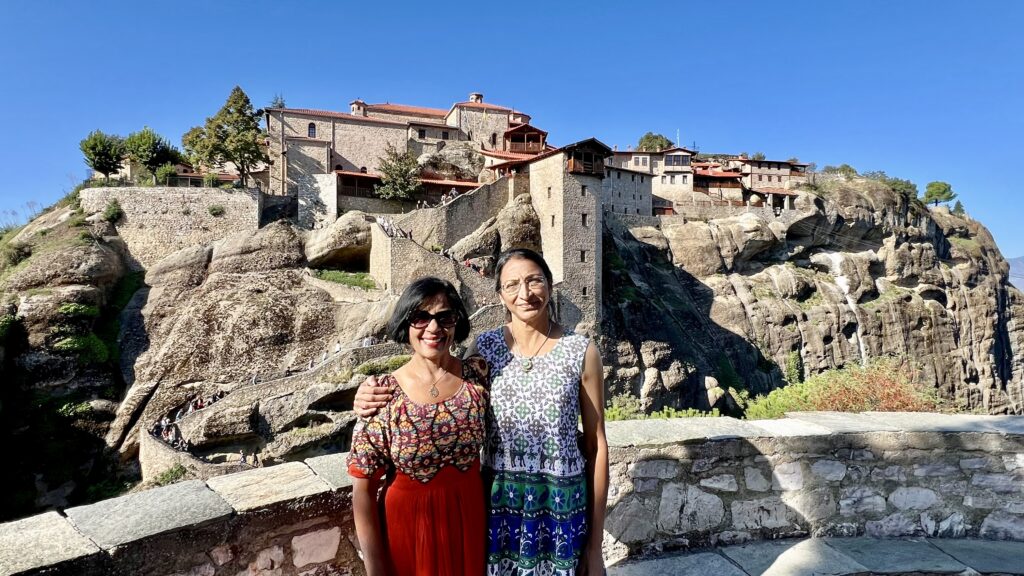
The Great Meteoron Monastery – This is the oldest, largest and most visited of the monasteries. The Great Meteoron was founded shortly before the middle of the 14th century by Saint Athanasios the Meteorite, who was also its first founder and the first to organize a systematic monastic community. the monastery was enlarged in the second half of the 14th-century by his disciple and successor Ioasaph, son of Serbian King Simeon. It is in a wonderful setting, with stunning views across the surrounding landscape. The tombs of both Athanasios and Ioasaph are in the frescoed church here.
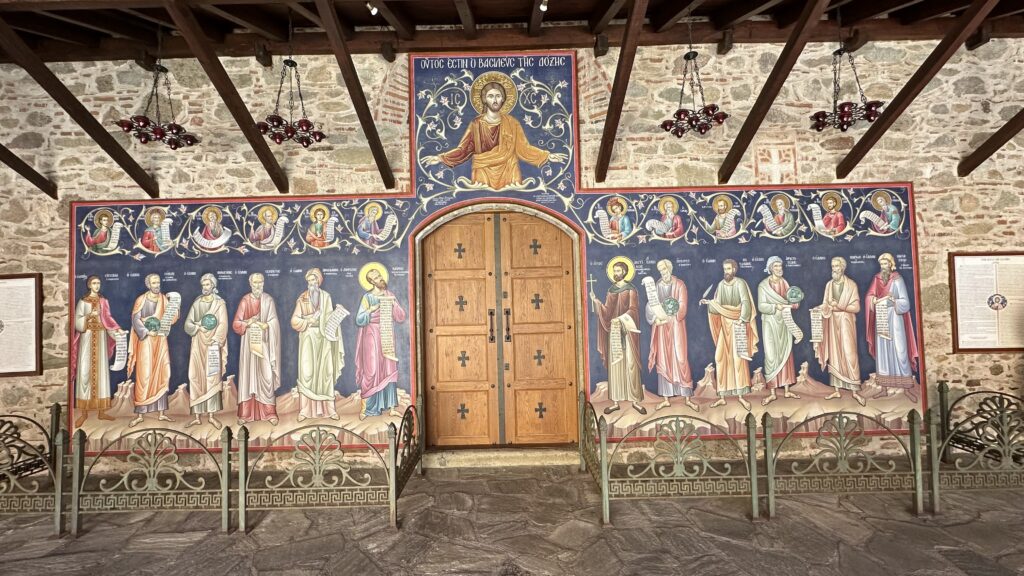
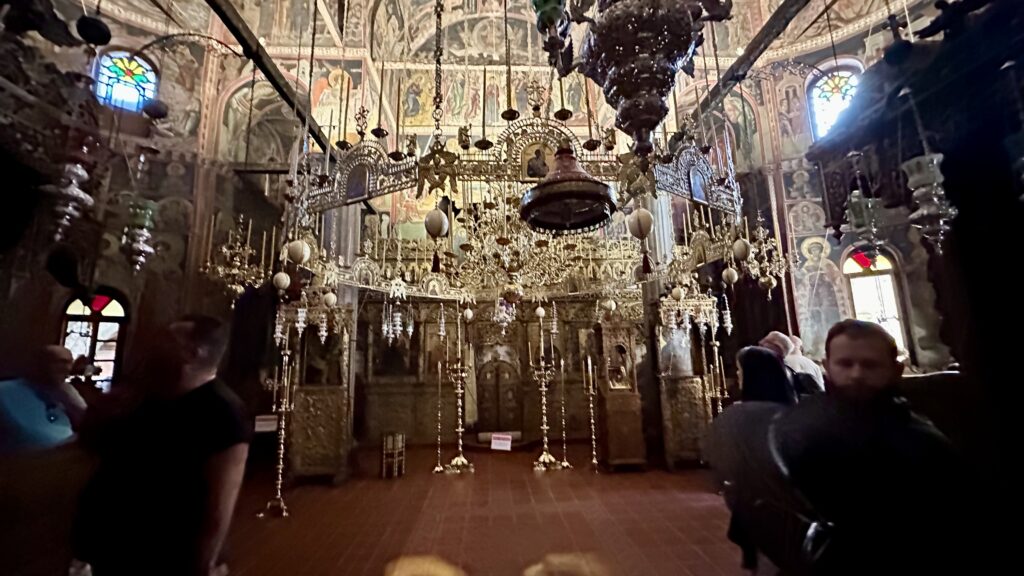
The main church of the monastery of Great Meteoron was made in the mid 16th century. It is decorated with beautiful 16th-century frescoes, which are some of the best samples of post-Byzantine art of Greece.
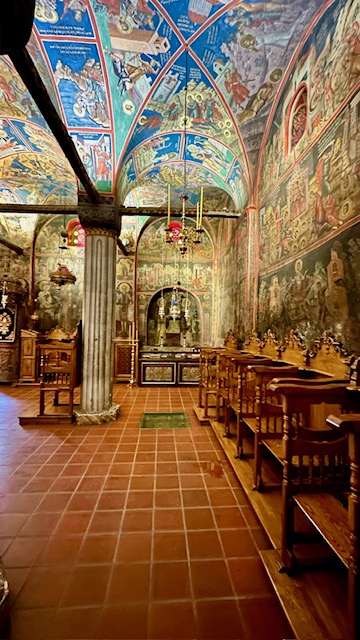
There is also an on-site museum, which besides displaying religious icons and books, highlights the role of the Orthodox church in Greece’s struggle for freedom from the Turks. It also illustrates the Greeks’ resistance to the Germans in WWII.
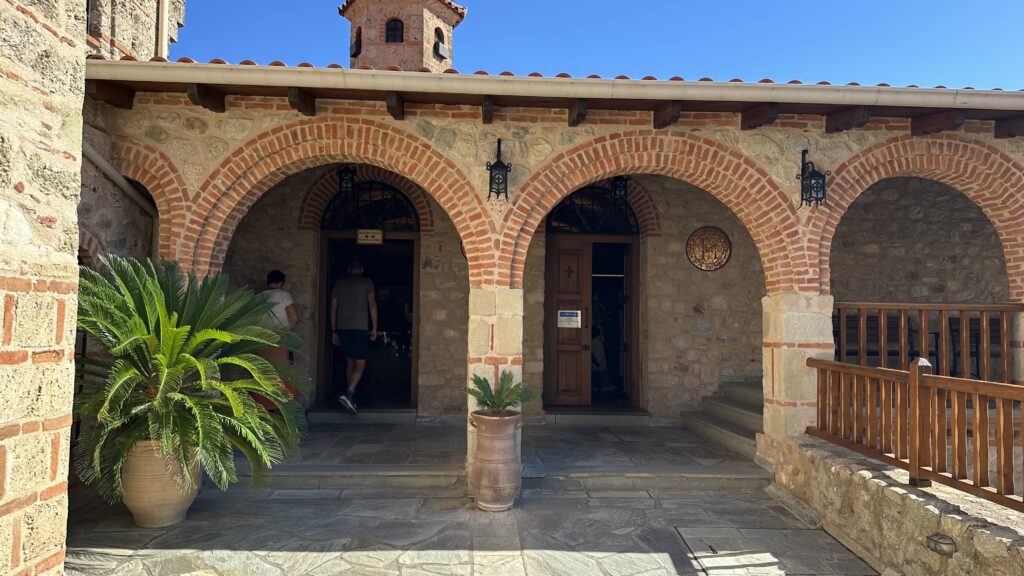
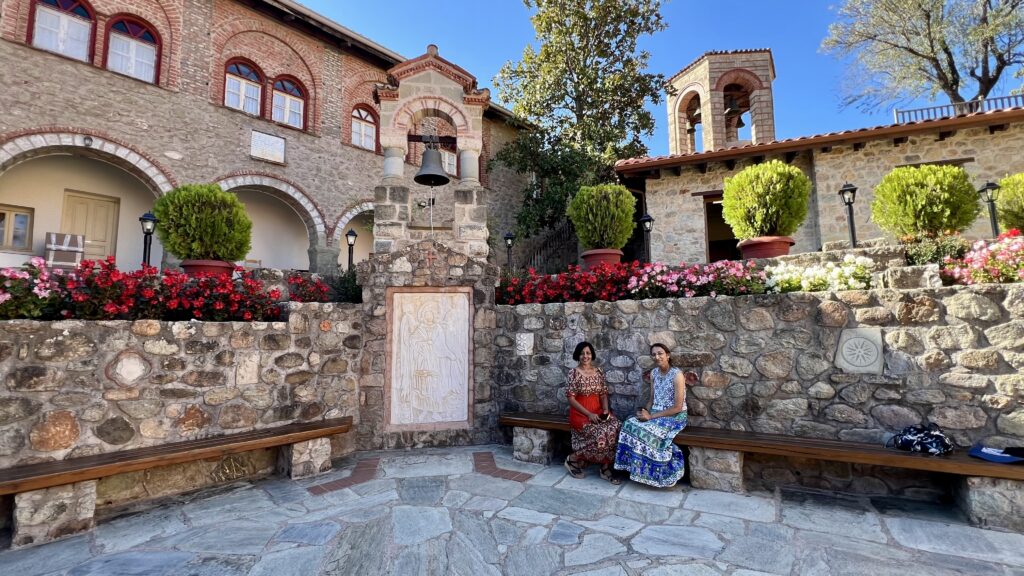
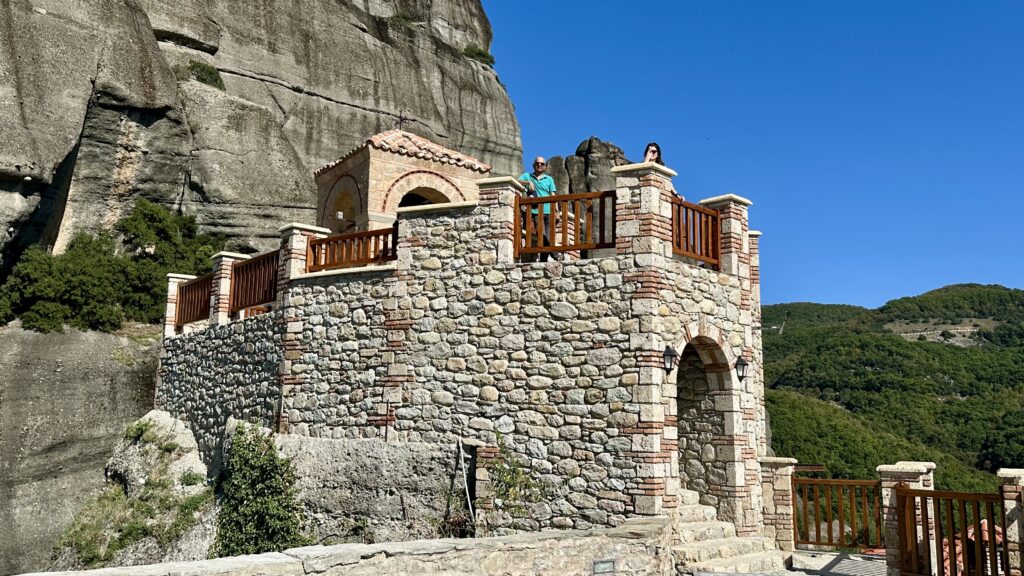
Monastery of Áyios Stéfanos (St. Stephen Nunnery) – This is the most accessible of all monastery with no steps to climb and a small stone bridge connects the street to the monastery entrance.
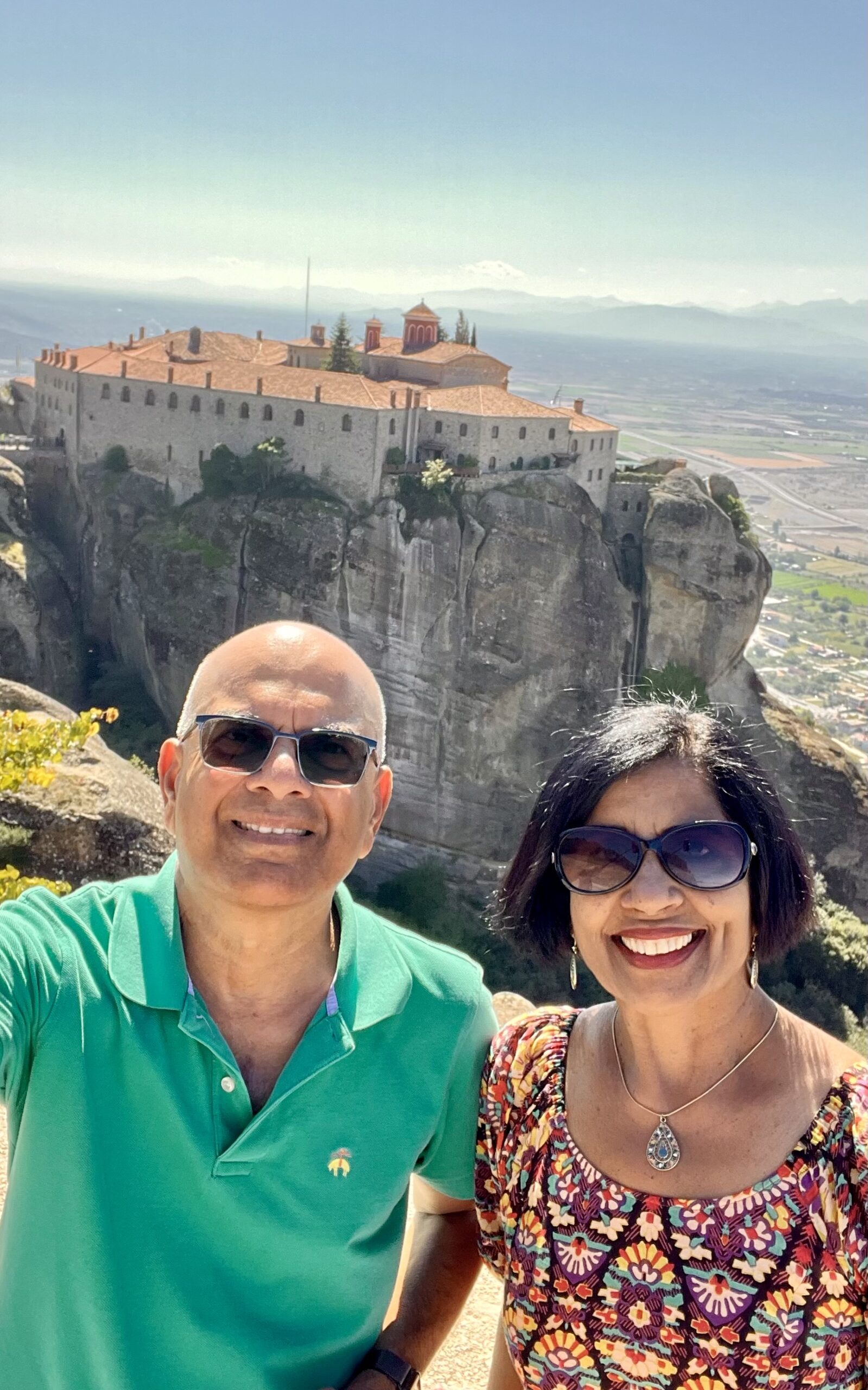
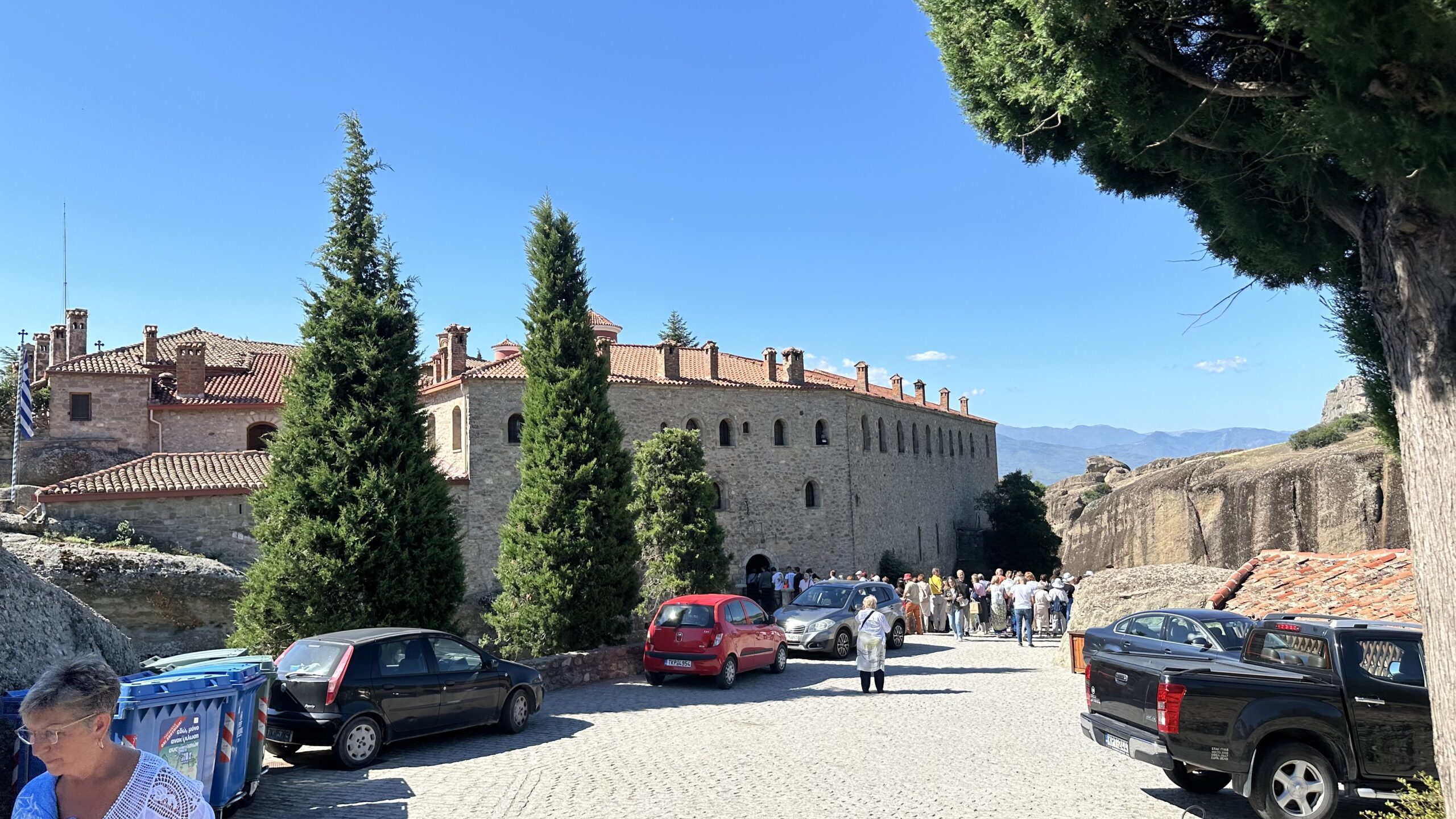
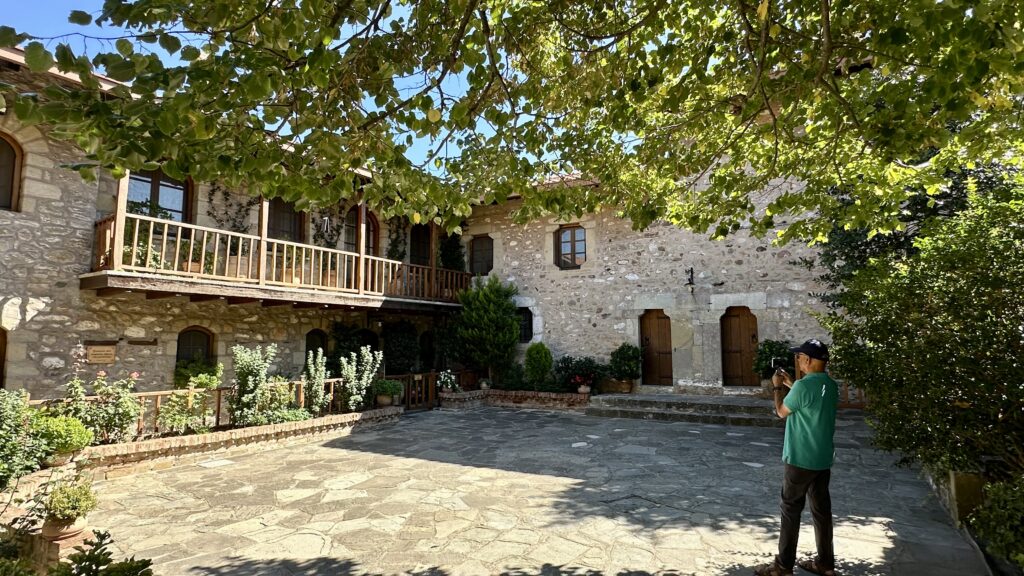
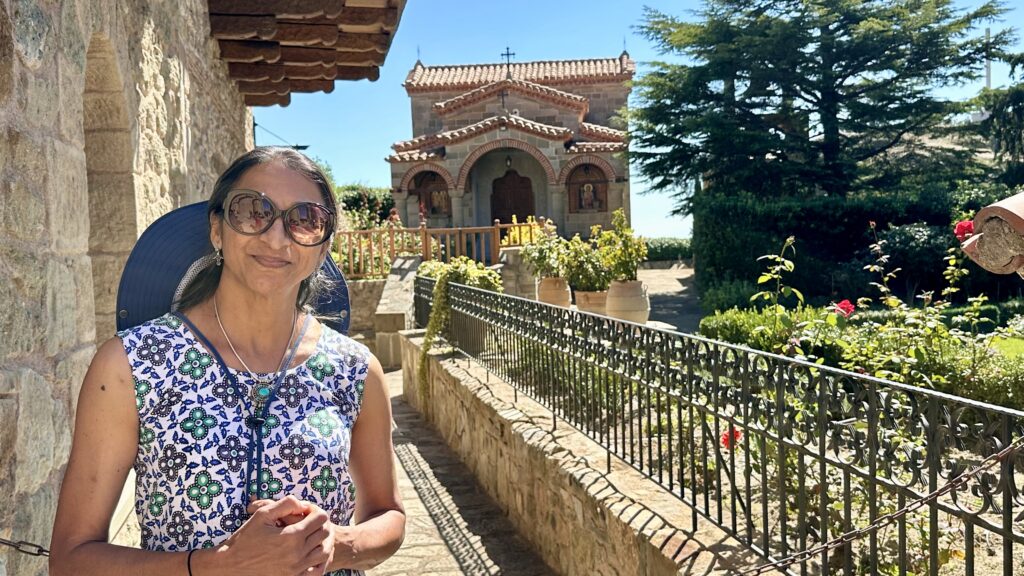
According to early evidence, this monastery has been inhabited since the end of the 12th century. The assembly of the building of the monastery which was founded in the 14th century completed in the 15th and 16th century. The buildings, which were constructed in the 18th and 19th centuries, gave the monastery its present form. The monastery has made a very important contribution to education and the nation. The monastery ran an orphanage-cum-primary school in the 1970s.
In 1961, the monastery was converted into a nunnery and the sisterhood of nuns that lives inside are known for their remarkable social action. They are welcoming and keep the beautiful chapel adorned with frescoes and ornate golden details in perfect order.
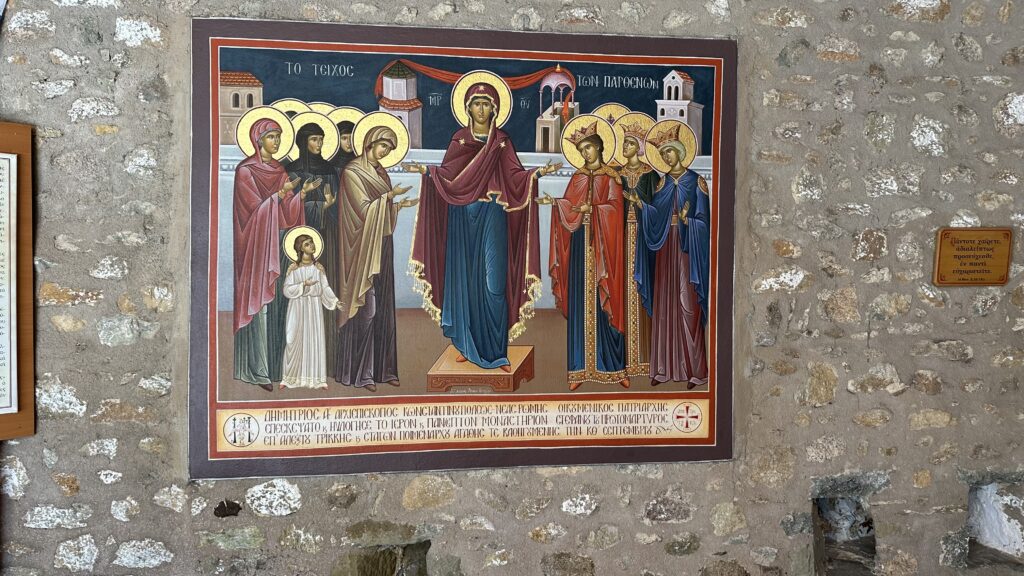
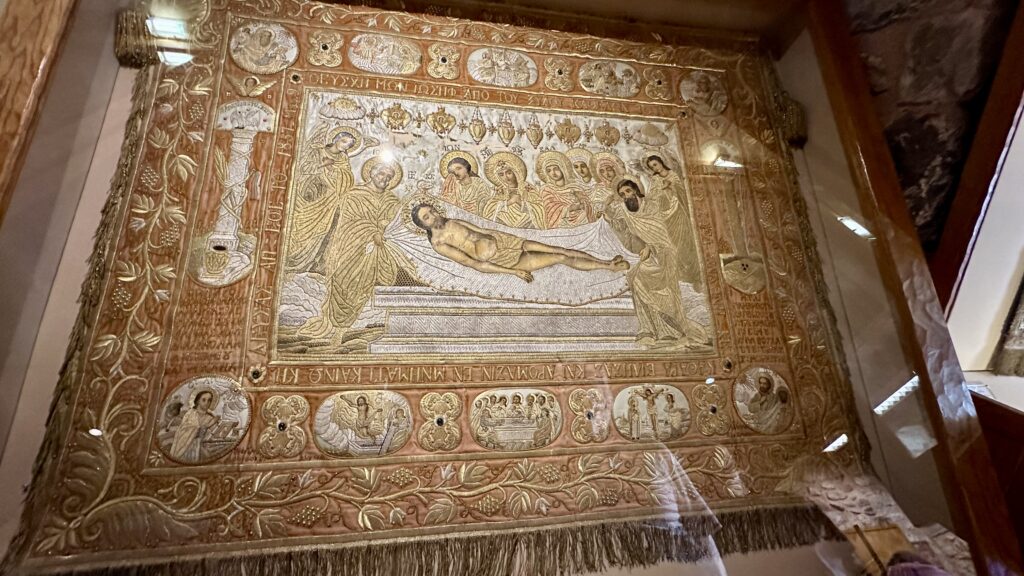
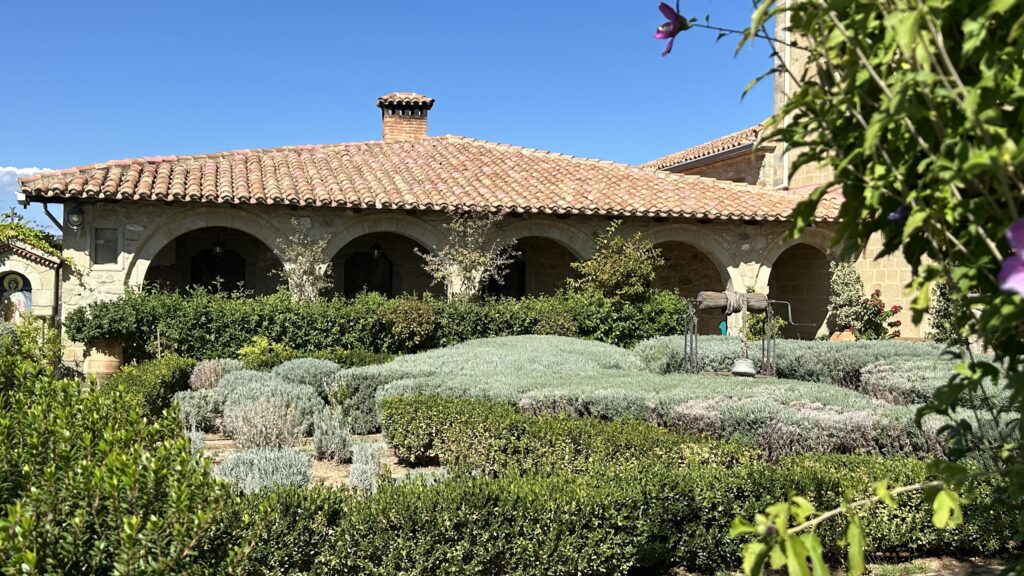
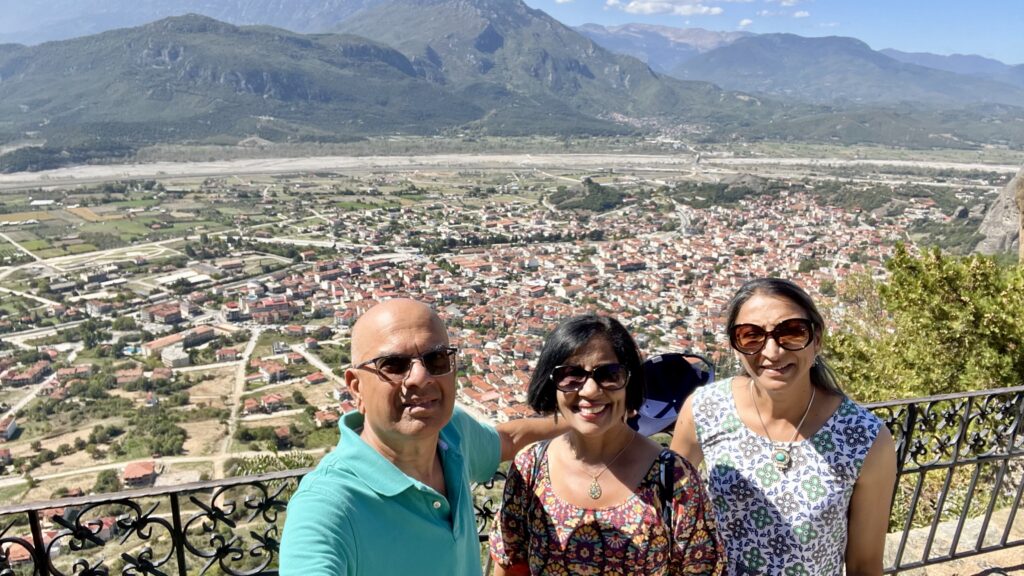
Monastery of Áyios Nikólaos Anapafsás (St. Nicholas) – This monastery is 1 km from the village of Kastraki and within walking distance of our Airbnb. After we were done with our morning guided tour, where we completed visiting 3/6 monasteries, we had lunch and relaxed for a few hours.
Later in the afternoon, we visited the Monastery of St Nicholas, which is the first active monastery we encounter on our way to Meteora and was founded in 1368 and enlarged in 1628. To visit the monastery, you have to climb a steep hill, followed by a flight of steps.
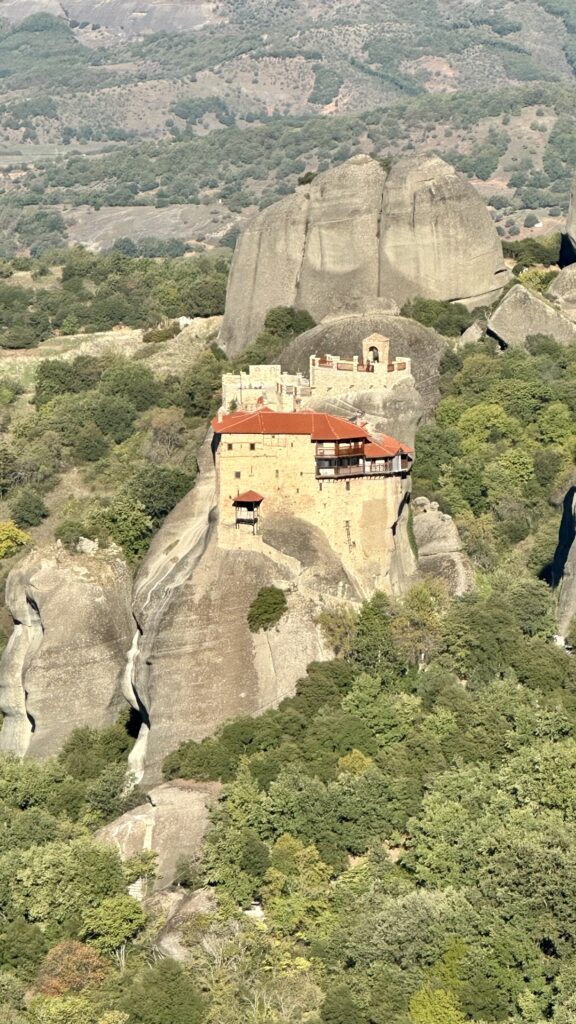
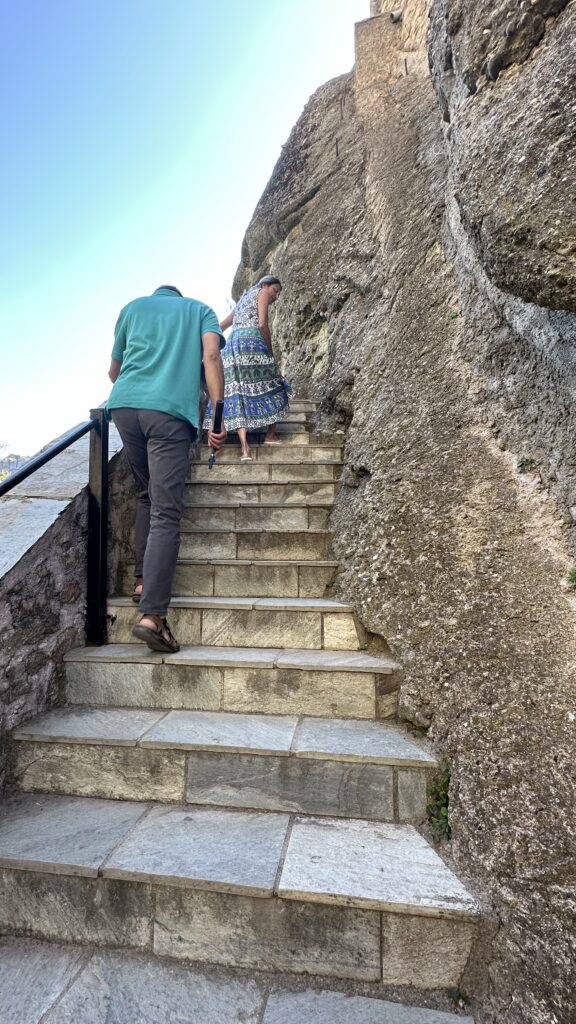
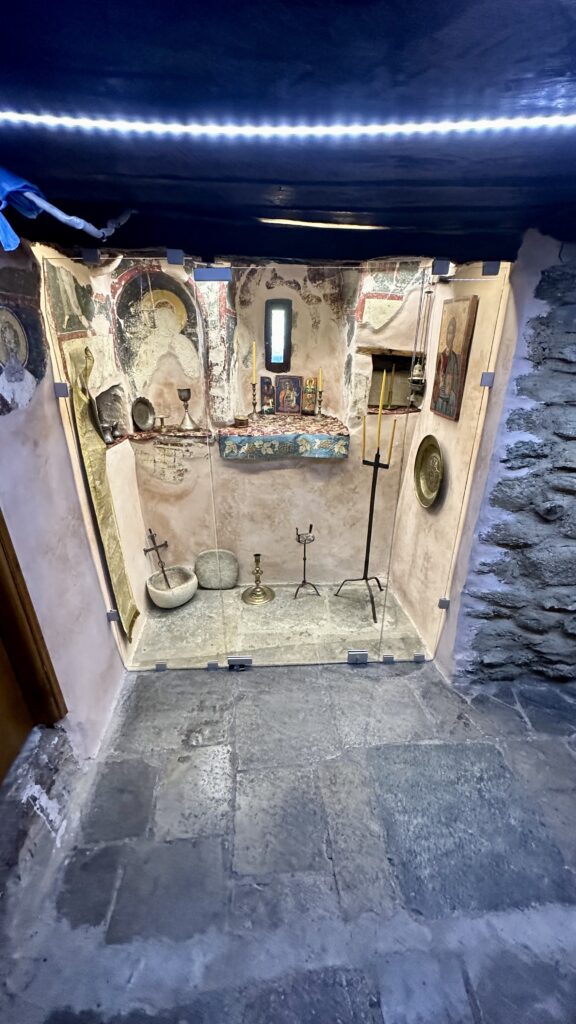
St. Nicholas is the smallest of the visitable monasteries but still interesting. Above the monastery there are two terraces from where you can get an excellent view of the surrounding town.
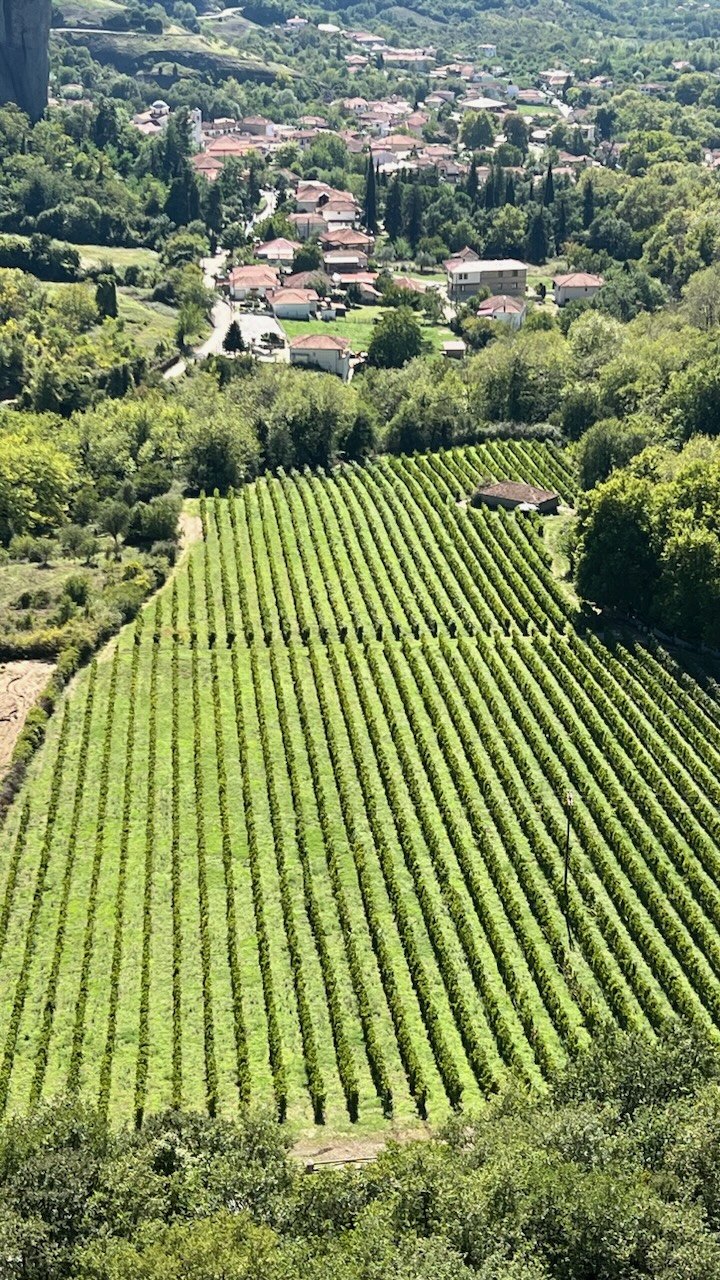
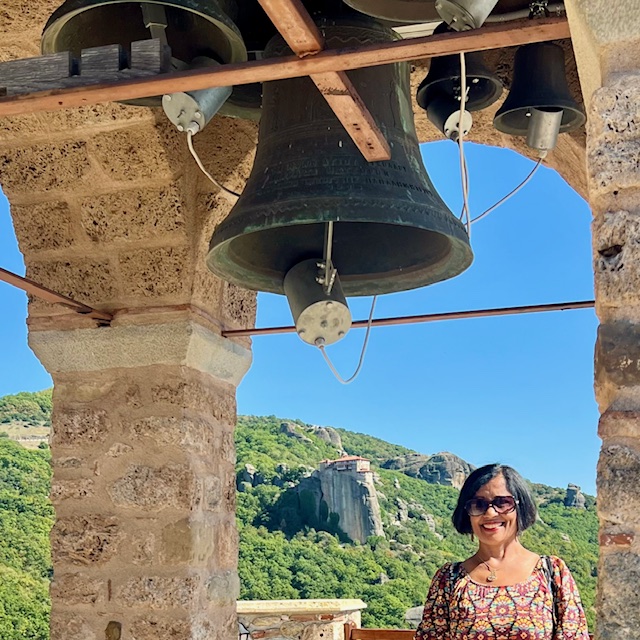
Monastery of Rousanoú (St. Barbara) – On the final day of out say in Meteora, we visited 2 monasteries, starting with Monastery of Rousanoú.
The Monastery of Rousanoú was established in 1545. It is dedicated to the Transfiguration of Jesus but honored to Saint Barbara. The monastery was heavily damaged in WWII fighting but restored in the 1980s. It became a convent in 1988, and is inhabited by nuns who tend its lovely, small garden. The monastery is comprised of one main building that takes up the cliff’s whole surface area, giving it the impression of being carved out of the rock.
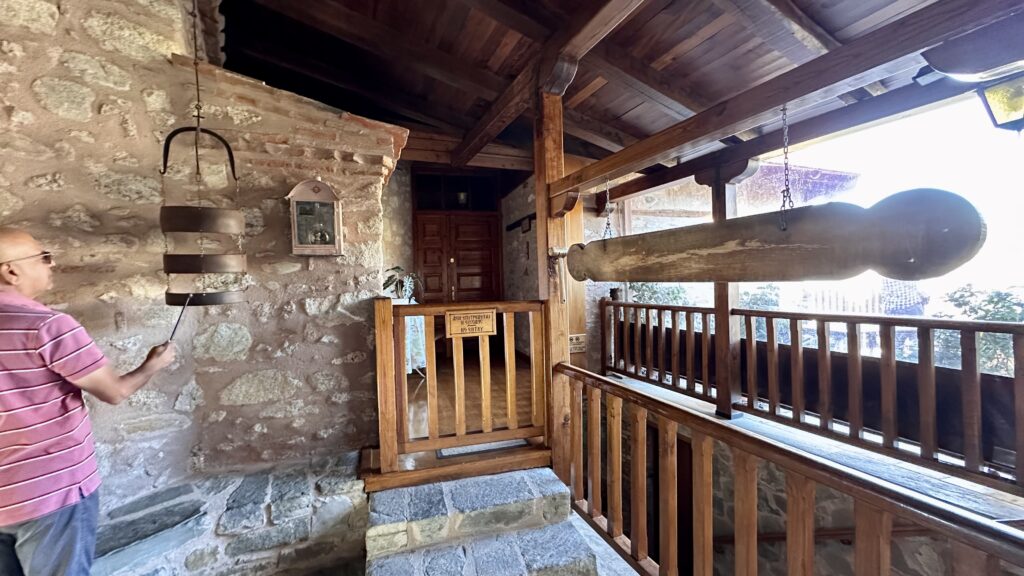
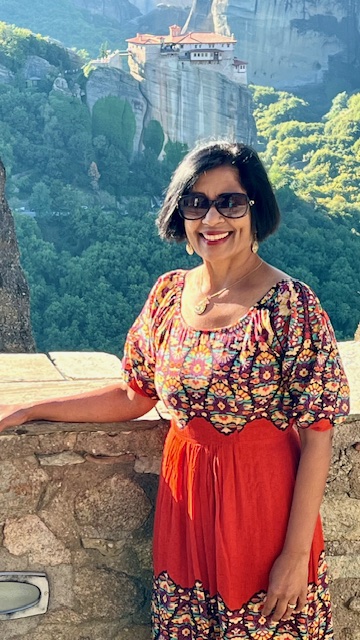
The frescos in the monastery are amazing and were created by an unknown hagiographer influenced by the Cretan school under the monk Arsenios.
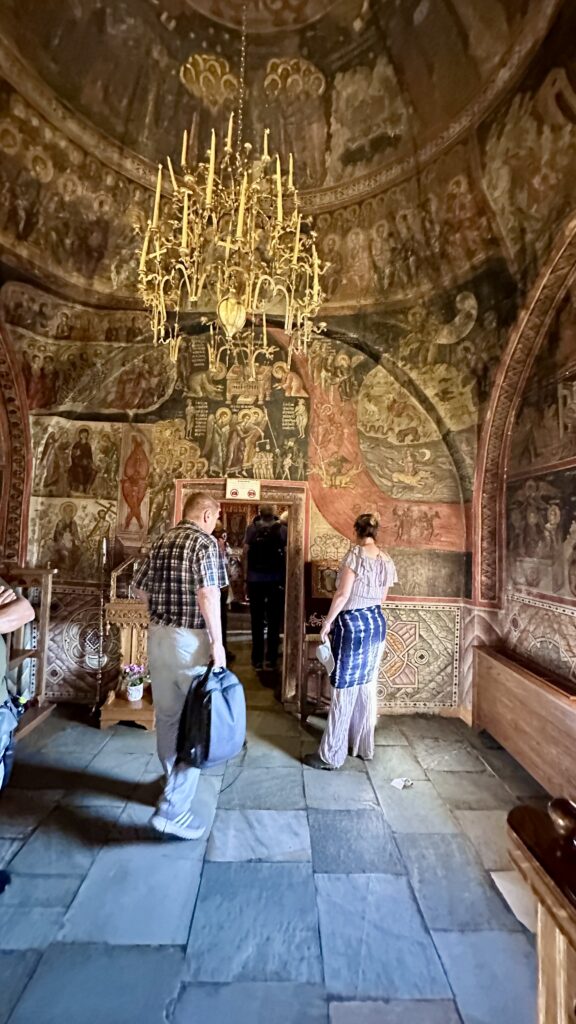
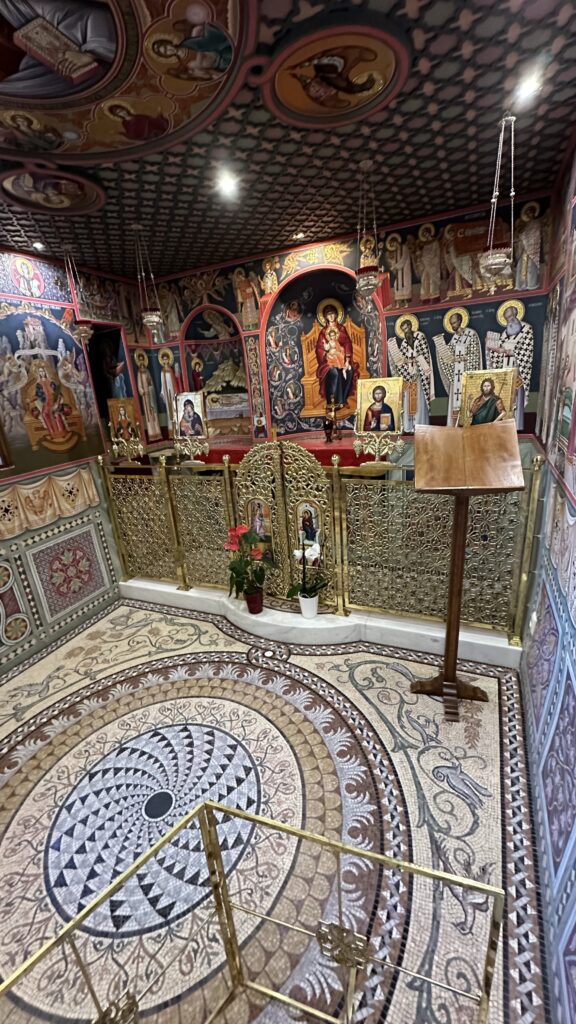
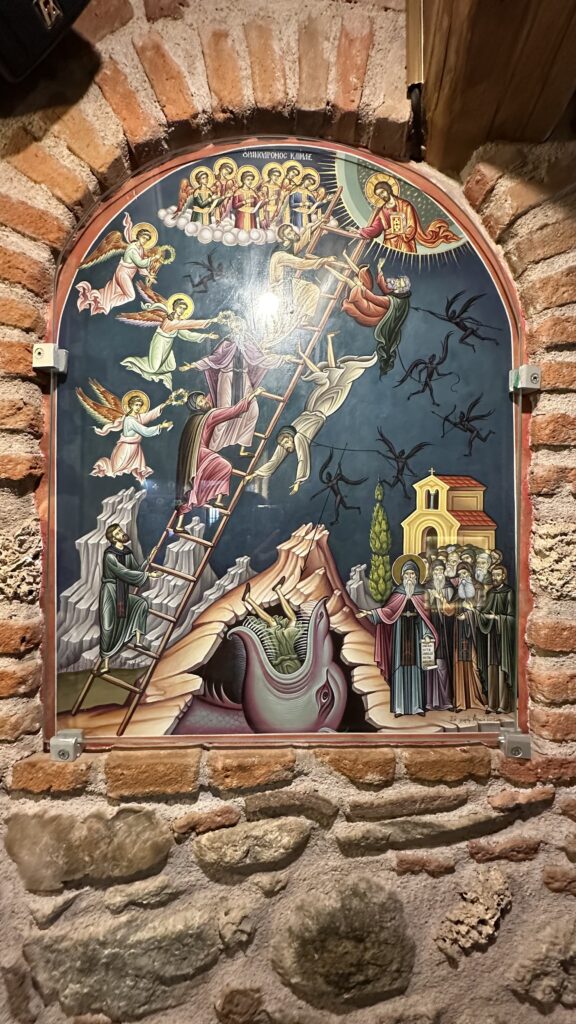
Monastery of Ayía Triáda (Holy Trinity) – This Monastery is the most inaccessible of the 6 monasteries. From the parking lot, you have to walk a long winding path before climbing up 140 steps. This monastery was featured in the James Bond film, For Your Eyes Only (1981). The movie made Meteora famous and tourists started pouring in to see these amazing monasteries.
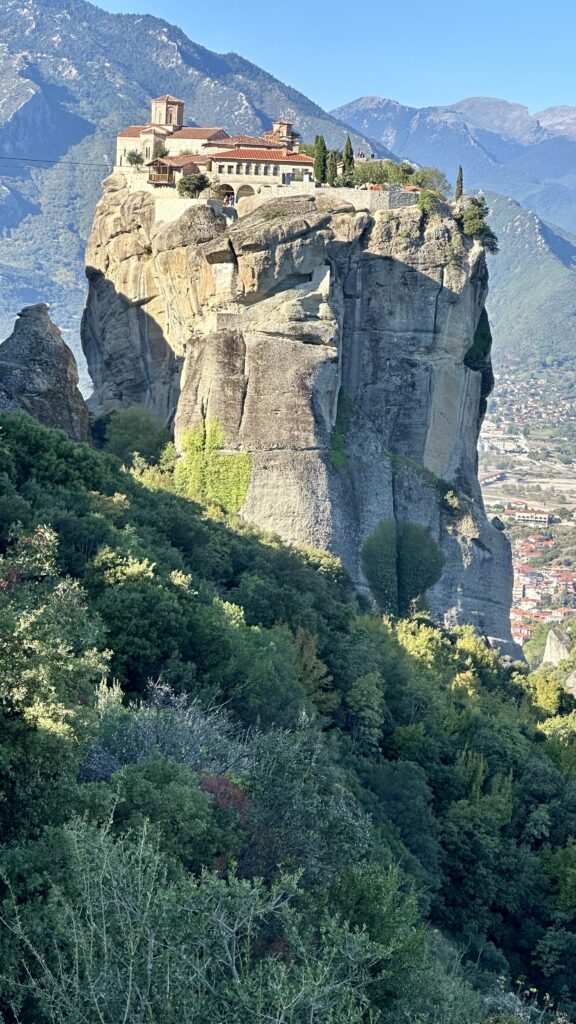
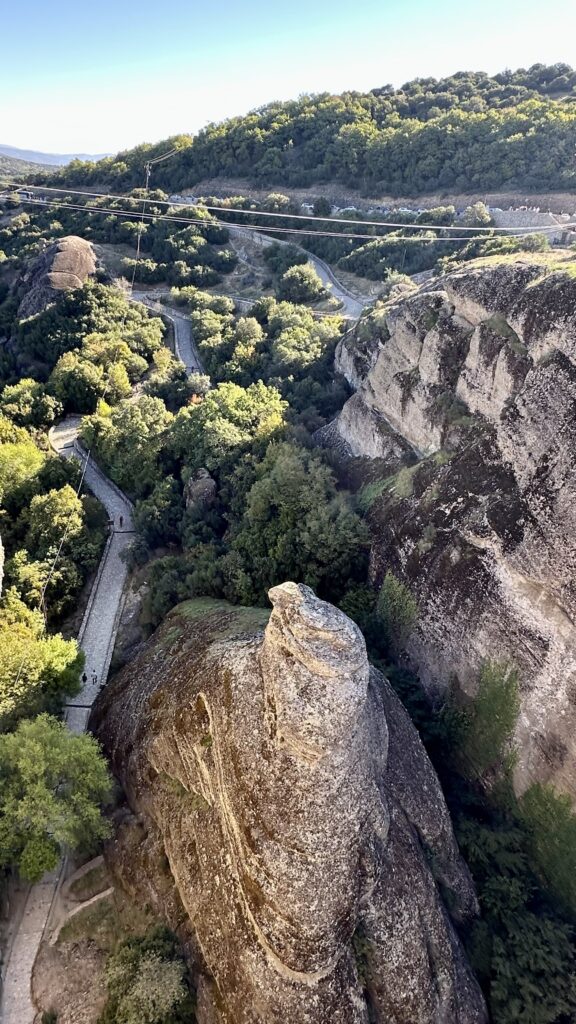
Founded in 1438, its main church is much newer, dating from 1798. In 1909, a group of Greek archaeologists surveying the grounds discovered a crypt with 47 rare parchments and ancient codes. The monastery was heavily damaged during WWII but extensively renovated in the 1970s.
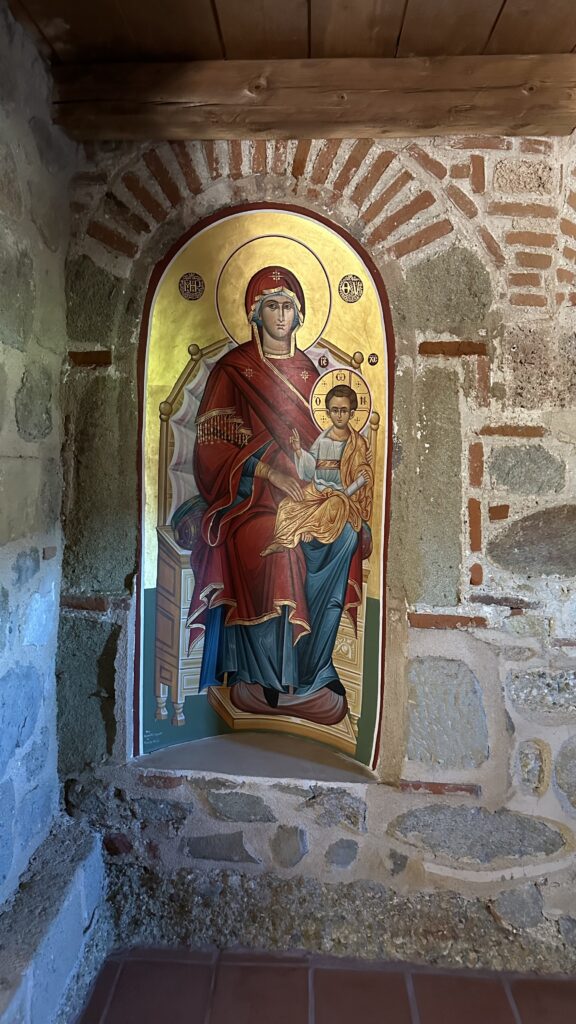

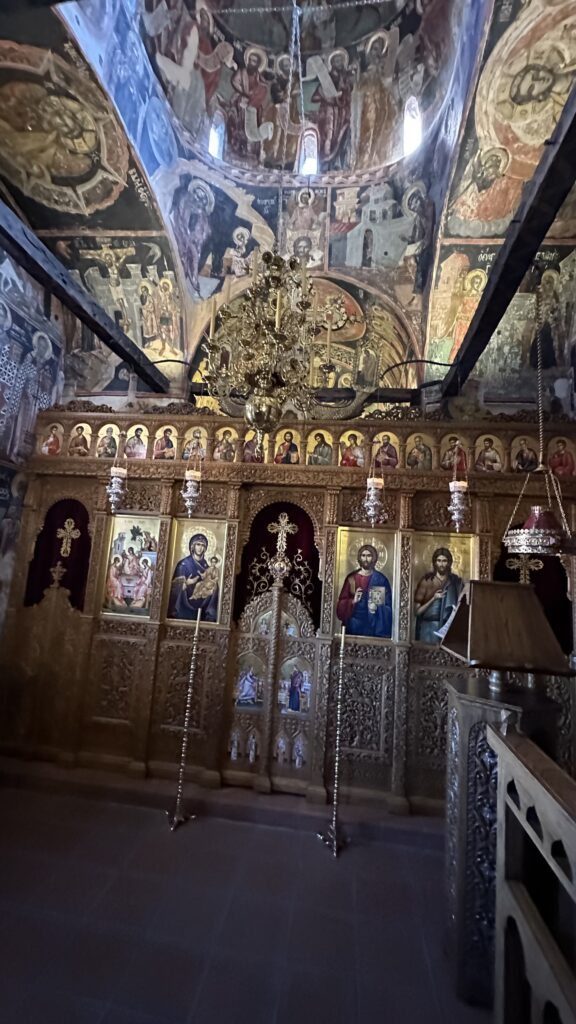
Once you reach the top, you will be rewarded with stunning panoramic vistas of the town of Kalambaka about 300 meters below.
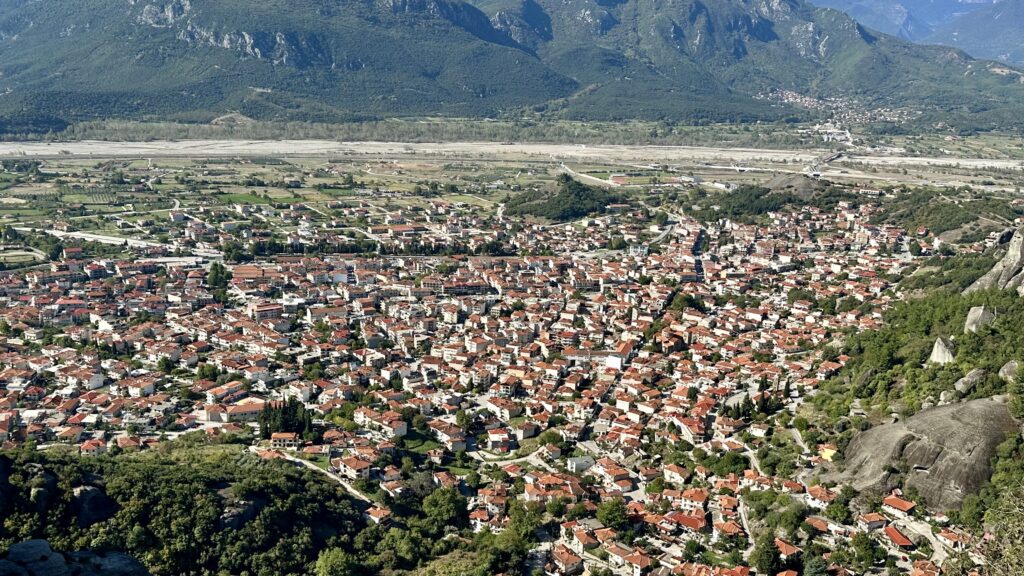
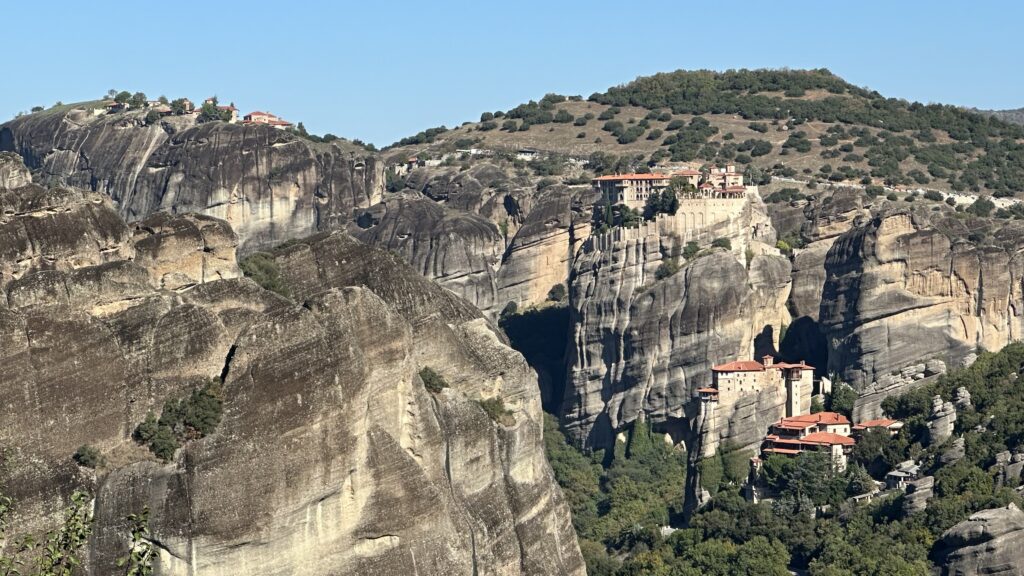
Here are some pictures we took from some viewpoints as we drove between monasteries.
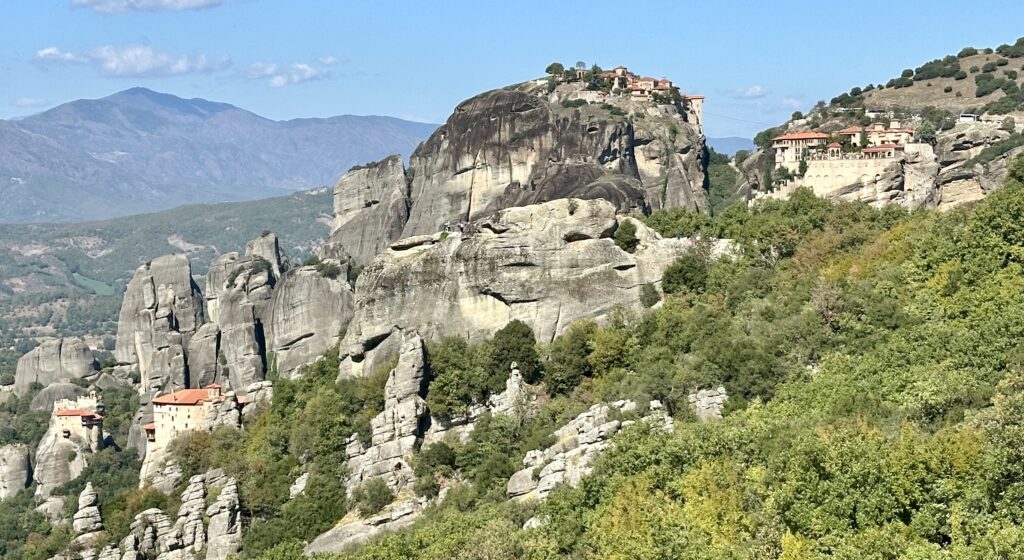
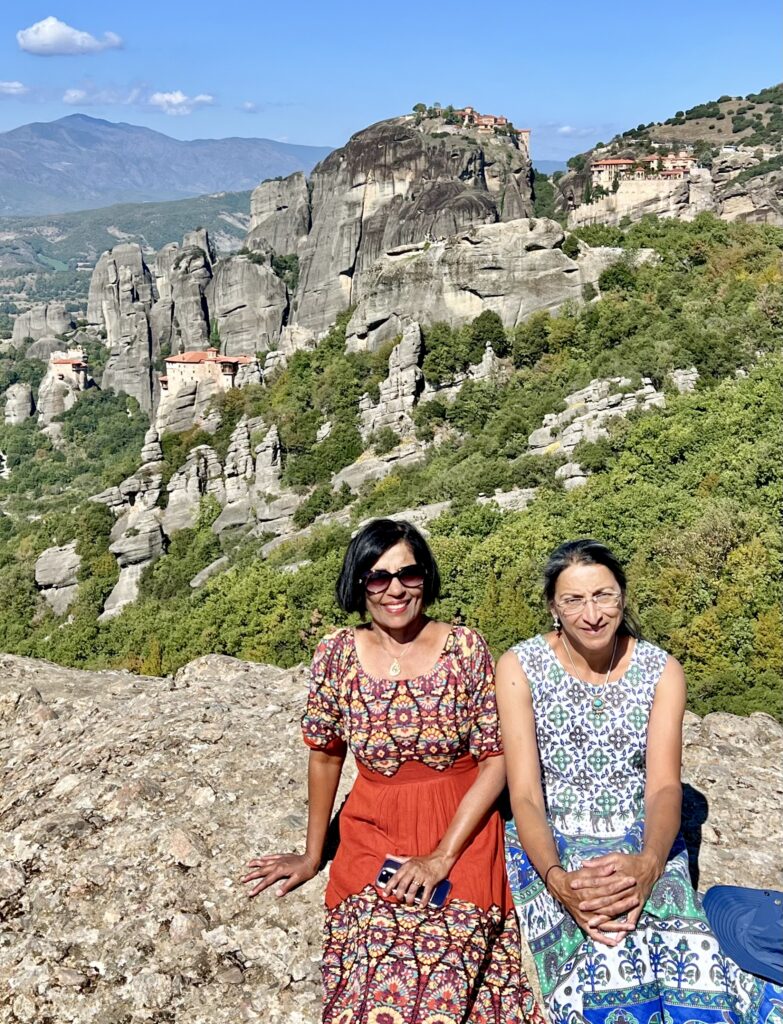
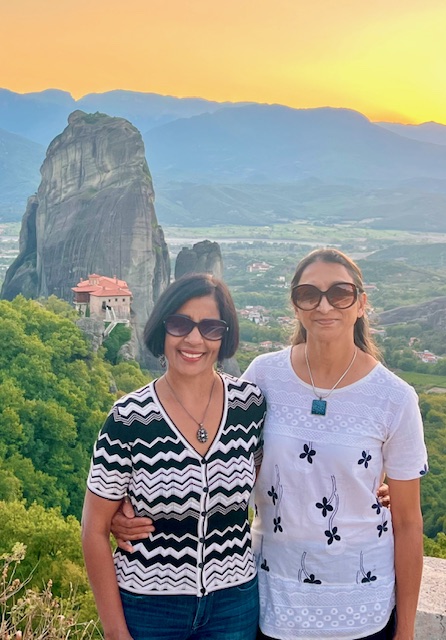
We drove to the sunset rock to see sunset but the scenery was not as dramatic since the sun rapidly went behind the mountains without the change of colors.
If you have a car, you can drive to all the monasteries yourself. All of monasteries have parking.
- We visited the 6 monasteries over 2 days – 4 monasteries on day 1, and 2 monasteries on day 2. If you are in fairly good physical condition, it is totally doable.
- We loved Meteora. This place should be at the top of everyone’s list of towns to visit in Greece.