Half Day trip from Copenhagen
Malmo is the 3rd largest city in Sweden and is connected to Copenhagen in Denmark by the largest bridge and tunnel network, the Øresund Bridge. Malmö is only 30km from Copenhagen. After visiting the charming city of Lund, we took a train to Malmö in the afternoon. 20 km south of Lund, the train journey took all of 12-min.
- Stortorget
- St Peters Church or Sankt Petri Kyrka
- Lilla Torg
- Kungsparken and Slottsträdgården
- Malmö Castle
- Turning Torso
- Sundspromenaden
- Øresund Bridge
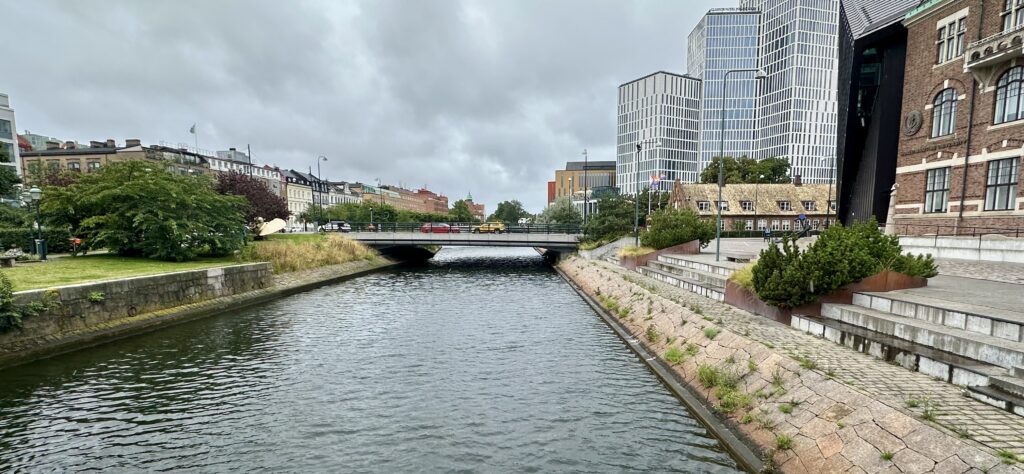
Stortorget – From the train station, the town’s main square is a 10 min walk. You will pass by the canals on the way. We did not see any boats in the canal as it was a rainy day. A boat ride on the canal is a great way to get a feel of the city.
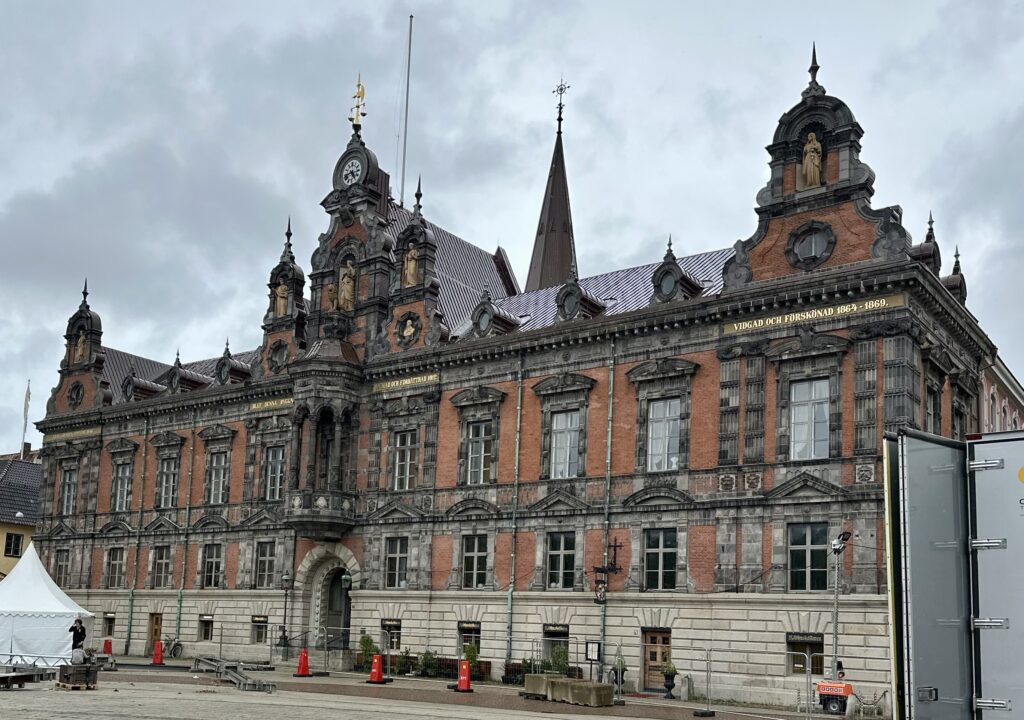
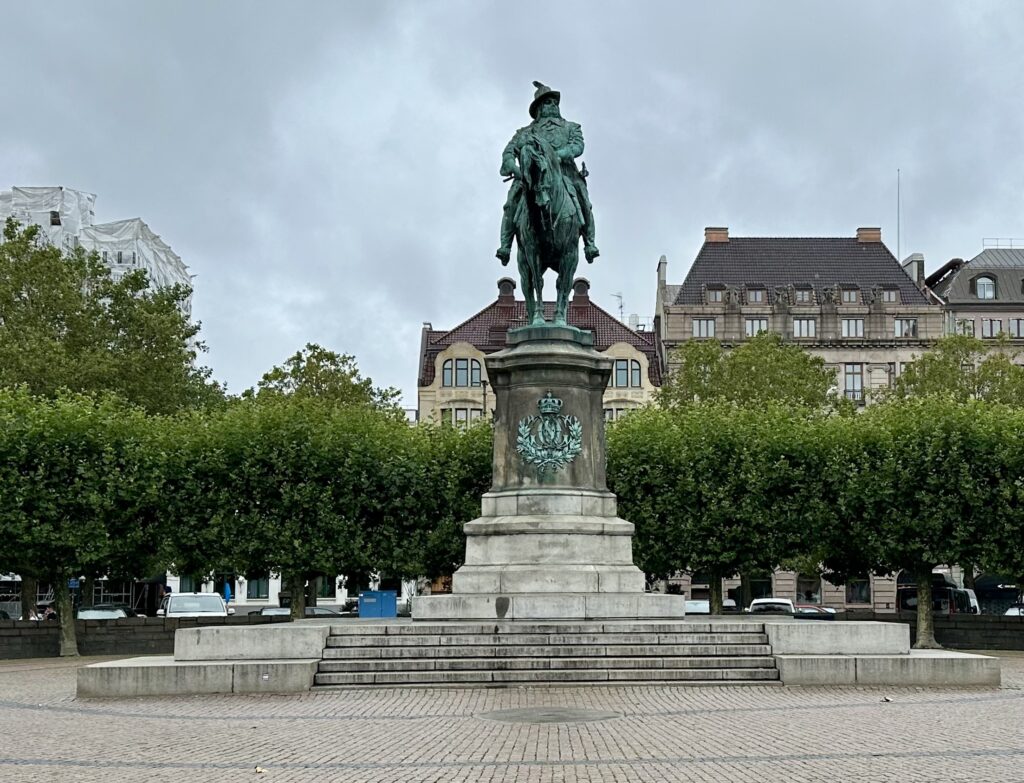
The main square in Malmö, also named Stortorget, was constructed in 1500 and is dominated by the Malmö Rådhus or Town Hall building. There was a major construction activity happening in the square on the day of our visit and we could not get a clear picture of the magnificent building.
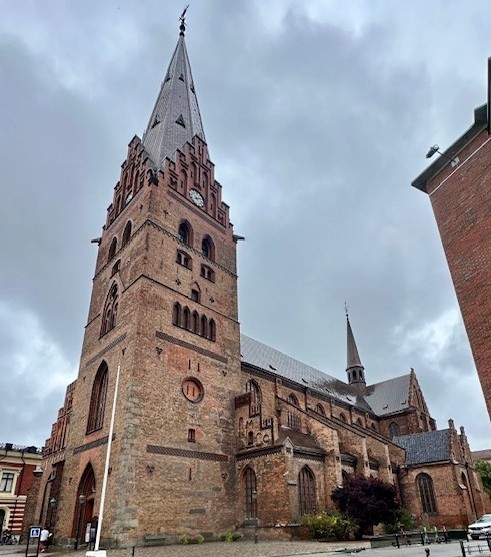
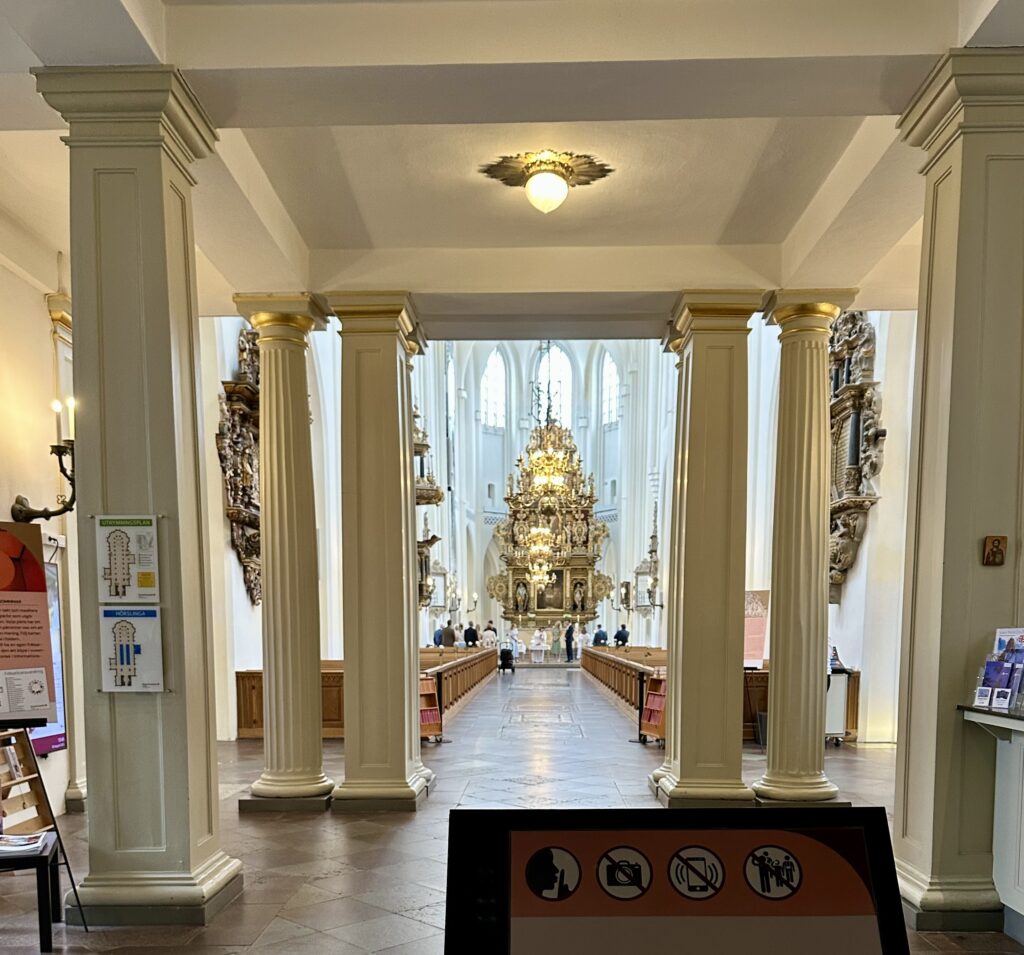
St Peters Church (Sankt Petri Kyrka) – Built in the 14th century, this is Malmö’s oldest church. The altarpiece in the church was made in 1611 and is one of the largest in the Nordic countries. The church also contains late medieval murals recognized as high quality, as well as a number of unusual furnishings. The church is actually dedicated to two saints, St. Peters and St Paul.
There was a private event in progress on the day and time we visited the church, and hence could not explore its interior in detail.
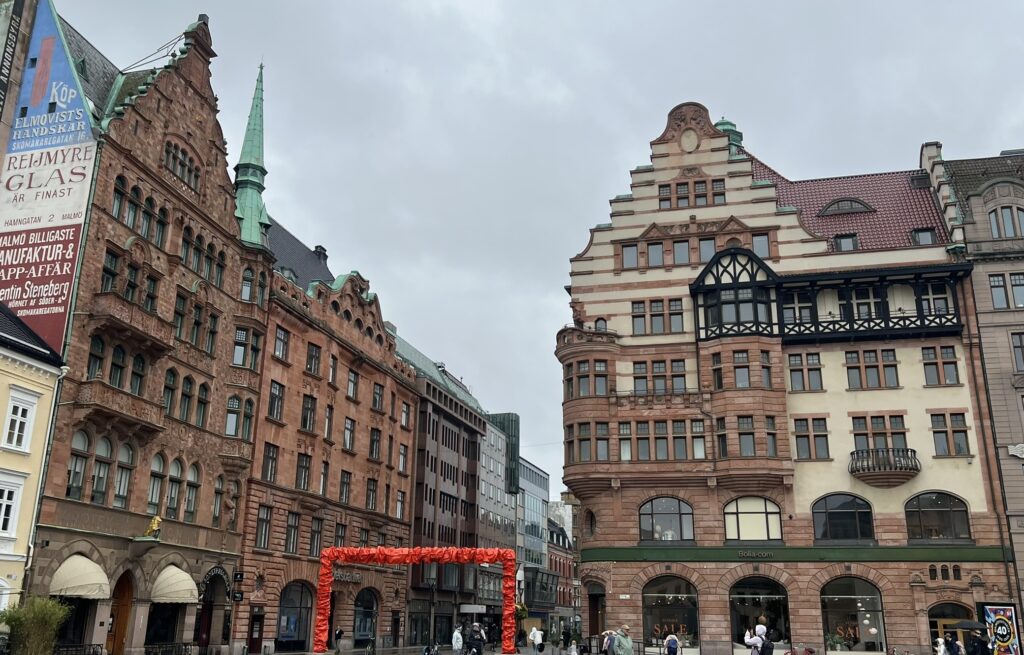
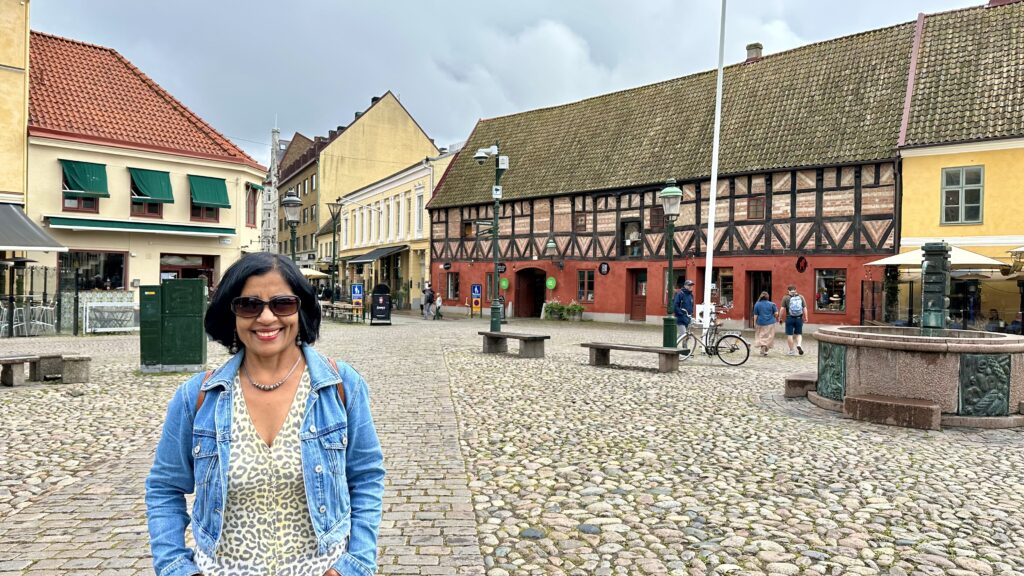
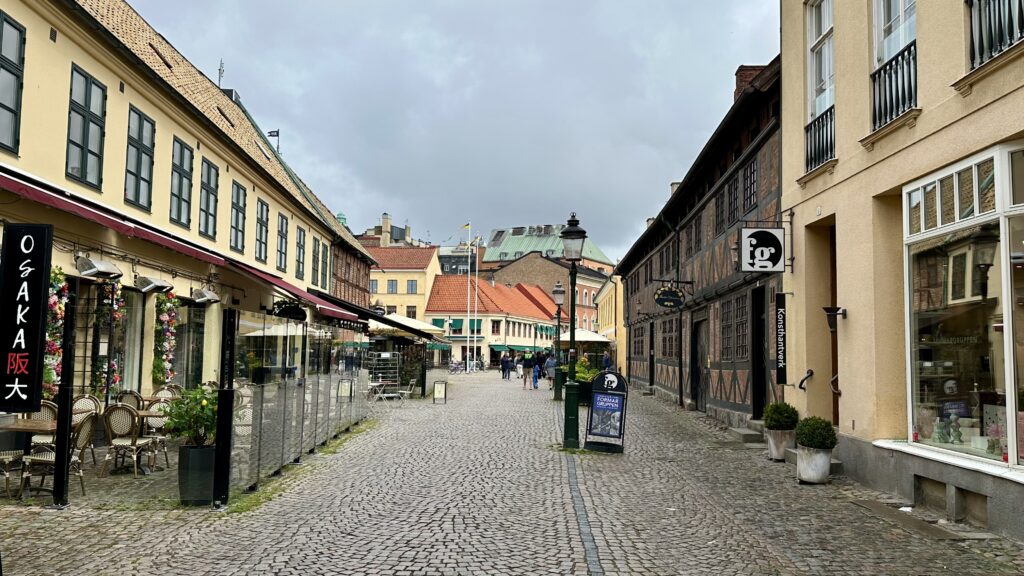
Lilla Torg – literally translated as Little Square, this is one of Malmö’s busiest spots, no matter the season. It’s able to trace its heritage all the way back to the 1500s with the establishment of a medieval market here. Today it is the best spot in Malmö to enjoy coffee and pastries (aka fika break), relax, and people-watch. The square is surrounded by colorful buildings.
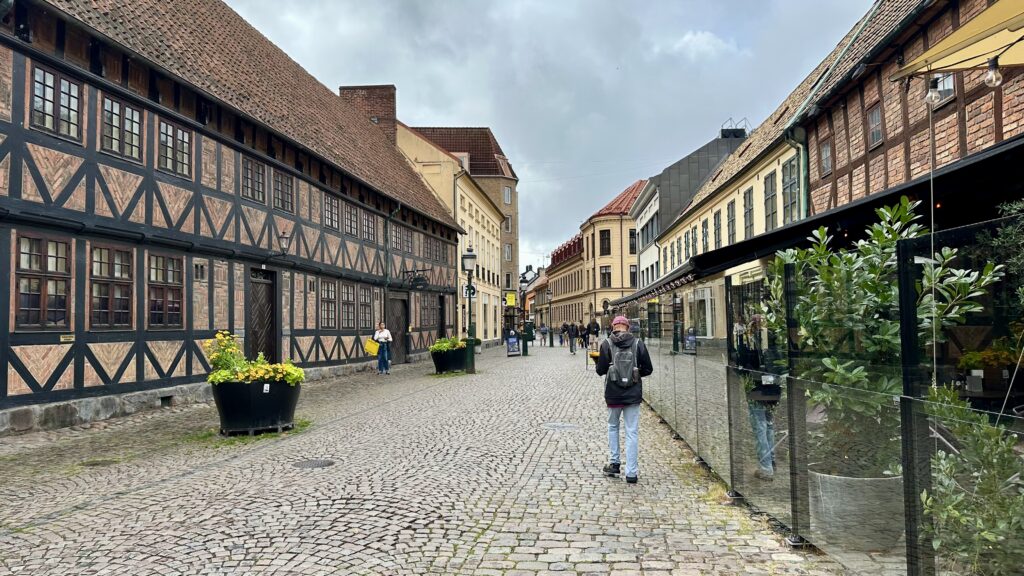
After we had coffee in one of the cafes, we walked onto one of the most charming neighborhood or street we’ve come across. Cobblestone street lined with beautiful old buildings.
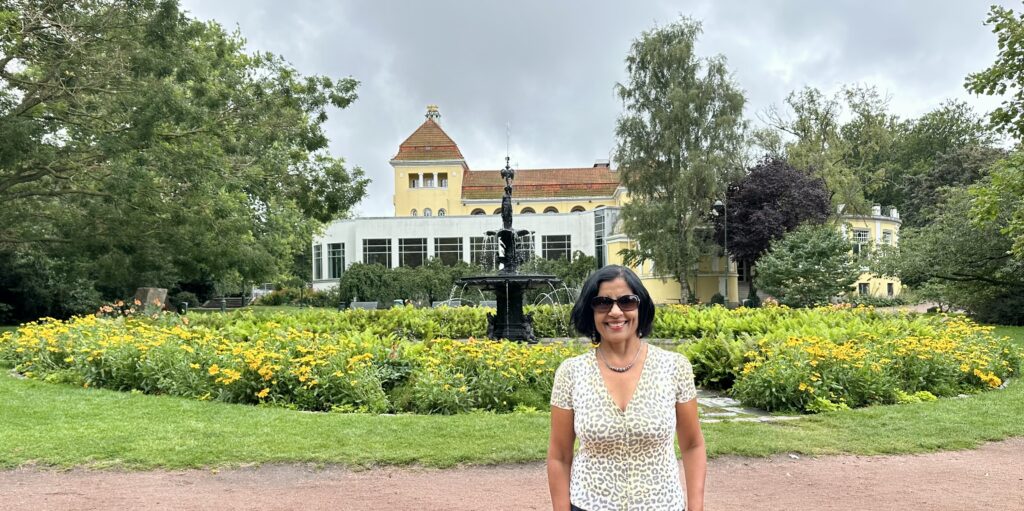
Kungsparken and Slottsträdgården – We strolled into the 8.4-acre Kungsparken (King’s Park), Malmö’s oldest park which used to be part of Malmö castle. It was originally called King Oscar’s Park after it was opened in 1872 by the Swedish monarch and is inspired by English gardens.
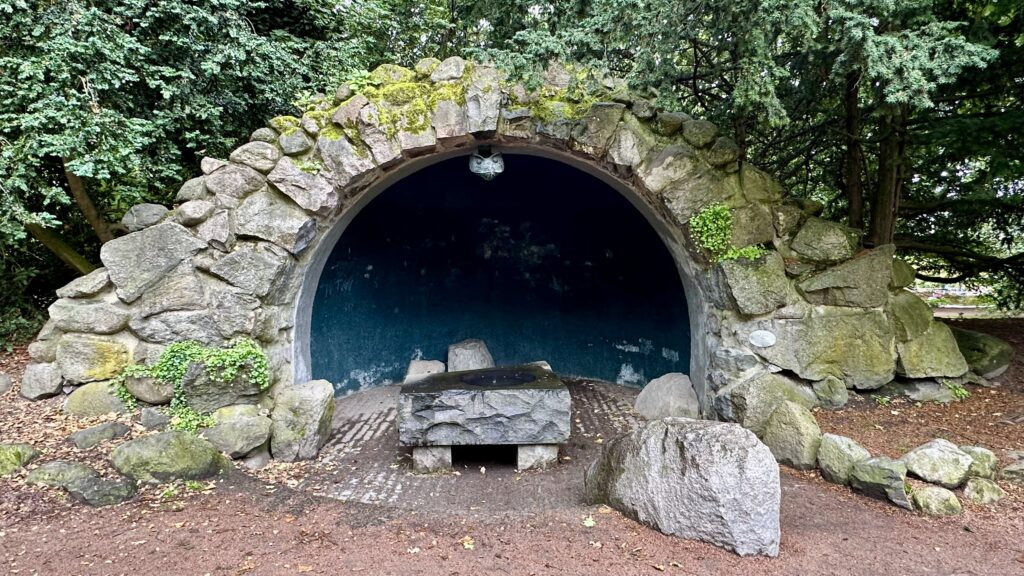
King’s Park is a wonderful place to walk, explore, or enjoy a picnic on its extensive grounds. It features ponds, ancient trees, and beautiful landscaping. An 1882 cast-iron fountain stands at the center of the park. In addition to the fountain, there’s an old man-made cave. This cave was the park’s main attraction when the park first opened.
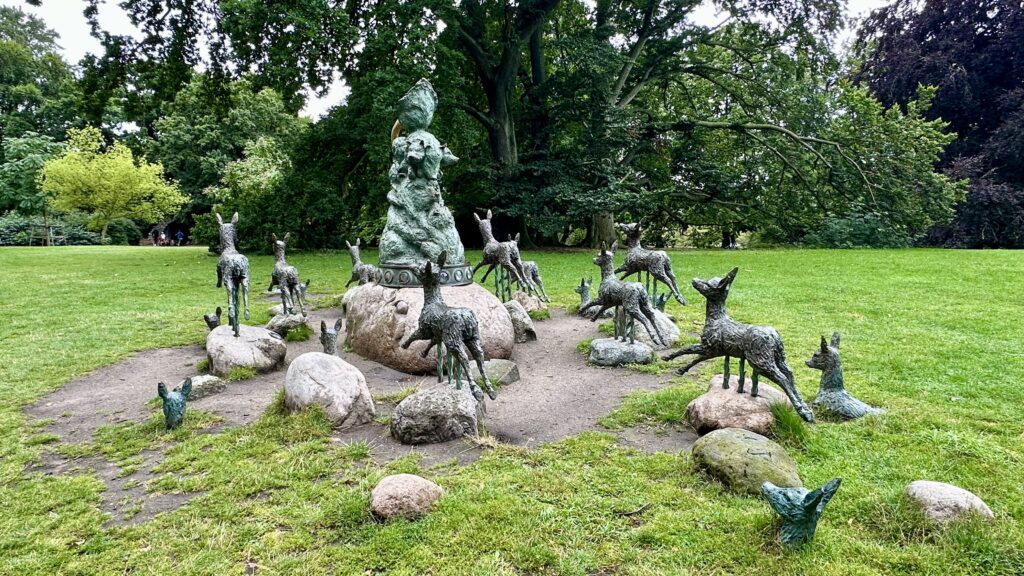
Across a little bridge from Kungsparken is another beautiful park, Slottsträdgården where a large number of different crops and ornamental plants are cultivated and sold. The complex is divided into different areas, such as kitchen garden, orchard garden, rose garden, perennial garden, Japanese garden, a greenhouse and is a special place of rest and relaxation in the middle of the big city.
Malmö Castle – was built from 1537 to 1542 on the ruins of an old fort and is the oldest preserved Renaissance castle in Scandinavia. After 1658, the Swedes modernized the castle with a Dutch-inspired defense system, and in 1675 it withstood a Danish siege. However the fortress fell into disrepair and Malmöhus was used mainly as a granary and an arsenal for the Swedish army. From 1828-1909 it served as a prison. In the 1930´s the castle was restored in the Renaissance style, and today it is a museum.
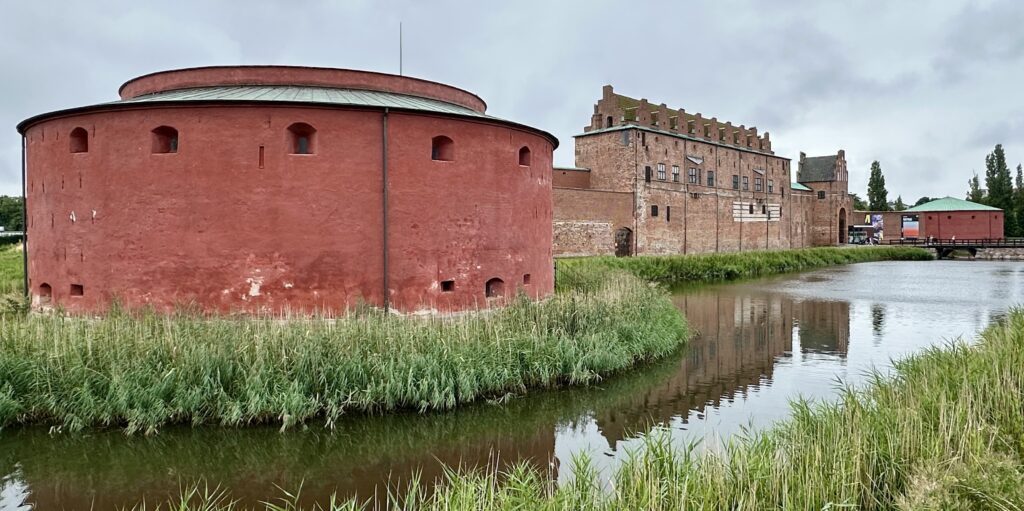
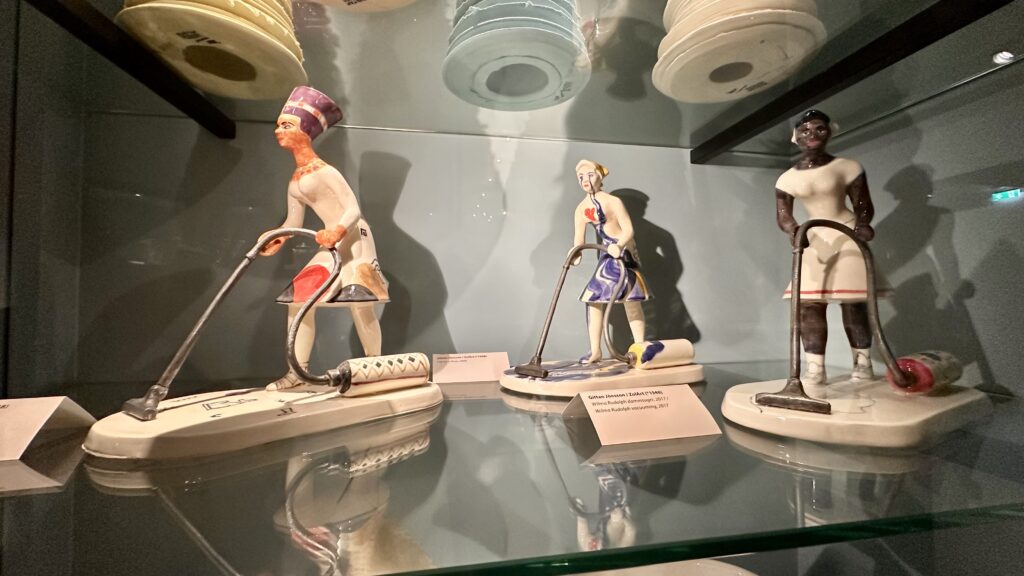
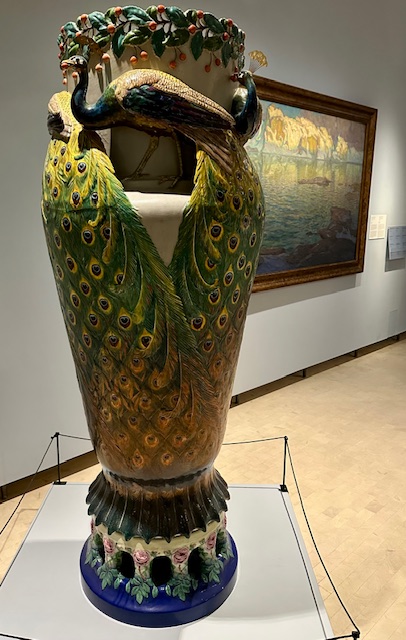
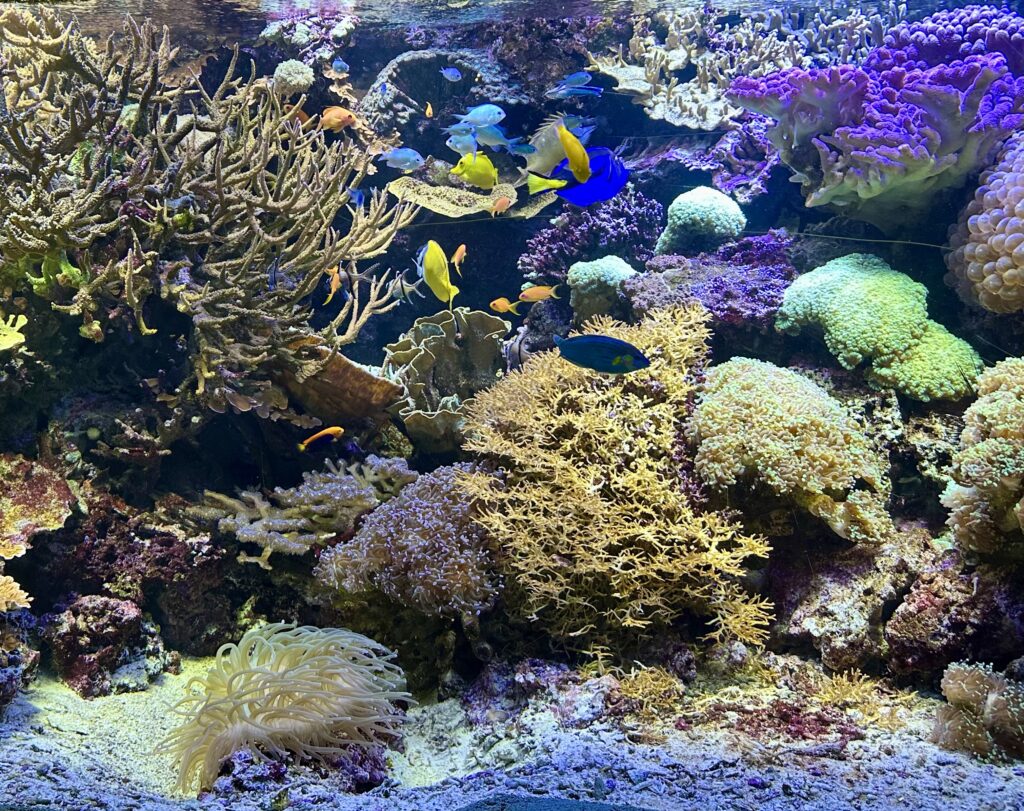
The Castle houses the Malmo Art Museum, featuring Nordic art from the 16th century to the present, an Aquarium and a Museum on local History, Technology, and Science.
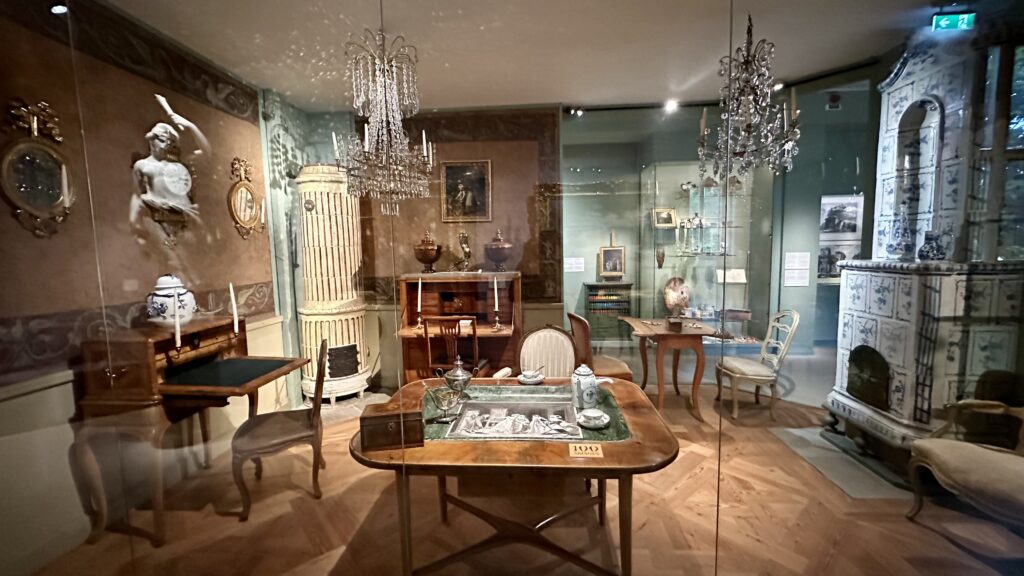
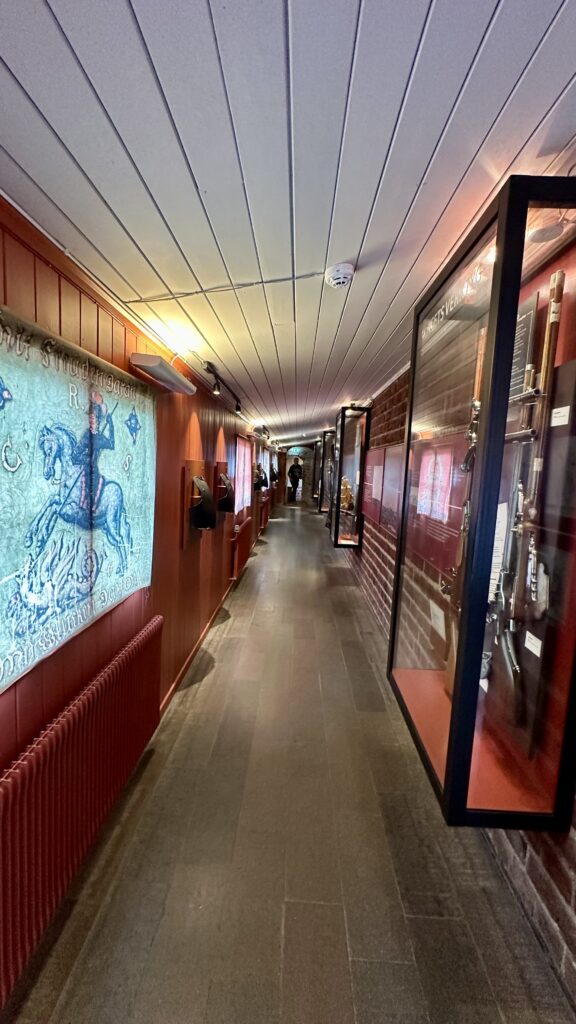
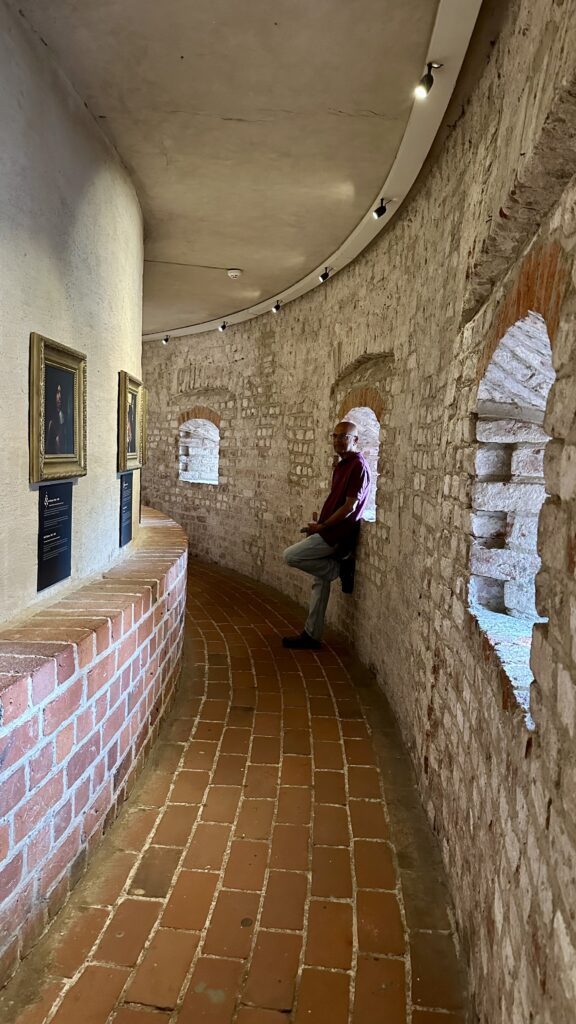
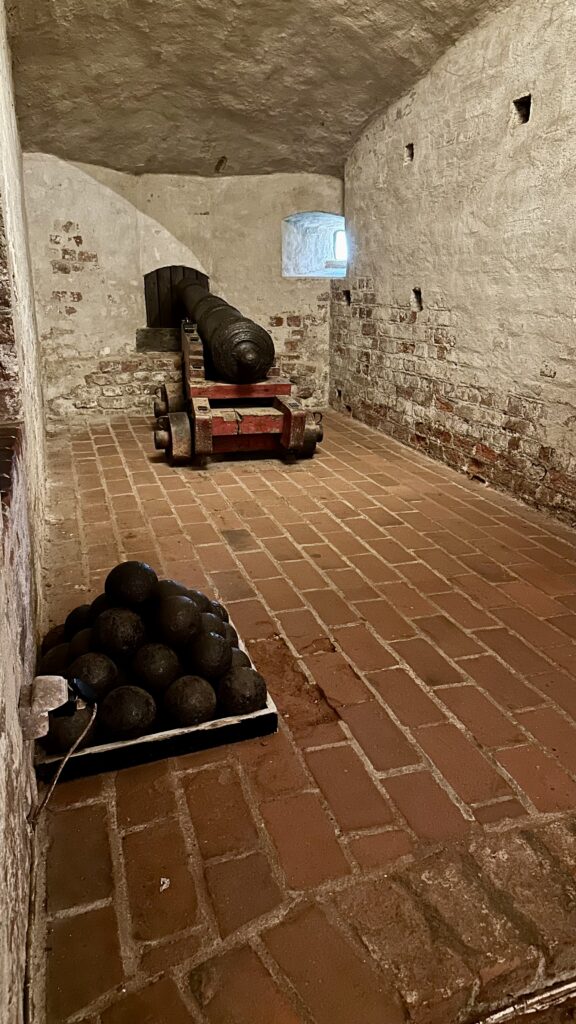
Malmo Castle, Northwestern Cannon Tower – Of the 4 original canon towers at Malmö Castle, only 2 remain. The parapet walk leads down to Northwestern Cannon Tower which has the exhibition called On The King’s Orders, which is mostly information about the wars between Denmark and Sweden in the 1600s.
Turning Torso – We could see a portion of this skyscraper from Malmo Castle. The world’s first twisted skyscraper and the tallest building in Scandinavia, the striking Turning Torso is 190 meters high and combines residential, office, and conference space.
The skyscraper is based on a sculpture called the Twisting Torso by designer, artist, and architect Santiago Calatrava. The sculpture was featured in the competition brochure for the design and construction of the Øresund Bridge. The cutting-edge building took four years to complete. Opened in 2005, it is supplied with locally produced renewable energy. The building is privately owned and hence it is not possible to climb to the top. We got a great view of the building as we walked to Sundspromenaden, the waterfront promenade.
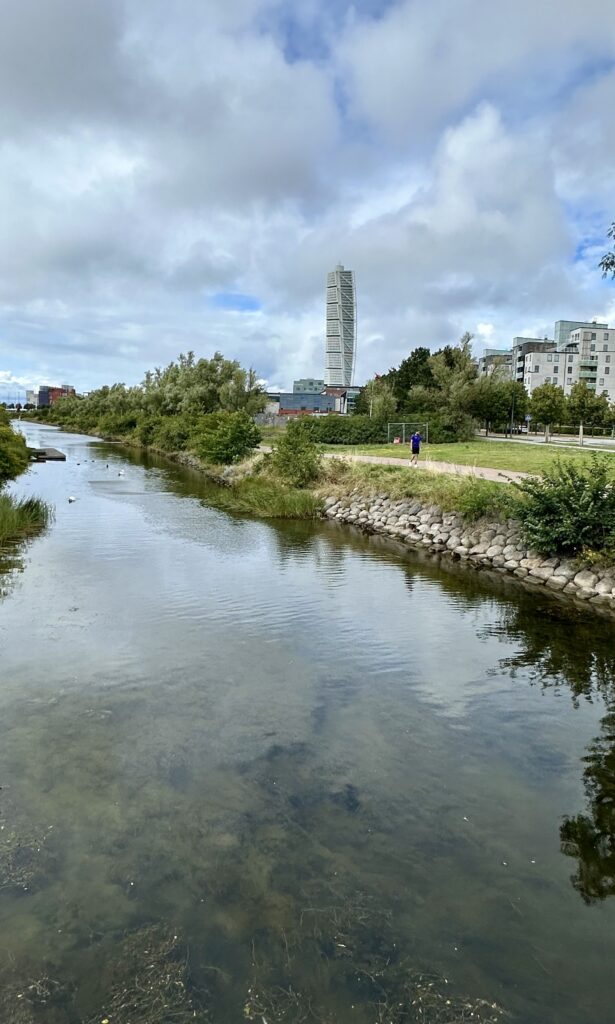
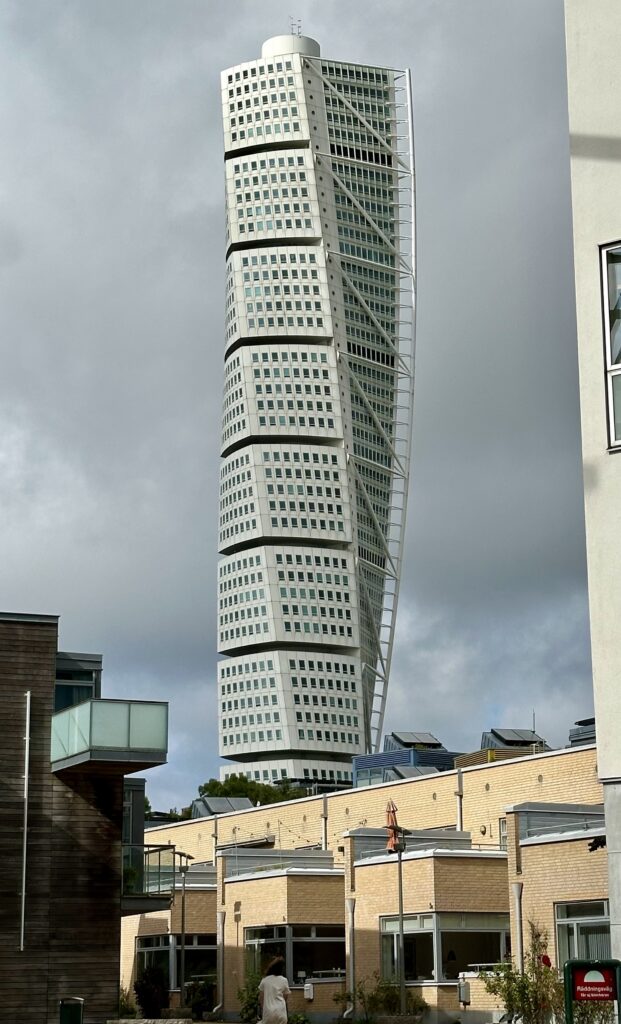
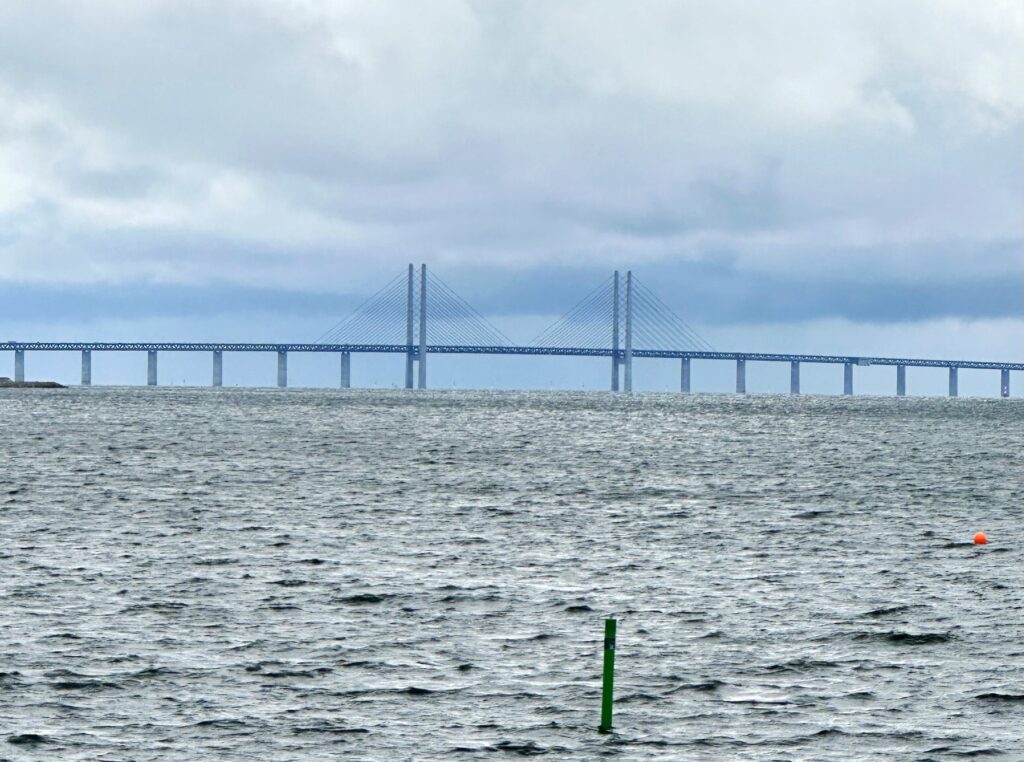
Sundspromenaden – This stunning waterfront promenade is a 20-min walk from Malmö Castle and offers breathtaking views of the Øresund Bridge and is a perfect setting for watching a sunset. The boardwalk along the coast, borders a newer residential area graced with beautiful architecture. Visiting this place was the highlight of our trip to Malmö.
The walk from Malmö Castle to the waterfront was lovely and along one of the canals near the western harbor. We had a great view of the Turning Torso and there were people ziplining in the water.
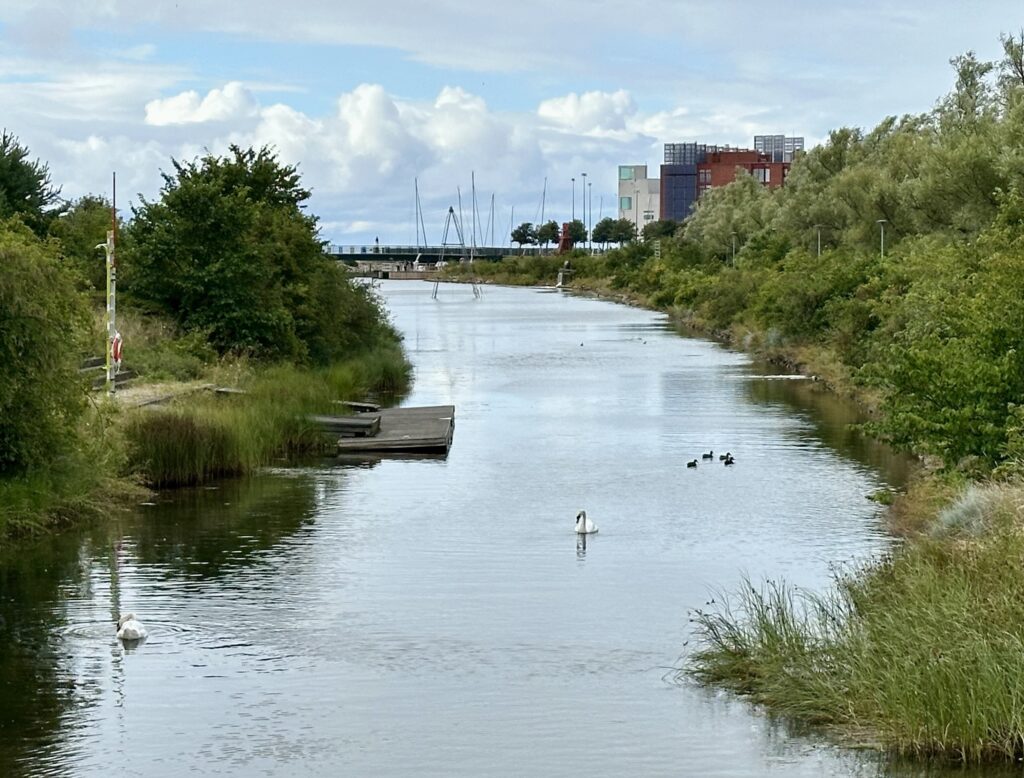
One can spend half a day here taking a relaxed walk on the well paved boardwalk and enjoying the atmosphere.
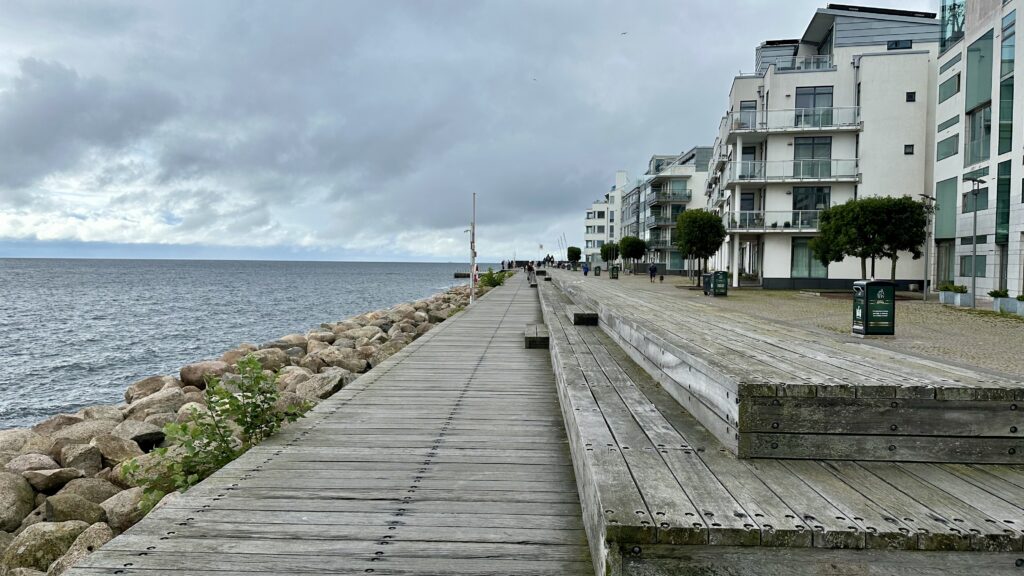
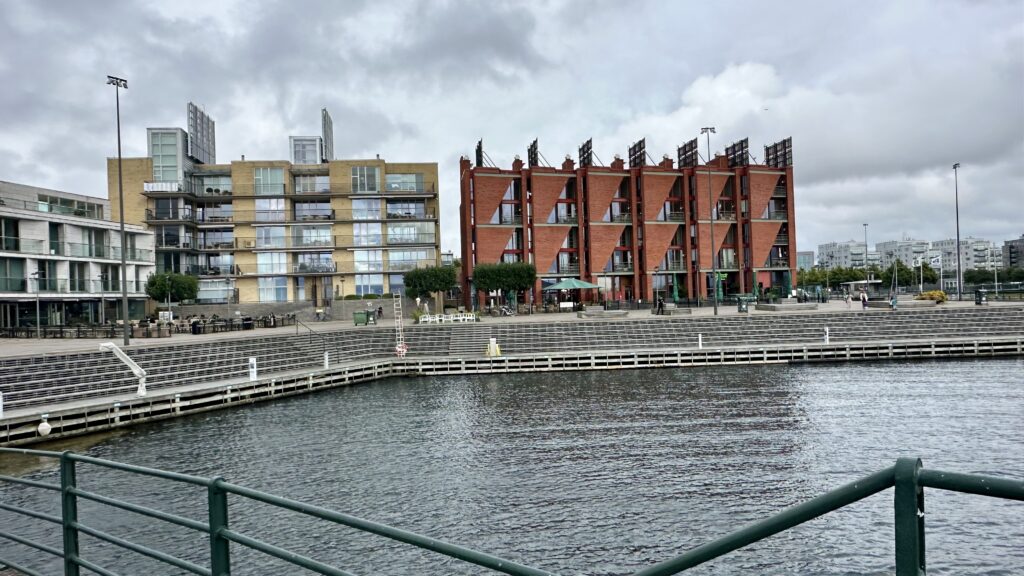
Sundspromenaden, Øresund Bridge – You get one of the best views of the magnificent Öresund Bridge from the promenade. Decades in the planning, and famous throughout the world since opening in 1999, this spectacular bridge is multi-faceted – a road, a railway, and a tunnel. The initial stretch is some eight kilometers in length to the man-made island of Peberholm. From there, it connects to a tunnel of four kilometers, constructed so as not to impact the incoming aircraft to nearby Copenhagen airport.
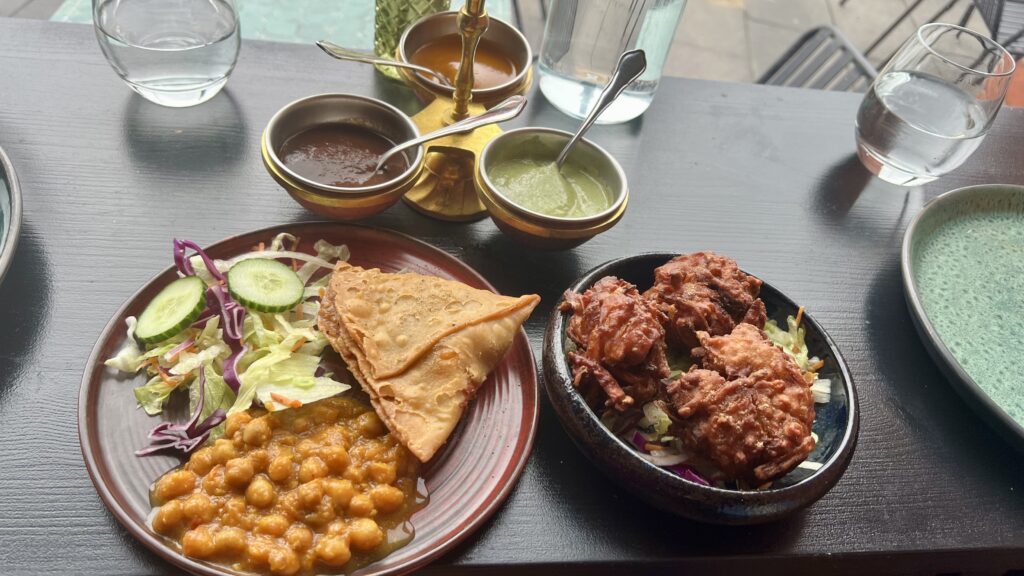
Sundspromenaden, Chai Break – It started drizzling while we were walking and taking pictures of the bridge. There was an Indian restaurant Ghee By The Sea in the corner and we decided to take a break and have some chai and snacks. I would highly recommend this place, the food and drinks was fantastic.
The rain had stopped by the time we finished eating and drinking. We spent some more time walking around and then walked to the station to take the train back to Copenhagen.