Located along the Pacific Ocean, this beautiful city has great parks, beaches, neighborhoods, and a variety of great restaurants. We have visited this place many time over the years and still have not been able to visit all the attractions that this city has to offer.
- S❤️F
- San Francisco Ferry Building
- Fisherman’s Wharf
- Pier 39
- Ghirardelli Square
- Golden Gate Bridge
- Painted Ladies
- Colorful Tiled Steps
- Chinatown
- Union Square
- Mission District Murals
- San Francisco Trams
- Lombard Street
- Coit Tower
- Golden Gate Park
- Lands End
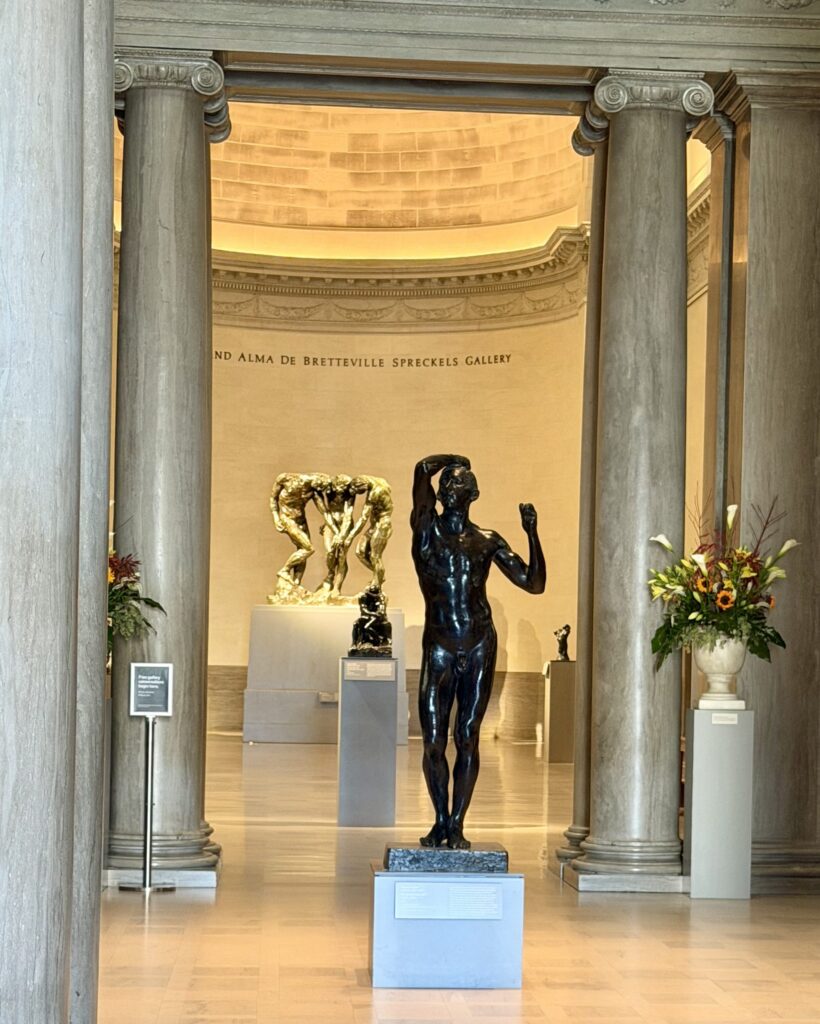
- Legion of Honor
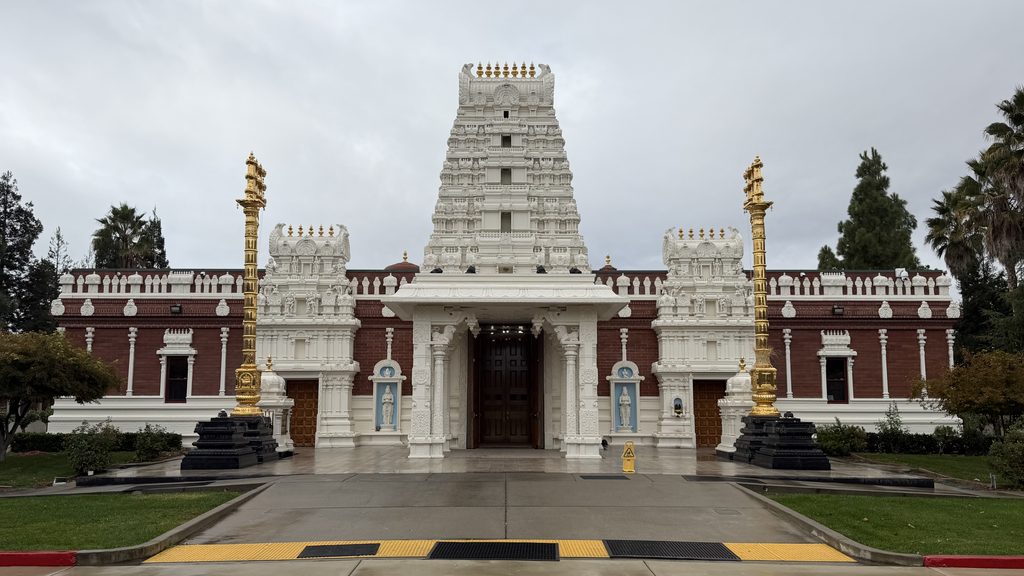
- Livermore Temple
- Alcatraz Island
- Giant redwoods in Muir Woods National Monument
- Napa Valley and Sonoma Valley
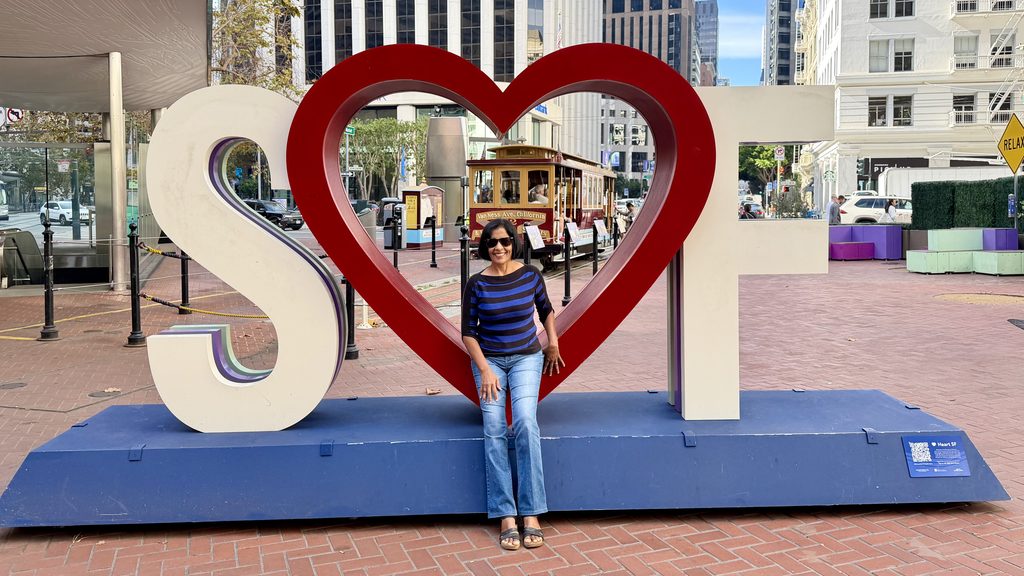
S❤️F – While walking toward the Ferry Building, we came across this 7-foot-tall, 16-foot-wide heart sculpture in Robert Frost Plaza. Inspired by Tony Bennett’s famous song I Left My Heart in San Francisco, the sculpture is positioned to frame the passing cable cars. The plaza, once a turnaround point for the California Cable Car line, has been revitalized as part of the Downtown Gateway Project to create a more pedestrian-friendly public gathering space.
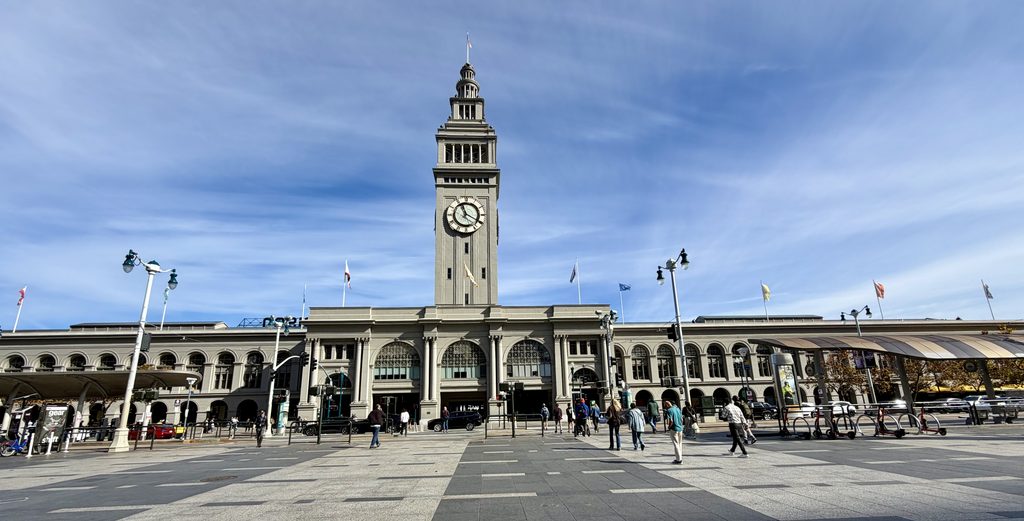
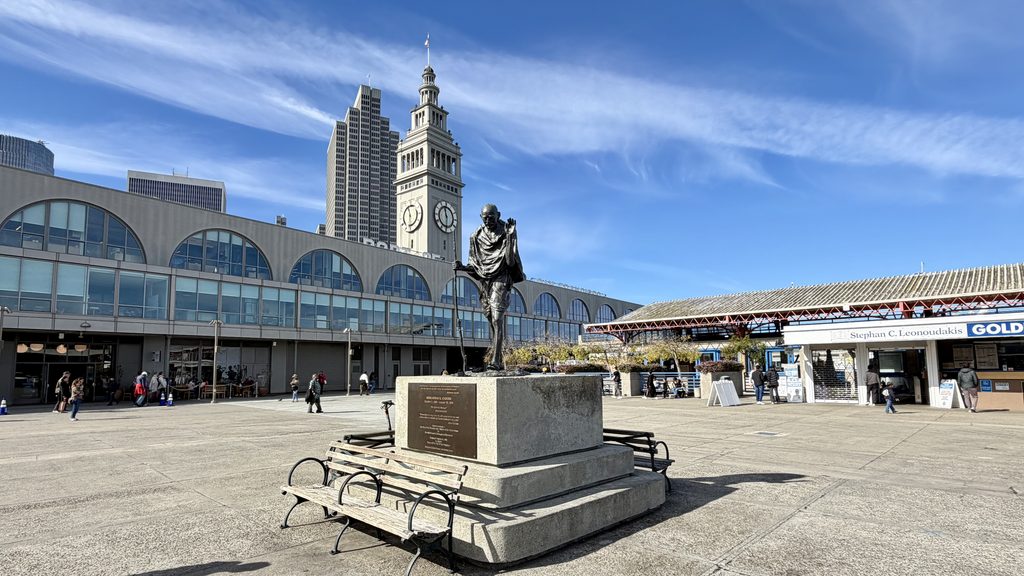
San Francisco Ferry Building – located along the Embarcadero, is a historic landmark that serves as a ferry terminal, food hall, and office building. Opened in 1898, it is renowned for its 245-foot clock tower and elegant Beaux-Arts architecture. Once one of the world’s busiest transit terminals, ferry traffic declined after the opening of the Bay and Golden Gate Bridges. A major restoration completed in 2002 revived its grand interior, transforming the ground floor into a popular marketplace while restoring its role as a transportation hub.
While strolling around the back of the Ferry Building, we were pleasantly surprised to discover an 8-foot-tall bronze statue of Mahatma Gandhi. Created by Zlatko Paunov and Steven Lowe in 1988, the sculpture was donated by the Gandhi Memorial International Foundation and dedicated by then-Mayor Art Agnos on October 3, 1988.
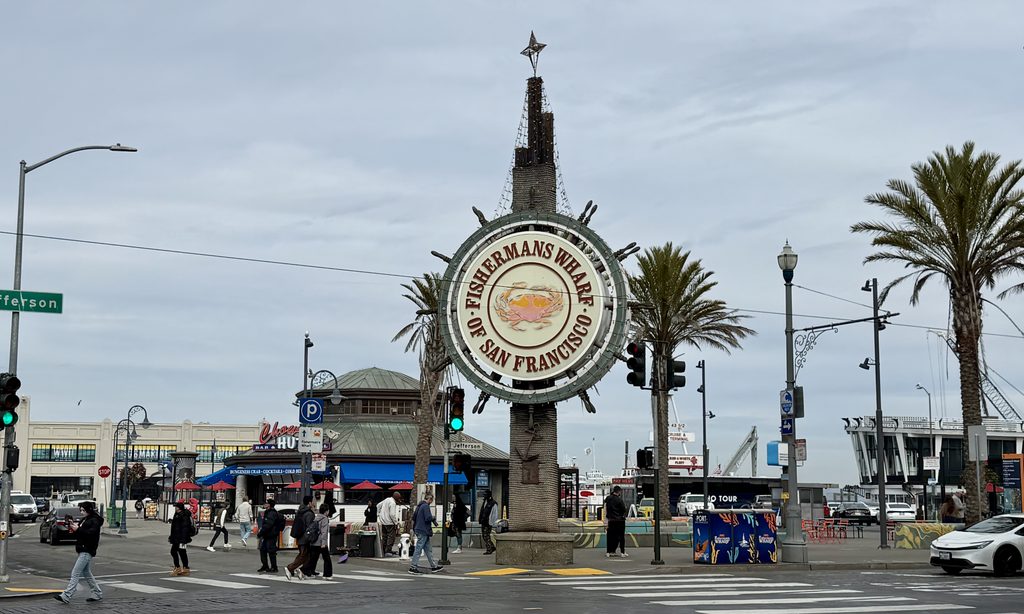
Fisherman’s Wharf – a historic waterfront neighborhood stretching from Ghirardelli Square to Pier 39. Known for its iconic Crab Wheel sign, the area offers beautiful views of Alcatraz Island, the Golden Gate Bridge, and San Francisco Bay. It is a popular tourist destination famous for its sea lions, seafood restaurants, gift shops, and family-friendly attractions.
—————————————
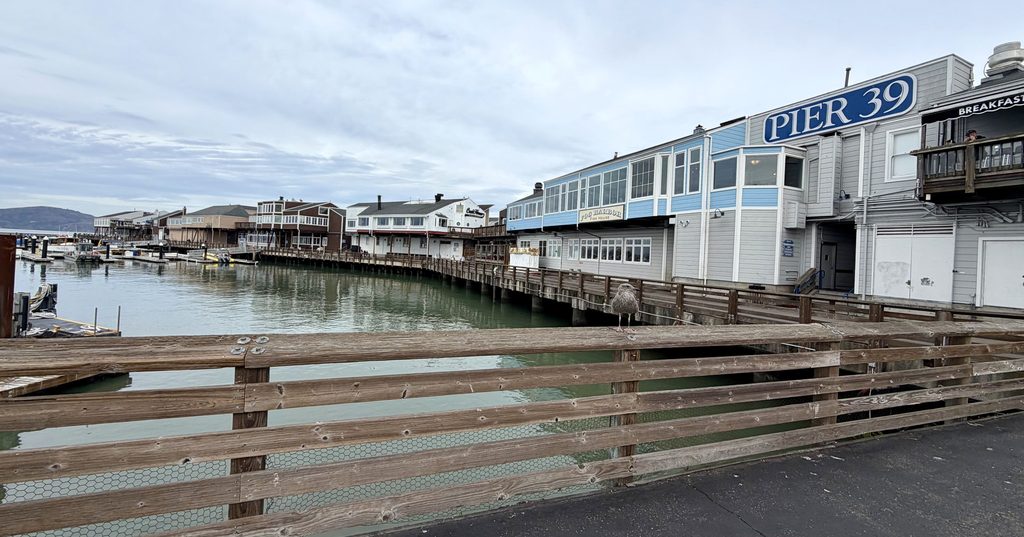
PIER 39 is one of San Francisco’s most visited attractions, is a lively waterfront destination featuring two levels of restaurants, shops, entertainment, and attractions. Famous for its sea lions, clam chowder bread bowls, and California wines, it also offers spectacular views of the Golden Gate and Bay Bridges, Alcatraz and Angel Islands, and the city skyline.
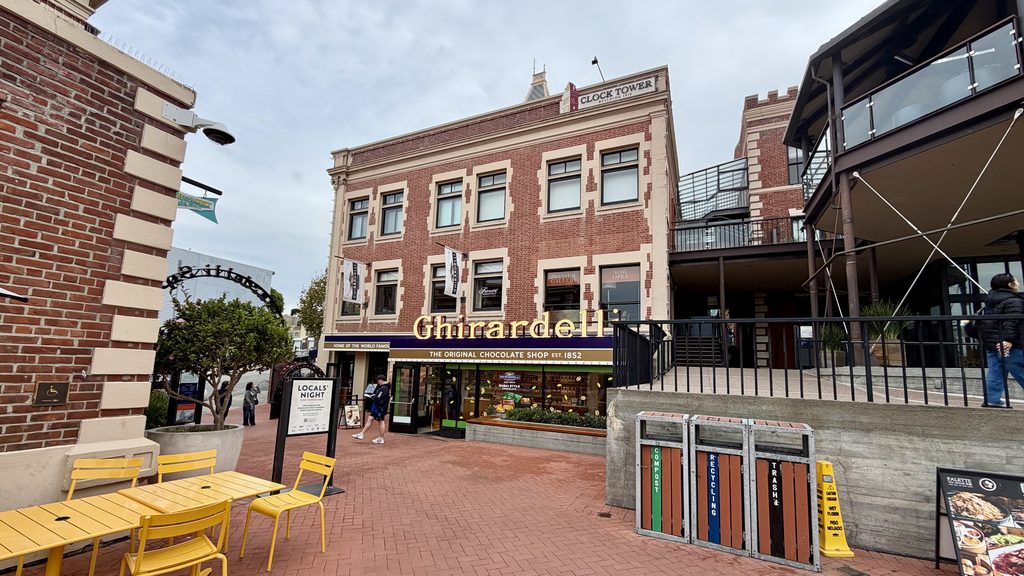
Ghirardelli Square – We then took a walk to Ghirardelli Square, a historic landmark at the foot of Russian Hill, was originally the headquarters of the Ghirardelli Chocolate Company. Purchased by the Ghirardelli family in 1893, the site was transformed into a shopping, dining, and entertainment complex in 1964 after being saved from redevelopment. Its historic brick buildings and iconic Clock Tower now house specialty shops, restaurants, and the famous Ghirardelli chocolate shop. The square was added to the National Register of Historic Places in 1982.
Golden Gate Bridge – One of the most visited and photographed sites in San Francisco, I never get tired of visiting and taking a picture here. Opened in 1937, the bridge took 4 years to build and at the time of its completion, was the longest suspension bridge in the world measuring approximately 2 miles in length.
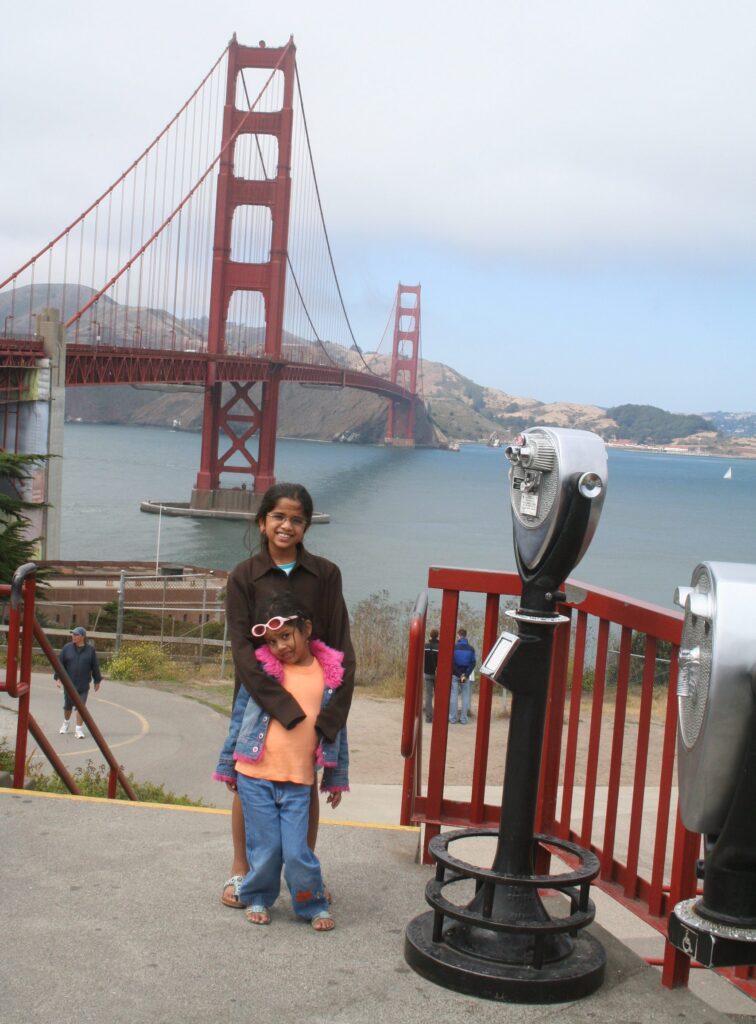

If you are planning to walk across the bridge which we have done a few times, be sure to pack in a light jacket or sweater, as it is quite windy most of the year.


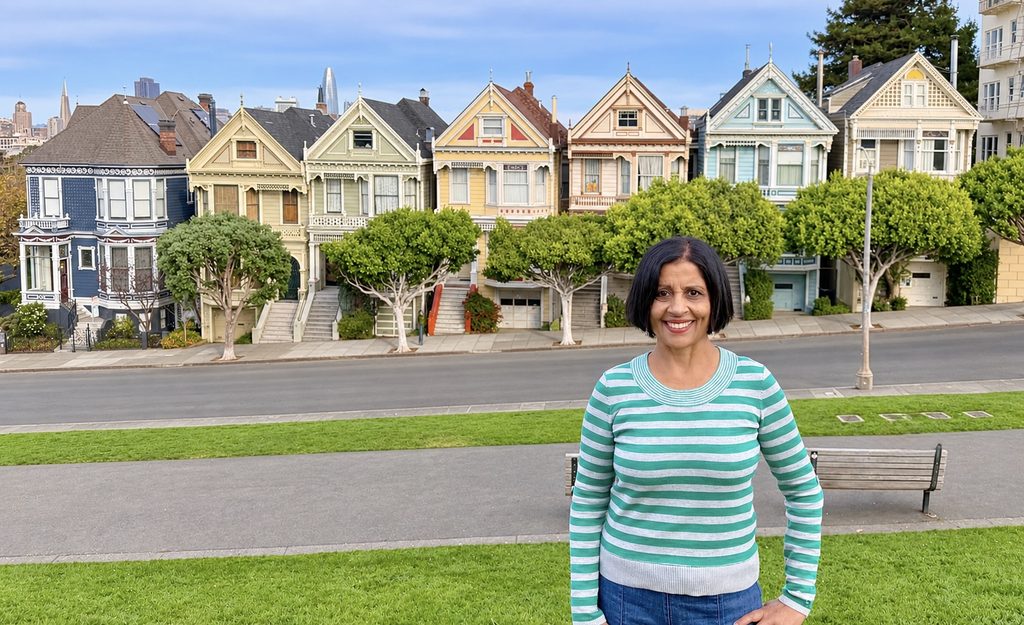
Painted Ladies – are Victorian and Edwardian houses painted in three or more contrasting colors to highlight their ornate architectural details. The term became popular in San Francisco following the 1978 book Painted Ladies – San Francisco’s Resplendent Victorians. One of the city’s most famous groups is Postcard Row, a row of colorful Victorian homes along Steiner Street overlooking Alamo Square Park, also known as the Seven Sisters. These iconic houses are among San Francisco’s most photographed landmarks.
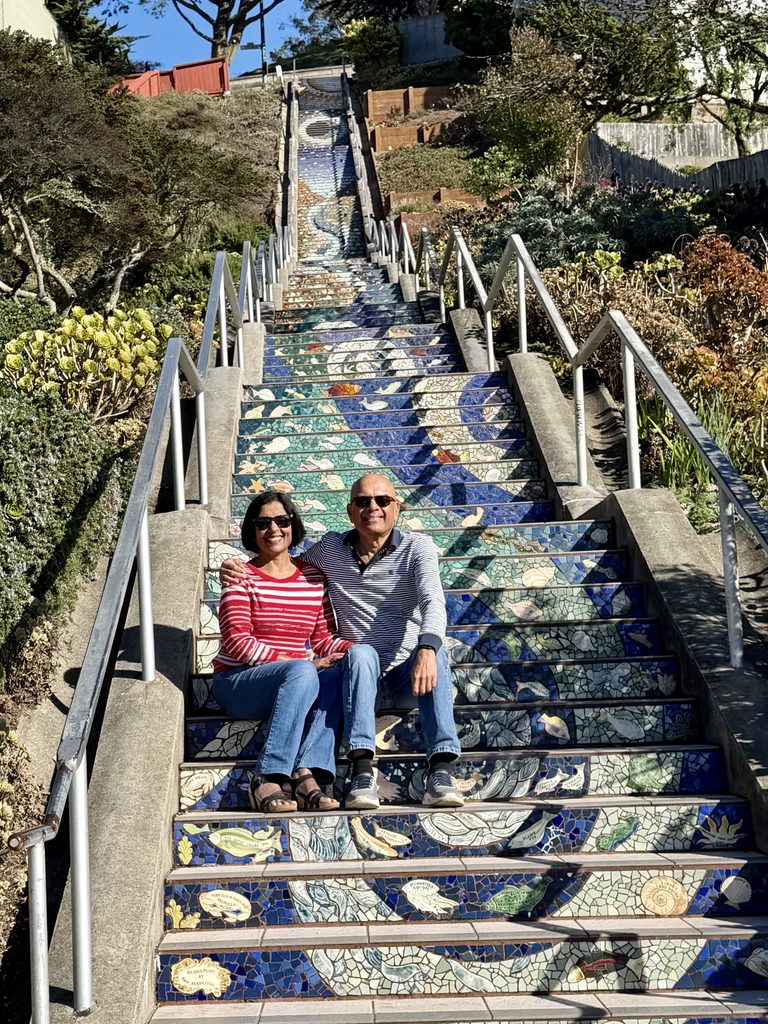
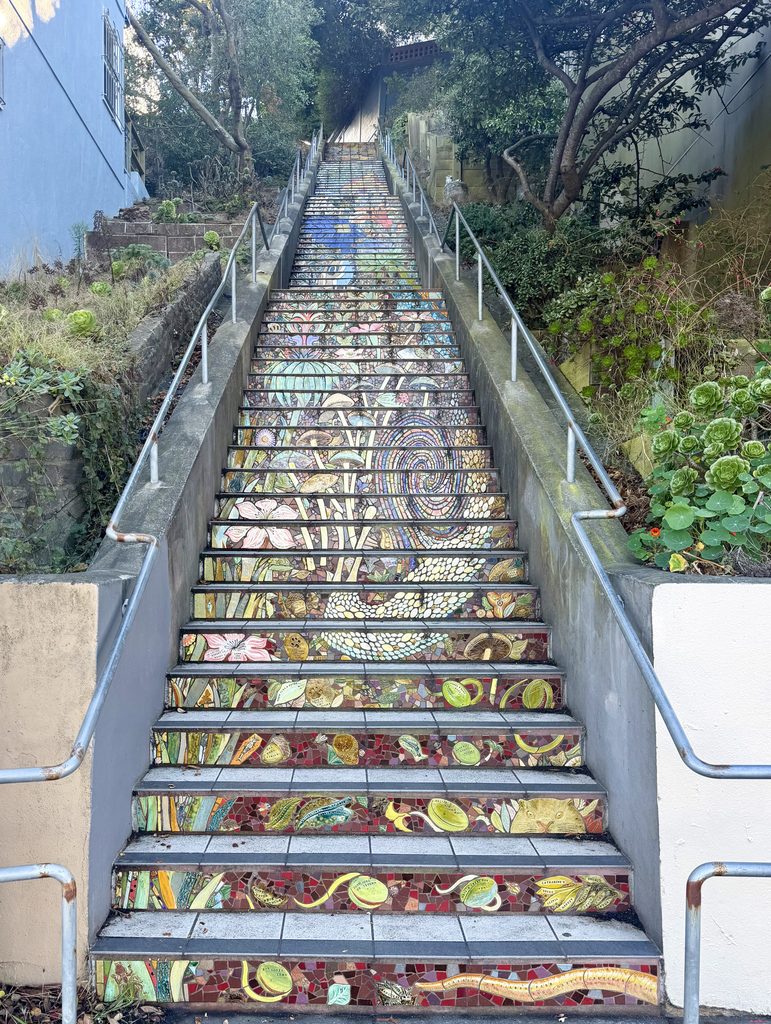
Colorful Tiled Steps – Inspired by the Escadaria Selarón in Brazil, the tiled steps are colorful public stairways decorated with vibrant mosaic artwork, transforming ordinary neighborhood staircases into beautiful works of art. We visited two of the best-known ones – 16th Avenue Tiled Steps in Golden Gate Heights and the Hidden Garden Steps nearby. Their intricate designs feature colorful patterns inspired by nature, flowers, and the surrounding landscape.
The 16th Avenue Tiled Steps, consists of 163 steps decorated with a sea-to-stars mosaic, progressing from sea creatures and shells at the bottom to animals, birds, the moon, and stars at the top. Created by artists Aileen Barr and Colette Crutcher, the project was completed in 2005 with the participation of more than 300 neighborhood residents. The nearby Hidden Garden Steps, completed in 2013, feature colorful mosaics of flowers, butterflies, and other natural elements, with a garden of native plants alongside the staircase.
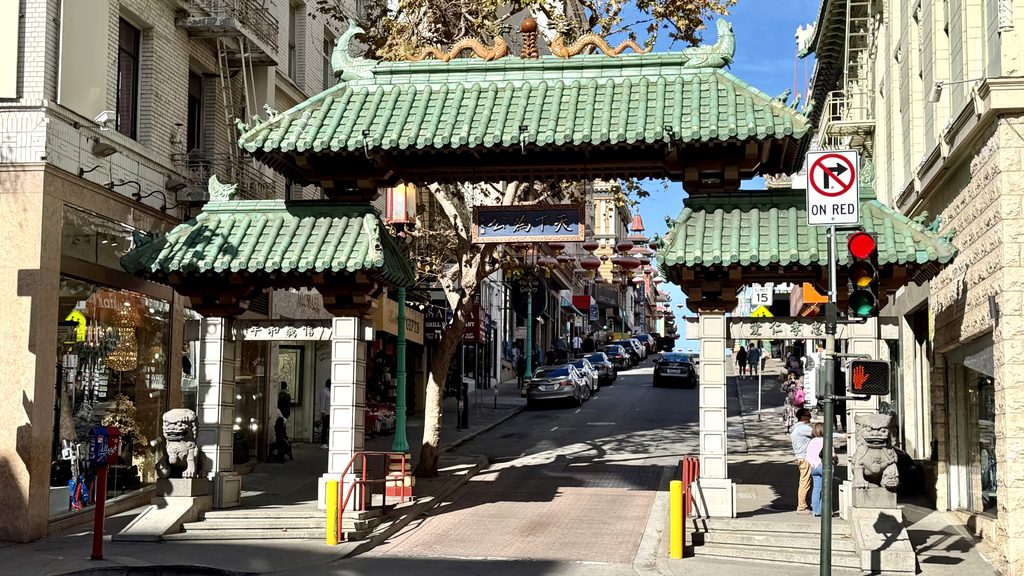
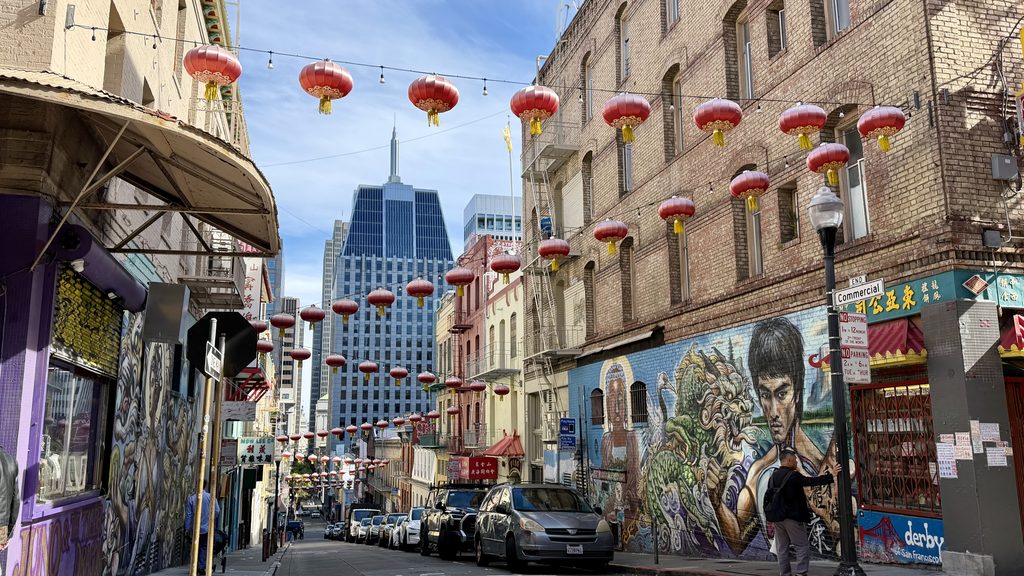
Chinatown – San Francisco’s Chinatown spans approximately 24 city blocks. Its two main thoroughfares are Grant Avenue, known for its tourist shops, restaurants, and iconic Dragon Gate, and Stockton Street, which offers a more authentic Chinese atmosphere with traditional produce and fish markets.
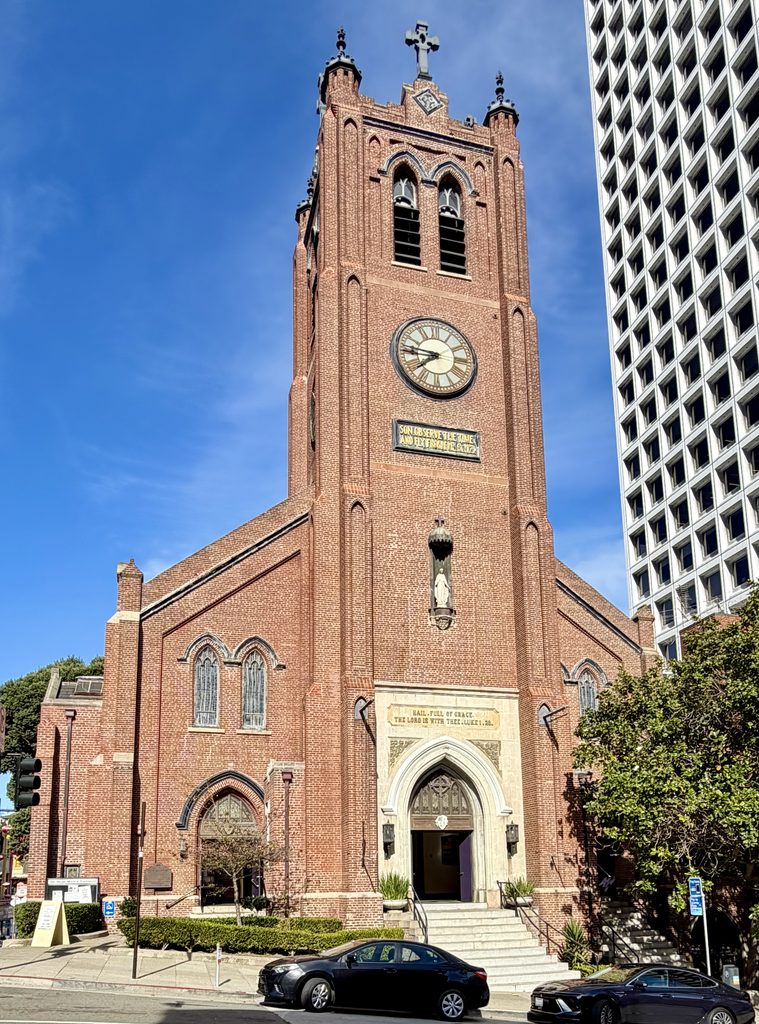
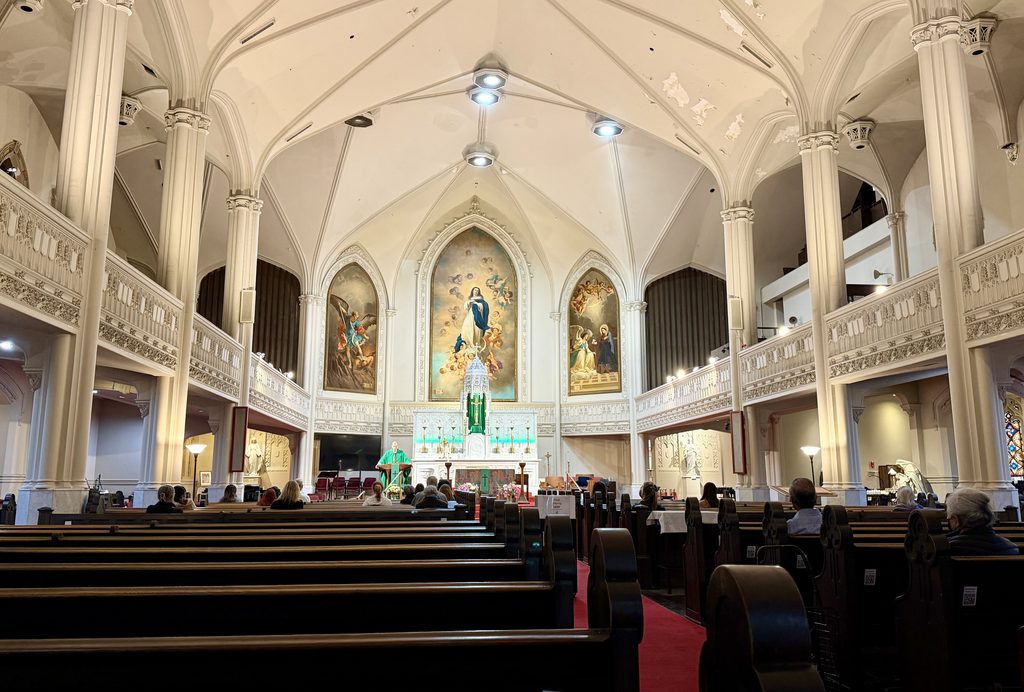
Old St. Mary’s Cathedral – built in 1853 at the corner of California Street and Grant Avenue, this was the only building in the immediate area to survive the devastating fires following the 1906 earthquake. Once the city’s most prominent building, much of its stonework was quarried and cut in China and its brick brought around the horn in sailing ships.
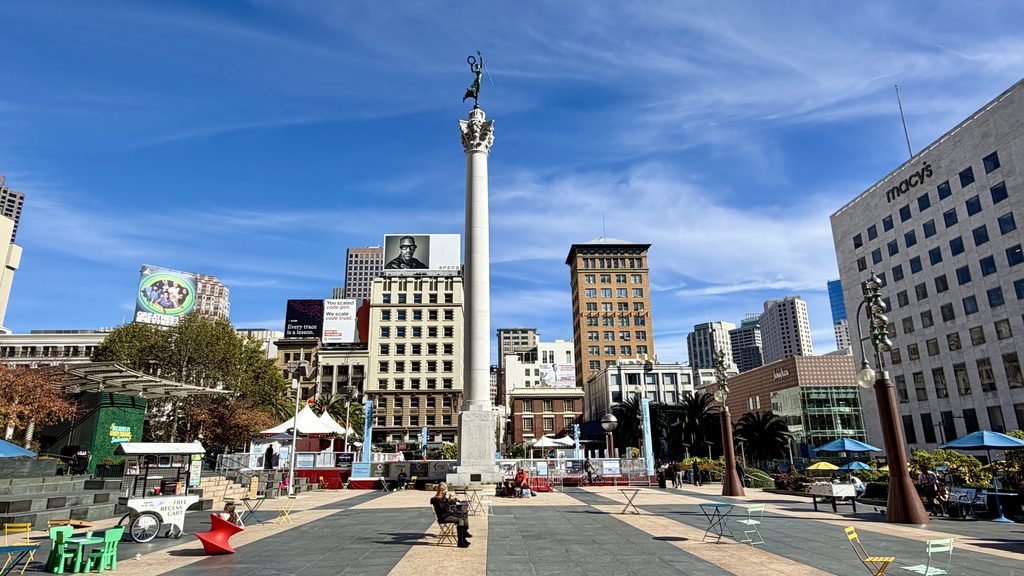
Union Square – is a 2.6-acre public plaza in downtown San Francisco, surrounded by major shopping, hotel, and theater districts. Named after the pro-Union rallies held there before and during the Civil War, it is a popular gathering place and shopping destination. At its center stands the 97-foot Dewey Monument, topped by a statue of Nike, the Greek goddess of victory, commemorating Admiral George Dewey’s victory at the Battle of Manila Bay.
During the holiday season, typically from mid-November through mid-January, Union Square transforms into a festive destination with a seasonal outdoor ice-skating rink, adding to the square’s holiday charm and attractions.
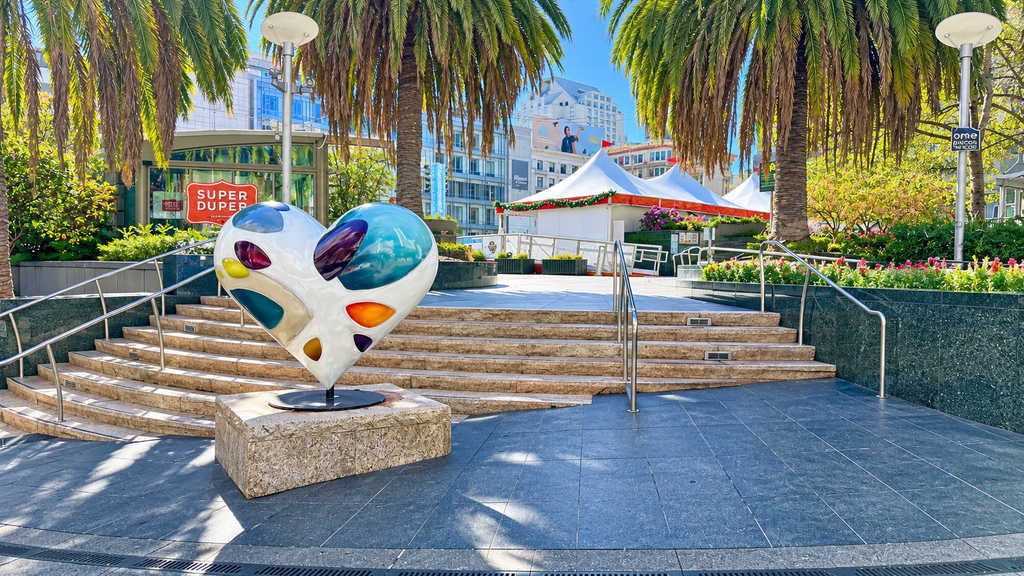
We also noticed that the entrances into Union Square features colorful heart-shaped sculptures. These approximately 5-foot-tall sculptures are displayed around the square, each featuring unique artwork. The project raises funds for Zuckerberg San Francisco General Hospital and Trauma Center, with sculptures periodically replaced or auctioned to support the cause.
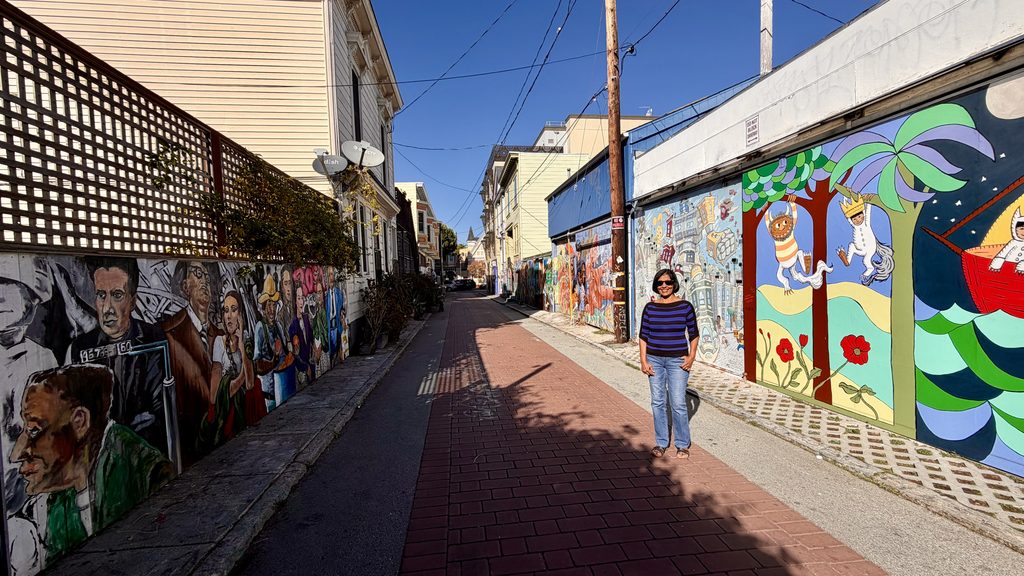
Mission District Murals – is renowned for its vibrant street art, with more than 500 public murals reflecting the area’s Chicano and Latino heritage and civil rights movements. Two of its most famous mural destinations are Balmy Alley, known for its murals addressing Central American struggles, immigration, gentrification, and women’s rights, and Clarion Alley, featuring hundreds of socially and politically themed artworks created through the Clarion Alley Mural Project since 1992.
We took the train from Union Square to the Mission District. As we exited the station and walked toward Balmy Alley and Clarion Alley, we were greeted by enormous, colorful murals along the streets, offering a wonderful introduction to the neighborhood’s vibrant street art scene.
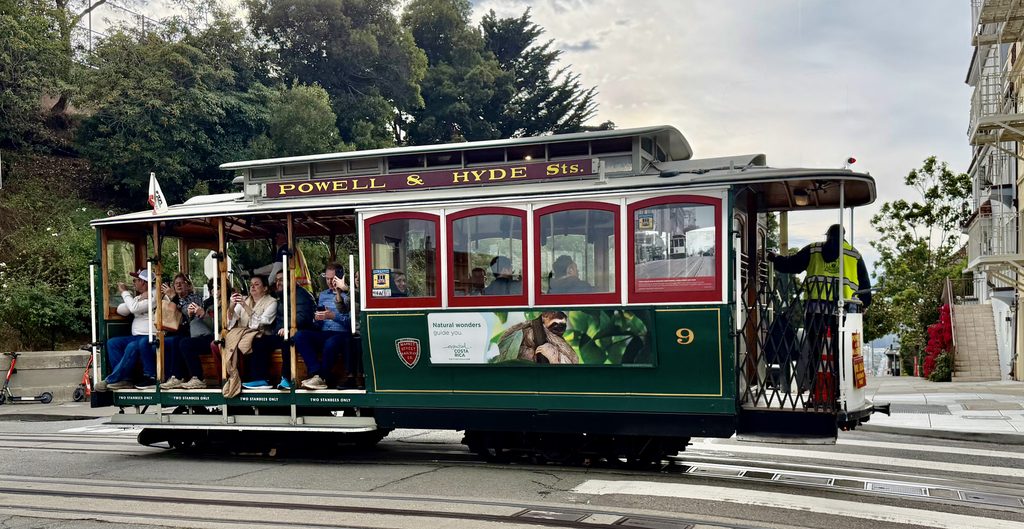
San Francisco Trams – San Francisco is home to the world’s last permanently operating manually operated cable car system, a historic transportation network dating back to the late 19th century. Operated by SFMTA(San Francisco Municipal Railway), it runs three lines – Powell-Hyde, Powell-Mason, and California Street, connecting downtown with Chinatown, Nob Hill, Russian Hill, and popular waterfront attractions such as Fisherman’s Wharf and Pier 39.
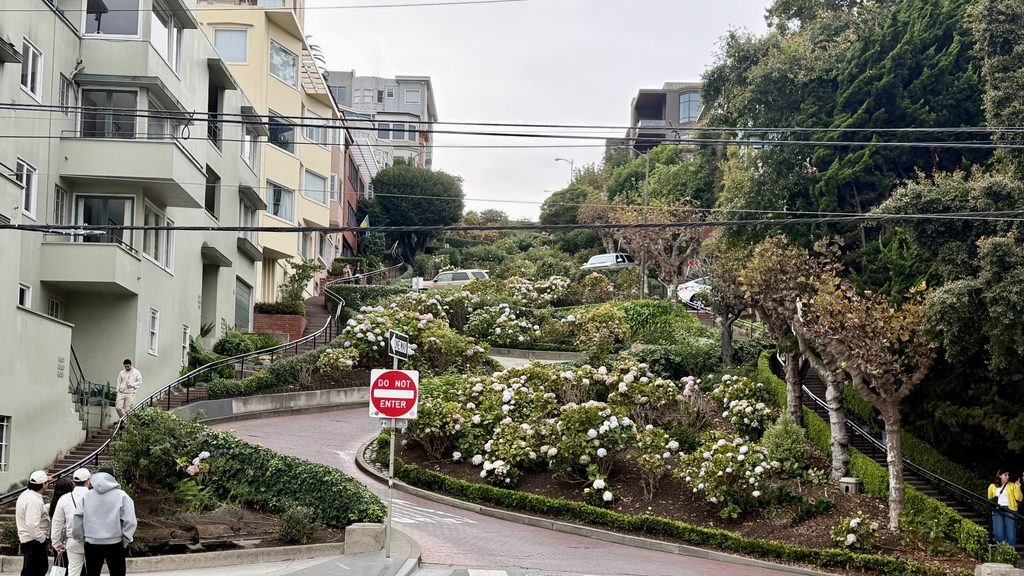
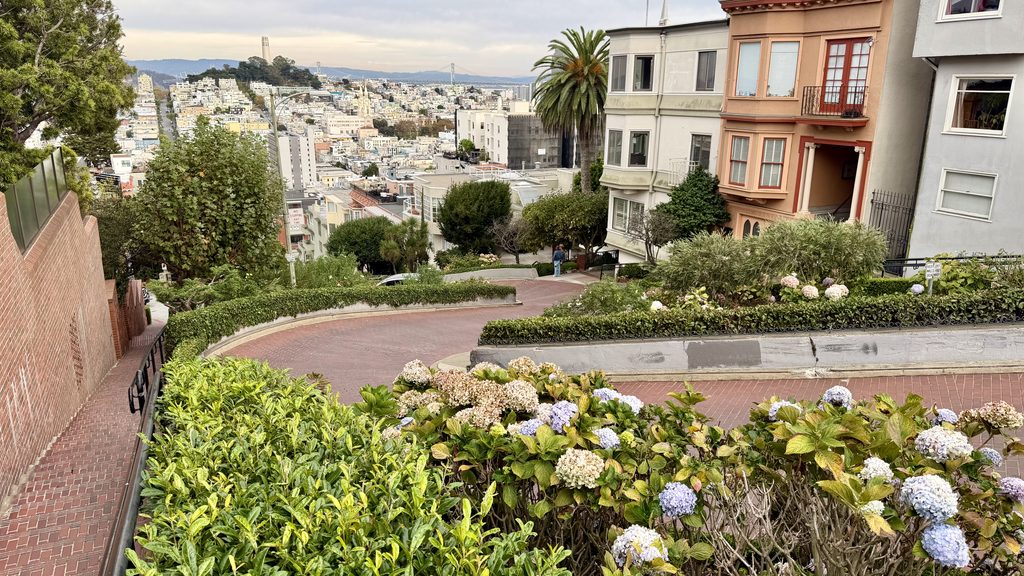
Lombard Street – located in San Francisco’s Russian Hill neighborhood, is famous for its one-block stretch of eight sharp hairpin turns, often called the crookedest street in the world. Built in 1922 to make the steep 27% hill safer for vehicles, the winding, brick-paved road is lined with colorful flowers and beautifully landscaped gardens. Today, it is one of San Francisco’s most popular tourist attractions, offering a memorable view from both the top and bottom of the hill.
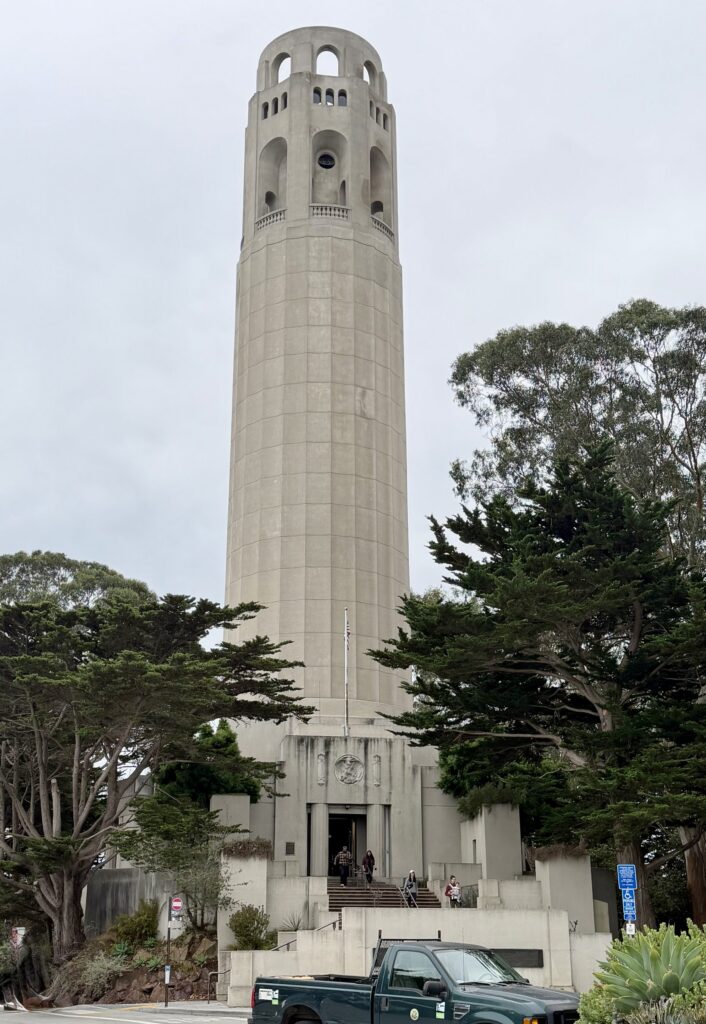
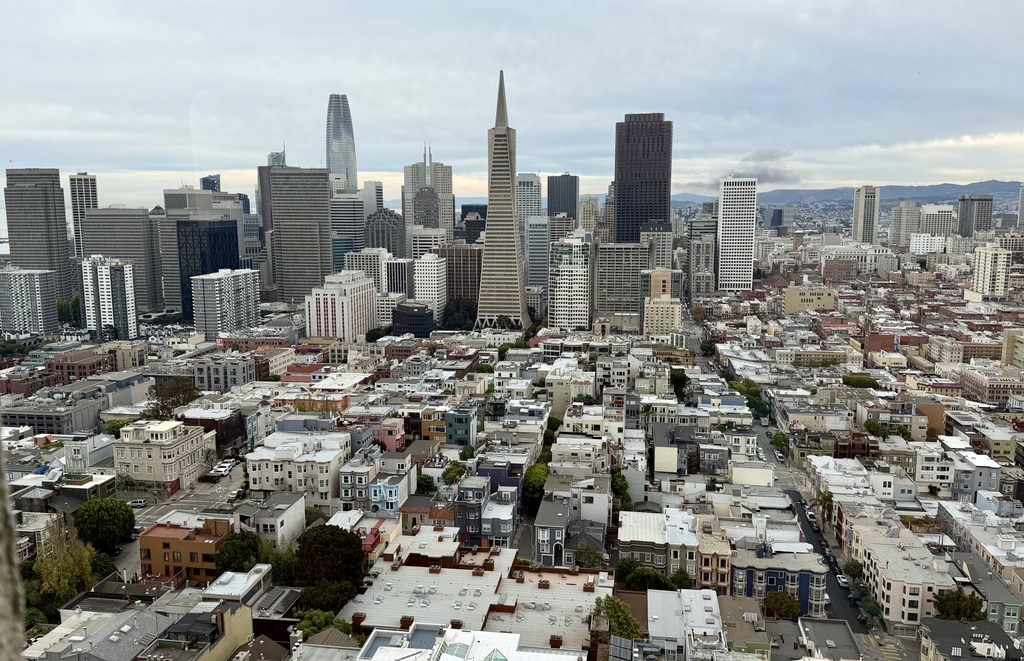
Coit Tower – a 210-foot Art Deco landmark atop Telegraph Hill in San Francisco’s Pioneer Park, was built between 1932 and 1933 using funds left by local philanthropist Lillie Hitchcock Coit to beautify the city. The tower offers panoramic views of San Francisco and the Bay. Its interior features colorful fresco murals painted by 22 artists in the Social Realism style, depicting scenes of California life during the Great Depression.
Golden Gate Park – is San Francisco’s largest urban park, spanning 1,017 acres between the Richmond and Sunset districts. Opened in 1870, the park was developed on coastal sand dunes, which were stabilized through extensive tree planting and landscaping. Stretching more than three miles from east to west, it offers a mix of natural scenery, gardens, museums, and recreational spaces. Visitors can also enjoy biking, boating, concerts, and festivals.
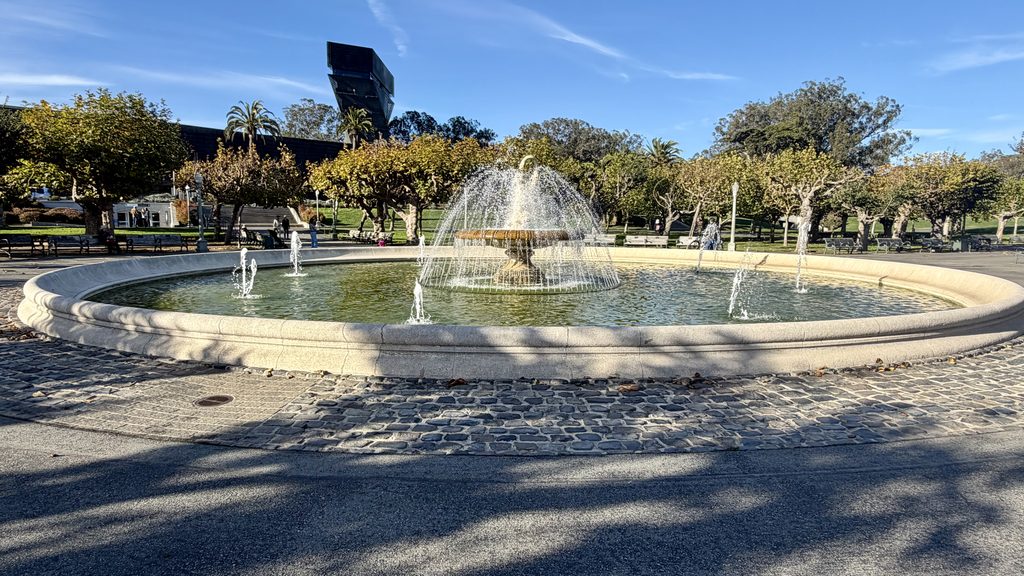
Admission to Golden Gate Park is free, but many of its individual attractions, including the museums, gardens, and conservatories, require separate admission tickets.
Some of the attractions in the park include –
- Spreckels Temple of Music – aka the Bandshell, this outdoor performance venue was built in 1900. Donated to the city by sugar magnate Claus Spreckels, it hosts concerts and musical performances.
- Japanese Tea Garden is the oldest public Japanese garden in the United States. Originally created as the Japanese Village and Tea Garden for the 1894 Exposition, it became a permanent attraction after the fair. The 3 acres garden features winding pathways, ponds with koi fish, stone lanterns, bridges, pagodas, trees, and a traditional teahouse.
- California Academy of Sciences – is a natural history museum and scientific research institution that was founded in 1853, housing more than 46 million specimens. Completely rebuilt in 2008, its impressive 400,000 sqft building combines scientific research, education, and public exhibits.
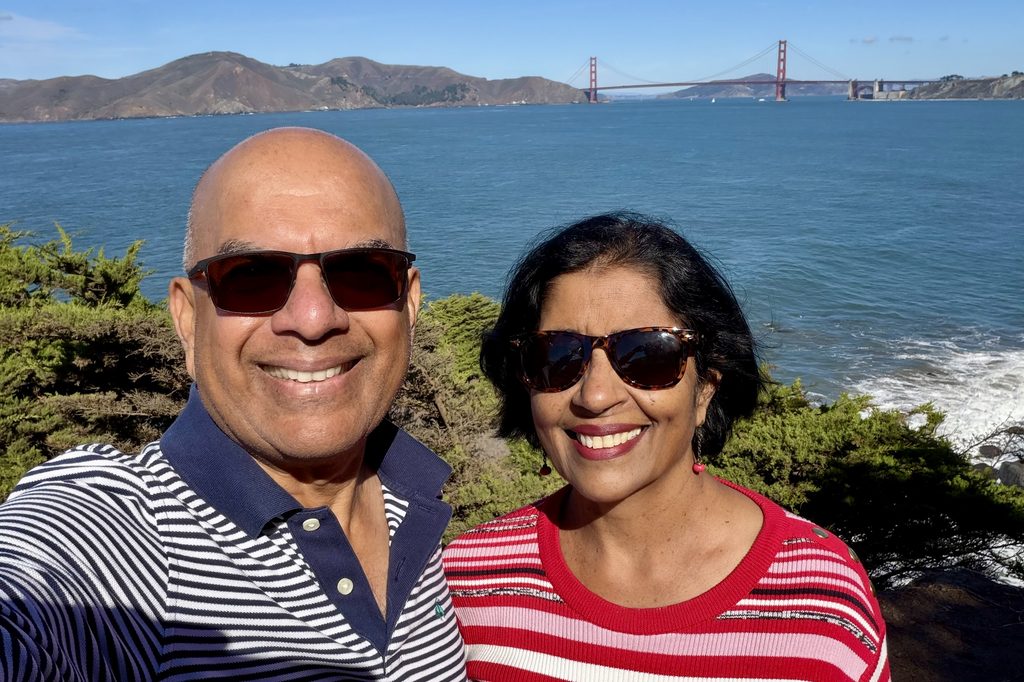
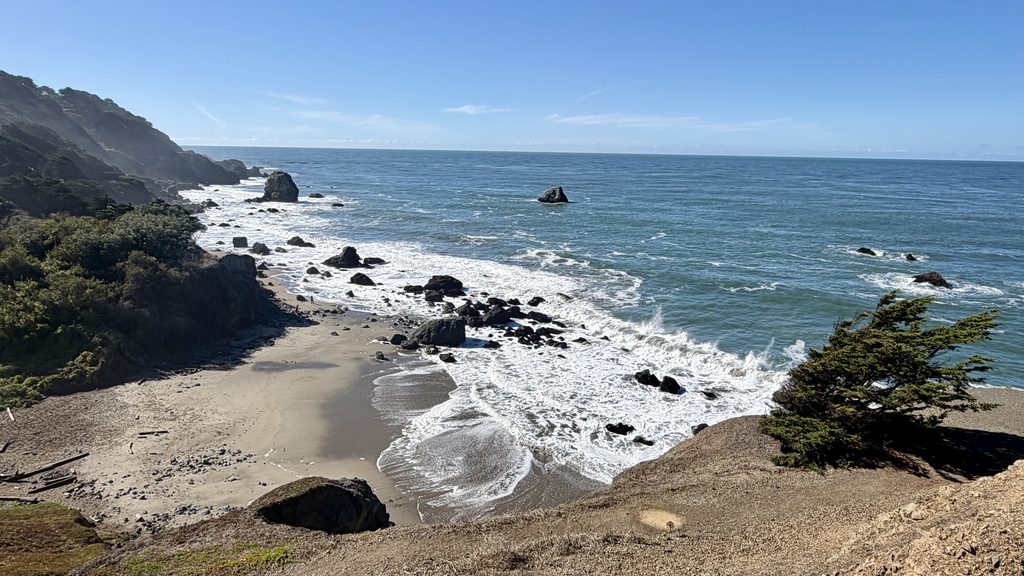
Lands End – is a scenic coastal park in San Francisco, part of the Golden Gate National Recreation Area, known for its rugged cliffs, rocky shoreline, and spectacular Pacific Ocean and Golden Gate views. Its popular Coastal Trail follows an old railway route along the cliffs, with paths leading to Mile Rock Point and Beach. We walked along the trail all the way to Mile Rock Point and Beach, enjoying the beautiful coastal scenery and breathtaking views of the Pacific Ocean and Golden Gate.
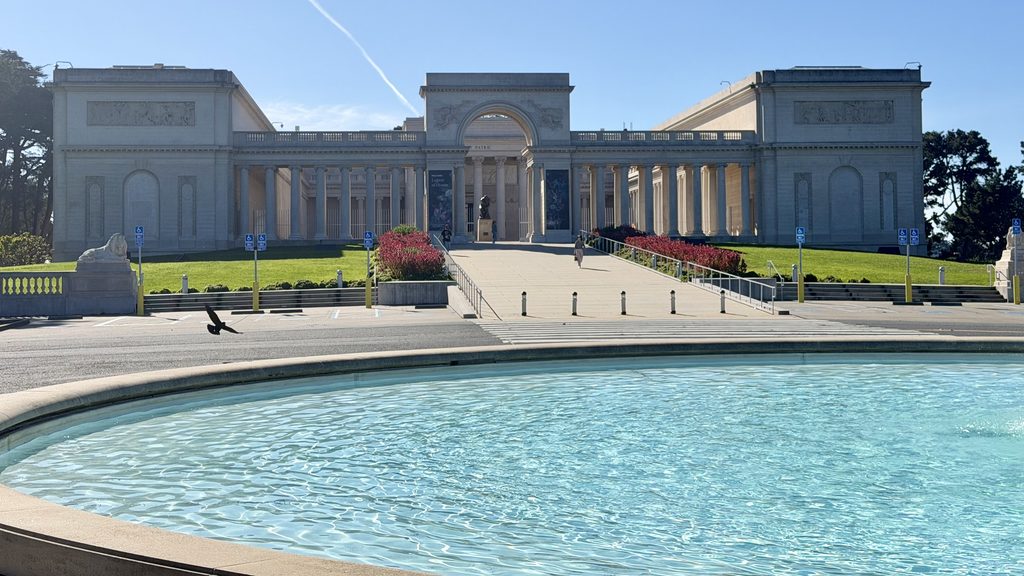
Legion of Honor – While you around Lands End park, you can stop by this art museum featuring European art. Officially known as the California Palace of the Legion of Honor, the museum is an architectural replica of the Palais de la Légion d’Honneur in Paris. Built as a memorial to California soldiers who died in World War I, it opened on November 11, 1924. The museum houses an impressive art collection and its grand plaza and fountain mark the western terminus of the historic Lincoln Highway, the first transcontinental automobile road in the United States.
Livermore Temple – aka the Shiva-Vishnu Temple, it has served the Hindu community since 1977 as a place of worship, cultural celebration, and community service. Its impressive architecture and intricate traditional Hindu designs make it an important spiritual and cultural landmark in the Livermore Valley.
Alcatraz Island – This small island on San Francisco Bay, was developed in the mid-19th century with facilities for a lighthouse, a military fortification, and a military prison. In 1934, the island was converted into a federal prison, Alcatraz Federal Penitentiary since the strong currents around the island and cold water temperatures made escape nearly impossible The prison became one of the most notorious in American history. The prison closed in 1963, and the island is now a major tourist attraction.
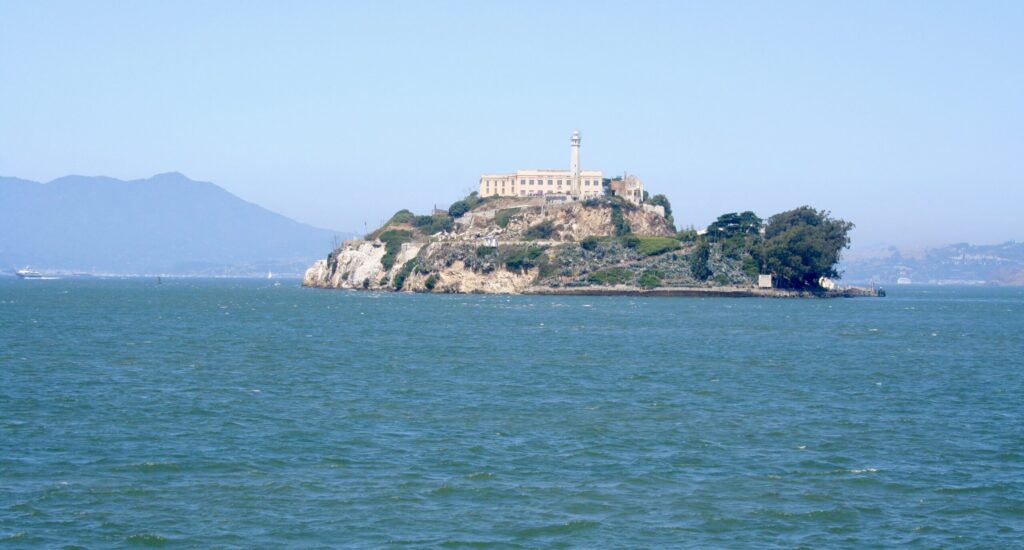

During the 29 years it was in use, the prison held some of the most notorious criminals in American history, including gangsters such as Al Capone, Robert Franklin Stroud (the “Birdman of Alcatraz”), George “Machine Gun” Kelly and Bumpy Johnson. You can visit Alcatraz on a guided tour (which includes round-trip ferry transportation from Pier 33). At the prison site, you are provided with an audio recording that offers a glimpse into life in the cellhouse, rather than just a historical list of the facts. The narration is even voiced by former inmates and guards of Alcatraz.
Giant redwoods in Muir Woods National Monument – About 17 miles (45 minute drive) north of San Francisco is the magnificent ancient redwood forest at Muir Woods National Monument. At this nature site, you can see some enormous redwood trees, some of which are nearly 265 feet high and estimated to be about 1200 years old. These trees are simply magical to see and walking among these giants is awe inspiring and for many, is a once-in-a-lifetime experience.


Note that to visit the park, you will need to reserve your parking space or shuttle tickets in advance. Plan ahead to secure a spot in this popular tourist attraction.
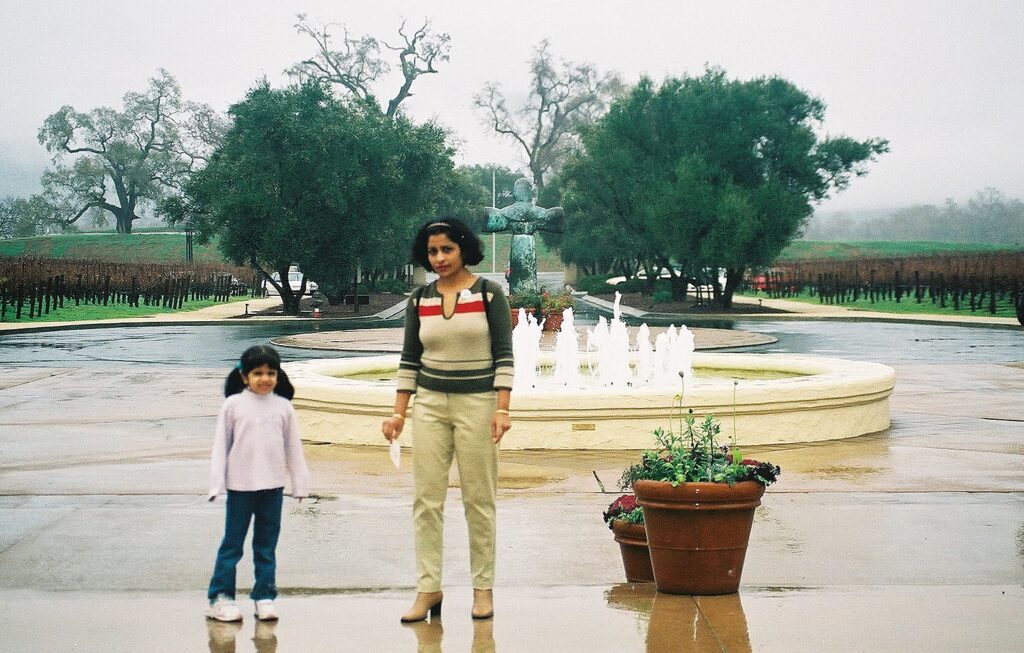
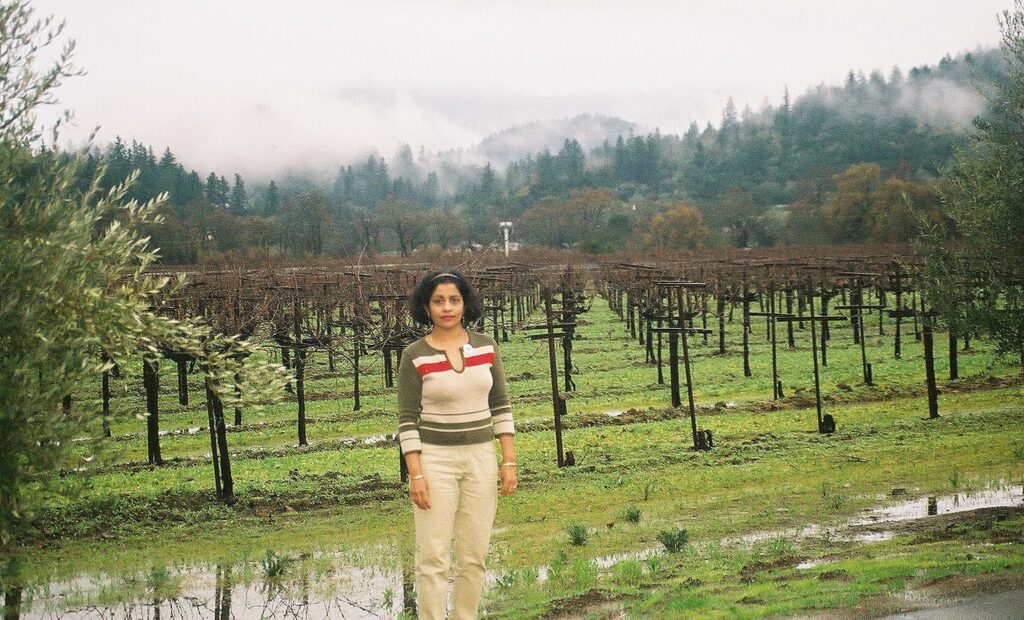
Napa Valley and Sonoma Valley – About 68 miles north of San Francisco (less than 1.5-hour drive) are two gorgeous destinations: Napa Valley and Sonoma Valley. These are the two best-known, largest grape-growing, and worlds’ premier wine destinations with more than 400 wineries and wine tasting rooms. We visited Robert Mondavi winery for a tour and wine tasting.