The Scottish Highlands are a rugged and scenic region in northern Scotland, famous for their dramatic mountains, deep lochs, and vast, open landscapes. Known for their natural beauty, the Highlands offer excellent opportunities for outdoor activities such as hiking, climbing, and wildlife spotting, and they remain one of Scotland’s most iconic and unspoiled regions, attracting visitors seeking both adventure and breathtaking scenery.
- Day 1 – Scottish Highlands
- Loch Lomond
- Glencoe
- Waterfalls
- Loch Ness
- Day 2 – Jacobite Steam Train
Day 1
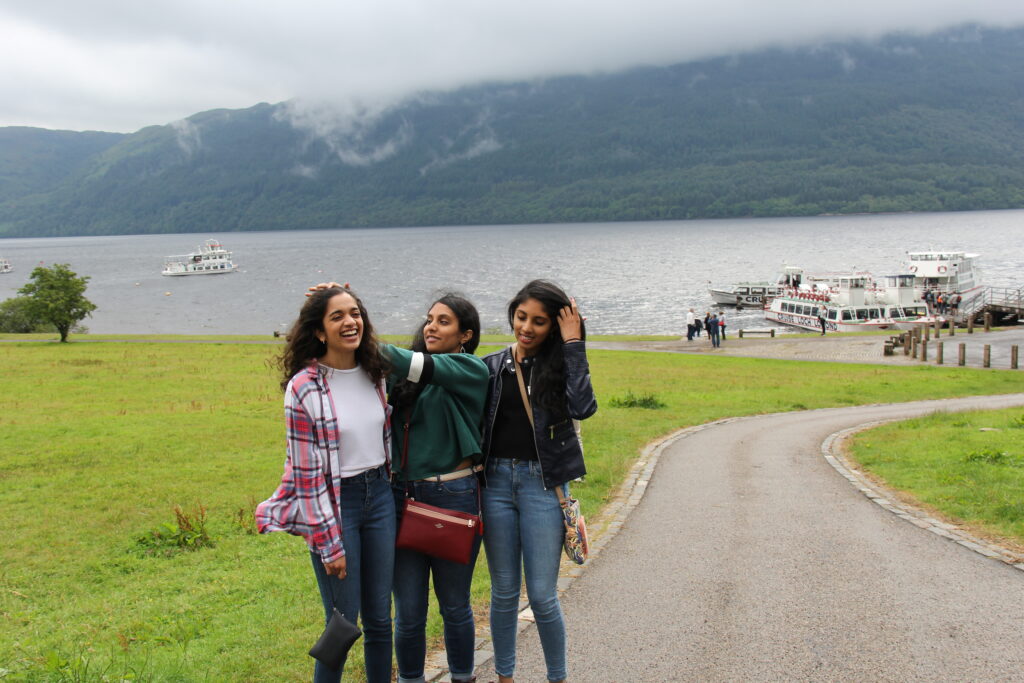
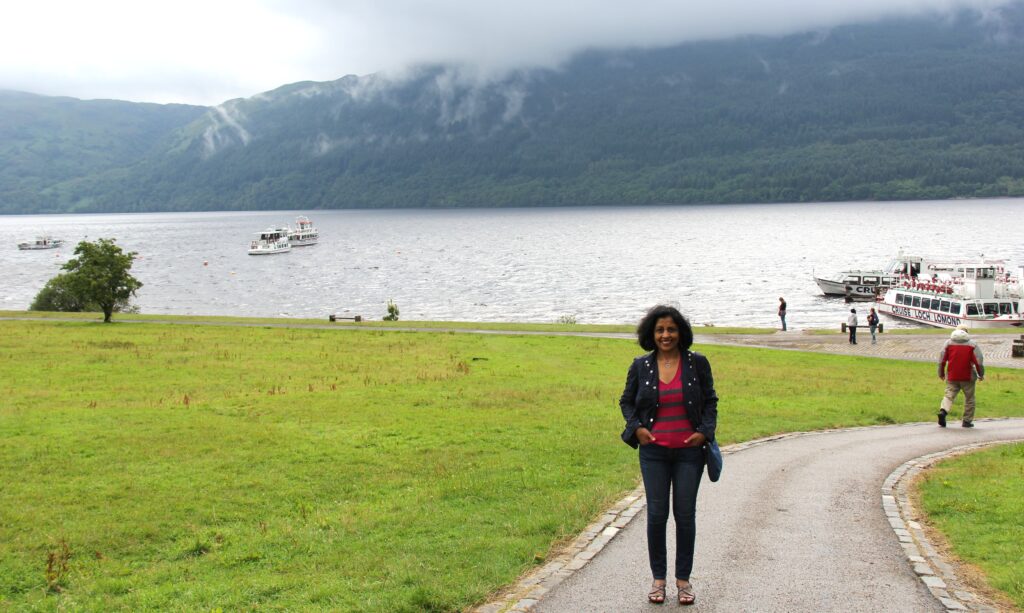
Luss, Loch Lomond – We stopped on the western shores of the lake to admire the breathtaking scenery. Just 23 km northwest of Glasgow, Loch Lomond is one of Scotland’s most accessible and beloved scenic destinations. Straddling the natural boundary between the Lowlands and the Highlands, it perfectly blends gentle southern landscapes with the dramatic, rugged beauty of the north.
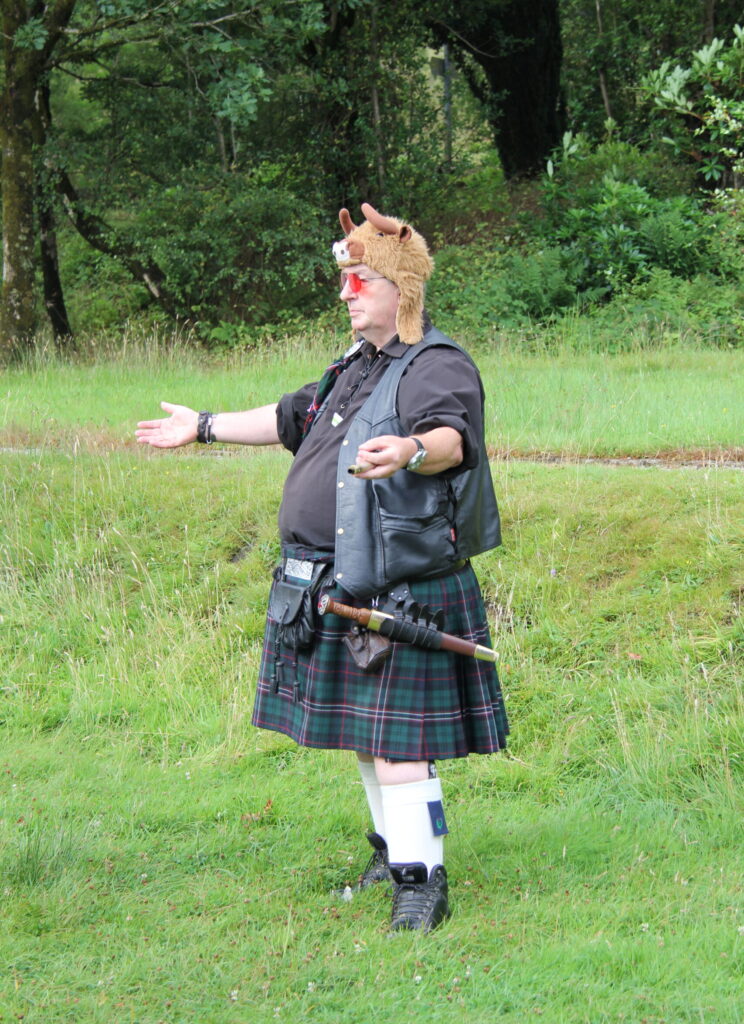
Stretching over 36 km and dotted with numerous islands, Loch Lomond is the largest lake in Great Britain by surface area. On the day we visited, strong gusts of wind was sending our hair flying in every direction as we tried to take photos. Adding to the atmosphere, a man in a traditional kilt stood nearby playing the bagpipes, creating a moment that felt uniquely and unmistakably Scottish.
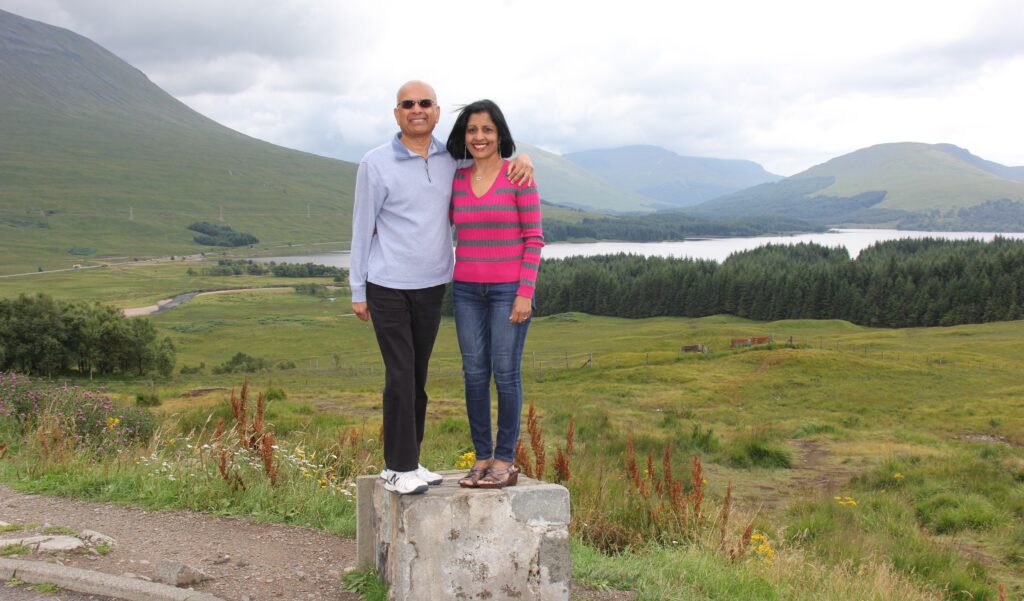
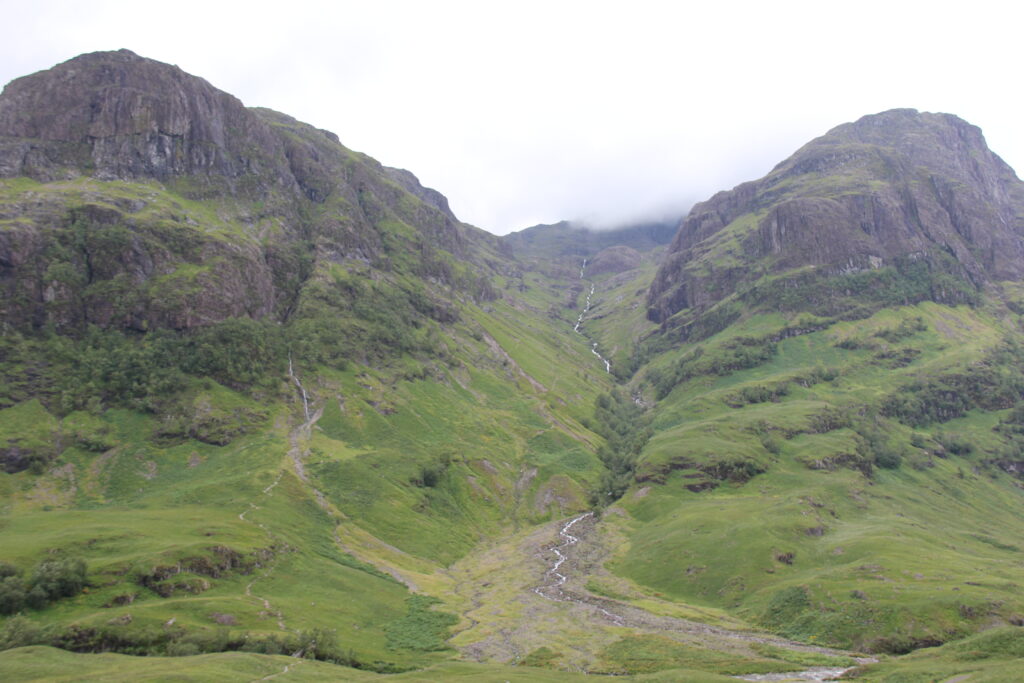
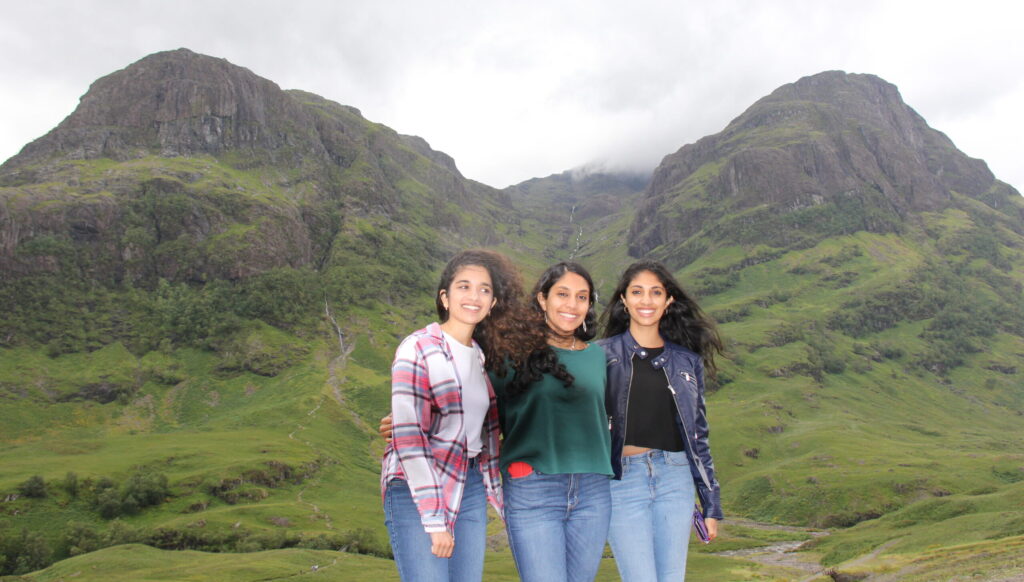
Glencoe – is one of Scotland’s most famous and breathtaking glens. This dramatic U-shaped valley, carved by ancient glaciers and volcanic forces, lies in the heart of the Scottish Highlands and is renowned for its steep-sided slopes, towering mountains, and haunting beauty. Peaks such as the iconic Three Sisters dominate the landscape, while the glen’s powerful past—most notably the 1692 Massacre of Glencoe, adds a deep sense of history and emotion to the scenery.
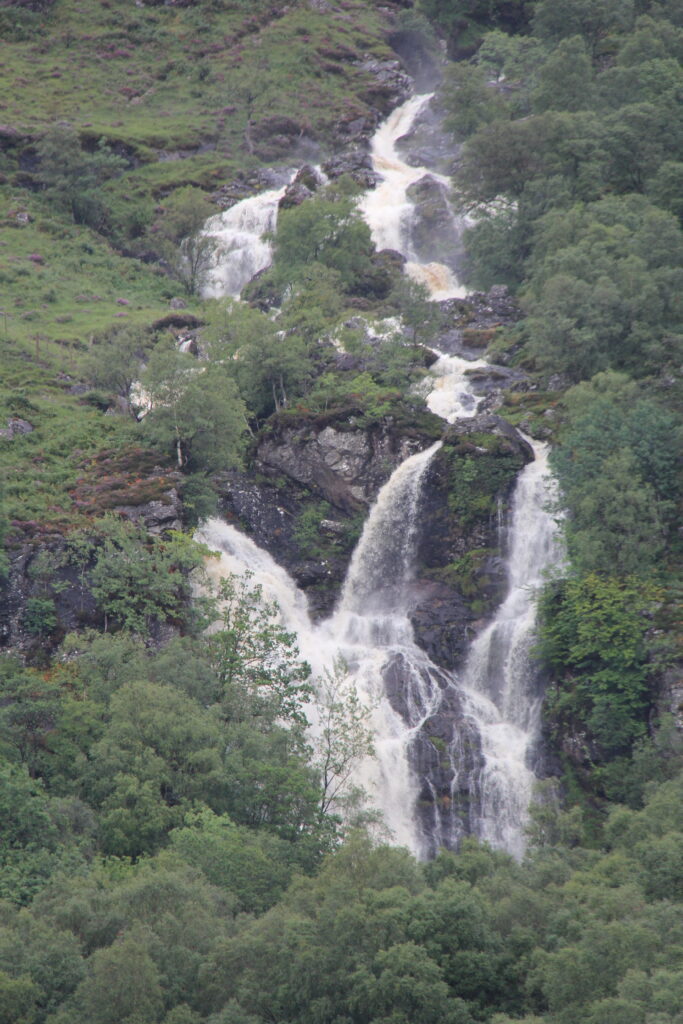
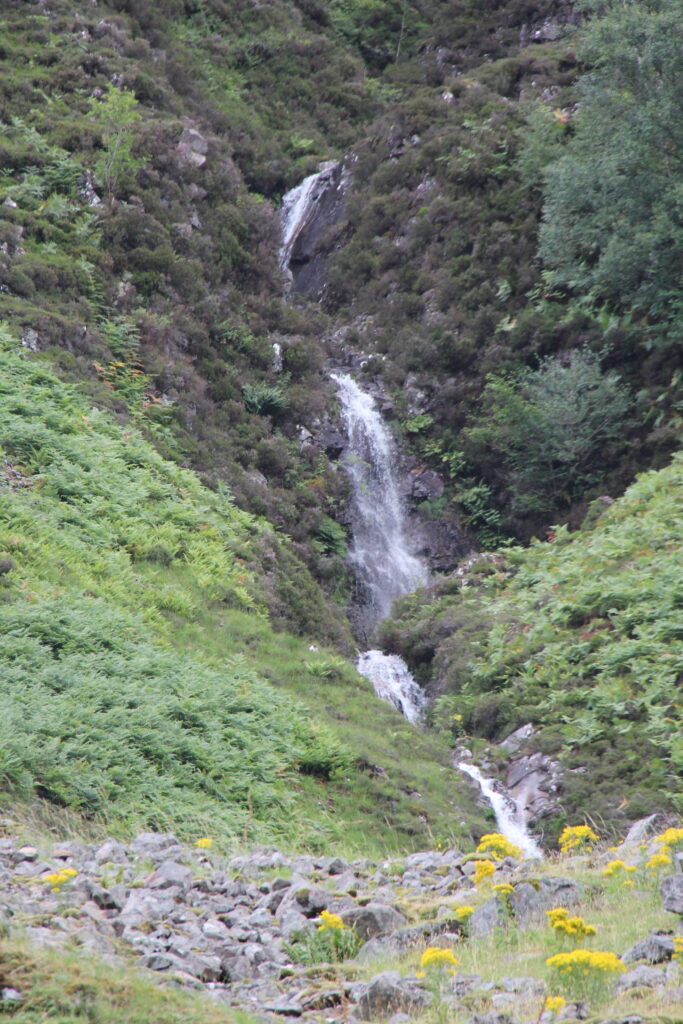
Waterfalls – The Scottish Highlands are dotted with countless waterfalls, tumbling down rugged mountains and carving their way through glens and valleys. Many are framed by towering peaks, making every waterfall a perfect spot for photos, or simply soaking in the raw beauty of the Highlands.
Loch Ness – is a vast, deep freshwater loch in the Scottish Highlands, famous for its dark, peat-stained waters and the legendary Loch Ness Monster, or Nessie. Visitors can do boat tours or hike along its scenic shores.
The Legend of Nessie captured global attention in 1933, when reports of sightings and photographs, including the famous but later debunked surgeon’s photograph made headlines. Described as a long-necked, humped creature, often compared to a prehistoric plesiosaur, Nessie has never been scientifically confirmed. DNA surveys of the loch found no evidence of large unknown animals, though many eels were detected, leading some to speculate that giant eels might explain the sightings.
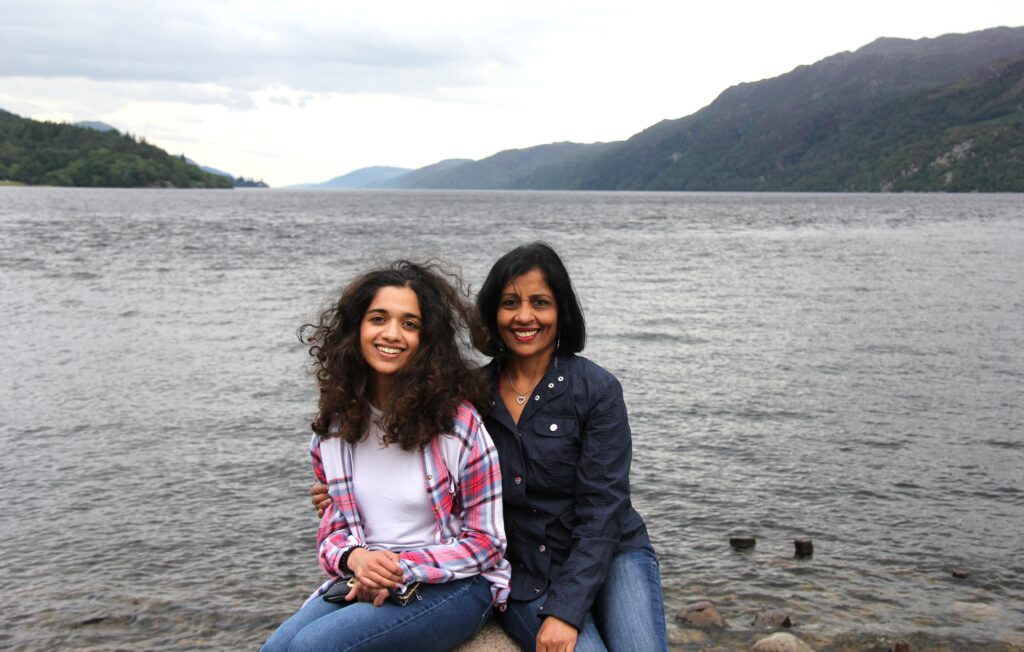
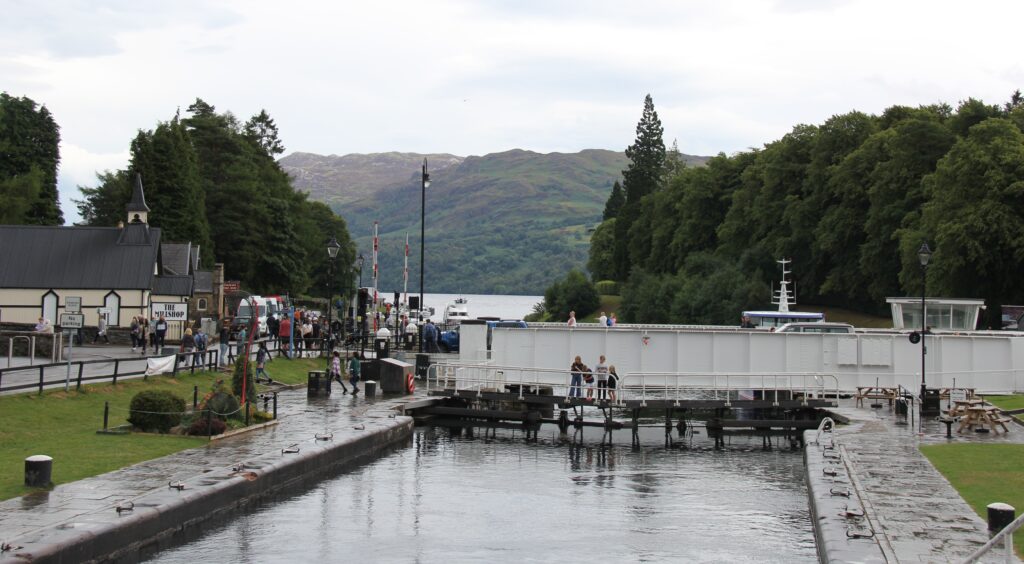
Loch Ness is part of the Caledonian Canal, a 60-mile (100 km) waterway connecting Scotland’s east coast at Inverness with the west coast at Corpach near Fort William. About one-third of the canal is man-made; the rest follows natural lochs, Loch Dochfour, Loch Ness, Loch Oich, and Loch Lochy. The canal was built in the early 19th century and today it offers scenic cruises, kayaking, and a fascinating glimpse into Scotland’s engineering history.
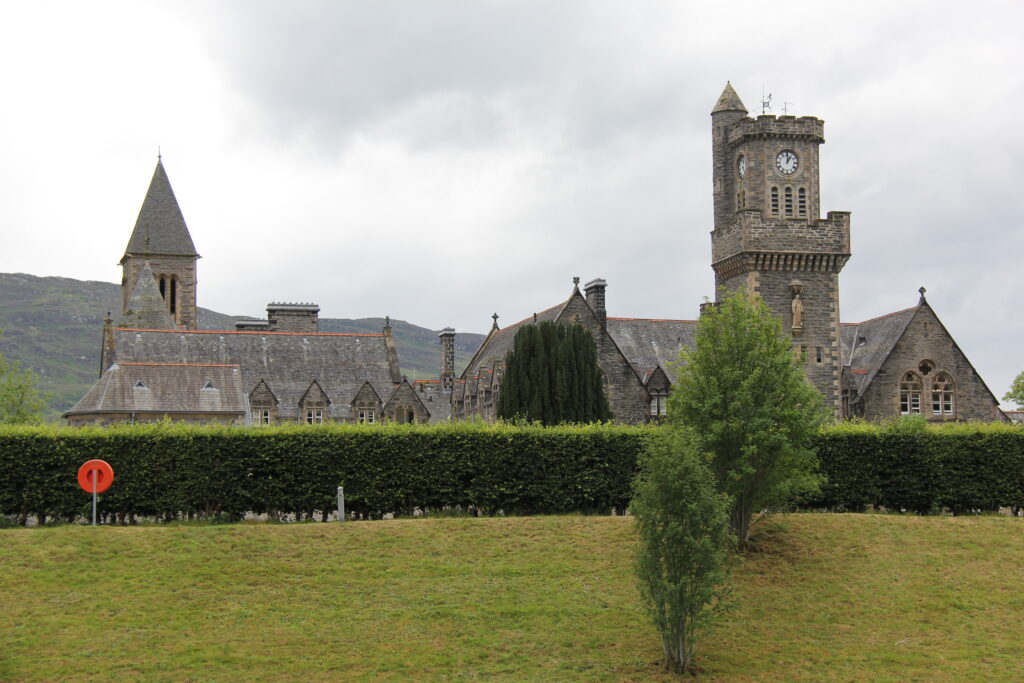
Loch Ness, Highland Club – While walking along the shores of Loch Ness, we came across a stunning historic building that immediately caught our attention. We later discovered it was the Highland Club, a luxurious development set on the loch’s southern shore and surrounded by 20 acres of beautifully landscaped grounds. Today, the Highland Club comprises 109 private residences, including elegant apartments and charming cottages, all positioned in a truly dramatic lakeside setting.
Originally built as a military fort in 1729, it played a role in the Jacobite Rebellion before being transformed into St Benedict’s Abbey in the late 19th century. After years of abandonment and decline, the site was rescued in 2003 by The Santon Group, specialists in restoring listed historic buildings.
Day 2
Jacobite Steam Train – We booked a Viator tour that included a ride on the famous Jacobite Steam Train from Fort William to Mallaig—better known to Harry Potter fans as the Hogwarts Express. If you’re traveling independently, tickets are available in Standard, First Class, or the most expensive Harry Potter Compartments, which feel straight out of the wizarding world of Harry Potter. Our tour included Standard seats, which were perfectly comfortable and offered great views of the passing Highlands and the Glenfinnan Viaduct.
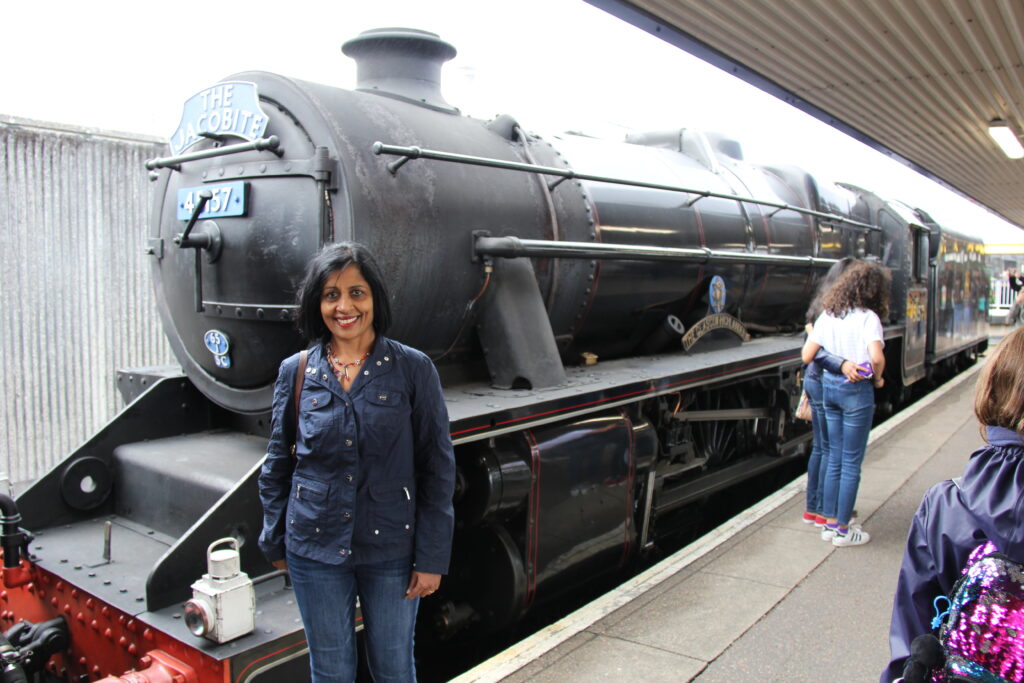
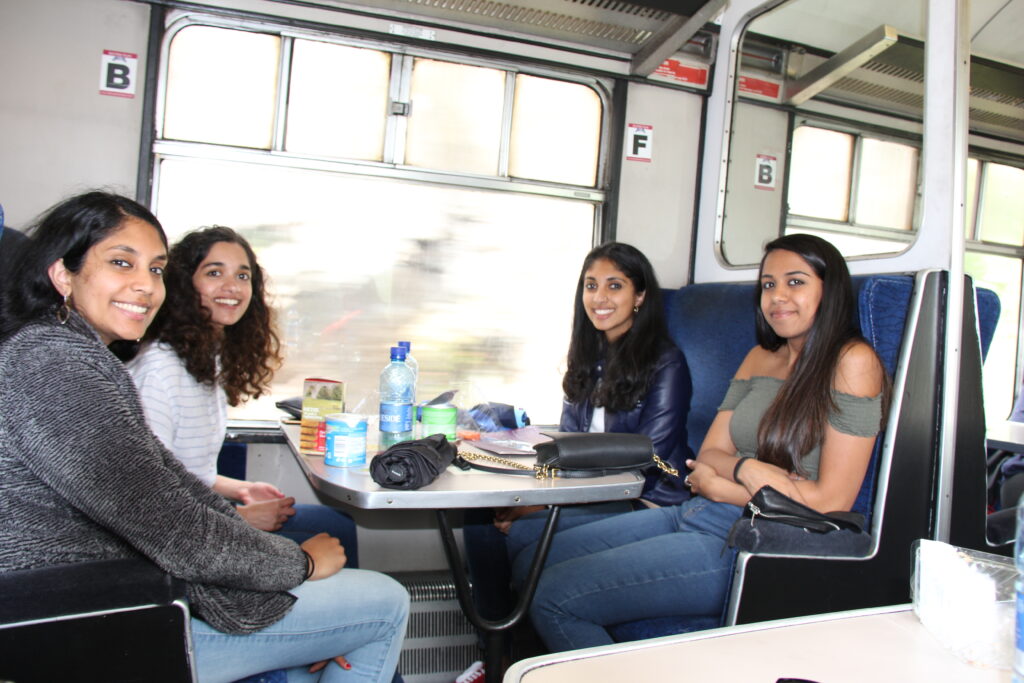
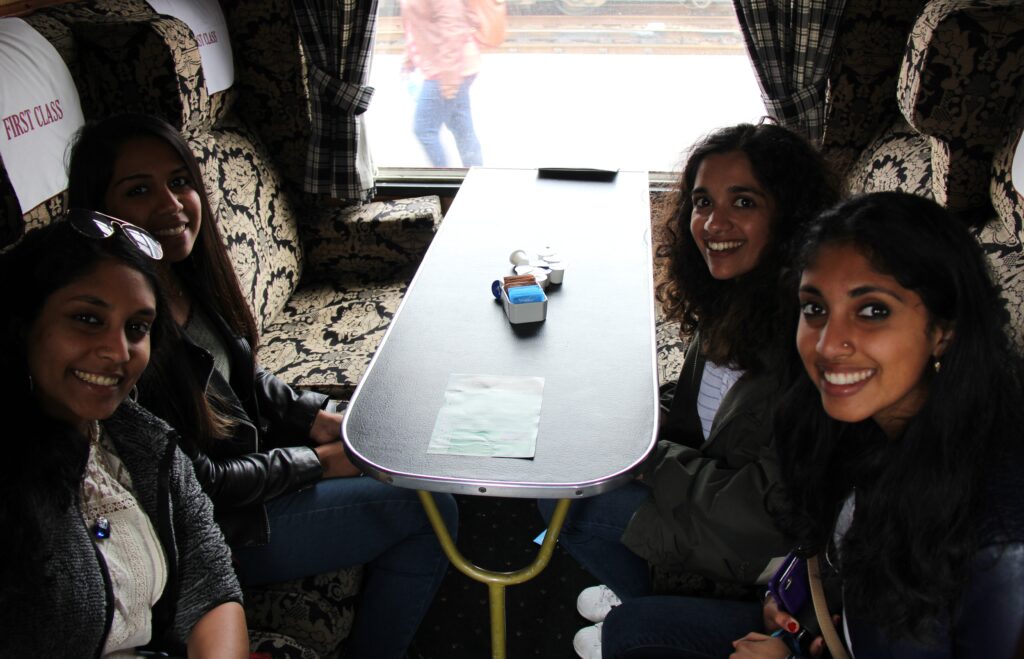
After we arrived in Mallaig, we quickly went over to the Harry Potter Compartment, waited for people to leave and took a picture. The Harry Potter Compartment Carriage, also known as Compartment Class (Carriage D) features private, vintage-style compartments that seat up to six people and closely replicate the atmosphere seen in the films.
Once we arrived in Mallaig, we didn’t need to retrace our steps to Fort William—the Viator bus picked us up and took us to several other scenic stops along the way, making the journey relaxing and stress-free.