Visited in 2014 – Viator guided day trip from Rome
- Mount Vesuvius
- Pompeii
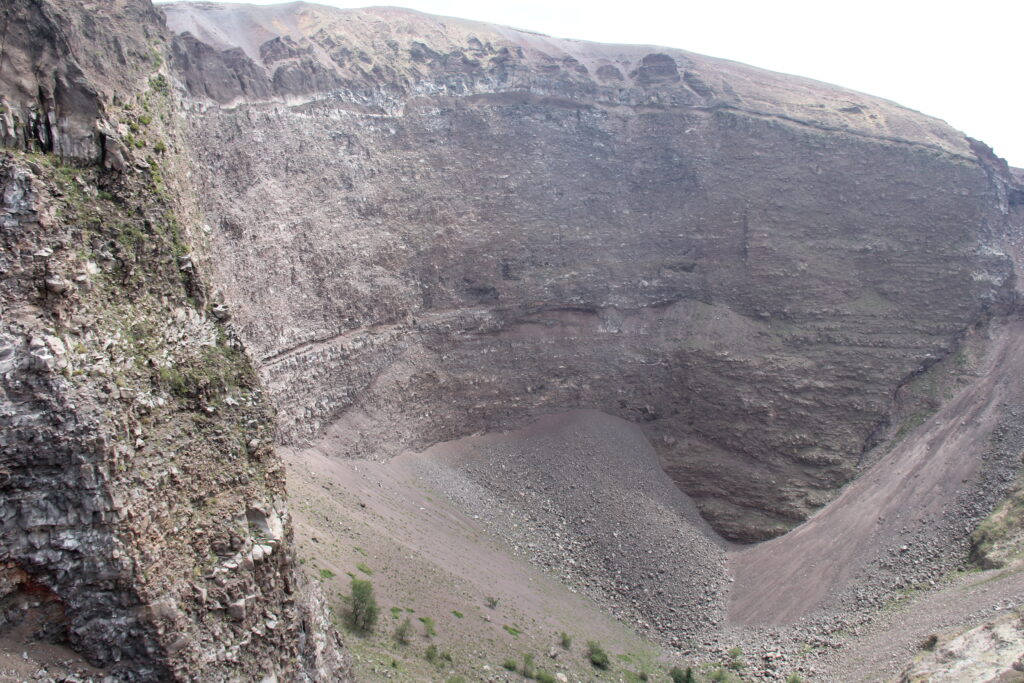
Mount Vesuvius – is a powerful somma–stratovolcano (a younger volcano formed within the remains of an older, collapsed one), located just a few kilometers east of the city of Naples. Best known for its catastrophic eruption in AD 79, it buried the Roman cities of Pompeii, Herculaneum, and nearby settlements under ash and volcanic debris, preserving them in remarkable detail. The eruption, described by Pliny the Younger, was one of the most violent in history and caused widespread destruction and loss of life. Still active today, Vesuvius is the only volcano on mainland Europe to have erupted in the last century and is considered one of the world’s most dangerous due to the millions of people living in its surrounding area.
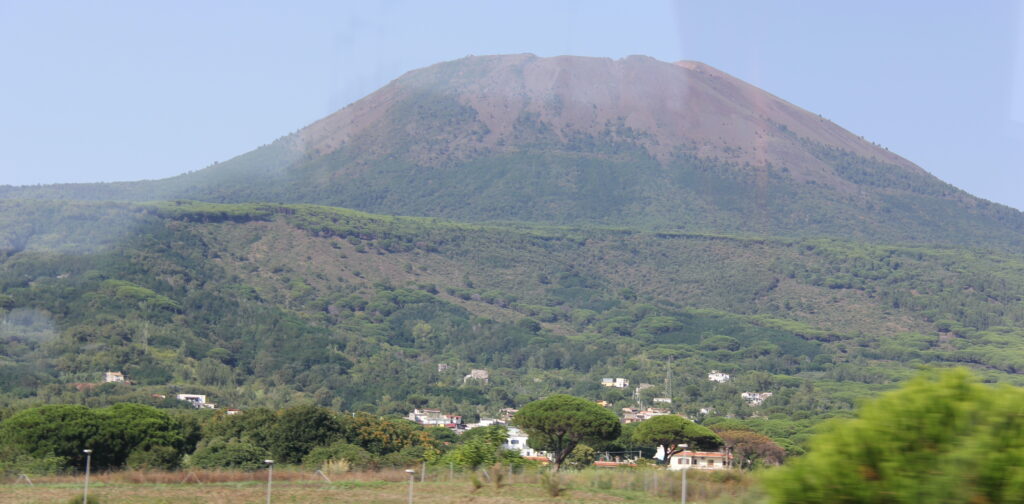
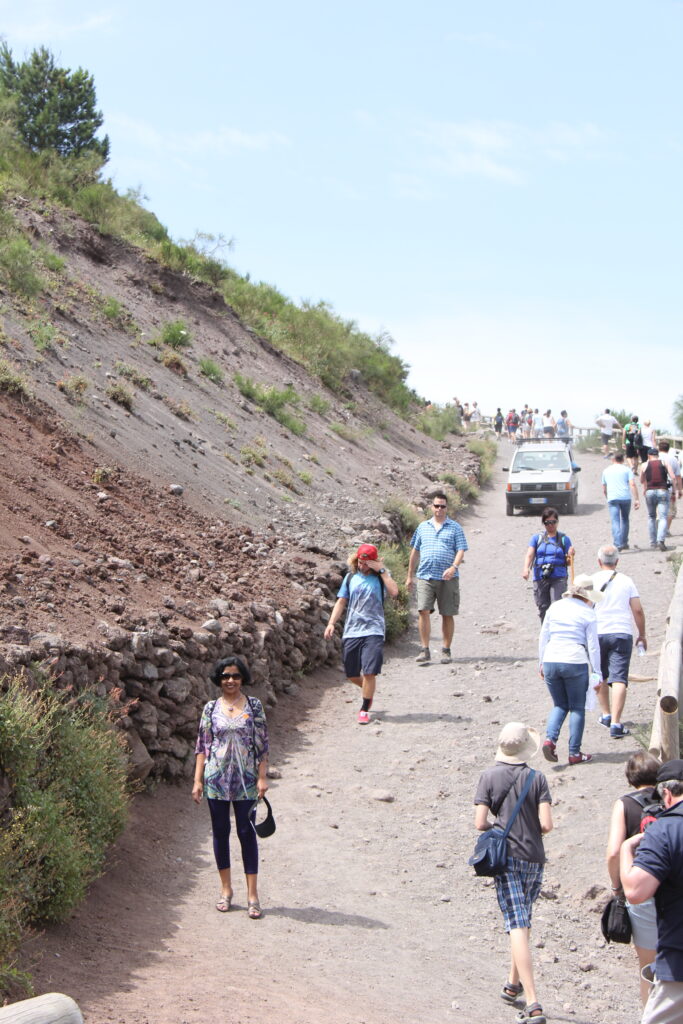
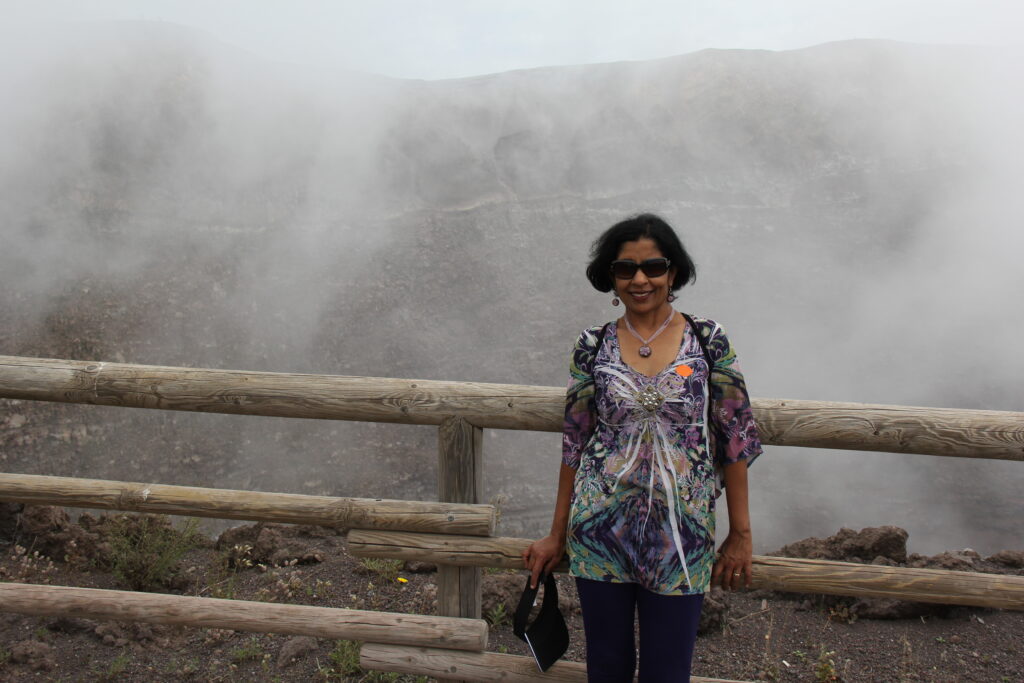
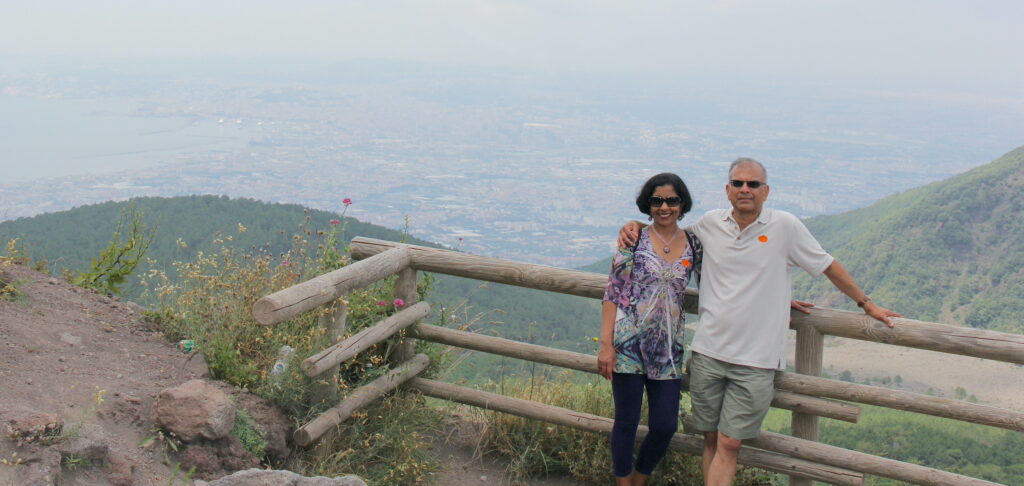
We first stopped at Mount Vesuvius, located about 242 km south of Rome, a journey that took us roughly three hours. From the parking lot, it was a short and manageable walk up to reach the viewpoint, where we could see the volcano up close and take in the dramatic landscape surrounding it.
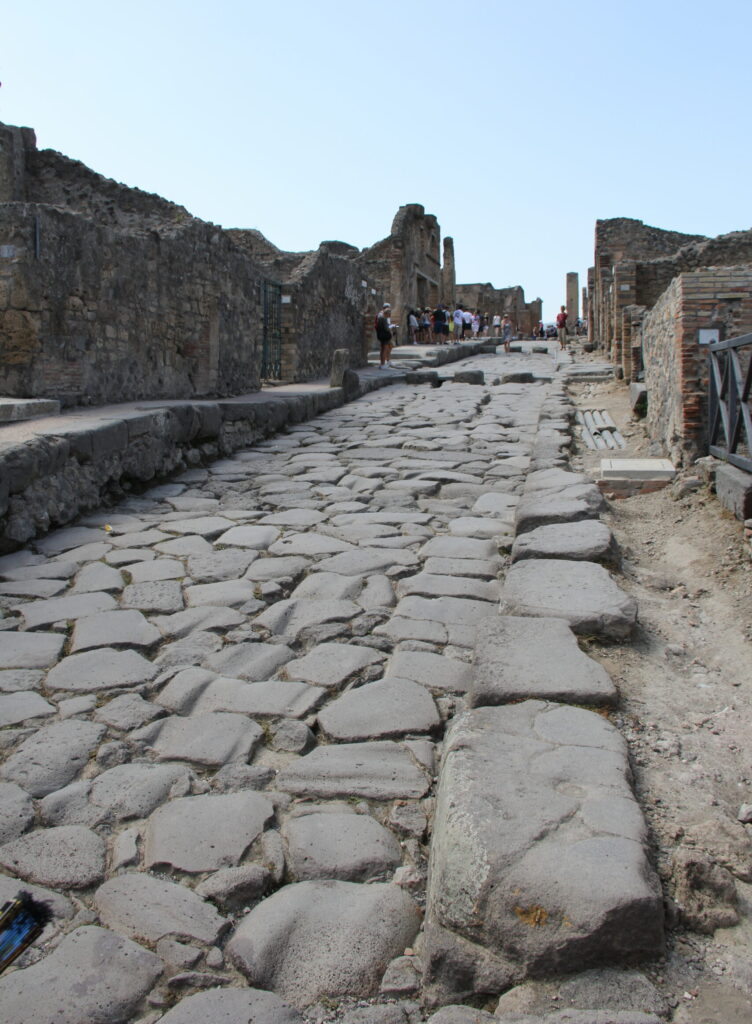
Pompeii – Pompeii was a thriving Roman city near modern-day Naples that was buried under layers of ash and pumice during the catastrophic eruption of Mount Vesuvius in AD 79. Remarkably preserved beneath the volcanic debris, the city offers an extraordinary snapshot of everyday Roman life, from grand public buildings and elegant homes to shops, streets, and graffiti. Rediscovered centuries later, Pompeii played a crucial role in the development of modern archaeology and continues to reveal new insights through ongoing excavations. Today, as a UNESCO World Heritage Site, it stands as one of the world’s most important archaeological sites and a powerful reminder of the sudden force of nature. It is 27 km south of Vesuvius. Plan on spending at least 2-3 hours here, more if you have time.
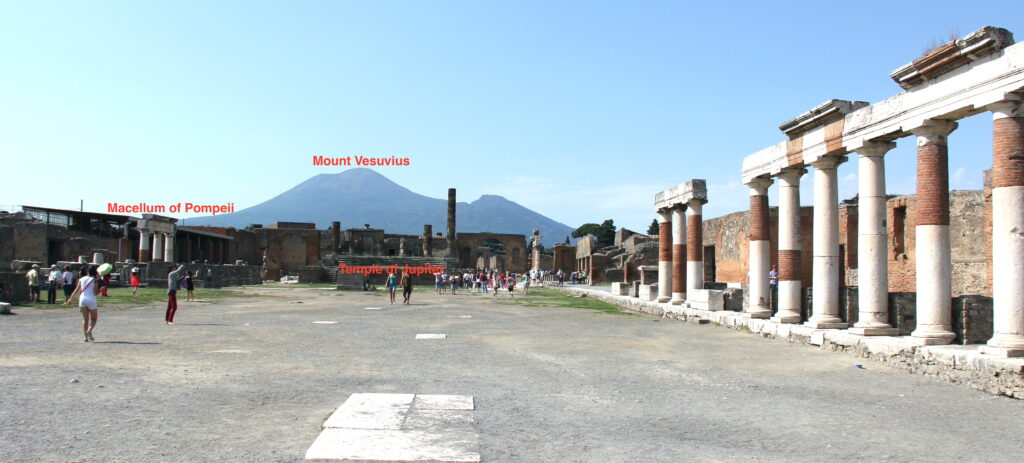
The Forum is the heart of the city featuring –
- Macellum of Pompeii – served as the city’s main provision market and a central hub of daily life. Built in several phases, the structure was badly damaged during the earthquake of 62 AD. Archaeological evidence shows that repairs were still incomplete when Mount Vesuvius erupted in 79 AD, freezing the Macellum in a state of reconstruction.
- Temple of Jupiter (or Capitolium) – stood at the northern end of Pompeii’s forum. Built in the mid-2nd century BC, it marked a period of growing Roman influence in the city, when Jupiter replaced Apollo as Pompeii’s principal deity.
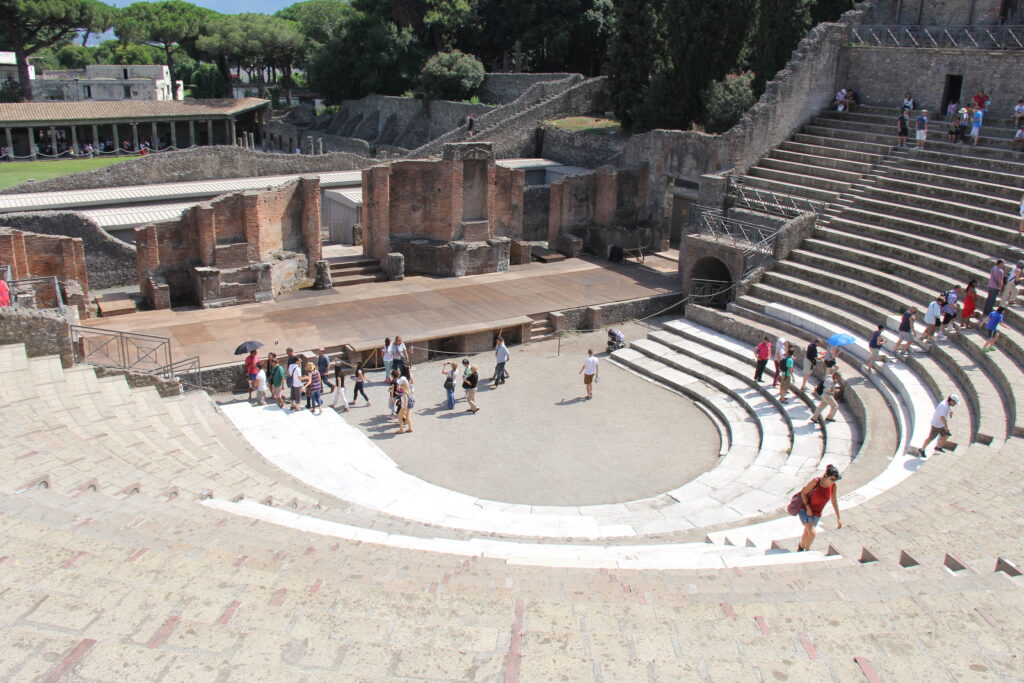
Teatro Grande (Large Theatre) of Pompeii – built in the 2nd century BC, with a seating of around 5,000 spectators, it hosted plays, musical performances, and mime shows. Originally Greek in design, the theatre was later adapted by the Romans with a stone stage, which was rebuilt after the earthquake of 62 AD. Seating was socially divided, with elite citizens closest to the stage and the general public higher up.
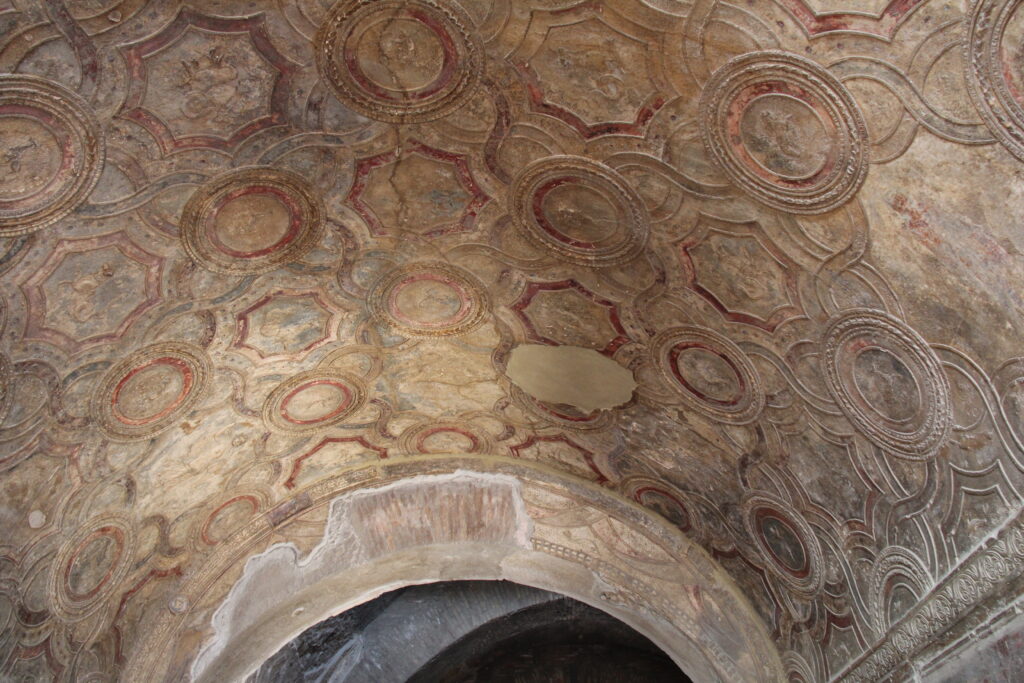
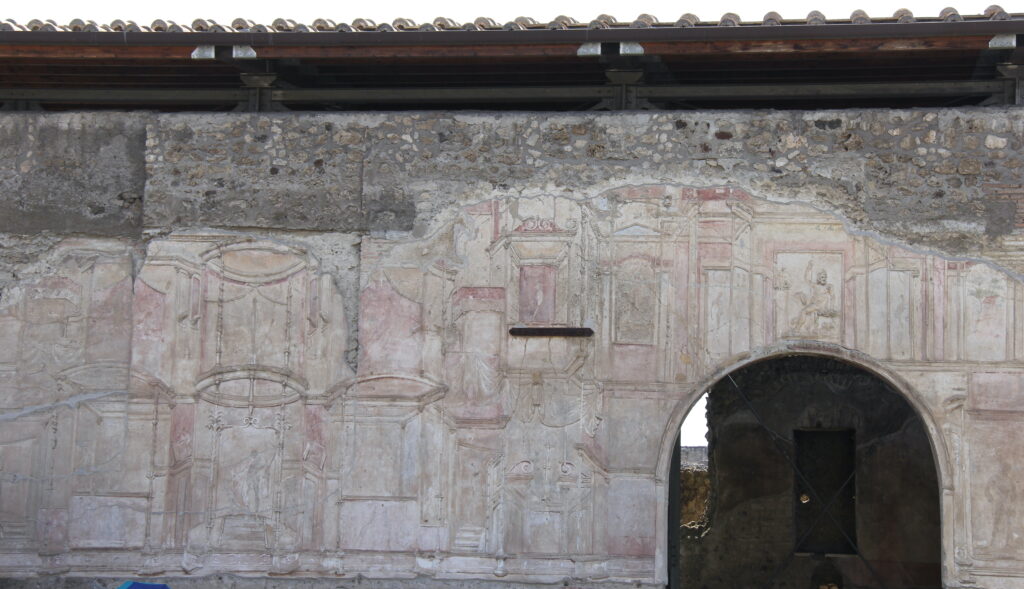
Pompeii, Terme Stabiane (aka Stabian Baths) – were the oldest public baths in Pompeii, rebuilt after the earthquake of 62 CE. Excavated in the mid-19th century, they were preserved with their original decorations thanks to archaeologist Giuseppe Fiorelli. The baths are especially notable for their rich stucco decorations and wall paintings, which once adorned spaces used for bathing, exercise, and socializing. These paintings combine decorative motifs and architectural illusion, giving a vivid impression of the elegance and artistic taste of Roman public life.
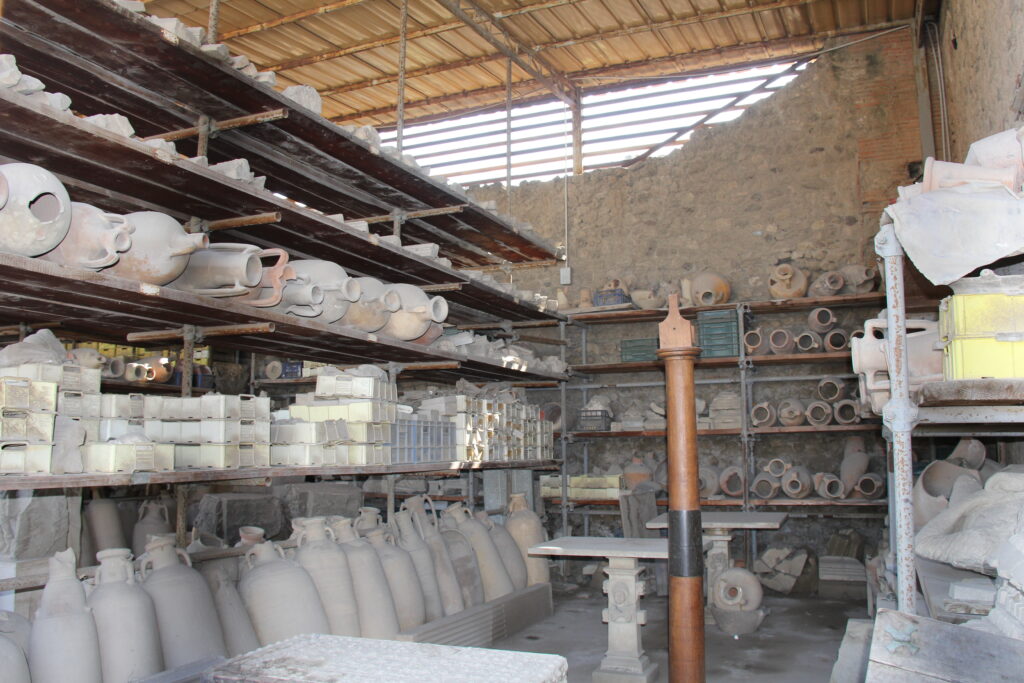
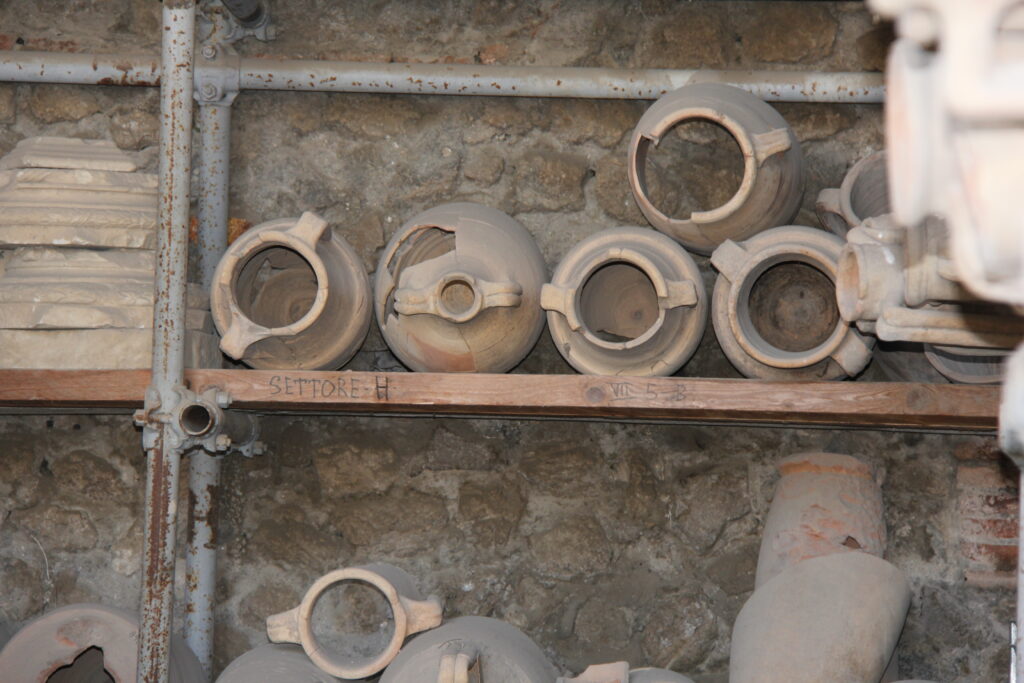
Pompeii’s 1st-century AD pottery – is found throughout the city, providing a vivid glimpse into daily life, cooking, and local craftsmanship. Archaeologists have uncovered kilns, workshops, and a wide range of ceramics—from storage amphorae to everyday tableware—often preserved exactly where they were used, shedding light on Pompeii’s bustling domestic and commercial activity.