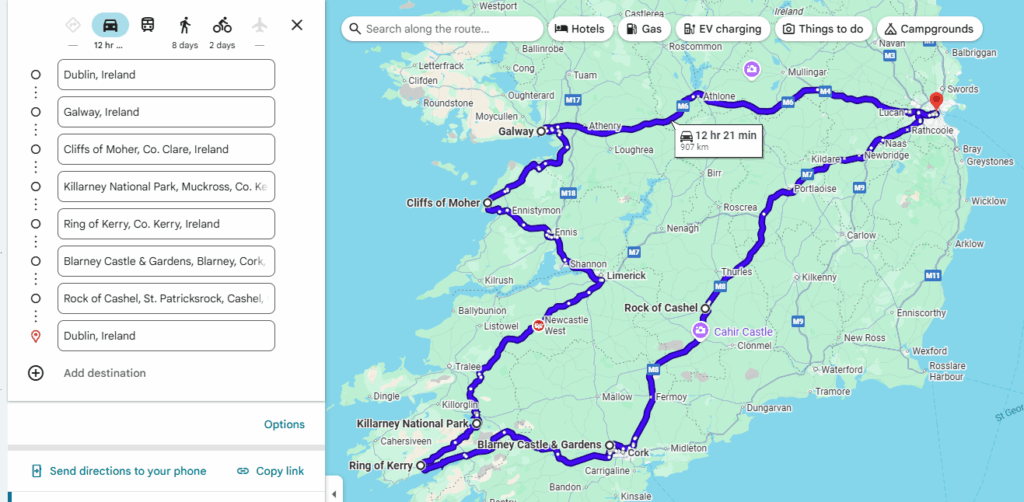
We took a road trip around Southeastern Ireland, visiting many attractions along the way. Here is a map showing our route and the stops we made during the journey.
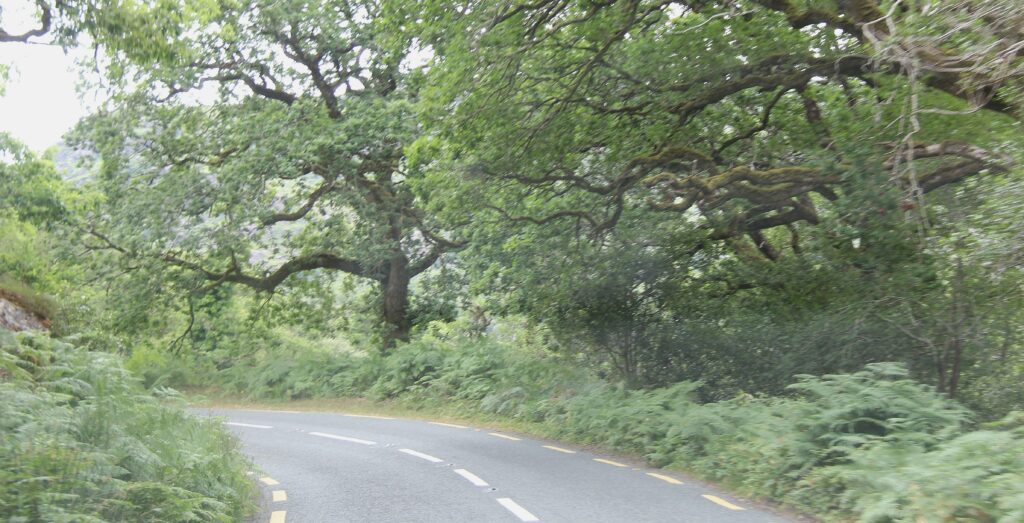
Driving on the Wild Atlantic Way – There were eight of us on this memorable trip, and we rented a comfortable 10-seater van that easily fit everyone and our luggage. The roads we traveled were often narrow two-way routes winding through the countryside, passing charming cottages, green hills, dramatic coastal cliffs, and beaches, with some stretches lined by trees on either side. While the drive was incredibly scenic, it could be tight and slow in places, and at times we had to pull over to the side to allow oncoming cars to pass.
- Galway
- Cliffs of Moher
- Ring of Kerry
- Killarney National Park
- Ladies View
- Kenmare
- Coastal Scenery
- Blarney Castle
- Rock of Cashel
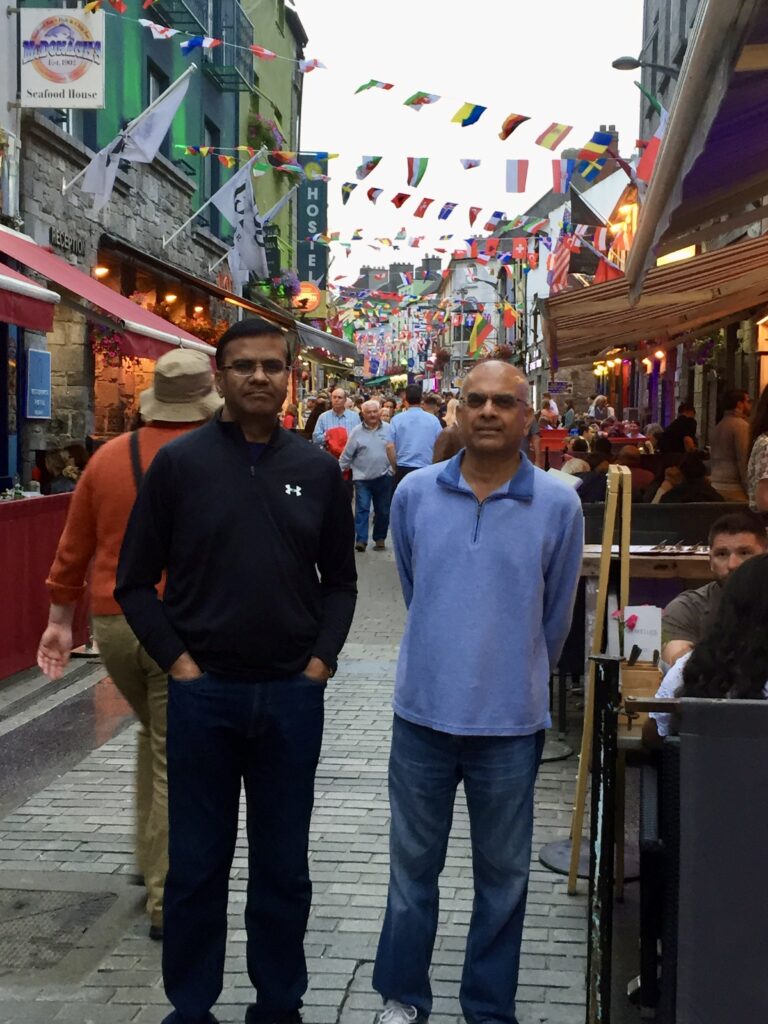
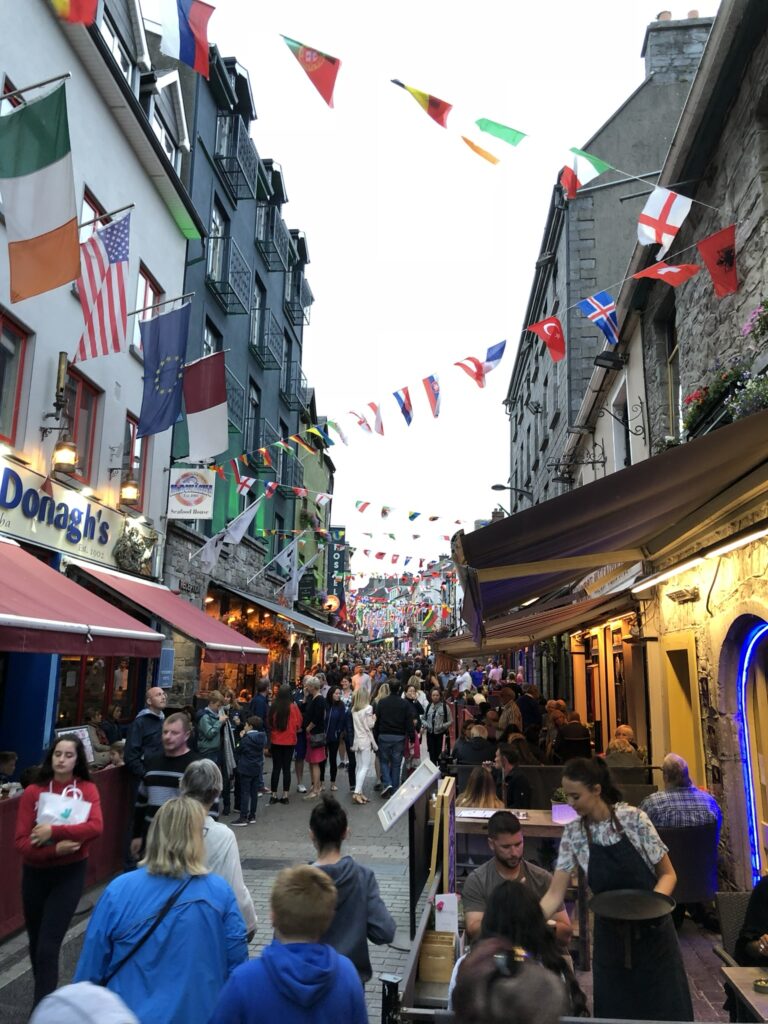
Galway – Located about 210 km west of Dublin, Galway took us roughly three hours to reach. This lively coastal city has a welcoming atmosphere, lovely waterfront views, and easy access to attractions like the Cliffs of Moher. It was our first overnight stop on the road trip, and we kept it relaxed—spending time walking around the city center and Quay Street before having dinner.
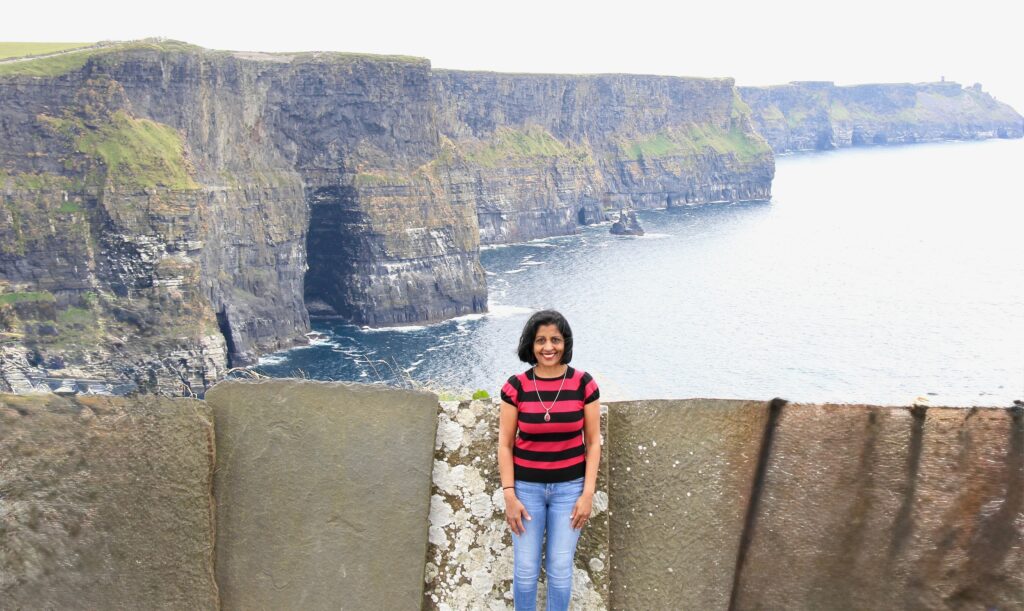
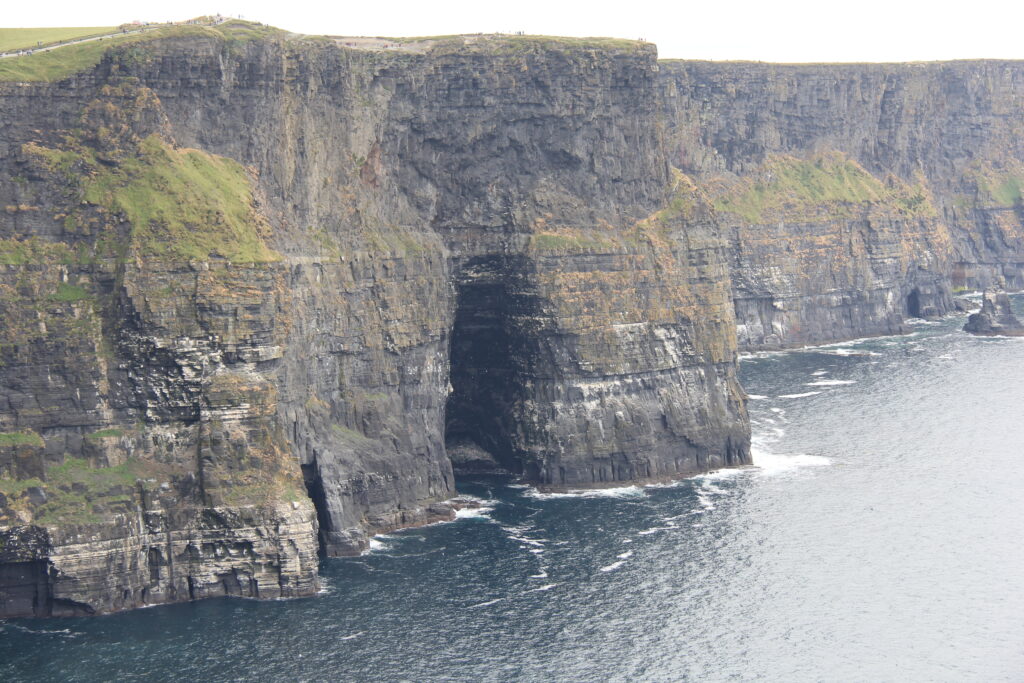
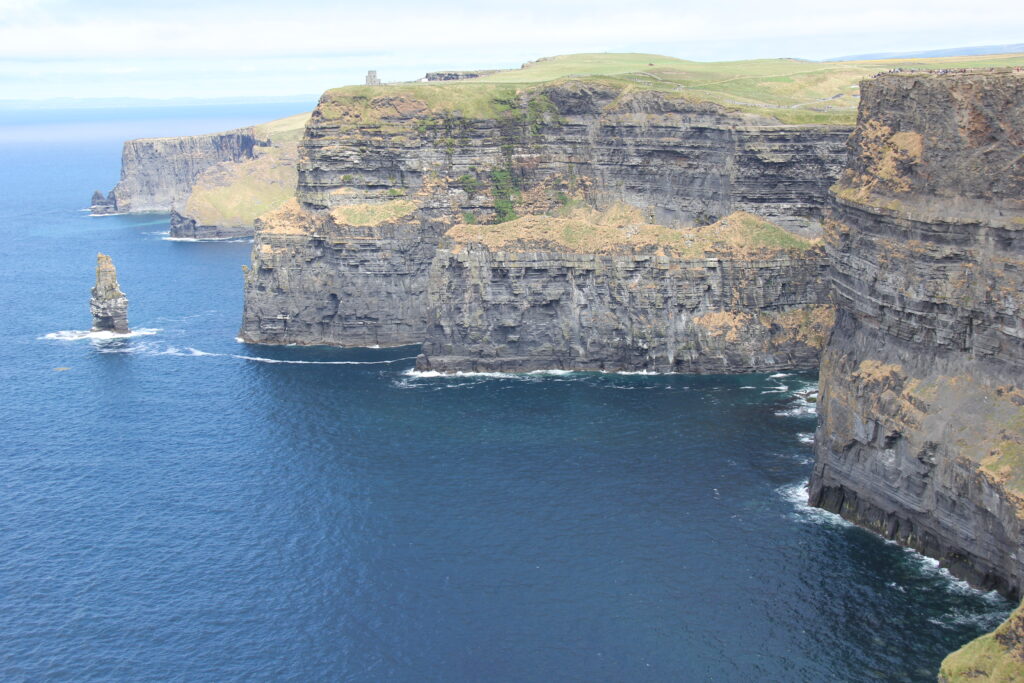
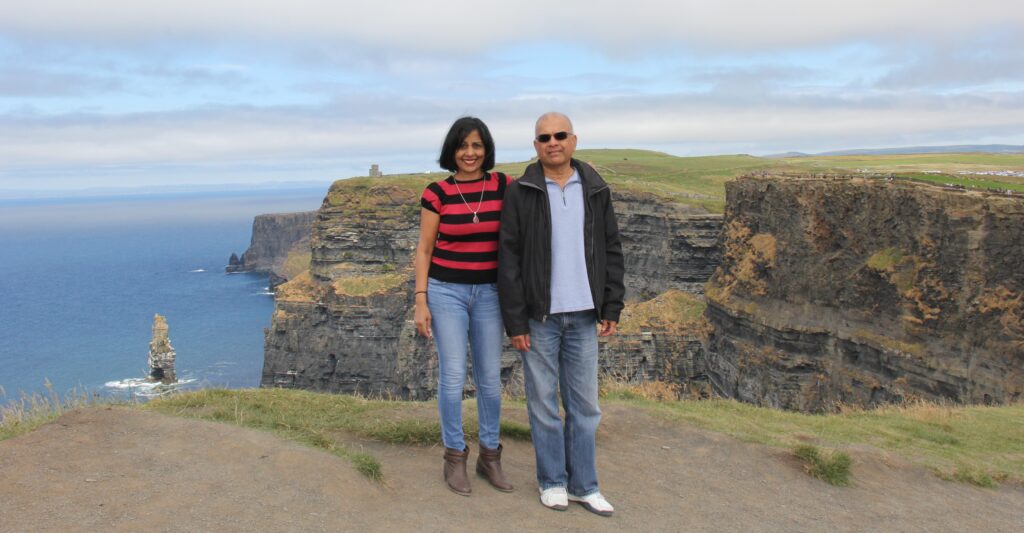
Cliffs of Moher – 75 km from Galway, it took us less than 2 hours to reach this place. The Cliffs of Moher are one of Ireland’s most famous natural attractions. Rising dramatically above the Atlantic Ocean, the cliffs offer breathtaking views of the rugged coastline and a visit here was one of the highlights on the Wild Atlantic Way.
The Cliffs of Moher stretch for about 14 km (9 miles) along Ireland’s west coast. At their southern end, near Hag’s Head, the cliff rises 120 m above the Atlantic Ocean, and reach a maximum height of 214 m near O’Brien’s Tower at the northern end.
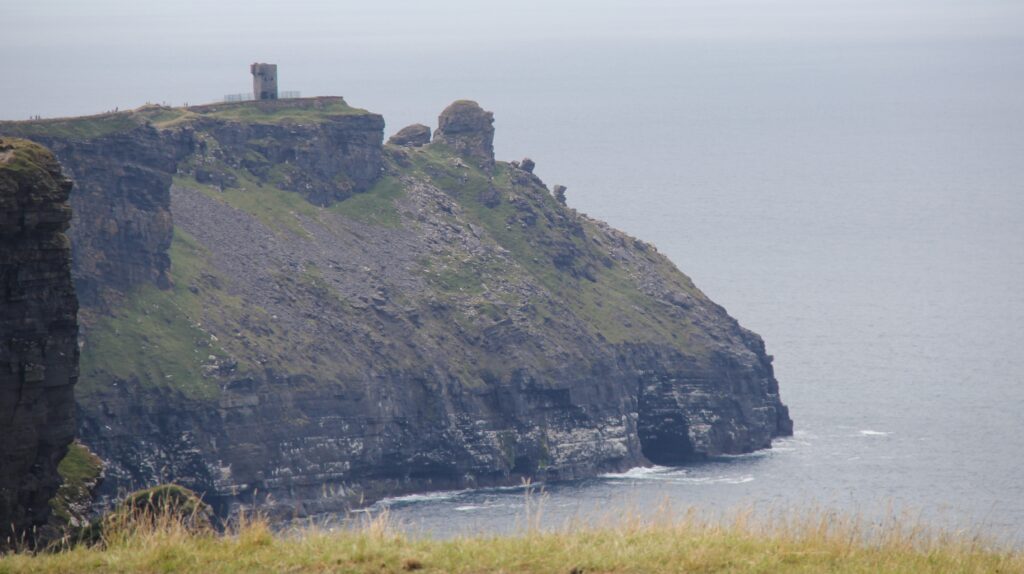
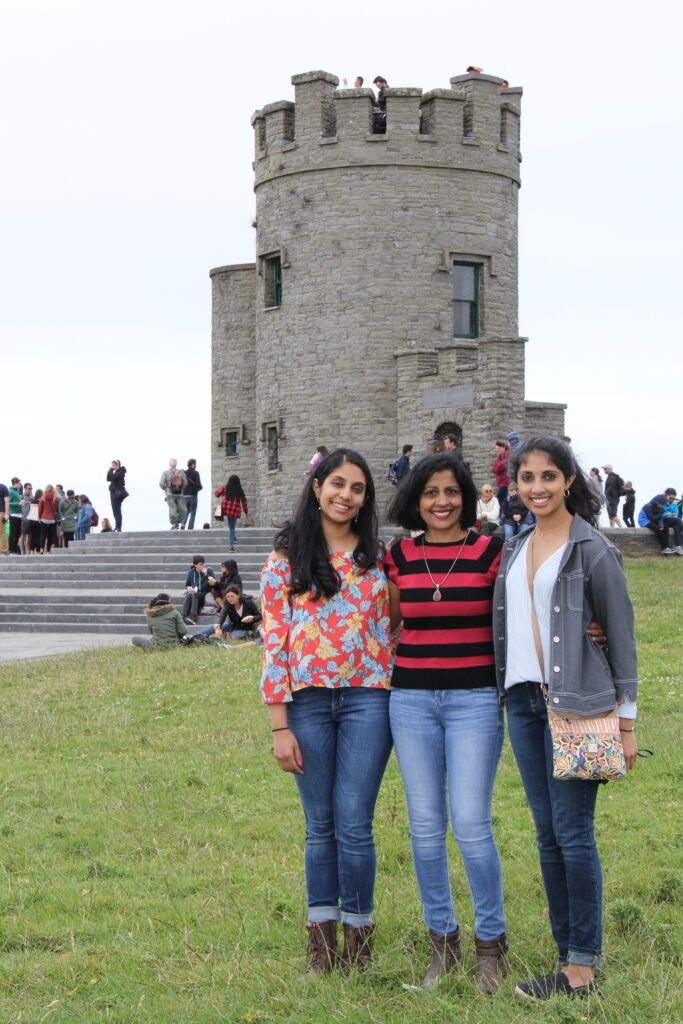
Cliffs of Moher, O’Brien’s Tower – marks the highest point of the Cliffs of Moher. The tower was built in 1835 by Sir Cornelius O’Brien, and was designed as a viewing point for visitors. From the top of the tower, on clear days, you can enjoy panoramic views of the Atlantic Ocean, the Aran Islands, and the surrounding coastline.
Ring of Kerry – After spending a couple of hours at Cliffs of Moher, we drove on towards Ring of Kerry which is a scenic circular driving route, known for its stunning coastal views, mountains, lakes, and charming villages. Stretching about 179 km (111 miles), it passes through highlights like Killarney National Park, Kenmare, and Caherdaniel.
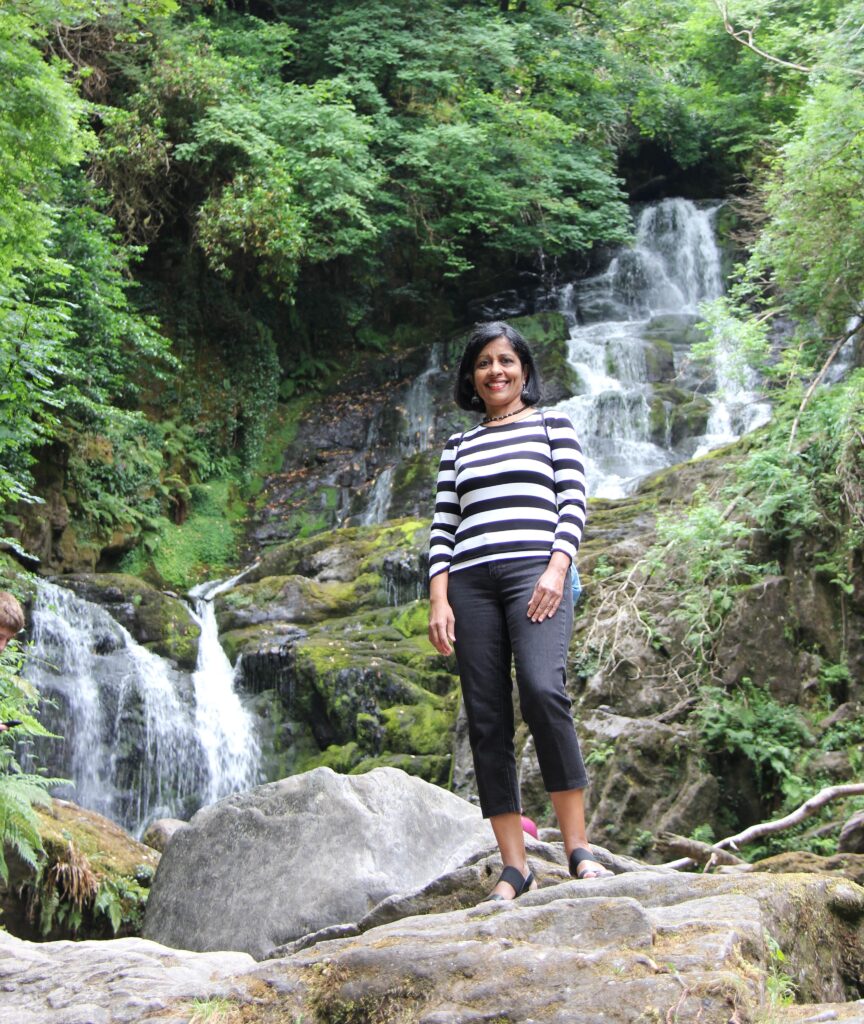
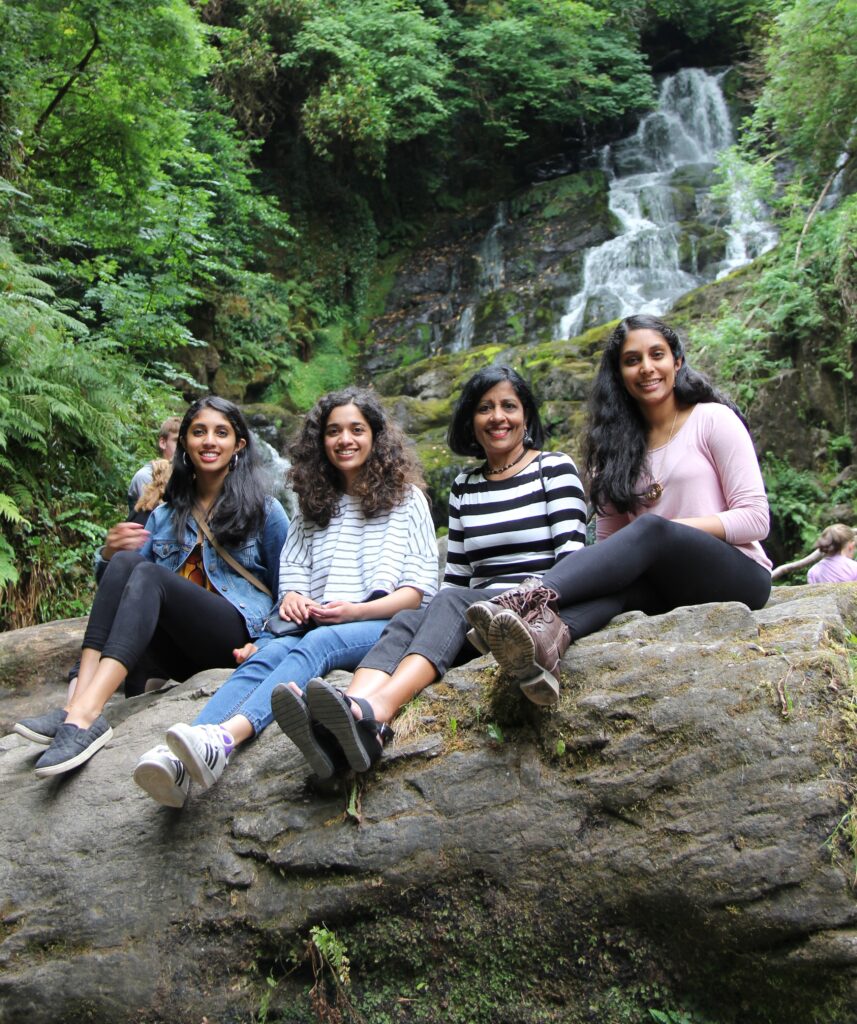
Ring of Kerry, Killarney National Park – Our first stop on the ring was the Torc Waterfall in Killarney National Park. Also known as Cascade of the Wild Boar, the waterfall is a 20 m high, 110 m long waterfall formed by the Owengarriff River. It is located at the base of Torc Mountain, and is a popular stop on the Ring of Kerry.
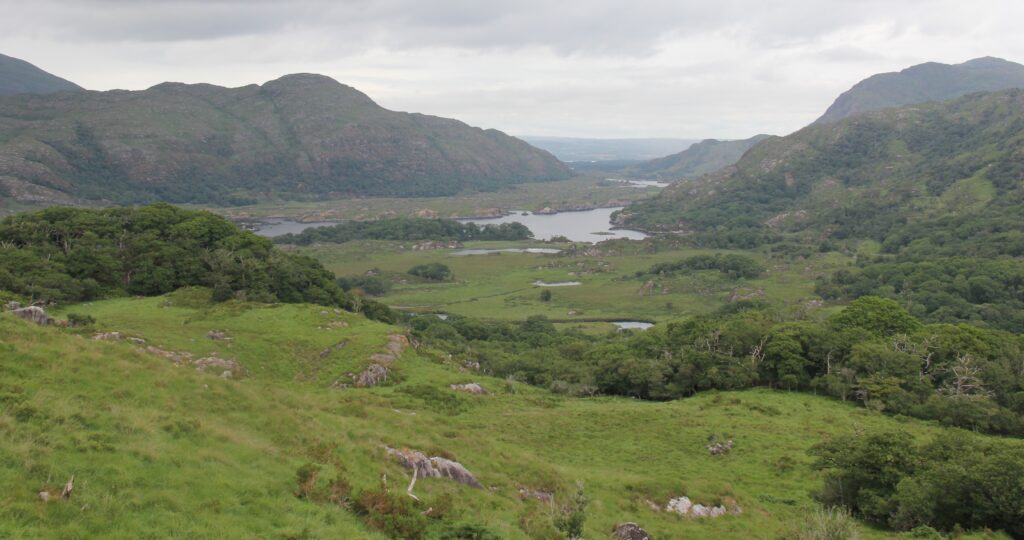
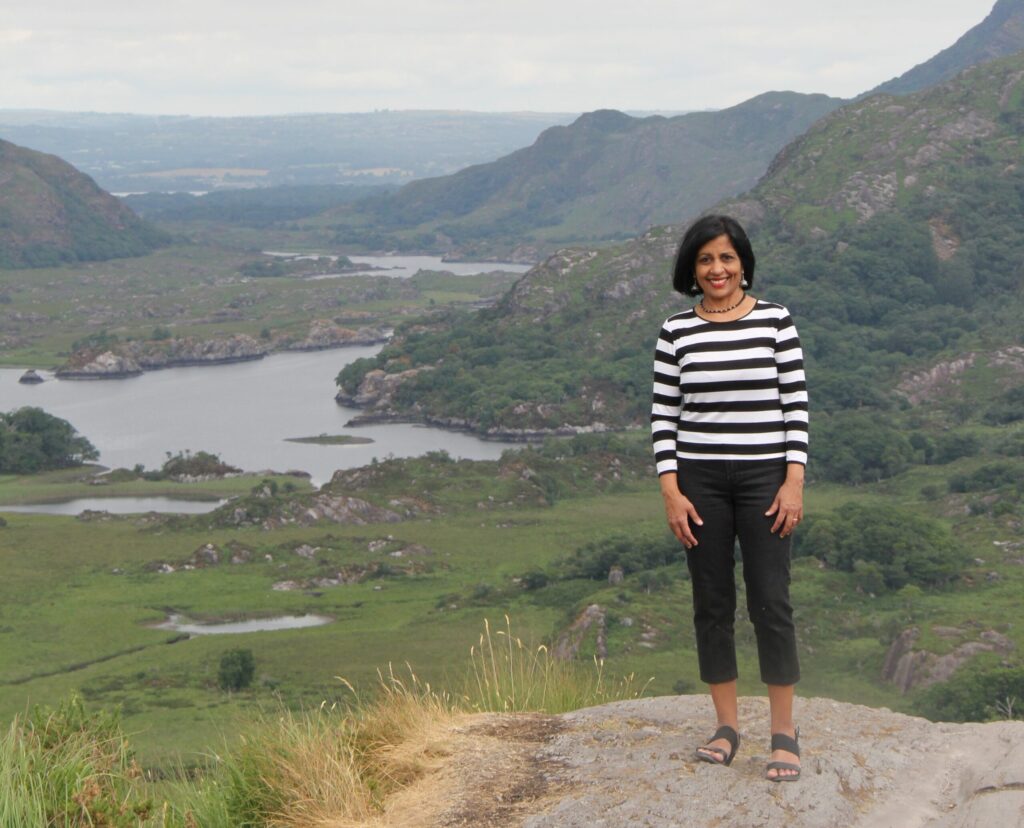
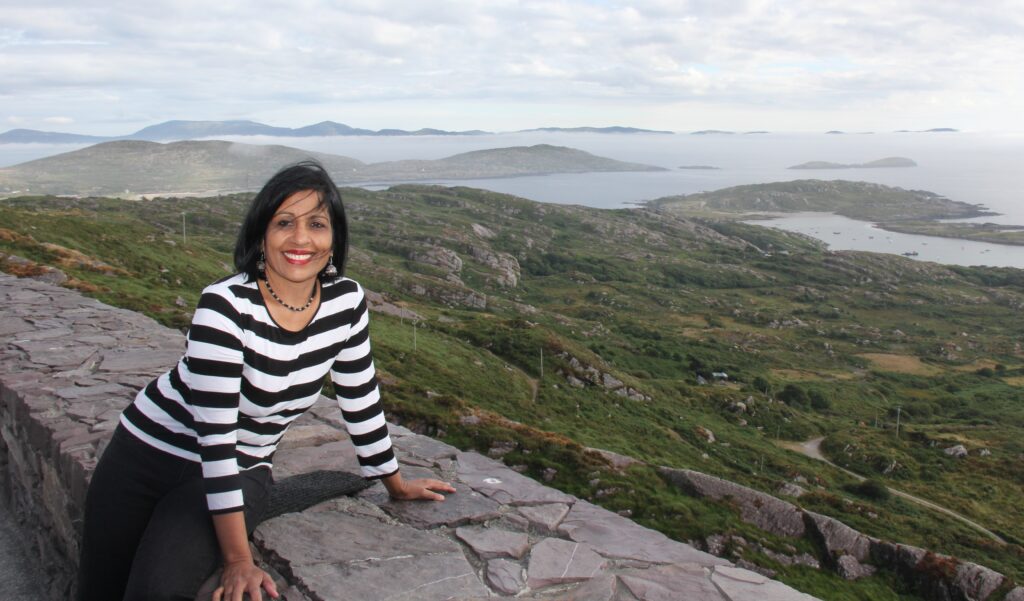
Ring of Kerry, Ladies View – is a scenic lookout where you can enjoy a panorama of Upper Lake and Purple Mountain. In 1861, Queen Victoria’s ladies-in-waiting also took delight in this vista, hence the name Ladies View.
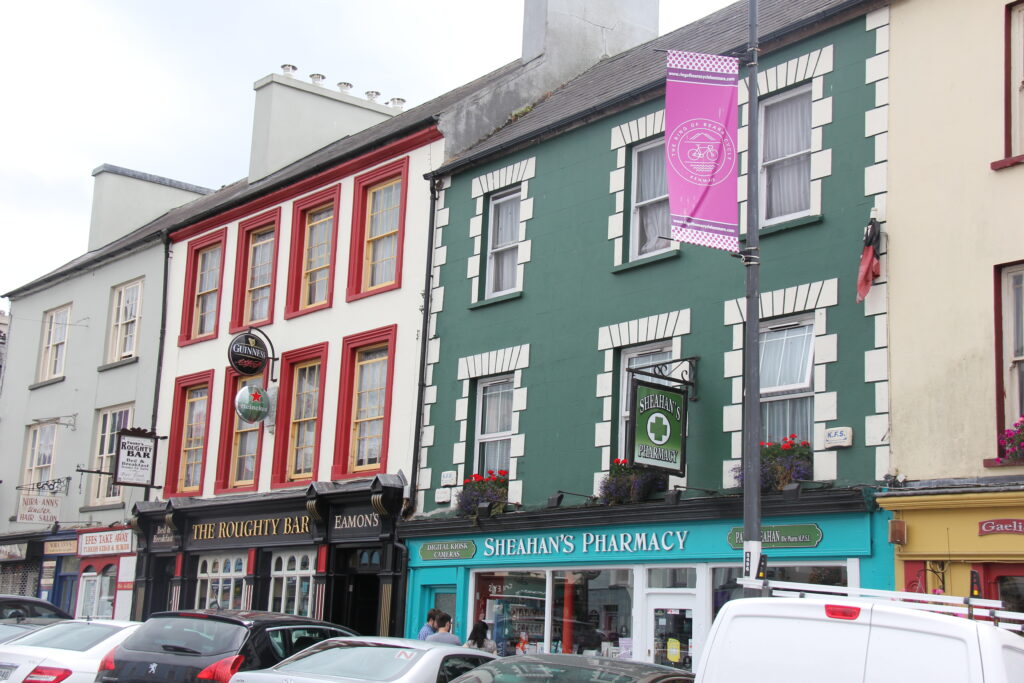
Ring of Kerry, Kenmare (meaning the little nest) – We stopped at this charming town on the Ring of Kerry for a quick lunch. The town is known for its colorful streets, traditional Irish architecture, and scenic setting between the mountains and the sea. The town has a relaxed, welcoming feel, with local shops, cafés, and pubs, and it’s less commercialized than some nearby tourist centers.
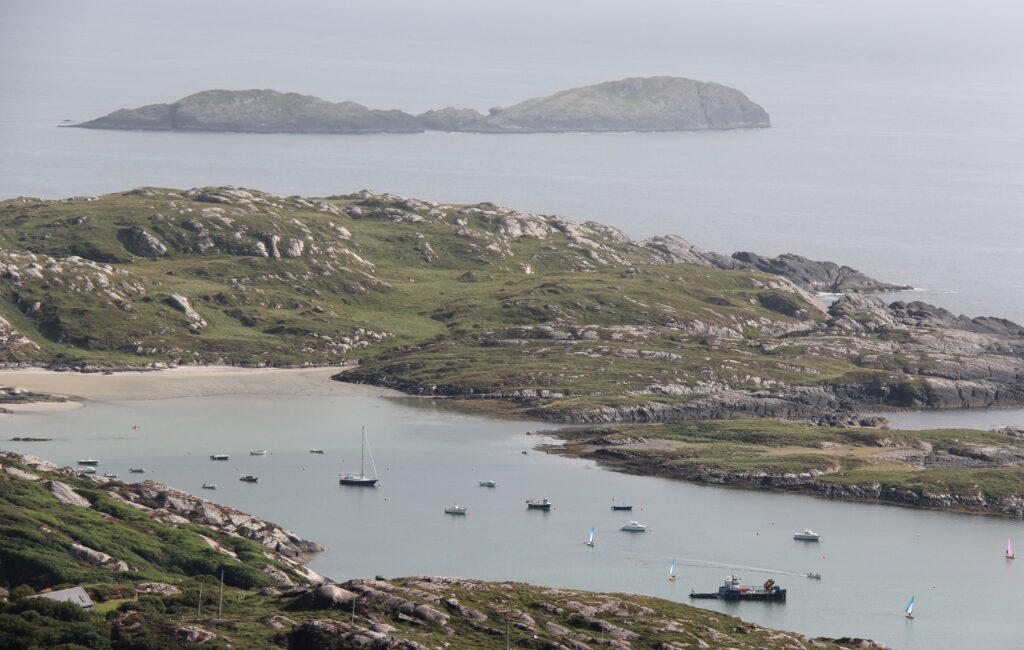
Ring of Kerry, Coastal Scenery – near Caherdaniel was stunning with clear water and dramatic Atlantic views and we stopped to take pictures of the scenic landscapes.
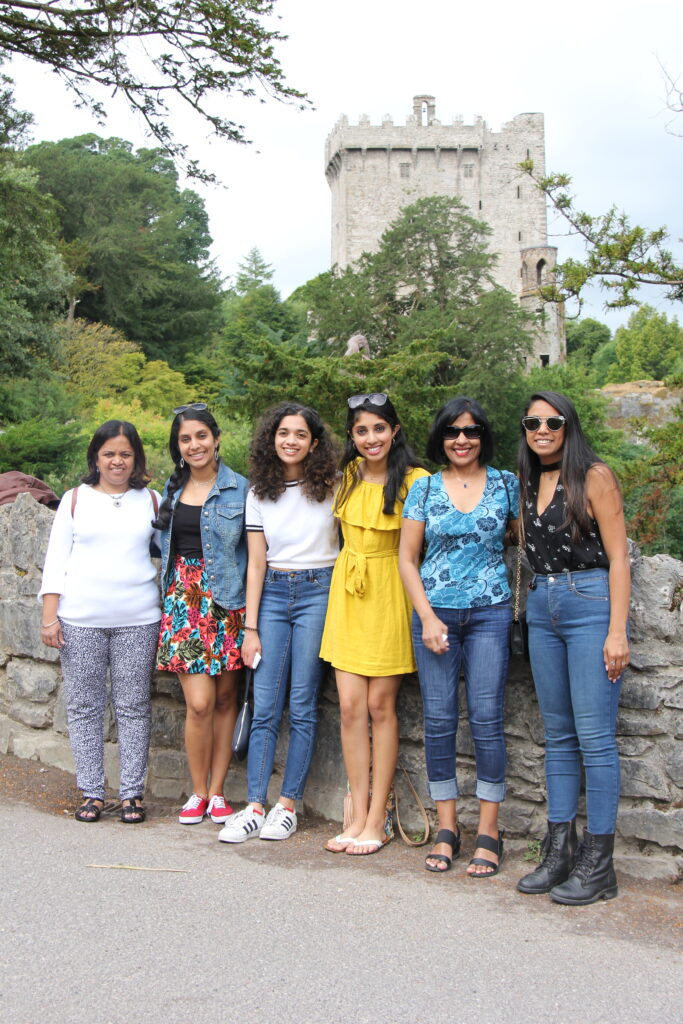
Blarney Castle – Located near the city of Cork, it is one of Ireland’s most famous historic sites. Built in 1446, it is best known for the Blarney Stone, which visitors kiss to gain the gift of eloquence. Surrounded by gardens and woodland, the castle combines medieval history with beautiful scenery.
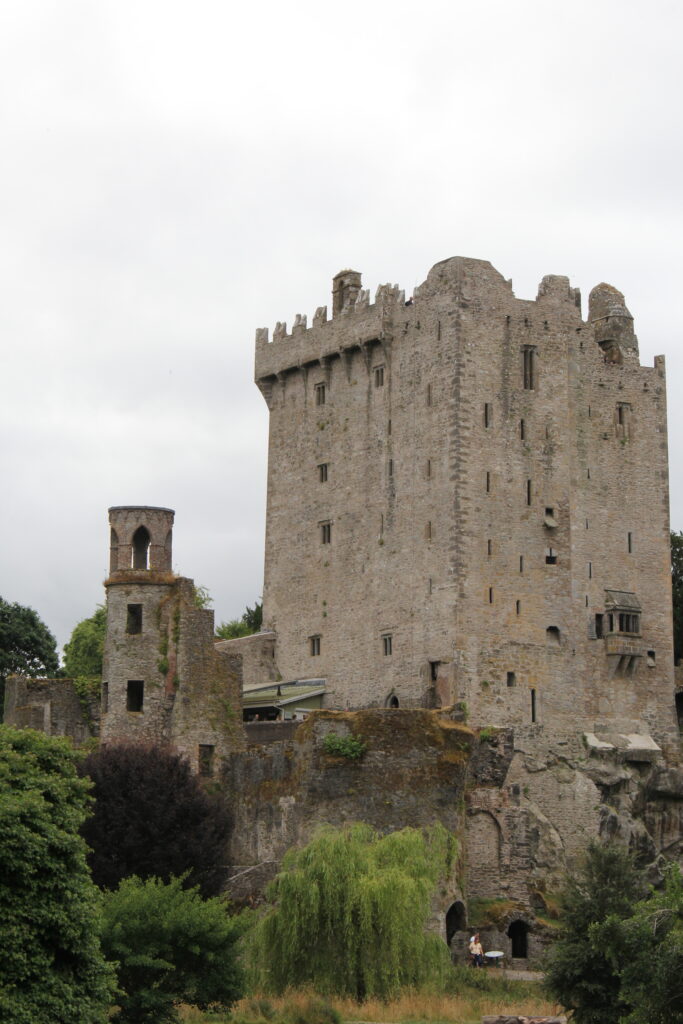
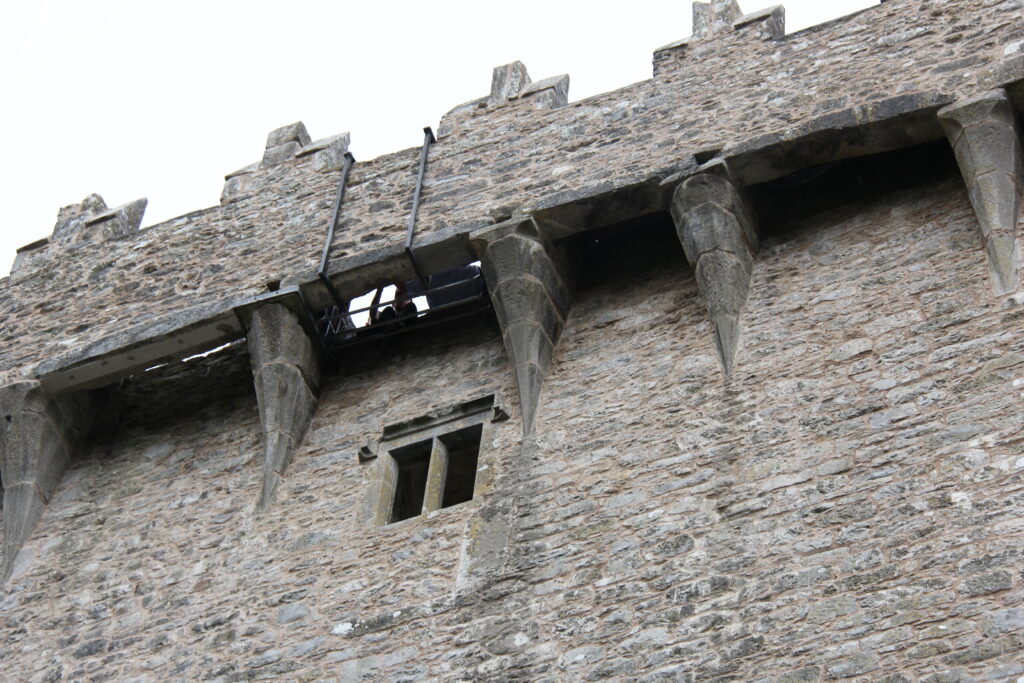
The Blarney Stone at Blarney Castle was part of the Castle from its construction in 1446, but the tradition of kissing it only became popular in the late 18th century. According to legend, those who kiss the stone gain eloquence and confidence in speech. The Blarney Stone is the large rectangular stone located at the bottom of the battlement wall between the two vertical bars (see picture below).
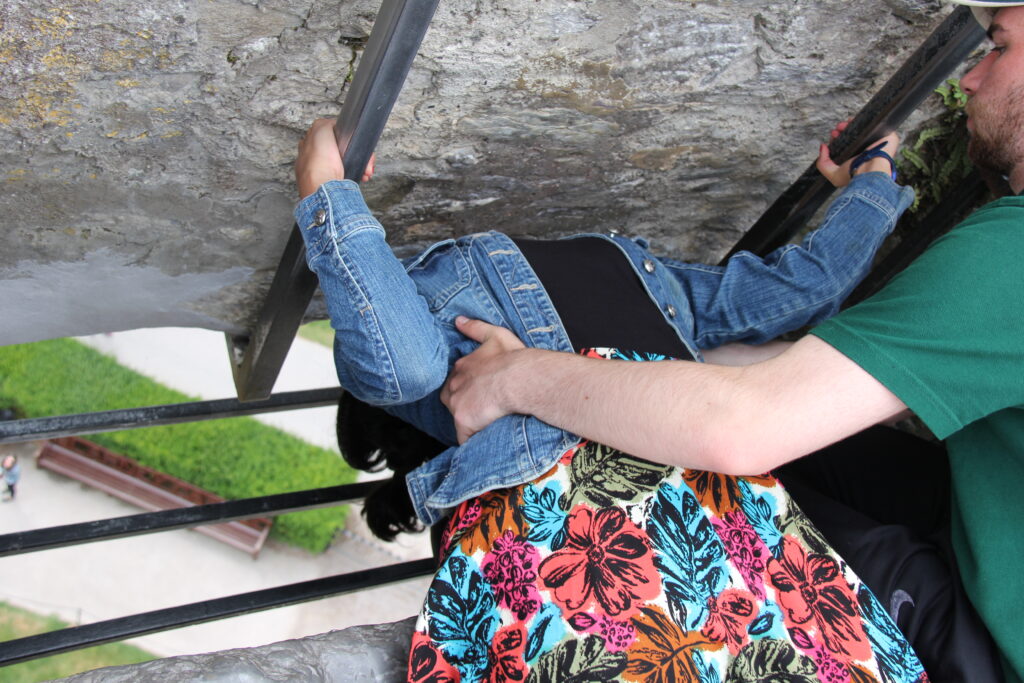
In the olden days, kissing the Blarney Stone involved being dangled upside down over the castle wall by one’s ankles, a far more perilous method than the modern version with safety rails. Thankfully, these days you kiss the inside surface of the Stone while lying on your back. Rather less thrilling, but probably the safer of the two options. We climbed the 127 steps to the top of the castle and stood in a long line and took turns kissing the stone.
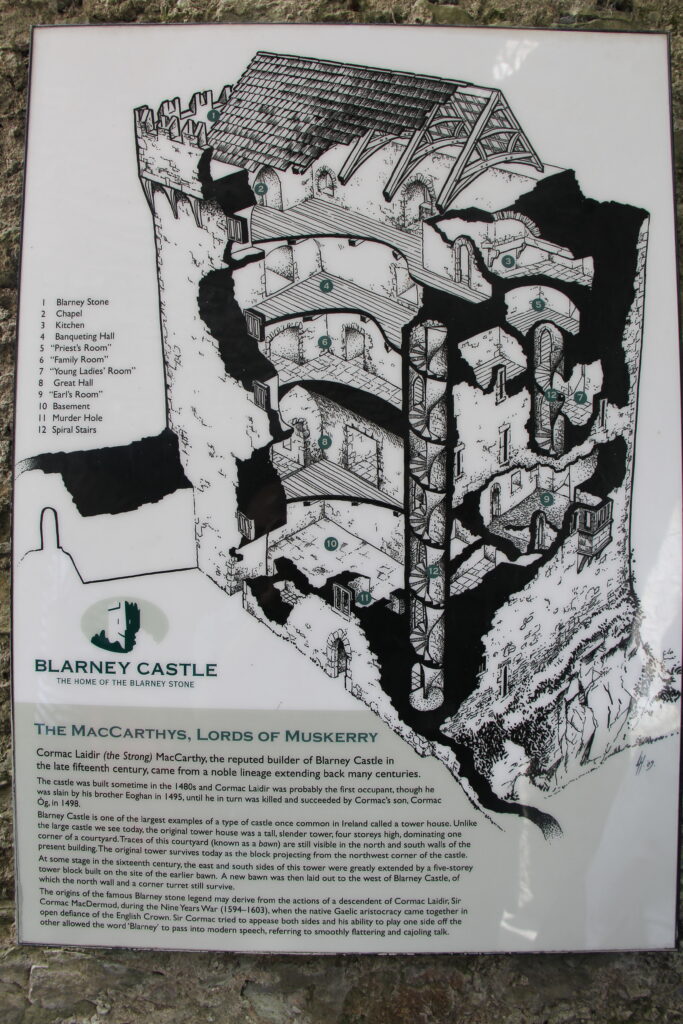
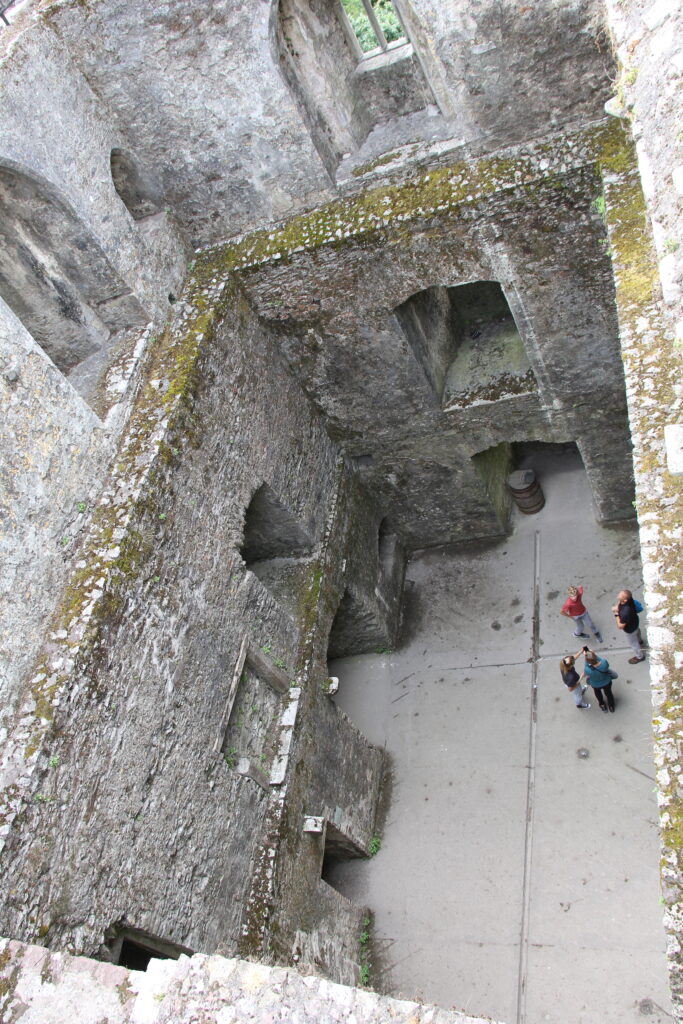
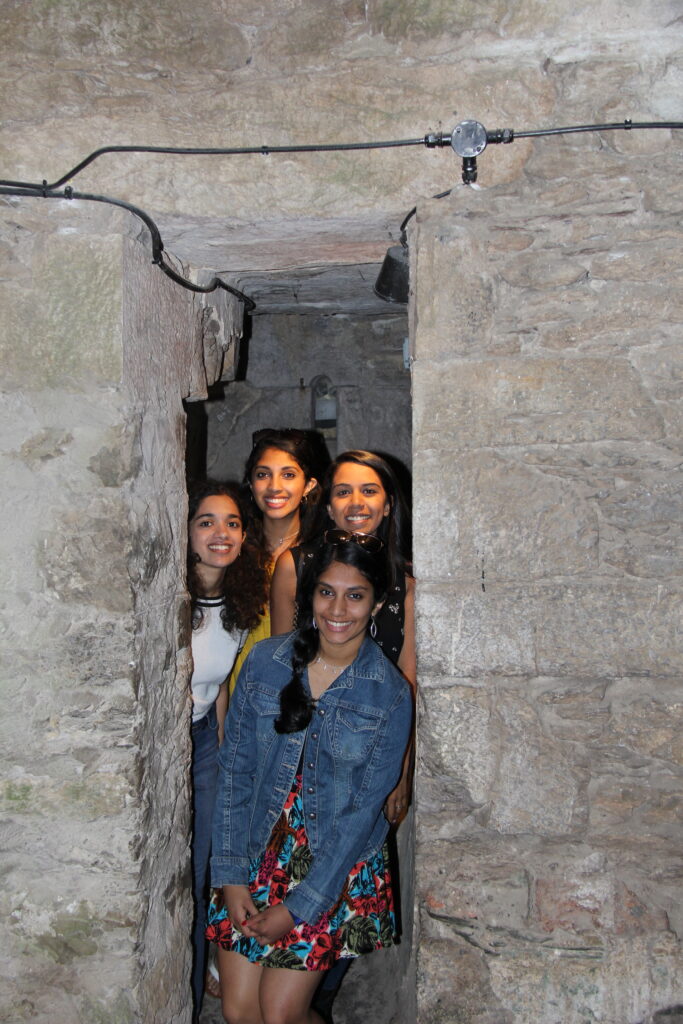
Blarney Castle – Chapel, Banqueting Hall, Family Room – Standing opposite the Blarney Stone you can look below into the heart of the castle and imagine two wooden floors, creating three rooms. The top room was the chapel, the middle room was the banqueting hall, and the bottom floor was the family room. When the Castle was first built, it is likely that what is now the Chapel was in fact originally the Banqueting Hall, it is the largest of the principal rooms, occupying the whole floor at this level, and has the finest architectural treatment, with pointed arches on three walls.
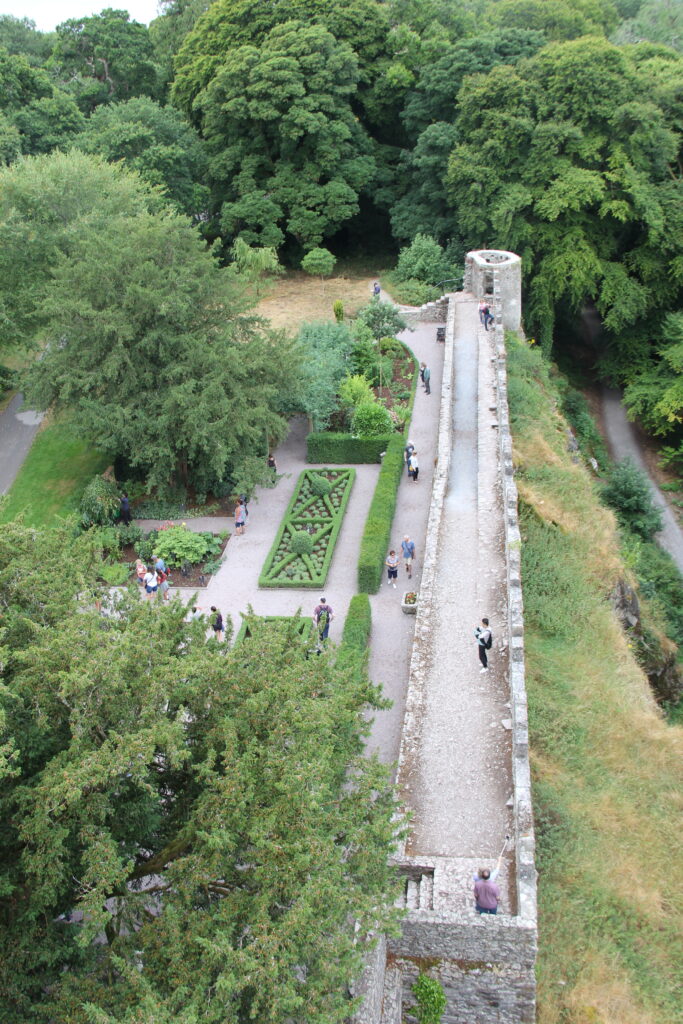
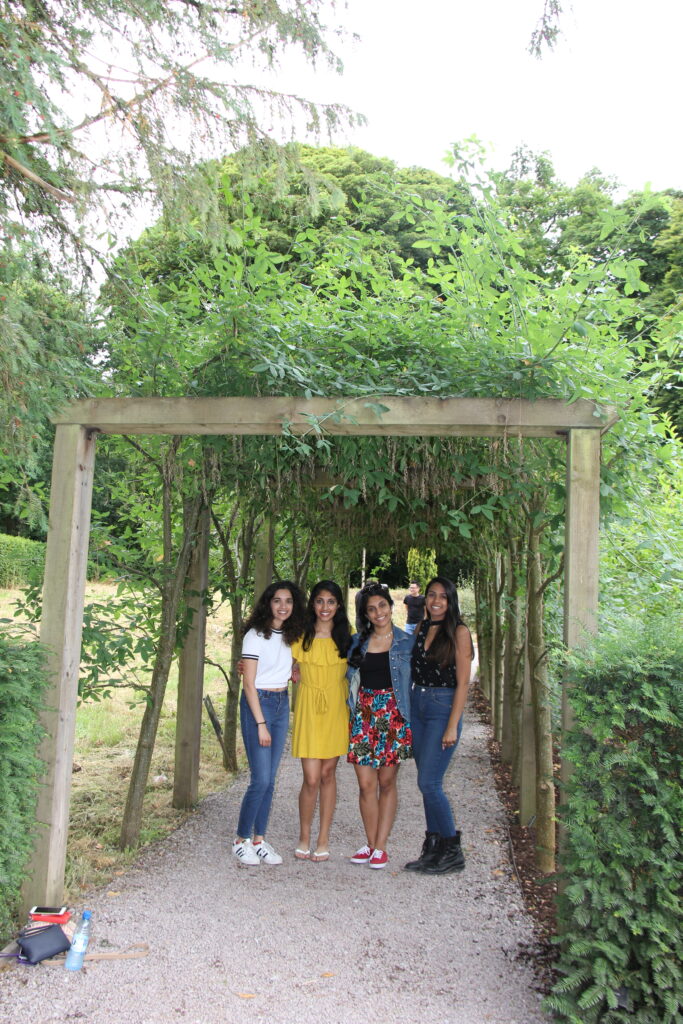
The Gardens at Blarney Castle are large and well maintained, with woodland paths leading visitors through lakes, various gardens, arboretums, and avenues, which are a constantly changing and evolving environment throughout the seasons.
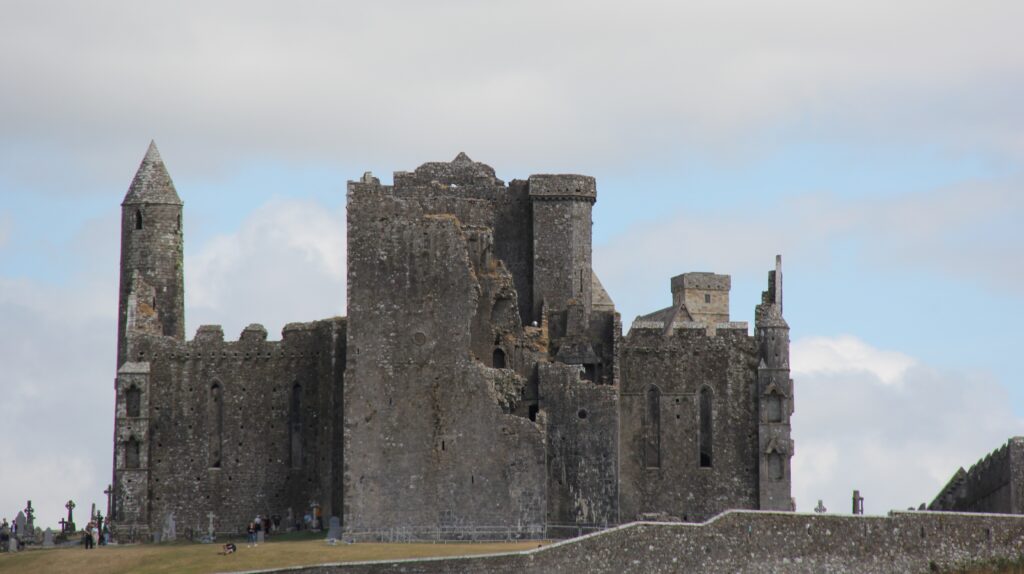
Rock of Cashel – We stopped by this site on our way to Dublin. We did not have time explore the inside of this historic site which features the country’s finest collection of medieval buildings. Encircled by sturdy walls, the site contains a round tower, a 13th-century Gothic cathedral, and the finest Romanesque chapel in Ireland, along with ancient frescoes and commanding views of the surrounding countryside.
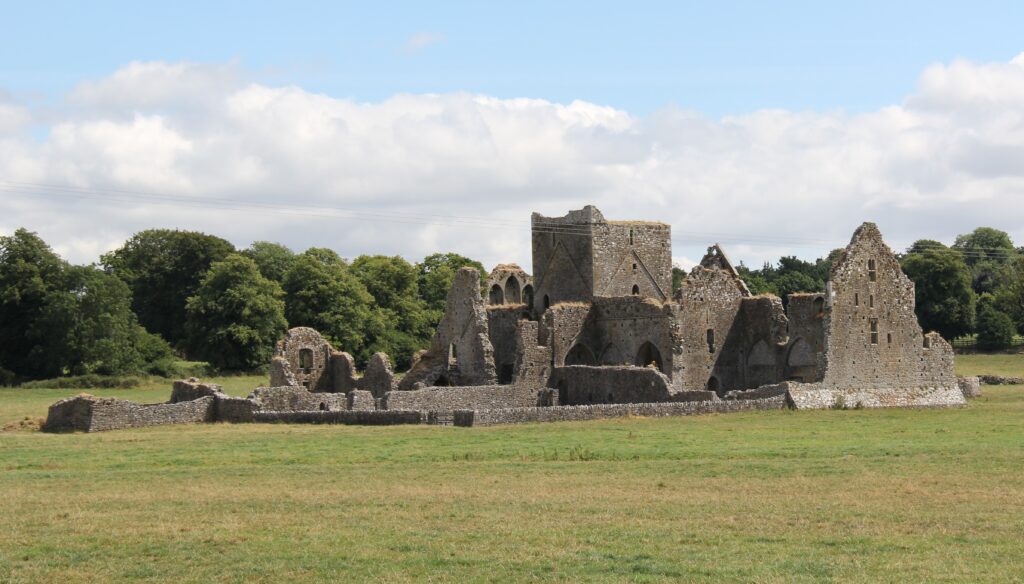
Hore Abbey – This striking 13th-century ruin was located at the foot of the Rock of Cashel. Founded in 1272, it is notable for its peaceful setting and well-preserved cloisters and church. Surrounded by open fields and often grazed by sheep, the abbey offers a quiet contrast to the dramatic presence of the Rock above it.