4 Nights in Gateway Chikkamagaluru
Chikkamagaluru is a scenic hill town nestled at the foothills of the Western Ghats. The city is famous for its cool hill-station climate, lush tropical forests, and sprawling coffee estates. Located at an elevation of 1,090 m (3,580 ft) above sea level, Chikkamagaluru is one of the highest cities in Karnataka. The town lies about 240 km from Bengaluru, and 183 km from Mysuru.
We drove to Chikkamagaluru from Mysuru and stopped on the way to visit the temples in Shravanabelagola and Halebidu on Day 1. The rest of the sites on this page, were covered on Day 2 of our stay in Chikkamagaluru.
- Shravanabelagola
- Halebidu
- Hoysaleswara Temple
- Archaeological Museum
- Kedareshwara Temple
- Basadi Halli
- Yagchi Dam
- Hiremagalur – Kodandarama Temple
- Belur – Chennakesava Temple
- Belavadi – Veeranarayana Temple
- Ayyanakere Lake
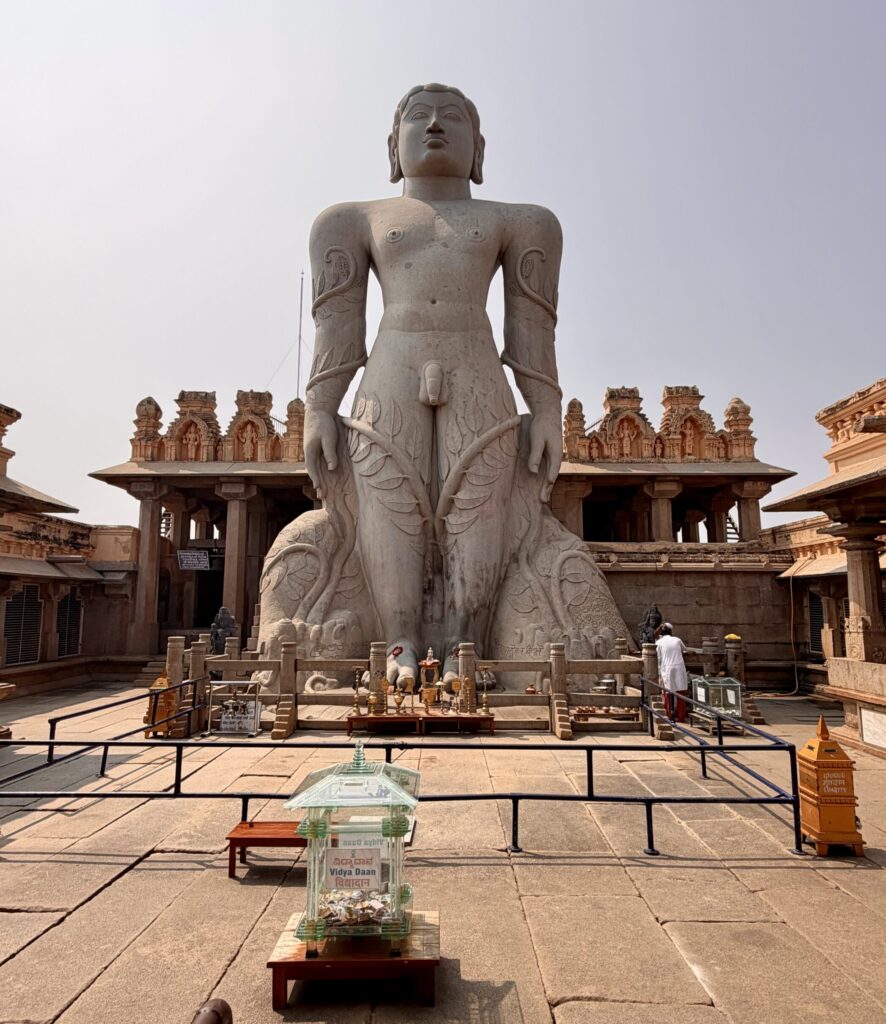
Shravanabelagola – Located 150 km from Bengaluru and 84 km from Mysuru, Shravanabelagola is one of the most important Jain pilgrimage centers in India, famous for the towering monolithic statue of Bahubali located on Vindhyagiri Hill. Standing about 58 feet (18 meters) tall, the statue—known as Gommateshwara Statue—was carved around 981 AD and is considered one of the tallest free-standing monolithic statues in the world. A major event that happens here, is the Mahamastakabhisheka, held once every 12 years, when the statue is ceremonially bathed with milk, saffron, sugarcane juice, and flowers.
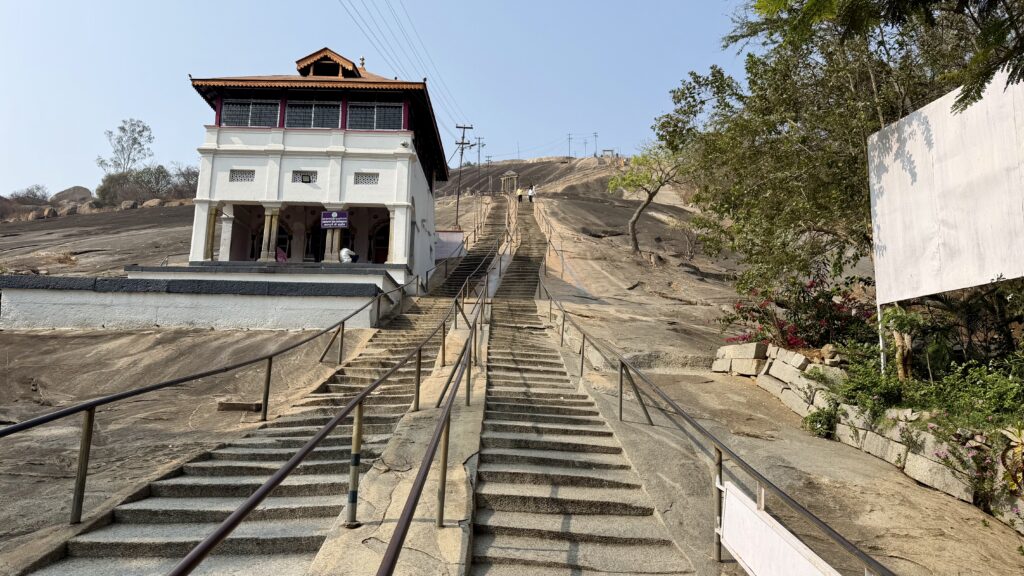
To reach the Bahubali statue at the top of the hill –
- visitors must climb more than 700 stone steps
- Footwear is not allowed on the steps, but wearing socks is permitted and helps protect feet from the heat of the smooth stone surface.
- Modest attire is advisable
- It is best to start the climb early in the morning to avoid the heat and crowds.
- Depending on your fitness, it can take 30-60 minutes to reach the top. Doli (palanquin) services are available for those unable to make the climb
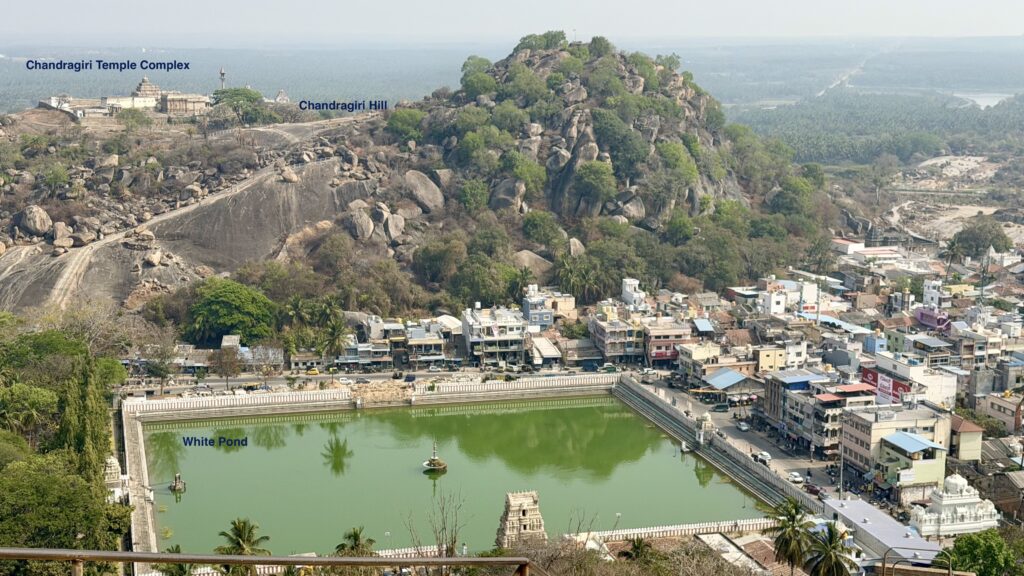
As you climb up the steps, you get a fantastic view of the town below and the Chandragiri hill across with a view of Chandragiri Temple Complex. A number of Jain Basadis are found on the hill. You will also get a great view of the large pond located in the center of the town. Shravanabelagola derives its name from the Kannada words meaning White Pond of the Shravana. Belagola literally means white pond, referring to the large pond located in the center of the town.
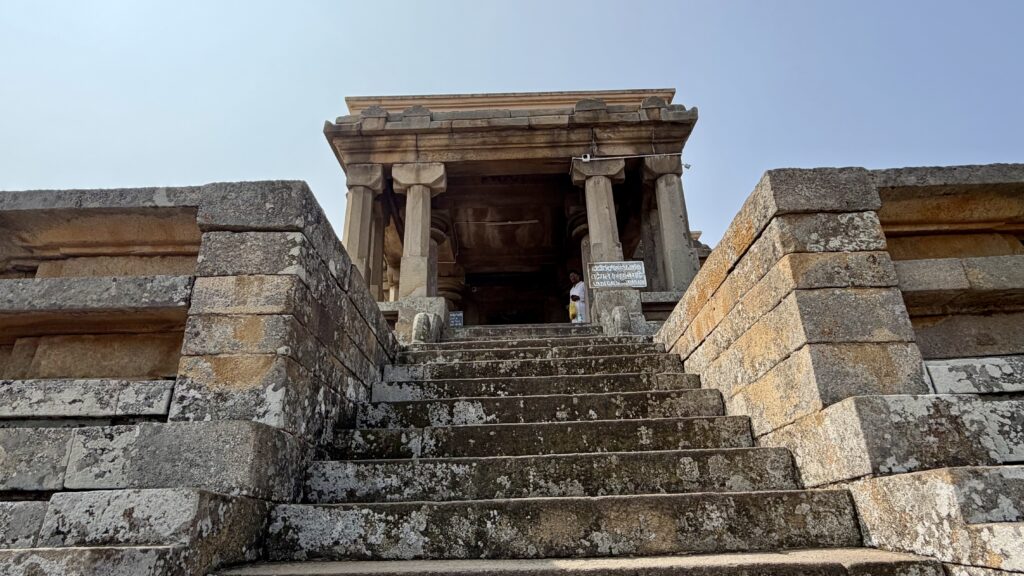
Odegal Basadi or Vadegal basadi – You will come across this Jain temple a little more than halfway up the Vindhyagiri hill. Built in the 14th century, this granite temple derives its name from Odega, referring to the soapstone slabs used to strengthen its walls. The temple is also known as a Trikuta Basadi because it has three sanctums facing different directions. Its exterior is relatively simple and non-ornate, but the structure is impressive in scale. Inside, the temple houses images of the Jain Tirthankaras Rishabhanatha, Neminatha, and Shantinatha, carved from dark-colored schist.
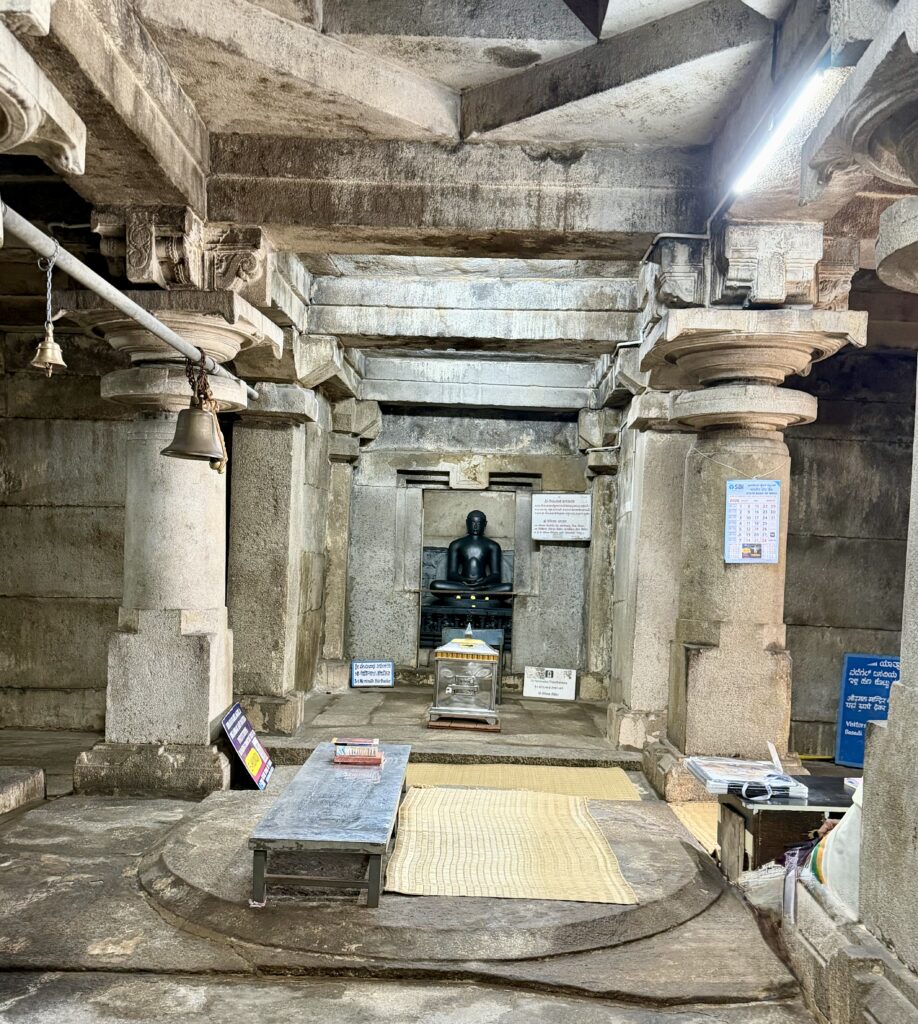
After visiting Odegal Basadi, a further 5-minute climb up the Vindhyagiri Hill leads to the magnificent Gommateshwara Statue.
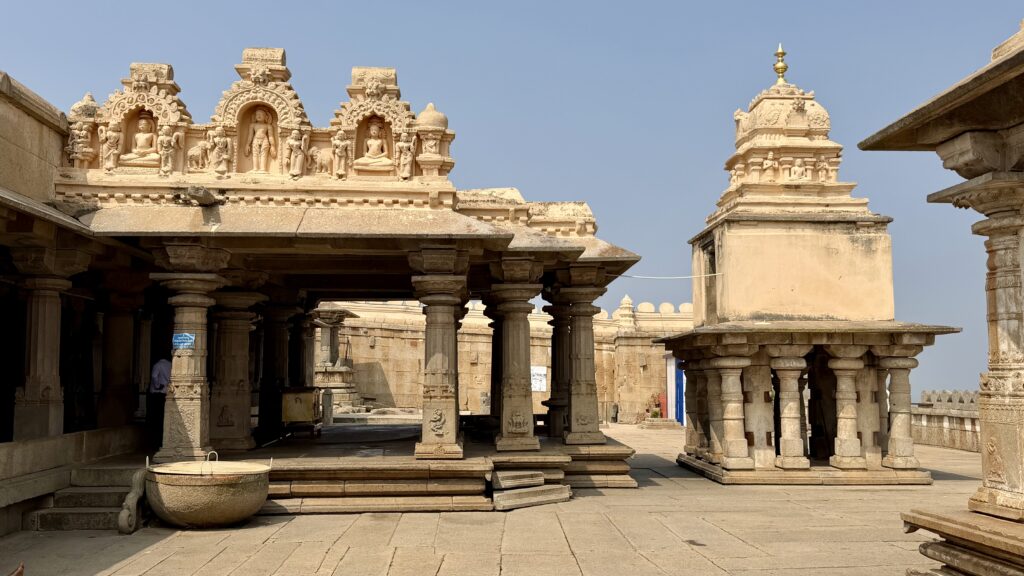
Halebidu, Hoysaleswara Temple (UNESCO World Heritage Site) – is a magnificent 12th-century Hindu temple dedicated to Lord Shiva. Commissioned by King Vishnuvardhana, construction began around 1121 CE and was completed by 1160 CE. Built on the banks of a large man-made lake and carved primarily from soapstone, the temple is the largest monument in Halebidu.
The temple is a twin-shrine (dvikuta) structure, housing two Shiva lingas—Hoysaleswara and Santaleswara—representing the masculine and feminine aspects of Shiva. Hoysaleswara Linga is located in the southern sanctum, and is named after King Vishnuvardhana (who held the title Hoysaleswara). Santaleswara Linga is located in the northern sanctum, and is named in honor of Queen Shantala Devi, the wife of King Vishnuvardhana. Each shrine has its own Nandi pavilion, with the sacred bull facing the sanctum. Though primarily a Shaiva monument, the temple’s sculptures also include themes from Vaishnavism, Shaktism, and Jainism, reflecting the religious harmony of the time.
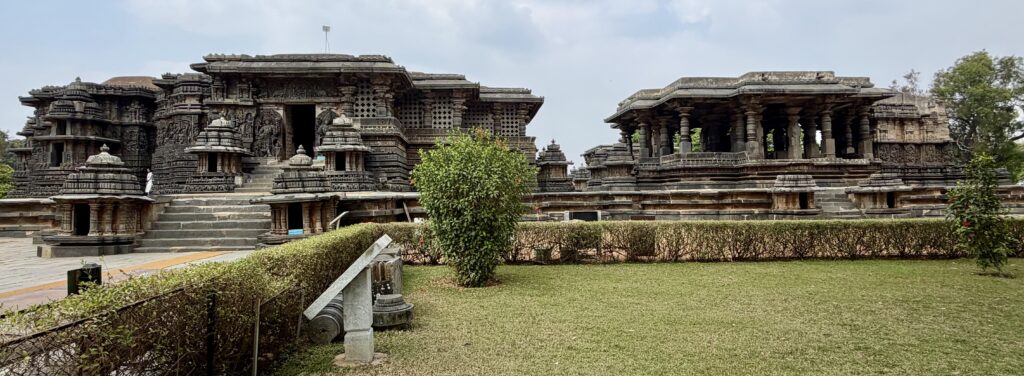
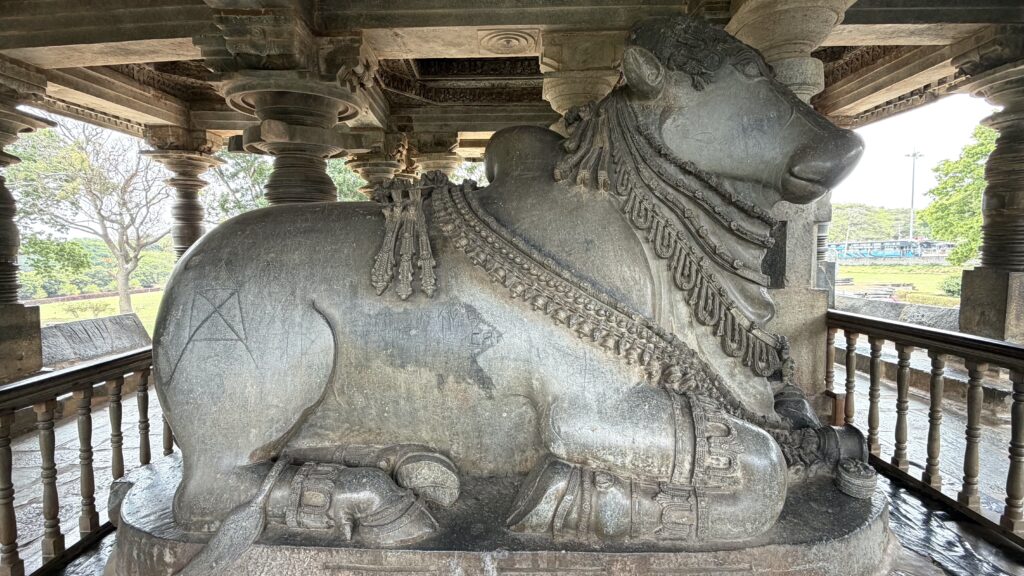
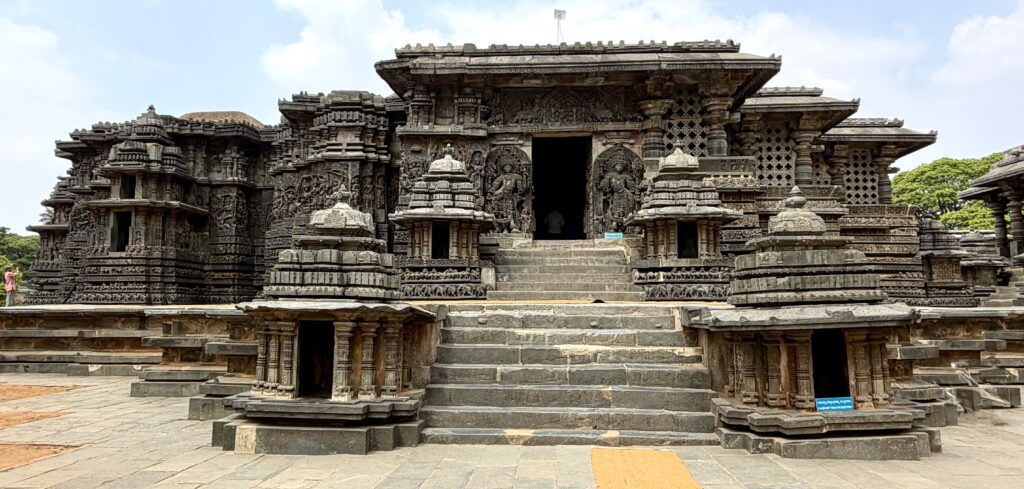
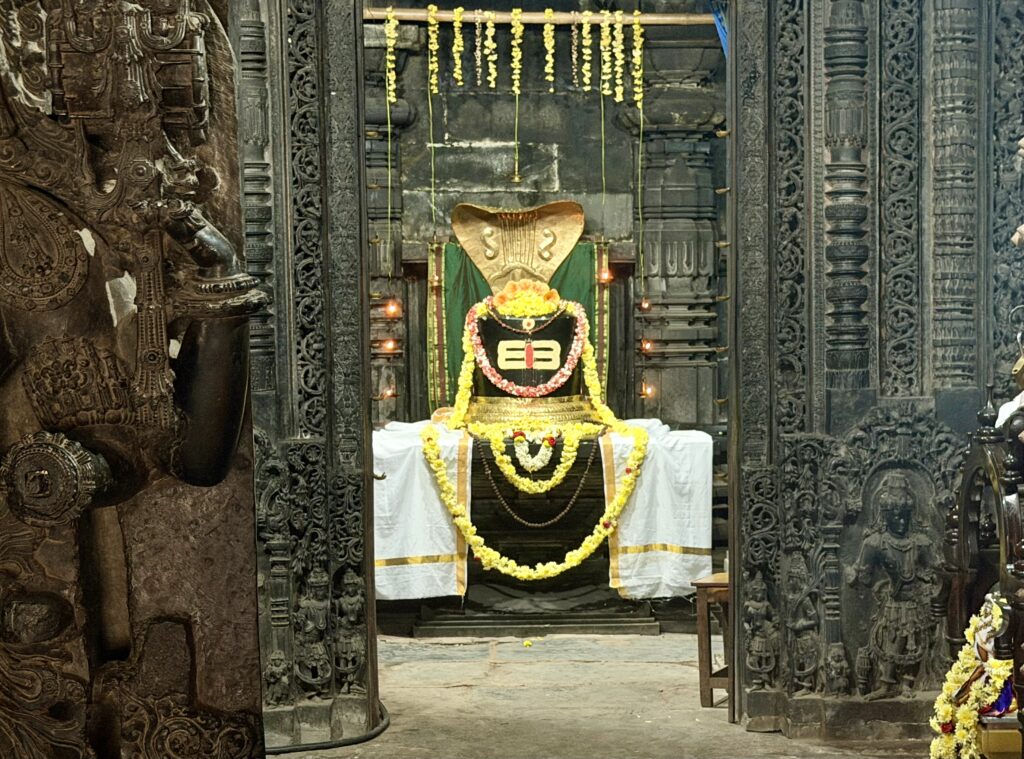
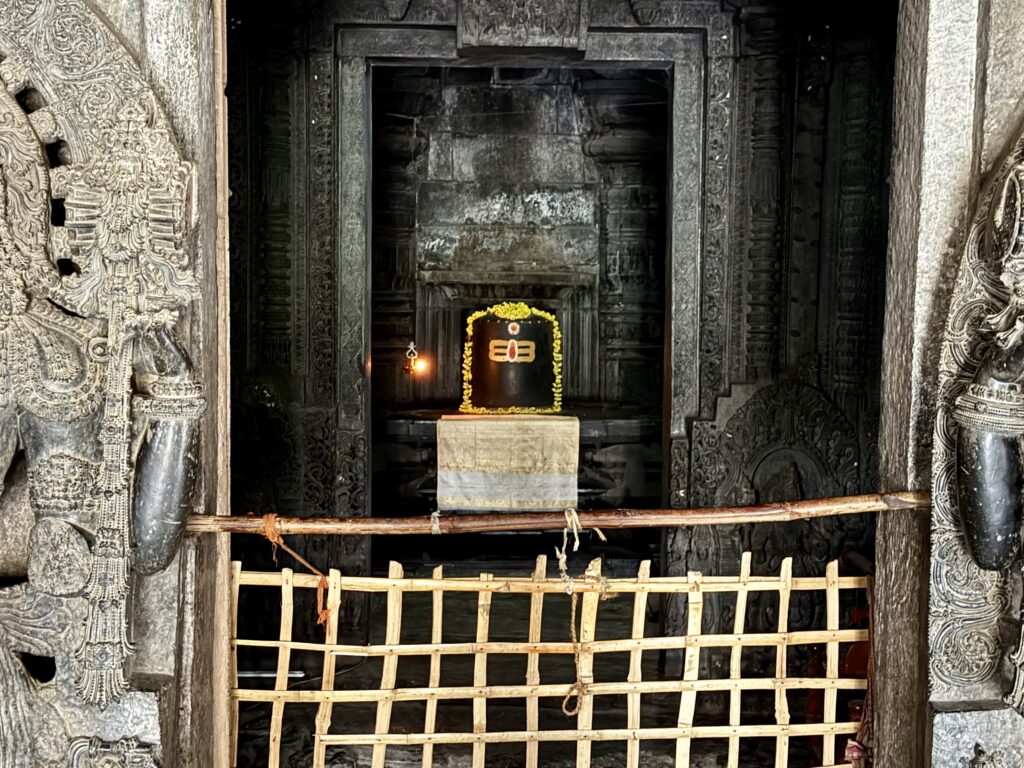
The Hoysaleswara Temple is renowned for its extraordinary stone carvings, intricate reliefs, and decorative friezes. Around 340 large sculptural panels depict scenes from Hindu mythology, while smaller friezes narrate stories from the Ramayana, Mahabharata, and Bhagavata Purana. These carvings provide a vivid glimpse into the life, culture, and beliefs of 12th-century South India.
The lowest layers of the outer walls, consist of horizontal bands of friezes arranged from bottom to top—depicting elephants, lions, decorative scrolls with nature and miniature dancers, horses, scenes from Hindu epics, mythical creatures such as makaras, and swans. These carvings stretch for more than 200m. The middle sections of the outer walls, feature large sculptural panels portraying a vast pantheon of Hindu deities. The upper portion has beautifully perforated screen, a hallmark of Hoysala artwork.
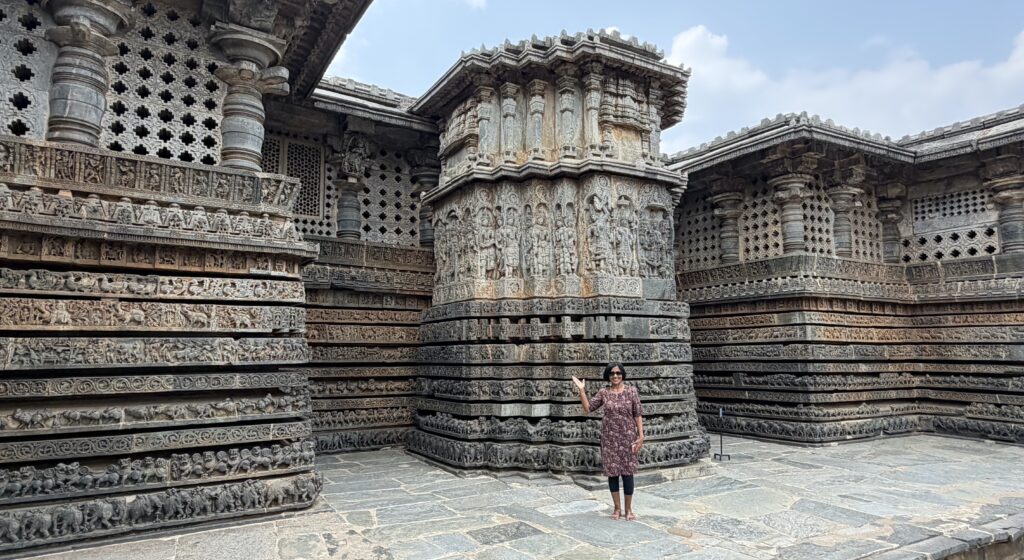
In the early 14th century, Halebidu was twice attacked and plundered by armies of the Delhi Sultanate, after which the temple and city fell into decline. Despite some damage, much of the intricate artwork remains remarkably preserved and was recognized by UNESCO in 2023 for their exceptional architectural and artistic significance.
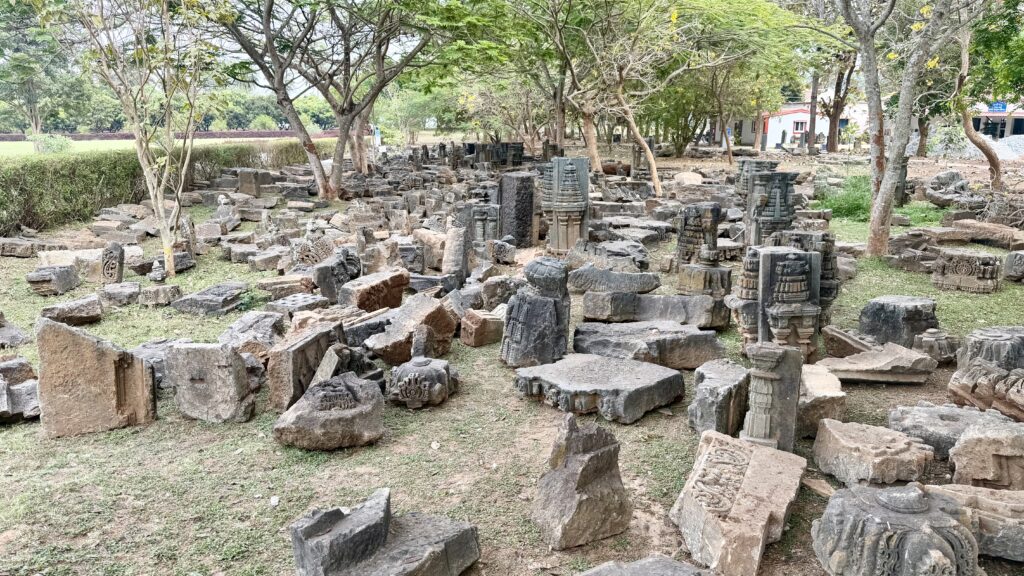
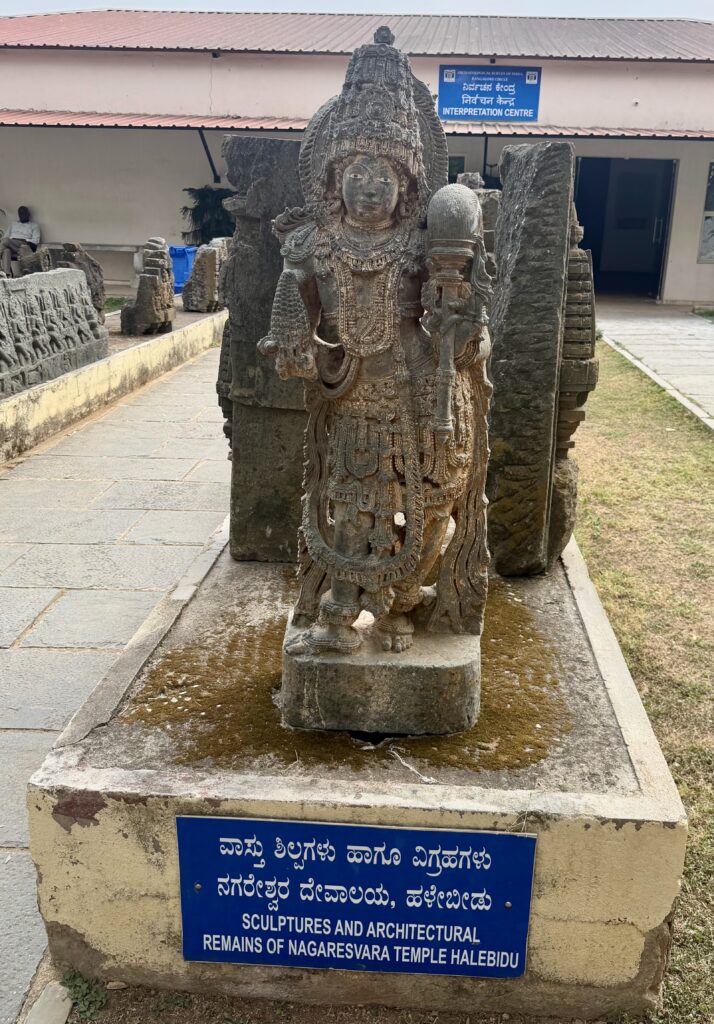
Halebidu, Archaeological Museum – Located directly in front of the Hoysaleswara temple, the museum provides valuable context to the intricate artwork seen on the temple walls. Maintained by the Archaeological Survey, it is generally open from 9 AM to 5 PM (closed on Fridays) with a nominal entry fee of about ₹5.
The museum houses over 1,500 artifacts, including sculptures and inscriptions dating mainly from the 12th–13th centuries, the height of the Hoysala Empire. It features both an open-air gallery, displaying large stone sculptures and architectural fragments discovered during excavations, and a central indoor gallery with many important artifacts.
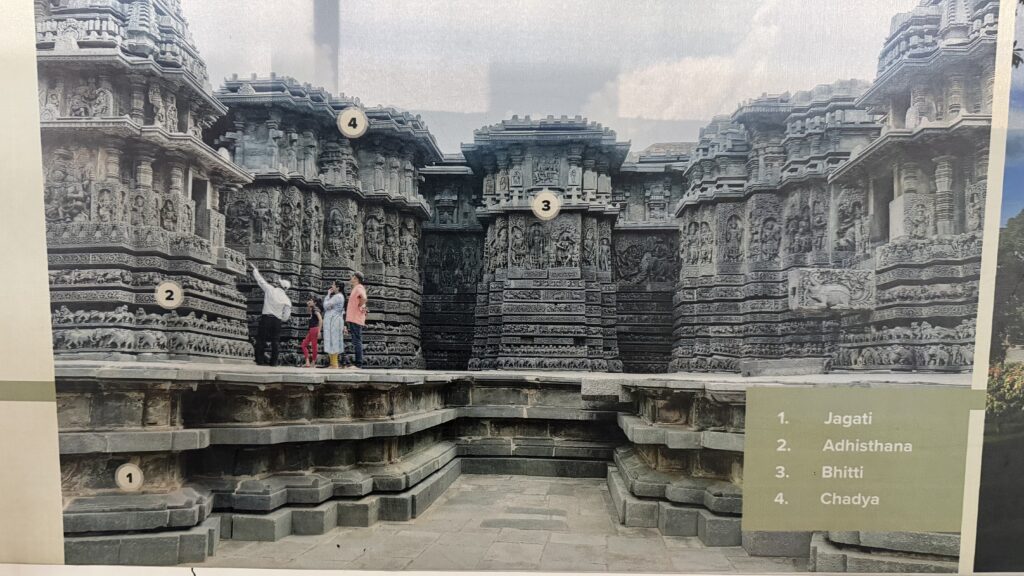
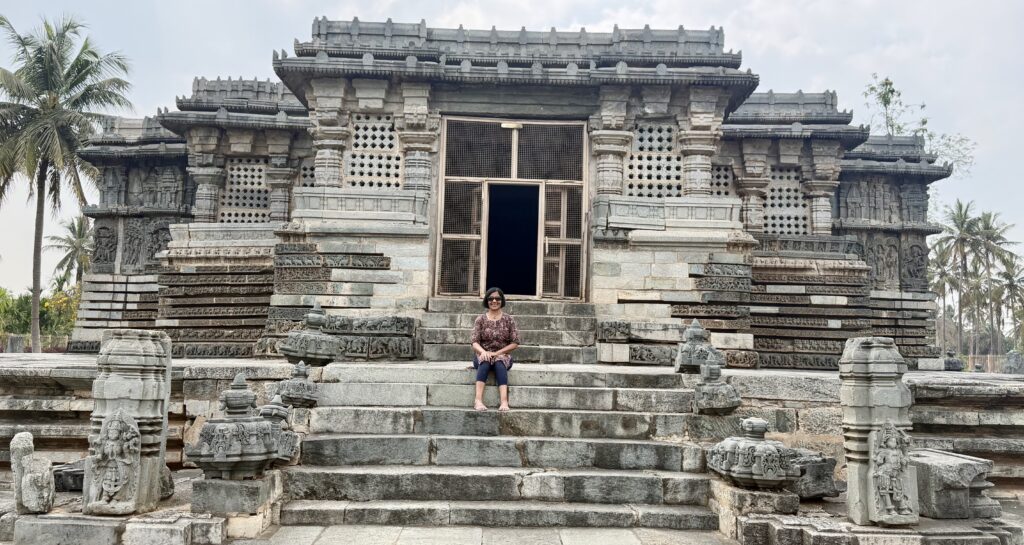
Halebidu, Kedareswara Temple – Located a short distance from the famous Hoysaleswara Temple, this Hoysala-era temple is dedicated to Lord Shiva. Built in the 12th–13th century during the reign of Veera Ballala II the temple is protected as a monument of national importance by the Archaeological Survey of India.
Constructed from soapstone, a material widely used in Hoysala architecture, the temple stands on an elevated platform called a jagati, about 5–6 feet high, which allows devotees to circumambulate the shrine and also provides an excellent view of the intricate sculptures along the outer walls. The temple walls are adorned with detailed sculptural panels depicting various Hindu deities and mythological scenes.
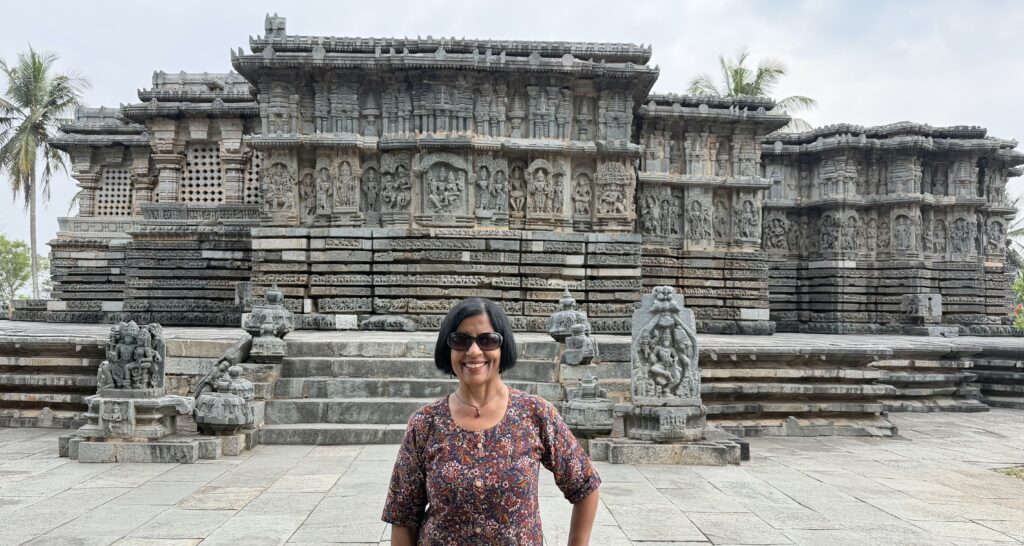
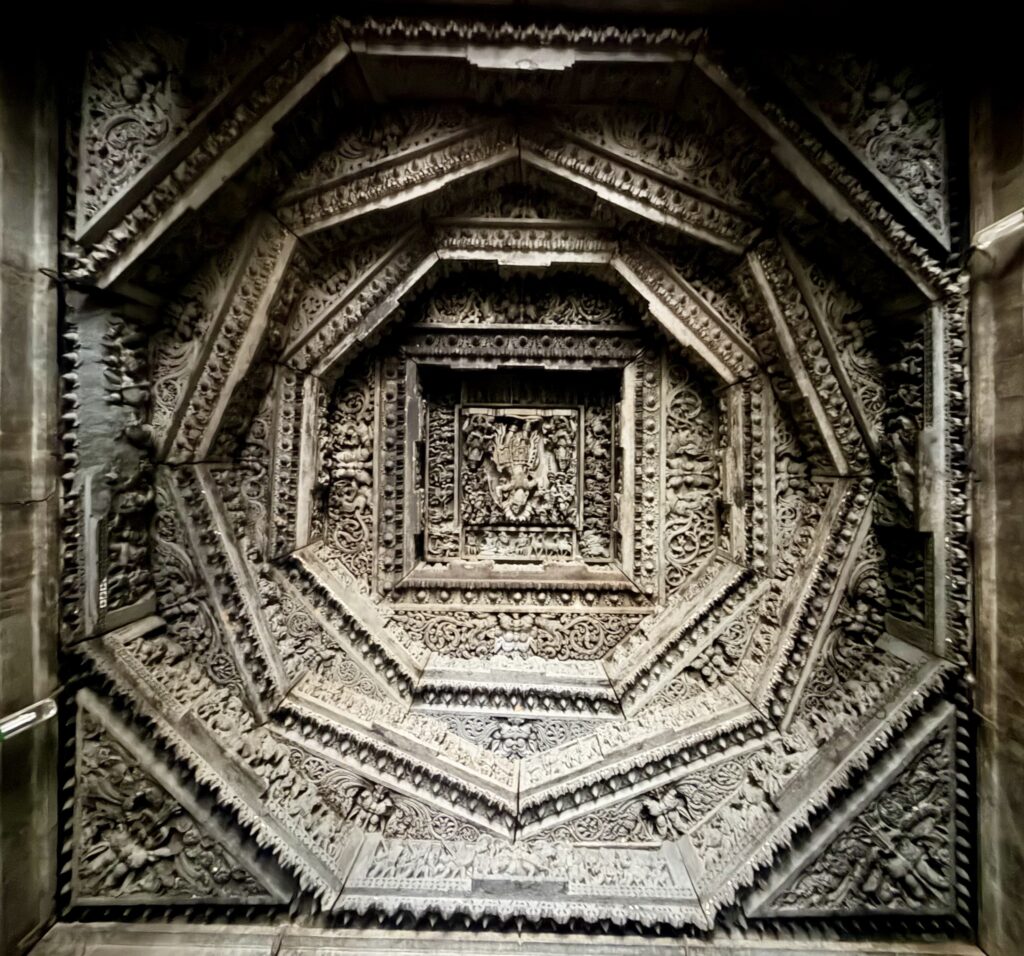
The main shrine follows a distinctive star-shaped plan, a hallmark of Hoysala architecture, with multiple projections and recesses that create space for decorative carvings. The interior hall of the temple features beautifully crafted lathe-turned pillars and domical ceilings.
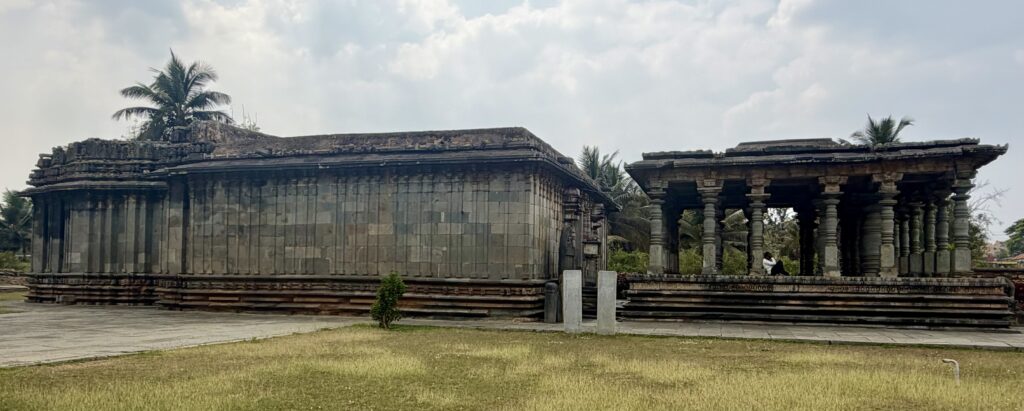
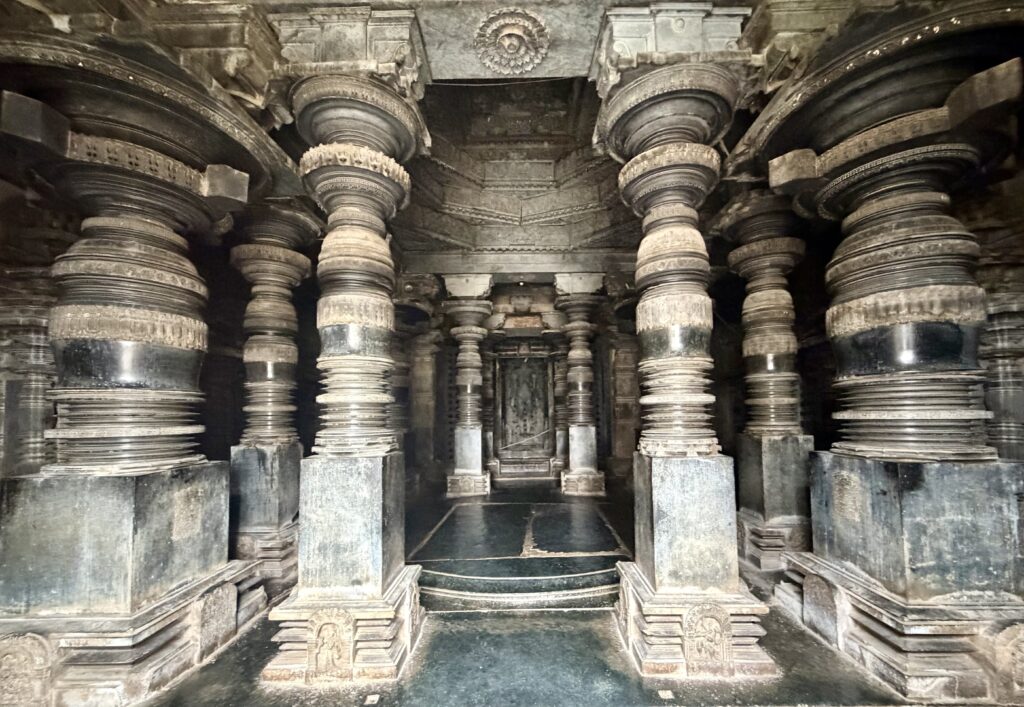
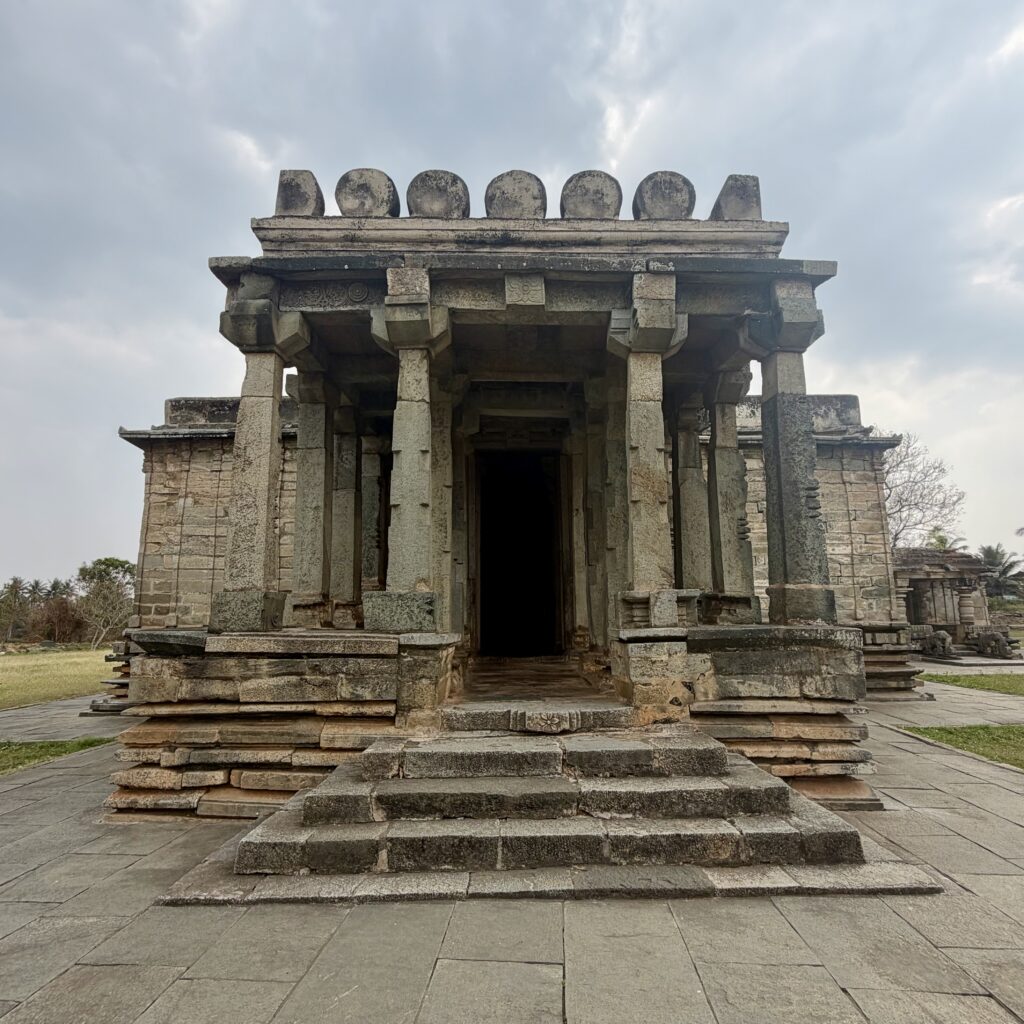
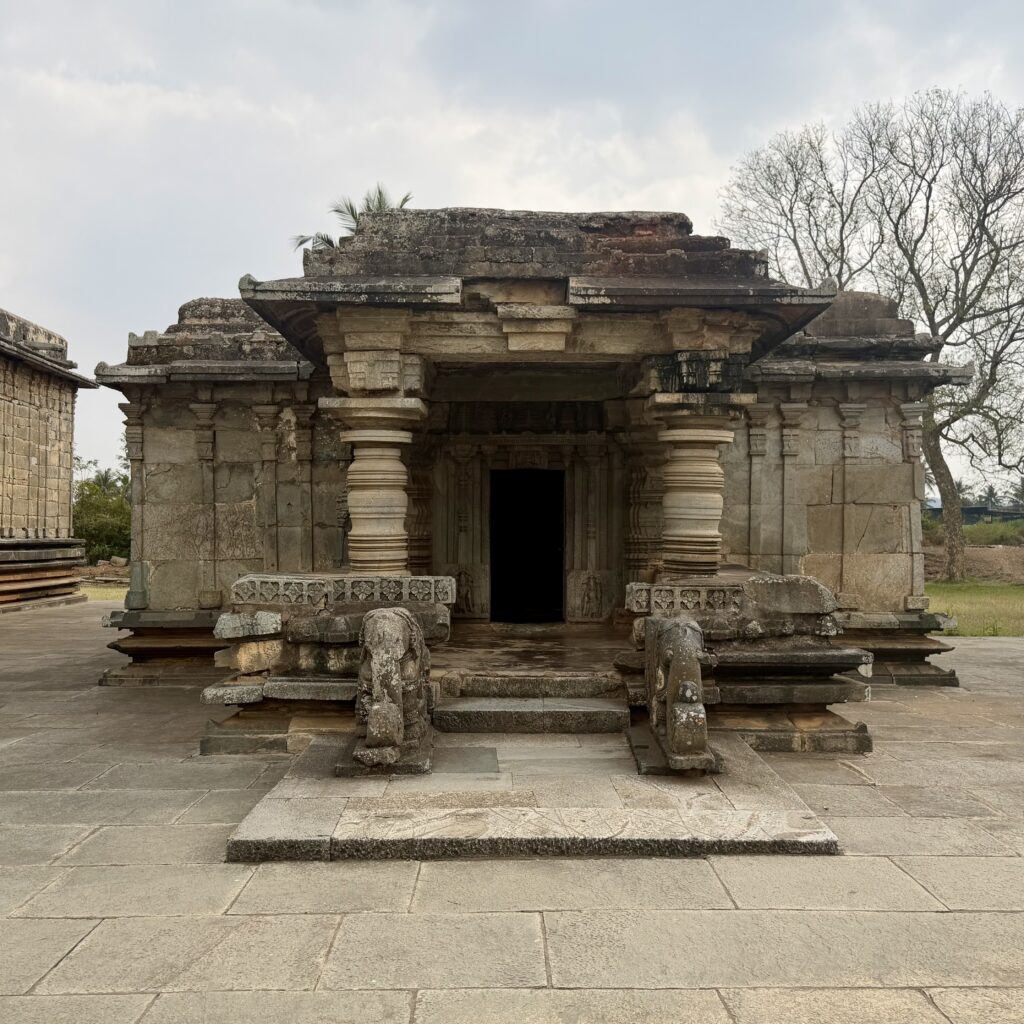
Halebidu, Basadi Halli – The Jain temples here are famous for their highly polished pillars that resemble mirrors. Located near the Kedareshwara Temple, the Basadi complex, consists of three important Jain temples dedicated to the Tirthankaras – Parshvanatha, Shantinatha, and Adinatha.
These basadis were constructed in the 12th century during the rule of the Hoysala Empire, the period when monuments such as the Hoysaleswara Temple were built. During this time, Halebidu—then known as Dwarasamudra—served as the capital of the Hoysala kingdom and was an important center for Jainism as well as Hinduism. King Vishnuvardhana was originally a follower of Jainism before later embracing Vaishnavism under the influence of Ramanujacharya, yet he continued to support Jain institutions. Today, the Jain Basadi Complex is protected by the Archaeological Survey of India.
Parshvanatha temple – Each pillar inside the temple is uniquely carved and highly polished. The idol of Parshvanatha is carved from black stone and is about 14 feet tall. A beautifully sculpted serpent forms a protective canopy above the deity, guarding the figure.
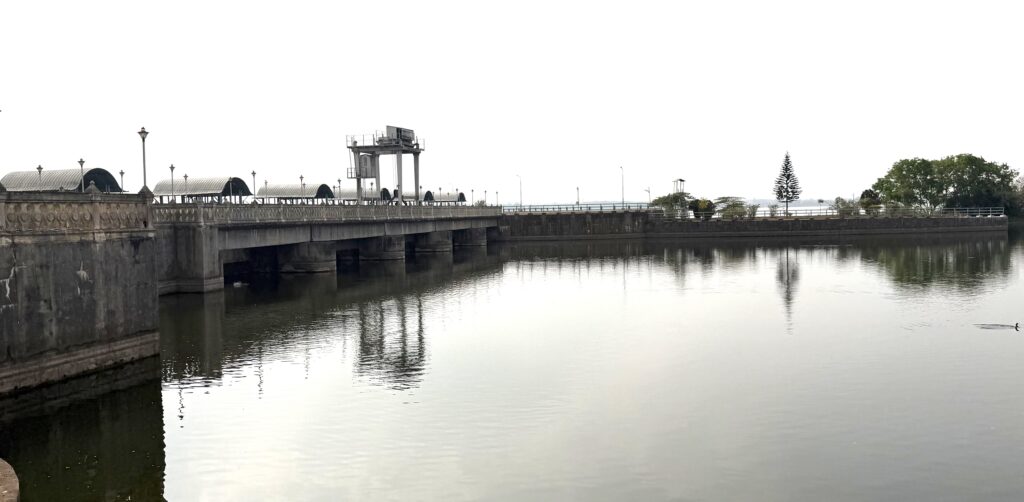
Yagachi Dam – About half an hour away from Belur, is the Yagachi Dam built across river Yagachi
which is a tributary of Kaveri. People visit the dam, not so much for the structure itself but the water sports that it hosts. One can enjoy Jet Ski, Speed Boat, Bumper Ride, Cruise Boat, Banana Boat Ride and Kayaking here.
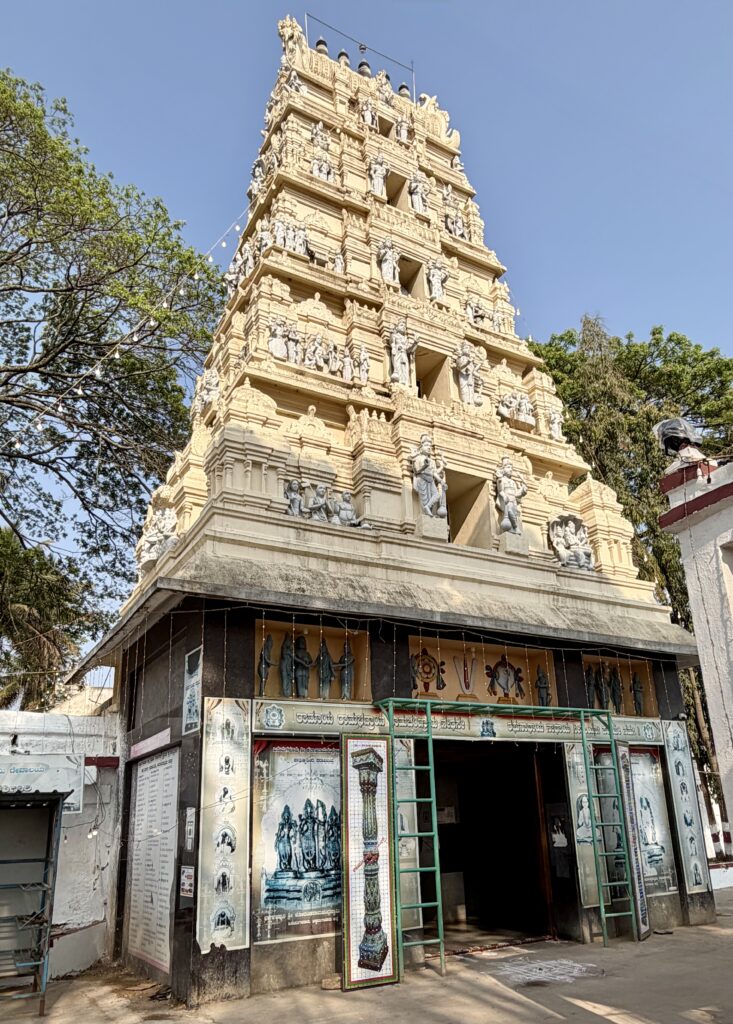
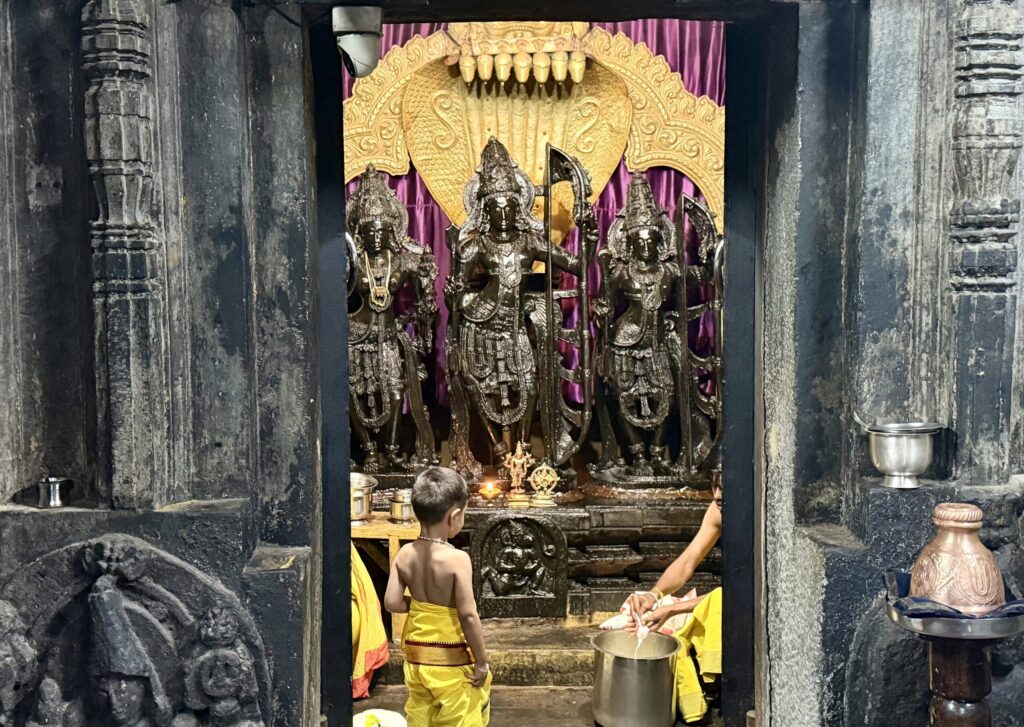
Hiremagalur, Kodandarama Temple – is a historic Hindu temple dedicated to Rama in the form of Kodandarama (Rama holding his bow, kodanda). The temple is state-protected and was built in multiple stages. The sanctum and main deity likely date to the Ganga or Chola period, while later additions show Hoysala and Dravidian architectural influences. The navaranga hall dates to the 14th century, with further additions in the 16th–17th centuries, and a new exterior wall added in 2024. Within the temple enclosure are several smaller shrines and sculptures, including Yoganarasimha, Sugriva, Ramanujacharya, various avatars of Vishnu, and Madhvacharya.
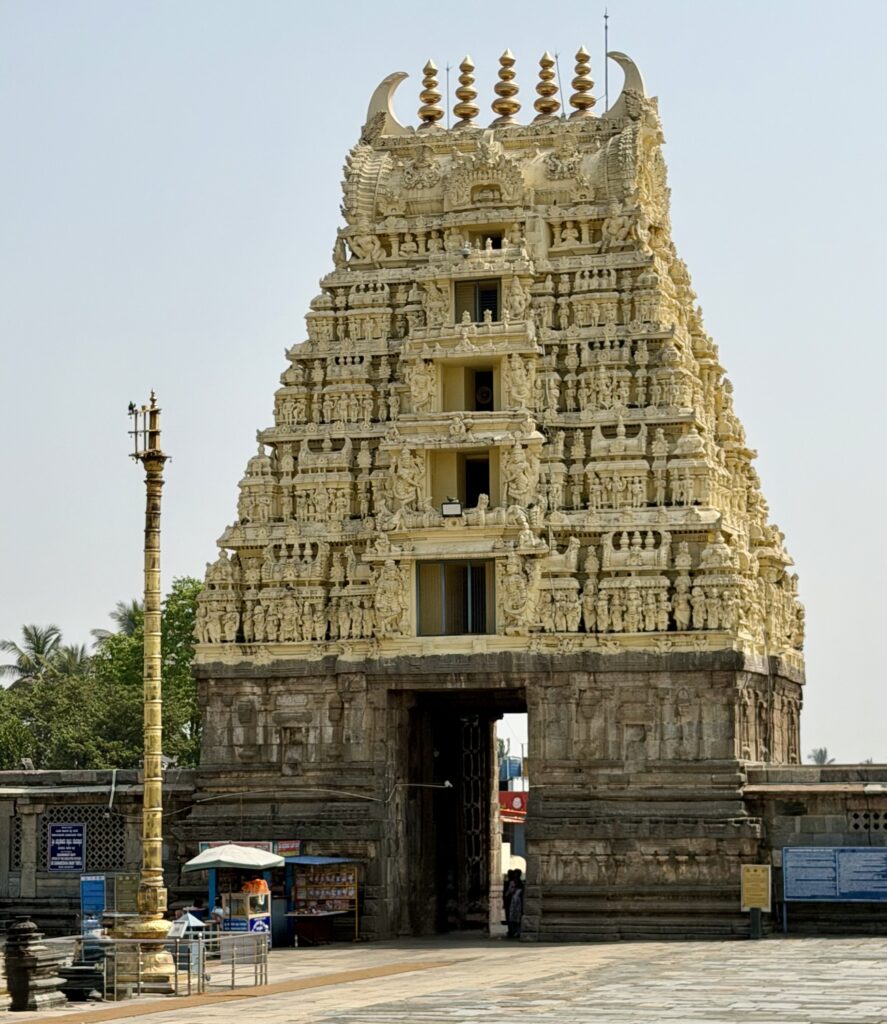
Belur, Chennakesava Temple (UNESCO World Heritage Site) – also known as the Keshava or Vijayanarayana Temple, this magnificent 12th-century Hindu temple is another masterpiece of Hoysala architecture. Commissioned in 1117 CE by Vishnuvardhana of the Hoysala Empire, it is located on the banks of the Yagachi River and is dedicated to Vishnu in the form of Chennakesava (handsome Kesava). the temple remained under construction for over a century and took about 103 years to complete.
Together with the Halebidu Hoysaleswara Temple, it forms part of the Sacred Ensembles of the Hoysalas. The Chennakesava Temple is renowned for its intricate architecture, detailed sculptures, and elaborate friezes depicting scenes from the Ramayana, Mahabharata, and the Puranas, along with depictions of dancers, musicians, and everyday life in the 12th century and is a masterpiece of Hoysala architecture.
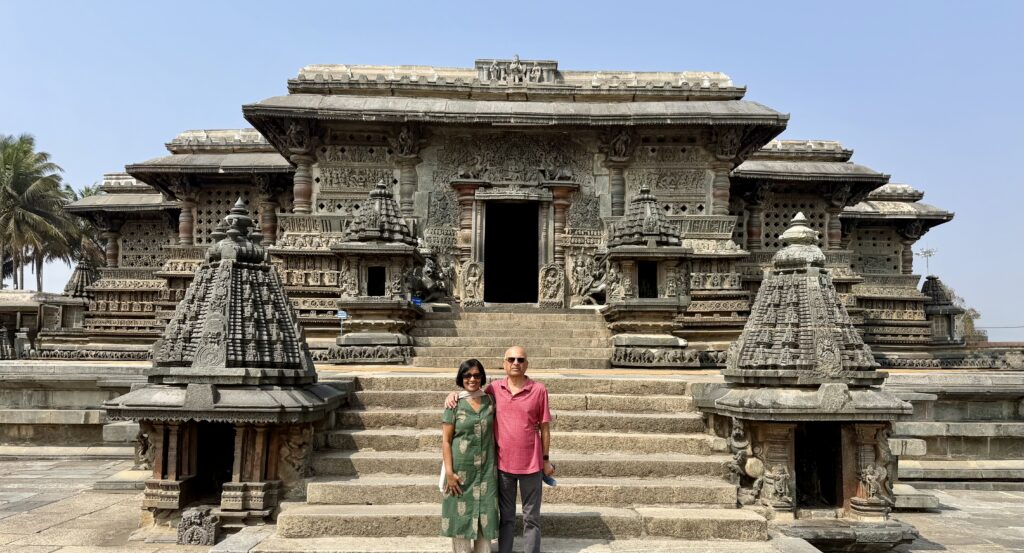
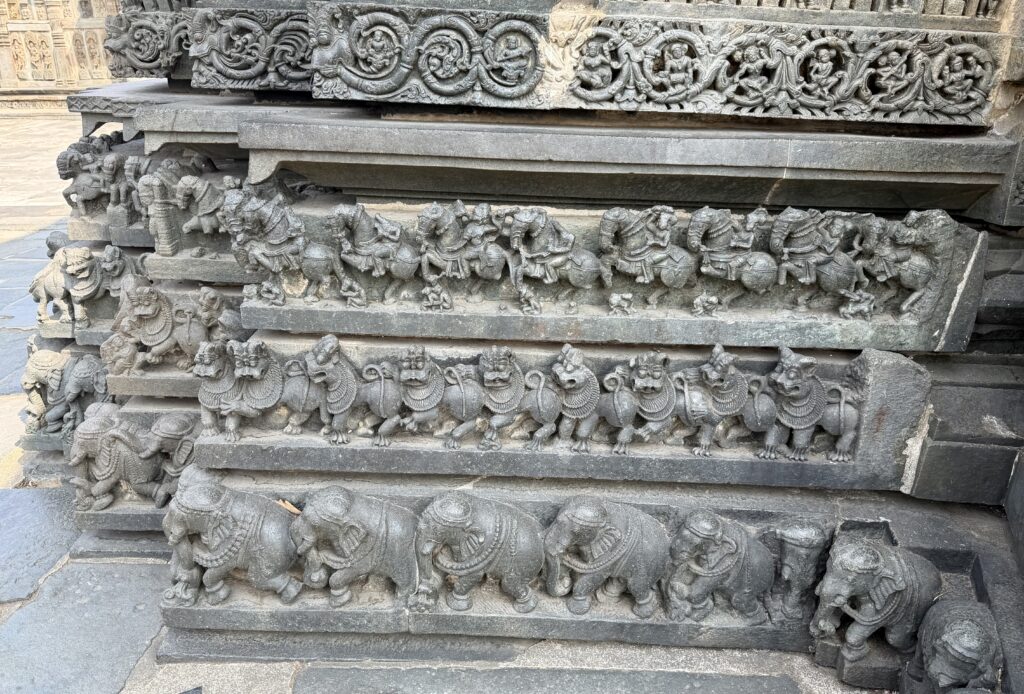
Similar to the carvings seen at the Hoysaleswara Temple, the exterior walls of the Chennakesava Temple are completely covered with intricate sculptures. The lowest horizontal bands feature a row of elephants, each uniquely carved and symbolizing strength. Above them is a row of lions, representing courage and power, followed by a band of horses, symbolizing speed and energy.
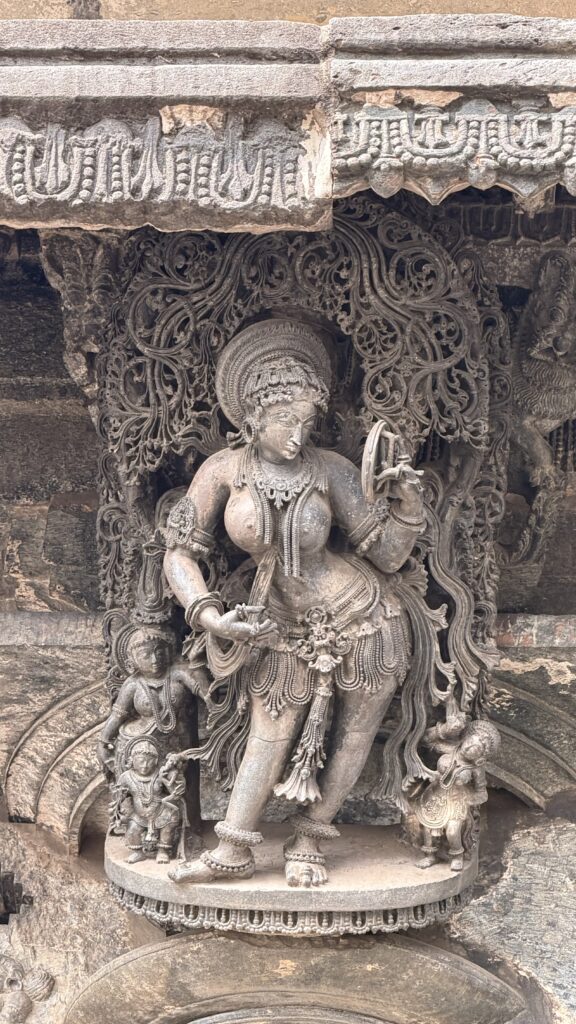
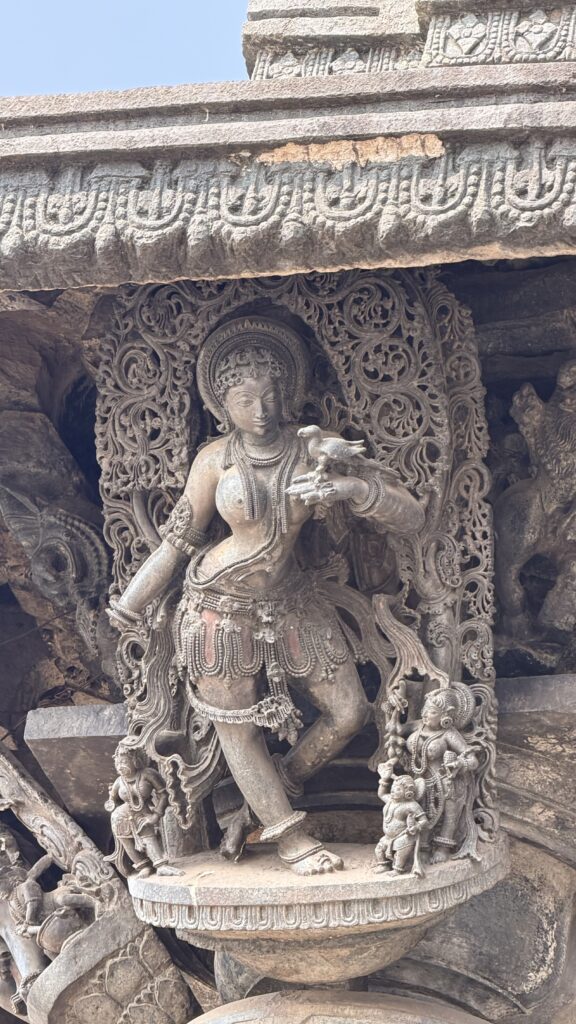
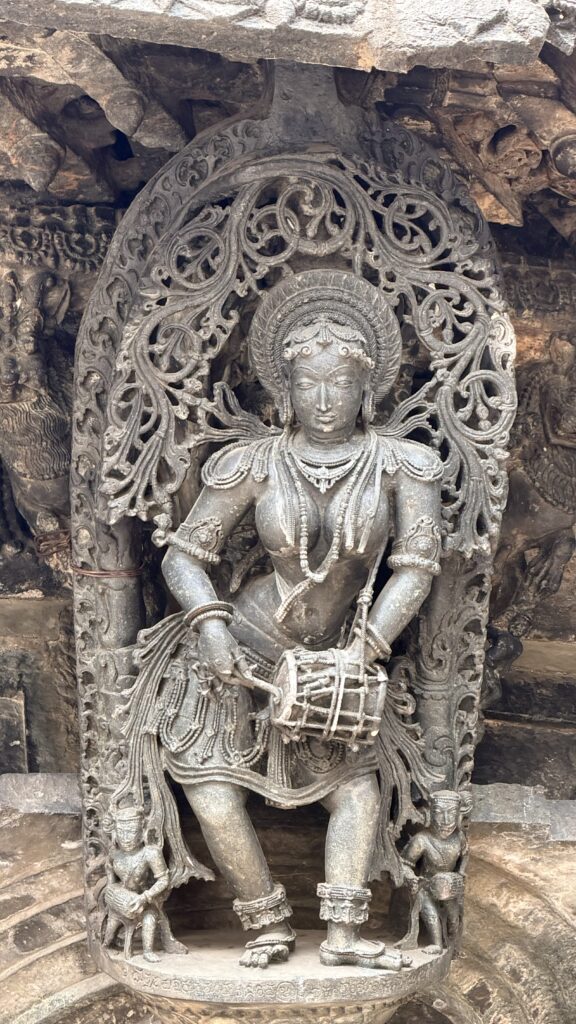
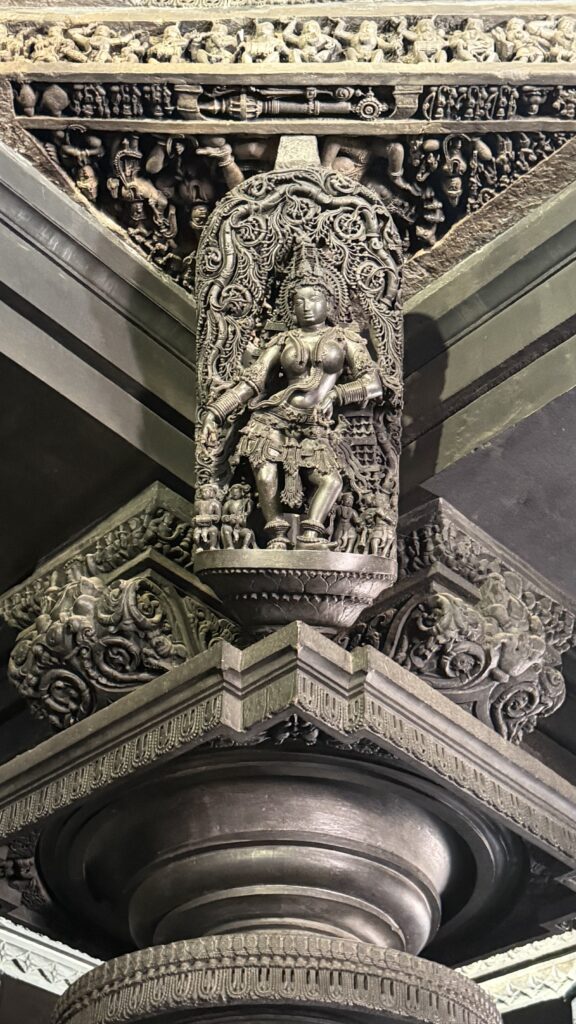
Around the exterior of the Chennakesava Temple and inside the navaranga (pillared hall), there are about 38 beautifully carved sculptures of graceful female figures known as Madanikas. These elegant, voluptuous figures are placed between the upper walls and the overhanging eaves of the temple and are depicted in a variety of poses—dancing, playing musical instruments, or admiring themselves in mirrors.
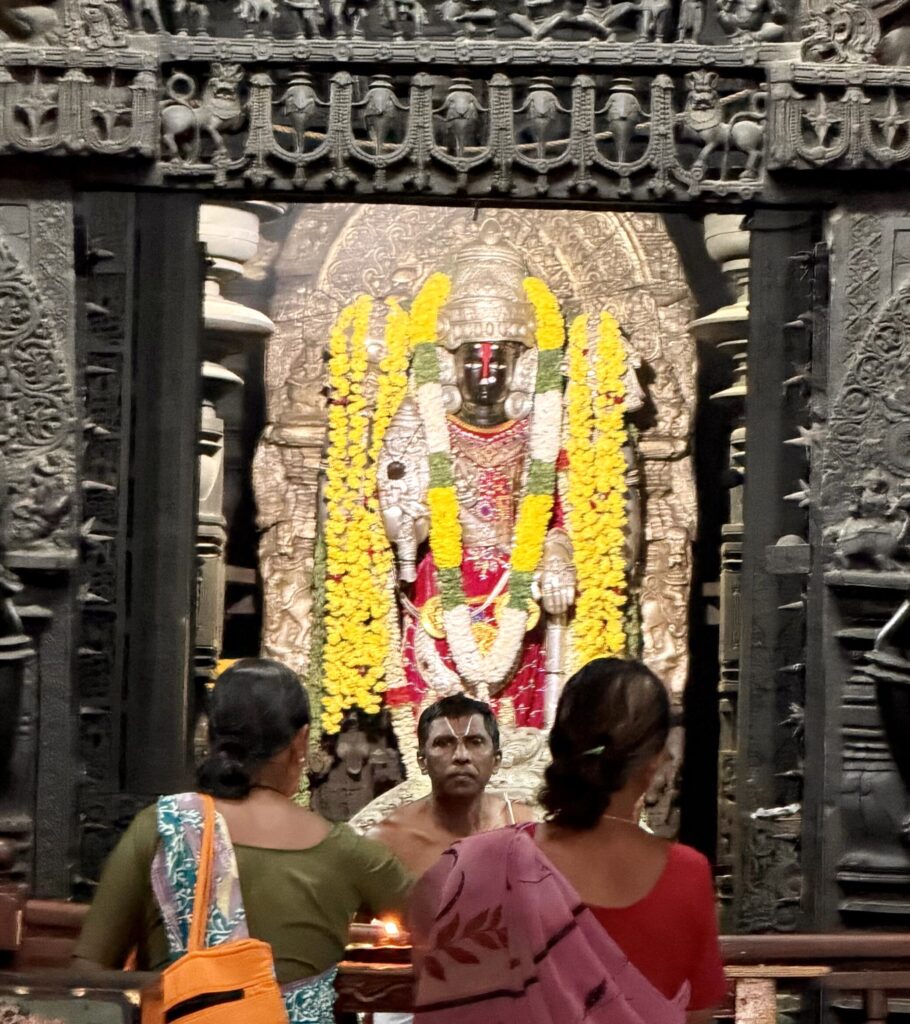
The main sanctum enshrines an image of Chennakesava. The ornamented 6 ft high statue of the deity is flanked by idols of his consorts Bhu Devi (earth goddess) and Sri Devi (goddess of prosperity). The hall is noted for its polished pillars and ceiling.
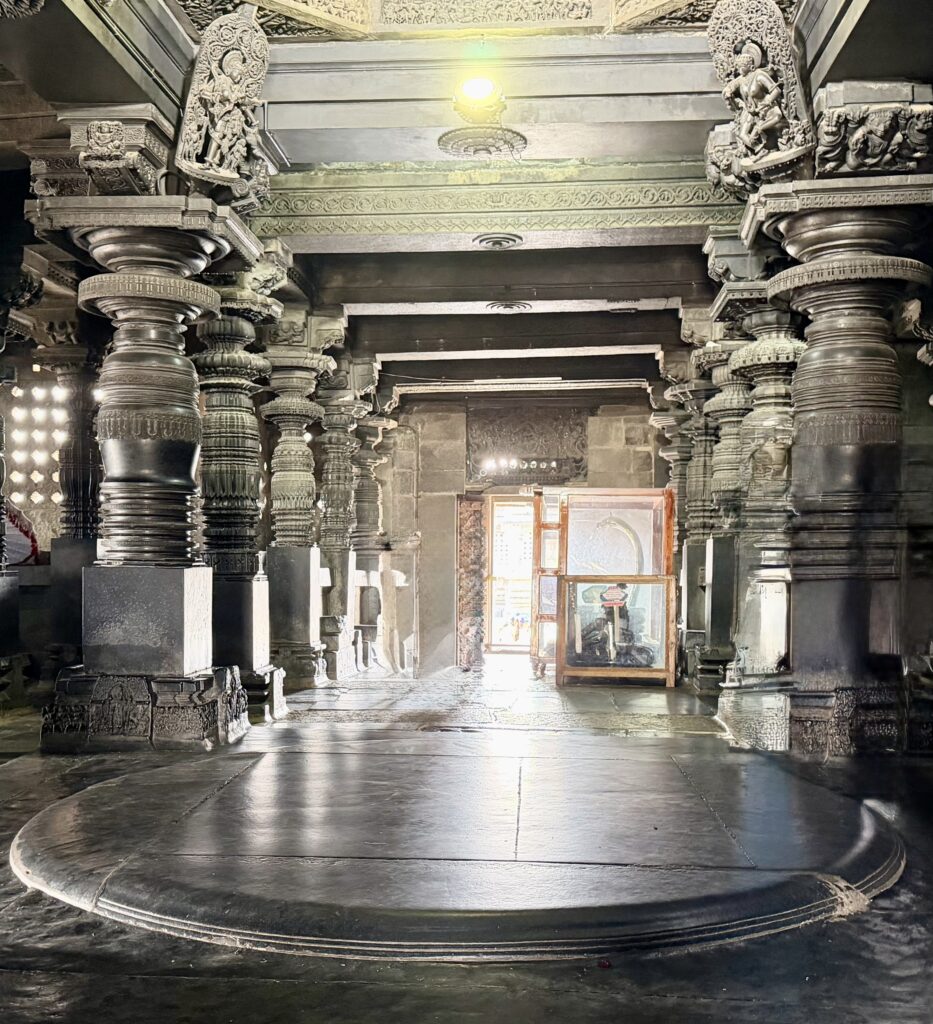
The most noted pillars are the – Mohini Pillar, and the the pillar with a bas-relief of Lord Vishnu. The central circular space was probably used as a dance floor. The top of the pillars around this space has intricately carved dancing figures.
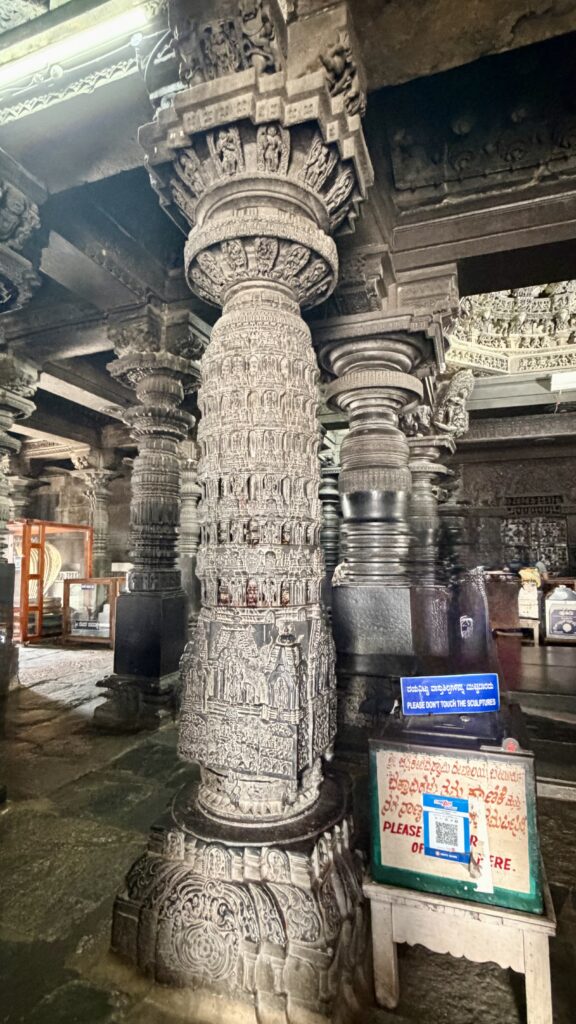
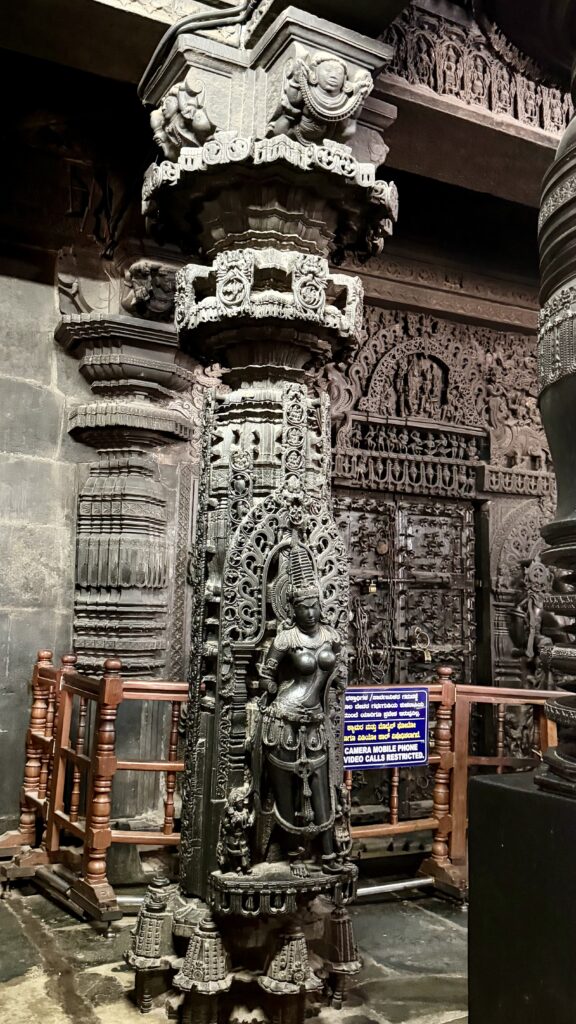
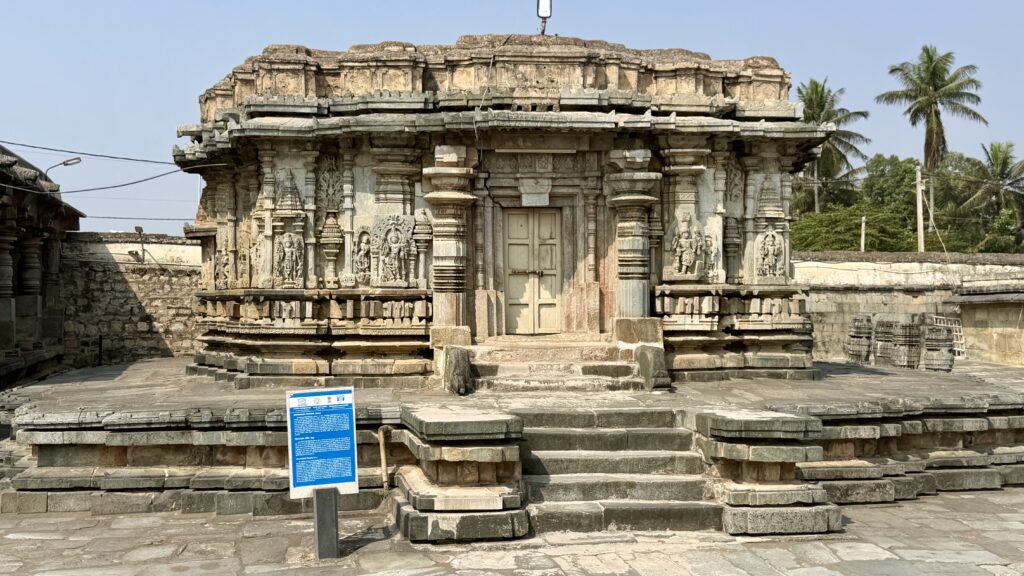
A few other shrines around the complex include a Veeranarayana shrine dedicated to Vishnu and built around 12th century CE.
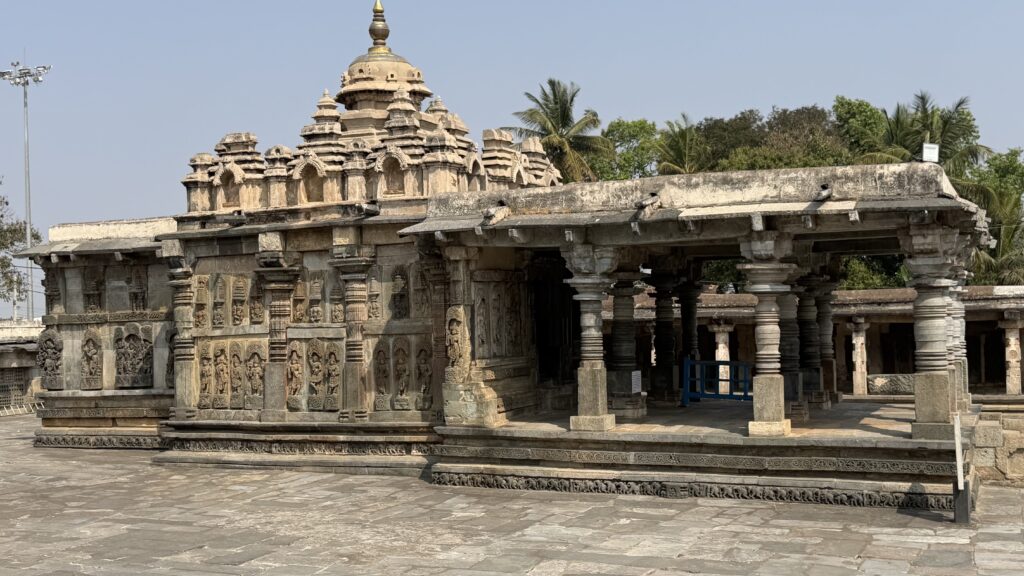
There is another shrine dedicated to Goddess Andal, locally known as Ranganayaki. It was constructed during the Vijayanagara period using the materials collected from the ruined Hoysala temples and is evident from the sculptures on the exterior walls.
Belavadi Veeranarayana Temple – is another remarkable Hoysala-era triple-shrine Hindu temple that was built around 1200 CE, and is one of the best-preserved Hoysala monuments, protected by the Archaeological Survey of India.
The temple features three separate square sanctums connected by a large ranga-mandapa (pillared hall) measuring about 103 feet across. The main east-facing shrine is dedicated to Vishnu in the form of Veera Narayana, while the north-facing shrine is dedicated to Gopala (Krishna) and the south-facing shrine to Yoga-Narasimha.
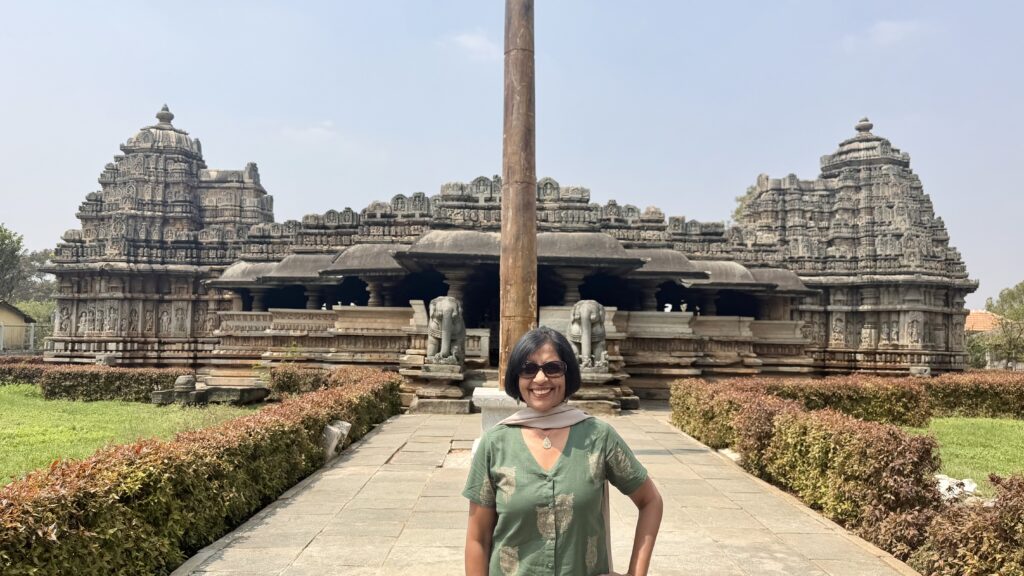
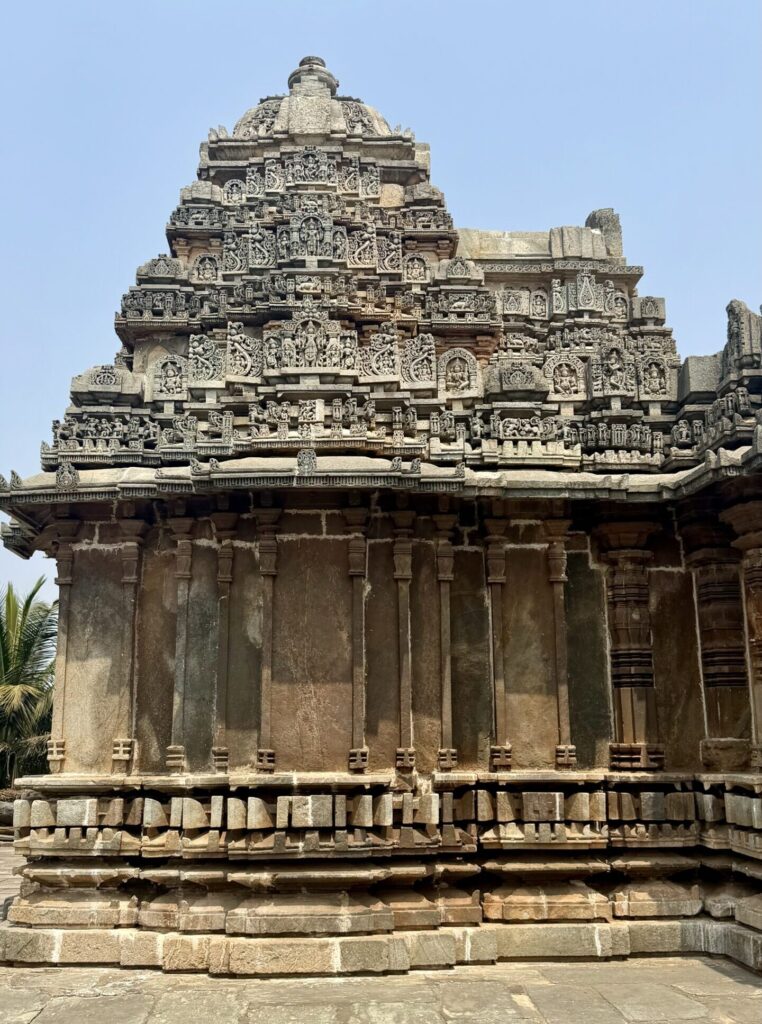
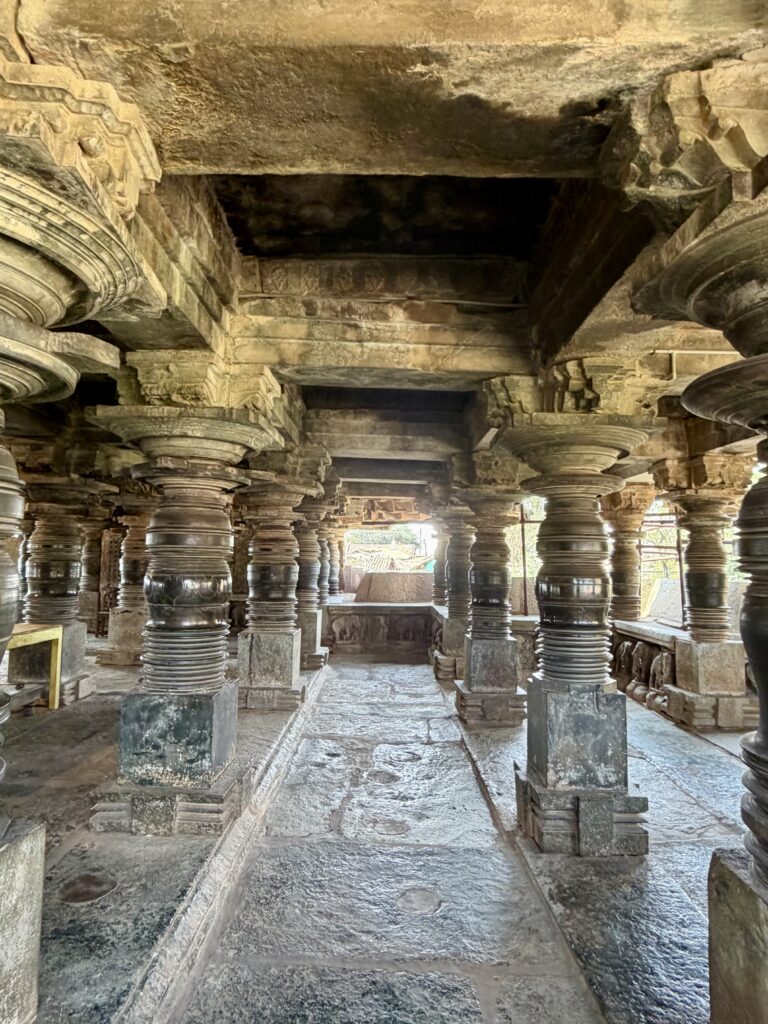
Architecturally, the temple displays the classic star-shaped Hoysala style with intricate carvings, and finely polished lathe-turned pillars that resemble jeweled ornaments. The ceilings inside the hall feature beautifully carved panels depicting episodes from the life of Krishna and other Hindu legends. The temple complex was likely expanded in stages during the Hoysala period and later suffered some damage during the 14th-century invasions, after which certain additions were made for protection.
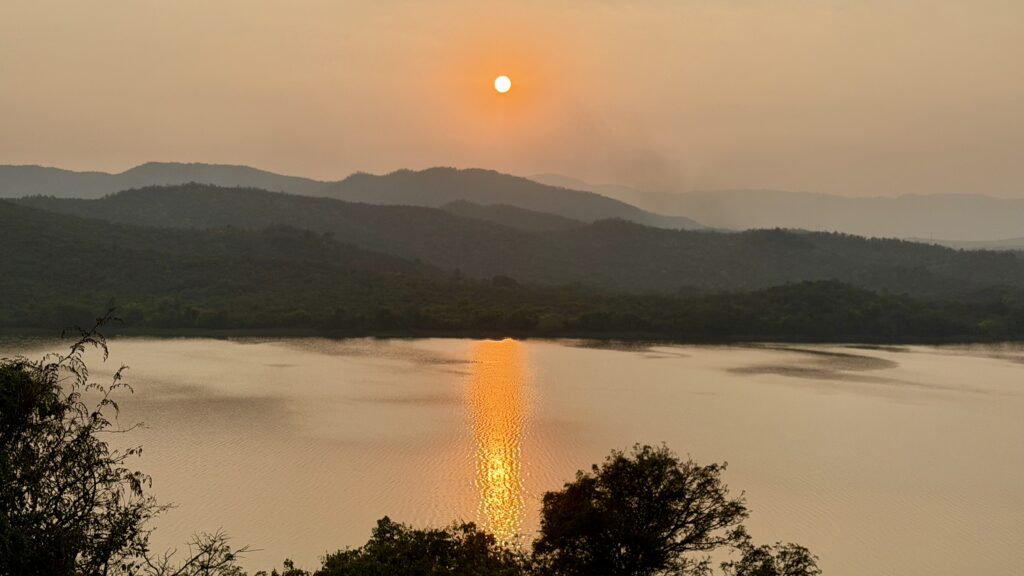
Ayyanakere Lake – In the evening, after resting for a couple of hours, we visited this calm and scenic lake to watch the sunset from a nearby viewpoint. Ayyanakere Lake is located about 18 km from Chikkamagaluru. It serves as an important irrigation source for agriculture, supplying water to several villages within a radius of about 15 km through a network of ten canals.
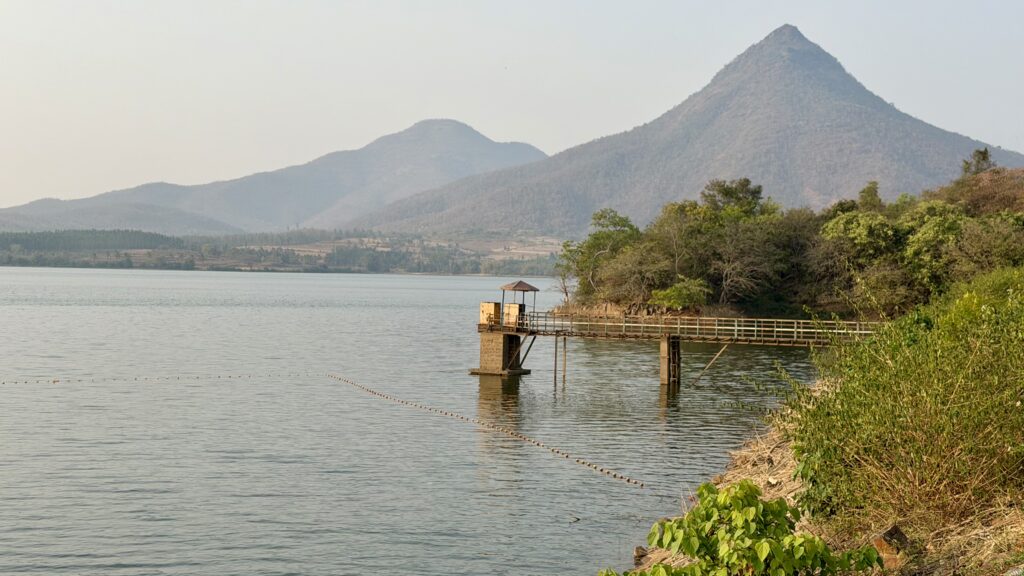
We were pleasantly surprised that despite its picturesque landscape, tranquil surroundings, and natural beauty, the lake remains relatively less crowded and largely untouched, making it a peaceful spot to relax and enjoy the sunset.