Visited in 2023, 2026
I lived in Bengaluru the first 10 years of my life. The memories of my happy childhood in this city is something I hold dear. Bengaluru, formerly called Bangalore, is the capital and largest city of the southern Indian state of Karnataka. Archaeological artifacts indicate that the human settlement in the region happened as early as 4000 BCE. The city is known as India’s “Garden City”, due to its parks and greenery. Bengaluru is one of the fastest-growing cities in India. The city is a major hub for information technology, and is widely regarded as the “Silicon Valley” of India.
———— 2023 Visit ————
I visited the city in February of 2023 after more than 30 years, to attend a wedding. On the last day of our really short visit, we had some free time and decided to see some of the major sites around Bengaluru. As in other major cities around India, Bengaluru traffic scene is no different. Be prepared to get stuck in traffic (sometime for hours) any time of the day or night. You can do nothing about it, just be patient and try to see whatever you can. We rented a car and driver for a 5 hour period and covered the following sites:
- Vidhana Soudha
- Lalbagh Botanical Gardens
- Cubbon Park
- Tipu Sultan’s Summer Palace
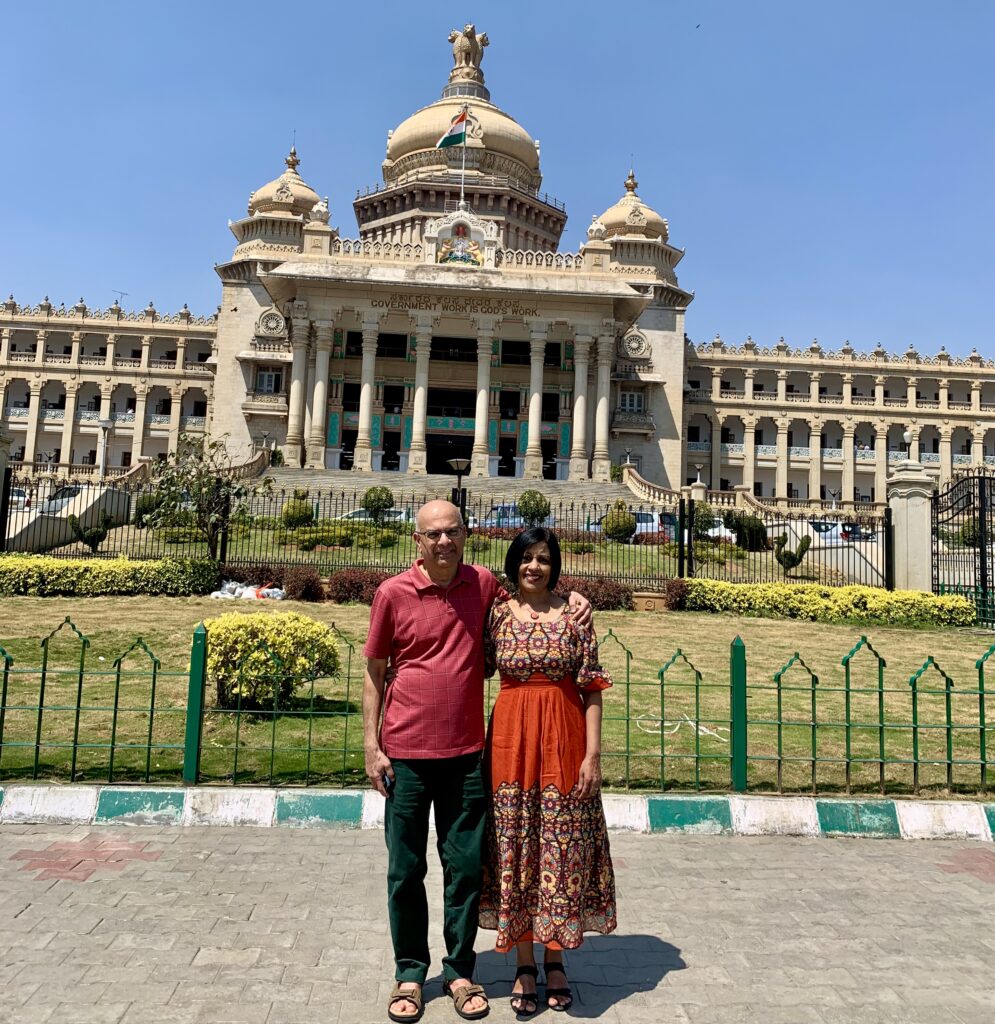
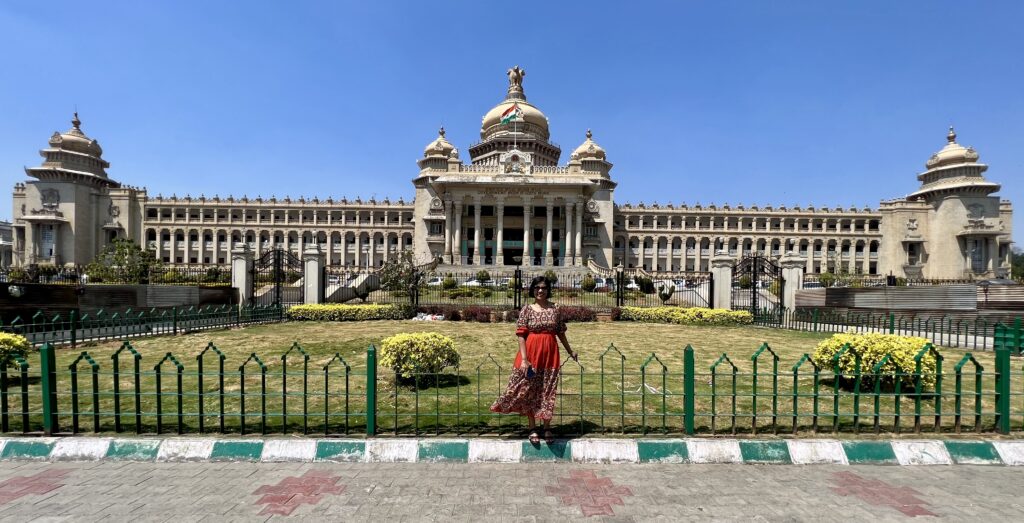
Vidhana Soudha (Legislative House) – is the seat of the Karnataka state legislature and was built between 1952-1956 with mostly granite, excavated from the areas around Bengaluru.
This magnificent building is 700 feet in length, width of 350 feet and height (measuring from floor level to top of central dome) of 150 feet.
One of the interesting feature of this building in grand stairs in its front. It has a flight of forty-five steps 204 feet wide 70 feet deep giving a direct access to the foyer of first floor leading to an Assembly Chamber. The building is not open to public as far as I know.
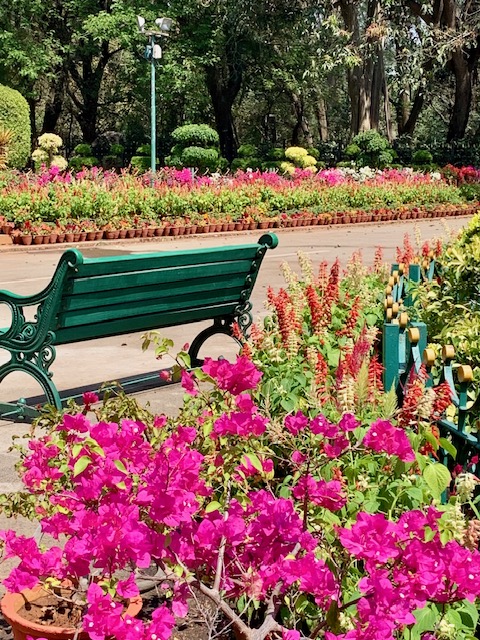
Cubbon Park – Situated within walking distance of Vidhan Soudha and in the heart of the city, this massive green park has well maintained lawn and a well laid out walking path.
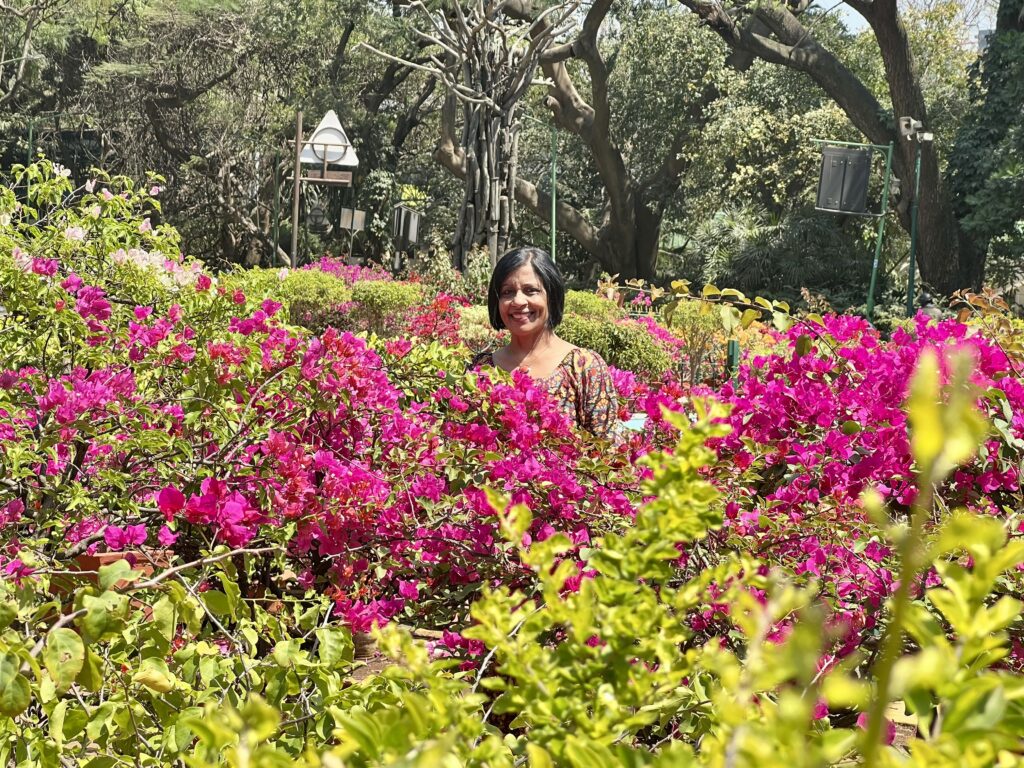
Tipu Sultan’s Summer Palace – is an example of Indo-Islamic architecture and was the summer residence of the Mysore ruler Tipu Sultan. Hyder Ali, father of Tipu Sultan, commenced its construction within the walls of the Bengaluru fort and the palace was completed in 1791 during Tipu Sultan’s reign. After Tipu Sultan’s death, the British used the palace for its secretariat. Today the Archaeological Survey of India maintains it.
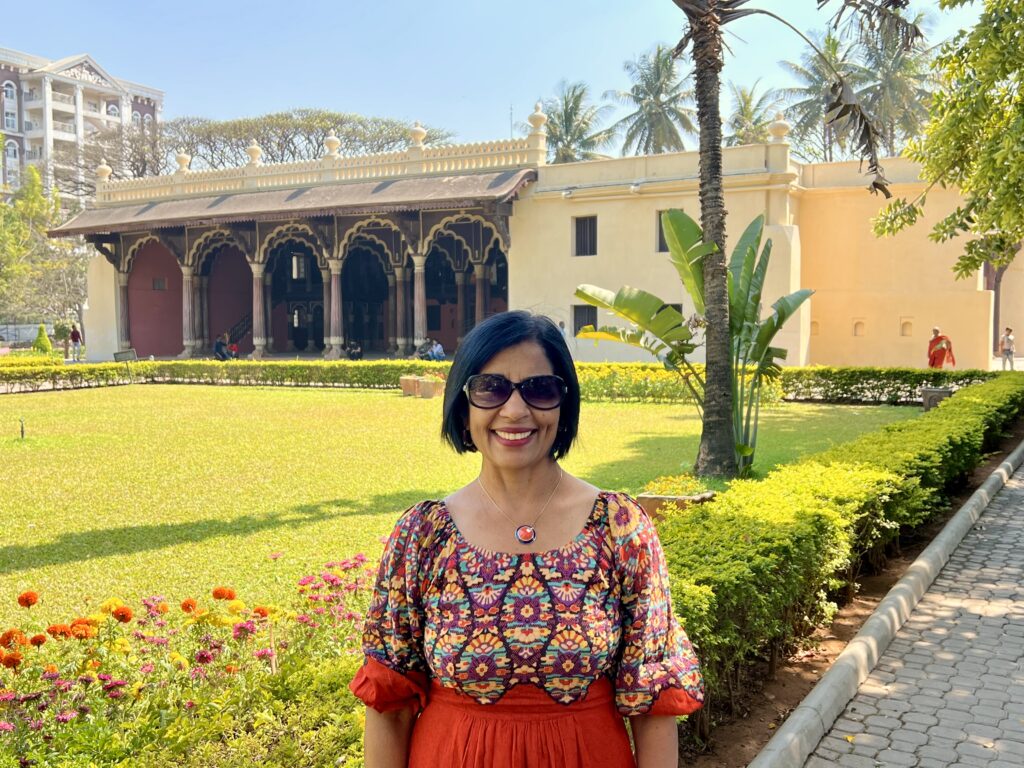
The structure was built entirely of teak and stands adorned with pillars, arches and balconies. It is believed that King Tipu Sultan used to conduct his durbar (court) from the eastern and western balconies of the upper floor.
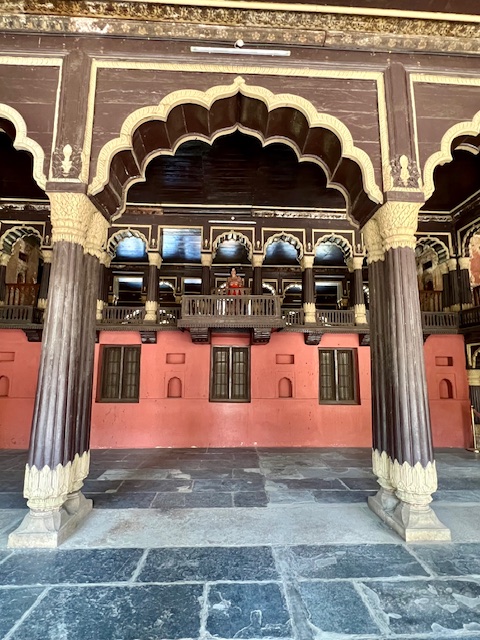
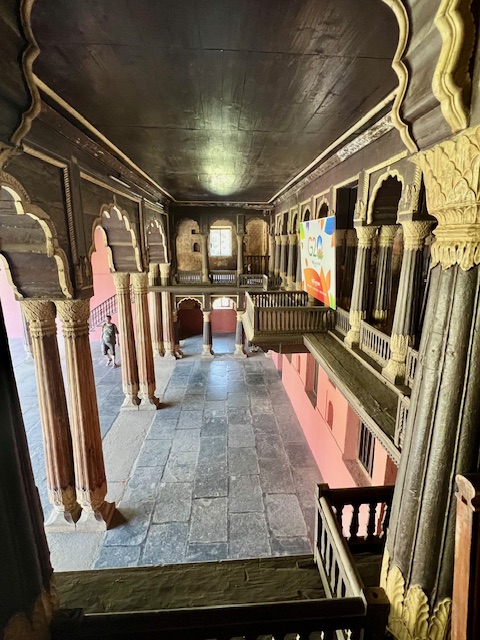
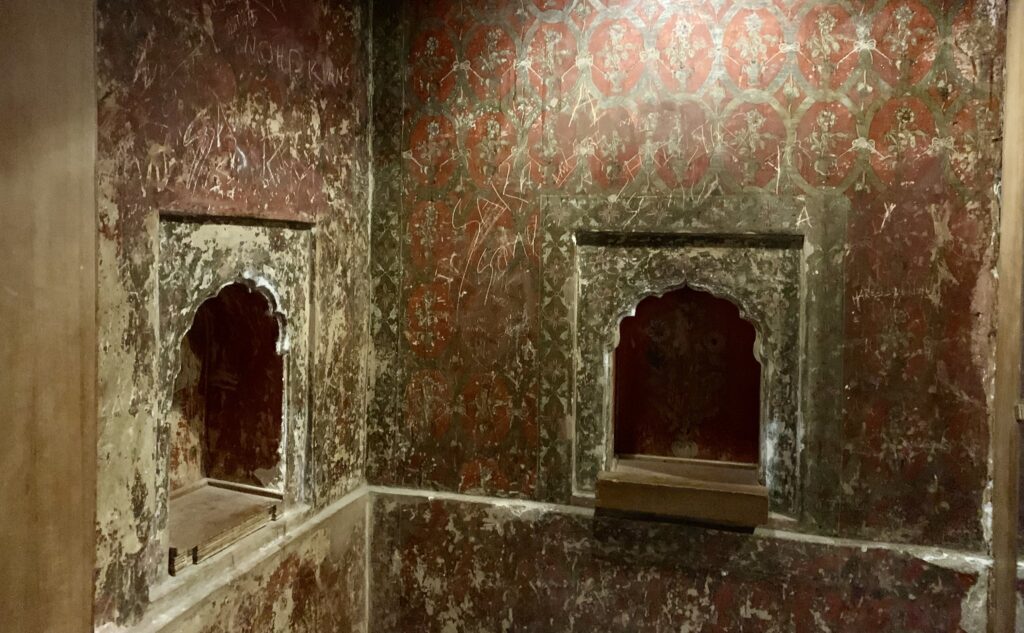
There are four smaller rooms in the corners of first floor which were Zenana Quarters (Inner rooms where women lived). There are beautiful floral motifs embellishing the walls of the palace.
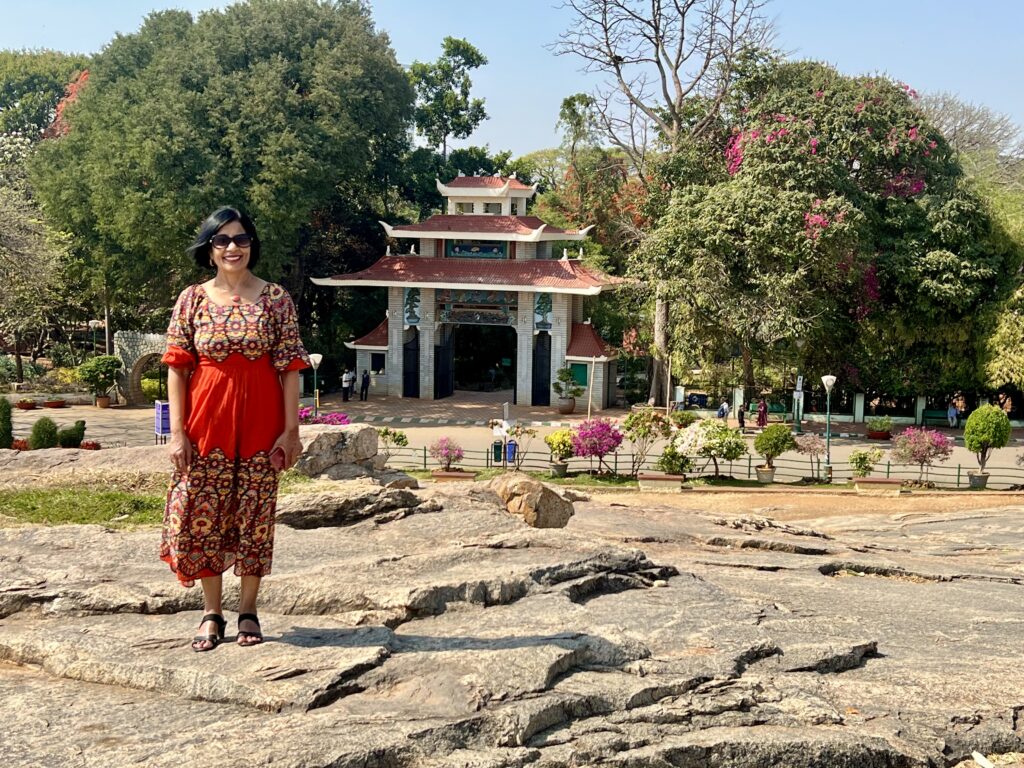
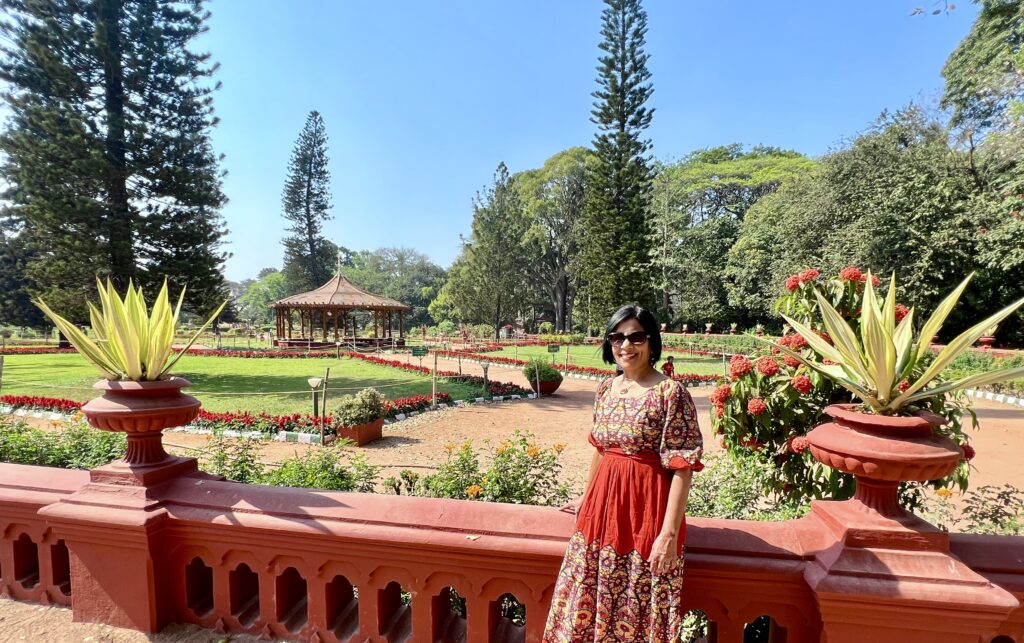
Lalbagh Gardens – King Hyder Ali commissioned the building of this garden in 1760, but his son, King Tipu Sultan, completed it. Spread across 240 acres of land, Lalbagh is a haven for relaxation and recreation. The expansive lawns and serene lake are perfect spots for picnics, morning jogs, or a quiet afternoon of reading. The park’s well-maintained paths are ideal for leisurely strolls, allowing you to soak in the natural beauty at your own pace. Plan on spending at least an hour here.
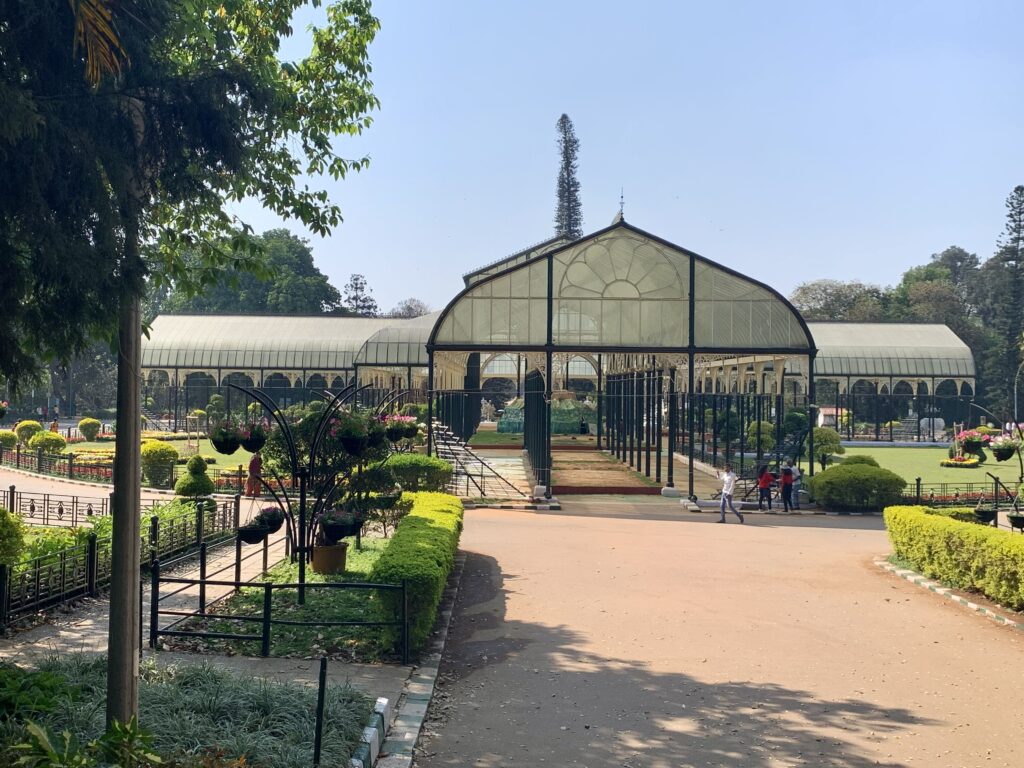
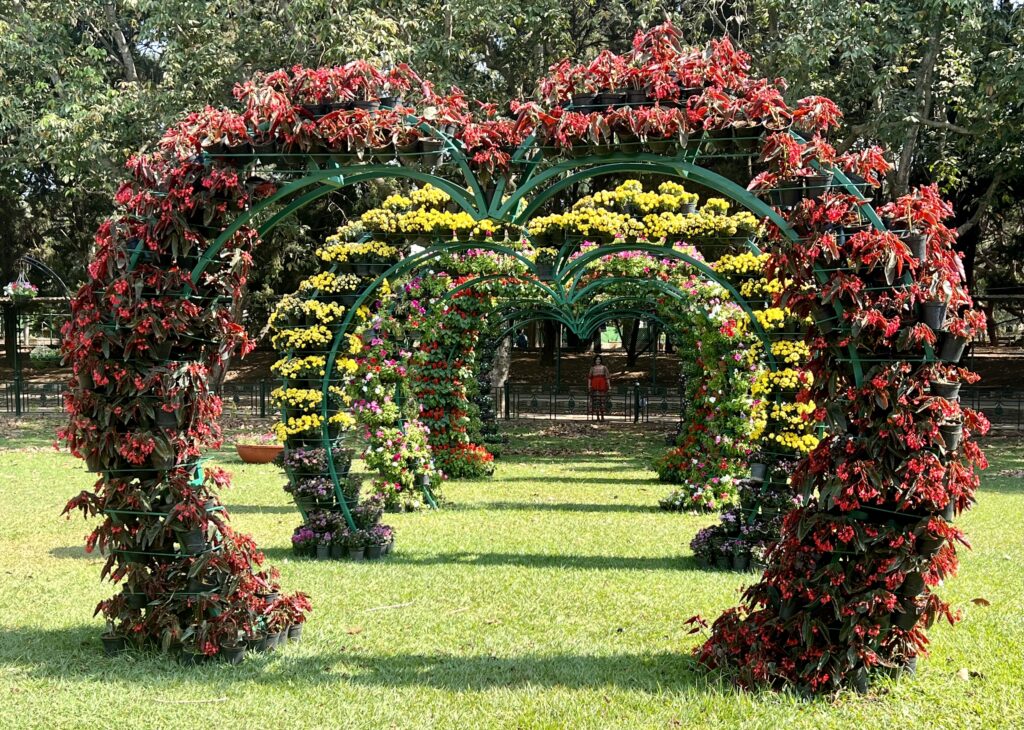
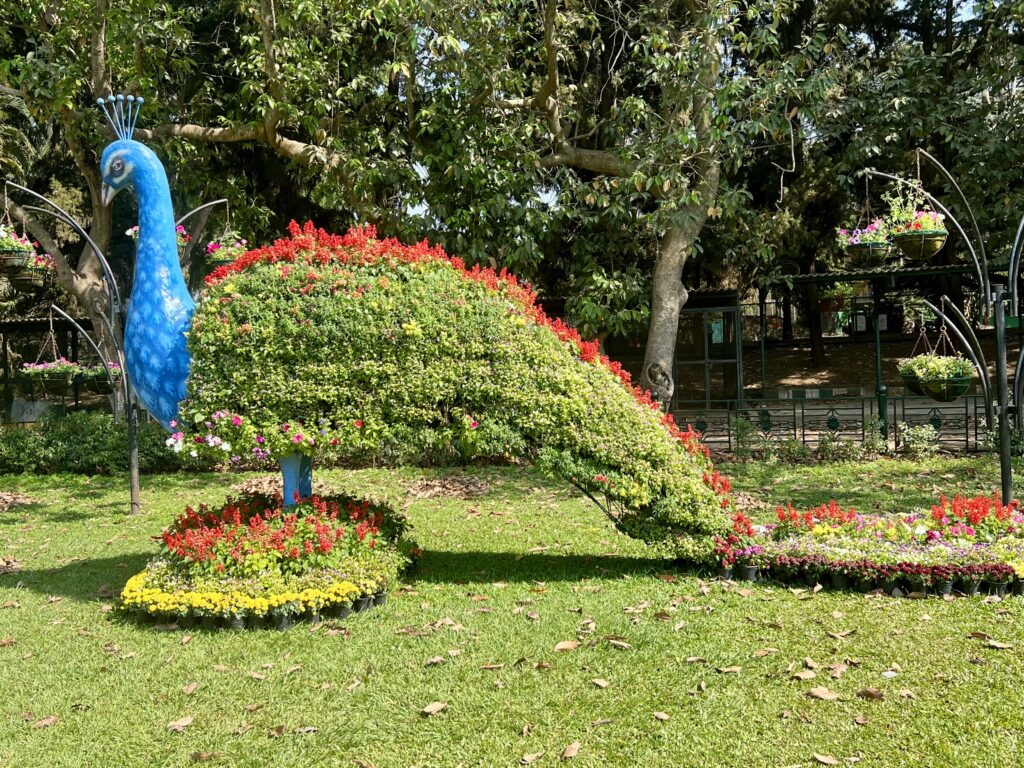
Lalbagh Glass House – A highlight of the visit to Lalbagh is the iconic Glass House built in 1889, inspired by the Crystal Palace in London. This grand structure hosts the bi-annual flower shows, which are a major attraction in Bengaluru. These shows, held in January and August, showcase intricate floral arrangements and rare plant species, drawing visitors from all over the country.
———— 2026 Visit – 2 nights in Radisson Ulsoor ————
- Ulsoor Lake
- Gurudwara Sri Guru Singh Sabha
- St. Francis Xavier’s Cathedral
- Nandi Hills
- BhogaNandeeswara and Arunachaleswara
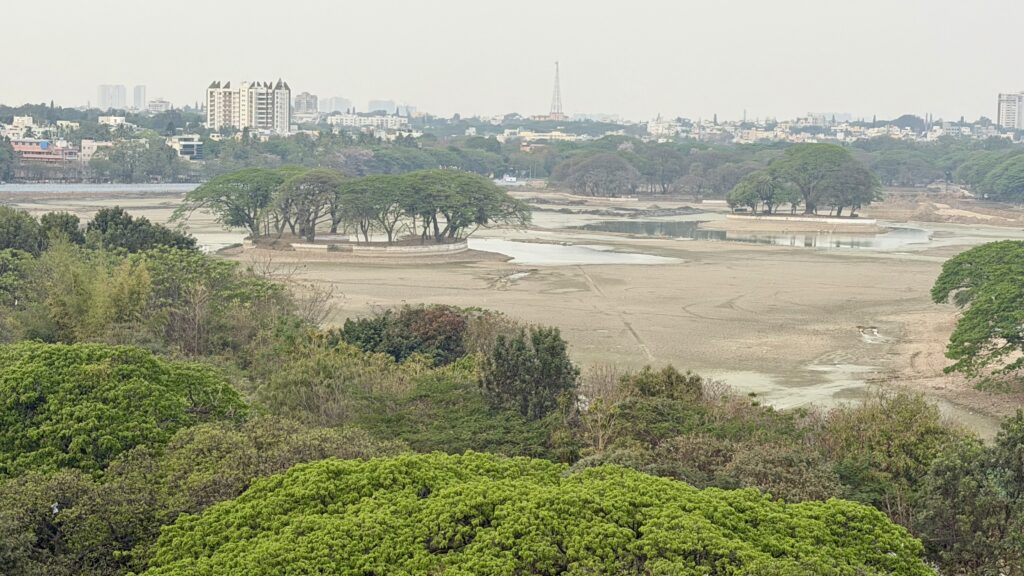
Ulsoor Lake – also known as Halasuru Lake, is one of the largest lakes in Bangalore covering about 50 acres. We could see this lake from the terrace of our hotel Raddison. There was not much water in the lake when we visited in the month of February, as it was after the monsoon season.
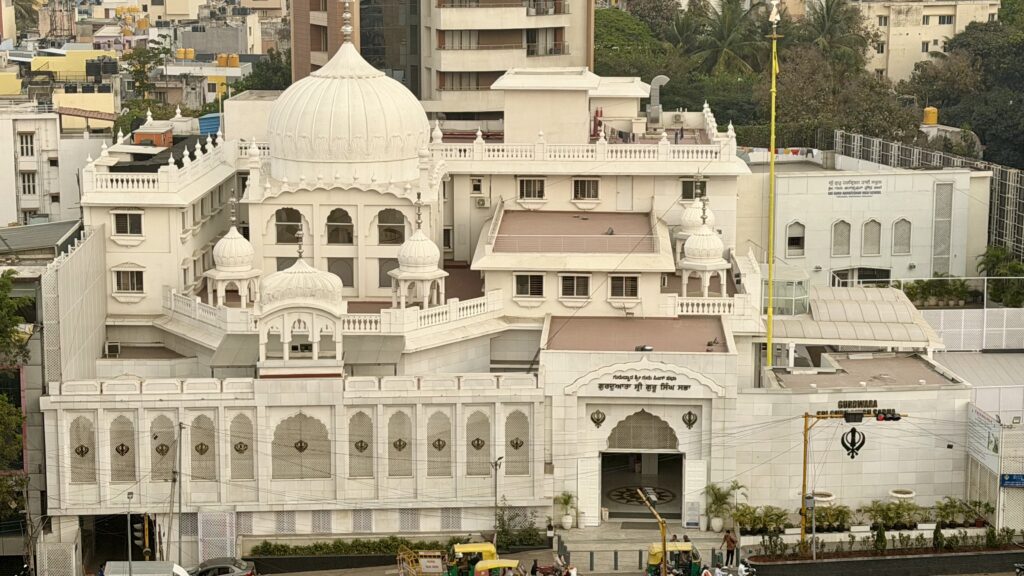
Gurudwara Sri Guru Singh Sabha – This striking Sikh temple in Ulsoor could be seen from our Radisson hotel room. The temple is free to visit and welcomes people of all backgrounds. As with all gurdwaras, visitors are required to remove their shoes before entering and to cover their heads as a sign of respect.
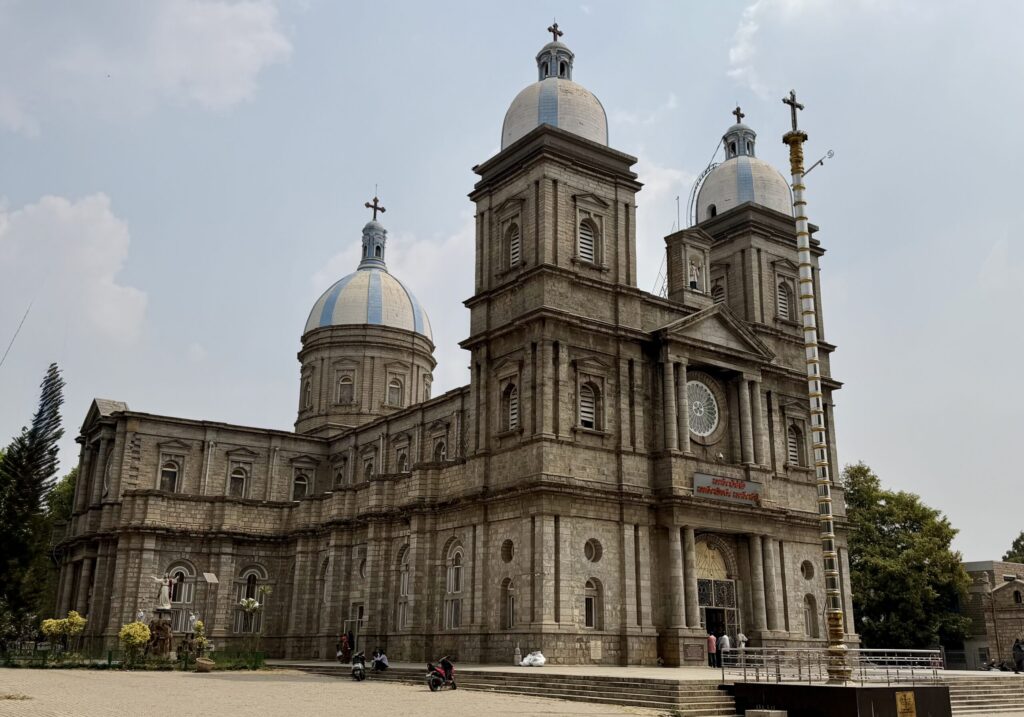
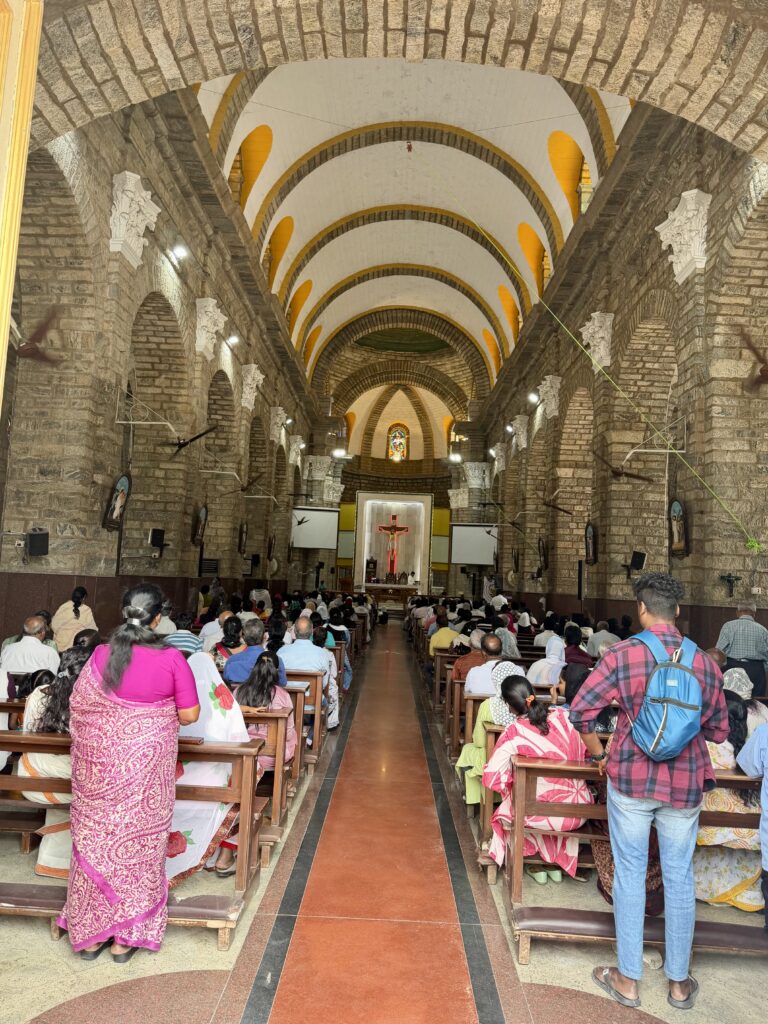
St. Francis Xavier’s Cathedral – Is a Roman Catholic Church that was originally built in 1851 as a parish church to serve the growing Catholic population in Bangalore, especially Tamil-speaking Christians. When the Diocese of Mysore was divided in 1940, the new Diocese of Bangalore was formed, and the church was elevated to cathedral status.
The cathedral is built in a Gothic Revival style, and underwent major renovations and expansion in the early 20th century, giving it its present grand appearance. The church is Dedicated to Francis Xavier, the 16th-century Jesuit missionary and co-founder of the Society of Jesus.
Nandi Hills – is an ancient hill fortress built by the Western Ganga dynasty and is Located about 60 km from Bengaluru, near the town of Nandi. Traditionally believed to be the source of several rivers including the Arkavathy, Ponnaiyar, Palar, Papagni, and Penna – the hills are a popular tourist destination, especially for sunrise and sunset views.
We had hired a car and driver, and the journey from Bangalore took nearly two hours. After parking, we purchased entry tickets (₹100/person). There are a few sites to see here after passing through the massive Fort walls. The fort walls at Nandi Hills, known as Nandidurg, are a historic 18th-century fortification, originally built by local chieftains of the Ganga Dynasty, with significant additions by Chikkaballapura Paleyagars. The walls were significantly strengthened by Hyder Ali and Tipu Sultan.
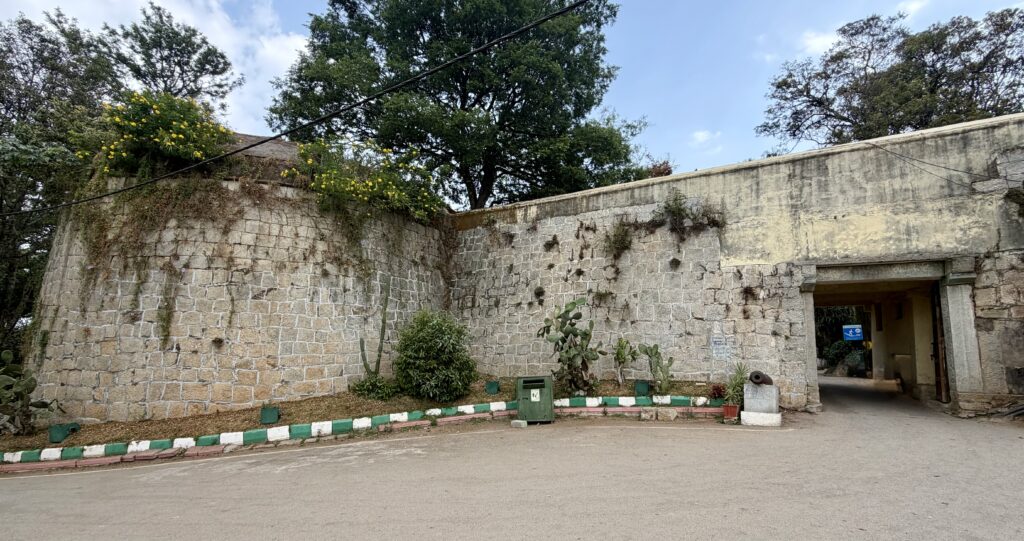
- Tipu Sultan summer lodge
- Amrita Sarovar
- Highest point of Nandi Hills
- Viewpoint
- Yoga Nandeeshwara Temple
- Nandi Statue
- Brahmashram
- Origin of Palar River
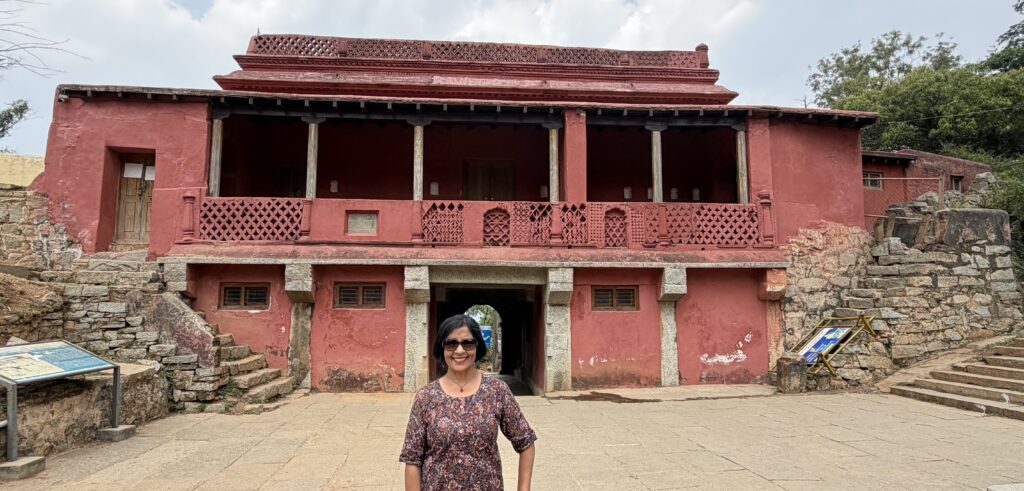
Nandi Hills, Tipu Sultan summer lodge – The lodge sits near the entrance of Nandi Hills, close to the historic Amrita Sarovar (a perennial water body) and fort remains, and offers scenic views of the surrounding hills. The summer lodge was built as a summer residence and retreat for Tipu Sultan, taking advantage of Nandi Hills’ cool climate during the hot season. Construction was started by his father Hyder Ali and completed by Tipu Sultan. It was used as a place to rest, hold meetings and perhaps enjoy nature away from the plains.
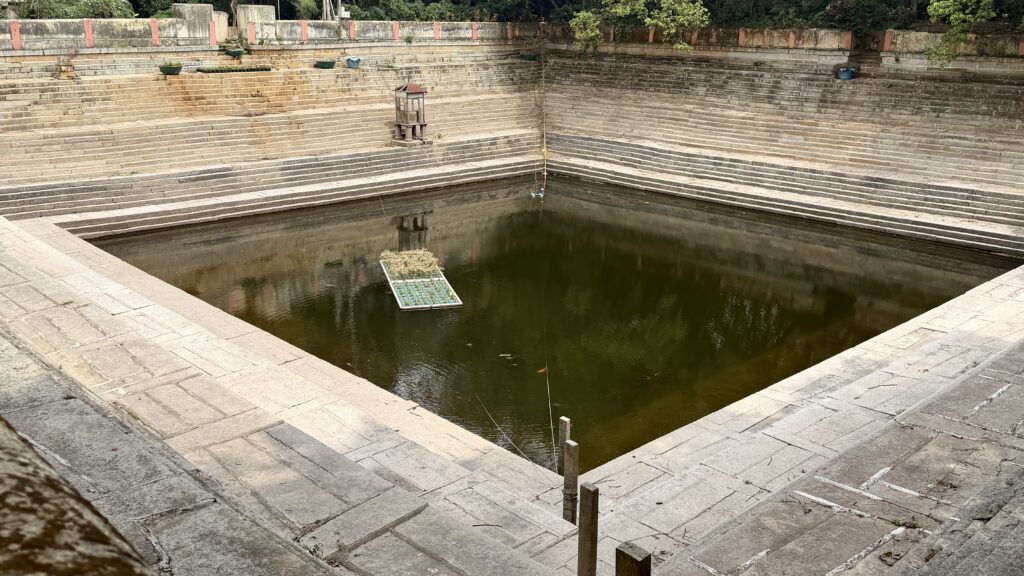
Nandi Hills, Amrita Sarovar – meaning Lake of Nectar, is a historic water body located right next to Tipu Sultan’s summer lodge. Formed by perennial natural springs, it has traditionally been a major source of water supply for the region. The steady spring-fed system allows the tank to retain water throughout the year.
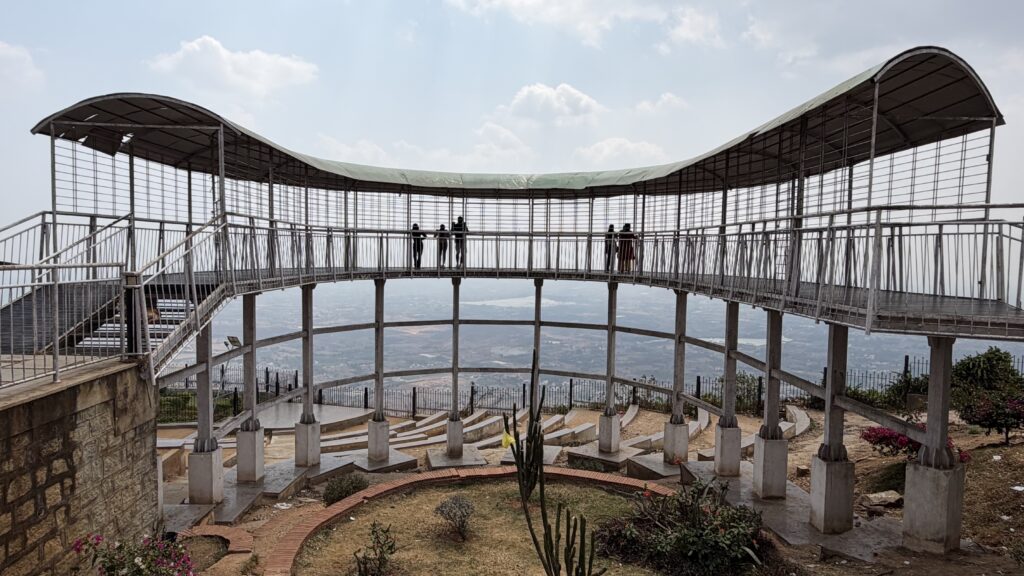
Highest point of Nandi Hills – is about 1.5 km from the main area. You have a couple of options to reach the top :
- Take a shuttle (₹20 one way), available every 10–15 minutes.
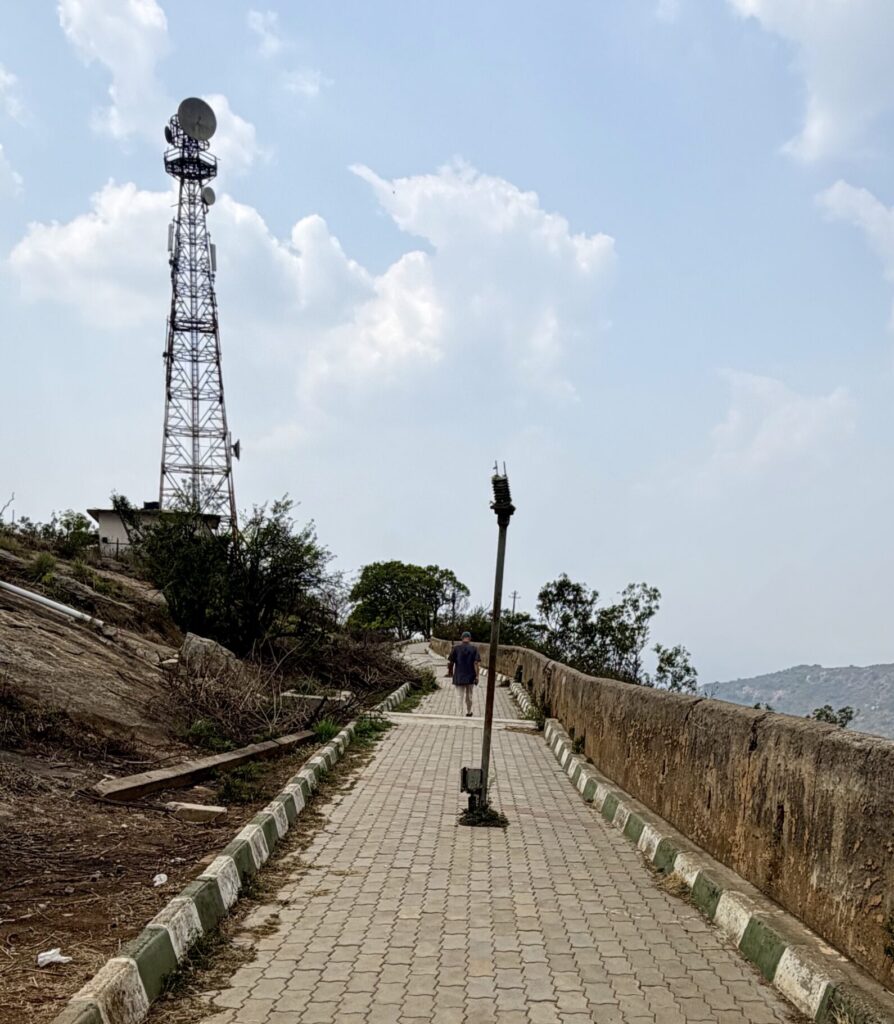
- Walk uphill, which takes around 40–60 minutes depending on your fitness level. The walking path to the top starts just behind Tipu Sultan’s summer lodge.
- We took the shuttle up and walked back down enjoying the scenic views.
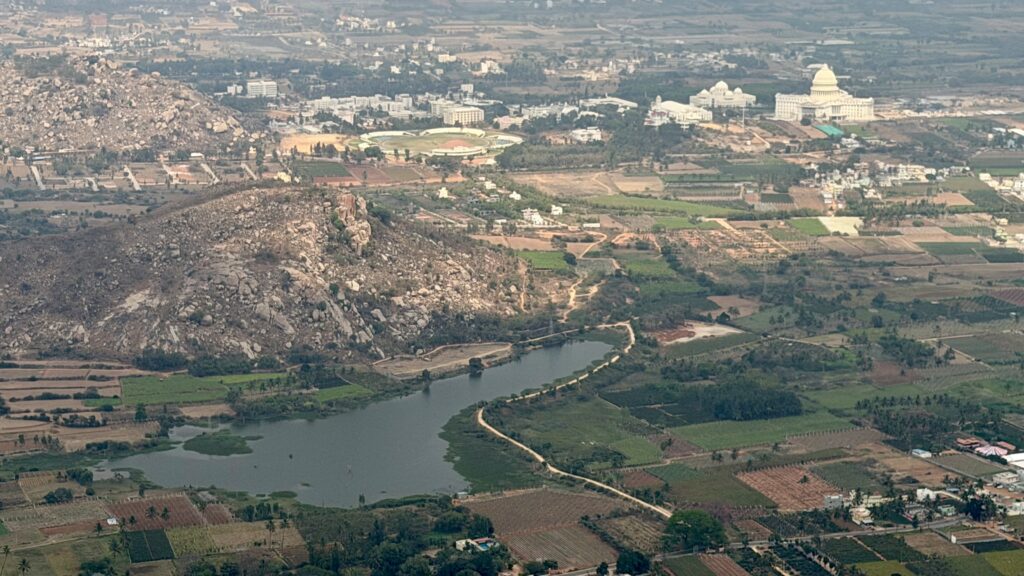
Highest point of Nandi Hills, Viewpoint – You get a great view of the Nandi village from the top.
Yoga Nandeeshwara Temple – This temple is situated at the highest point of the hill. Built by Cholas, this temple is dedicated to Lord Shiva.
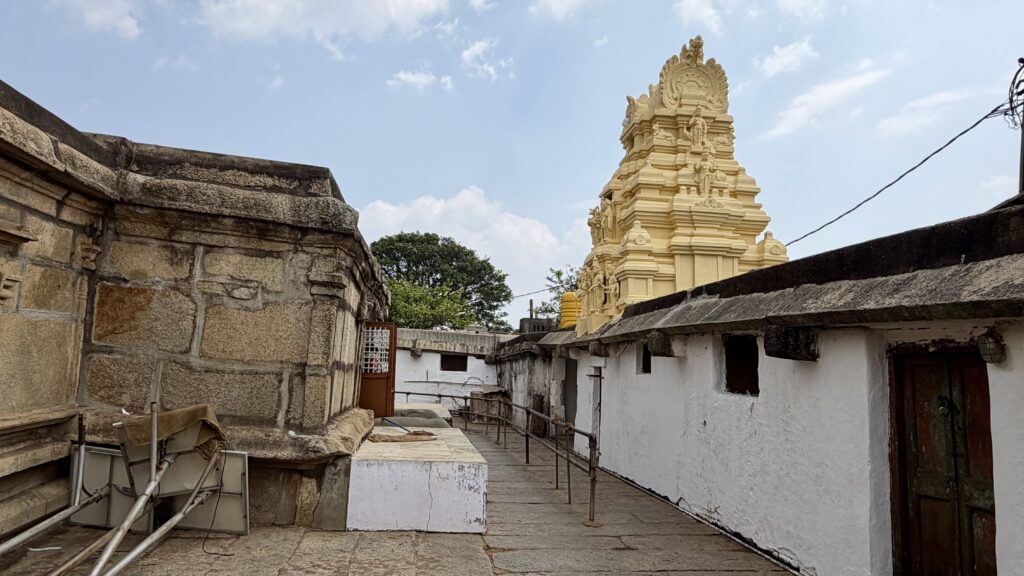
After visiting the temple, we walked around the area, which was peaceful with not much crowds since we had gone on a weekday morning. We then took the stone steps down to the scenic path leading back toward Tipu Sultan’s Summer Lodge.
- The path will lead you to the massive Nandi Statue, a striking monolithic sculpture of Nandi.
- Brahmashram – a small natural cave as well as a quiet spiritual spot. This spot was used by Sage Ramakrishna Paramhamsa for his meditation. The Sage was one of the devotees of Goddess Kali and this has made the site a popular pilgrimage spot.
- Further along is the origin point of the Palar River, believed to begin from springs in the hills.
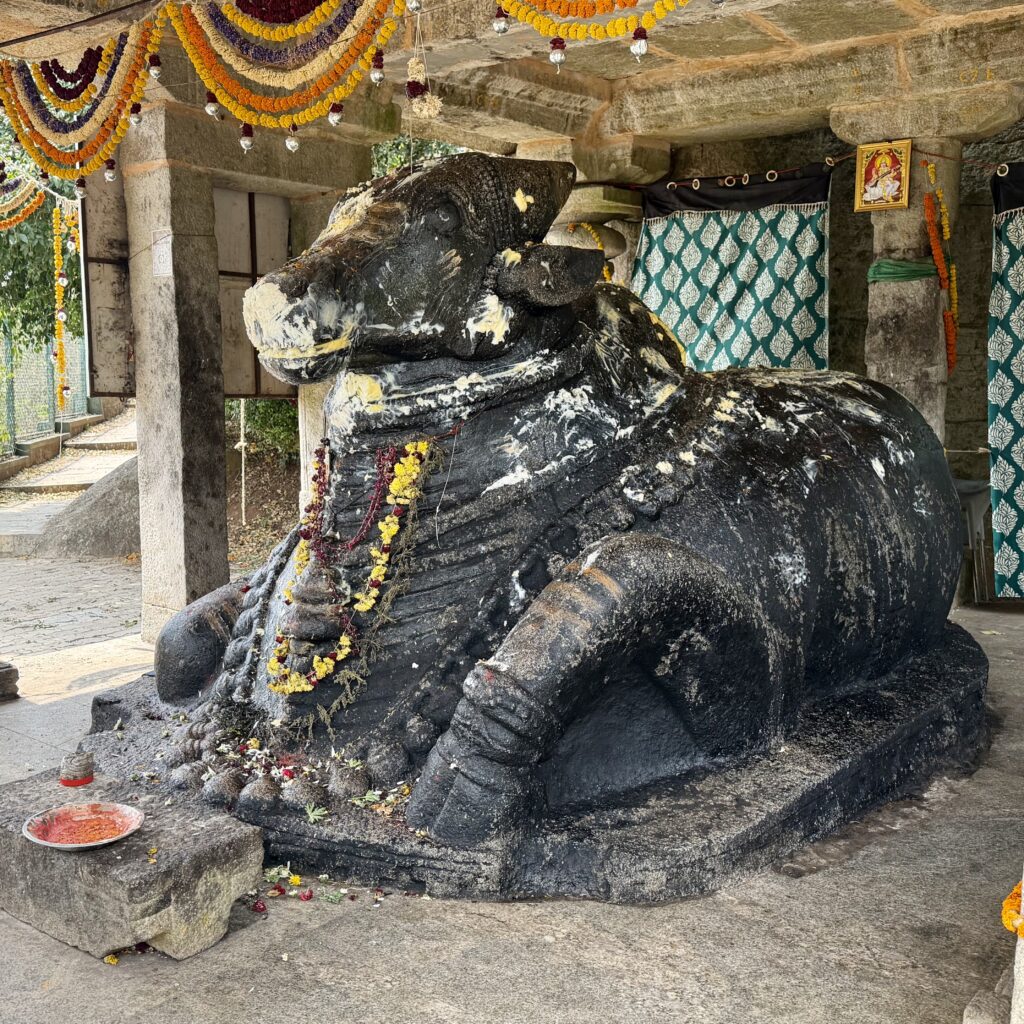
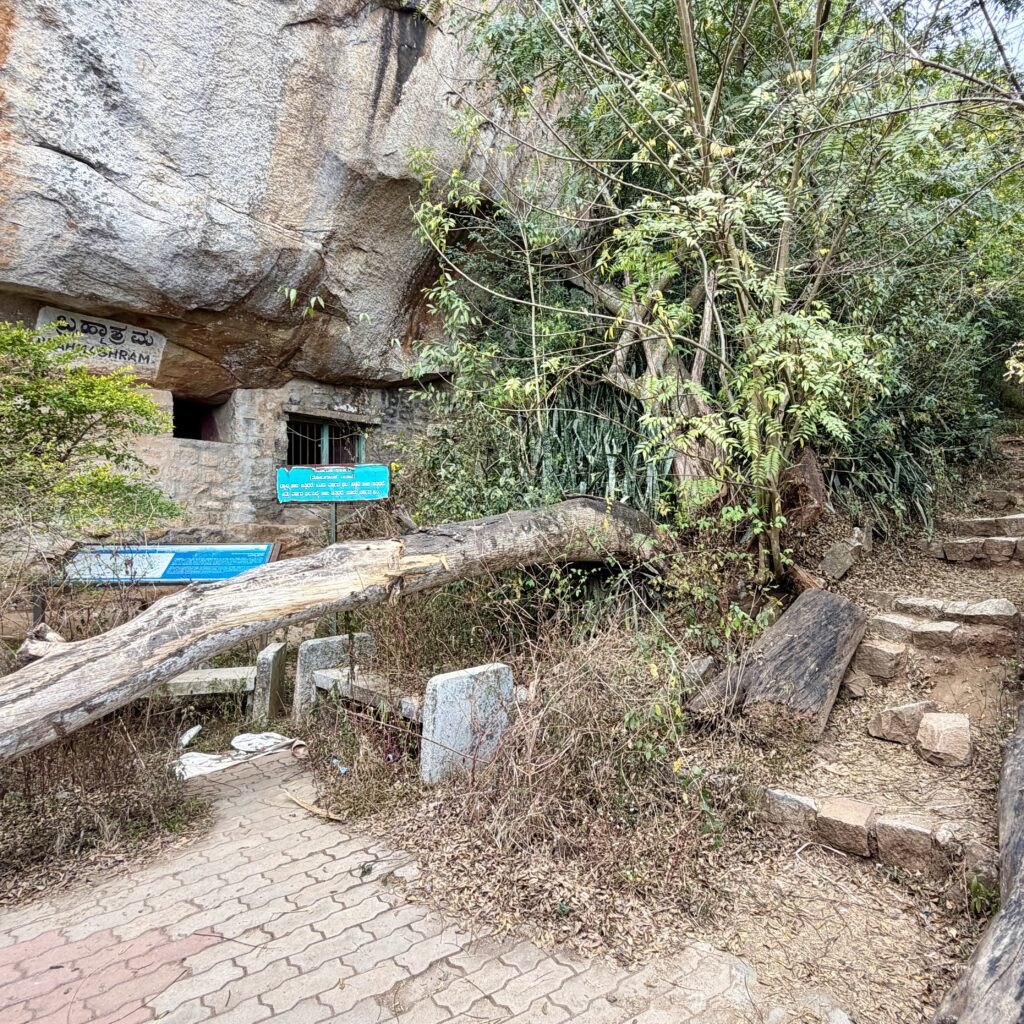
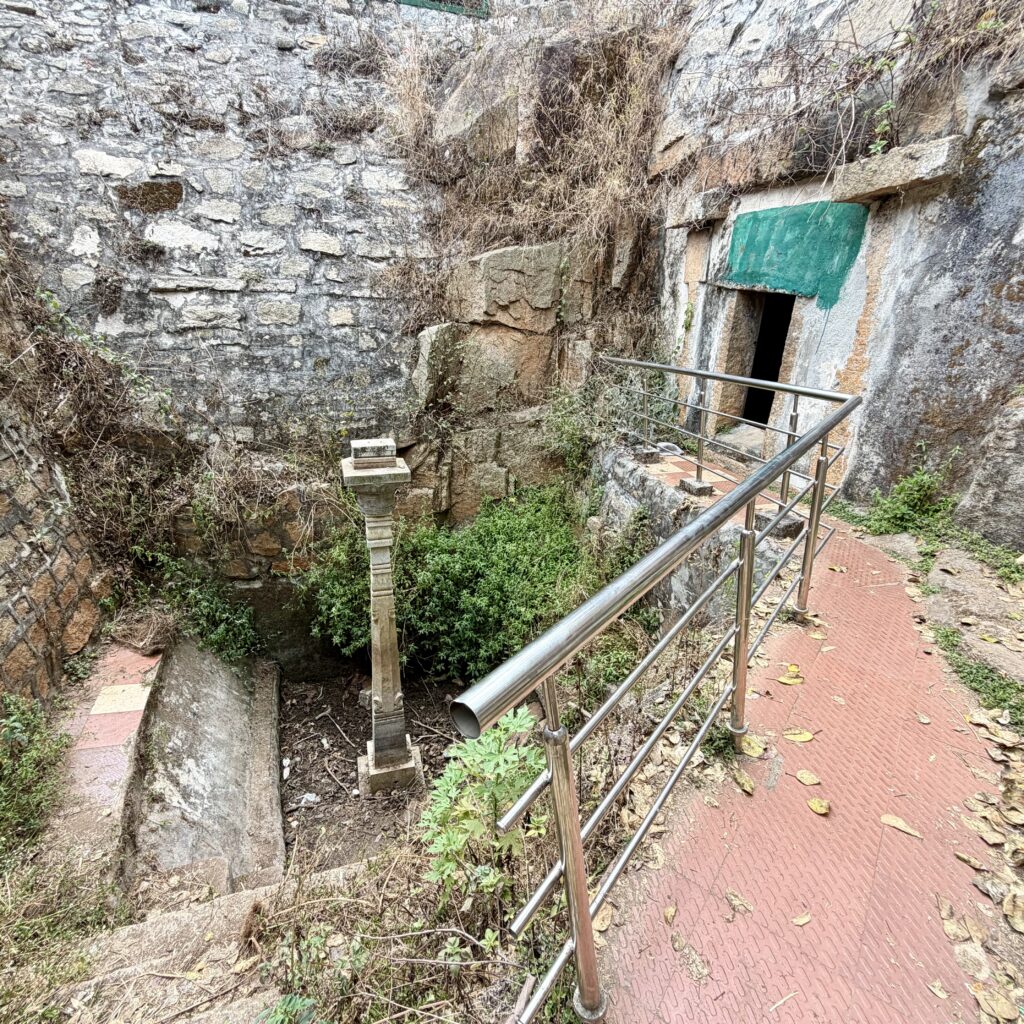
The entire stretch is scenic and calm, making the walk back both relaxing and memorable.
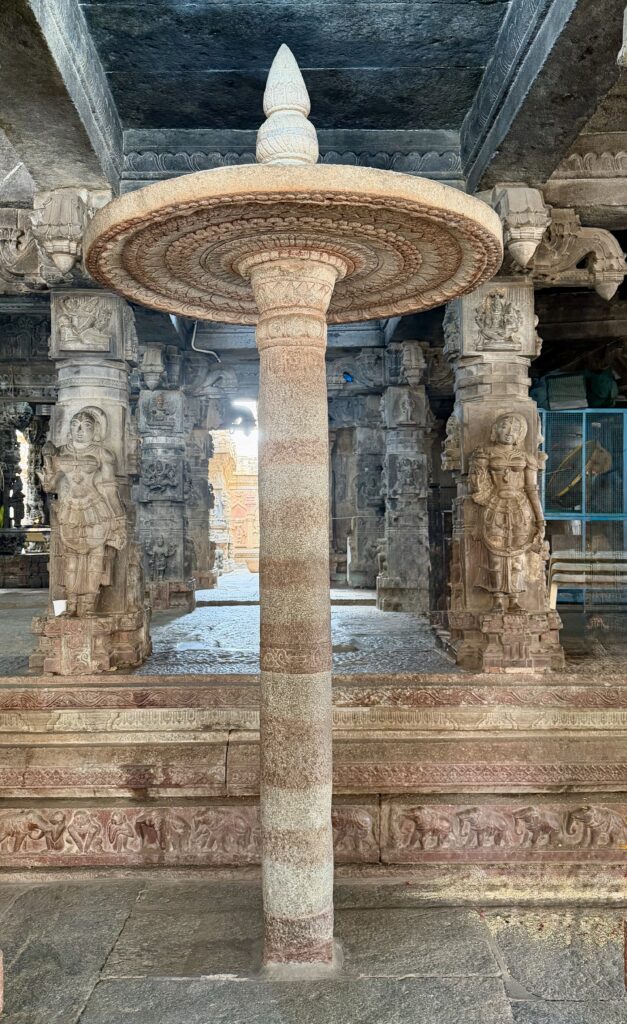
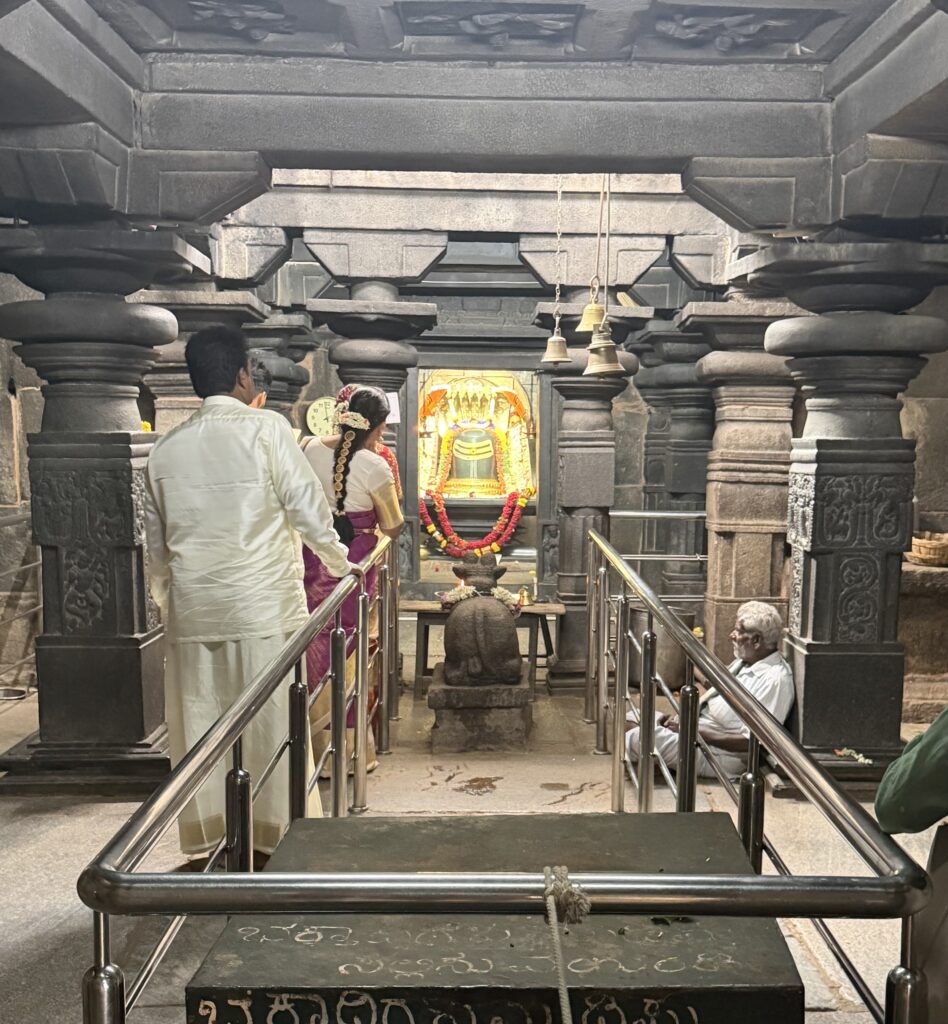
BhogaNandeeshwara Temple and Arunachaleswara Temple — After spending a couple of hours at Nandi Hills, we drove down to visit these twin Shiva temples located at the base of the hill. Dating back to the 9th–10th centuries, the temples are renowned for their beautiful architecture and intricate carvings. BhogaNandeeshwara is the older of the two, while Arunachaleswara was built shortly after and later expanded during the reign of the Chola Empire. The temples share a spacious courtyard and an open sabha-mandapa. Although architecturally similar, the newer Arunachaleswara shrine features more intricate artwork.
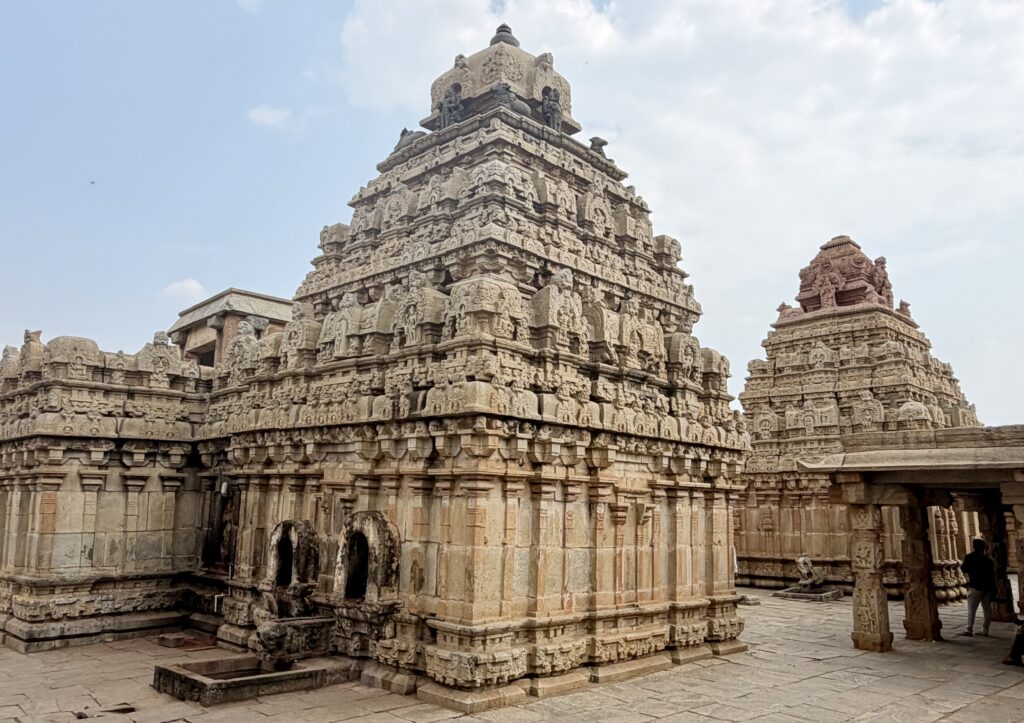
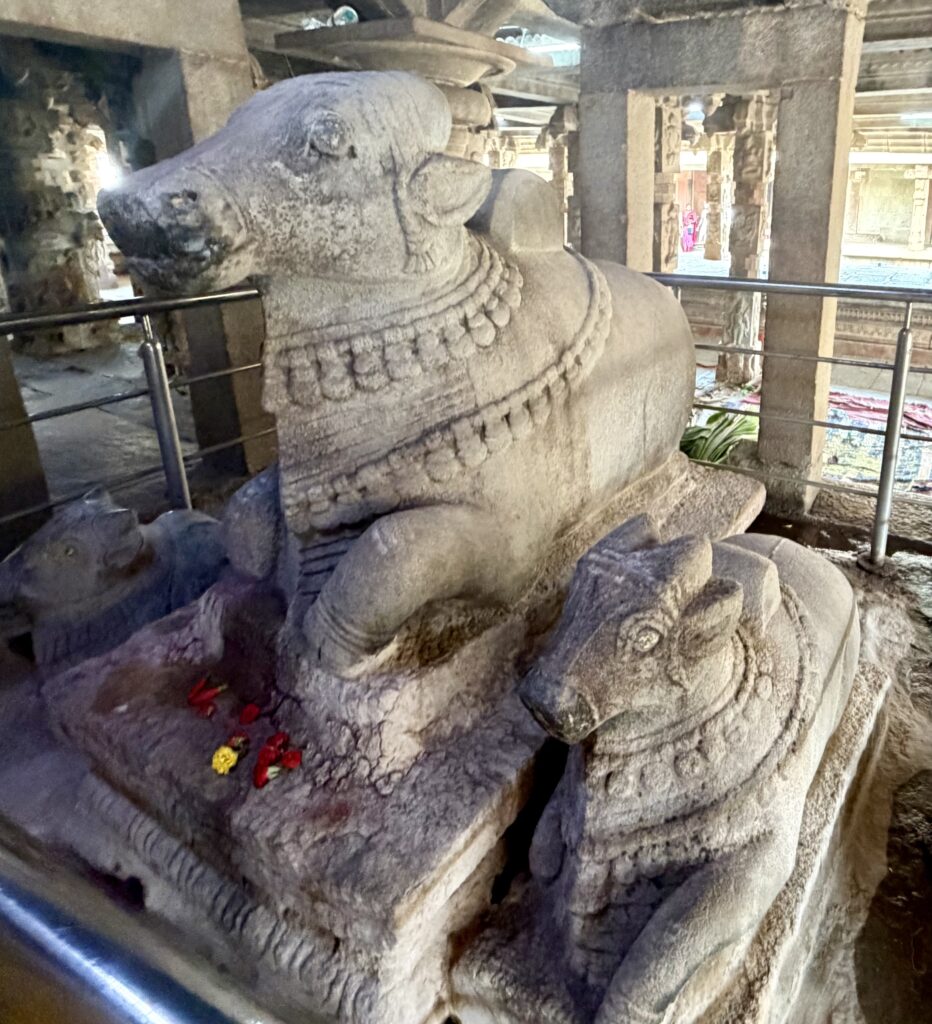
Each shrine houses a large linga in the sanctum—the universal symbol of Shiva—with a sculpture of Nandi, the sacred bull, placed in a pavilion facing the shrine. In front of the twin shrines stands the remarkable Stone Umbrella, a 12-foot-high monolithic granite carving dating back to the 9th century. The temple complex reflects the artistry of the Chola Empire and the Nolamba Dynasty, showcasing exceptional medieval engineering and intricate stone carvings.