Located in the Santa Clara Valley at the southern end of the San Francisco Bay Area, San Jose is the largest city in Northern California. Founded in 1777 as California’s first civilian settlement, it briefly served as the state’s first capital. Known as the Capital of Silicon Valley, it is a major technology hub and home to many of the high-tech companies. We have visited San Jose many times over the past 25 years, as we have family living there.
- Santana Row
- Monopoly in the Park
- Sonic Runway
- San José City Hall
- Municipal Rose Garden
- Cathedral Basilica of St. Joseph
- Intel Museum
- Winchester Mystery House
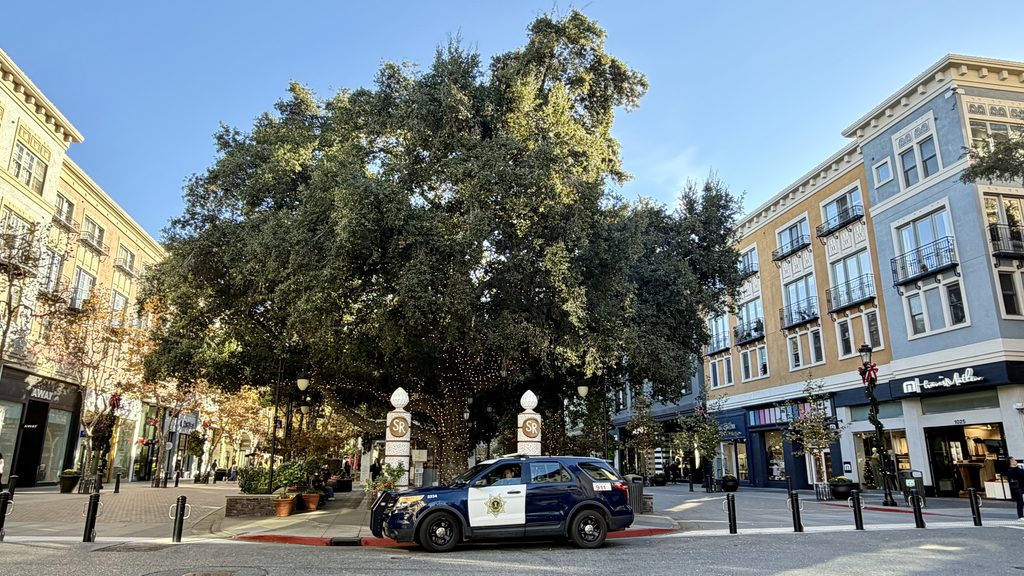
Santana Row – is an upscale district in West San Jose, developed in 2001–2002 as a village within a city. It features tree-lined streets, luxury shops, local boutiques, numerous restaurants, spas, a movie theater, and a hotel. It is a popular destination for shopping, dining, and strolling and takes its name from local planning commissioner Frank M. Santana.
Monopoly in the Park – is a life-sized Monopoly board recognized by Guinness World Records as the world’s largest. Designed as an interactive game garden, it allows visitors to become the playing tokens, with giant dice, houses, hotels, and oversized token hats.
The project was developed in two planned phases, with future additions including illuminated features, game tables, themed gardens, artwork, and an annual Monopoly tournament.
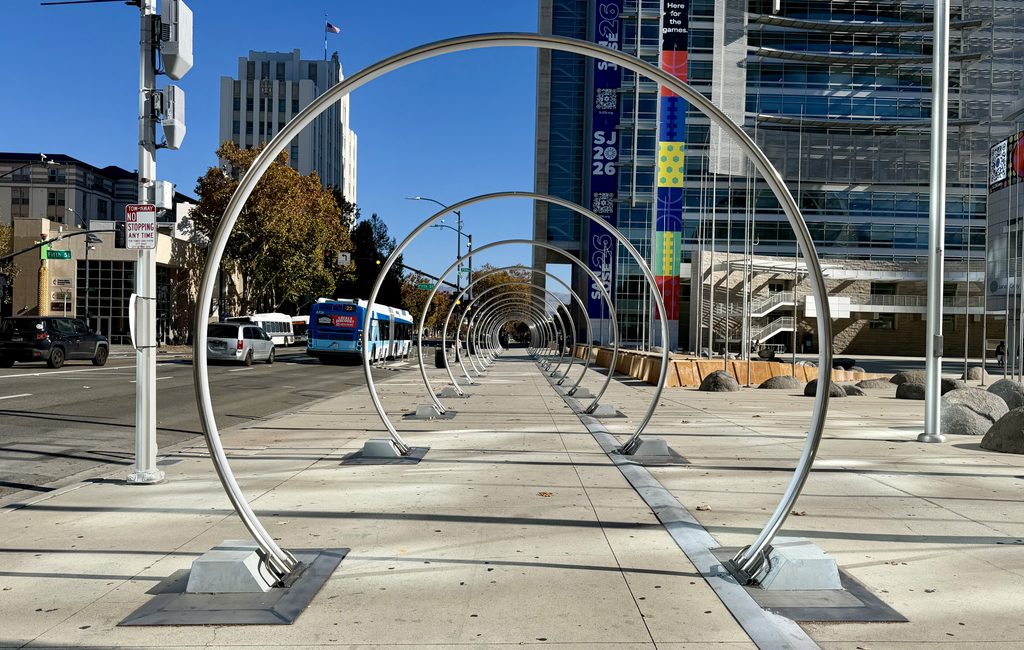
Sonic Runway – an interactive art installation that was built specifically for the Burning Man festival. This corridor of lights is synchronized to the Speed of Sound. Located in front of San Jose City Hall, the installation consists of 25 large metal circles that create a light tunnel synchronized with music. Sonic Runway can be used by musicians, sound artists, and other performers.
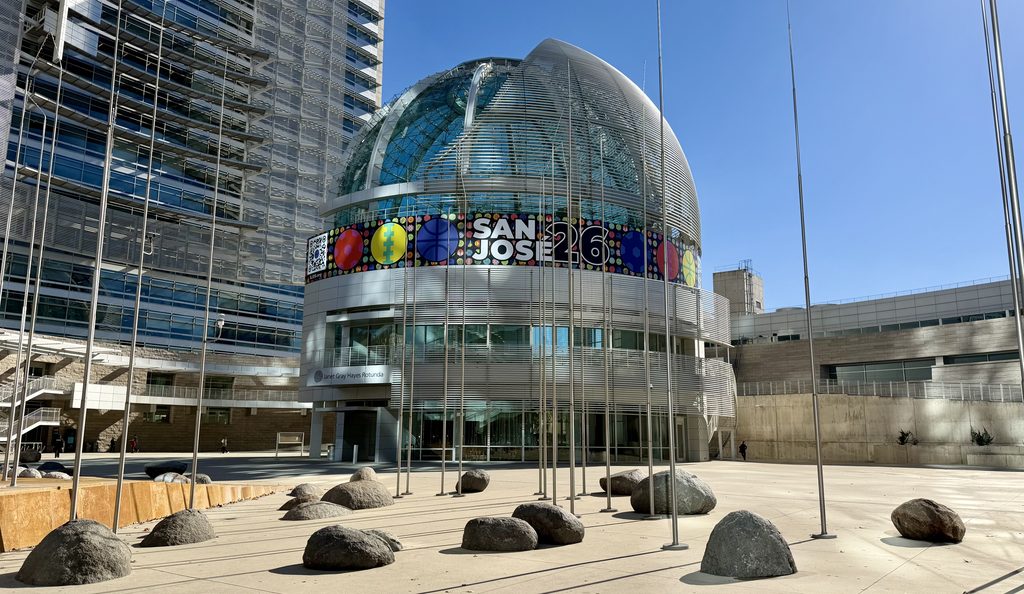
San José City Hall – located in the same plaza as the Sonic Runway, the city hall is the seat of the city’s municipal government. Designed by renowned architect Richard Meier, the striking modern complex opened in 2005 and features an 18-story tower, a distinctive glass rotunda, and a City Council chamber wing, all surrounding a spacious public plaza. The 285-foot tower is one of the city’s tallest buildings, while the glass rotunda is its most recognizable architectural feature. Its opening marked the city’s return to downtown after nearly 50 years.
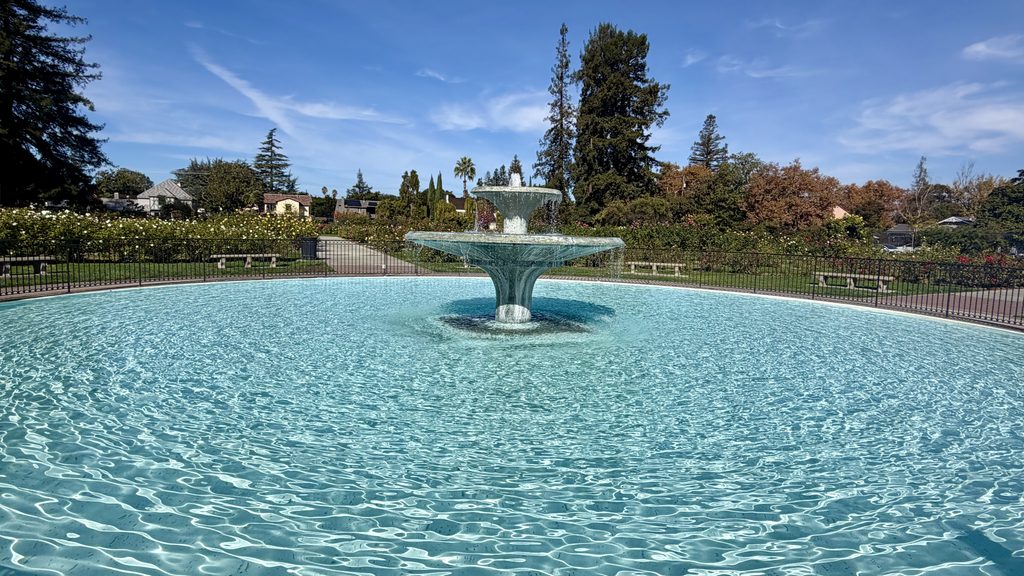
Municipal Rose Garden – established in 1927, this beautiful 5.5-acre historic garden is dedicated exclusively to roses. It features more than 3,500 rose shrubs representing 189 varieties. Originally a prune orchard, the garden was developed with the support of the Santa Clara County Rose Society and later restored through community volunteer efforts. In 2010, it was named America’s Best Rose Garden by the All-America Rose Selections, recognizing its beauty, creativity, and community involvement.
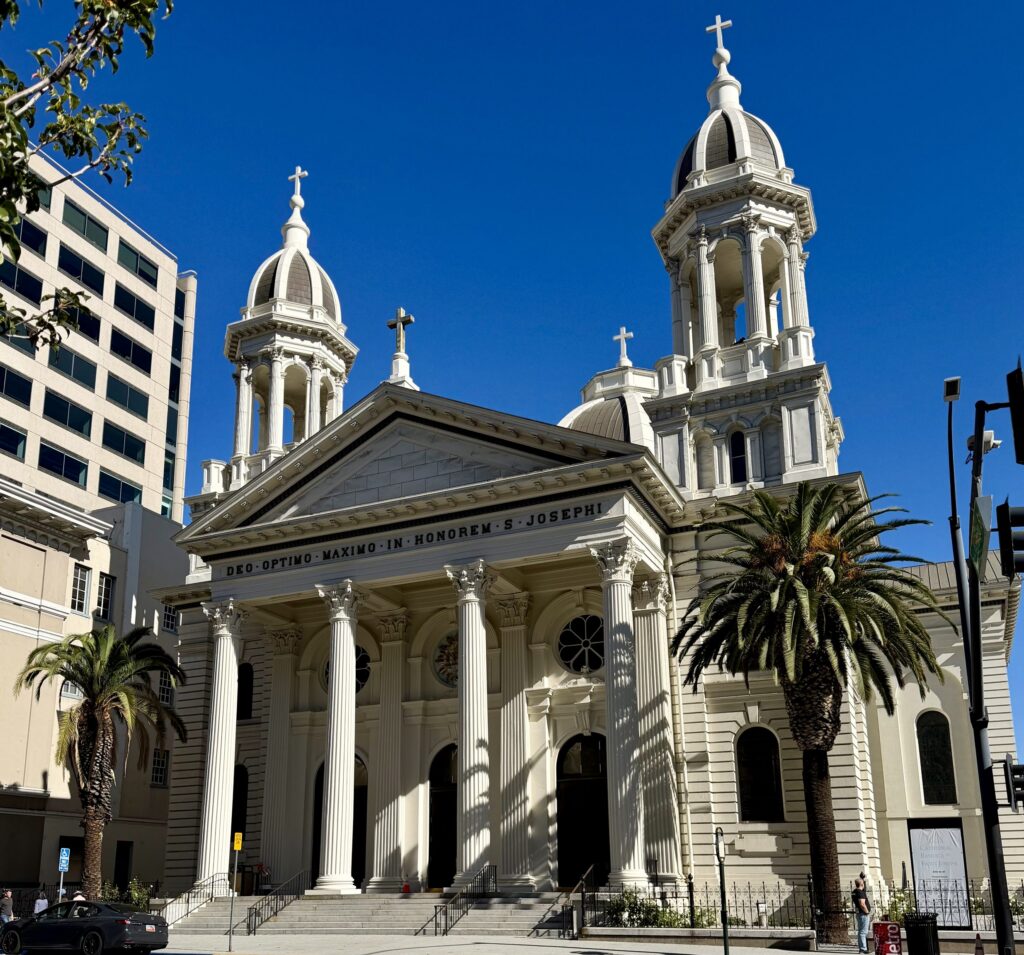
Cathedral Basilica of St. Joseph – located in downtown San Jose, this Catholic church serves as the cathedral of the Diocese of San Jose and holds the distinction of a minor basilica. The original church was built in 1803, making it the first non-mission parish church in California. After several buildings were damaged by earthquakes and fire, the current church was completed in 1877, with its distinctive dome finished in 1885. It became a cathedral in 1985 and was designated a minor basilica by Pope John Paul II in 1997. It is listed on both the National Register of Historic Places and as a California Historical Landmark.
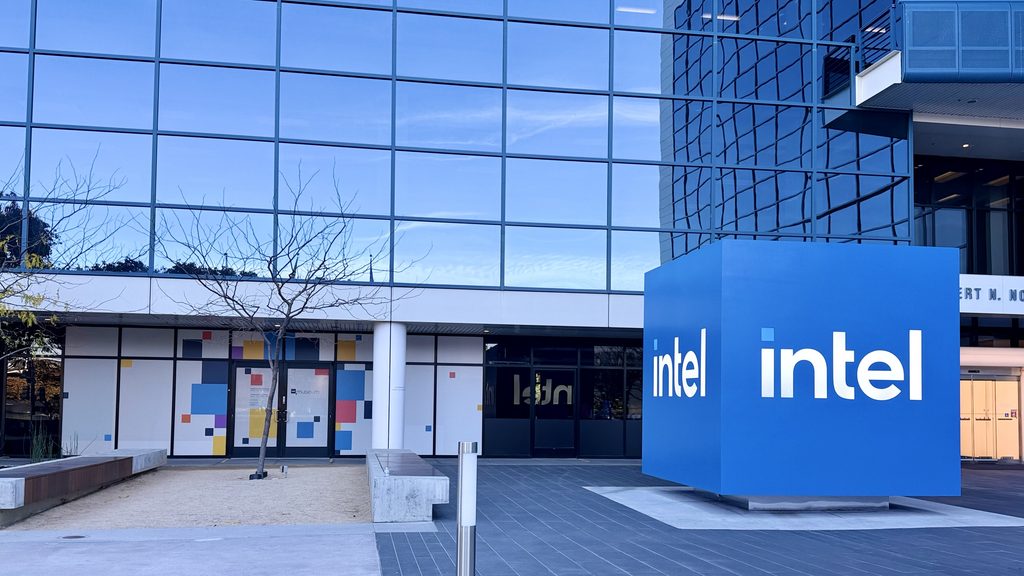
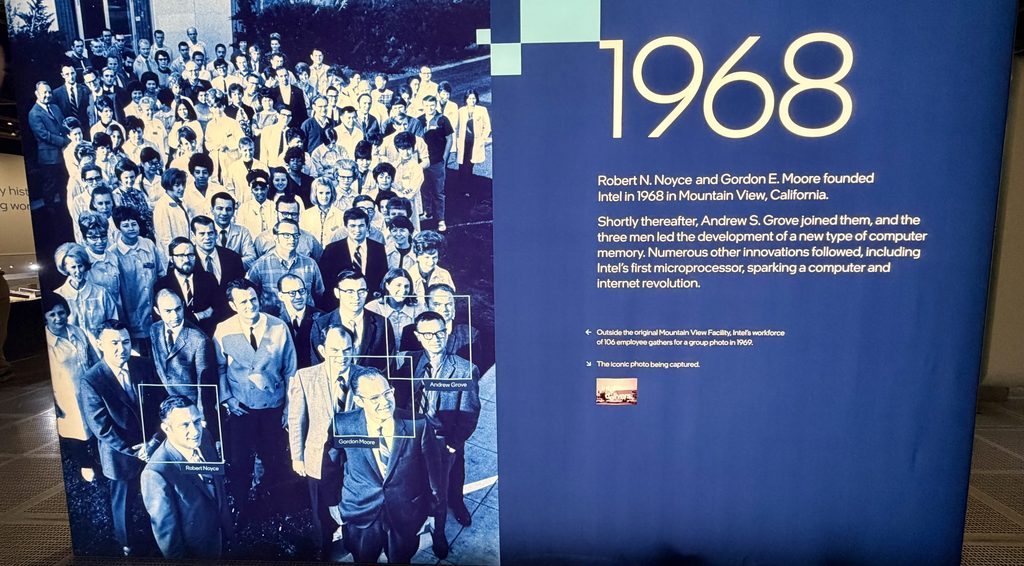
Intel Museum – located at Intel’s headquarters in Santa Clara, the museum showcases the company’s history, products, and developments in semiconductor technology. Originally established as an internal project in the early 1980s, it opened to the public in 1992 and was expanded in 1999. Visitors can explore interactive, self-guided exhibits explaining how semiconductor chips work. The one-room museum is free to visit and we spent about 45 minutes here.
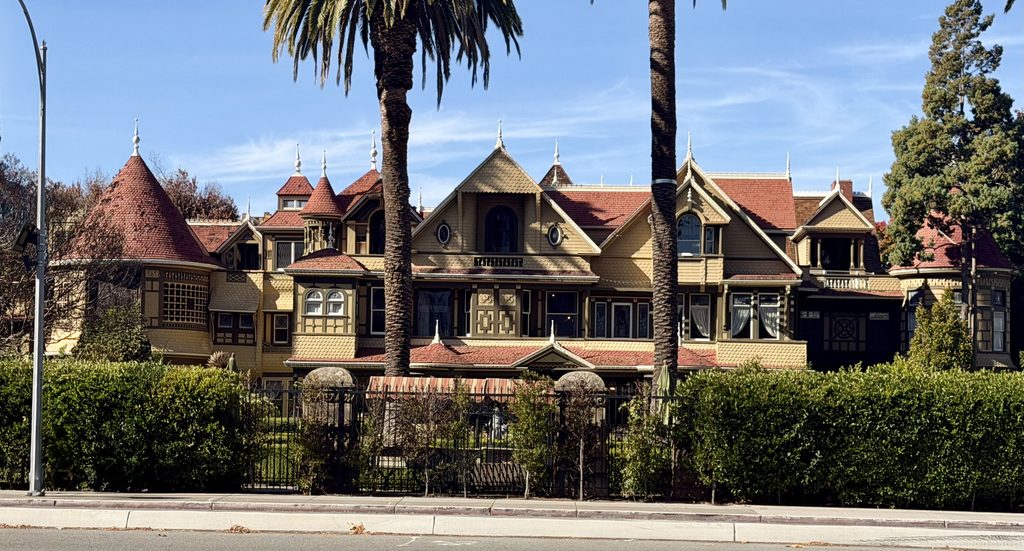
Winchester Mystery House – was the former residence of Sarah Winchester, widow of firearms magnate William Wirt Winchester. Built and expanded continuously under her direction after she purchased the property in 1886, the Victorian and Gothic-style mansion became famous for its unusual, maze-like design, with multiple levels, winding staircases, doors and windows leading nowhere, and other architectural oddities. Sarah personally oversaw the construction, frequently changing plans and rebuilding sections. The mansion became a tourist attraction shortly after her death in 1922 and is now renowned for its fascinating architecture and the many legends surrounding its history. The interior of the house can only be seen on a guided tour.