Overnight in Hotel Ginger
Mangaluru (formerly Mangalore) is a major port and industrial city on the west coast of Karnataka, situated between the Arabian Sea and the Western Ghats. Located about 352 km west of Bengaluru and 14 km north of the Karnataka–Kerala border, it is the only city in the state with air, road, rail, and sea connectivity.
We drove down to Mangaluru from Udupi, a 56 km drive. Some of the attractions we were planning to see was on the way.
- Kapu Beach
- Mulki
- Panambur Beach
- St Aloysius Chapel
- Rosario Cathedral
- Milagres Church
- Sultan Battery
- Kadri Manjunatha Temple
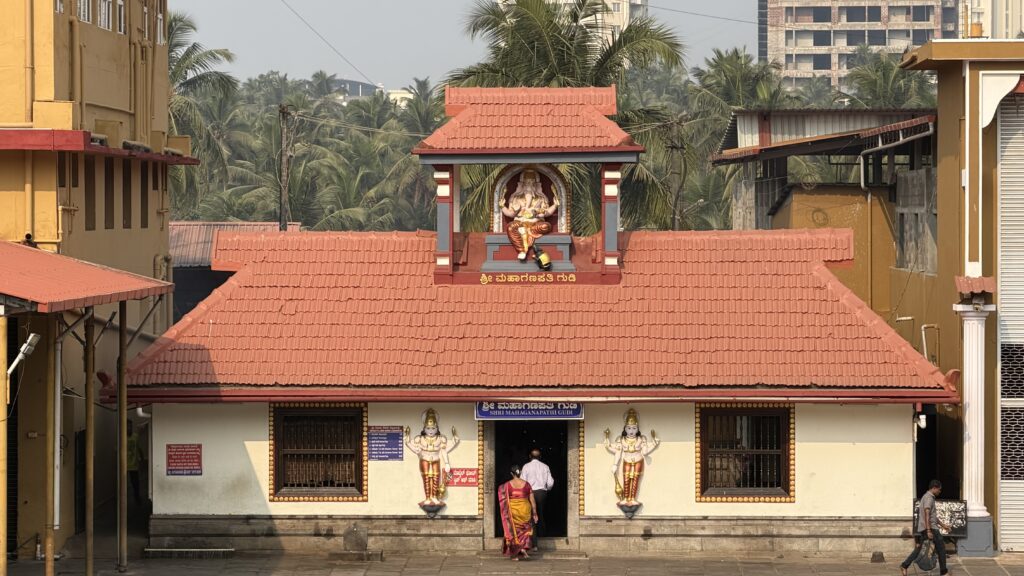
- Sharavu Mahaganapathi Temple
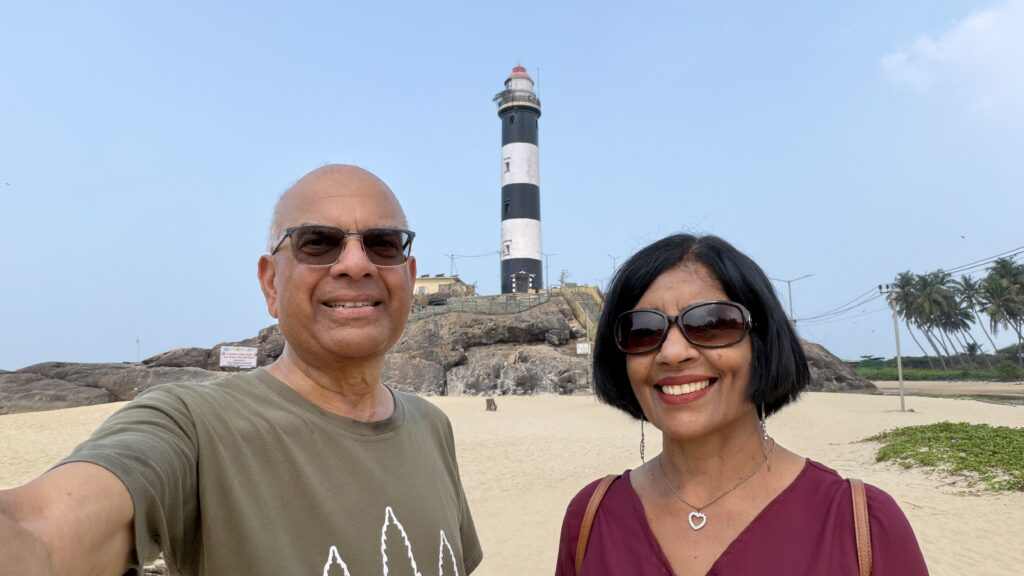
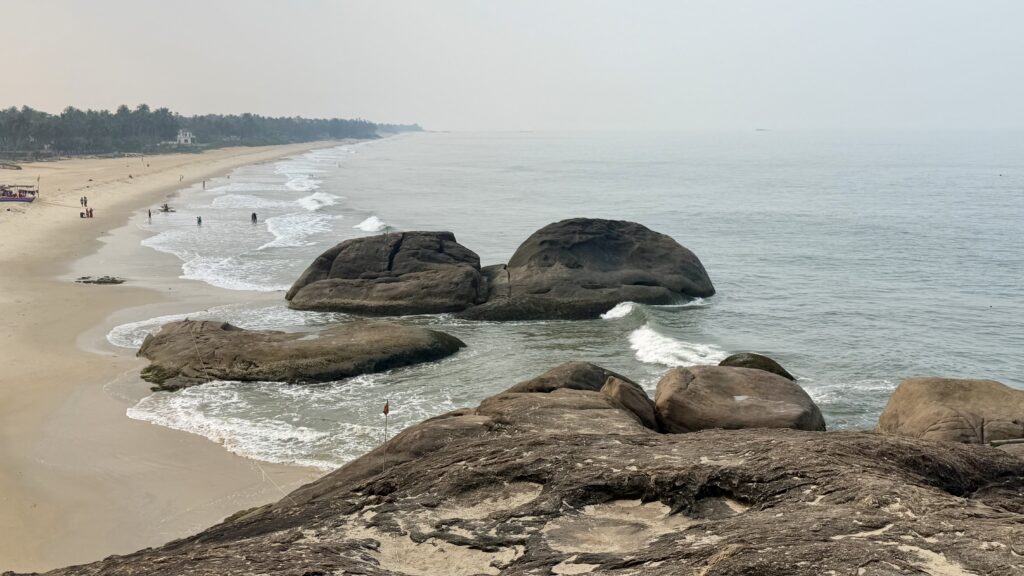
Kaup (Kapu) Beach – one of Mangaluru’s many pristine coastal gems, this beach is known for its soft golden sands and gentle waves. It is also home to the historic Kaup Lighthouse, constructed in 1901, which offers panoramic views of the Arabian Sea when open for guided tours. Less crowded than other nearby beaches, it’s perfect for coastal photography. During our visit, the lighthouse was closed for climbing, but we still enjoyed a wonderful view of the surroundings from its elevated base.
Mulki – This serene coastal town located along the Mangaluru coast, has gained prominence as one of India’s emerging surfing destinations. The town attracts water-sports enthusiasts thanks to its favorable waves and calm backwaters. Apart from surfing, visitors can enjoy activities such as kayaking, paddle-boarding, and backwater boat rides, making it a perfect spot for water lovers.
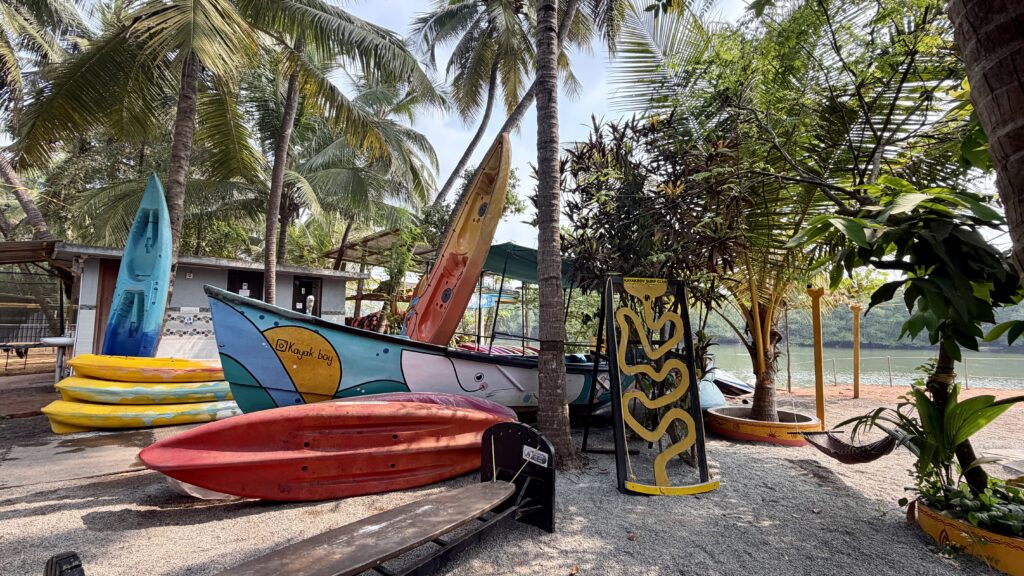
We made a brief stop at one of the places offering these water activities, but since we arrived quite early in the day, the activities had not started yet, so we drove on to Panambur beach.
Panambur Beach – This is another popular and well-maintained beach along the Arabian Sea, celebrated for its stunning sunsets and cleanliness. Every year it is visited by hordes of tourists and locals as it hosts several events like boat racing, kite festival and sand sculpture competitions.
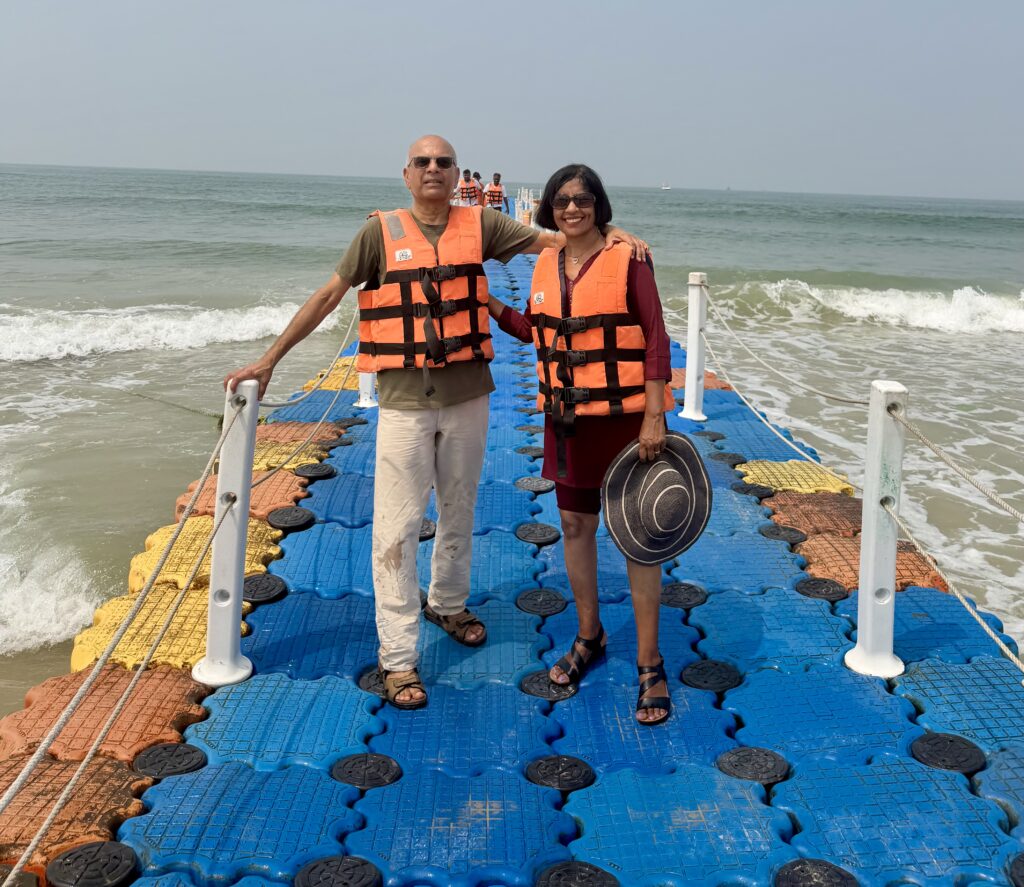
The beach also features a unique floating bridge, often called the bouncing pier, which extends about 125–150 meters into the Arabian Sea. The bridge is designed to gently move up and down with the waves, giving visitors a thrilling experience of walking over the water. Entry to this attraction is approximately ₹150 per person, and we enjoyed the experience.
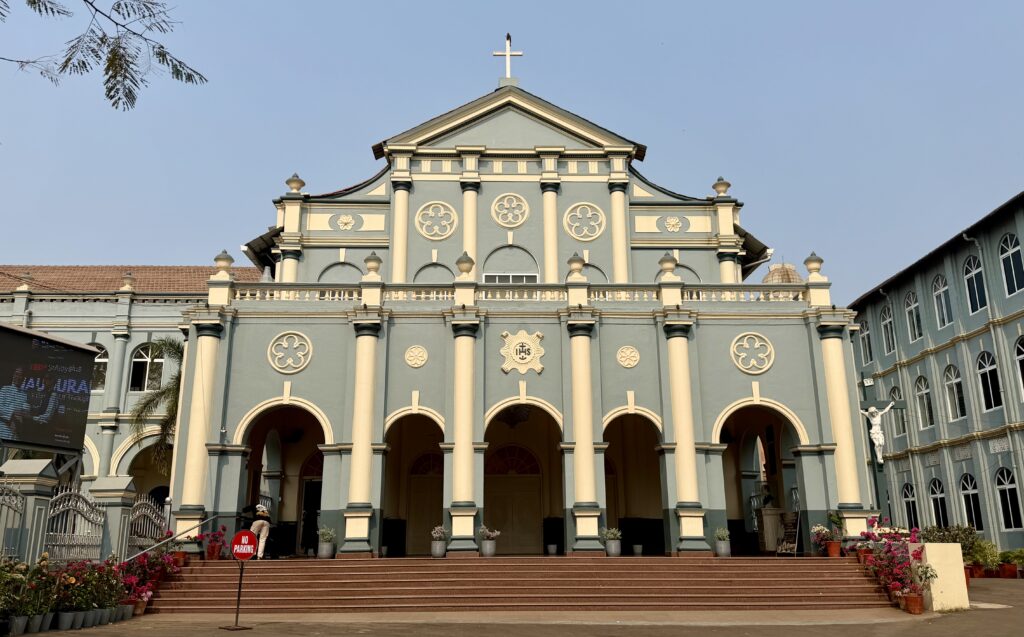
St Aloysius Chapel – This beautiful Catholic chapel, built in 1885, has a regal appearance that is breathtaking right from the entrance. The chapel is famous for its extraordinary wall and ceiling paintings, which attract visitors from around the world and is often referred to as Mangaluru’s Sistine Chapel
The stunning artwork was painted in 1899 by Antonio Moscheni, an Italian Jesuit artist who came to Mangaluru on a mission. The ceiling paintings are done on canvases, while the wall paintings are frescoes. The paintings show the Birth of Jesus, Jesus with children, Wedding Feast at Cana and the Last Supper. Although many of the artworks have been restored over time due to natural wear and damage, the charm and authenticity of the chapel have been carefully preserved.
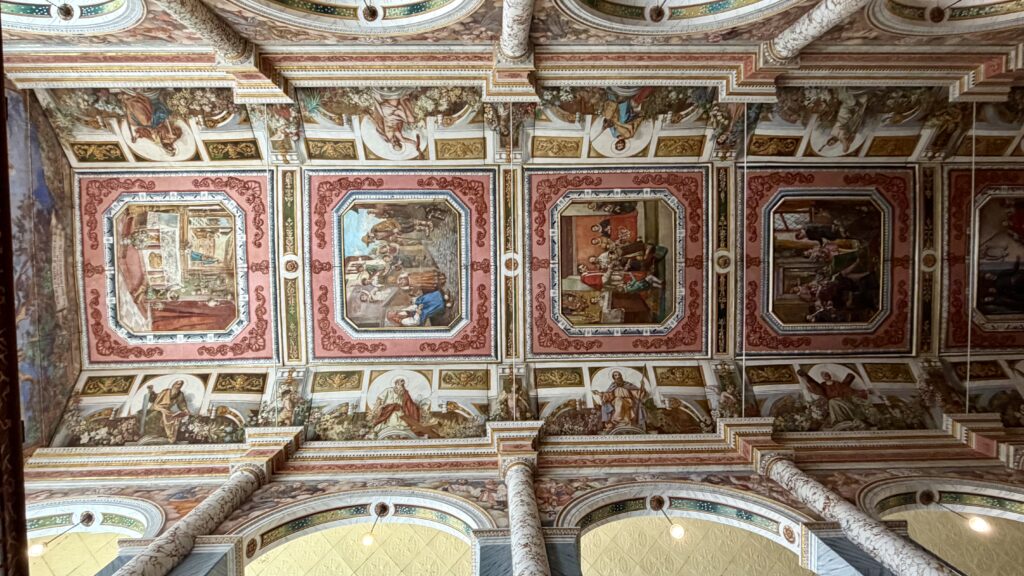
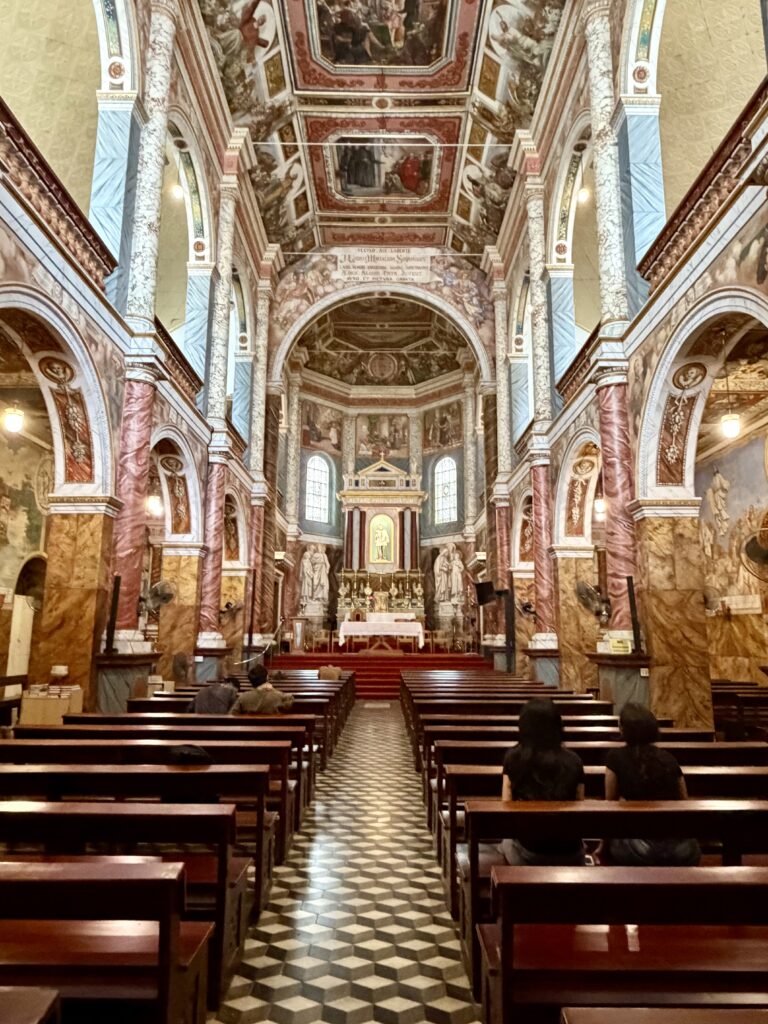
The complex also houses a museum that exhibits historical photographs, documents, liturgical artifacts, and items related to the life and work of Jesuit missionaries who played an important role in education and social service in coastal Karnataka.
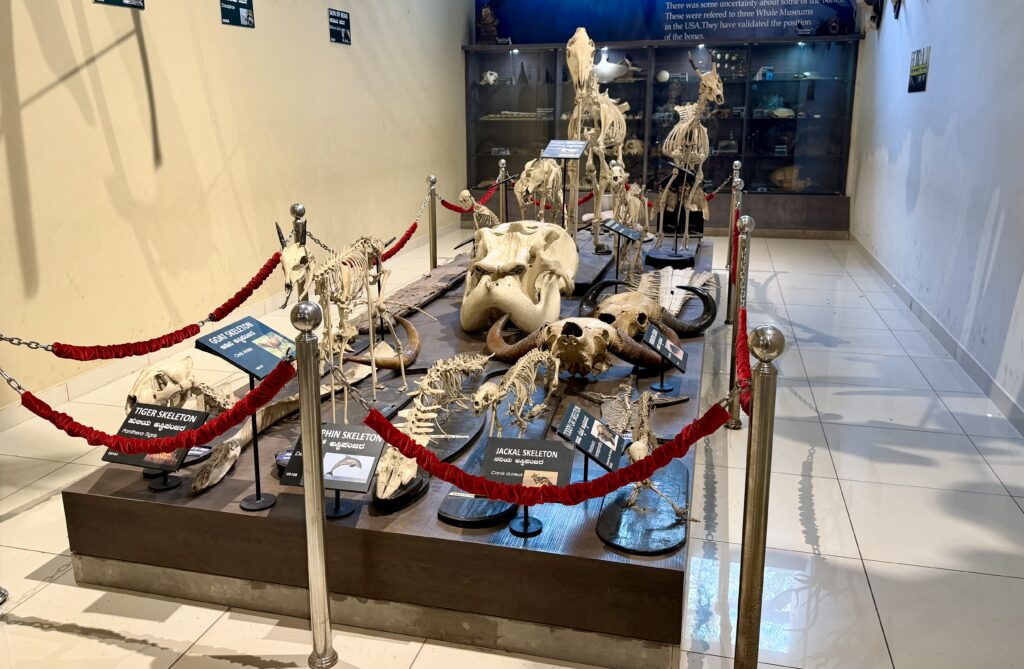
The museum also features an interesting collection of Hindu and Buddhist sculptures, paintings, musical instruments, stamps, books, ancient kitchen tools, and even skeletons of animals, offering visitors a glimpse into the cultural, historical, and natural heritage of the region.
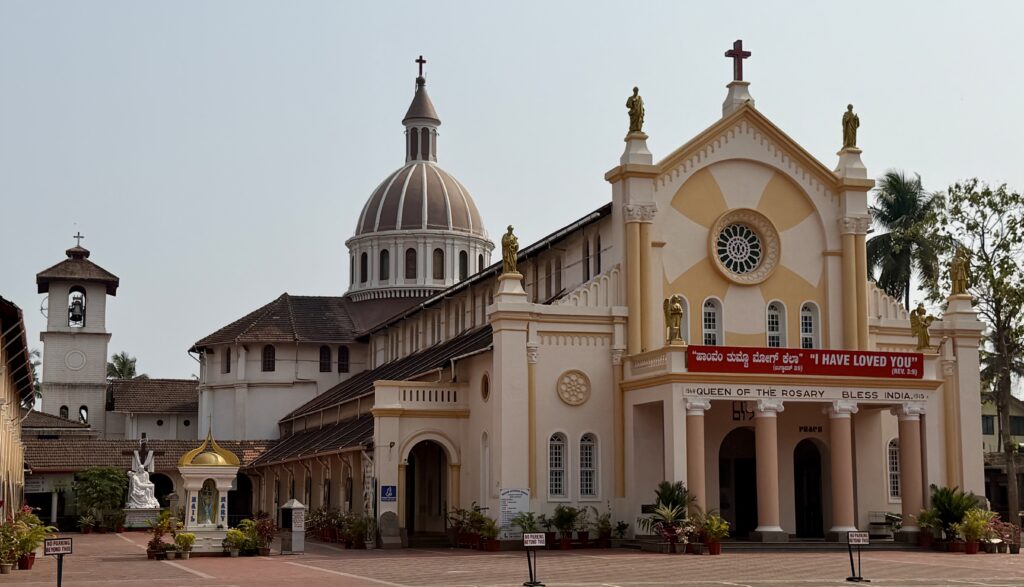
Rosario Cathedral (aka Church of Our Lady of the Rosary) – was originally built by the Portuguese in 1568. According to local legend, the statue of the Virgin Mary at the high altar was discovered by fishermen when it got caught in their nets at sea. The statue was brought ashore and installed in the church, quickly becoming a revered object of devotion for the local community. In 1784, the church was destroyed during the campaigns of Tipu Sultan. It was reconstructed to its current state between 1813 and 1910.
The cathedral’s magnificent dome and cross are prominent landmarks, visible from ships approaching Mangalore Harbour. The cross is illuminated every evening, serving as a guiding light for fishermen and seafarers.
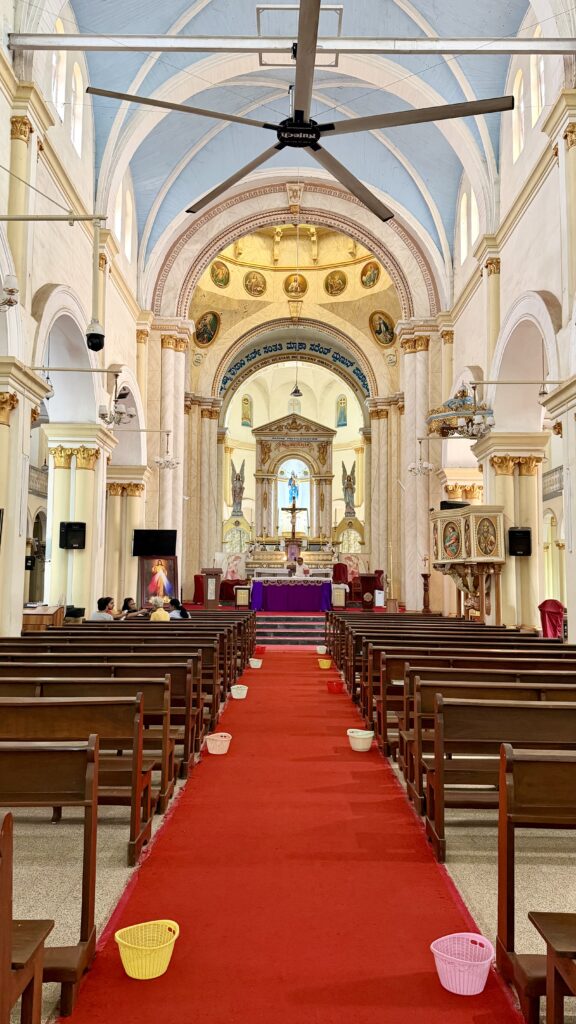
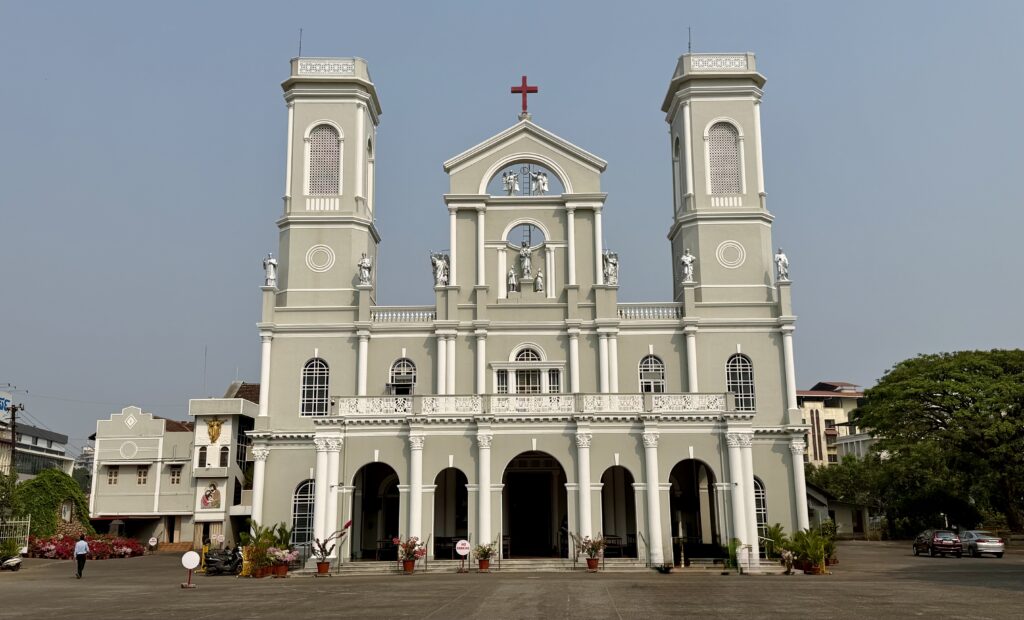
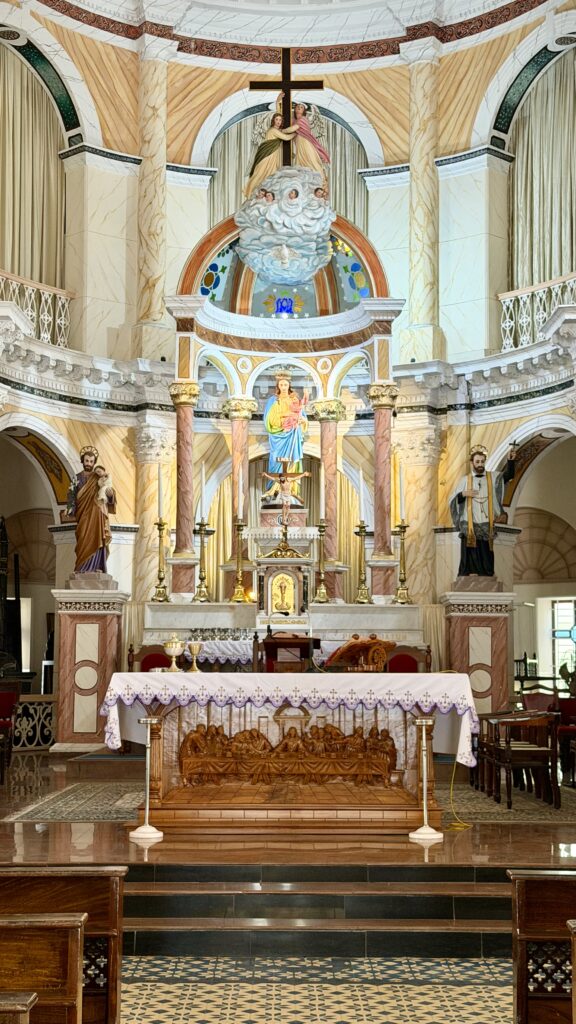
Milagres Church – Another impressive, late 1600 Roman Catholic church and one of the oldest in the state of Karnataka dedicated to Church of Our Lady of Miracles. The church served as a key center for Goan Catholics who migrated here in the 17th century. It survived destruction under Tipu Sultan in 1784 and was rebuilt in phases with the current structure completed in 1911. The church was renovated in 2022.
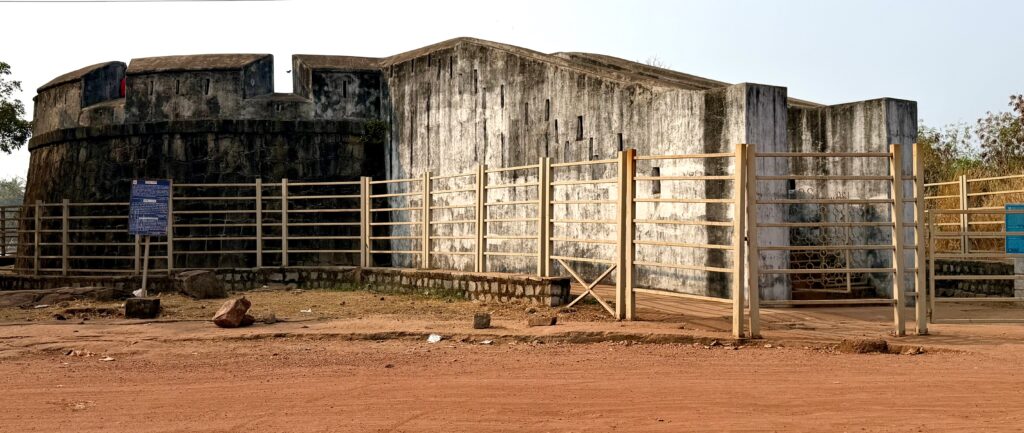
Sultan Battery – Located about 4 km from the center of the city, this watchtower was constructed in 1784 by Tipu Sultan. The structure was built using large black stones and served as a strategic defense point to prevent enemy warships—particularly those of the British—from entering the river and approaching the city by sea. The tower functioned as an artillery base where cannons were mounted to intercept incoming ships. Beneath the tower lies an underground chamber that was once used to store gunpowder.
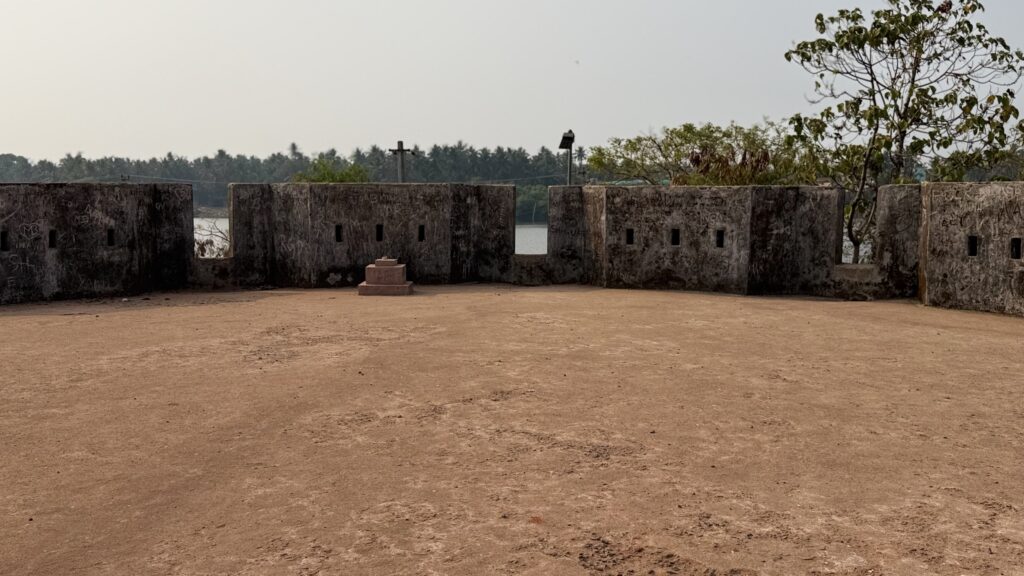
Visitors can climb the steps to the top of the not so tall tower for views of the Arabian Sea and the surrounding river landscape. However, much of the view is now partially hidden by trees.
Kadri Manjunatha Temple – Located on the Kadri hills, this temple’s main shrine features Manjunatha (Shiva) and is believed to date back to the 10th or 11th century, later rebuilt as a complete stone structure in the 14th century. The temple complex also houses a remarkable 5-foot-tall bronze idol of Lokeshwara, considered one of the oldest bronze idols in South India. The temple also includes bronze images of Avalokiteshvara and Manjushri, reflecting the site’s historical connection with Buddhism.
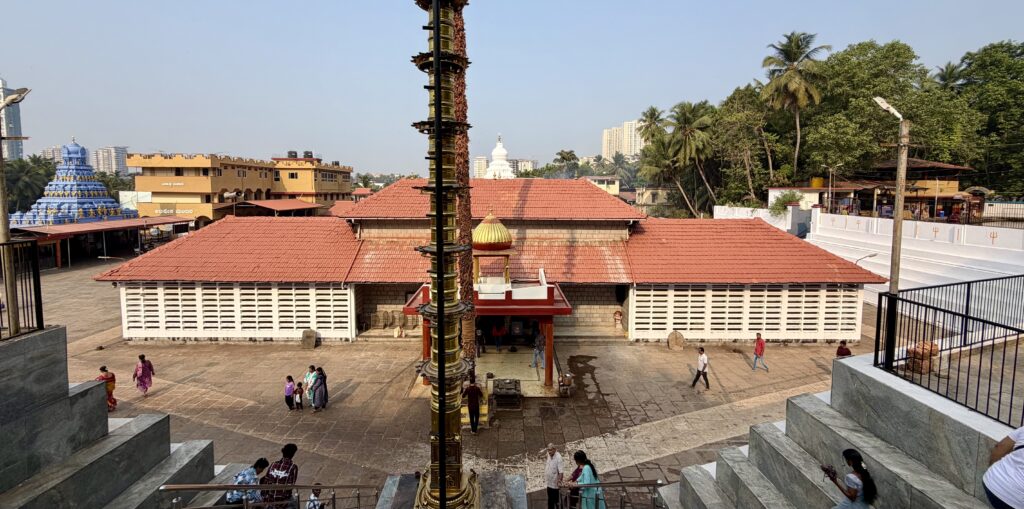
Other shrines within the complex are dedicated to Ganesha, Hanuman, Aiyappa, Durga Parameswari, and Chandramouleeswara.
A series of steps from the Kadri Manjunatha Temple complex leads up to the Kadri Yogeshwara Matha and the nearby Pandava Caves.
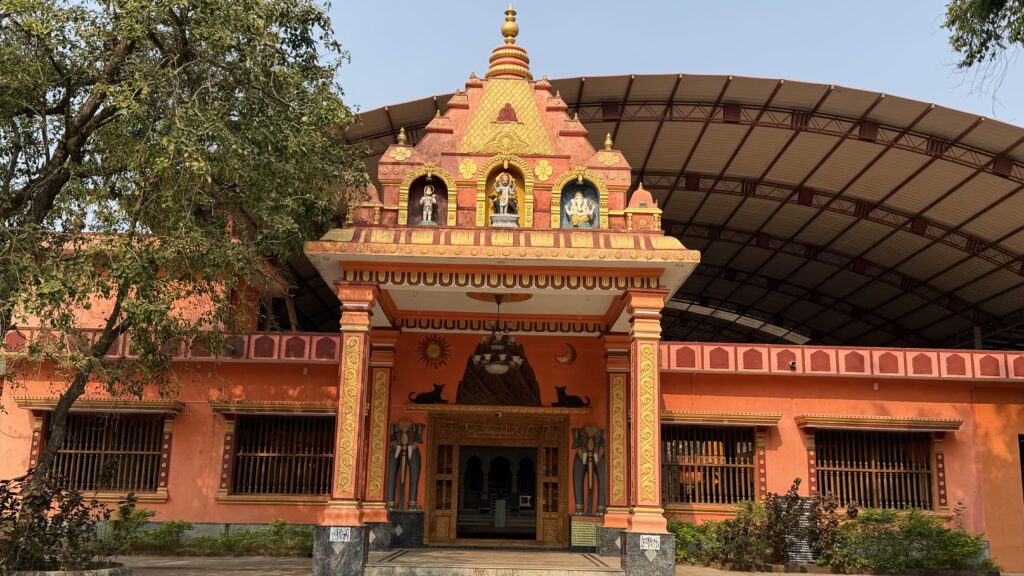
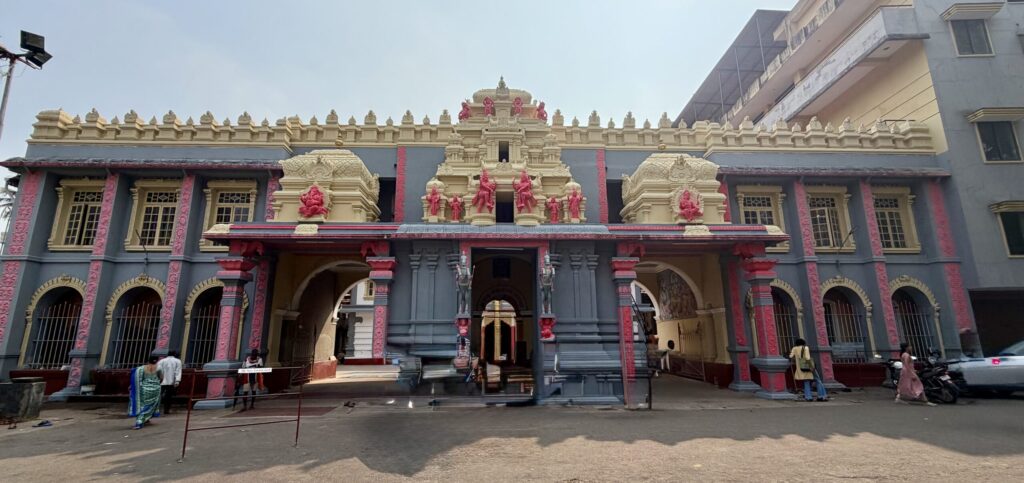
Sharavu Mahaganapathi Temple – located in the heart of Mangaluru, this ancient sanctuary dedicated to Lord Shiva and Lord Ganesha, is over 800 years old. The name Sharavu meaning arrow, comes from the legend of a king who accidentally killed a cow with an arrow and built the temple to seek forgiveness.