Visited in 2018 – Viator guided tour
If you’re looking for a place where time seems to slow down, with charming villages that blend seamlessly into the natural landscape, Cotswolds is the perfect destination. One of England’s most picturesque regions, it is known for its rolling green hills, honey-colored stone cottages, and timeless countryside scenery. A visit to the Cotswolds offers a quintessentially English rural experience, providing a beautiful contrast to the hustle and bustle of nearby cities.
- Cotswold Stone
- Bibury
- Burford
- Cream Tea
- Bampton
Cotswold Stone – is one of the defining features of the region and plays a huge role in giving the Cotswolds its unmistakable charm. This yellow oolitic Jurassic limestone is rich in fossils, especially fossilized sea urchins, and weathers beautifully over time. As it ages, buildings made from Cotswold stone take on warm honey or golden tones, which is why villages across the region look so cohesive and timeless. The color of the stone varies subtly across the area—more honey-colored in the north, golden hues in central and southern towns. The stone can be seen in cottages, churches, walls, and manor houses, and is often paired with thatched roofs.
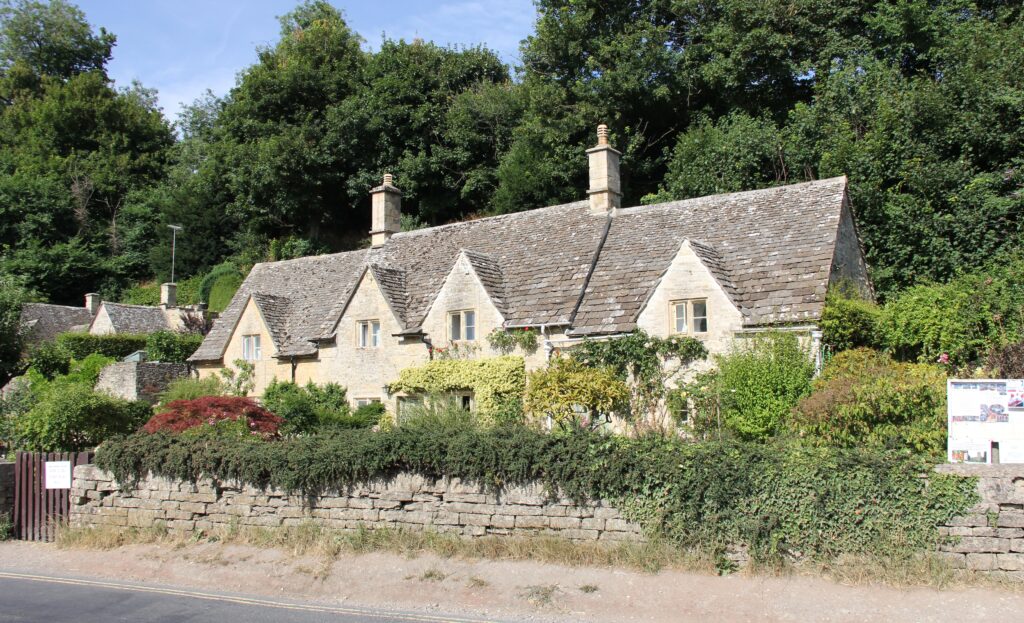
We visited the towns of Bibury, Burford and Bampton, each known for peaceful river settings, and postcard-perfect views.
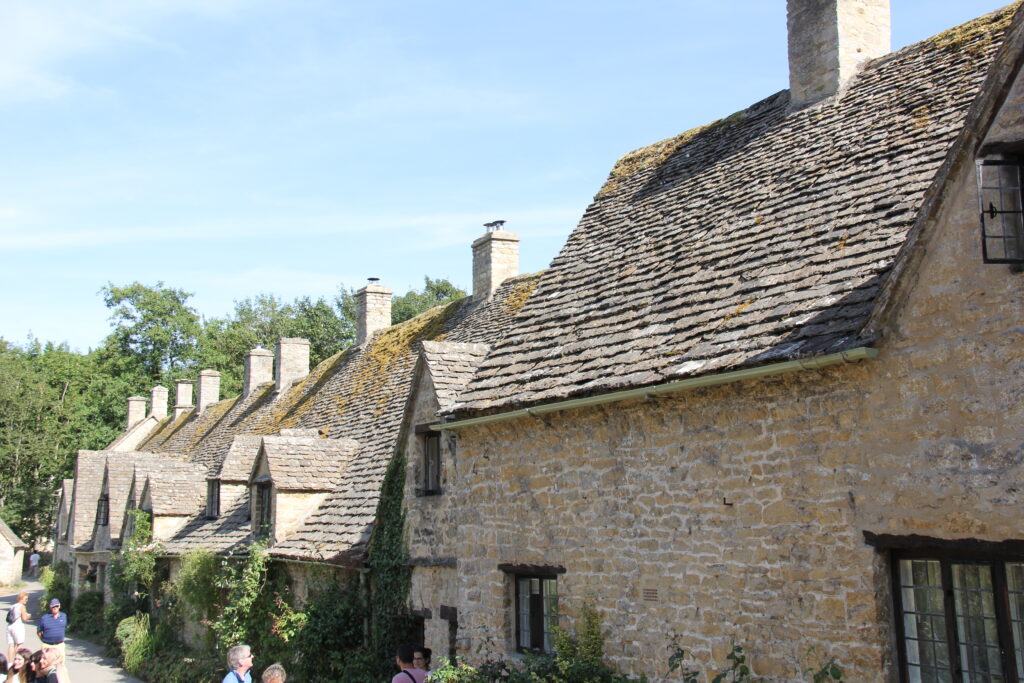
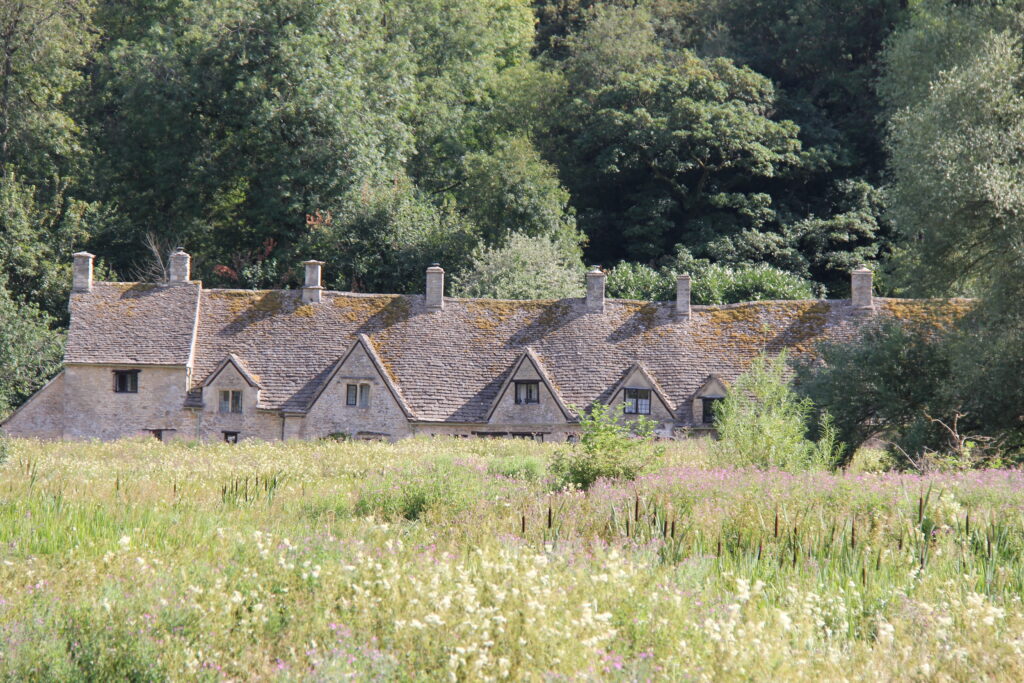
Bibury – One of the most famous and picture-perfect villages in the Cotswolds, Bibury is best known for Arlington Row. You’ll recognize it instantly—this iconic row of stone cottages was originally built in 1380 as a monastic wool store and later converted into beautiful homes in the 17th century. As Arlington Row is a residential area, it’s important for visitors to be respectful, keep noise to a minimum, and remember that people live here year-round.
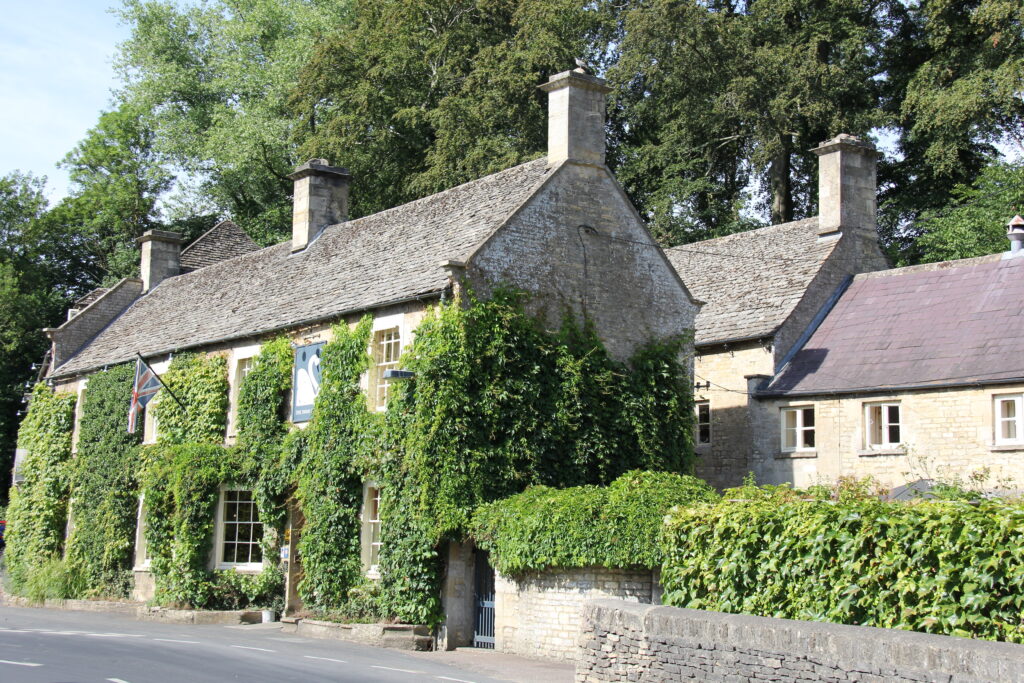
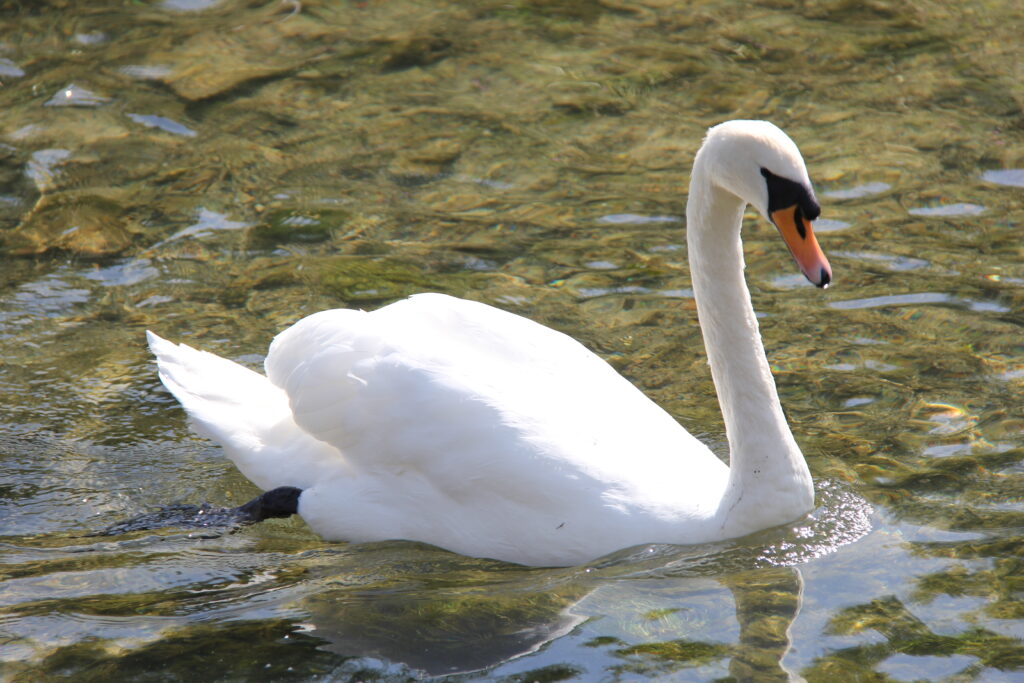
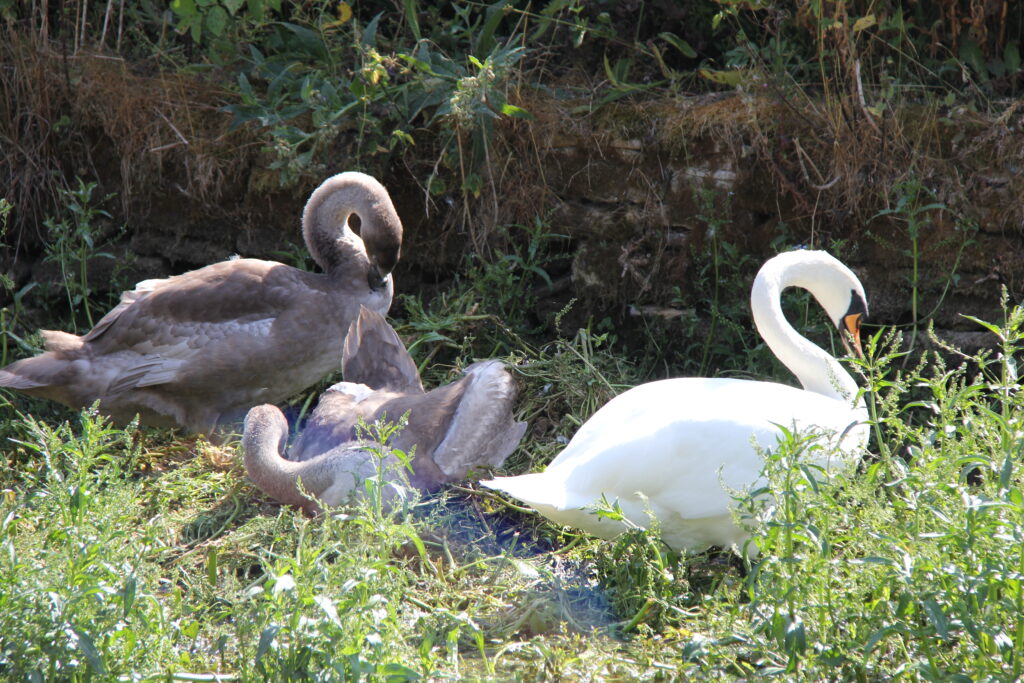
Just down the road is The Swan Hotel and pub, another Bibury highlight. With ivy-covered walls and swans gliding along the river outside, it’s a wonderfully atmospheric place, and an excellent stop for lunch in the courtyard on a sunny day.
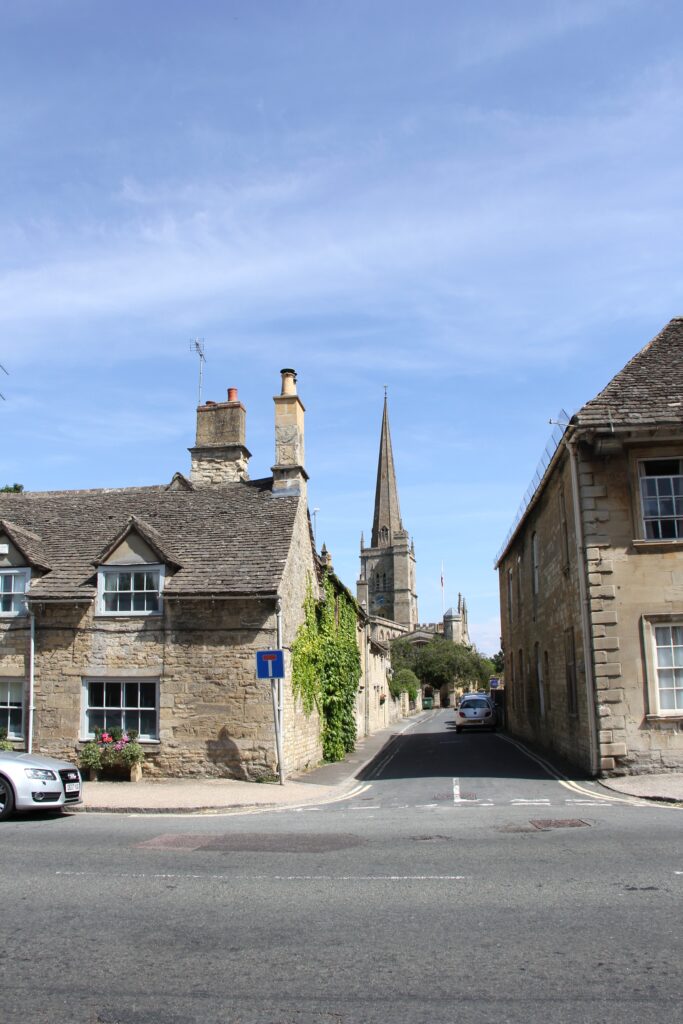
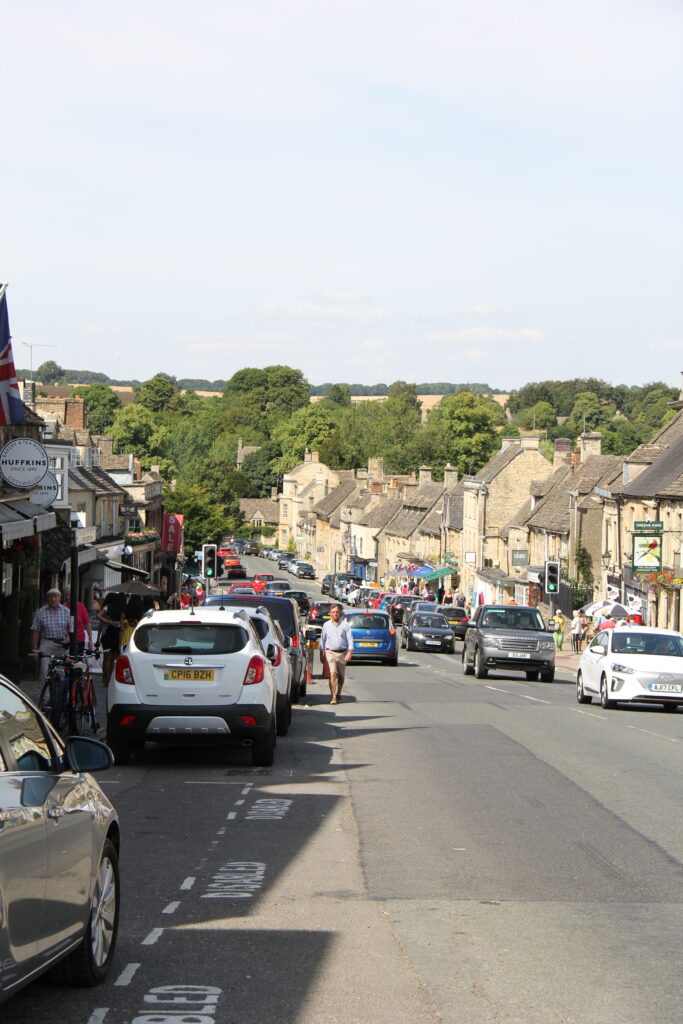
Burford – is often called the Gateway to the Cotswolds. This charming market town is famous for its long, sloping High Street that leads down to the River Windrush, lined with beautiful honey-colored stone houses, historic inns, and independent shops. With its medieval architecture, traditional tearooms, and relaxed village atmosphere, Burford feels like stepping back in time and is a lovely place to explore at a slow, unhurried pace. We stopped by to have Cream Tea at one of the traditional tea rooms here.
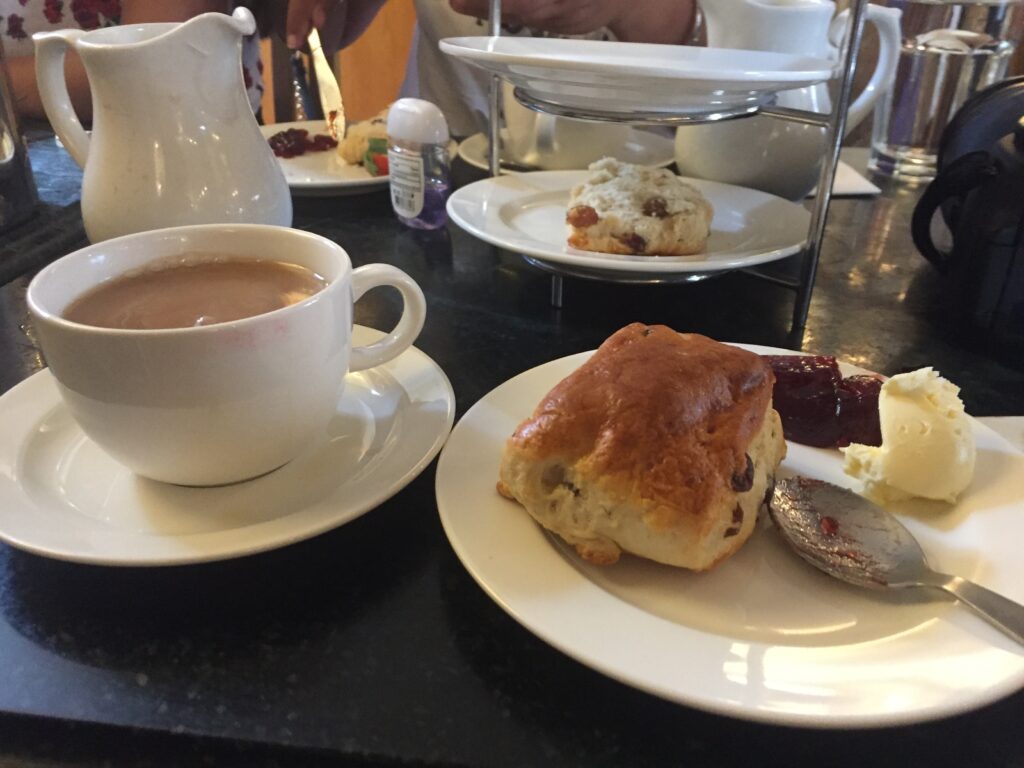
Cream Tea is a classic British afternoon treat made up of freshly baked scones served with jam, clotted cream, and a pot of hot tea. You can decide on weather the cream goes on first, or the jam (tasty either way). A cream tea is much simpler than a full afternoon tea, which usually includes finger sandwiches, pastries, and cakes. In some places, whipped cream is offered instead of traditional clotted cream, as some people prefer its lighter texture and cleaner flavor.
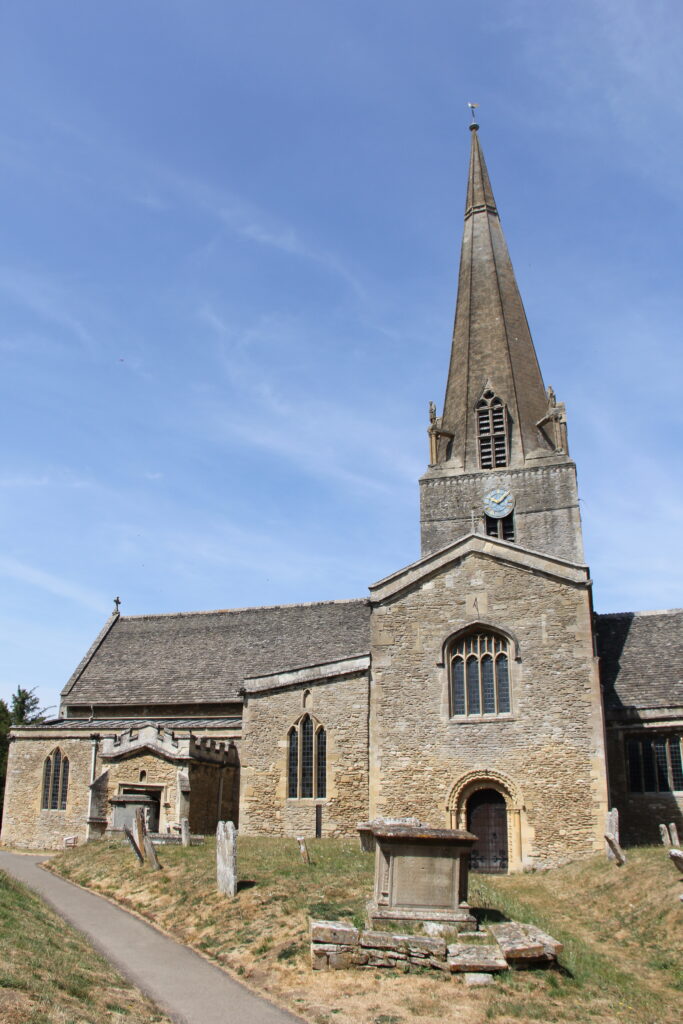
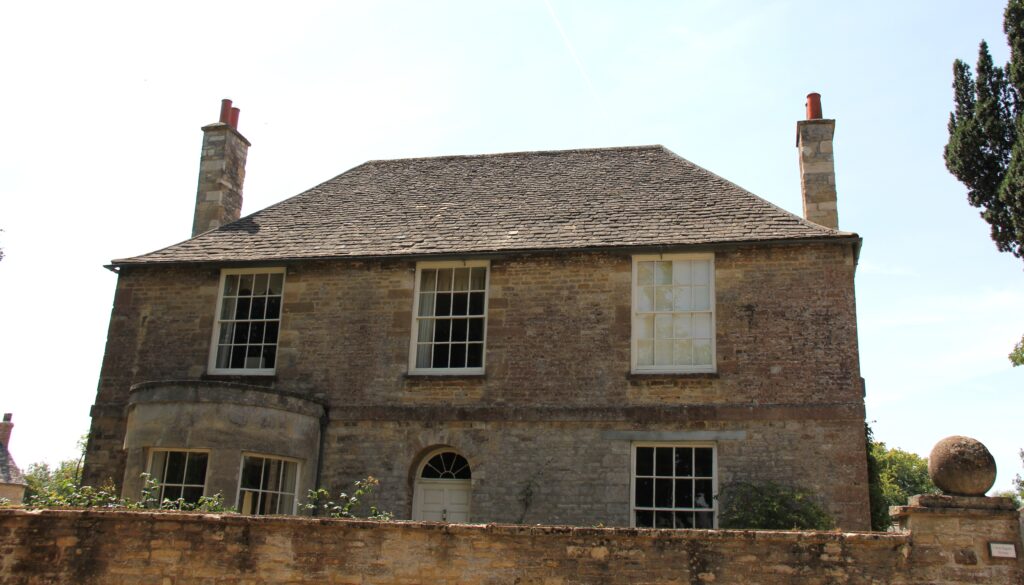
Bampton – The village of Bampton has a long and fascinating history, dating back to late Anglo-Saxon times when it was an important royal manor and the site of a minster church. Many visitors find Bampton instantly familiar, as it served as the filming location for village scenes in the popular TV series Downton Abbey. The the Old Rectory (Churchgate House) served as the exterior for Crawley House, the home of the widowed Isobel Crawley and her son Matthew, while St Mary’s Church, with its striking spire, appeared prominently and remains a landmark of the upper Thames Valley.