Visited in 2018
Cambridge
We visited this historic university city in eastern England on a half-day trip. Best known for the University of Cambridge, founded in 1209, the city is famous for its stunning colleges, the scenic River Cam, and traditions such as punting. We got a map of the city and did a self-guided tour of the city.
- King’s Parade
- King’s College
- Queens College
- River Cam
- Fitzwilliam Museum
- Churches in Cambridge
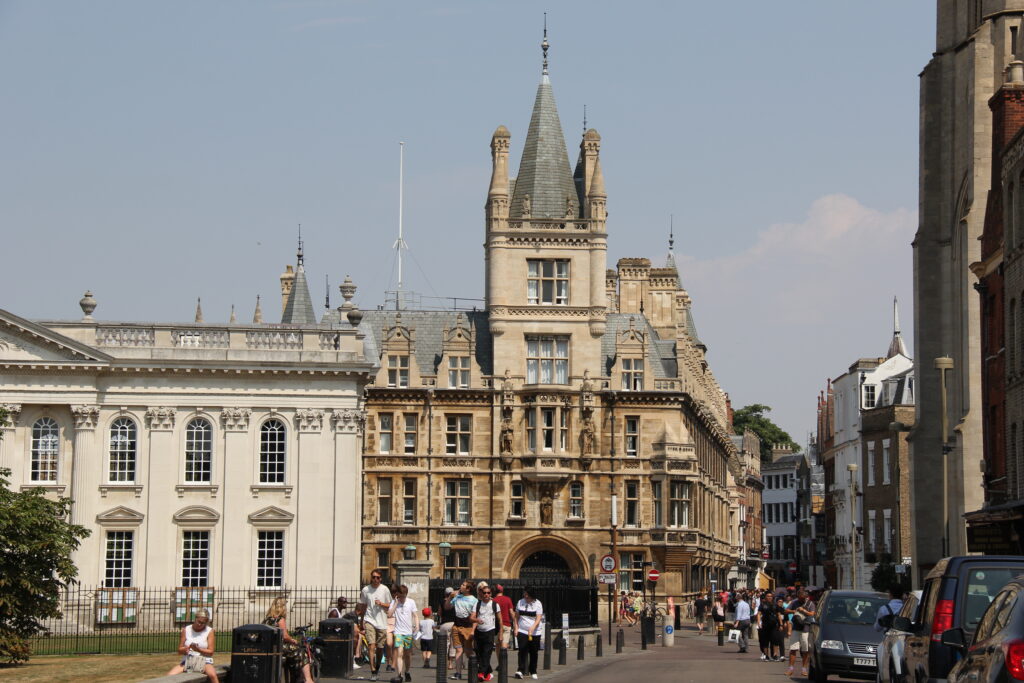
King’s Parade is the central street in Cambridge that serves as a major hub for visitors exploring University of Cambridge colleges such as King’s College and Trinity College. Pedestrian-friendly, with a daily vehicle barrier, the street is lined with historic buildings, shops, and the Senate House, making it a quintessential part of the Cambridge experience.
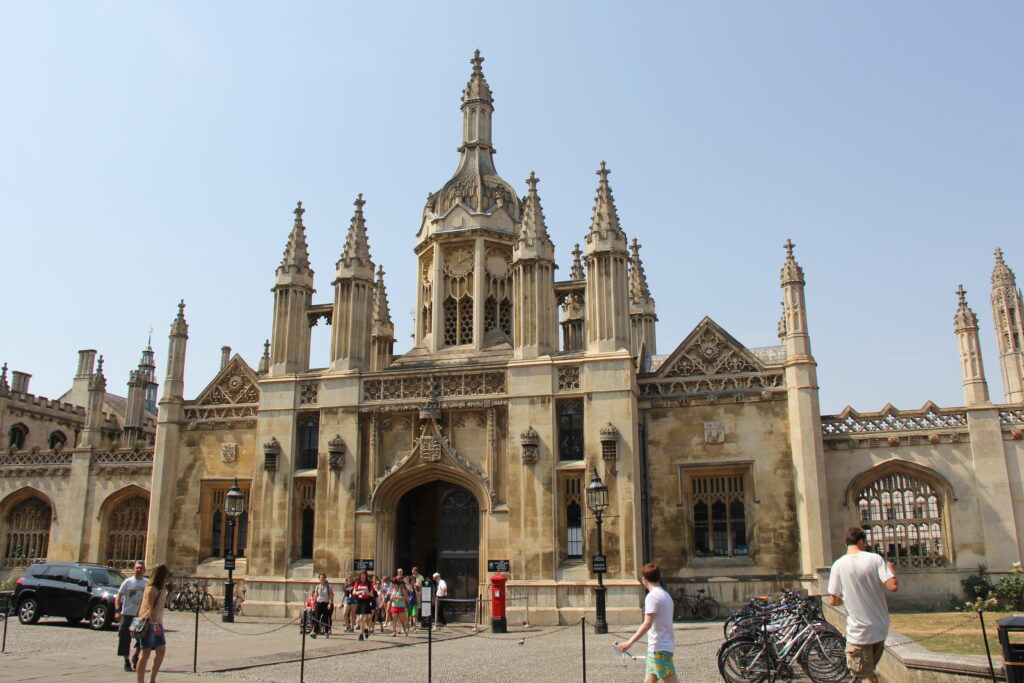
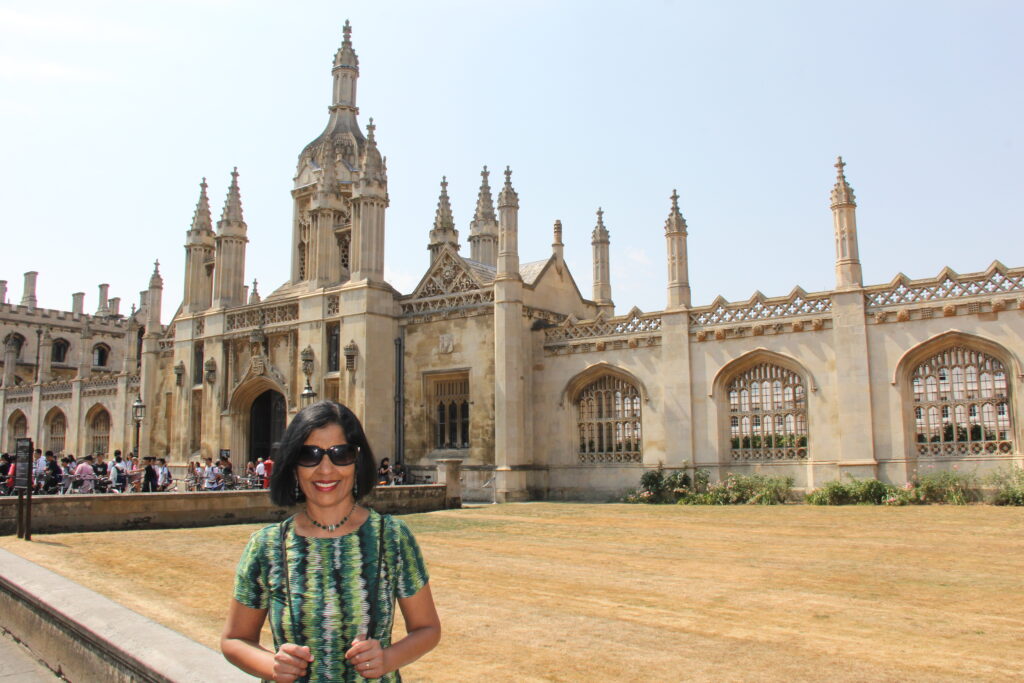
King’s College – formally The King’s College of Our Lady and Saint Nicholas, is a constituent college of the University of Cambridge, located beside the River Cam and facing King’s Parade. Founded in 1441 by King Henry VI, construction of its iconic chapel began in 1446 and was completed in 1544 under Henry VIII. King’s College Chapel is a masterpiece of late English Gothic architecture, featuring the world’s largest fan vault, stunning stained-glass windows, and an exquisite wooden chancel screen.
The entrance to King’s College features an impressive gateway that leads visitors into the college’s picturesque courtyards and grounds. While relatively understated compared to the grandeur of the chapel, it is worth pausing here to admire the Gothic architecture before exploring the courtyards, gardens, and the stunning view toward the chapel.
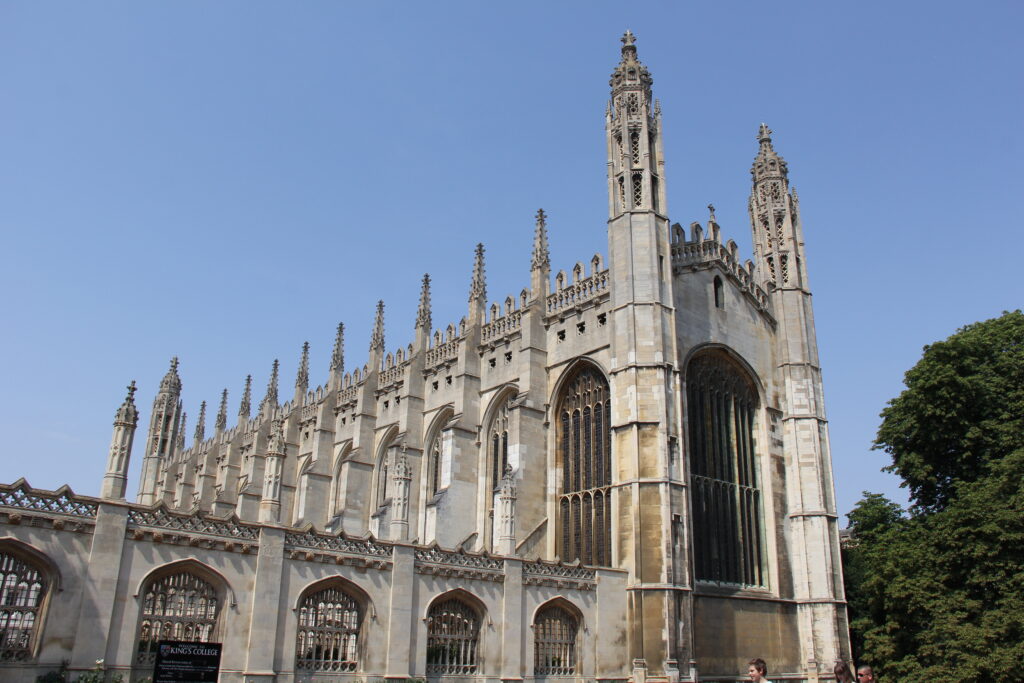
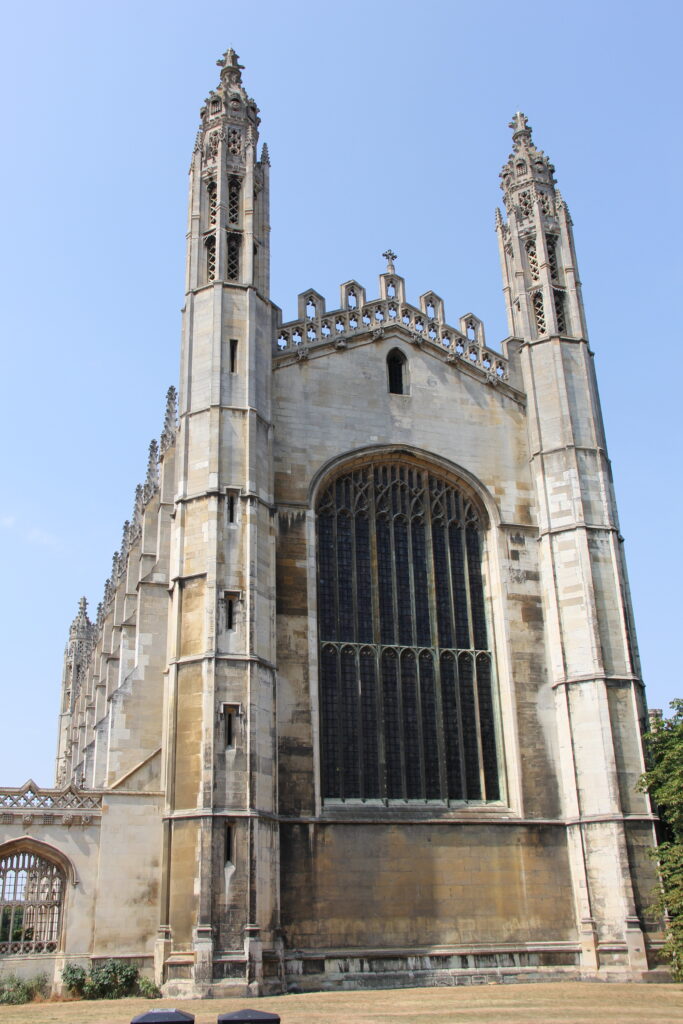
Queen’s College – Queens’ College is another historic constituent college of the University of Cambridge, founded in 1448 by Margaret of Anjou. The college is notable for spanning the River Cam, with its famous Mathematical Bridge and Silver Street connecting the two sides.
Queens’ College, Main Entrance – The main entrance, or gatehouse, features heavy wooden doors that immediately make you feel as though you’re stepping back in time. These sturdy, weathered doors, set within stone archways, reflect the college’s long history and traditional craftsmanship. Once you pass through them, you enter the Old Court, where one of the first things you’ll notice is the sundial mounted on the wall. It’s a simple yet charming detail that adds to the historic atmosphere and makes the courtyard feel timeless.
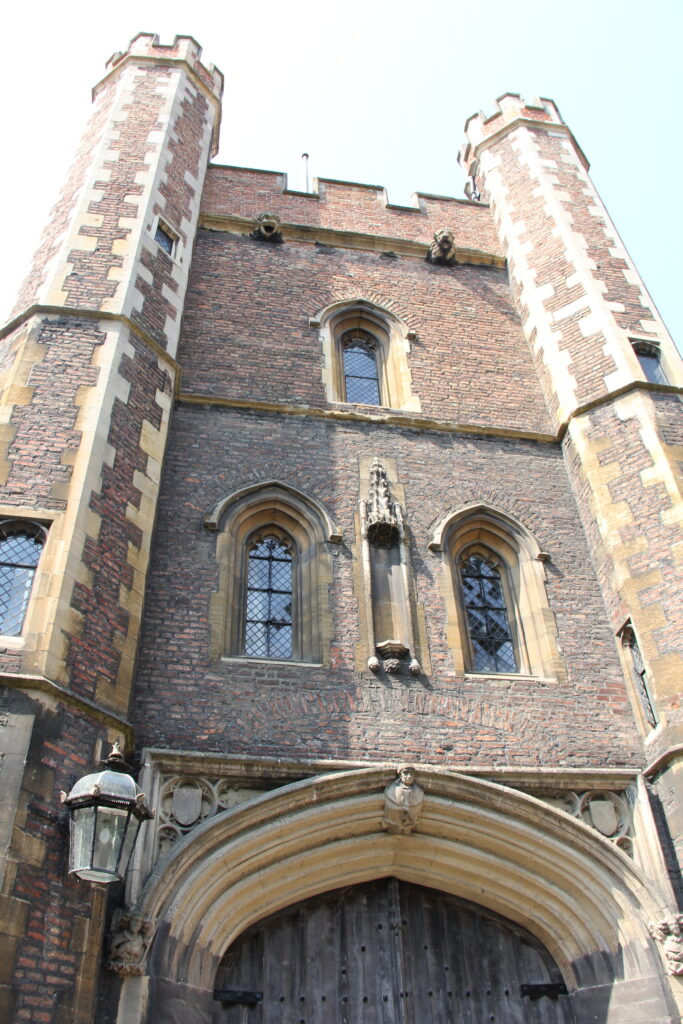
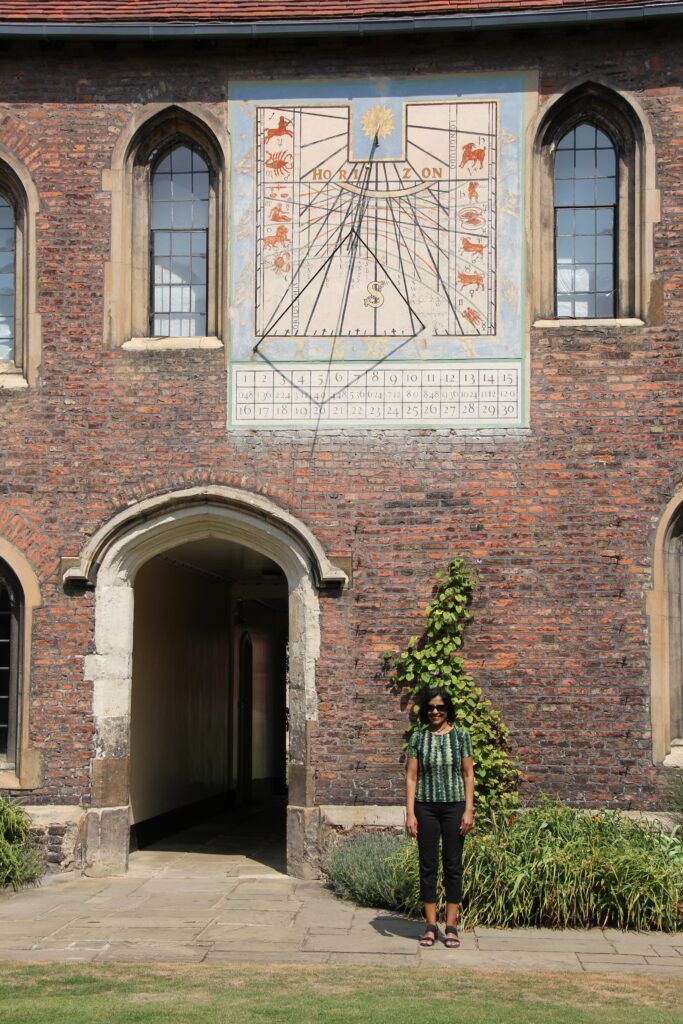
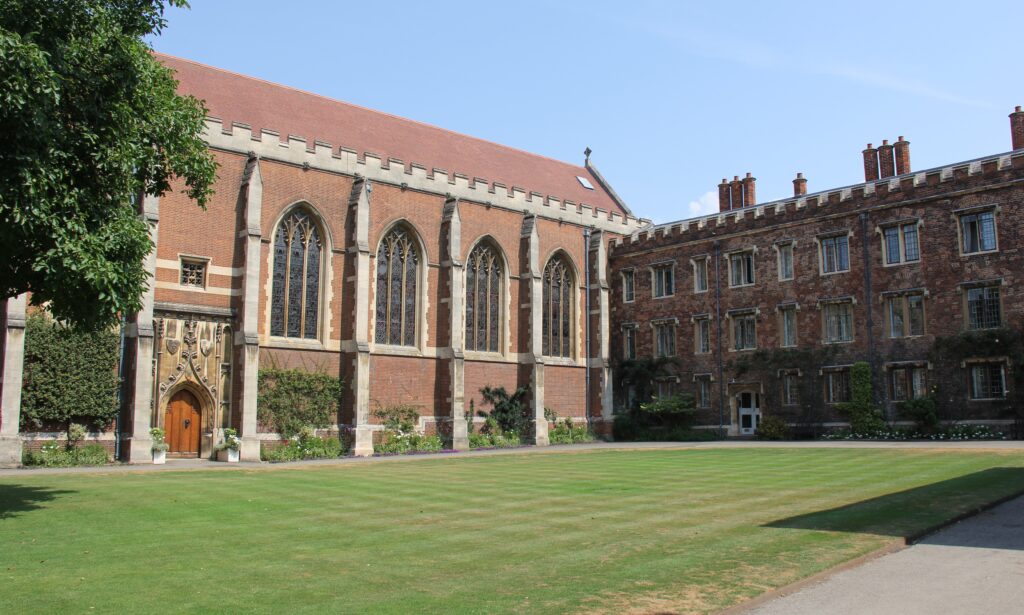
Queen’s College, Walnut Tree Court – The old court leads to the Walnut Tree Court which dates back to 1616–19, giving visitors a glimpse of early 17th-century architecture. It serves as an iconic backdrop for student photographs during matriculation and graduation, making it a central part of college life. The court also houses essential facilities, including the college Chapel, Fellows’ rooms, and the War Memorial Library. Its namesake walnut tree, though replaced over time, adds to the court’s character, while its location on the so-called dark side of the college contributes to its traditional and atmospheric feel.
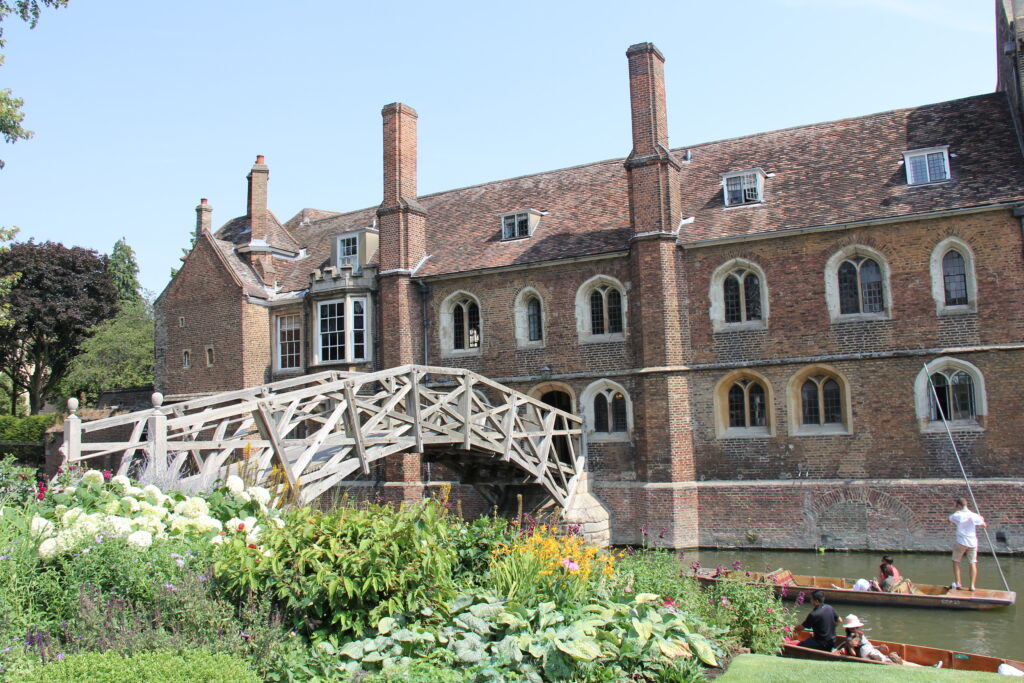
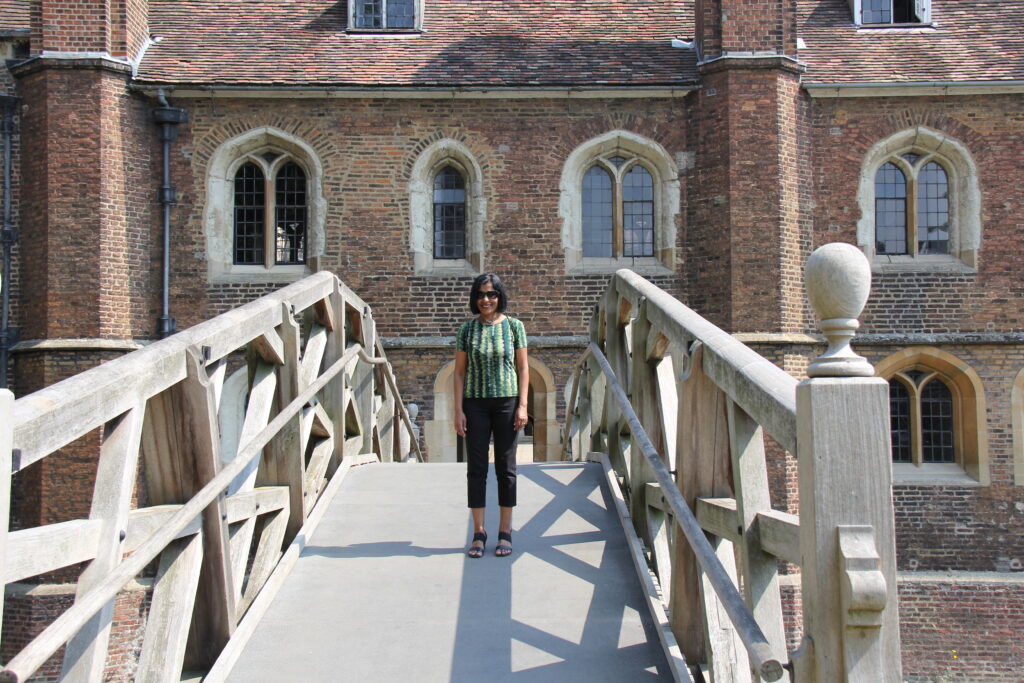
Queen’s College, Mathematical Bridge – officially called the Wooden Bridge, spans the River Cam at Queens’ College, connecting the older dark side of the college with the newer western light side (The Island). It is one of the most photographed views in Cambridge, often captured from Silver Street Bridge. The bridge was built of oak in 1749, repaired in 1866, and completely rebuilt in teak in 1905 with a sloped walkway for wheelchair access and a handrail added for the Queen Mother.
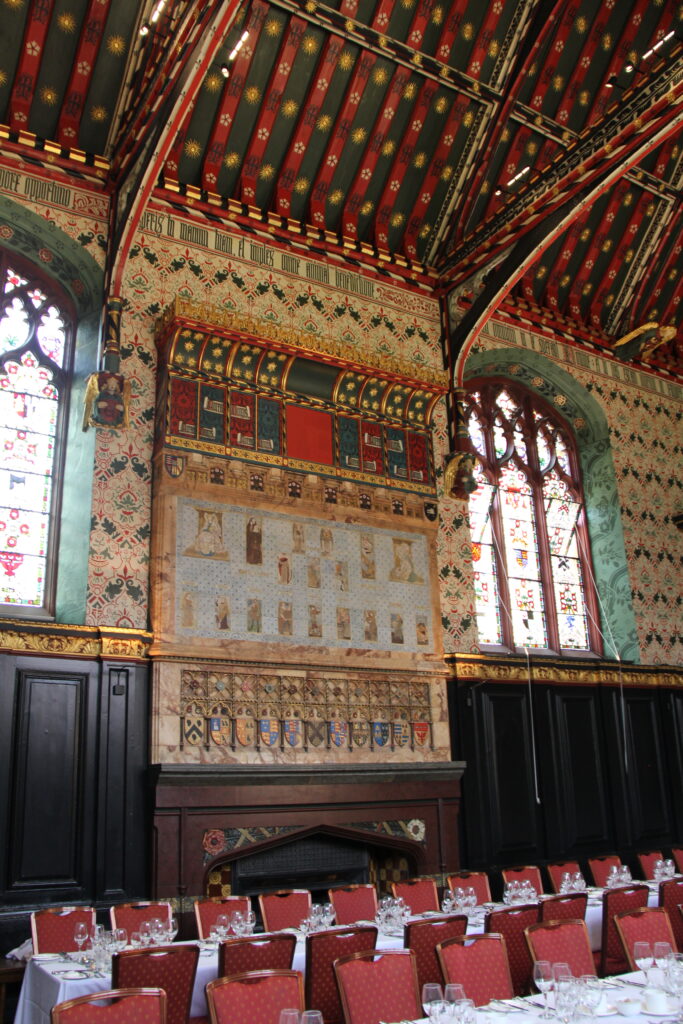
Queen’s College, Old Hall – is a stunning historic dining hall, celebrated for its elegant Victorian décor. The highlight is the intricate tiles painted by the renowned artist William Morris, which add rich color, detail, and character, making the hall a true centerpiece of the college.
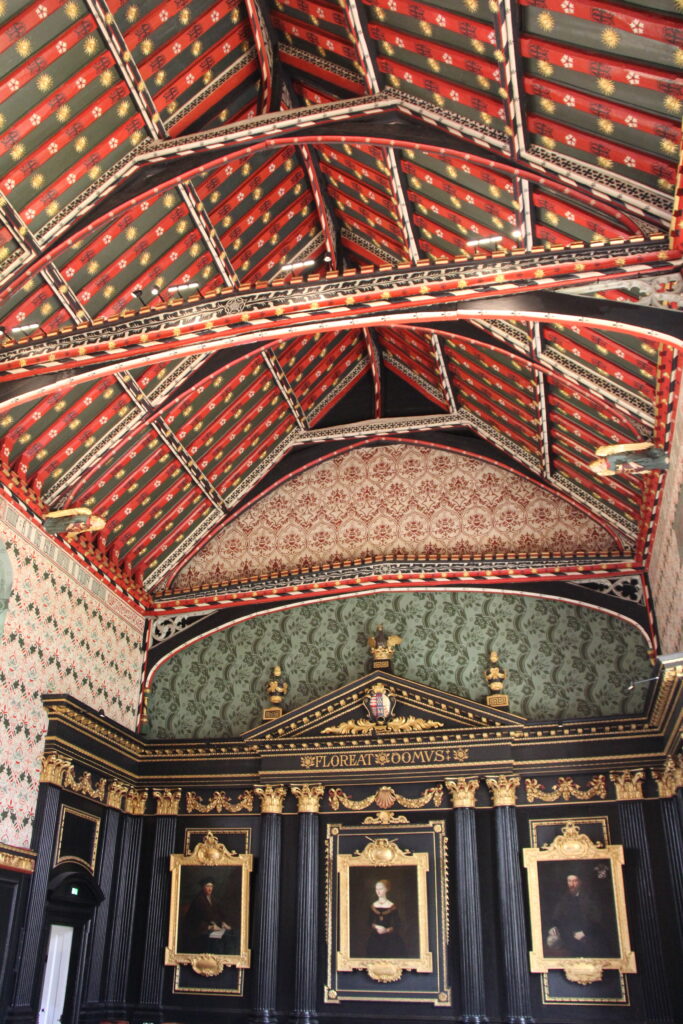
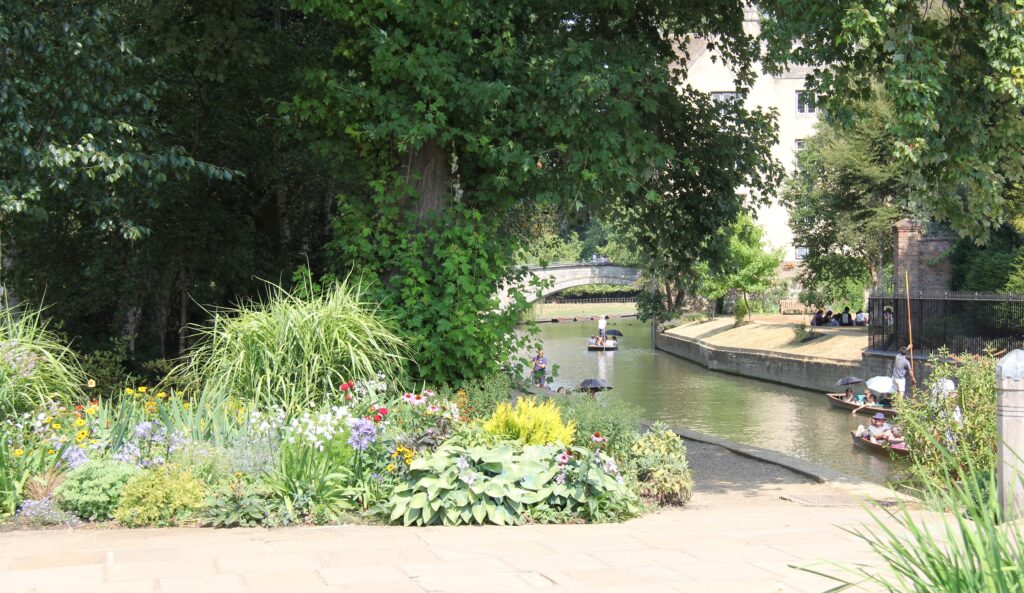
River Cam – is the main river flowing through Cambridge in eastern England and is closely associated with the city’s historic colleges and scenic landscapes. After passing through Cambridge, it flows north and east before joining the River Great Ouse near Ely, eventually connecting to England’s wider canal system.
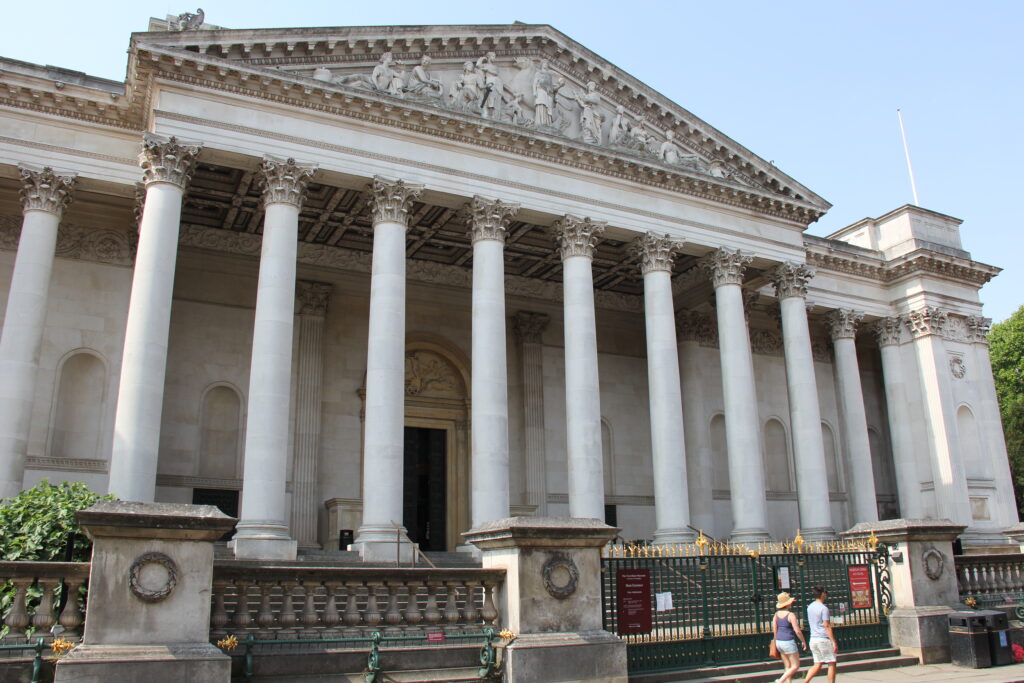
Fitzwilliam Museum – Located on Trumpington Street, this art and antiquities museum of the University of Cambridge was founded in 1816 and houses one of the finest collections of antiquities and art in Western Europe. The museum’s collection of over half a million objects spans world history from antiquity to the present, including masterpieces by Monet, Picasso, Rubens, Van Gogh, Renoir, Rembrandt and more. Admission is always free, making it accessible to all visitors.
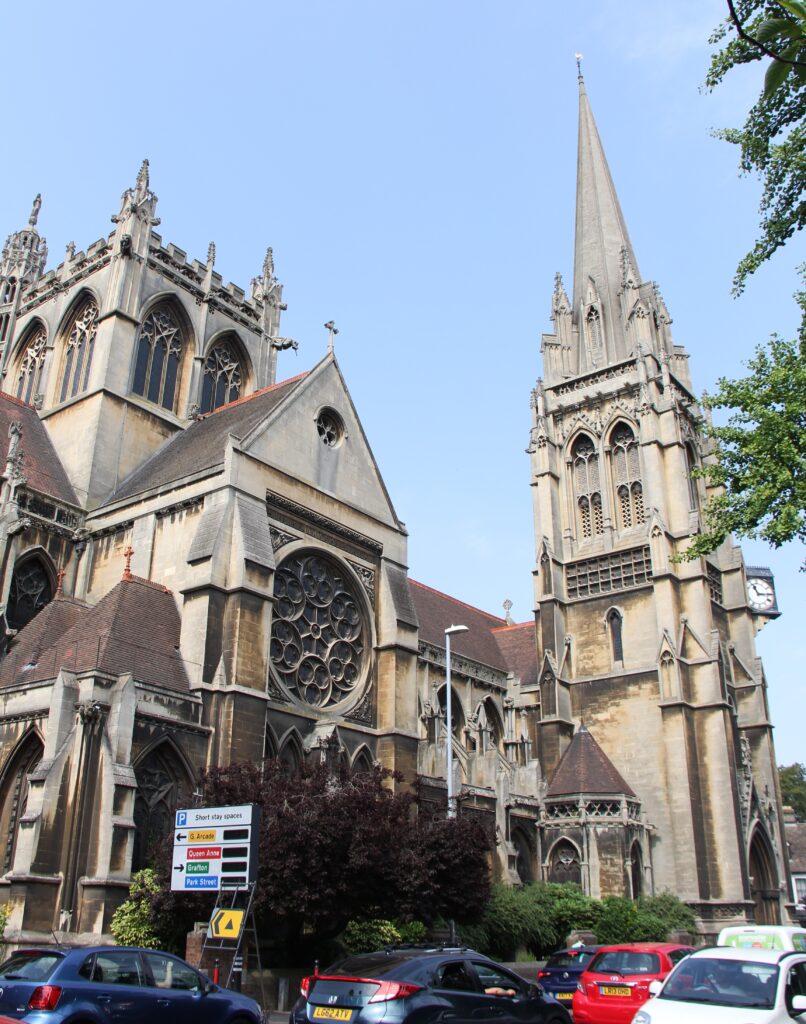
As we walked from one college to another, we came across a few churches and paused to admire them from the outside, as their architecture was truly impressive. Although we didn’t have time to step inside any of them on this visit, even viewing them from the outside was a treat. It’s something we’ll definitely make time for the next time we’re in Cambridge.
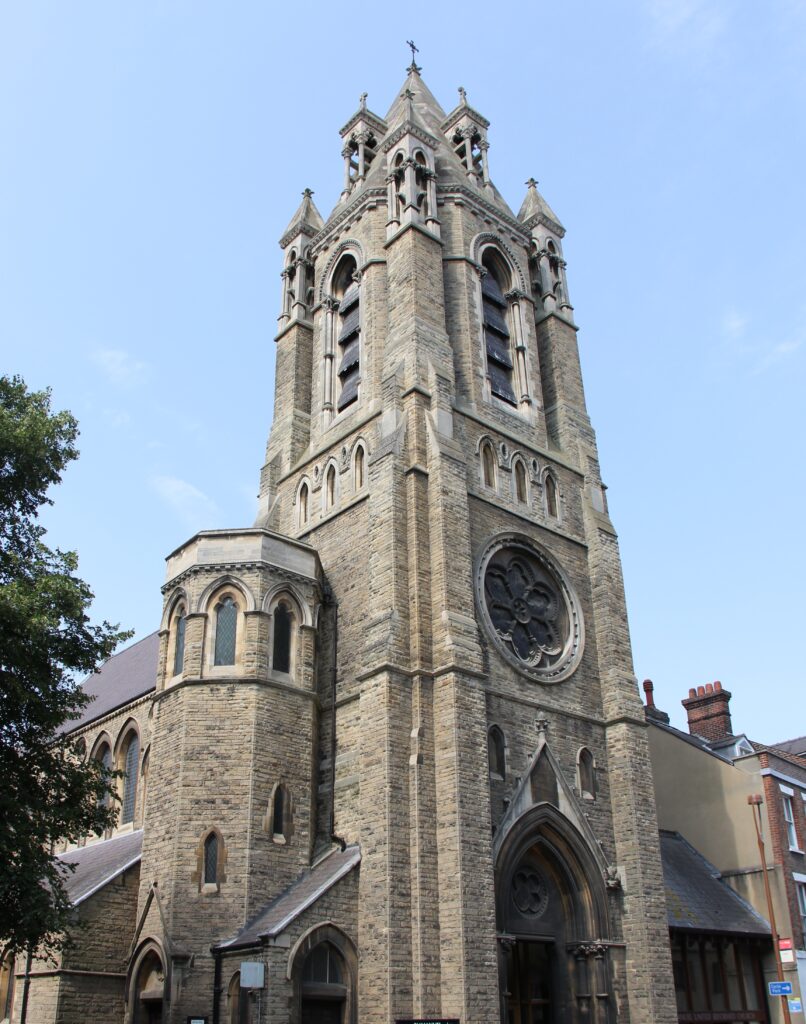
Church of Our Lady of the Assumption – This impressive Gothic Revival church, built between 1885 and 1890, really stands out on the Cambridge skyline. At 65 metres tall, including its striking spire, it’s the tallest building in the city and can be seen from miles away. One of the largest Catholic churches in the UK, it follows a traditional cruciform layout with beautiful details like a polygonal apse and a central lantern tower.
Emmanuel United Reformed Church – The Emmanuel United Reformed Church in Cambridge, originally a Congregational church, no longer functions as a place of worship. Built in 1874, it closed in 2018 due to high repair costs. Today, the beautiful building has been repurposed as an auditorium for Pembroke College, while the congregation joined St. Columba’s URC in Downing Place.
Oxford
Oxford, often called the City of Dreaming Spires, is the oldest university city in the English-speaking world. Its skyline is filled with stunning spires, towers, and domes, reflecting centuries of academic and architectural heritage. Visitors can wander cobbled streets, explore beautiful colleges, libraries, and chapels. We spent two hours on a tour of Oxford, focusing mainly on the Harry Potter filming locations. A full tour of all the colleges will definitely have to wait for our next visit.
- Christ Church College
- Meadow Building
- Dining Hall
- Christ Church Cathedral
- Bodleian Library
Christ Church College – is one of Oxford University’s most famous and historic colleges and was founded in 1546 by King Henry VIII. It’s unique because it’s a joint foundation of the university and Christ Church Cathedral, which also serves as the college chapel. The college features iconic buildings like Tom Tower, Tom Quad (Oxford’s largest quadrangle), and the Great Dining Hall, famous for its appearances in films such as Harry Potter and The Golden Compass. Its stunning architecture draws nearly half a million visitors each year.
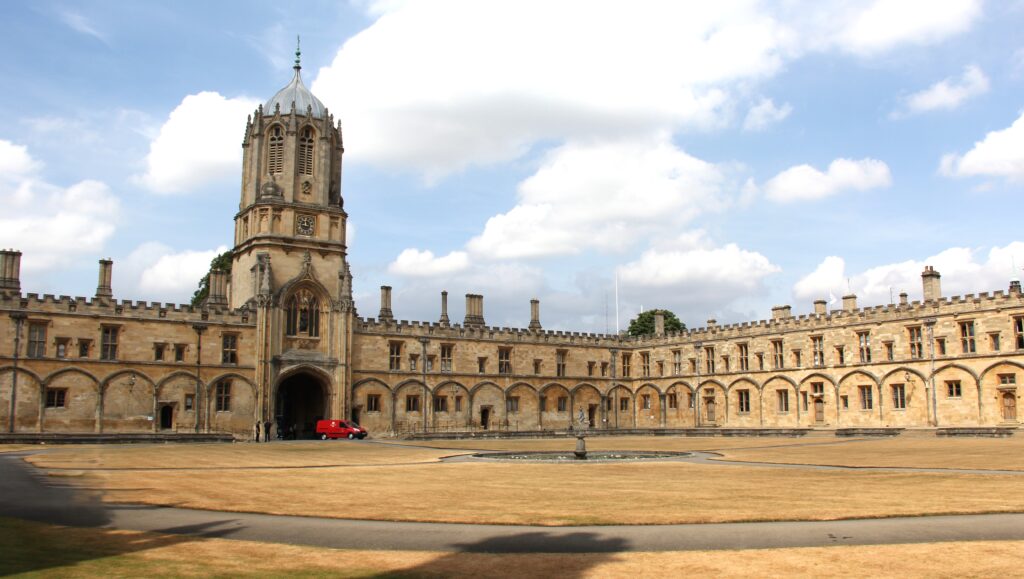
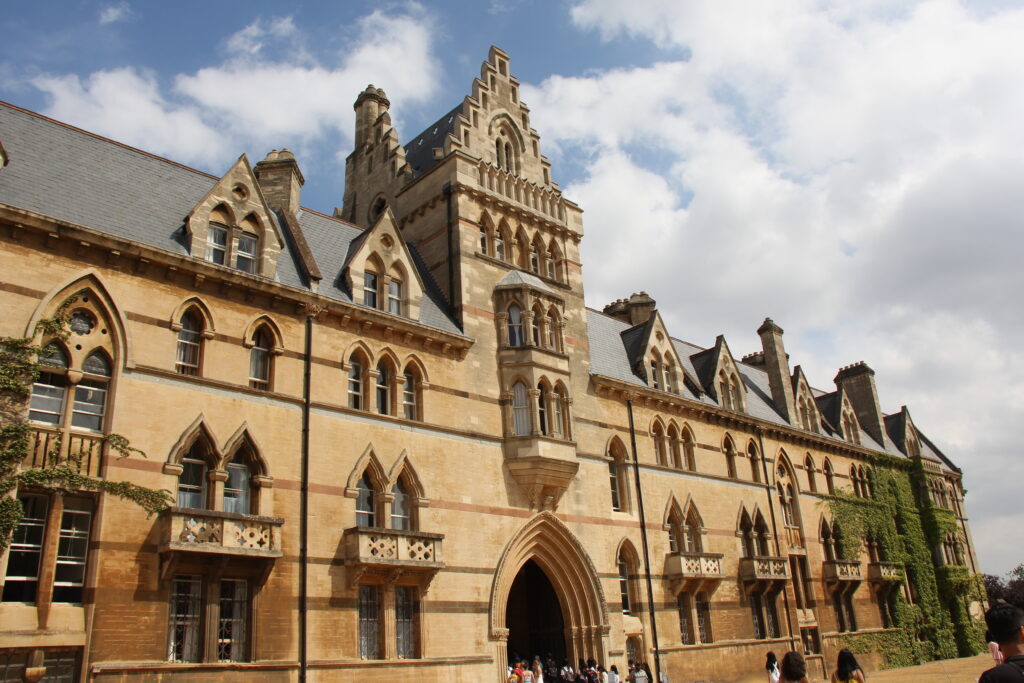
Christ Church College, Meadow Building – Often called Meadows by students, was built between 1862–1866 in a Venetian style. It was originally student accommodation with suites offering views of both the college and the meadow. Today, most rooms have been converted to en-suite, though one staircase remains mostly non-residential. The Meadow Building now serves as the public entrance for visitors to Christ Church, replacing the main entrance under Tom Tower.
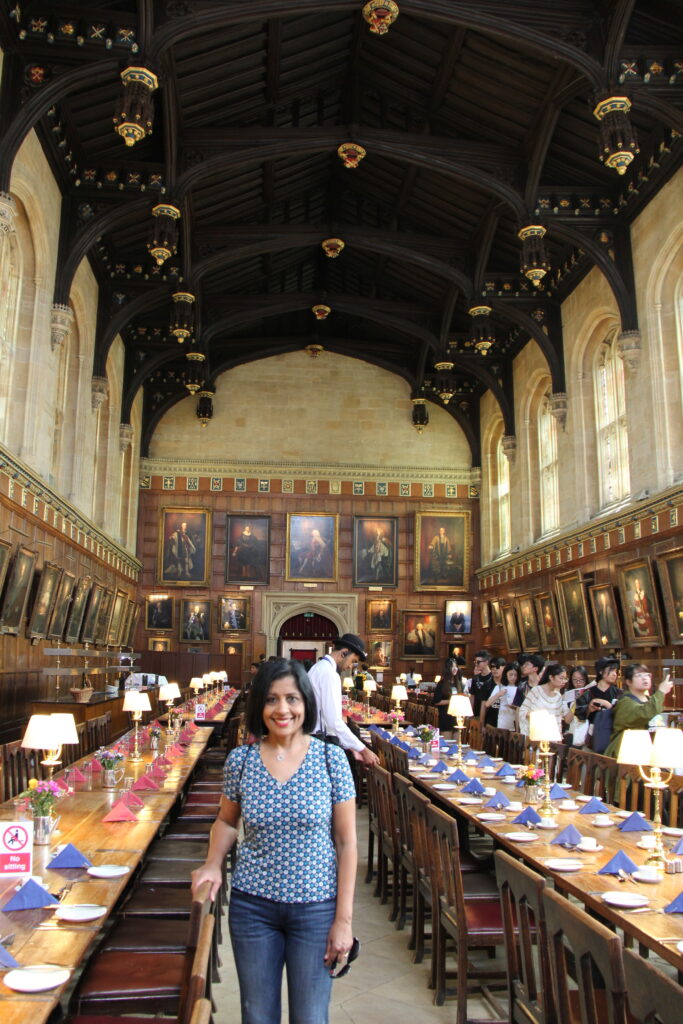
Christ Church College, Dining Hall – the Great Dining Hall at Christ Church College doubles as both a functional hall for students and a must-see attraction for visitors. Built in the 16th century, it features soaring Gothic windows, wooden paneling, and long tables that give it an atmosphere straight out of a storybook. The hall gained worldwide fame as the inspiration (and filming location) for Hogwarts’ Great Hall in the Harry Potter movies, which means it’s instantly recognizable to fans. This was the highlight of our visit to Oxford.
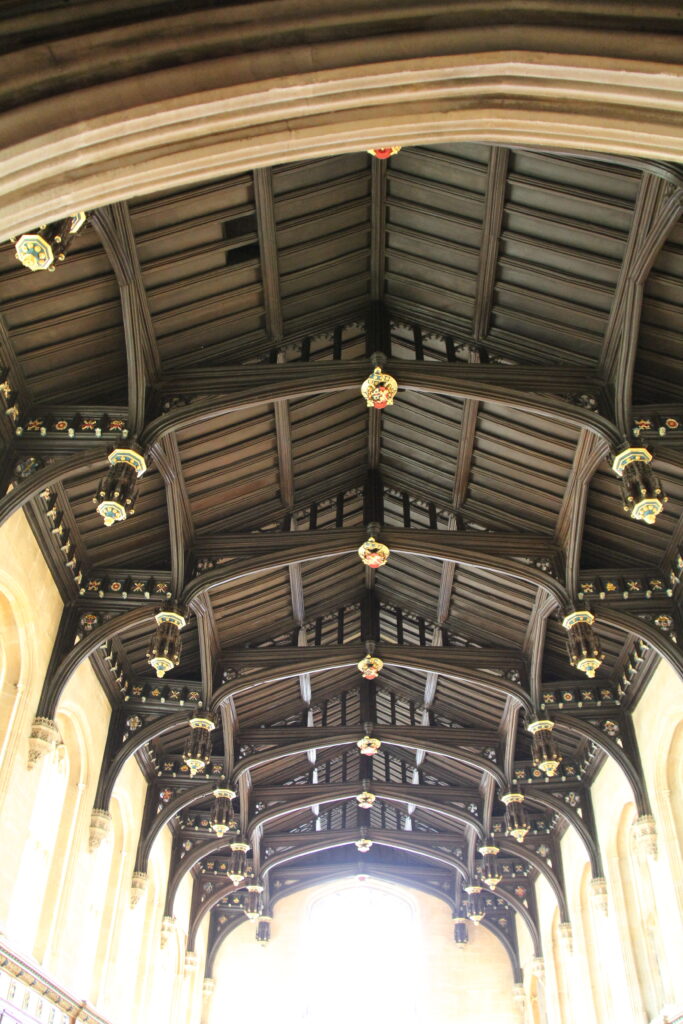
Christ Church Cathedral – This cathedral is unique in England as it serves both as the college chapel for Christ Church College and as the cathedral for the Diocese of Oxford. The dean of Christ Church doubles as the head of the college, reflecting its unusual dual role. The cathedral combines centuries of history with impressive architecture, making it a must-see when visiting Oxford.
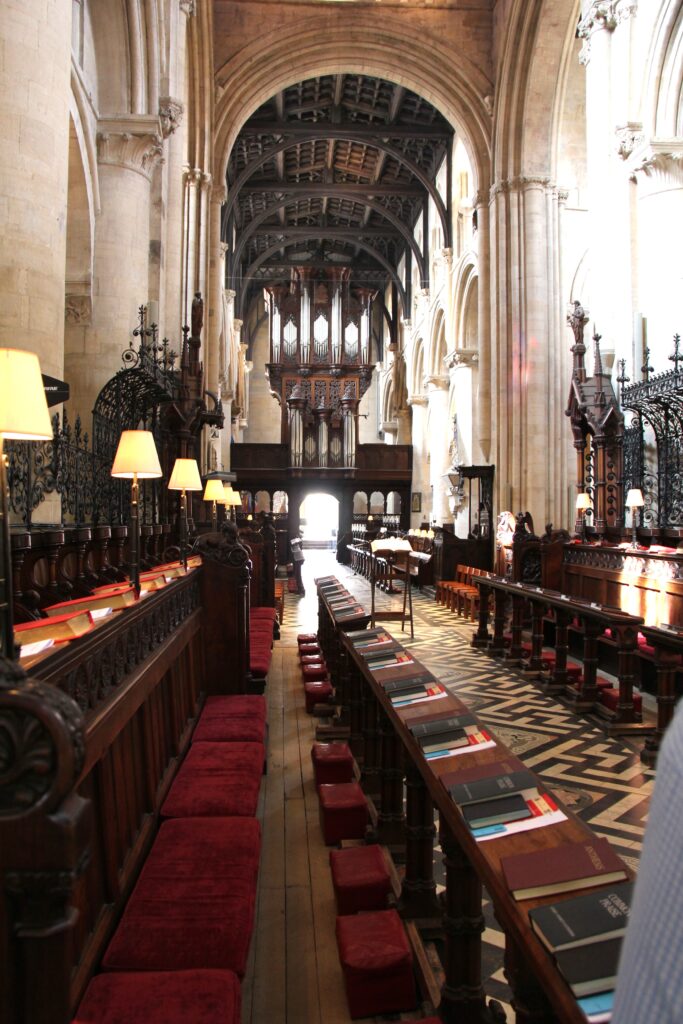
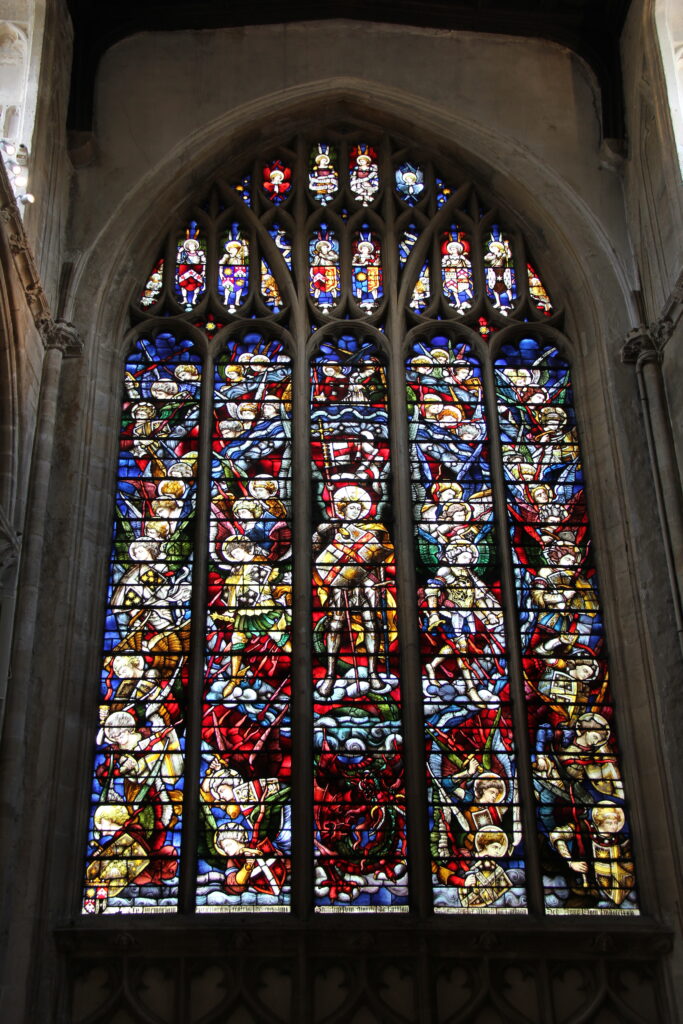
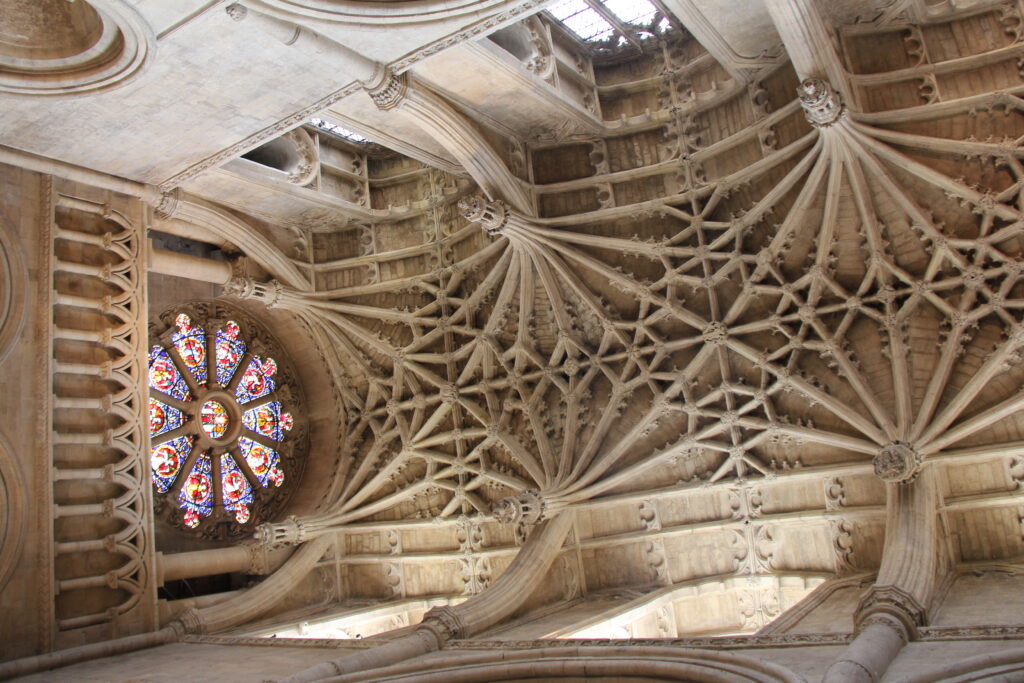
University of Oxford, Bodleian Library – Known affectionately as the Bod, this is Oxford’s main research library and one of the oldest libraries in Europe. Founded in 1602 by Sir Thomas Bodley, it now holds over 13 million items, making it the second-largest library in the UK after the British Library. It serves mainly as a reference library, so most materials can’t leave the reading rooms.
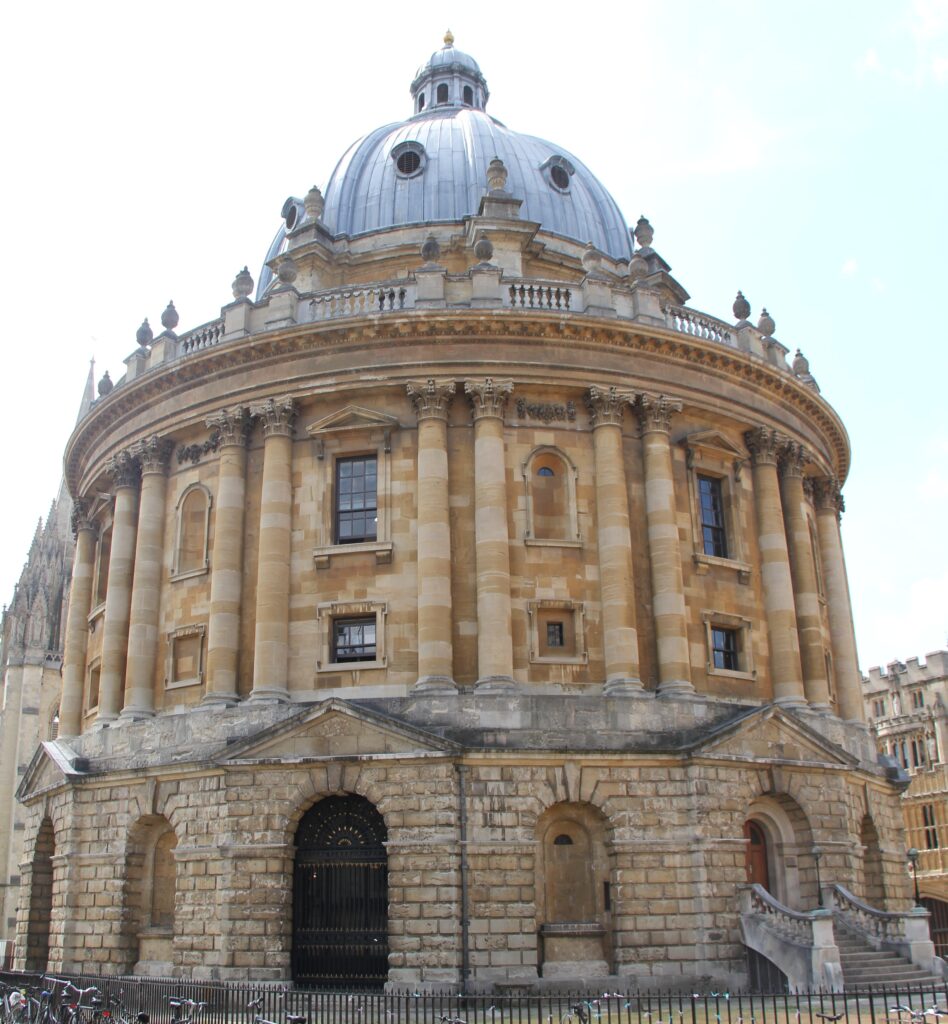
The Bodleian isn’t just one building—it’s a group of five historic sites near Broad Street, including Duke Humfrey’s Library (15th century), the Schools Quadrangle (17th century), Clarendon Building and Radcliffe Camera (18th century), and the modern Weston Library. Many of its archives were digitized in 2015, giving the public online access.