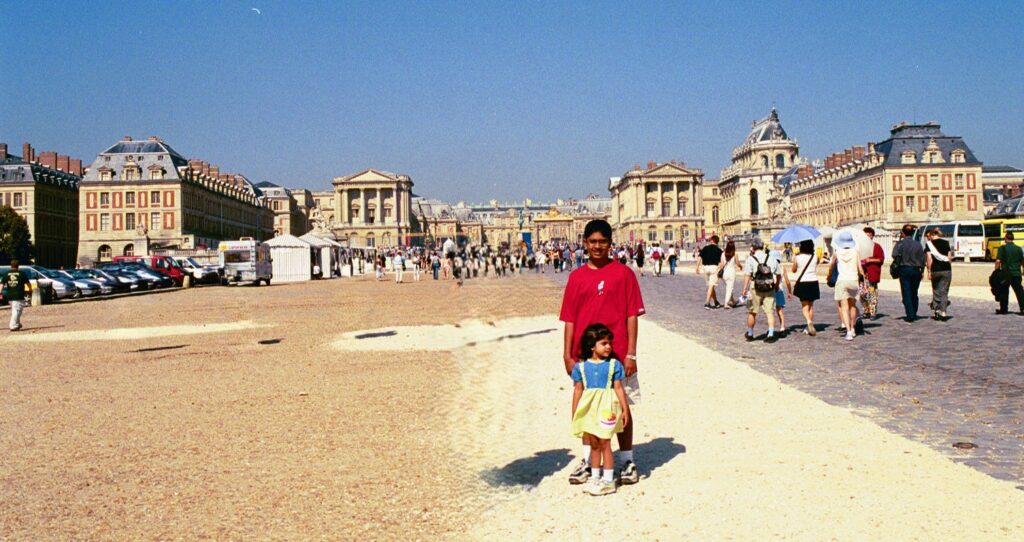
Visited in 2000
Often called the City of Light, Paris is the capital and largest city of France, located along the River Seine. It has been a global center of art, fashion, and history for centuries. The city is known for iconic landmarks such as Notre-Dame Cathedral, the Eiffel Tower, and the Louvre, and remains one of the most visited and influential cities in the world.
We used a combination of walking and the city’s excellent metro system to cover all the sites on this page. By grouping nearby attractions together, it’s easy to explore each area on foot. The metro makes it convenient to travel quickly between different parts of the city.
- Arc de Triomphe
- Champs-Élysées
- Place de la Concorde
- Arc de Triomphe du Carrousel
- Eiffel Tower
- Louvre Museum
- Notre -Dame Cathedral
- Seine River cruise
- Sacré-Cœur
- Les Invalides
- Palais Garnier
- Park Asterix
- Versailles
Arc de Triomphe – is one of the most famous monuments in Paris, located at the western end of the Champs-Élysées in the center of Place Charles de Gaulle. Commissioned to honor those who fought and died for France during the French Revolutionary and Napoleonic Wars, it features the names of French victories and generals engraved on its surfaces. Beneath the arch lies the Tomb of the Unknown Soldier from World War I, marked by an eternal flame. Designed by Jean-François Chalgrin and completed in the 19th century, the Arc de Triomphe stands as a powerful symbol of French national pride and occupies a central place along Paris’s historic axis.
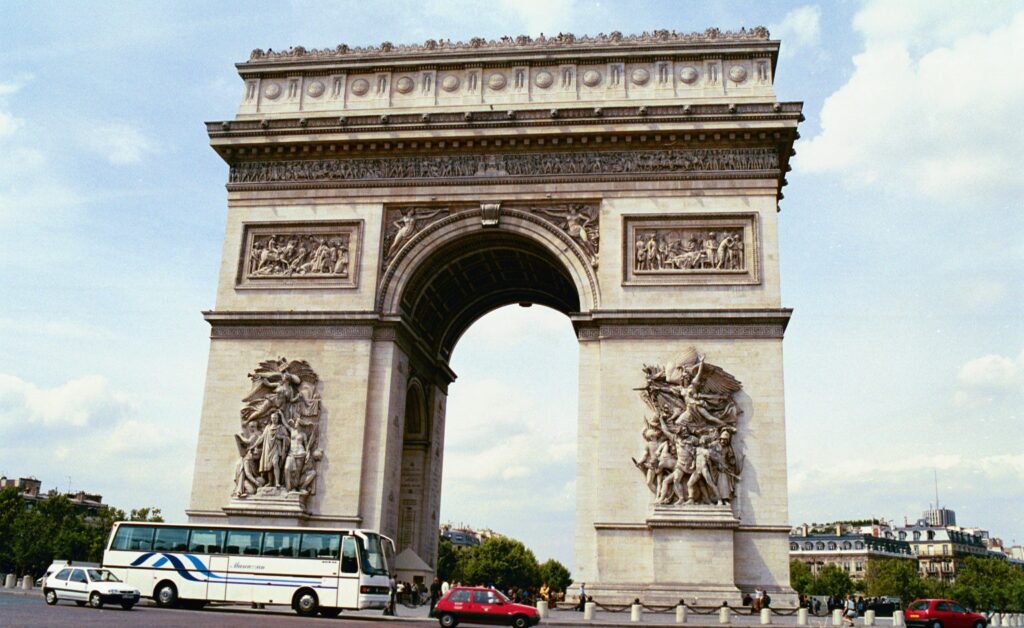
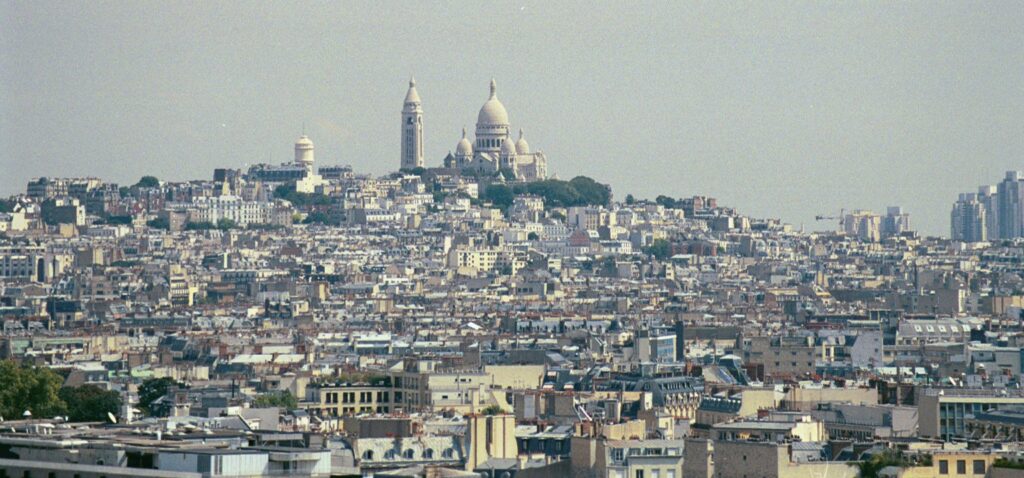
From the Arc de Triomphe, twelve avenues radiate outward in a star-shaped layout, with the most famous being the Champs-Élysées, which runs eastward to Place de la Concorde. In addition to the sweeping views of these avenues, there are also stunning views of the Eiffel Tower and Sacré-Cœur from the top of the monument.
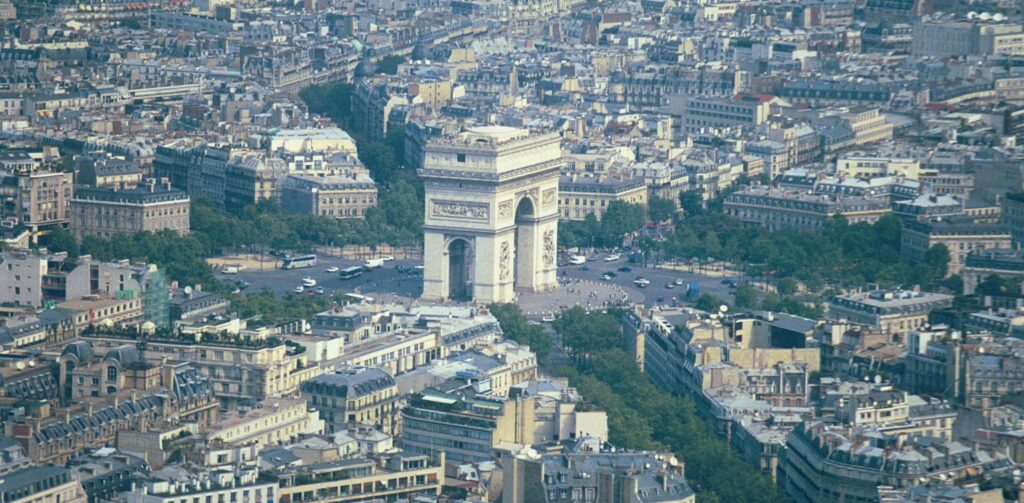
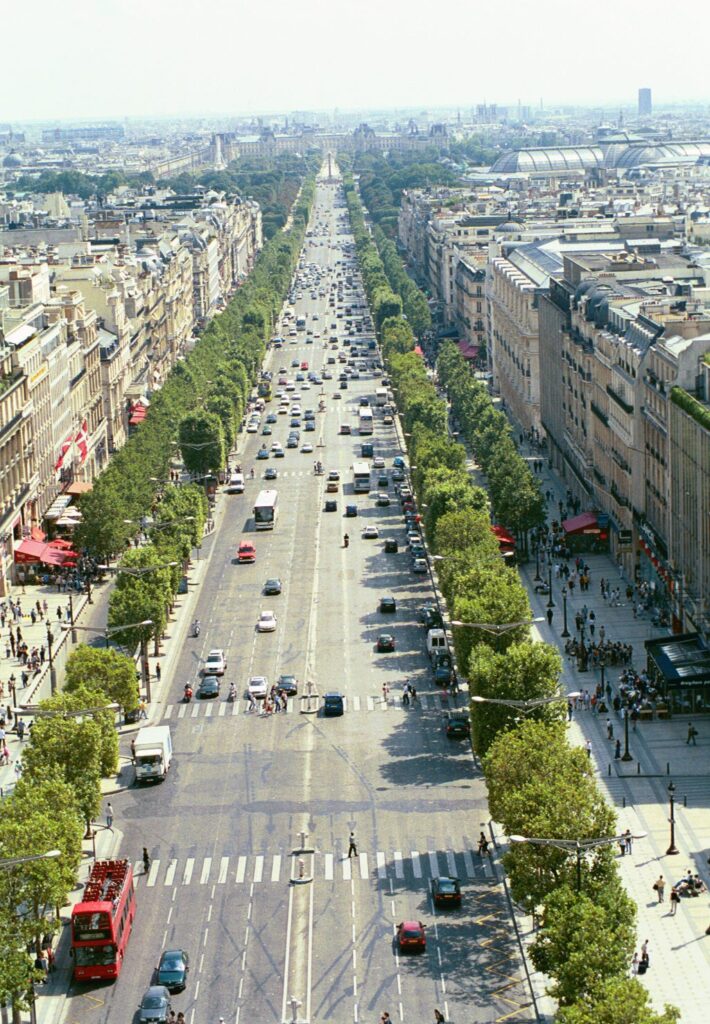
Champs-Élysées – a truly lovely avenue that has only become more beautiful with every passing decade. Nearly 2 km in length, this historic thoroughfare runs from the majestic Arc de Triomphe to Place de la Concorde. Before the 17th century, the area was marshy fields and wilderness outside the city, used for hunting. The transformation began when Le Nôtre designed a wide, tree-lined path extending from the Tuileries Palace.
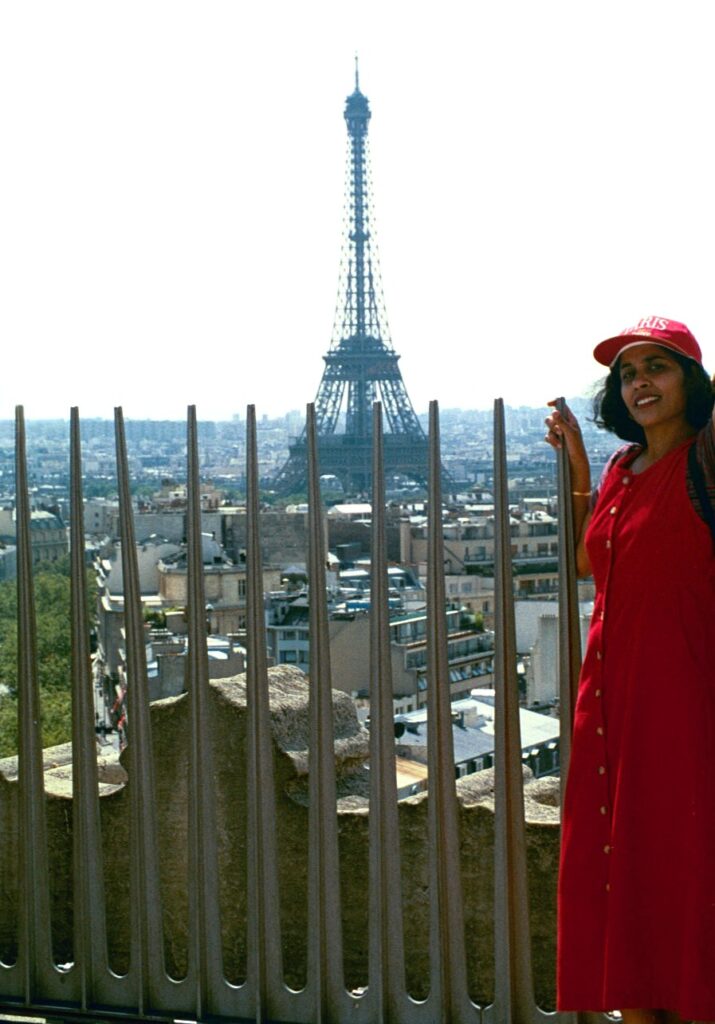
Place de la Concorde – is a one-stop historic site at the end of the Champs-Elysées and Paris’ largest and most important square. It was an execution site during the French Revolution. Louis XVI and Marie Antoinette were among many who met their end by guillotine here.
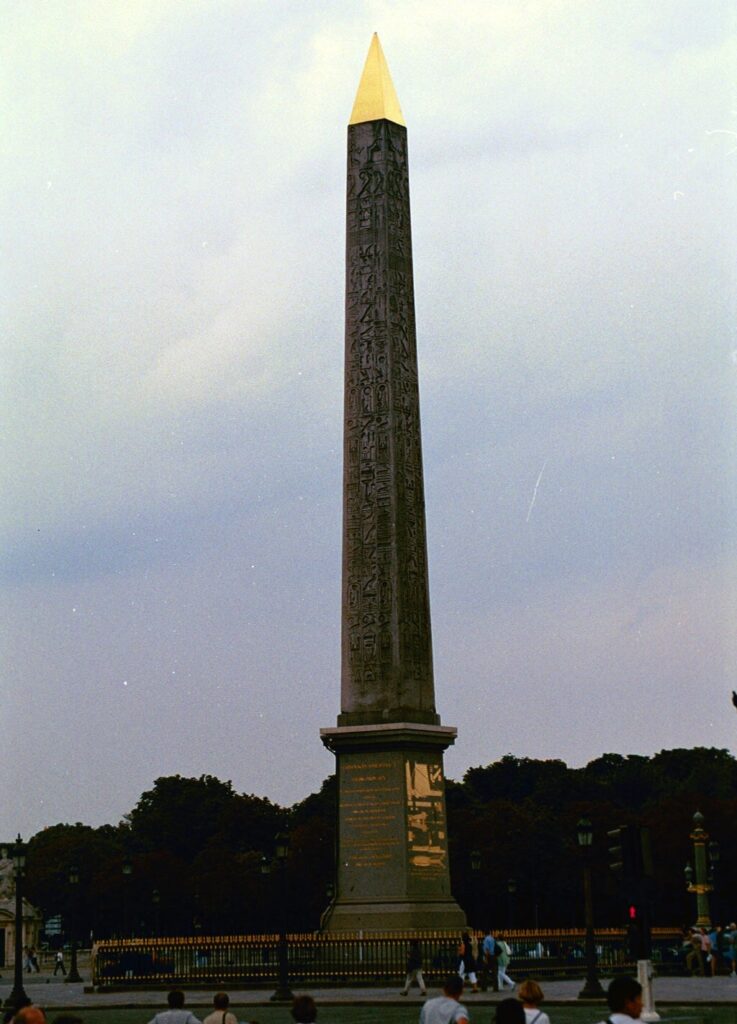
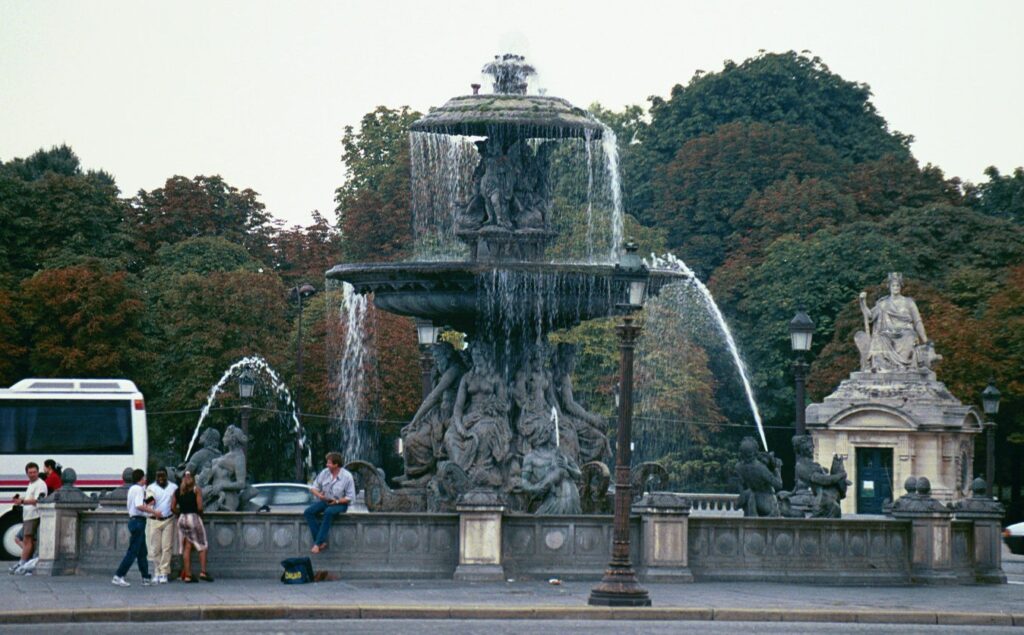
The square is home to the 3,300-year-old Luxor Obelisk. Flanking the Luxor Obelisk are the Fountain of the Seas (Fontaine des Mers) to the south and the Fountain of Rivers (Fontaine des Fleuves) to the north, both designed by Jacques Ignace Hittorff and completed in 1840 during the reign of King Louis-Philippe.
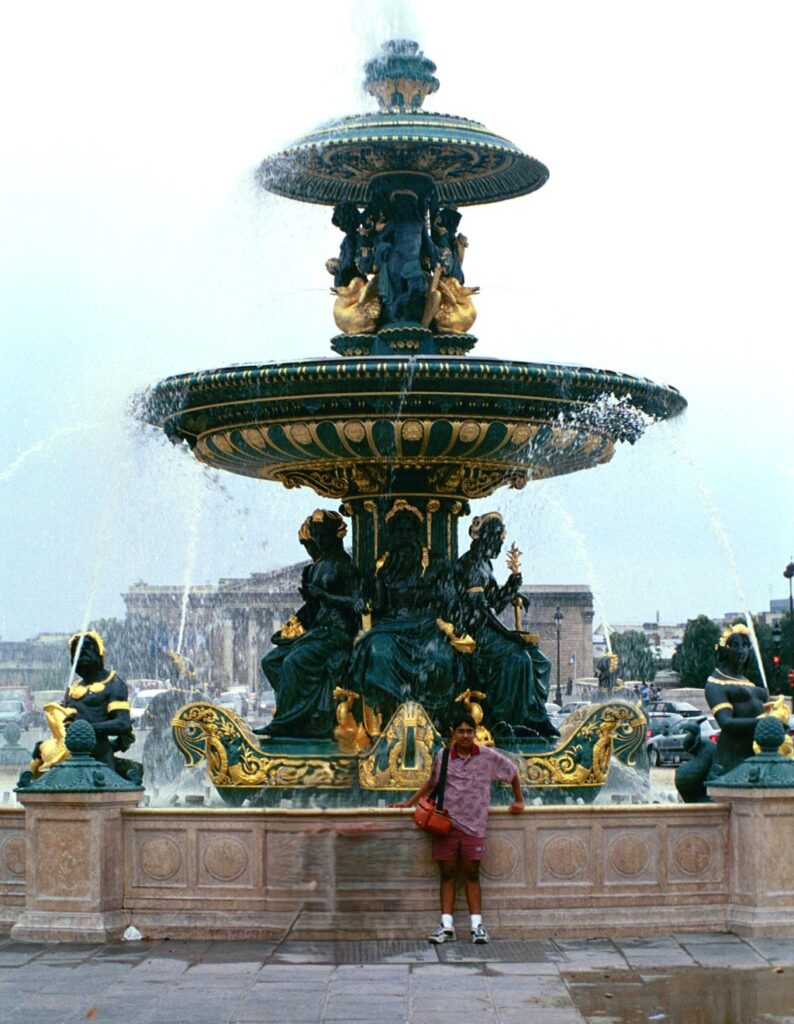
Both fountains feature elaborate sculptures and intricate designs. The Fountain of the Seas highlights maritime themes with allegorical figures representing the Atlantic Ocean and the Mediterranean Sea, surrounded by tritons, nereids, and other mythological sea creatures. The Fountain of the Rivers, on the other hand, celebrates France’s major rivers, with figures representing the Rhône and the Rhine, accompanied by river gods and nymphs. Crafted from bronze and cast iron, both fountains possess a rich green patina that enhances their majestic appearance.
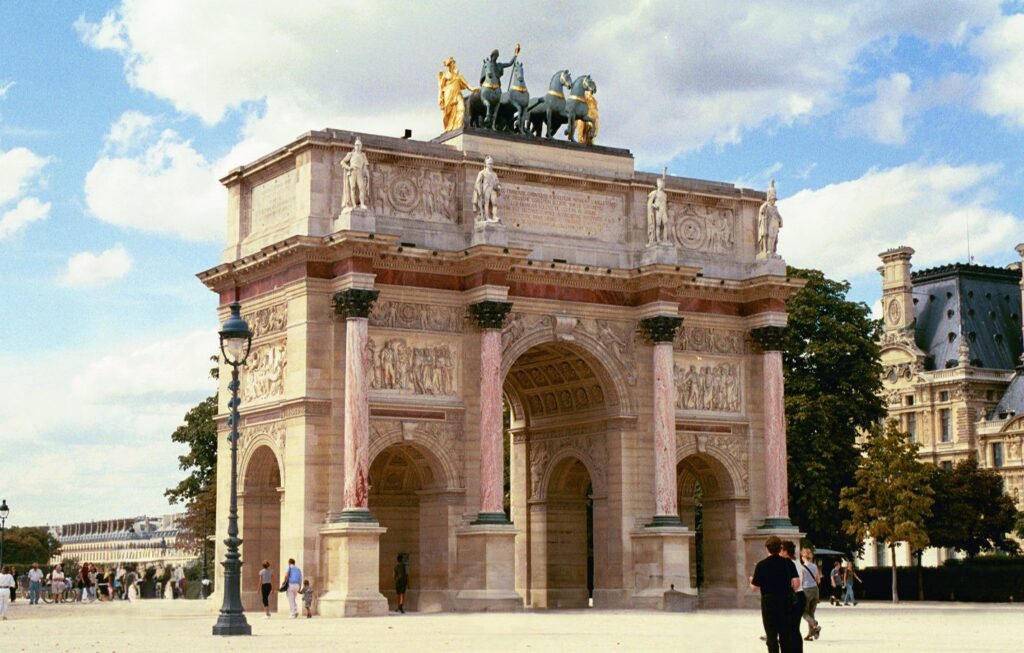
Arc de Triomphe du Carrousel – Not to be confused with the more famous Arc de Triomphe, the du Carrousel is a smaller triumphal arch built by Napoleon I (1806-1808) to celebrate his military victories and is modeled after the Roman arch, Arch of Septimius Severus. Located at the western end of the Louvre, it was intended as the entrance to the Tuileries Palace and features detailed reliefs of battles, Corinthian columns topped with soldiers, and a famous quadriga (chariot) now depicting Peace. It forms part of Paris’s historic axis, aligned with the Place de la Concorde obelisk and the larger Arc de Triomphe.
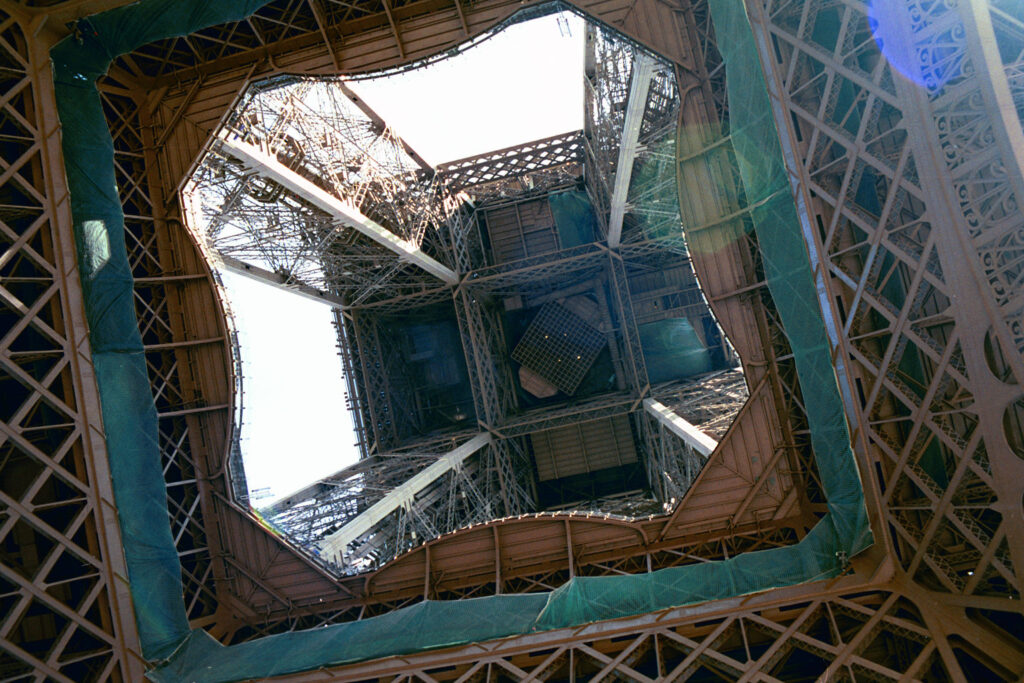
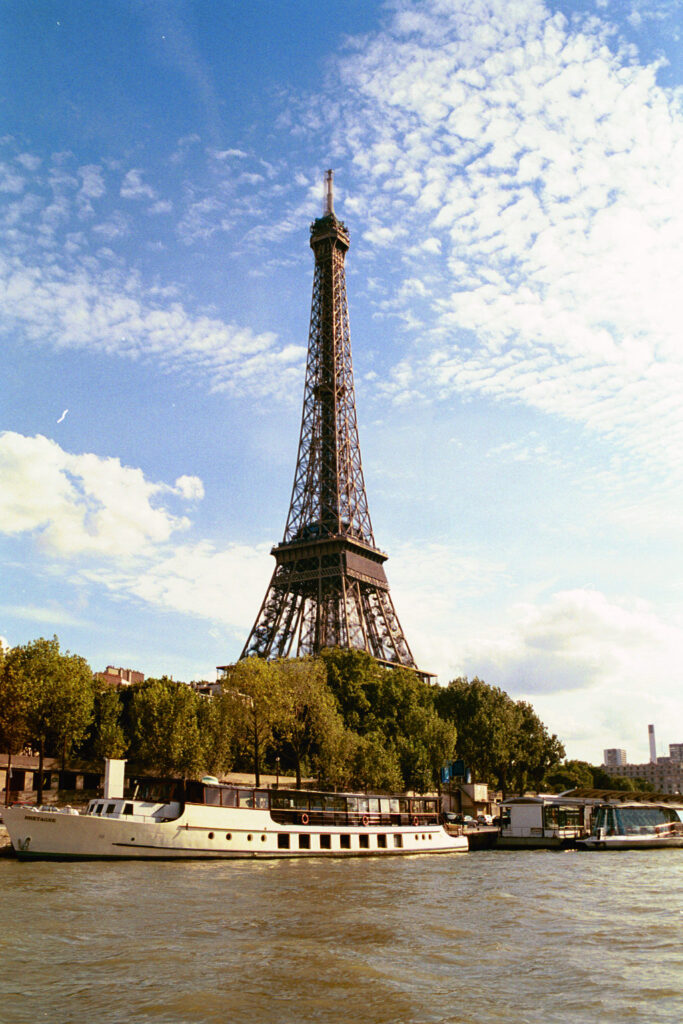
Eiffel Tower – This 330 m tall, wrought-iron lattice tower is named after engineer Gustave Eiffel, whose company designed and built the tower from 1887 to 1889. it was constructed as the centerpiece of the 1889 World’s Fair and to crown the centennial anniversary of the French Revolution. Although initially criticized by some of France’s leading artists and intellectuals for its design, it has since become a global cultural icon of France and one of the most recognizable structures in the world. It was named part of a UNESCO World Heritage Site in 1991.
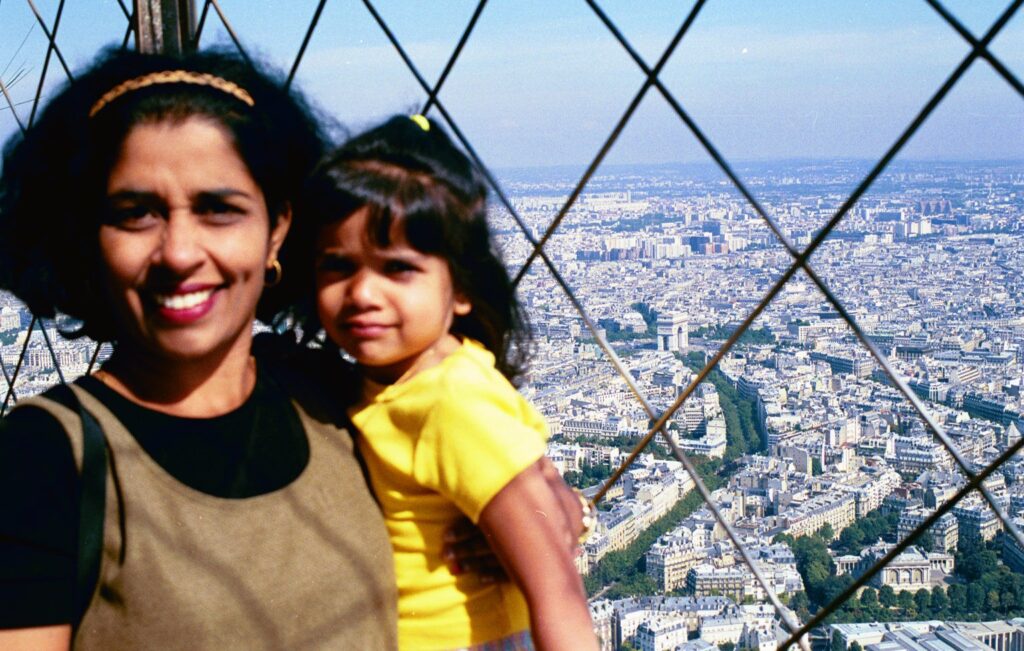
View from the top level of Eiffel Tower – The tower has three levels for visitors, with restaurants on the first and second levels. You can see a wide panoramic view of Paris from the top level. On the southeast you can see the Champ de Mars – a large, expansive public green space that stretches from the base of the Eiffel Tower to the École Militaire in the distance. You get a stunning view of the entire length of this park, its large lawns, and walking paths.
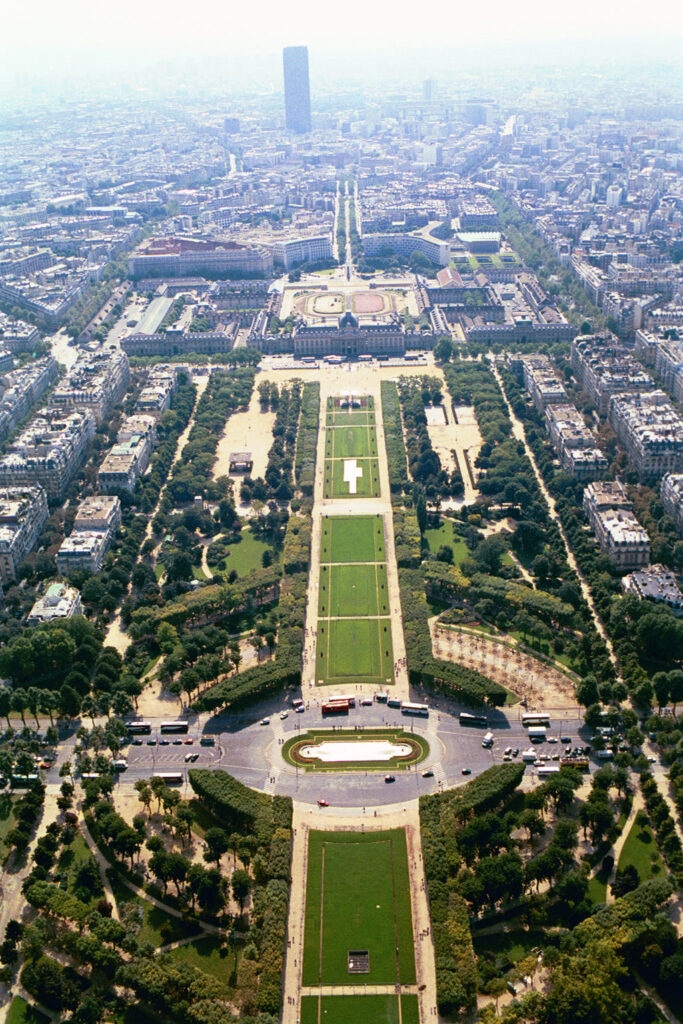
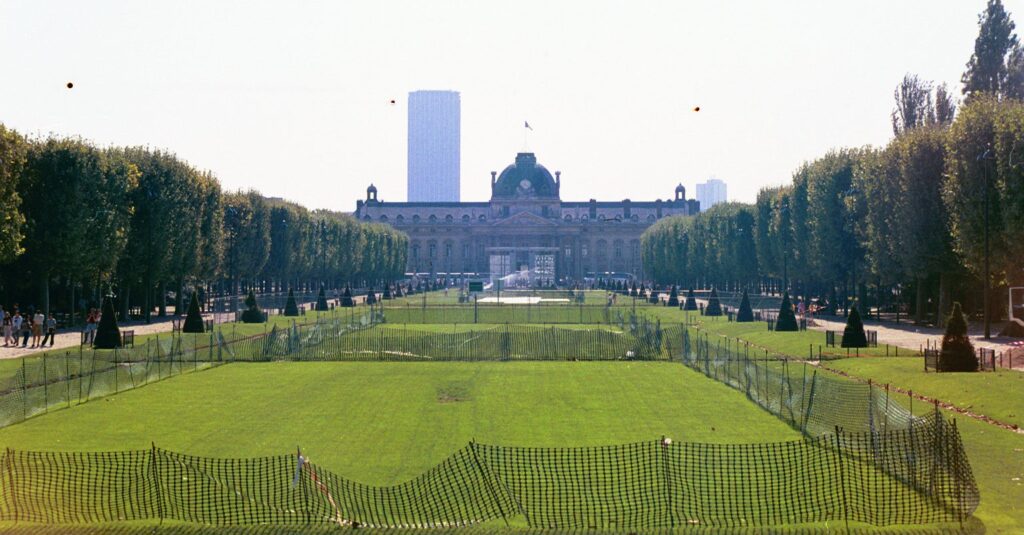
École Militaire – After visiting the top of the Eiffel Tower, we walked to the École Militaire, a historic military complex visible from above. Founded in 1751 by King Louis XV and designed by architect Ange-Jacques Gabriel, it has long served as a center for military education. Today, it houses senior military institutions and is recognized as a national monument, open to visitors during European Heritage Days.
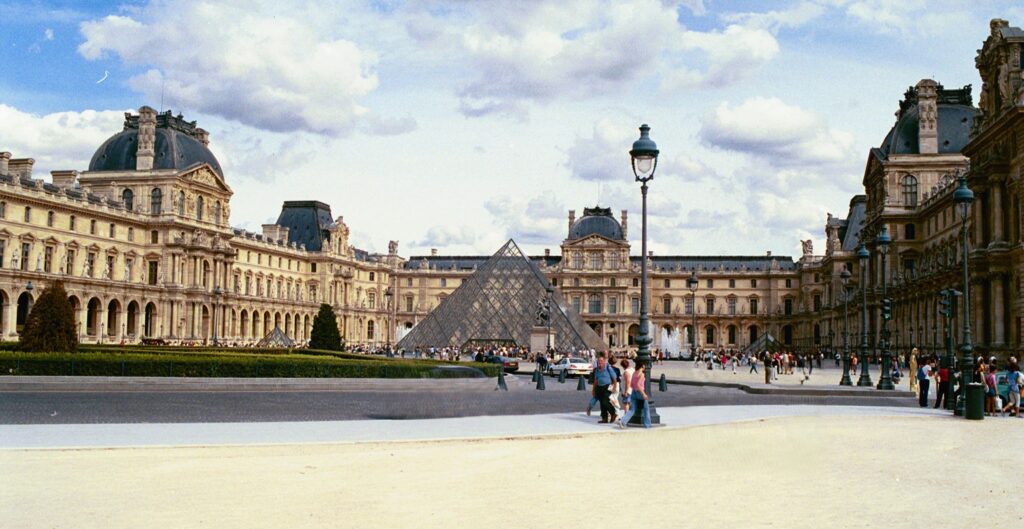
Louvre – is one of the world’s largest and most visited art museums, housed in the historic Louvre Palace, a former royal residence. It features a vast collection spanning from prehistory to the 21st century, including masterpieces like the Mona Lisa and the Venus de Milo, across eight curatorial departments. The museum is known for its extensive collection of paintings, sculptures, and decorative arts, and it requires timed-entry reservations for most visitors.
It has over 35,000 works on display, covering 8,000 years of art history, from ancient civilizations to the 19th century. The historic structure was originally a fortress and later a royal palace, with the iconic glass pyramid entrance added in 1989.
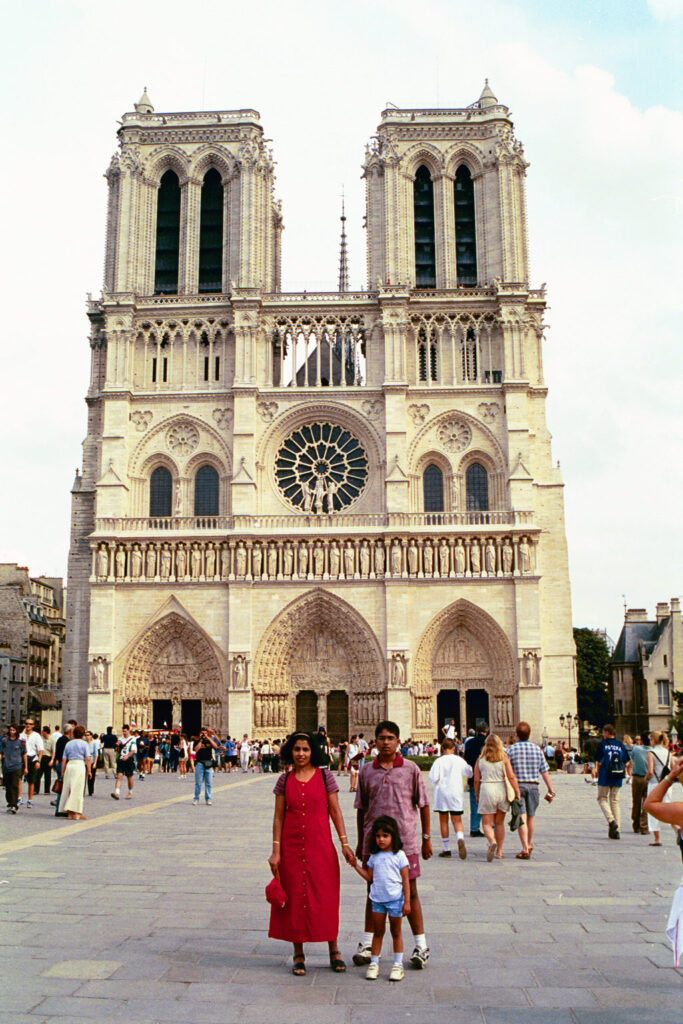
Notre-Dame Cathedral (Our Lady of Paris) – We visited this medieval Catholic cathedral in 2003 way before the 2019 devastating fire. Built between the 12th and 14th centuries, it’s a major Parisian icon, hosting events from Napoleon’s coronation to Joan of Arc’s beatification. It is a masterpiece of French Gothic style, known for flying buttresses, intricate facades, stained-glass rose window, twin towers, and massive organ.
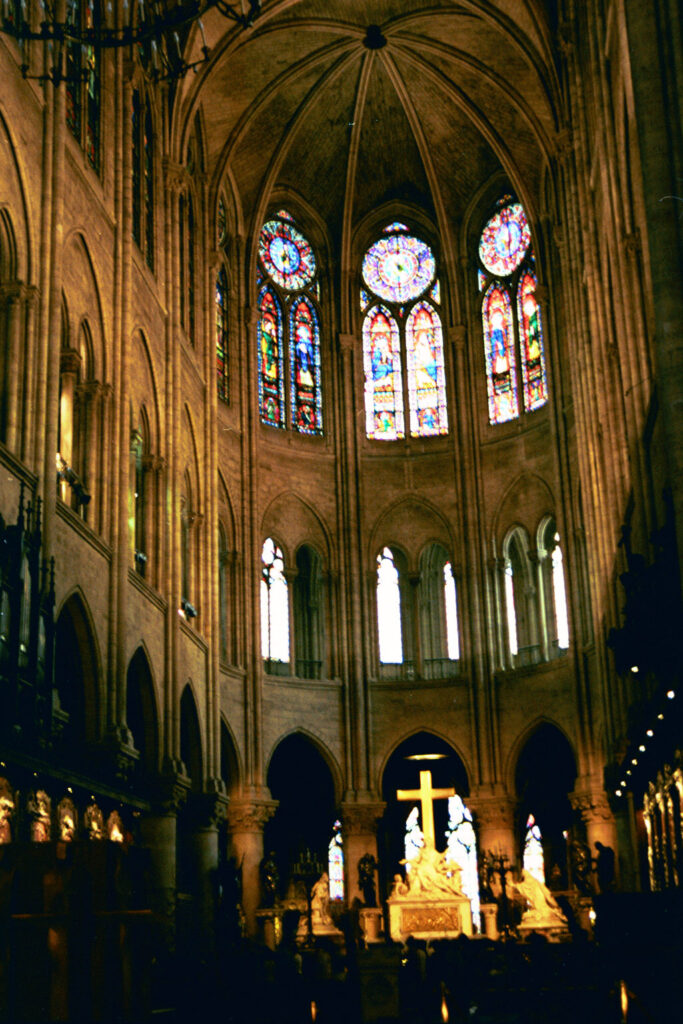
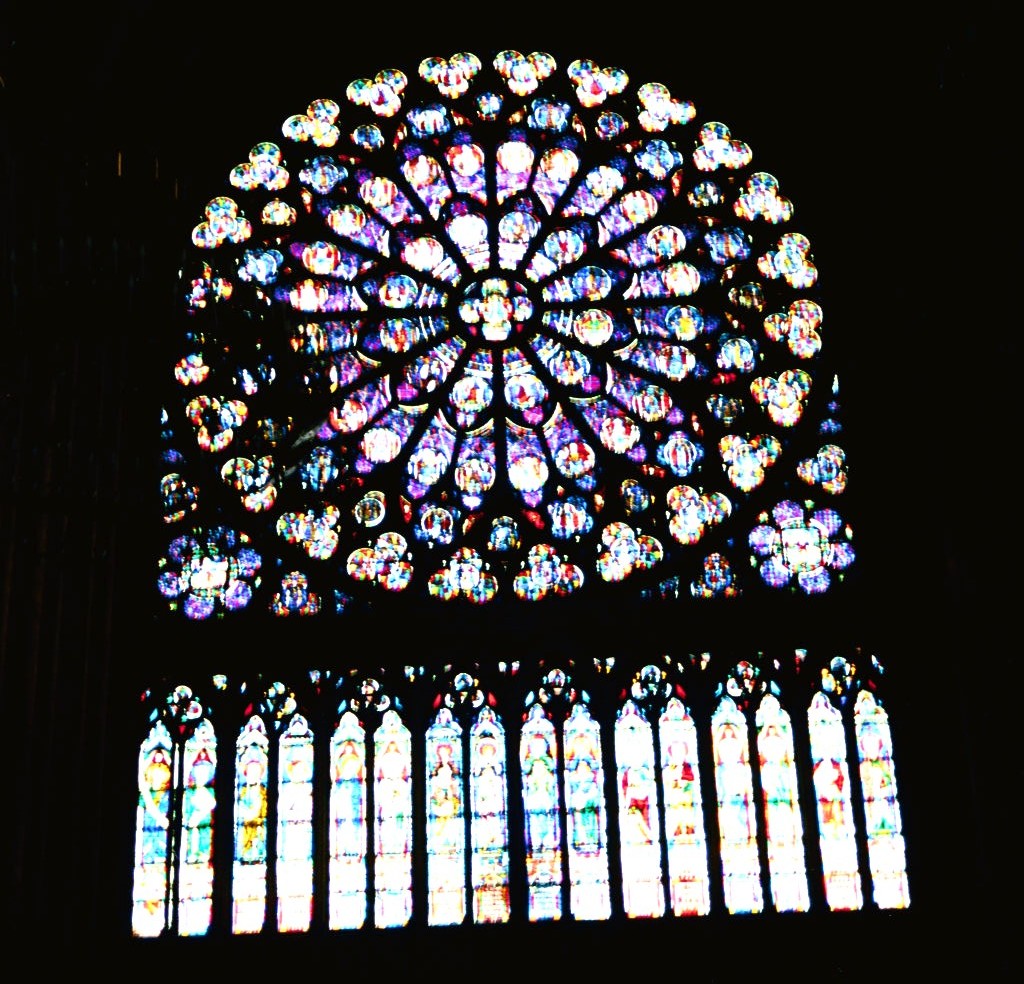
Rose windows of Notre-Dame – The windows are among its greatest architectural and artistic treasures. These monumental stained-glass circles have multiple purposes – aesthetic, symbolic, and technical. They flood the interior with colorful light that shifts throughout the day and seasons and tell the sacred history of Christianity through rich symbolism.
Each window is uniquely placed and designed—the west representing the Last Judgment, the north honoring the Virgin Mary, and the south celebrating prophets and saints—making them powerful expressions of Gothic genius and spiritual meaning. Its circular shape symbolizes eternity, while the central medallion often depicts Christ, surrounded by apostles, saints, and angels.
Notre Dame’s Spire – is located above the cross-section of the cathedral’s transept. The Cathedral had three timber spires made of oak. The first was built between 1220 and 1230. It eventually became so damaged that it was removed in the late 18th century. The second was put into place by the French architect Eugene Viollet le Duc in 1859, and destroyed in the fire of 2019. It has been rebuilt, mirroring the original design with oak, lead, and copper.
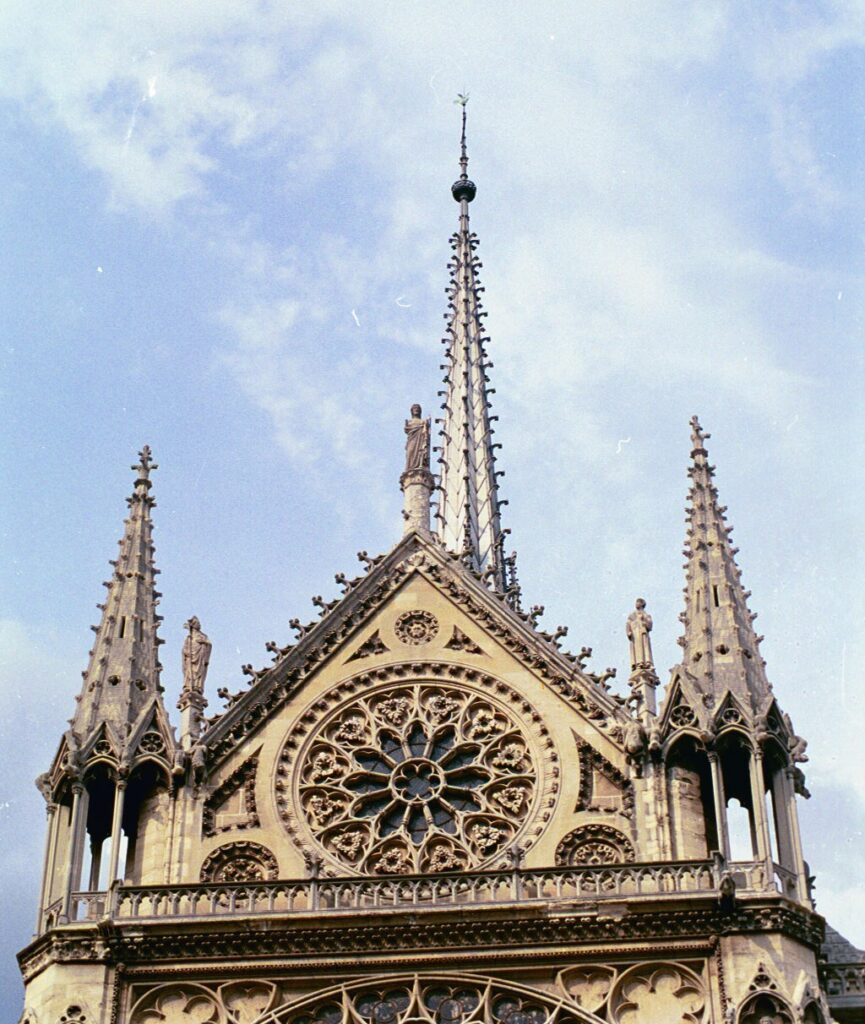
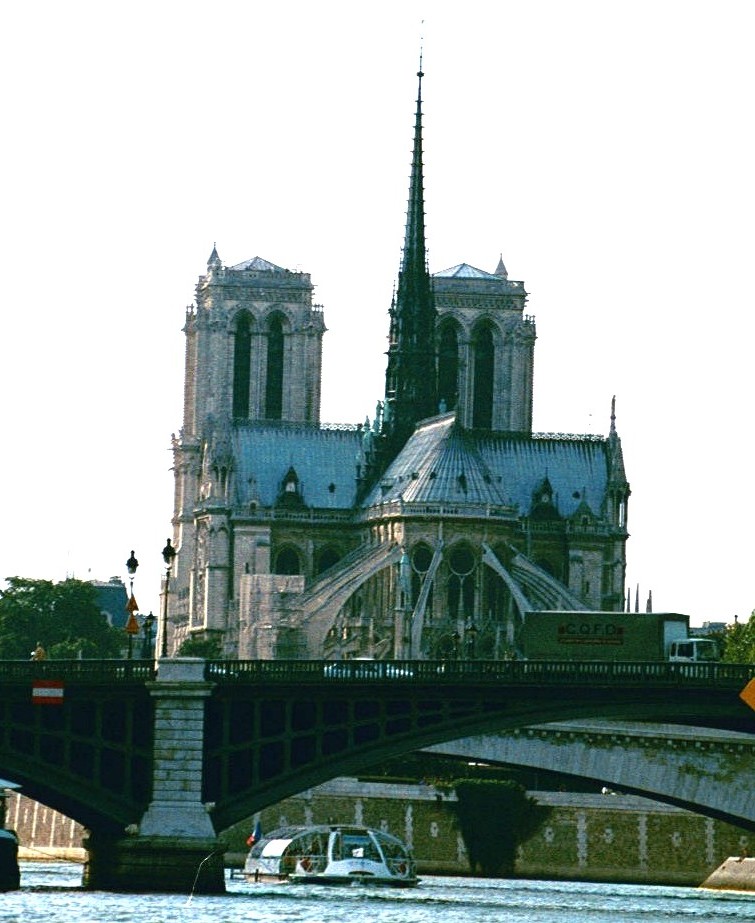
2019 Fire: A major fire destroyed the spire and roof, leading to a massive reconstruction effort. After 5 years of reconstruction efforts, it dramatically reopened in December 2024 with its breathtaking interior restored and the iconic spire rebuilt, though exterior scaffolding and ongoing work (like final site cleanup/landscaping) mean completion isn’t expected until 2028.
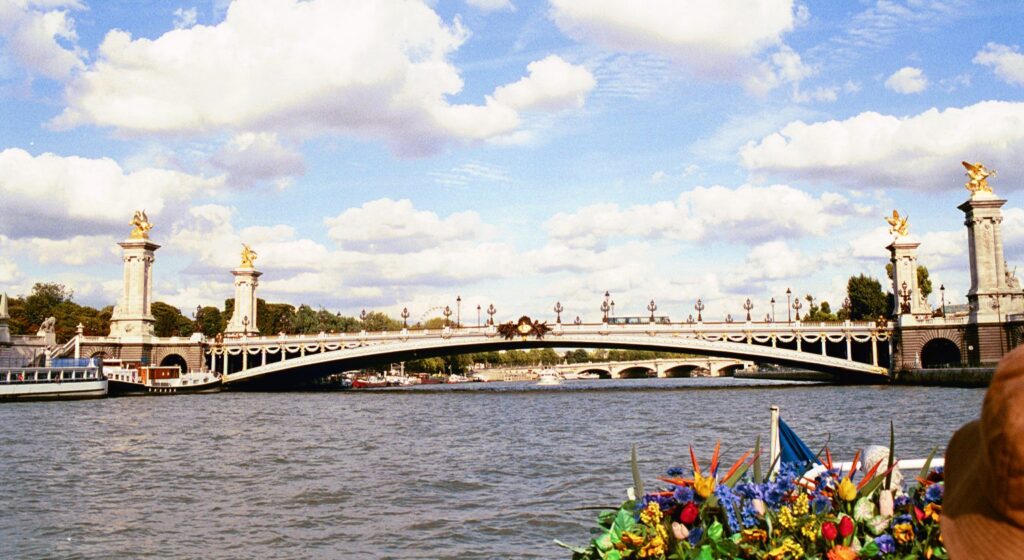
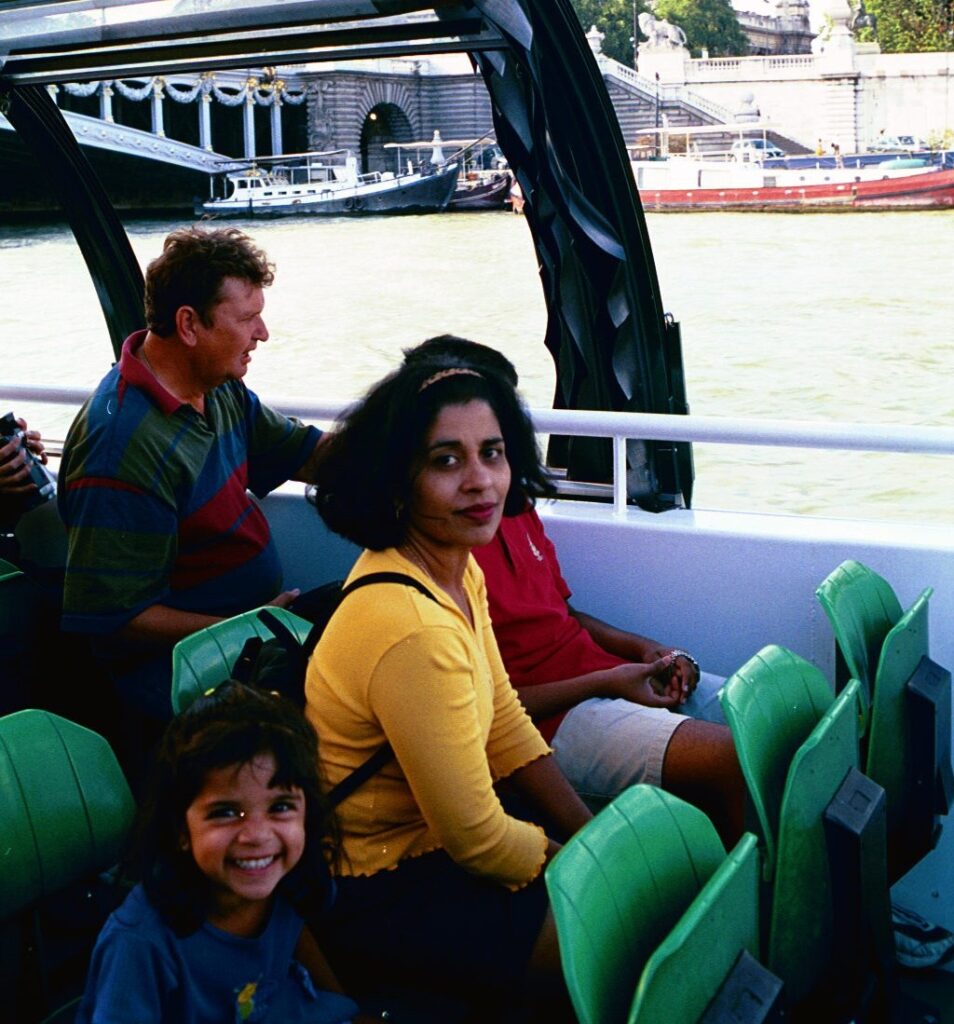
Seine River Cruise – This was one of the first activities we did after we reached Paris. It’s a great way to get your bearings and understand the layout of the city. The 1–2 hour cruise offers engaging commentary and views of landmarks like the Eiffel Tower, Notre-Dame Cathedral, and the Louvre.
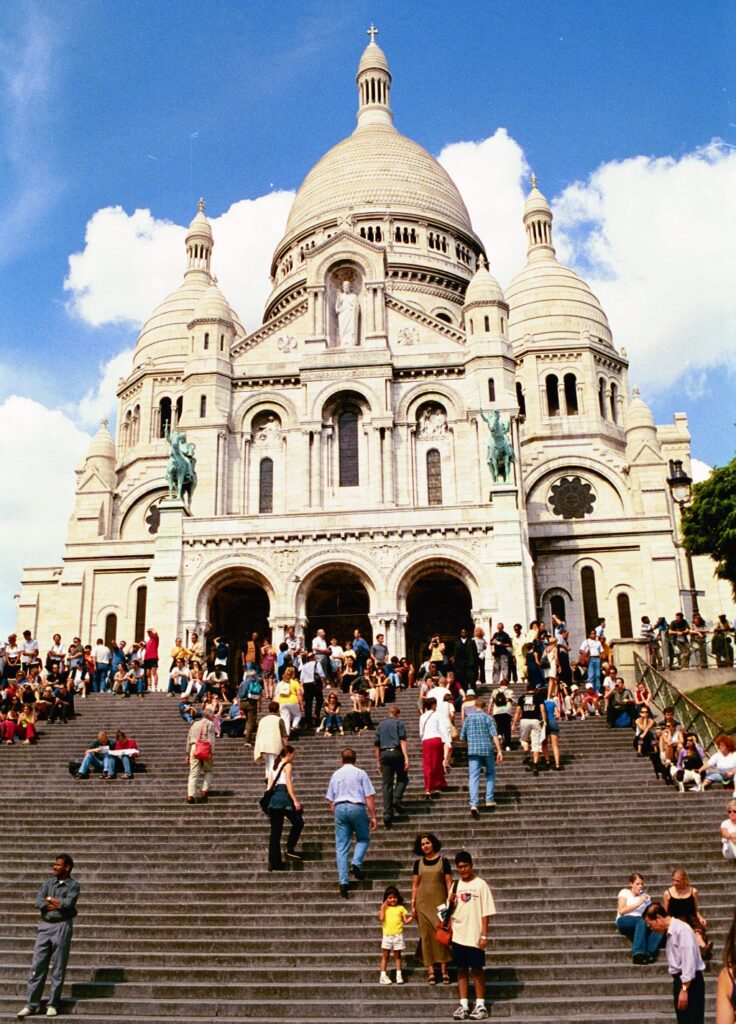
The Sacré-Cœur Basilica (Basilique du Sacré-Cœur de Montmartre) – is a stunning Roman Catholic church atop Montmartre hill in Paris, famous for its white Romano-Byzantine architecture, spectacular city views, and dedication to the Sacred Heart of Jesus.
The interior of the church features the world’s largest mosaics, including the Christ in Majesty. It is free to enter and open daily. You have to pay to climb the dome and explore the crypt which contains relics, the foundation stone, and tombs.
The belfry of the basilica houses 5 bells, 4 small ones and a huge bourdon called The Savoyarde. It is the biggest bell in France.
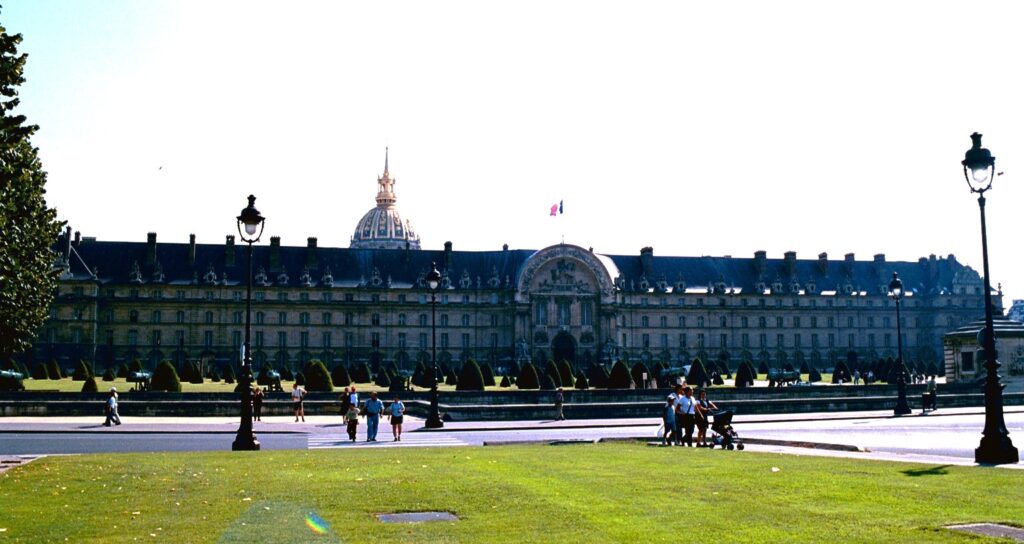
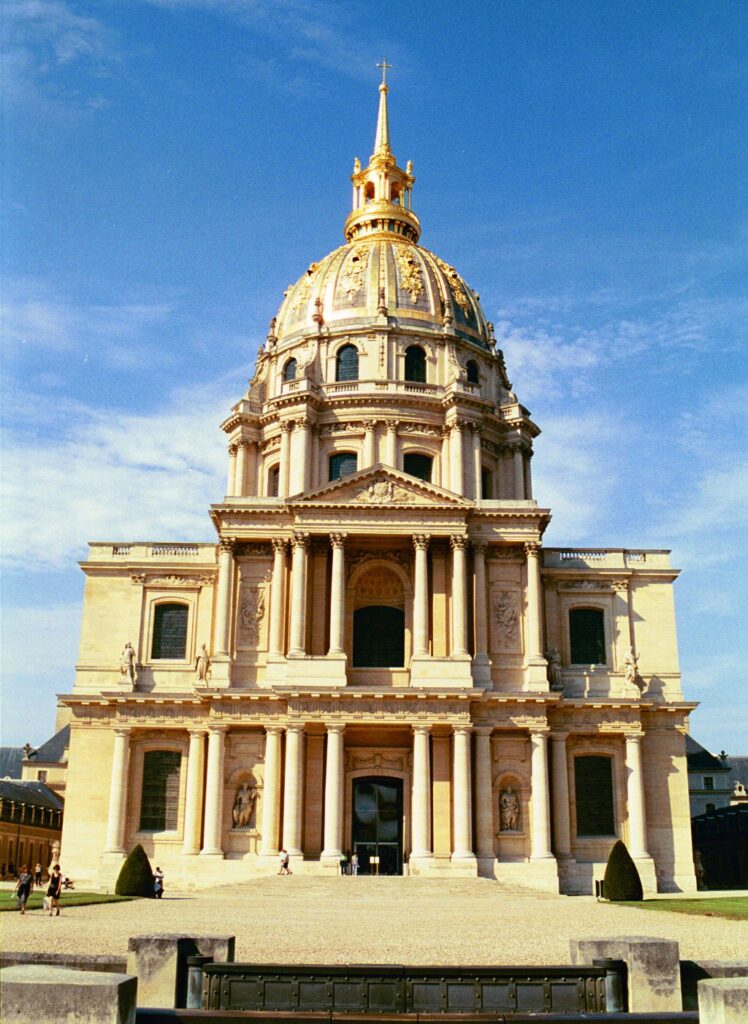
Les Invalides – This historic complex was built in the 17th century by King Louis XIV to care for wounded soldiers. It has a beautiful golden-domed church, the Dôme des Invalides, which houses the tomb of Napoleon Bonaparte. Today, Les Invalides is home to several military museums and stands as a powerful symbol of France’s history and heritage.
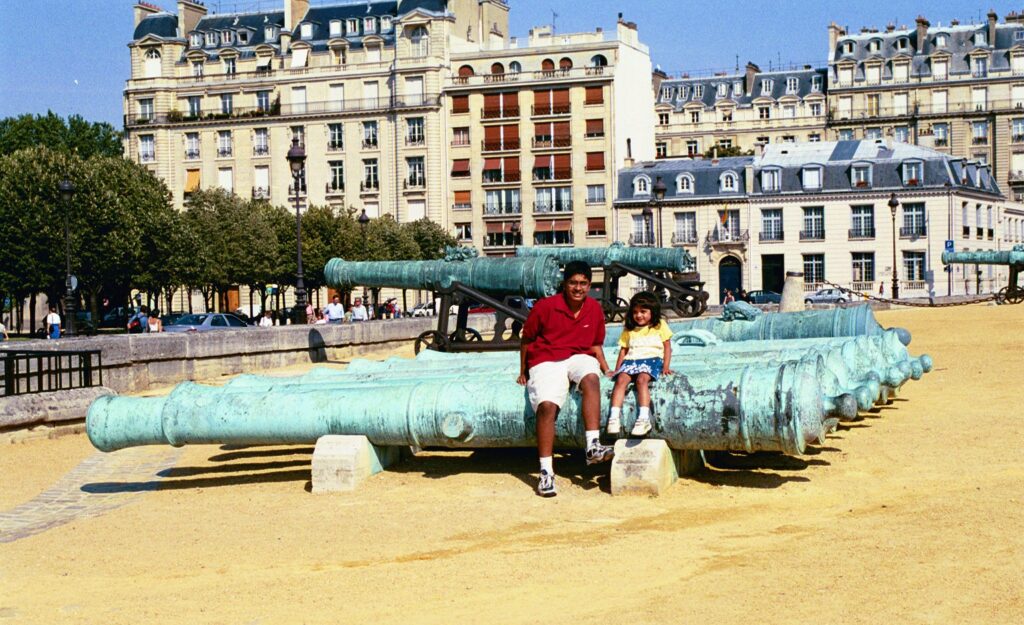
The Cannons at Les Invalides are a striking reminder of France’s military history. Displayed around the complex, these historic artillery pieces date from different periods and symbolize past battles and victories. They add to the grandeur of Les Invalides, highlighting its role as a museum and monument honoring the French armed forces.
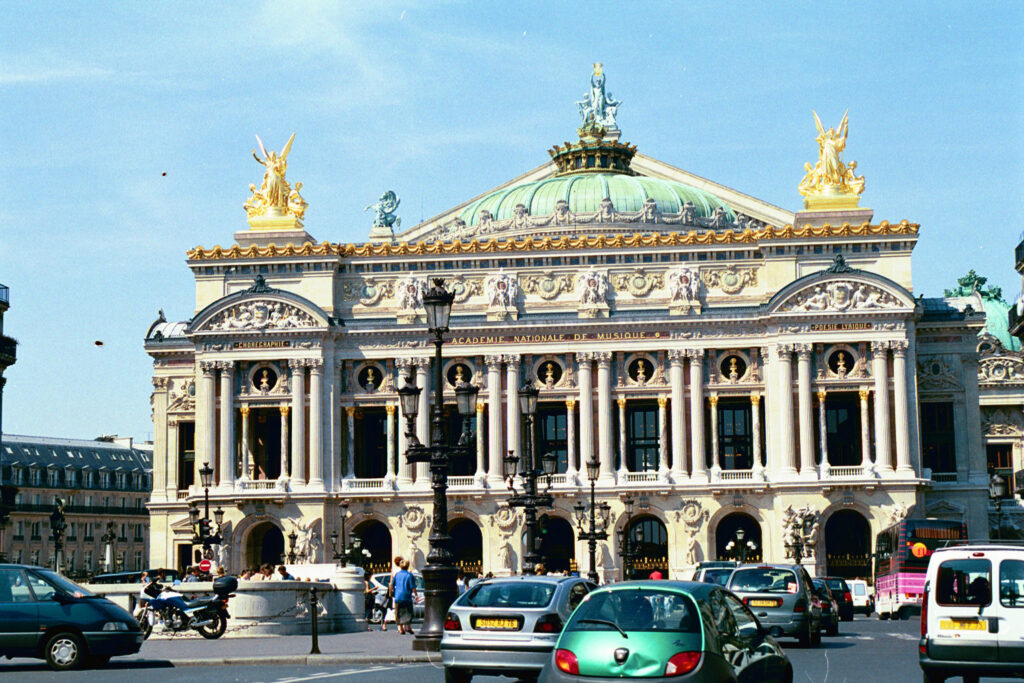
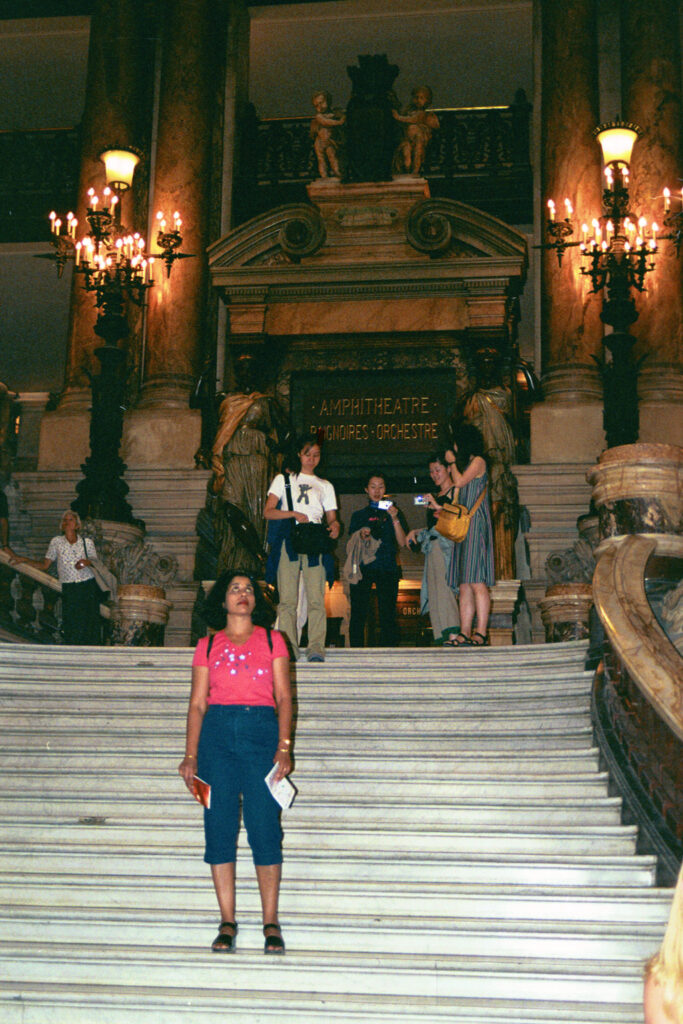
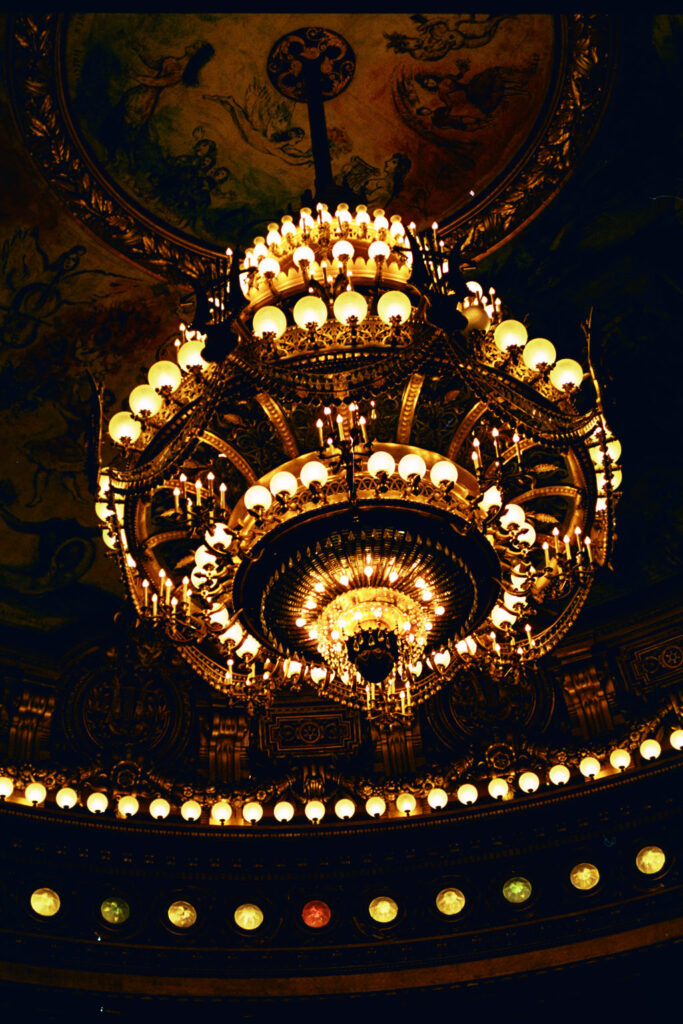
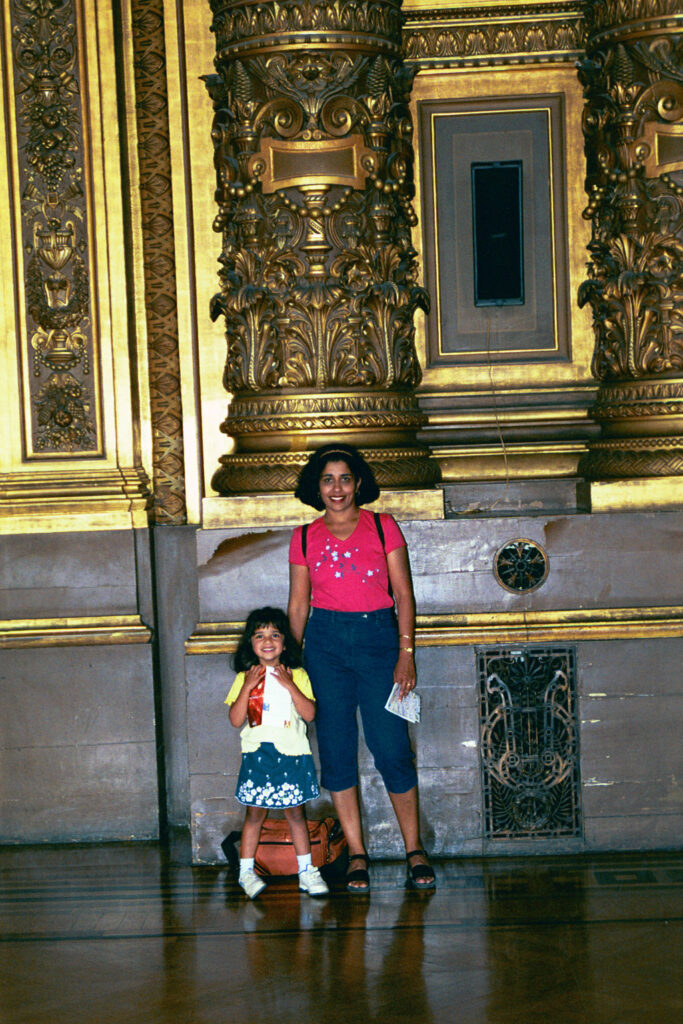
Palais Garnier – also known as the Opéra Garnier, this historic opera house is located in central Paris. Built between 1861 and 1875, it is famous for its grand architecture and lavish interior designed by Charles Garnier.
Today, it is best known for ballet performances and as the iconic setting of The Phantom of the Opera. There are self guided and guided tours available for purchase but rehearsals can cause frequent and unpredictable closures of the auditorium.
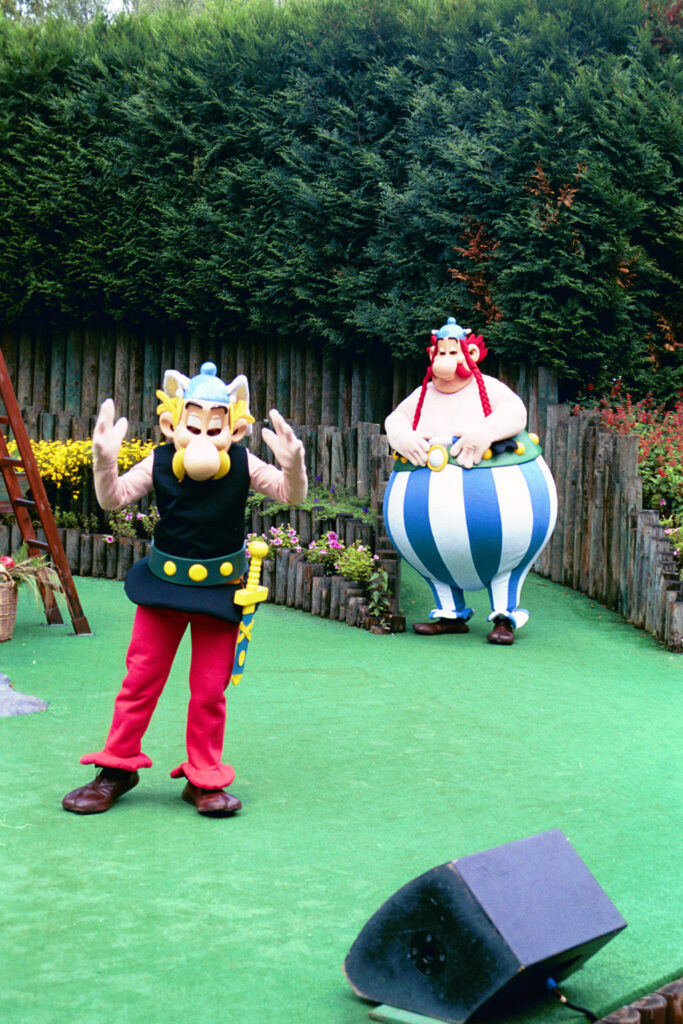
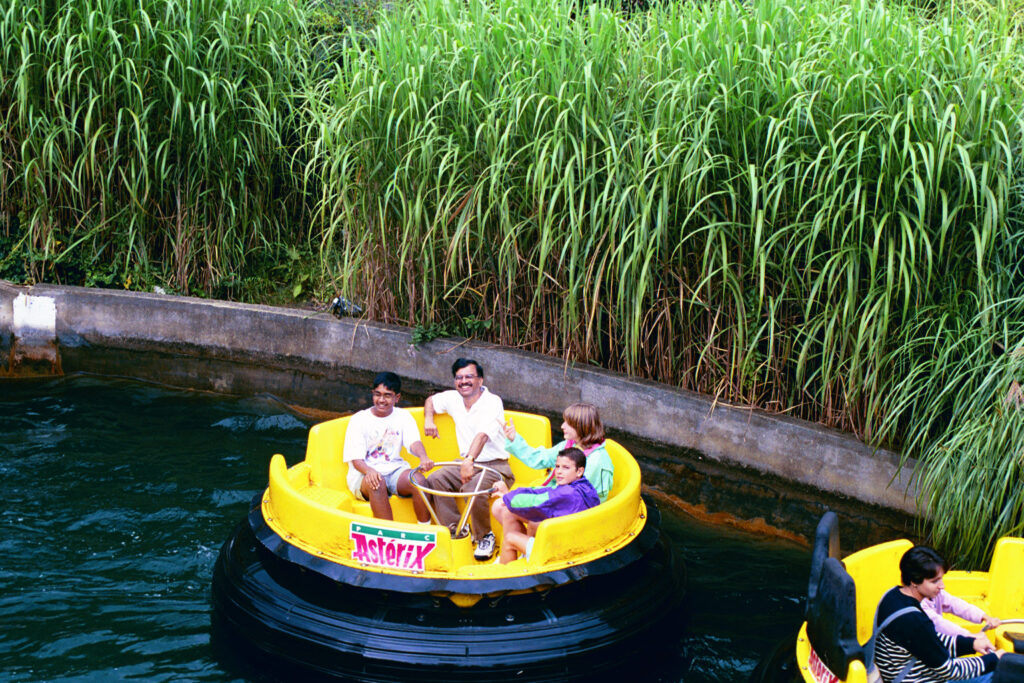
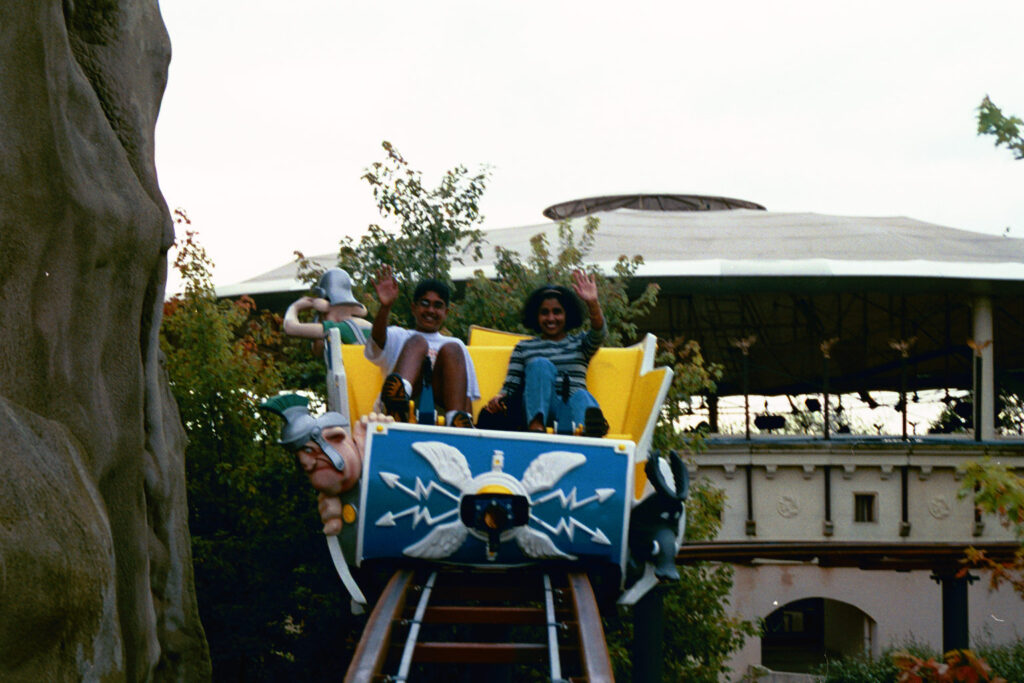
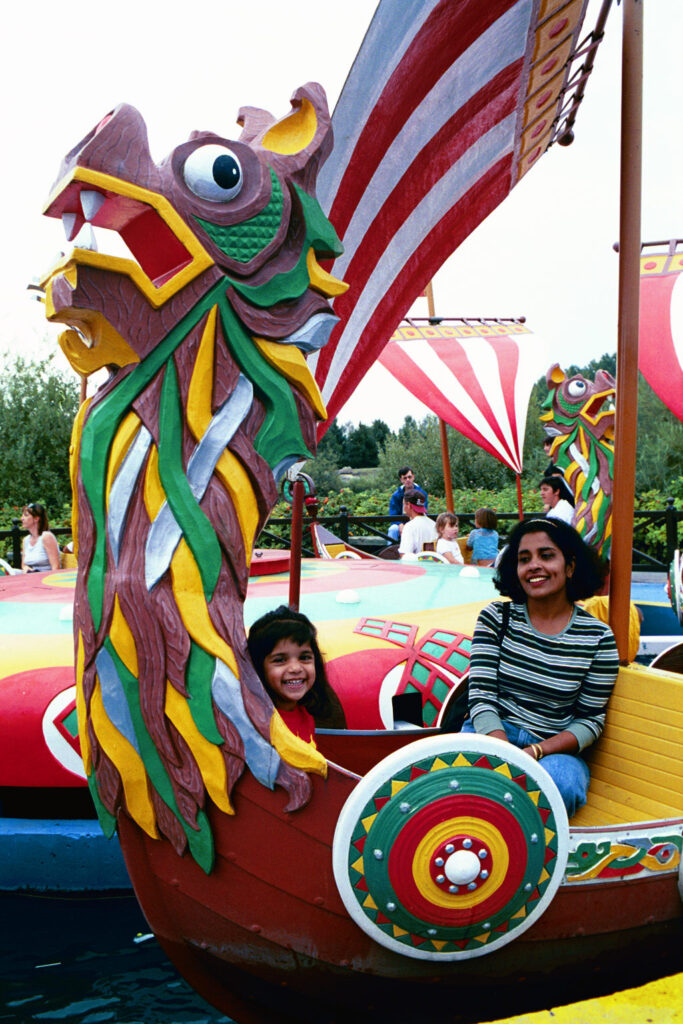
Park Astérix – is a popular theme park in France inspired by the Astérix comic book series. Located about 35 km north of Paris in Plailly, the park is especially known for its wide variety of roller coasters and attractions themed around historic cultures such as the Gauls, Romans, Ancient Greece, and Egypt, all presented in the distinctive Astérix style. Opened in 1989, it is the second most visited theme park in France after Disneyland Paris and one of the most visited in Europe.
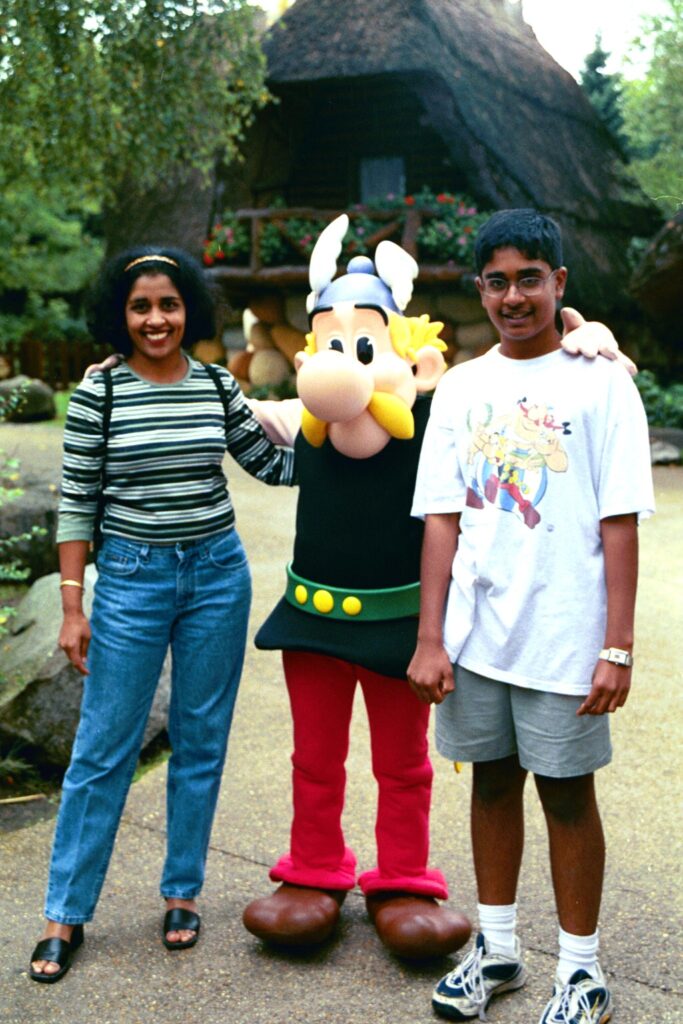
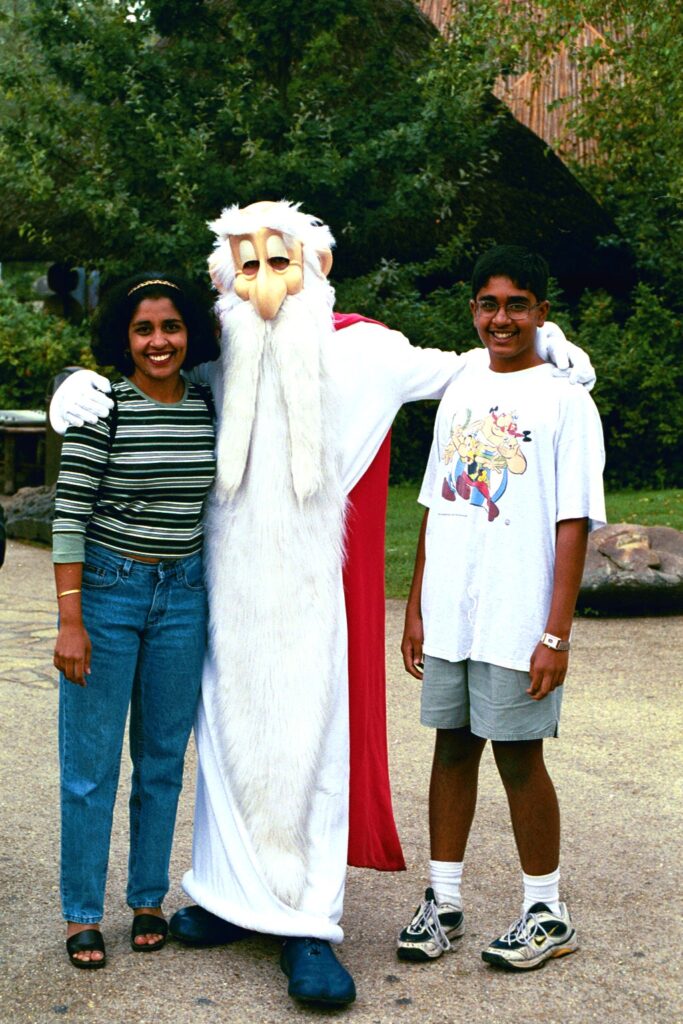
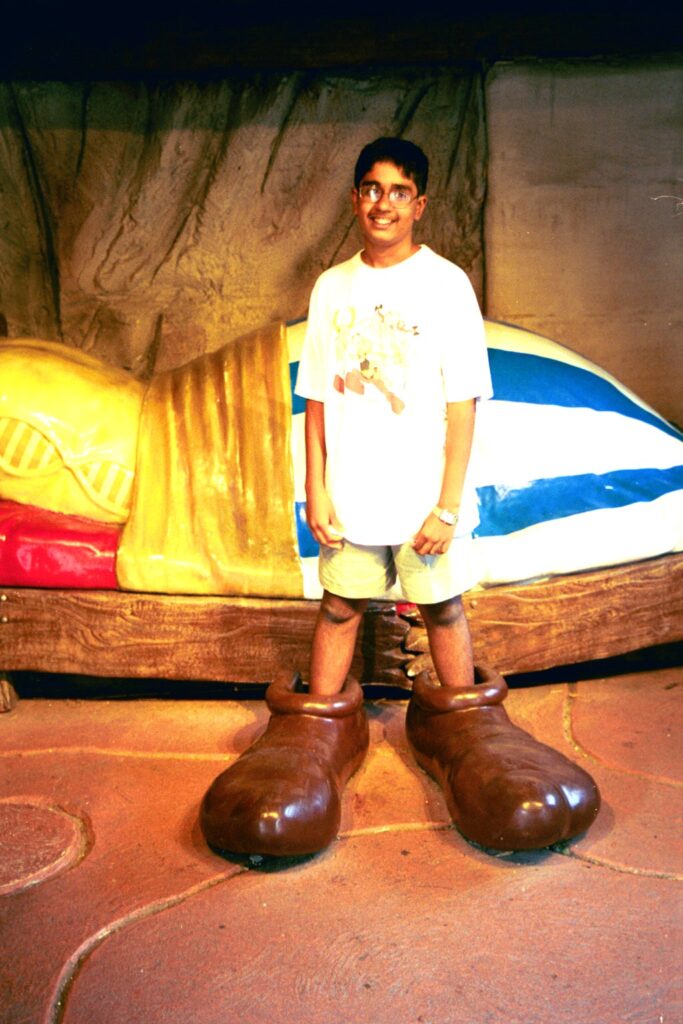
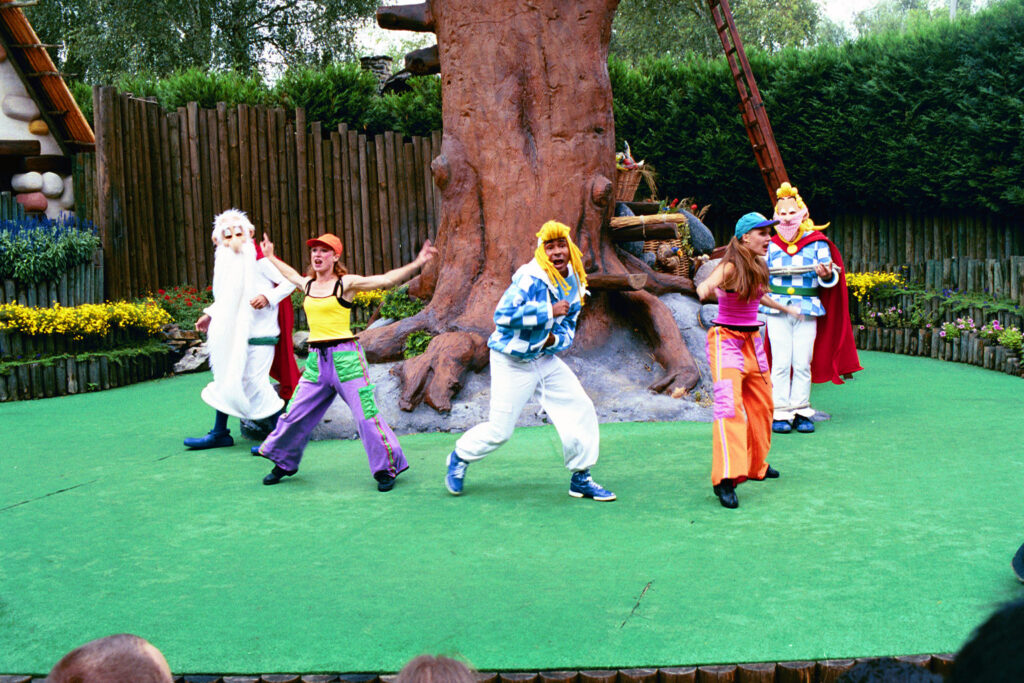
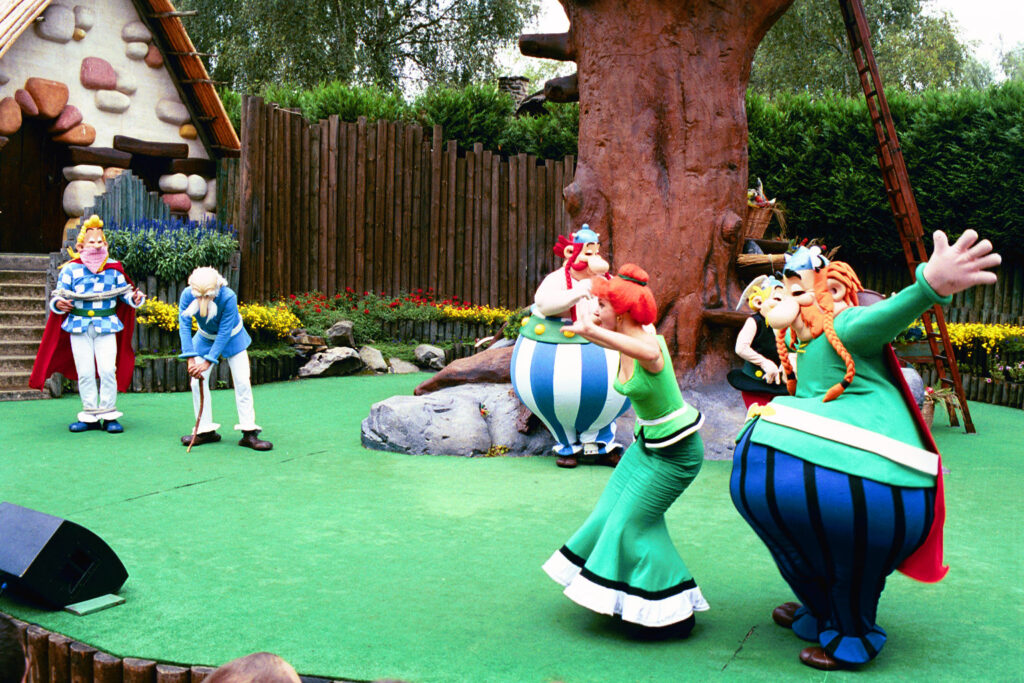
Since my son and husband are big fans of Astérix and have read all the comic books multiple times, we made a day trip to the theme park. We rode some of the less intense rides, walked around taking pictures with the comic book characters, and watched several shows. Although the shows were all in French and we didn’t understand them, we still enjoyed the experience and laughed along whenever the crowd laughed.
Taking pictures with the Astérix comic book characters –
Watching a Astérix themed show –
Enjoying some rides –
Palace of Versailles – One of the most visited tourist attractions in the world, this palace is a former royal residence located about 18 kilometers west of Paris in Versailles. Originally built as a hunting lodge by King Louis XIII, it was expanded into a grand palace by his successor, Louis XIV, who made it the center of the French court and government in 1682. Known for its opulent architecture, lavish interiors, and huge gardens, Versailles symbolized the power and wealth of the French monarchy. It was designated UNESCO World Heritage Site in 1979.