Last visited in 2024
Often called The Big Apple, New York is the largest city in the United States and a global hub for culture, finance, and entertainment. Comprised of five boroughs—Manhattan, Brooklyn, Queens, The Bronx, and Staten Island—the city is famous for iconic landmarks like Times Square, Central Park, the Statue of Liberty, and the Empire State Building. Beyond its skyline, NYC offers world-class museums, theaters, restaurants, and diverse neighborhoods, making it a vibrant melting pot of people, cultures, and experiences that never sleeps.
Being based in Pittsburgh, we’ve had the chance to visit New York City more than a dozen times over the past 30 years, and yet we’ve barely scratched the surface of everything the city has to offer. Each visit reveals new neighborhoods, attractions, and experiences, from the iconic sights to hidden gems, making it a place you can return to again and again.
- Original and New World Trade Center
- Flushing Meadows, US Open Tennis
- The Battery (Formerly called Battery Park)
- Statue of Liberty and Ellis Island
- Empire State Building
- Neue Galerie
- The High Line
- Soldiers and Sailors Memorial Arch
- Brooklyn Public Library
- Fallkill Falls in Prospect Park
- Time Square
- Rockefeller Center
- St Patrick’s Cathedral
- Plaza Hotel
- Central Park
- The Hindu Temple Society of North America
- Columbia University
- Cathedral of St. John the Divine
- Grand Central Station
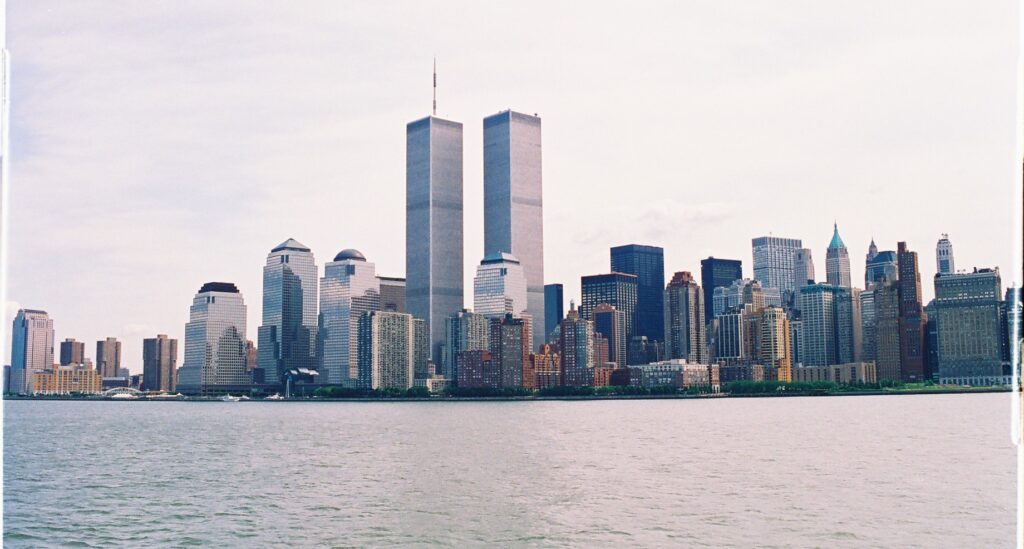
Original and New World Trade Center – The original World Trade Center housed the Twin Towers which were the iconic 110-story skyscrapers officially opened in 1973. They quickly became symbols of New York and global commerce, briefly holding the title of the world’s tallest buildings. Each tower spanned nearly an acre per floor, housing thousands of people and companies, and attracting visitors from around the world.
Tragically, the towers were destroyed in the September 11, 2001 terrorist attacks, claiming nearly 3,000 lives. The original site, known as Ground Zero, has since been rebuilt as the new World Trade Center complex, featuring One World Trade Center and the 9/11 Memorial & Museum.
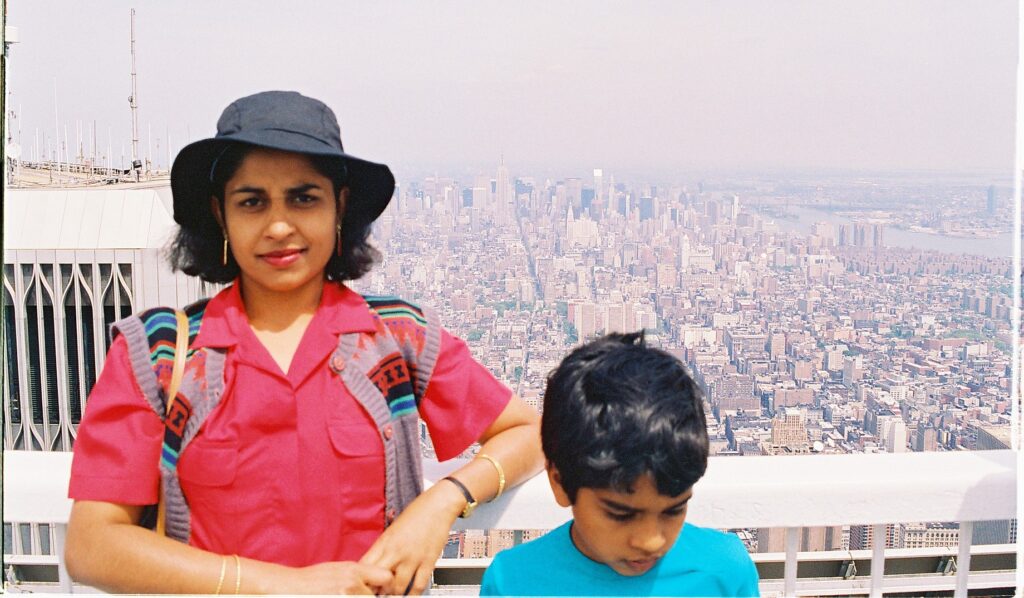
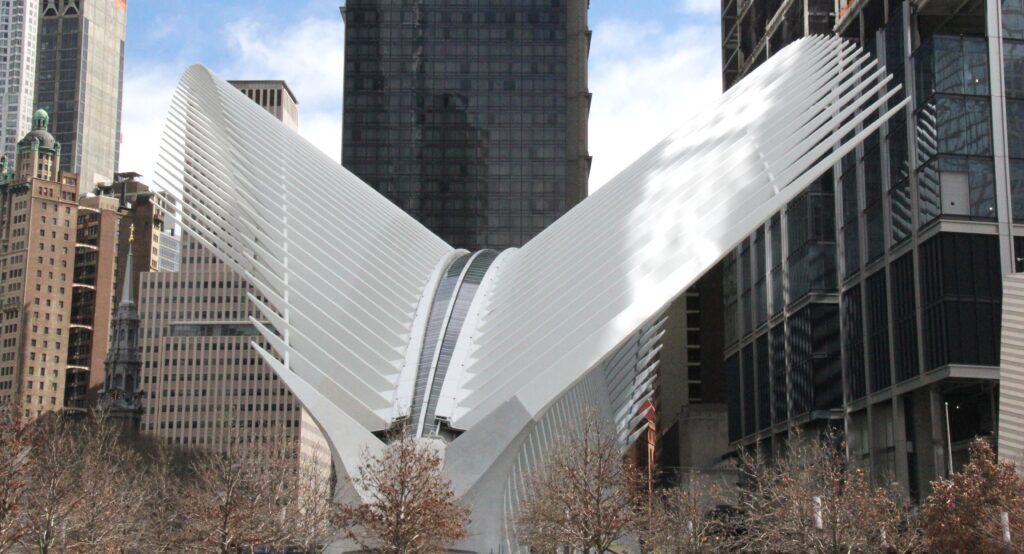
New World Trade Center complex – The new World Trade Center complex in New York City features multiple buildings, with One World Trade Center (Freedom Tower) as its centerpiece. The site also includes the 9/11 Memorial and Museum and the World Trade Center Transportation Hub, commonly known as the Oculus.
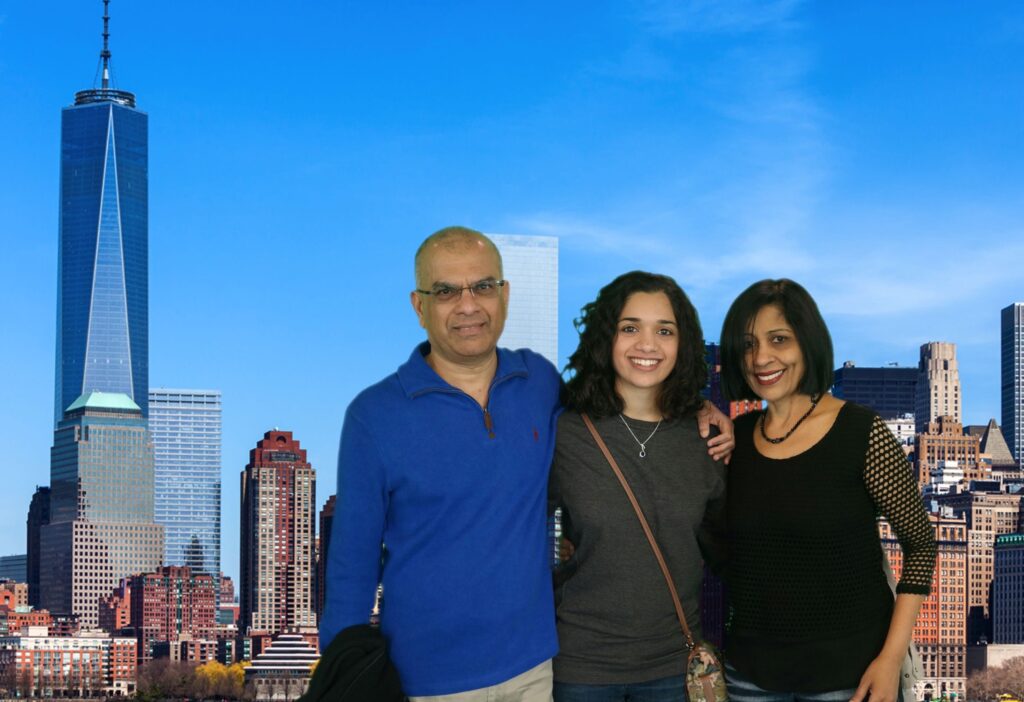
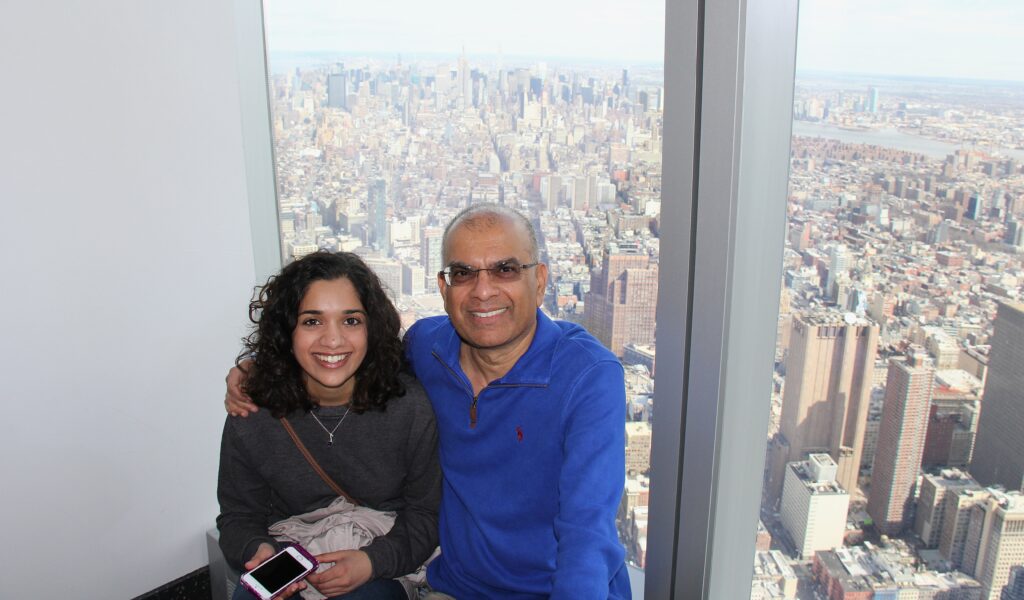
You can take the elevator to the One World Observatory, located on floors 100–102 of One World Trade Center. It offers 360-degree indoor views of New York City, the harbor, the Statue of Liberty, and surrounding areas.
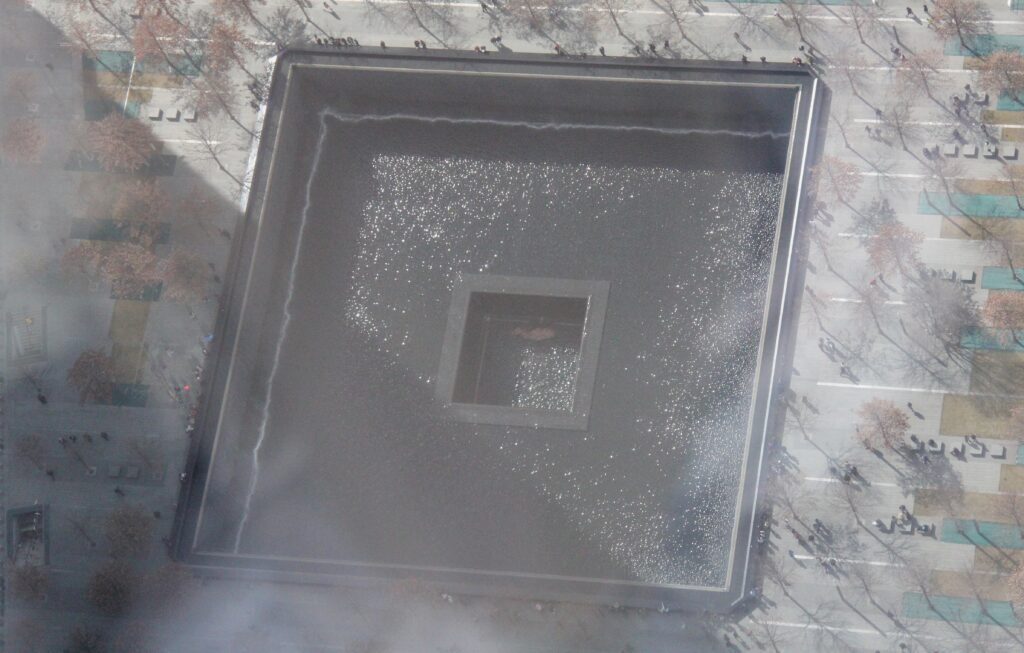
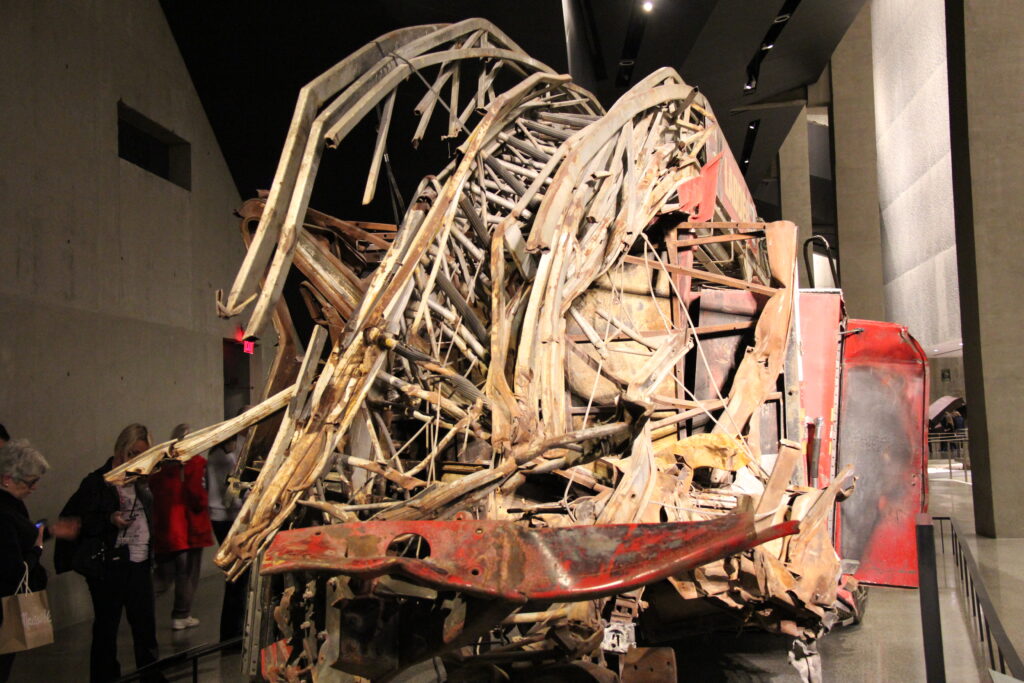
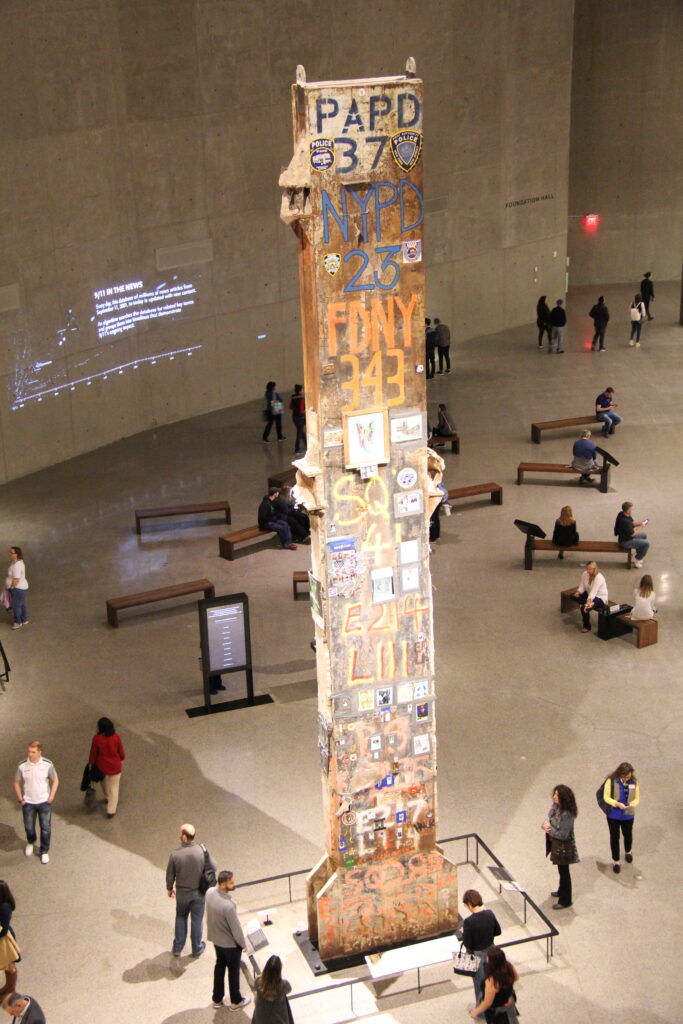
World Trade Center 9/11 Memorial & Museum complex includes the Memorial Plaza with twin reflecting pools marking the footprints of the original towers and an underground museum. Visitors enter through an angular glass pavilion containing remnants of the towers, such as tridents. The museum descends to the bedrock and houses artifacts, personal stories, and the Last Column, preserving the memory of the 2001 attacks and honoring victims, survivors, and first responders.
The twin reflecting pools at the World Trade Center 9/11 Memorial mark the footprints of the original Twin Towers. Each pool is nearly an acre in size and features cascading waterfalls along all sides, creating a contemplative and serene atmosphere. The names of the nearly 3,000 victims of the 2001 and 1993 attacks are inscribed around the edges, serving as a powerful tribute and place for reflection.
World Trade Center Transportation Hub (aka Oculus) – is a striking architectural landmark in World Trade Center complex designed by Santiago Calatrava. Its soaring white wings symbolize rebirth and hope, with a light-filled interior that serves as a major transit center for 12 subway lines and PATH trains. The Oculus also houses a bustling shopping and dining area, featuring retailers like Apple and Banana Republic, as well as restaurants.
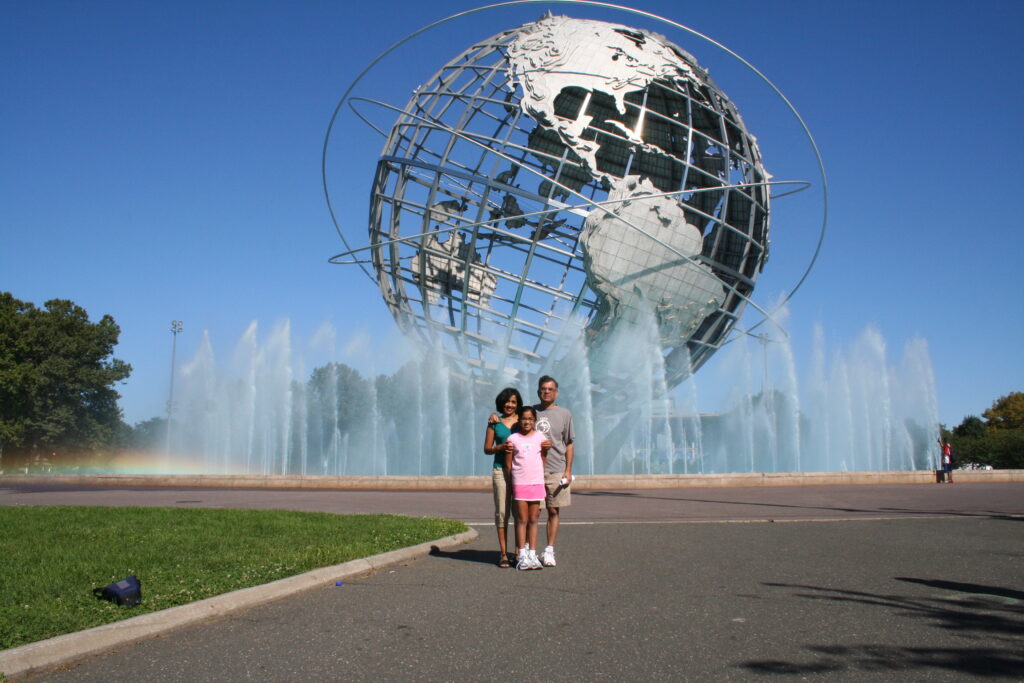
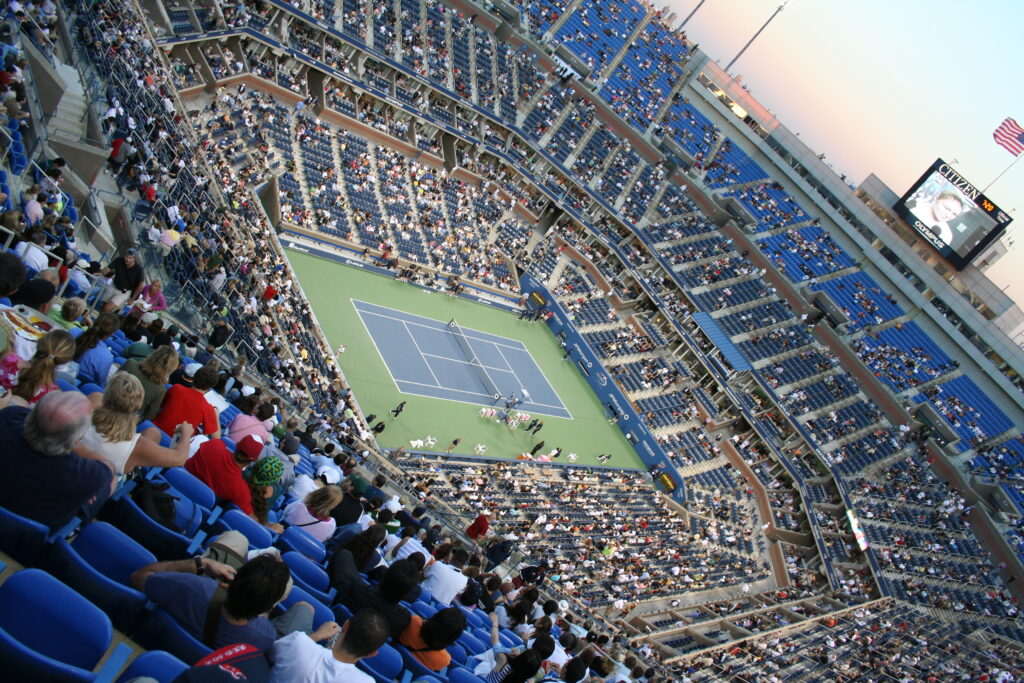
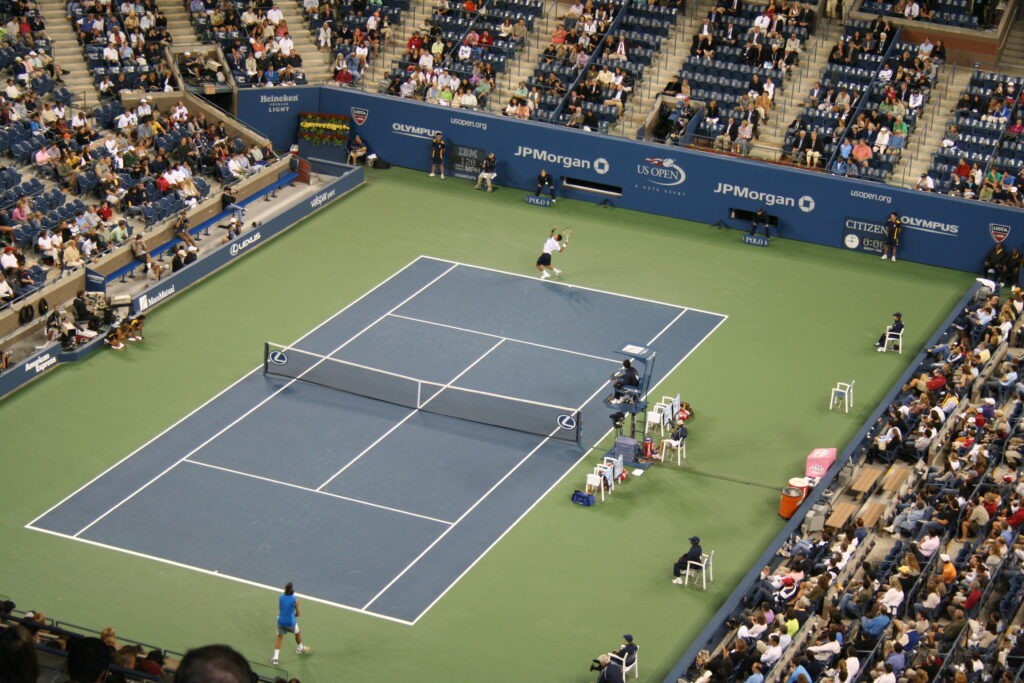
Flushing Meadows, US Open Tennis – Flushing Meadows in Queens, is home to the US Open, one of tennis’s four Grand Slam tournaments and one of the city’s biggest annual sporting events. Held in the last week of August every year, the tournament features world-class matches across courts like Arthur Ashe Stadium, the largest tennis stadium in the world, and Louis Armstrong Stadium. We visited this place to watch some matches in 2007. Roger Federer won the men’s and Justin Henin won the women’s that year.

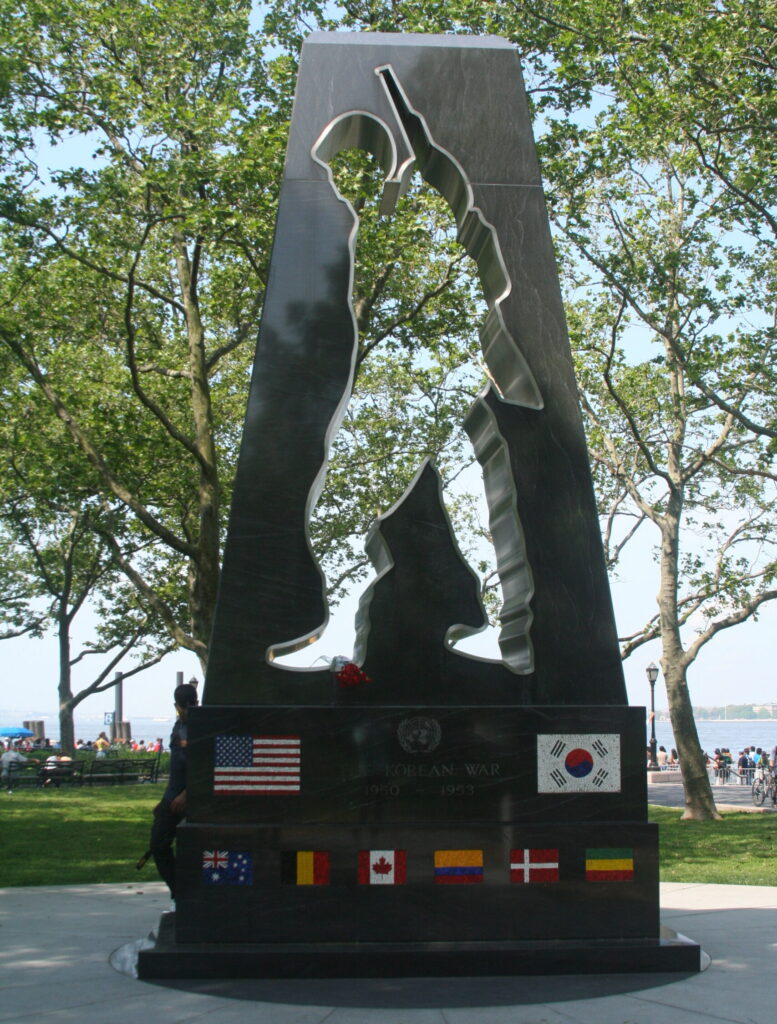
The Battery (Formerly called Battery Park) – is a 25-acre public park located at the southern tip of Manhattan, overlooking New York Harbor. It is located near the ferry terminals that provide transportation to Statue of Liberty, Ellis Island, Liberty Island, Governors Island, and Staten Island.
The park’s name comes from artillery batteries built in the late 1600s to defend New York’s harbor. By the 1820s, it became a popular public promenade and entertainment area. The park underwent a major restoration in 1994 and was officially named The Battery.
The Battery is home to many memorials and monuments spread throughout the park, making it a popular place for walking tours and sightseeing. Visitors can explore statues, historic markers, war memorials, and public art while enjoying views of New York Harbor.
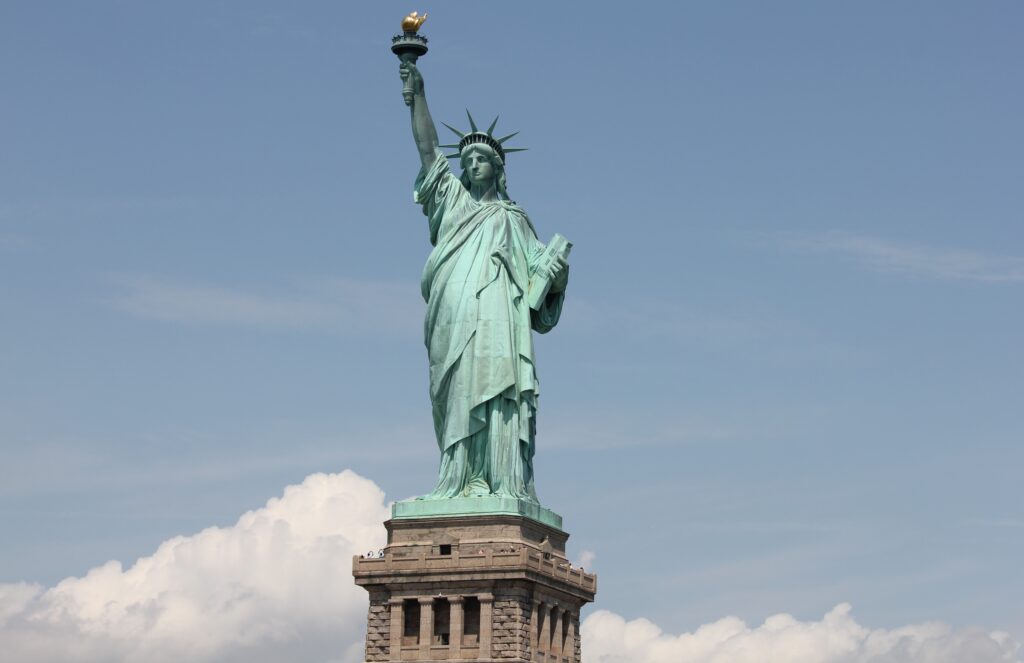
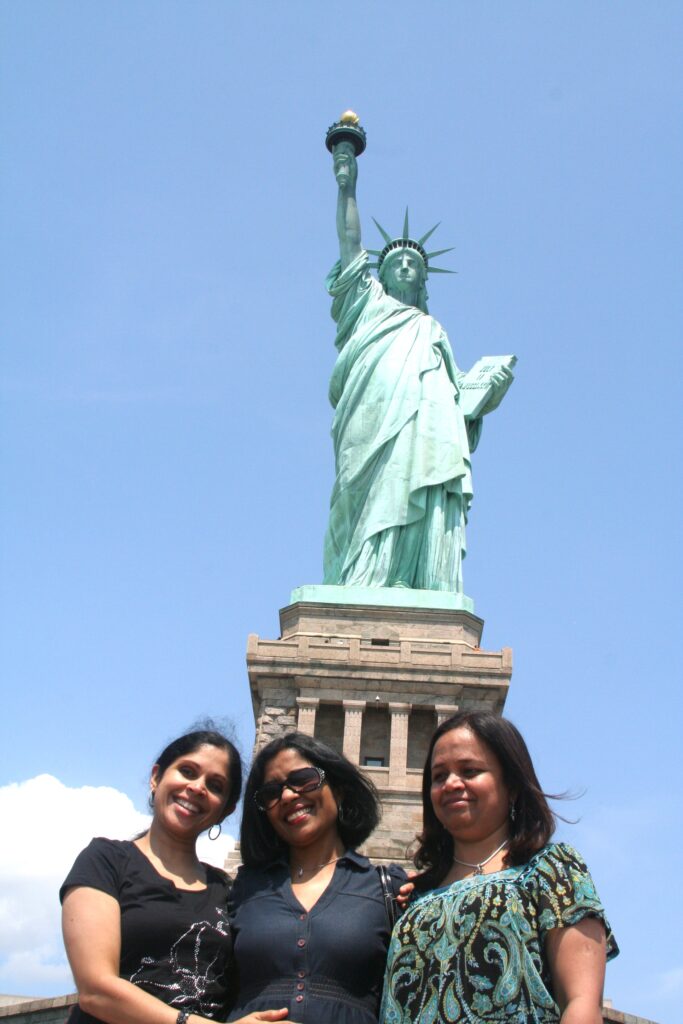
Statue of Liberty and Ellis Island – One of the most iconic symbols of the United States, the statue stands proudly on Liberty Island in New York Harbor. A gift from France and designed by sculptor Frédéric Auguste Bartholdi with a metal framework engineered by Gustave Eiffel, the copper statue was dedicated in 1886. Depicting Libertas, the Roman goddess of liberty, the statue holds a torch in her right hand and a tablet inscribed with July 4, 1776, in her left. At her feet lies a broken chain, symbolizing freedom and the end of slavery after the Civil War. Over the years, the Statue of Liberty has become a powerful emblem of hope and welcome, especially for immigrants arriving by sea.
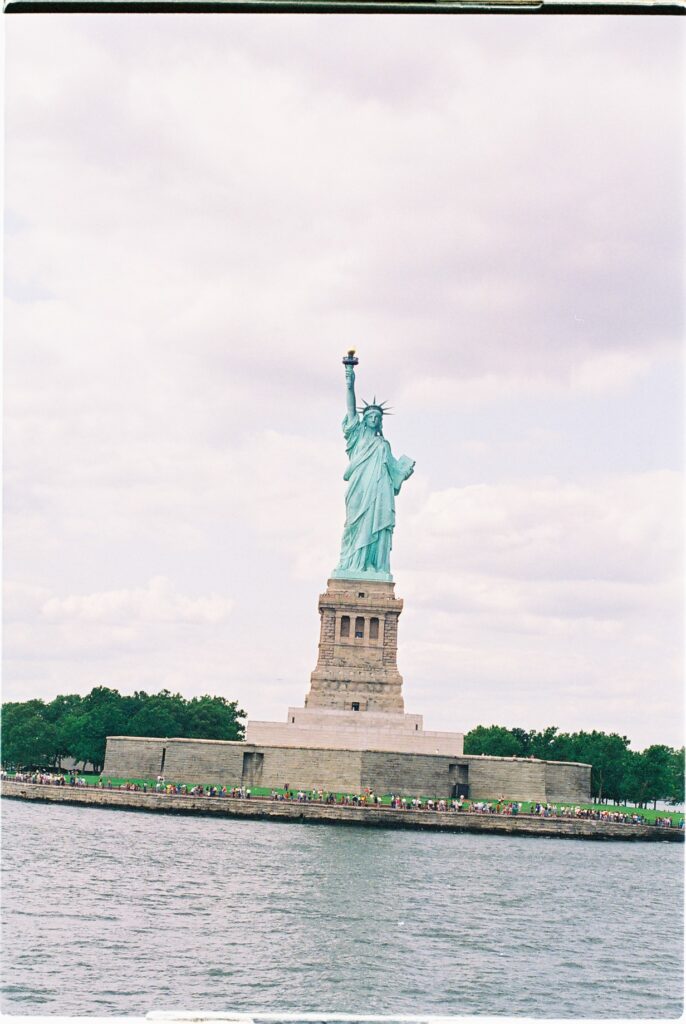
To visit Liberty Island and see the Statue of Liberty up close, you must take the official Statue City Cruises ferry, which departs from Battery Park in Manhattan or Liberty State Park in New Jersey. Tickets are available only through City Experiences and include round-trip ferry service and access to both Liberty Island and Ellis Island.
When taking the official ferry from Battery Park NYC, your first stop will be Liberty Island (Statue of Liberty), then onto Ellis Island; if you depart from Liberty State Park NJ, you’ll first hit Ellis Island (Immigration Museum), then Liberty Island. The ferries make a circuit, allowing you to hop off at either or both islands.
Climbing the Statue of Liberty –
- Pedestal Access: You can take an elevator or climb approximately 215 steps to the top of the pedestal’s observation deck. This offers a close-up view of the statue’s exterior and panoramic views of the New York Harbor and skyline.
- Crown Access: The most extensive option is a climb to the crown. This requires visitors to navigate a total of 354 steps from the ground, including 162 narrow, confined spiral stairs from the top of the pedestal to the crown. There is no elevator for this final section.
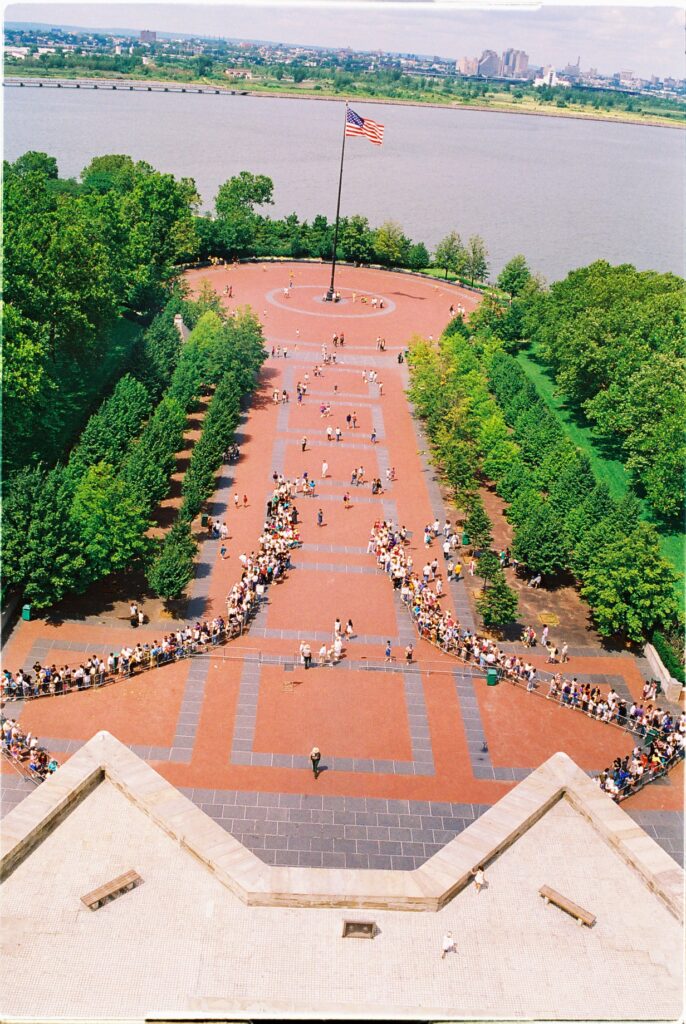
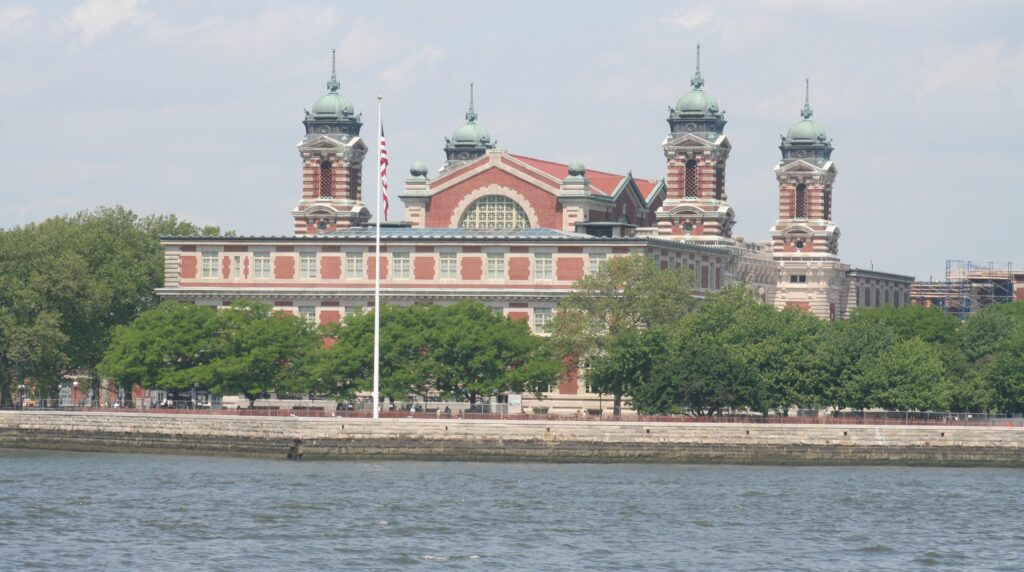
Ellis Island, served as America’s main federal immigration station from 1892 to 1954. More than 12 million immigrants passed through its Gateway to America, making it a powerful symbol of the nation’s immigrant history. Today, it is a museum and memorial where millions of people trace their family roots.
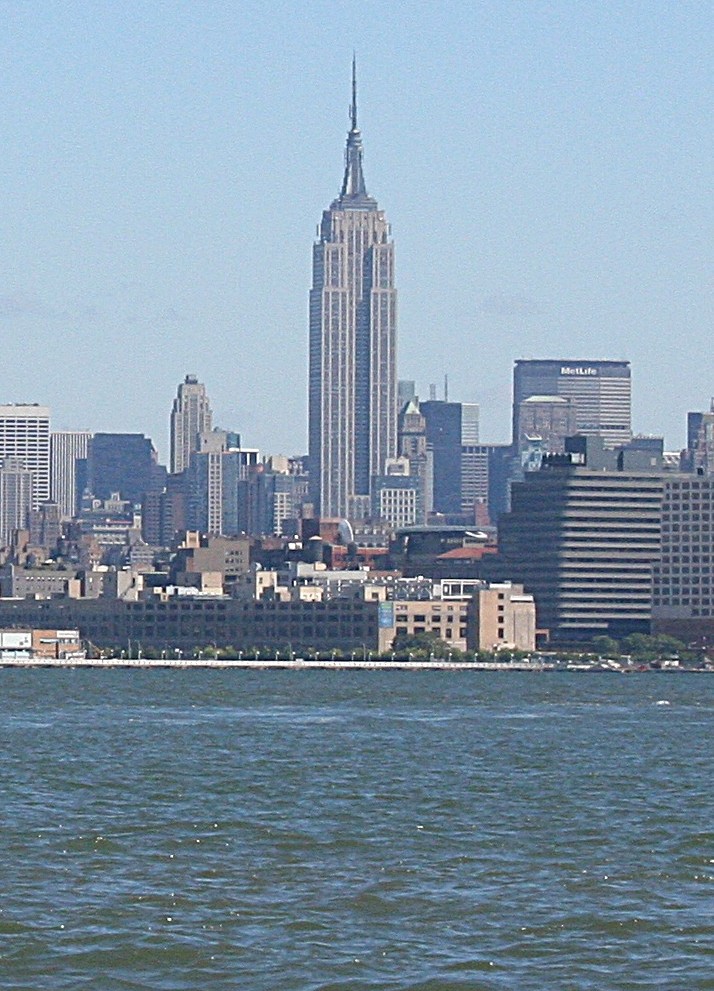
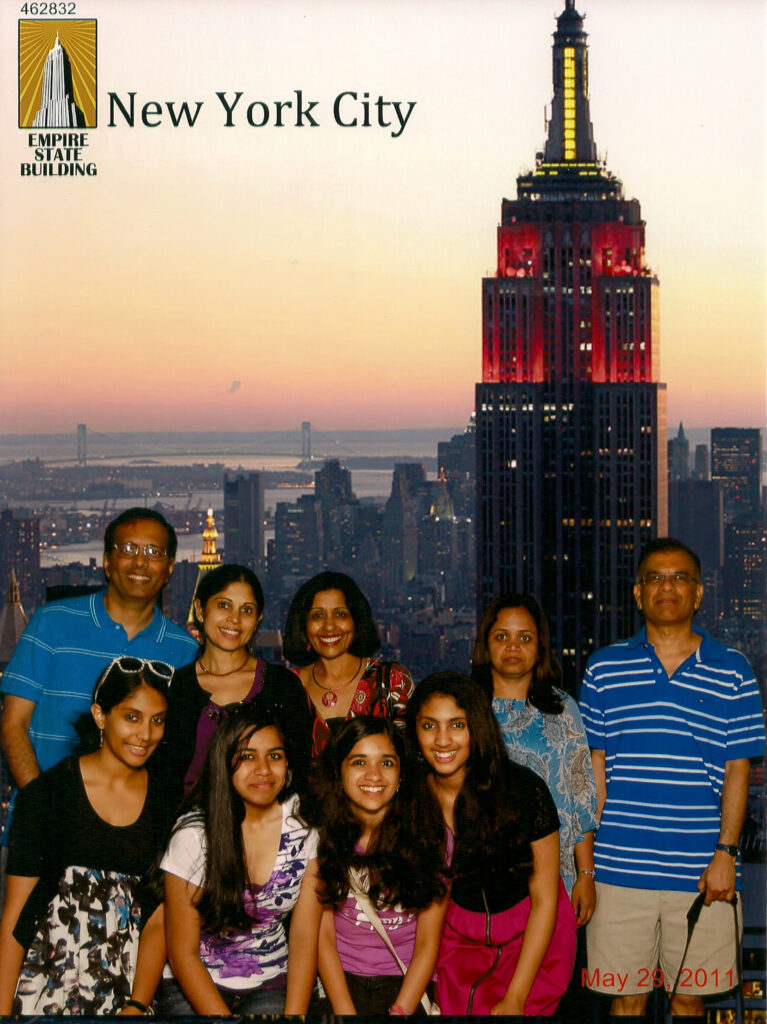
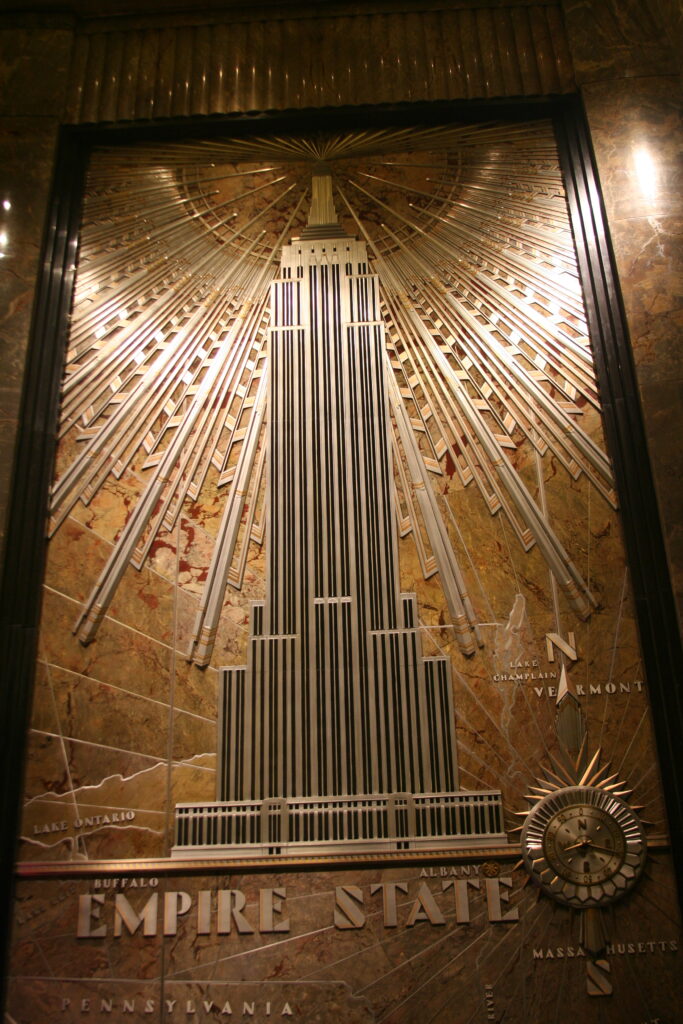
Empire State Building – is another of New York City’s many iconic landmarks, rising 102 stories above Midtown Manhattan in classic Art Deco style. Completed in 1931 in just over a year, the skyscraper reaches 1,250 feet to the roof and 1,454 feet including its antenna. Once the world’s tallest building, it remains a defining part of the city’s skyline. Built on the former site of the Waldorf–Astoria Hotel, it attracts millions of visitors each year who come to enjoy breathtaking views from its 86th- and 102nd-floor observatories, along with a newer indoor observatory on the 80th floor.
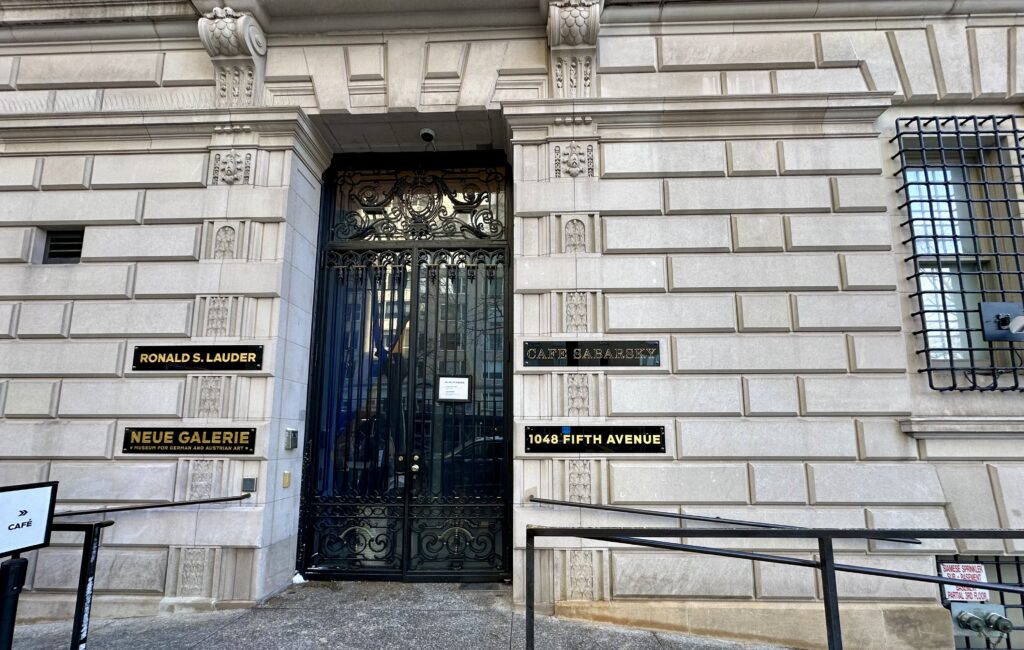
Neue Galerie – is a museum dedicated to early twentieth-century German and Austrian art and design. Established in 2001, it is part of New York City’s Museum Mile on the Upper East Side. The museum was conceived by art dealer Serge Sabarsky and collector Ronald S. Lauder, who shared a deep passion for German and Austrian Expressionist art. After Sabarsky’s death in 1996, Lauder carried forward their vision and founded the museum as a tribute to his friend.
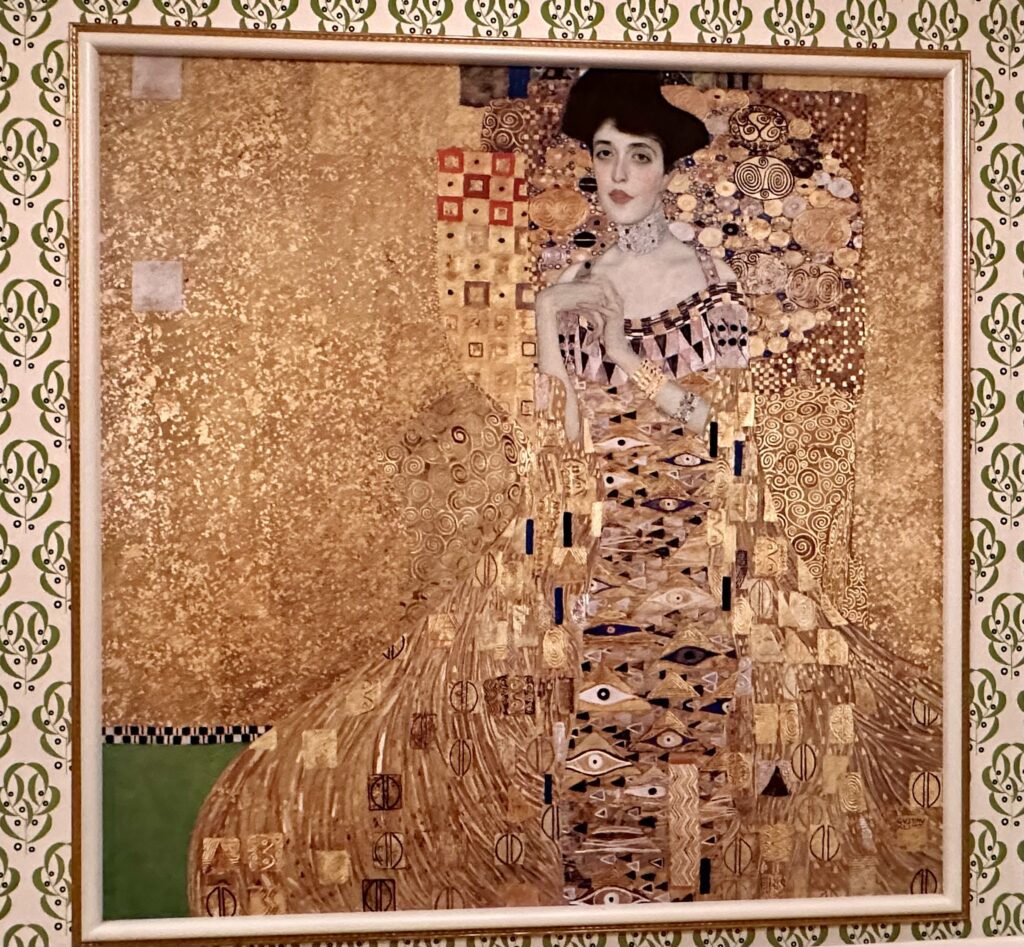
The Neue Galerie’s collection is divided into two floors. The second floor showcases early twentieth-century Austrian art, including works by Klimt, Kokoschka, and Schiele, highlighted by Klimt’s Portrait of Adele Bloch-Bauer I. This famous painting was restituted to its rightful owner from a Vienna museum and later acquired by the Neue Galerie in 2006. There is also a compelling film about the restitution of the Klimt portrait. The third floor features German art from the same period.
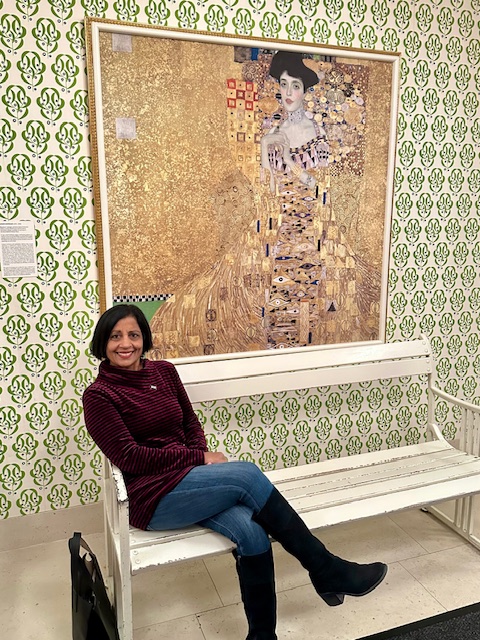
Café Sabarsky, on the main floor of the Neue Galerie is named after co-founder Serge Sabarsky, and is styled after classic Viennese cafés. It features period furnishings and a Bösendorfer grand piano for music performances. During our visit, a long line stretched outside the café, as its sweet dishes are highly praised. We didn’t have time to wait, so we’ll have to try them another time.
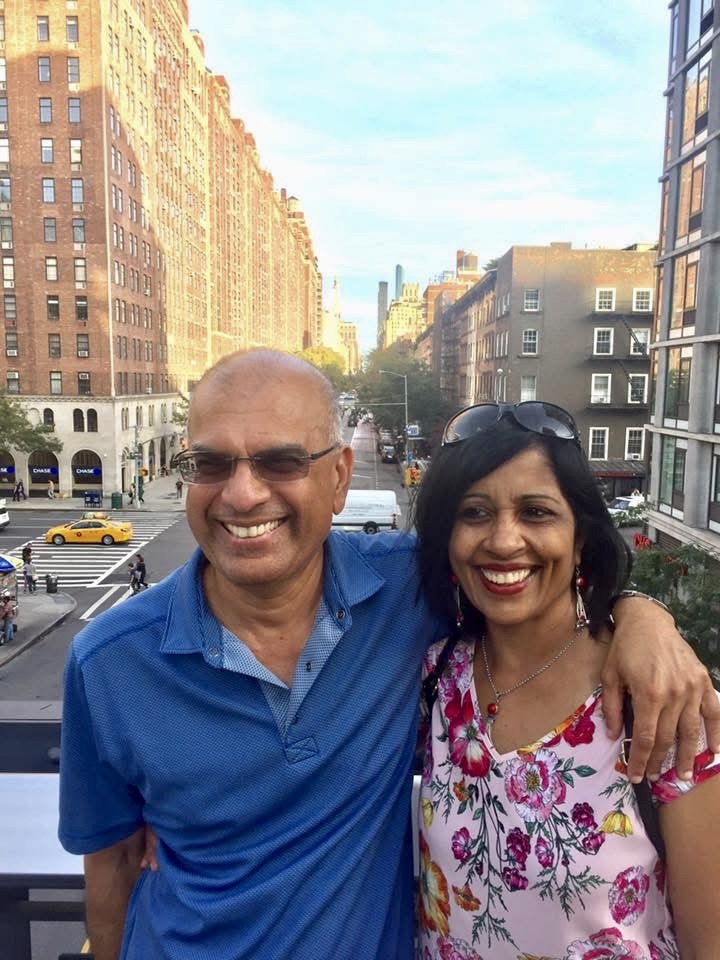
High Line – is a public park in New York City built on a historic, elevated freight rail line on Manhattan’s West Side, running from Gansevoort Street to West 34th Street, about 1.5 miles long. It features gardens, art installations, and unique city views, transforming an abandoned industrial structure into a popular green space with diverse planting zones and seasonal programming.

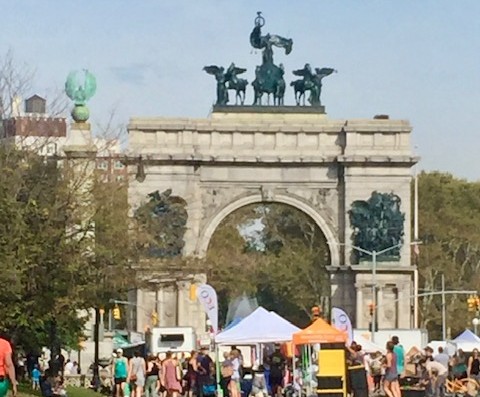
Soldiers and Sailors Memorial Arch – located in Grand Army Plaza directly facing the Brooklyn Public Library’s Central Building, Soldiers and Sailors Memorial Arch is a monument honoring Union soldiers and sailors who died in the American Civil War.
On the top of the arch is a quadriga or four-horse chariot, atop which is a figure of Columbia, the female personification of the United States. The figure holds a sword in her left hand, signifying peace, in addition to a flag topped by a wreath, signifying victory.
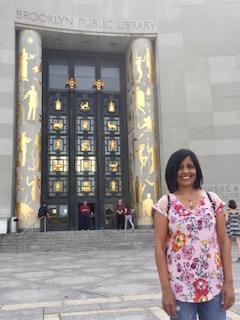
Brooklyn Public Library – The Brooklyn Public Library is one of the largest public library systems in the United States. Its Central Library, located at Grand Army Plaza (opened in 1941), is a major cultural and educational landmark in Brooklyn. The library serves millions of visitors each year, offering books, digital resources, programs, and community services for all ages.
The Brooklyn Public Library system is an independent nonprofit organization that is funded by the city and state governments, the federal government, and private donors.
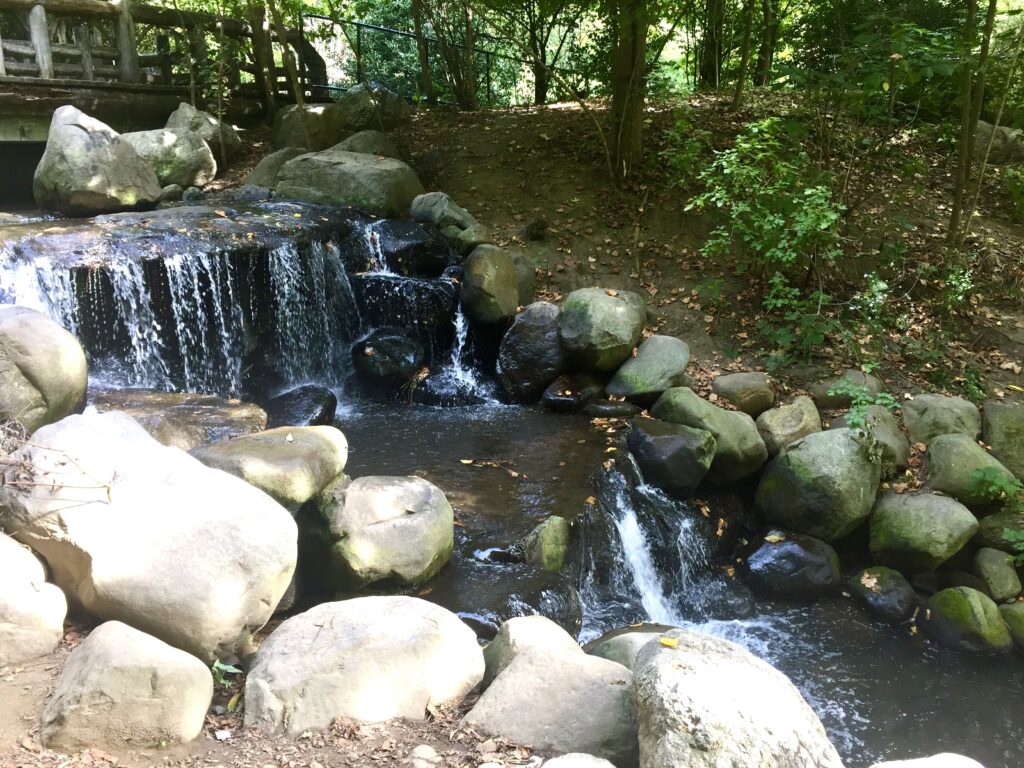
Fallkill Falls in Prospect Park – Fallkill Falls, is a man-made waterfall located in Prospect Park, Brooklyn, along the restored Fallkill Trail and is the source of fresh water that feeds the park’s 65-acre watercourse. While the waterfall is sometimes turned off due to high lake levels or heavy rainfall, the surrounding revitalized woodland area remains open to explore.
Prospect Park is home to a rich variety of natural habitats, including Brooklyn’s last remaining upland forest, pollinator meadows, wetlands, and a network of streams, pools, and waterfalls that flow into a 60-acre lake. With more than 250 acres of natural areas, the park gives visitors the feeling of being far removed from the city.
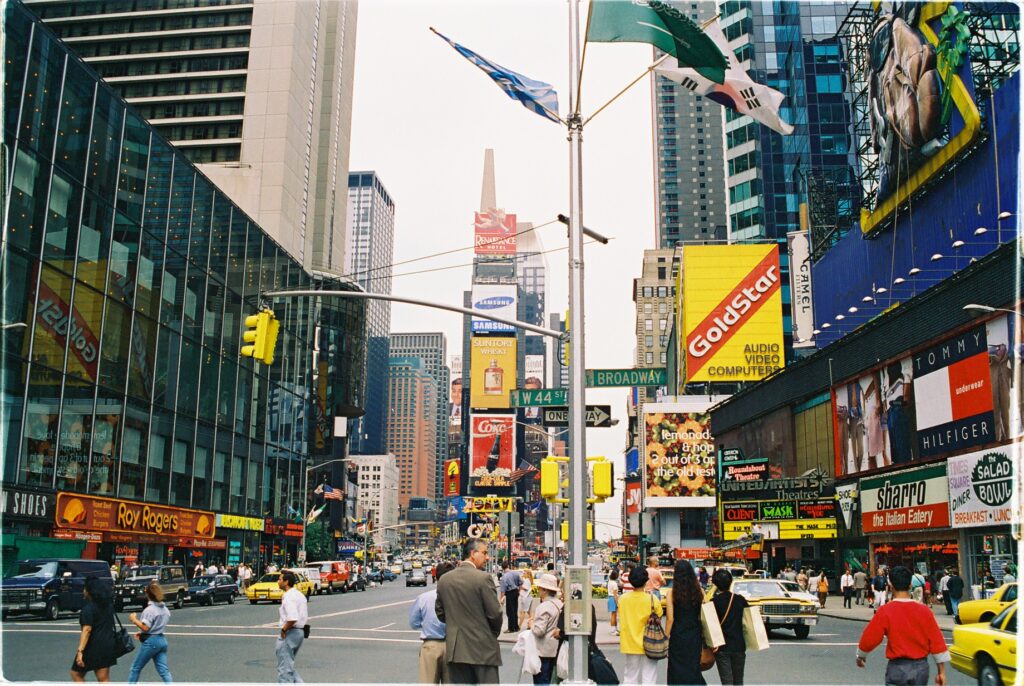
Times Square – In my opinion, there isn’t much to see here beyond the bright lights and crowds. While it’s known as the vibrant, high-energy heart of New York City—with massive digital billboards, Broadway theaters, and nonstop activity—it feels similar to the busy downtown centers you find in other major cities around the world. It’s worth passing through once, but not a place I would linger for long.
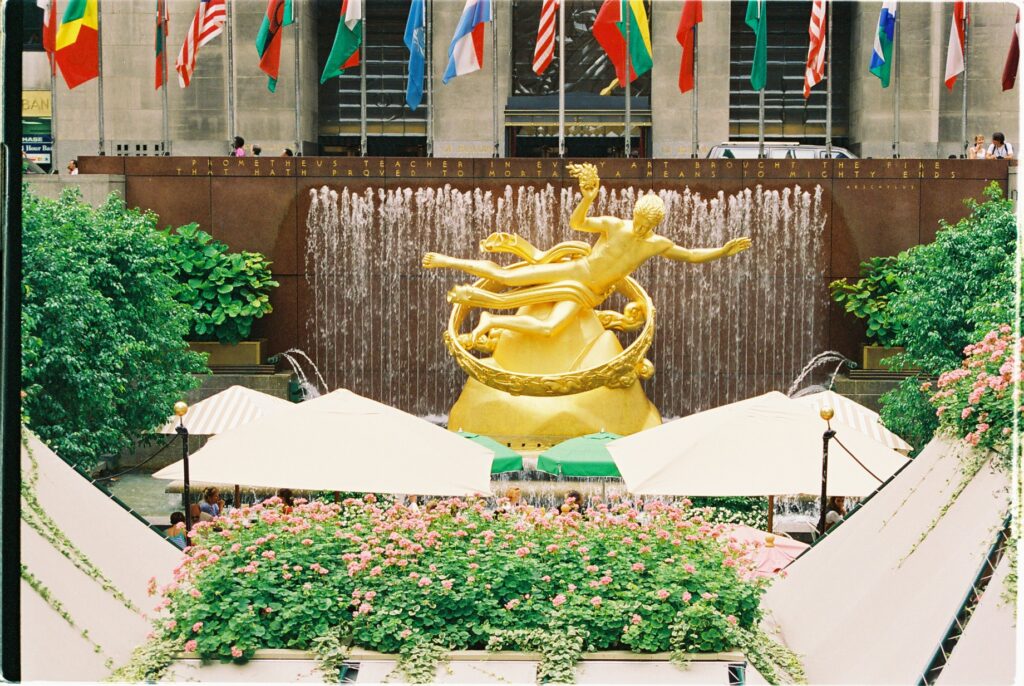
Rockefeller Center – Located within walking distance of Tome Square, Rockefeller Center is a large commercial complex made up of 19 buildings across 22 acres. Built mainly in the Art Deco style, the original 14 buildings were developed by the Rockefeller family between Fifth and Sixth Avenues and include famous features like the sunken plaza, ice-skating rink, underground concourse, and annual Christmas tree lighting. Rockefeller Center became New York City landmark in 1985 and a National Historic Landmark in 1987.
One of the statues in Rockefeller center is the Prometheus, a famous bronze-gilded statue created in 1934 by Paul Manship. Positioned above the sunken plaza, the 18-foot-tall, 8-ton sculpture depicts the Greek Titan Prometheus bringing fire to humanity. Behind the statue is an inscription inspired by the Greek playwright Aeschylus that reads – Prometheus, teacher in every art, brought the fire that hath proved to mortals a means to mighty ends.
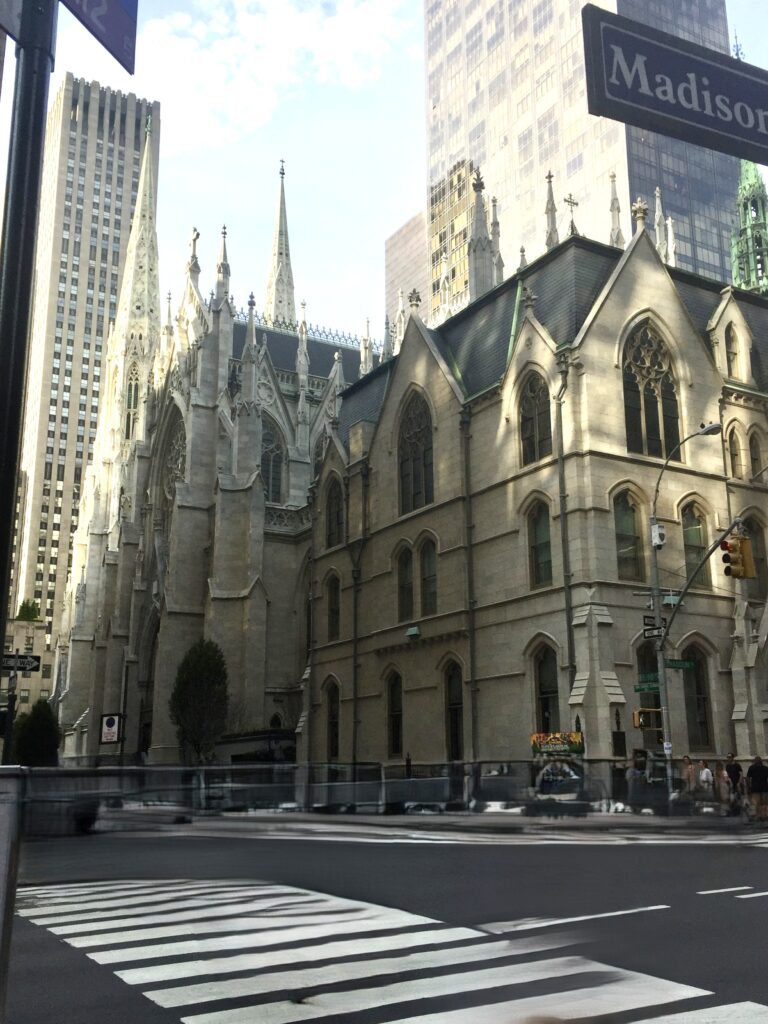
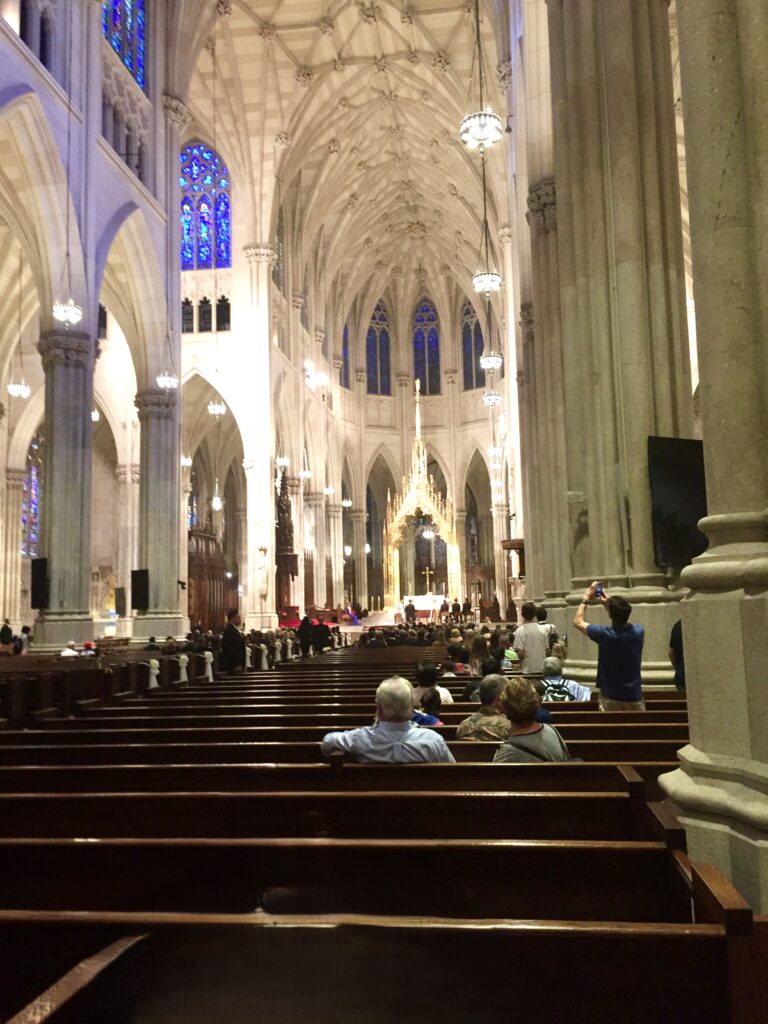
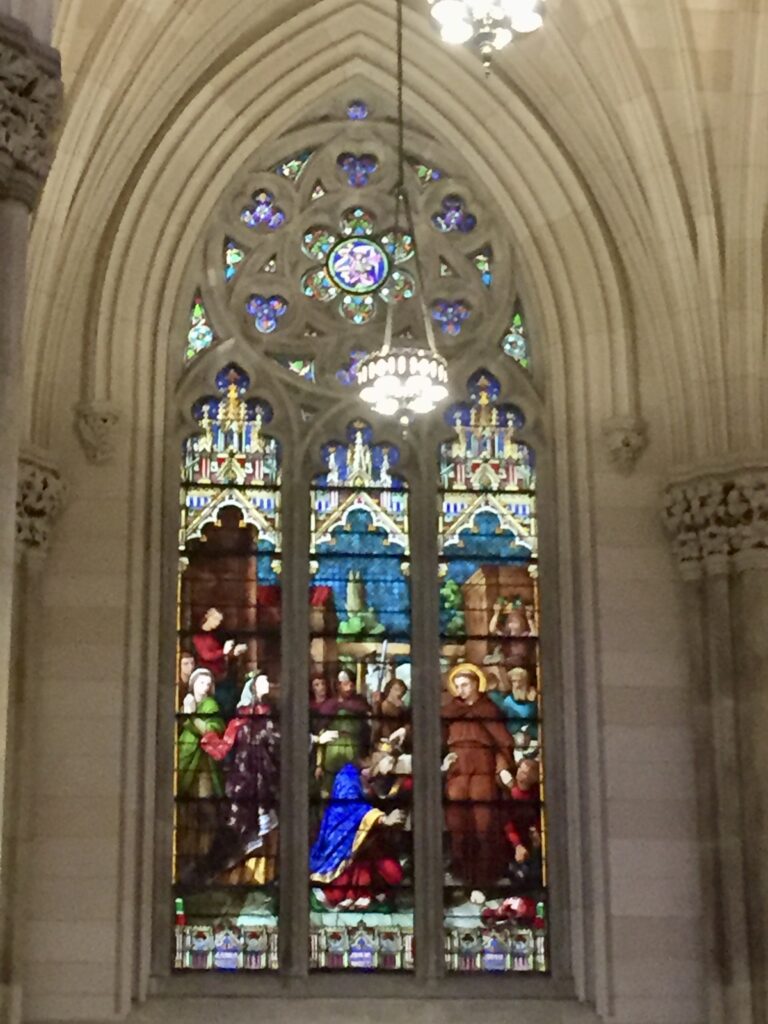
St. Patrick’s Cathedral – Completed in 1878, the cathedral in Midtown Manhattan, was dedicated in 1879 and fully consecrated in 1910 after debts were cleared. The church occupies an entire city block across from Rockefeller Center, bounded by Fifth and Madison Avenues. Designed by James Renwick Jr., it is the largest Gothic Revival Catholic church in North America. The marble-clad structure features stained glass, twin spires, bells, pipe organs, and multiple chapels. It is listed on the National Register of Historic Places.
The Plaza Hotel – Opened in 1907, Plaza Hotel is one of New York City’s luxury hotels, known for its grand architecture and opulent interiors. Over the years, it has hosted countless celebrities, dignitaries, and important events. The hotel features lavish ballrooms, fine dining, a world-class spa, and luxurious guest rooms and suites, some of which are converted into private residences. The Plaza also gained pop culture fame as the setting for the 1990 movie Home Alone 2: Lost in New York.
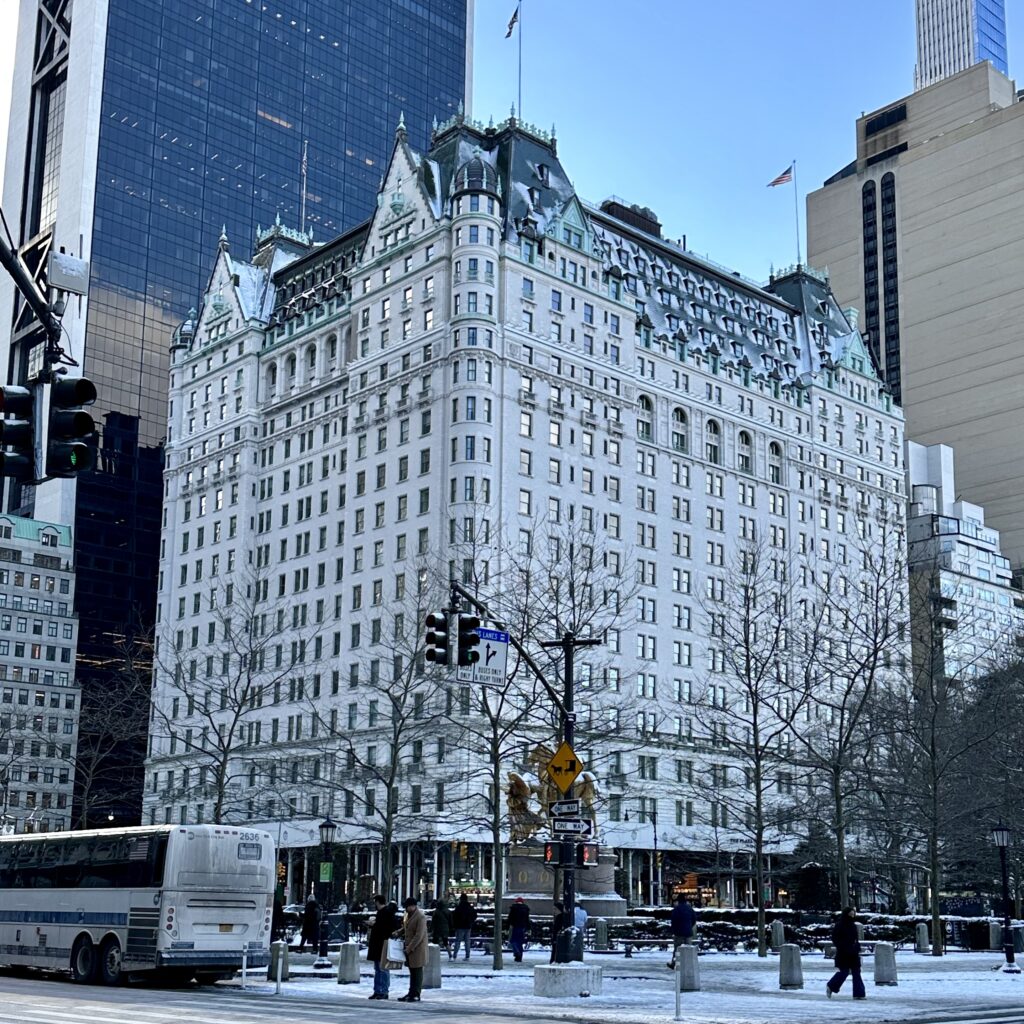
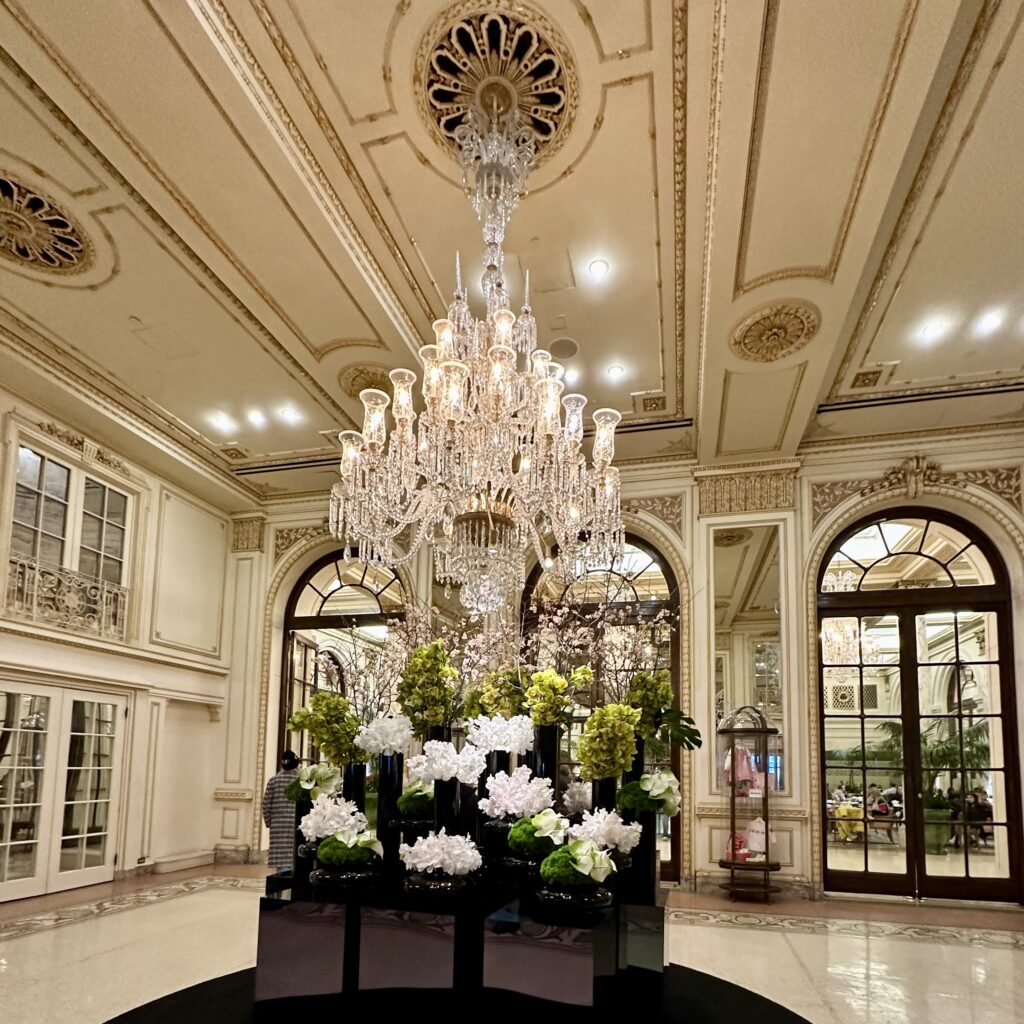
We tried to get a reservation for high tea at the Plaza Hotel, but it was fully booked for the day. We’ll have to plan another visit to experience it.
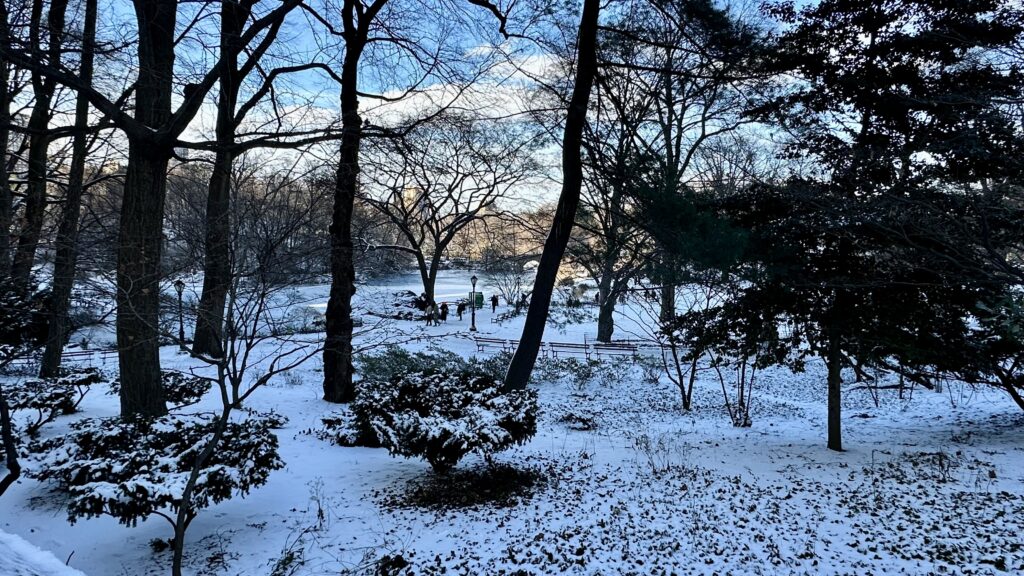
Central Park is an urban park in Manhattan, located between the Upper West and Upper East Sides, and is the first landscaped park in the United States. Covering 843 acres, it is the most visited urban park in the country. The Plaza Hotel sits at the southeastern corner of the park, offering direct views of its entrance and the nearby Pond area.
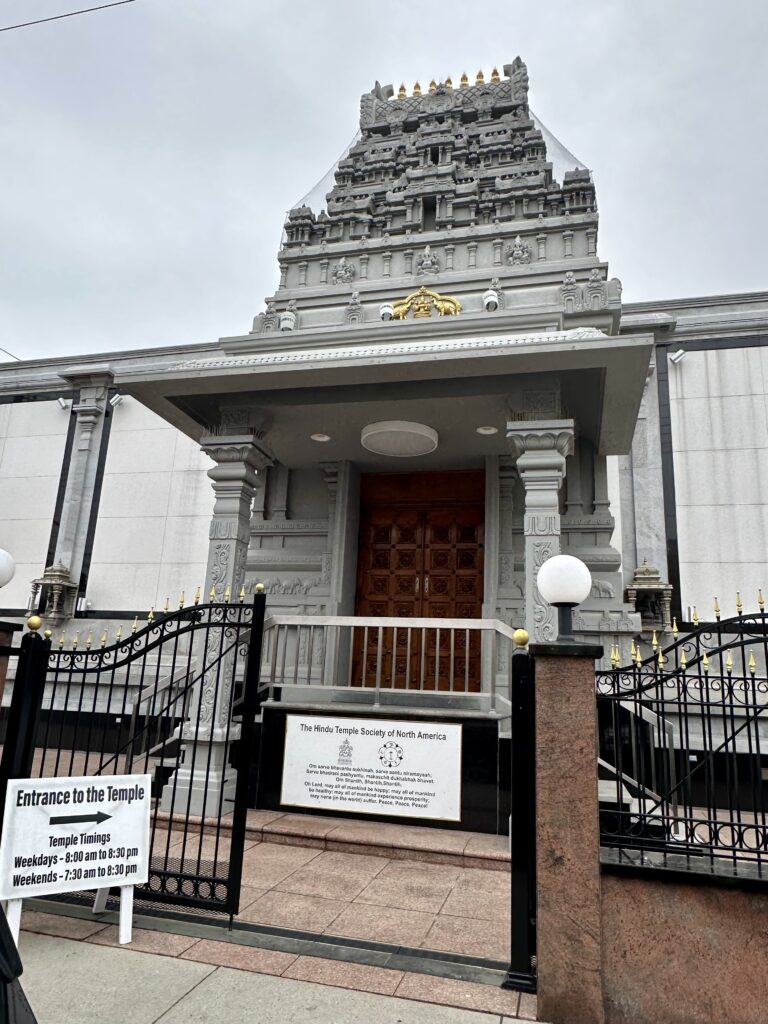
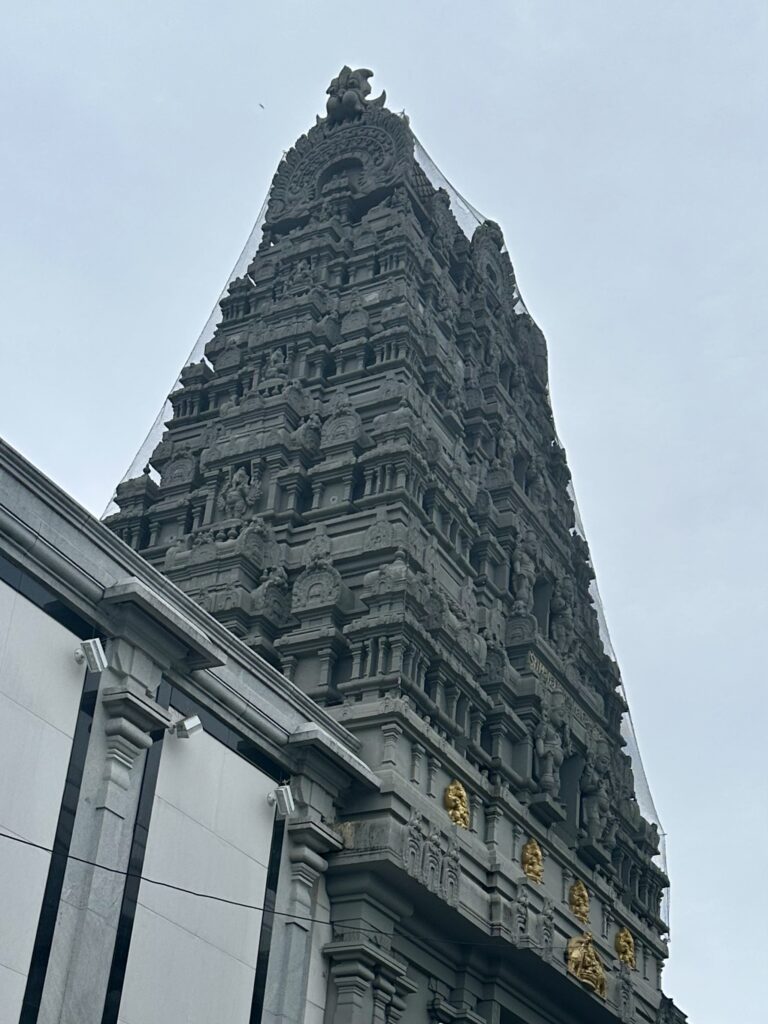
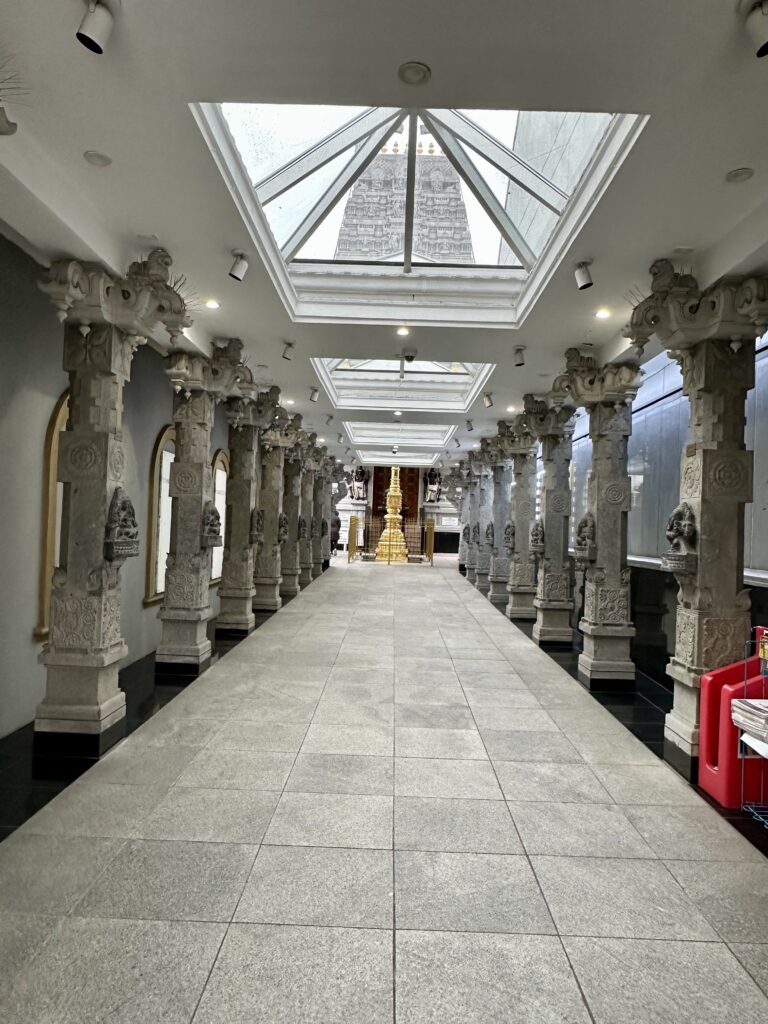
Hindu Temple Society of North America – Located in Flushing, Queens, it is also known as the Ganesha Temple after its main deity, Ganesha. Opened in 1970, it is the second-oldest Hindu temple in the United States built by Indian immigrants. Some of the other deities at the temple include – Venkateswara, Lakshmi, Shiva, Parvati, Durga, Saraswathi, and Hanuman.
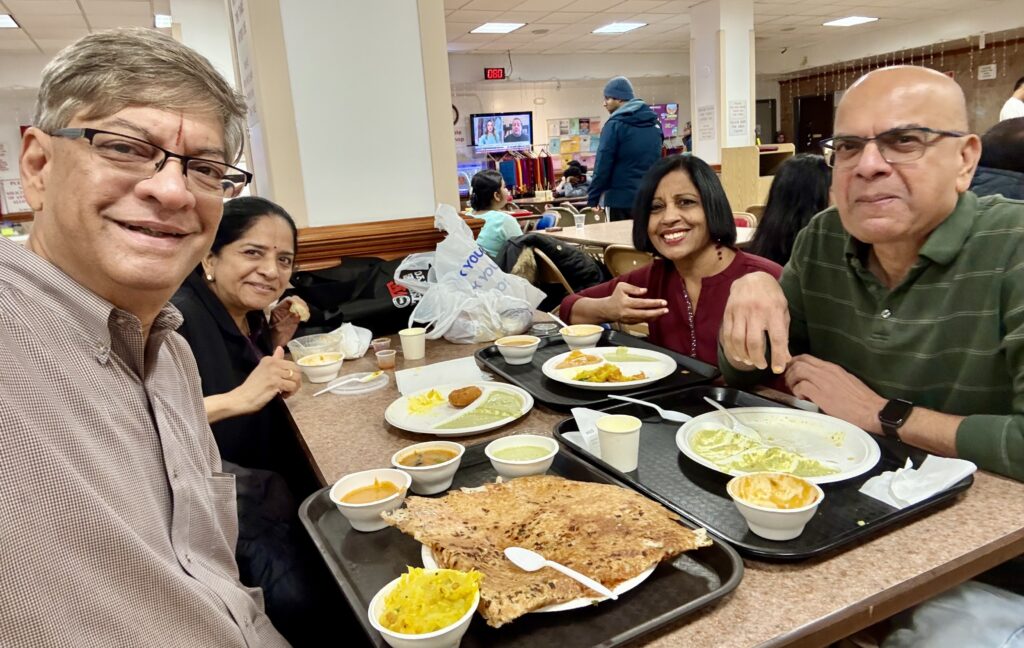
Temple Canteen – was started in 1993, mainly to prepare naivedyam (food offering) to the deities. The authentic South Indian food at the canteen was a great appeal to devotees as well, who enjoyed the traditional flavor and taste of idli, dosa, pongal, upma, sambar, chutney, etc. The food’s traditional flavor and quality make the canteen consistently crowded.
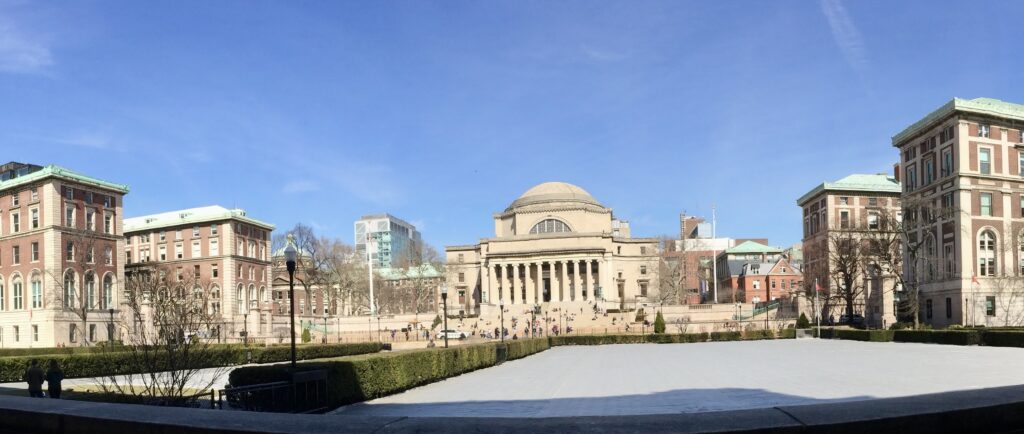
Columbia University – Founded in 1754 as King’s College, this private Ivy League research university is the oldest institution of higher education in New York and the fifth-oldest in the United States. After the American Revolution, it was renamed Columbia College and later became Columbia University in 1896 when it moved to its current campus. Today, the university is made up of about twenty schools that includes both undergraduate and graduate programs.
We visited the university, which is within walking distance of our friend’s apartment, who is a professor there. The campus is beautiful, highlighted by the main building with its stunning dome.
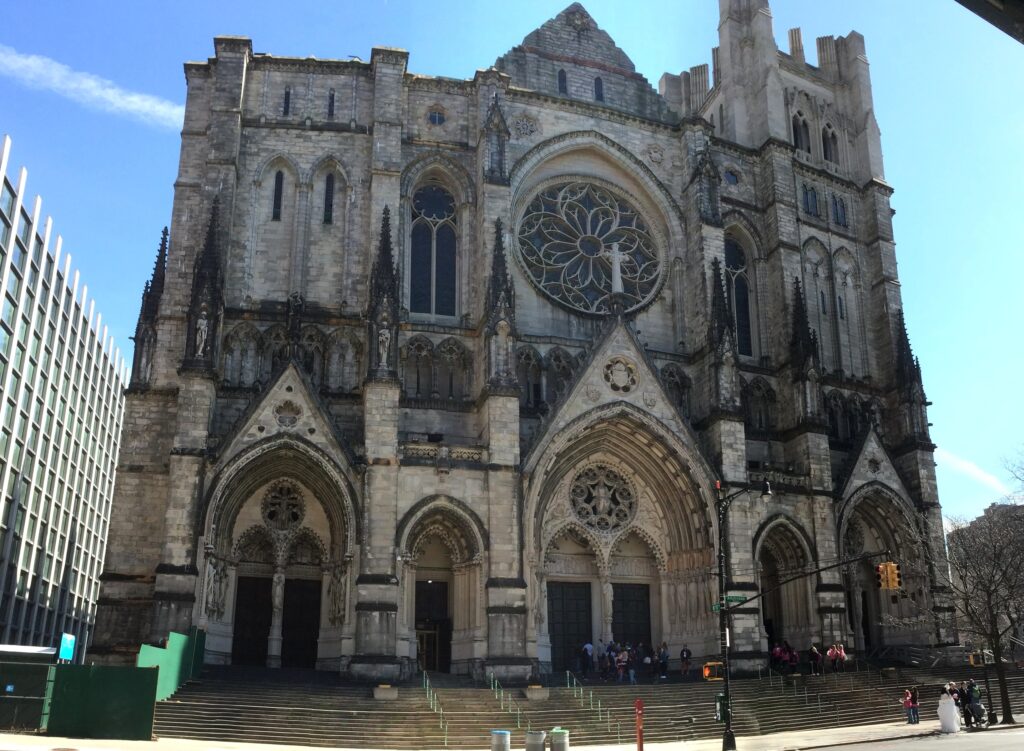
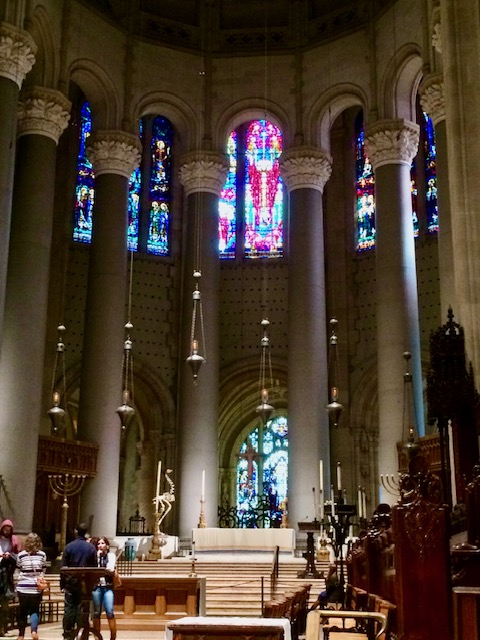
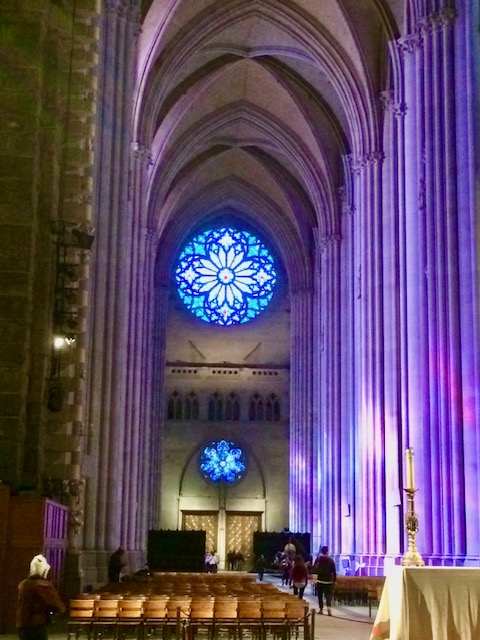
Cathedral of St. John the Divine – Located close to Columbia University, the cathedral is nicknamed St. John the Unfinished as it remains incomplete, with only about two-thirds of the planned structure built due to design changes, funding delays, and unstable ground. Construction began in 1892 in Byzantine and Romanesque Revival styles, later switching to Gothic Revival. Despite its unfinished state, it is one of the world’s largest churches, covering 121,000 sq ft with a nave roof height of 177 feet. Its vast interior hosts numerous events and art exhibitions, and the cathedral has also been active in advocacy work.
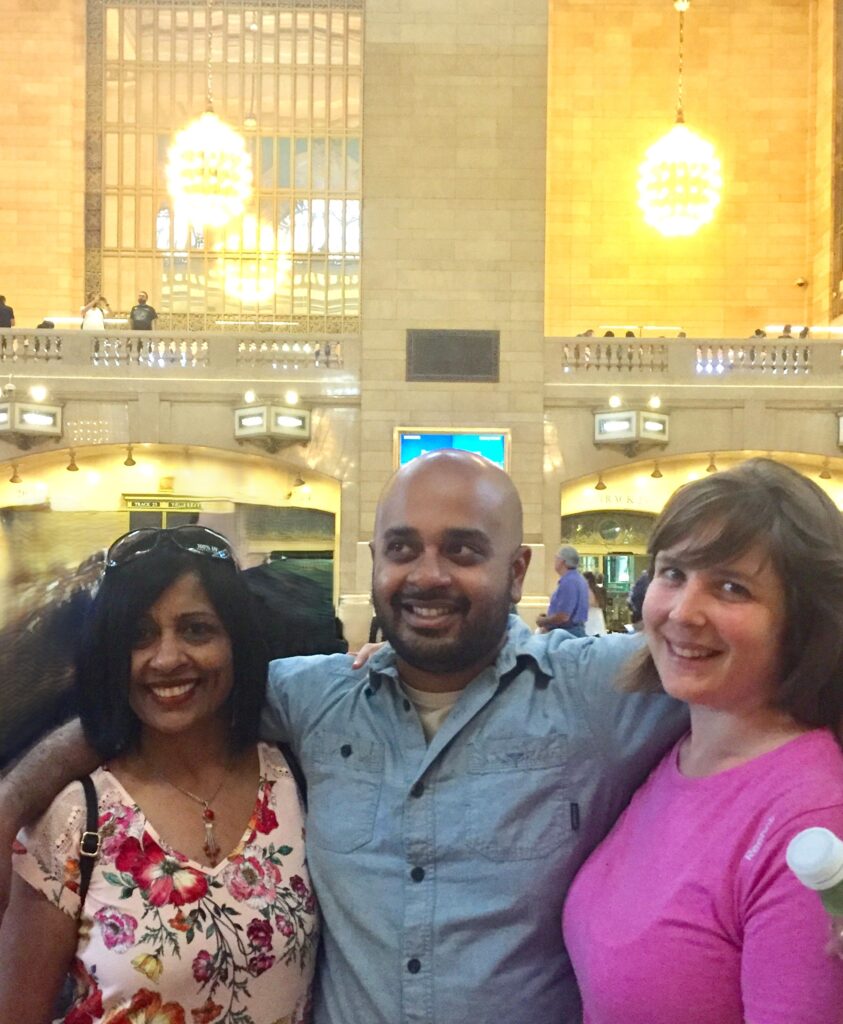
Grand Central Terminal – often called Grand Central Station, is a famous train station in Midtown Manhattan, New York City. Opened in 1913, it is known for its beautiful and grand design and its large Main Concourse. Beyond transportation, Grand Central is a popular tourist attraction with shops, restaurants, and historic charm.
Its distinctive architecture and interior design have earned it several landmark designations, including recognition as a National Historic Landmark.
Broadway Shows – attract millions of visitors every year and are a big part of NYC culture. Watching a story come to life through world-class actors, musicians, and creative talent live on stage is an amazing experience that is completely different from watching it on a screen.
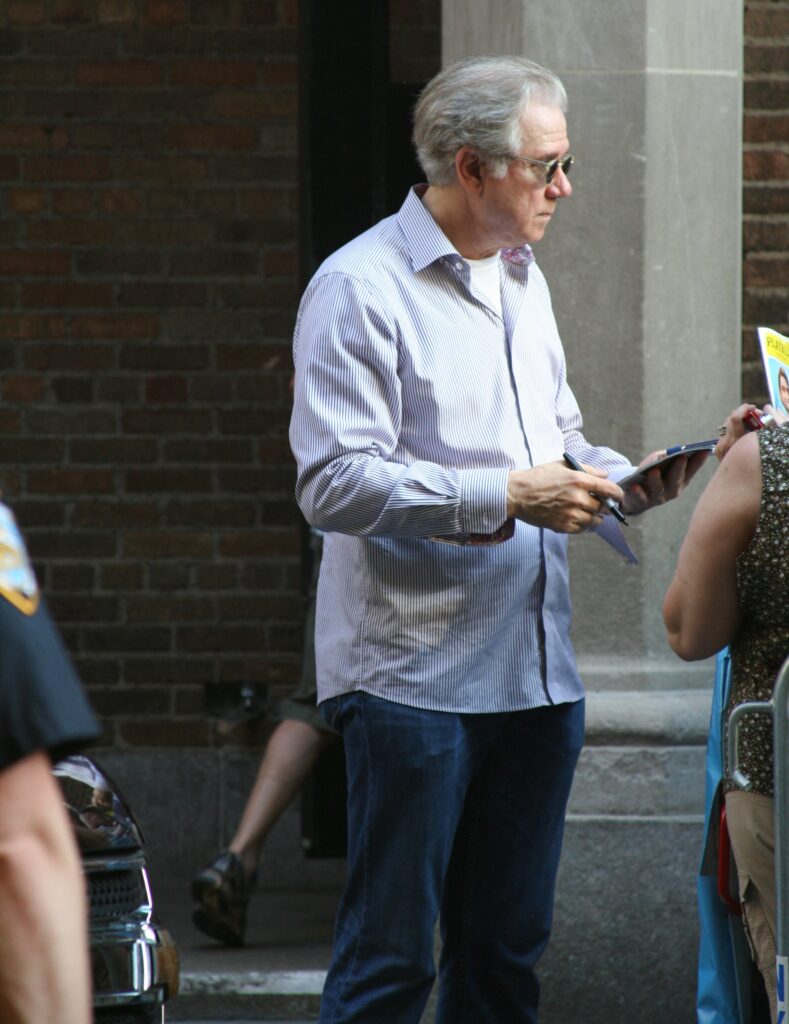
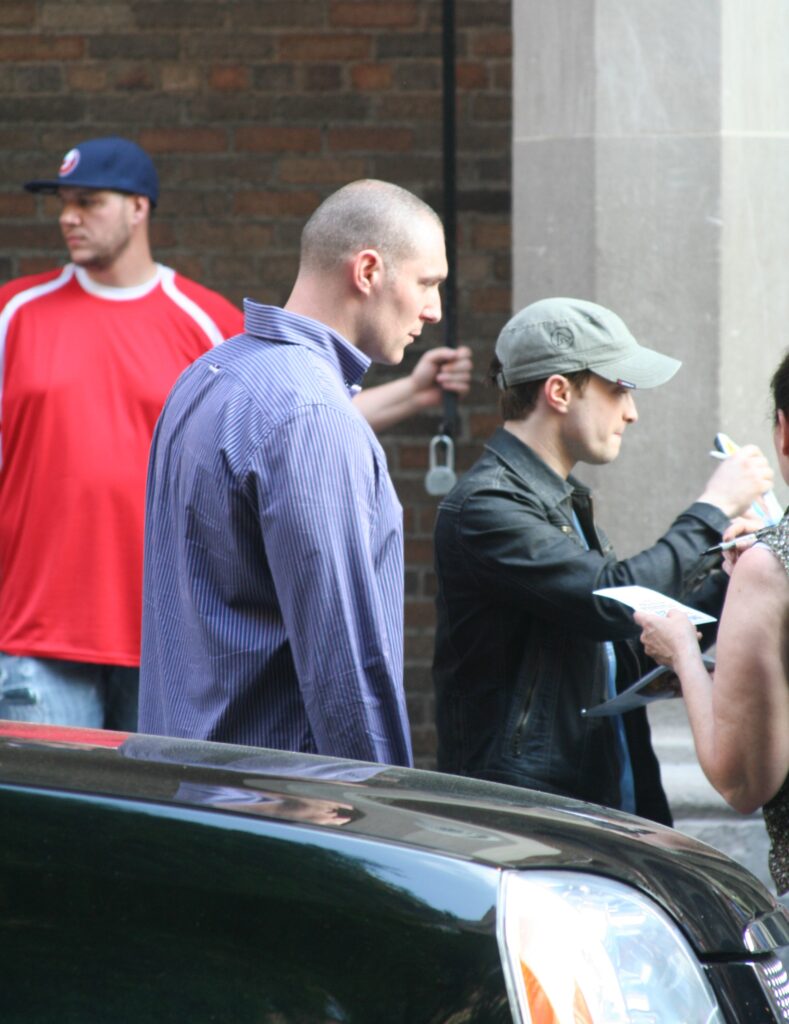
We watched How to Succeed in Business Without Really Trying (2011–2012) – Danielle Radcliffe (of Harry Potter fame) starred as J. Pierrepont Finch in the musical revival at the Al Hirschfeld Theatre, demonstrating his singing and dancing chops in this classic comedy. After the show, we waited outside to chat and get his autograph.