Helena was founded in 1864, by four gold miners from Georgia who discovered gold in a gulch they named Last Chance Gulch. The gold rush made Helena a wealthy city, and this wealth contributed to its prominent, elaborate Victorian architecture. Helena was declared the capital of Montana Territory in 1875, and it remained the capital when Montana became a U.S. state in 1889.
- Montana State Capitol Building
- Reeder’s Alley
- The Original Governor’s Mansion
- Cathedral of Saint Helena
- Great Northern Carousel
- Last Chance Gulch & the Downtown Pedestrian Mall
- Museums
- Gates of the Mountains
- The Great Falls
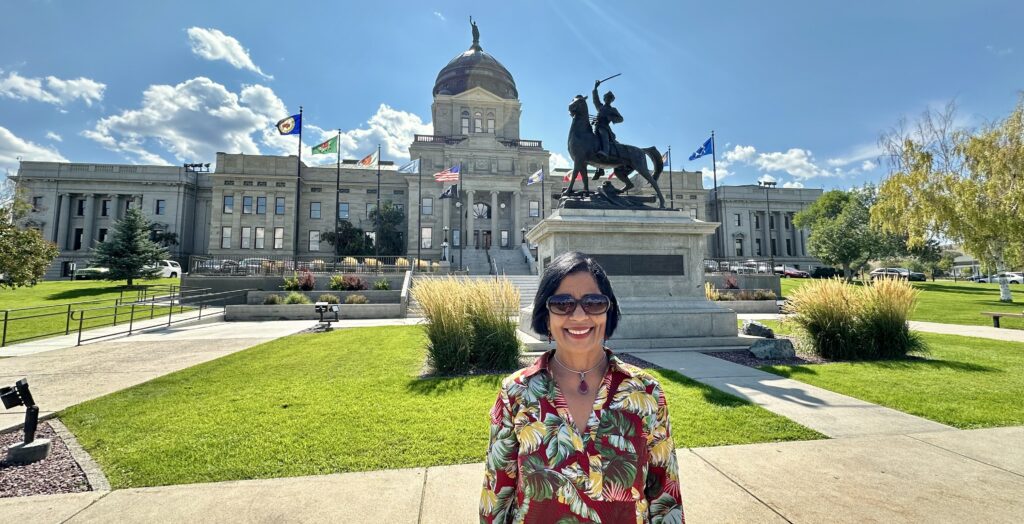
Montana State Capitol Building – was constructed between 1896 and 1902. Between 1909 and 1912, the building was extended by the addition of two new wings on the eastern and western sides. The building, constructed of Montana sandstone and granite is listed on the National Register of Historic Places. The exterior of the dome is covered with copper. Atop the dome is a feminine statue affectionately dubbed Montana. We went on a 1-hour guided tour of the interior of the building.
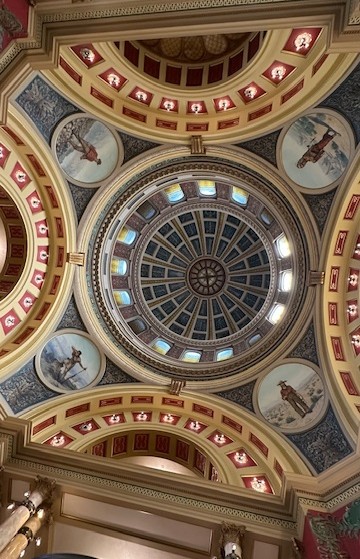
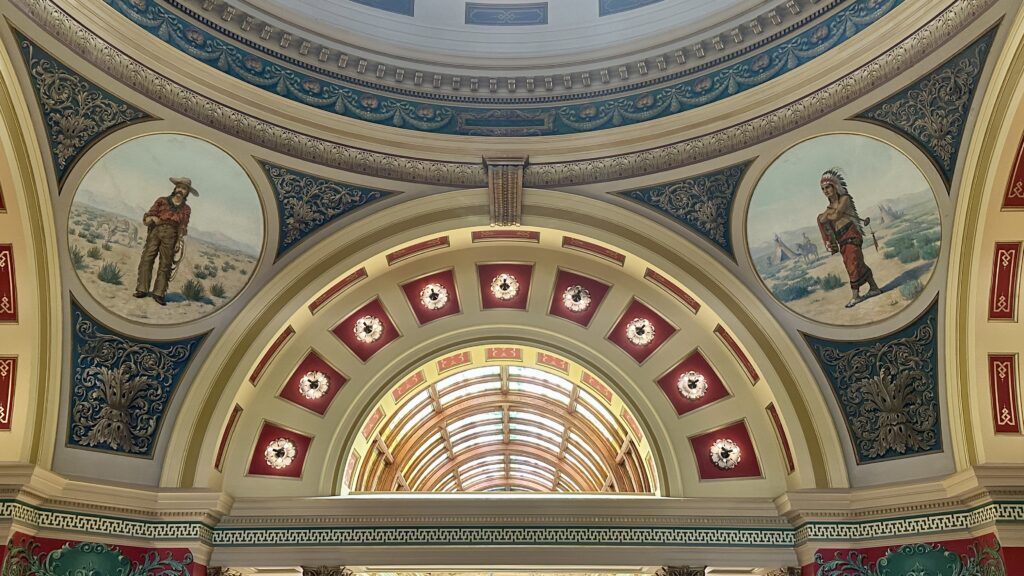
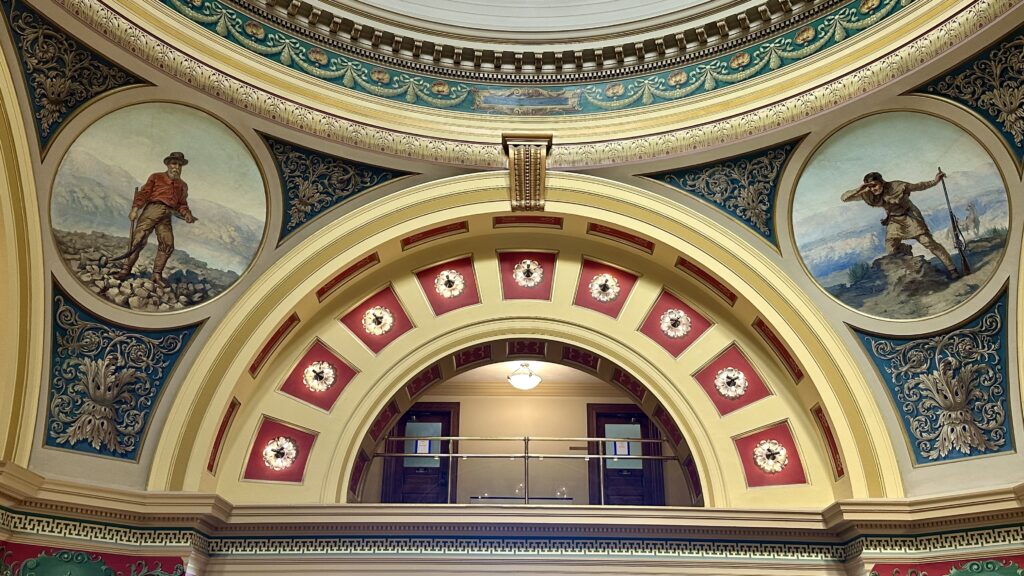
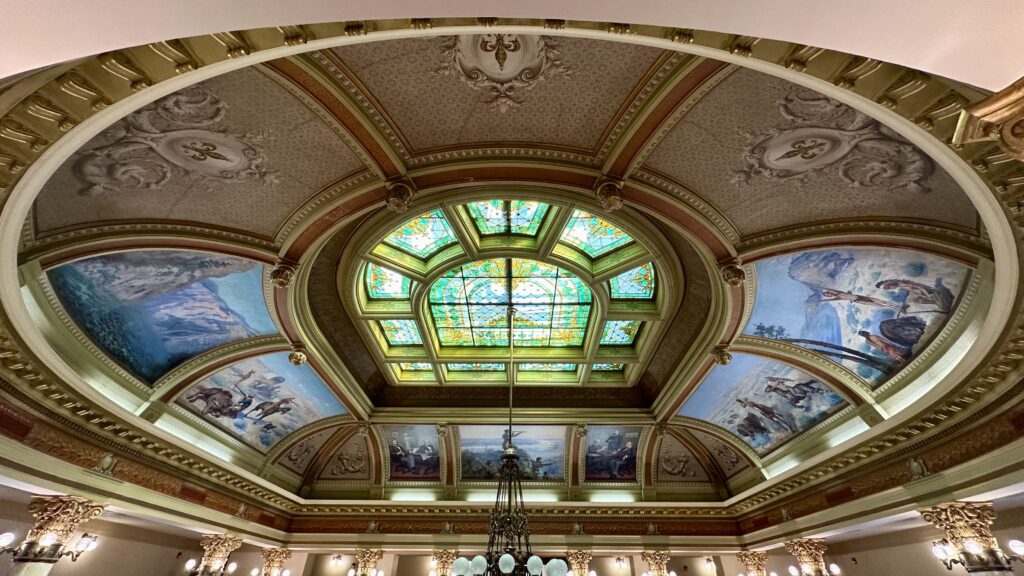
Montana State Capitol Building, Rotunda – The most notable feature inside the center of the Capitol building is the rotunda, with four circular paintings surrounding it. These paintings, painted for the Capitol opening in 1902, depict four important archetypes of people of Montana’s early history – a Native American, an explorer and fur trapper, a gold miner, and a cowboy.
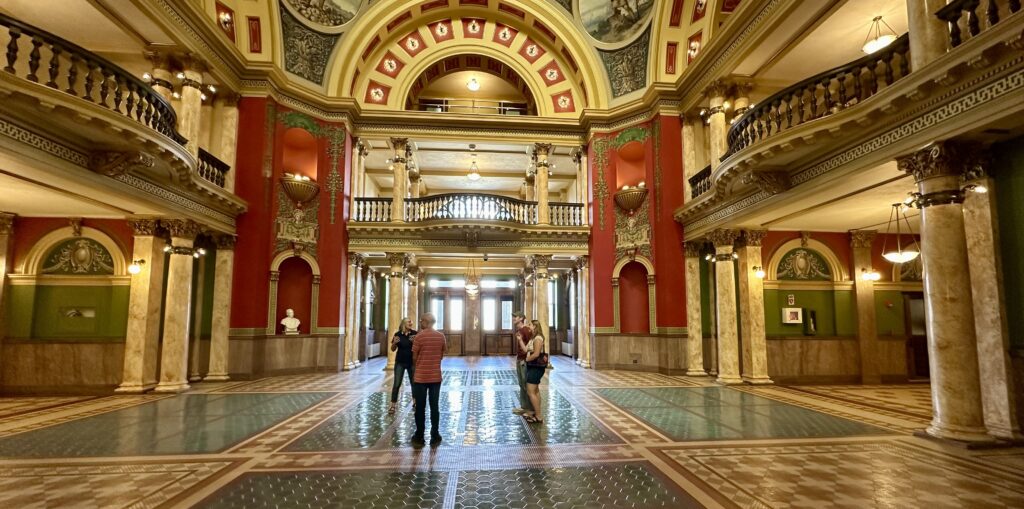
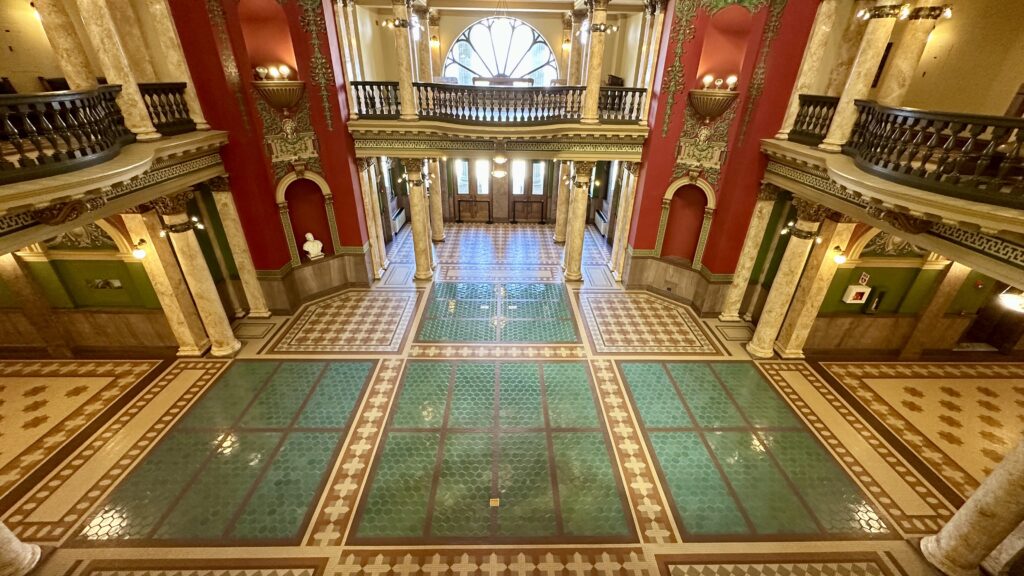
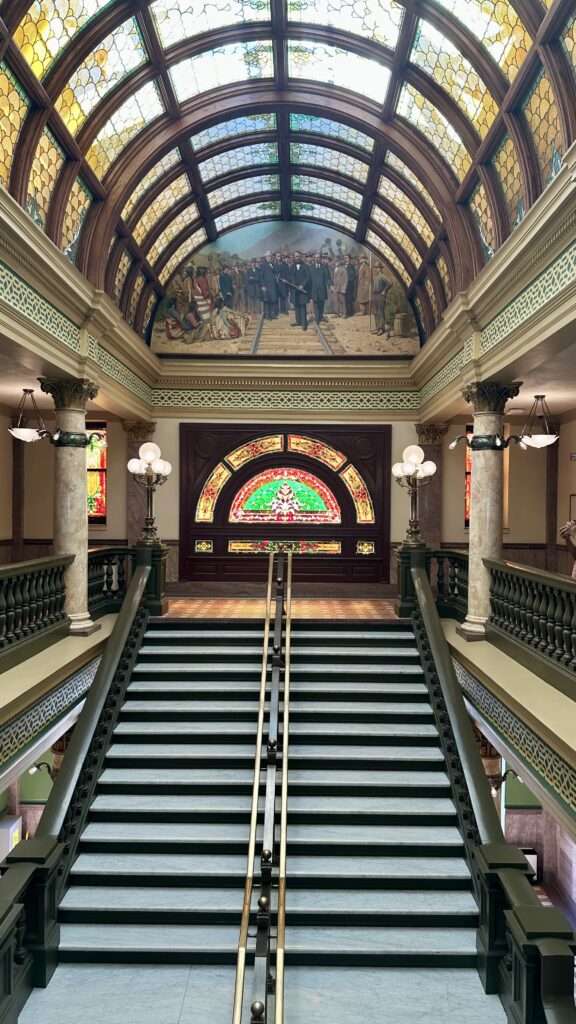
Montana State Capitol Building, Grand Staircase – From the rotunda a grand staircase, made of white marble, leads to the third floor of the state capitol. There are some beautifully painted stained glass windows and murals around the landing. The mural above the stained glass window is Driving the Golden Spike, by Amedee Joullin in 1903 which depicts the completion of the Northern Pacific Railroad, Montana’s first transcontinental line in 1883.
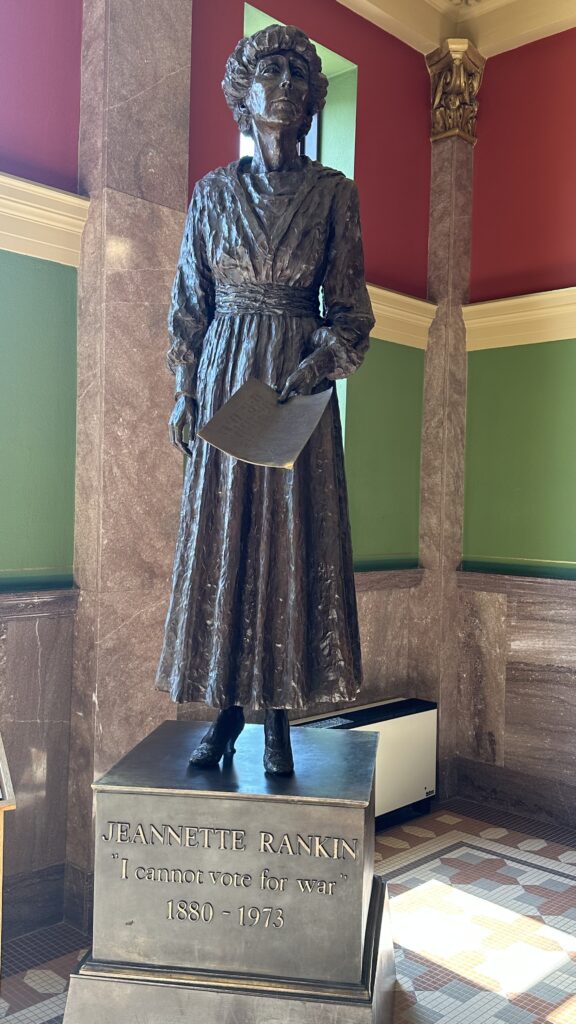
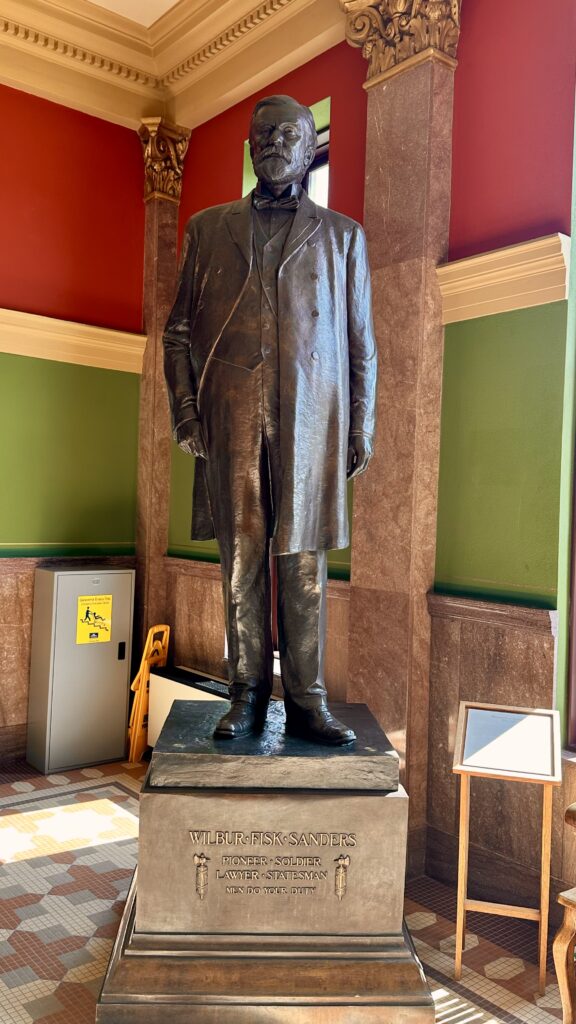
Close to the Grand Stairway are 2 prominent statues –
- Wilbur Fisk Sanders (1834–1905) – is best remembered as one of Montana’s first prosecuting attorneys and one of the organizers of the Vigilantes. In addition to helping found the Montana Historical Society in 1865, Sanders also was voted by Montana’s state legislature to be one of Montana’s first senators.
- Jeannette Rankin (1880–1973) – A prominent advocate of women’s suffrage, Jeannette became the first woman to serve in the United States Congress after Treasure State voters elected her to the U.S. House of Representatives in 1916. In her first term (1916–1918), she was one of only fifty-six legislators to vote against the United States’ entry into World War I. In her second term (1940–1942), she cast the lone dissenting vote against the United States’ entrance into World War II.
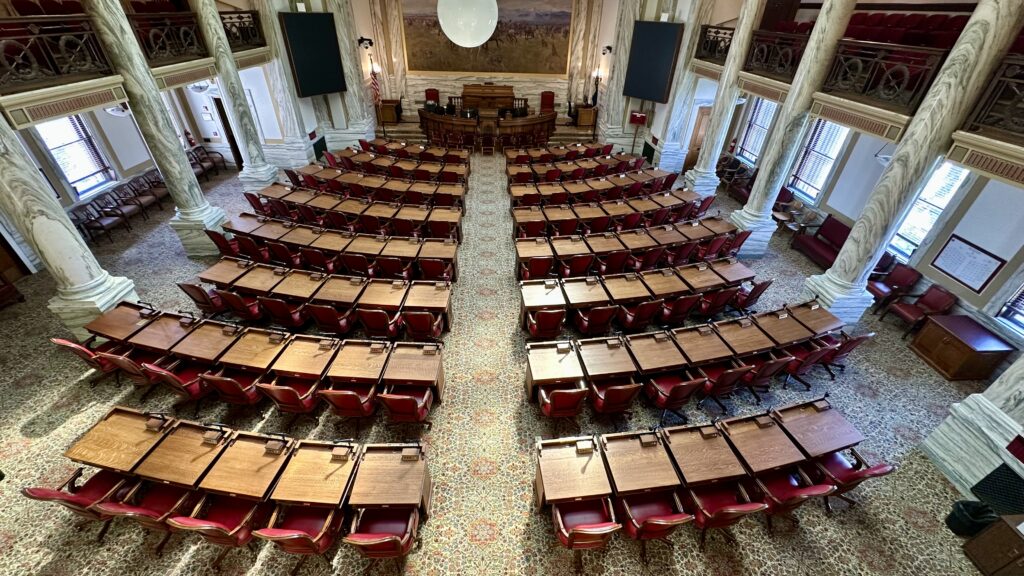
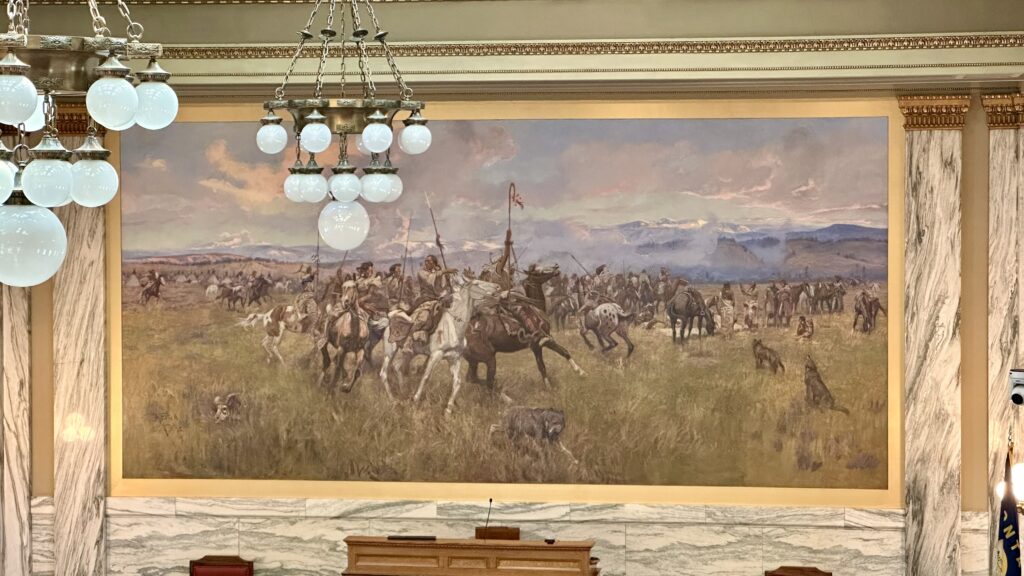
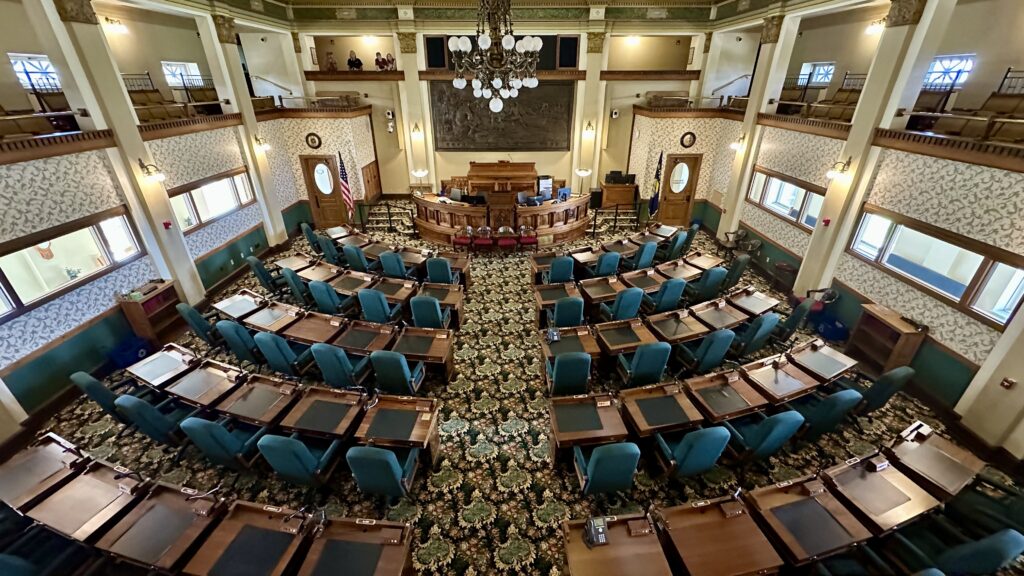
Montana State Capitol Building, House of Representative – You can see the room from the galleries on the 4th floor on a guided tour. The House features a painting titled Lewis and Clark Meeting the Flathead Indians at Ross’s Hole. The meeting occurred on September 4, 1805. Lewis and Clark met a large party of Salish people, consisting of 33 lodges and approximately 500 horses. The Salish people received the explorers in a friendly manner, offering them white robes and sharing pipes of peace.
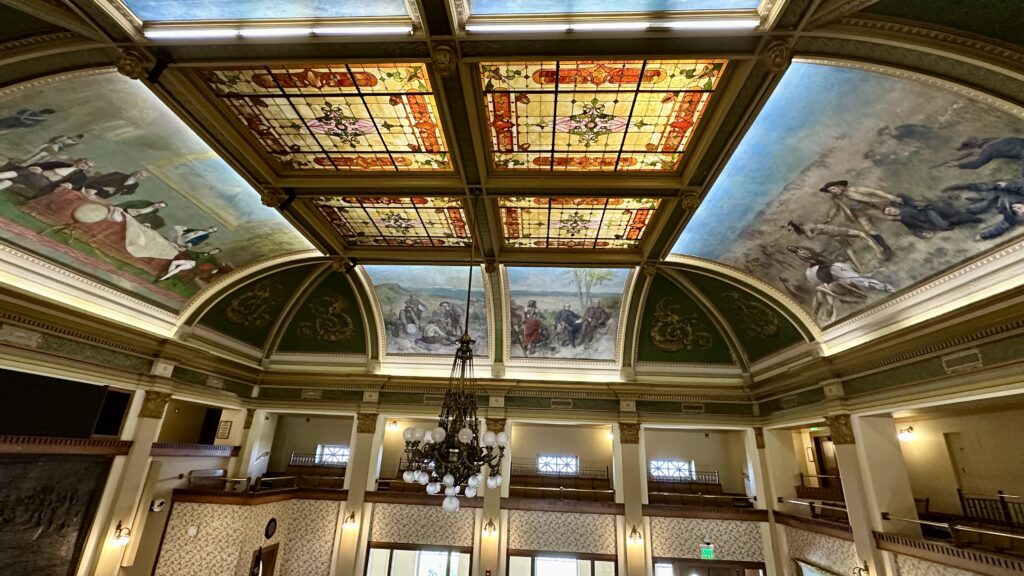
Montana State Capitol Building, Senate Chamber – During a 1999 restoration of the senate room, panels of glass and original beams were found and used to reconstruct the ceiling, which features a large painting by Peter Koch titled Driving the Golden Spike at the end of the barrel vault. The painting depicts the ceremony where the final spike was driven to complete the Northern Pacific Railroad, an important event in Montana’s history.
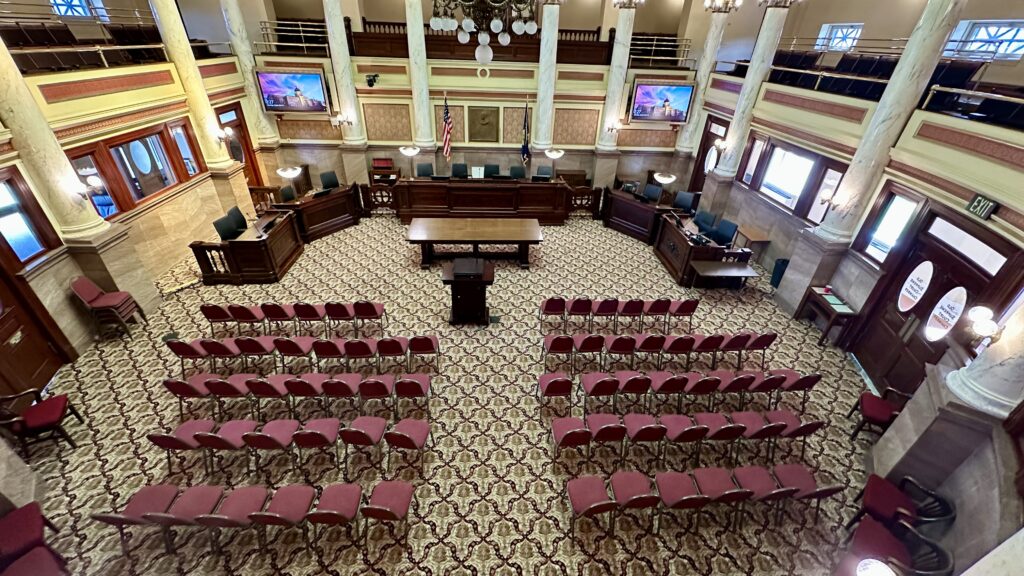
Montana State Capitol Building, Old Supreme Court – Features elaborate columns and wall finishings. Behind the justices is a plaque to Theodore Brantley, the longest serving justice in Montana Supreme Court History (1899-1922). In 1982, the Supreme Court was relocated to the newly constructed Justice Building, a block east of the capitol.
Reeder’s Alley – Located at the base of Mount Helena, Reeder’s Alley is situated in the southwest corner of downtown Helena. The Alley was built in the 1870s by a Pennsylvania brick and stone mason named Louis Reeder. It is the oldest intact piece of early Helena. The property is a strong link to the beginnings of a settlement here, offering insights into the lives of miners, the Chinese influence, building techniques of the time, and life of the common men and women who came here seeking their fortune.
Today, Reeder’s Alley is home to a caterer, a number of offices, non-profit organizations, and Visit Helena. The buildings in Reeder’s Alley are designated as a historic district listed in the National Register of Historic Places with the National Park Service. In December 2000, Darrell and Kathy Gustin, then owners of Reeder’s Alley, donated the Reeder’s Alley properties to the Montana Heritage Commission.
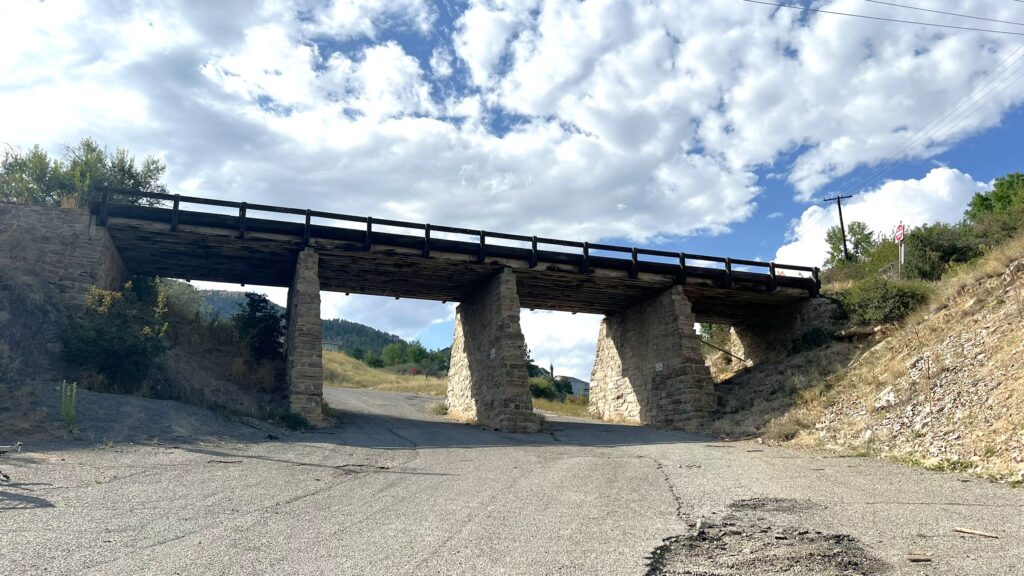
As you walk further down Reeder’s alley, you will come across the Morelli bridge – named after Swiss stonemason Carlo Morelli who constructed the impressive bents or supports that make the bridge unusual. Finished in 1893, it allowed residential development of the area and provided a bypass around the congested, industrial south end of Last Chance Gulch.
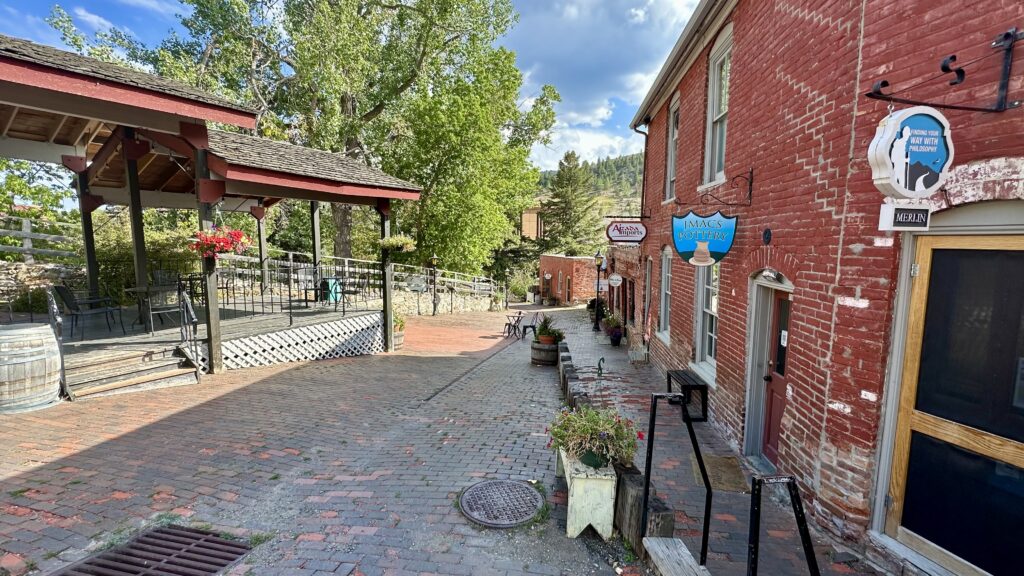
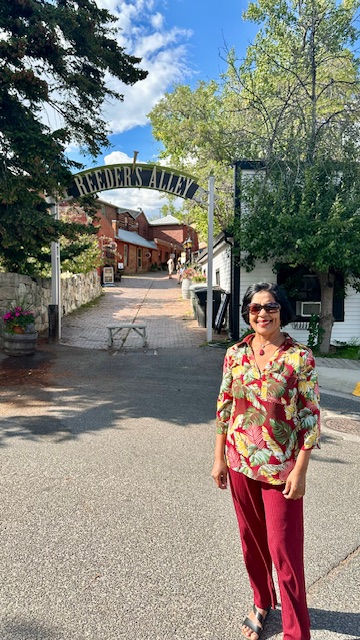
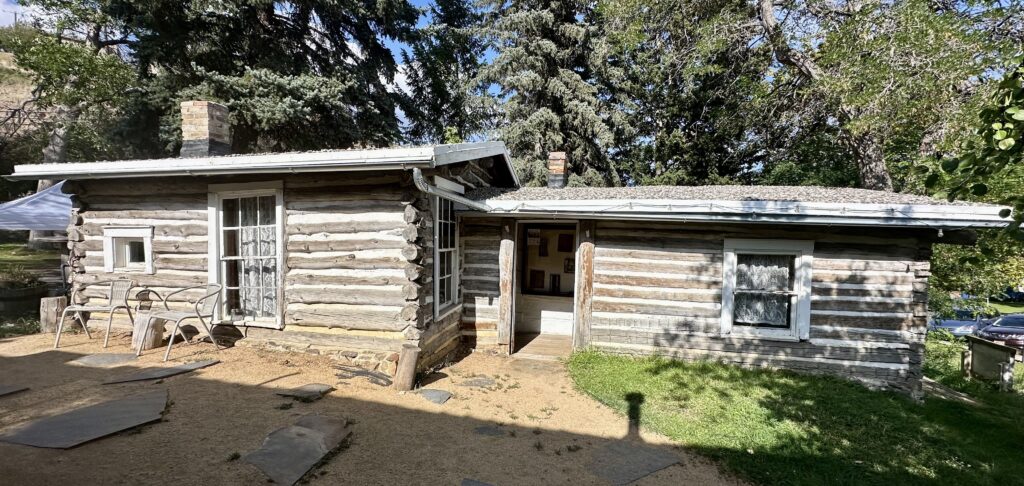
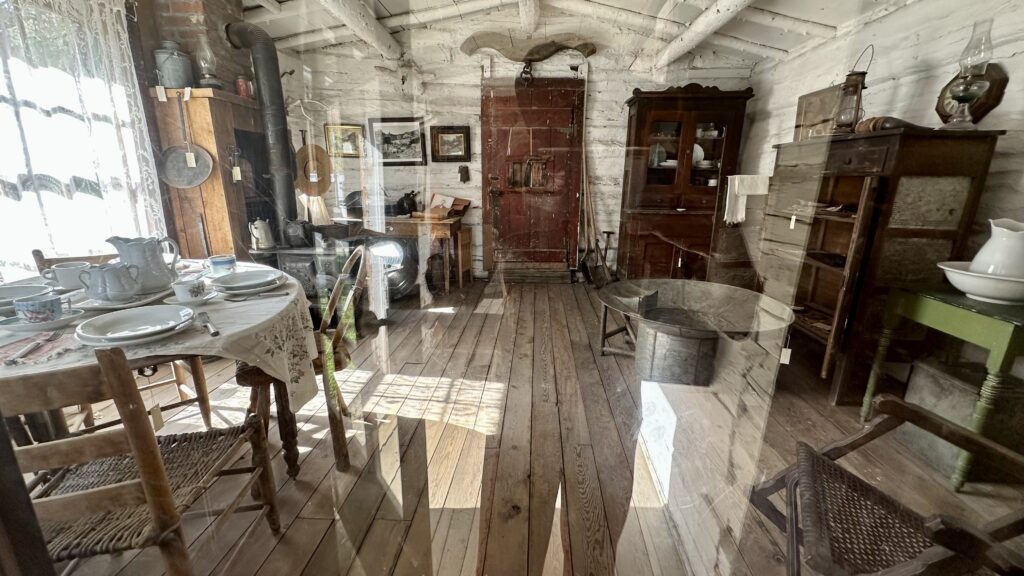
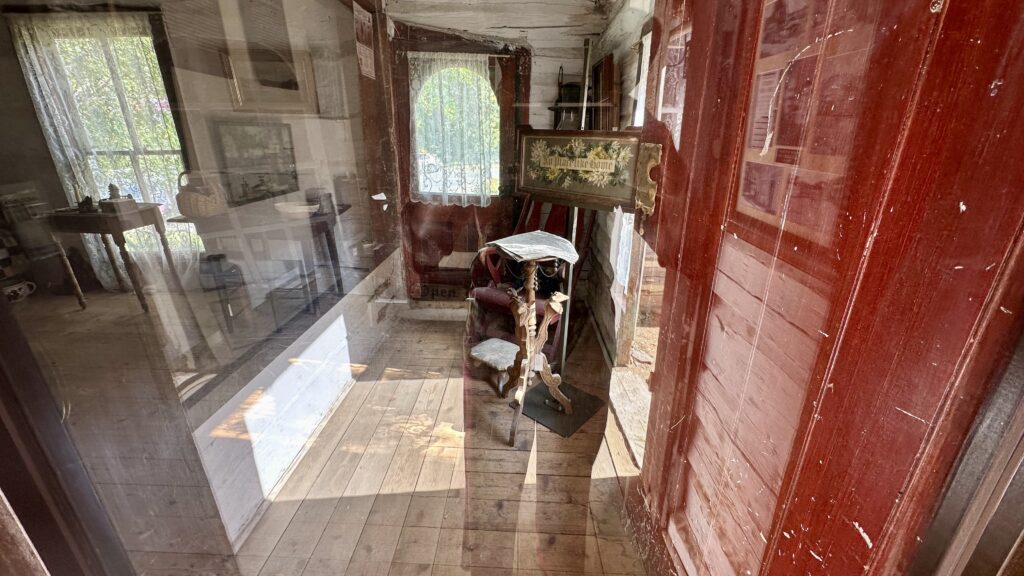
Interpretive signs and information enhance a stroll through the area, and the moment you step on the brick walkway, it feels like stepping into history. The adjacent Pioneer Cabin is the oldest registered domicile in the city and is available for public tours.
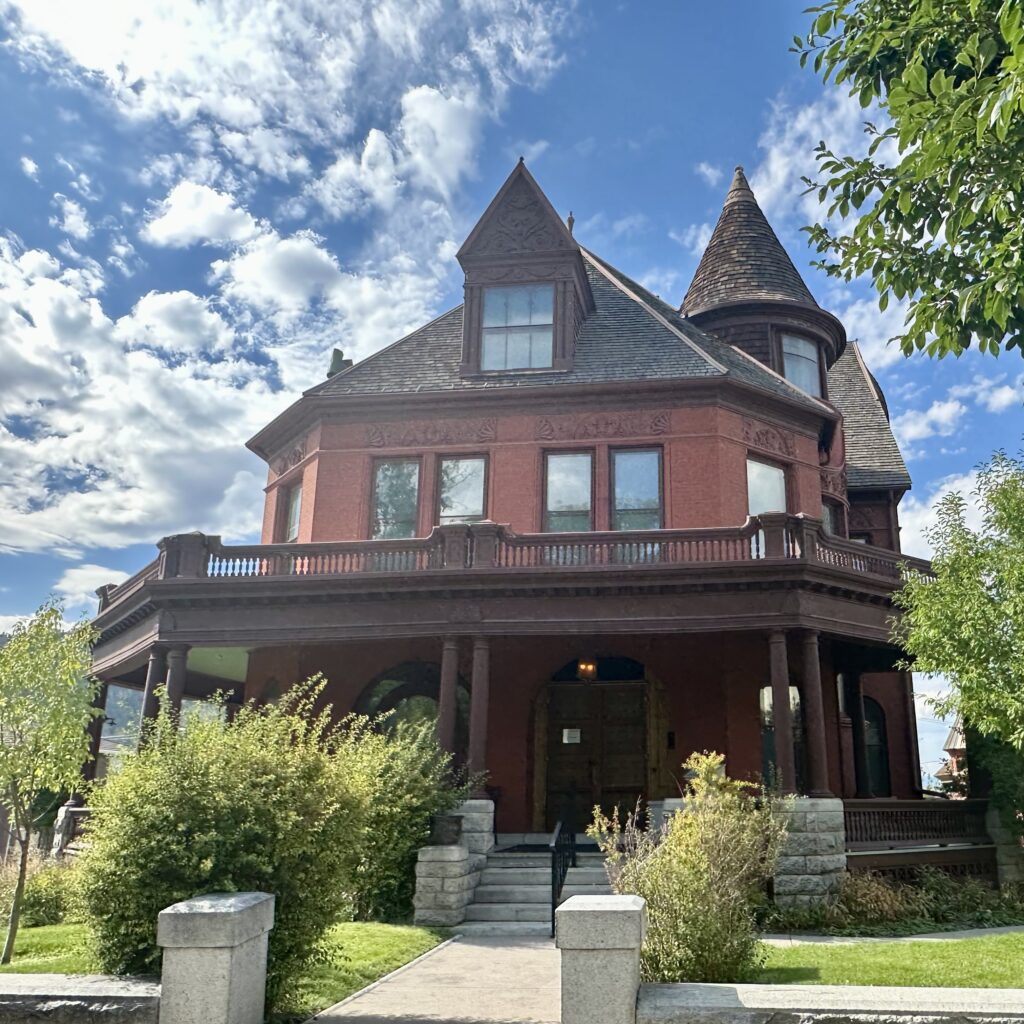
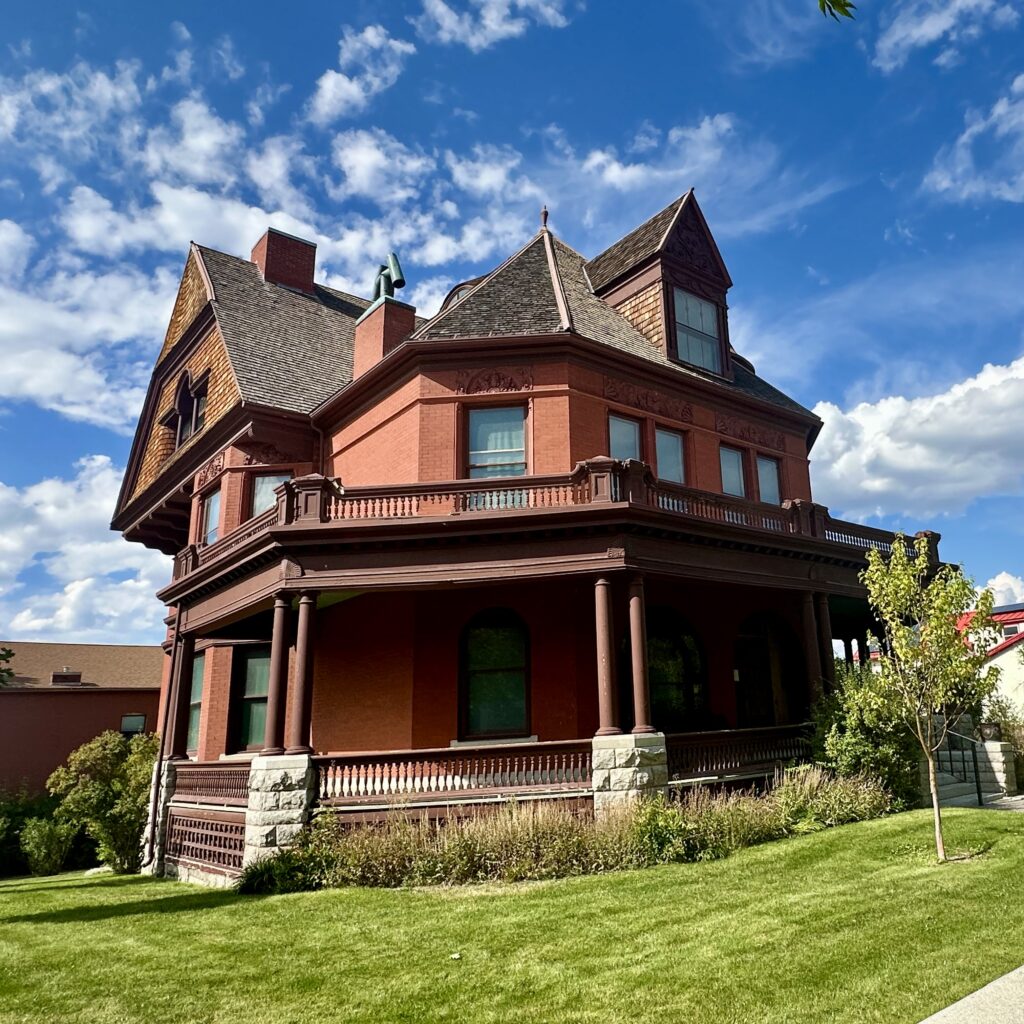
Original Governor’s Mansion – is located less than a mile from the capital building. Built in 1888 as a private residence, the state purchased it in 1913 to serve as Montana’s first official governor’s residence. Nine of Montana’s governors, with their families and service staffs, lived here until a new executive residence was built in 1959. The mansion was restored and opened to public in 1969. There are free guided tours on weekdays from Tue – Thur. Since we visited on a Monday, we were not able to see the interior.
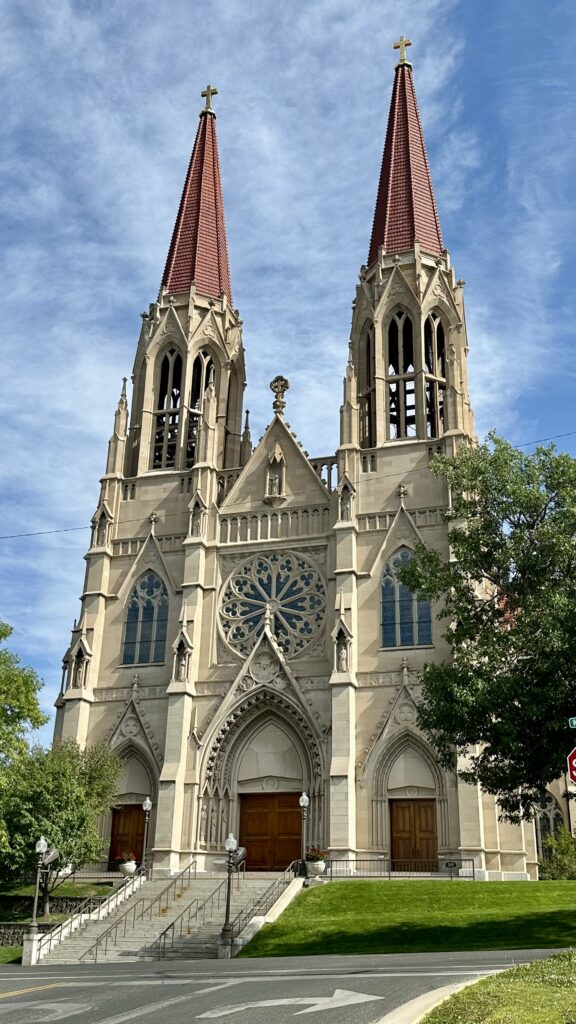
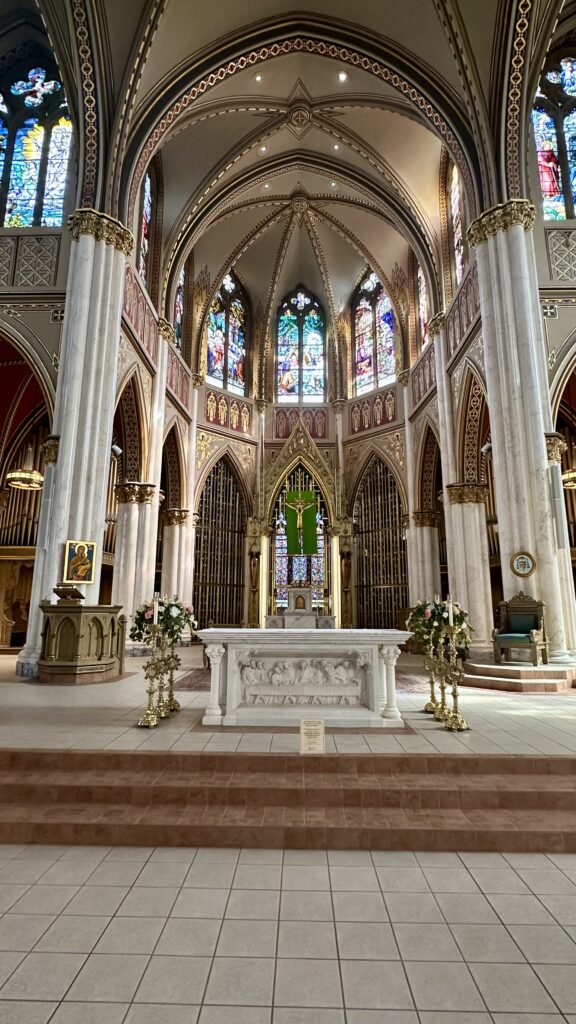
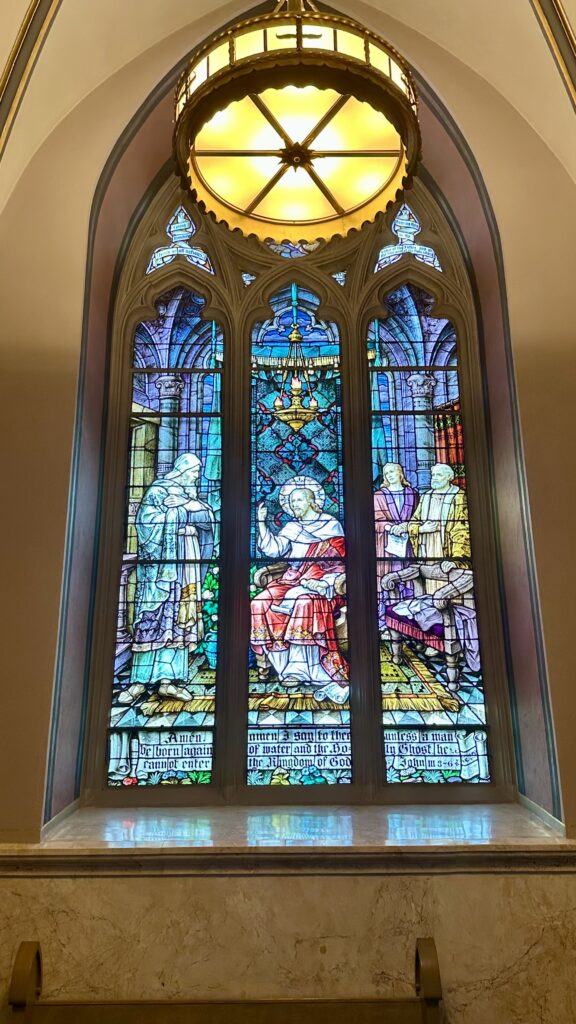
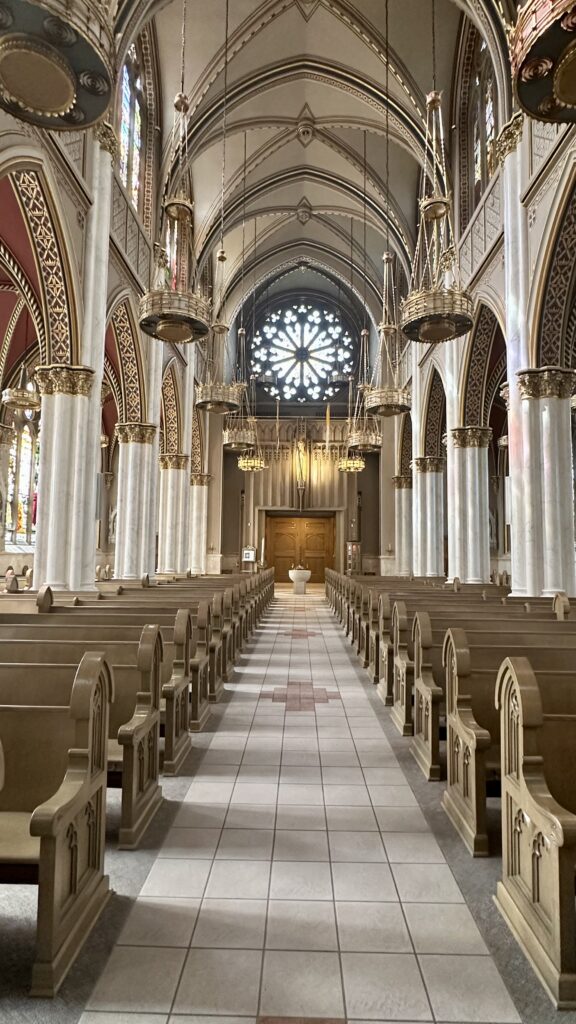
Cathedral of Saint Helena – Located near the Original Governor’s Mansion, the twin spires of the Cathedral can be seen from many places around the city. The construction of the cathedral began in 1908, and the first mass was held in November 1914. This Gothic cathedral was damaged in a 1935 earthquake and has seen significant restorations and improvements over the years. It is worth visiting the interior to see the vast collection of stained-glass windows. The cathedral was added to the National Register of Historic Places in 1980.
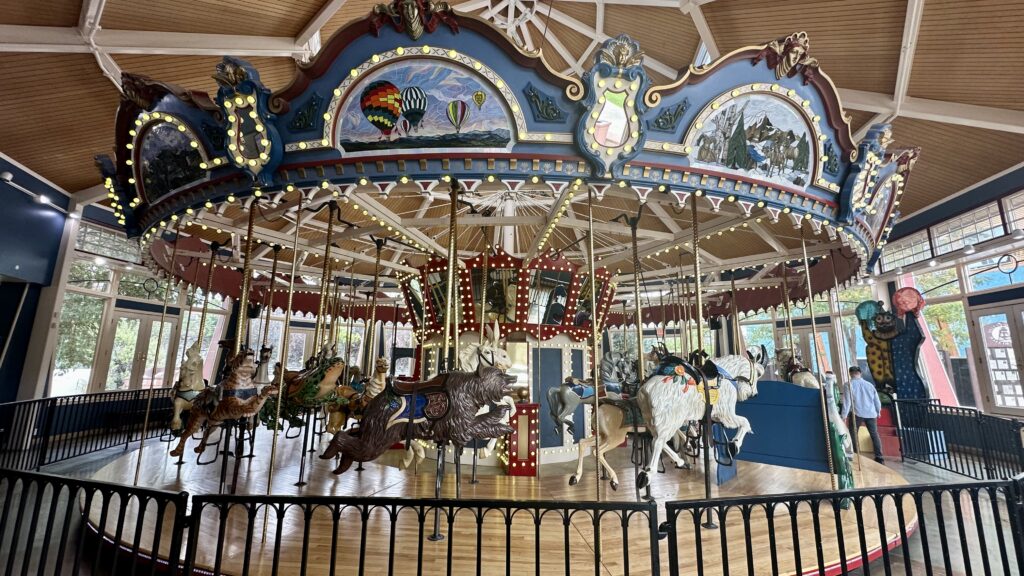
Great Northern Carousel – was opened in 2002. Crafted by renowned Walt Disney World carver, Ed Roth, with stained glass from local artist Mary Harris, the carousel boasts 37 intricately carved animals, 14 Helena-inspired rounding boards, and scenic stained glass artworks. It is one of the nation’s finest carousal, offering a unique ride featuring Montana wildlife like bighorn sheep, buffalo, and grizzly bears. After the exhilarating ride, one can walk to the next building and get a taste of the best ice cream in Montana.
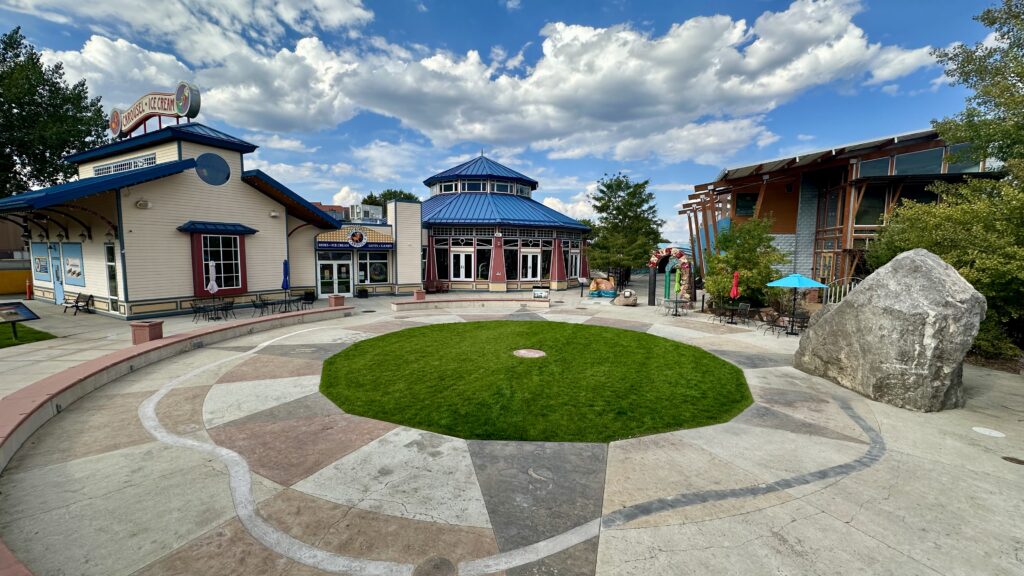
A lovely outdoor plaza is next to the main carousel building, often bustling in the summer. Sharing the same plaza is Exploration Works (Science Museum), offering an excellent add-on family destination when visiting.
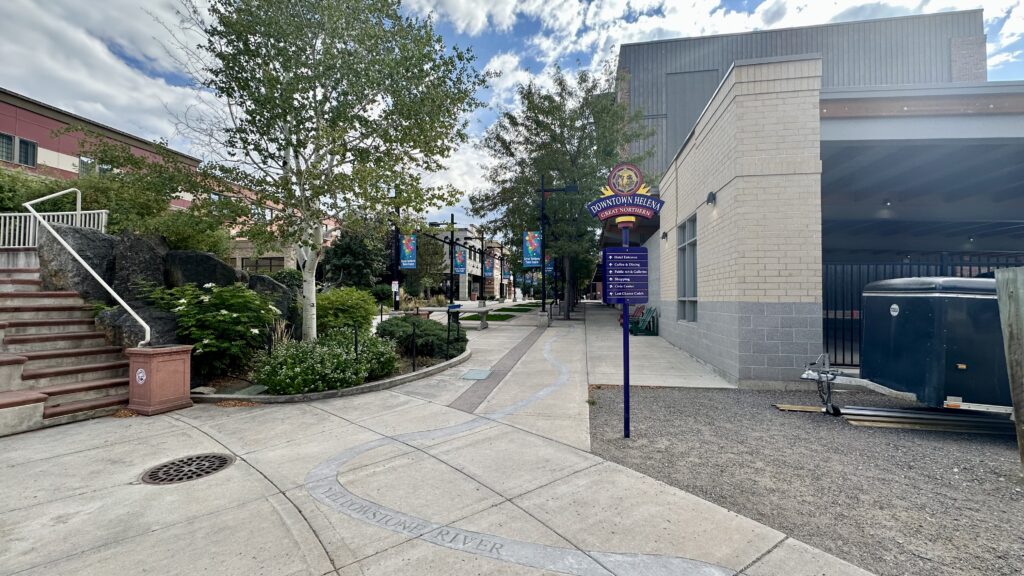
Last Chance Gulch – is the iconic name given to the actual gulch where gold was first discovered in Helena, Montana, in 1864. Initially, the thoroughfare built along the gulch was simply called Main Street. However, in 1953, it was officially renamed Last Chance Gulch, reflecting its historical significance. Businesses and storefronts span both sides of Last Chance Gulch, which some locals may refer to as Main Street.
Here are a few museums that were either closed on Mondays or we did not have time to visit but may be worth a visit if open.
Holter Museum of Art – is a cultural hub of the city, hosting regional, national, and international art exhibits in downtown Helena. Rotating displays at the museum relate to expressions in modern culture, and permanent installations encompass a wide variety of art forms. Admission is always free to appreciate the art, though donations are welcomed. Educational programs at the museum include classes and workshops for all age levels.
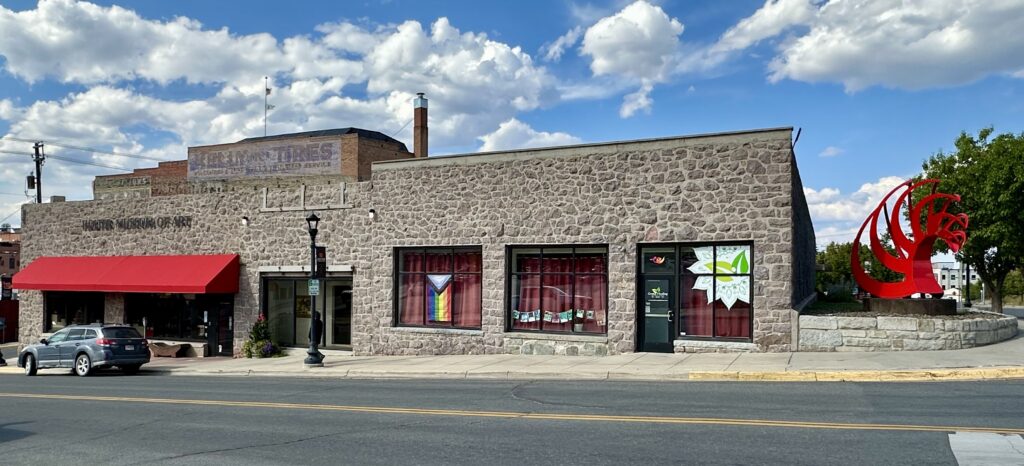
Montana Historical Society sculpture – is right next to the capital building, with large sculptures on the lawn. Popular permanent exhibits include a Charles M. Russell Gallery, collections detailing Lewis and Clark’s interactions with Montana, and an immersive look into the Montana frontier and its past pioneers. A large portion of the museum is also dedicated to the history and daily lives of the region’s indigenous populations.
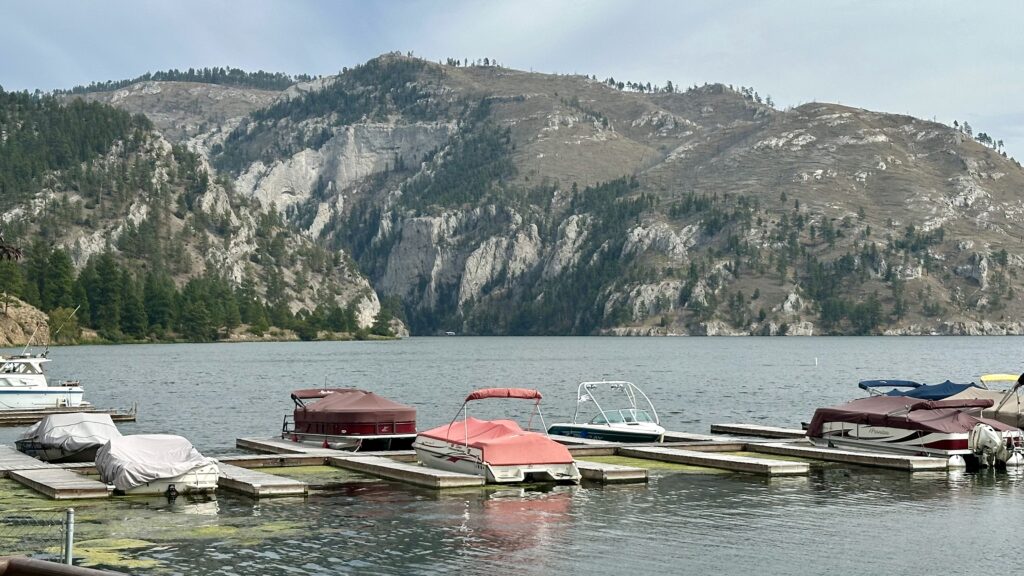
Gates of the Mountains – 20 miles north of Helena, the Gates of the Mountains is Historic Site on the Lewis and Clark National Historic Trail. Named by Meriwether Lewis in his journal entry on July 19, 1805, Lewis called this canyon the most remarkable cliffs that we have yet seen. The Lewis and Clark Expedition passed through the spectacular Missouri River Canyon, remarking on how the towering 1,200-foot high cliffs seemed to close upon them like gates. Today, most visitors can enjoy the beauty of the Gates of the Mountains from aboard a tour boat. We were not able to make it to the 2-hour boat ride, but it is worth making this trip if you are in the area.
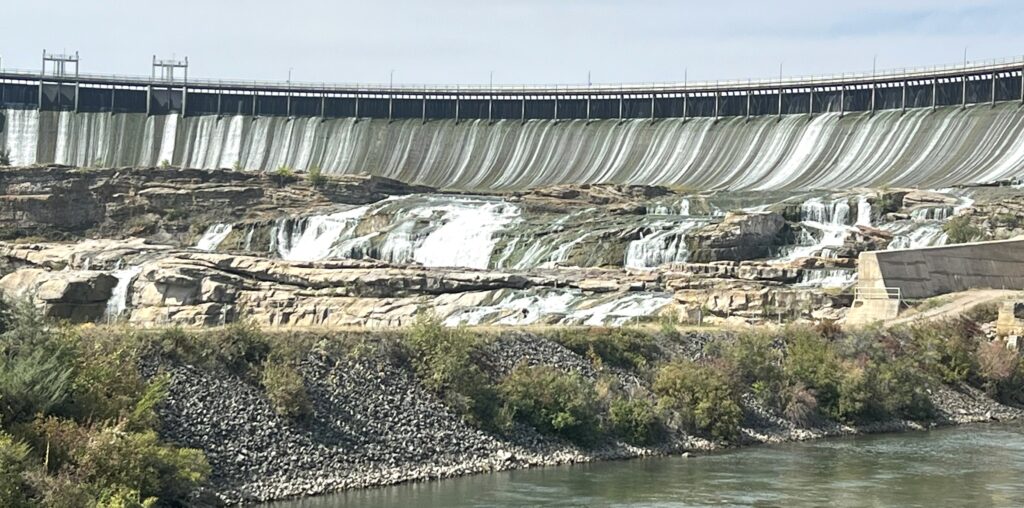
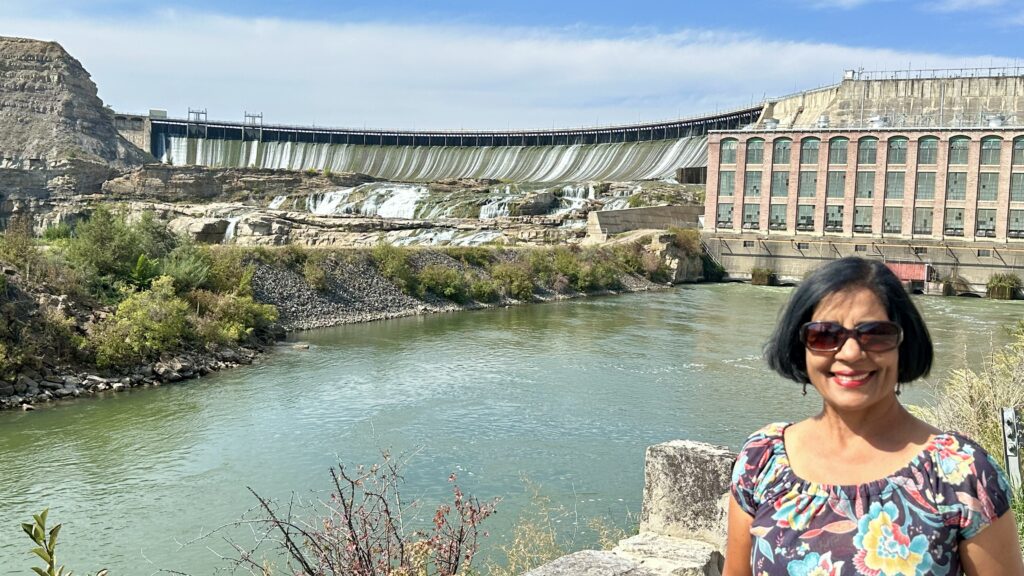
The Great Falls – We stopped by the falls on our way from Glacier National Park to Helena. There is a bit of a detour involved. The falls are 91 miles north of Helena.
The Great Falls are a series of rapids and five waterfalls on the Missouri River near the city of Great Falls. While the original, more dramatic falls are now controlled by several dams, visitors can still experience the powerful flow of the river from various viewing points. The most prominent falls are at the Ryan Dam, but other falls, such as Rainbow Falls, are also located nearby.