Last Visited – 2025
New Orleans is well known for its vibrant and festive Mardi Gras, a holiday celebrated with elaborate parades, costumes, and parties that culminate on Shrove Tuesday. It is also the birthplace of jazz music and Sazerac cocktail.
On our first visit to New Orleans in 2012, we spent most of our time walking around the French Quarter and along the Mississippi River. We also went on a guided tour in a bus that took us to the areas heavily impacted by hurricane Katrina that devastated the city in 2005 and the ongoing recovery and rebuilding efforts. The tour included a visit to the famed New Orleans cemeteries.
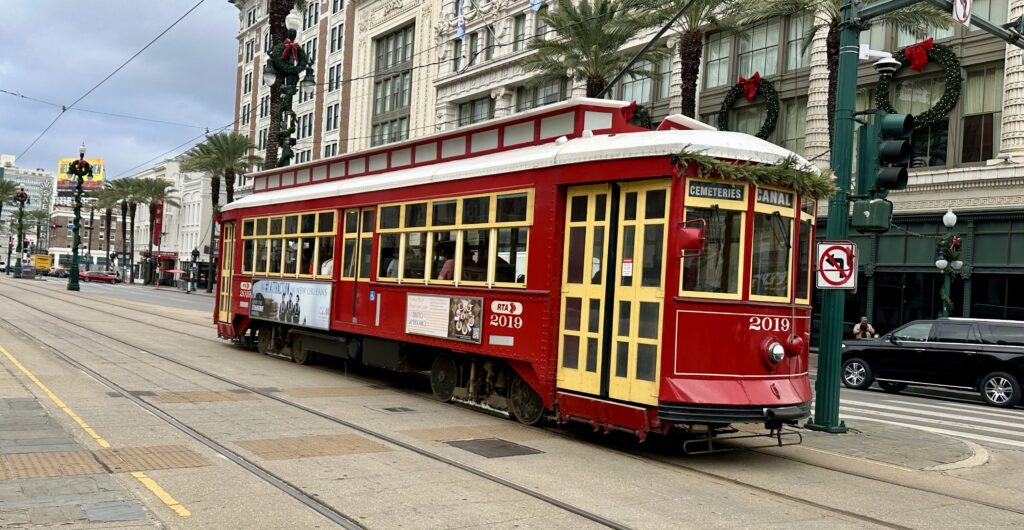
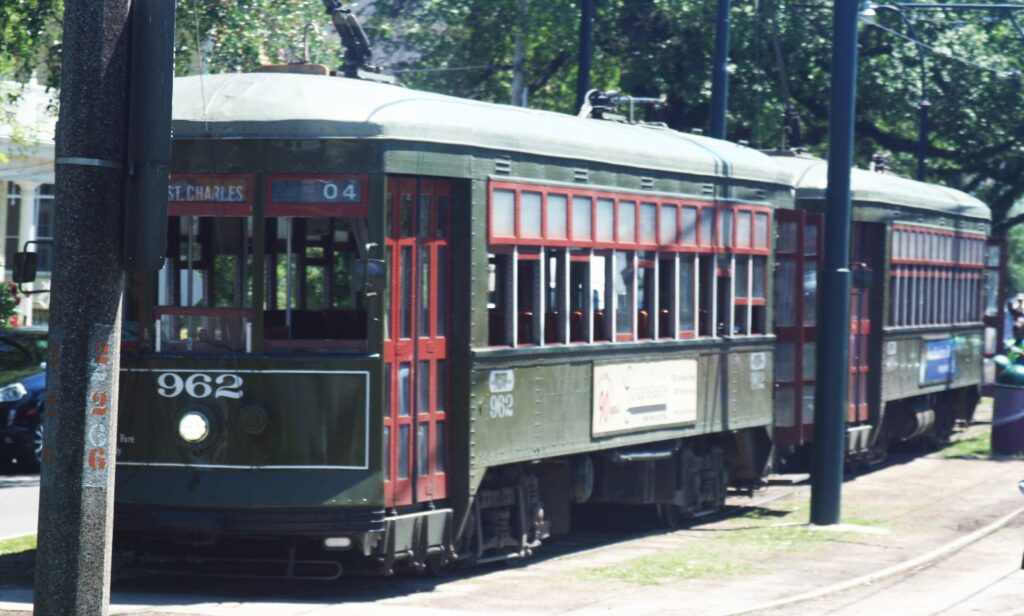
On our second visit to New Orleans in 2025, we stayed in an Airbnb within walking distance of Canal Street. We planned to use the city’s well-preserved public transport to get around, and it worked out really well. The system is affordable too—daily passes cost $3, and a 7-day pass is just $15, making it easy to explore the city without worrying about parking or taxis. The red streetcars run along Canal Street, connecting the French Quarter with areas like Mid-City and City Park, while the green streetcars travel along St. Charles Avenue, passing grand historic homes and oak-lined streets. They are fun to ride and you can hop-on and hop-off at all the main attractions around the city.
- French Quarter
- Bienville Monument
- Jackson Square & St Louis Cathedral
- Bourbon Street
- Street Performers
- Coffee and Beignets
- French Quarter Riverwalk
- Frenchman Street
- Canal Street
- New Orleans City Park
- Garden District
- Swamp Tour
- New Orleans Cemetery
- Hurricane Katrina Impact
- Oak Alley Plantation
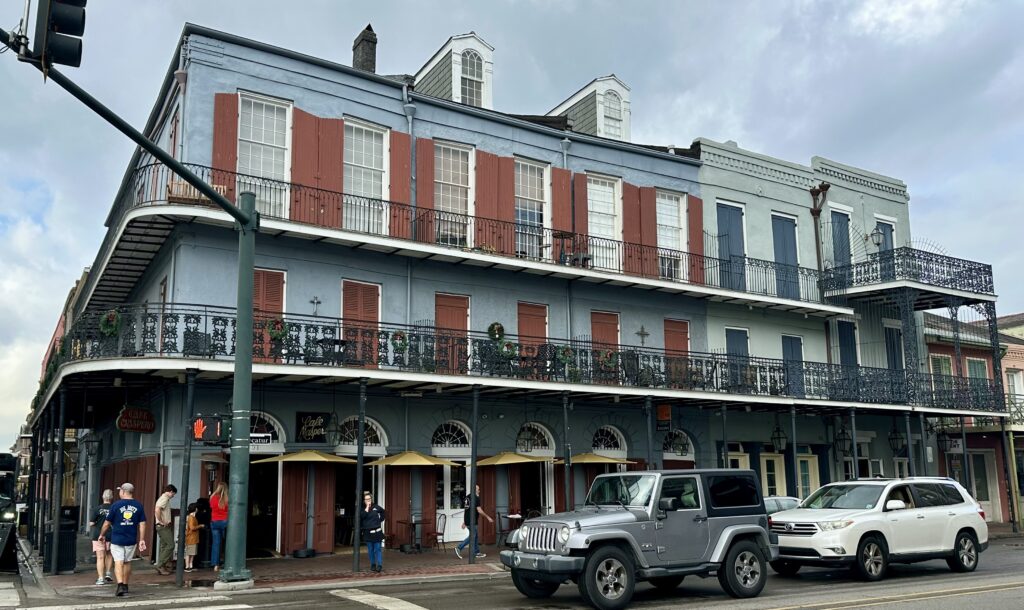
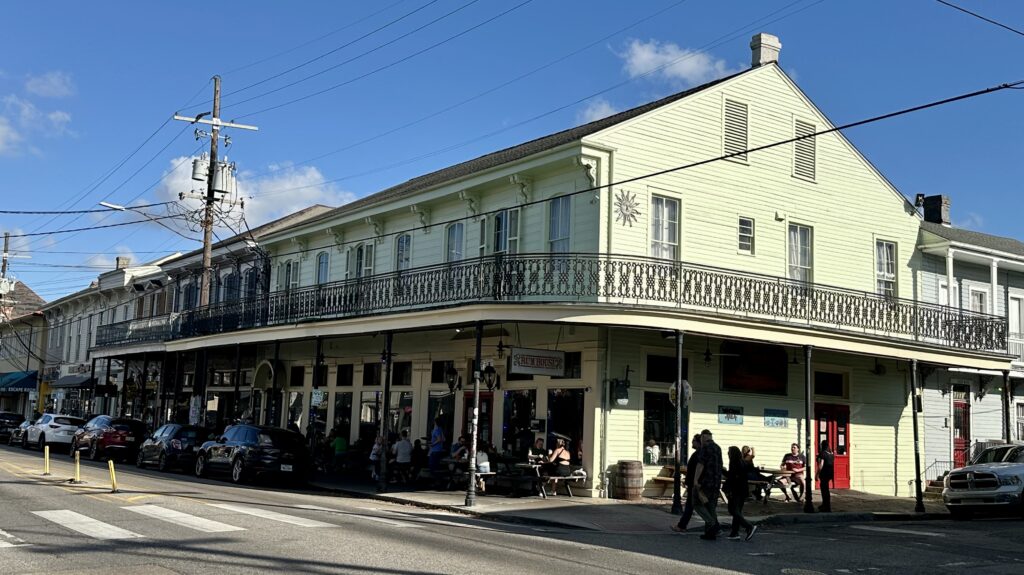
French Quarter – Also known as the Vieux Carré (Old Square), the French Quarter is the oldest neighborhood in the city. After New Orleans was founded in 1718, the city developed around the Vieux Carré, a central square. Many of the buildings in this area were constructed the late 18th and early 19th century and show French influences, with arcades, wrought iron balconies, red-tiled roofs, and picturesque courtyards. The buildings now contain hotels, restaurants, souvenir shops, galleries, and a profusion of jazz spots with entertainment of varying quality. The district as a whole has been designated as a National Historic Landmark.
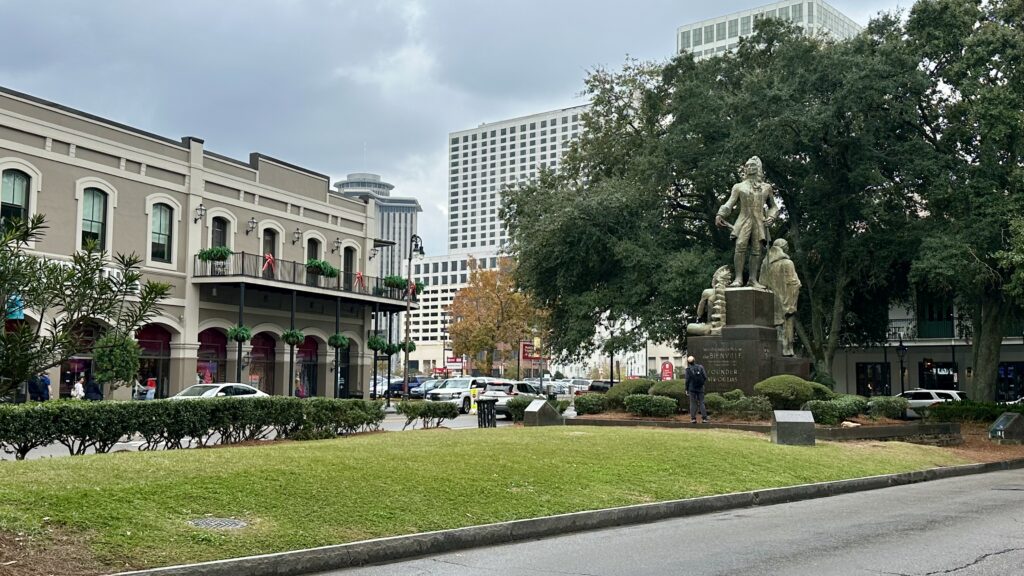
French Quarter, Bienville Monument – As you walk from Canal Street onto Decatur Street, you’ll first come across a small square featuring the Bienville Monument. The monument honors Jean-Baptiste Le Moyne de Bienville, the founder of New Orleans, and marks an important historical gateway into the French Quarter.
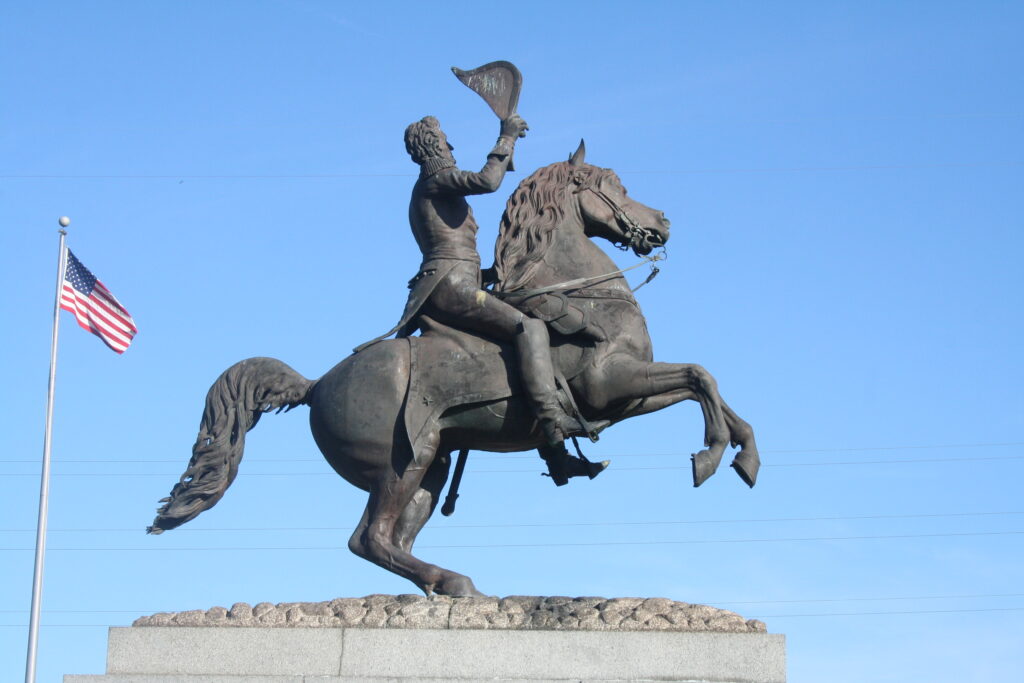
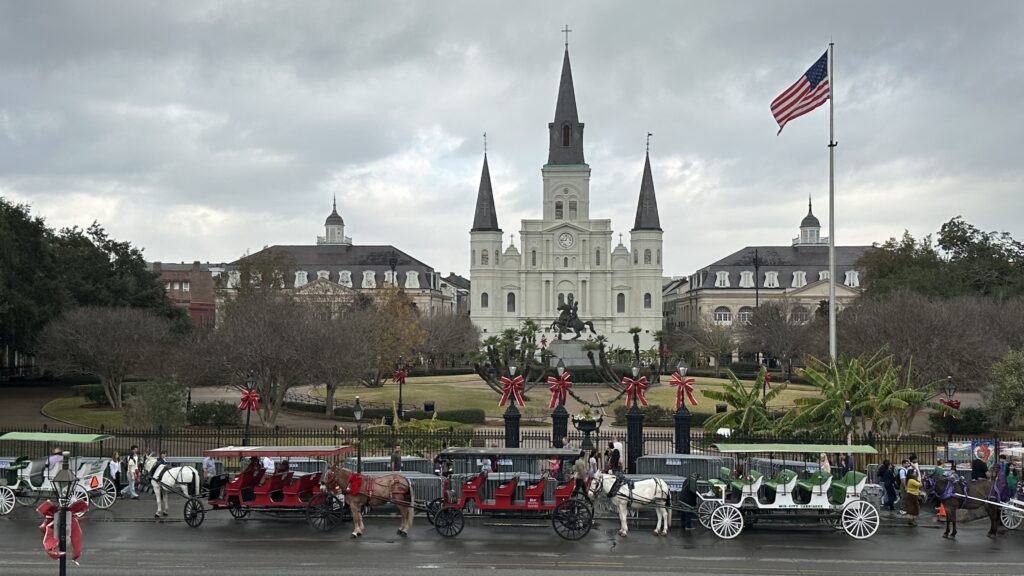
French Quarter, Jackson Square & St Louis Cathedral – Jackson Square is the main square in the heart of French Quarter. Originally known as Place d’Armes, this square is where locals and tourists hang out. In the center of the square, surrounded by trees and greenery, is an equestrian statue (1856) of General Andrew Jackson. At one end of Jackson square is the impressive St. Louis Cathedral, with its white façade and cone shaped spires.
You’ll often see a line of horse-drawn carriages waiting in front of Jackson Square. This classic mode of transportation offers a relaxed and charming way to explore the city’s unique architecture, history, and culture. The carriages are typically pulled by mules, a hardy hybrid animal that has been used in New Orleans for centuries, adding to the city’s old-world character and traditions.
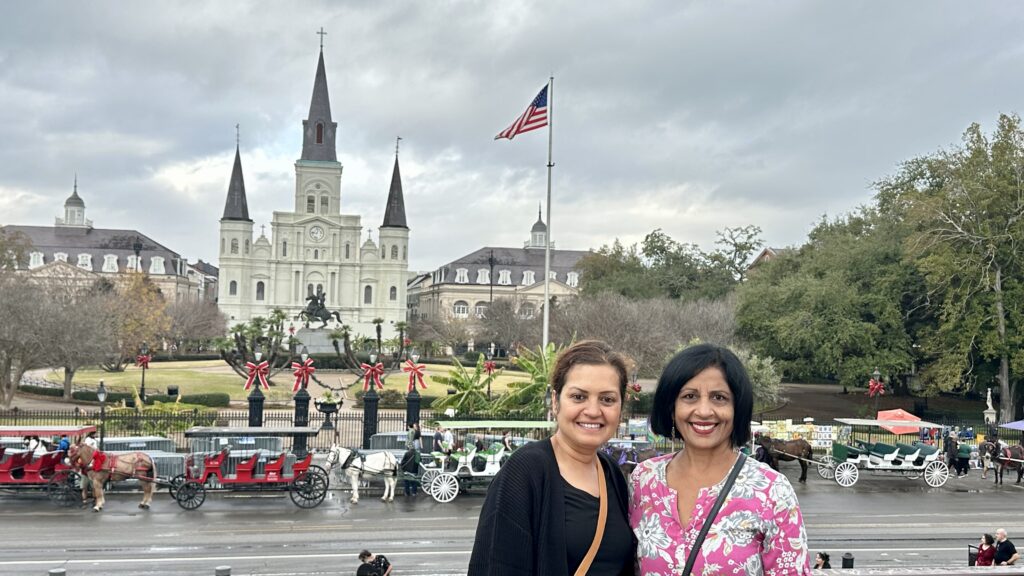
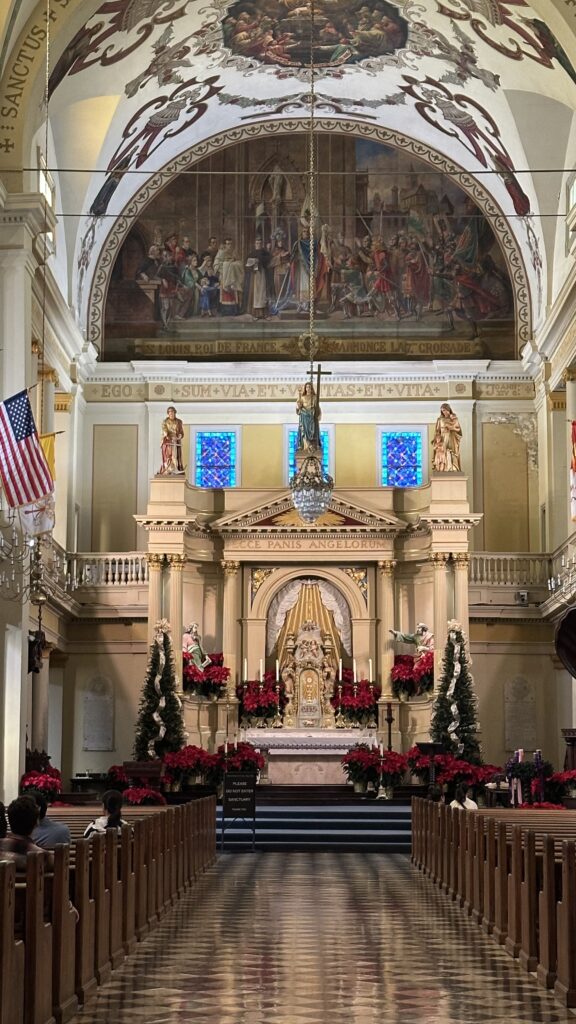
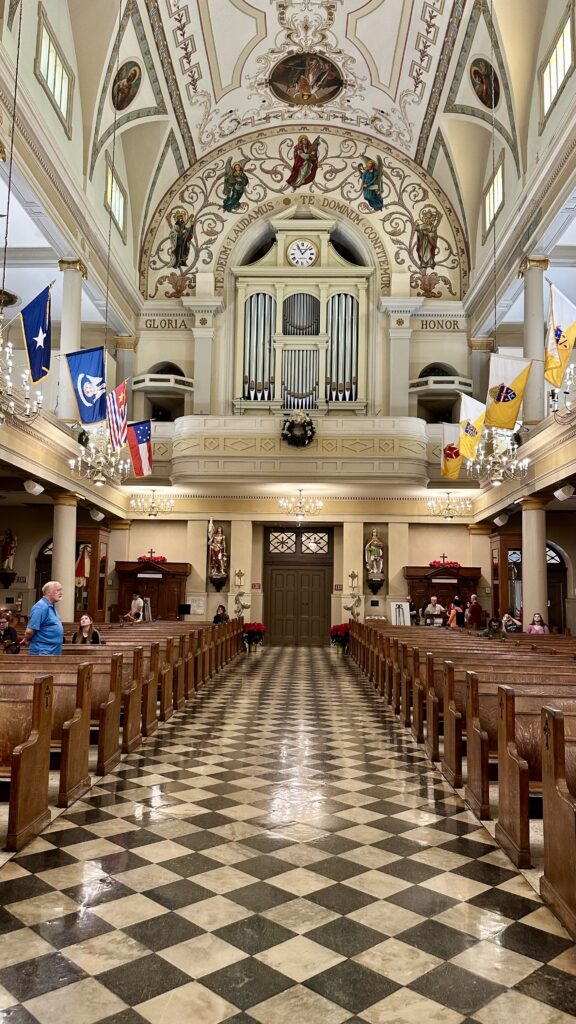
French Quarter, St. Louis Cathedral is one of New Orleans’ most iconic landmarks and an absolute must-see in the French Quarter. Sitting proudly beside Jackson Square and facing the Mississippi River, it’s the oldest cathedral in continuous use in the United States. The church has stood on this site since 1718, surviving fires, rebuilding, and centuries of history, with the current structure largely dating to the mid-1800s. Dedicated to Saint Louis, King of France, the cathedral’s striking white façade and twin spires make it instantly recognizable and a focal point of the city.
The buildings flanking St. Louis Cathedral are The Cabildo (to the right) and The Presbytère (to the left), both historic Spanish colonial structures now serve as Louisiana State Museums. These architectural twins were designed by Don Gilberto Guillemard to provide symmetry to the square.
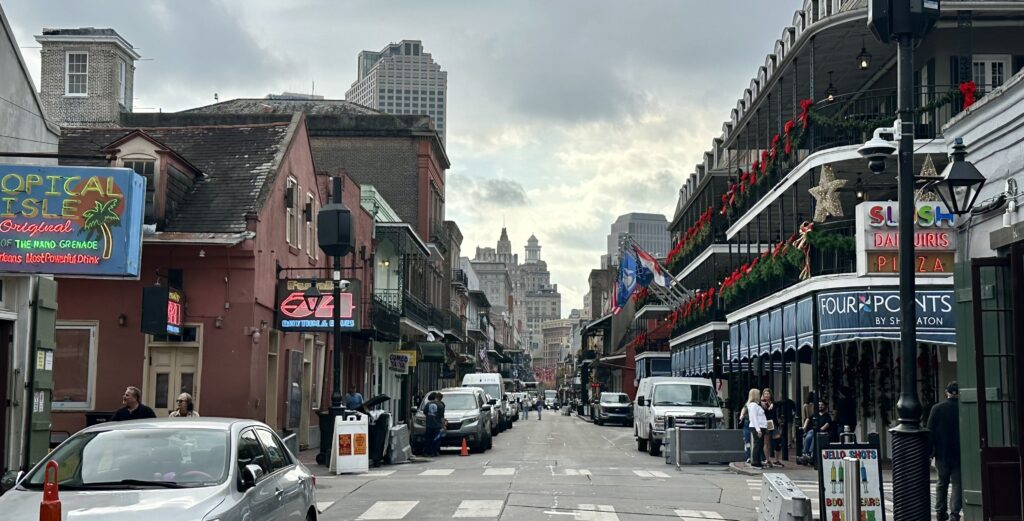
Bourbon Street (French: Rue Bourbon) is one of the most famous streets in New Orleans, located in the heart of the French Quarter. Stretching about twelve blocks from Canal Street to Esplanade Avenue, it’s best known for its lively atmosphere, neon-lit bars, music spilling into the streets, and nonstop nightlife.
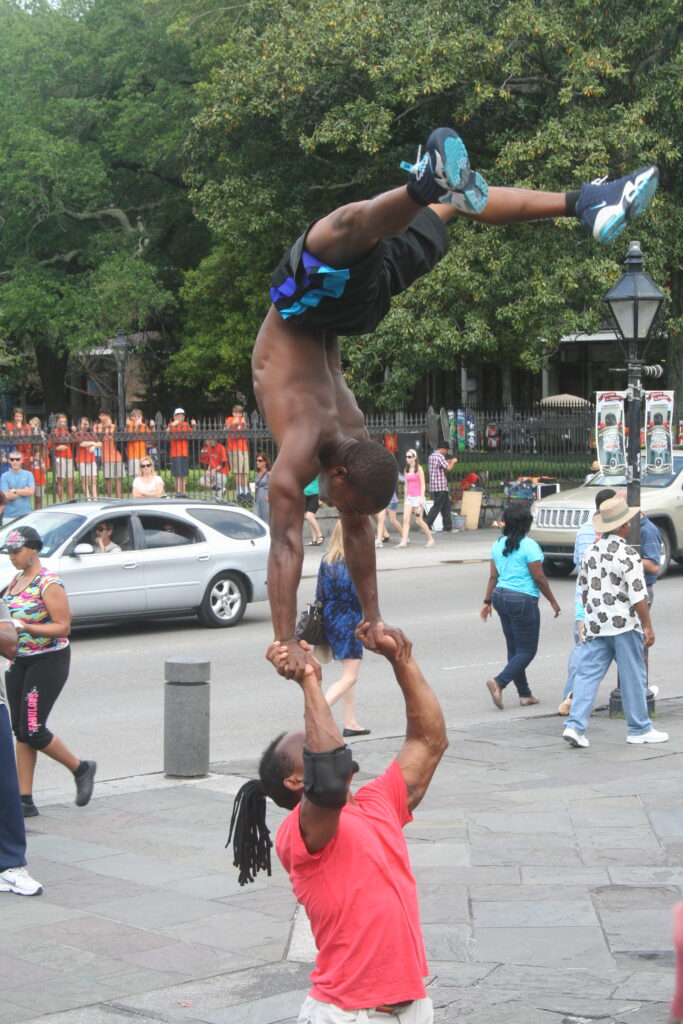
French Quarter, Street Performers – As we walked around the neighborhood, we stopped to watch acrobats performing daring acts and musicians playing jazz, blues etc. Street performers in French Quarter are a vital part of the city’s identity.

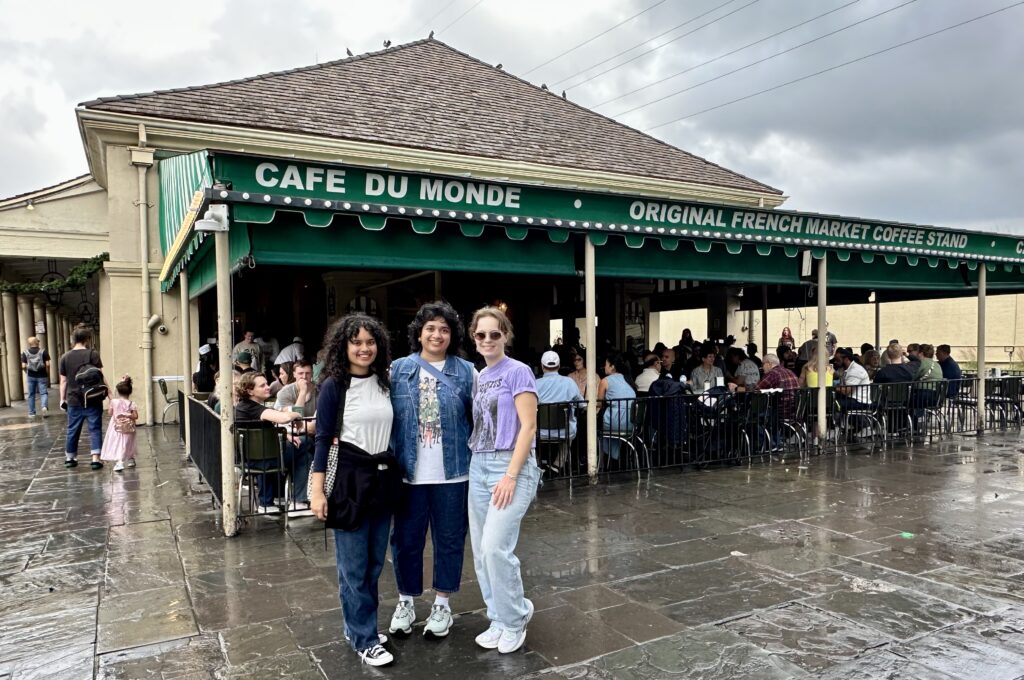
Coffee and Beignets — When in New Orleans, this is one combination you absolutely must try. Beignets are a classic local treat: light, square pillows of fried dough, generously dusted with powdered sugar. Crispy on the outside and soft on the inside, they’re best enjoyed hot and paired with a café au lait.
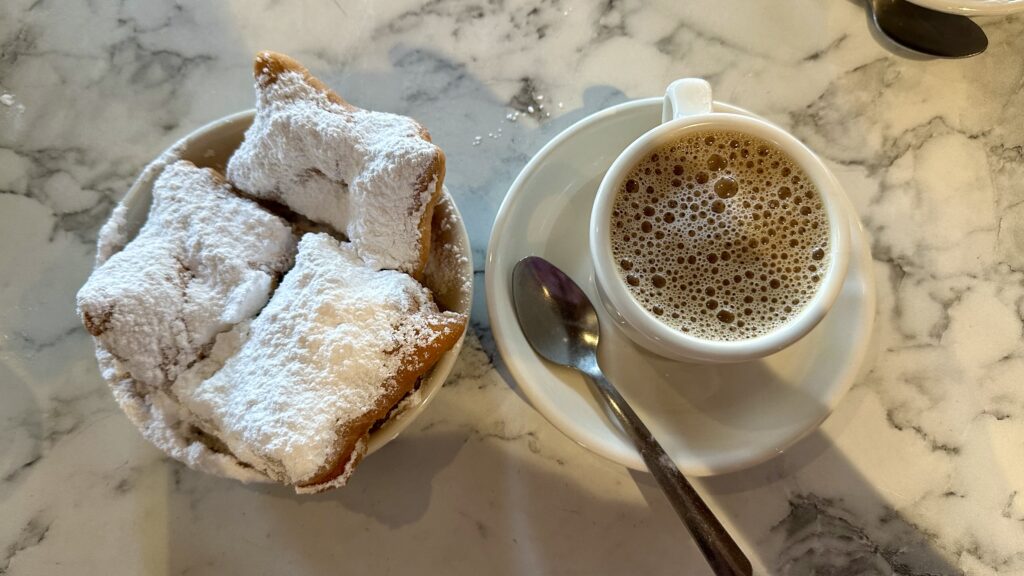
The most iconic place to experience this treat is Café du Monde (Café of the World), the famous open-air coffee stand in the heart of the French Quarter. Coffee was introduced to the region by the French in the early 1700s, and during the American Civil War, locals began adding chicory due to coffee shortages. That tradition lives on today, giving Café du Monde’s coffee its rich, slightly chocolatey flavor that perfectly complements the sweet beignets.
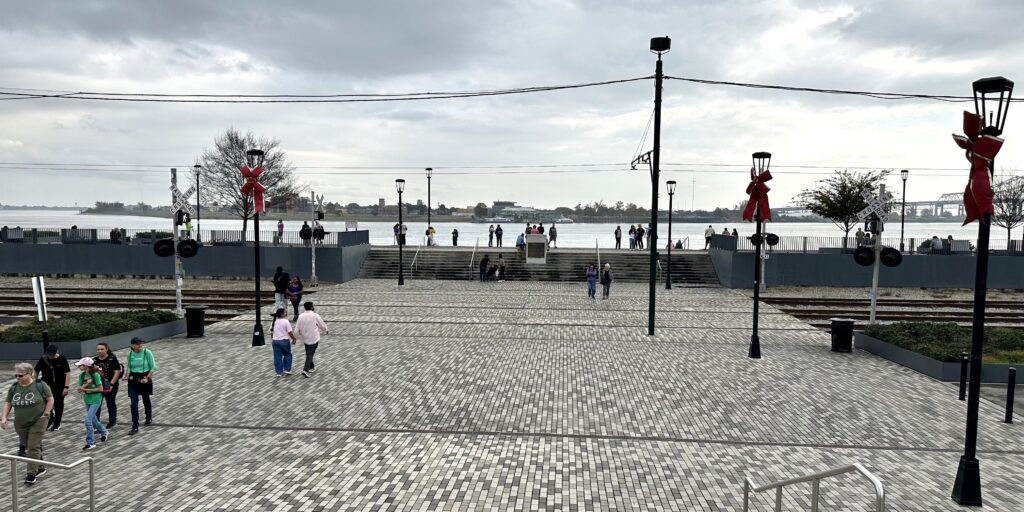
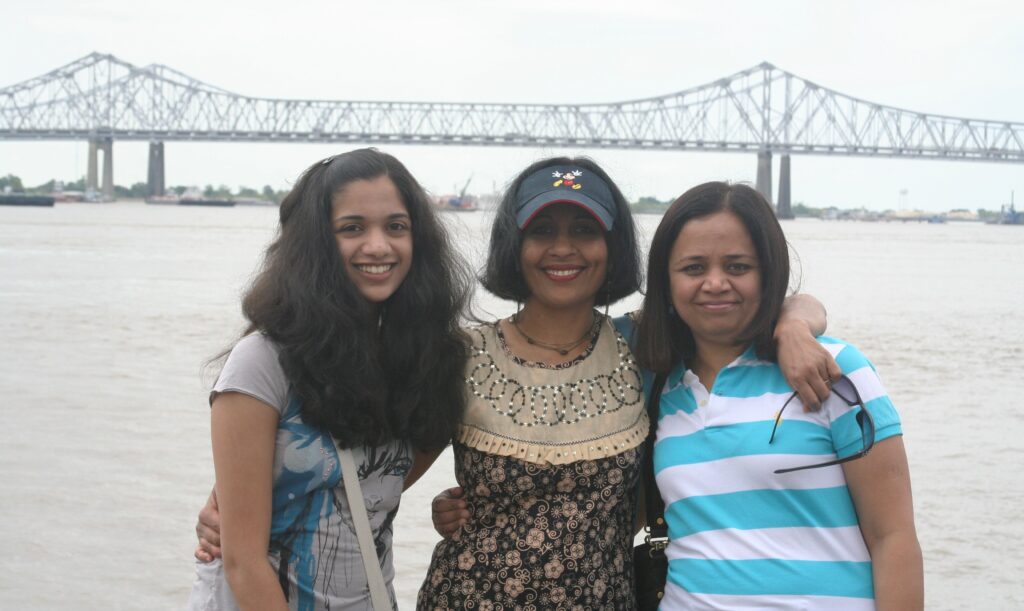
French Quarter Riverwalk – is a scenic promenade that runs along the Mississippi River, offering a pleasant break from the busy streets of the French Quarter. You can easily access the riverwalk area from Café du Monde or anywhere near Jackson Square. It’s a great place for a leisurely stroll, with views of riverboats passing by and benches to sit and relax.
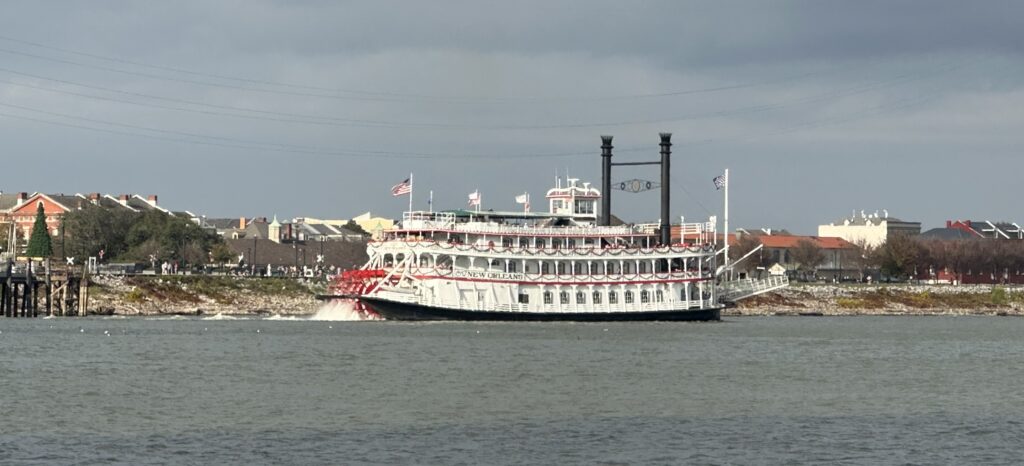
As you stroll along the Mississippi River, you’ll often spot the iconic Steamboat NATCHEZ cruising the waters or docked nearby. Owned by the New Orleans Steamboat Company, it is the last authentic steamboat still operating on the Mighty Mississippi. The Steamboat offers daily, year-round daytime jazz cruises and evening dinner jazz cruises, capturing the charm of classic river travel. A cruise includes access to the steam engine room, the sounds of the calliope, live jazz music, and the option to enjoy Creole cuisine and local beverages.
Frenchmen Street – is a must-visit destination to experience New Orleans’ famous live music scene.
The street comes alive after 7–8 pm, offering the perfect opportunity to hop from one jazz bar to another. It’s a lively hub for local artists, street performers, and vibrant nightlife, making it an essential stop for music lovers and anyone wanting to soak in the city’s unique culture.
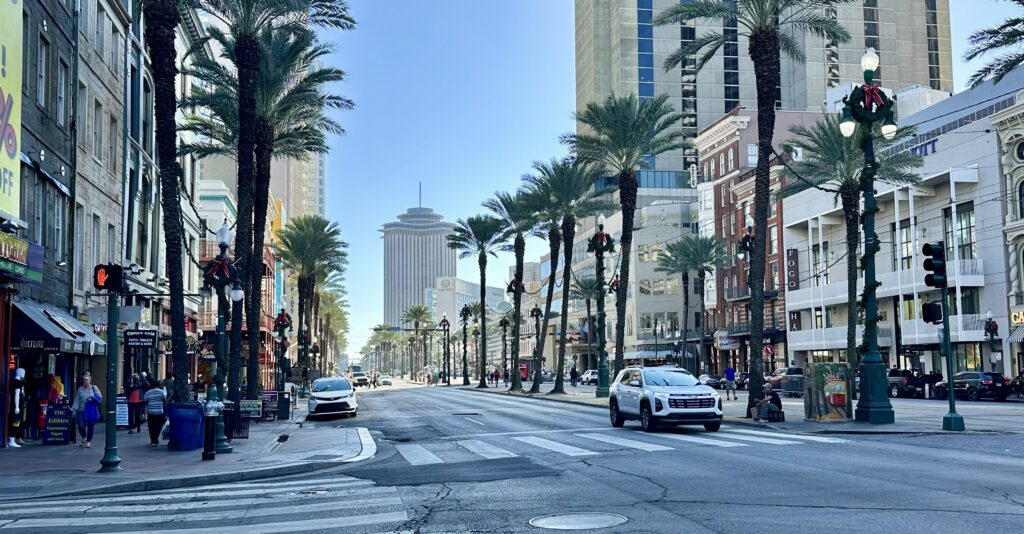
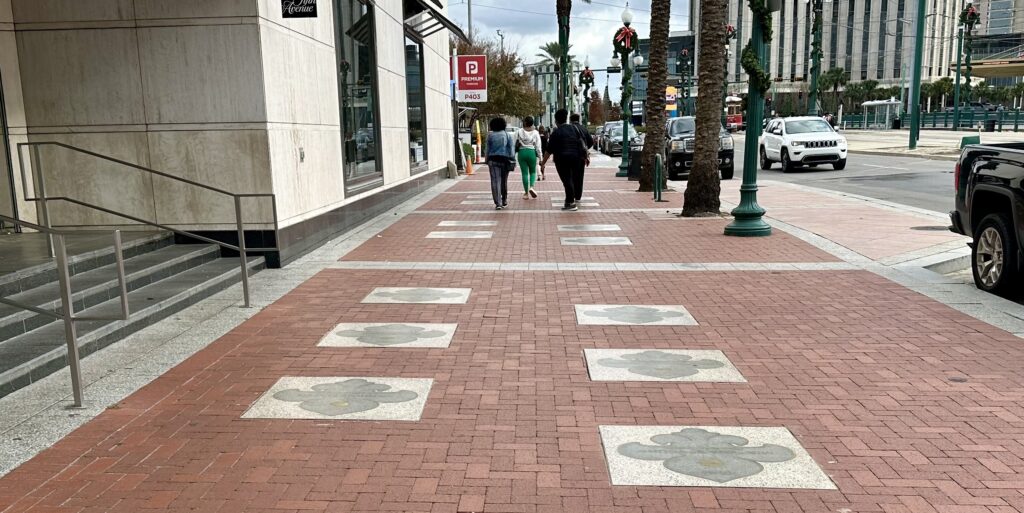
Canal Street – During most of our stay in New Orleans, we took the Red Streetcar and got off near Bourbon Street on Canal Street. From there, we would walk to the French Quarter, Frenchmen Street, and other nearby neighborhoods. But Canal Street itself is a great place to stroll, enjoy the buildings, cafes and other hidden gems like the New Orleans Walk of Fame.
The New Orleans Walk of Fame honors the city’s legendary musicians, especially those who shaped jazz. It features plaques and markers celebrating artists like Louis Armstrong, making it a must-see for music fans.
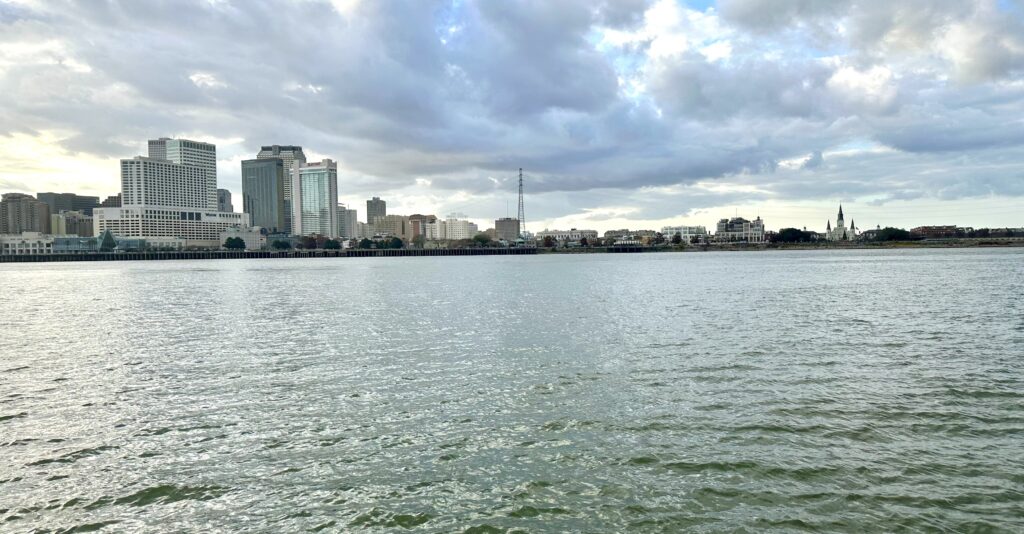
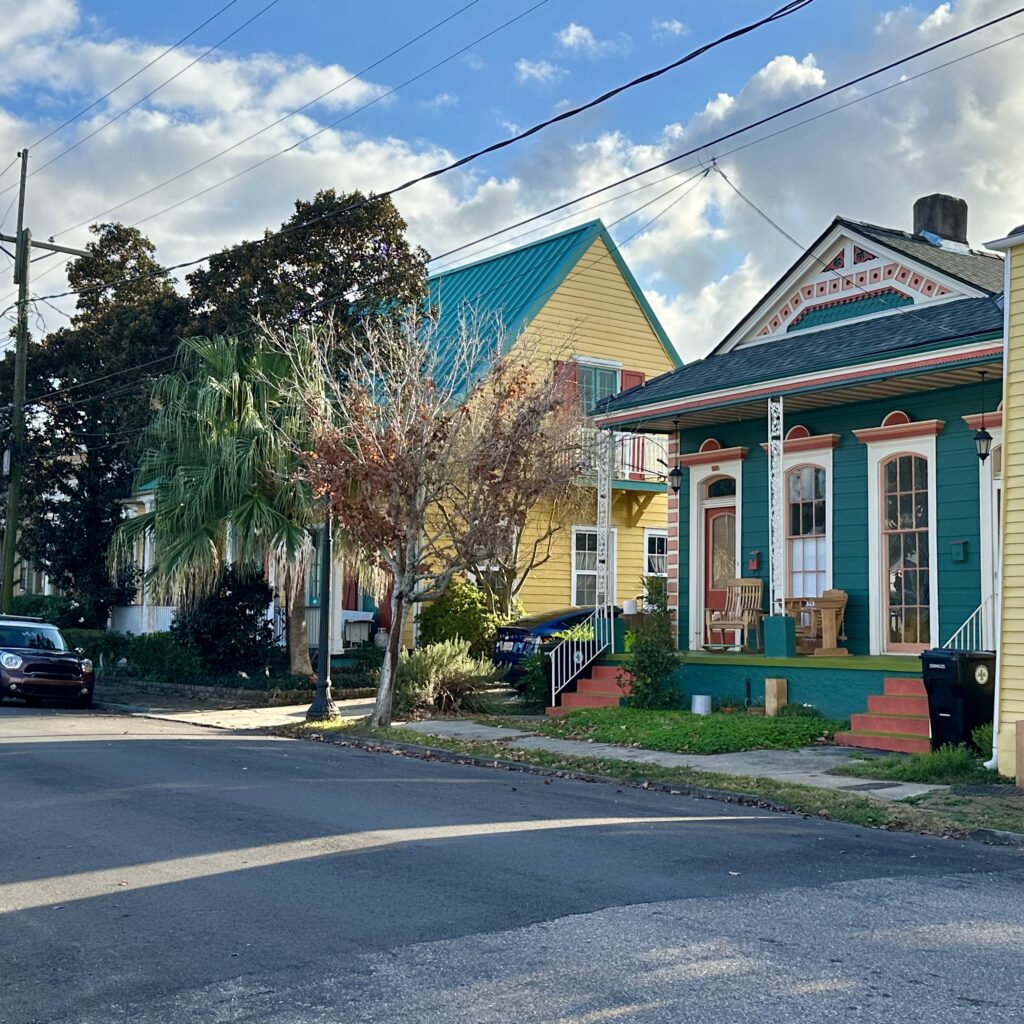
Algiers Point – is another historic neiborhood that is located on the West Bank of the Mississippi River, directly across from the French Quarter. It is the city’s second-oldest neighborhood, and offers a quieter, small-town feel with charming Victorian cottages, shotgun houses, leafy streets, a church, and local pubs. A highlight of visiting Algiers is the ferry ride (RTA pass works) from downtown, which provides beautiful views of the New Orleans skyline. The ferry ride is on the riverwalk and it was easy for us to take this 5 minute ferry across to Algiers Point.
The ferry drop off point on the West Bank is a perfect starting point on whether you want a relaxing riverside walk or take a walk through the historic streets of Algiers neighborhood. You will see 2 paths – The path on the left runs along the Mississippi River itself and is perfect for a scenic stroll. The other road heads inland into the heart of Algiers Point and the surrounding Algiers neighborhood.
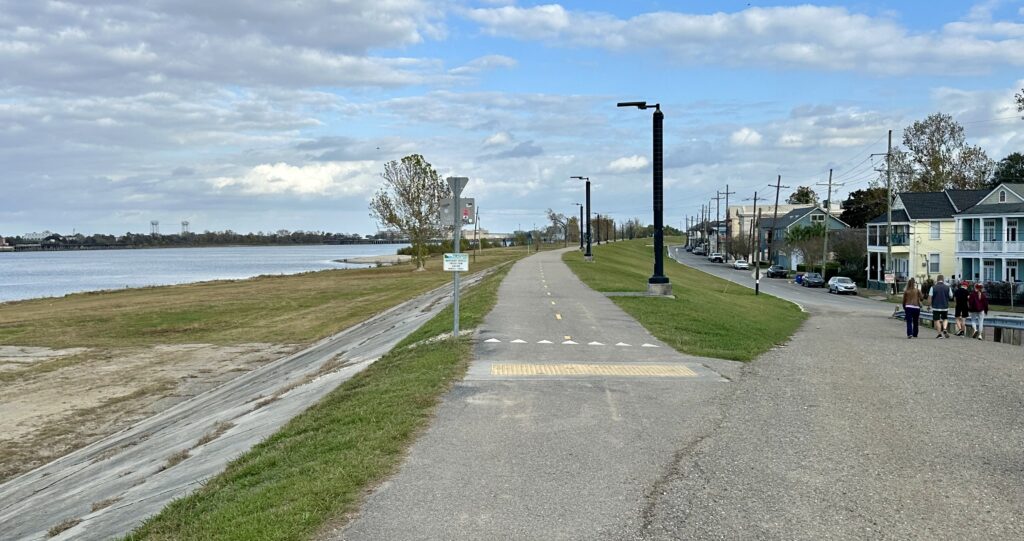
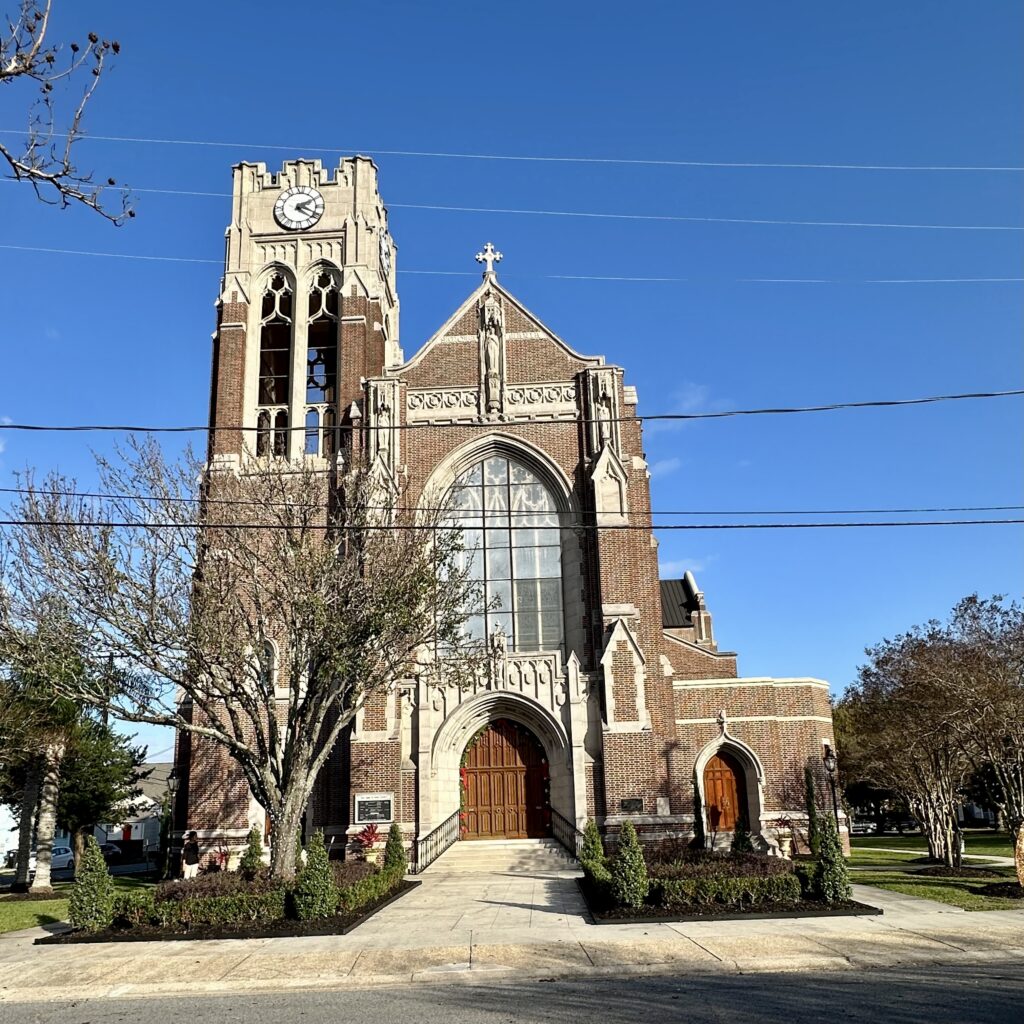
We walked along the promenade for a while before heading into the Algiers neighborhood, where we wandered aimlessly, pausing to admire the colorful buildings and charming churches.
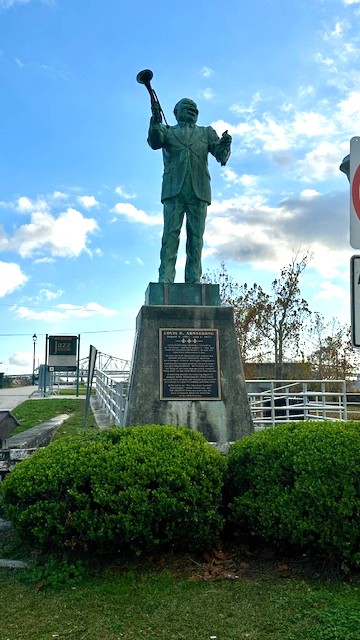
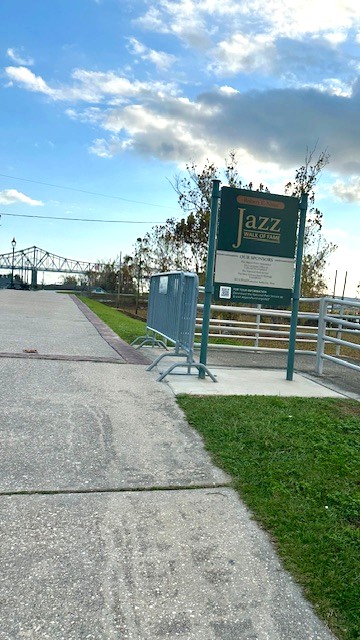
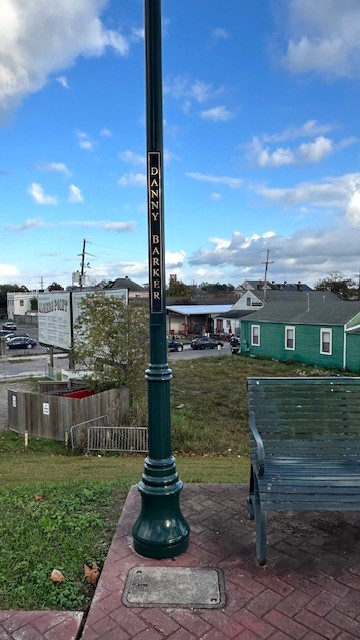
Algiers Point, Jazz Walk of Fame – Located at the Algiers Ferry landing, the Jazz walk of Fame celebrates the city’s rich jazz history. Visitors can stroll along the river path, where vertical poles display the names of notable NOLA jazz artists, and see a statue of Louis Armstrong. A downloadable audio tour adds context, sharing stories about the musicians and the area’s vibrant jazz culture.
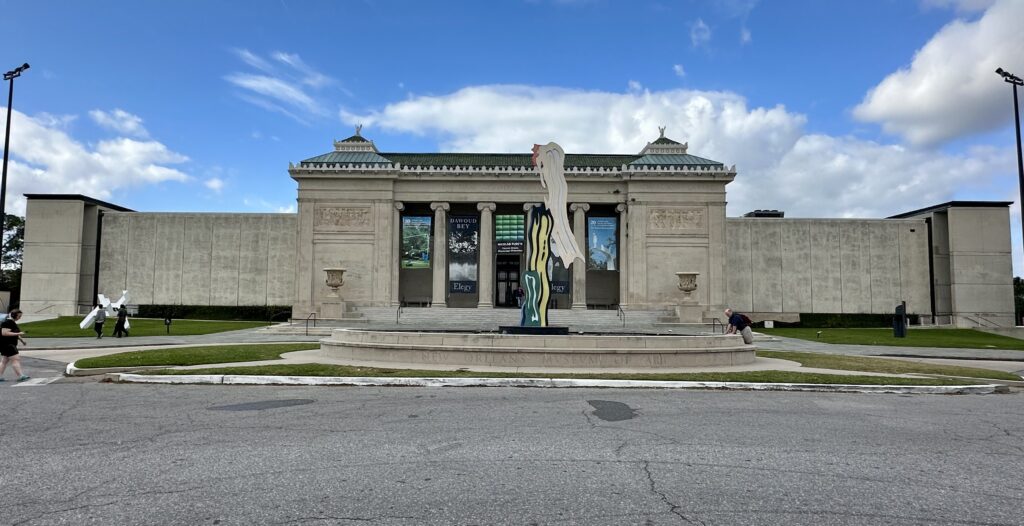
New Orleans City Park – is one of the largest and oldest urban parks in the United States, offering a peaceful escape from the city’s lively streets. Spanning more than 1,300 acres, it features beautiful oak-lined pathways, lagoons, gardens, and open green spaces. The park is also home to attractions like the New Orleans Museum of Art and the Sculpture Garden, making it a great place to relax while enjoying nature, culture, and history all in one spot.
We spent a couple of hours in the park, strolling along the shady paths and exploring the Sculpture Garden, which is free to visit and absolutely worth the time. The New Orleans Museum of Art is another major highlight, though admission is $23. Right next to the museum is Big Lake, where you can rent a boat and enjoy a relaxing paddle on the water.
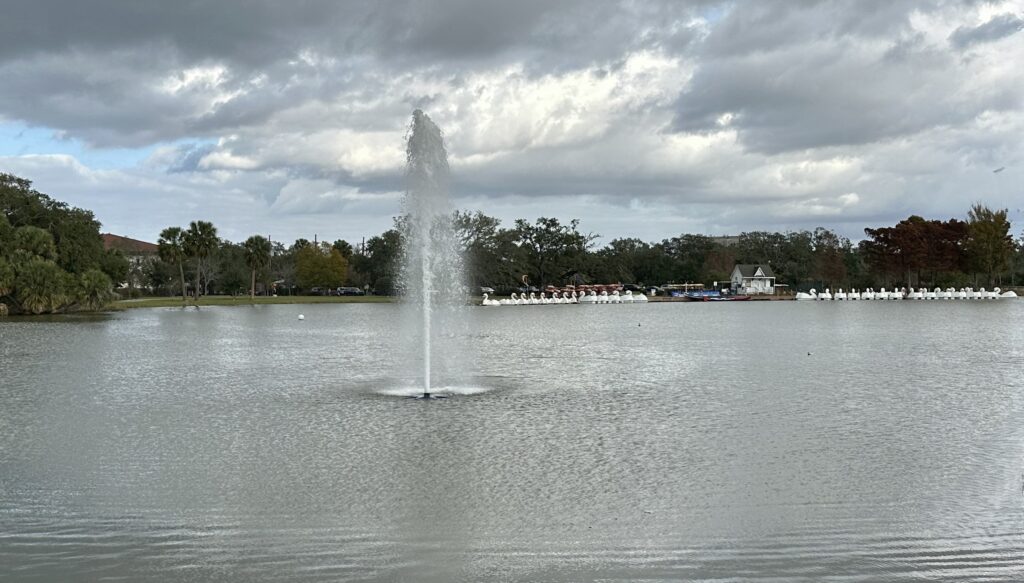
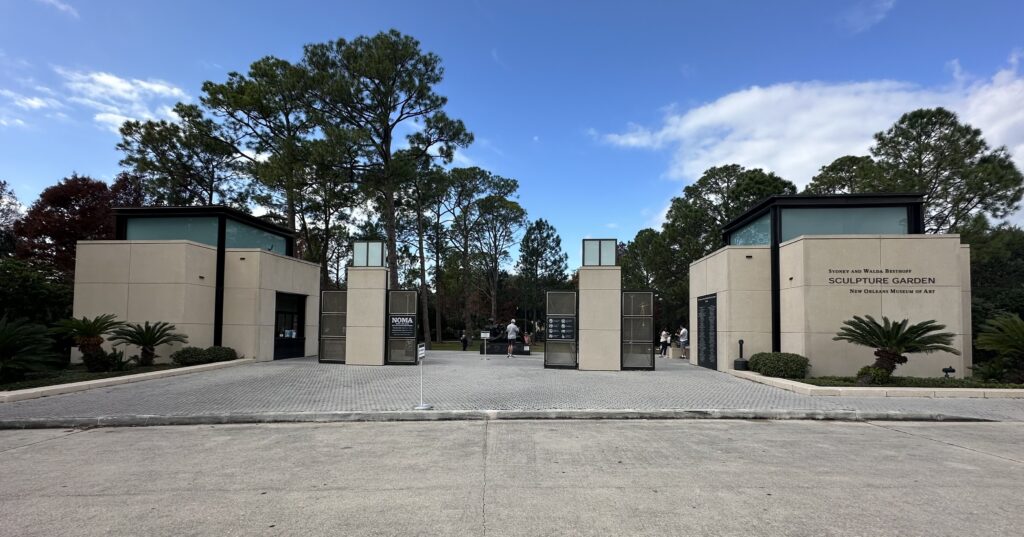
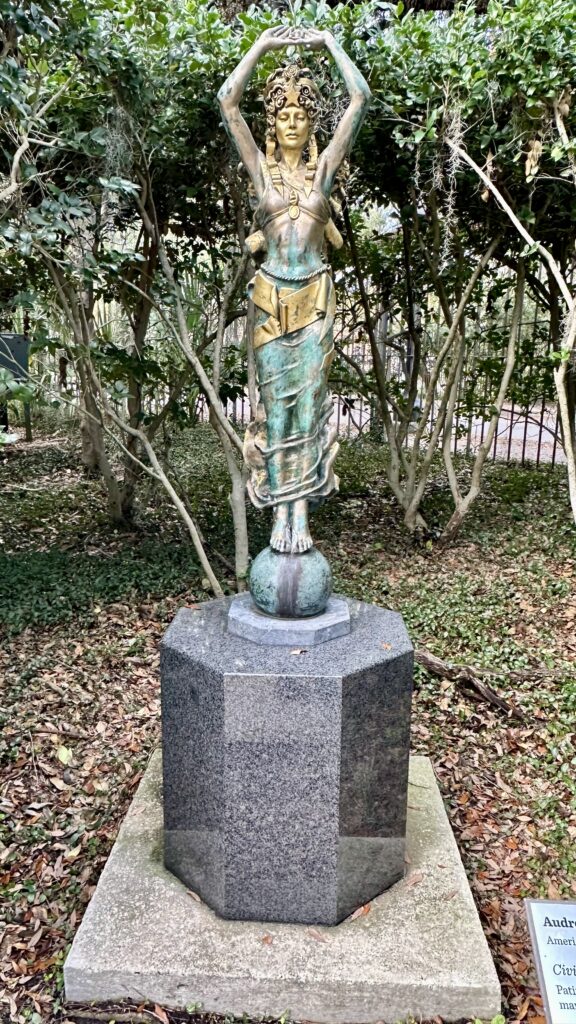
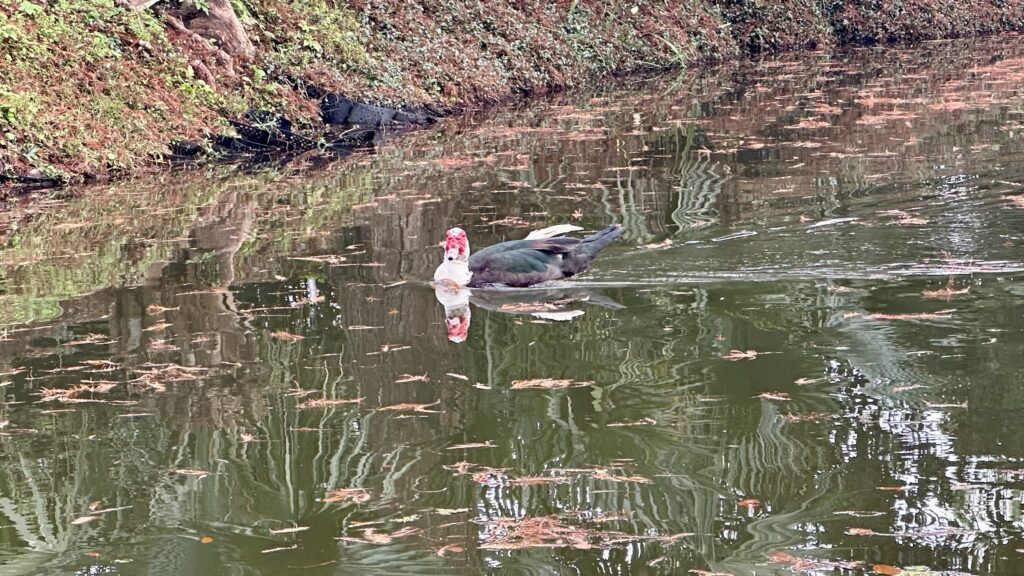
Some of the sculptures in the garden are set around a peaceful lake, where you can spot beautiful ducks gliding across the water.
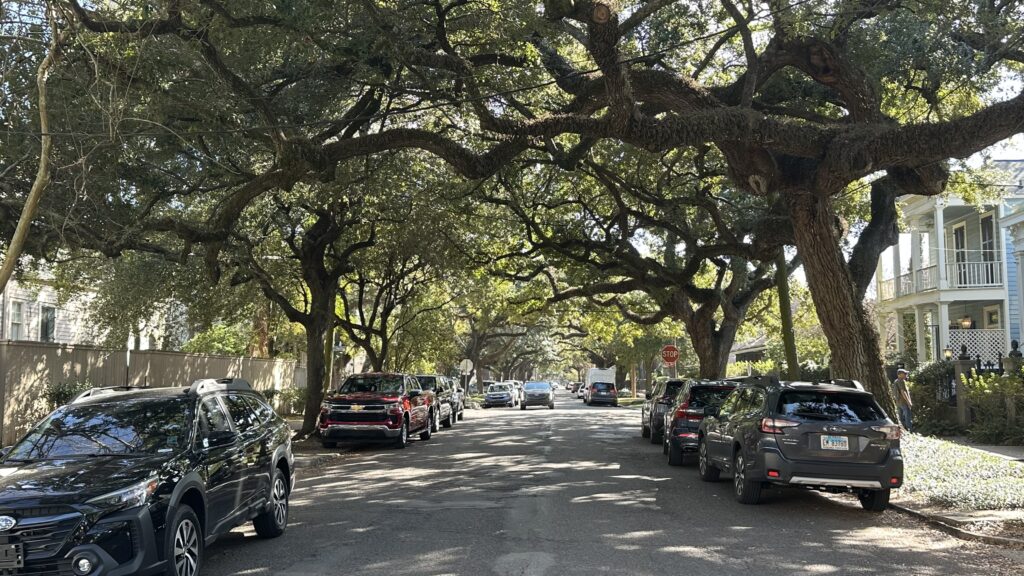
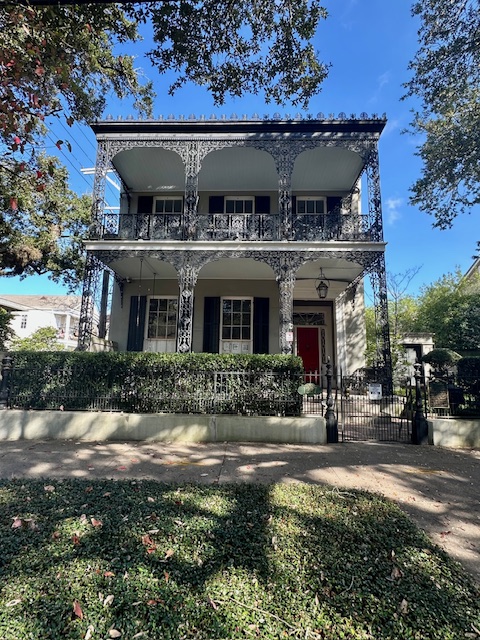
Garden District – Each neighborhood in New Orleans has its own distinct character and the Garden District is one of them, famous for its grand historic mansions, tree-lined streets, gourmet eateries, and stylish boutiques on Magazine Street. This elegant neighborhood has attracted many notable residents over the years and is known to be home to celebrities such as Beyoncé and Sandra Bullock, adding a touch of glamour to its classic Southern charm.
We took the green streetcar and got off at St. Charles Avenue and spent half a day wandering through the neighborhood, admiring the beautiful mansions and quiet, tree-lined streets. After working up an appetite, we made our way to Magazine Street and stopped for lunch at one of its many charming restaurants, the perfect way to end a relaxed afternoon.
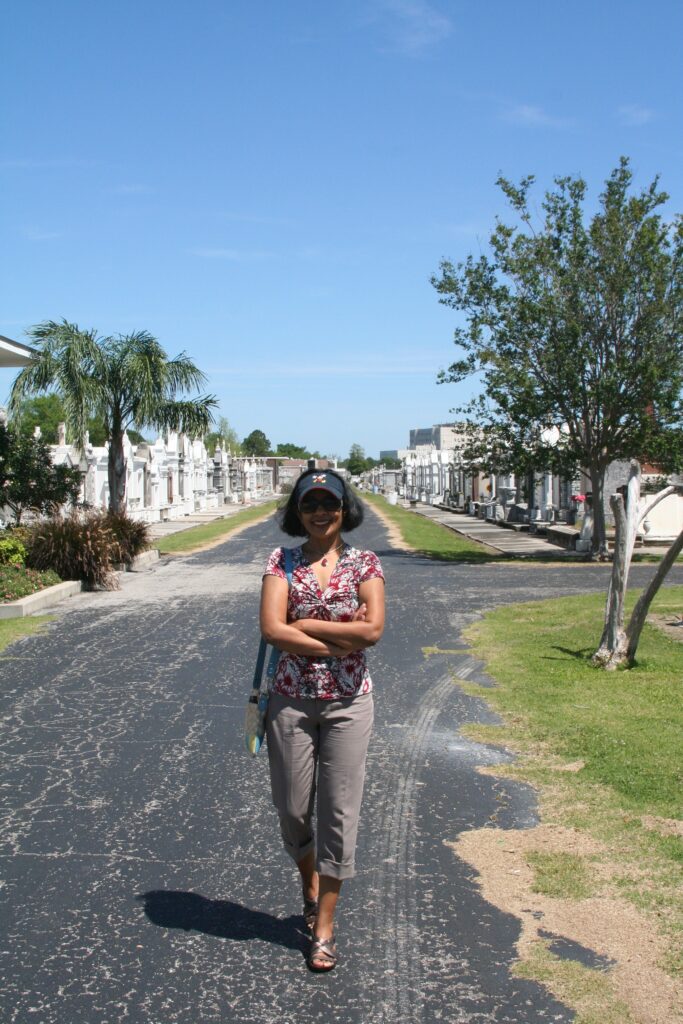
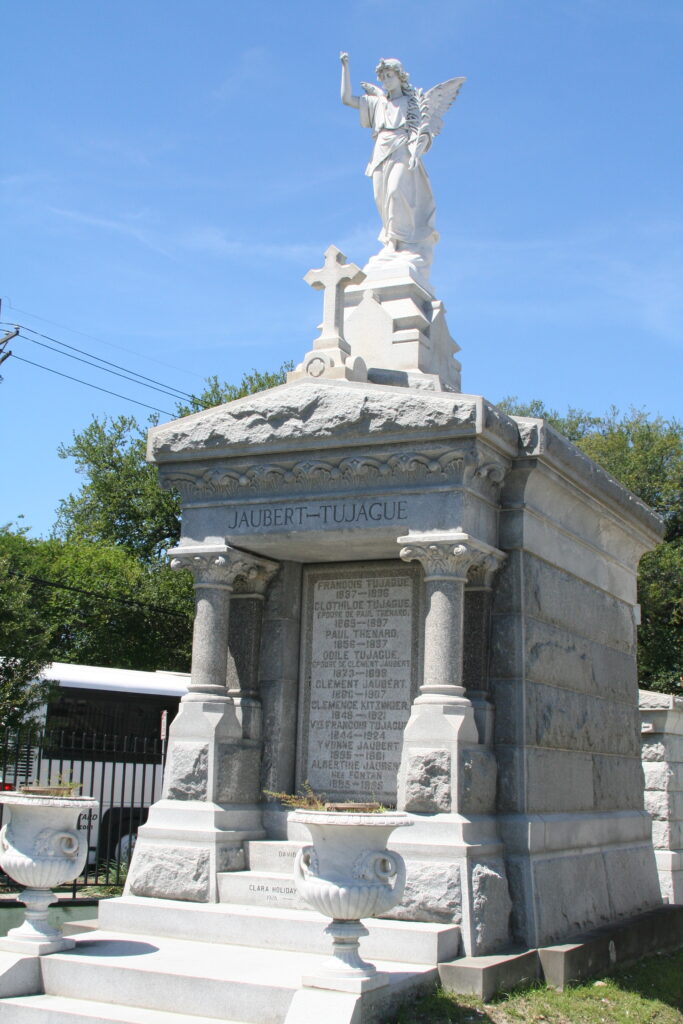
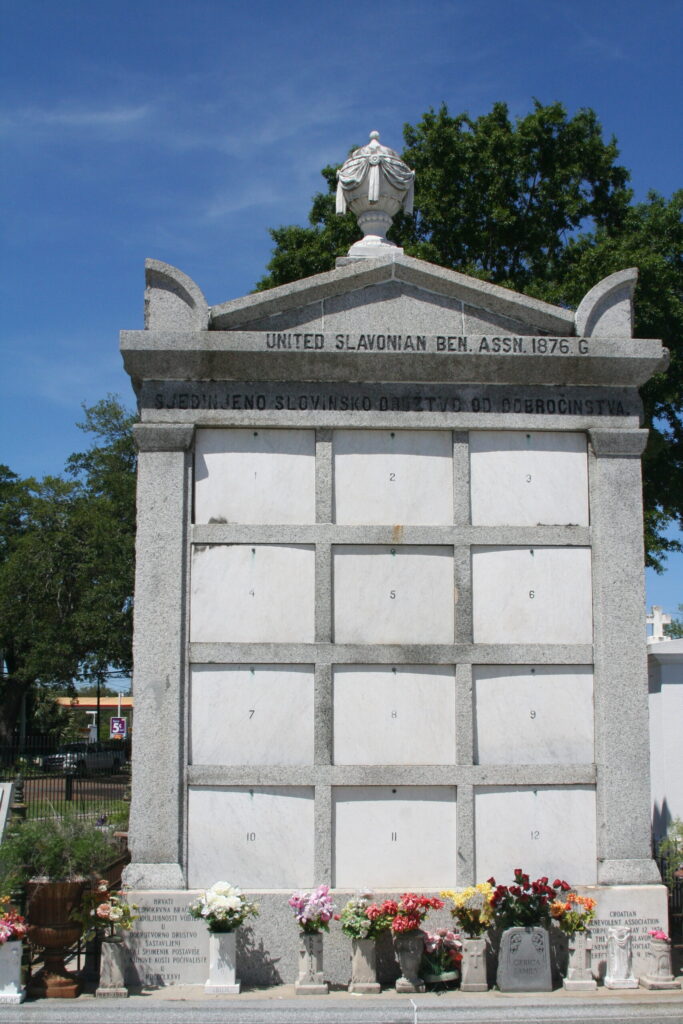
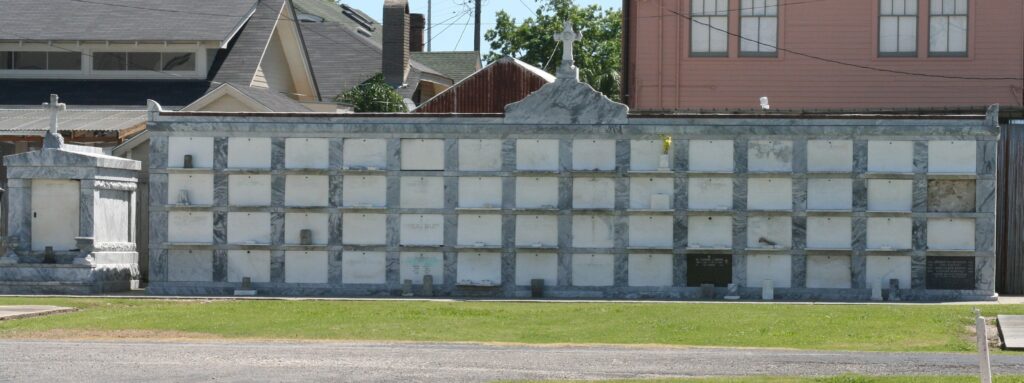
New Orleans Cemetery – Burying the dead in a place built below sea level was a problem that faced the earliest residents of the French settlement that became New Orleans. The solution agreed upon, to entomb the departed in elaborate marble chambers above ground, created one of the city’s most lingering attractions – cemeteries that are both historic and hauntingly beautiful. We visited one of the cemeteries in the city on a guided tour that included a visit to Hurricane Katrina impacted area.
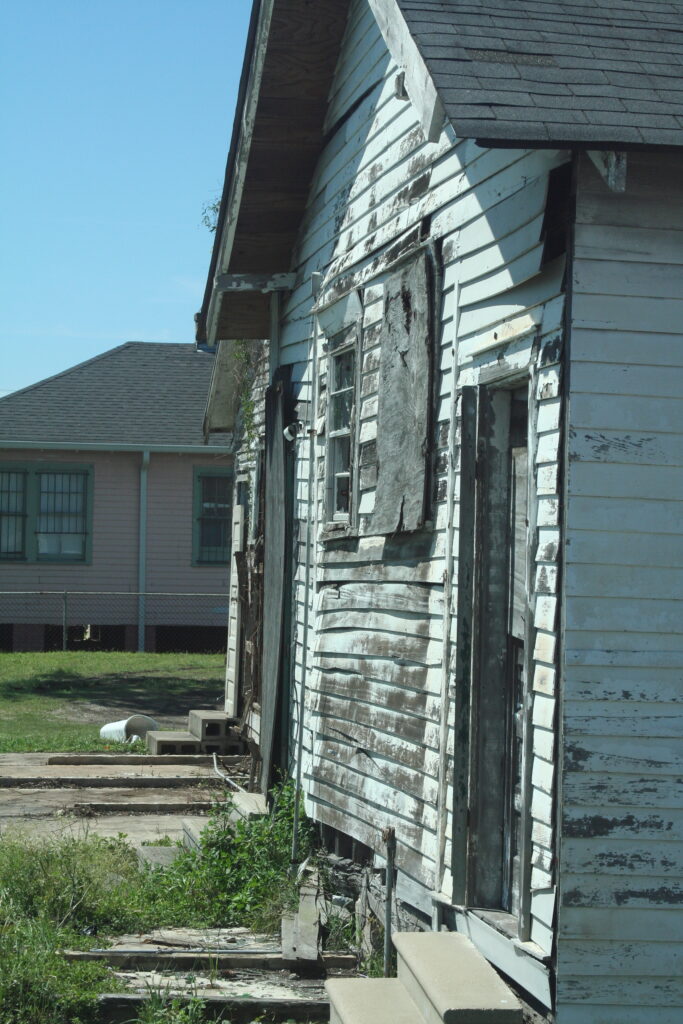
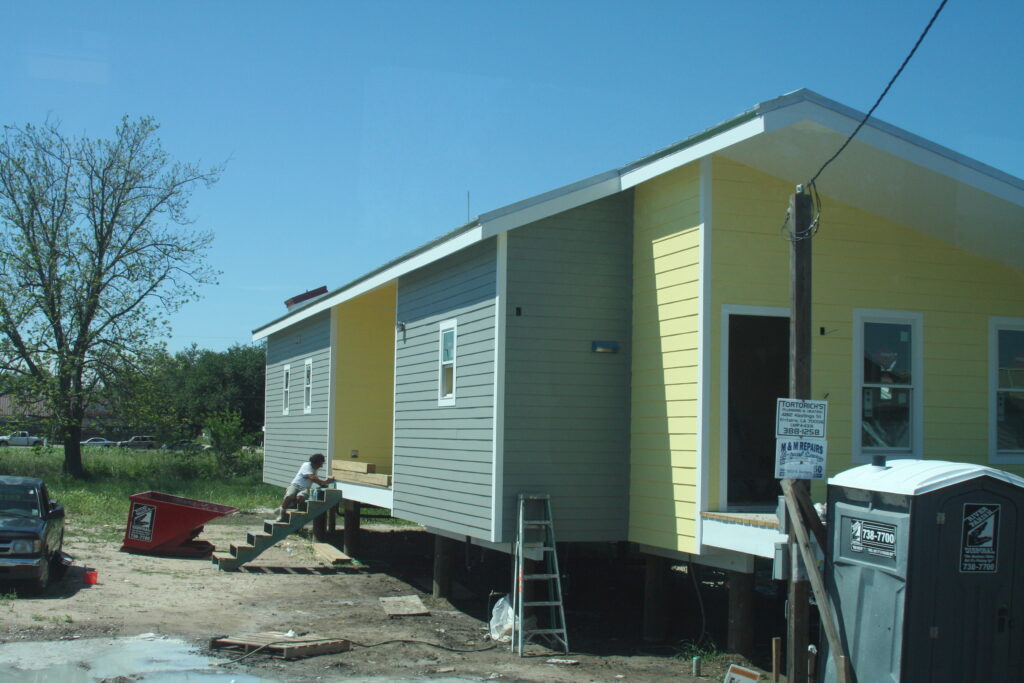
Hurricane Katrina Impact – The category 5 hurricane that struck the U.S. Gulf Coast in August 2005 caused widespread destruction worth $125 billion, making it one of the costliest natural disasters in U.S. history. The failure of the levee system in New Orleans led to catastrophic flooding, with 80% of the city underwater, and a prolonged humanitarian crisis. The French Quarter suffered relatively light damage from floodwater as compared to other areas of the city. We went on a city tour which took us to some of the areas where the impact was the worst and rebuilding efforts that were in progress.
During Hurricane Katrina in 2005, New Orleans rock and roll pioneer Fats Domino was rescued from his flooded home in the Ninth Ward by a Coast Guard helicopter. His home was heavily damaged by the floodwaters, including his beloved piano, and some memorabilia was lost. His survival and rescue became a symbol of hope for New Orleans.

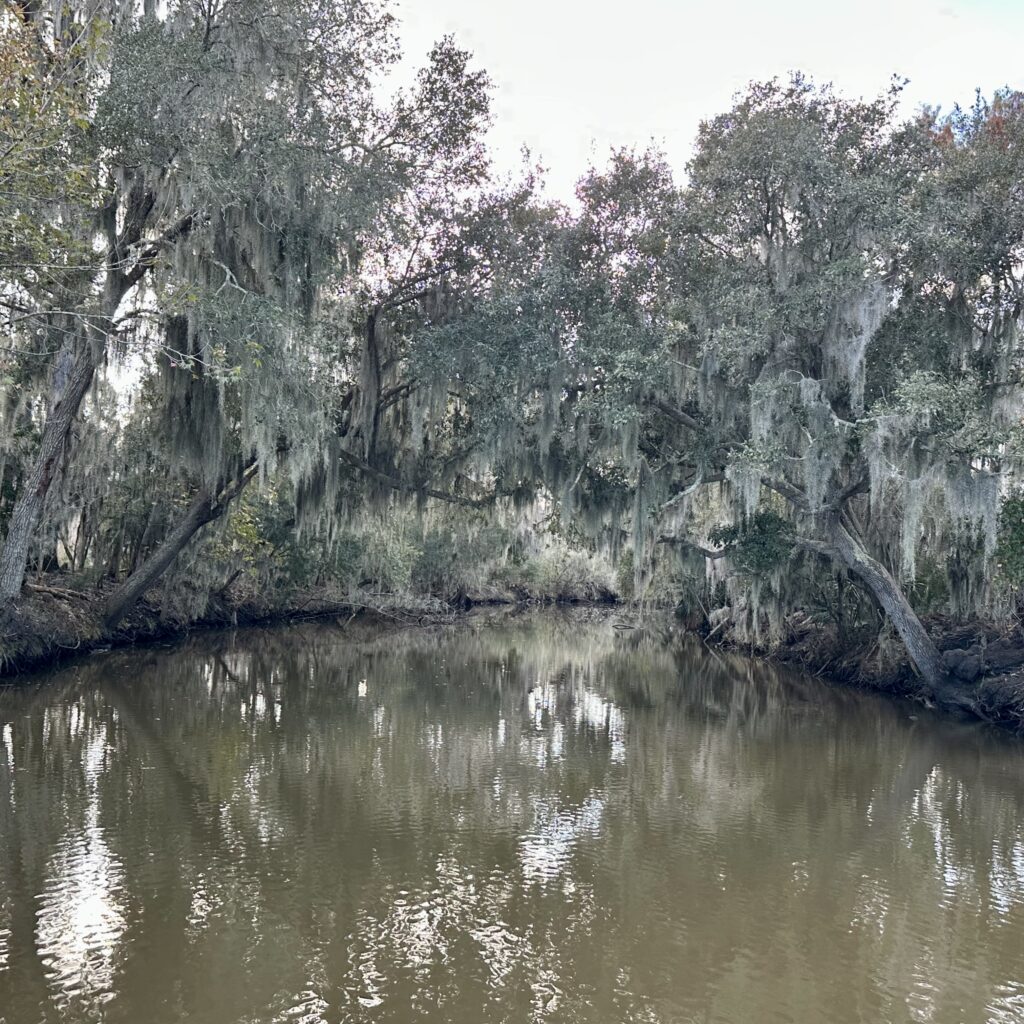
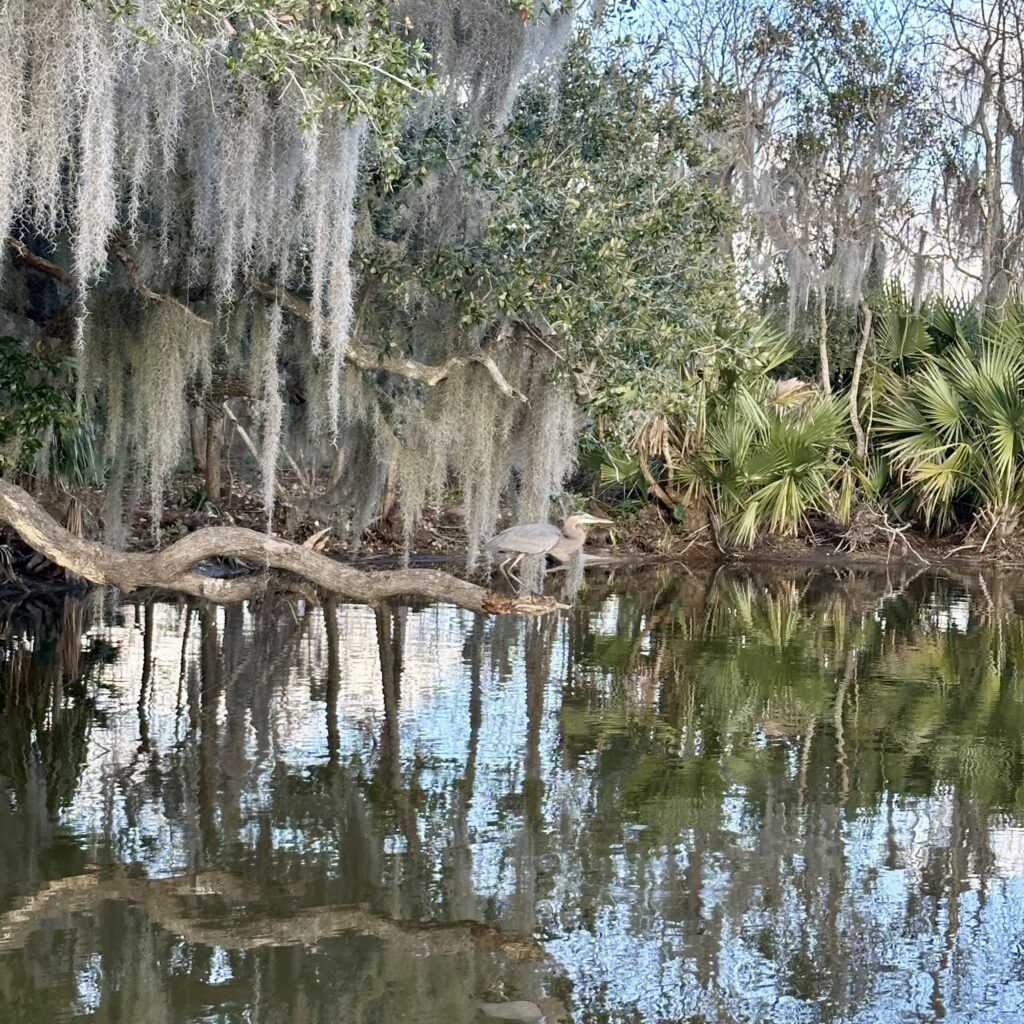
Swamp Tour – is a popular outdoor activity that lets visitors explore the unique bayous, marshes, and wetlands surrounding New Orleans. Guests ride in airboats or flat-bottom boats guided by local experts.

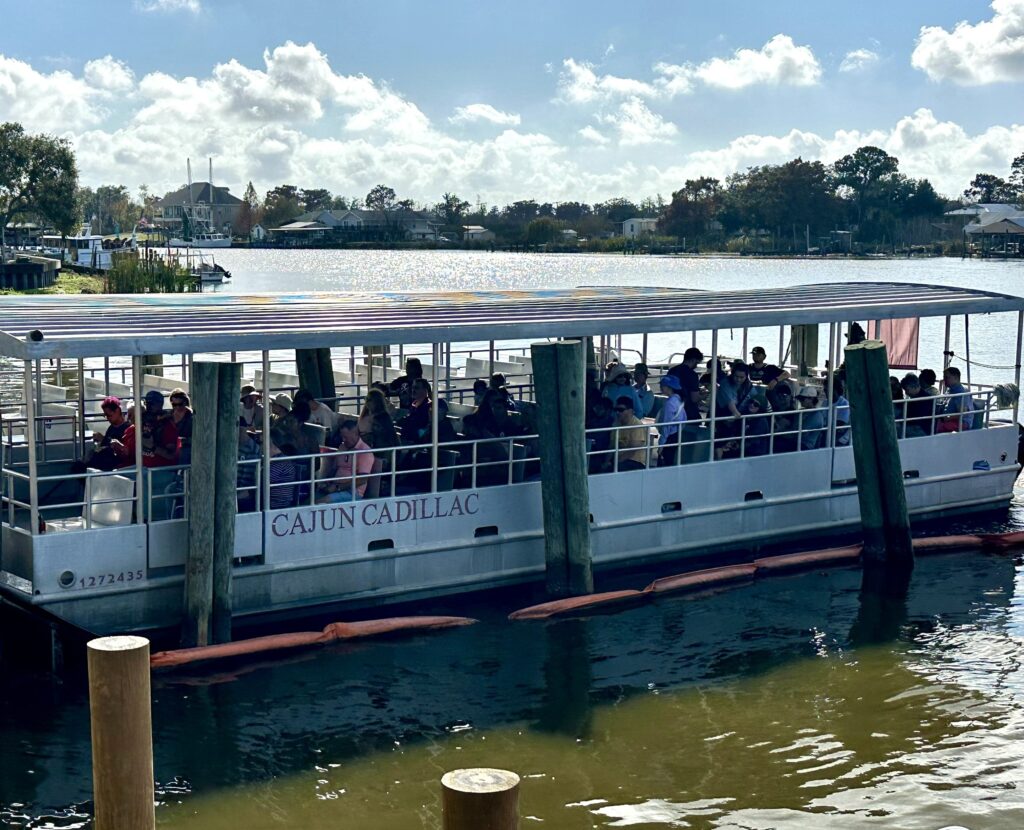
We rode on the flat-bottom boats as we wanted a slower and more relaxed experience. The guide pointed out alligators and birds, while sharing stories about the region’s history and the ecology of the Louisiana swamps. Beyond the wildlife, the tour offers scenic views of moss-draped cypress trees and winding waterways, making it both educational and visually stunning.

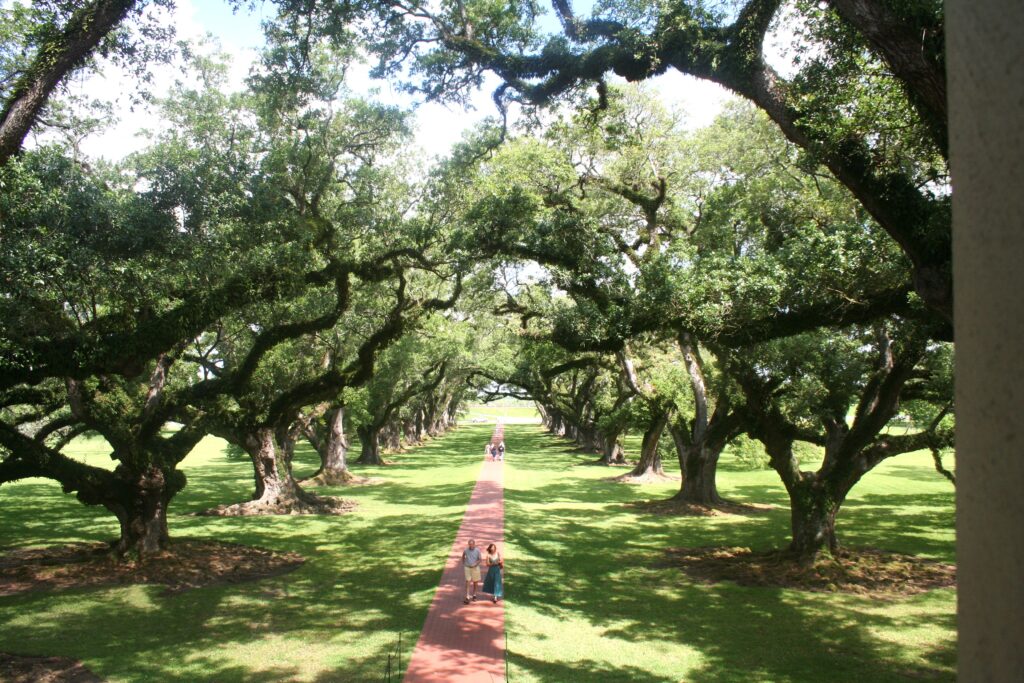
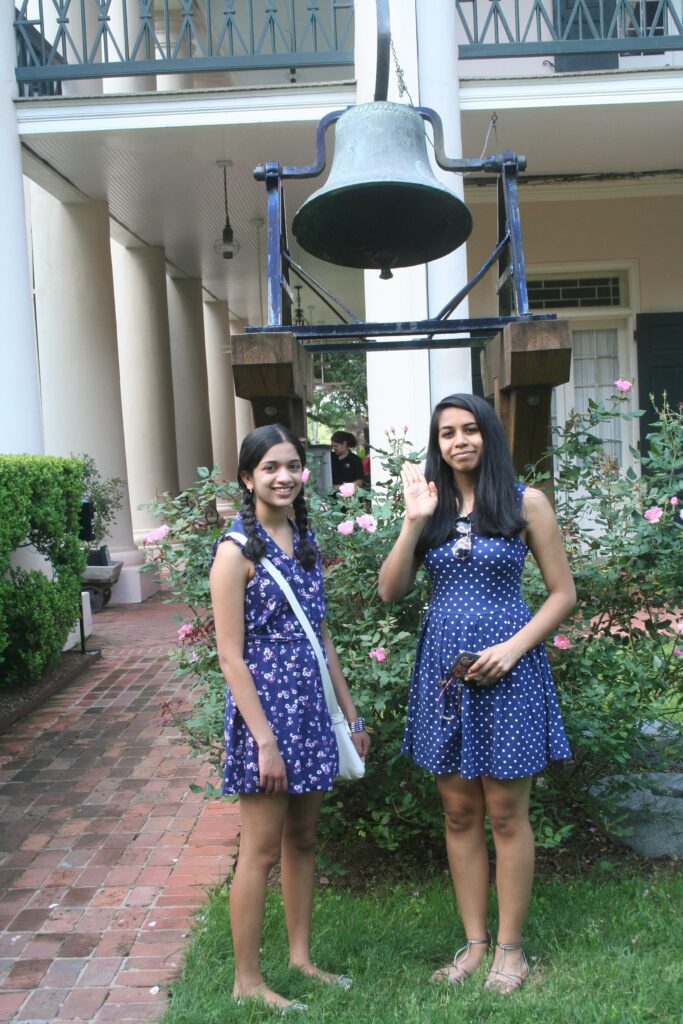
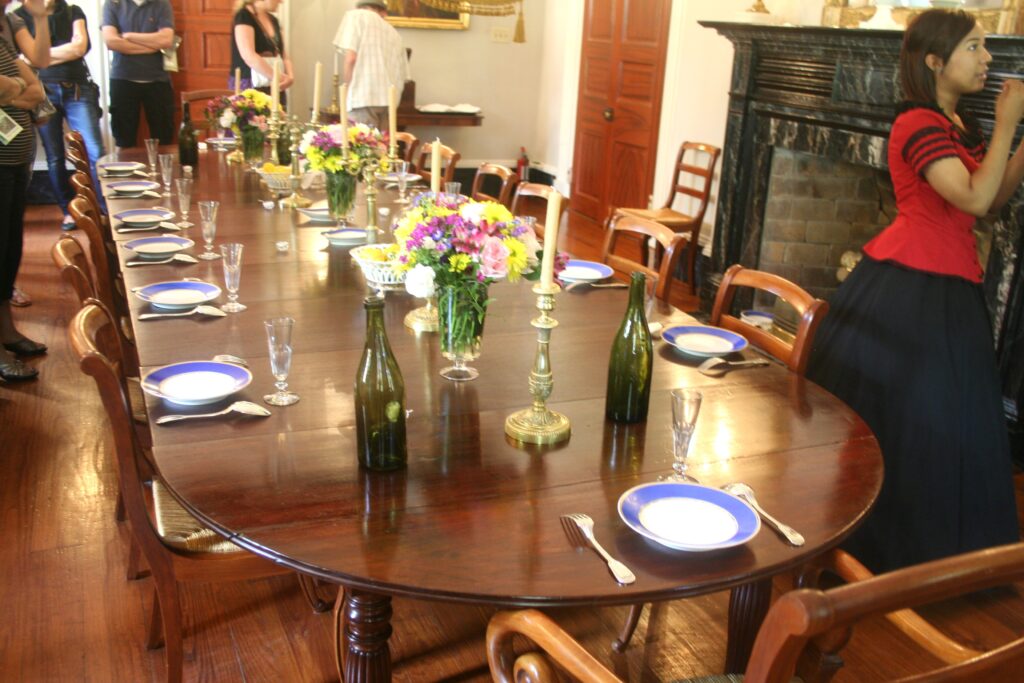
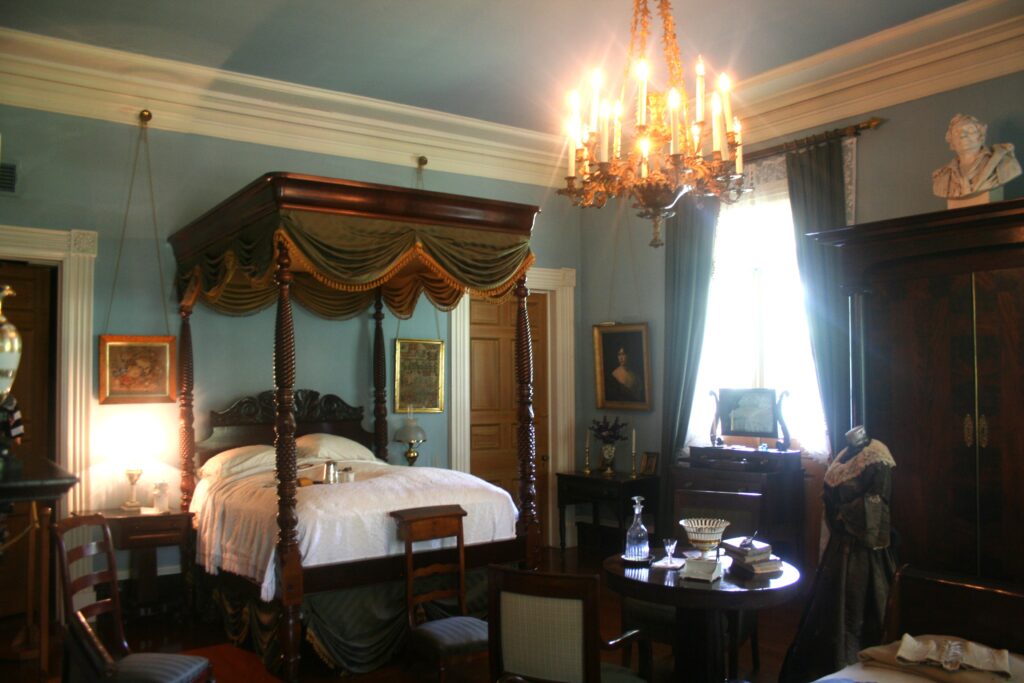
Oak Alley Plantation – This historic plantation is located on the west bank of the Mississippi River and is named for its distinguishing visual feature, an alley or canopied path, created by a double row of Southern live oak trees about 800 ft long, planted in the early 18th century, long before the present house was built. The plantation mansion was constructed in the late 1830’s for Jacques Telesphore Roman. We went on a guided tour of the house interior and exterior.