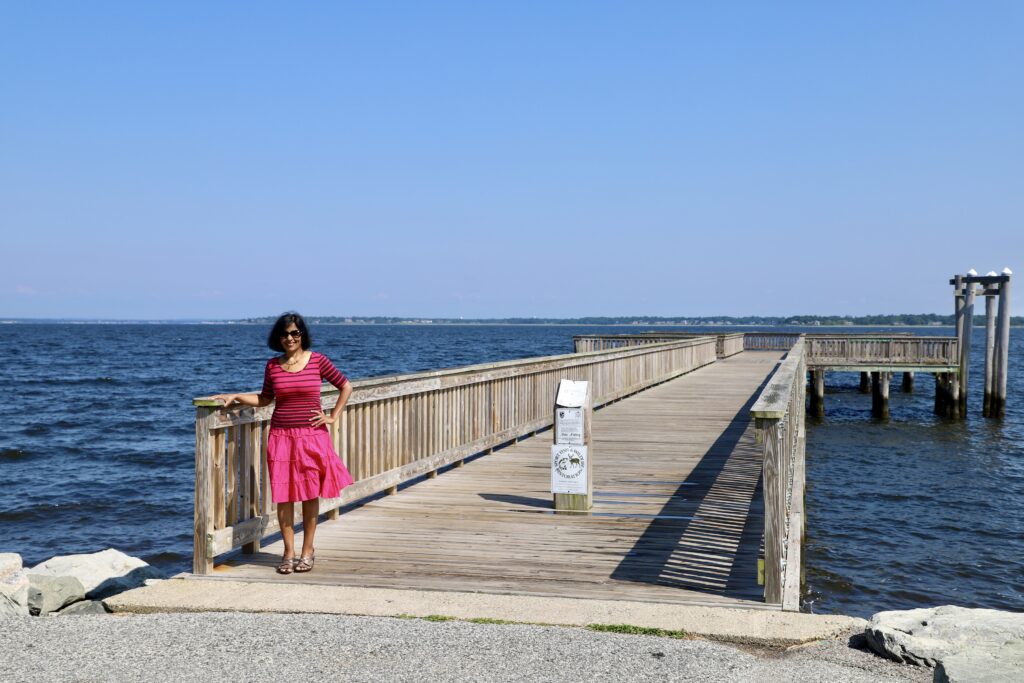
Newport is a seaside city located on the Narrangansett Bay, 33 miles southeast of Rhode Island’s capitol city, Providence. It is famous for its historic mansions and its rich sailing history.
- International Tennis Hall of Fame
- Cliff Walk
- Mansions – The Breakers
- Beavertail Lighthouse
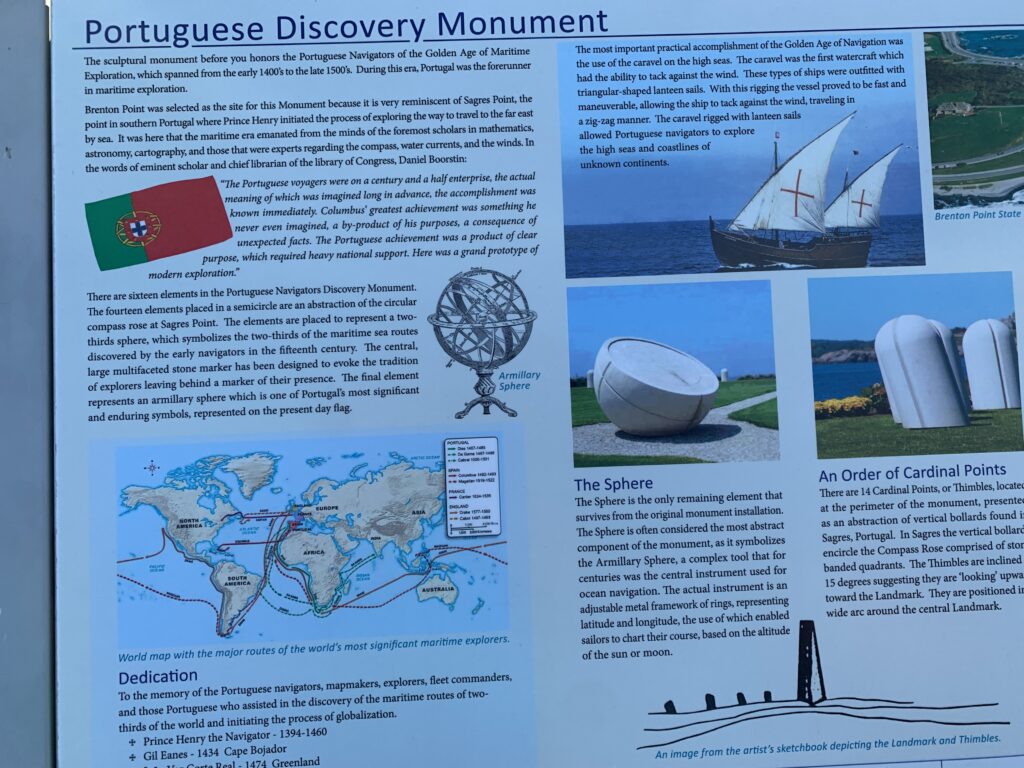
- Portuguese Discovery Monument
International Tennis Hall of Fame (ITHF) – honors both players and other contributors to the sport of tennis and is a must-visit destination for tennis enthusiasts and history lovers alike. The complex, which used to be the Newport Casino, includes a museum, 13 grass tennis courts, an indoor tennis facility with 3 courts, 3 outdoor hard courts, 1 green clay court, and a theatre. The ITHF is a non-profit organization with the goal of preserving, celebrating, and inspiring the sport of tennis around the world.
The location was the original home of the U.S. National Championships (now called the US Open), established in 1881. Since 1976, the complex has hosted the Hall of Fame Open, a combined men’s and women’s event, each year in July.
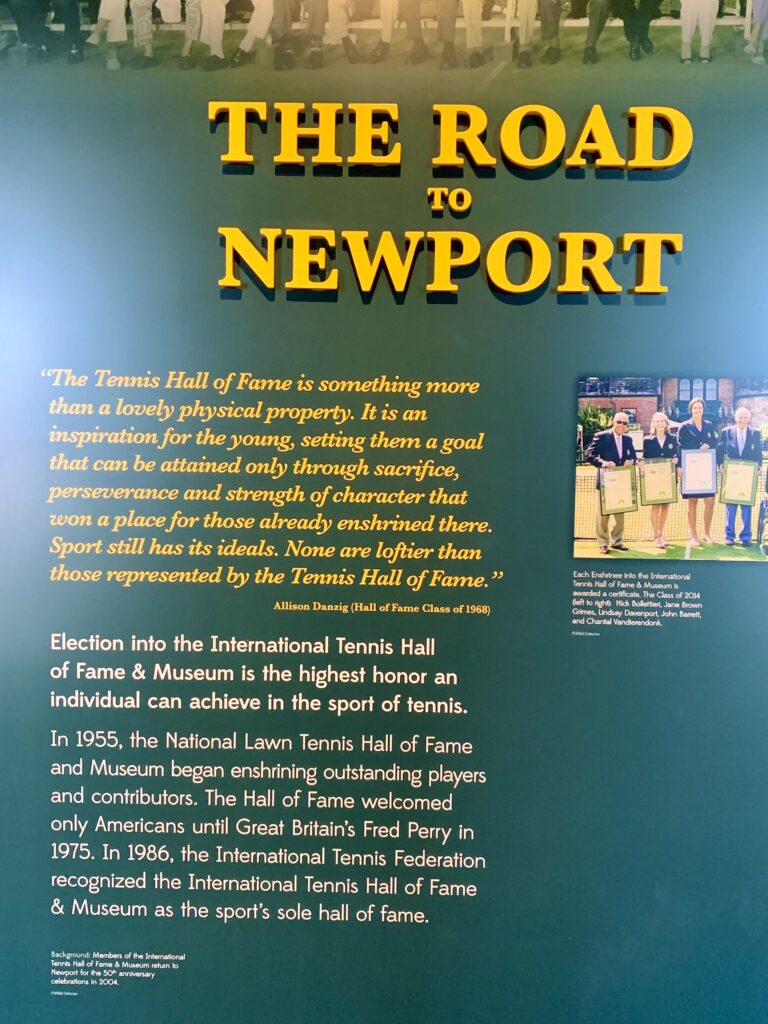
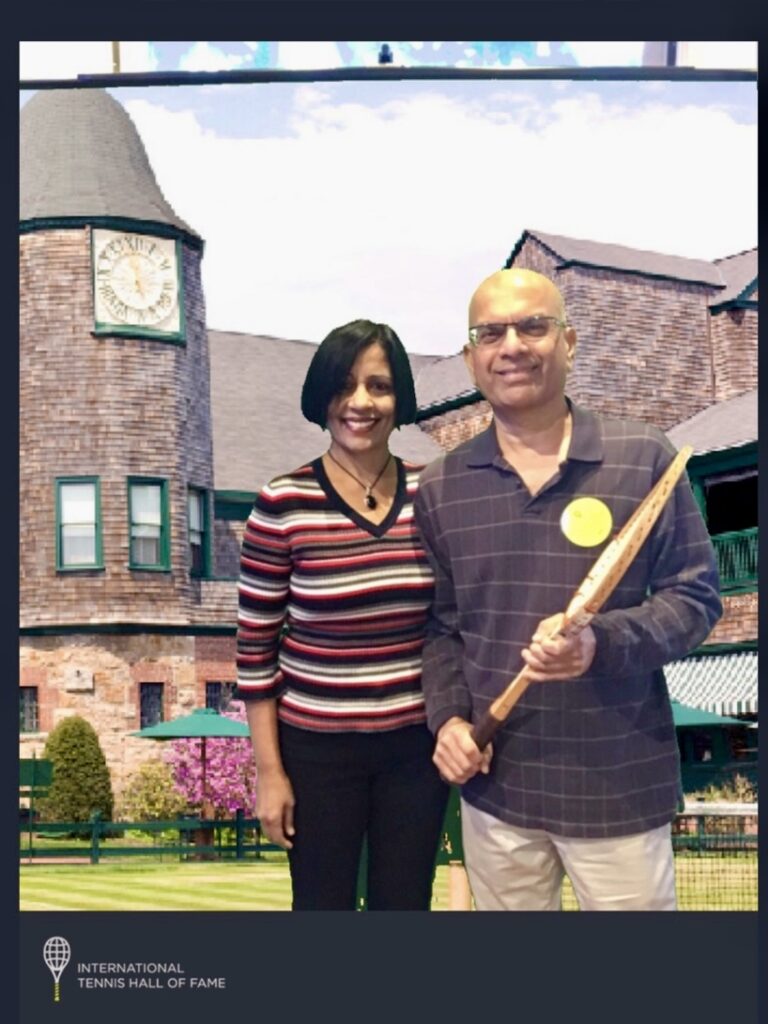

The museum chronicles the history of the sport from the 12th century through the modern day. The museum’s permanent collection contains modern and historic tennis equipment and clothing, artifacts from Hall of Famers and other significant figures within the sport, trophies and more.

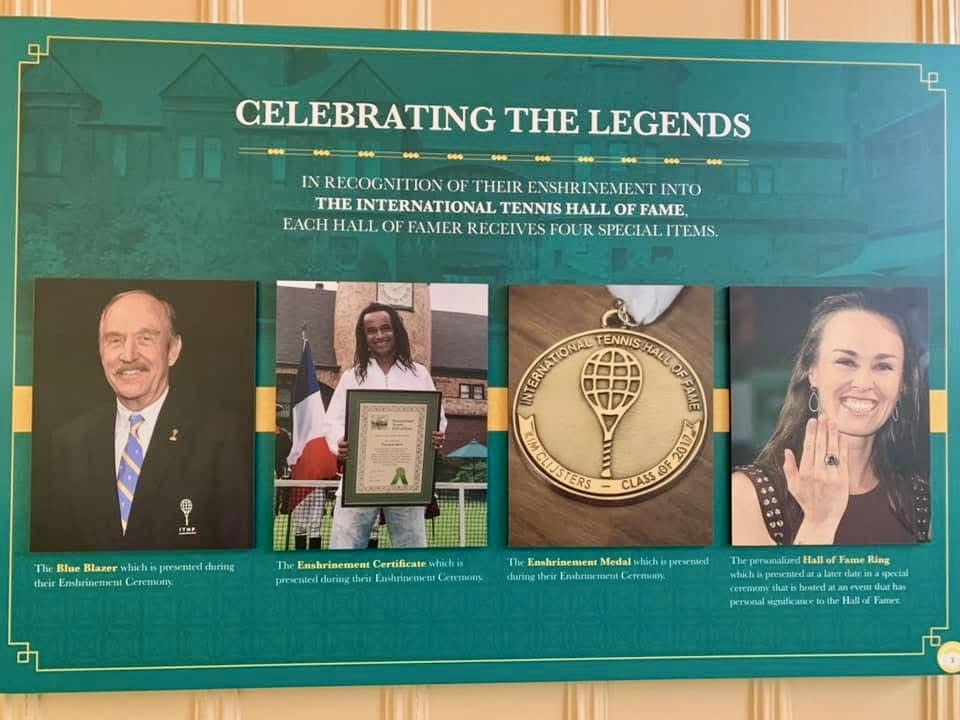
We visited the museum in 2019. The museum also displays in the front hall the most recent Grand Slam champions.


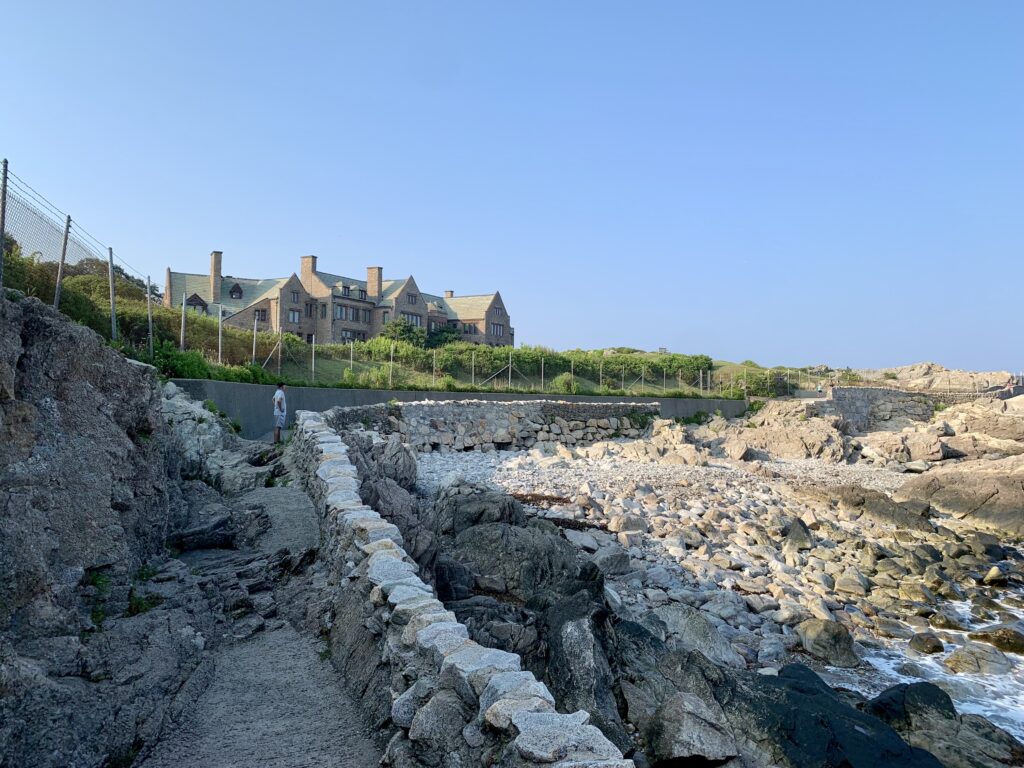
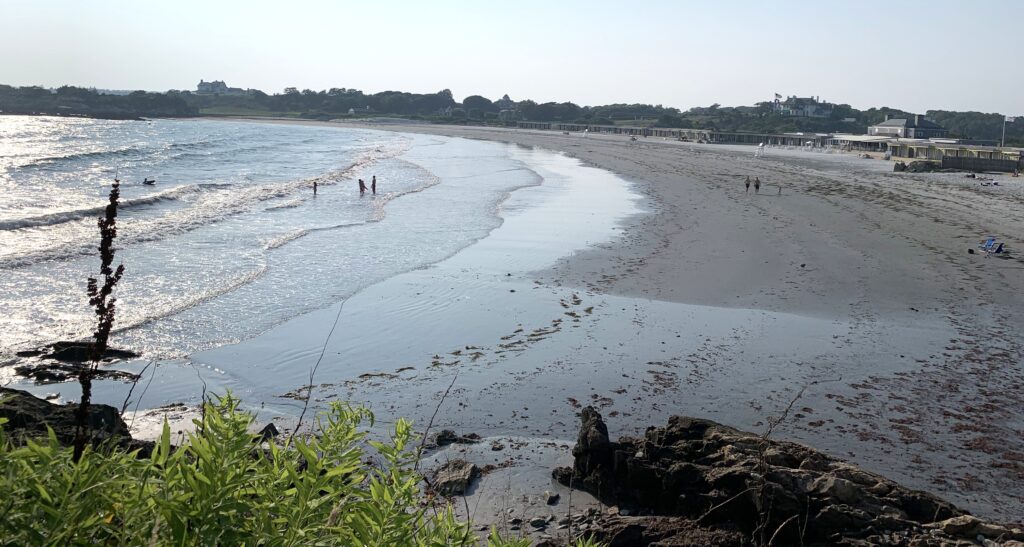
Cliff Walk – Along the eastern shore of Newport, is a scenic 3.5-mile path that provides views of the Atlantic Ocean and historic mansions. You will pass by opulent Gilded Age summer cottages built by wealthy families in the late 19th century like Marble House, The Breakers, Rosecliff, and Beechwood mansions.
The walk starts at Easton’s beach and continues south with entrances at Narragansett Avenue by Forty Steps, Webster Street, Shepard Avenue and Ruggles Avenue. The walk takes you past some of the prettiest ocean scenery and you will find many photo opportunities along the way. This is the easier portion to traverse, with paved pathways and a flat terrain. As you move south and get near the Rough Point, the trail becomes progressively rougher and unpaved, with rocks and boulders, requiring scrambling over rocks.
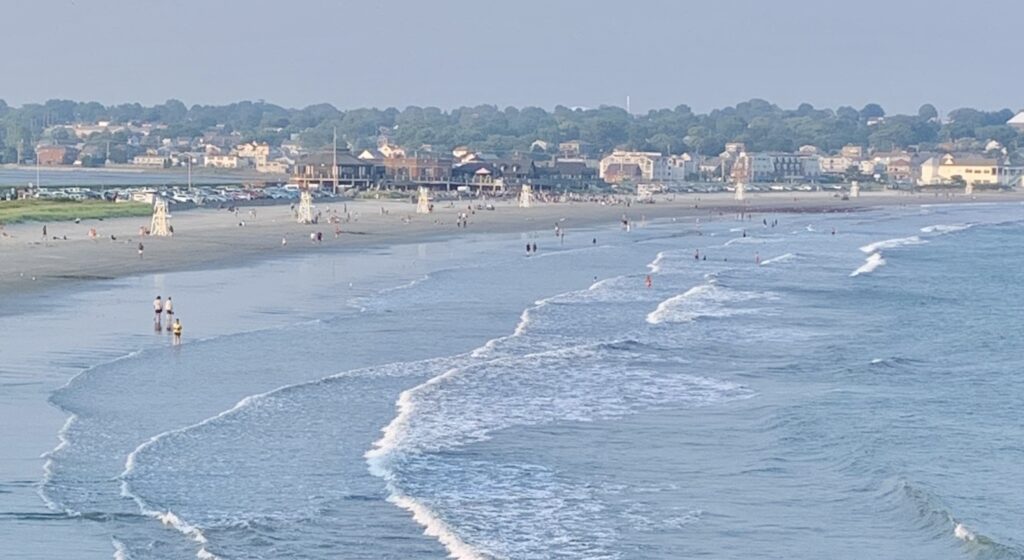
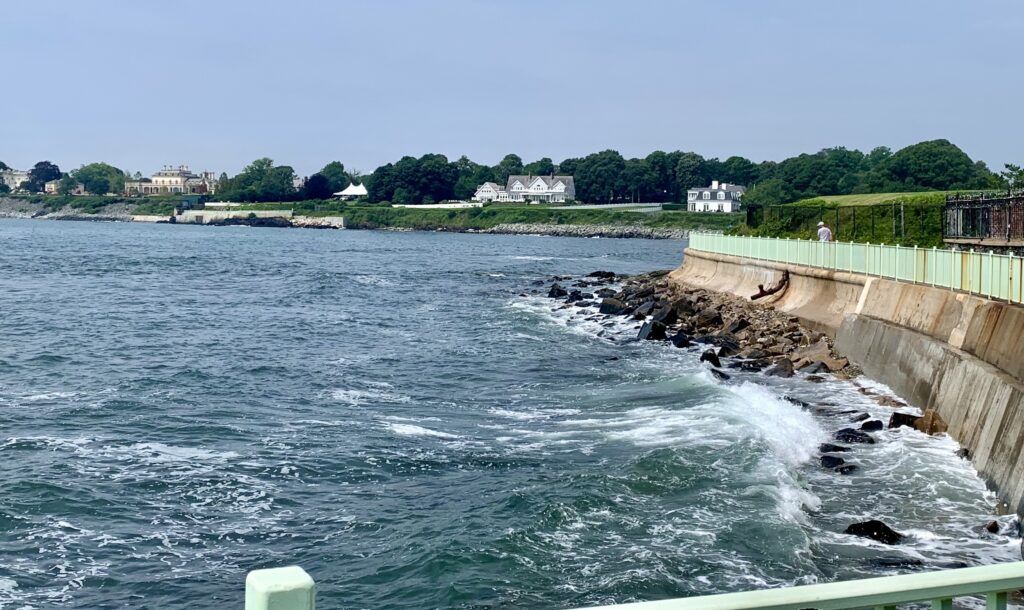
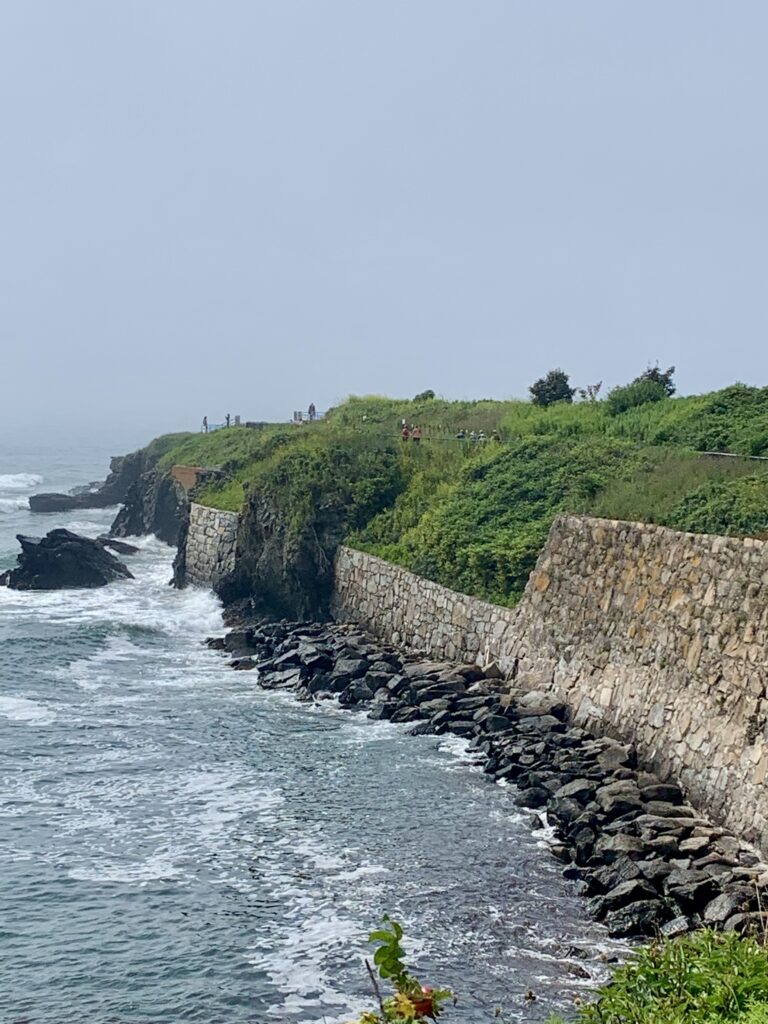
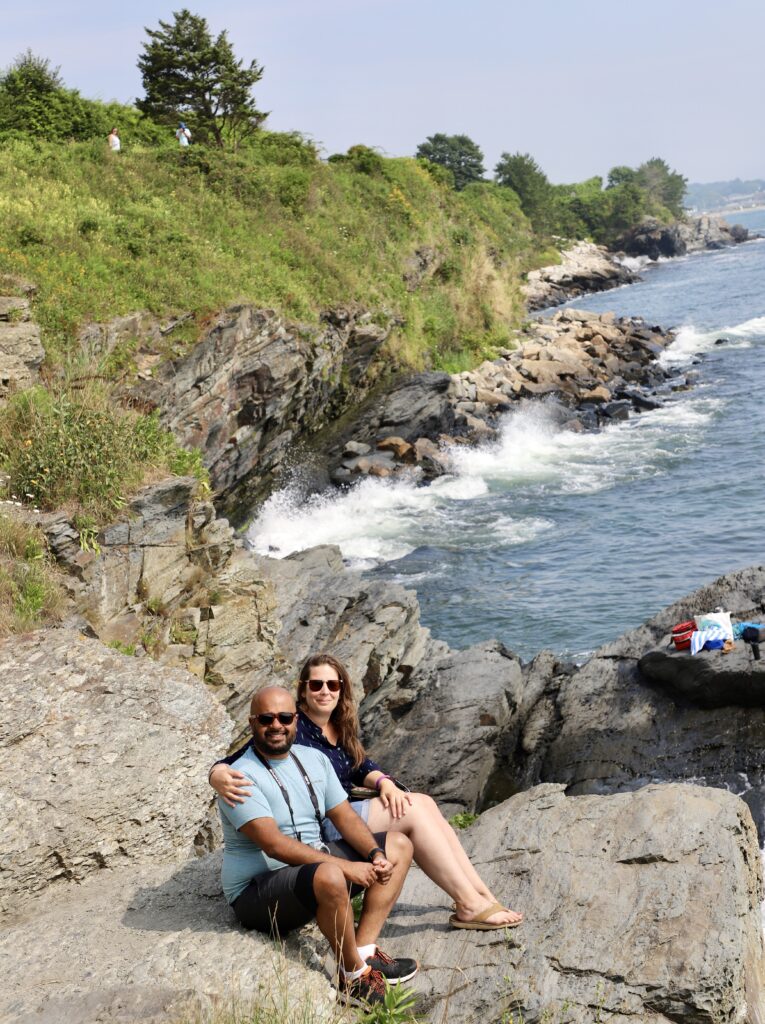
Cliff Walk, Forty Steps – Built in the 1830s by David Priestly Hall for his children’s access to the beach and later deeded to the public, the steps were a social gathering place for mansion servants during the Gilded Age, known for music and dancing. The original wooden steps were replaced with granite steps in the 1990s after being damaged by neglect and hurricanes. It is also one of the well-known access point for the Cliff Walk and is located about 1-mile from the start at Easton’s beach.
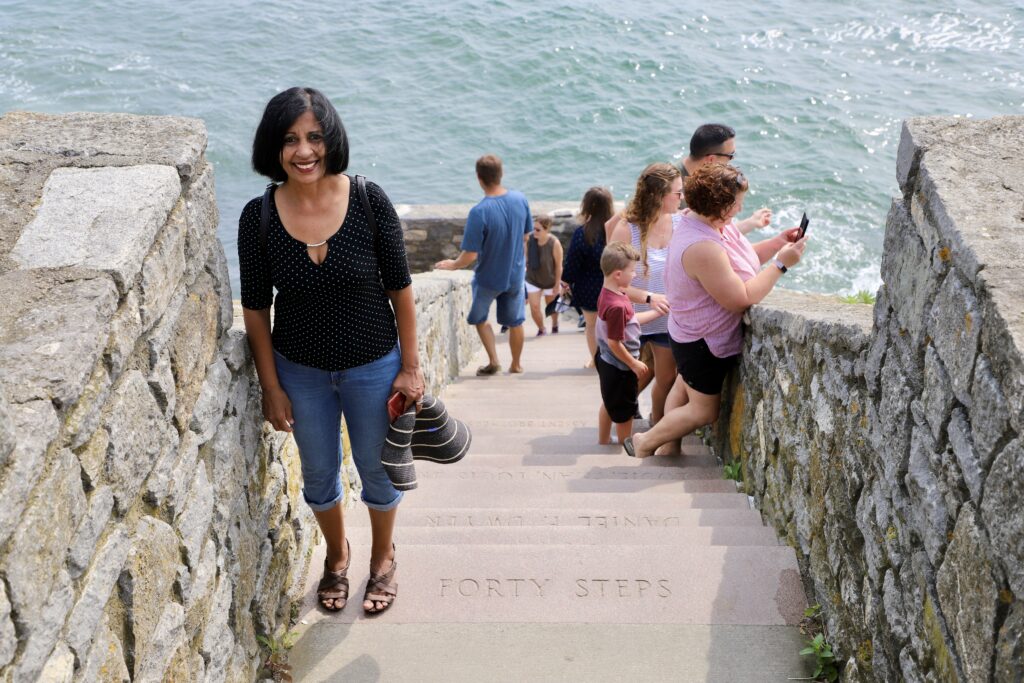
Cliff Walk, Tunnel – One of the most beautiful part of the cliff walk is a short tunnel near Sheep’s Point. The view through the tunnel is amazing.
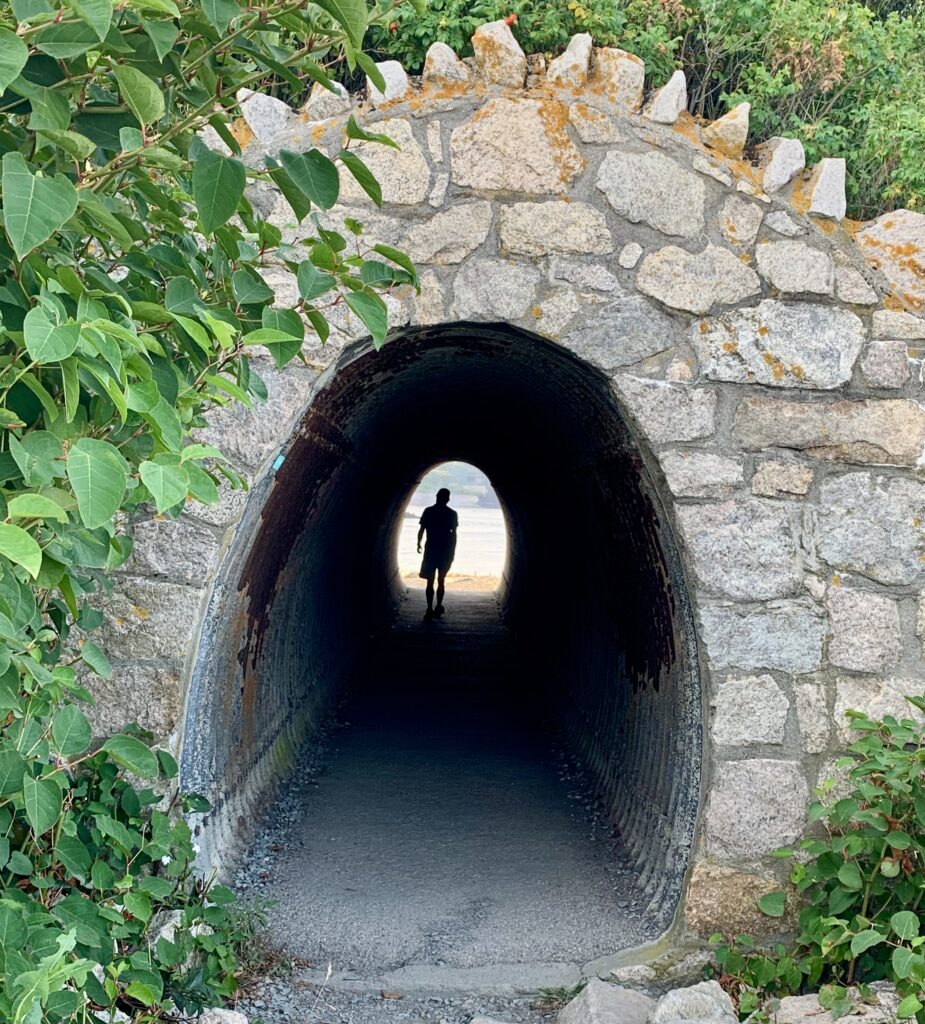
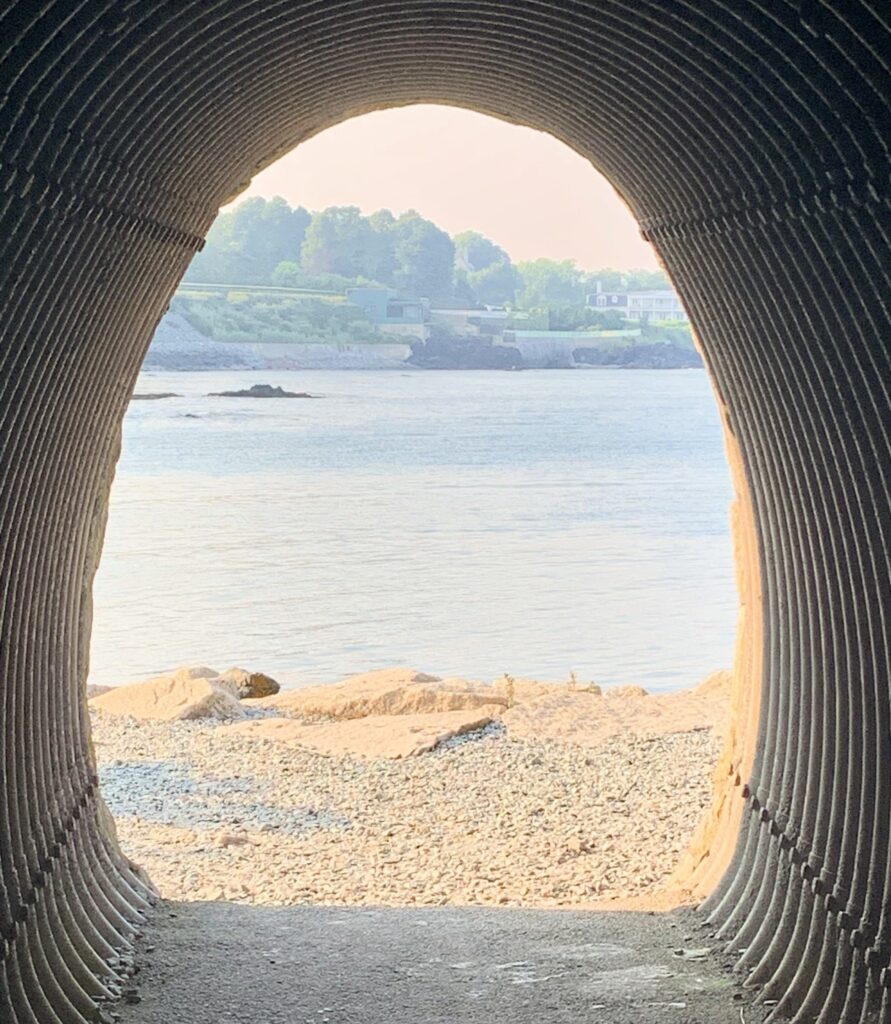
Cliff Walk, Rough Point – is one of the Gilded Age Mansion on the Cliff Walk which is open to the public as a museum. It is an English Manorial style home designed by architectural firm Peabody and Stearns for Frederick William Vanderbilt. Construction on the red sandstone and granite began in 1887 and was completed 1892. The trail becomes progressively rougher and unpaved from this point, with rocks and boulders, requiring scrambling over rocks.
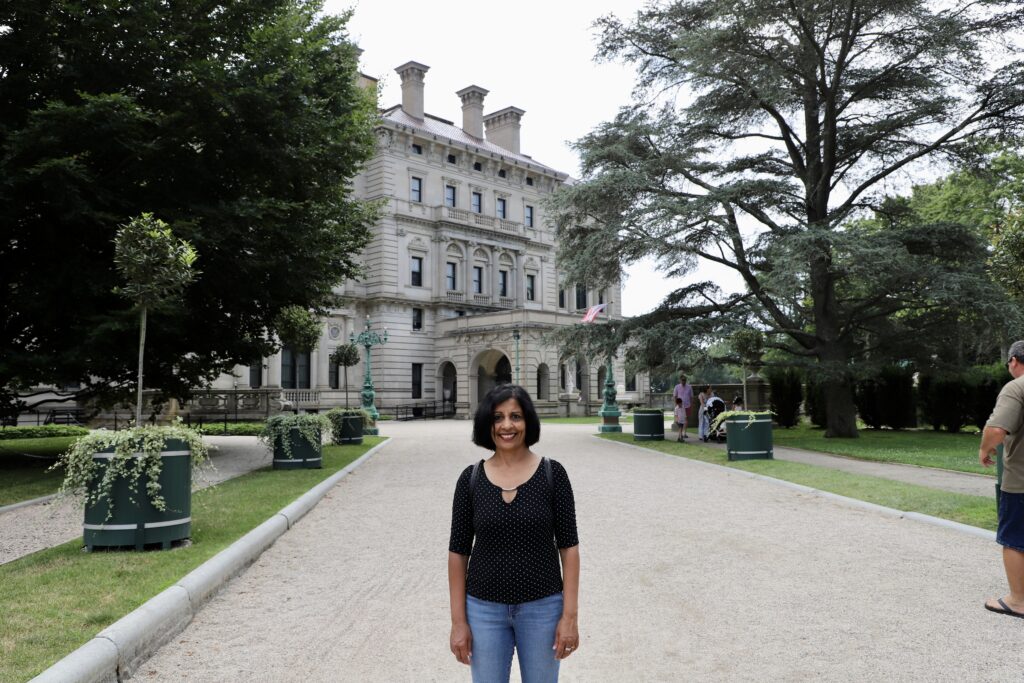
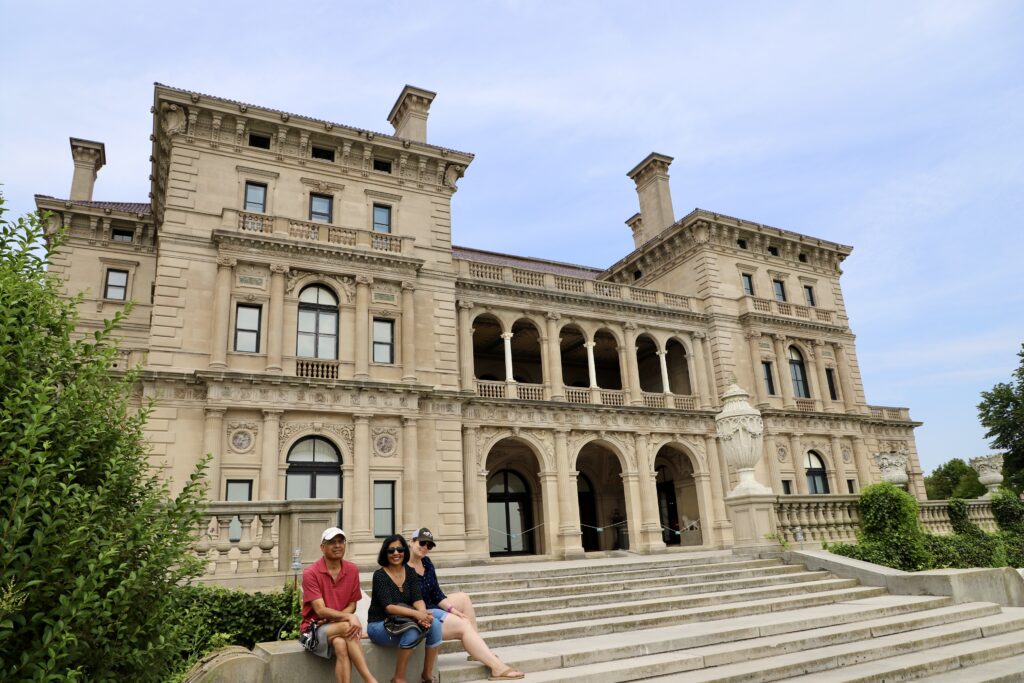
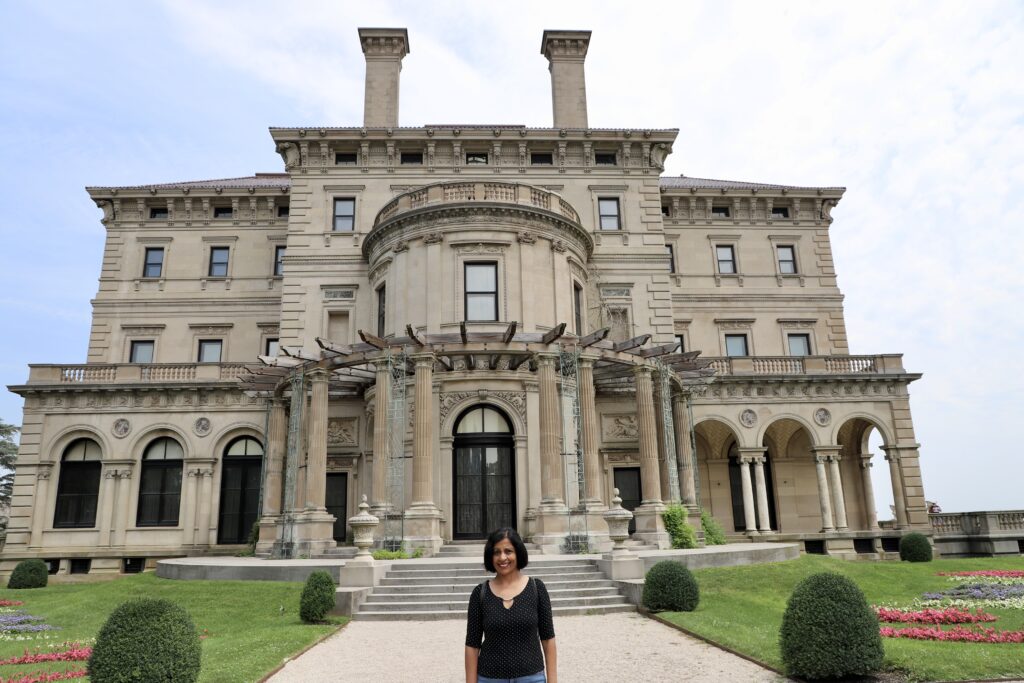
The Breakers – is the grandest and most visited of all mansions along Cliff Walk. The house stands as a symbol of the Vanderbilt family’s social and financial power in 19th century America. The mansion has 70 rooms in all, with a gross area of 138,300 square feet and 62,482 square feet of living area on five floors. We went on a self tour of the house.
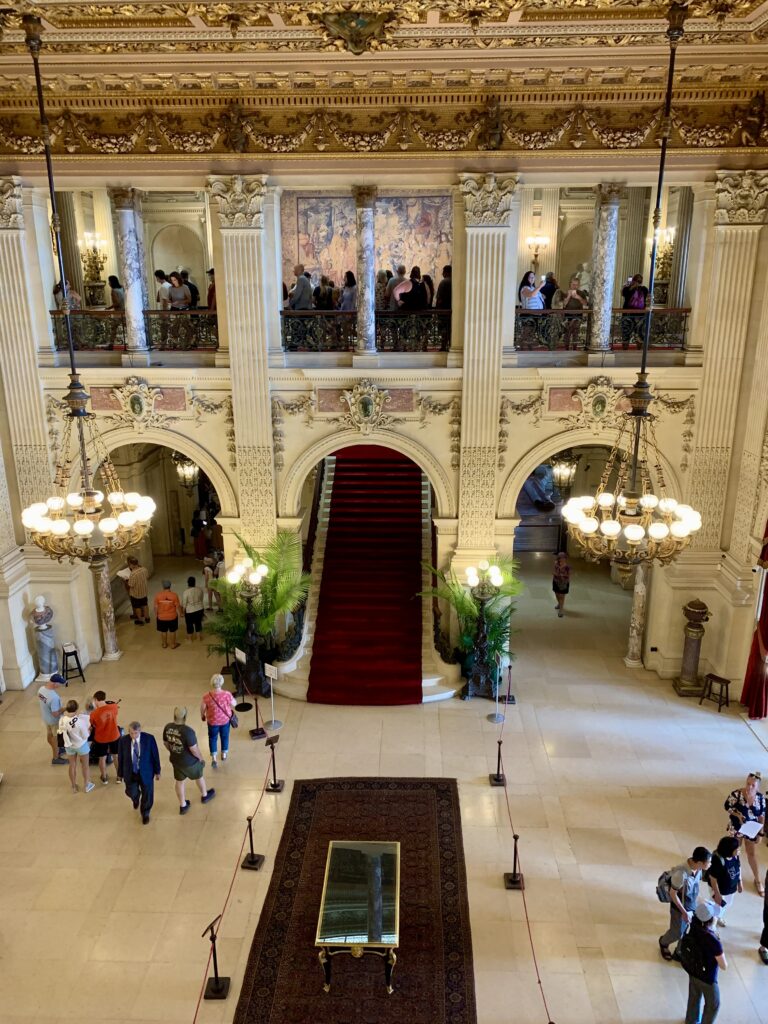
Great hall (50 ft×50 ft×50 ft ) – is the largest room in the house. Architect Richard Morris Hunt designed the Great Hall after the open-air courtyards in Italian villas, but enclosed due to the tough New England winters. The palatial space feels spacious and welcoming, even if crowded by tourists trying to get the perfect shot on their smartphones. The walls are made of carved limestone from Caen on the coast of France and adorned with plaques of rare marbles. Four bronze chandeliers dangle from the gilded ceiling, and flood the room with warm light.
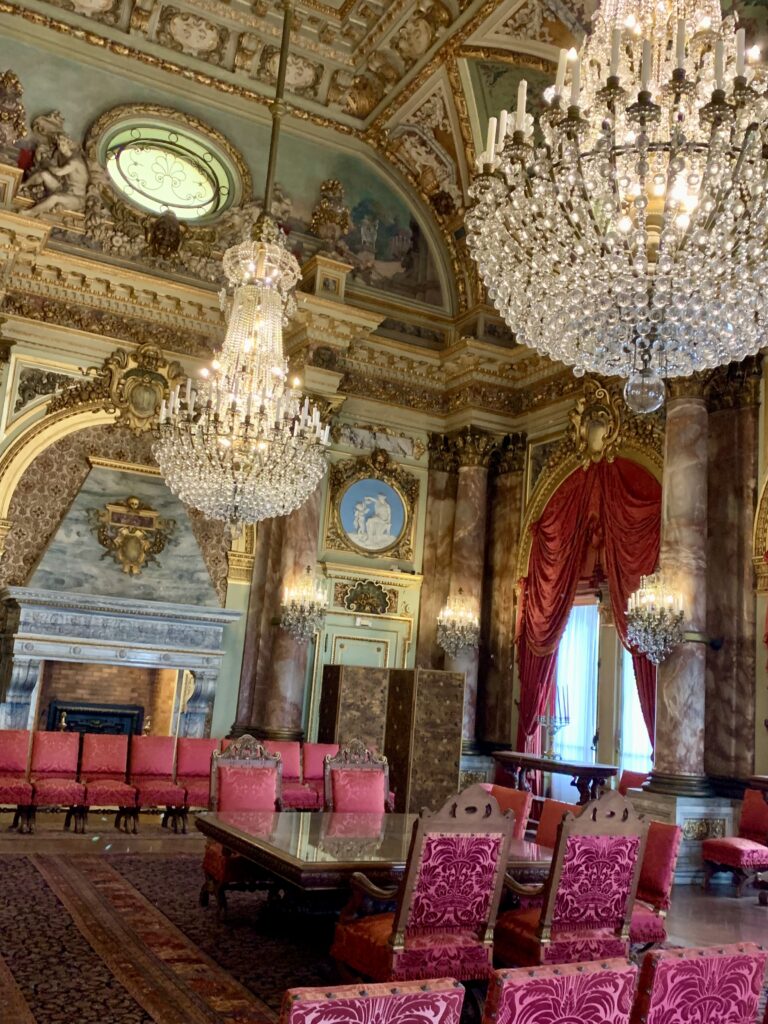
Dining room (2,400 sq ft) – dining room is the house’s grandest room and has 12 freestanding rose alabaster Corinthian columns supporting a colossal carved and gilt cornice. Rich in allegory, this room serves as an exemplar of what 19th-century technology could do with Roman ideas and 18th-century inspiration. Two Baccarat crystal chandeliers light the room with either gas or electricity.
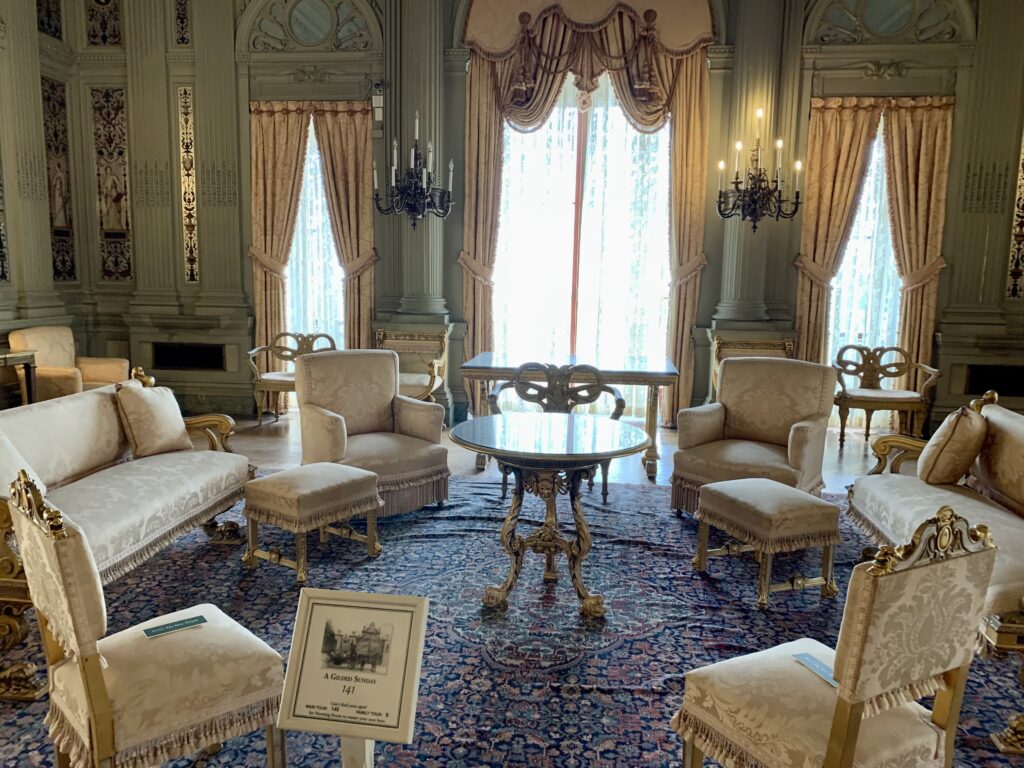
Morning room – Designed by the French company head Jules Allard, this communal sitting room faces east to admit the morning sun, and was used throughout the day. All interior woodwork and furnishings were designed and constructed in France, then shipped to America before assembly.
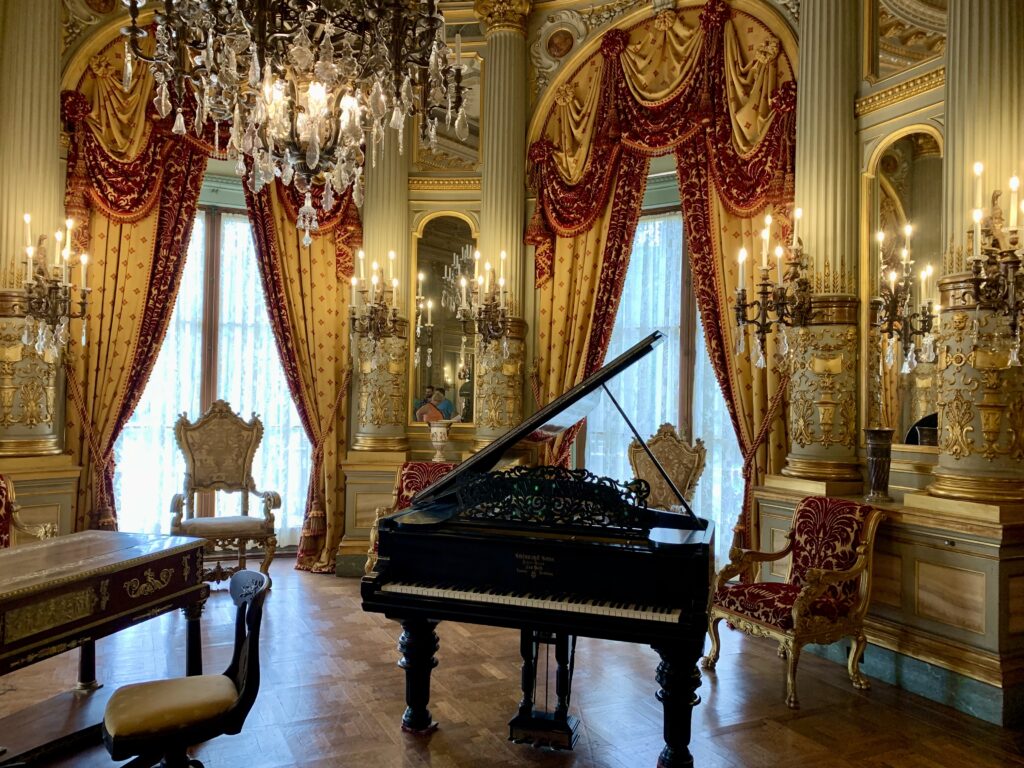
Music room – The room’s open interior was used for recitals and dances. Its woodwork and furnishings were designed by Richard Van der Boyen and completed by Jules Allard and Sons. Mr. Vanderbilt was known to play the violin and Mrs. Vanderbilt the piano, which is a Second Empire French mahogany ormolu mounted piano.
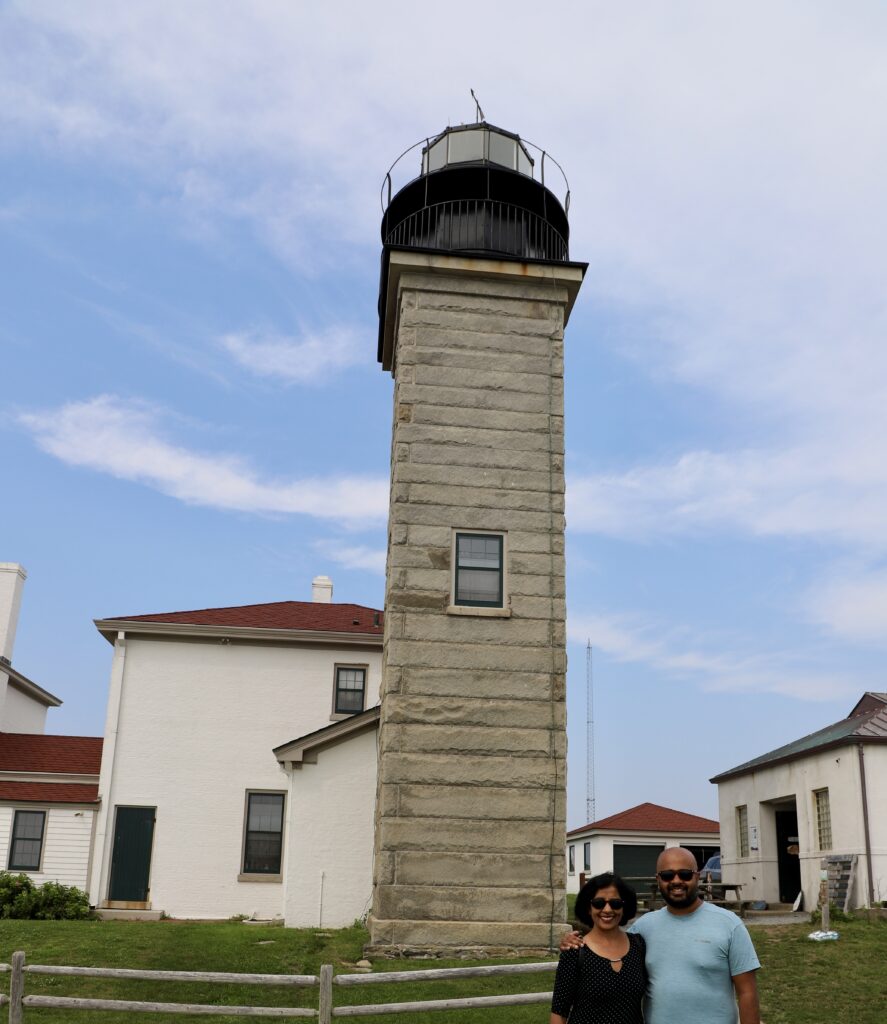
Beavertail Lighthouse – Beavertail Lighthouse was built in 1856 and is the premier lighthouse in Rhode Island providing navigation for boats and ships entering Narragansett Bay. The 64-foot (20 m) lighthouse lies on the southernmost point of Conanicut Island in Beavertail State Park offering some of the most beautiful vistas along the New England coastline.
Adjacent to the granite tower are the keeper’s and assistant keeper’s quarters. The 6-room quarters has been converted to a museum that is filled with historical and interesting facts. Visiting the museum is free. You have to pay a few dollars to climb the lighthouse tower.
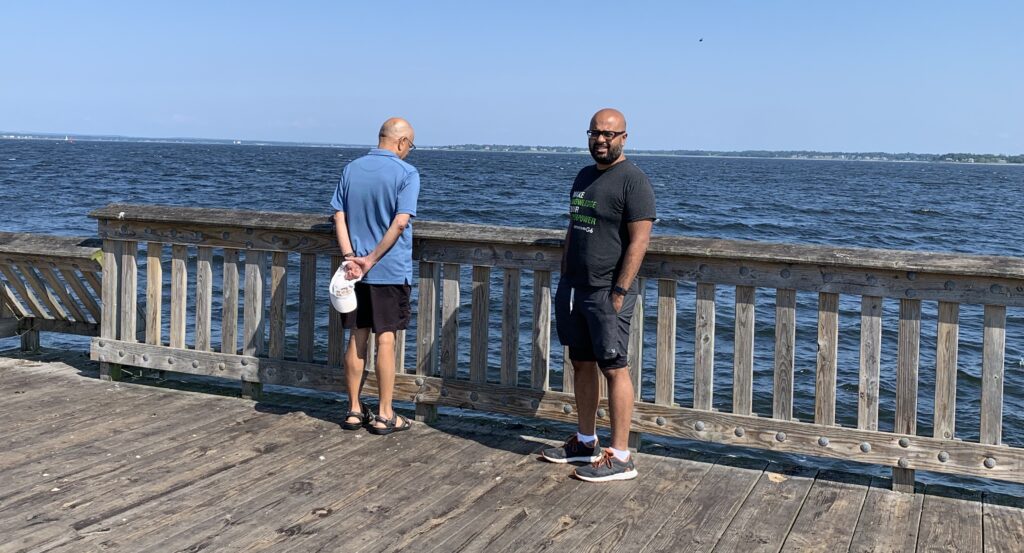
Brenton Point State Park & Portuguese Discovery Monument – Situated within Brenton Point State Park on the southern tip of Aquidneck Island with expansive views of the Atlantic Ocean, this monument on Ocean Drive is dedicated to Portuguese maritime navigators. Brenton Point was a strategic military defensive location during the Revolutionary War and World War II. The State of Rhode Island designated the area a State Park in 1976.
Portuguese Discovery Monument – In 1988 a site was set aside for a monument, a concept advanced by the Portuguese Cultural Foundation and the Portuguese Federation. Funded jointly by the State of Rhode Island and Portuguese government, the Brenton Point State Park was selected as it is reminiscent of Sagres in southern Portugal, the location of Henry the Navigator’s nautical school founded in 1419. Designed by Charters de Almeida and carved in Portugal, sixteen sandstone bollards ranging in height from 5-8 feet were organized into a semicircle mimicking the historic pebble compass rose at Sagres Point.
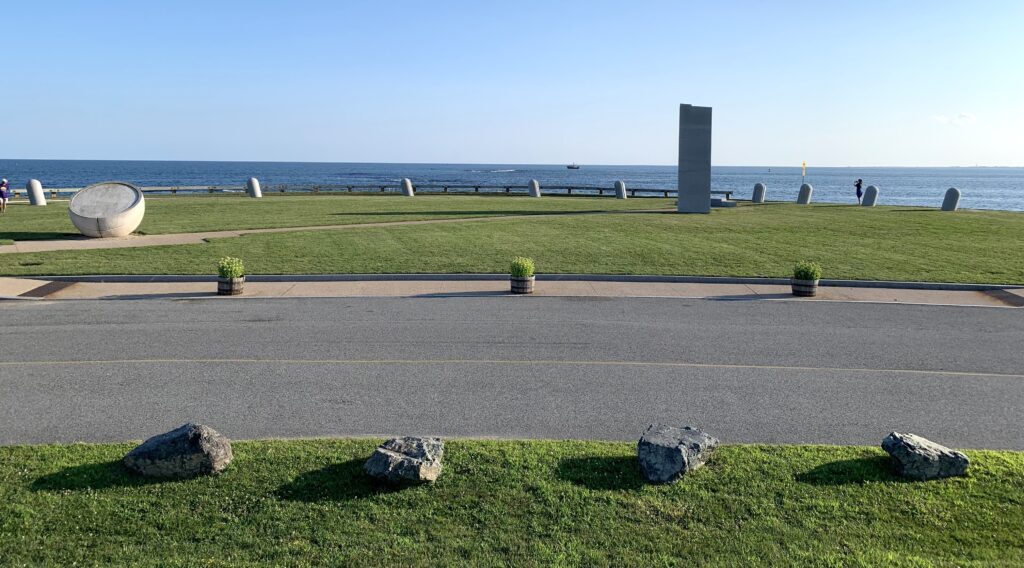
There is a lot of information explaining the abstract sculptures, sandstone bollards and other elements on interpretive panels.