7 nights in Radisson Blu Scandinavia
Copenhagen is the capital and most populous city in the Kingdom of Denmark and is situated on the islands of Zealand and Amager. The city has beautiful waterways, historical buildings, world-class restaurants, a vibrant nightlife and there is plenty to do here.
On the first day of our stay, we went on a GuruWalk – these free tours are available in all big cities and last 2-3 hours. At the end of the tour, tip the guide based on how much you enjoyed the walk. The tours do not take you inside any of the churches/palaces/buildings. Our tour started at the City Hall Square and ended at Amalienborg Palace. We walked the entire length of Strøget street, stopping at various plazas, while listening to Denmark’s historical events.
The GuruWalk guide talked about the Copenhagen Fire of 1728 which was the largest fire in the history of Copenhagen. It began on the evening of 20th October 1728 and continued to burn until the morning of the 23rd of October 1728. It destroyed approximately 28% of the city and left 20% of the population homeless. The reconstruction lasted until 1737. No less than 47% of the section of the city, which dates back to the Middle Ages, was completely lost, and along with the Copenhagen Fire of 1795, it is the main reason that few traces of medieval buildings can be found in the modern city.
- The little Mermaid
- Christiansborg Palace
- City Hall Square (Rådhuspladsen)
- Strøget Shopping Mile
- Gammeltorv (Old Square)
- Højbro Plads (High Bridge Square)
- Kongens Nytorv (The King’s New Square)
- Nyhavn Harbor
- Amalienborg Palace
- Rosenborg Palace
- Christianshavn and Church of Our Savior
- The Round Tower (Rundetarn)
- Niels Bohr Institute
- Øresund Bridge
- Christiania
- Garnison Church (Garnisons Kirke)
- Tivoli Gardens
The little Mermaid – Inspired by Hans Christian Andersen fairy tale, this iconic statue of Little Mermaid is located along the waterfront, specifically at the Langelinie promenade. It sits on a granite rock by the harbor, offering scenic views and attracting numerous visitors. The bronze sculpture was created by Edvard Eriksen in 1913.
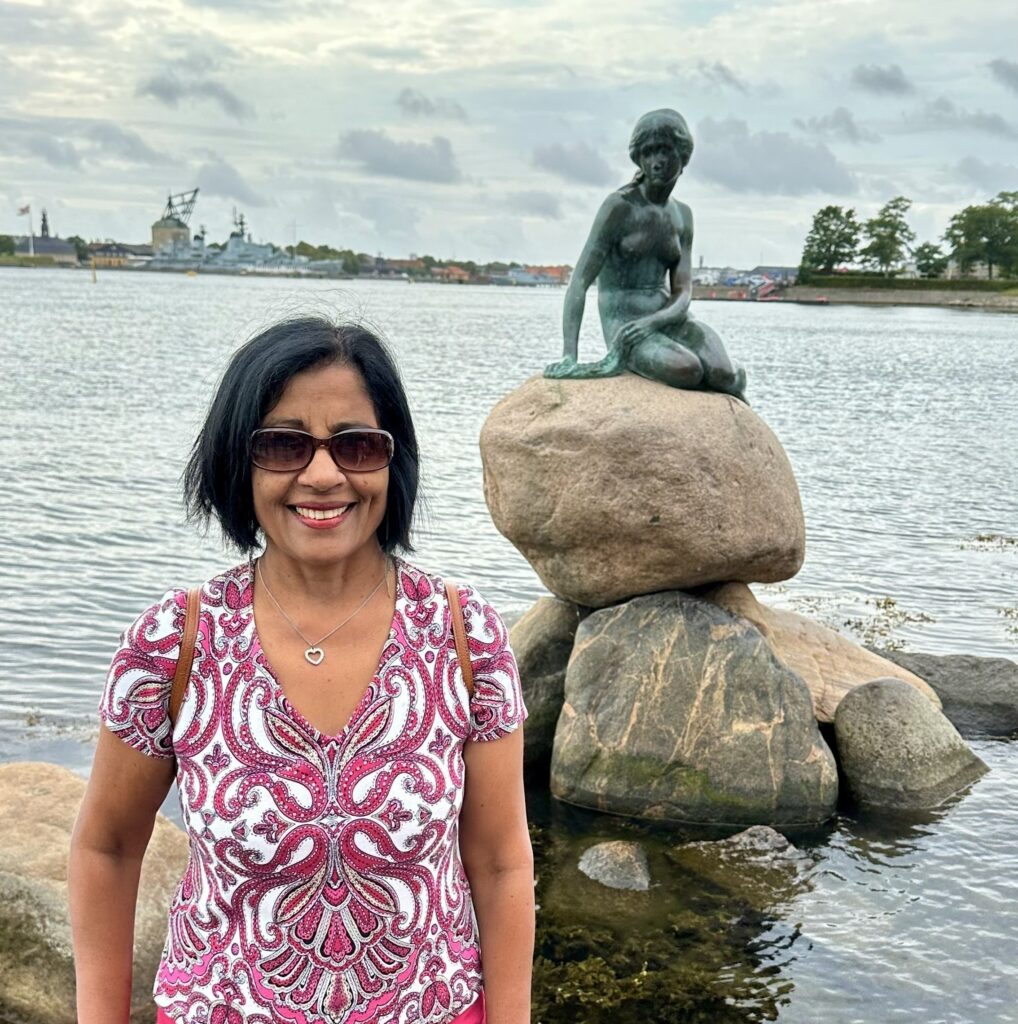
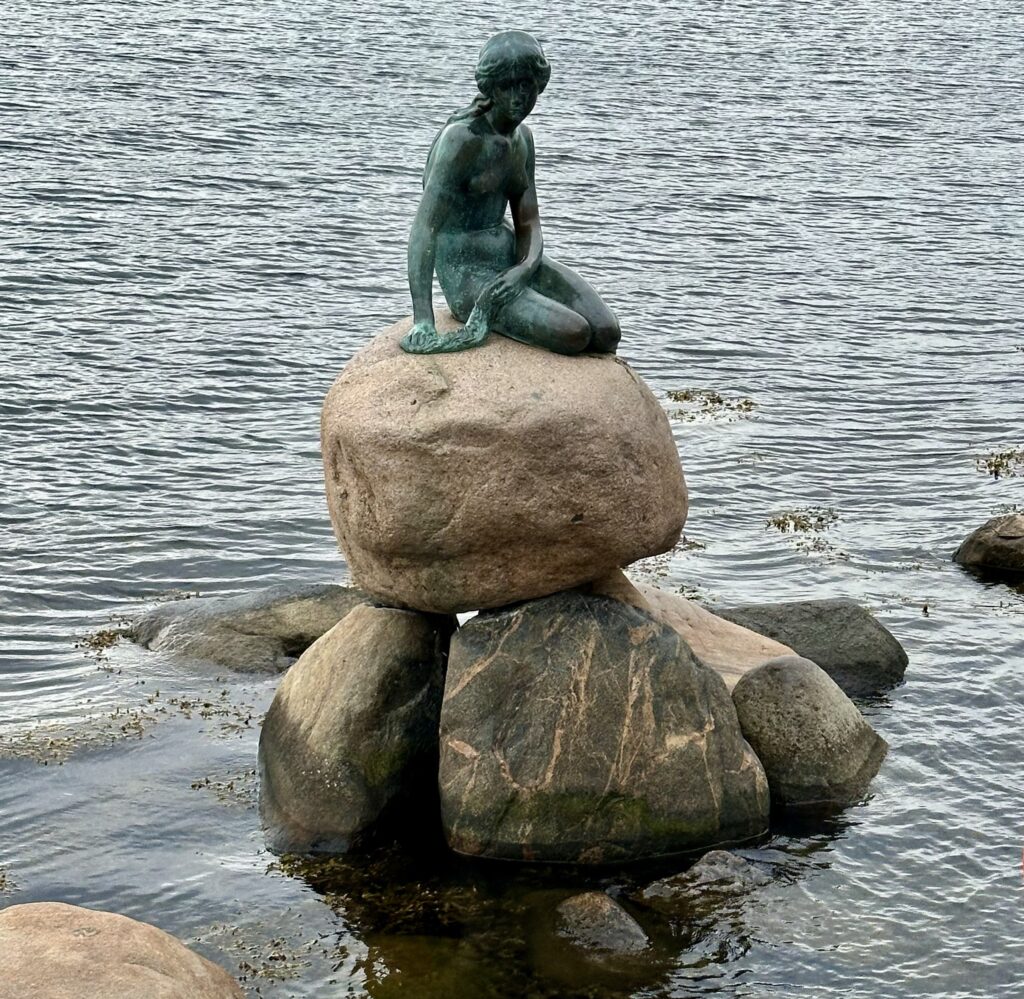
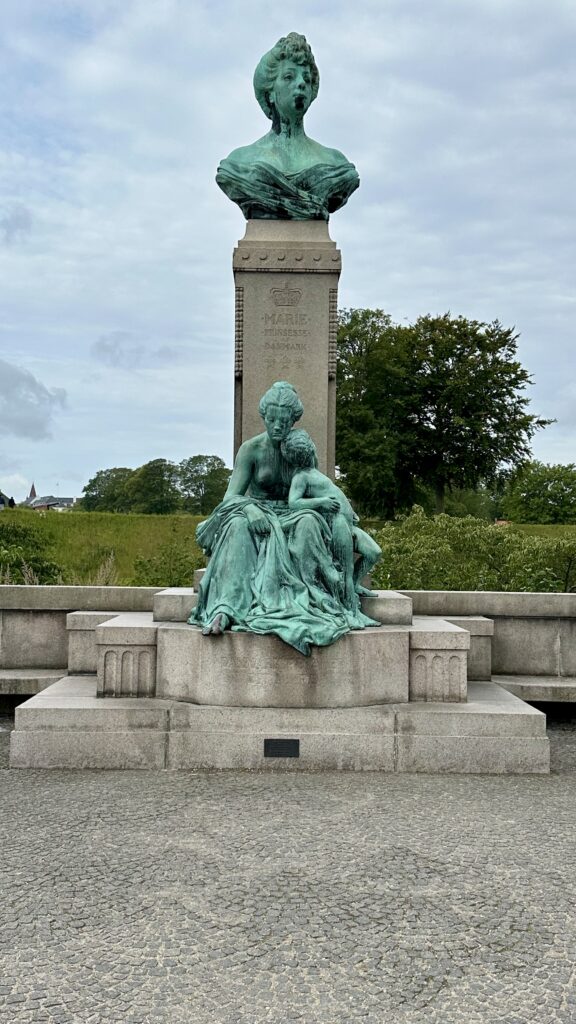
Langelinie Park – After checking out the statue of Little Mermaid, we took a stroll around this beautiful and peaceful park with many sculptures including Princes Marie who was a French Princess by birth and a Danish Princess by marriage to Prince Valdemar of Denmark, the youngest son of King Christian IX.
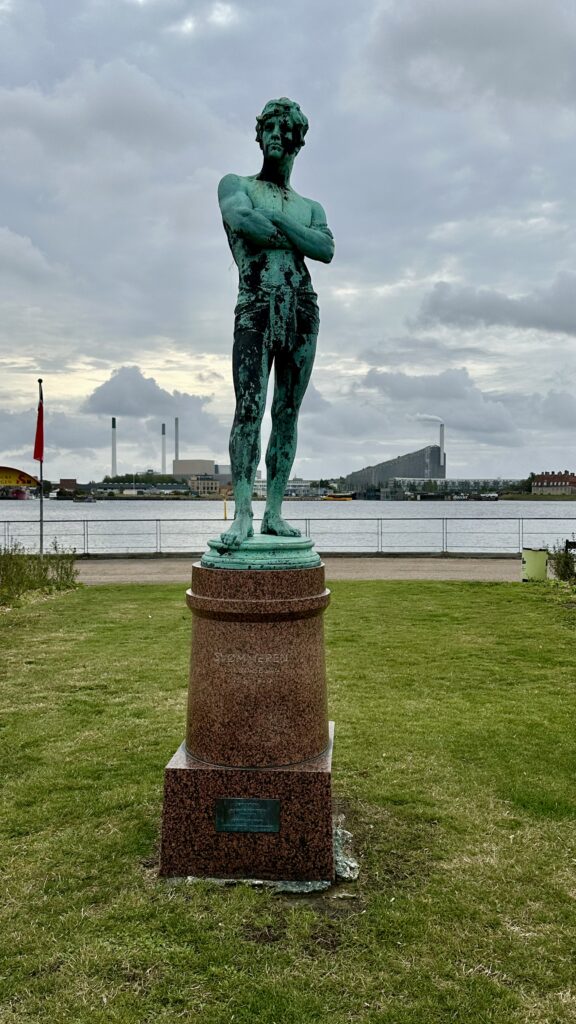
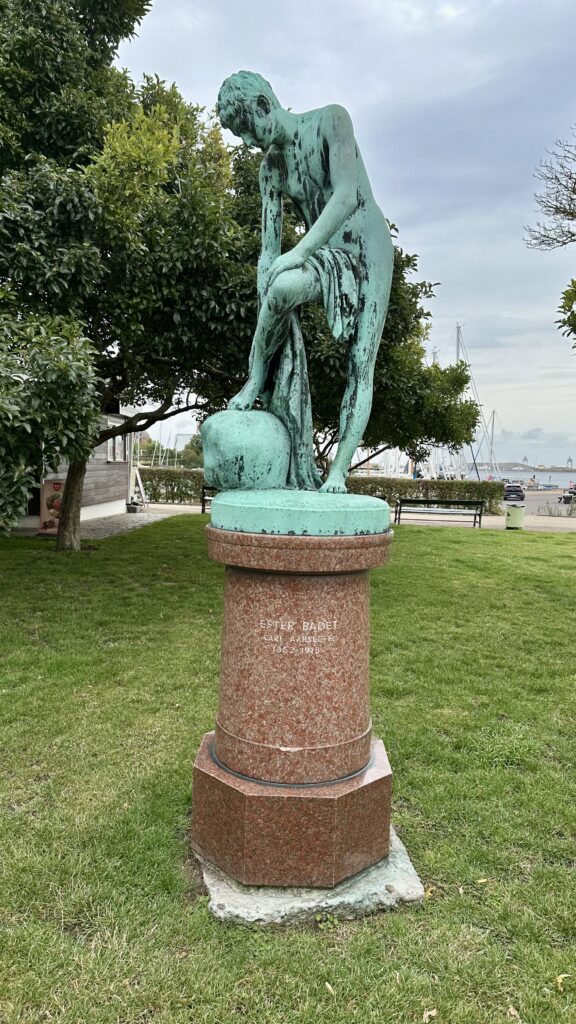
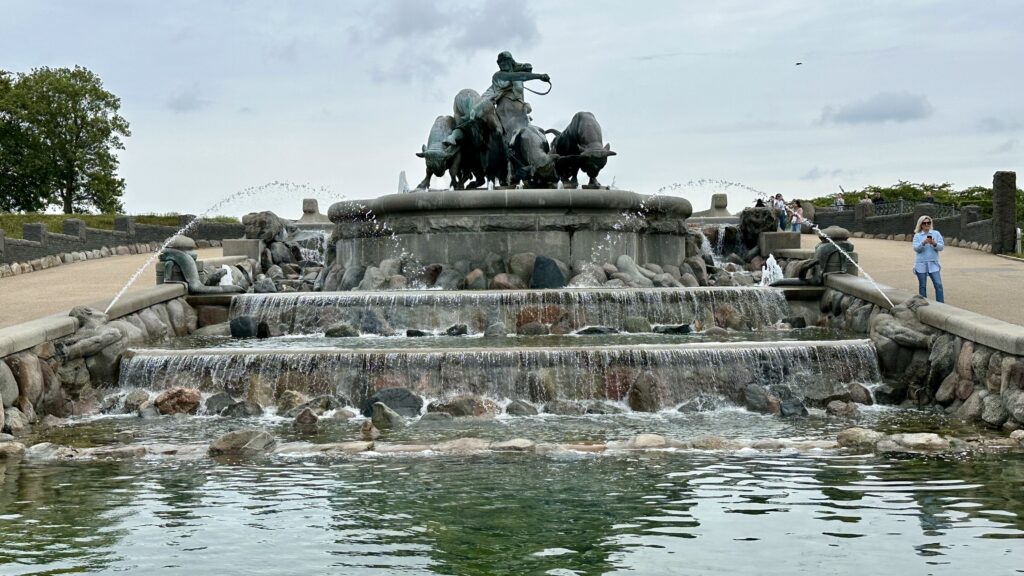
Gefion Fountain – Walking further, we came across the the large Gefion Fountain which features a large-scale group of oxen pulling a plow and being driven by the Norse goddess Gefion (Nordic goddess associated with ploughing). The fountain was donated to the city of Copenhagen by the Carlsberg Foundation on the occasion of the brewery’s 50-year anniversary.
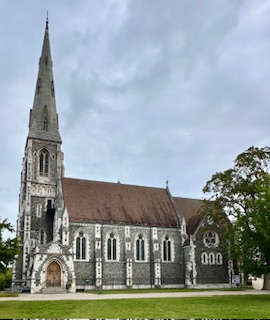
St. Alban’s Church – This church was right next to the Gefion fountain but was not open at the time we were taking a walk in the park. The church is often referred to simply as the English Church. It was designed as a traditional English parish church in the Gothic Revival style and was built between 1885 to 1887 for the benefit of the growing English congregation in the city.
The church is part of the Church of England’s Diocese in Europe and dedicated to Saint Alban who was the first martyr of Great Britain.
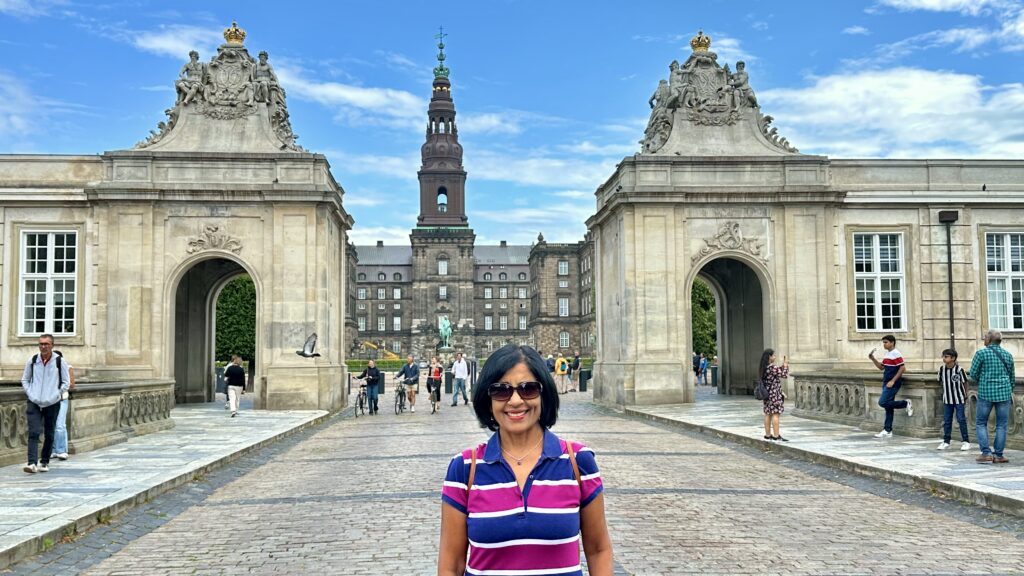
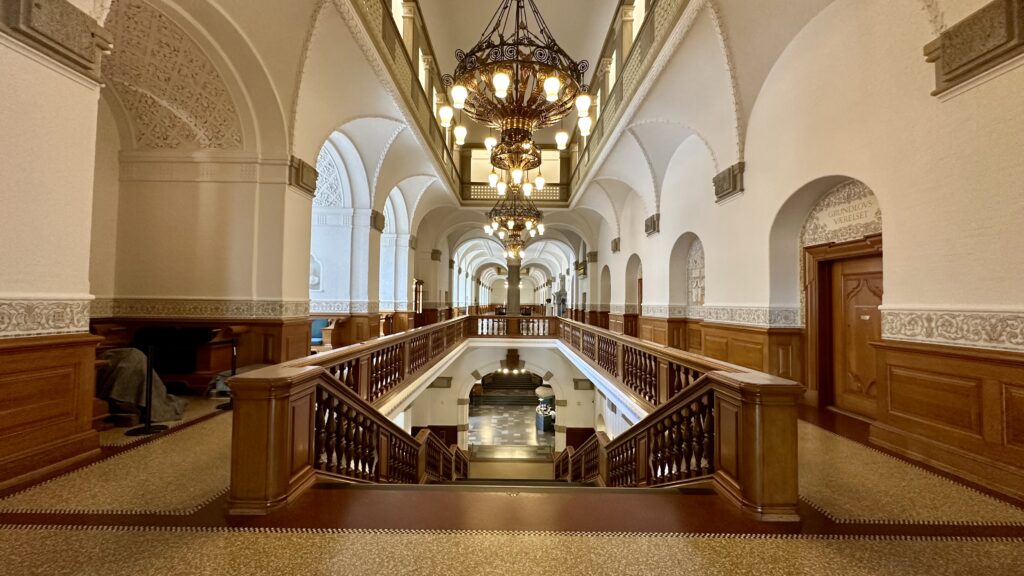
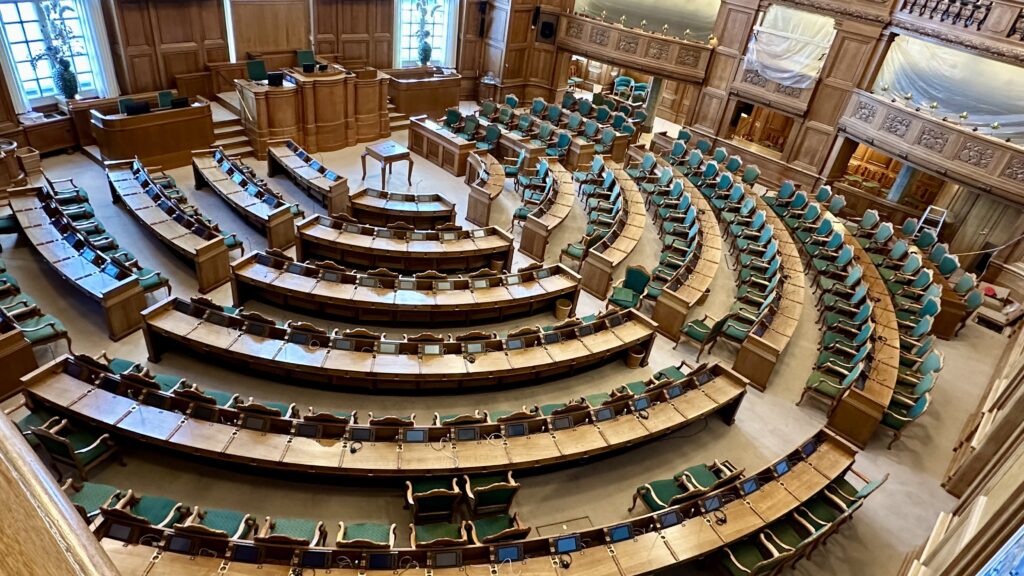
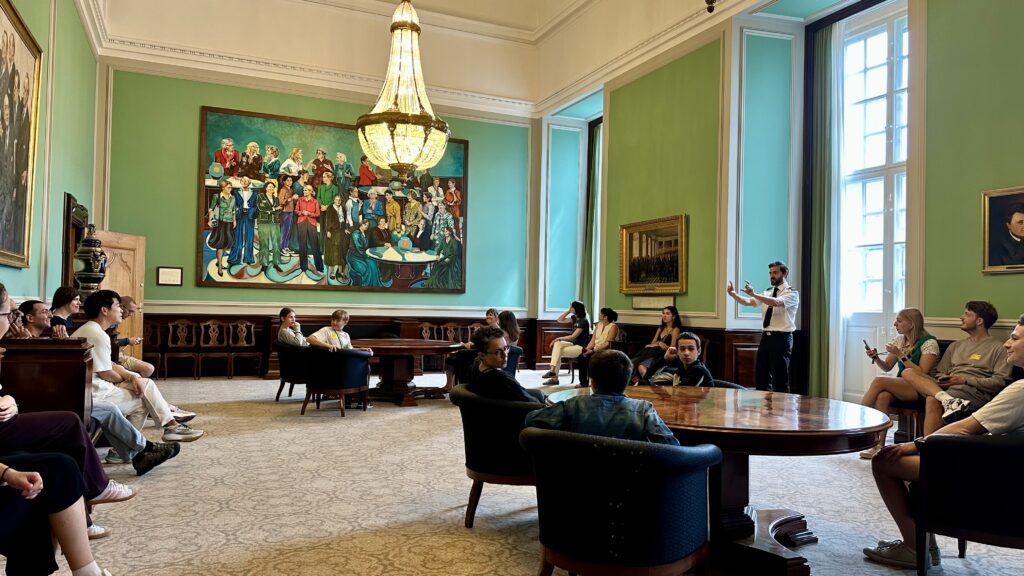
Christiansborg Palace – This palace is the hub of democracy in Denmark and home to the Danish Parliament, the Prime Minister’s Office, and the Supreme Court. Several parts of the palace is used by the Danish monarch, including the Royal Reception Rooms, the Palace Chapel, and the Royal Stables.
We had booked a free 45 min guided tour of the Parliament building.
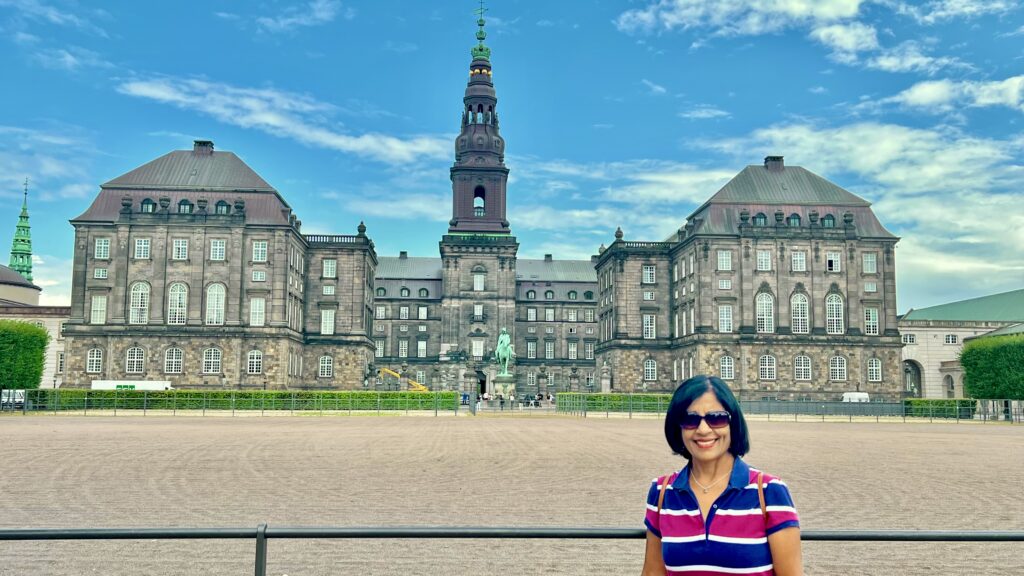
Christiansborg Palace Chapel – The Chapel is less than 5-min walk from the palace and across the Højbro Plads square. The chapel was open at the time we were in the area and was free to visit.
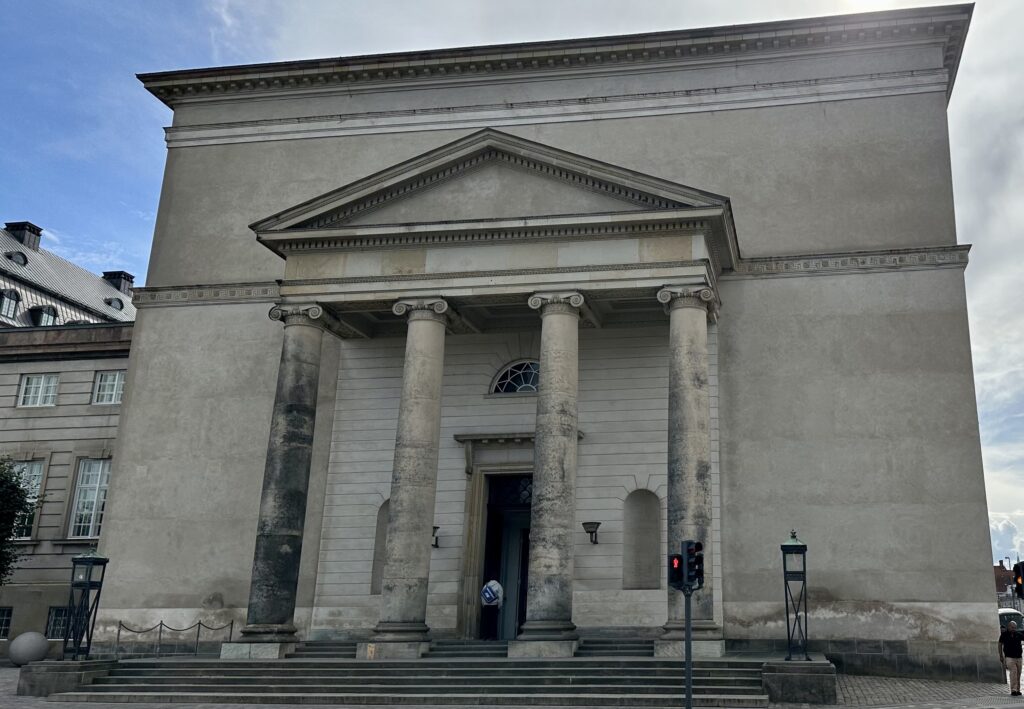
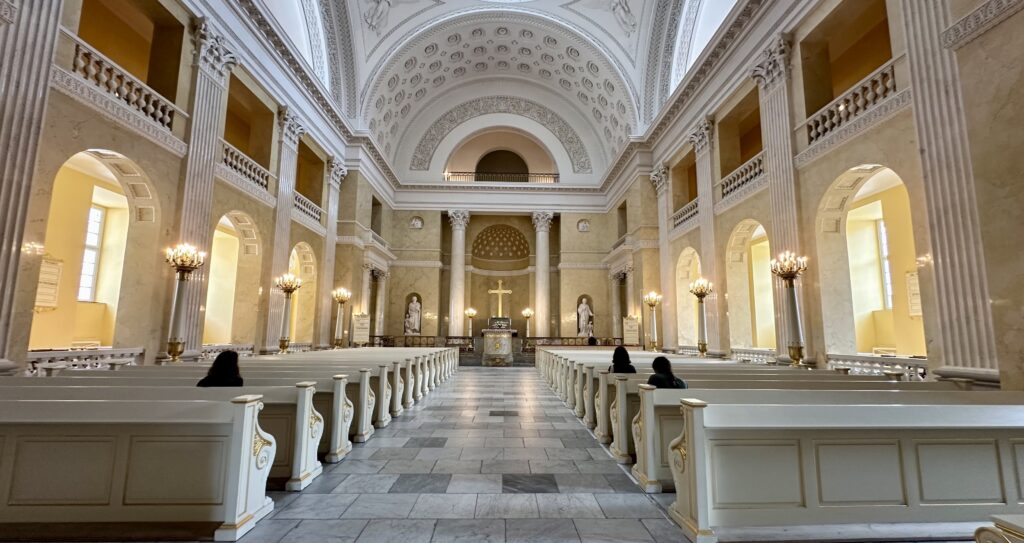
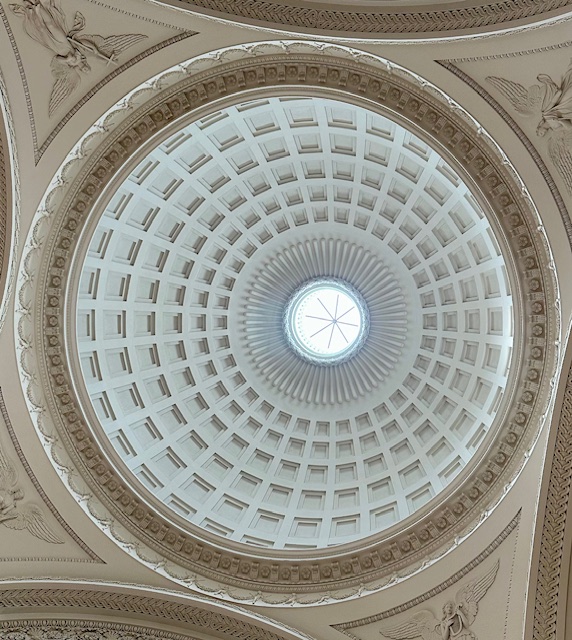
Occupying the site where Bishop Absalon built the earliest fortifications of the city in 1167, the ruins of the bishop’s castle and the medieval fortress were discovered when the present Christiansborg Palace was under construction. You have to pay to visit the following – Royal Reception Room, Royal Kitchen, The Ruins, and The Royal Stables.
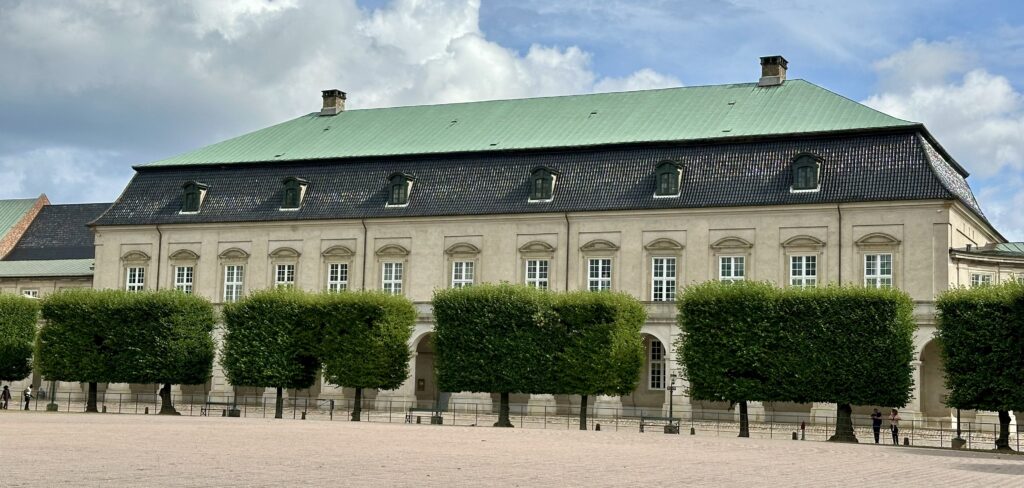
City Hall Square (Rådhuspladsen) – The square in the city center is dominated by Copenhagen Town Hall which was built between 1892 and 1905 and is a mix of Italian Renaissance and medieval Danish architecture. The facade of Copenhagen City Hall, designed by Martin Nyrop and inaugurated in 1905, features a gilded statue of Bishop Absalon situated above the balcony, commemorating his role as the city’s founder.
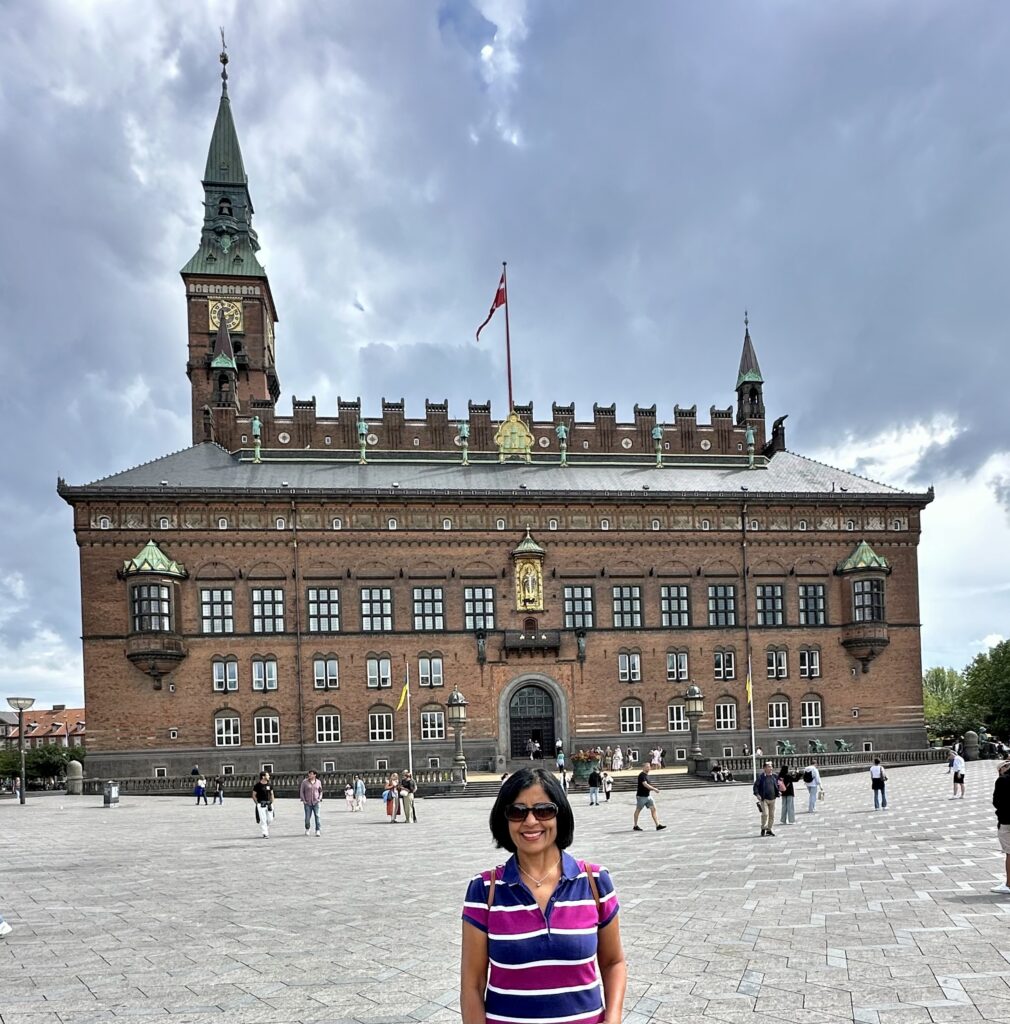
The square is an important public gathering space for demonstrations, to pay tribute to returning sports heroes, for big concerts, and for outdoor exhibitions and events including Copenhagen Pride. Among the sculptures in the square are The Dragon Fountain, showing a fight between a bull and a dragon, and a statue of Hans Christian Andersen.
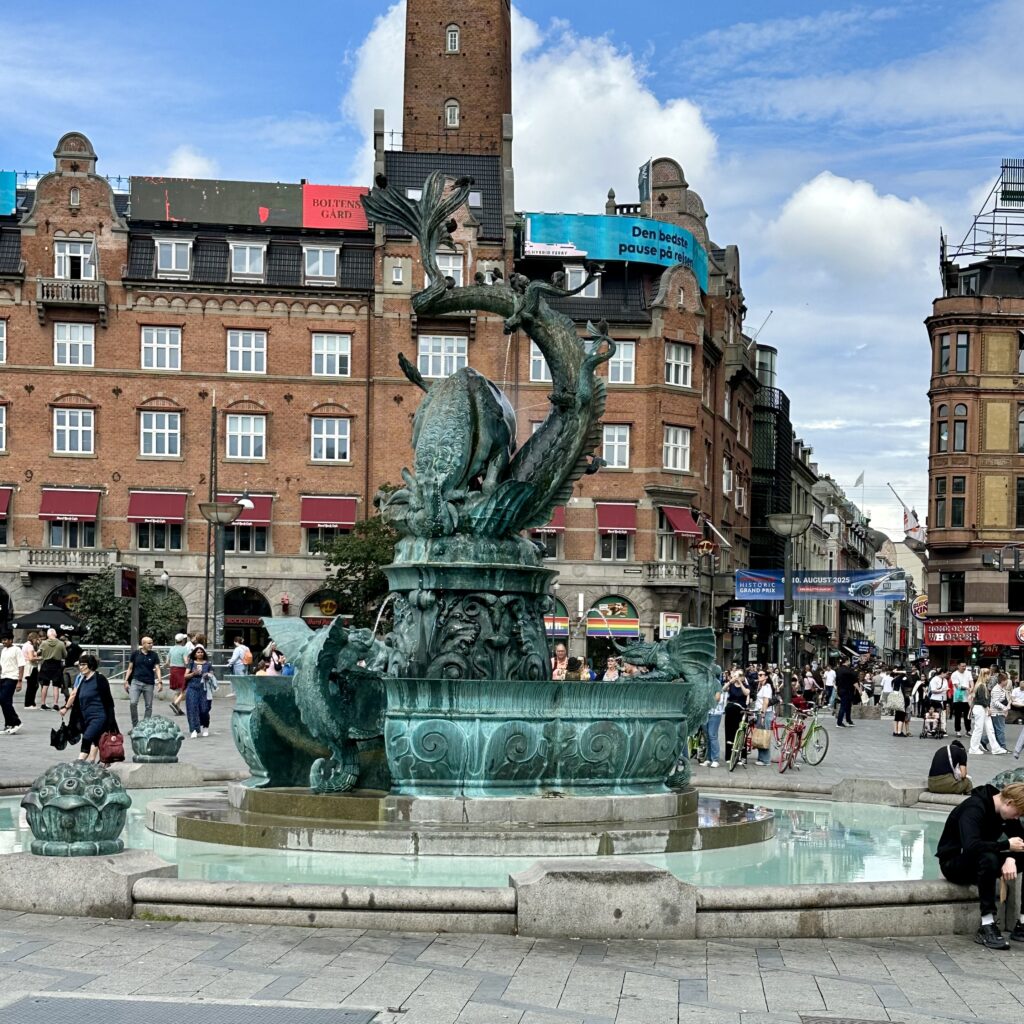
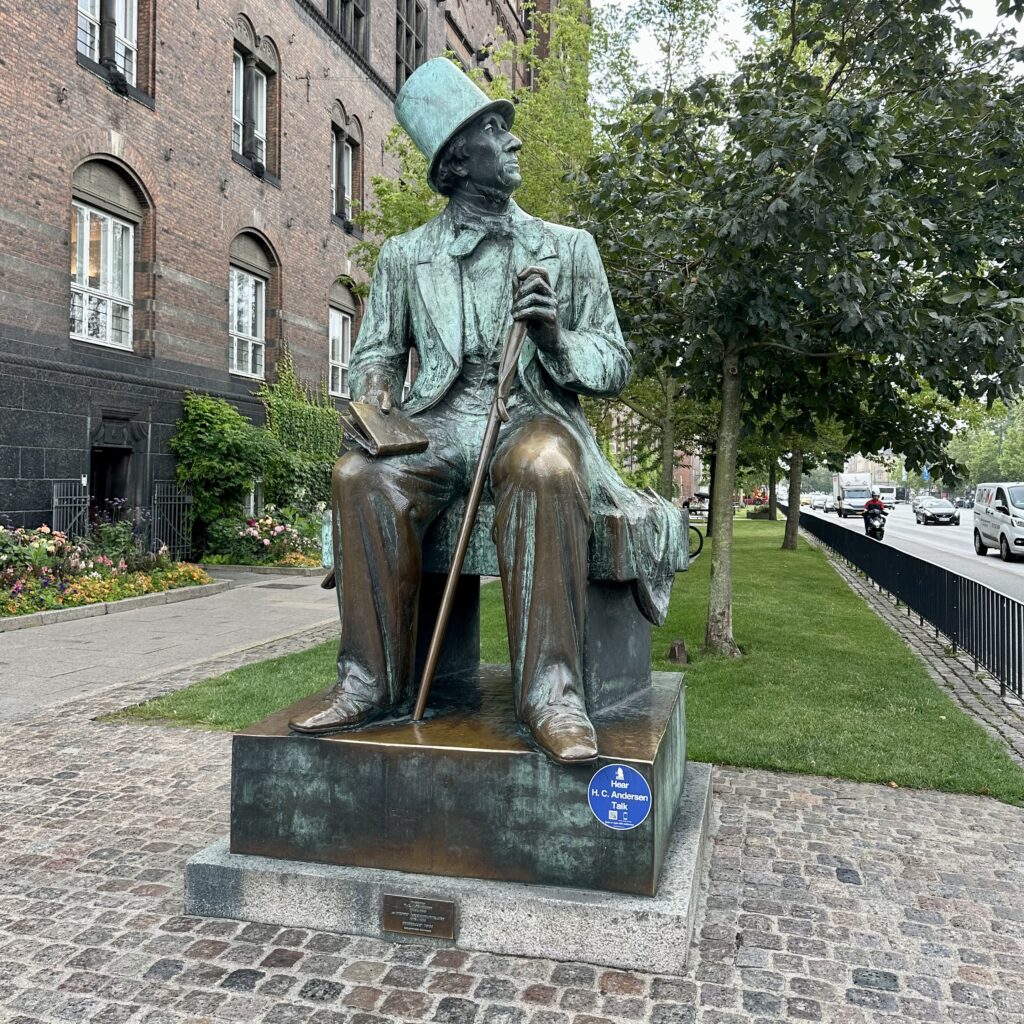
Guided tours of the City Hall and Tower are available and can be booked in advance. Keep aside 2 hours if you want to go on a guided tour of the city hall and the tower.
- City Hall Tour – Monday-Friday at 1pm or Saturday at 10am. The tour is about 50-60 minutes long and the guide takes you around the City Hall.
- City Hall Tower Tour – you can join the tour Monday-Friday at 11am and 2pm or Saturday at 12pm. There are about 300 steps to the balcony of the tower and no elevator.
We went on a guided tour of the City Hall and the Tower. The interior of the building is richly decorated. Within the inner Grand Hall, busts of prominent Danish figures, such as fairy tale writer Hans Christian Andersen, Nobel prize winning physicist Niels Bohr, and architect Martin Nyrop, are displayed.
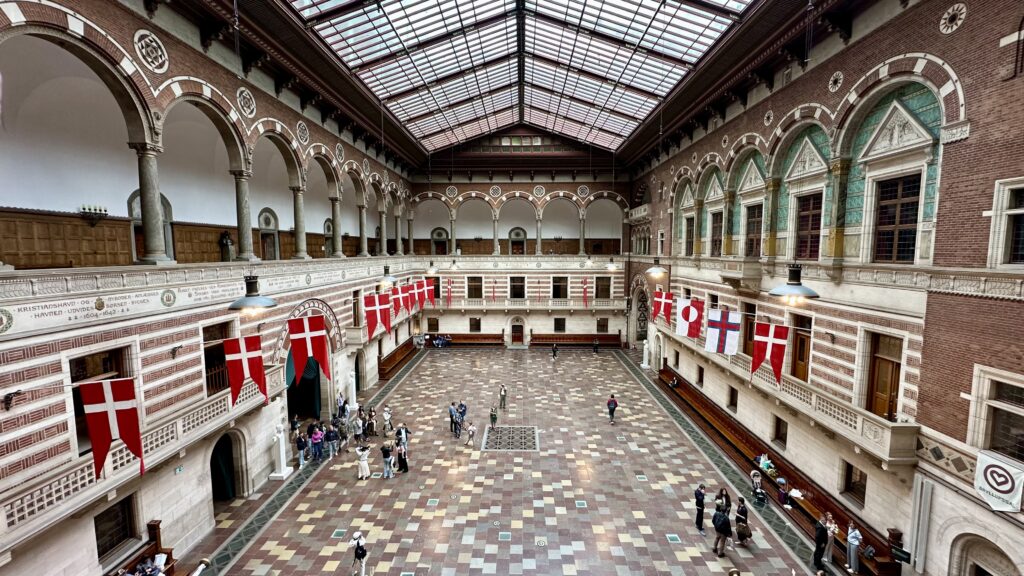
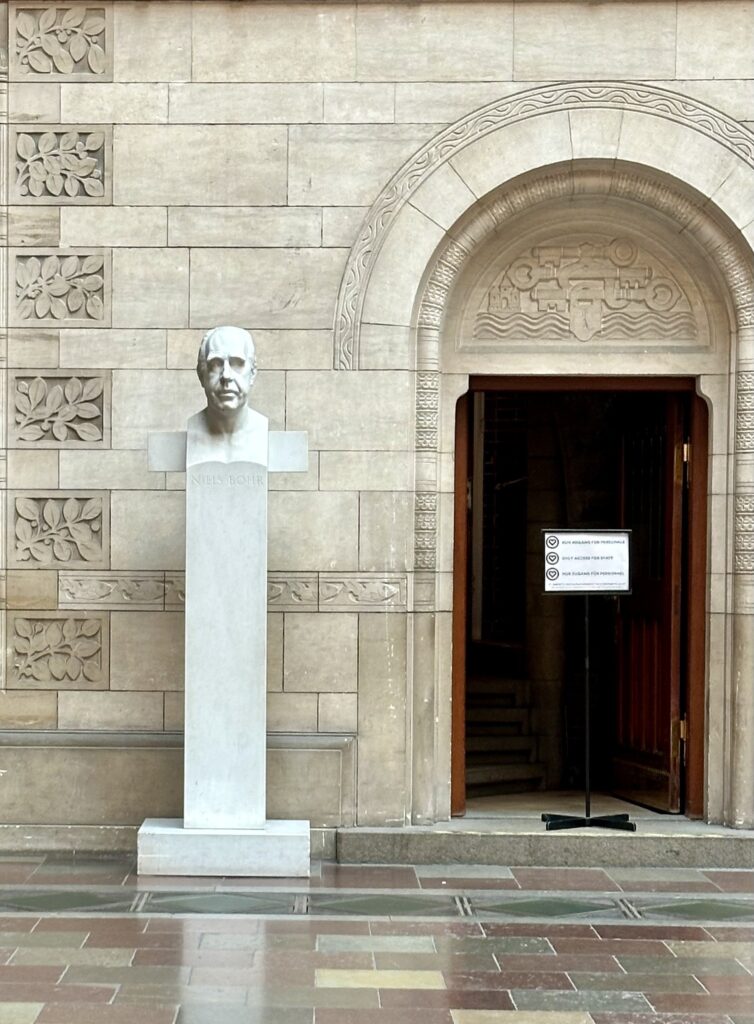
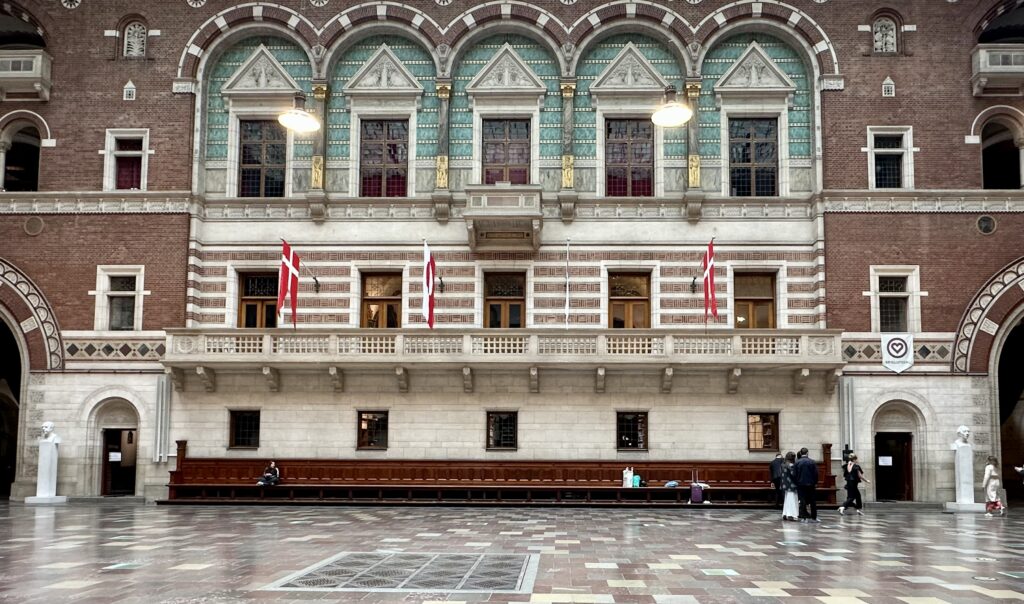
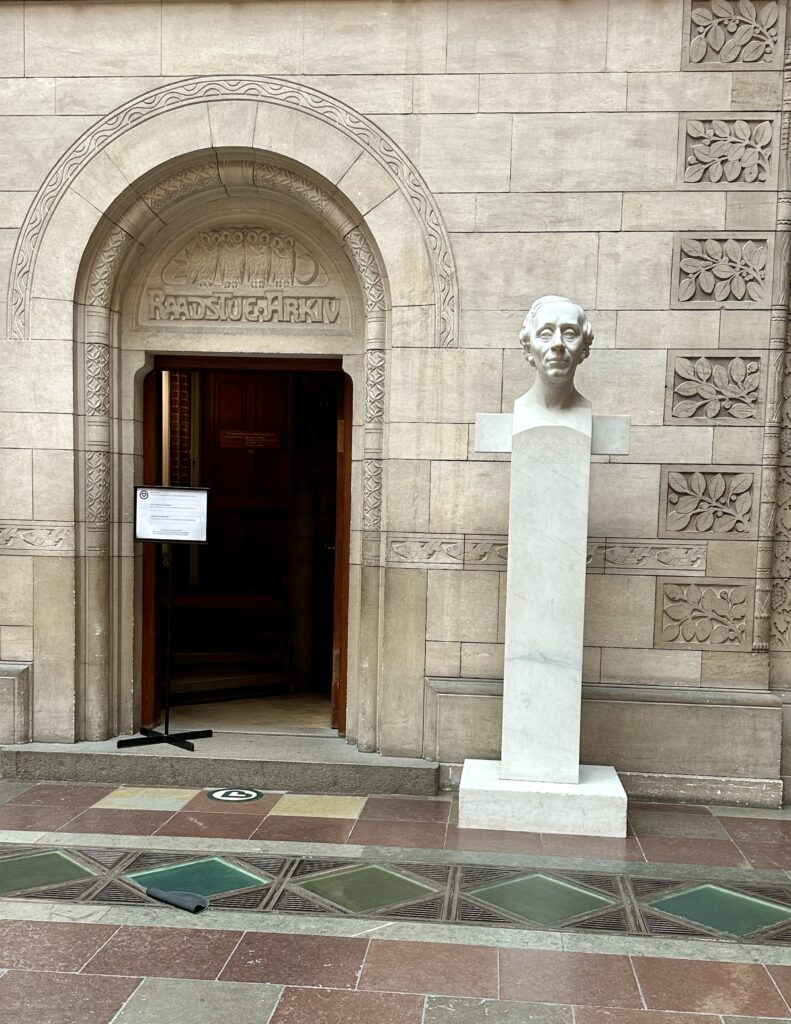
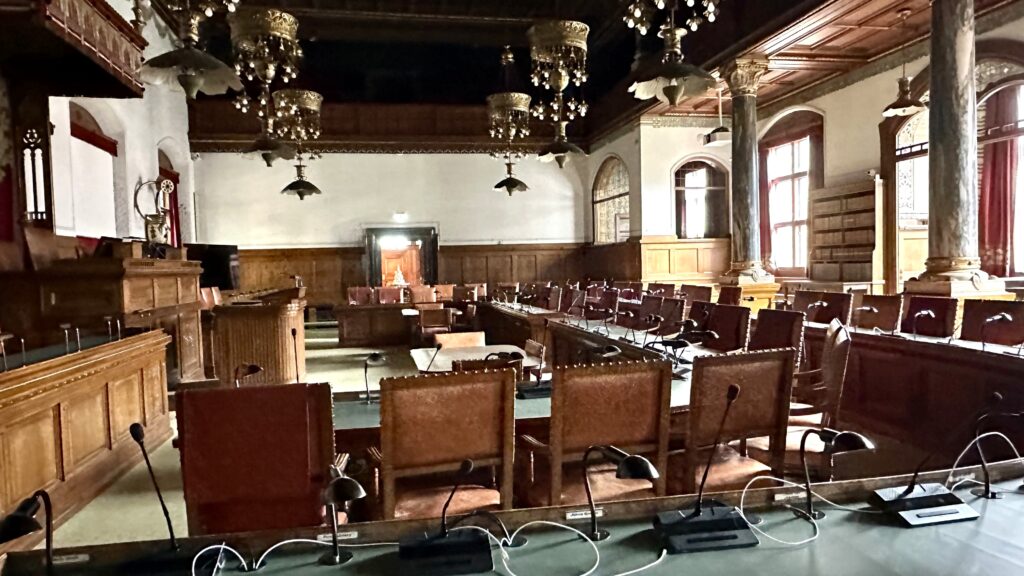
The City Hall is used today for Civic Council meetings, weddings, and national celebrations.
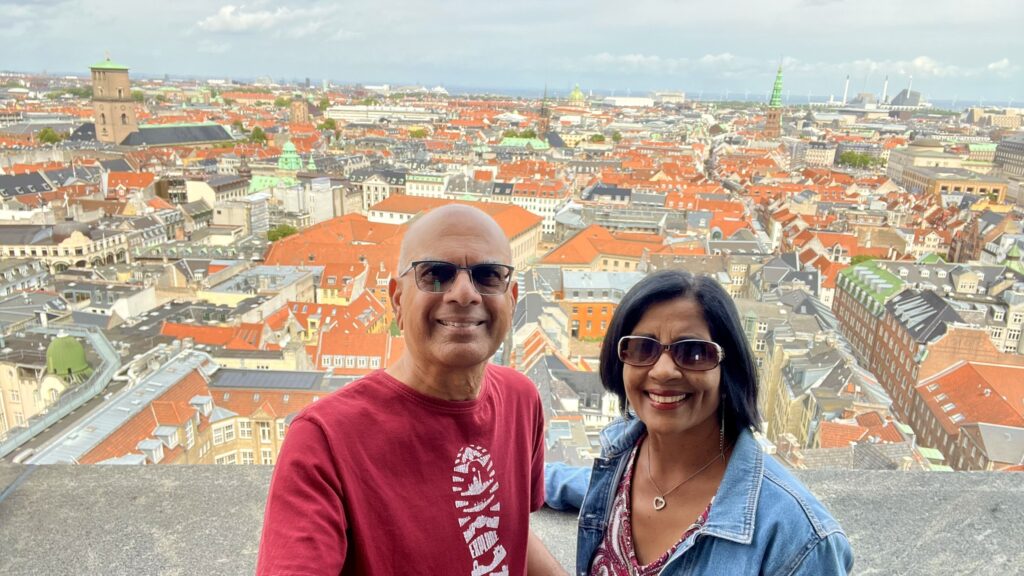
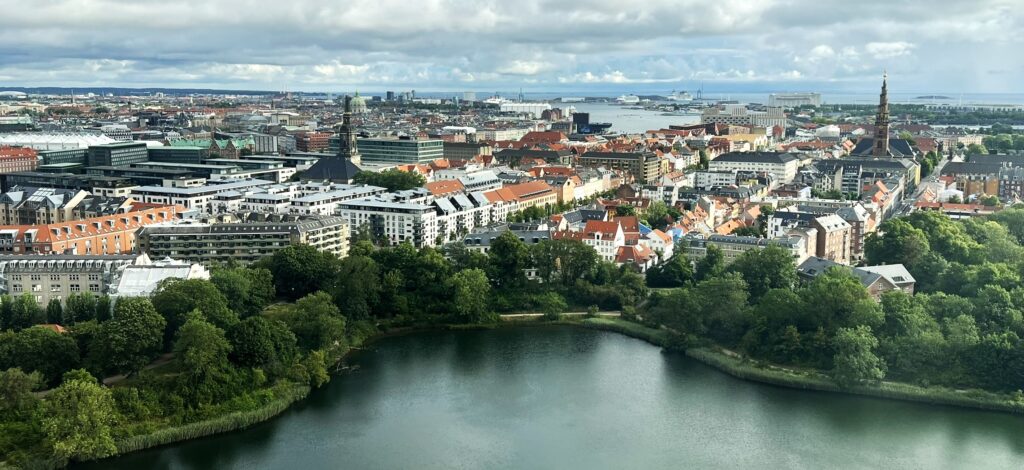
City Hall Tower – involves climbing 300 steps and once you reach the top, you get a splendid view of the city of Copenhagen.
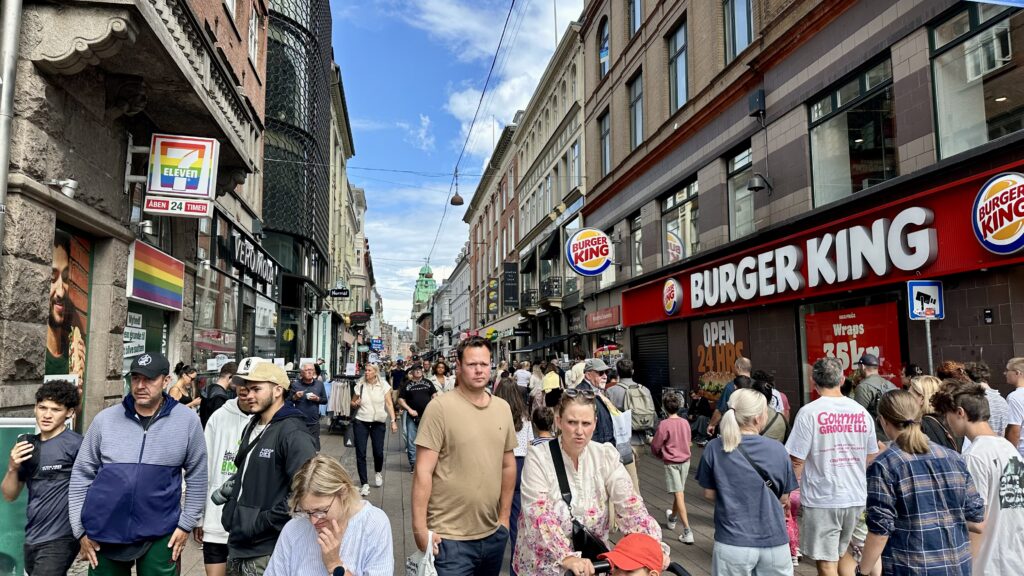
Strøget Shopping Mile – This street begins (or ends) at the City Hall square. After visiting the City Hall, we walked on to this street looking for a place to eat and found a nice Mediterranean restaurant where we found many vegetarian options. This is a bustling shopping area where you’ll find a wealth of boutiques, cafés, and restaurants.
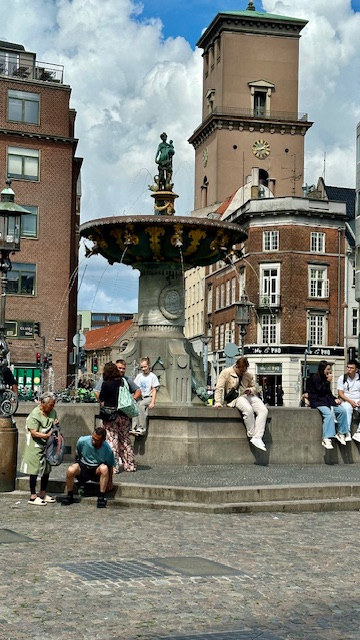
Gammeltorv (Old Square) – Strøget leads into Gammeltorv which is the oldest square in Copenhagen. With adjoining Nytorv it forms a common space along the Strøget pedestrian zone. While the square dates back to the foundation of the city in the 12th century, most of its buildings were constructed after the Great Fire of 1795. Another dominating feature is the Caritas Well, a Renaissance fountain erected by King Christian IV in 1610.
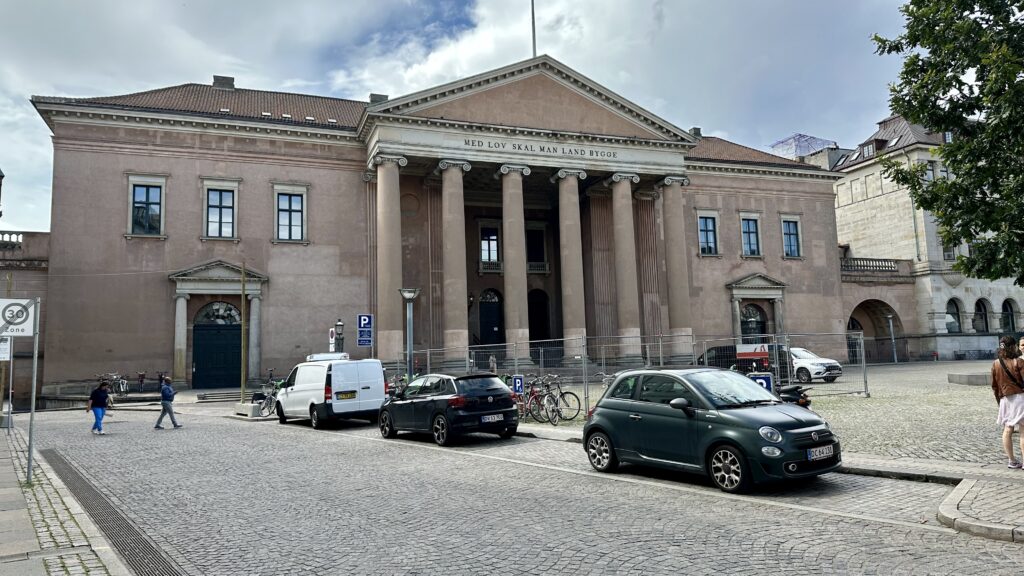
Historically, Gammeltorv has been the focal point of Copenhagen’s judicial and political life as well as one of its two principal marketplaces. The historic Copenhagen Court House is located in Nytorv. Originally built as a combined city hall and courthouse in 1815, it now serves as the seat of the District Court of Copenhagen.
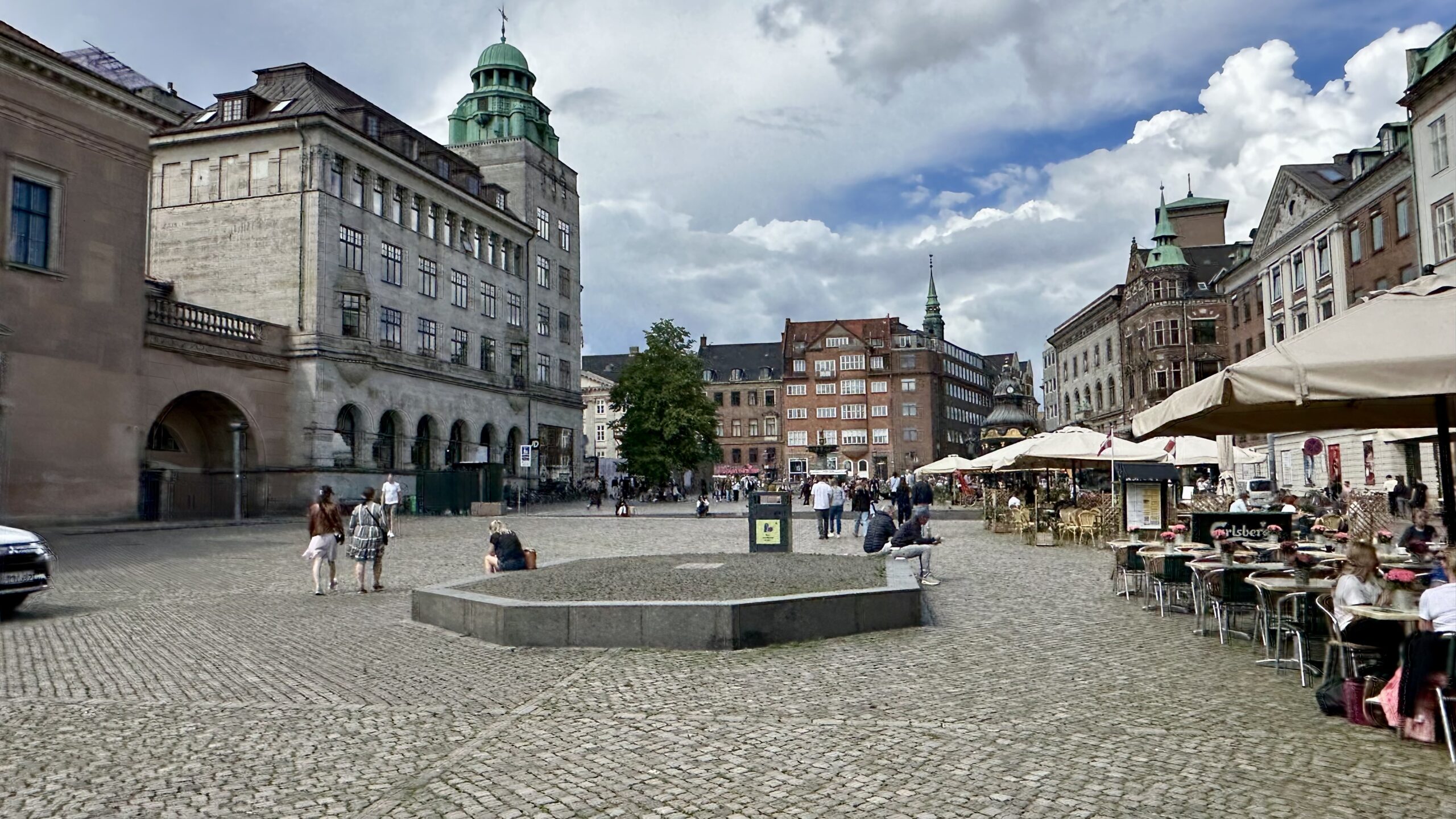
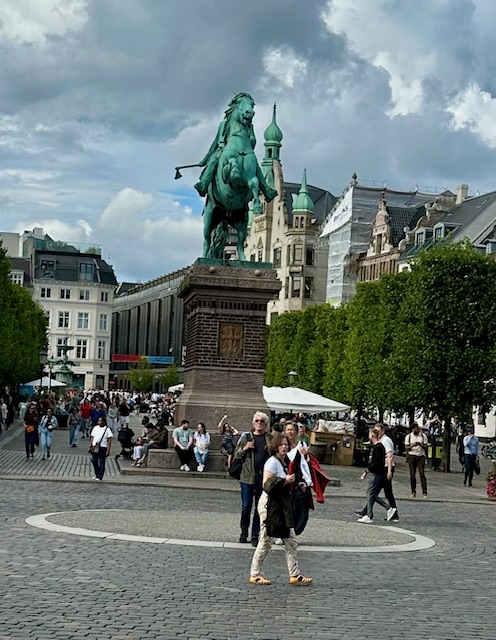
Højbro Plads (High Bridge Square) – As you continue walking on Strøget street, you will come across another public square with an equestrian statue of Bishop Absalon, the warrior-bishop who has traditionally been credited as the founder of Copenhagen. It is a relatively new square that was laid out following the Great Fire of 1795. There are a lot of cafes and high end stores around the square.
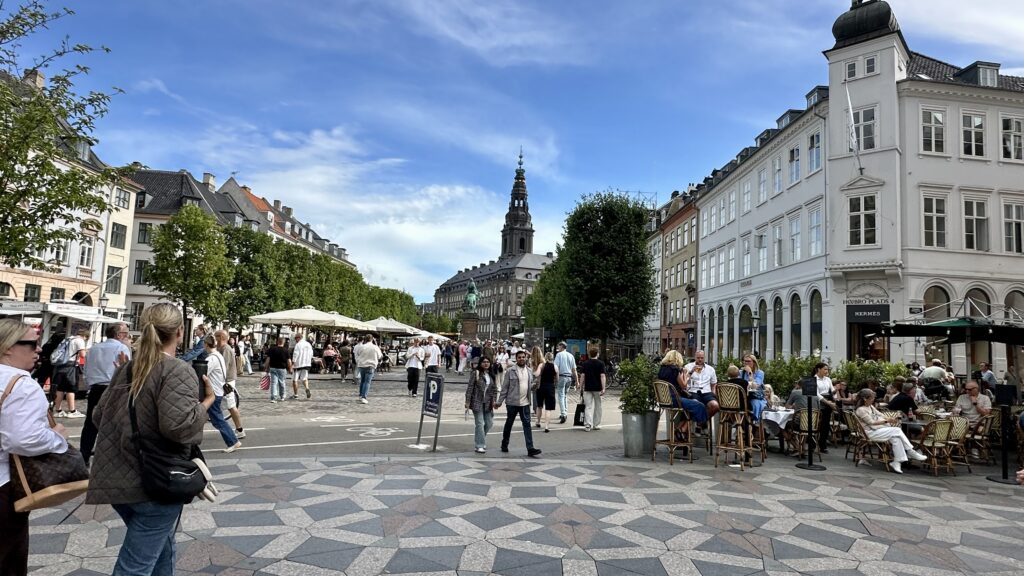
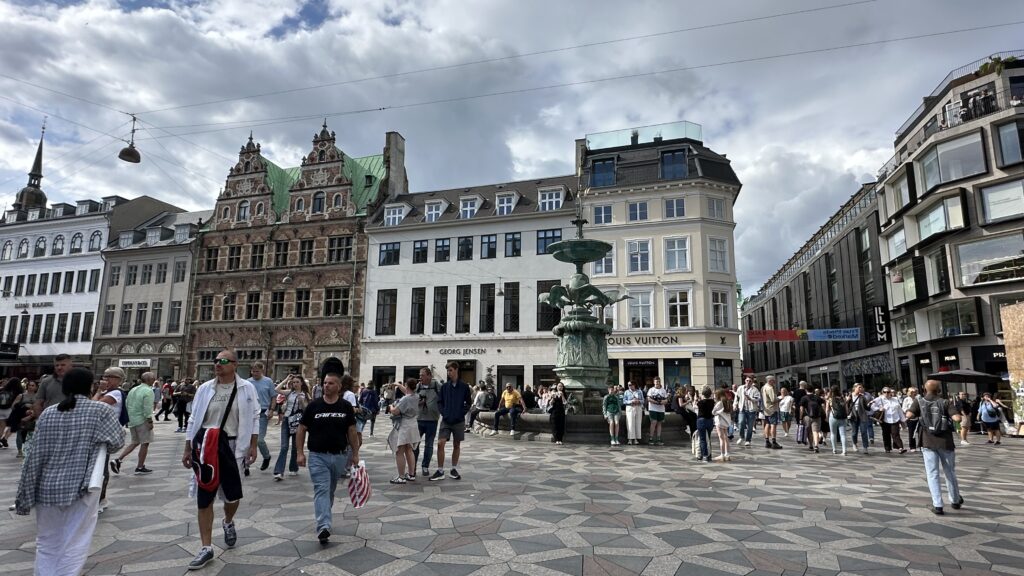
Kongens Nytorv (The King’s New Square) – This public square is at the end of the pedestrian Strøget street. The largest square of the city, it was laid out by Christian V in 1670 in connection with a major extension of the fortified city, and has an equestrian statue of him in the center.
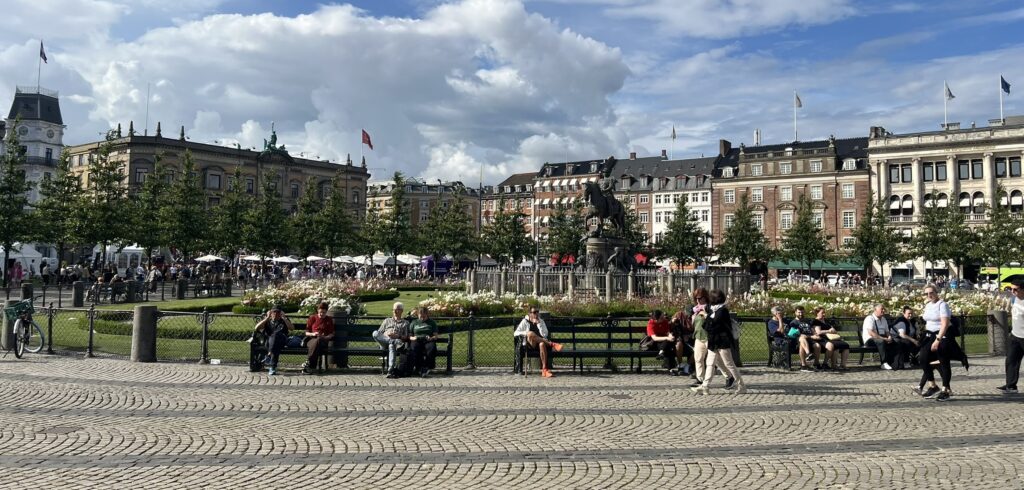
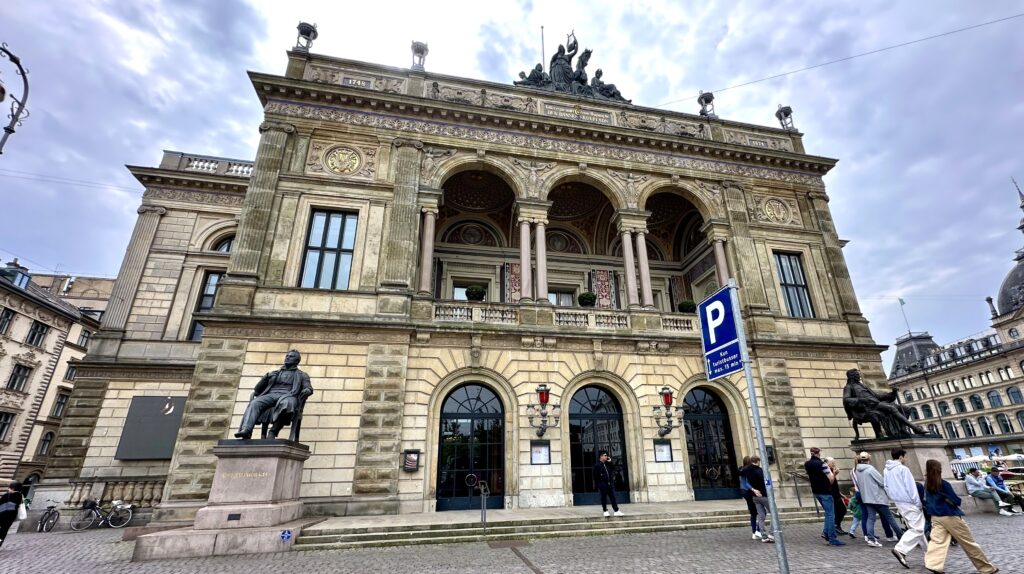
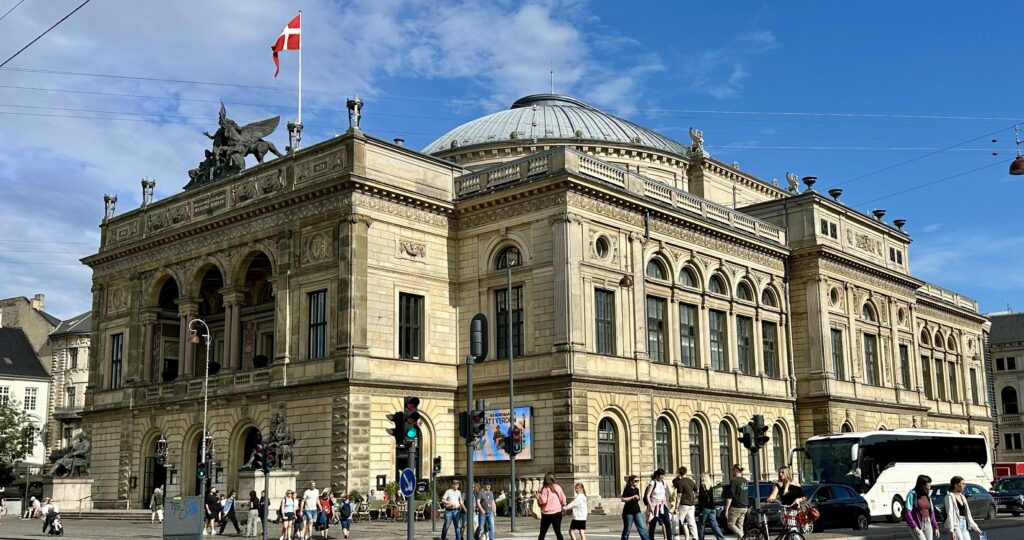
The Royal Danish Theater built in 1874 dominates one side of the square.
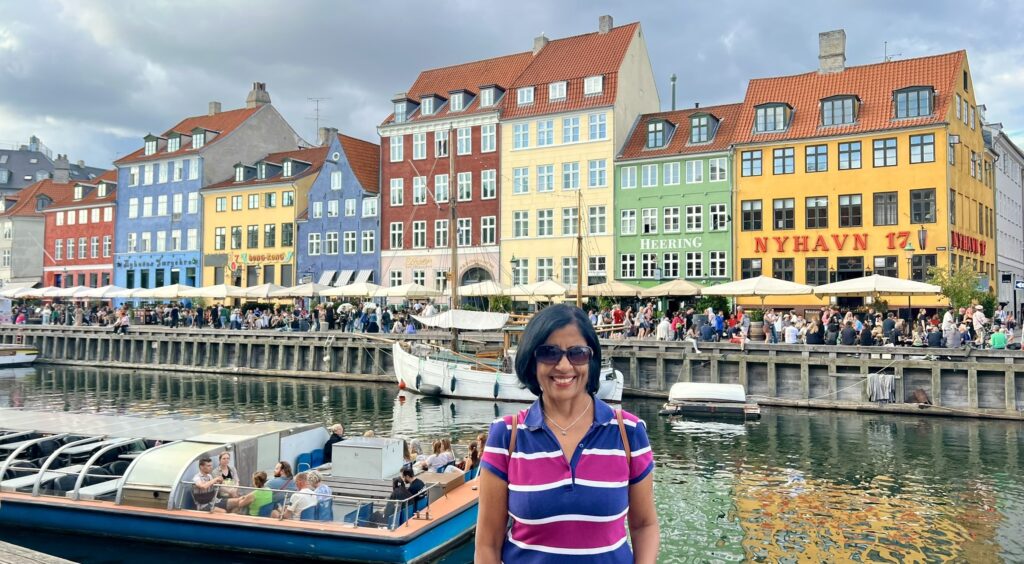
Nyhavn Harbor – A 5-min walk from Kings Square brings you to the Nyhavn harbor where you will be greeted with a splash of colors. The canal district is lined with brightly colored 17th and 18th century townhouses, bars, cafes, and restaurants. The canal also harbors many historical wooden ships.
Nyhavn was constructed by King Christian V from 1670 to 1675, dug by Danish soldiers and Swedish prisoners of war from the Dano-Swedish War 1658-1660.
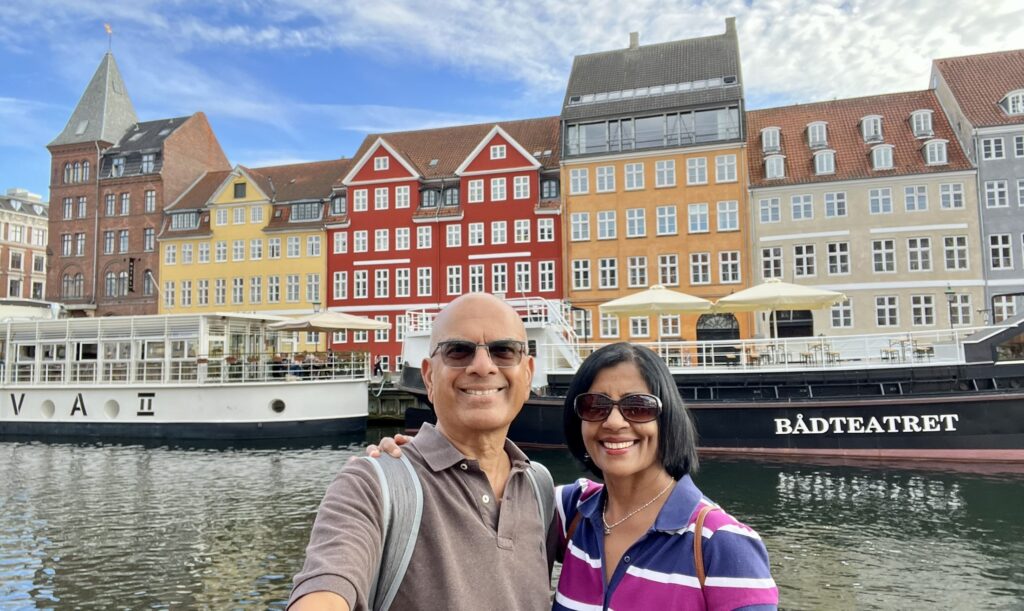
The bright yellow Nyhavn 17 building you will see along the canal, has the world’s oldest tattoo shop, Tattoo Ole. The Danish King Frederik IX was tattooed here a few times. Another bit of interesting information – the Danish author Hans Christian Anderson lived at Nyhavn for 18 years.
Amalienborg Palace – is the official residence of the Danish royal family. It has 4 identical classical facade, effectively 4 palaces laid around an octagonal courtyard. At the center is a large equestrian statue of King Frederik V. The four palaces (Levetzau, Brockdorff, Moltke, Schack) facing onto the square were originally built as homes for the nobility, but were taken over by the Royal Family after a fire at Christiansborg in 1794. The palace takes its name from Queen Sophie Amalie who had a sumptuous summer retreat on the site, which also burned down in 1689. Today, Queen Margrethe II and her family occupy the upper story of Schack Palace, and the Moltke Palace is used for official purposes.
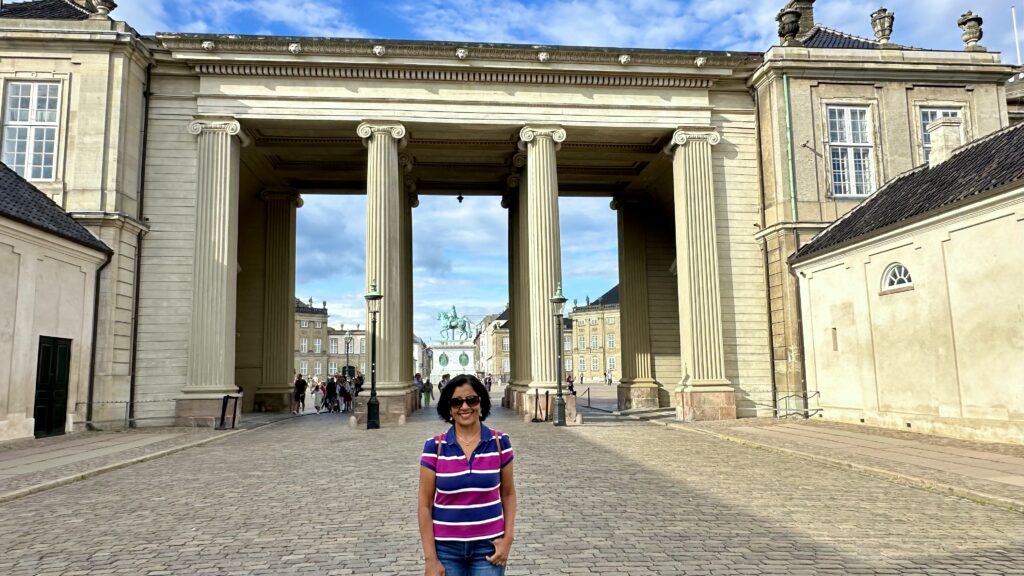
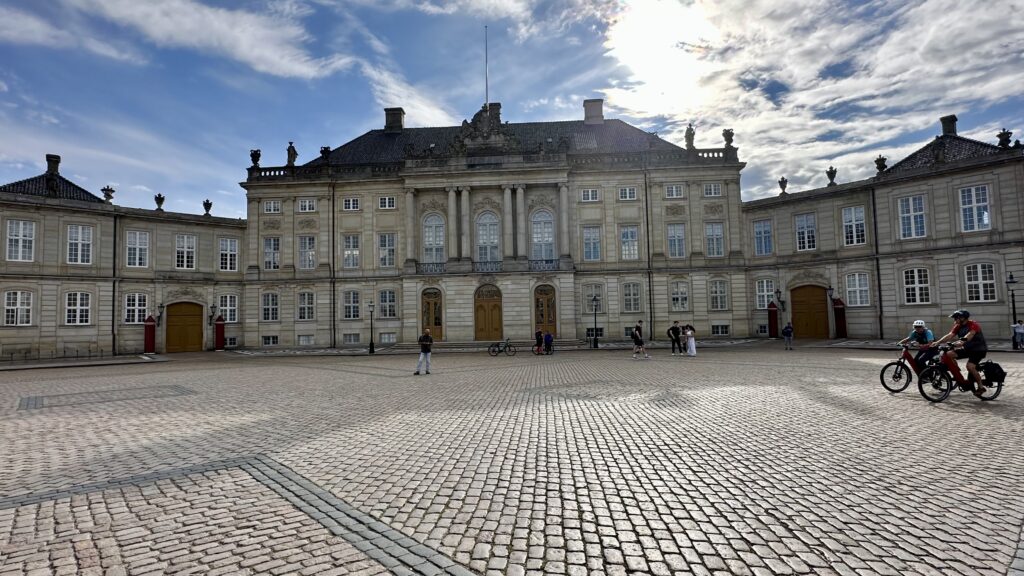
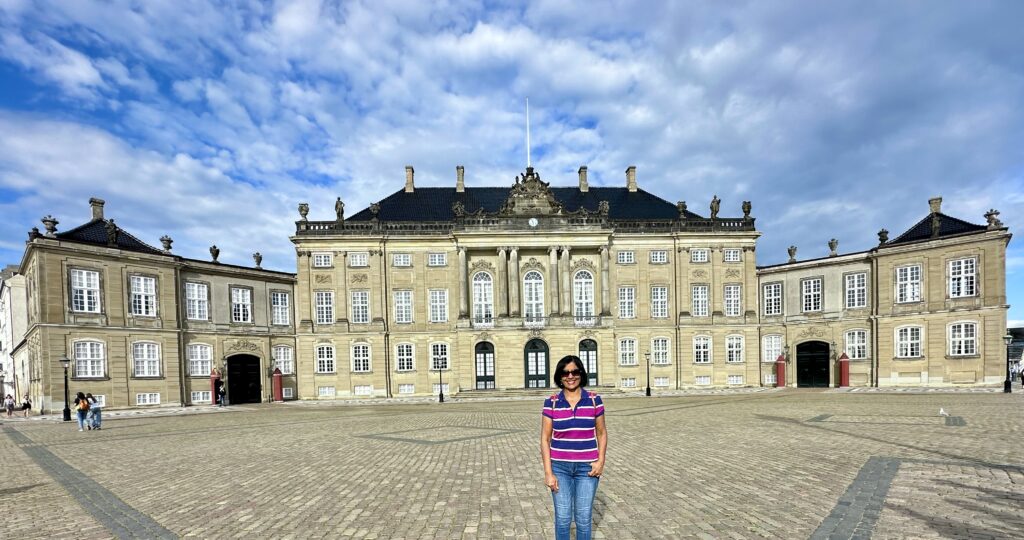
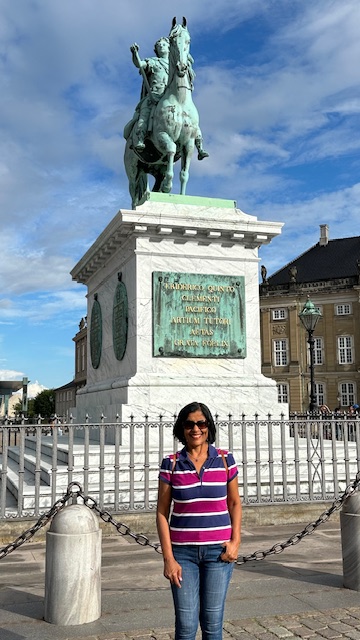
We bought a combined ticket to visit both Amalienborg and its sister palace Rosenborg. Plan on spending 60-75 minutes at Amalienborg which offers two royal experiences that let you get close to royal history through the last 250 years.
In Christian VIII’s Palace (Levetzau’s Palace) the museum offers an insight into royal life past and present.
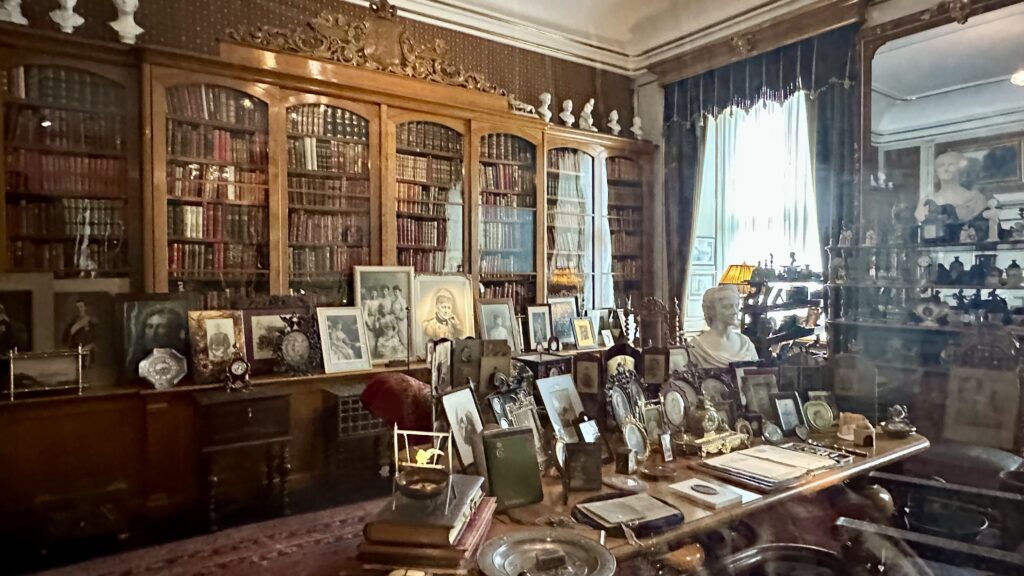
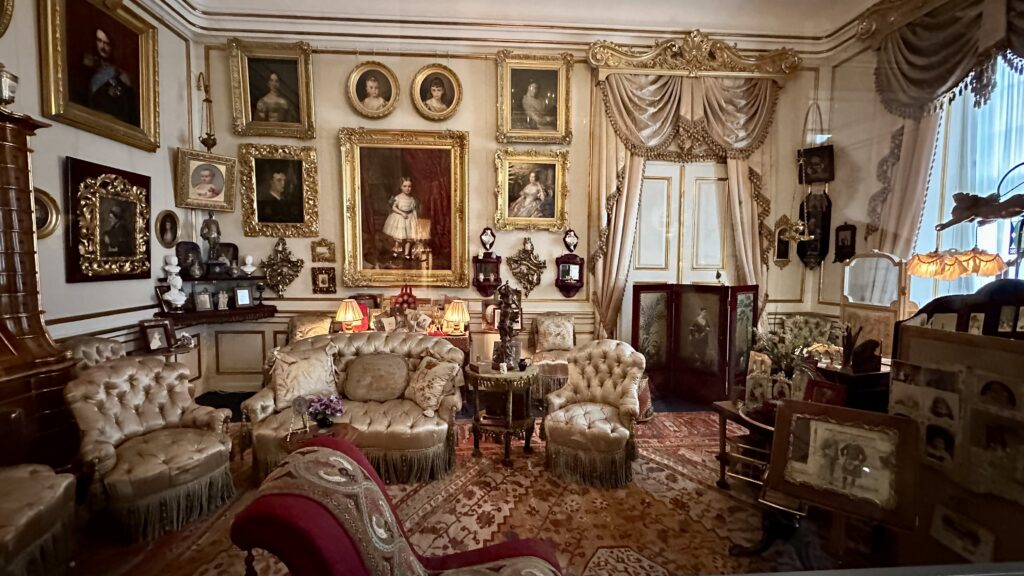
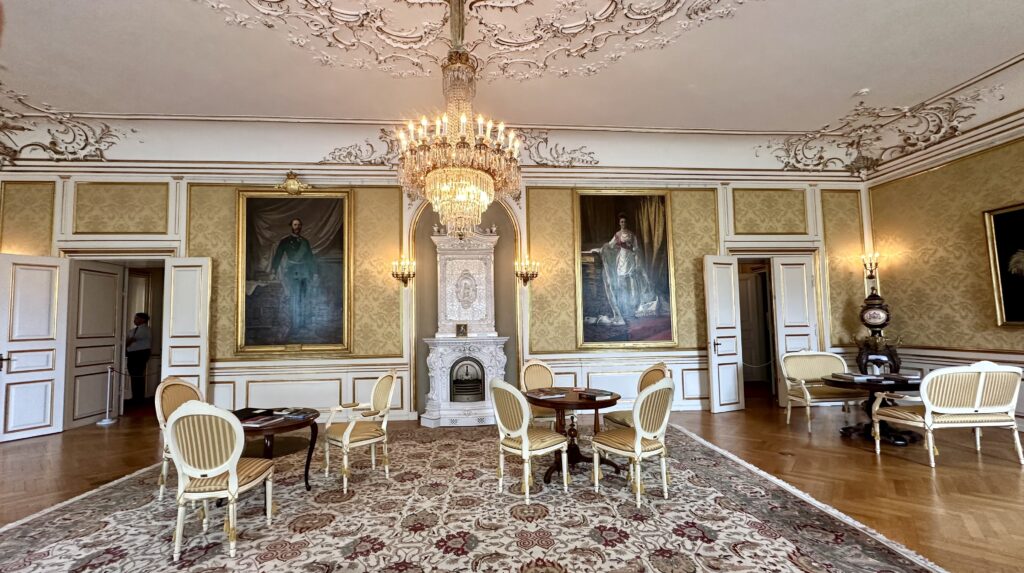
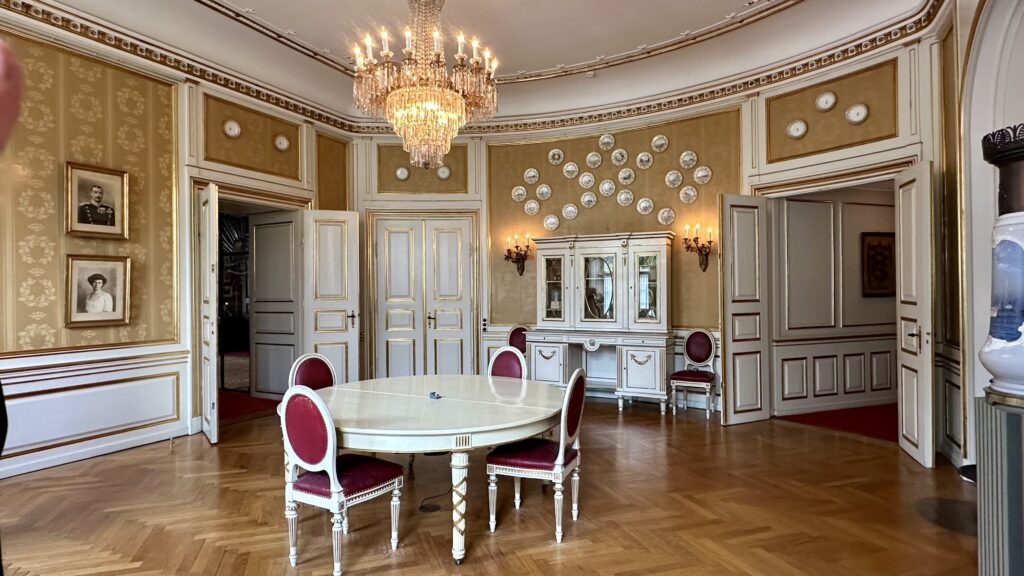
In Christian VII’s Palace (Moltke palace) you can walk in the footsteps of the royal guests, and be shown round the magnificent rooms where grand festivities are held.
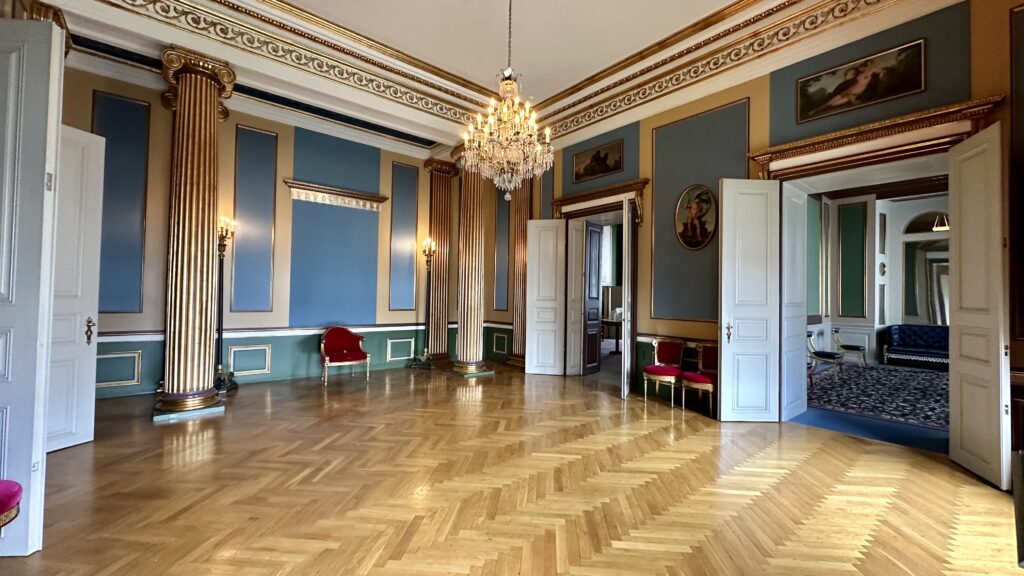
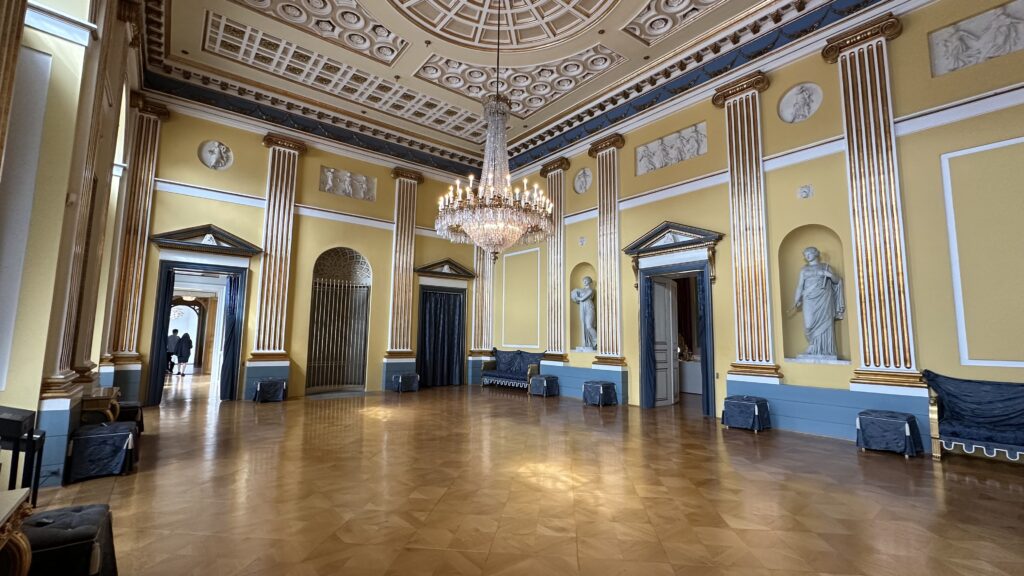
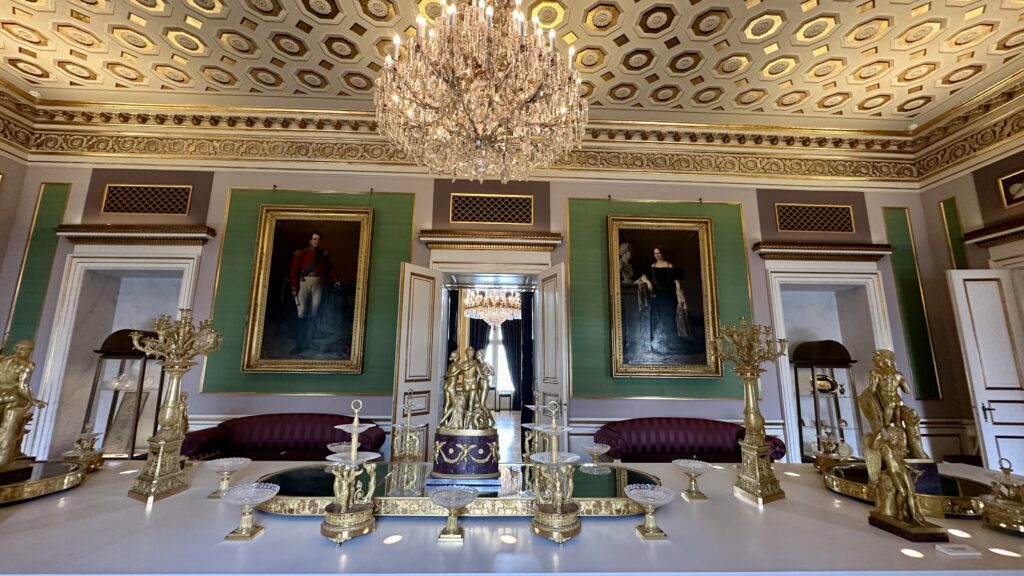
Rosenborg Palace (Amalienborg sister palace) – This place has a timed entry and plan on spending 1-2 hours here. It is home to some of Denmark’s greatest cultural treasures including the Danish crown jewels and royal regalia.
Rosenborg was built in the early 17th century by Christian IV as a country seat and quickly became his favorite castle. It remained a royal residence until around 1710 and since 1660, it was also used to store the finest objects in the King’s possession. In 1838, Rosenborg opened to public as a museum.
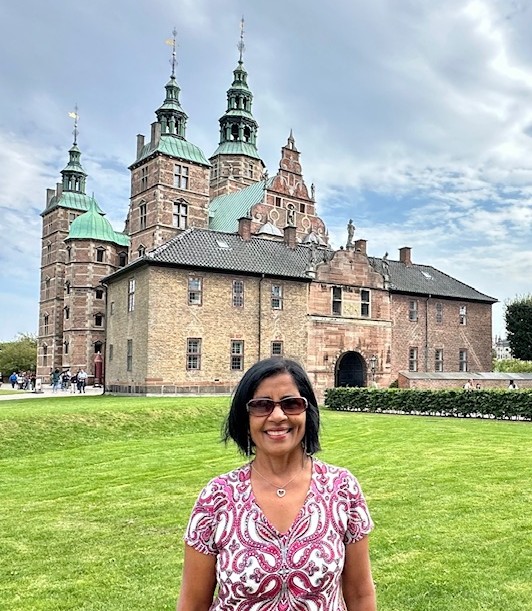
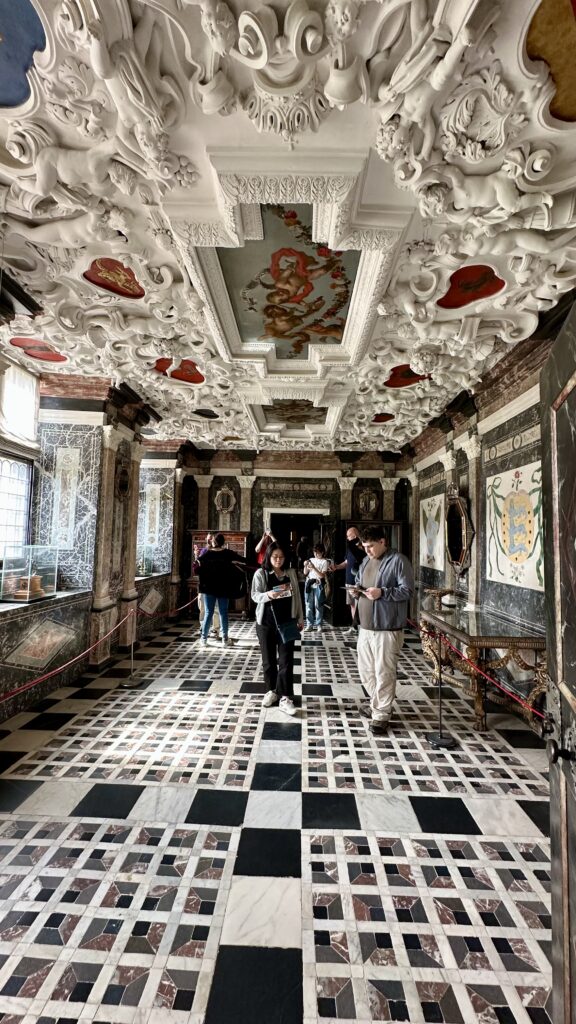
Rosenborg Palace, Ground Floor – The rooms on this floor offers a fascinating glimpse into Danish royal history. The rooms on this floor mostly belonged to Christian IV and Christian V.
- Garden Room – In 1706 Christian IV’s bathroom was converted into Queen Louise’s Garden Room with a double door to a private garden.
- Christian V’s Chamber – The window sill in this room has a mouthpiece that enabled communication with the hall at the opposite end of the castle. In the ceiling Christian IV’s orchestra is playing.
- Stone Corridor – The walls in this corridor is filled with portraits of Christian IV’s ancestors. It also provided access to the rest of the castle.
- The Marble Chamber – Decorated with Italian imitation marble in 1668, the room is a tribute to the absolute monarch.
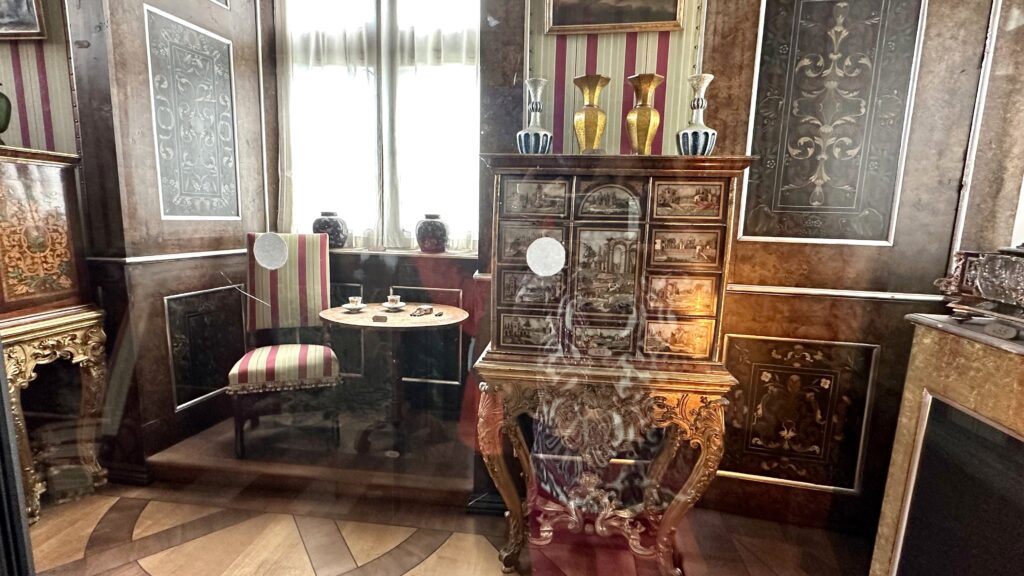
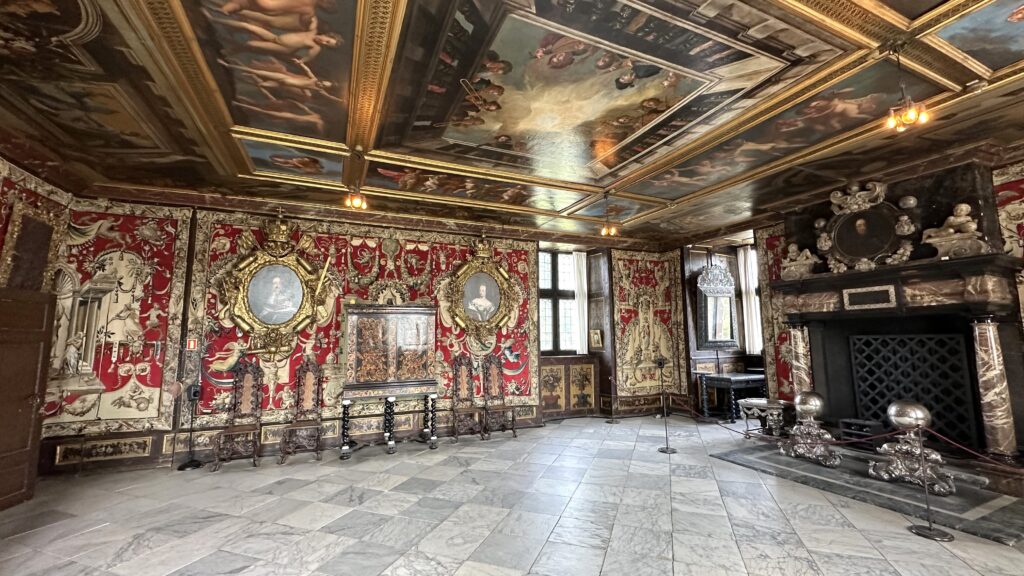
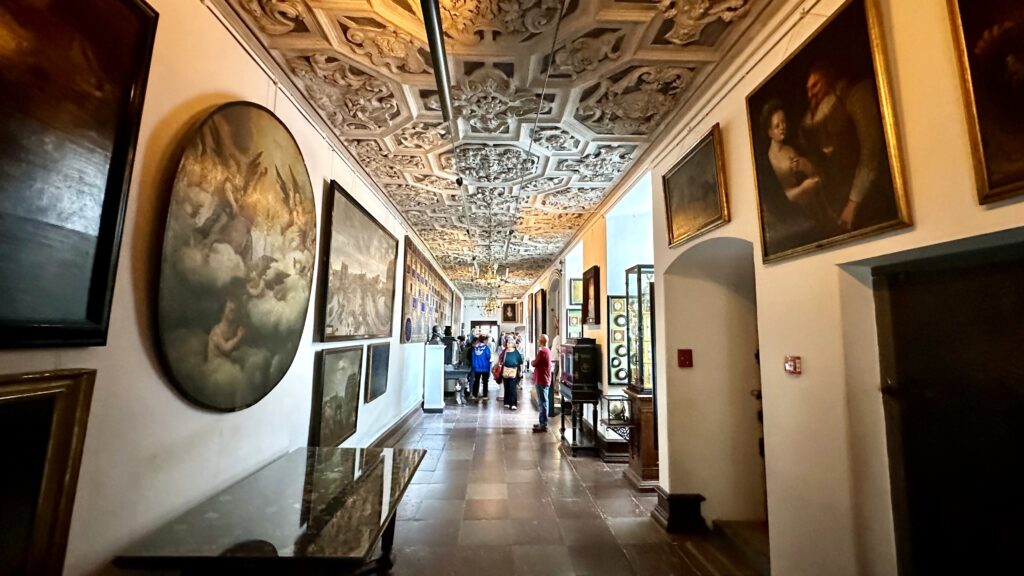
Rosenborg Palace, First Floor – Like the ground floor rooms, the rooms on this floor also offers a glimpse into Danish royal history.
- Christian VI Hall – The tapestries here show scenes from the life of Alexander the Great.
- The Rose – objects in this room date to the time Frederik V, when the flowing lines of the Rococo were fashionable. The large walnut cupboard contains a mechanical orchestra.
- Fredrick IV Hall – The table with inlaid semiprecious stones was a present from the Grand Duke of Tuscany. This room also has a picture of Fredrick IV and his sister Sophie Hedevig.
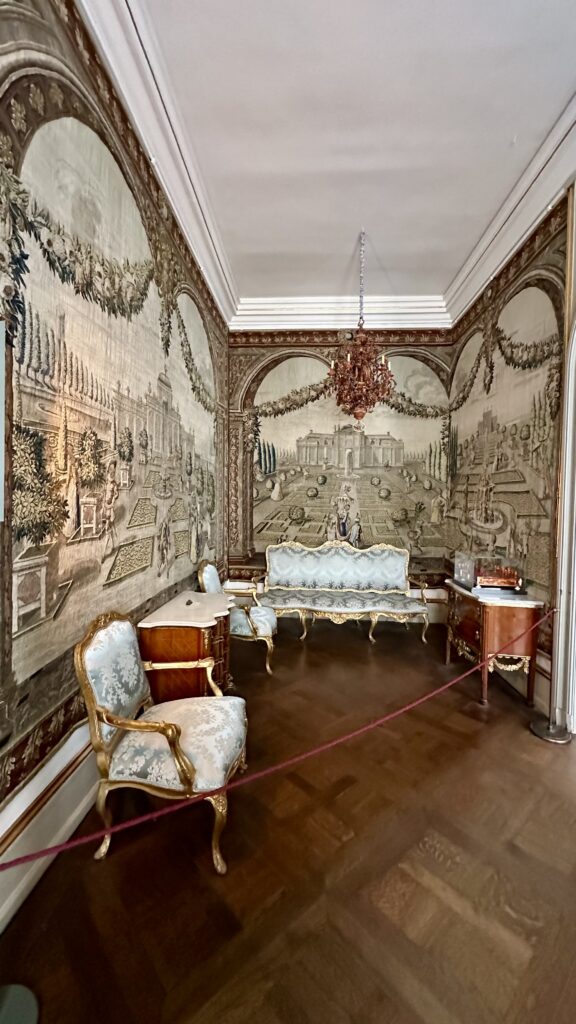
- Fredrick V Cabinet – The garden scene tapestries were woven in Berlin. In front of them hangs a rare amber chandelier.
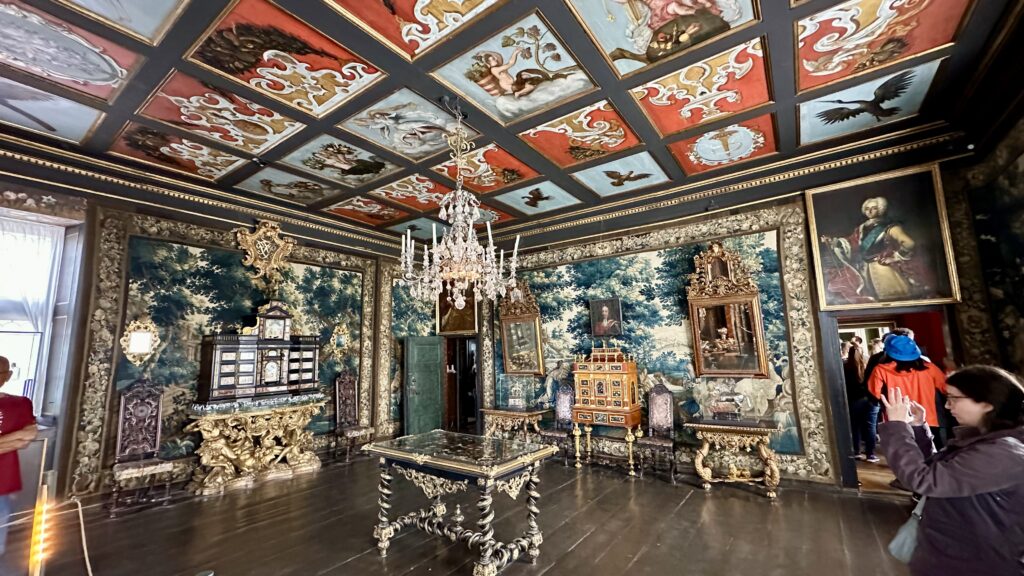
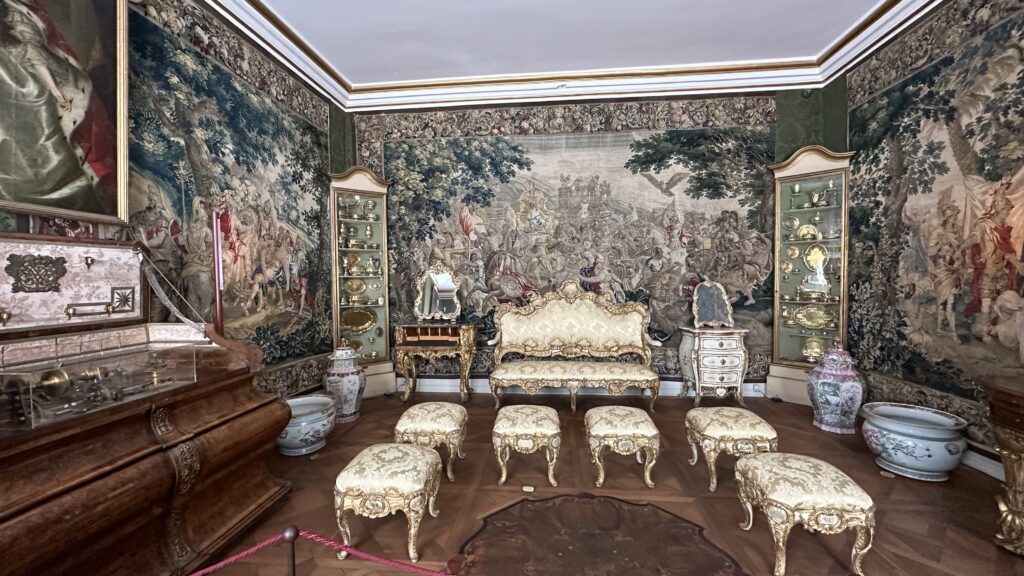
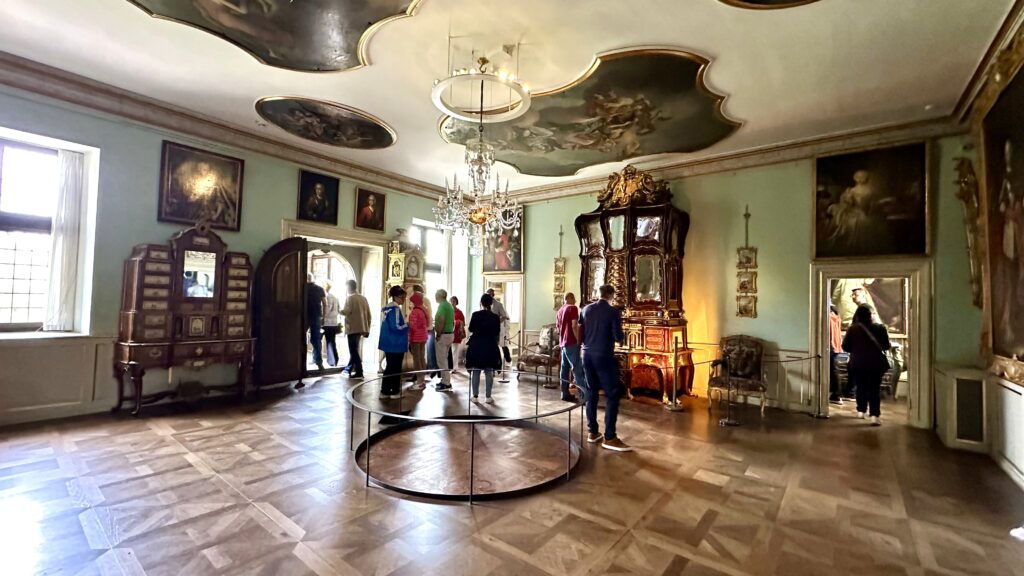
Rosenborg Palace, Second Floor – The Great Hall on this floor shows the splendor of the absolute monarchy, with anointing chairs and woven tapestries.
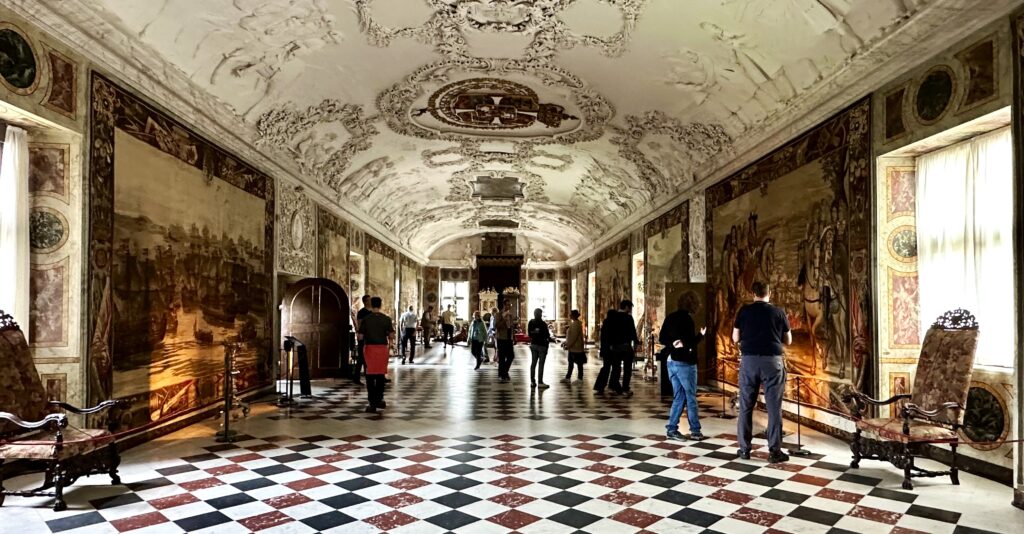
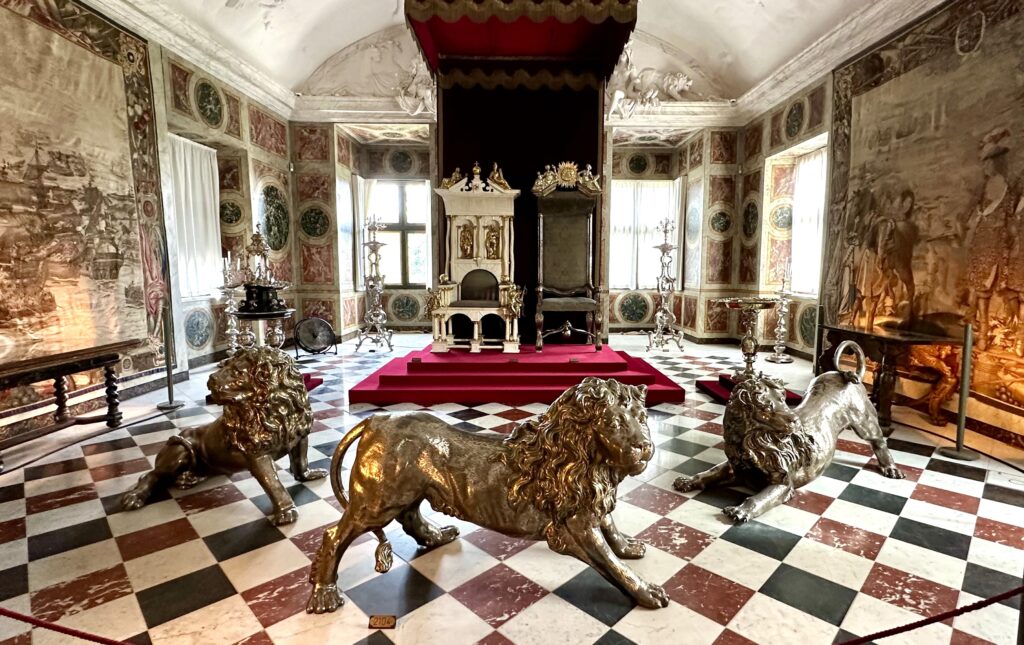
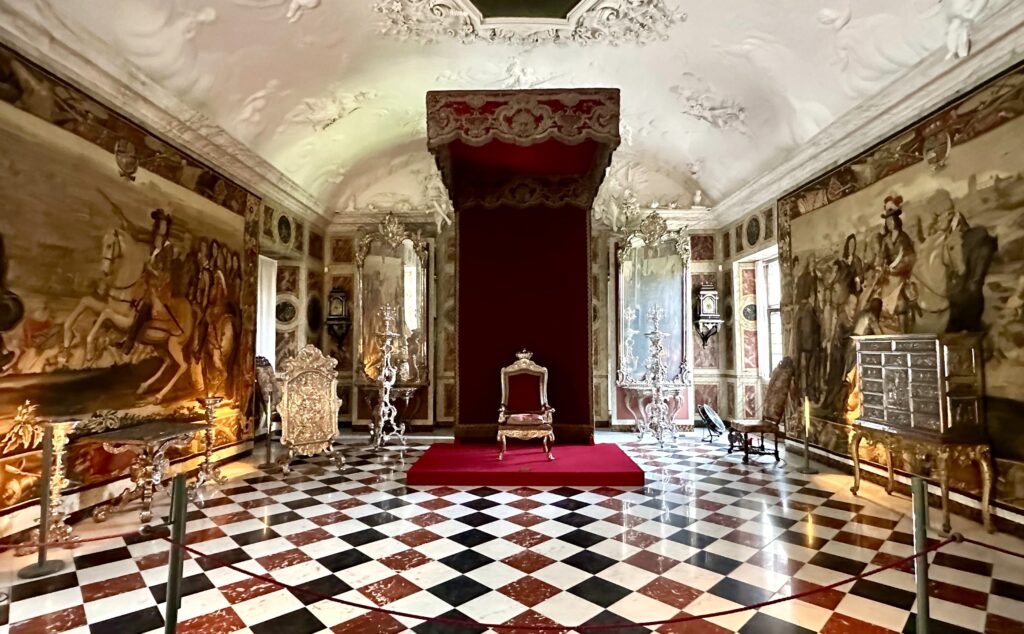
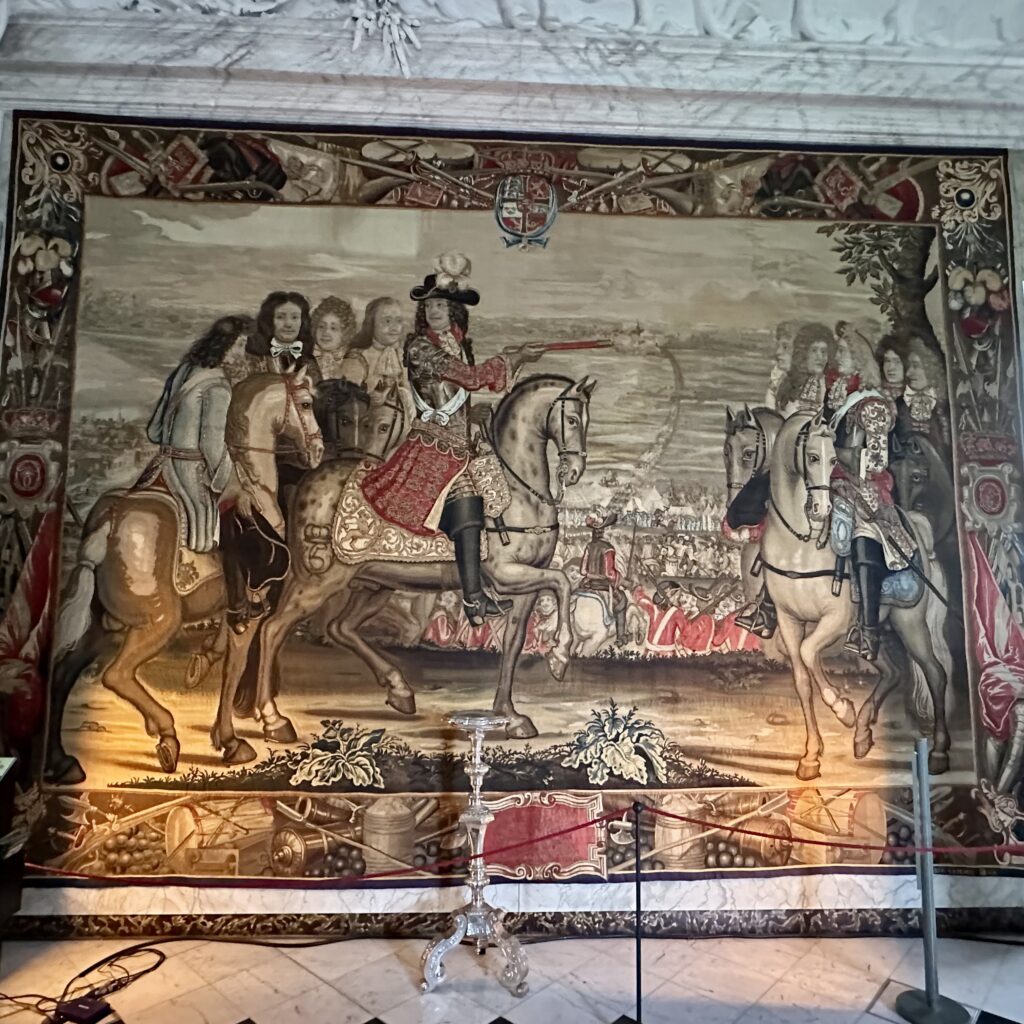
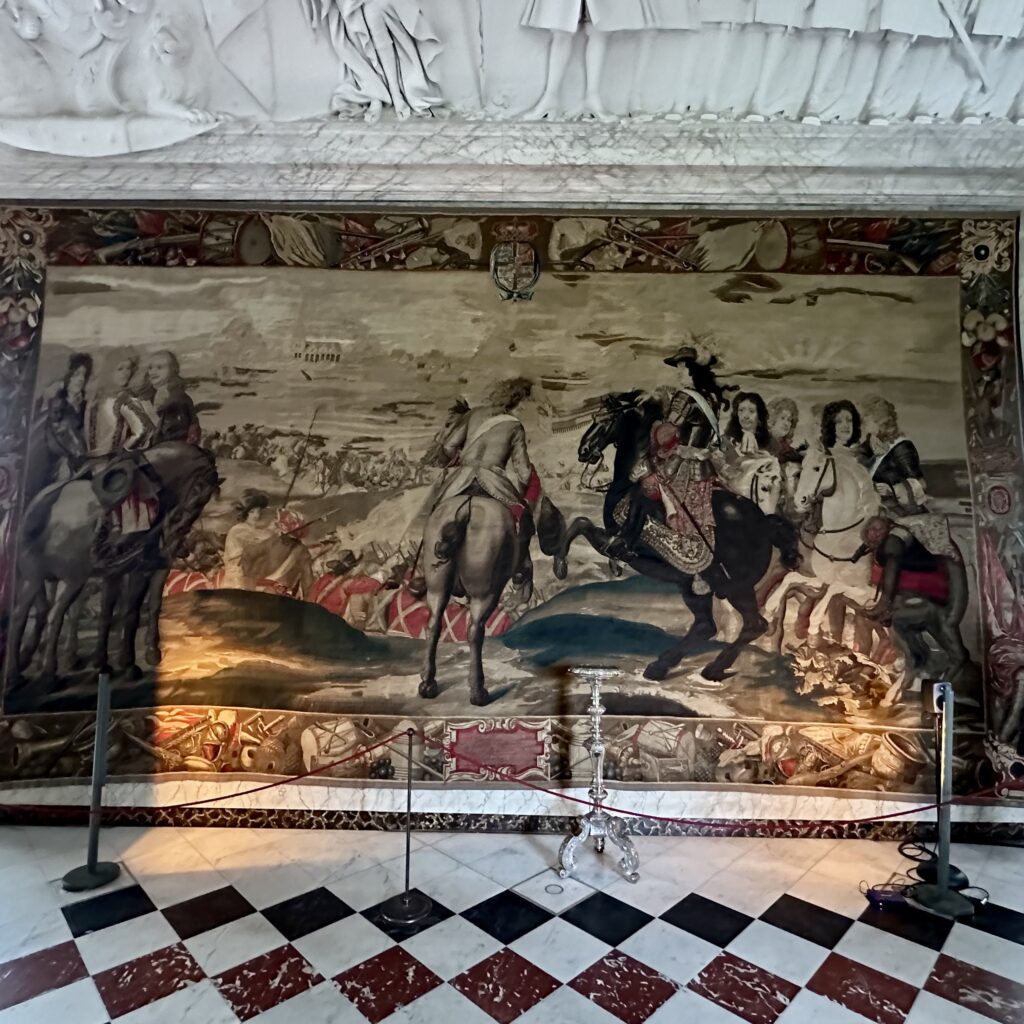
Rosenborg Palace, The Great Hall Tapestries – In 1690’s Christian V had the hall partially modernized, adding 12 tapestries showing his victories in the Scanian War of 1675-79 (war between Demark and Sweden).
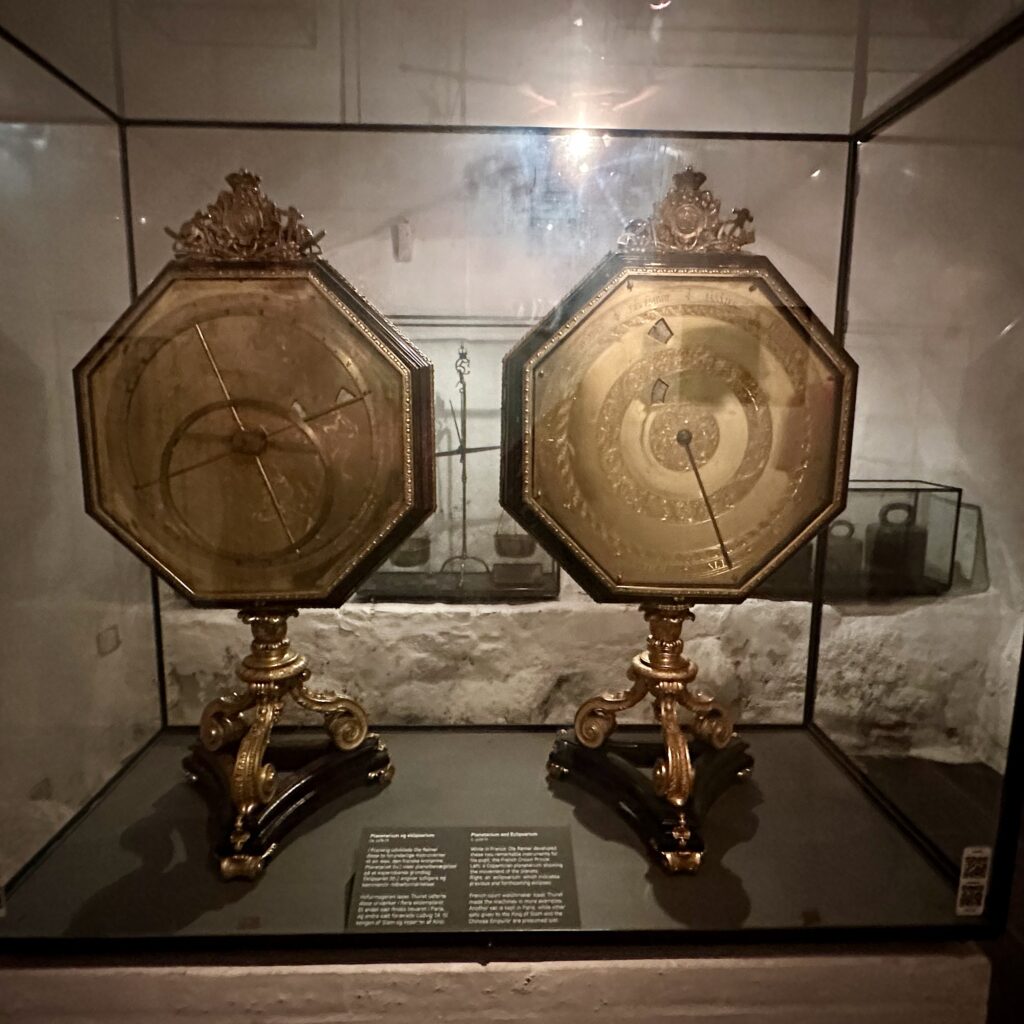
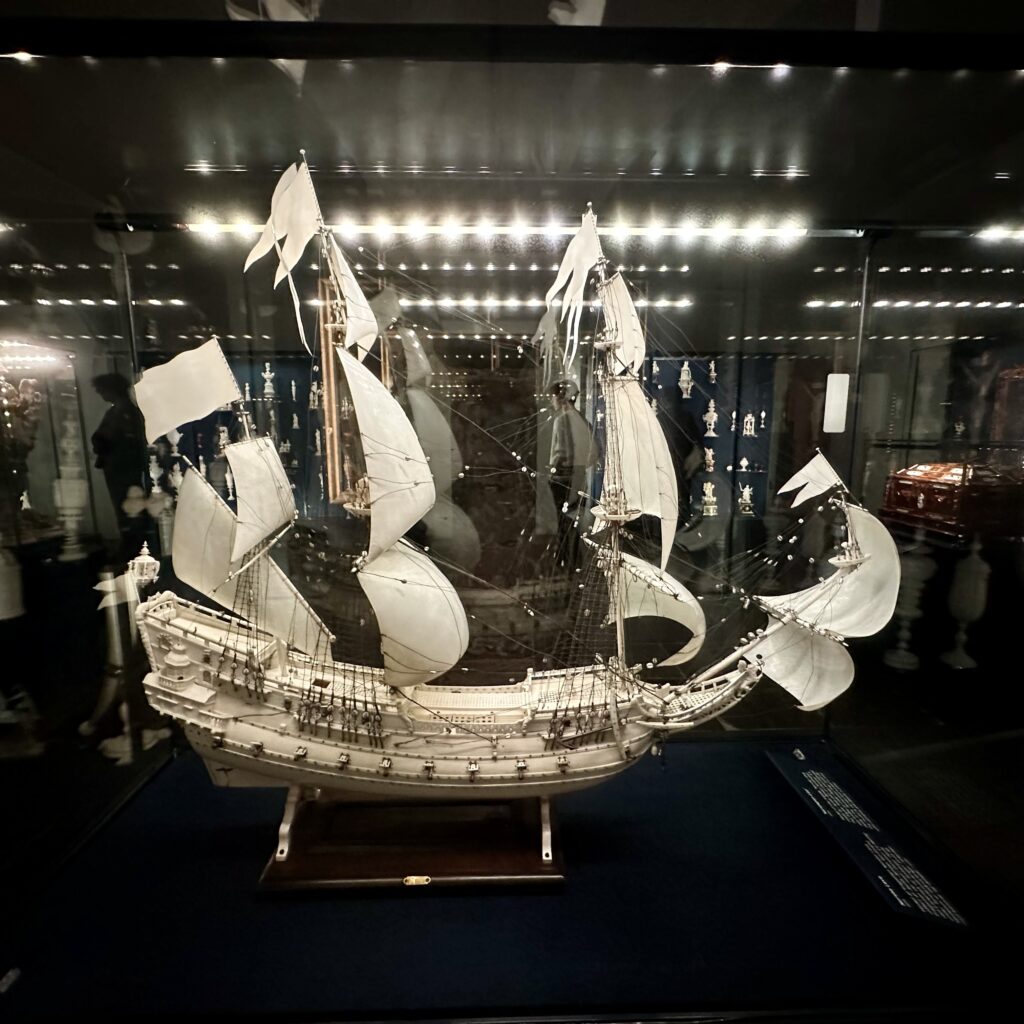
Rosenborg Palace, Basement – holds royal collection of precious objects, often acquired as gifts from foreign rulers or spoils of war.
Rosenborg Palace, The Treasury – holds the Danish royal crowns and crown jewels
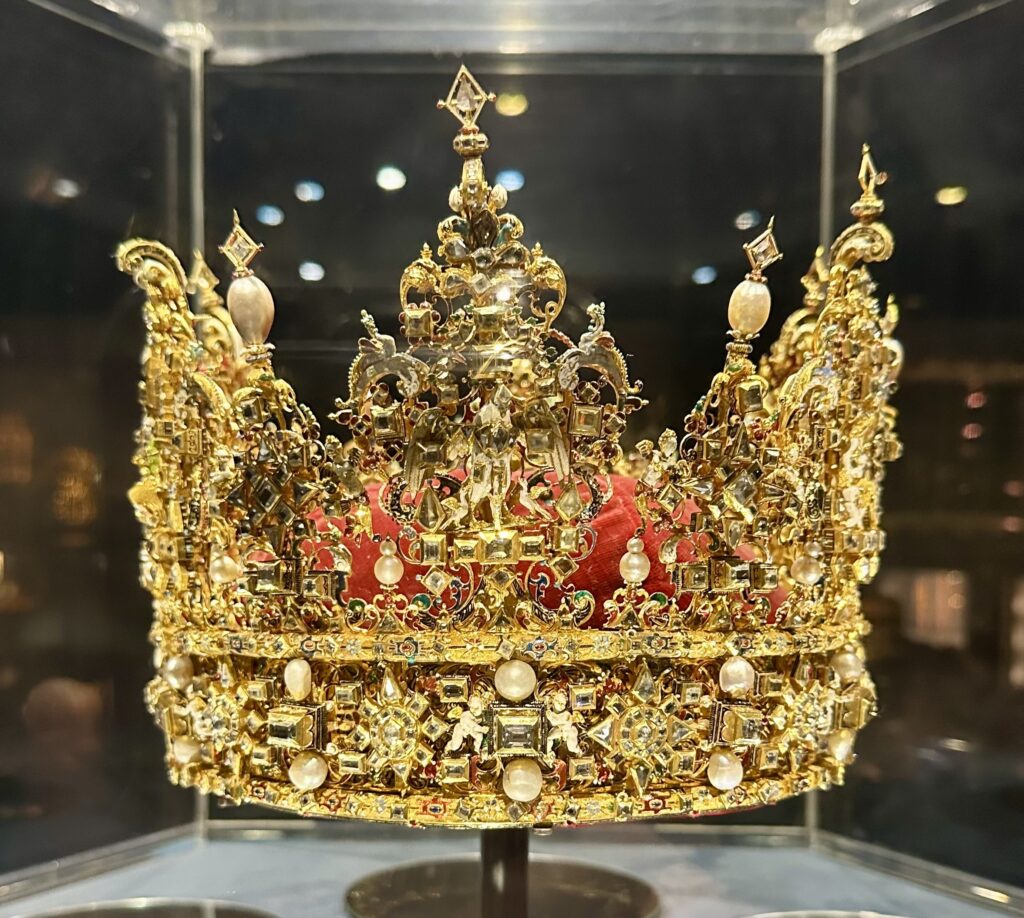
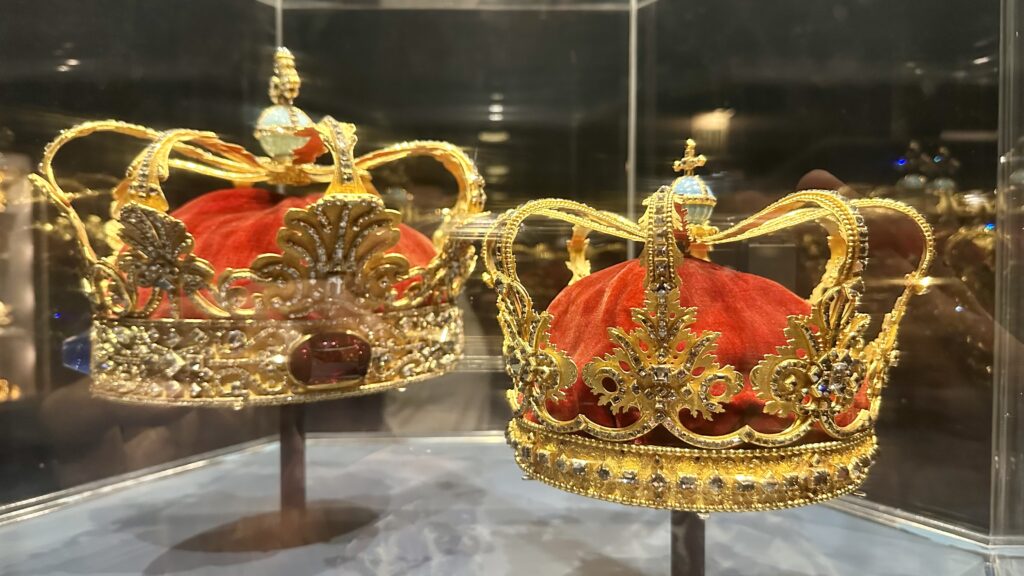
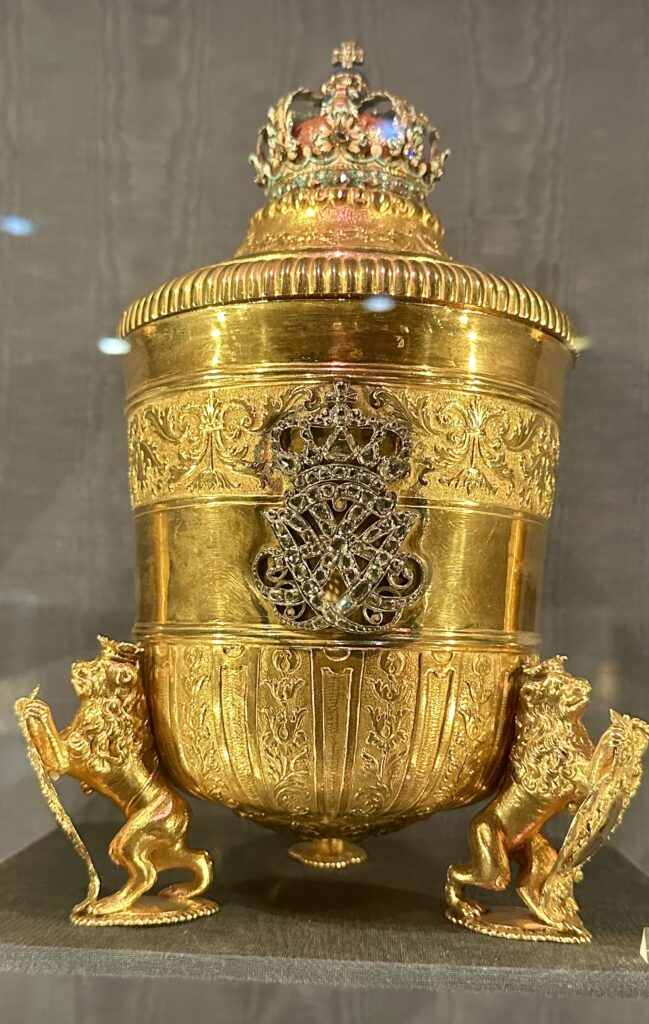
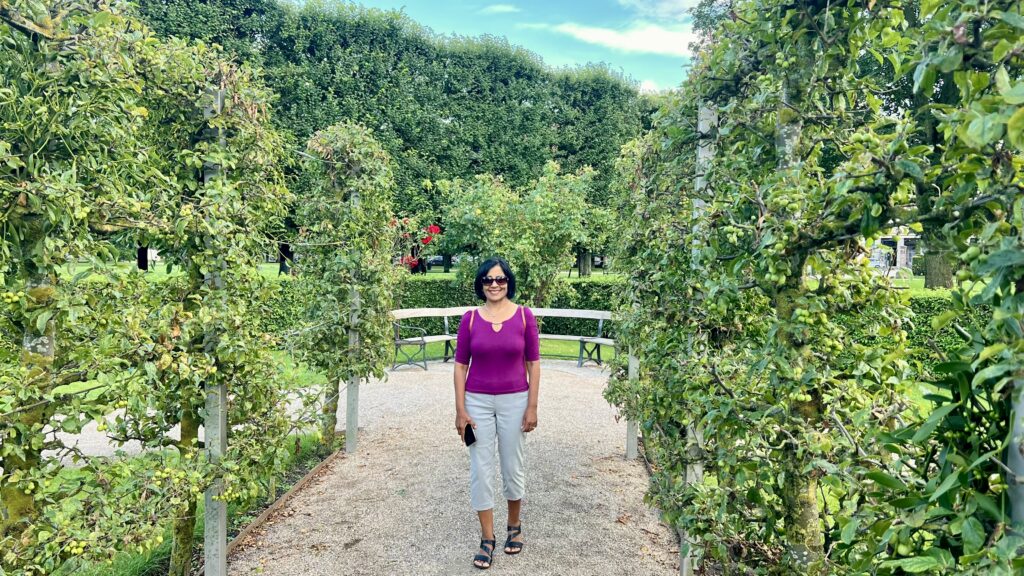
King’s Garden – Located right next to Rosenborg Palace and also known as Rosenborg Garden, this beautiful garden is the country’s oldest royal gardens. It was laid out in the early 1600s during the reign of King Christian IV.
The garden hosts many events in the summer. It is a great place to take a stroll in the morning or evening among the trees, rose garden, and fountains.
Christianshavn and Church of Our Savior – We could see this whole neighborhood from our hotel room at Radisson Blu. It is a trendy neighborhood with homes, shops, cafes, and canals.
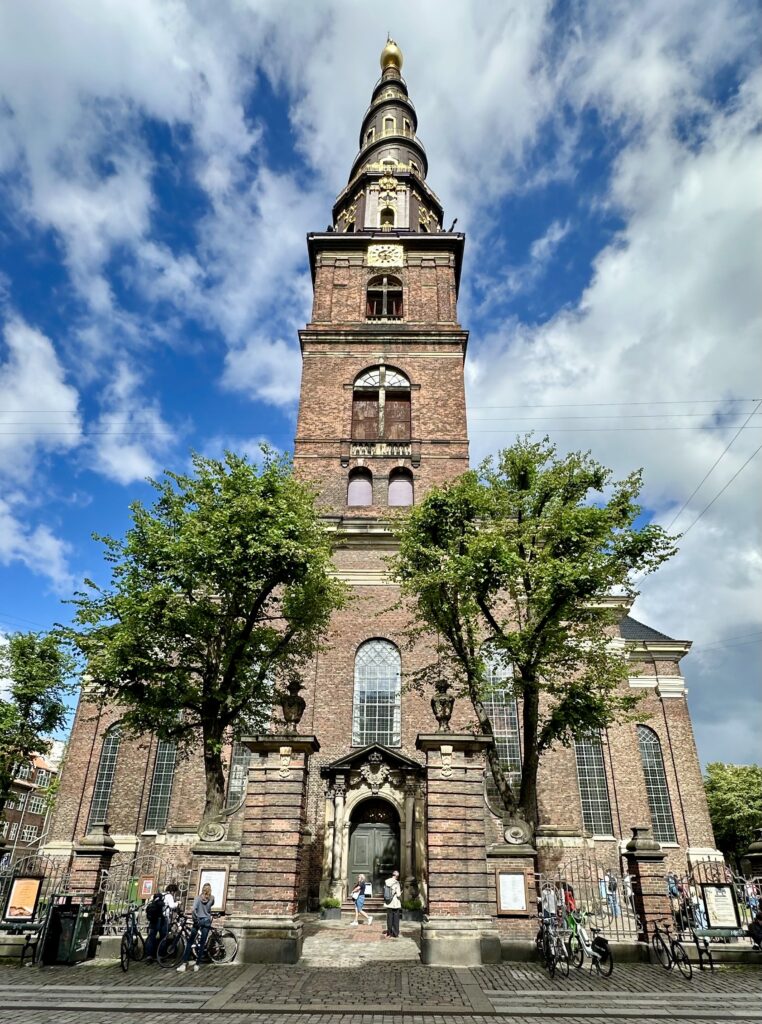
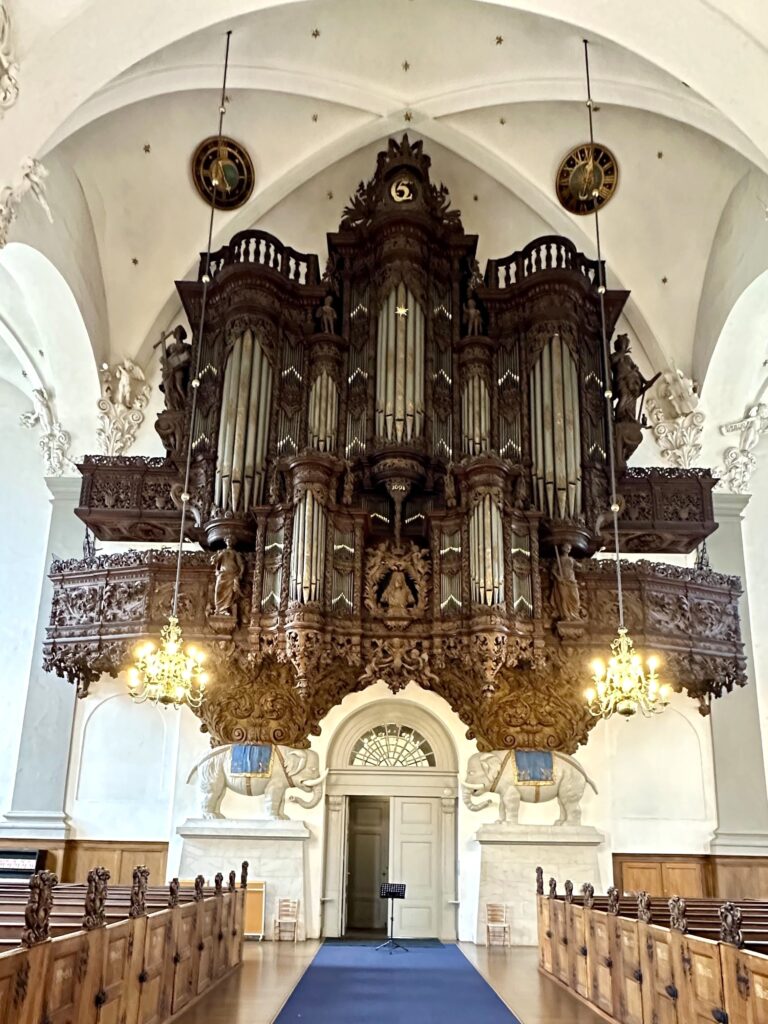
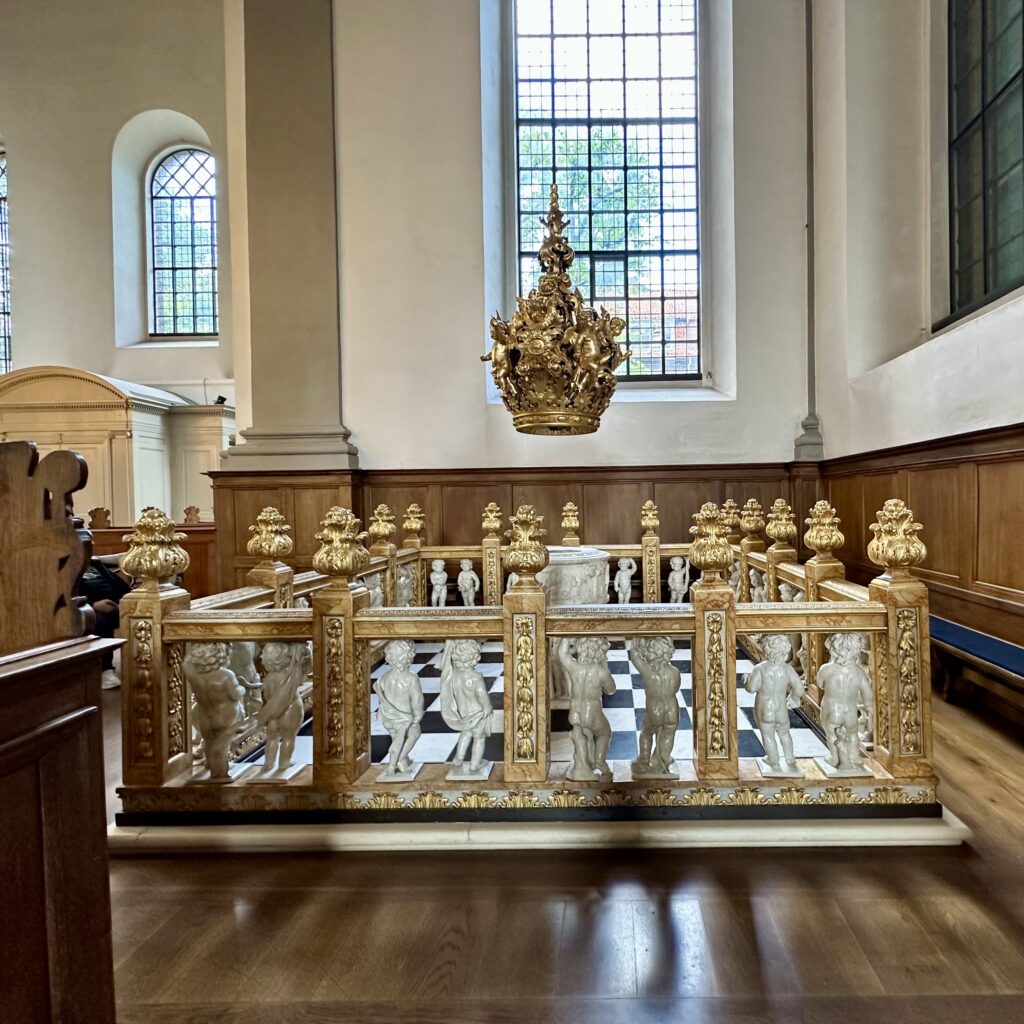
Church of Our Savior – Christianshavn is home to the large Church of Our Savior which is one of Denmark’s most famous baroque churches. The church was built in the 1680s and consecrated on 19th April 1696. The magnificent façade of the organ case on the west wall of the church is one of the most photographed music instruments in the world. The three-storey organ case contains a wonderful instrument built by the Botzen brothers in 1696-98. You get a great and elegant sound from this impressive instrument.
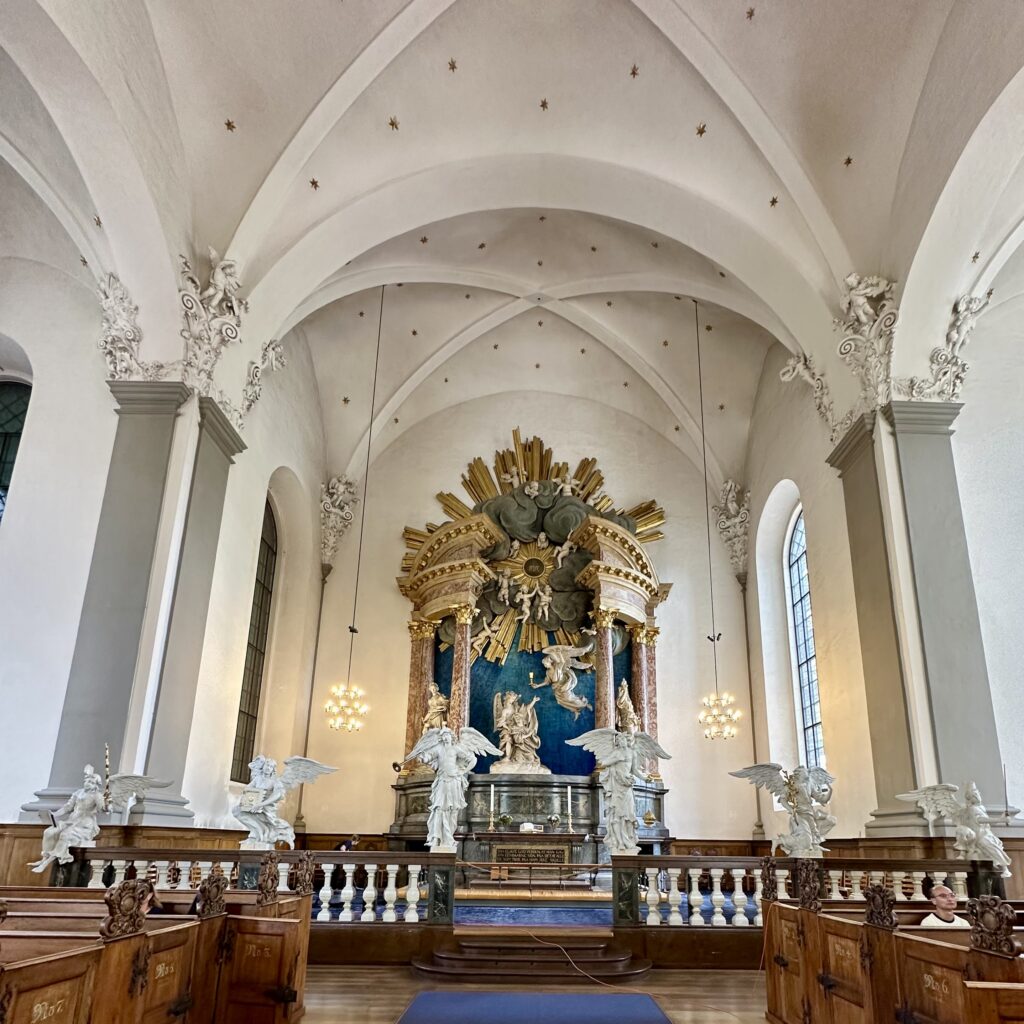
The altarpiece in the church depicts a scene from the Garden of Gethsemane between two columns, where Jesus is comforted by an angel while another angel hangs in the air beside them, carrying the golden chalice.
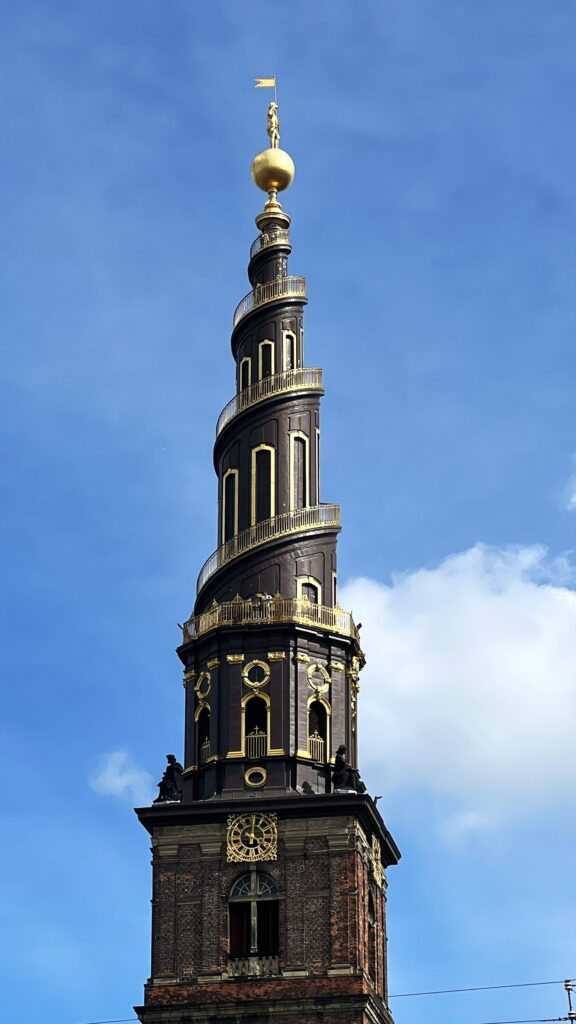
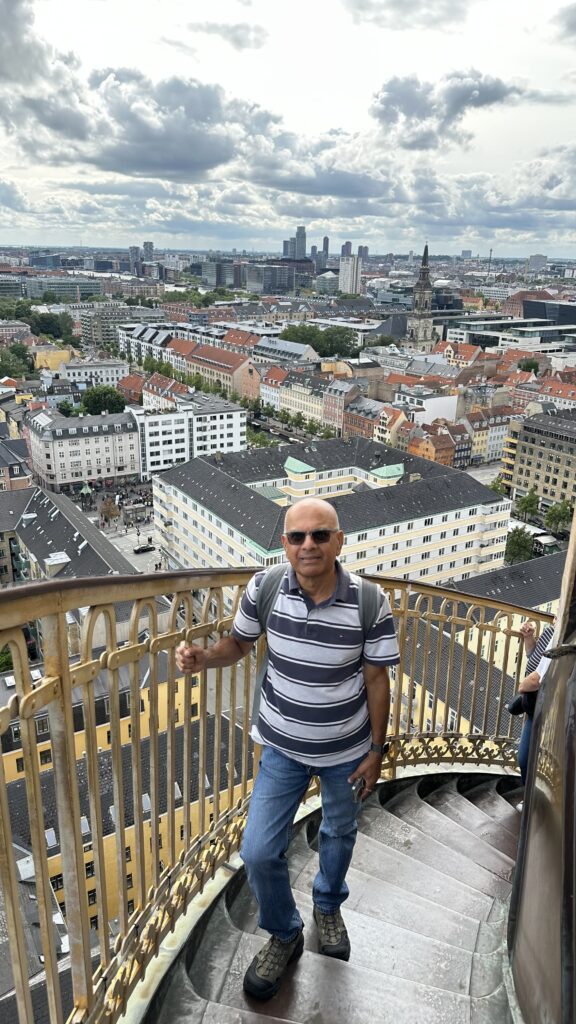
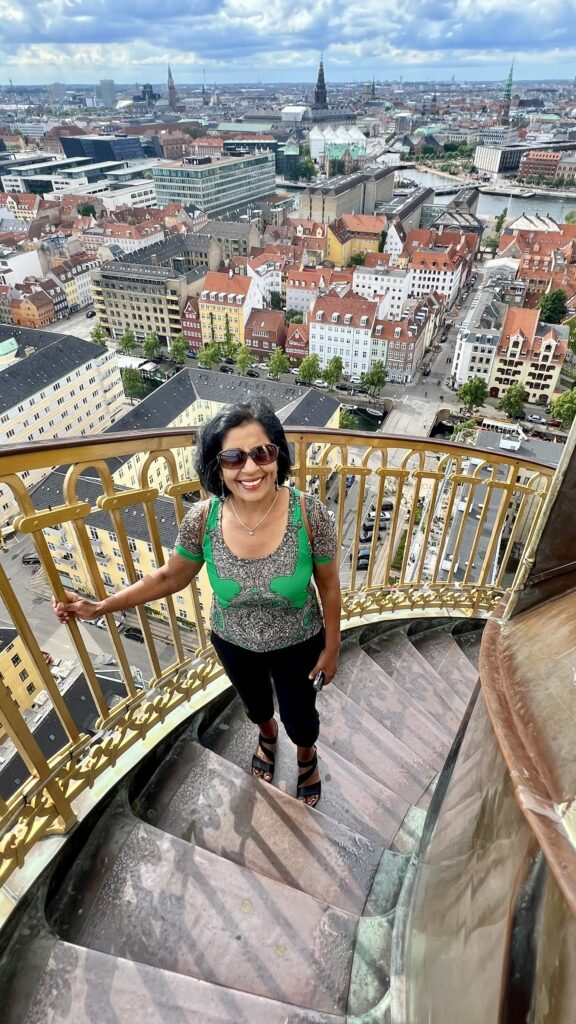
Church of Our Savior, Tower – Since the serpentine spire was inaugurated in 1752, climbing all 400 steps to the top has been very popular. You will be walking the last 150 steps on the outside and get a fantastic view of Copenhagen. Access to the tower is timed and QR code is available at the entrance for booking a preferred time. We were able to book a time on the same day of our visit.
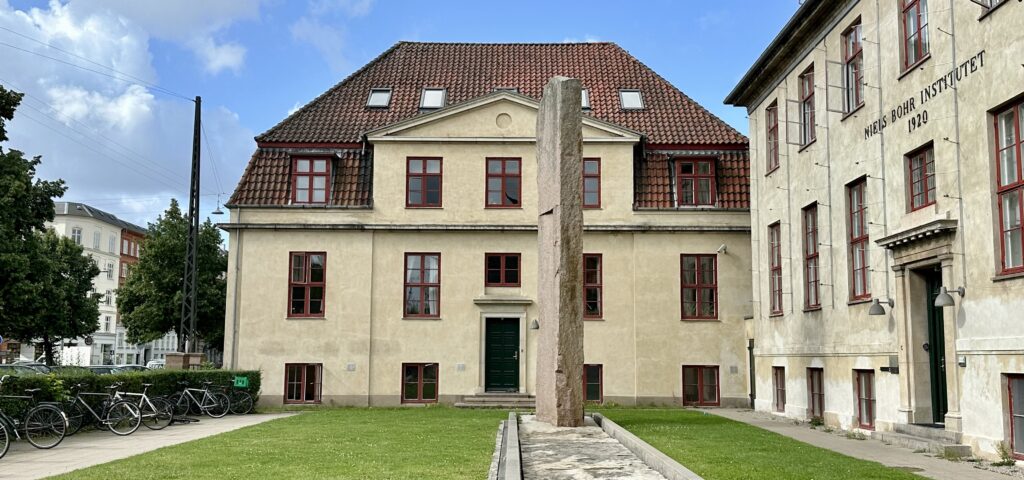
Niels Bohr Institute – is a research institute of the University of Copenhagen. The research of the institute spans a wide range of subjects like astronomy, geophysics, particle physics, quantum mechanics and more. The institute was founded in 1921, as the Institute for Theoretical Physics of the University of Copenhagen, by the Danish theoretical physicist Niels Bohr, who had been on the staff of the University of Copenhagen since 1914. The Institute officially became the Niels Bohr Institute in 1965. Much of its original funding came from the charitable foundation of the Carlsberg brewery.
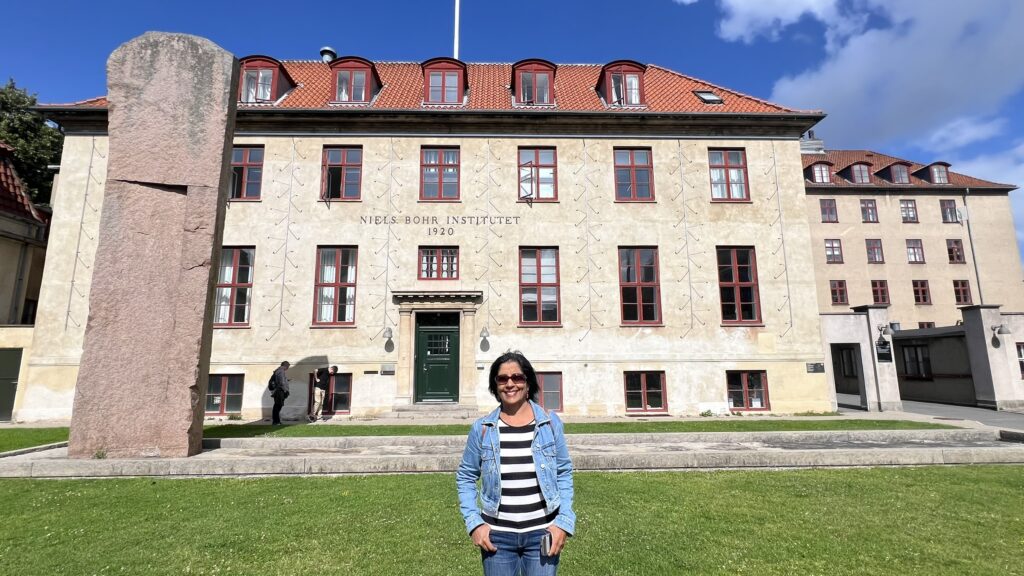
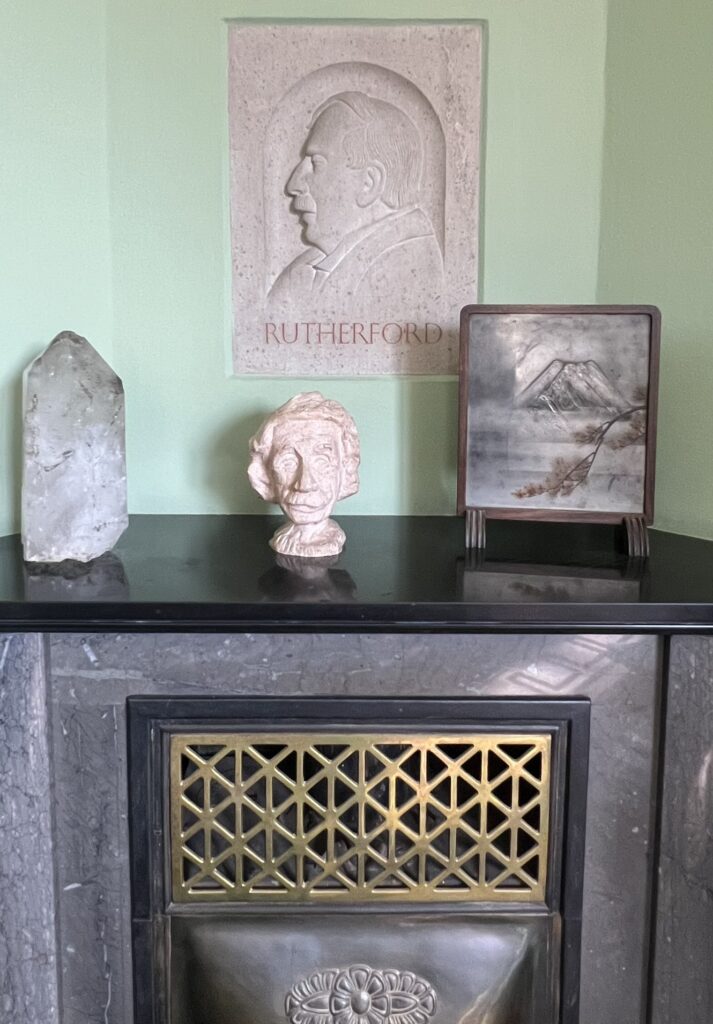
We went on a 1-hour guided tour of the institute (available only on Wednesday and Friday @10am and has to be booked ahead). Interesting part of the guided tour was Niels Bohr’s office which has been maintained to reflect its appearance during his lifetime. The walls of the room is filled with black and white photos of the most eminent scientists ever, and the guide who is an archivist at the institute, gave an account of their work and interactions.
On the outside of the building that has Niels Bohr’s office, is a plaque with the four scientists from the Institute who have been awarded Nobel Prizes – Niels Bohr in 1922; George de Hevesy in 1943 and Aage Bohr (Niel’s son) and Ben Mottelson in 1975.
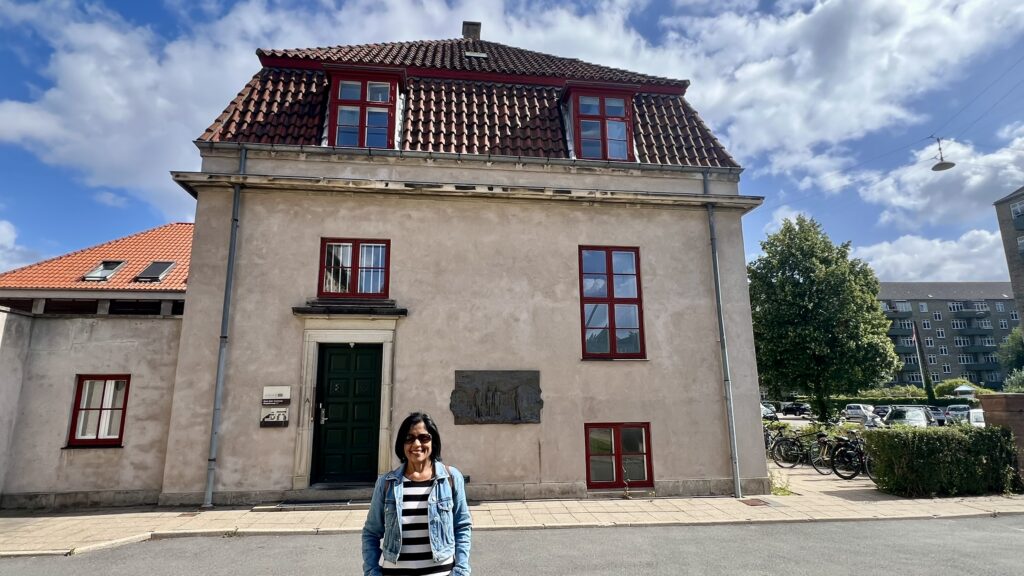
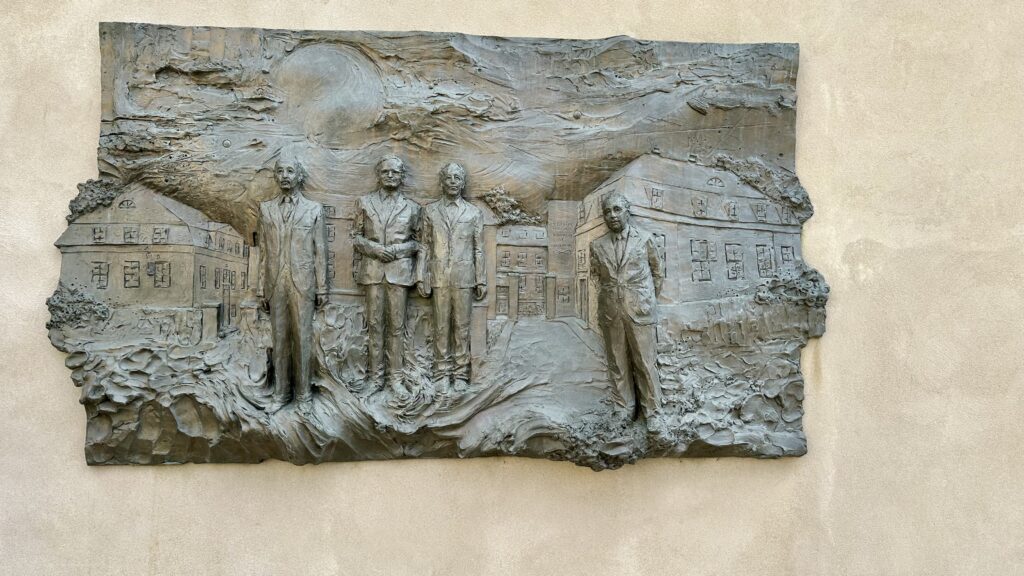
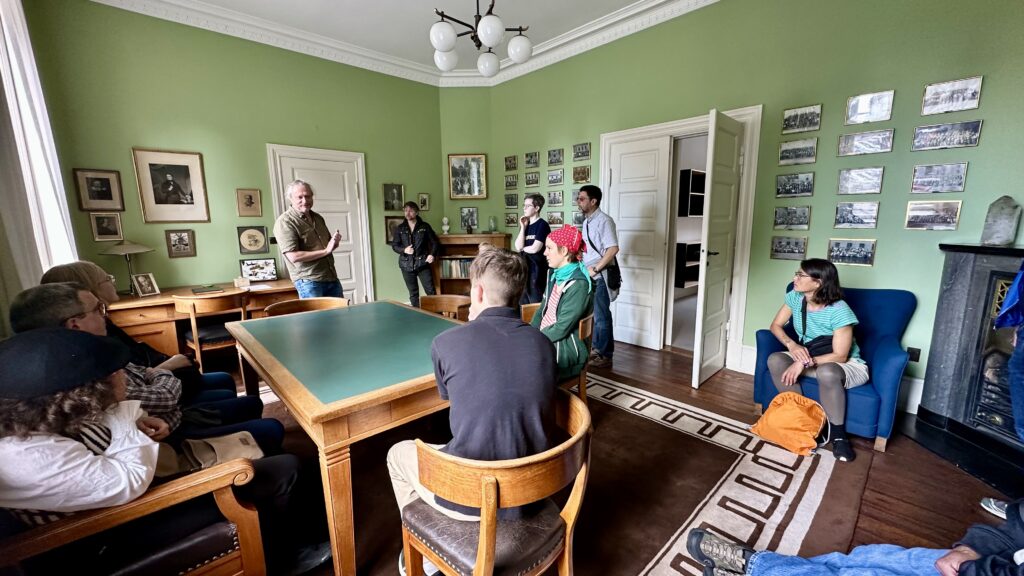
Niels Bohr was awarded the Nobel prize in Physics in 1922 for his foundational contributions to understanding atomic structure and quantum theory. Niels Bohr’s son, Aage Niels Bohr who was a nuclear physicist received the Nobel prize in Physics in 1975 for the discovery of the connection between collective motion and particle motion in atomic nuclei and the development of the theory of the structure of the atomic nucleus based on this connection.
Niels Bohr Institute, CERN Connection – The acronym CERN (French for Conseil Européen pour la Recherche Nucléaire – European Council for Nuclear Research), was established by 12 European governments in 1952. During the early years, the council worked at the University of Copenhagen under the direction of Niels Bohr before moving to its present site near Geneva. The building that is now the Mathematics department used to be where CERN was located in the 1950’s
The Round Tower (Rundetarn) – is a 36-meter-high structure that was built as an observatory in 1642. Danish Astronomer Tycho Brahe’s observatories, Uraniborg and Stjerneborg, on the island of Hven, served as models for the Round Tower’s observatory and it served as the University of Copenhagen’s observatory until 1861. It now also houses a small collection connected with the astronomer.
A particular treat is the platform, reached by a wide spiral ramp. From the top are magnificent panoramic views over the city. A new attraction is the glass floor hovering 25 meters above the ground where you can peer down into the castle’s core.
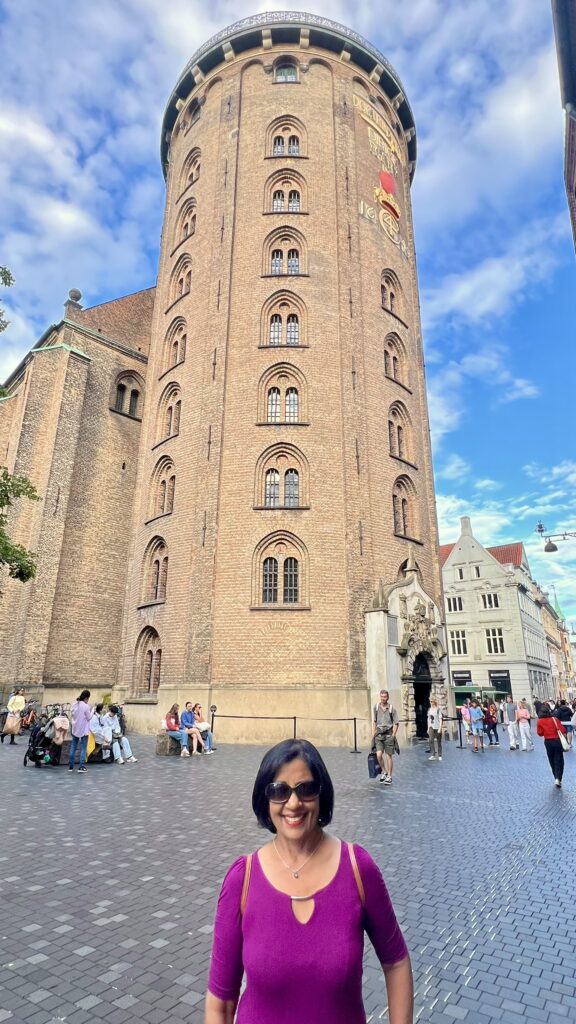
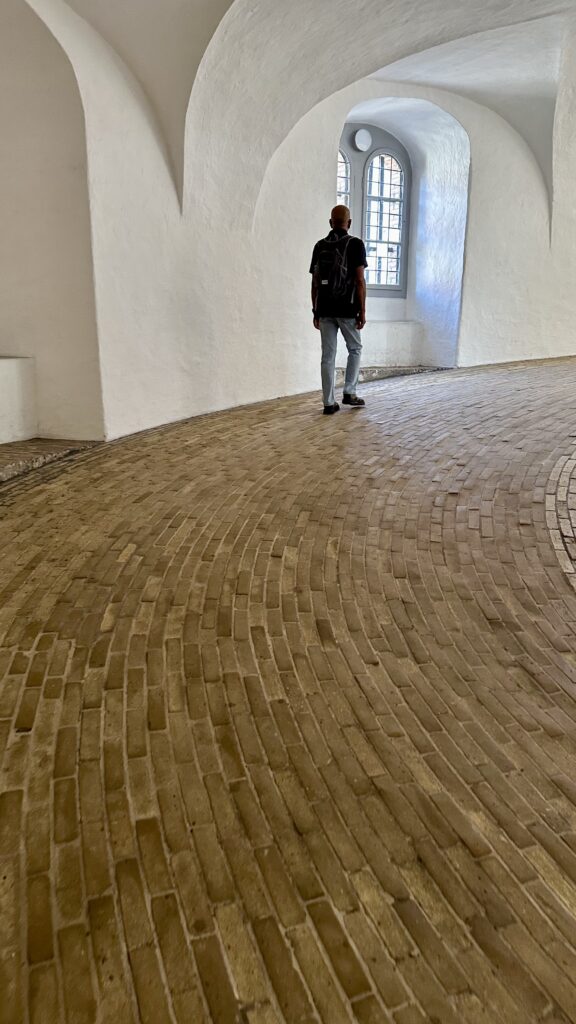
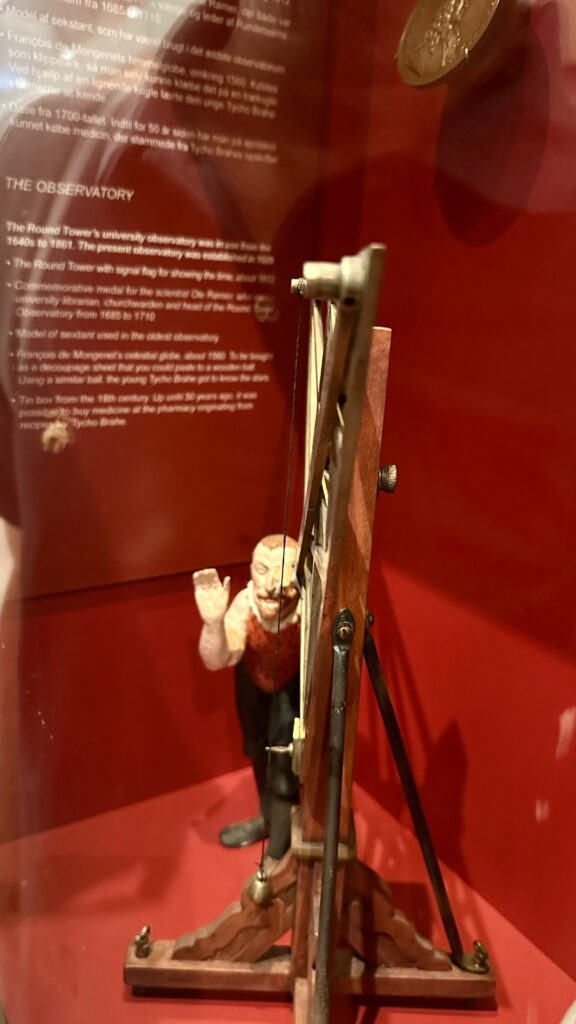
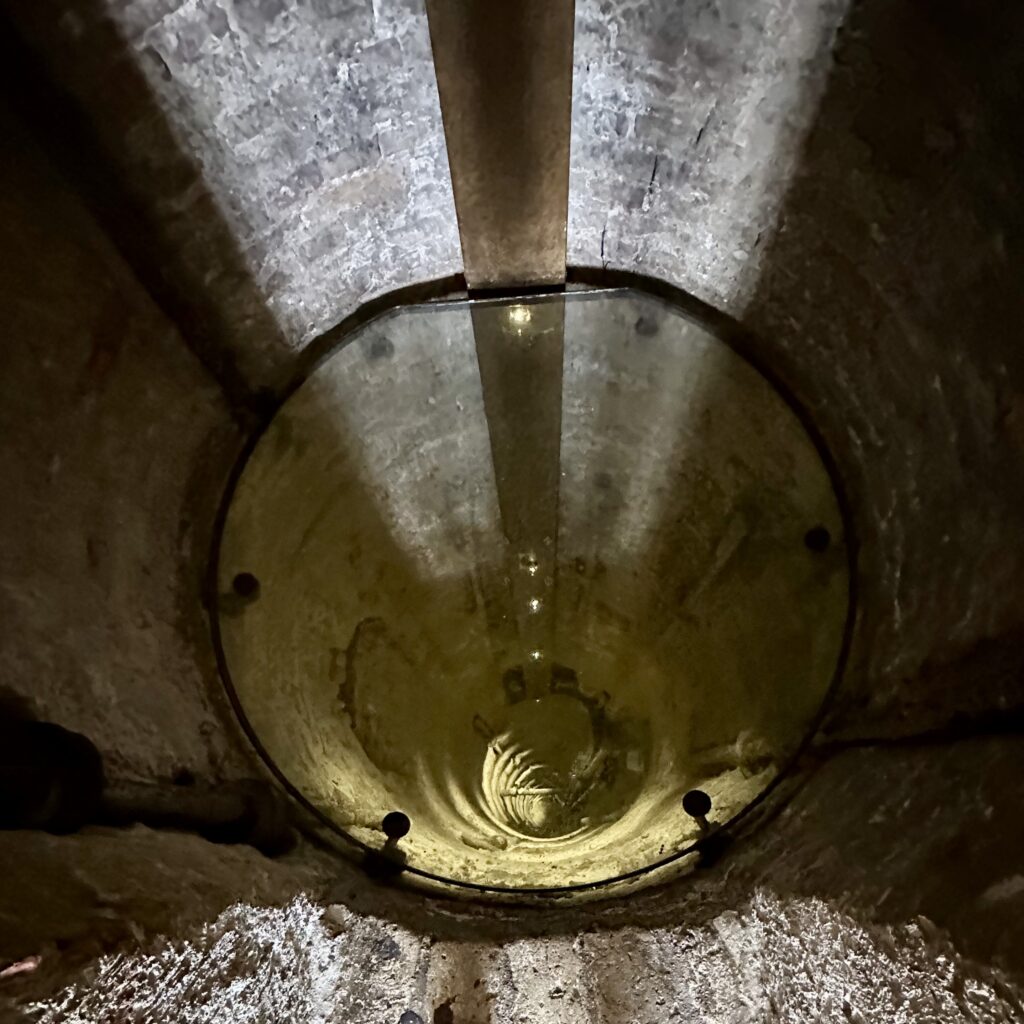
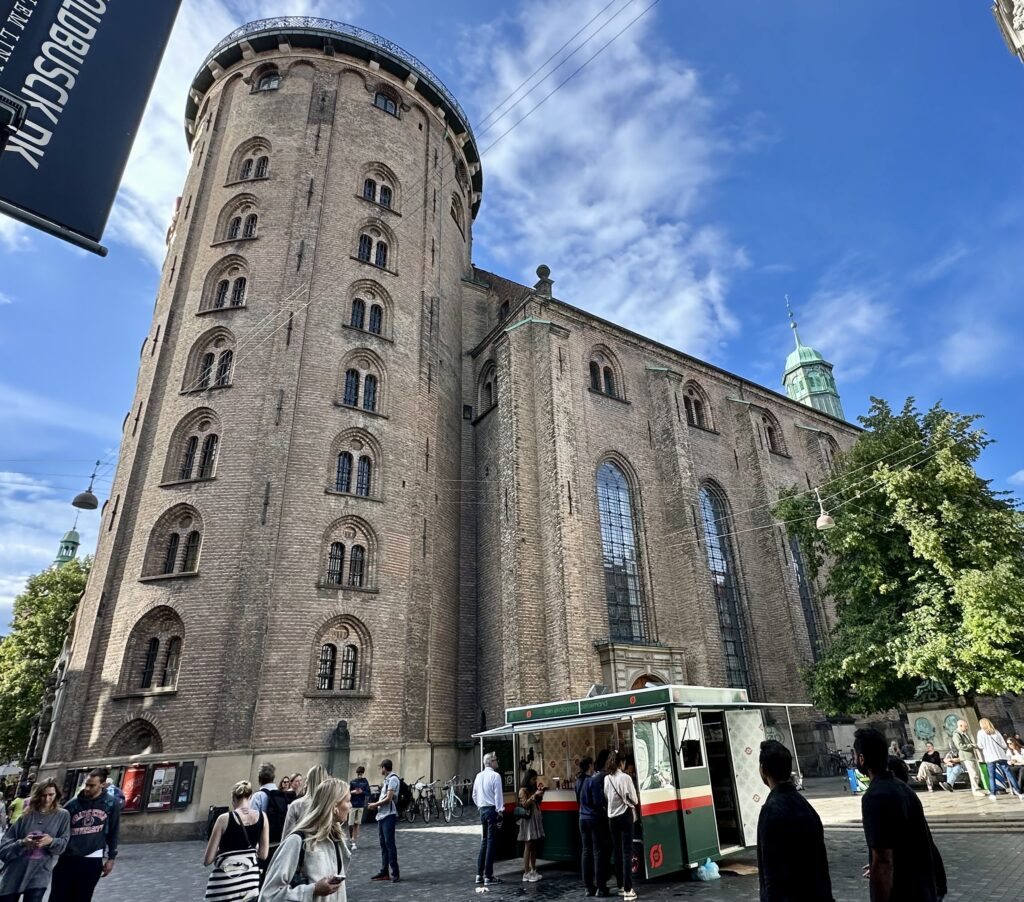
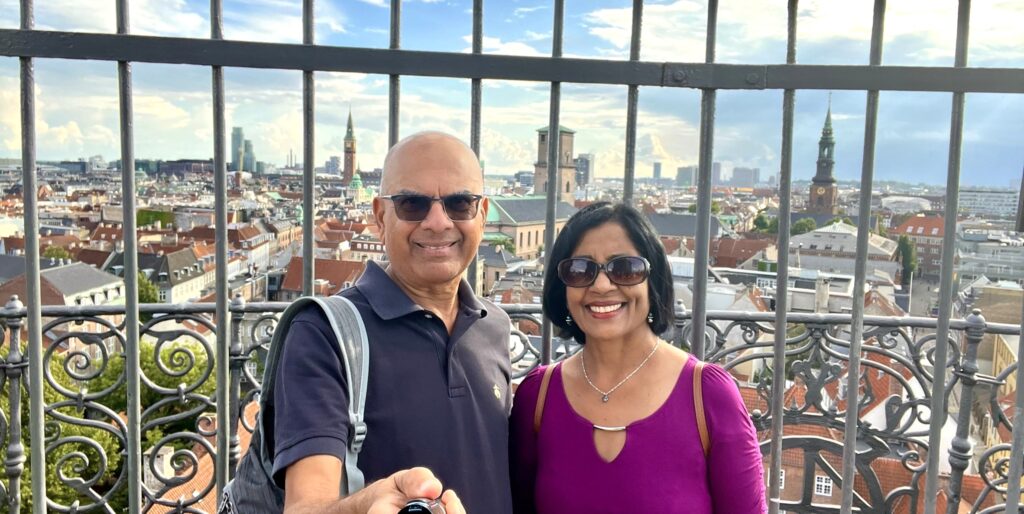
Fans of Hans Christian Andersen will be interested to know that the tower features in his well-known story The Tinderbox – “eyes as big as the Round Tower.”
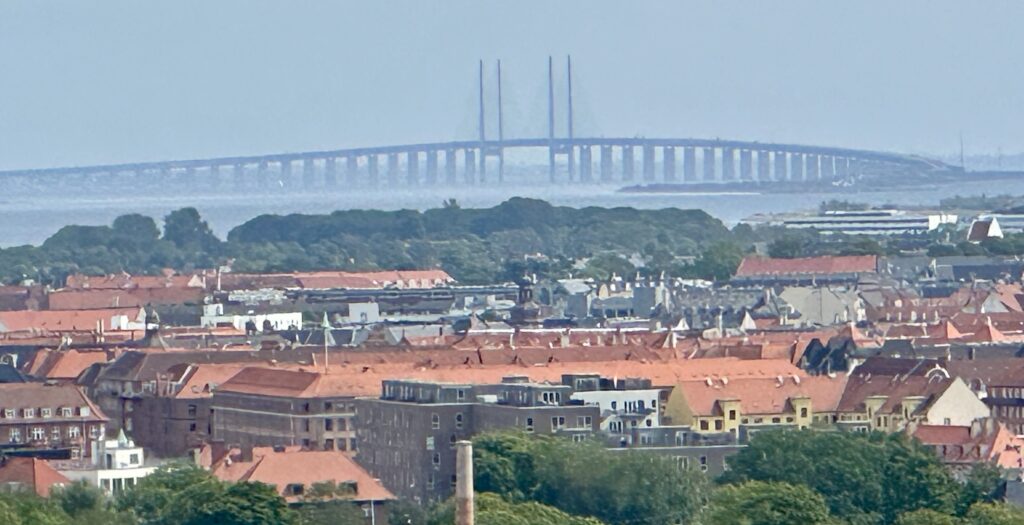
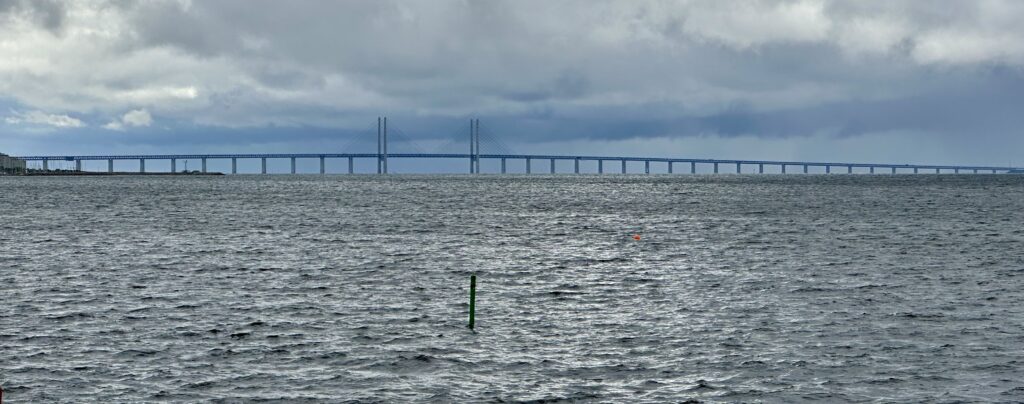
Øresund Bridge – This magnificent bridge spans across the 2 countries of Denmark and Sweden. Decades in planning and famous throughout the world since opening in 1999, this spectacular bridge is multi-faceted – a road, a railway, and a tunnel. The initial stretch is about 8km in length to the man-made island of Peberholm, From there, it connects to a tunnel of 4km, constructed so as not to impact the incoming aircraft to the nearby Copenhagen airport. We traveled on the bridge in a train from Copenhagen in Denmark to Malmo in Sweden.
Christiania – Starting out as a hippy settlement in 1971, this unique and controversial area was first designated as a social experiment and is now owned by the residents. Christiania is one of Copenhagen’s popular tourist attractions, and each year, this free town that is independent of Danish government laws and regulations, lures up to a million visitors. Cars are banned, bicycles are the main mode of transport. We spent an hour walking around this town exploring the colorful buildings, streets, shopping area, and generally getting a feel of this free town.
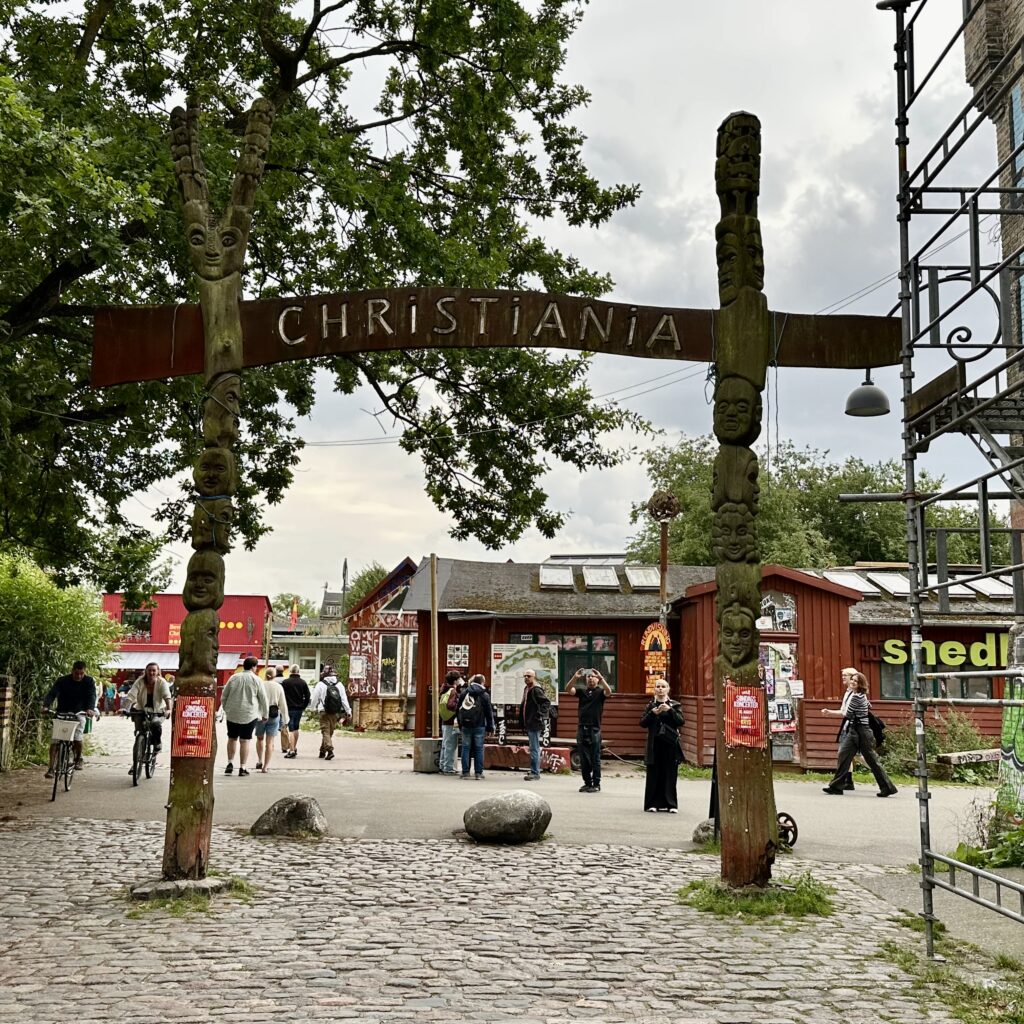
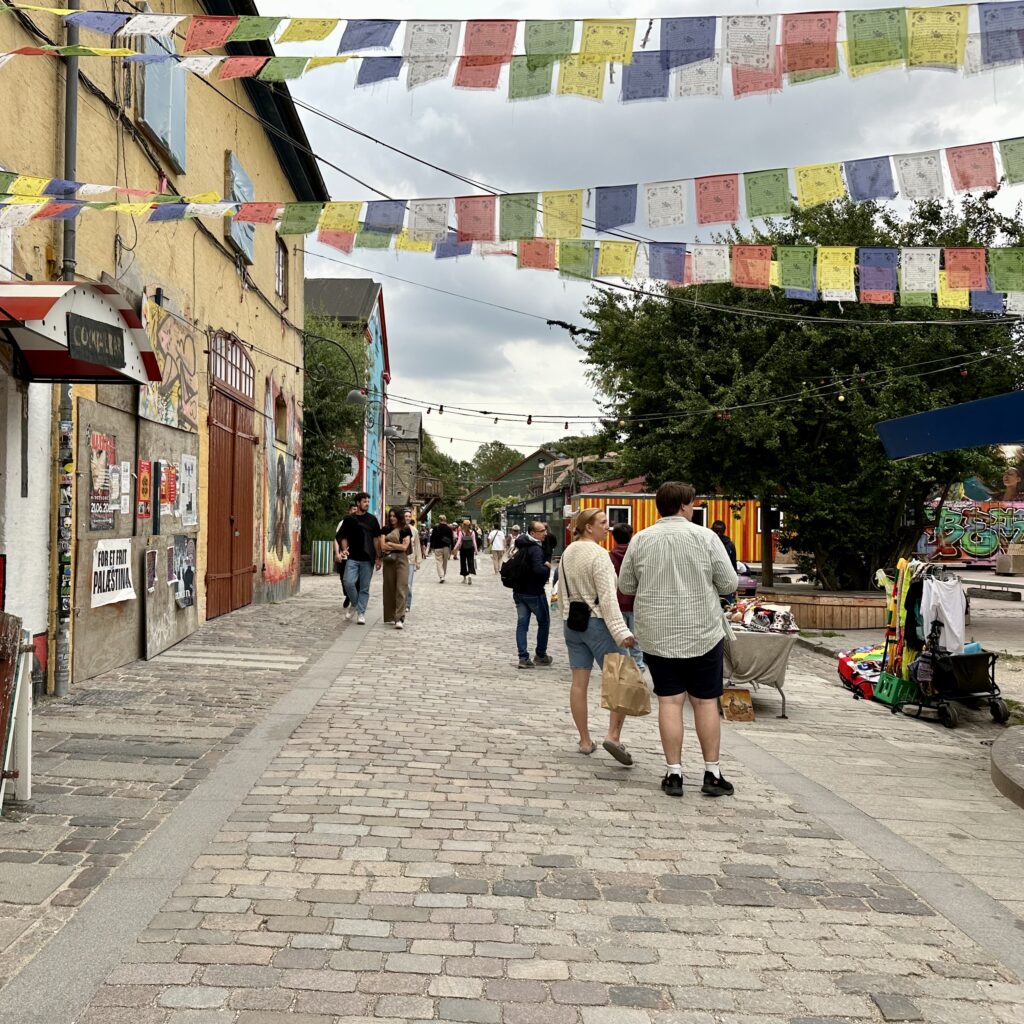
A lot of the people living in Christiania built their homes themselves, giving the area an extremely interesting architectural feel. And you will find a variety of eco-restaurants, workshops, galleries and music venues offering all sorts of cultural experiences. The small shops and cafés use a special Christiania currency.
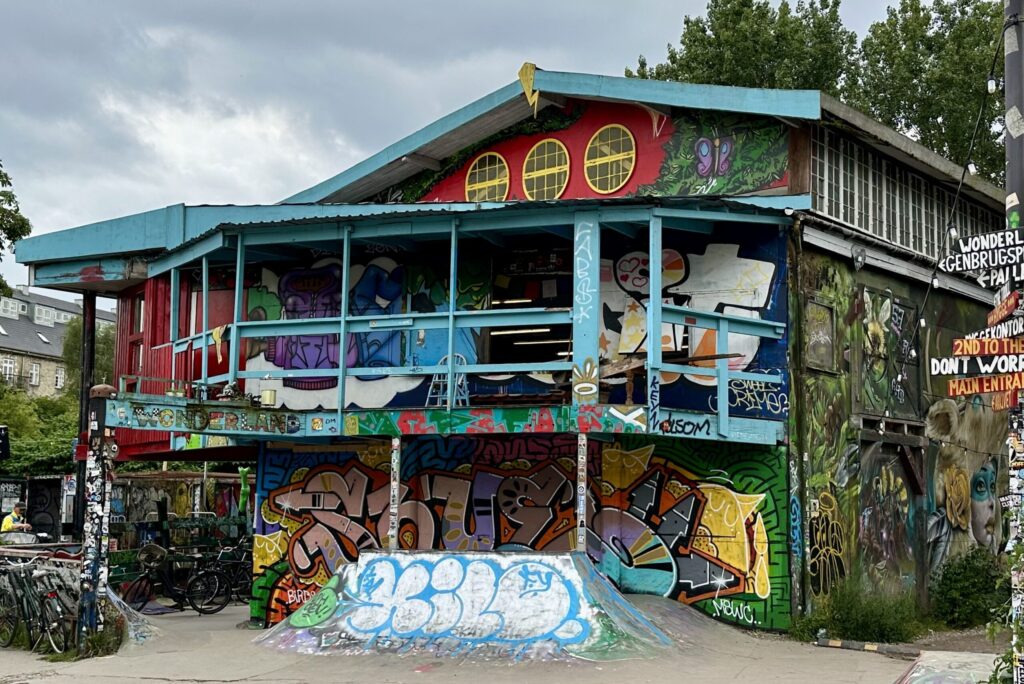
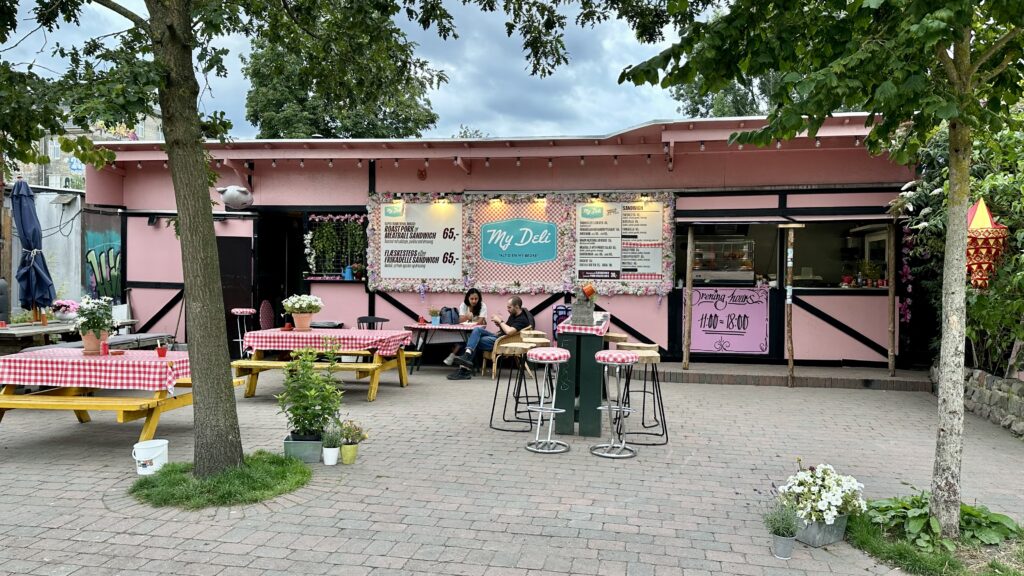
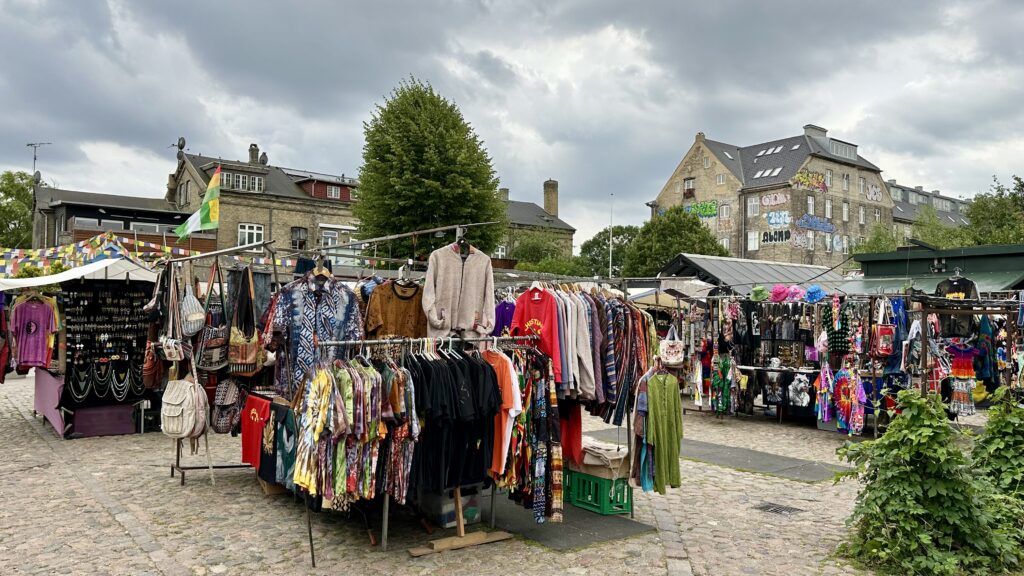
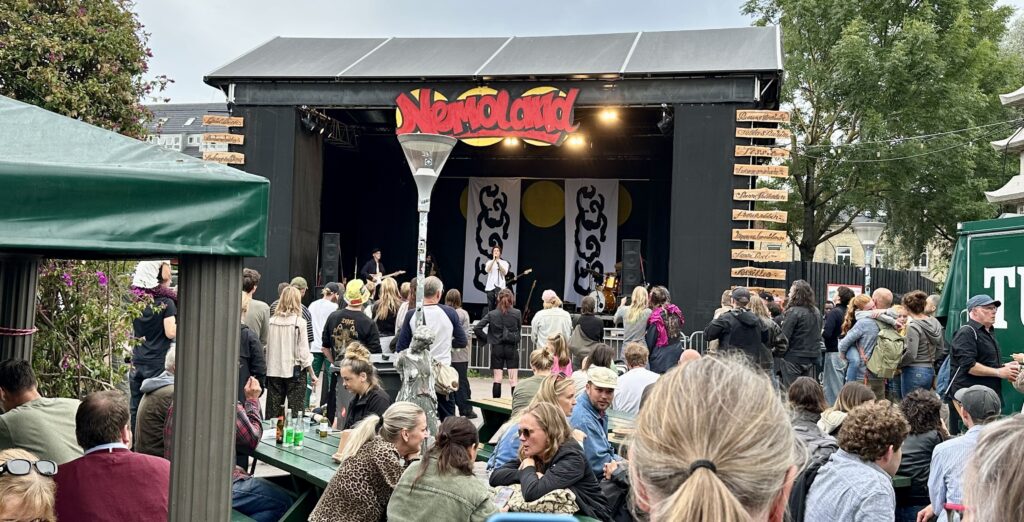
The area is loved by many but has been a turning point for strong debate due to illegal drug dealings, which have also been subject to safety concerns for visitors. The community and authorities have worked together to improve safety and address criminal activities.
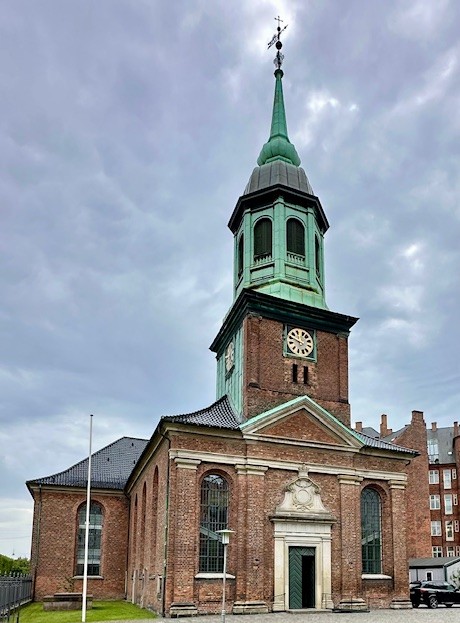
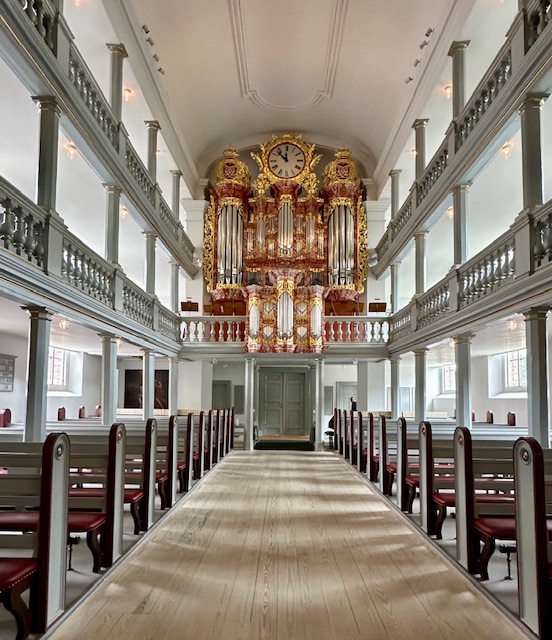
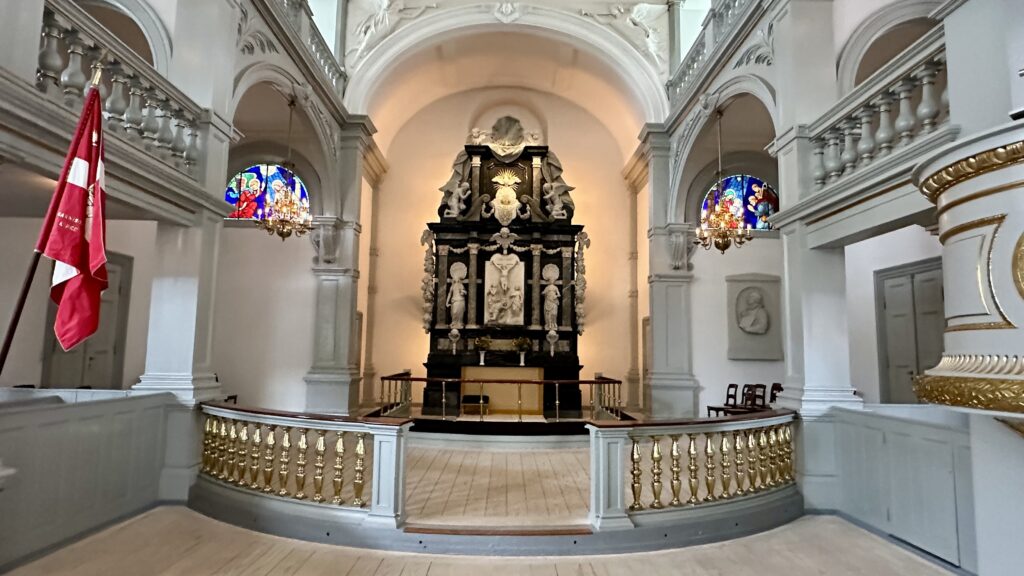
Garnison Church (Garnisons Kirke) – This was one of those churches which happened to be on the way to Kongens Nytorv and we stopped by. The Garrison Church inaugurated in 1706, was originally built for the Copenhagen militia. But soon it became a normal parish church for the surrounding city district. The interior is Dutch Baroque and quite monumental.
Tivoli Gardens – The inspiration behind the Disney theme parks, the famous Tivoli amusement park and pleasure gardens opened its gates on 15 August 1843. Inside, you’ll find more than 20 attractions, including a roller coasters, roundabouts, halls of mirrors, pantomime, puppet, and open-air theaters. There are a wealth of restaurants and cafés, flower gardens, and a Moorish-styled concert hall, which is particularly pleasing when lit up at night.
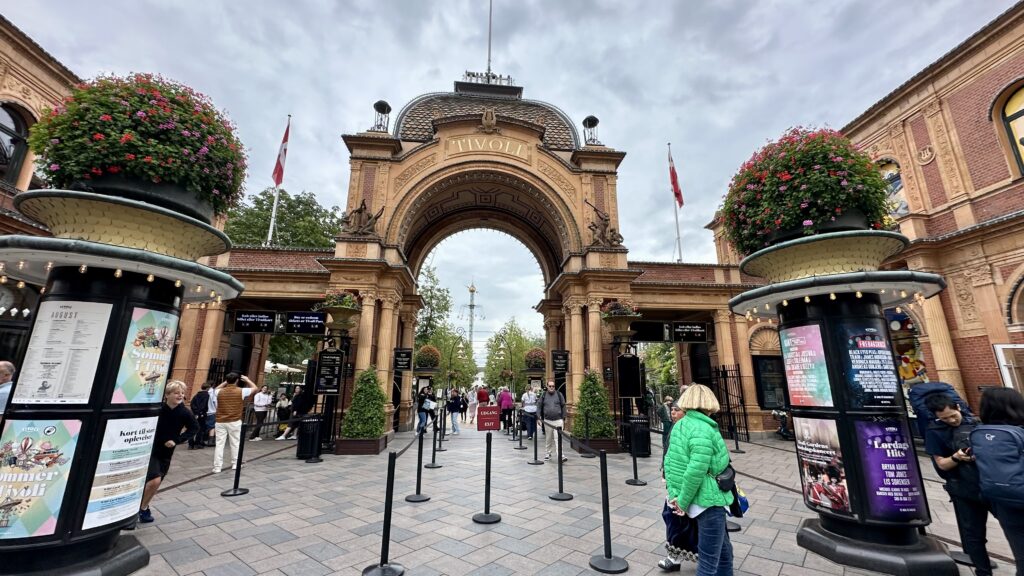
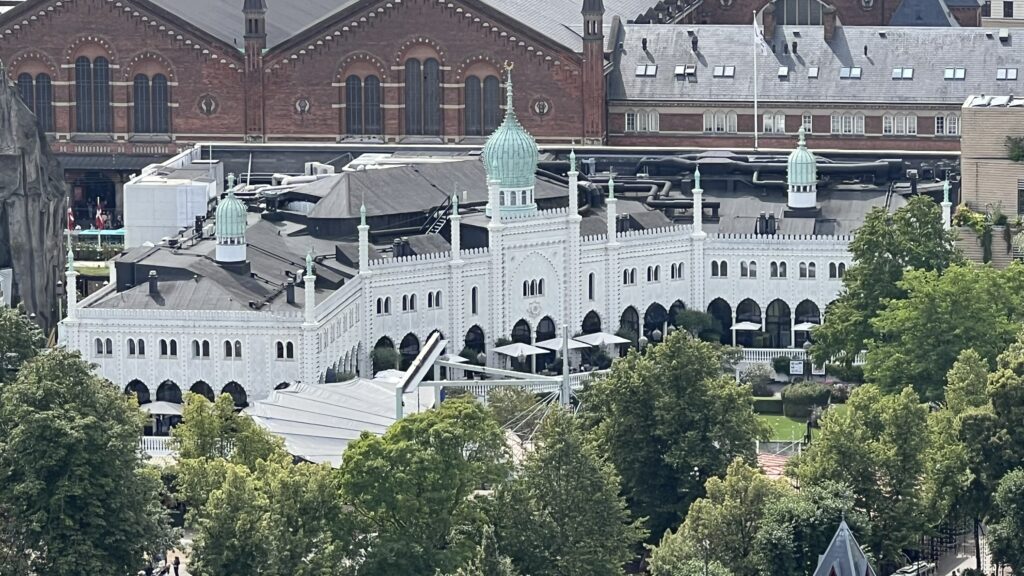
We did not have time to visit this amusement park, but it is worth a visit if you have time.