Day trip from Copenhagen
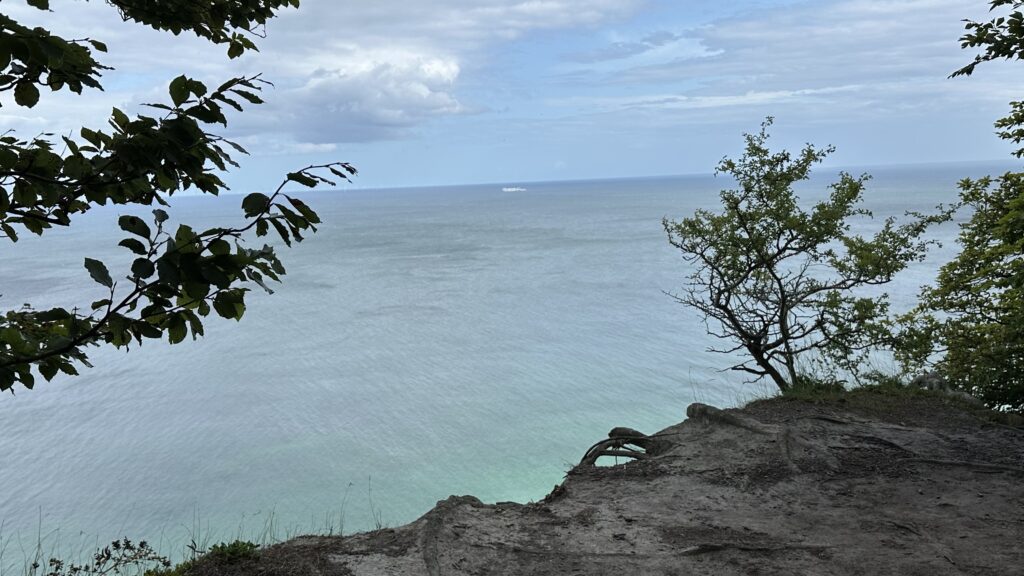
Located along the eastern coast of the island of Møn in the Baltic Sea, Møns Klint is a 6 km stretch of Limestone and chalk cliffs. As of July 2025, it is a UNESCO World Heritage Site. Some of the cliffs fall a sheer 120m to the sea below. The area around Møns Klint consists of woodlands, pastures, ponds and steep hills.
As there are no direct trains or busses to this place from Copenhagen, we decided to rent a car for the day and drive to Møns Klint which is 142km south and took us 2 hours to reach. The Forest Tower is conveniently located on the way (halfway) and we stopped for a hike and climb to the tower on the way back.
- Møns Klint
- Forest Tower
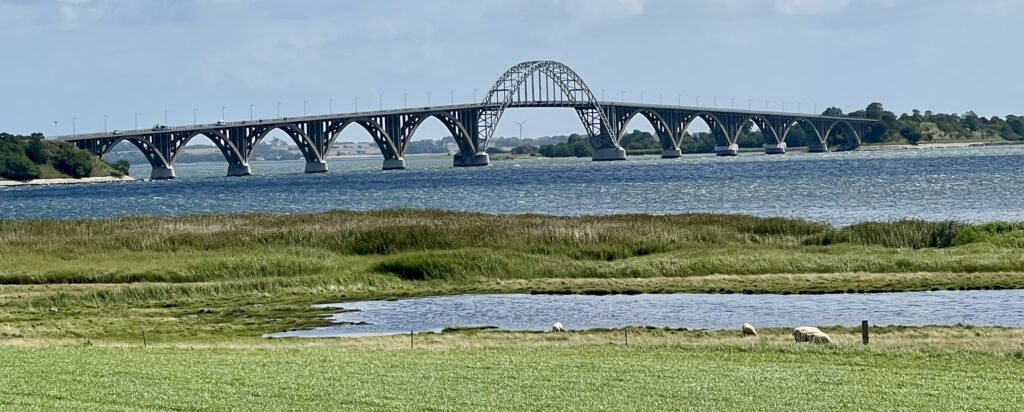
Møns Klint – On the way to Møns Klint, we went over the The Queen Alexandrine bridge (Dronning Alexandrines Bro) which is an arch bridge that crosses Ulv Sund strait between the islands of Zealand and Møn. The 500 Danish kroner banknote that was issued in 2011 features this bridge.
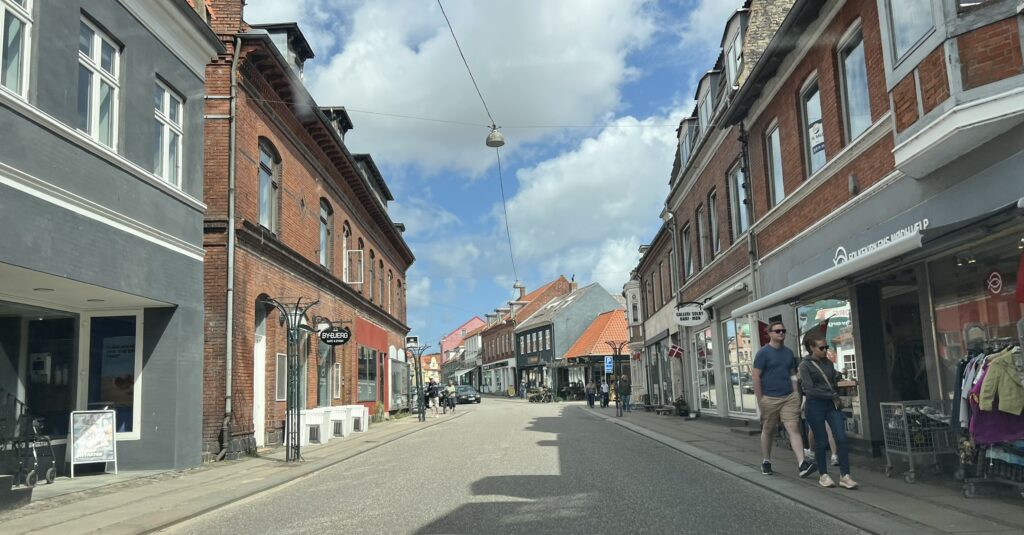
We reached Møns Klint close to lunch time. We only had to pay for parking here, there is no entrance fee. After we had lunch at the GeoCenter restaurant, we decided to explore the hiking paths and found that you can either –
- choose to walk up a set of stairs which will take you to hiking trails through the forest and along the cliffs, providing views of the sea and cliffs OR
- you can walk down a staircase down to the beach from where you can view the chalk white cliffs. The staircase that winds down through the forest consists of 500 steps.
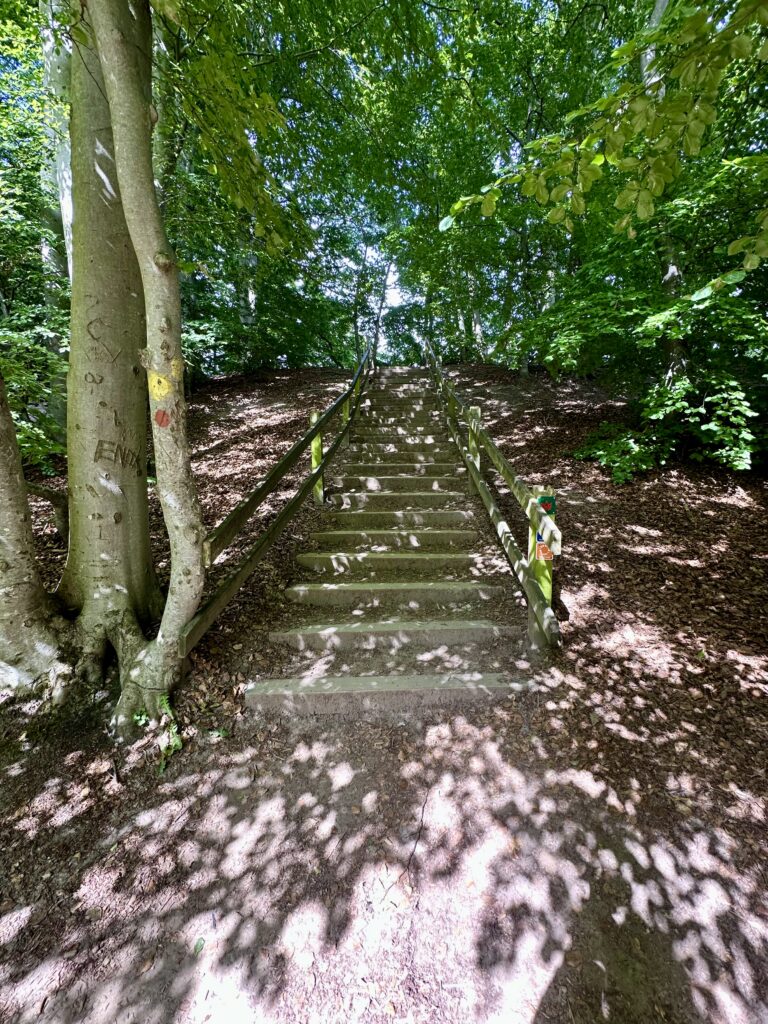
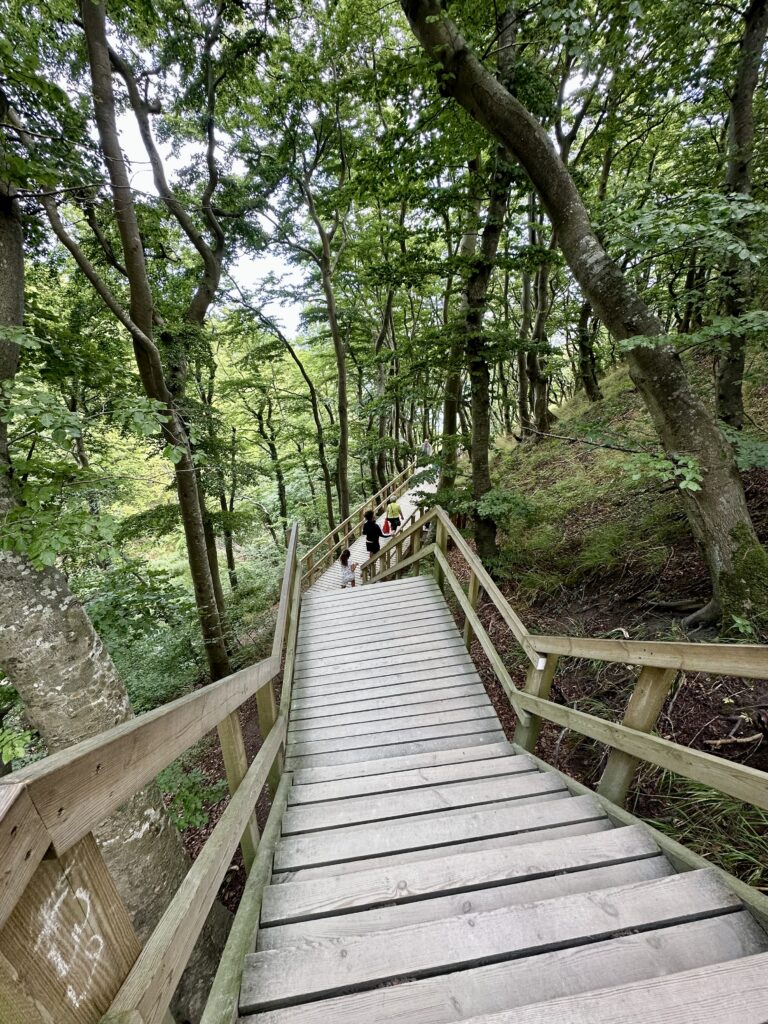
We decided to walk down to the beach first which required us to climb down about 500 steps. The view of the sea and the chalk white cliffs as we reached the base was breath taking. The cliffs are primarily composed of Cretaceous chalk, formed from the remains of microscopic marine organisms that lived over 70 million years ago. The cliffs are constantly eroding due to wave action from the Baltic Sea, exposing layers of chalk and flint.
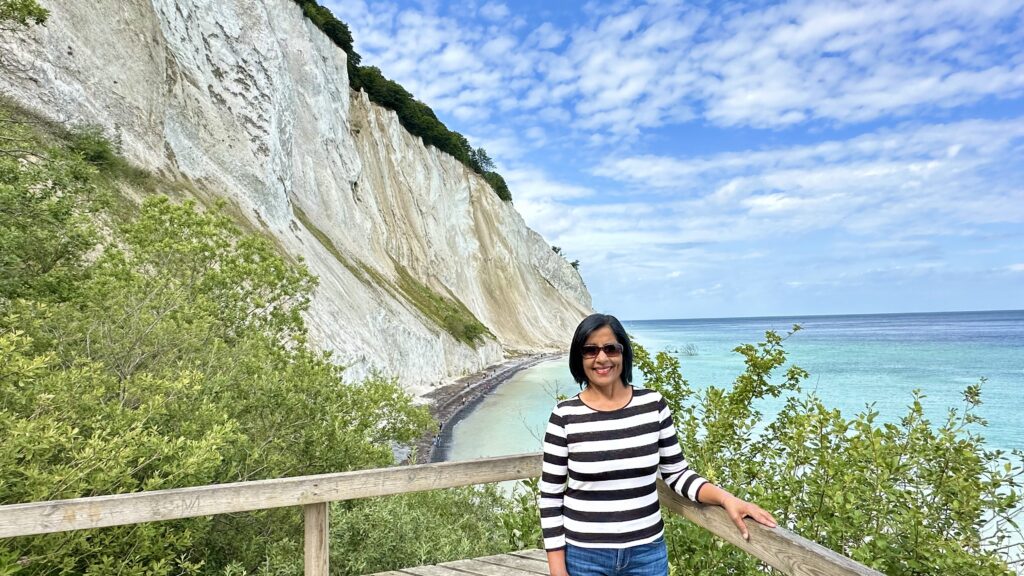
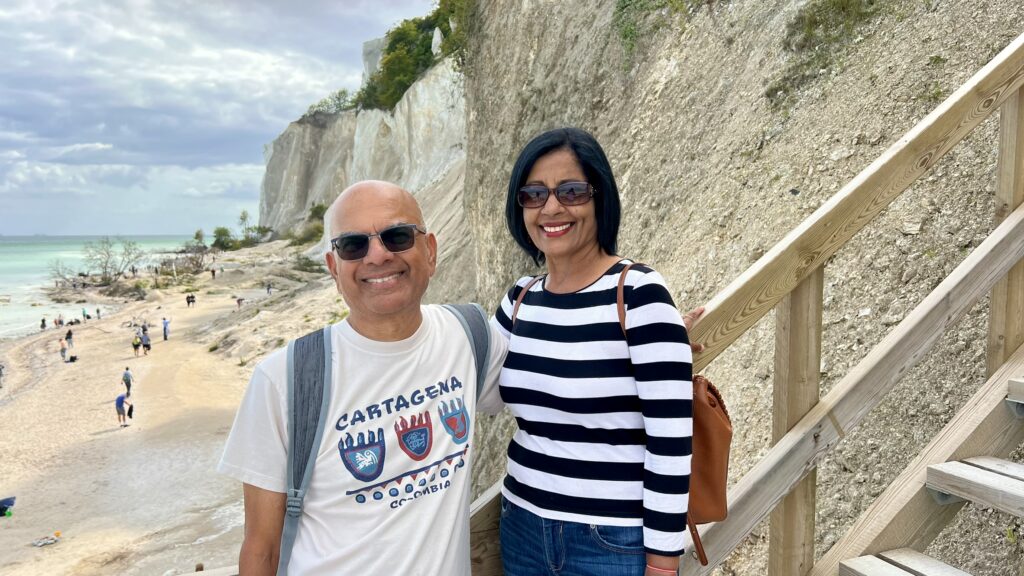
Møns Klint, Color of the water – Near the beach and cliffs, the water appears a bright turquoise or emerald green due to the influence of the chalky cliffs and white sand reflecting in the shallow waters. You can also describe it as being “milk-blue” as the crumbling chalk from the cliffs can contribute to a distinctive blue-green color in the water.
As you go further out into the Baltic sea, the water gets deeper and it tends to take on the typical sea color, which a deep blue.
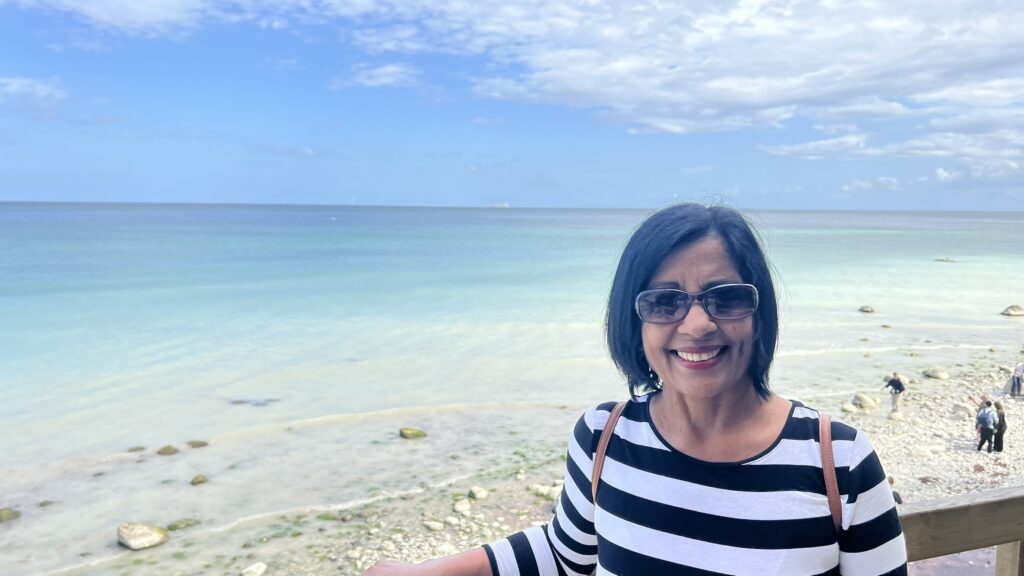
We walked on the pebbled side of the beach for half a mile enjoying the scenic beauty of this place.
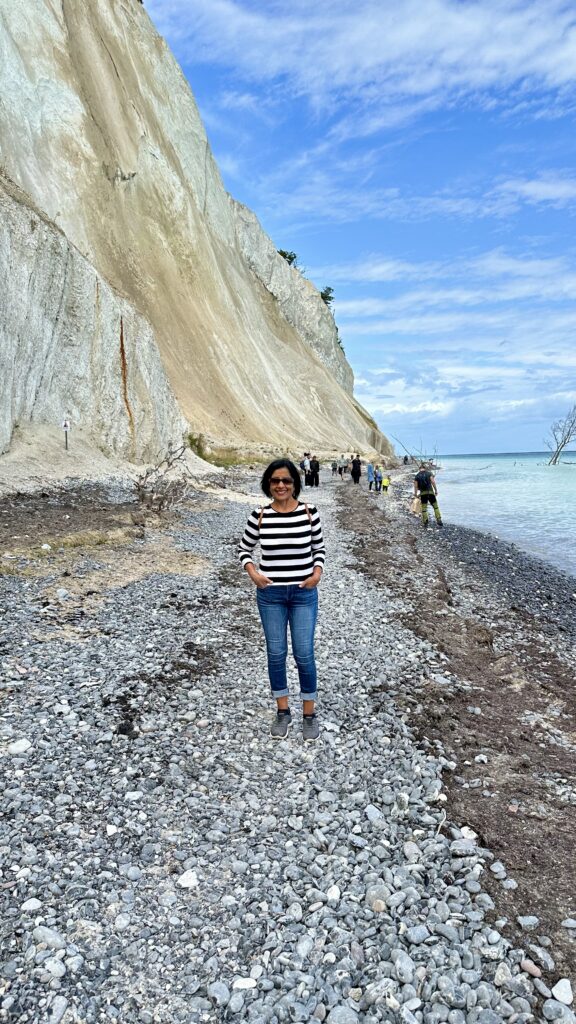
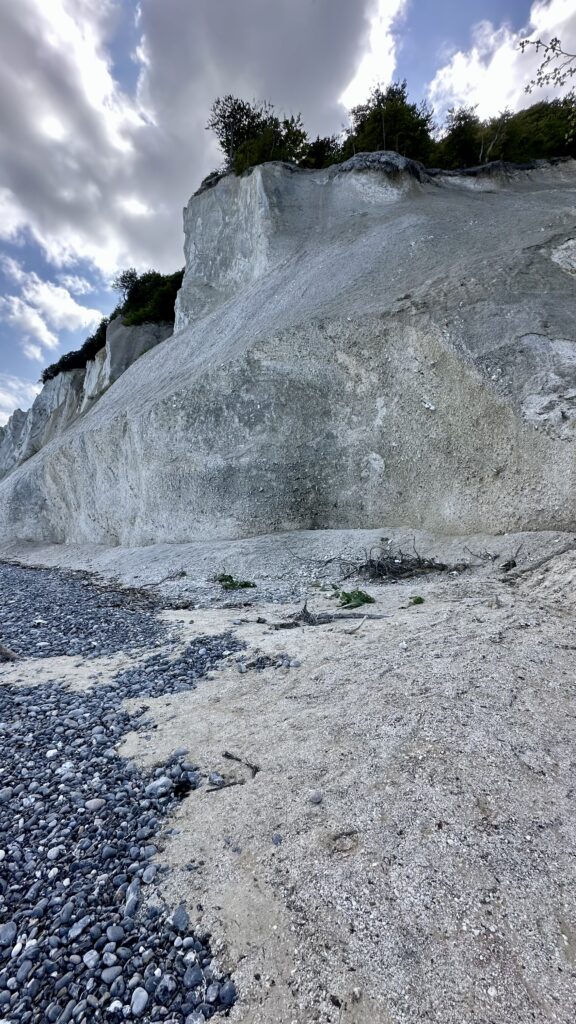
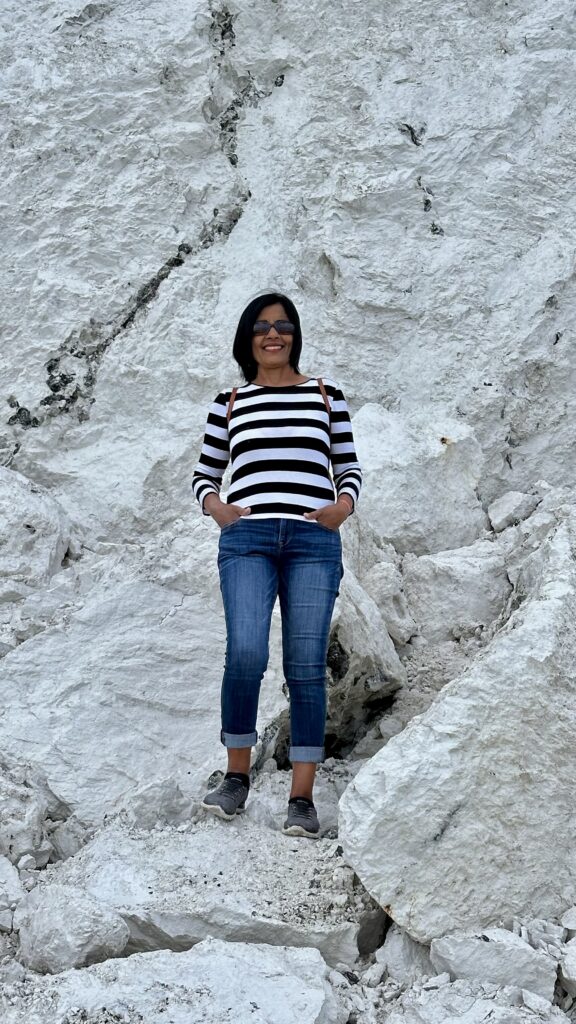
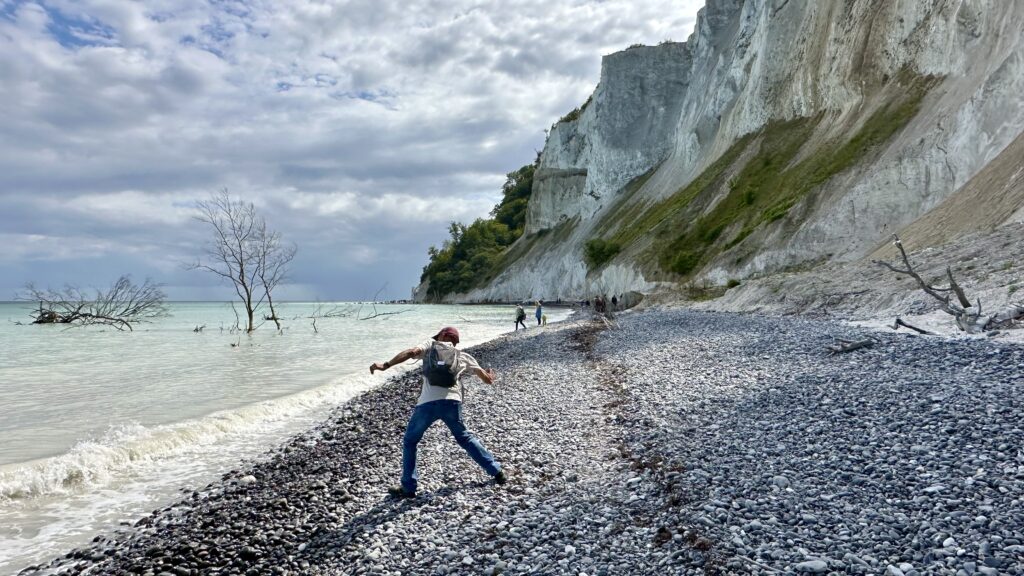
After spending an hour at the beach, we started our journey back to the top which involved climbing the 500 steps. At the top, we spent half hour exploring the hiking trail through the forest and along the cliffs.
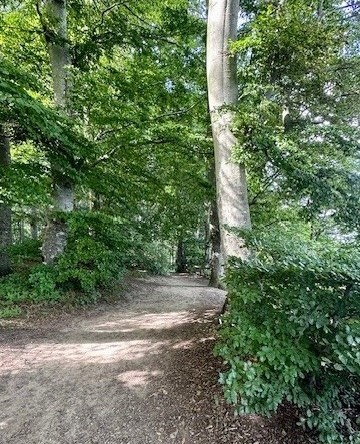
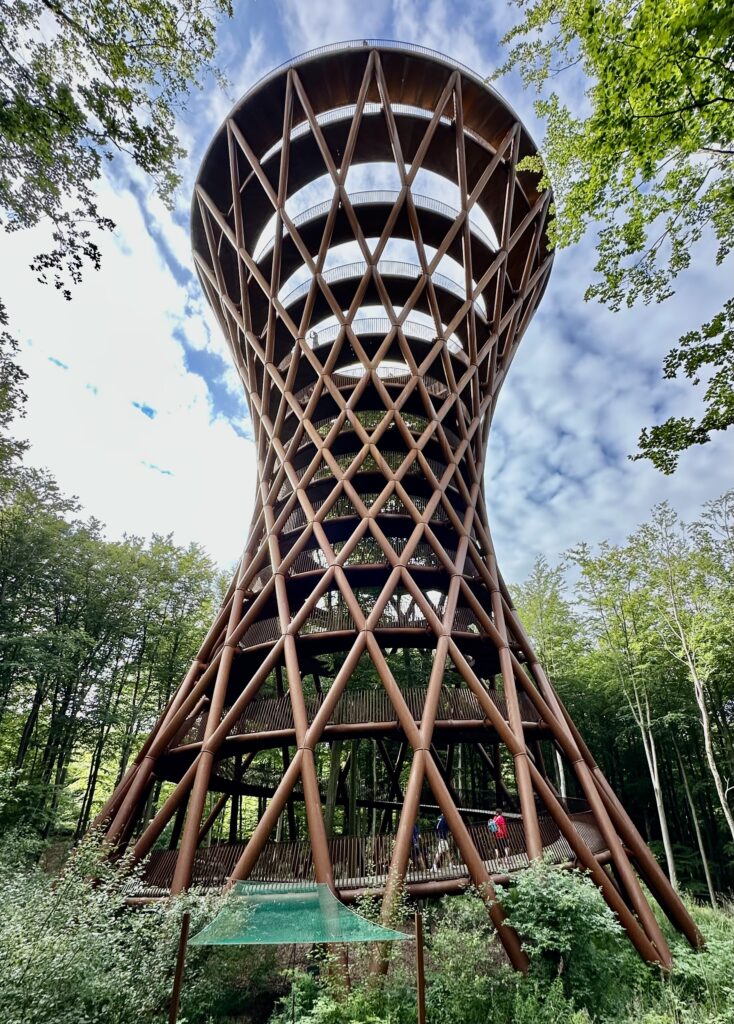
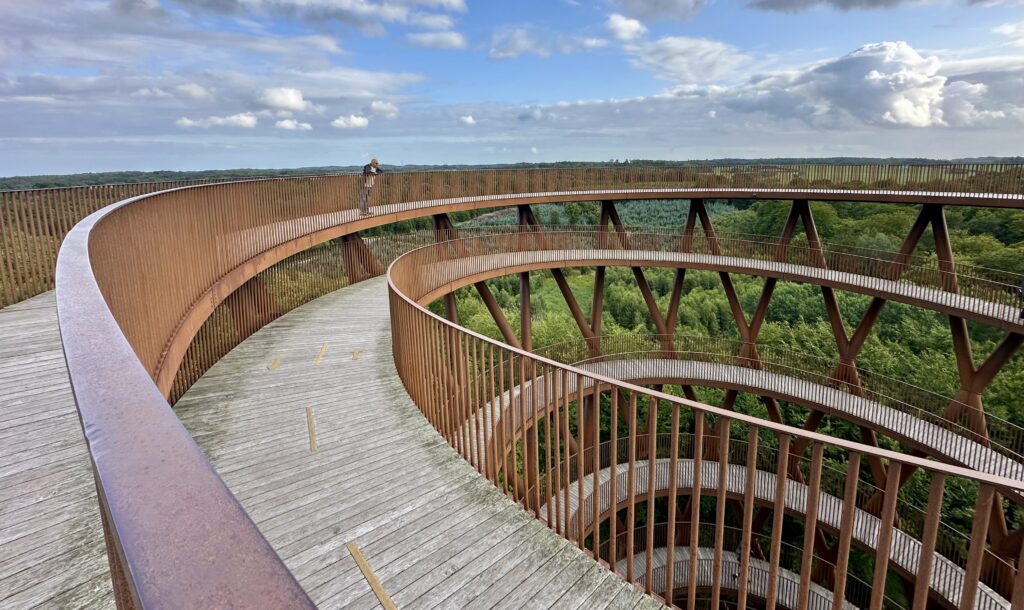
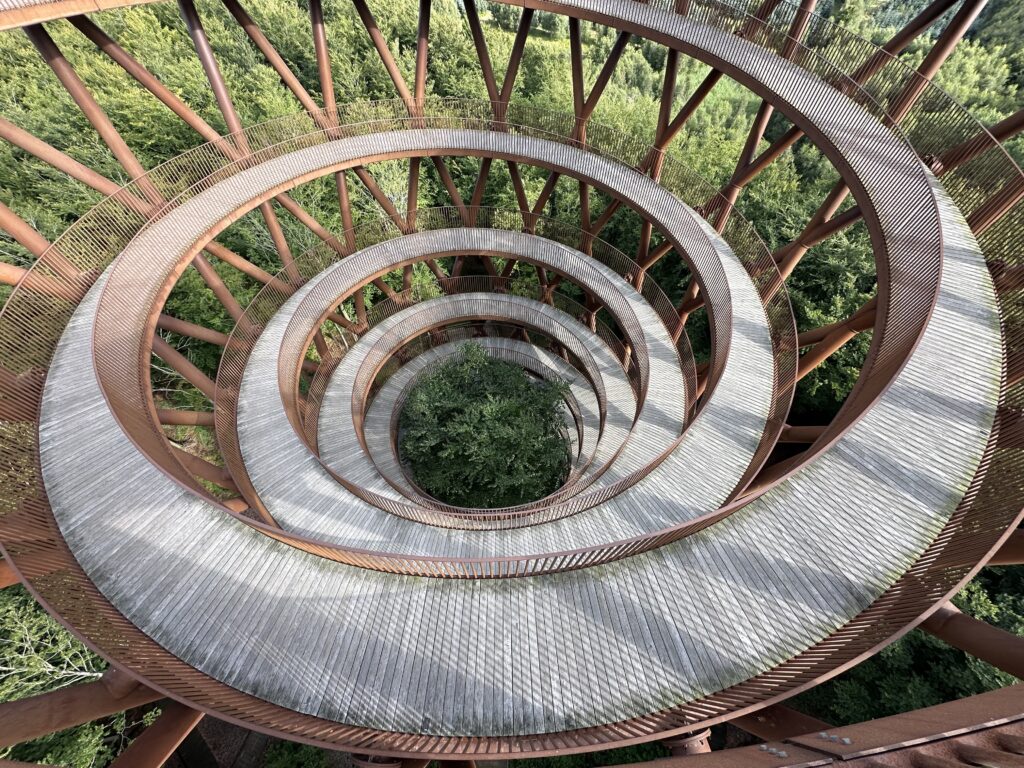
Forest Tower – In a preserved woodland area south of Copenhagen rises Skovtårnet, an hourglass-like tower built so that visitors, without disturbing the natural environment, can experience nature from a new perspective. A gently-inclined spiral ramp leads the way up to the top of the 148-foot (45-meter) structure, where an observation platform offers a 360-degree panoramic view above the tree crowns. To reach Skovtårnet, you walk on a raised footpath through the Gisselfeld forest, winding around trees and across streams.
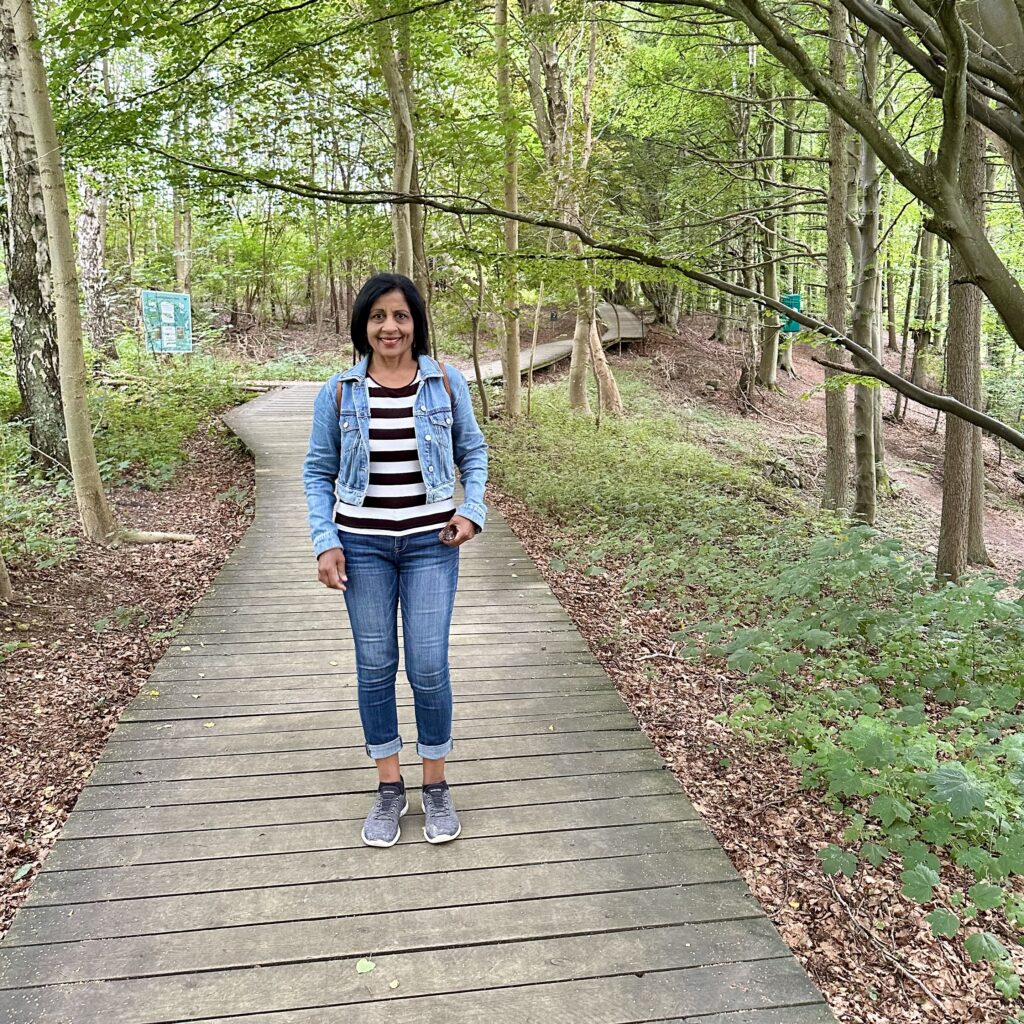
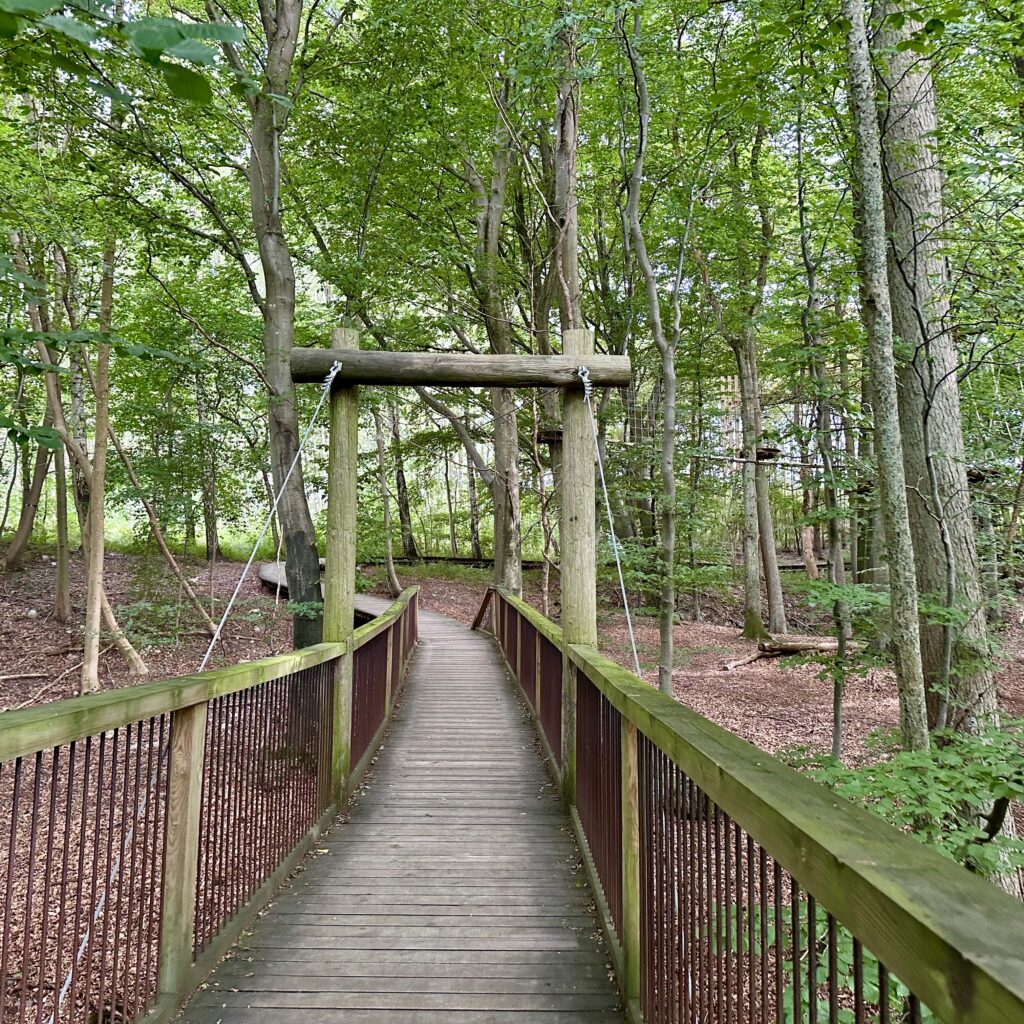
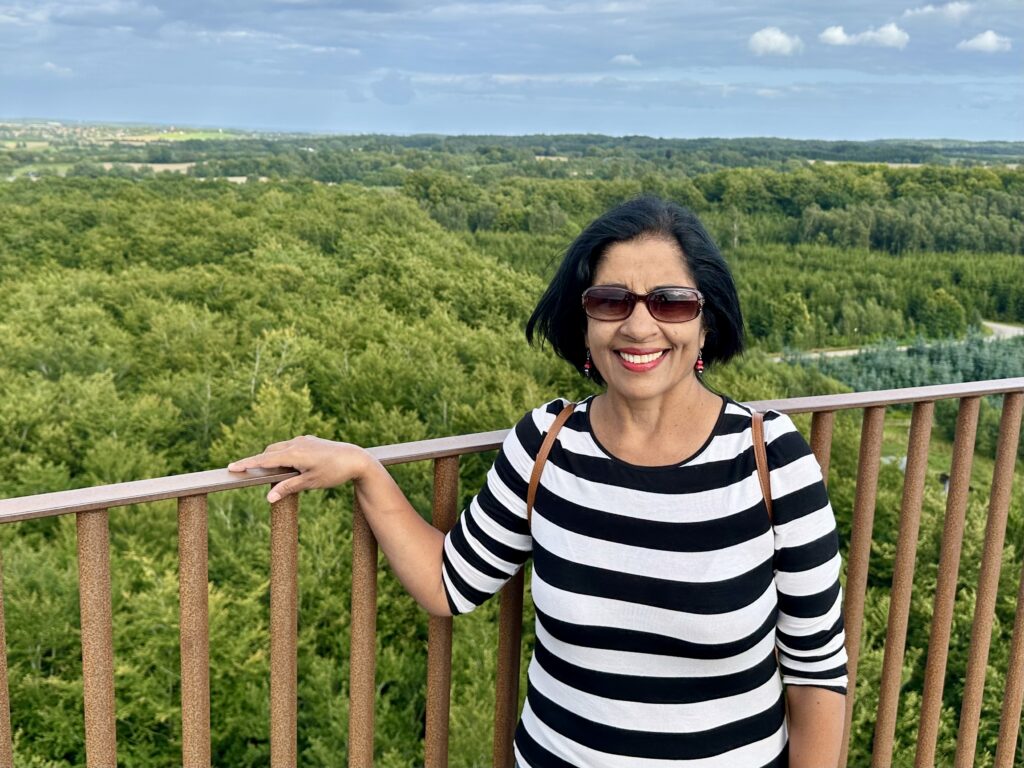
After about 1km the path brings you to the base of the tower. To blend in with the surrounding landscape, the award-winning tower has been made of naturally rusty steel and locally-grown oak. It loops around 12 times, with slight changes to the incline and width of the tower as you climb. A wide view of the surrounding forest greets you at the top.
We stopped by Forest Tower on the way back to Copenhagen from Møns Klint which was a 1-hour drive. The ticket price to hike the path and climb the tower was a bit steep (about US$30/person). You can skip this if you are short on time or don’t want to spend $30.