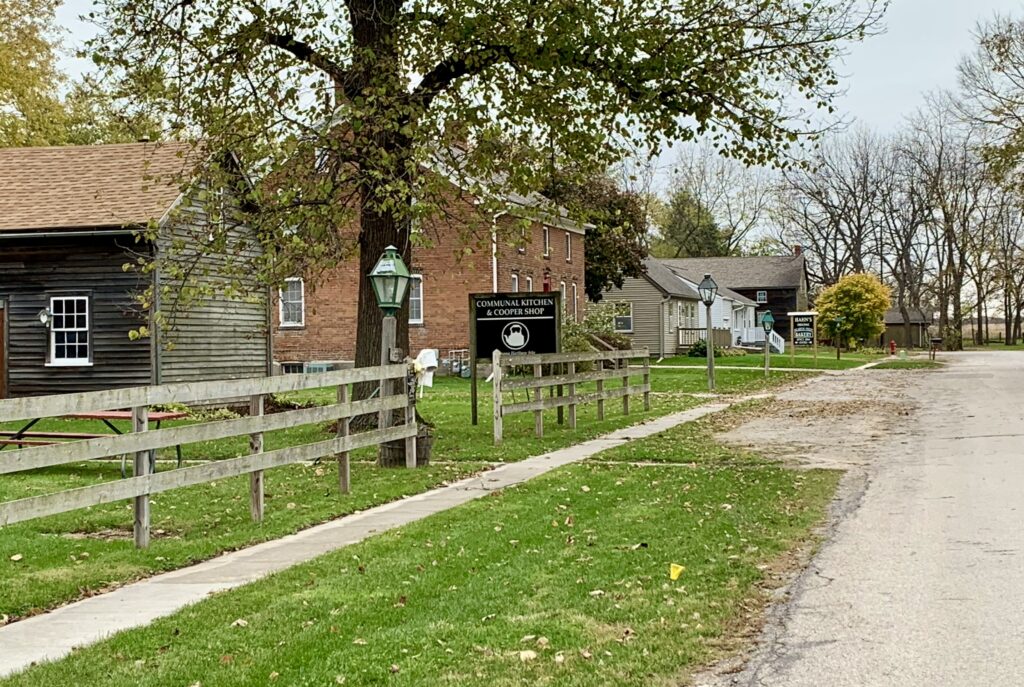
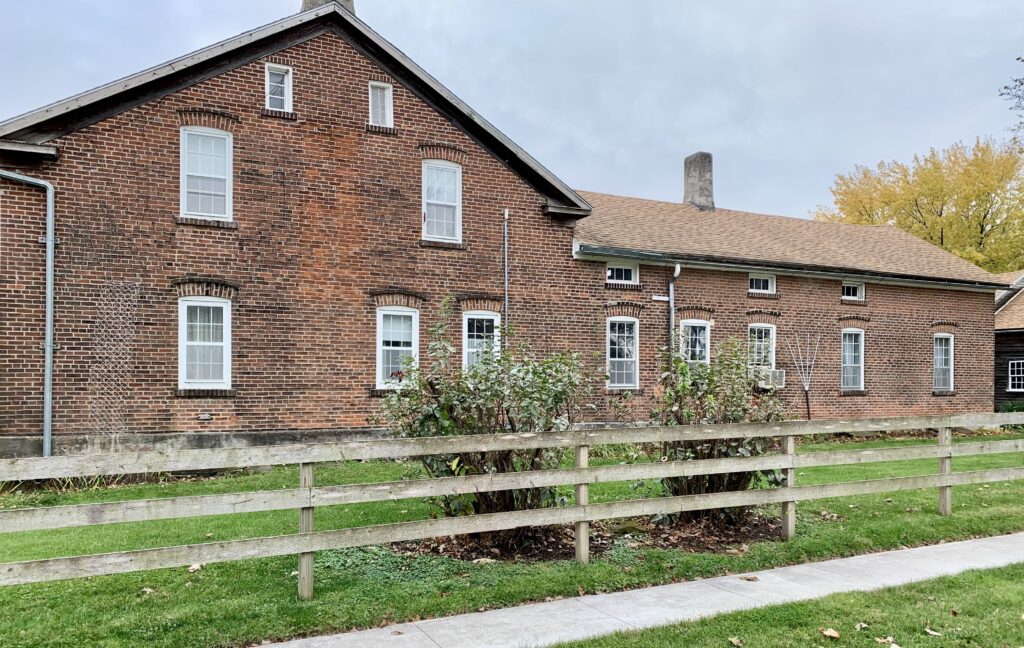
Located in eastern Iowa and 19 miles south of Cedar Rapids, Amana Colonies consists of 7 villages that take visitors into the past when German Pietists persecuted for their religion moved and settled in Iowa in 1855. The 7 German Pietist villages which are now listed as National Historical Landmark are – Amana, East Amana, West Amana, South Amana, High Amana, Middle Amana, Homestead. They are very close to each other and have the same beliefs and regulations. These villages were created because of the communal style that existed at the beginning. It was much easier to service small groups of people than larger groups. Each village was responsible for taking care of those in their village. Communal style living ended in 1932.
We drove to a few of the villages and explored them on foot, starting with Amana.
- Amana
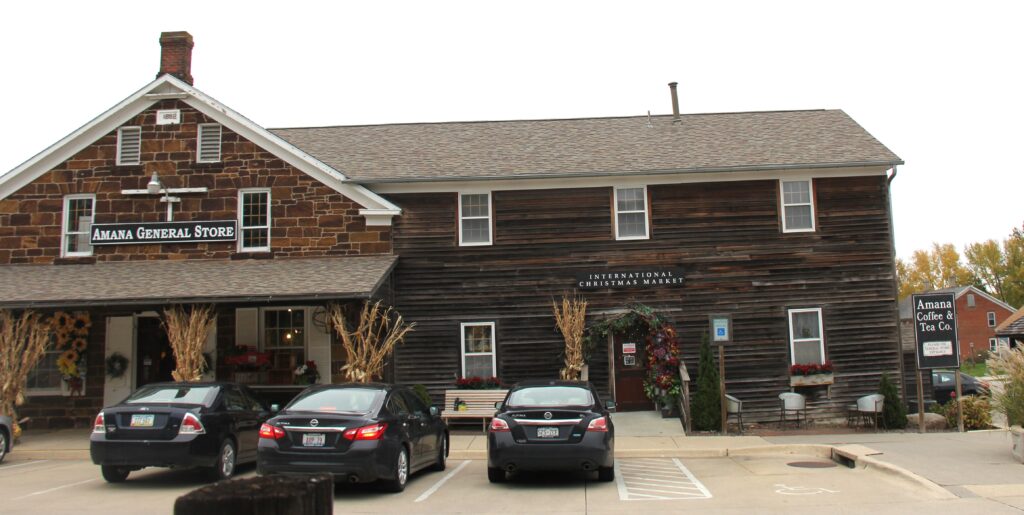
- Amana General Store
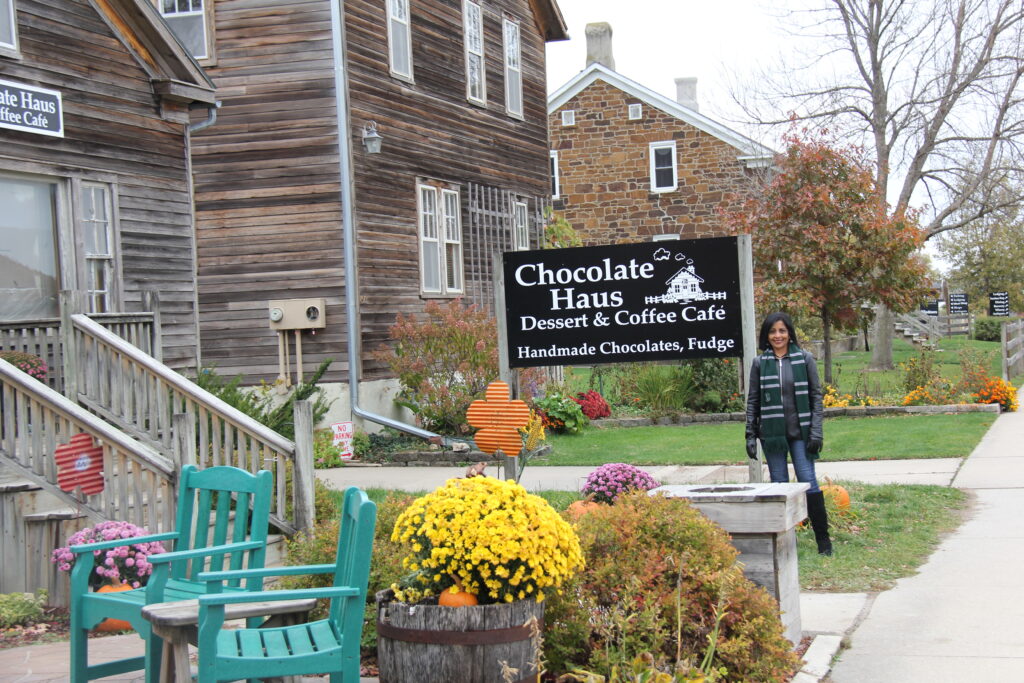
- Chocolate Haus
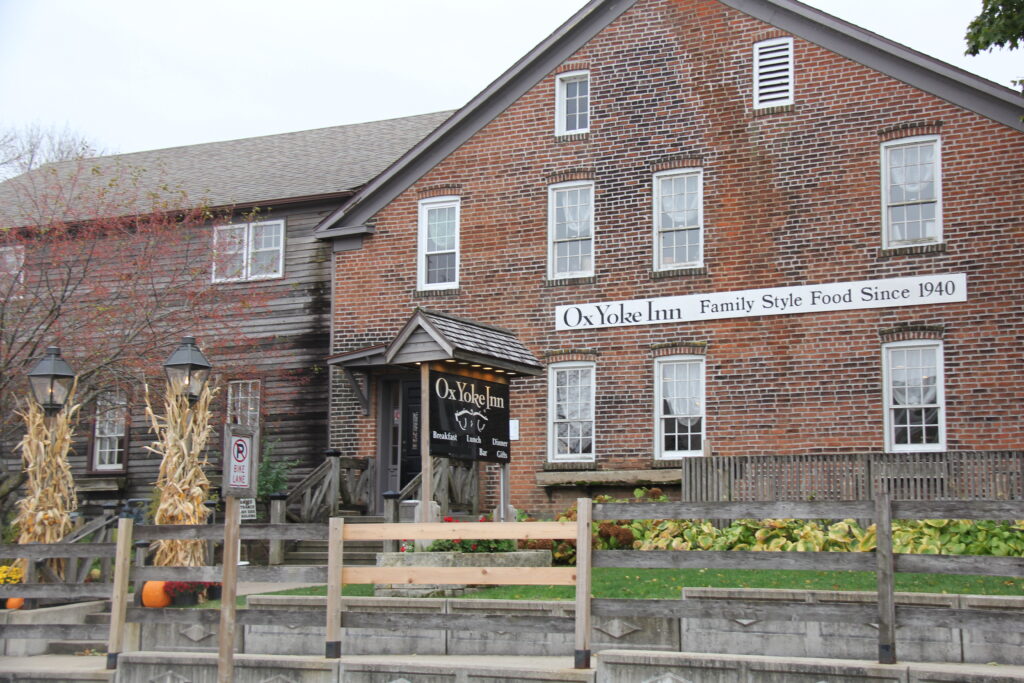
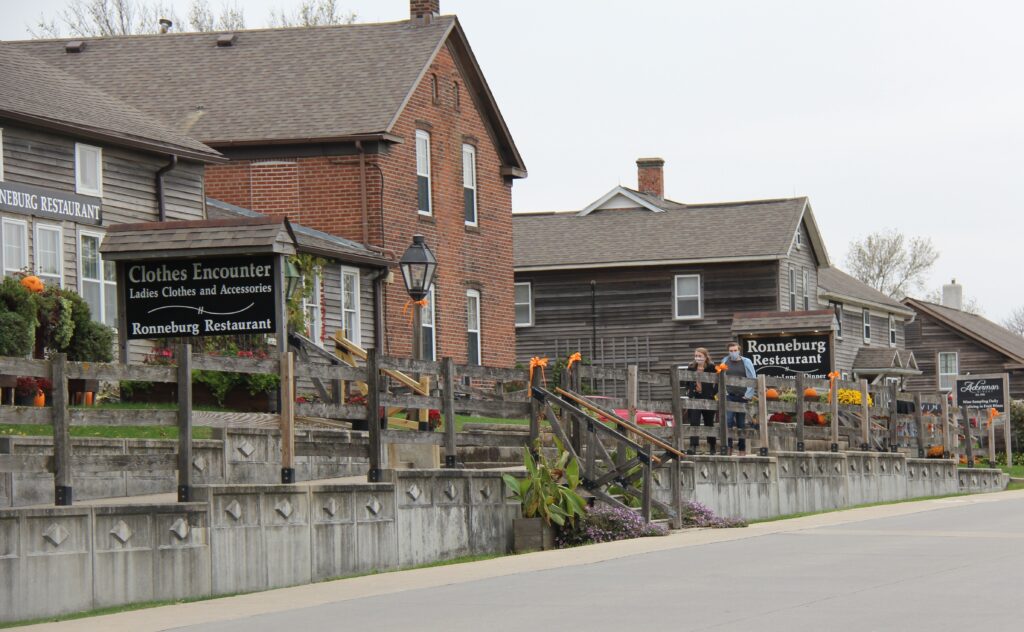
- Ox Yoke Inn & Ronneburg Restaurant
- South Amana
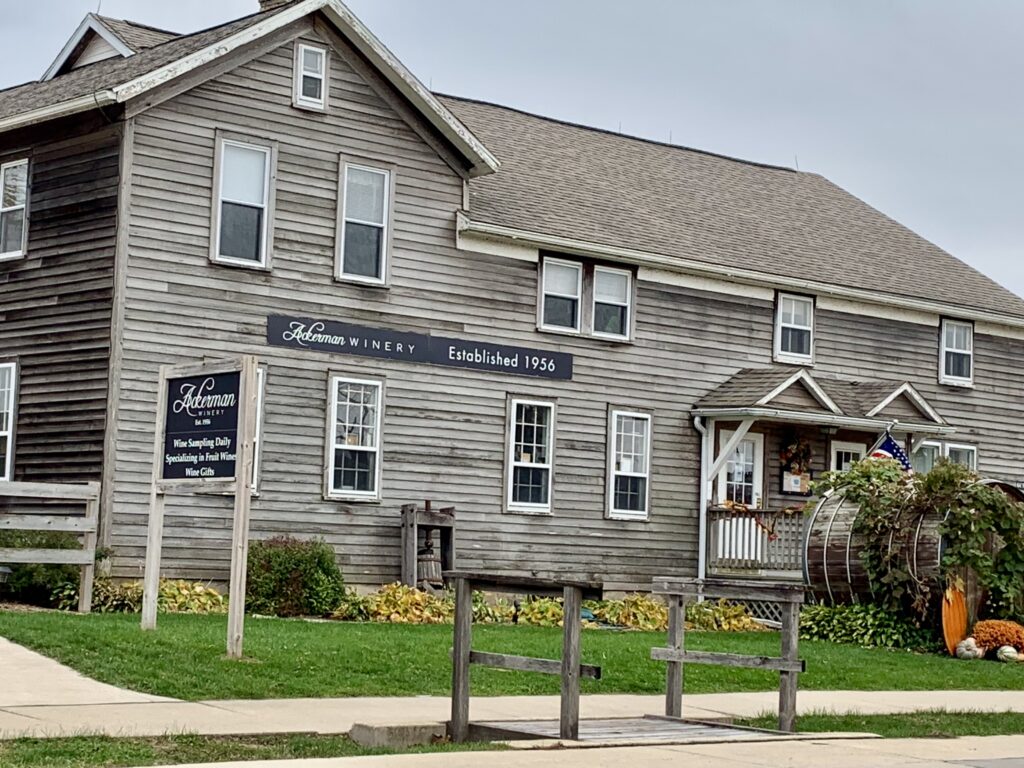
- Ackerman Winery
- West Amana
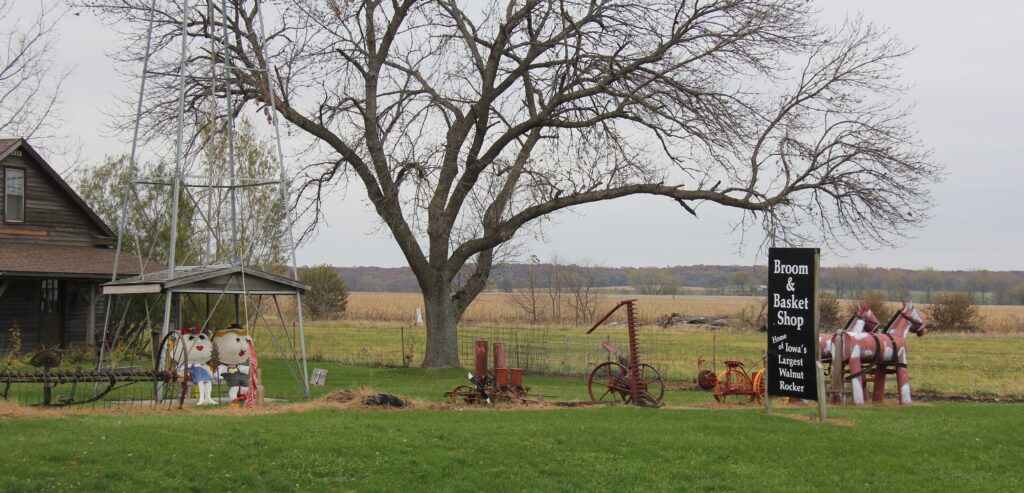
- Broom and Basket Shop
- Middle Amana
- Communal Kitchen
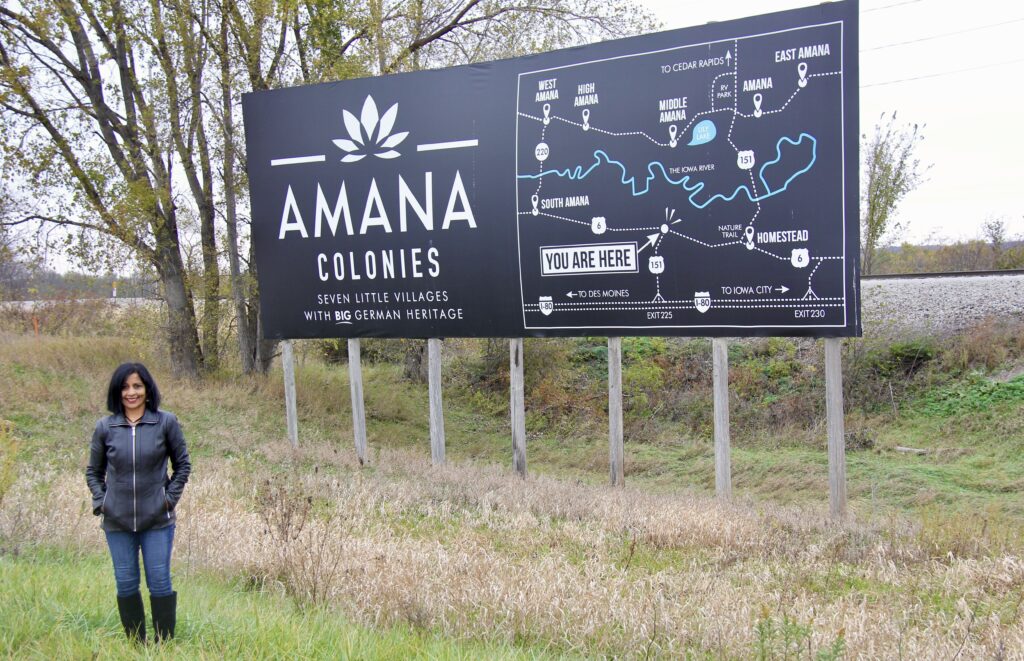
The community encourages visitors to walk or bike around the scenic villages and enjoy the coffee houses, ice cream shops, bakeries, wine stores and the restaurants.
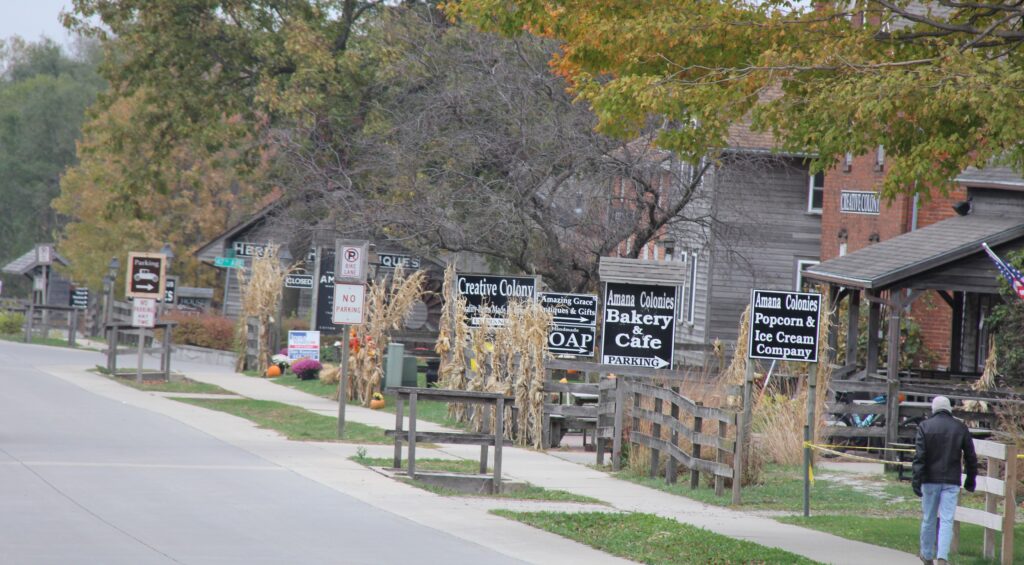
Amana General Store makes their own beer and wine. They have a full line of food products from pickled beets to jams and jellies.
Just down the street is the Chocolate Haus where they make all types of sweet treats from yummy fudge to hand dipped caramel apples.
Ox Yoke Inn and Ronneburg Restaurant – There are a few options for lunch from a full family style meal to sandwiches to wood-fired pizza. Ox Yoke Inn and Ronneburg Restaurant specialize in the traditional family style meals. They also serve plated meals and sandwiches and their homemade desserts are to die for.
South Amana, Ackerman Winery – Ackerman Winery is proud to have the distinct honor of being the oldest operating winery in the state of Iowa. It all started in the basement of the South Amana home of Harry and Louisa Ackerman in 1956. They produced one hundred gallons each of Concord Grape and Rhubarb.
The West Amana Colony has a Broom and Basket Shop that displays a huge walnut rocking chair.
Middle Amana, Communal Kitchen – Built in 1863, the “Rüdy Küche” (Ruedy Kitchen) is the only intact communal kitchen remaining in the Amanas. During the communal era, families did not cook for themselves. Instead, elders assigned them to eat in one of the village kitchens. Each kitchen served 40-50 people. The Ruedy family preserved the kitchen as it appeared in 1932 when it served community members for the last time and opened it as a museum in the 1950s. Visitors can see the kitchen with the large brick hearth, the dry sink with its wooden tubs, and the original implements used to prepare meals. In the dining room, tables are set for a communal meal.