Atlanta is known for being the birthplace of Martin Luther King Jr., and its pivotal role in the Civil Rights Movement. The city is also recognized for its diverse culinary scene, vibrant music scene, and its numerous attractions, which we were fortunate to enjoy in 2021.
- Hindu Temple of Atlanta
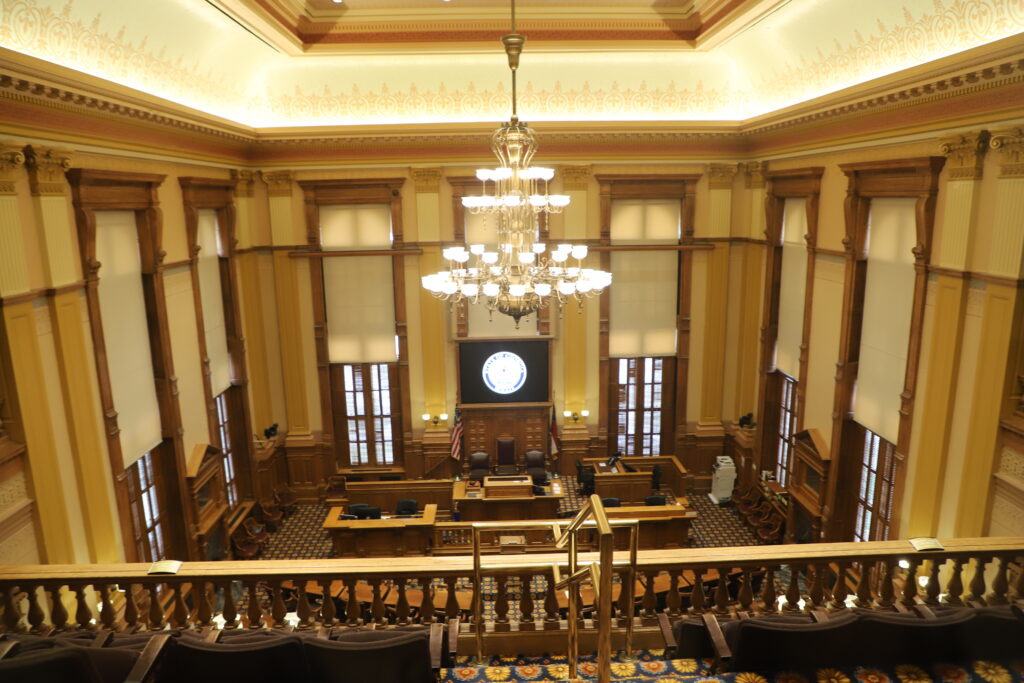
- Georgia Capital Building in Atlanta
- Centennial Olympic Park
- World of Coca-Cola
- Center for Civil and Human Rights
- Martin Luther King, Jr. National Historical Park
- Margaret Mitchell House
- Stone Mountain Park
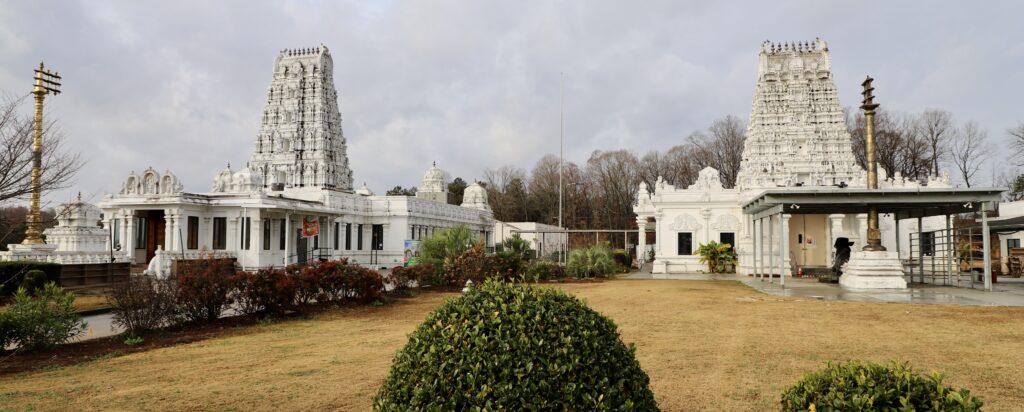
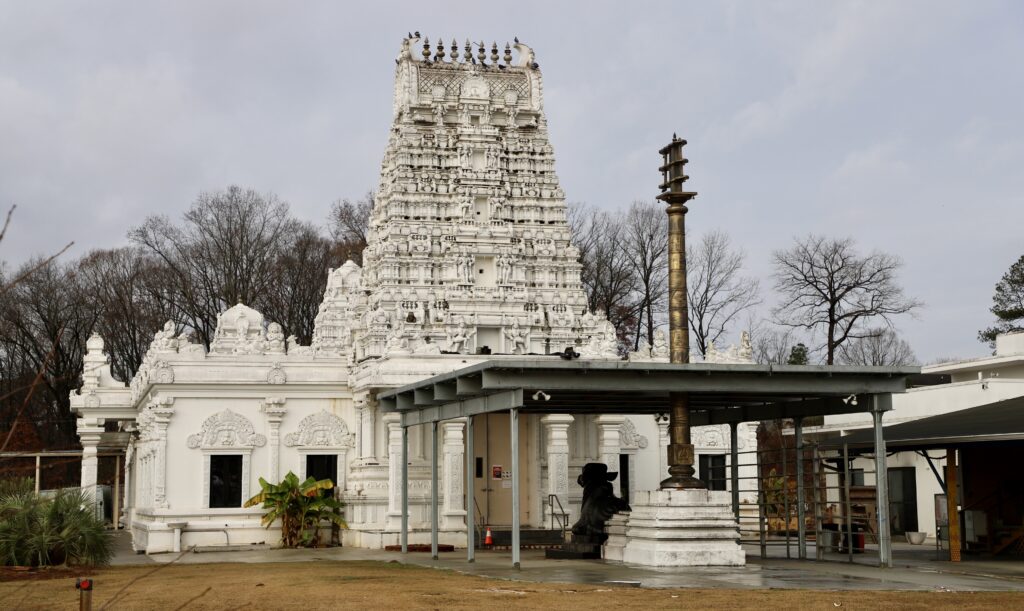
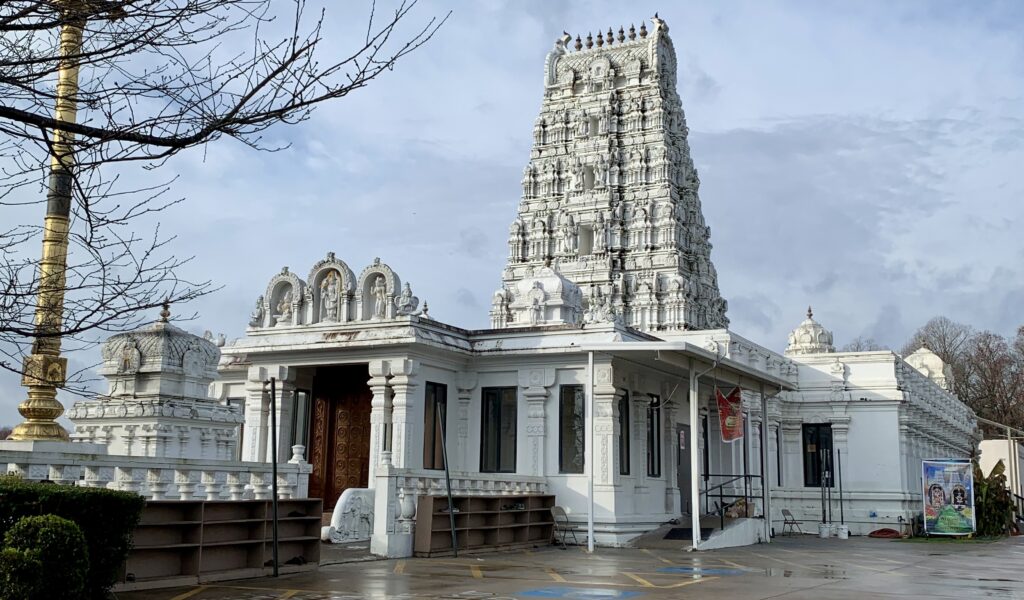
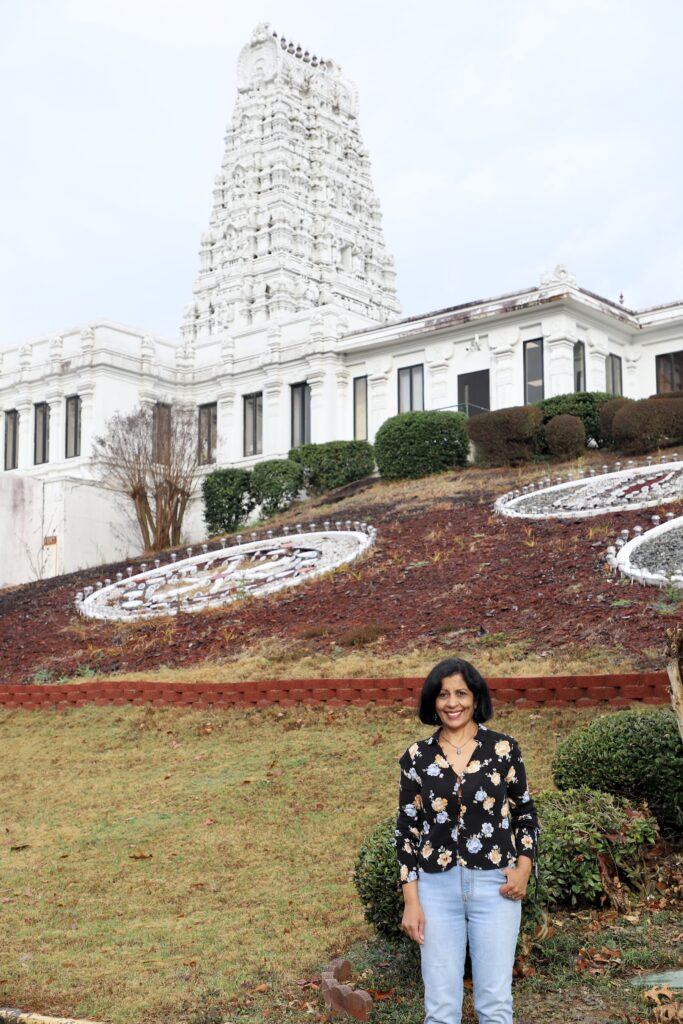
Hindu Temple of Atlanta – We visited this beautiful temple on the day we landed in Atlanta, as it is located within a few miles south of the airport. It was built in 1990 and has two complexes – one complex with Lord Venkateswara as the main deity and the other with Lord Shiva. In addition to the presiding deity, both complexes have shrines for other deities. Ample free parking spaces is available at the base of the temple complex.
Georgia Capital Building in Atlanta – The state capital building was built in 1889 on the former site of Atlanta City Hall/Fulton County Courthouse. Its architecture is described as Neo-Classical-Renaissance Revival. The golden dome is topped by a female statue of Miss Freedom holding a sword to her side and a lantern aloft. Very few alterations have been made to the exterior of the capital building, with one major exception – In 1959, the citizens of Lumpkin County donated enough gold to the State to gild the dome and lantern of the Capitol. The gold was carried to Atlanta by wagon train and applied by Italian artisans. This entire process was repeated in 1981 after the leafing showed signs of deterioration.
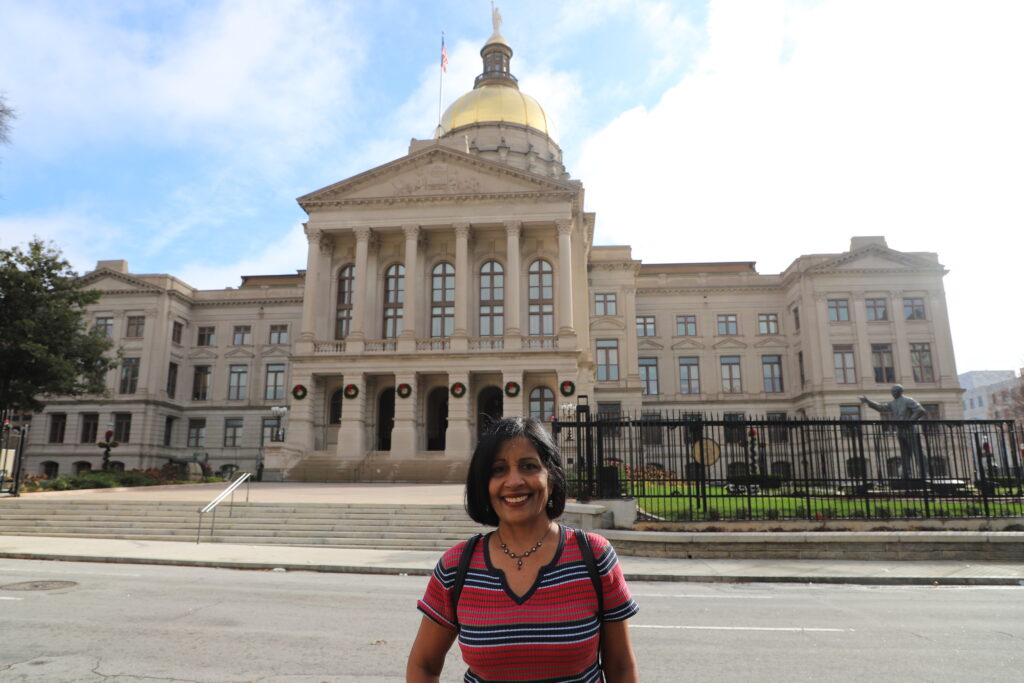
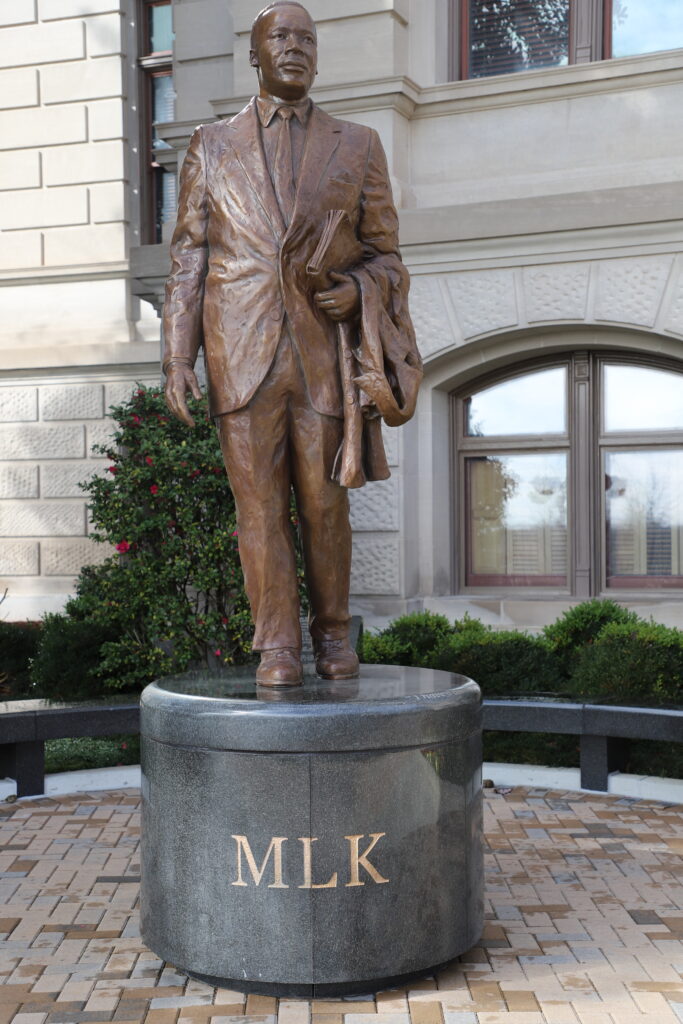
A bronze statue of Martin Luther King Jr. stands on the grounds of Capital. Unveiled on August 28, 2017, it is located on the same spot where a replica of the Liberty Bell was previously located.
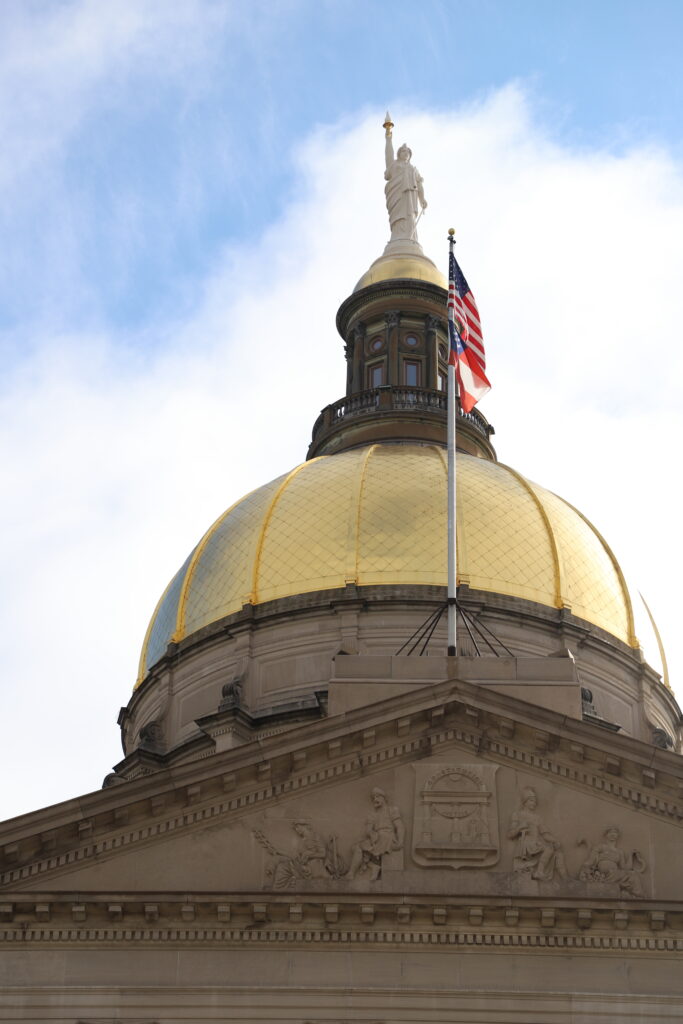
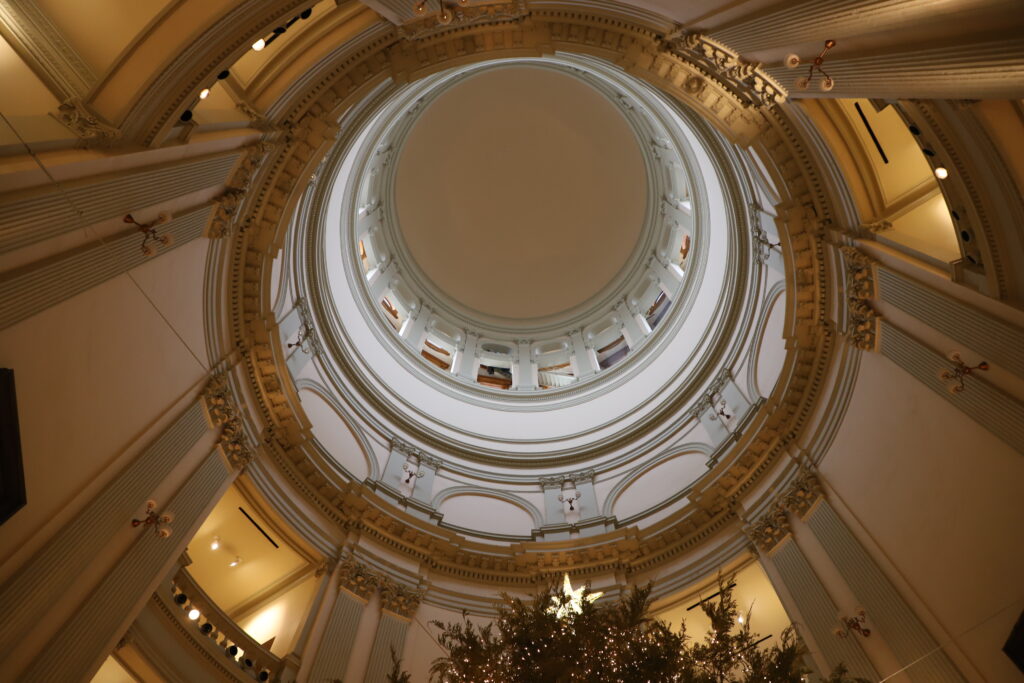
The open rotunda is the focus inside, with sweeping marble staircases leading to the second-and third-floor galleries, supported by composite columns. The House Chamber on the east and the Senate Chamber on the west are richly paneled and highly detailed.


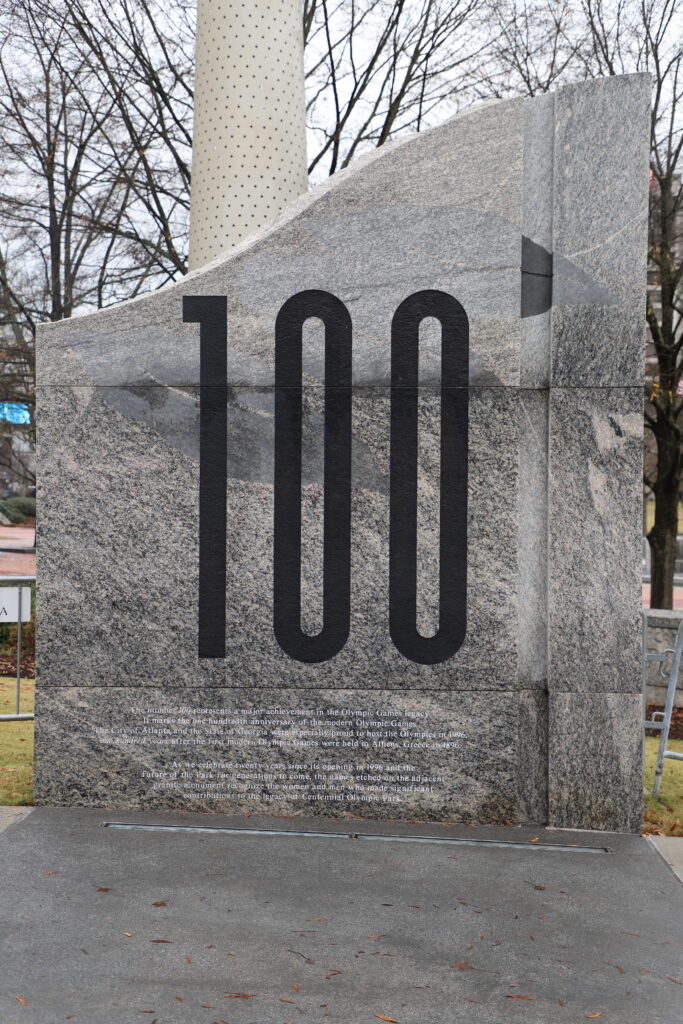
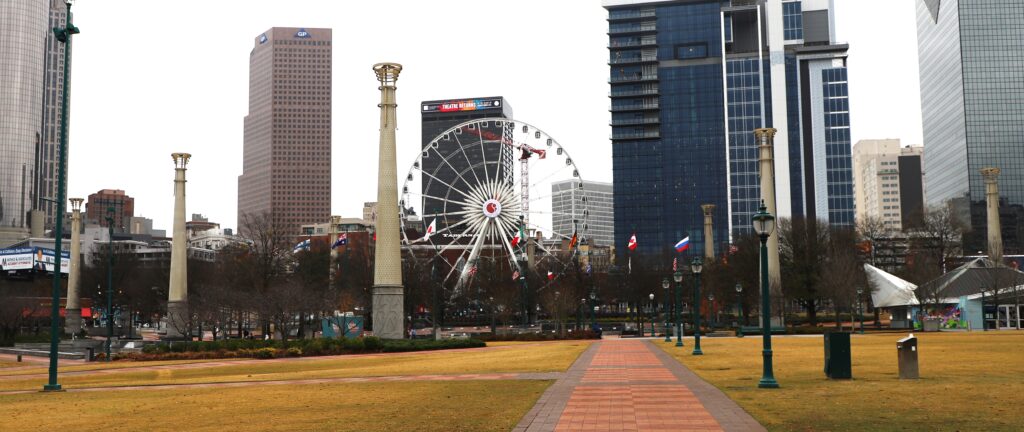
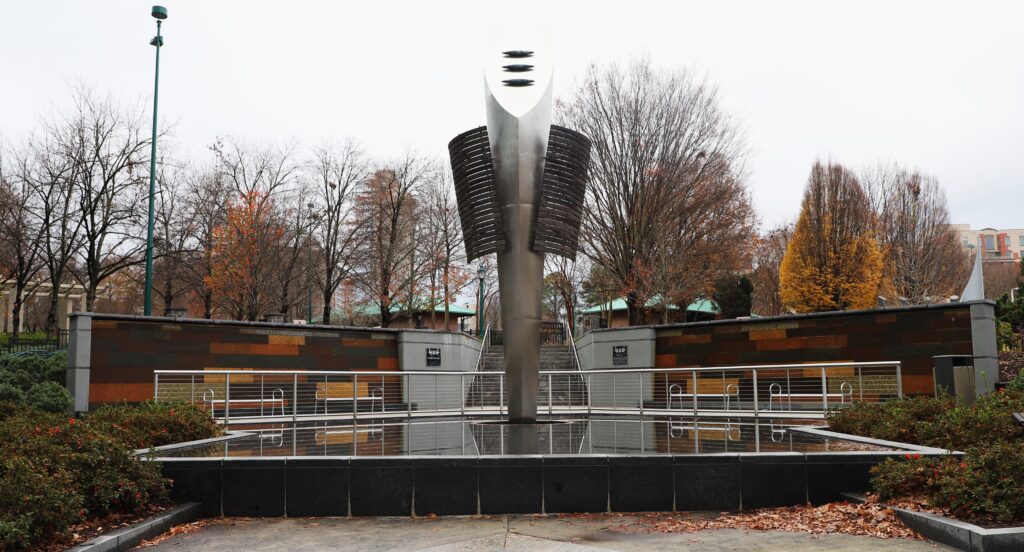
Centennial Olympic Park – Built for the 1996 Summer Olympic Games, this public park in central Atlanta is now the venue for weekly free concerts and for seasonal events. You can easily spend an hour or more walking around the park and exploring all the sculptures and displays related to the Olympic games.
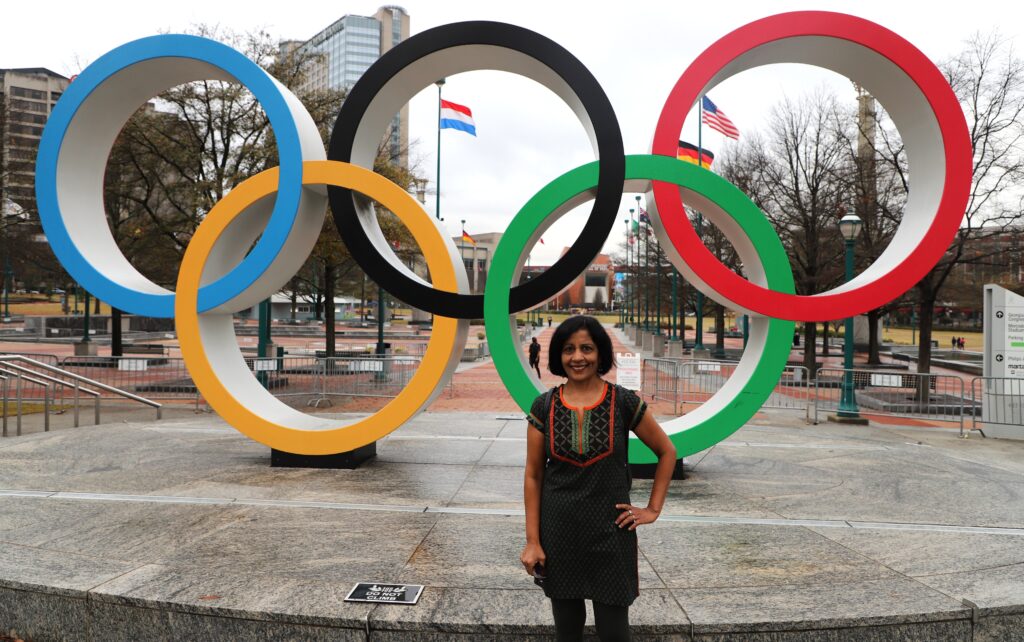
The Centennial Park features several Quilt areas including the Quilt of Origins and the Quilt of Nations. These areas, along with others like the Quilt of Olympic Sprit and Quilt of Remembrance, are designed to commemorate the 1996 Summer Olympics and the spirit of the games.
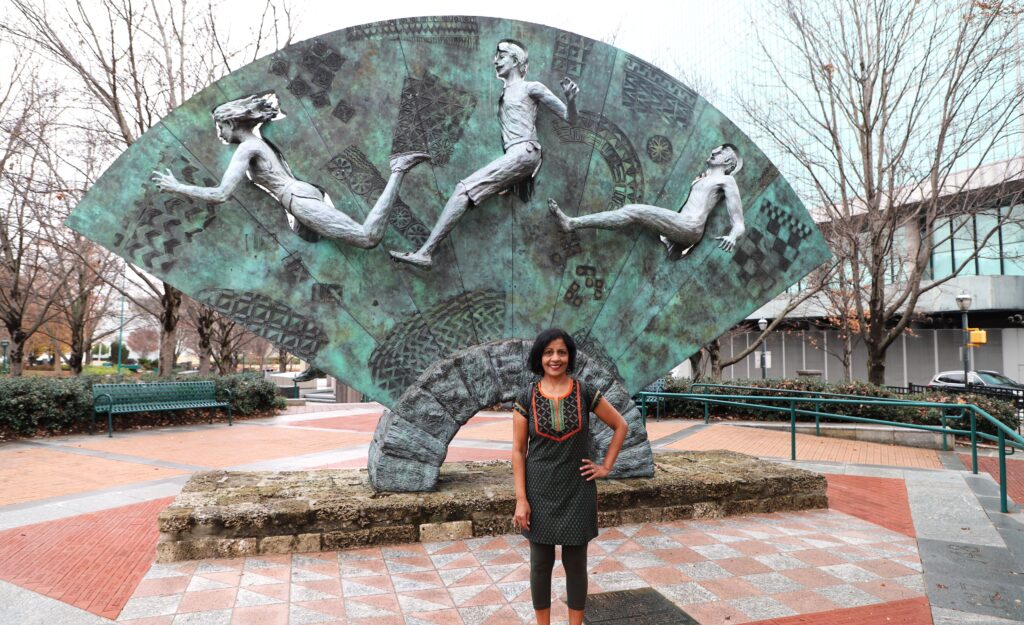
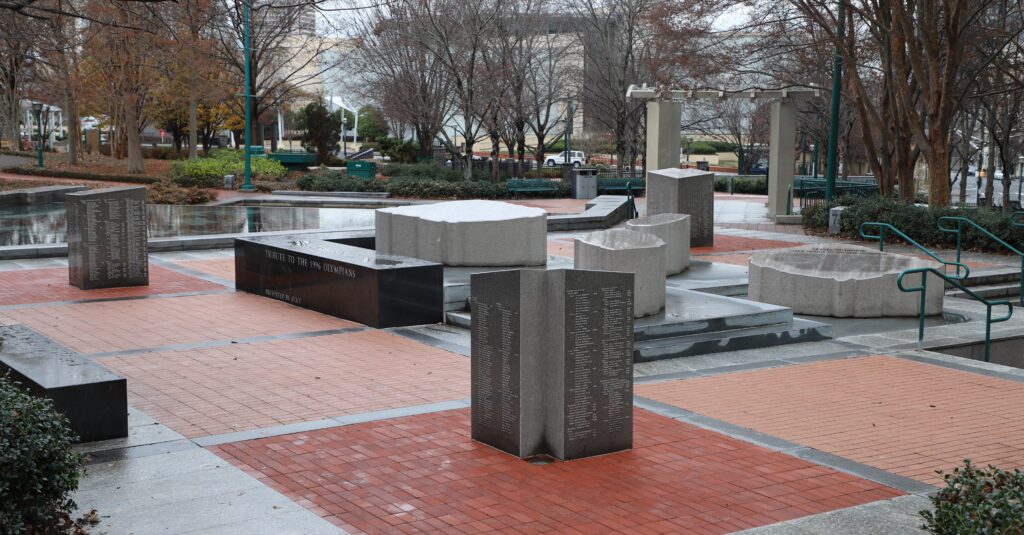
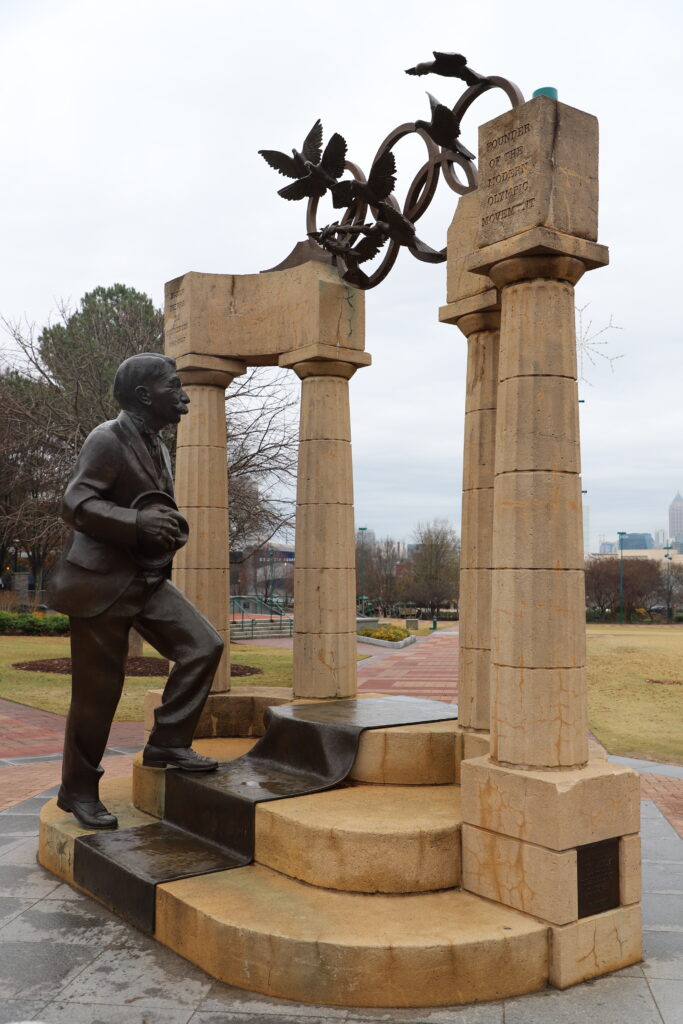
As you walk around the park, there are may other interesting displays, like the Gateway of Dream sculpture of the founder/father of modern Olympic games, Hermes towers, etc.
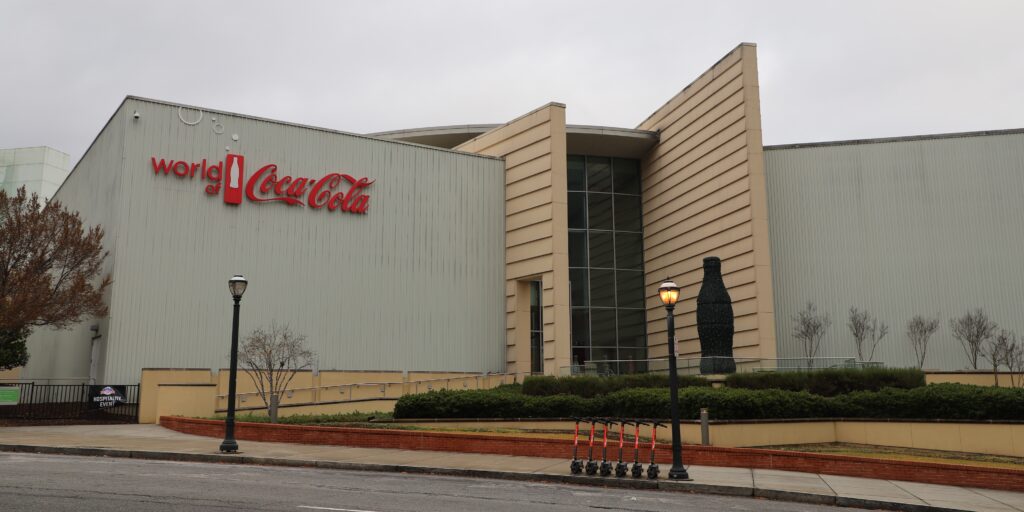
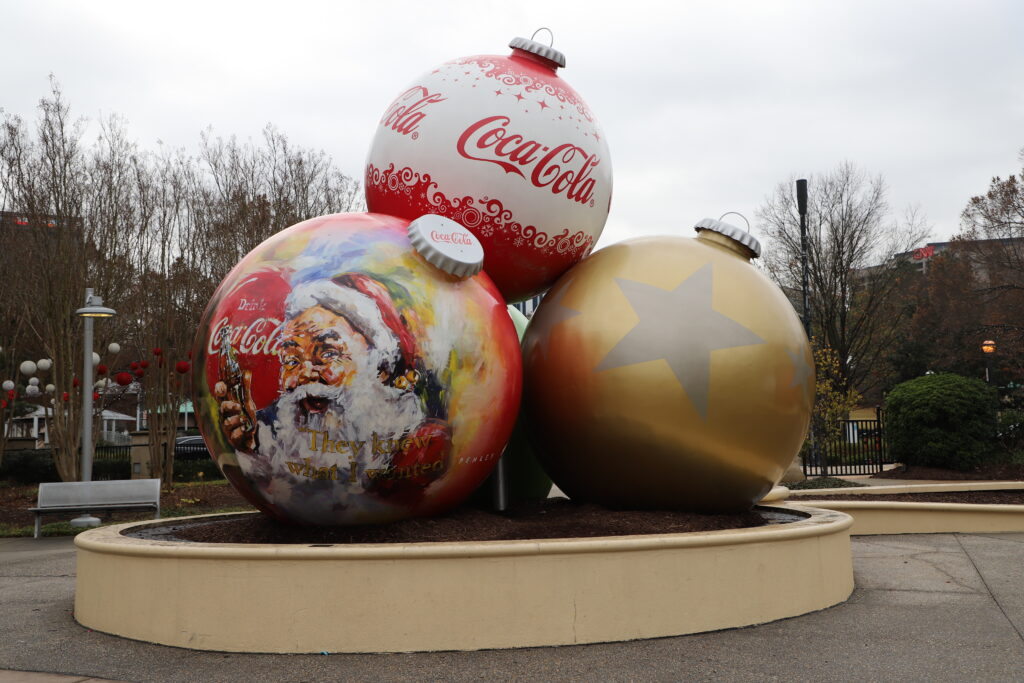
World of Coca-Cola – is a museum, showcasing the history of the Coca-Cola Company. The 20-acre complex opened to the public on May 24, 2007, relocating from and replacing the original exhibit, which was founded in 1990 in downtown Atlanta. On a tour of the facility, you can sample more than 100 Coca-Cola beverages from around the world and check out Coca-Cola advertisements through the years.
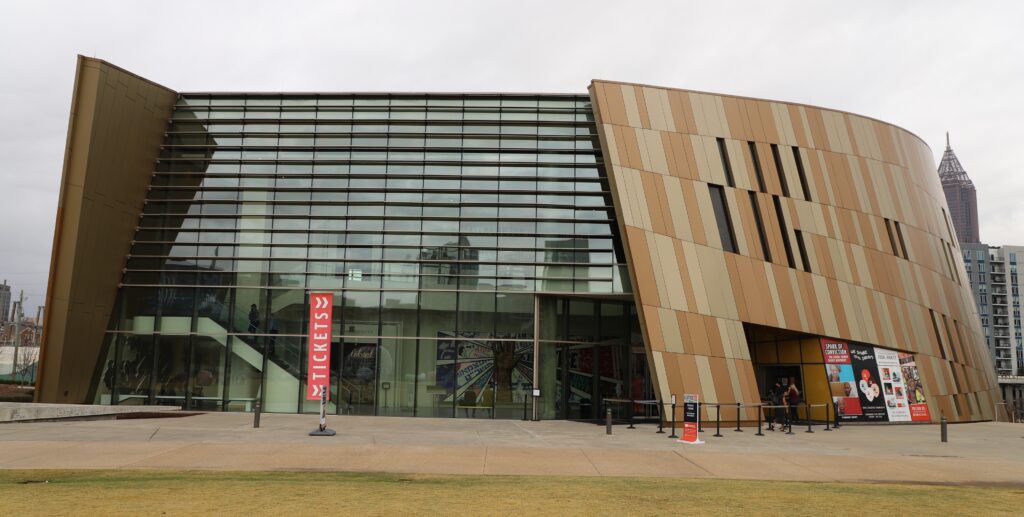
Center for Civil and Human Rights – This museum is located in the same area as the World of Coca-Cola and the 2 visits can be combined. The National Center for Civil and Human Rights pays homage to the American civil rights movement, and it brings current global human rights issues to the forefront. You can spend a couple of hours here exploring the Center’s three main exhibits – Civil Rights, Human Rights, and the Martin Luther King, Jr. Collection. Each exhibit features hands-on interactive displays that bring guests into the subject matter.
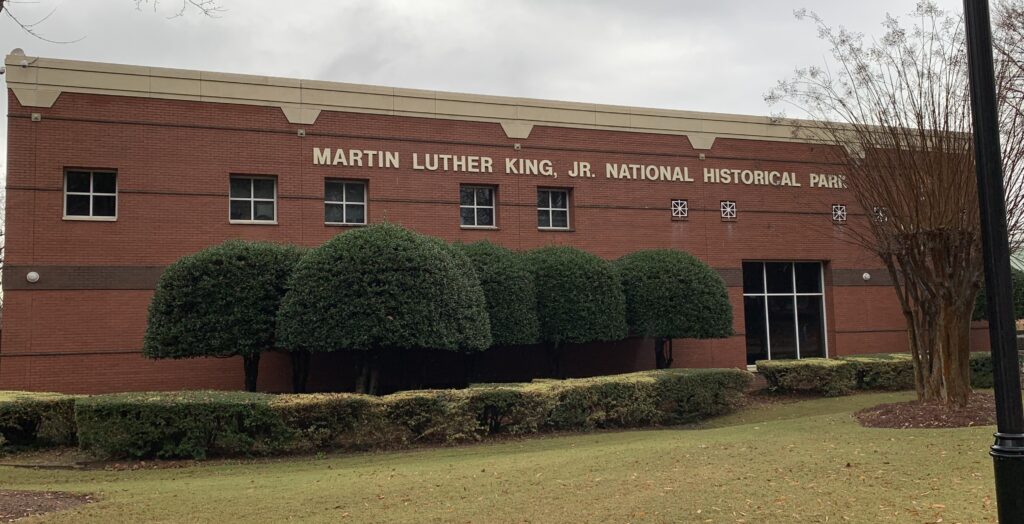
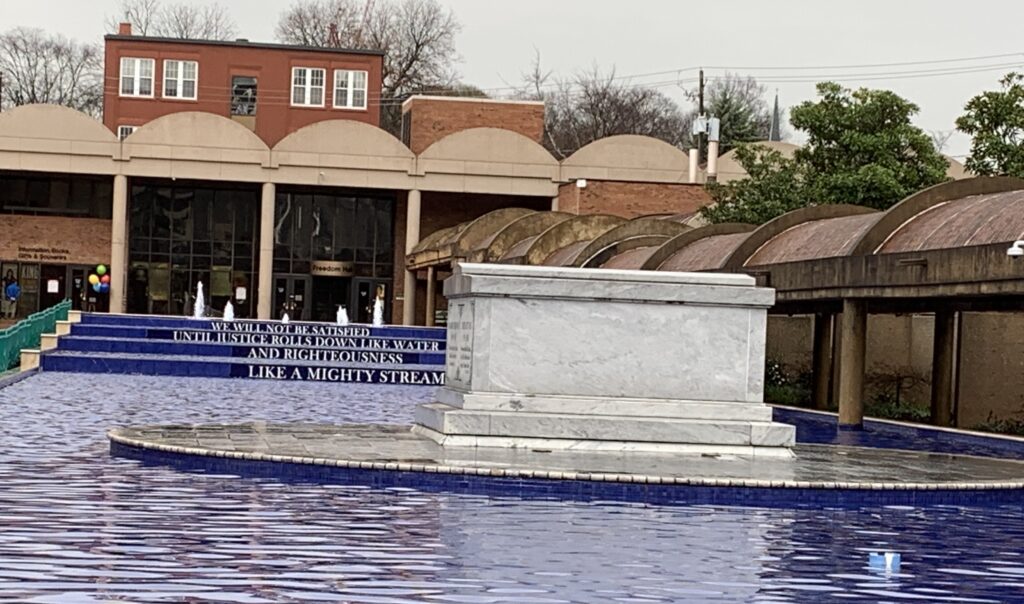
Martin Luther King, Jr. National Historical Park – This park covers about 35 acres and includes several sites in Atlanta related to the life and work of civil rights leader Martin Luther King Jr. Within the park is his boyhood home, and Ebenezer Baptist Church – the church where King was baptized and both he and his father, Martin Luther King Sr., were pastors – as well as, the grave site of King, Jr., and his wife, civil rights activist Coretta Scott King. The park is administered by the National Park Service and two blocks on Auburn Avenue are now protected as a National Historic Site.
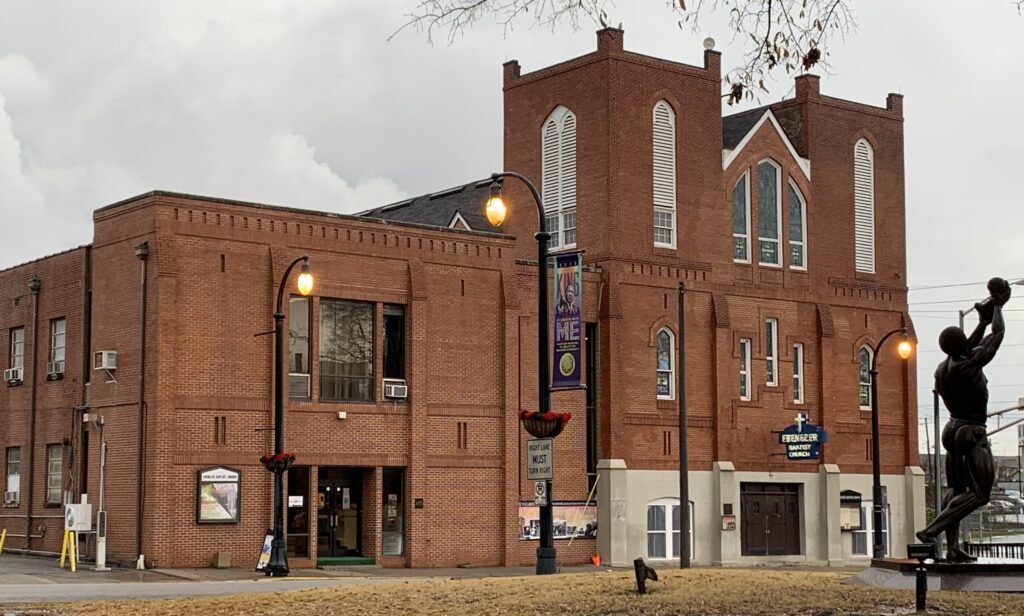
Martin Luther King, Jr. National Historical Park, Ebenezer Baptist Church, is and has been the spiritual home to many citizens of the “Sweet Auburn” community in Atlanta. Its most famous member, Rev. Martin Luther King, Jr., was baptized as a child in the church. After giving a trial sermon to the congregation at Ebenezer at the age of 19 Martin was ordained as a minister. In 1960 Dr. Martin Luther King, Jr. became a co-pastor of Ebenezer with his father, Rev. Martin Luther King, Sr., know as “Daddy” King. He remained in that position until his death in 1968. As a final farewell to his spiritual home Dr. Martin Luther King, Jr.’s funeral was held in the church.
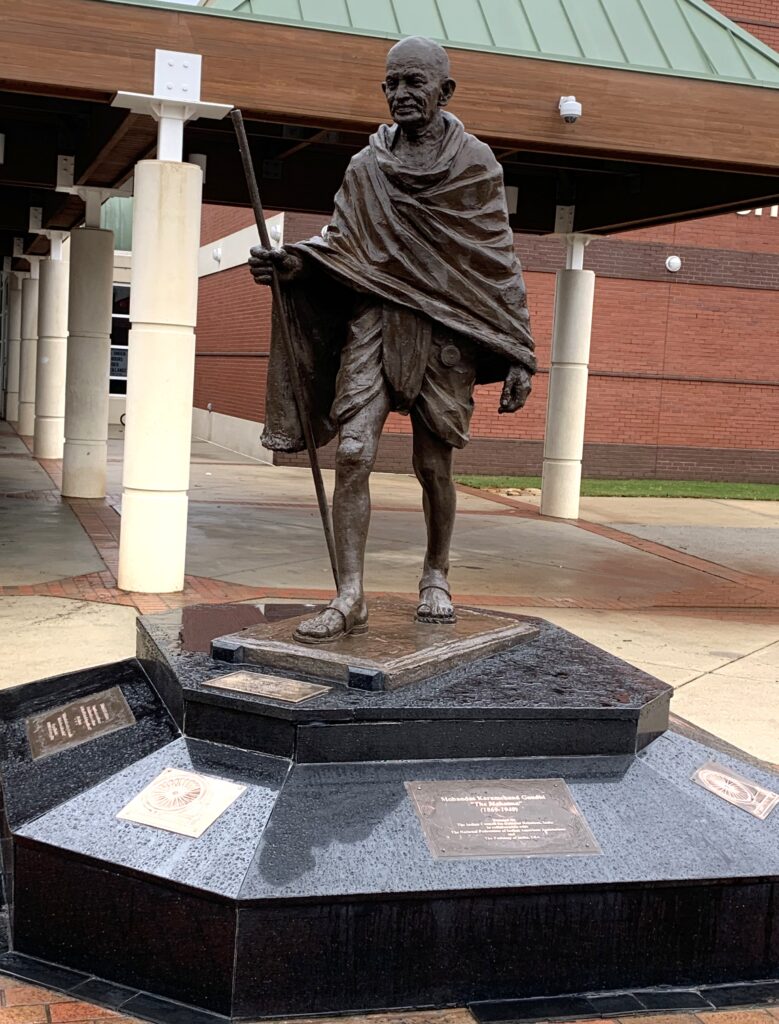
Martin Luther King, Jr. National Historical Park, Mahatma Gandhi Promenade – The statue of Mohandas Gandhi was donated by the Indian Council for Cultural Relations, India, in collaboration with the National Federation of Indian American Associations and the Embassy of India to the United States.
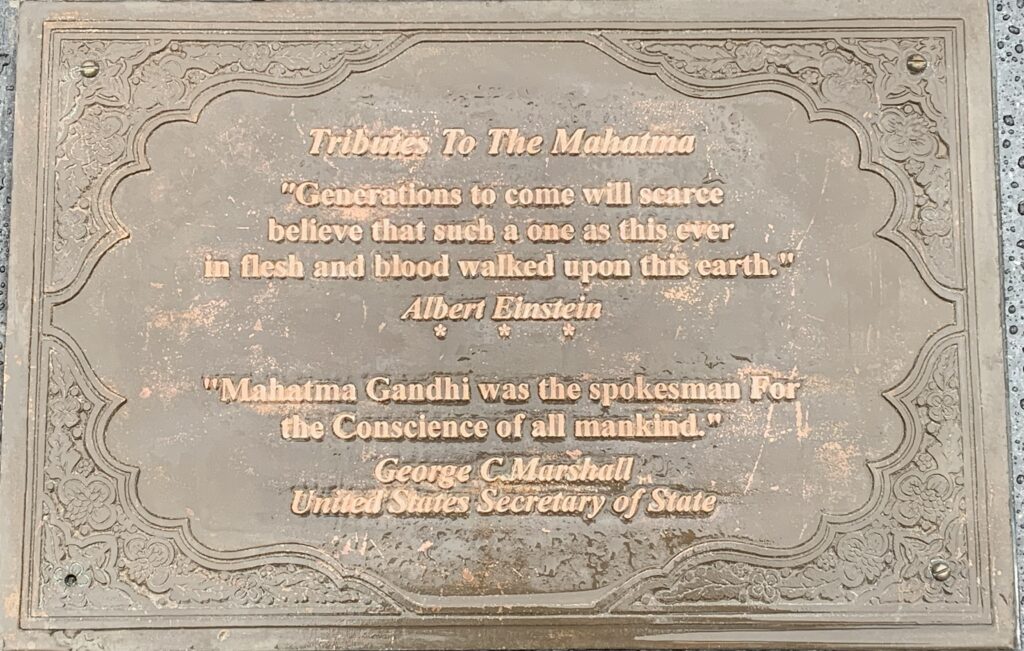
The inscribed bronze plaque reads – Nonviolence, to be a potent force, must begin with the mind. Nonviolence of the mere body without the cooperation of the mind is nonviolence of the weak of the cowardly, and has, therefore, no potency. It is a degrading performance. If we bear malice and hatred in our bosoms and pretend not to retaliate, it must recoil upon us and lead to our destruction – Gandhi
Tribute to the Mahatma Gandhi was inevitable. If humanity is to progress, Gandhi is inescapable. He lived, thought and acted, inspired by the vision of humanity evolving toward a world of peace and harmony. We may ignore him at our own risk – Martin Luther King Jr.
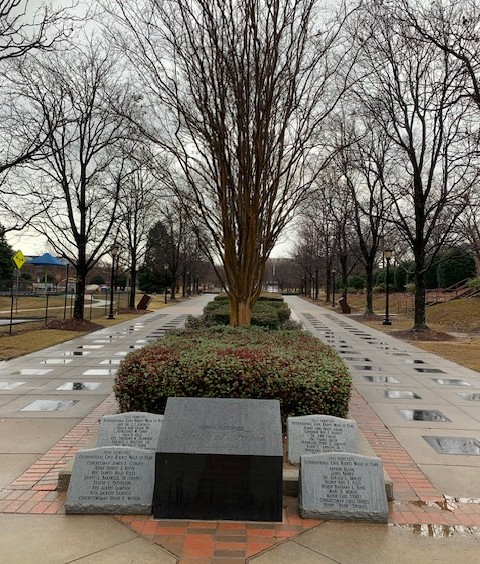
Martin Luther King, Jr. National Historical Park, The International Civil Rights Walk of Fame – This site was created in 2004 to pay homage to the brave warriors of justice who sacrificed and struggled to make equality a reality for all. The Walk of Fame is the brainchild of Xernona Clayton who was a civil rights activist in her own right. Clayton said, “This is a lasting memorial to those whose contributions were testaments to the fact that human progress is neither automatic nor inevitable. This historic site will serve as a symbol of pride and a beacon of hope for all future generations. We are looking forward to building a monument to the civil struggle that depicts every step taken toward the goal of justice and the tireless exertions and passionate concern of these dedicated individuals.”
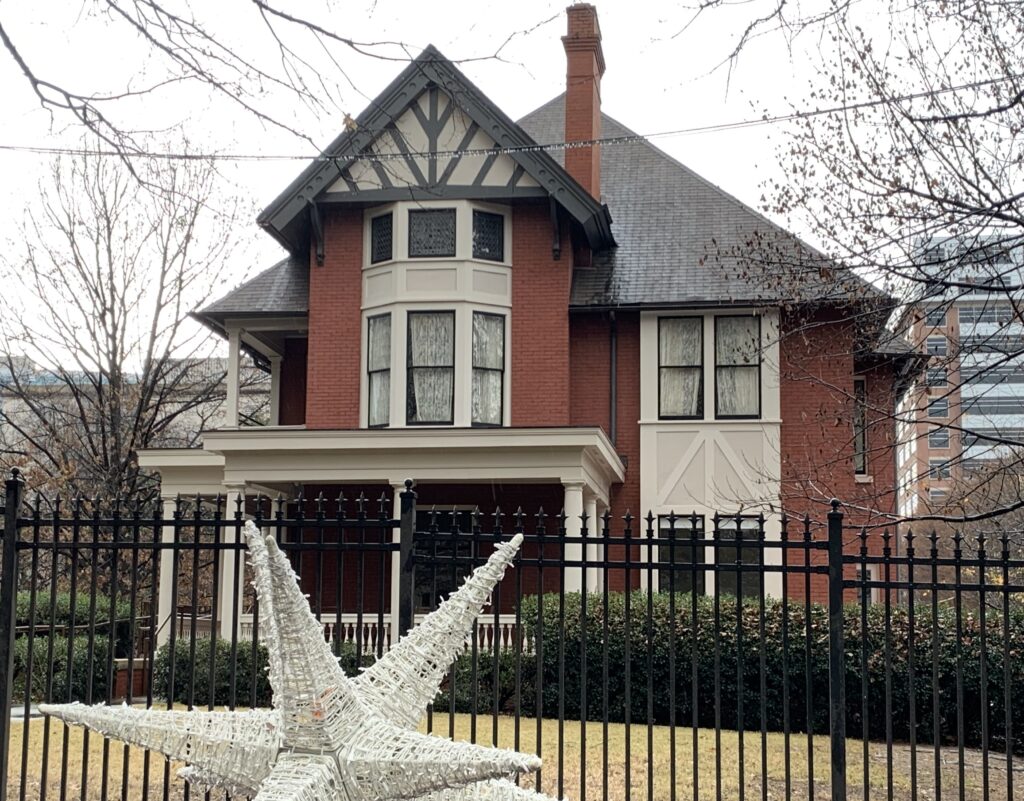
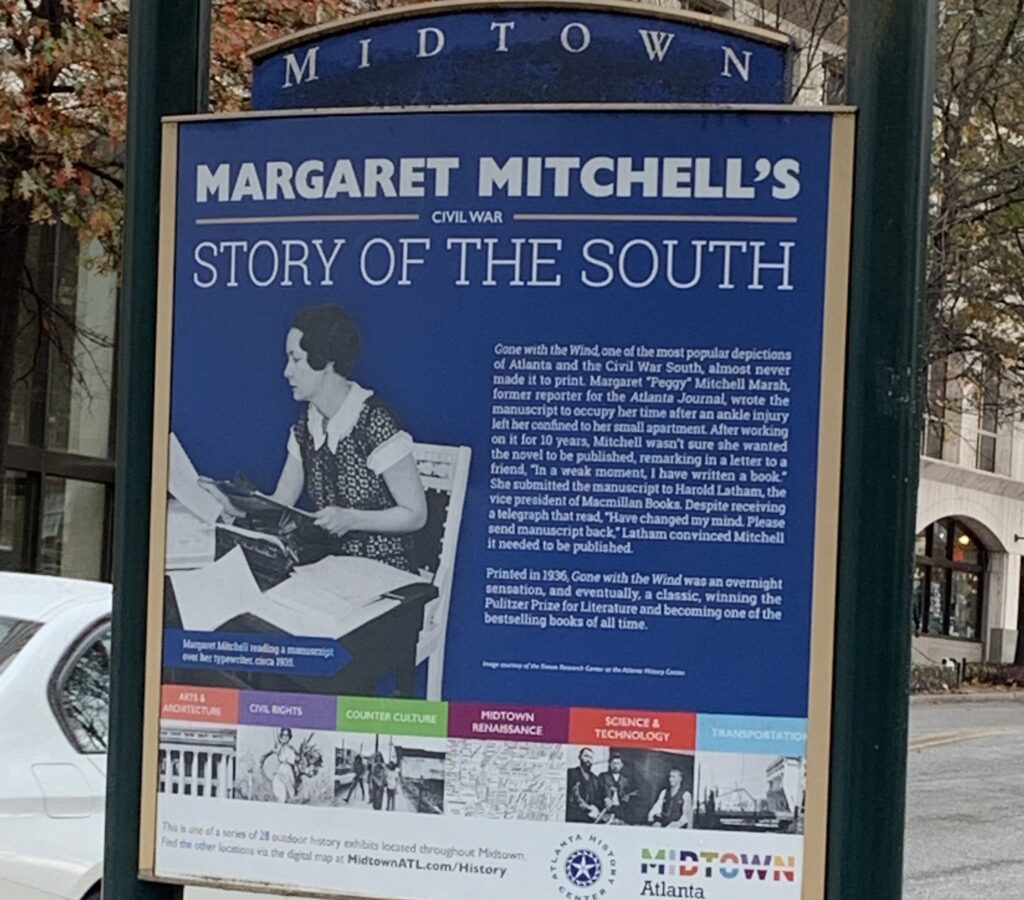
Margaret Mitchell house – The house was the home of author Margaret Mitchell in the early 20th century. Constructed by Cornelius J. Sheehan as a single-family residence in a then-fashionable section of residential Peachtree Street, the building’s original address was 806 Peachtree Street. The house was known as the Crescent Apartments when Mitchell and her husband lived in Apt. 1 on the ground floor from 1925 to 1932. While living there, Mitchell wrote the bulk of her Pulitzer Prize-winning 1936 novel Gone with the Wind.
The house is listed on the National Register of Historic Places and is also designated as a historic building by the City of Atlanta.
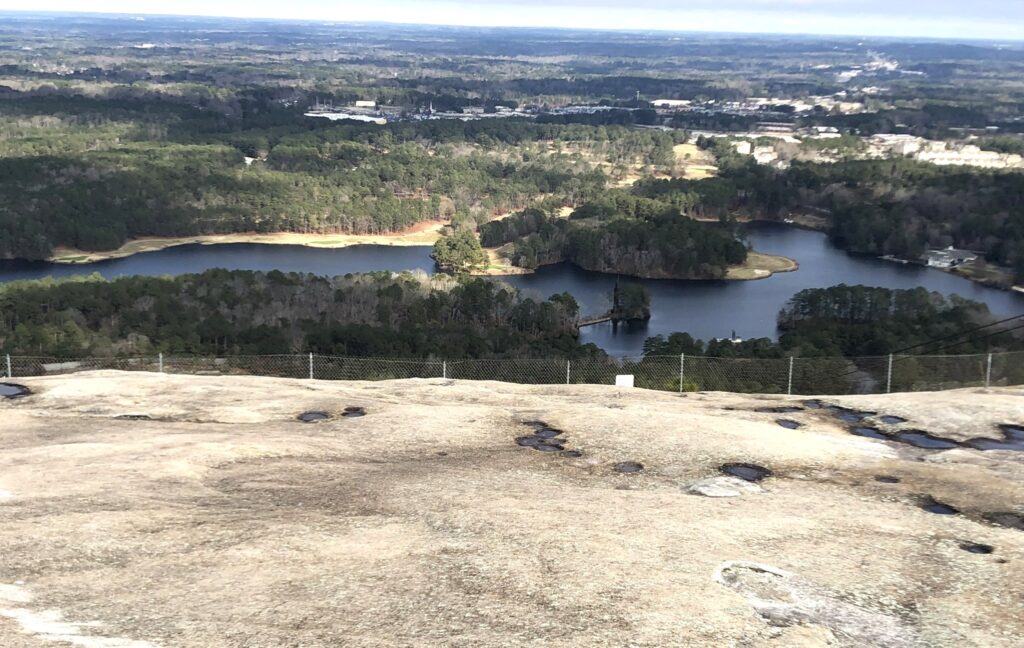
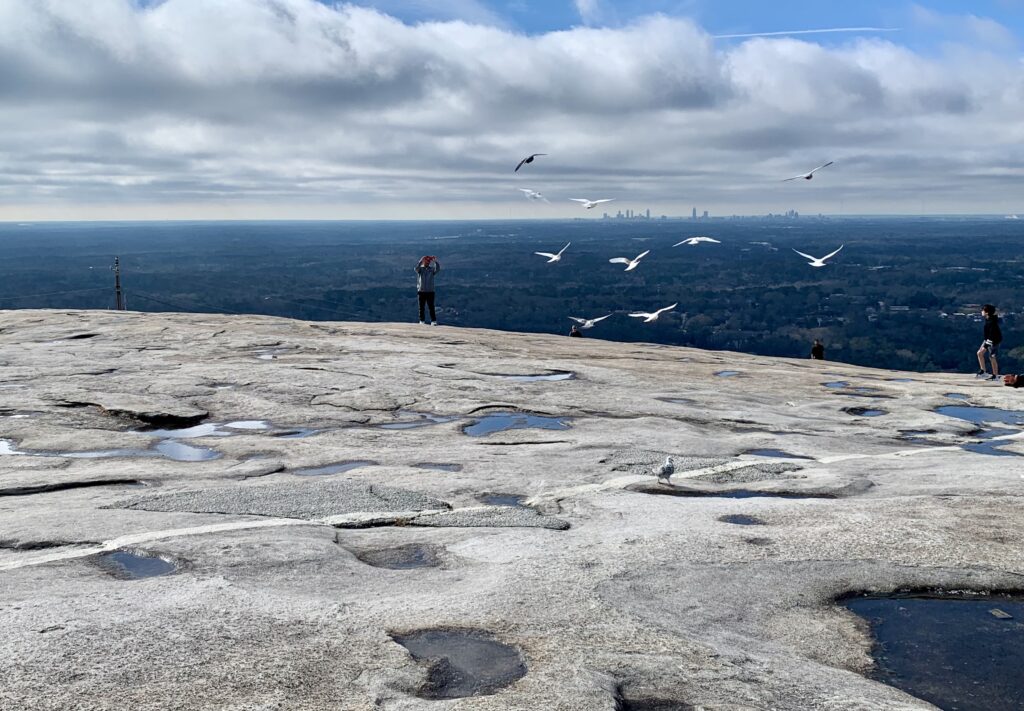
Stone Mountain Park – This 3,200 acres park is 16 miles east of Atlanta. At its center is Stone Mountain, an 863-foot-high mass of exposed granite with a circumference of five miles. You can hike the 1.3-mile trail up to the top of the mountain or take a ride on Summit Sky Ride, a high-speed Swiss cable car. Stone Mountain Park is also home to two 18-hole golf courses.
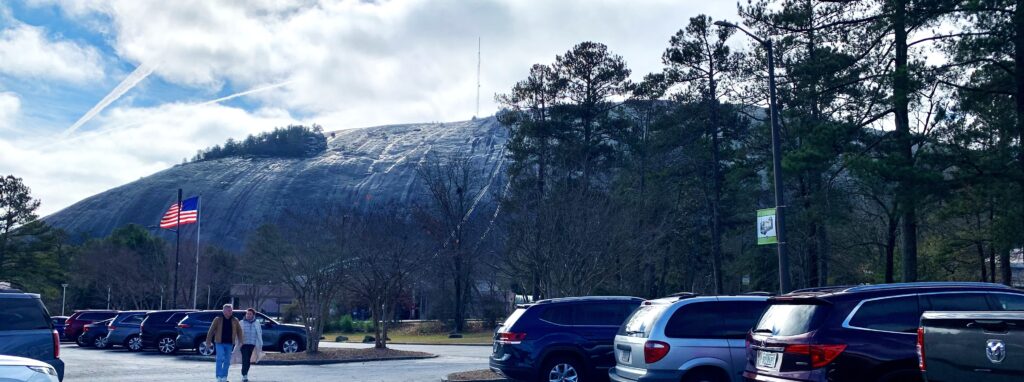
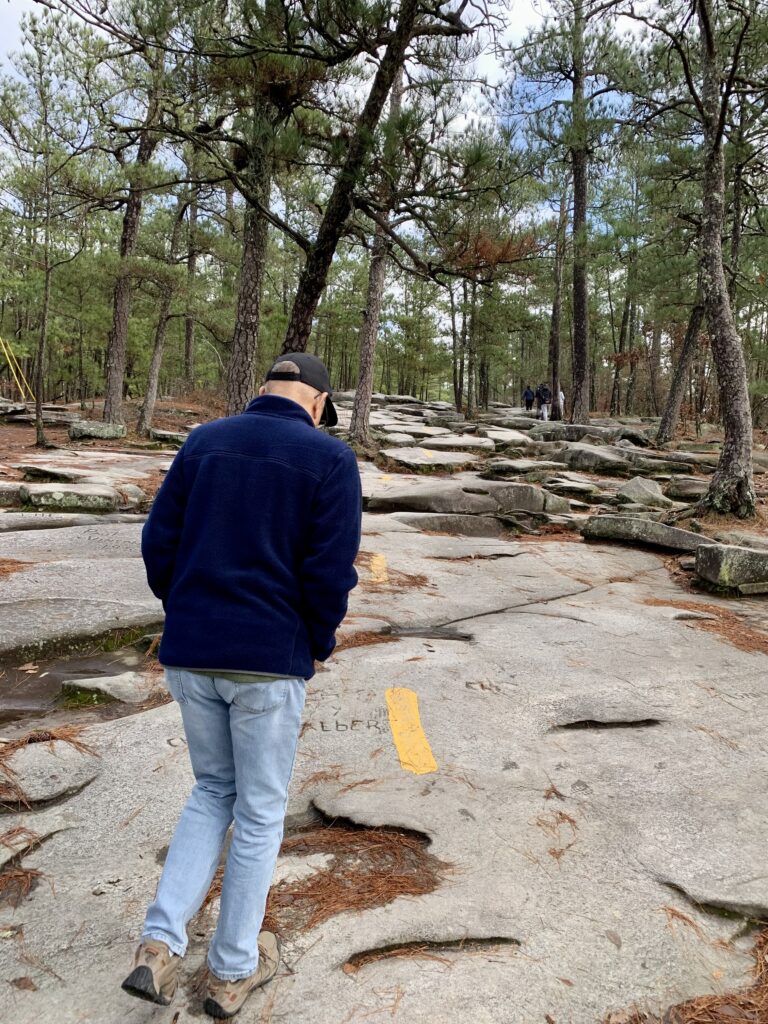
We hiked the trail to the top. The 1.3-mile trail has an elevation gain of about 700 feet and is clearly marked with yellow blazes painted on the stone. The trail offers picturesque glimpses of the Atlanta skyline and Stone Mountain Lake. At the summit, you will be rewarded with an expansive 360-degree view that stretches as far as the eye can see.
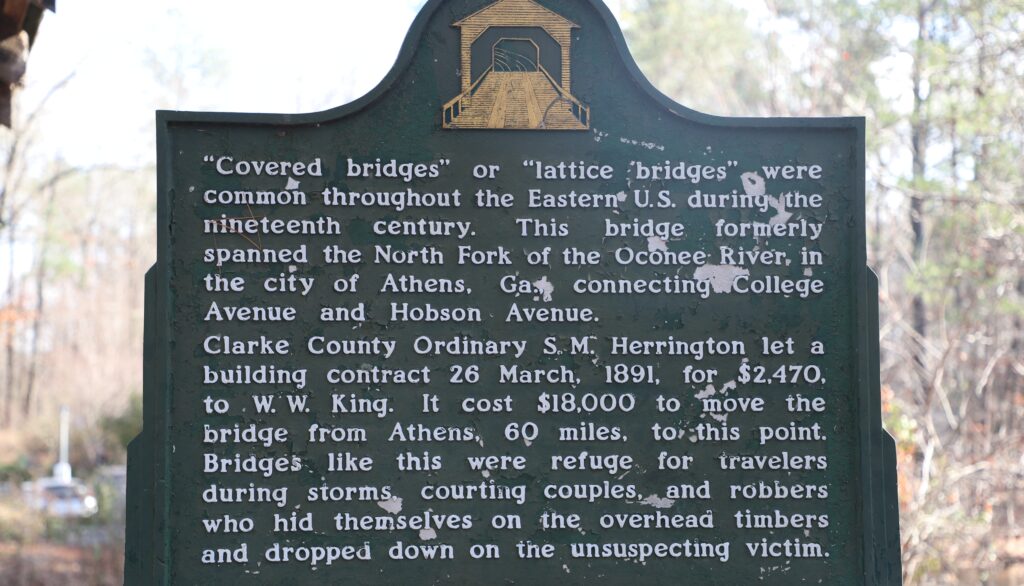
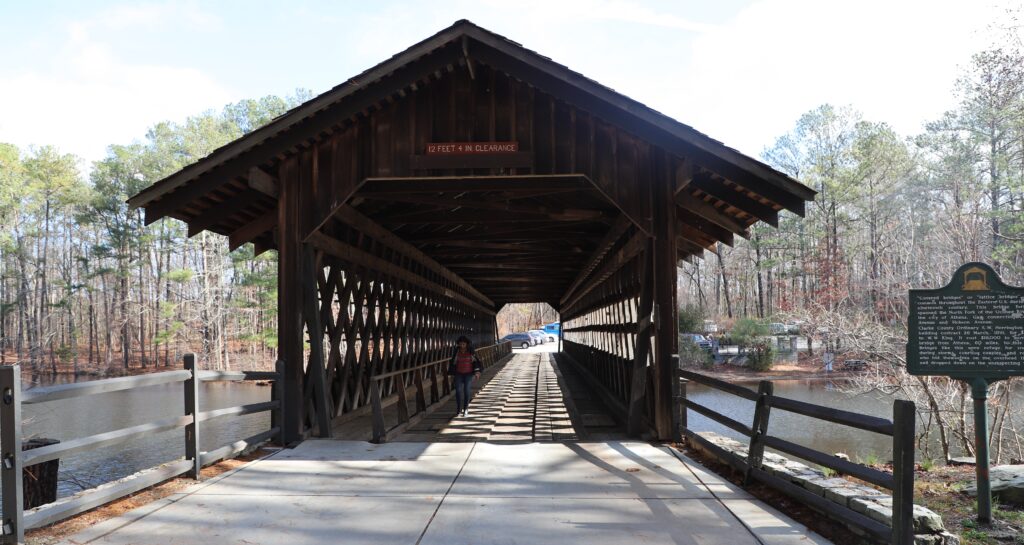
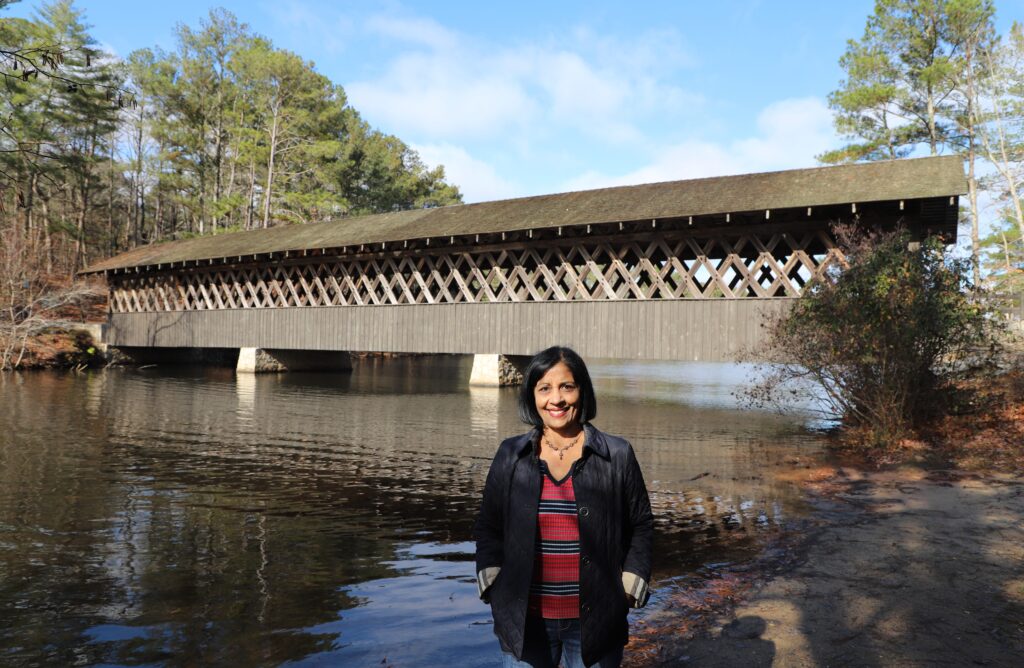
Stone Mountain Park’s covered bridge – was originally constructed in 1891 in Athens, Georgia to connect College Street and downtown Athens with outlying farm lands across the Oconee River. The bridge served the community well for decades, until two severe floods in 1910 and again in 1963 damaged the bridge rendering it dangerous to use. It was decided to relocate the bridge to Stone Mountain Park in 1963 and in 1965, the bridge was partially disassembled and re-installed atop new cement and granite piers connecting the park to a picturesque island across Stone Mountain Lake.